
The preparation of matcha is more than the simple act of making a beverage; it is a meditative practice known as Chado (The Way of Tea). For the beginner, the array of specialized tools can seem daunting, yet each piece of equipment serves a specific, scientifically grounded purpose. This guide analyzes the intersection of artisanal craftsmanship, historical significance, and practical utility to help you select a set that elevates a simple beverage into a transformative daily ritual.
The history of matcha tools is inextricably linked to the evolution of Zen Buddhism in Japan. While powdered tea originated in China during the Song Dynasty (960–1279), it was the Japanese monk Eisai who, in the late 12th century, brought tea seeds and the knowledge of powdered tea preparation to Japan. Over the following centuries, the practice transitioned from a medicinal tonic used by monks to stay alert during long meditations to a highly codified cultural ceremony.
The tools we use today—the bamboo whisk (Chasen), the tea bowl (Chawan), and the scoop (Chashaku)—were refined during the 16th century by Sen no Rikyū, the most influential figure in Japanese tea history. Rikyū championed the philosophy of Wabi-sabi, which finds beauty in imperfection, transience, and simplicity.
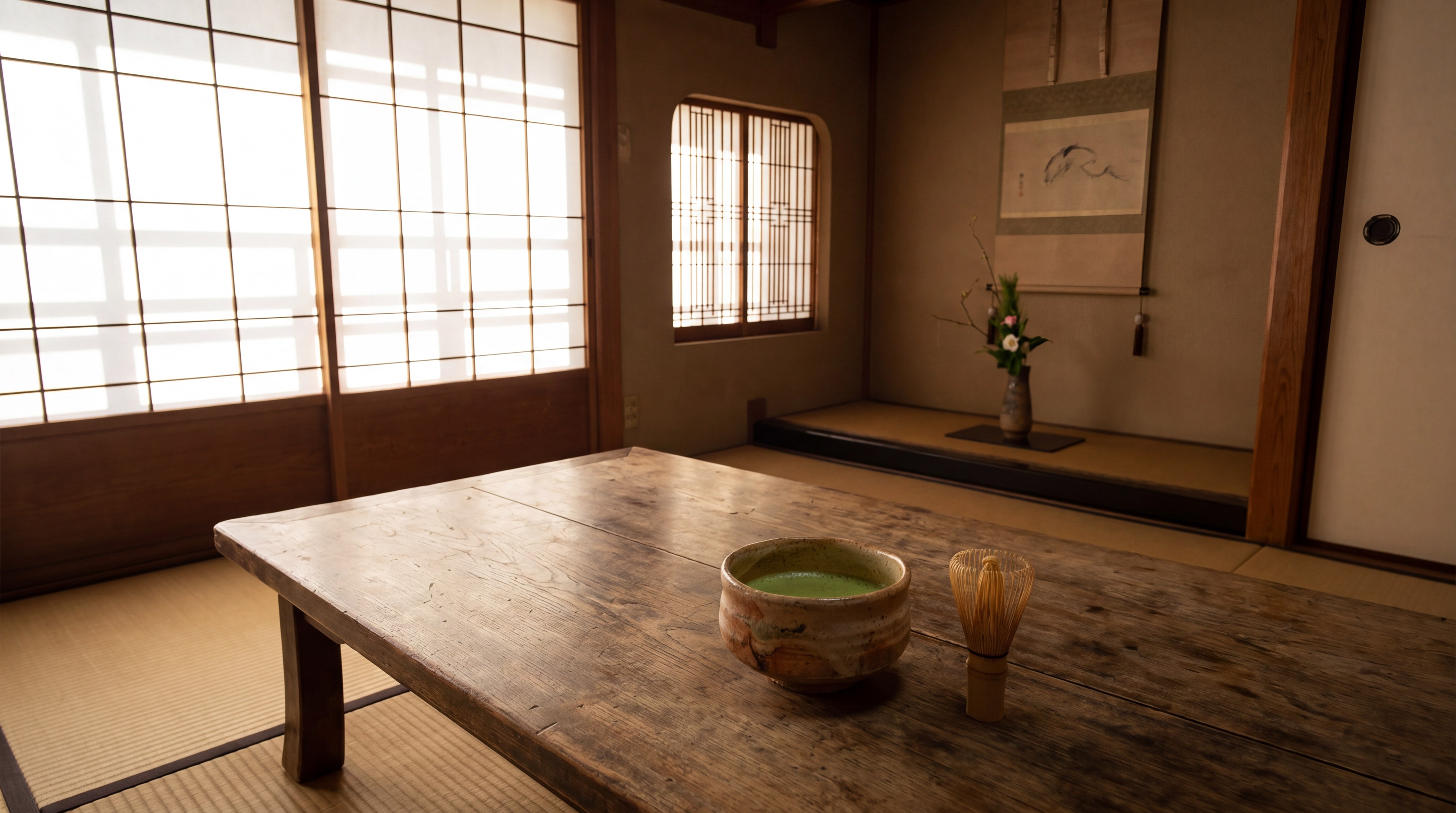
Regions like Uji (near Kyoto) and Shizuoka became the epicenters of matcha production and tool craftsmanship. To hold a traditional matcha bowl today is to hold a design that has remained largely unchanged for five hundred years, optimized for the specific ergonomics of whisking and the thermal requirements of high-grade green tea.
2. The Anatomy of a Complete Matcha Tea Set
For a beginner, a complete set acts as a gateway to consistency. Without the correct tools, the delicate flavors of the matcha—the umami, the vegetal sweetness, and the lack of bitterness—are often lost to poor technique or improper aeration.
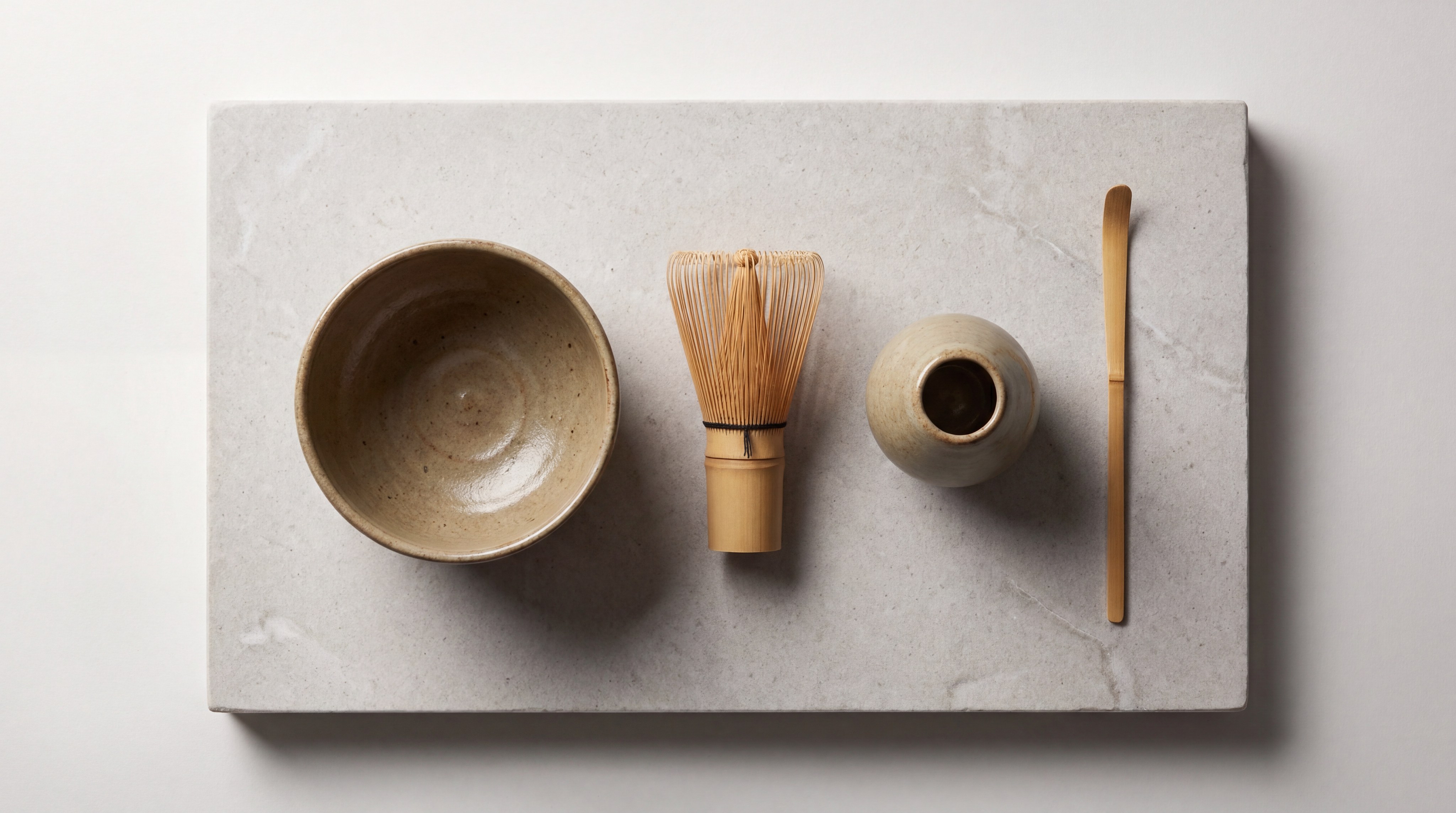
The essential components include:
- Chawan (Tea Bowl): Unlike a standard coffee mug, the Chawan has a wide diameter and high vertical walls. This design provides the necessary “runway” for the whisk to move rapidly without splashing.
- Chasen (Bamboo Whisk): Carved from a single piece of bamboo, the Chasen features dozens of delicate tines that whip the tea into a fine micro-foam.
- Chashaku (Tea Scoop): A slender bamboo tool curved at the end. It is designed to measure the exact amount of powder needed for a single serving (roughly 1 to 1.5 grams).
- Furui (Sifter): Perhaps the most overlooked tool. Matcha powder is electrostatic; it naturally clumps into tiny balls that do not dissolve. Sifting is the only way to achieve a silky mouthfeel.
To begin your journey with the correct equipment, you can discover our curated collection of Japanese matcha sets designed for both novices and connoisseurs.
Table 1: Essential Matcha Tool Specifications
Tool | Japanese Name | Primary Material | Function | Key Technical Detail |
|---|---|---|---|---|
Whisk | Chasen | Sustainable Bamboo | Creating micro-foam through aeration. | 80–120 prongs (tines) for optimal froth. |
Bowl | Chawan | Ceramic / Glass | Heat retention and whisking space. | Wide base for stability during “W” motion. |
Scoop | Chashaku | Bamboo / Wood | Precise measurement (approx. 1g). | Hand-bent using steam to achieve the curve. |
Sifter | Furui | Stainless Steel | Aerating powder to prevent clumping. | Fine mesh is required for ceremonial grade. |
3. Material Science: Ceramic vs. Wood vs. Glass
When selecting a matcha set, the material of the Chawan is your most important decision from a thermal management perspective. The temperature of the tea is critical; if the water cools too quickly, the flavor profile changes, losing its vibrant edge.
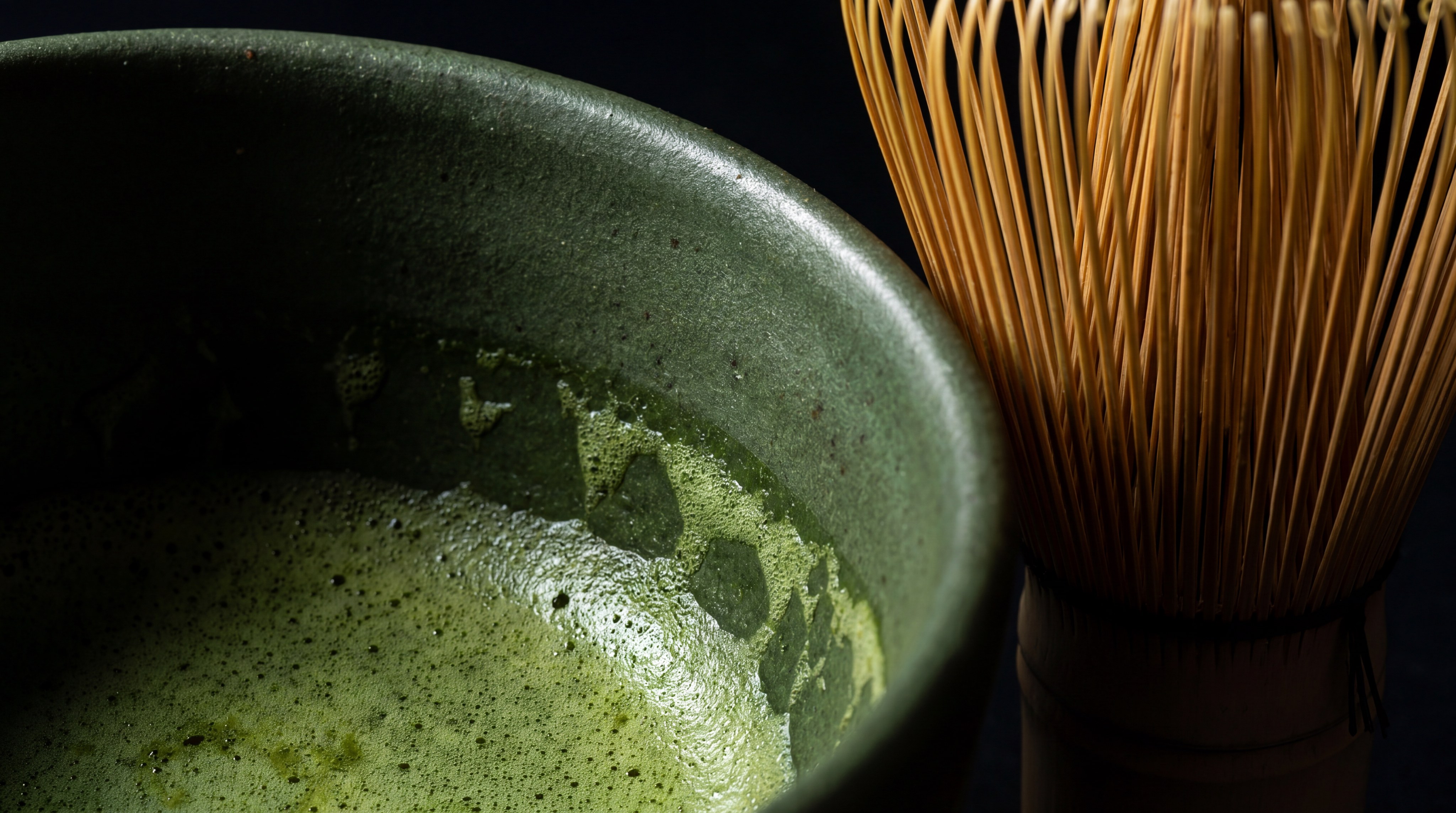
Ceramic and Pottery: This is the gold standard. Traditional Japanese ceramics, such as those from the Karatsu or Hagi kilns, are prized for their thickness and porous nature. The clay acts as an insulator, keeping the tea warm while remaining comfortable to hold in both hands. The glaze also plays a role—a slightly textured glaze helps “catch” the tea and air during whisking, contributing to a better head of foam.
Glass (Borosilicate): Modern practitioners often prefer glass for its visual appeal. It allows you to see the vibrant emerald green of the tea. However, glass has lower heat retention than ceramic. If using glass, it is vital to pre-warm the bowl thoroughly.
Wood (Zelkova/Paulownia): Wooden bowls offer a unique tactile experience. They are incredibly light and provide an organic warmth that no other material can match. Wood is an excellent insulator, but it requires more careful maintenance to prevent the wood from absorbing moisture and cracking over time.
Explore the diverse textures and designs available in our Matcha Bowls collection to find the material that suits your lifestyle.
Table 2: Chawan Material Comparison
Material | Heat Retention | Durability | Aesthetic Appeal | Maintenance Level |
|---|---|---|---|---|
Ceramic (Stone/Clay) | High | Medium | Traditional / Artisanal | Medium (Hand wash) |
Glass (Borosilicate) | Low | High | Modern / Visual Clarity | Low (Dishwasher safe usually) |
Wood (Zelkova) | Medium | High | Organic / Rustic | High (Oil occasionally) |
4. The Chasen: Engineering the Perfect Froth
The Chasen is a marvel of pre-industrial engineering. It is hand-split from a single piece of seasoned bamboo. For beginners, the most important specification is the prong count.
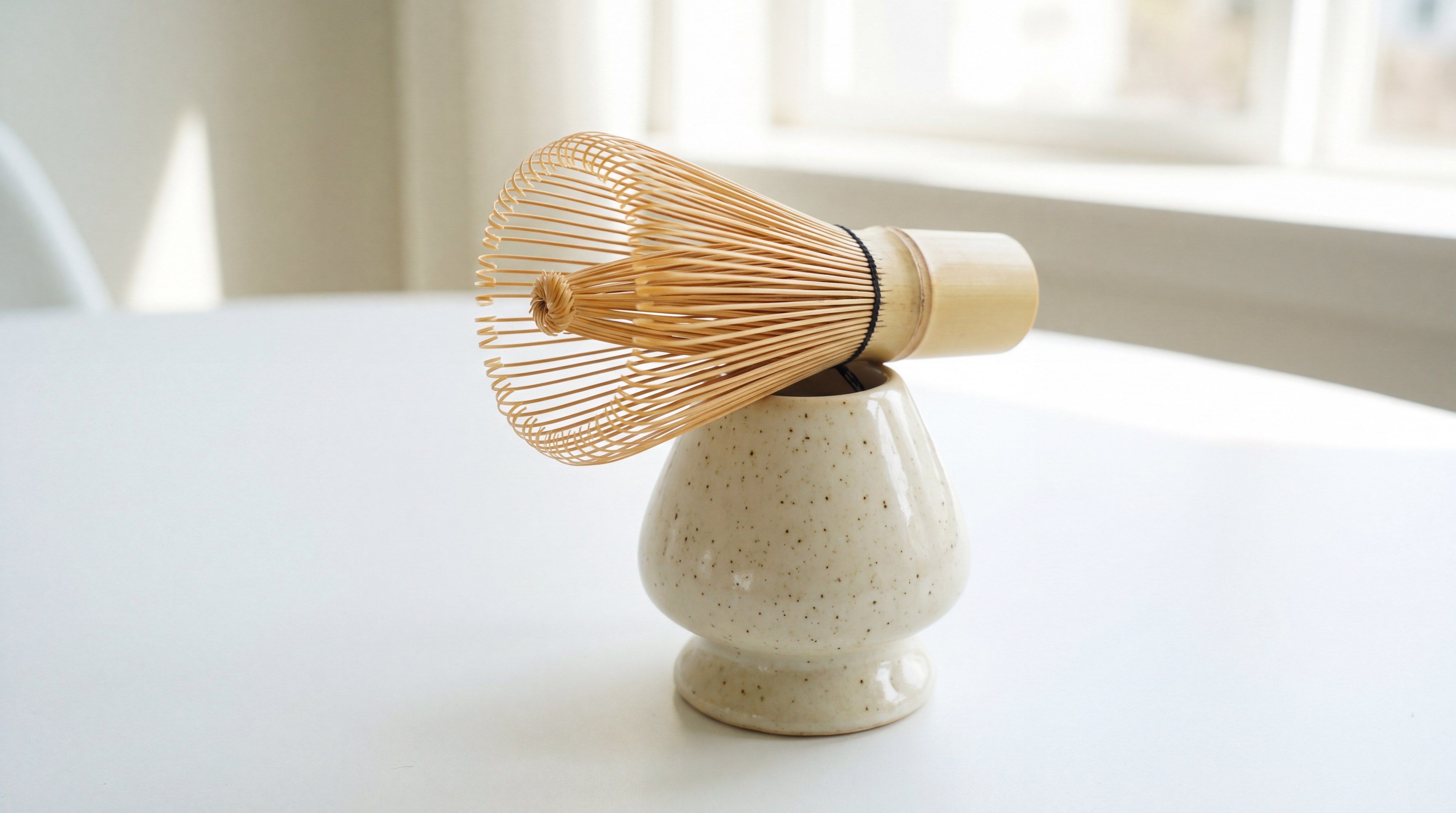
A whisk with 80 to 100 prongs is ideal for Usucha (thin tea), as the higher number of tines creates a denser, more stable foam. If you are preparing Koicha (thick, paint-like tea), a whisk with fewer, thicker prongs (usually 40 to 60) is traditionally used to “knead” the tea rather than froth it.
The lifespan of a whisk is determined by how it is stored. The prongs are curved to create a “tulip” shape. If left to dry on its side or in its original plastic packaging, the prongs will straighten or collapse, rendering the whisk useless for aeration. The Kusenaoshi (whisk holder) is the only way to preserve this shape. Ensure your tools last with a dedicated matcha whisk and whisk holder .
5. Aesthetic Variations: From Blue Hues to Pink Petals
In the traditional tea ceremony, the bowl is often chosen to reflect the current season. A “summer bowl” might be shallow and wide to allow heat to escape, while a “winter bowl” is deep and narrow to trap warmth.
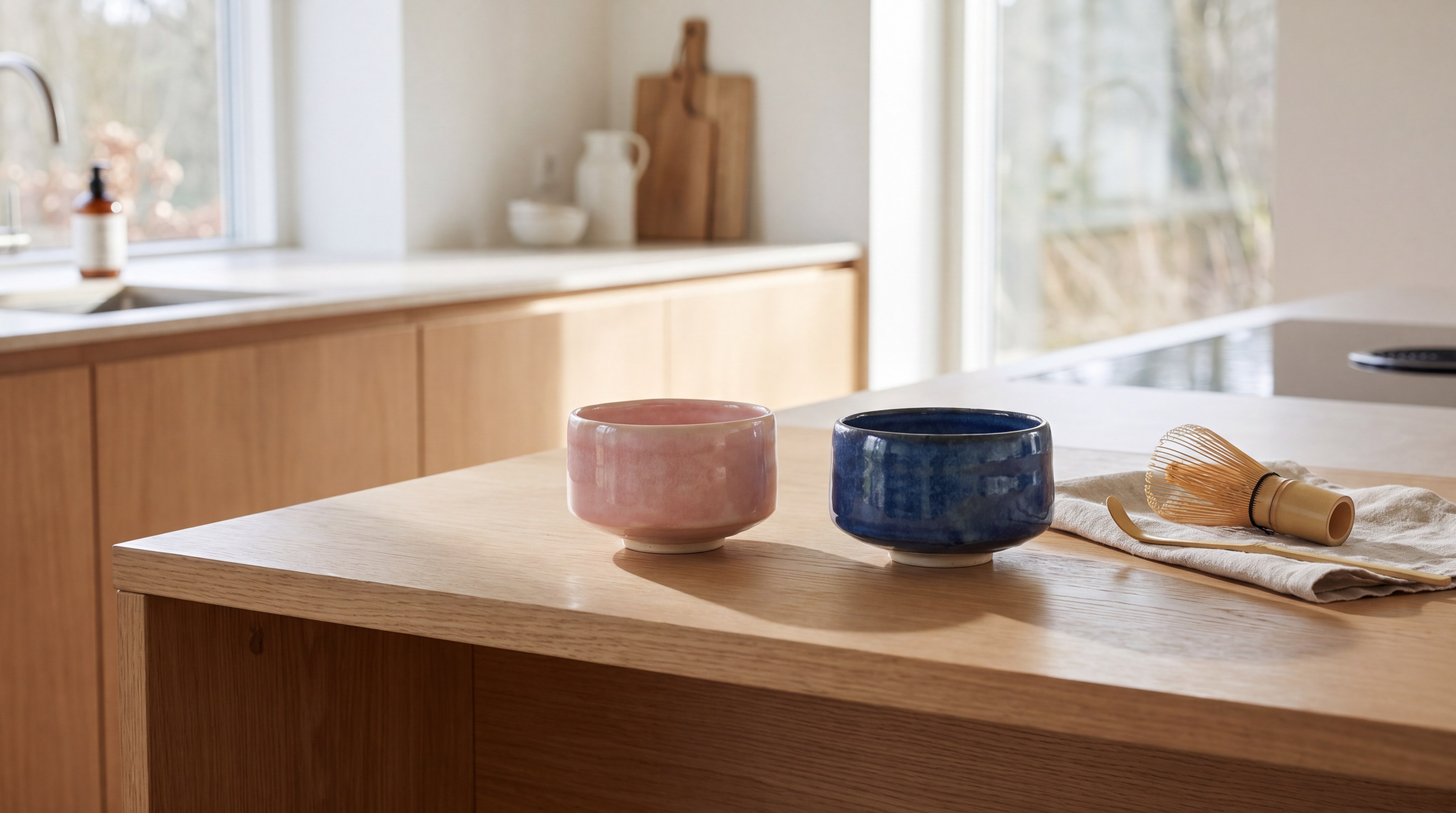
Color psychology also plays a significant role in the modern matcha experience. The vibrant green of the tea creates a striking visual contrast against different glazes.
- Pink Bowls: Often associated with the Sakura (cherry blossom) season, these bowls impart a sense of softness and renewal. Read about the delicate charm of the pink matcha bowl and how it complements the tea’s natural sweetness.
- Blue Bowls: Deep indigo or sky-blue glazes offer a calming, meditative depth. Explore the calming depth of blue matcha bowls , which provide a stark, beautiful contrast to the bright lime-green foam of the matcha.
6. How to Choose: Balancing Quality and Price
For the beginner, the question is often: “Why should I pay
100forasetwhenIcanfindonefor100 for a set when I can find one for
20?” The answer lies in the “price-per-use” and the quality of the result.
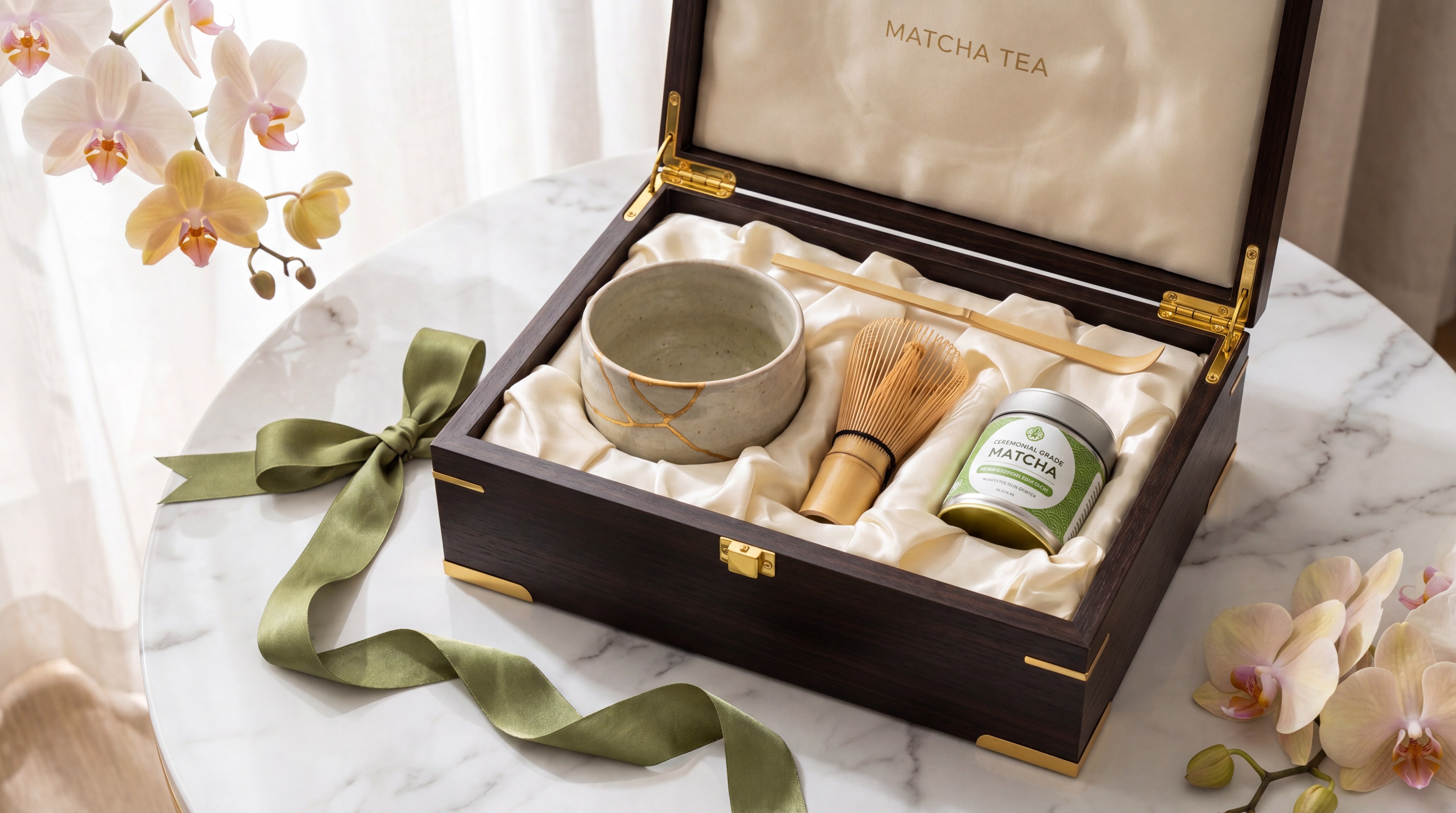
A $20 mass-produced set often features a whisk made from young, green bamboo that has not been properly seasoned. These whisks tend to snap within weeks. The bowls in cheap sets are often thin-walled with “dead” glazes that don’t hold heat.
Investing in a mid-range, artisan-made set (typically
60–60–
90) ensures:
- Safety: High-quality Japanese ceramics use lead-free glazes.
- Performance: The whisk tines are thinner and more flexible, allowing for better foam.
- Longevity: A well-made Chawan can last a lifetime, becoming more beautiful with age.
7. Authentic Sourcing: The Importance of Japanese Provenance
Authenticity in matcha tools is not just about tradition; it is about quality control. Japan has specialized regions for each tool.
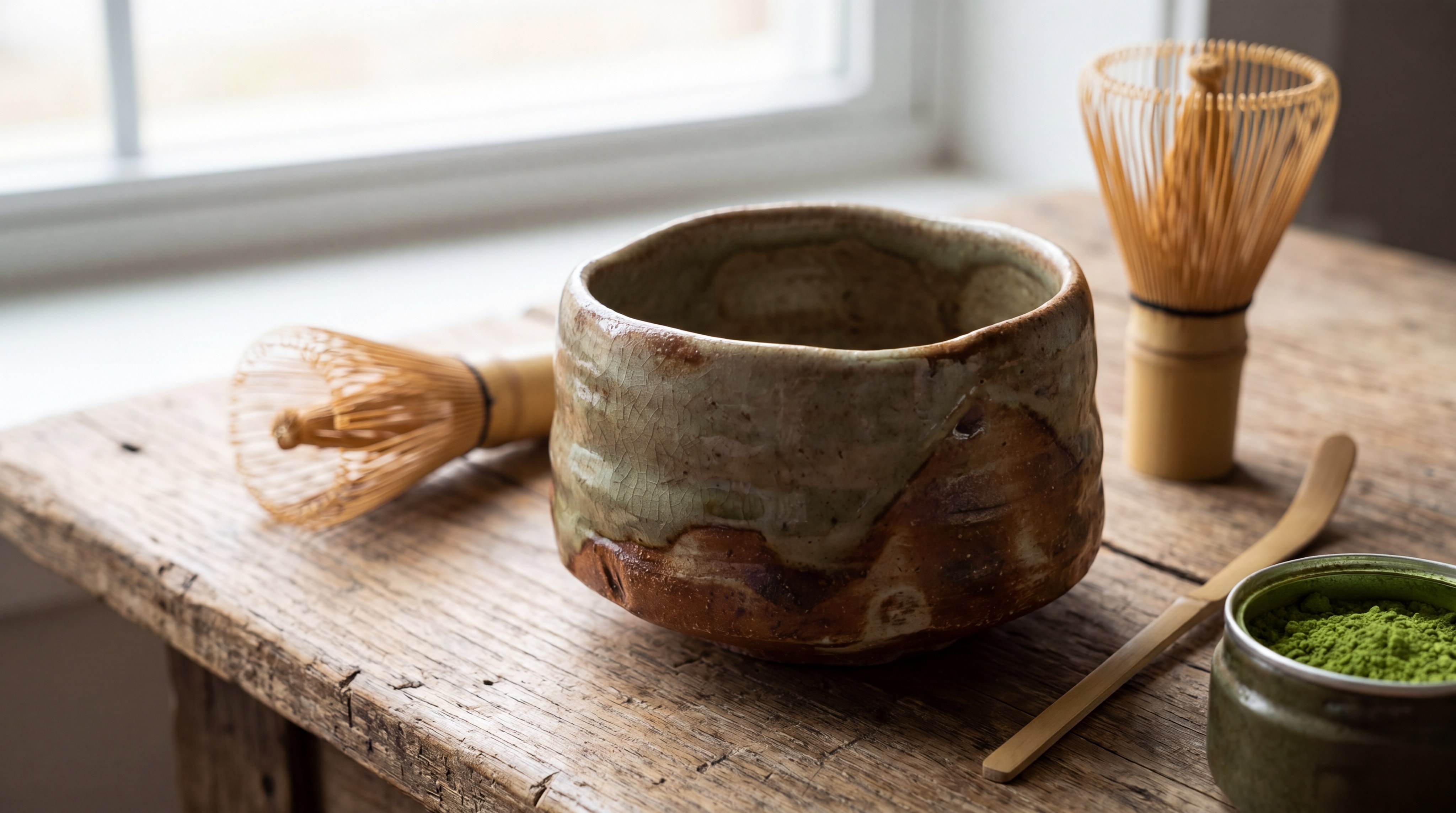
- Takayama (Nara Prefecture): This is the legendary home of Chasen (whisk) making. Artisans here have been honing their craft for 500 years.
- Kyoto/Uji: The heart of Japanese tea culture, known for high-end Chawan and, of course, the tea itself.
- Shizuoka: A massive tea-producing region that excels in functional, durable ceramic tea-ware.
When sourcing, look for the “Made in Japan” mark or the signature of the kiln on the bottom of the bowl. Authentic Japanese whisks are usually cured for years before being carved, ensuring the bamboo won’t warp when it hits hot water.
8. Solo vs. Group Sets: Choosing Your Experience
The way you intend to consume matcha should dictate the size of your set.

Ippuku (Single-serving) Sets: These are compact and designed for personal use. They are perfect for a morning ritual or a desk-side break. The bowls are usually 11-12cm in diameter—just enough room for a single whisking motion.
Yu-Chabako (Group/Travel Sets): If you enjoy sharing the experience with friends or family, look for a set that includes multiple bowls or a larger Kataki (a bowl with a spout) that allows you to whisk a large batch of tea and pour it into smaller cups. Travel sets often come in a padded “tea box” or bag, allowing you to maintain your ritual while on the road.
9. Step-by-Step Preparation: The Beginner’s Protocol
To get the most out of your new set, follow this evidence-based protocol for Usucha (thin tea).
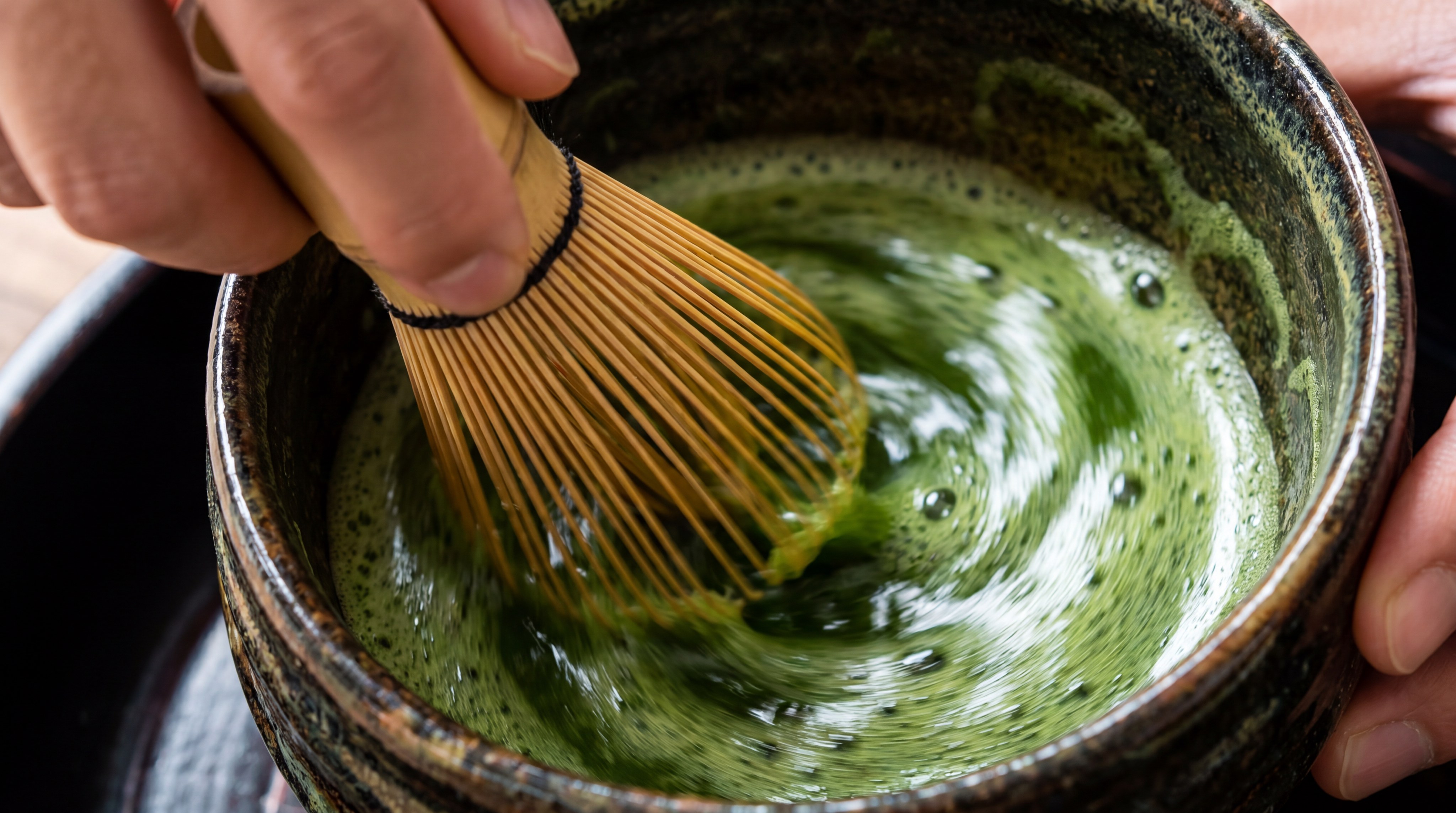
- Warm and Soften: Pour hot water into your Chawan. Place the Chasen (whisk) into the water for 30 seconds. This warms the bowl and softens the bamboo prongs to prevent snapping.
- Sift the Matcha: Discard the water and dry the bowl. Sift 1.5 to 2 Chashaku scoops (approx. 2g) of matcha into the bowl.
- The Goldilocks Water Temp: Use 2–3 ounces (60-90ml) of water at 175°F (80°C) to 185°F (85°C). Boiling water will burn the tea and cause bitterness.
- The “W” Motion: Use your wrist to move the Chasen in a rapid “W” or “M” motion. Break up tiny bubbles until a thick, creamy micro-foam covers the surface.
10. Common Mistakes: Troubleshooting Your Brew
If your matcha doesn’t look or taste like the ones in the photos, you are likely making one of three common errors:
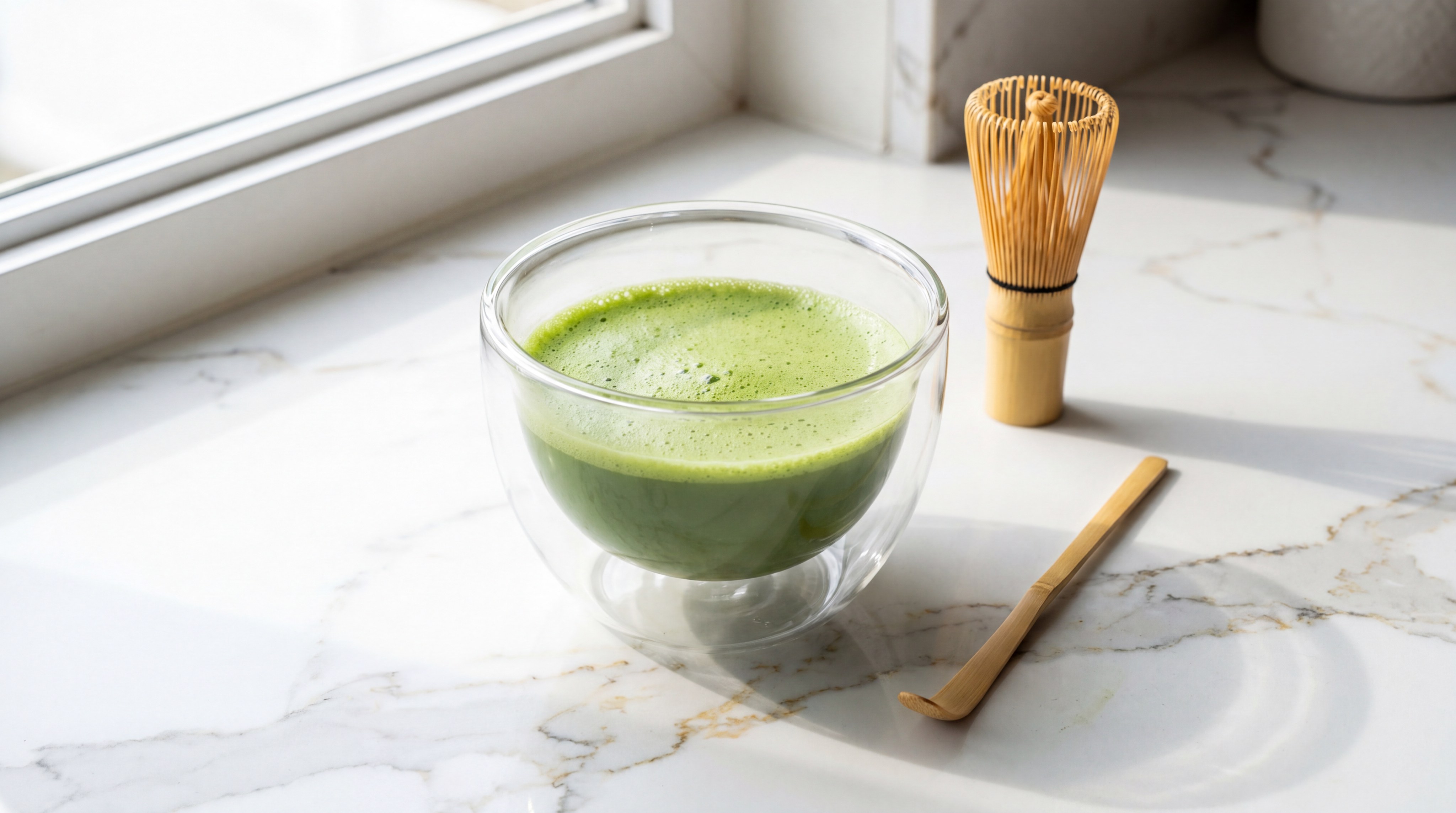
- Bitterness: If the tea is unpleasantly bitter, your water is too hot. Let boiling water sit for 2 minutes before pouring.
- Clumps at the Bottom: This happens if you skip sifting. The powder is dense and needs mechanical aeration to suspend in the water.
- Weak Foam: This is usually due to using too much water or a bowl that is too narrow. A proper Chawan allows for the “W” motion to generate speed.
11. Maintenance and Longevity: Caring for Your Investment
Your matcha tools are made of natural, organic materials. They require gentle care to prevent mold and cracking.
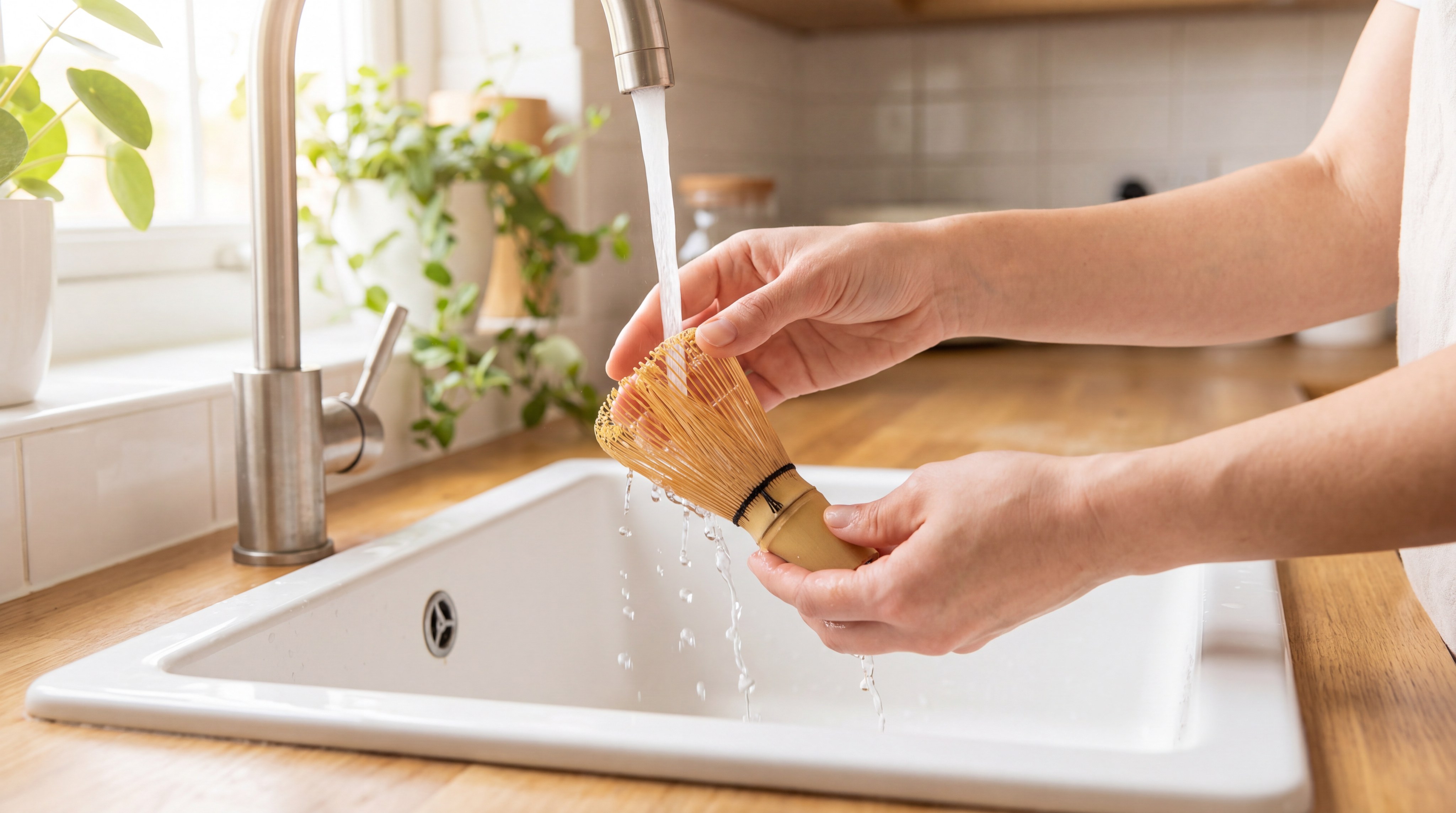
- The Chasen (Whisk): Never use soap. Rinse the tines under warm water immediately after use. Always dry it on a Kusenaoshi (whisk holder).
- The Chawan (Bowl): Hand wash all ceramic bowls. High heat and chemicals in dishwashers can degrade the glaze or cause fine cracks to expand.
- The Chashaku (Scoop): Do not get the scoop wet. Simply wipe it with a clean, dry cloth. Bamboo is porous and can warp if stored damp.
Table 3: Maintenance Quick-Guide
Tool | Dishwasher Safe? | Cleaning Agent | Drying Method | Storage Tip |
|---|---|---|---|---|
Chasen | No | Clear Water Only | Air dry on a holder. | Never store in plastic. |
Chawan | No | Mild Soap (if needed) | Pat dry with soft cloth. | Store in a dry cupboard. |
Chashaku | No | Dry Cloth Only | Wipe and store dry. | Keep away from moisture. |
12. The Health Horizon: Beyond the Ritual
While the tools provide the experience, the chemistry of matcha provides the results. Matcha is unique because you consume the entire leaf, providing 10x the antioxidants of regular green tea.
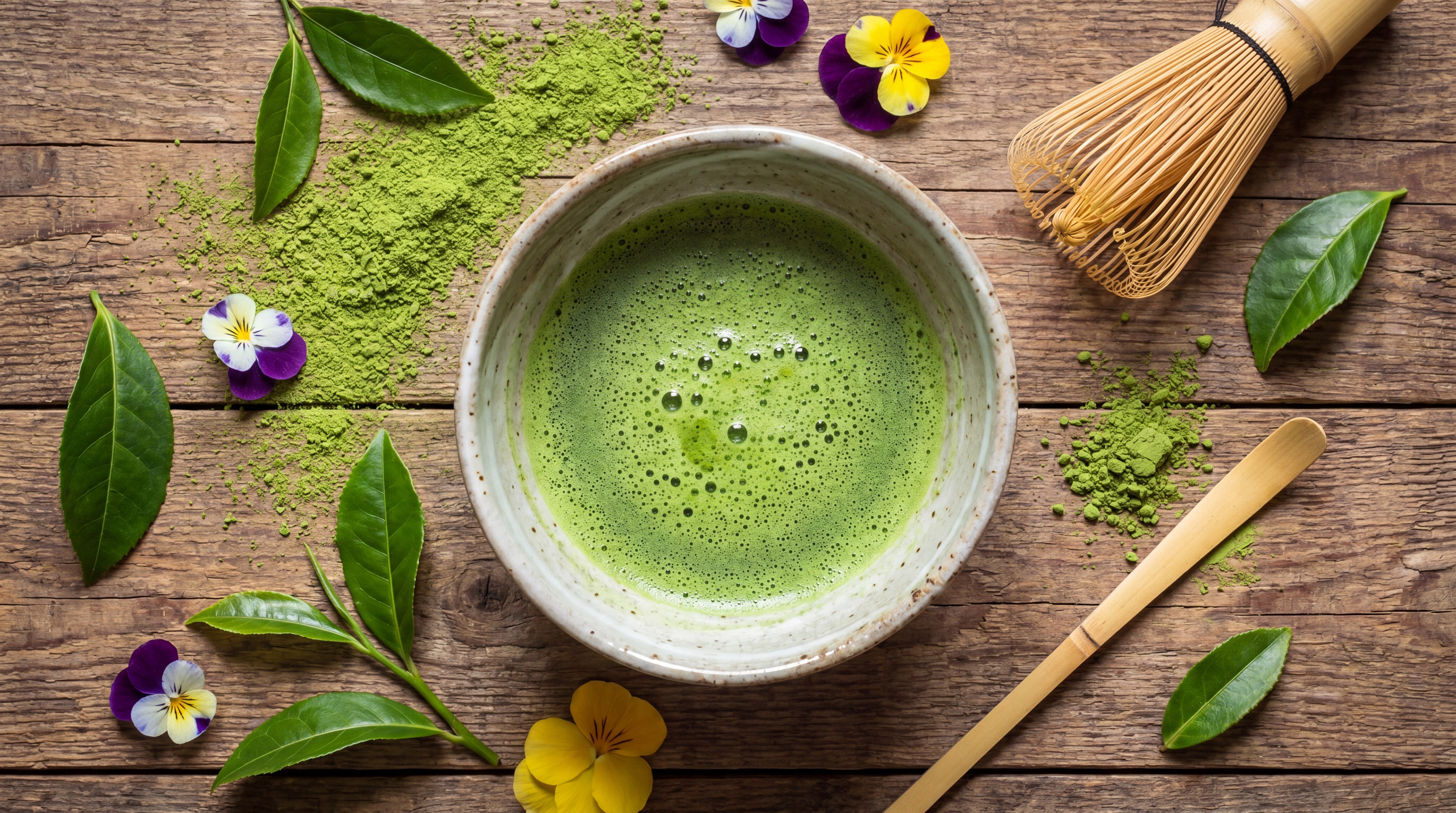
The two powerhouse compounds in matcha are EGCG (a potent antioxidant) and L-theanine (an amino acid that promotes relaxation without drowsiness). When you use the correct tools to create a proper suspension, you ensure that these compounds are evenly distributed. A well-whisked bowl of matcha provides a “calm alertness”—a steady stream of energy without the jitters often associated with coffee.
FAQ: Frequently Asked Questions
1. Do I really need a sifter? Yes. Matcha powder naturally forms clumps due to its extremely fine grind. Sifting ensures a smooth texture and prevents bitter bites of dry powder at the bottom of your bowl.
2. How long does a bamboo whisk last? With daily use and proper care (using a whisk holder), a high-quality Chasen should last 6–12 months. If the prongs start breaking or show signs of mold, it is time for a replacement.
3. Can I use a regular cereal bowl instead of a Chawan? While possible, standard bowls lack the high vertical sides and flat bottom necessary for the vigorous “W” whisking motion. A Chawan is specifically engineered to prevent splashing and allow for maximum aeration.
4. Is it okay to use a metal whisk or electric frother? An electric frother works for lattes, but it cannot create the same micro-foam as a bamboo whisk. Metal whisks can scratch artisanal ceramic glazes and lack the “spring” required for traditional frothing.
5. Why is my matcha bowl getting “crazing” or small cracks? This is often a natural feature of certain Japanese glazes (like Kanyu). It is not a defect but a celebrated part of the bowl’s aging process (Wabi-sabi), showing the history of your tea practice.