
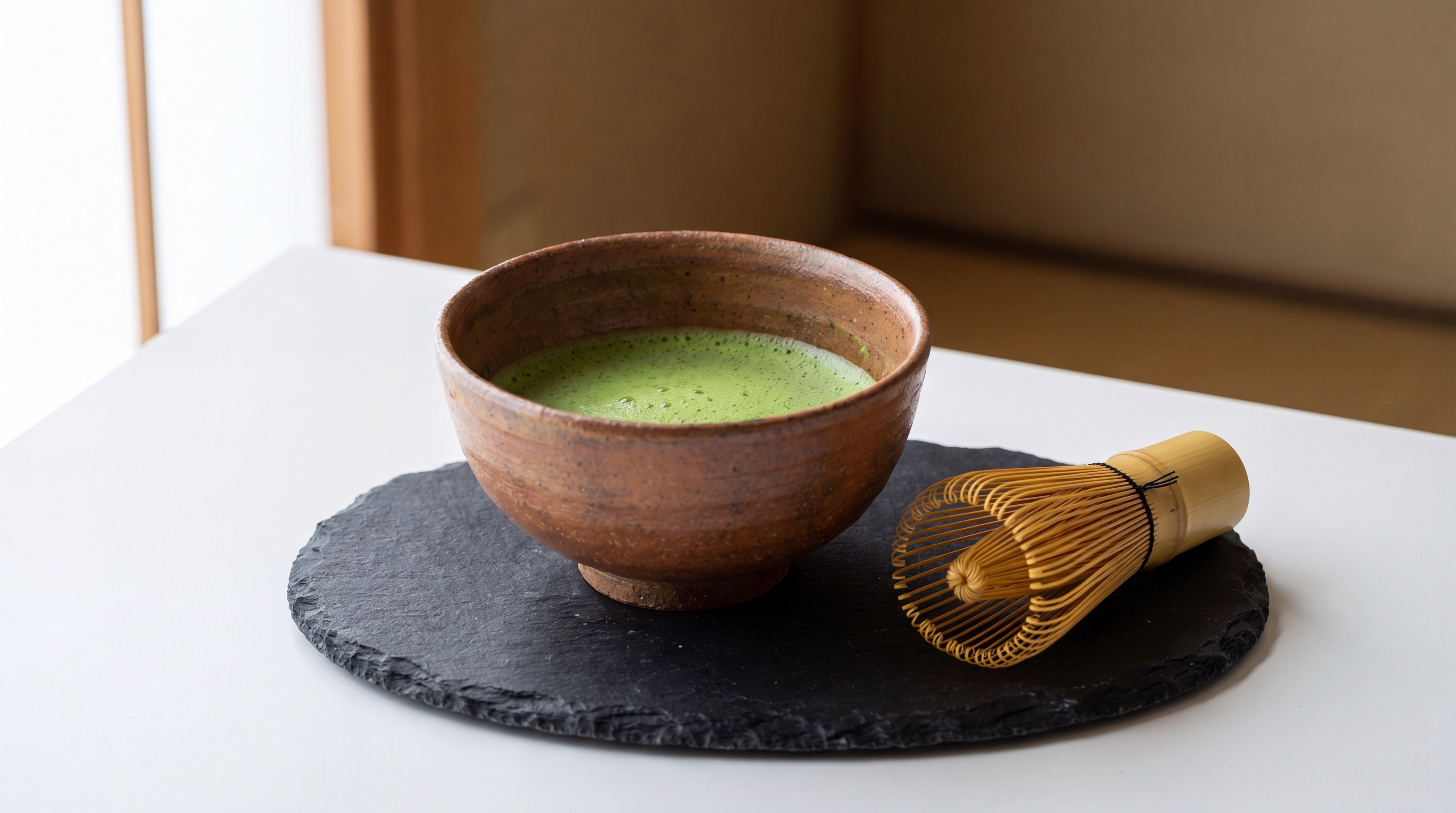
Ceremonial matcha powder is the highest grade of stone-ground green tea leaf (Camellia sinensis), historically cultivated for the Japanese tea ceremony (Chanoyu). It is characterized by its vibrant jade-green color, micro-fine texture, and naturally sweet, umami-rich flavor profile that is entirely free of harsh bitterness. This elite grade is produced exclusively from the tender, shade-grown first-flush tea leaves harvested in late spring.
The Historical Genesis of Japan’s Elite Tea
The lineage of ceremonial matcha spans nearly a millennium, originating during the Tang and Song dynasties in China before being brought to Japan in 1191 by the Zen Buddhist monk Eisai. Eisai planted tea seeds at the Esen-ji temple in Kyoto, promoting the consumption of powdered green tea as a holistic medicine and aid for deep meditation.
Over the centuries, Japanese tea masters refined the cultivation and processing techniques, giving rise to Chanoyu (The Way of Tea). This highly ritualized practice transformed matcha from a monastic stimulant into an art form championed by the samurai class and imperial courts.
To meet the demanding standards of these historical tea ceremonies, growers developed specialized shading methods to cultivate tea leaves that possessed an intense sweetness and an absence of astringency, establishing the blueprint for modern ceremonial matcha. Today, sourcing these authentic, historic grades requires partnership with a premium organic matcha manufacturer committed to preserving these traditional cultivation standards.
Defining “Ceremonial Grade” in the Modern Market
In today’s global marketplace, the term “ceremonial grade” is not legally protected or standardized by any single regulatory agency. Instead, it serves as an industry-standard indicator of quality.
True ceremonial grade matcha represents the absolute pinnacle of the harvest. It is made exclusively from Ichibancha (the first flush of spring leaves), which are hand-picked for their tenderness and high concentration of amino acids.
Unlike lower grades, which use mechanical harvesting and include stems or older leaves, authentic ceremonial matcha utilizes only the de-veined and de-stemmed leaf blade (Tencha). This painstaking raw material selection is what defines its character: a product designed to be whisked solely with hot water and consumed directly, without sweeteners, milk, or additives.
The Physical Characteristics of True Ceremonial Matcha
True ceremonial matcha exhibits a striking, electric-green hue, a silky texture with a particle size between 5 and 10 microns, and a sweet, oceanic aroma. When rubbed between the fingers, it feels identical to fine cosmetic talc or cornstarch, leaving a clean, unbroken streak on the skin. Any matcha displaying a yellowish-brown tint, a gritty texture, or a dull, hay-like scent fails to meet authentic ceremonial standards.
Color and Optical Brilliance
The most immediate indicator of ceremonial authenticity is its vibrant, hyper-green pigmentation. This intense color is the direct physiological result of intensive agricultural shading, which forces the tea plants to overproduce chlorophyll to capture light.
Cheaper grades of matcha, harvested later in the season or grown with insufficient shade, contain less chlorophyll and higher levels of yellow-orange carotenoids and brown tannins, resulting in a dull, olive-drab, or yellowish-brown appearance.
Particle Size and Sifting Dynamics
The physical structure of ceremonial matcha is incredibly refined. It is milled using traditional, slow-turning granite stones that preserve the structural integrity of the leaf cells while reducing them to a micro-fine powder of 5 to 10 microns in diameter.
- Electrostatic Clumping: Because the particles are so minute, they carry a natural electrostatic charge. This causes the powder to form tiny balls or clumps when exposed to air. This clumping is not a sign of spoilage; rather, it is a hallmark of ultra-fine milling.
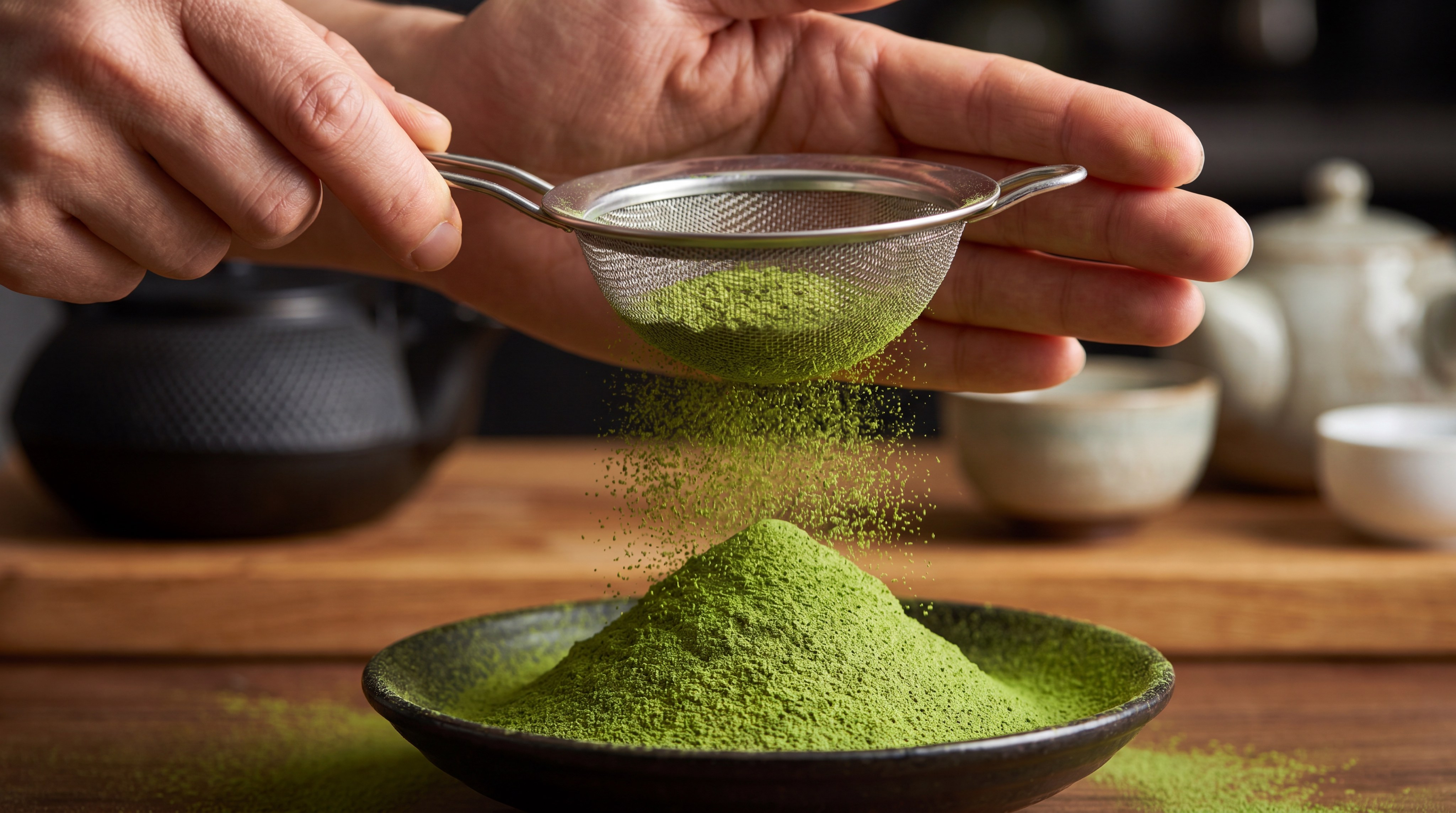
- Sifting Mechanics: To achieve a smooth, froth-rich beverage without sediment, ceremonial matcha must be sifted through a fine-mesh stainless steel strainer before whisking. This breaks the electrostatic bonds, allowing the particles to disperse evenly in water.
Ceremonial vs. Culinary Matcha: A Comparative Breakdown
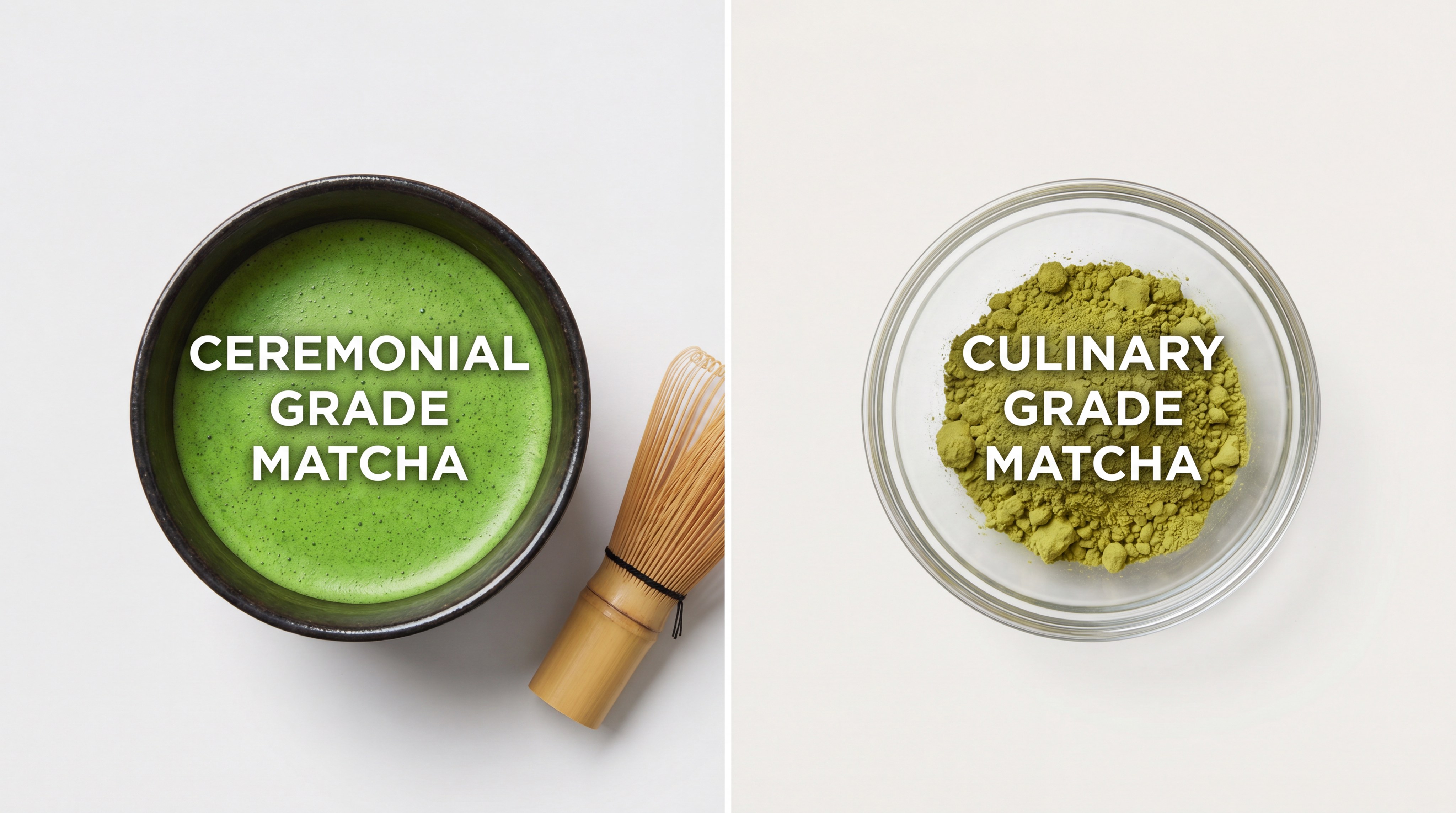
The fundamental difference between ceremonial and culinary matcha lies in their harvest timing, leaf selection, processing, and intended application. Ceremonial matcha is made from tender, first-harvest spring leaves designed to be drunk straight with water, while culinary matcha utilizes late-summer harvests containing mature, tannin-rich leaves designed to cut through dairy, sugars, and baked goods.
Side-by-Side Grade Comparison
Feature / Metric | Ceremonial Grade Matcha | Culinary Grade Matcha |
|---|---|---|
Harvest Time | First Flush (Ichibancha) – Late Spring | Second & Third Flush (Nibancha/Sanbancha) – Summer/Autumn |
Leaf Selection | Youngest, tender topmost leaves only | Mature, lower-stalk leaves |
Milling Process | Slow granite stone-milling (approx. 30g/hour) | High-speed jet milling or ball milling |
Primary Use | Drinking plain with water (Usucha & Koicha) | Lattes, baking, smoothies, confectionery |
Flavor Profile | Sweet, creamy, deep umami, zero bitterness | Bold, astringent, earthy, distinctly bitter |
Color | Electric, vibrant jade green | Olive, sage, or yellowish-green |
Texture | Silky, ultra-fine talc-like (5-10 microns) | Slightly gritty, sandy feel (15-20+ microns) |
Price Point | Premium/Luxury ( 1.00−1.00 – 3.00+ per gram) | Economic/Bulk ( 0.10−0.10 – 0.40 per gram) |
Functional Chemistry in Formulations
When deciding between organic ceremonial matcha powder and bulk culinary matcha powder , understanding the chemistry of your final beverage or product is critical:
- For Straight Tea: Ceremonial matcha is non-negotiable. The hot water extracts the high concentrations of L-theanine and delicate volatile aromatic compounds. If culinary matcha is prepared this way, the high concentration of catechins (tannins) dissolves rapidly, creating an unpalatable, bitter, and highly astringent cup.
- For Blended Beverages and Culinary Goods: Culinary matcha is preferred because its assertive flavor profile holds its ground when paired with fats and sugars. The delicate, sweet notes of ceremonial matcha are easily overwhelmed by dairy, oat milk, or sweeteners, making its premium price point inefficient for high-volume latte or baking operations.
The Sensory Profile of Premium Ceremonial Matcha
Premium ceremonial matcha offers a multi-layered sensory journey characterized by intense savory umami, a clean sweet finish, and a rich, velvety mouthfeel. The aroma is highly complex, blending fresh oceanic breezes, toasted baby greens, and subtle floral top notes, leaving a lingering sweet aftertaste that persists long after drinking.
The Chemistry of Umami
The dominant sensory characteristic of elite ceremonial matcha is umami—the fifth basic taste. This deeply savory, broth-like sensation is driven by high concentrations of amino acids, particularly L-theanine and glutamic acid.
During the shade-growing process, the conversion of L-theanine into catechins (which cause bitterness) is inhibited by the lack of sunlight. This preserves the amino acids in their pure form. When prepared, these compounds stimulate the G-protein coupled receptors on the human tongue, producing a rich, savory, and comforting sensation.
Astringency and the Bitter Threshold
While lower-grade green teas are marked by sharp astringency that dry out the mouth, premium ceremonial matcha has a highly controlled bitter profile.
The trace bitterness present in high-quality ceremonial matcha is noble and clean, resembling the pleasant bitterness of 85% dark chocolate or fresh endive. It acts as a structural counterpoint to the natural sweetness, creating a balanced cup.
The finish is exceptionally clean; it does not leave a dry, chalky film on the palate, which is a common flaw in lower-grade powders milled using high-temperature industrial steel machinery.
Interactive Quality Checklist for Savvy Buyers
Evaluating ceremonial matcha requires an systematic assessment of key agricultural, sensory, and physical markers. Buyers must verify the product’s geographical origin, organic certifications, and processing parameters to ensure they are purchasing authentic, ceremonial-grade tea.
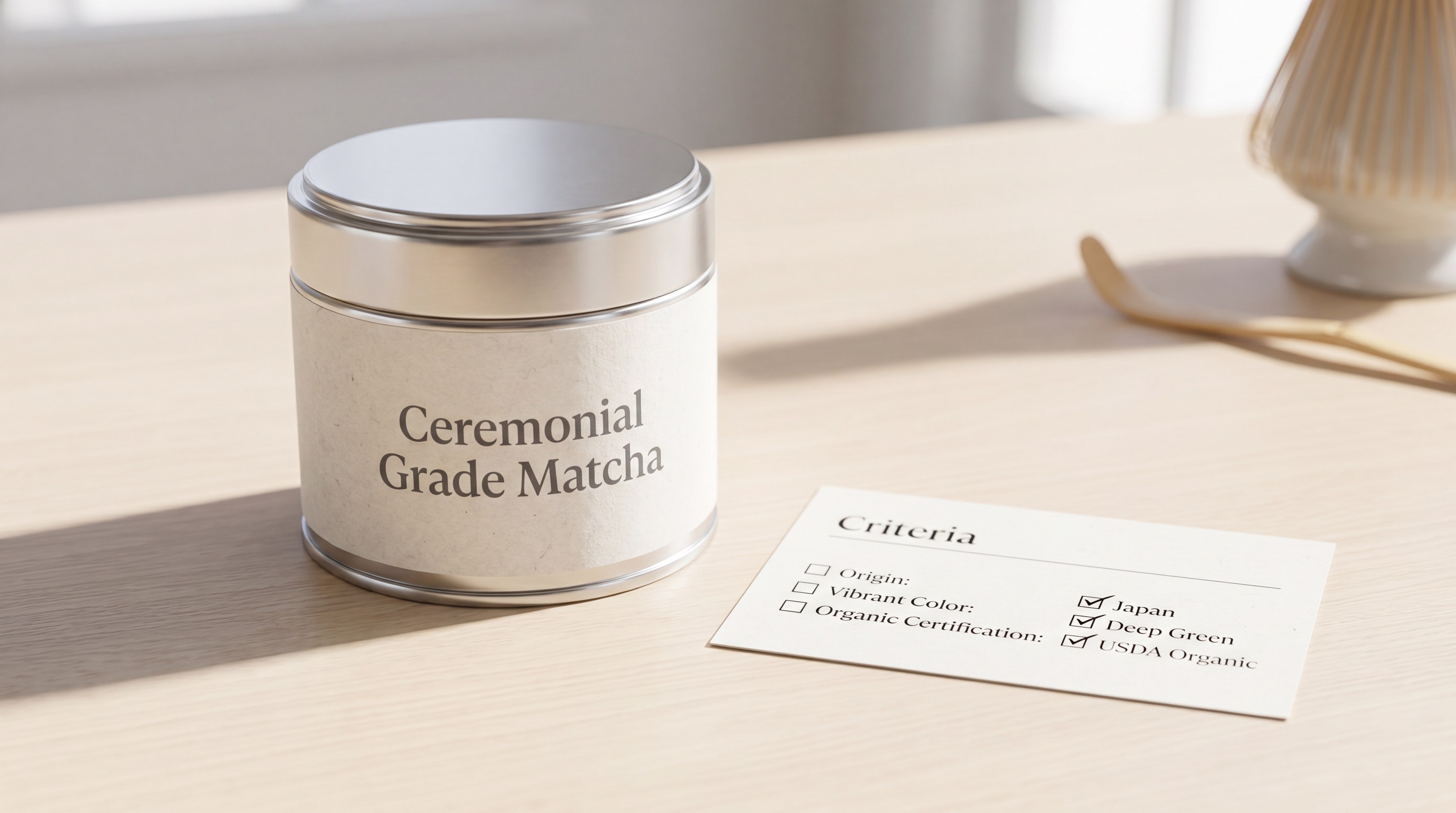
Use this operational checklist to evaluate matcha samples before making purchasing decisions:
- Geographical Origin Verified: Is the tea sourced from renowned Japanese terroirs (e.g., Uji/Kyoto, Nishio/Aichi, Kagoshima, or Shizuoka)?
- Harvest Designation: Does the packaging explicitly state first-harvest spring (Ichibancha) or single-origin spring leaves?
- Color Assay: Under natural, neutral light, does the dry powder exhibit an electric, rich jade green hue without yellow or brown undertones?
- Tactile Texture Test: When rubbed firmly between your thumb and index finger, does the powder feel perfectly smooth and talc-like, or does it feel abrasive and sandy?
- Slab Test (Smear Test): When smeared on white paper, does it leave a long, solid, vibrant green line, or does it break, scatter, and look pale?
- Aroma Profile: Does the dry powder emit a fresh, sweet, grassy, and oceanic aroma, or does it smell of stale hay, dust, or smoke?
- Frothing Capability: When whisked vigorously with a bamboo whisk (Chasen), does it quickly generate a dense, micro-foamed crema, or do the bubbles remain large and collapse rapidly?
- Sedimentation Rate: After standing undisturbed for 10 minutes, does the liquid remain largely suspended, or does a heavy layer of grit settle at the bottom of the bowl?
- Certifications and Transparency: Is the product backed by reputable organic certifications (e.g., USDA Organic, JAS, EU Organic) and supported by accessible chemical analysis sheets?
The Cultivation Process: Shade-Growing, Harvesting, and Terroir
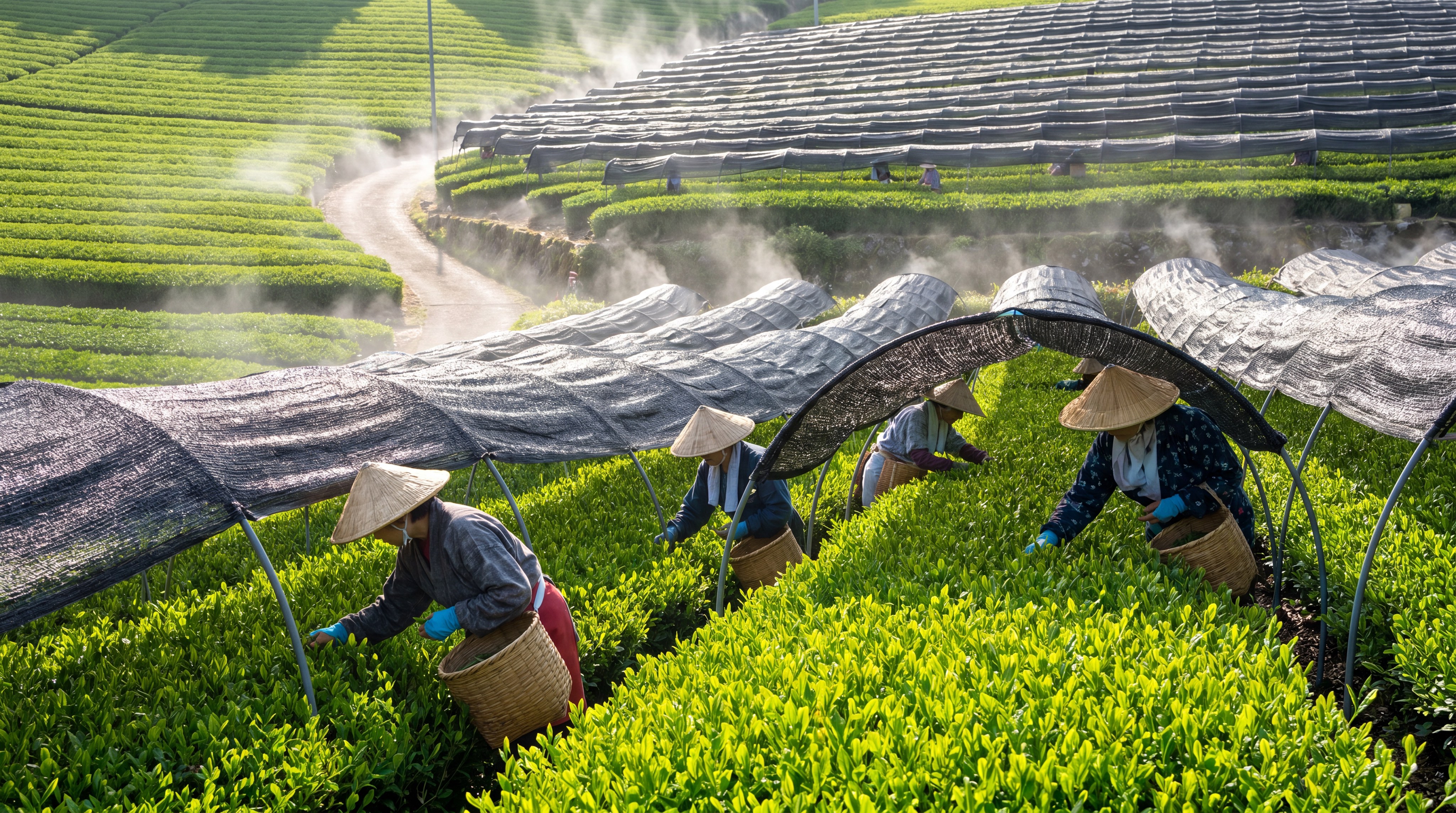
The peerless quality of ceremonial matcha is forged through meticulous agricultural practices, centered around a 20 to 30-day shade-growing phase called Kabuse. This process alters the plant’s cellular chemistry, forcing it to produce high concentrations of chlorophyll, L-theanine, and caffeine, which are then preserved through hand-harvesting and immediate steam-deactivation.
The Shading Phase (Kabuse and Tana Methods)
Approximately three to four weeks before the spring harvest, tea farmers cover the tea fields to block out sunlight. This is achieved using either the Jikakusei method (covering the plants directly with black synthetic netting) or the traditional Tana method (constructing overhead scaffolding made of reeds and straw).
The shading begins by blocking 60% to 70% of sunlight, eventually increasing to a rigorous 90% to 98% darkness.
Deprived of light, the tea leaves undergo profound physiological changes:
- Chlorophyll Maximization: The plant synthesizes immense amounts of chlorophyll to optimize its light-harvesting capacity, changing the leaf color to a deep, dark forest green.
- Amino Acid Retention: In natural sunlight, L-theanine synthesized in the roots travels to the leaves and is converted into polyphenols (catechins) via photosynthesis. The shade halts this conversion, locking in the sweet, umami-rich L-theanine.
Sourcing and Terroir
Just like fine wine, matcha is heavily influenced by terroir—the unique combination of soil chemistry, climate, altitude, and water quality.
- Uji (Kyoto Prefecture): Celebrated as the birthplace of matcha, Uji features rolling hills, mineral-rich soils, and mist-shrouded river valleys. The dramatic temperature shifts between day and night produce highly elegant, deeply sweet, and complex ceremonial matchas.
- Nishio (Aichi Prefecture): Boasting a mild, humid coastal climate, Nishio produces highly consistent, vibrant green matchas characterized by rounder, creamier flavor profiles.
- Kagoshima (Kyushu Island): Known for its fertile, active volcanic ash soils, this southern region produces vibrant, highly potent organic matchas that excel in modern wellness applications.
Traditional Preparation Methods for Purists
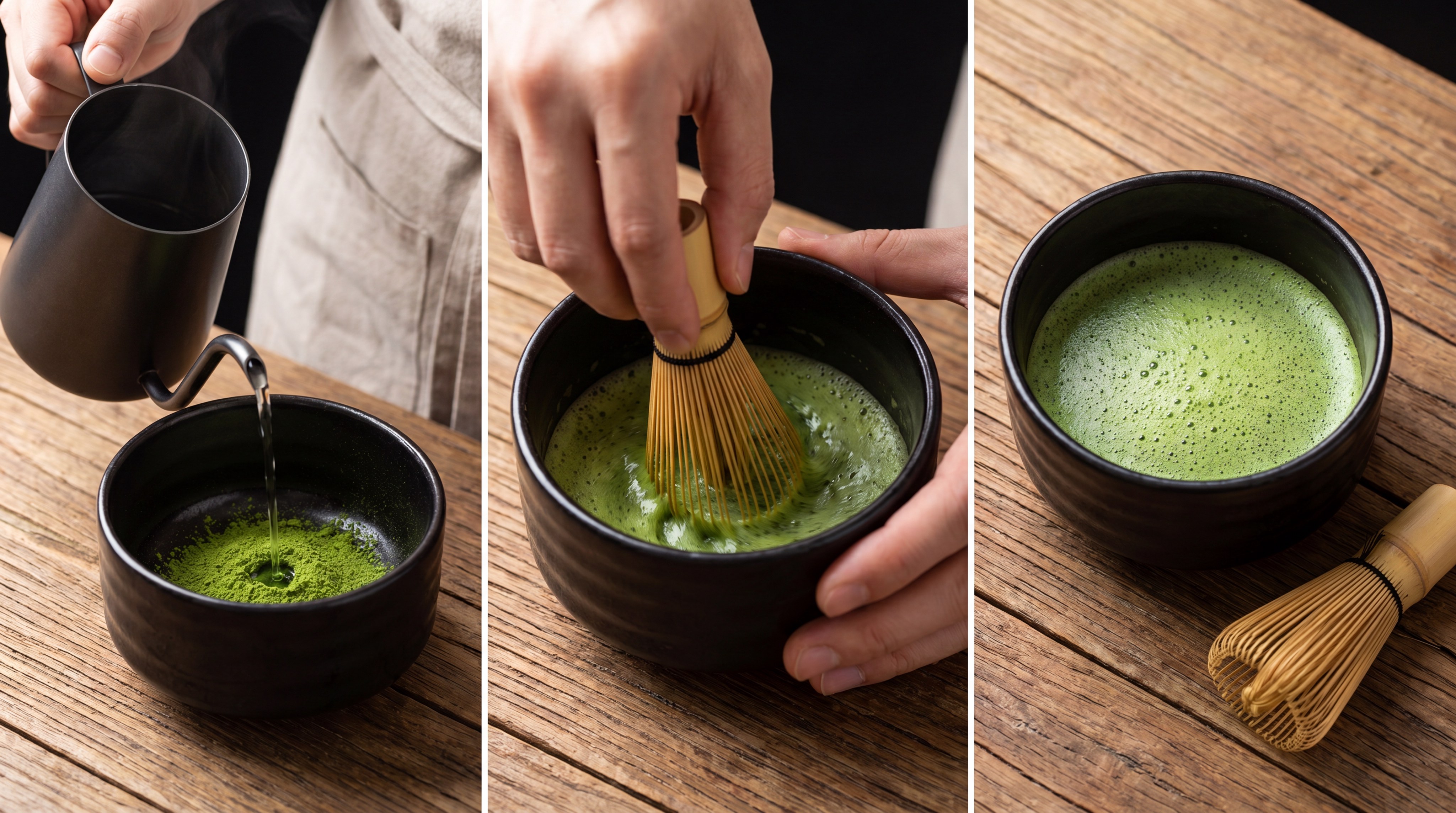
To prepare ceremonial matcha traditionally, 2 grams of sifted powder are combined with 70 milliliters of hot water (75°C to 80°C) in a wide-rimmed bowl (Chawan). The mixture is then whipped vigorously in a “W” or “M” motion using a multi-tined bamboo whisk (Chasen) until a thick, micro-bubbled jade froth forms on the surface.
The Essential Tool Kit
To prepare authentic ceremonial matcha, you need the proper traditional utensils:
- Chawan (Matcha Bowl): A flat-bottomed ceramic bowl that provides ample space for the whisk to move freely without hitting the sides.
- Chasen (Bamboo Whisk): Carved from a single piece of bamboo, a Chasen features 80 to 120 fine tines that are essential for breaking up the powder and aerating the liquid to create a perfect froth.
- Chashaku (Bamboo Scoop): A slender, bent bamboo tool designed to scoop exactly 1 gram of powder per scoop.
- Furui (Fine-Mesh Sifter): Used to eliminate electrostatic clumps, ensuring a silky, sediment-free brew.
Step-by-Step Usucha (Thin Tea) Preparation Protocol
- Preheat the Equipment: Pour hot water into the Chawan and soak the tines of the Chasen for 1-2 minutes. This softens the bamboo tines, making them flexible and resilient. Discard the water and dry the bowl completely with a clean cloth.
- Sift the Matcha: Scoop exactly 2 scoops of matcha (approx. 2 grams) using the Chashaku and press it through the sifter directly into the warmed bowl.
- Calibrate the Water: Heat filtered spring water to 75°C – 80°C (167°F – 176°F). Never use boiling water (100°C), as it scalds the delicate tea solids, destroying the L-theanine and bringing bitter catechins to the forefront.
- Hydrate the Powder: Pour approximately 70ml (2.4 oz) of the calibrated hot water over the sifted powder.
- Execute the Whisking Technique: Rest your wrist on the edge of the bowl and whisk vigorously using your forearm, tracing a rapid “W” or “M” shape. Keep the whisk suspended in the liquid rather than pressing it against the bottom of the bowl. Whisk for 30–45 seconds until a dense, fine-textured foam covers the surface.
- Finishing Touch: Gently lift the whisk from the center of the bowl to create a beautiful, central peak in the foam.
Formulating the Perfect Matcha Latte
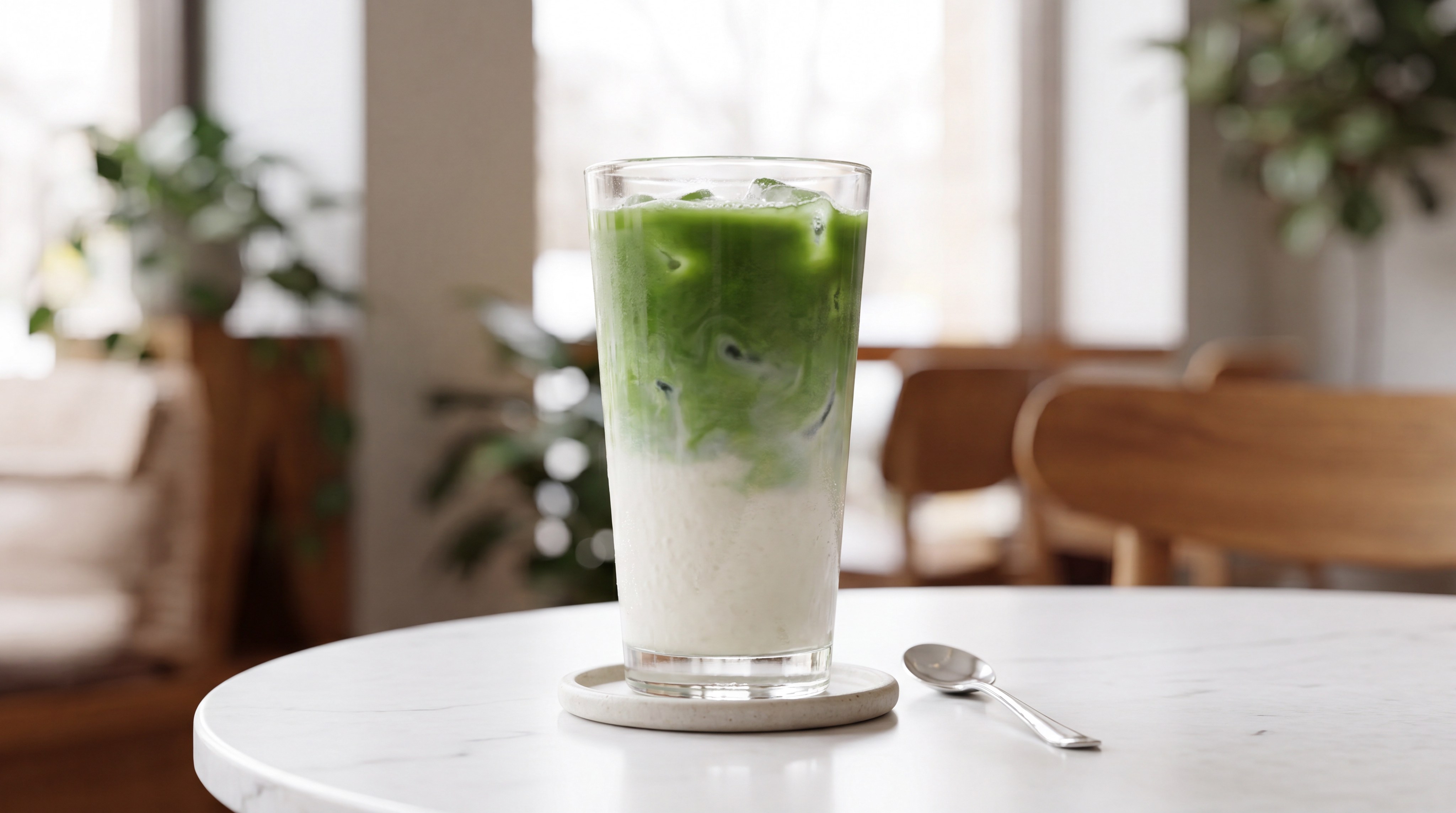
The perfect ceremonial matcha latte requires whisking 3 grams of sifted, high-yield ceremonial powder with 50ml of warm water (80°C), then pouring it over 150ml of textured, steamed milk (60°C to 65°C). Plant-based milks with neutral flavor profiles, such as oat or light almond milk, are ideal because they do not mask the delicate umami notes of the ceremonial green tea.
The Science of Milk Pairings
When formulating a premium latte, the choice of milk directly impacts both the flavor release and nutritional value of the matcha:
- Oat Milk (Barista Blend): This is the gold standard for plant-based lattes. Its natural sweetness and creamy texture complement the velvety mouthfeel of ceremonial matcha. Additionally, oat milk’s neutral fats do not compete with the tea’s grassy, oceanic top notes.
- Dairy Milk (Whole or 2%): While delicious, the proteins in dairy milk (specifically casein) readily bind to the active catechins in matcha. This binding can reduce the bioavailability of the tea’s beneficial antioxidants, though it does create a exceptionally smooth, low-astringency flavor.
- Almond Milk: Unsweetened, light almond milk works well, but opt for brands without strong synthetic vanilla flavorings, which can overpower the subtle notes of a high-quality tea.
Step-by-Step Layered Iced Matcha Latte Recipe
- Whisk the Base Concentrate: Sift 3g of premium ceremonial matcha into a cup, add 50ml of water heated to 80°C, and whisk vigorously with a Chasen until completely smooth and frothy.
- Prepare the Glass: Fill a 12oz glass to the brim with large, solid ice cubes.
- Pour the Milk: Pour 150ml of cold, high-quality oat milk over the ice. If you prefer a touch of sweetness, stir in 5-10g of pure maple syrup or simple syrup at this stage.
- The Float (Layering): Slowly and gently pour the warm, concentrated matcha over the top ice cubes. The temperature and density differences will create a beautiful, sharp green-on-white layered effect that is highly appealing for café presentation.
The Nutritional Science & Bioactive Compounds in Ceremonial Matcha
Ceremonial matcha is a nutritional powerhouse, delivering high concentrations of Epigallocatechin Gallate (EGCG), L-theanine, and natural caffeine directly to the body because the entire leaf is consumed. Unlike steeped green tea, a single serving of matcha provides up to 137 times the antioxidant concentration of standard green tea bags, promoting sustained cognitive focus and cellular protection.
The Cognitive Synergy: L-Theanine & Caffeine
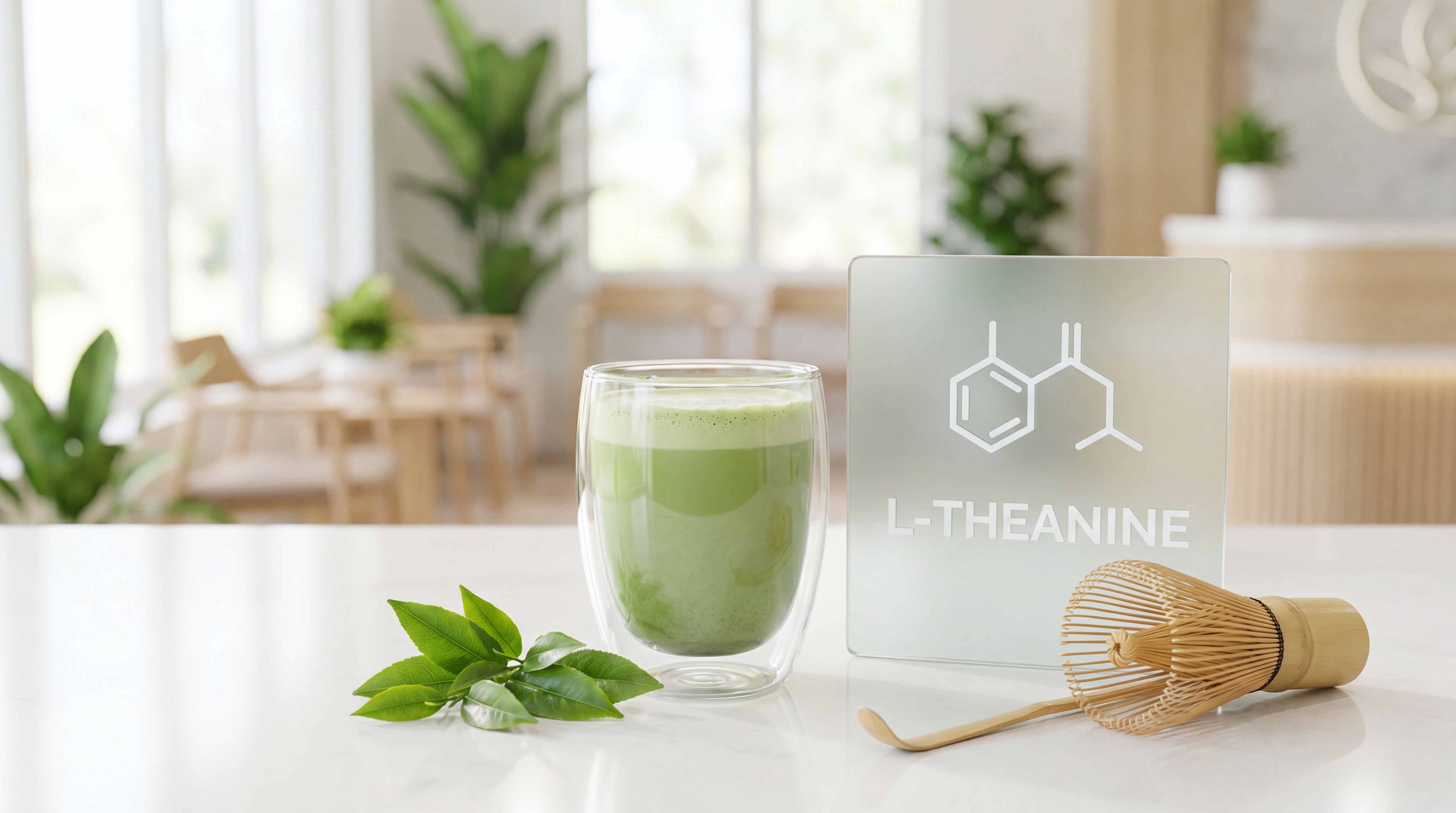
The unique mental state induced by drinking ceremonial matcha—often described as “relaxed alertness” or “calm focus”—is the direct result of a powerful botanical synergy:
- Caffeine Content: A standard 2-gram serving of ceremonial matcha contains approximately 35mg to 70mg of caffeine (roughly half the amount in a standard cup of coffee).
- The L-Theanine Brake: L-theanine is an amino acid that easily crosses the blood-brain barrier. It stimulates alpha brain waves, which are associated with deep relaxation and mental clarity.
- The Synergy: L-theanine binds to caffeine, slowing its absorption in the gut. This modulates the caffeine spike, preventing the rapid increase in heart rate and subsequent cortisol crash associated with coffee. Instead, it provides a sustained, steady release of energy over 4 to 6 hours.
The Powerhouse Antioxidant: EGCG
Matcha is exceptionally rich in catechins, a family of polyphenols with extraordinary antioxidant properties. The most important of these is Epigallocatechin Gallate (EGCG), which accounts for over 60% of the total catechins in the leaf.
EGCG neutralizes harmful free radicals, helping to reduce oxidative stress and cellular damage. Clinical studies also suggest that EGCG can help boost metabolic rate, support cardiovascular health, and promote healthy skin from the inside out.
Incorporating Ceremonial Matcha into Daily Modern Rituals
Integrating ceremonial matcha into your daily routine is an excellent way to replace high-acid, jitter-inducing stimulants with a sustained, nutrient-dense energy source. To optimize your natural circadian rhythms, enjoy your daily matcha in the mid-morning (between 9:30 AM and 11:30 AM), at least 90 minutes after waking, to support your body’s natural cortisol cycle.

Optimizing Your Energy Cycle
Consuming caffeine immediately upon waking can interfere with your body’s natural production of cortisol (the alertness hormone), leading to an afternoon energy crash.
By waiting 90 to 120 minutes after waking to enjoy your first bowl of ceremonial matcha, you align your caffeine intake with your natural energy dips. This approach supports your adrenal health and keeps your energy levels stable all day long.
Additionally, because the L-theanine in matcha promotes a calm state of mind, it is an ideal beverage to enjoy before deep work sessions, creative writing, or yoga and meditation practices.
Designing a Quick 5-Minute Morning Ritual
You don’t need an hour-long ceremony to enjoy the benefits of mindfulness in your daily life. Creating a simple, daily matcha ritual can help you start the day with focus and intention:
- Disconnect to Connect: Put away your phone and laptop for 5 minutes.
- Engage Your Senses: Focus on the sounds and smells of your morning. Listen to the water heating, watch the vibrant green powder pass through the sifter, and enjoy the fresh, sweet aroma of the tea.
- Whisk with Intention: Whisk the tea with slow, steady movements, watching the rich froth build in your bowl.
- Mindful Sipping: Hold the warm ceramic bowl with both hands, feel its texture, and take slow, deliberate sips to ground yourself before your workday begins.
Preservation and Storage: Protecting Matcha from Oxidation
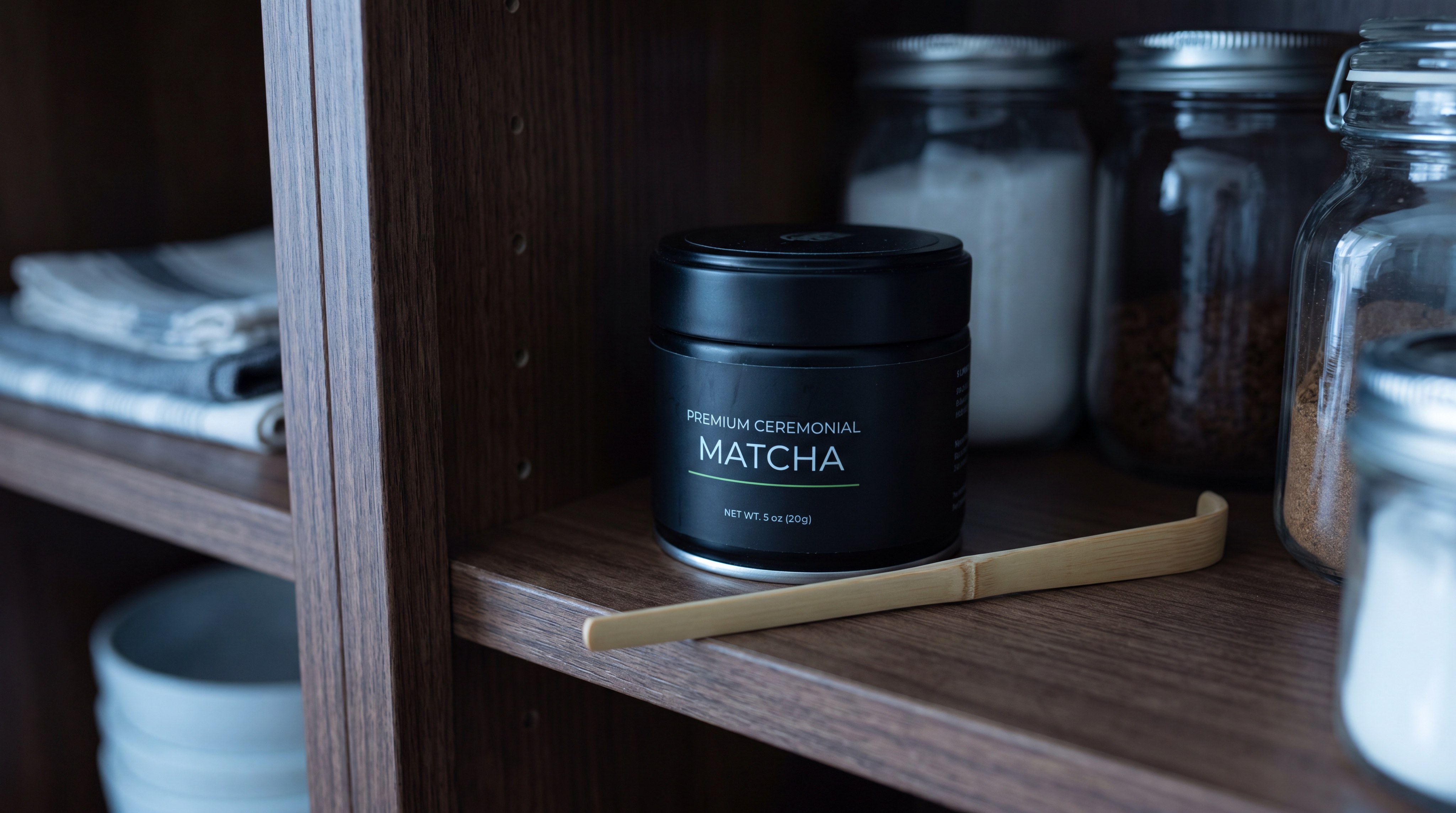
Because ceremonial matcha is a micro-fine powder with a high surface-to-volume ratio, it is highly sensitive to environmental factors like oxygen, light, heat, moisture, and odors. To prevent oxidation and color loss, store your matcha in an airtight, opaque aluminum tin inside a cool pantry for daily use, or in the refrigerator for long-term storage.
The Five Enemies of Matcha
- Oxygen (Oxidation): Direct exposure to air degrades chlorophyll, turning the vibrant green powder a dull brownish-yellow and turning its sweet flavor sour and stale.
- Light (Photo-Degradation): UV rays quickly break down chlorophyll and beneficial catechins, leaving the powder dull and flat.
- Heat (Thermal Degradation): High ambient temperatures accelerate chemical breakdown, stripping the tea of its delicate, sweet flavor compounds.
- Moisture (Hydrolysis): Humidity causes the powder to clump and can trigger mold growth, ruining the batch.
- Odors: Matcha acts as a natural deodorizer and will absorb strong smells from its environment (such as spices, coffee, or onions in the fridge) if it isn’t sealed in an airtight container.
Storage Guidelines for Optimal Freshness
- For Daily Use (Up to 1 Month): Keep the matcha in its original, inner-foil bag inside an airtight, opaque aluminum tin. Store it in a cool, dark kitchen cupboard away from the stove, oven, or direct sunlight.
- For Long-Term Storage (1 to 6 Months): Seal the airtight tin in a zip-top bag and store it in the refrigerator.
- The Condensation Rule: When taking matcha out of the refrigerator, always let the container sit on the counter until it reaches room temperature before opening it. If you open it while cold, moisture from the air will immediately condense on the cold powder, accelerating its oxidation.
Sourcing Bulk Ceremonial Matcha: A Guide for B2B and Wholesale Buyers
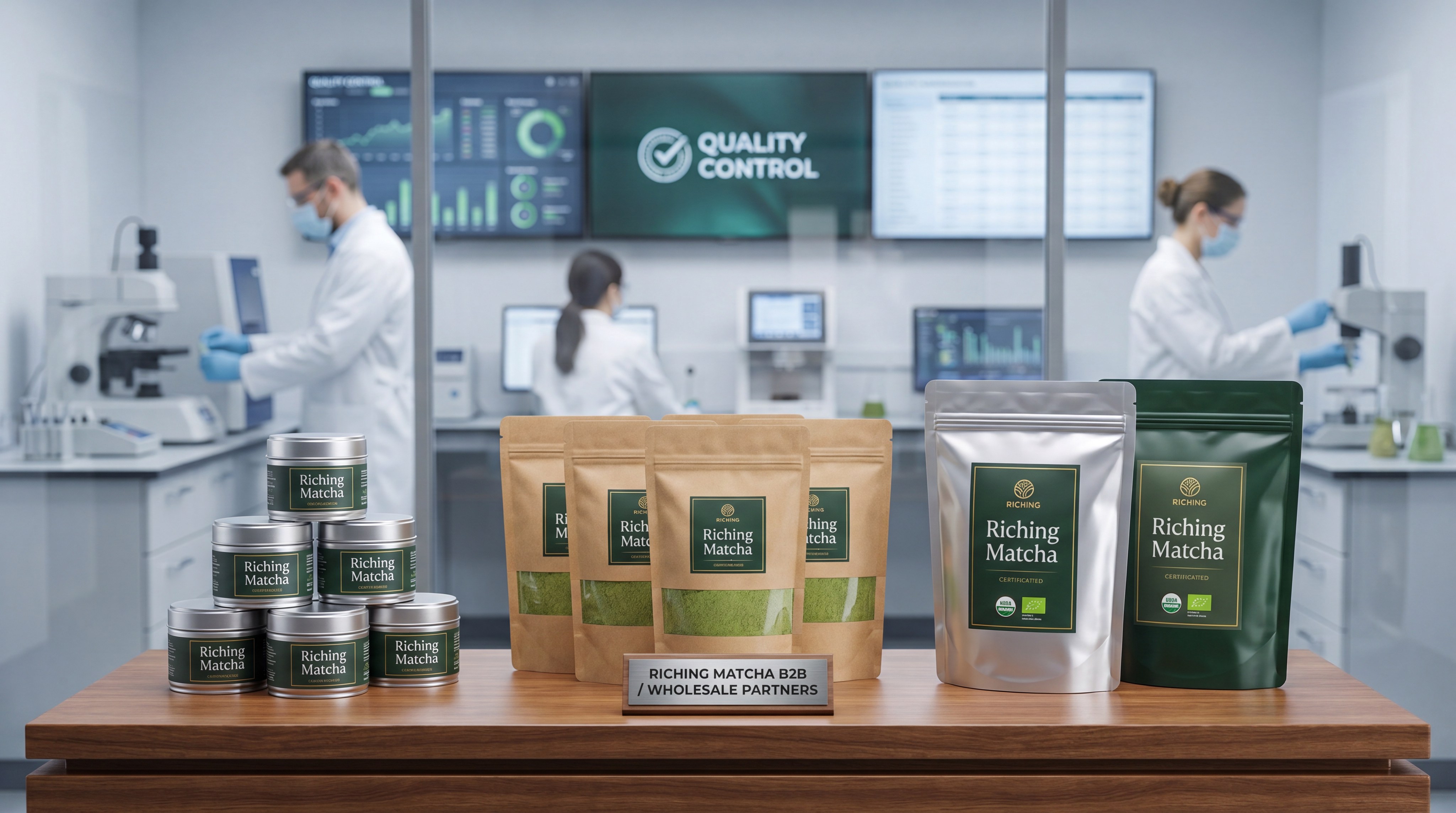
For commercial buyers, café owners, and brand managers, sourcing bulk ceremonial matcha requires partnering with an established, vertically integrated supplier who can guarantee consistent flavor, competitive pricing, organic certifications, and reliable lead times. Verifying a supplier’s quality control standards through independent laboratory testing is essential to protecting your brand’s reputation.
Navigating the B2B Wholesale Supply Chain
When managing bulk procurement or planning a new product launch, consistency is key to protecting your brand:
- Verify Farming and Harvesting Capabilities: Ensure your wholesale partner has direct, long-term relationships with tea cooperatives in premier growing regions like Kyoto, Aichi, or Kagoshima. This direct connection ensures a stable supply of first-flush leaves and protects you from seasonal shortages.
- Confirm Global Organic Certifications: To sell your products internationally, your supplier must hold valid, verifiable certifications, such as USDA Organic, European Union (EU) Organic, and Japanese Agricultural Standards (JAS).
- Review Chemical Analysis and Safety Standards: Reputable suppliers will provide a Certificate of Analysis (COA) for every single batch of tea. This document verifies that the matcha has been thoroughly tested and is free from heavy metals, pesticides, radiation, and microbial contamination.
- Choose Tailored Commercial Solutions: Look for partners who offer flexible, professional options to streamline your business, such as wholesale matcha bulk supply for café chains, or comprehensive custom private label matcha solutions for retail brands.
Comprehensive FAQ Section
What is ceremonial matcha powder best used for?
Ceremonial matcha powder is best used for drinking pure, whisked simply with hot water (75°C to 80°C) without any milk, sweeteners, or flavorings. This allows you to fully appreciate the delicate balance of naturally sweet, umami-rich flavors and complex aromas. It is also an excellent option for premium café drinks where the goal is to showcase the natural flavor of high-quality green tea.
Is ceremonial matcha better than culinary matcha?
Ceremonial matcha is not inherently “better” than culinary matcha; rather, they are crafted for completely different uses. Ceremonial grade is made from delicate spring leaves and is meant to be enjoyed on its own with water. Culinary grade is made from stronger, summer-harvested leaves, providing a robust flavor that is perfect for standing up to dairy, sugar, and baking ingredients.
Can I use ceremonial matcha powder for lattes?
Yes, you can absolutely use ceremonial matcha powder to make lattes. Using ceremonial grade results in a smooth, vibrant green latte with a beautifully soft, creamy flavor. However, because its delicate notes can easily be masked by milk and sweeteners, using a high-quality, vibrant ceremonial grade specifically designed for lattes is the best way to enjoy a premium drink without wasting fine tea.
Why does ceremonial matcha powder taste bitter?
If your ceremonial matcha tastes bitter, it is usually due to improper preparation or low-quality tea:
- Water Temperature: Using boiling water (100°C) scalds the delicate powder, releasing bitter tannins. Always use water cooled to 75°C – 80°C.
- Ratio: Using too much powder and not enough water can make the flavor overwhelmingly strong.
- Imitation Grades: The product may be labeled “ceremonial” but actually contain lower-grade, summer-harvested leaves.
How can I tell if ceremonial matcha powder is high quality?
You can identify high-quality ceremonial matcha by three main characteristics:
- Vibrant Color: It should be a striking, bright electric-green, not dull or yellowish.
- Silky Texture: The powder should feel incredibly fine and smooth, like talc or cornstarch, with no grittiness.
- Smooth Flavor: Once whisked, it should taste sweet, creamy, and savory (umami), with a clean finish and zero harsh bitterness.
Is ceremonial grade matcha worth the price?
Yes, authentic ceremonial grade matcha is worth the price because of the extensive, labor-intensive craftsmanship required to produce it. The process involves manual shade-growing, hand-harvesting only the youngest spring leaves, removing all stems and veins, and slow granite stone-milling. This produces an exceptionally high-quality tea with a rich flavor and concentration of L-theanine that cheaper grades simply cannot match.
How do pesticide testing and COA reports protect B2B buyers?
A Certificate of Analysis (COA) is a vital quality control document for commercial buyers. It provides independent laboratory verification that a batch of matcha is safe and compliant with import regulations. The report confirms that the product is free from heavy metals (such as lead and arsenic), pesticide residues, radiation, and harmful microbes, protecting your brand from costly customs rejections and product recalls.