
Matcha has a pH level ranging from 5.8 to 6.4, making it mildly acidic in its liquid state. However, it is classified as an alkaline-forming food because its metabolic byproducts help neutralize systemic acidity in the body. Unlike coffee, which has a significantly lower pH of 4.8 to 5.0, matcha contains high concentrations of chlorophyll, L-theanine, and catechins that buffer stomach acid and promote a balanced gut microbiome. This unique chemical profile makes matcha a superior choice for individuals seeking a high-energy beverage that supports digestive health without triggering the acid reflux or gastric irritation commonly associated with more acidic drinks.
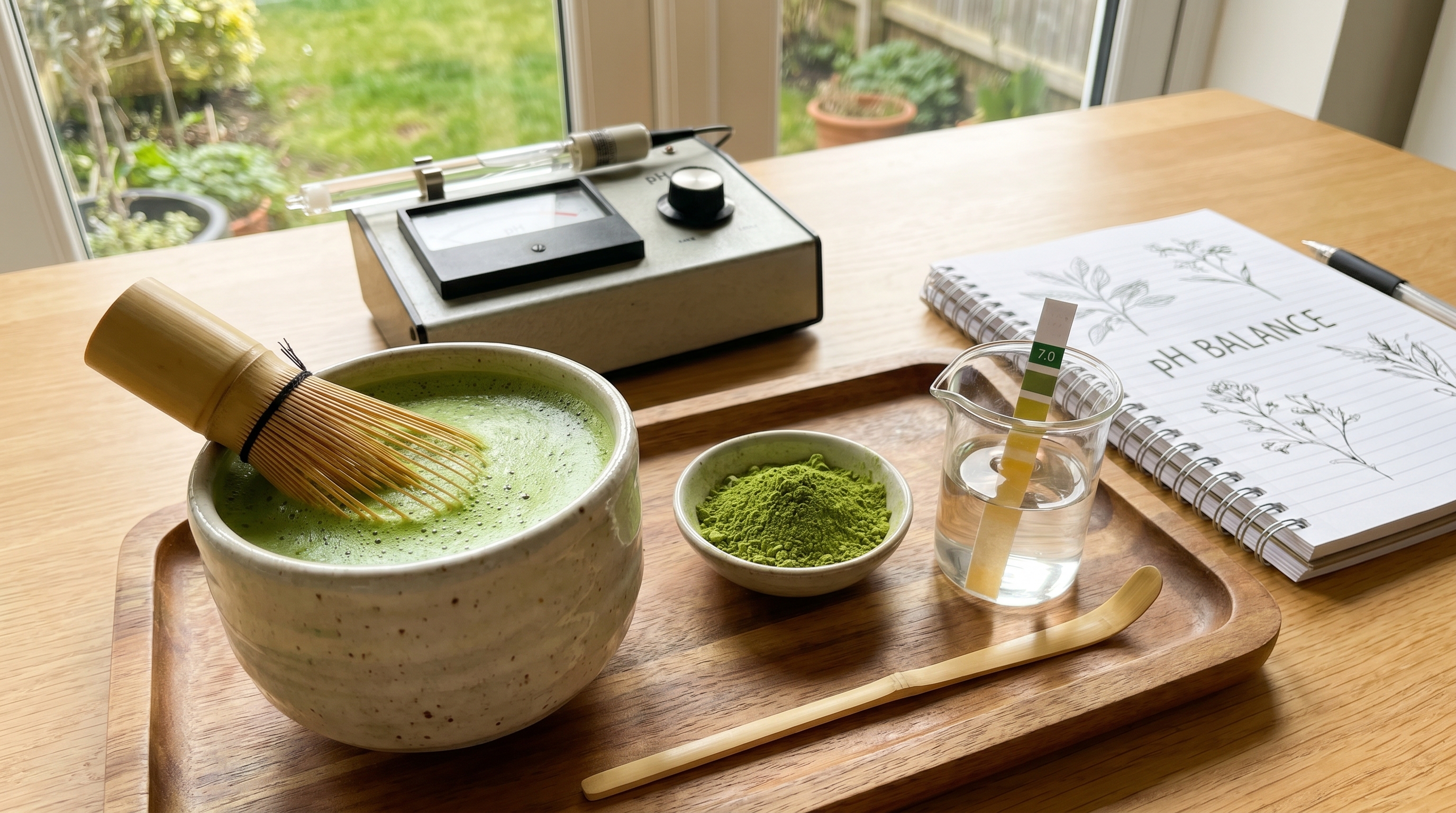
In the modern pursuit of wellness, the “alkaline diet” and the management of internal pH levels have become central themes. For tea enthusiasts and health-conscious consumers, the question of whether matcha is acidic or alkaline is not merely a matter of chemistry; it is a question of how this vibrant green superfood interacts with our biology. To understand the impact of matcha, we must look beyond the initial pH of the brewed liquid and examine the complex physiological reactions triggered by its unique phytochemistry.
The pH scale, a logarithmic measure of hydrogen ion concentration ranging from 0 (highly acidic) to 14 (highly alkaline), provides the starting point for our analysis. Neutrality sits at 7.0. While many beverages we consume—such as soda (pH 2.5) or coffee (pH 5.0)—are decidedly acidic, matcha tea occupies a space much closer to neutral.
The PRAL Score and Metabolic Impact
One of the most common misconceptions in nutrition is that the pH of a food in its raw state determines its effect on the body. In reality, what matters most is the Potential Renal Acid Load (PRAL). This score measures the amount of acid produced by the kidneys as they process a specific food.
Matcha is rich in minerals like potassium, magnesium, and calcium. When these minerals are metabolized, they produce an “alkaline ash.” This process helps the body maintain its tightly regulated blood pH (between 7.35 and 7.45) without having to leach alkalizing minerals from the bones. Therefore, while the liquid in your bowl is technically a weak acid, the result of drinking it is an alkalizing effect on your system.
pH Levels of Common Beverages
The following table illustrates where matcha stands in the broader spectrum of popular drinks:
Beverage | Average pH Level | Classification | Metabolic Effect |
|---|---|---|---|
Battery Acid | 0.0 | Highly Acidic | N/A |
Lemon Juice | 2.0 – 2.4 | Acidic | Alkalizing |
Cola / Soda | 2.5 – 3.2 | Acidic | Acidifying |
Black Coffee | 4.8 – 5.1 | Acidic | Acidifying |
Ceremonial Matcha | 5.8 – 6.4 | Mildly Acidic | Alkalizing |
Pure Water | 7.0 | Neutral | Neutral |
Baking Soda Solution | 8.3 | Alkaline | Alkalizing |
2. The Phytochemical Profile: Why Matcha is Different
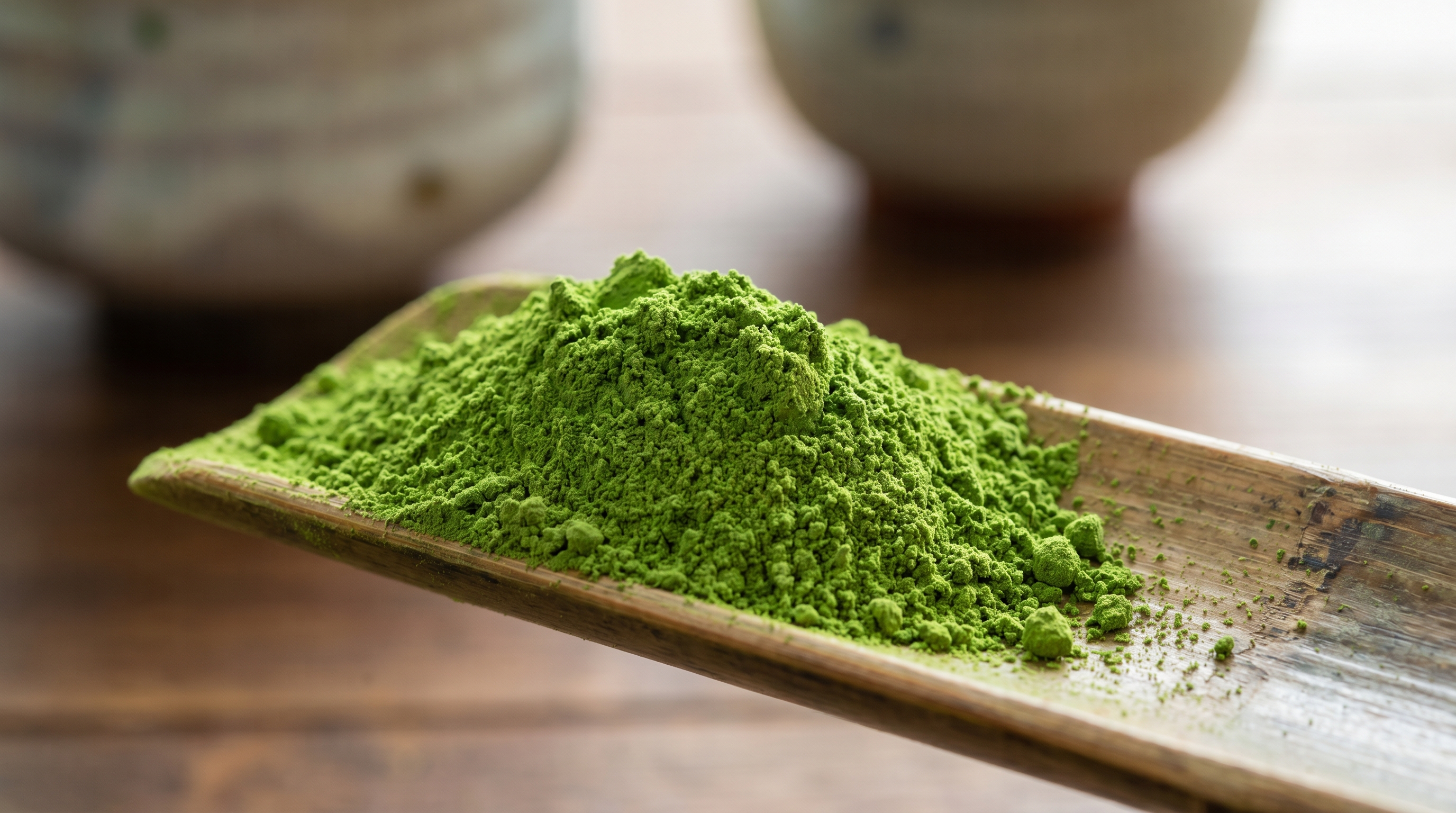
Matcha’s ability to promote a healthy internal environment is rooted in its unique cultivation and processing. Unlike standard green tea (Sencha), matcha is grown under shade for several weeks before harvest. This process radically alters the chemical composition of the leaf, boosting the very components that support digestive health.
Chlorophyll: The Internal Deodorizer and Alkalizer
The intense shading triggers a massive surge in chlorophyll production as the plant struggles to capture limited sunlight. Chlorophyll is molecularly similar to human hemoglobin, with a magnesium atom at its center instead of iron. Magnesium is a powerful alkalizing mineral. By consuming the whole leaf in powdered form, you ingest significant quantities of chlorophyll, which acts as a gentle detoxifier and helps balance the pH of the gastrointestinal tract.
L-Theanine and the “Calm Energy” Paradigm
Matcha is renowned for its high concentration of L-theanine, an amino acid that crosses the blood-brain barrier to promote alpha-brainwave activity. In the context of acidity, L-theanine plays a crucial role by moderating the body’s stress response. Stress is a primary trigger for the overproduction of hydrochloric acid in the stomach. By inducing a state of “alert relaxation,” matcha helps prevent the stress-induced acid spikes that lead to heartburn and GERD.
Catechins and EGCG: Guarding the Gastric Lining
The most potent antioxidants in matcha are the Catechins, specifically Epigallocatechin Gallate (EGCG). Extensive research suggests that EGCG has anti-inflammatory properties that can soothe the lining of the stomach and esophagus. Furthermore, these polyphenols have been shown to inhibit the growth of Helicobacter pylori, the bacterium responsible for most stomach ulcers and chronic gastritis.
3. Matcha vs. Coffee: A Battle of the Brews
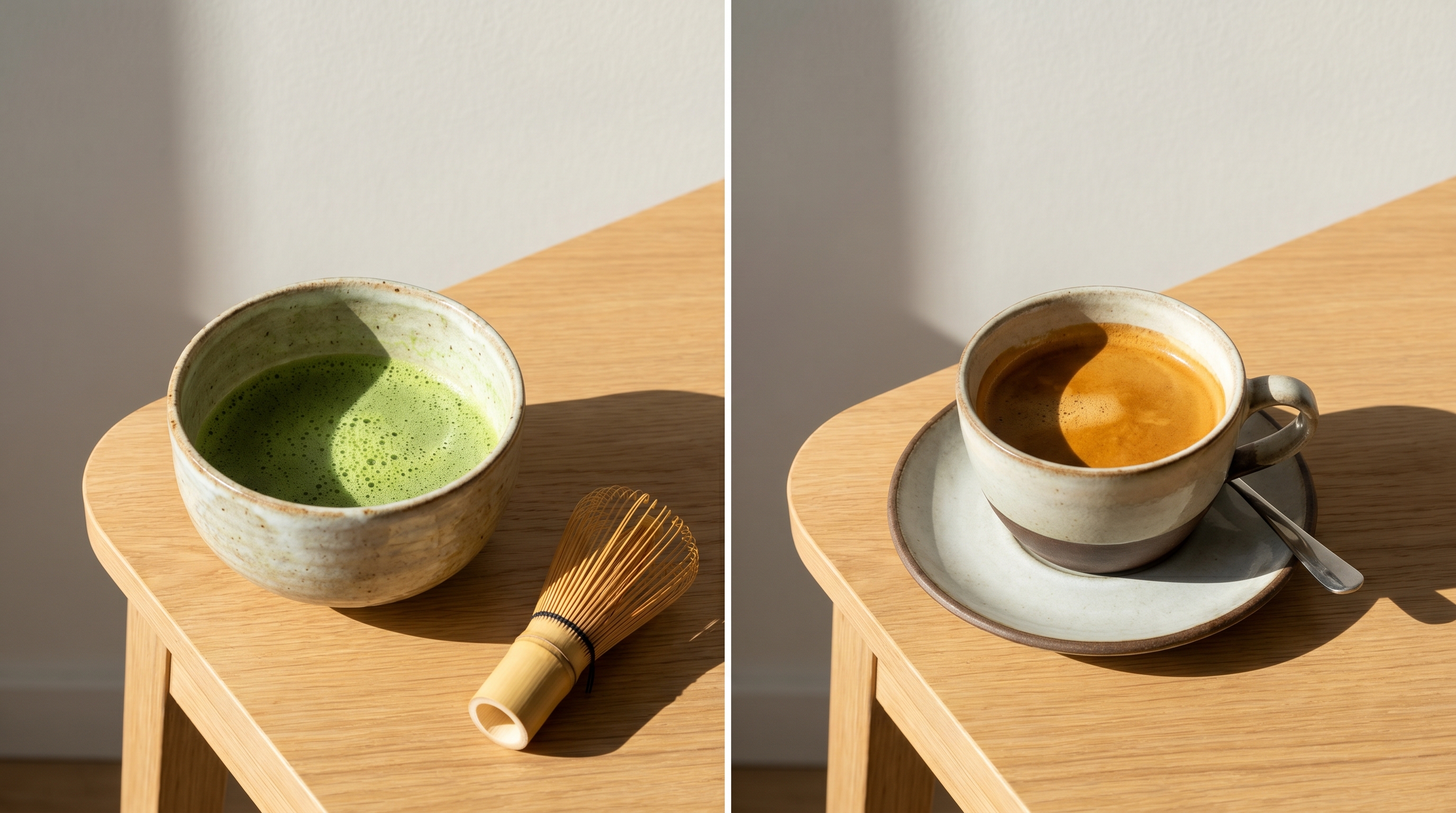
For many, the transition from coffee to matcha is driven by digestive necessity. Coffee, despite its beloved aroma, is a significant trigger for acid reflux and digestive distress.
Why Coffee Triggers Reflux
Coffee’s acidity is twofold. First, it has a low pH. Second, it contains chlorogenic acids and caffeine that stimulate the “gastrin” hormone, which instructs the stomach to produce more acid. Furthermore, coffee often relaxes the Lower Esophageal Sphincter (LES), the muscular valve that prevents stomach acid from splashing back into the throat.
The Matcha Advantage
In contrast, matcha’s caffeine is bound to larger tannin molecules, which slow its release into the bloodstream. This prevents the “caffeine shock” that can irritate the stomach. Because matcha is more alkaline and contains L-theanine to buffer the caffeine, it rarely causes the jitters or the “sour stomach” feeling that coffee drinkers often experience. To experience these benefits firsthand, it is essential to use high-quality powder; you can learn more about understanding matcha quality to ensure you are getting the most alkalizing product.
Feature | Matcha Tea | Roasted Coffee |
|---|---|---|
Liquid pH | 5.8 – 6.4 (Mild) | 4.8 – 5.1 (Strong) |
Caffeine Release | 4-6 hours (Sustained) | 1-2 hours (Spike) |
Primary Buffer | L-Theanine & Chlorophyll | None |
Metabolic Result | Alkalizing | Acidifying |
Gastro Impact | Soothing / Anti-inflammatory | Stimulates Excess Acid |
4. The Gut Microbiome and Digestive Health
Recent advances in nutritional science have highlighted the “gut-brain axis” and the importance of a diverse microbiome. Matcha acts as a potent prebiotic, providing the necessary nutrients for beneficial gut bacteria to thrive.
Prebiotic Polyphenols
The polyphenols in matcha are not fully absorbed in the small intestine. Instead, they travel to the colon, where they serve as “fuel” for beneficial bacteria such as Lactobacillus and Bifidobacterium. A healthy, diverse microbiome is naturally more resilient to fluctuations in pH and is better at preventing the overgrowth of acid-producing, pathogenic bacteria.
Insoluble Fiber: The Forgotten Benefit
When you drink matcha, you are consuming the entire leaf, not just a water extract. This means you are ingesting insoluble fiber, which is critical for maintaining regular bowel movements and sweeping toxins out of the digestive tract. This fiber also acts as a physical buffer, slowing the absorption of nutrients and preventing the rapid fluctuations in internal chemistry that can lead to inflammation.
Exploring the Matcha Nutrition and Health Care data reveals that this fiber content, combined with high antioxidant levels, contributes significantly to its superfood status .

5. Preparation Science: How Brewing Affects pH
The way you prepare your matcha can significantly influence its flavor profile and its impact on your stomach. Improper brewing can lead to an overly bitter tea that may feel more “harsh” to sensitive individuals.
The Temperature Threshold
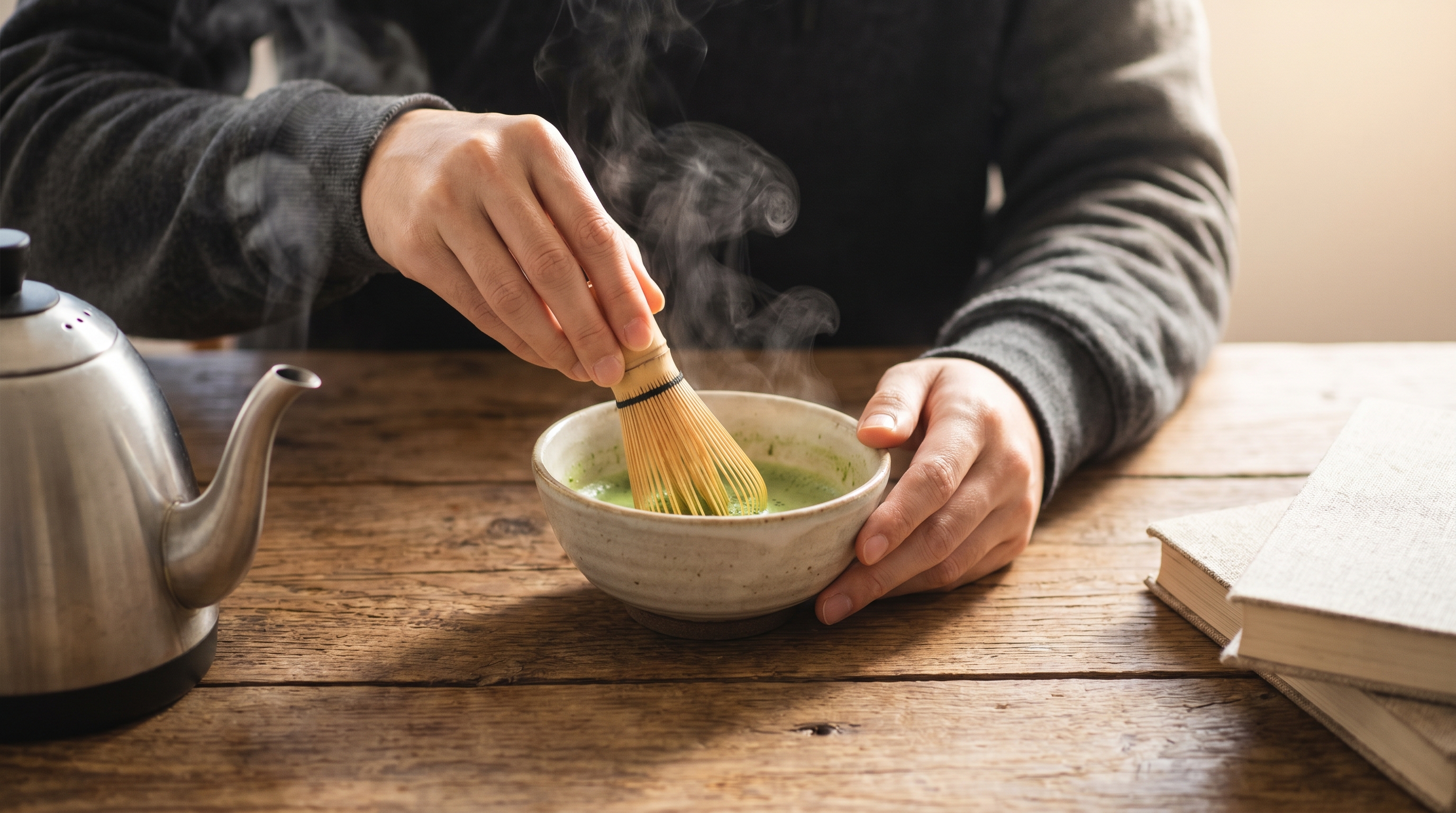
Using boiling water (100°C/212°F) is the most common mistake in matcha preparation. Excessive heat causes the rapid release of tannins, which can make the tea taste astringent and bitter. For the most stomach-friendly cup, water should be around 80°C (176°F). This temperature is high enough to extract the beneficial catechins and L-theanine without scorching the delicate powder. Following a guide on how to prepare pure matcha for maximum flavor can help you achieve the perfect balance of taste and health.
The Power of the Whisk
Aeration through whisking is more than just a tradition; it is chemistry. By using traditional tools like the bamboo chasen, you create a suspension of the fine particles and incorporate air. This oxygenation can slightly soften the flavor and help disperse the alkalizing compounds more evenly, making the first sip gentler on the palate and the stomach.
Fat as a Buffer
For those with severe sensitivity to acidity, preparing a “Matcha Latte” with plant-based milks can be transformative. Almond milk, in particular, is highly alkaline. Adding the healthy fats from milk creates a protective barrier in the stomach and further slows the absorption of caffeine, providing an even more gradual energy curve.
6. Detailed Impact of Processing on Matcha Chemistry
The transition from a raw tea leaf on a bush in Uji to the fine powder in your tin involves several steps that dictate the final pH and nutrient density.
Processing Stage | Impact on Nutrients | Effect on pH/Acidity |
|---|---|---|
Shading (20-30 days) | Increases Chlorophyll & L-Theanine | Enhances Alkalizing Potential |
Steaming | Stops Oxidation / Preserves Enzymes | Maintains Near-Neutral pH |
Drying (Tencha) | Concentrates Solids | Stabilizes Chemical Profile |
Stone Grinding | Increases Bioavailability | Makes Alkalizers Easily Absorable |
Grade Matters: Ceremonial vs. Culinary
The “acidity” of the experience is often linked to the grade of the matcha.
- Ceremonial Grade: Made from the youngest, topmost leaves. It has the highest L-theanine and lowest tannin content, resulting in a naturally sweet, non-acidic flavor.
- Culinary Grade: Harvested later in the season. These leaves have more tannins (for a bolder flavor needed in baking) and slightly less L-theanine. While still healthy, culinary grade may taste more “acidic” or “sharp” if drunk plain.
7. Strategic Guidelines for Sensitive Stomachs
If you suffer from acid reflux, GERD, or general digestive sensitivity, follow these expert guidelines to enjoy matcha without concern:
- Never drink on a completely empty stomach: While matcha is gentle, the caffeine can still stimulate gastric acid. Drink it after a light breakfast or with a snack to provide a “cushion.”
- Use Ceremonial Grade: Invest in the highest quality possible. The lower tannin levels are significantly easier on the gastric lining.
- Monitor the Temperature: Use an electric kettle with temperature control to ensure you never exceed 80°C.
- Embrace the Latte: Use unsweetened almond or oat milk to add an extra layer of alkalizing buffering.
- Stay Hydrated: Drink plenty of pure water alongside your matcha to help your kidneys process the metabolic byproducts efficiently.
“The secret to matcha’s health benefits lies in the synergy of its components. It is not just the EGCG or the L-theanine, but the way the whole leaf provides a balanced, alkalizing matrix for the body to thrive.” — Matcha Industry Expert
8. Summary of Findings
Matcha represents a unique “biochemical paradox”: a liquid that is technically acidic but metabolically alkaline. Its high concentration of buffering minerals and protective antioxidants makes it an ideal beverage for the modern diet, which is often overloaded with acid-forming processed foods and coffee. By choosing high-quality matcha and preparing it with care, you can harness its potent energy without the digestive “tax” associated with other caffeinated drinks.
FAQs
1. Can I drink matcha if I have GERD or Acid Reflux?
Yes, most people with GERD or acid reflux find matcha to be a safe and often soothing alternative to coffee. Its pH is significantly higher (less acidic) than coffee, and the presence of L-theanine helps prevent the “acid splash” caused by stress or rapid caffeine spikes. However, always start with a small serving and avoid drinking it on a completely empty stomach.
2. Is matcha more alkaline than standard green tea?
Yes. Because you ingest the whole leaf in matcha, you receive a much higher dose of alkalizing chlorophyll and minerals compared to steeped green tea (where the leaves are discarded). The shading process also boosts the amino acid content, which contributes to a more balanced metabolic profile.
3. Does matcha cause tooth decay because of its pH?
No. In fact, matcha is excellent for oral health. Its pH is not low enough to erode enamel (unlike soda or lemon juice), and it contains natural fluorides and antibacterial catechins that inhibit the growth of Streptococcus mutans, the primary bacteria responsible for cavities.
4. Why does my matcha taste bitter and acidic?
Bitterness is usually a sign of improper preparation or low-quality tea. If your water is too hot (above 80°C), it extracts excessive tannins, creating a sharp, acidic taste. Using a lower-quality culinary grade for drinking can also result in an unpleasantly bitter experience. Switch to a ceremonial grade and use cooler water for a smoother, sweeter profile.
5. Does adding lemon to matcha make it more acidic?
While lemon juice is acidic (pH ~2.0), it has one of the highest alkalizing effects on the body once metabolized. Interestingly, adding a squeeze of lemon to matcha actually increases the bioavailability of its antioxidants (catechins) by up to five times, making it an even more potent health tonic, despite the initial drop in liquid pH.