Why Matcha Price Per Kg Is Not the Whole Story
In the high-stakes world of food and beverage procurement, café owners, purchasing managers, and beverage brand founders frequently fall into a costly psychological trap: evaluating bulk ingredients solely on their raw cost per kilogram. While a price tag of 25/kg is super ficially more appealing than 25/kg is superfucially more appealing than 25/kg is superficially more appealing than 25/kg,this metric overlooks the complex physical properties of matcha that dictate real-world yield, operational efficiency, and ultimate beverage quality. To understand the true profitability of your matcha program, you must analyze what happens after the bag is opened.
Matcha is not a synthetic, standardized chemical compound; it is a micro-milled agricultural product. Its physical attributes—such as moisture content, bulk density, electrostatic charge, solubility, and color stability—vary wildly based on farming, shading, harvesting, and milling practices. When a brand partners with an experienced global wholesale matcha manufacturer like Riching Matcha, they are investing in precise physical properties engineered for commercial consistency. Consider moisture content. Lower-grade, budget-tier matcha powders often skip the meticulous drying and sorting phases of tencha processing. This results in a higher residual moisture level, which accelerates degradation, promotes clumping, and leads to rapid oxidation (turning a once-green powder into a dull, flat yellow-brown). From an operational standpoint, clumpy, moisture-heavy matcha requires double the preparation time to whisk or blend, slowing down service speeds and leading to significant dry-powder waste at the bottom of the mixing pitcher.
Furthermore, the milling method—whether traditional granite stone-milling or high-capacity modern jet-milling—directly impacts the particle size distribution. Microscopic particles of premium matcha (typically between 5 to 15 microns) dissolve easily, creating a stable suspension in water or milk. Conversely, cheap matcha with uneven, coarse particle sizes settles rapidly to the bottom of the cup, leaving behind a thick green paste. This residue represents raw product that was paid for but never consumed, directly eroding your margins and leaving customers with a gritty, unappealing beverage experience.
Understanding Cost Per Serving (CPS) in Beverage Operations
To build a highly profitable menu, successful operators must shift their analytical focus from bulk costs to Cost Per Serving (CPS)—the only metric that truly reflects your menu engineering and daily cash margins. CPS isolates the exact cash outlay required to produce a single beverage unit, allowing you to accurately calculate your cost of goods sold (COGS) and price your drinks for maximum market absorption and profitability.
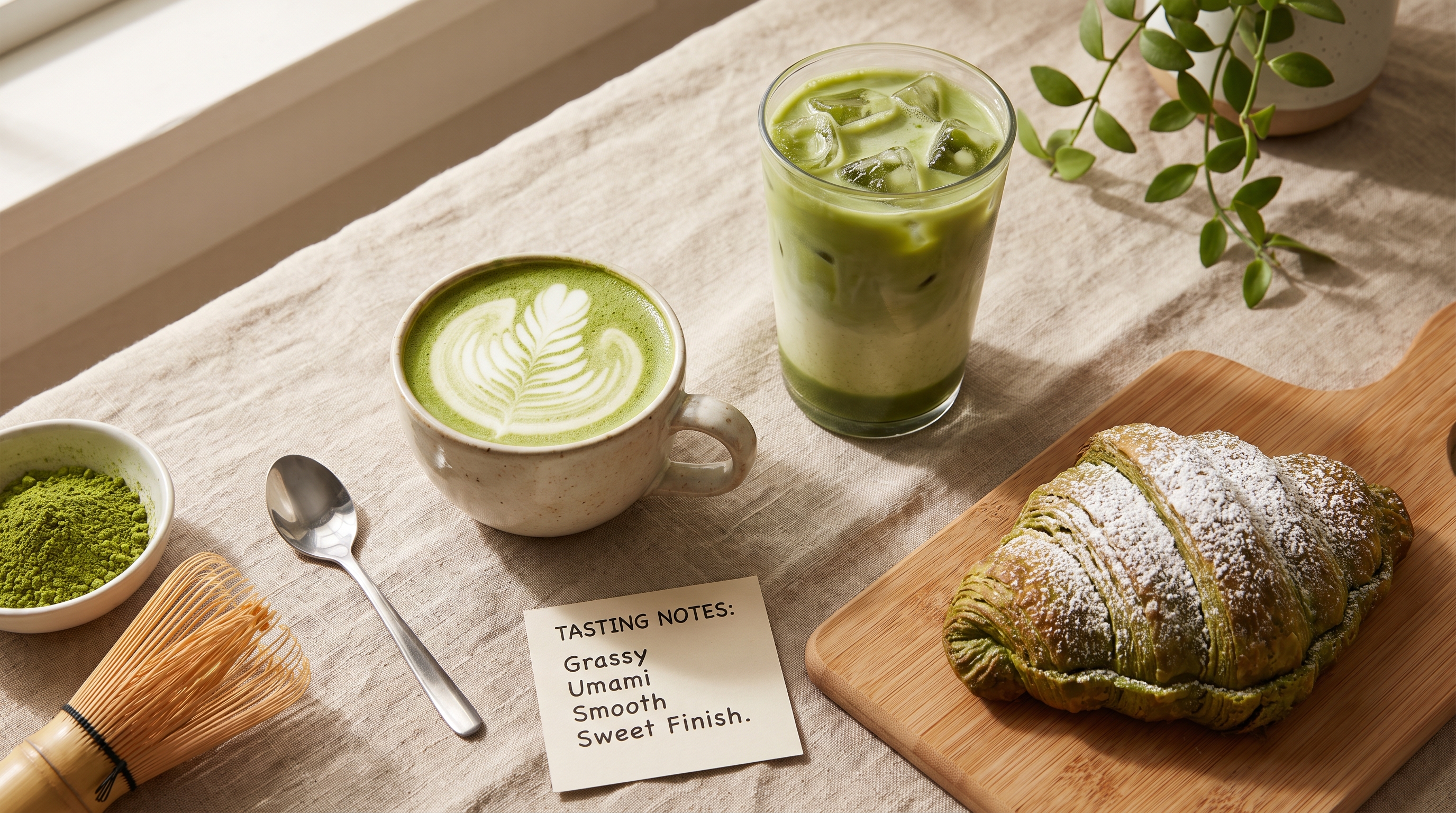
In beverage operations, a higher-quality, more vibrant matcha powder often yields a significantly lower “cost-in-use” than its cheap, low-grade counterparts. This counterintuitive economic reality is driven by the powder’s sensory efficiency. High-quality matcha—specifically cultivated under strict shading protocols for 20 to 30 days—boasts an exceptionally rich concentration of L-theanine (an amino acid that imparts natural sweetness and savory umami) and chlorophyll.
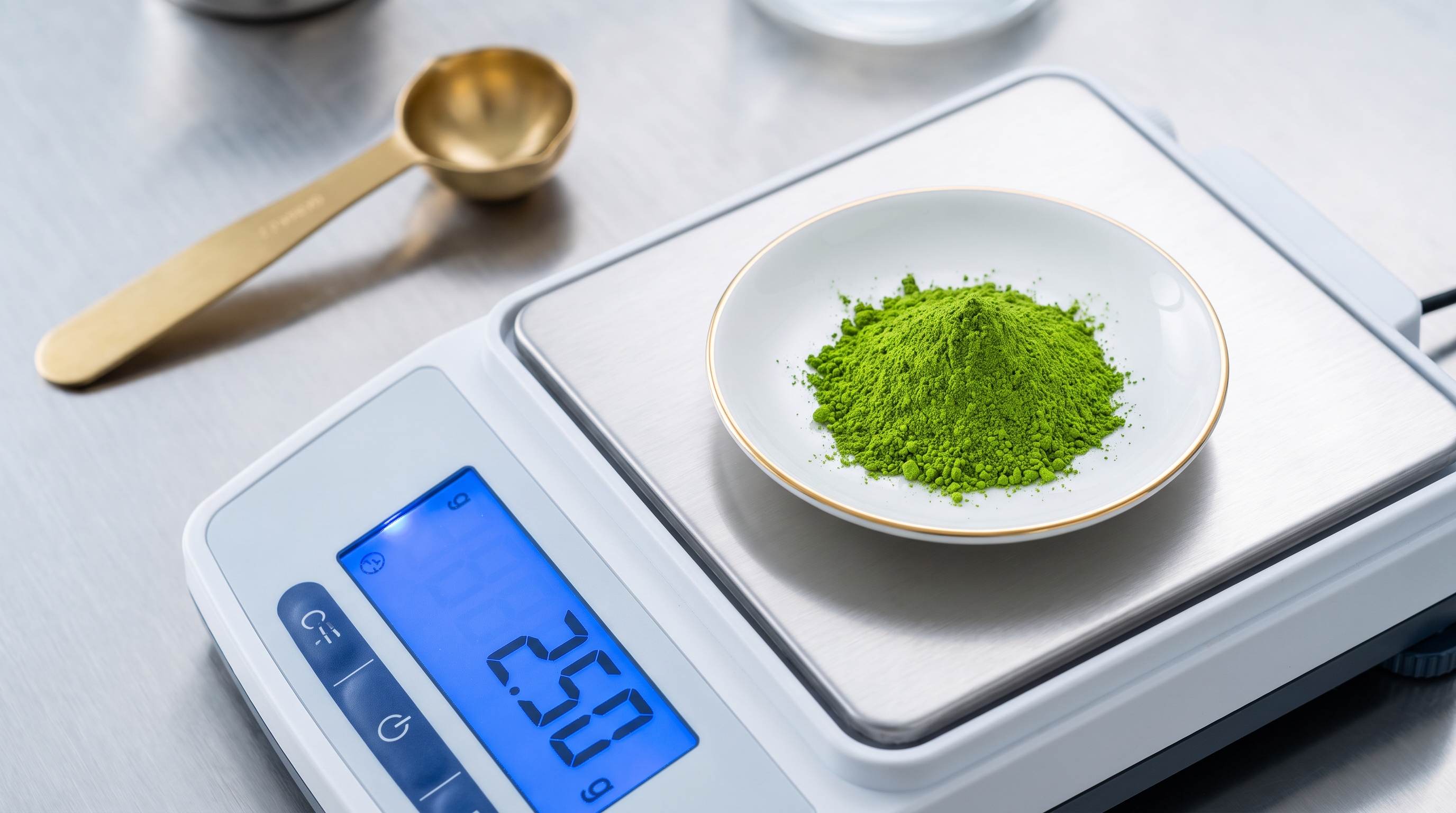
Because the flavor and color of a premium powder are so concentrated, a barista only needs a 2-gram to 2.5-gram portion to create a rich, full-bodied, visually stunning 16oz latte.
On the other hand, a flat, bitter, low-grade culinary powder requires a portion size of 4 grams or more, plus heavy doses of expensive vanilla syrups or honey, just to mask the intense bitterness and mimic a acceptable green hue. By doubling the portion size to achieve the same taste and aesthetic threshold, the cheap powder effectively doubles its real-world CPS, entirely wiping out any upfront savings on the bulk kilogram price.
To source the ideal balance of yield, flavor, and visual appeal, smart procurement managers rely on specialized commercial suppliers. Exploring dedicated wholesale matcha powder selections allows cafés to evaluate raw powder characteristics and identify options that maximize cup yield per kilogram, ensuring that every dollar spent on raw inventory converts into maximum liquid revenue. Standard Portioning: How Much Matcha Is Used Per Drink?
Establishing tight, standardized portion controls is the cornerstone of any high-volume beverage program. Without standard operating procedures (SOPs) for portioning, staff will inevitably over-scoop during peak hours, causing inconsistent flavor profiles and catastrophic inventory shrinkage. In commercial café settings, standard portioning for matcha lattes, iced teas, and bubble teas ranges from 2 grams to 4 grams of dry powder per serving, depending on the cup volume and the grade of matcha used.
For hot preparations, where the heat naturally volatilizes the aromatic compounds and intensifies flavor perception, a slightly lower powder weight is acceptable. For iced preparations—where ice dilution and cold temperatures mute the palate’s sensitivity to sweetness and subtle flavor notes—a more robust portion is required to maintain drink integrity.
The table below outlines standard portion guidelines for commercial beverage sizes, illustrating how precise dry-weight measurements scale across common café cup formats:
| | Liquid Base Volume (Water/Milk) | | Primary Operational Purpose |
|---|
| | | | Delicate, balanced flavor; rapid preparation |
| | | | Rich, vibrant profile; standard café size |
| | 3oz Water + 10oz Milk + Ice | | Cuts through ice dilution; bold green visual |
| | 3oz Water + 14oz Milk + Ice | | High-volume drink; requires strong umami base |
| | 2oz Water + 8oz Milk + Ice | | Robust culinary grade; pairs with dairy fat |
By enforcing these exact portion standards using calibrated digital scales or precision level-scoops, café chains can completely stabilize their inventory cycles. This consistency ensures that a 10kg wholesale order consistently yields exactly 4,000 servings of 12oz hot lattes (at 2.5g per serving), leaving zero room for unaccounted inventory drift or unpredictable margin fluctuations.
Step-by-Step Cost Calculation for an Iced Matcha Latte
To demonstrate the real-world economics of a matcha program, let’s break down the exact raw ingredient costs (COGS) required to construct a standard 16oz Iced Matcha Latte. We will compare two distinct sourcing pathways: utilizing a Premium Culinary grade matcha versus a high-end Ceremonial grade matcha. This granular breakdown helps operators decide where to position their menu on the spectrum of luxury and profitability.
To perform this calculation, we assume the following standardized ingredient pricing (based on commercial bulk distributor averages):
- Premium Culinary Matcha:
(0.045 per gram)
- Ceremonial Matcha:(0.085 per gram)
- Oat Milk (Barista Blend):
(0.0024 per ml)
- Simple Syrup (Organic):
(0.005 per ml)
- Iced Cup, Lid, Straw, and filtered Ice: $0.25 flat rate
The table below calculates the exact cost per serving, suggested retail pricing, and final gross profit margins for both options:
| Premium Culinary Latte (16oz) | |
|---|
Matcha Powder (3.0g portion) | | |
Filtered Hot Water (90ml / 3oz) | | |
Barista Oat Milk (300ml / 10oz) | | |
Organic Simple Syrup (15ml) | | $0.000 (Ceremonial needs no sugar) |
Packaging & Ice (Cup, Lid, Straw) | | |
| | |
Suggested Menu Retail Price | | |
| | |
Gross Margin Percentage (%) | | |
This financial breakdown reveals a crucial operational insight: although Ceremonial-grade powder is nearly double the cost per kilogram, the total drink cost only increases by a modest $0.045. Because ceremonial matcha has a naturally sweet, smooth, and completely non-bitter flavor profile, you can entirely eliminate the simple syrup cost.
Furthermore, because customers view ceremonial matcha as a luxury health product, you can easily price the drink
0.75higheronyourmenu.Thisstrategicpositioningactuallyincreasesyourabsolutecashprofitby0.75 higher on your menu. This strategic positioning actually increases your absolute cash profit by 0.75higheronyourmenu.Thisstrategicpositioningactuallyincreasesyourabsolutecashprofitby
0.70 per cup, proving that investing in higher-quality ingredients is often the most direct path to boosting café profitability.
Maximizing Profitability: Cost Calculation for Matcha Bubble Tea
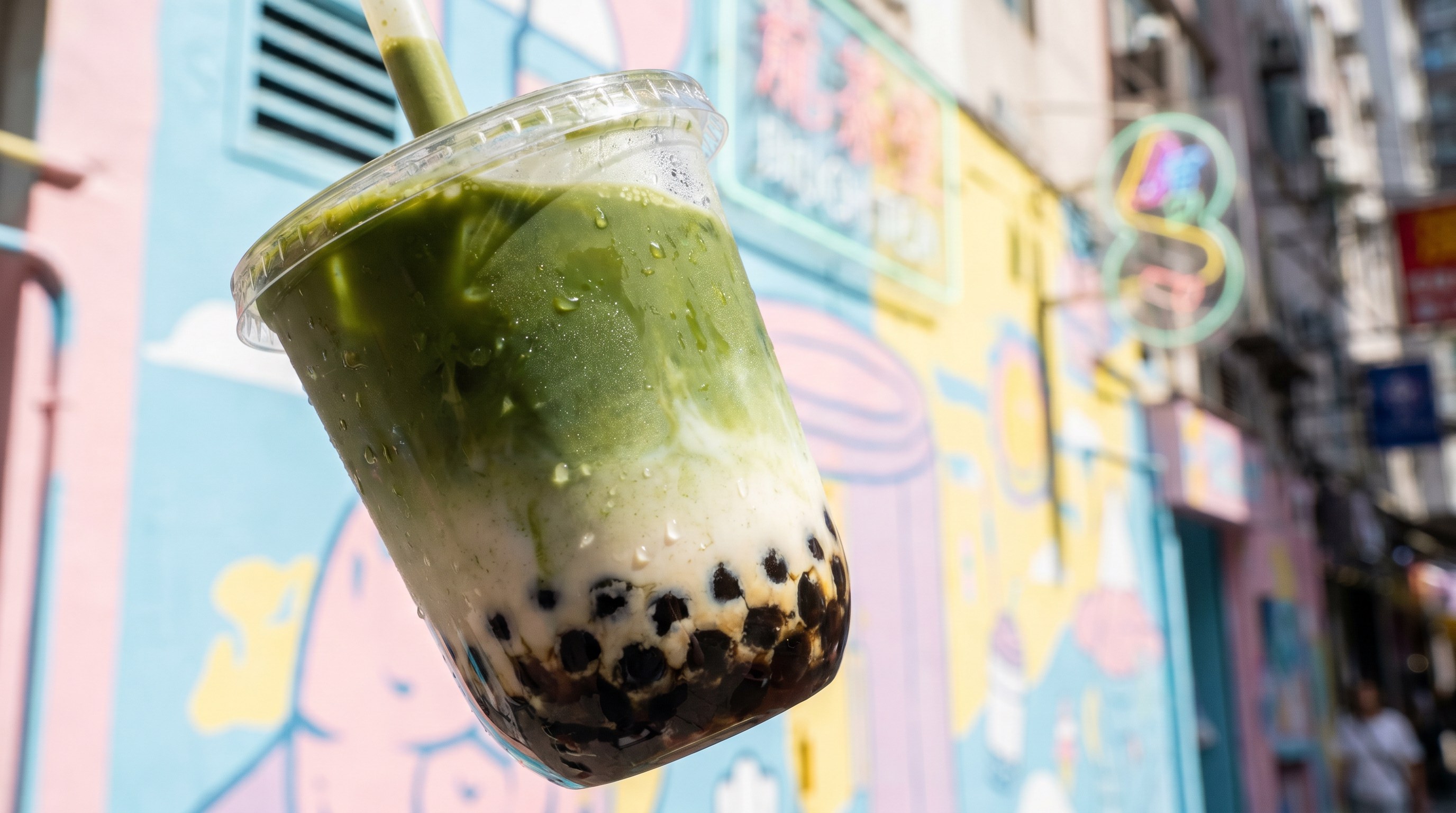
The global bubble tea market continues to experience phenomenal growth, and matcha-based bubble teas have quickly become a staple for younger demographics like Gen Z and Millennials. Bubble tea is an exceptionally lucrative category because customers expect to pay premium prices for highly customized, layered drinks. However, because bubble tea recipes involve multiple texture and flavor components—such as tapioca pearls, syrups, and non-dairy creamers—meticulous cost tracking is absolutely essential to protect your margins.
To optimize a Matcha Bubble Tea recipe, operators must choose a robust matcha powder with a bold tea profile. A delicate ceremonial grade will easily get lost beneath the heavy fats of milk tea powders and the intense sweetness of brown sugar boba. A high-quality, vibrant culinary grade is the ideal choice here: it delivers a strong green tea flavor that cuts through the milk, maintains its vivid green color, and keeps raw ingredient costs highly competitive.
Let’s look at the unit economics of a 16oz Classic Iced Matcha Bubble Tea, utilizing a professional-grade bulk matcha powder:
| Quantity per 16oz Serving | | |
|---|
| | | |
Non-Dairy Creamer / Whole Milk | | | |
Brown Sugar Tapioca Pearls (Boba) | | | |
Brown Sugar Syrup (Housemade) | | | |
| | | |
Boba Cup, Sealing Film, & Wide Straw | | | |
| | | |
Suggested Menu Retail Price | | | |
| | | |
| | | |
With a raw beverage cost of just
0.77andaretailpricepointof0.77 and a retail price point of 0.77andaretailpricepointof
6.25, Matcha Bubble Tea delivers an extraordinary 87.7% gross profit margin. To maximize this profitability even further, café owners should offer premium “add-ons,” such as matcha-infused cheese foam, red bean paste, or grass jelly. These premium toppings cost pennies to produce but allow you to charge an extra
1.25 per drink, transforming a standard bubble tea into a high-margin powerhouse.
Expanding Revenues: Cost Calculation for Retail Matcha Tins
For modern cafés and wellness brands, relying solely on drink sales limits your revenue potential to your physical foot traffic and the speed of your baristas. To scale your business and build long-term brand equity, you must diversify into retail product lines. Packaging bulk organic matcha into beautiful, branded, consumer-ready retail tins (typically 30g to 50g sizes) or single-serve stick packs is one of the easiest ways to unlock a highly lucrative, passive revenue stream.
By utilizing a professional private label matcha partner like Riching Matcha, brands can completely bypass the massive capital expenditures of packaging machinery, labeling compliance, and custom design sourcing. You can receive retail-ready, pre-packaged tins printed with your custom branding, filled with pristine organic powder, and sealed under inert nitrogen gas to ensure a 2-year shelf life. The table below breaks down the unit economics of a 30g premium organic retail matcha tin, demonstrating how easily this model can scale:
| | | Strategic Packaging Purpose |
|---|
Premium Organic Matcha (30g) | | | High-chlorophyll, vibrant green ceremonial grade |
Aluminum Tin (30g capacity) | | | Threaded lid, airtight internal seal for freshness |
Custom Gold-Foil Embossed Labeling | | | Premium, eye-catching brand aesthetic |
Nitrogen Flushing & Factory Assembly | | | Displaces oxygen, preventing product yellowing |
Master Case Packaging & Freight | | | Multi-layer protective shipping cartons |
| | | Ready for retail display shelves |
Suggested Retail Price (MSRP) | | | Aligned with premium health food brands |
| | | Direct-to-consumer cash yield |
Gross Margin Percentage (%) | | | |
By dedicating a small, high-visibility section of your café counter or online store to branded retail tins, you can easily turn a simple drink purchase into a premium retail sale.
A customer who loves their morning matcha latte can purchase a
19.50retailtintoenjoyathome.Thissimpleupsellgeneratesamassive19.50 retail tin to enjoy at home. This simple upsell generates a massive 19.50retailtintoenjoyathome.Thissimpleupsellgeneratesamassive
16.15 in gross profit from a single transaction—all without requiring any extra labor, espresso machine steam, or seat occupancy in your café.
Grade Differentiation: How Grade Choice Directly Affects Profit Margin
Selecting the right grade of matcha for each specific menu item is the most important decision for protecting your food margins and ensuring customer satisfaction. Using an ultra-premium, expensive ceremonial grade in a heavily baked cookie or a blended frozen frappe is a costly operational mistake; the delicate umami notes are completely masked by the high heat, sugars, and fats, meaning you are essentially throwing away profit.
Conversely, using a cheap, highly astringent, dull yellow culinary grade for a pure hot tea preparation will alienate your customers, ruin your brand reputation, and stop repeat business.
To make procurement easy, commercial matcha is categorized into three primary tiers: Ceremonial, Premium Culinary, and Classic Culinary. Each tier is specifically processed to balance color, taste, and cost for different menu applications.
By sourcing bulk culinary grade matcha for your kitchen operations and saving ceremonial grades for pure tea, you can dramatically lower your total ingredient costs while keeping product quality exceptionally high. The comparison matrix below provides a clear blueprint for matching the right matcha grade to its optimal commercial application: | | | Ideal Commercial Application | |
|---|
| Vivid, electric jade green | Intense sweet umami, zero bitterness, rich creamy texture | Traditional whisked hot tea, premium iced straight tea, luxury retail tins | Premium price point ($6.50+); supports high-end brand positioning |
| | Balanced sweetness, moderate tea flavor, very mild astringency | Standard hot and iced lattes, iced milk teas, matcha cold foams | The ideal workhorse; delivers maximum visual appeal and balanced margins |
| | Bold, robust tea punch, assertive astringency, earthy undertones | Baking, cake batters, dessert syrups, blended frappes, ice creams | Most cost-effective; flavor cut through heavy dairy, butter, and high heat |
The Hidden Cost of Cheap Matcha: Waste, Clumping, and Customer Loss
When budget-focused buyers pressure their procurement teams to source the cheapest matcha on the market, they often ignore the significant hidden costs that come with low-quality powders. In busy café environments, cheap, poorly processed matcha acts as a silent margin killer. It creates operational bottlenecks, causes high product waste, and leads to a steady loss of high-value customers.
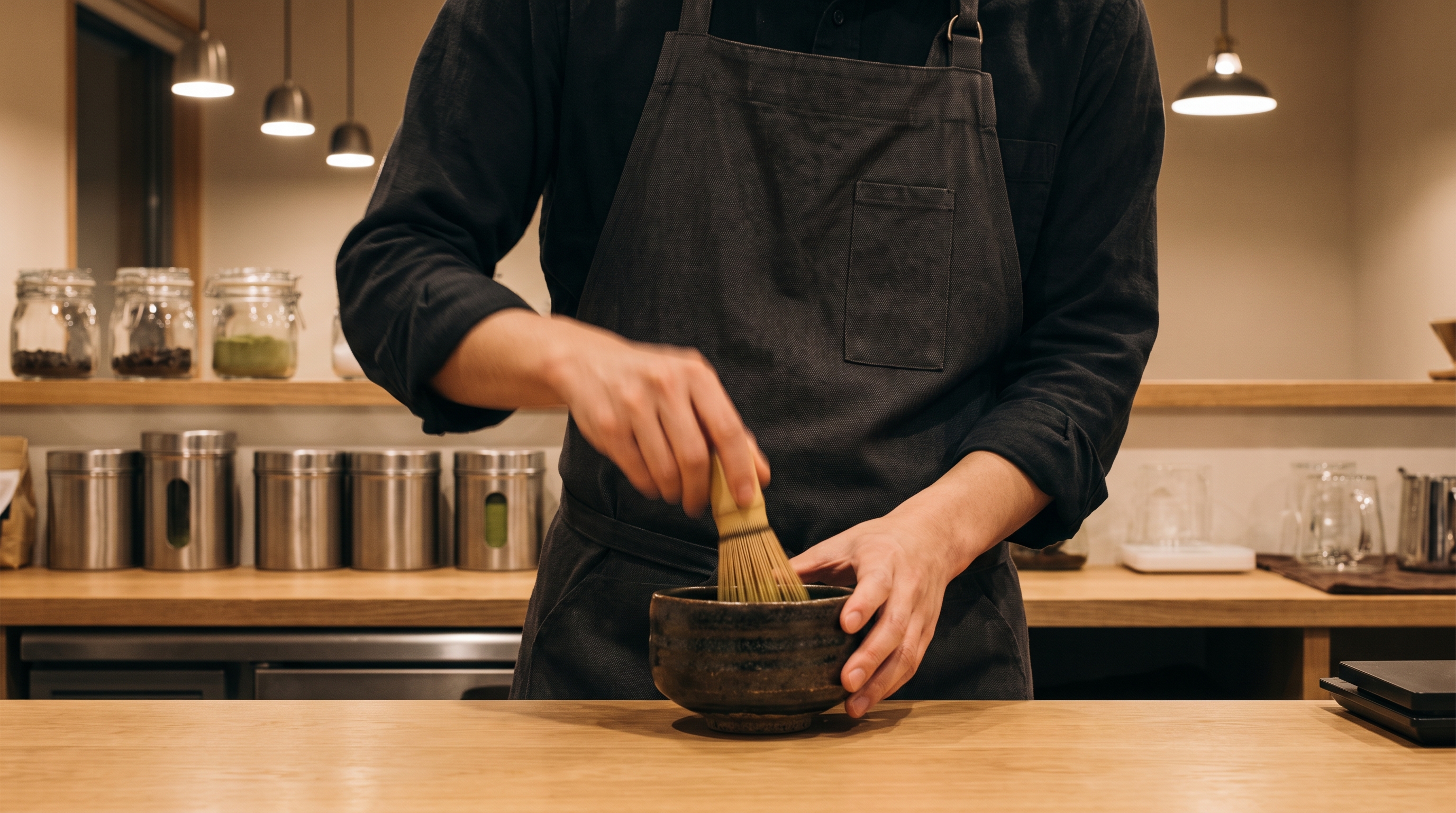
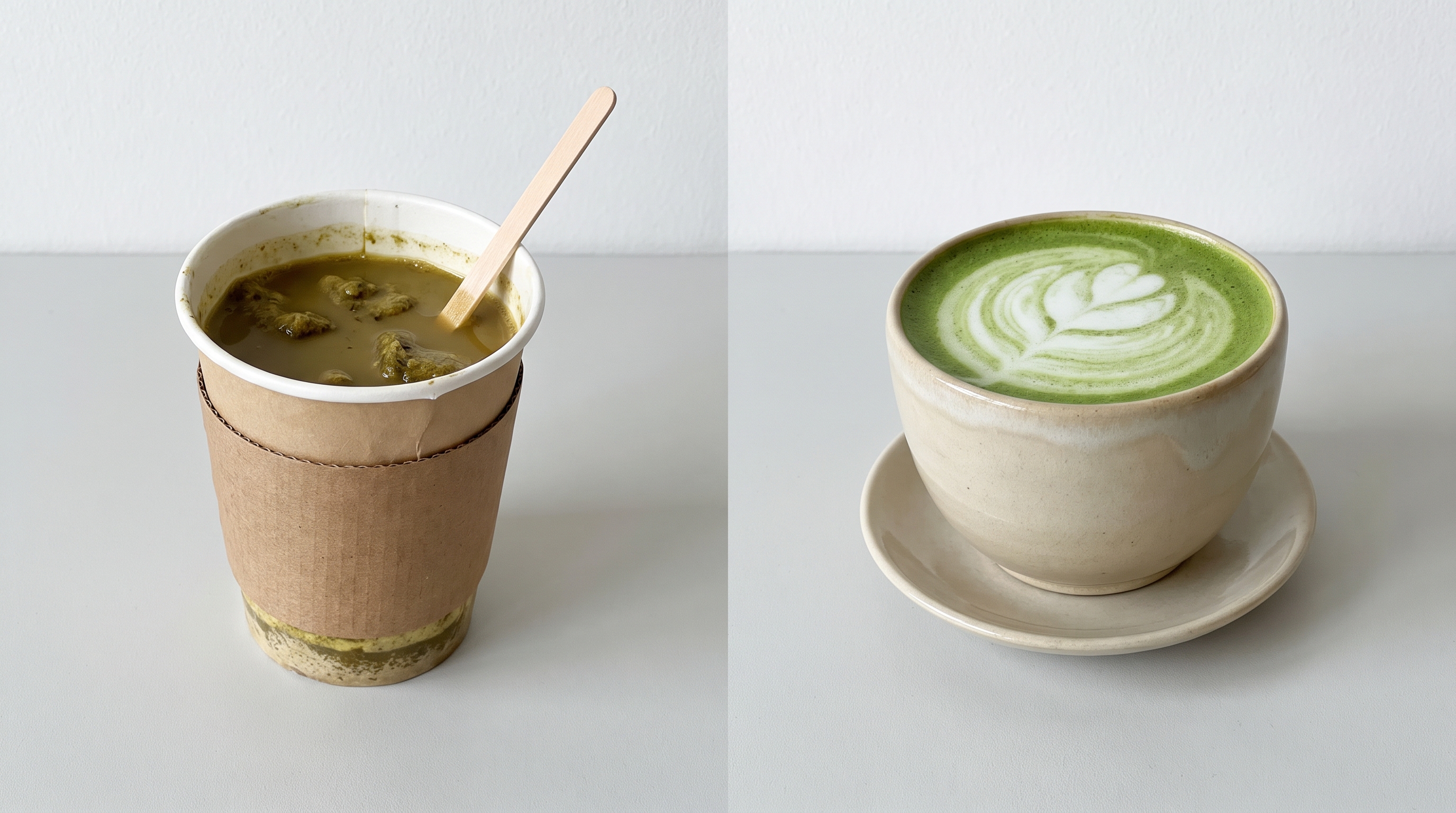
First, consider the operational cost of labor and waste. Cheap matcha powders are rarely milled to the correct micron size and often skip the electrostatic de-clumping process. On the bar, this means the powder forms stubborn, tight clumps that resist dissolution. Baristas must spend valuable extra time vigorously whisking, shaking, or blending the mixture to eliminate these gritty dry pockets.
During a busy morning rush, this slow preparation speed delays ticket times, backs up the queue, and can lead to lost sales from frustrated, waiting customers.
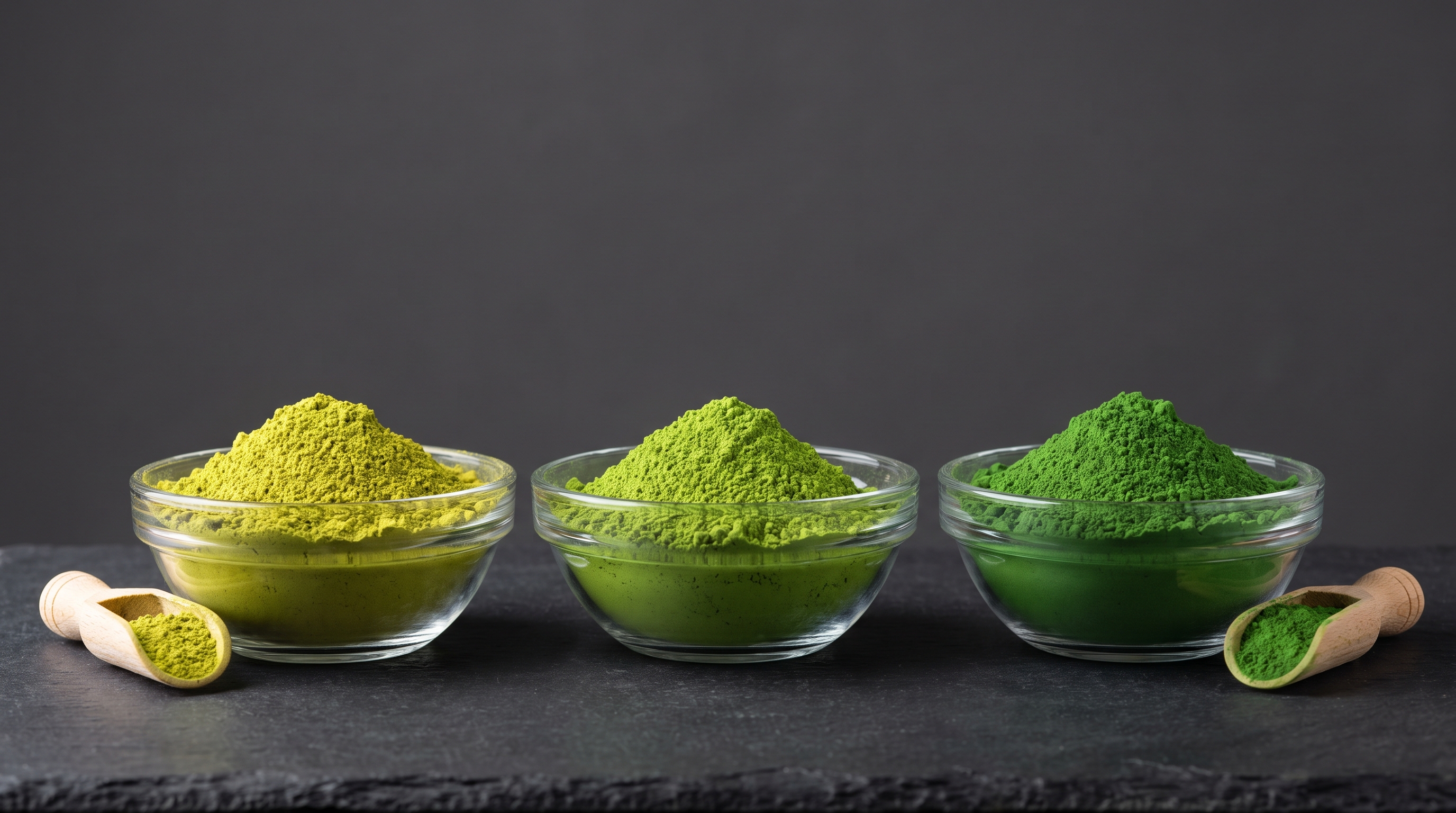
Furthermore, if the clumpy mixture isn’t prepared perfectly, a significant amount of the matcha powder simply settles at the bottom of the pitcher or cup as an undissolved green sludge, as shown in the comparison below:
In addition to operational waste, there is a major visual and sensory downside. Low-grade matcha is highly susceptible to rapid oxidation. Within minutes of exposure to air, light, or heat, the powder starts turning a dull, unappealing yellow-brown. When mixed with milk, this oxidization results in a muddy, swamp-like appearance rather than the vibrant, photo-worthy green color that customers expect.
In the modern café landscape—where social media shares on platforms like Instagram and TikTok act as free marketing—serving a dull, muddy-looking latte is a major branding mistake.
Most importantly, cheap matcha is highly bitter and astringent. A customer who receives a bitter, gritty, dark-yellow drink is highly unlikely to return. When you consider that a loyal, daily customer’s lifetime value (CLV) is worth thousands of dollars in annual revenue, saving a few cents per serving by purchasing low-grade powder is a highly short-sighted strategy that ultimately damages your bottom line.
Strategic Pricing: Balancing Quality, Taste, and Menu Placement
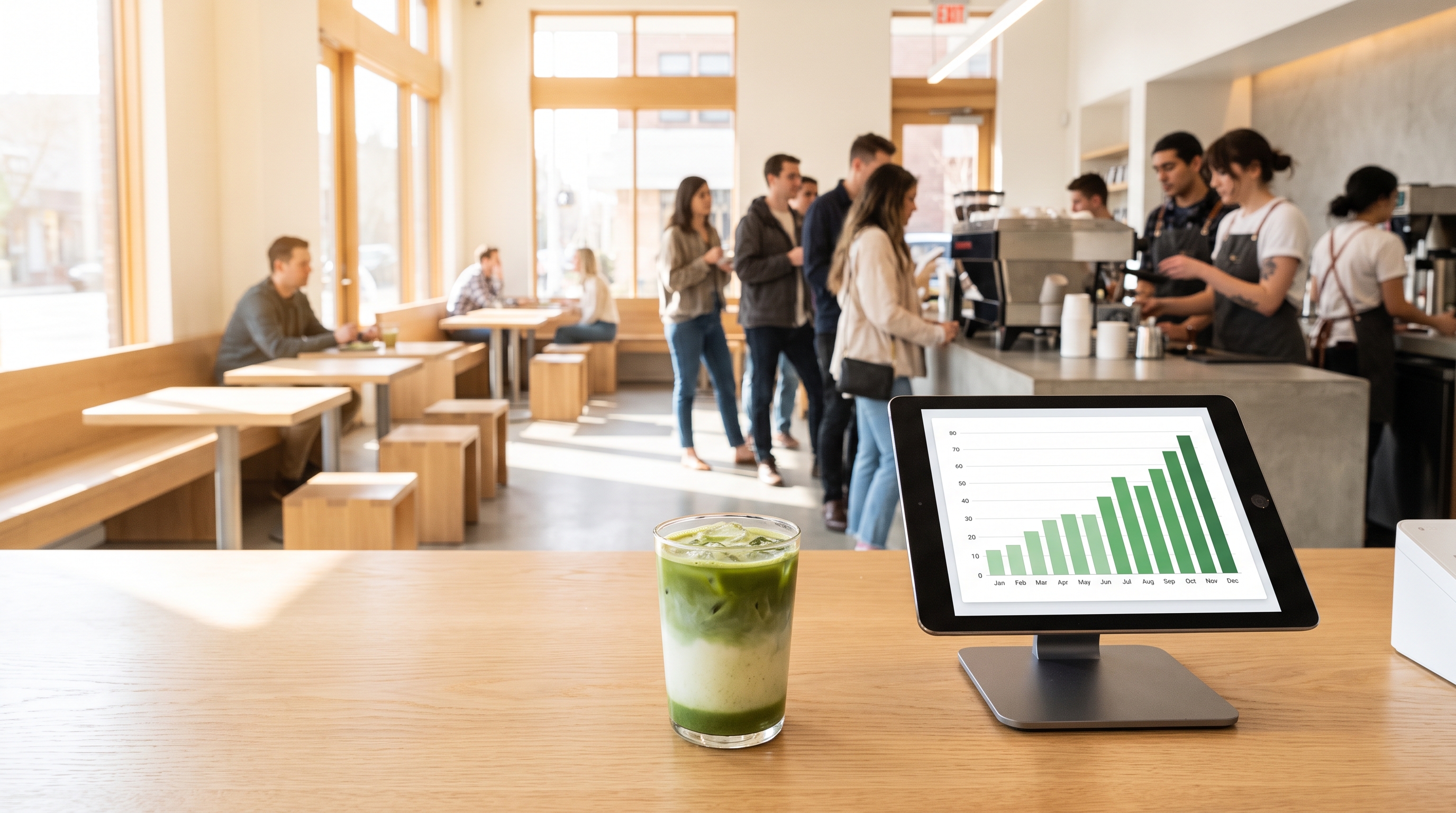
To maximize the profitability of your matcha program, you need to combine smart ingredient sourcing with a strategic approach to menu pricing. Because matcha is widely recognized as a premium, functional superfood packed with clean energy, high antioxidants, and calm focus, it naturally commands a much higher perceived value than standard coffee beverages. This high perceived value gives café owners a fantastic opportunity to position matcha as a premium health beverage, allowing you to charge higher prices and capture exceptionally strong profit margins.
While a standard 16oz espresso latte is typically priced between
4.50, you can easily price a 16oz Matcha Latte between
7.00.
To justify these premium price points, focus your menu marketing on clean energy, premium ingredient quality, and functional wellness. Using words like “Shade-Grown,” “Antioxidant-Rich,” or “Ceremonial Grade” on your menu boards tells customers they are buying a premium health product, making them feel good about paying a premium price.
To drive your average ticket size even higher, make sure to take advantage of premium upselling opportunities. Matcha pairs beautifully with high-end alternative milks—especially oat milk, almond milk, and coconut milk—which naturally complement its earthy flavor profile. By charging a standard
1.00 fee for these dairy-free milk swaps, you can easily boost your average drink price while providing a highly desirable customization option.
Additionally, offering premium, natural sweeteners—like organic agave nectar, raw honey, or pure maple syrup—for an extra $0.50 allows you to maximize your margins on every single transaction, turning your matcha selection into the most profitable category on your beverage menu.
Economies of Scale: How Bulk Buying Reduces Your Unit Cost
For growing café chains, beverage brands, and wholesale distributors, scaling up your purchasing volume is the single most effective way to lower your unit costs and instantly improve your gross margins. In the wholesale matcha industry, pricing is heavily determined by volume. Because manufacturing facilities, packaging setups, and customs clearance logistics have high fixed costs, price per kilogram drops dramatically as your order volume increases.
By establishing a direct partnership with a factory-direct manufacturer, you can completely bypass the middleman markups of local distributors and brokers. This direct connection lets you secure tier-one pricing, dramatically improving your cost per serving.
The table below shows a typical volume discount curve for wholesale organic premium culinary matcha, demonstrating how buying in larger quantities directly improves a brand’s bottom-line margins:
| Wholesale Price per Kg ($) | Dry Powder Cost per 2.5g Serving ($) | Raw Cost of Goods (COGS) Reduction | Annualized Savings (Based on 100,000 Cups) |
|---|
| | | | |
| | | | |
| | | | |
| | | | |
This volumetric analysis reveals how scale can transform your unit economics. Moving from a starter wholesale volume (100kg) to a larger commercial volume (1,000kg) drops your raw matcha cost per serving from 0.1125 to just 0.07.
For high-volume café groups or bottled RTD (Ready-To-Drink) beverage brands producing hundreds of thousands of units a year, this margin improvement translates directly into thousands of dollars of extra net cash flow—proving that strategic bulk sourcing is essential for scaling your business profitably.
Simple Matcha Cost Formula and How Riching Matcha Supports Your Business
Calculating your exact ingredient costs doesn’t have to be complicated. By using the simple, standardized cost formula below, you can quickly analyze any bulk matcha quote and find your exact cost per serving in seconds:
For example, if you purchase high-quality bulk matcha at $38.00 per kg and use a standard 2.5g portion for your lattes, your calculation is:
Step 1: $38.00 / 1000 = $0.038 (Cost per Gram)
Step 2: $0.038 * 2.5g = $0.095 (Cost Per Serving)
At Riching Matcha, we do far more than just supply high-quality tea powder. We act as a dedicated partner to help you build and scale a highly profitable beverage program. As a premier global wholesale manufacturer, we specialize in supplying certified organic (EU and USDA Organic) and conventional matcha powders directly from our agricultural farms.
Whether you are looking for smooth, vibrant ceremonial grade matcha for high-end retail tins, versatile premium lattes, or robust culinary powder for wholesale distribution, our team will help you find the exact grade to match your target profit margins. We offer full customization options—including custom bulk packaging, private-label retail tins, single-serve stick packs, and custom blending—all backed by strict international food safety certifications (ISO, HACCP, Organic) and certified laboratory COAs. Partnering with Riching Matcha means you get consistent premium quality, predictable inventory cycles, and direct factory-to-door logistics, ensuring your beverage program runs smoothly and profitably.
Take Control of Your Margins Today
Are you ready to optimize your beverage program, reduce your cost per serving, and launch a highly profitable private-label retail line? Contact our global B2B sales team today to request a custom bulk quote, schedule a consultation with our menu-engineering experts, or order your premium sample kit. Let us help you unlock the true profit potential of your brand. 1: What is the shelf life of wholesale matcha, and how does it impact inventory cost?
Unopened bulk wholesale matcha has a standard commercial shelf life of 18 to 24 months from the manufacturing date, provided it is stored correctly. To preserve its quality, keep it in its original high-barrier foil packaging, shielded from light, oxygen, heat, and moisture. Once opened, matcha should be transferred to airtight containers, kept in a cool environment (refrigeration is highly recommended for opened stock), and used within 60 to 90 days.
From an inventory cost perspective, poor storage practices can lead to fast product degradation and oxidation. This forces cafés to throw away spoiled stock, which directly increases their average cost per serving and reduces overall profitability.
2: Why is my matcha latte turning yellow, and how does this affect my bottom line?
A matcha latte that turns a dull, muddy yellow-brown is suffering from oxidation. This happens when the powder is exposed to heat, light, and oxygen, which breaks down the delicate chlorophyll molecules. Using a cheap culinary-grade powder with high moisture and ash content accelerates this yellowing process.
This directly hurts your bottom line in two ways:
- Gritty, Bitter Flavor: Oxidized matcha loses its smooth, sweet flavor and becomes highly bitter. This leads to customer complaints, drink remakes, and wasted ingredients.
- Loss of High-Value Customers: Customers expect a vibrant, green, photo-worthy drink. Serving a dull, yellow latte ruins your brand reputation and stops lucrative repeat business.
Investing in high-quality, nitrogen-flushed powders from a reliable supplier is the best way to protect your drink presentation and ensure long-term customer loyalty.
3: Can I use culinary grade matcha for ceremonial tea beverages?
No, using a culinary-grade matcha for pure, water-whisked traditional tea is highly discouraged. Culinary-grade powders are milled from older leaves harvested later in the season. These leaves contain higher levels of catechins, which gives them a bold, sharp, and highly astringent flavor. While this robust flavor is perfect for cutting through dairy fat in baking or sweet syrups, it tastes unpleasantly bitter and gritty when mixed simply with hot water.
For pure tea preparations, always choose a ceremonial-grade matcha. Ceremonial powders are made from first-harvest, shade-grown spring tencha leaves, which deliver the smooth, naturally sweet, and vibrant jade-green cup profile that tea lovers expect.
4: How does organic certification (USDA/EU) affect the cost per serving and retail pricing?
Certified organic matcha (compliant with USDA and EU regulations) typically carries a wholesale premium of 15% to 25% over conventional matcha. This price difference is driven by the higher labor costs of organic farming, the expense of organic fertilizers, and the strict auditing, testing, and certification processes required by international agencies.
For a café, this translates to a modest increase of about
0.04 in your raw cost per serving.
However, because health-conscious consumers place a highly premium value on organic certification, you can easily price organic matcha drinks
1.00 higher on your menu. This simple strategic positioning allows you to easily cover the slightly higher bulk costs while generating a significantly higher net profit per cup.
5: What is the minimum order quantity (MOQ) for custom-packaged private label matcha?
Minimum Order Quantities (MOQs) vary depending on the packaging format you choose. For standard bulk wholesale matcha shipped in commercial 10kg/20kg cartons, MOQs typically start at 100kg. For private-label retail lines—such as custom-branded 30g tins, stand-up pouches, or single-serve stick packs—MOQs generally start at 1,000 units per sku.
These MOQs ensure we can run our high-speed packaging machinery efficiently and help you secure the lowest possible packaging material costs. This allows us to pass those savings directly on to you, ensuring your retail products launch with highly competitive margins.