
Many bubble tea shop owners and beverage distributors struggle with menu fatigue and the high cost of traditional, imported toppings that often contain excessive preservatives. This reliance on standard pearls or jelly varieties can lead to a stale brand image, causing you to lose competitive edge against innovative franchises that offer fresh, premium textures. Making a high-quality matcha jelly for bubble tea or drink topping is the ultimate solution to revitalize your menu with a vibrant, antioxidant-rich component that satisfies the growing demand for clean-label, plant-based ingredients. Matcha jelly is a translucent, jiggly dessert made by setting high-grade green tea powder with a gelling agent like agar-agar, providing an earthy flavor profile that perfectly complements creamy lattes and fruit teas.
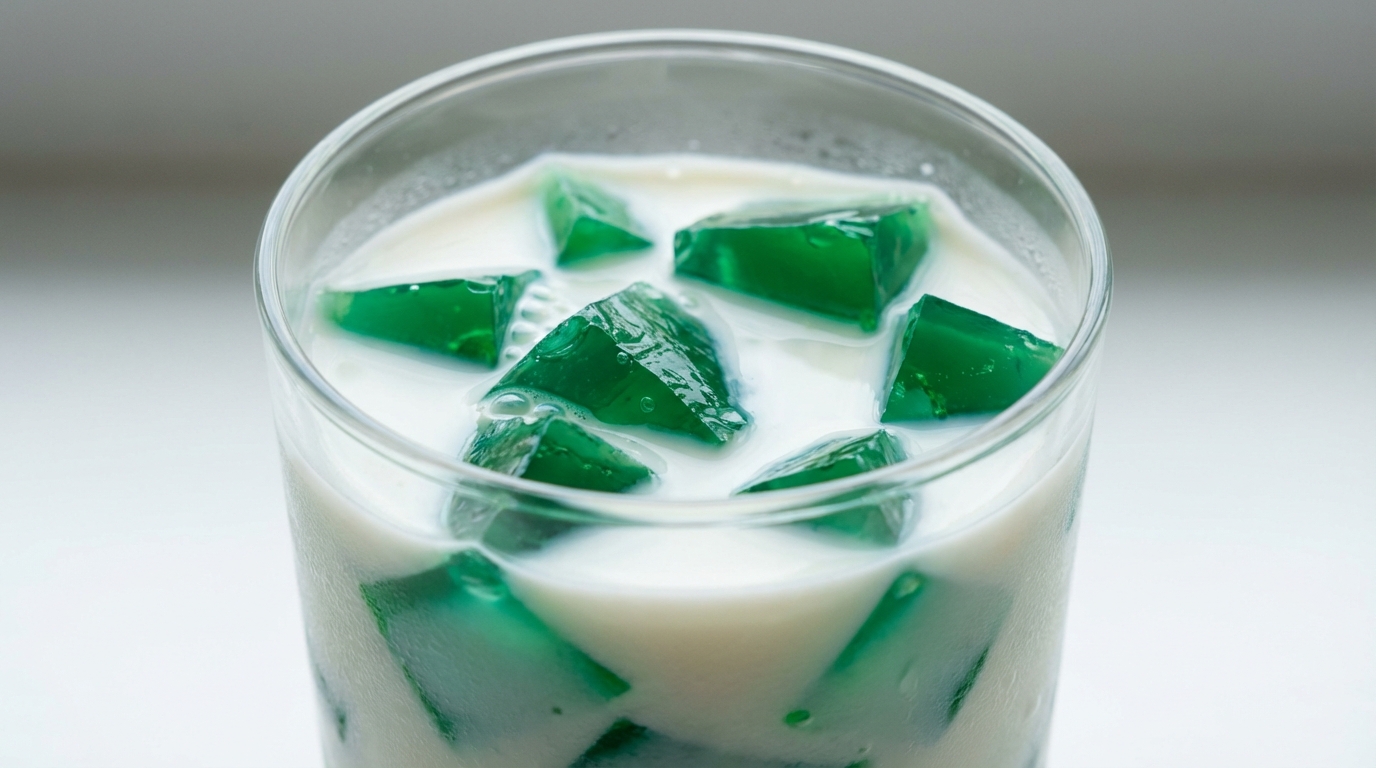
You should use this topping because it provides a unique sensory experience that differentiates your beverage brand from competitors using generic syrups or synthetic jellies. Incorporating matcha jelly for bubble tea or drink topping allows you to tap into the premium “health-conscious” market segment while maintaining excellent profit margins.
The best part?
It offers a striking visual contrast when layered at the bottom of a milk-based drink, immediately catching the customer’s eye for social media marketing. From a B2B perspective, this versatile ingredient simplifies your inventory by utilizing existing matcha stock to create a high-value house-made topping.
The Appeal of Vibrant Green Toppings
Visual aesthetics are paramount in the modern beverage industry, where “Instagrammability” often drives first-time purchases and brand recognition. A deep, emerald-hued jelly signals freshness and high chlorophyll content to your discerning clientele, who associate vibrant colors with nutritional density.
Think about it:
- Naturally derived colors reduce the need for artificial dyes.
- Dark green tones contrast beautifully against white milk and yellow fruit teas.
- The translucent nature of the jelly adds a sophisticated, “jewel-like” quality to the cup.
- Premium visual cues allow for higher price points on specialty menus.
Refreshing Texture in Bubble Tea
While chewy tapioca pearls remain a staple, the lighter and more delicate “jiggle” of matcha jelly offers a refreshing alternative that appeals to those seeking a less heavy drink. This mouthfeel is characterized by a clean break upon biting, which releases a concentrated burst of earthy matcha flavor that pearls cannot replicate.
Believe it or not:
- The soft texture allows for easier consumption through standard wide-diameter straws.
- It provides a cooling sensation that is particularly popular during high-volume summer sales.
- Diverse textures in a single drink increase the perceived value and complexity of the beverage.
- It serves as an excellent palate cleanser between sips of rich, sweetened tea bases.
Feature | Matcha Jelly Benefit |
|---|---|
Visuals | Vibrant, natural emerald green hues that attract premium customers. |
Texture | Soft, delicate, and jiggly mouthfeel that provides a clean break. |
Flavor | Earthy, bittersweet, and aromatic notes that enhance the tea base. |
The data indicates that the integration of diverse textures like matcha jelly significantly boosts customer retention by offering a multisensory drinking experience.
Key Takeaway: Using matcha jelly elevates your menu’s aesthetic and textural diversity, providing a high-ROI, clean-label alternative to traditional bubble tea toppings.
How to make matcha jelly for bubble tea or drink topping?
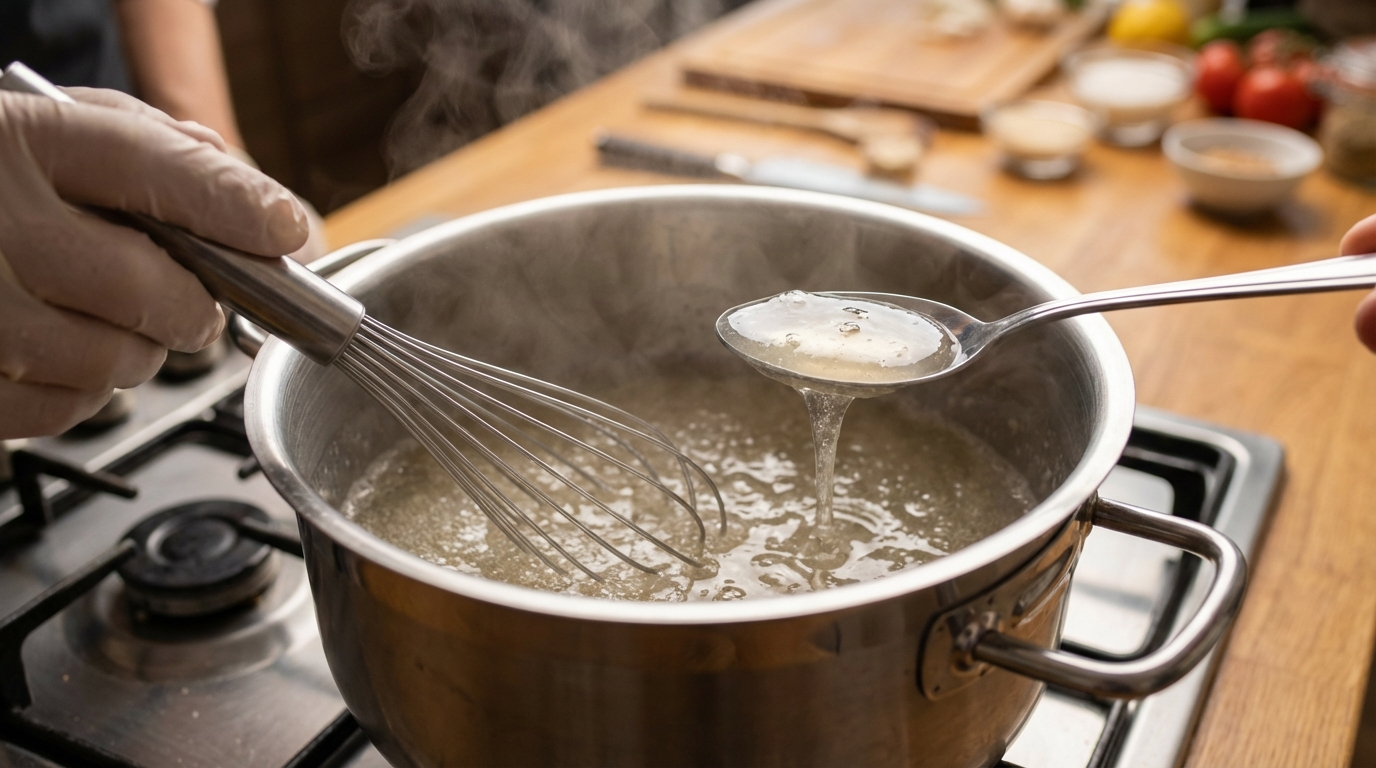
You make this topping by boiling water with agar-agar and sugar, then carefully incorporating frothed matcha powder before the mixture cools and sets. Creating matcha jelly for bubble tea or drink topping requires precise temperature control to ensure the gelling agent activates without burning the delicate tea polyphenols.
Let’s get started.
Consistency is key for wholesale operations, so you must standardize your boiling times and whisking techniques to ensure every batch has the same firm, yet jiggly, structural integrity. High-volume kitchens should utilize large-scale whisks and flat molds to maximize efficiency during the setting process.
Activating Agar with Boiling Water
Agar-agar is a thermoreversible gelling agent derived from red algae that requires a specific temperature threshold to fully dissolve and activate its molecular bonds. You must bring your water and agar mixture to a full rolling boil and maintain that state for at least sixty seconds to ensure the jelly doesn’t remain grainy or fail to set.
Here is the secret:
- Boiling for exactly one minute creates a stable polymer matrix.
- Constantly whisking during the boil prevents the agar from settling and burning at the bottom of the pot.
- Using filtered water ensures that no mineral off-flavors interfere with the delicate green tea notes.
- Adding sugar during this phase helps the gelling agent dissolve more uniformly throughout the liquid.
Mixing Frothy Matcha and Agar
The most critical step in maintaining color and flavor is adding the matcha after the base liquid has been removed from the direct heat source. You should whisk the matcha powder in a separate small bowl with warm water until it is completely lump-free and frothy before folding it into the hot agar base.
It gets better:
- Use a traditional bamboo whisk or an electric frother to achieve a smooth suspension.
- Sifting the matcha powder beforehand is mandatory to prevent unappealing dark green clumps in the final jelly.
- Adding the tea at approximately 175°F (80°C) preserves the vibrant green color and prevents excessive bitterness.
- Skimming the surface foam after pouring ensures a crystal-clear, professional finish for the set cubes.
Step | Action |
|---|---|
Step 1 | Dissolve agar and sugar in filtered water and boil for one minute. |
Step 2 | Sift and whisk matcha separately until a frothy suspension is formed. |
Step 3 | Combine the mixtures and pour into a flat mold for uniform setting. |
This standardized three-step process ensures that the gelling agent is fully activated while protecting the fragile antioxidant profile of the high-grade matcha.
Key Takeaway: Precise boiling of the gelling agent followed by the gentle integration of frothed matcha ensures a smooth, vibrantly colored jelly with a perfect commercial-grade set.
What ingredients for matcha jelly for bubble tea or drink topping?
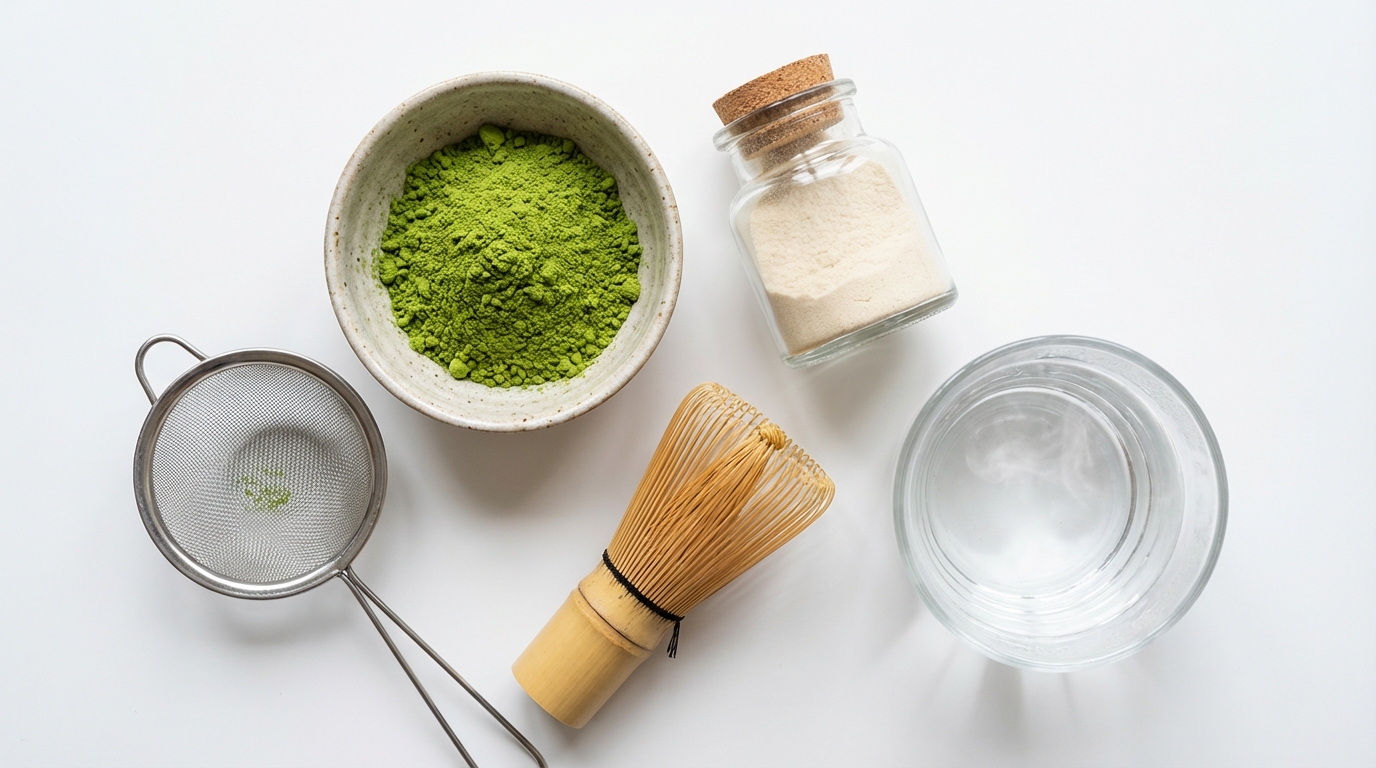
The essential ingredients are high-grade matcha powder, a plant-based gelling agent like agar-agar, sugar, and purified water. Selecting the right matcha jelly for bubble tea or drink topping components is vital for ensuring the final product remains stable under refrigeration and maintains its flavor when submerged in liquid.
Want to know the truth?
Many suppliers use low-quality industrial matcha which results in a brownish, muddy jelly that lacks the signature “umami” punch. For your business, sourcing ingredients from a dedicated wholesale factory ensures that the particle size of the powder is fine enough to remain suspended in the jelly matrix without settling at the bottom.
Essential Matcha Powder Grades
For jelly production, a high-quality culinary or mid-range ceremonial grade is recommended to provide the necessary color intensity and flavor depth. The tea must have a high chlorophyll content to ensure the jelly remains a bright, appetizing green even after the heating and setting process.
Consider these facts:
- Culinary Grade A offers a bold, astringent flavor that holds up well against sweeteners.
- Ceremonial Grade provides a smoother, creamier finish for high-end artisanal beverages.
- Stone-ground powders have a smaller particle size, ensuring a more uniform distribution of color.
- Organic certification appeals to the modern B2B buyer looking for clean-label supply chains.
Plant-Based Gelling Agents
In the B2B beverage world, using agar-agar is often superior to gelatin because it is 100% vegan and remains stable at room temperature. This allow your matcha jelly for bubble tea or drink topping to be marketed to a wider demographic, including those with dietary restrictions or religious food requirements.
Take a look:
- Agar-agar is derived from sea algae, making it a sustainable and ethical choice.
- It has a higher melting point than gelatin, so the jelly won’t dissolve in warm drinks.
- The “crisp” texture of agar provides a more satisfying bite for bubble tea enthusiasts.
- It is available in powder, flake, or strand form, with powder being the most efficient for commercial use.
Ingredient | Purpose |
|---|---|
Matcha Powder | Provides the essential flavor base and natural emerald color. |
Agar Agar | Acts as a plant-based, high-stability thickening and gelling agent. |
Sugar | Balances the inherent bitterness of the tea and enhances umami. |
Selecting premium raw materials is the foundation of creating a high-margin topping that enhances the overall quality perception of your beverage menu.
Key Takeaway: Combining high-chlorophyll matcha with professional-grade agar-agar creates a vegan-friendly, stable topping that meets modern consumer demands for quality and ethics.
Is agar best for matcha jelly for bubble tea or drink topping?
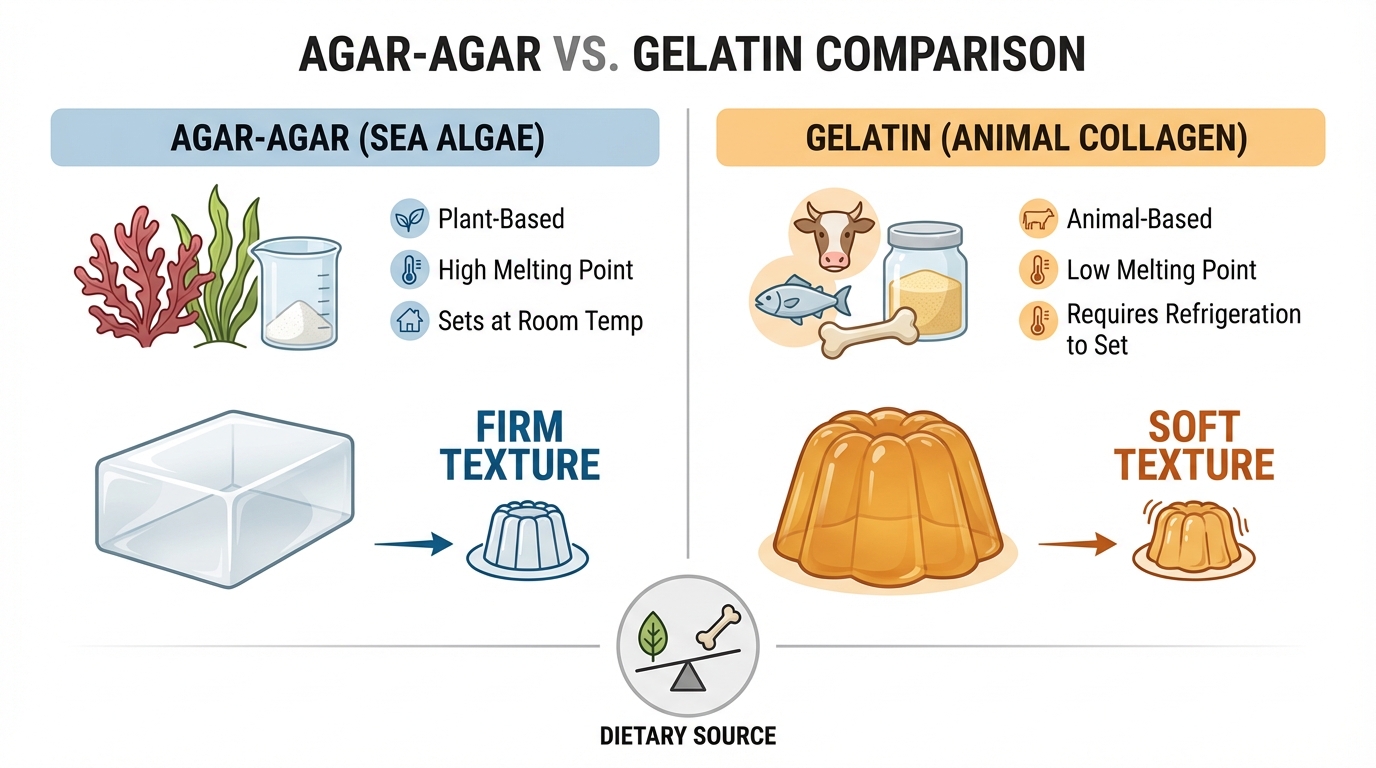
Agar is the superior choice because it offers a plant-based alternative with a firmer texture and a higher melting point than traditional animal-based gelatin. When developing a matcha jelly for bubble tea or drink topping, the structural integrity of the jelly is paramount, especially when it is stored in liquid or served in warm environments.
But wait, there’s more.
Agar-agar sets at room temperature, which can significantly speed up your production cycle in a busy café or production facility. Unlike gelatin, which requires lengthy refrigeration to set, agar allows for faster turnaround times and more resilient inventory management for your wholesale distribution.
Agar Agar vs Gelatin Mouthfeel
The culinary difference between these two agents is most noticeable in the way they break down during consumption. Agar provides a “clean break” that feels sophisticated and light, whereas gelatin has a more elastic, chewy quality that can sometimes feel oily or heavy on the palate.
Here is the breakdown:
- Agar jelly crumbles slightly when bitten, releasing tea flavors instantly.
- Gelatin melts at body temperature, which can make the drink feel thicker.
- The plant-based nature of agar aligns with the “wellness” branding of matcha.
- Professional chefs prefer agar for its ability to hold sharp, clean edges when cut into cubes.
Technical Properties for Beverage Use
For commercial beverage applications, the melting point of your jelly is a critical logistical factor. Agar-agar remains solid up to approximately 185°F (85°C), ensuring that your jelly retains its shape even if it is added to a slightly warm latte or stored in a delivery vehicle during summer months.
Think about this:
- Agar requires a boil to activate, ensuring a sterile and safe food product.
- It can be re-melted and re-set if necessary, reducing waste in the kitchen.
- Gelatin is prone to syneresis (leaking liquid) over time, while agar remains more stable.
- Agar is odorless and tasteless, allowing the pure flavor of the matcha to shine through.
Gelling Agent | Source | Texture | Dietary Status |
|---|---|---|---|
Agar Agar | Sea Algae | Firm, “Crisp” | Vegan/Halal/Kosher |
Gelatin | Animal Collagen | Soft, Chewy | Non-Vegan |
The technical advantages of agar-agar, particularly its temperature resistance and dietary inclusivity, make it the industry standard for premium tea toppings.
Key Takeaway: Agar-agar provides the necessary heat stability and plant-based appeal required for a professional-grade, commercially viable matcha jelly.
Can I store matcha jelly for bubble tea or drink topping?
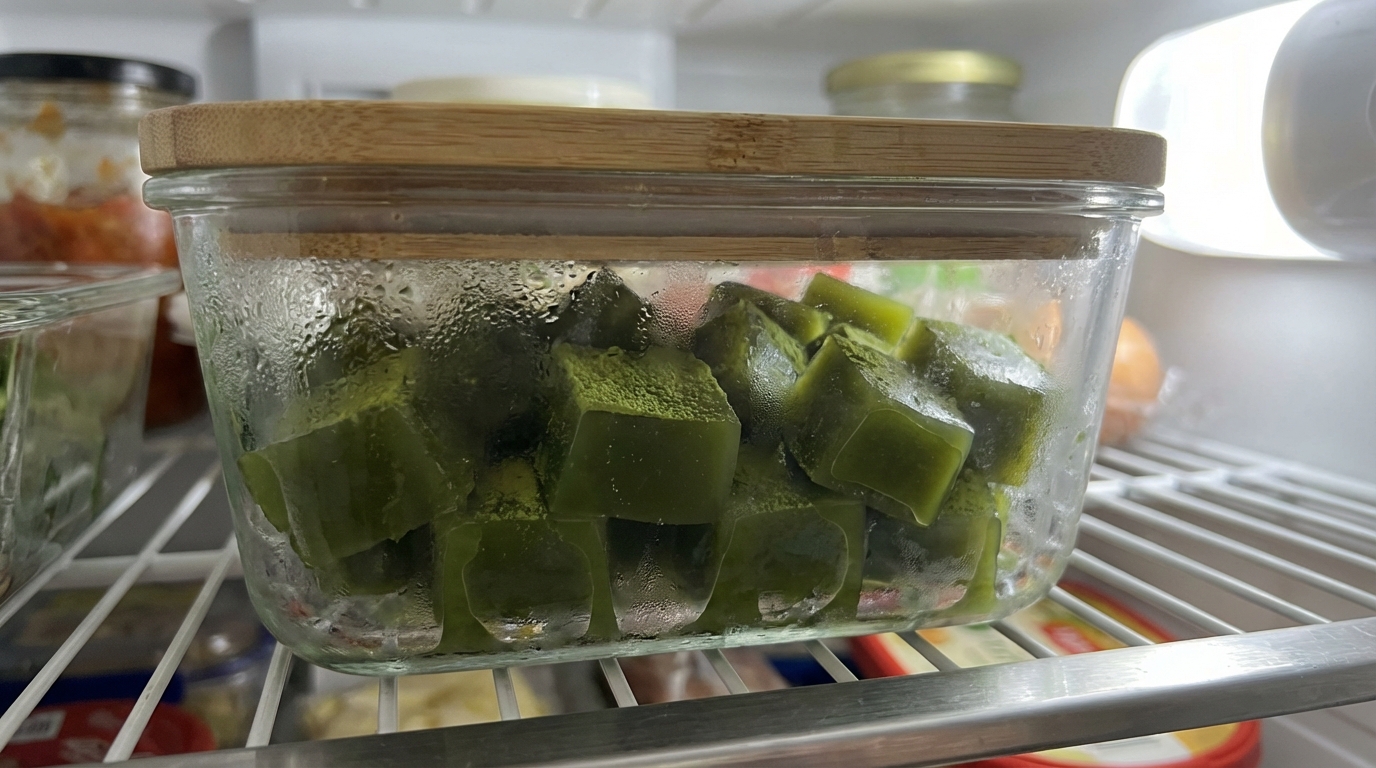
Yes, you can store it in an airtight container in the refrigerator for up to five days without significant loss of quality. Proper storage of matcha jelly for bubble tea or drink topping is crucial for B2B operations that need to prep ingredients in advance to handle peak service hours efficiently.
That’s not all.
To maintain the optimal “jiggle” and prevent the jelly from drying out, you should store the cubes in a light sugar syrup or a small amount of sweetened tea. This prevents the surface of the jelly from becoming tough and ensures that the flavor remains concentrated and fresh for several days.
Ideal Refrigeration Times
While the jelly is safe for up to five days, its peak flavor and texture profile are best experienced within the first 48 hours. After this period, the vibrant green color may begin to oxidize slightly if exposed to too much light or air, leading to a more olive-toned appearance.
You need to know:
- Always store the jelly at temperatures between 34°F and 38°F (1°C to 3°C).
- Use glass or food-grade plastic containers with tight-fitting lids to prevent odor absorption.
- Keep the jelly away from the back of the fridge where it might accidentally freeze.
- Label all containers with the production date and time to ensure strict FIFO (First In, First Out) rotation.
Maintaining Texture Over Time
The main challenge in storing matcha jelly for bubble tea or drink topping is syneresis, which is the contraction of the gel matrix that pushes liquid out of the cubes. To combat this, ensure your sugar ratios are balanced, as sugar acts as a humectant that helps retain moisture within the agar structure.
It’s worth noting:
- Storing cubes submerged in liquid helps them retain their plump, jiggly shape.
- Avoid freezing the jelly, as the formation of ice crystals will destroy the agar bonds.
- If the jelly becomes too firm after storage, a quick rinse in room-temperature water can refresh the surface.
- Large batches should be stored in multiple smaller containers to reduce air exposure during frequent opening.
Storage Method | Duration | Best For |
|---|---|---|
Airtight Container | 3-5 Days | Maintaining overall freshness and hygiene. |
In Sweetened Milk | 24 Hours | Immediate serving and flavor infusion. |
In Simple Syrup | 2-3 Days | Preventing surface drying and oxidation. |
Effective storage protocols allow wholesale businesses to minimize waste while ensuring a consistent, high-quality product is always ready for service.
Key Takeaway: Refrigeration in airtight containers with a light liquid medium preserves the texture and color of matcha jelly for several days, supporting efficient B2B operations.
Why add sugar to matcha jelly for bubble tea or drink topping?
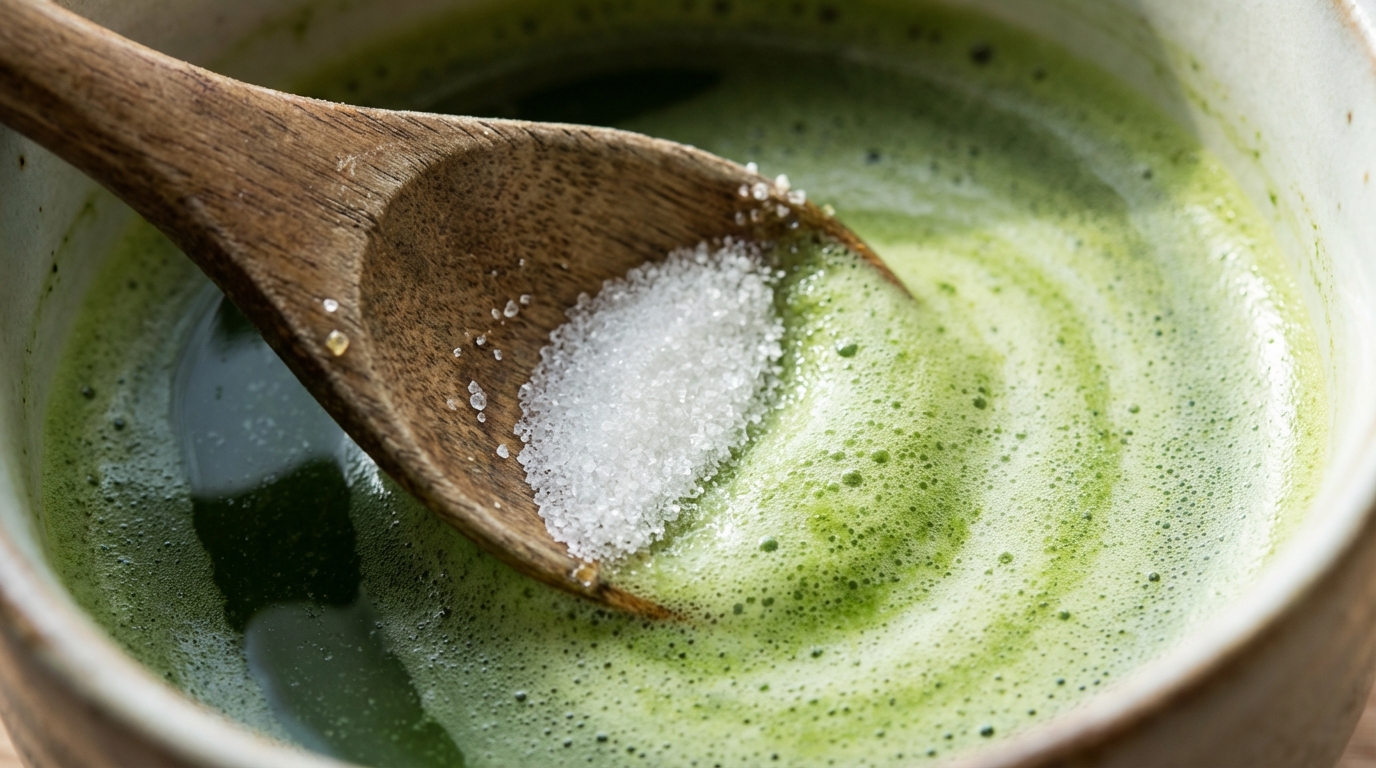
You add sugar to neutralize the inherent bitterness of the green tea and to act as a stabilizer for the jelly’s structure. In the context of a matcha jelly for bubble tea or drink topping, sugar is not just a sweetener; it is a functional ingredient that enhances the “umami” notes and ensures a smooth, glossy finish.
You may be wondering:
Why not go sugar-free? Without a small amount of sweetener, the earthy tannins of the matcha can become overwhelming, especially when the jelly is consumed as a concentrated bite. From a manufacturing standpoint, sugar also helps to clear the jelly, making the emerald color appear more translucent and “expensive” in the glass.
Balancing Bitterness and Sweetness
Matcha naturally contains catechins and caffeine, which contribute to its signature bitter-sweet profile. Adding approximately 15-20% sugar by weight helps to round out these sharp edges, creating a topping that appeals to the general consumer while still satisfying tea purists.
It’s a game-changer:
- Sugar heightens the floral and grassy notes of the tea powder.
- A balanced sweetness prevents the jelly from tasting “watery” or bland.
- The interaction between sugar and agar creates a more resilient gel matrix.
- Properly sweetened jelly requires less syrup in the final beverage, improving nutritional balance.
Sugar Alternatives for Toppings
For businesses targeting the keto or health-conscious niche, you can explore low-glycemic alternatives that still provide the necessary structural benefits. However, you must ensure these alternatives are fully dissolved during the boiling phase to avoid a gritty or sandy texture in your matcha jelly for bubble tea or drink topping.
Keep this in mind:
- Erythritol provides a clean sweetness but has a slight “cooling” effect.
- Monk fruit extract is highly concentrated and pairs well with the earthy tones of tea.
- Honey or agave can be used for a more artisanal, “natural” brand image.
- Stevia can sometimes clash with the bitterness of matcha, so use it sparingly.
Sweetener | Ratio | Flavor Impact |
|---|---|---|
Cane Sugar | 1/4 Cup per 2 Cups | Neutral sweetness that allows the tea flavor to dominate. |
Honey | 3 Tbsp per 2 Cups | Adds floral undertones and a richer, darker color. |
Erythritol | 1/3 Cup per 2 Cups | Low-calorie option with a crisp, cool finish. |
Strategic use of sweeteners ensures your jelly is palatable and structurally sound, making it a reliable component for diverse beverage applications.
Key Takeaway: Sugar is essential for balancing matcha’s tannins and stabilizing the agar matrix, resulting in a more flavorful and visually appealing topping.
How to cut matcha jelly for bubble tea or drink topping?
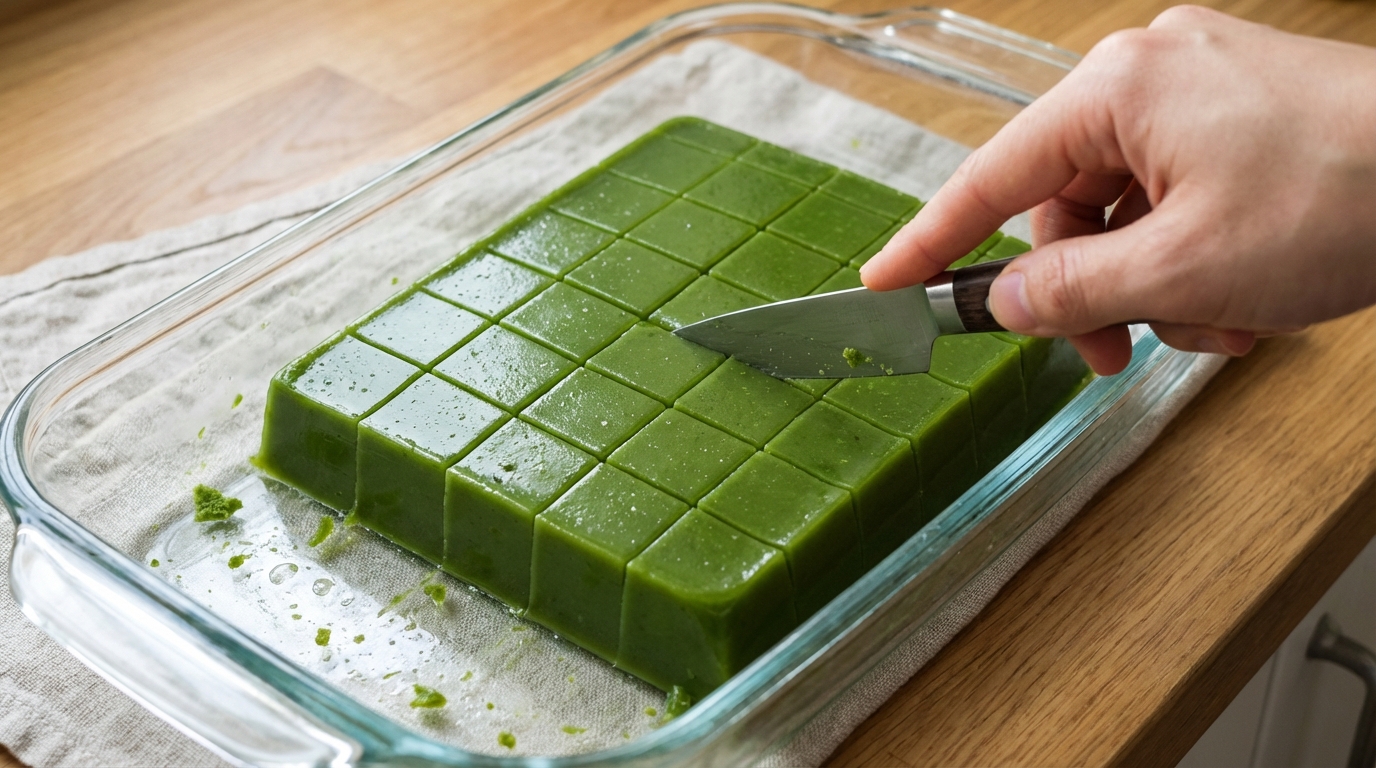
You cut the jelly by scoring it into uniform 0.5-inch cubes using a sharp knife or a specialized jelly cutter. For a commercial matcha jelly for bubble tea or drink topping , maintaining consistent cube sizes is vital for standardized portion control and ensuring the pieces can easily pass through a standard boba straw.
The secret is simple:
Always ensure the jelly is fully set and chilled before attempting to cut it. Attempting to slice warm or semi-set jelly will result in ragged edges and “mushy” pieces that will cloud your drink and look unprofessional to your customers. Using a flat, rectangular mold during the setting phase is the most efficient way to achieve perfect cubes.
Scoring the Perfect Jelly Cubes
To achieve café-quality results, you should use a long, thin-bladed knife to create a grid pattern directly inside the setting dish. This technique minimizes handling of the jelly, which reduces the risk of contamination and keeps the cubes’ edges sharp and clean.
Follow these steps:
- Run a spatula around the edge of the container to loosen the set block.
- Slice vertically every 0.5 inches across the entire width of the dish.
- Slice horizontally at the same intervals to create perfect squares.
- Gently shake the container or use a offset spatula to separate the cubes from the bottom.
Using Molds for Drink Toppings
While standard cubes are the industry norm, B2B operators can innovate by using silicone molds to create unique shapes like stars, hearts, or even miniature tea leaves. This “signature” matcha jelly for bubble tea or drink topping can become a powerful branding tool that encourages customers to share photos of your products online.
Think about the possibilities:
- Sphere molds create a “pearl-like” appearance with a superior jelly texture.
- Custom-branded molds can reinforce your logo or theme in every cup.
- Different sizes (micro-cubes vs. large chunks) offer different sipping experiences.
- Using a crinkle-cutter can add extra surface area, allowing the jelly to hold more flavor from the drink.
Method | Size | Difficulty |
|---|---|---|
Flat Dish Score | 0.5 – 0.75″ | Easy and fast for high-volume production. |
Silicone Mold | Varied shapes | Moderate; requires more labor for unmolding. |
Jelly Wire Cutter | Precision 0.5″ | Professional; ensures identical cubes every time. |
Standardizing your cutting method ensures that every customer receives the same premium experience, while also making it easier for your staff to calculate accurate food costs.
Key Takeaway: Precision cutting of chilled jelly ensures uniform sizing for easy sipping and a professional, high-end presentation in the final beverage.
What is the caffeine in matcha jelly for bubble tea or drink topping?
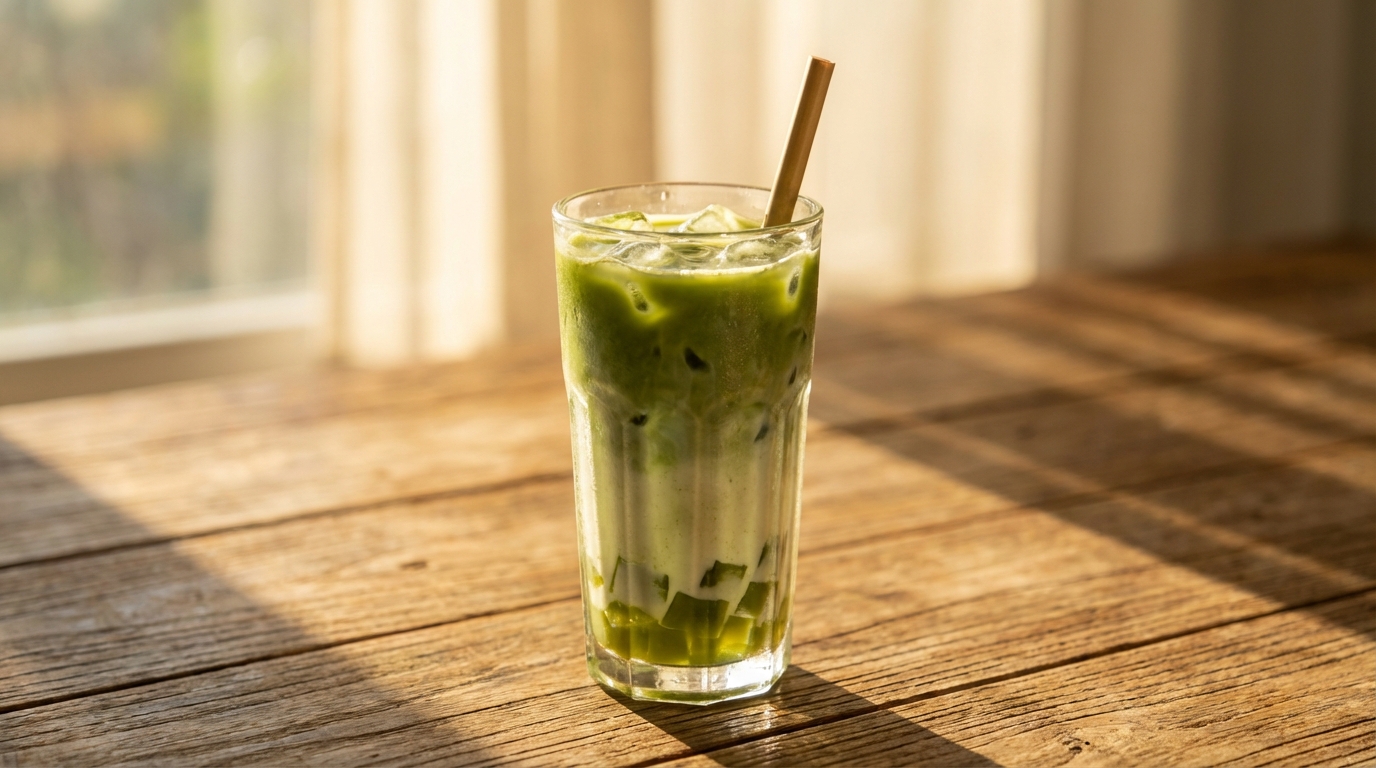
The caffeine content typically ranges from 70mg to 110mg per serving, which is roughly equivalent to a standard espresso shot. Understanding the potency of your matcha jelly for bubble tea or drink topping is essential for B2B menu labeling and for advising customers who may be sensitive to stimulants.
It gets even better.
Unlike the caffeine in coffee, which can cause “jitters” and a subsequent crash, the caffeine in matcha is moderated by L-theanine. This amino acid promotes relaxation and focused energy, making your matcha-topped drinks a popular choice for professionals and students looking for sustained mental clarity.
Understanding Caffeine per Serving
A standard batch of jelly uses about 7 grams of matcha powder, which is distributed across 2 to 3 servings. Because the entire tea leaf is consumed in powder form, the caffeine concentration in the jelly is significantly higher than that of steeped green tea.
Consider this data:
- One gram of high-quality matcha contains approximately 30-35mg of caffeine.
- A typical 1/2 cup serving of jelly cubes contains about 2.5g of matcha powder.
- The “boosted” energy feel makes this a popular morning or afternoon pick-me-up.
- Pairing the jelly with a matcha latte creates a high-caffeine “power drink.”
Afternoon Energy with Matcha Jelly
Many consumers are moving away from sugary energy drinks and toward natural sources of vitality. Offering a matcha jelly for bubble tea or drink topping provides a functional health benefit that you can market as “sustained energy” or “calm focus,” adding a unique selling proposition to your menu.
The benefits are clear:
- L-theanine crosses the blood-brain barrier to reduce stress.
- The slow release of caffeine prevents the typical mid-afternoon energy slump.
- Natural antioxidants (EGCG) provide a metabolic boost alongside the energy.
- It offers a “functional dessert” experience that feels indulgent yet healthy.
Serving Size | Caffeine Content | Comparison |
|---|---|---|
1 Cup Jelly | ~90mg | 1 Medium Espresso Shot |
Entire Batch | ~210mg | 2-3 Standard Cups of Coffee |
2 Tbsp Topping | ~25mg | 1 Cup of Steeped Green Tea |
The moderate but sustained caffeine levels in matcha jelly make it an ideal functional ingredient for the modern, wellness-oriented beverage market.
Key Takeaway: Matcha jelly provides a potent but balanced caffeine boost, offering customers a functional energy alternative to coffee or traditional boba.
Which grade for matcha jelly for bubble tea or drink topping?
You should use a high-quality culinary grade or a mid-range matcha jelly for bubble tea or drink topping premium grade to achieve the best balance of color, flavor, and cost. For wholesale and B2B operations, using top-tier ceremonial grade is often cost-prohibitive, while bottom-tier industrial powder results in a lackluster, brownish jelly.
But here’s the kicker:
The grade of matcha directly impacts the “glow” of your jelly. High-grade powders are made from shade-grown leaves that are rich in chlorophyll, resulting in an electric green color that stays vibrant even after being mixed with agar and sugar. Lower grades are often yellowish and have a dusty flavor that can ruin the premium feel of your bubble tea.
Culinary vs Ceremonial Grades
Culinary grade matcha is harvested later in the season, giving it a bolder, more astringent flavor that is specifically designed to stand up to other ingredients like sugar and milk. For jelly, this “punchy” flavor is often preferred because it ensures the tea taste isn’t lost when the jelly is submerged in a sweet beverage base.
Look at the differences:
- Culinary Grade A provides a vivid green color and a strong “grassy” finish.
- Premium/Latte Grade offers a smoother, less bitter profile for high-end shops.
- Ceremonial Grade is best reserved for traditional whisking, as its subtle notes are lost in jelly.
- Industrial Grade should be avoided as it results in a dull, olive-colored product.
High-End Topping Color Quality
In the competitive B2B market, the visual quality of your topping can be your strongest marketing asset. A jelly made with premium-grade powder will have a translucent, jewel-like appearance that signals “high quality” to the consumer, justifying a higher price point for your specialty drinks.
The facts speak for themselves:
- Shade-growing increases L-theanine and chlorophyll for better color.
- Stone-grinding prevents heat damage to the delicate tea powder during production.
- Freshly harvested (first or second flush) teas have the most aromatic flavor profile.
- Sourcing from a reliable factory ensures consistency in color across different batches.
Matcha Grade | Best Use | Color | Flavor Profile |
|---|---|---|---|
Culinary A | Baking/Jellies | Bright Green | Bold, Umami, Astringent |
Premium | Lattes/Jellies | Vivid Green | Smooth, Creamy, Balanced |
Ceremonial | Tea Ceremony | Electric Green | Delicate, Sweet, Nutty |
Choosing a mid-range premium or high-end culinary grade offers the best ROI for beverage businesses, providing stunning visuals and a robust flavor profile at a sustainable price point.
Key Takeaway: A high-quality culinary or premium latte grade is the optimal choice for matcha jelly, offering the best balance of vibrant color, bold flavor, and commercial cost-effectiveness.
Can I order matcha jelly for bubble tea or drink topping?
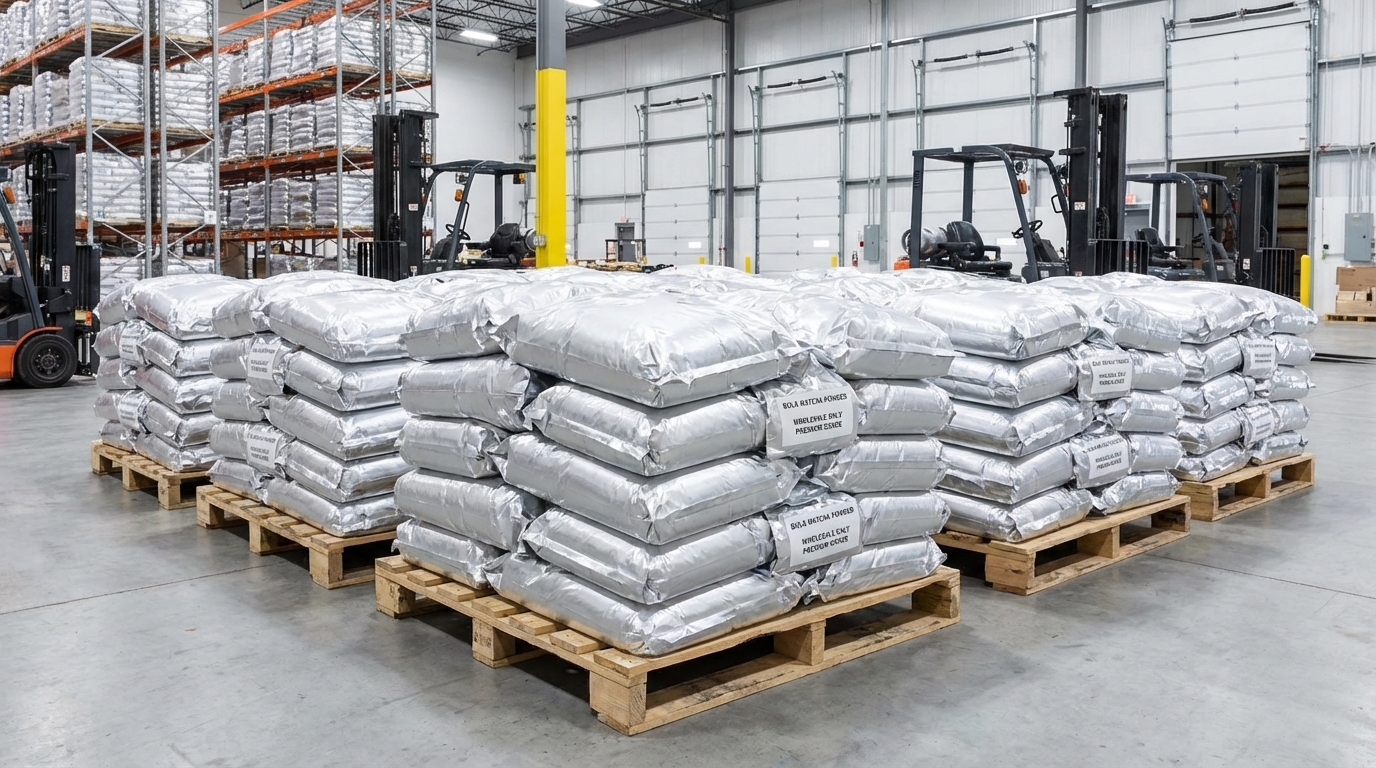
Yes, you can order high-quality ingredients and custom solutions through professional B2B suppliers like Riching Matcha. While many shops choose to make their own matcha jelly for bubble tea or drink topping daily, sourcing your bulk matcha powder and gelling agents from a specialized factory ensures consistency and competitive pricing for large-scale operations.
Don’t wait.
Partnering with a dedicated supplier allows you to access private labeling services and customized packaging solutions that can streamline your supply chain. Whether you are a small café owner or a large regional distributor, having a reliable source for EU/USDA organic certified matcha is the first step toward building a successful and sustainable beverage program.
Wholesale Sourcing Solutions
For businesses looking to scale, consistency is the biggest challenge. By working directly with a matcha manufacturer, you can ensure that the flavor profile and color of your jelly remains identical across all your locations, which is critical for maintaining brand trust and customer satisfaction.
Here’s why it works:
- Direct-from-factory pricing reduces your middleman costs and increases margins.
- Rigorous quality control testing ensures your ingredients are free from contaminants.
- Bulk shipping options (20kg-25kg cartons) are available for high-volume producers.
- Access to professional advice on recipe development and ingredient ratios.
Custom Packaging and Samples
If you are unsure about which grade of matcha is right for your specific jelly recipe, most professional suppliers offer sample packs. This allows you to conduct R&D and taste tests before committing to a large wholesale order, ensuring that the matcha jelly for bubble tea or drink topping you create perfectly fits your brand’s flavor profile.
Check this out:
- Request a catalog to see the full range of available matcha grades.
- Order bulk samples to test how the powder interacts with your local water and sugar.
- Explore private labeling to have your own branded matcha powder in your stores.
- Utilize professional expertise to optimize your jelly’s shelf-life and stability.
Requirement | Action | Benefit |
|---|---|---|
Bulk Samples | Request a custom sample pack. | Verify quality and color before big orders. |
Custom Brands | Inquire about Private Labeling. | Build your own brand with premium tea. |
Bulk Orders | Secure the best B2B pricing and lead times. |
Engaging with a professional matcha supplier provides the logistical support and high-quality raw materials needed to turn a simple jelly topping into a cornerstone of your beverage menu.
Key Takeaway: Ordering wholesale matcha from a specialized supplier ensures the quality, consistency, and cost-efficiency required to successfully implement a premium jelly topping.
Ready to elevate your beverage menu with the ultimate earthy topping? At Riching Matcha, we specialize in supplying high-grade organic matcha powder and accessories to leading tea brands and cafés globally. Whether you need a bold culinary grade for high-volume jelly production or a premium ceremonial grade for artisanal lattes, our team of experts is here to support your growth with consistent quality and reliable shipping.
To get started on your journey toward a more vibrant and profitable menu, please contact us today for wholesale pricing and professional recipe guidance.
Frequently Asked Questions
Can I use gelatin instead of agar? Yes, you can substitute agar with one 7g pouch of gelatin powder for every 2 cups of liquid. However, keep in mind that the texture will be softer and the product will no longer be vegan-friendly or stable at room temperature.
What’s the best way to avoid lumps in the jelly? Always sift your matcha powder through a fine-mesh strainer before use. Whisk the powder with a small amount of warm water (not boiling) in a separate bowl until it forms a smooth paste before adding it to your main liquid base.
Can I make this matcha jelly for bubble tea or drink topping sugar-free? Absolutely. You can use erythritol, monk fruit, or stevia, but ensure the sweetener is fully dissolved during the heating process. Be aware that some sugar-free alternatives may slightly alter the final texture of the agar jelly.
What’s the best milk to pair with this topping? A sweetened milk base made from a 1:1 mix of condensed milk and oat milk provides the perfect creamy contrast to the earthy jelly. The rich fats in the milk help to mellow out the tannins of the green tea for a balanced sip.
Can I freeze the jelly for later use? No, freezing is not recommended. The formation of ice crystals destroys the molecular structure of the agar-agar, causing the jelly to become watery, spongy, and lose its jiggly texture once it is thawed.