
Manufacturing premium green tea frozen desserts on an industrial scale introduces complex chemical, thermal, and mechanical variables that do not exist in artisanal cafe or domestic kitchens. R&D food scientists and procurement directors quickly discover that utilizing consumer-grade ceremonial matcha or standard culinary powders in high-throughput production lines yields inconsistent color, rapid flavor degradation, and high batch-to-batch variability. Commercial ice cream production requires a highly specialized ingredient grade strategy tailored to withstand the rigors of industrial food processing.
In high-volume commercial production, the ice cream mix undergoes intensive unit operations, including high-shear blending, homogenization (often at pressures ranging from 150 to 250 bar), pasteurization (such as High-Temperature Short-Time [HTST] at 72°C to 75°C for 15 seconds, or Ultra-High Temperature [UHT] processing), aging at 4°C for 4 to 24 hours, and continuous freezing under pressure with air injection (overrun). Standard consumer-grade matcha, which is selected primarily for its delicate, sweet, and low-astringency profile when whisked with hot water, cannot withstand these physical and thermal stresses.

During pasteurization, thermal energy accelerates the conversion of vibrant green chlorophyll into dull olive-brown phaeophytin, a chemical degradation process that destroys visual appeal. Furthermore, the delicate volatile aromatic compounds of high-end drinking matcha—such as certain green-leaf volatiles, aldehydes, and monoterpenes—are highly heat-labile and easily flash off during vacuum cooling or aeration. Conversely, raw, unshaded green tea powders lack the necessary amino acid concentration (specifically L-theanine) to counteract bitterness, resulting in an unbalanced, aggressively metallic, or grass-like flavor profile in the final product.
To achieve success in commercial frozen desserts, manufacturers must source their raw materials from a dedicated wholesale organic matcha powder partner. The ideal industrial matcha must possess a robust, high-intensity organoleptic profile with a strong savory backbone (umami) and balanced astringency. This specific profile is engineered to cut through the heavy lipid matrices of dairy butterfat and the sensory-numbing effects of sub-zero temperatures, ensuring that a clean, distinct, and authentic matcha profile is retained in every scoop.
For global food manufacturers operating under Global Food Safety Initiative (GFSI) benchmarks—such as FSSC 22000, BRCGS, or SQF—the selection of raw agricultural inputs like matcha powder must satisfy rigorous compliance protocols. Matcha is a raw, non-sterile botanical ingredient that undergoes no kill-step during its traditional primary processing (steaming, drying, and stone milling). Consequently, the burden of food safety and microbiological control falls heavily on both the raw material supplier and the manufacturer’s pasteurization step.
From a microbiological perspective, high-fat, high-sugar dairy systems provide an ideal protective matrix for vegetative pathogens and spore-formers. Thus, industrial matcha suppliers must guarantee exceptionally low microbial limits. Standard industry requirements mandate an Aerobic Plate Count (APC) of less than 10,000 CFU/g, and strict absence of pathogens such as Salmonella spp., Listeria monocytogenes, and Escherichia coli.
Because tea plants (Camellia sinensis) are known bioaccumulators of soil minerals, heavy metal contamination is another critical risk parameter that requires continuous monitoring through Inductively Coupled Plasma Mass Spectrometry (ICP-MS). Lead (Pb), Arsenic (As), Cadmium (Cd), and Mercury (Hg) must be strictly controlled to meet global regulatory standards, including California Proposition 65 and European Commission Regulations.
Physical parameters also dictate processing efficiency. The moisture content of the powder must be strictly controlled below 5.0% to prevent premature lipid oxidation, enzymatic degradation, and localized caking (clumping) within dosing silos. The particle size distribution (PSD) is equally critical. For a smooth, velvet-like mouthfeel free from “sandiness” or micro-grit, the particle size must be extremely fine, typically achieving a D50 of under 10 microns, with a D90 of less than 25 microns. Coarser particles fail to hydrate fully during the aging process, leading to visually unappealing green speckles and sediment at the bottom of aging vats.
Key Parameter | Target Industrial Specification | Testing Methodology | Critical Impact on Ice Cream Production |
|---|---|---|---|
Moisture Content | ≤5.0%\le 5.0\% (Target: 3.5% – 4.5%) | Loss on Drying (105°C, 3 hours) | Prevents clumping in dry-blending hoppers; inhibits lipid oxidation during storage. |
Particle Size (D50) | 7.0 μm−10.0 μm7.0\,\mu\text{m} – 10.0\,\mu\text{m} | Laser Diffraction PSD | Eliminates “sandiness” in the mouthfeel; prevents sedimentation in the aging vat. |
Aerobic Plate Count | <10,000 CFU/g< 10,000\,\text{CFU/g} (Max: 50,000) | AOAC 990.12 / Plate Count Agar | Ensures compliance with dairy micro limits; minimizes pathogen introduction. |
Yeast & Mold | <100 CFU/g< 100\,\text{CFU/g} | AOAC 997.02 | Prevents spoilage during aging and finished-product shelf life. |
Coliforms / E. coli | Negative in 1g / Negative in 25g | FDA-BAM / Chromogenic Media | Regulatory compliance indicator; ensures sanitation in supply chain. |
Heavy Metals (Lead – Pb) | ≤1.0 mg/kg\le 1.0\,\text{mg/kg} (ppm) | ICP-MS | Compliance with Prop 65, EU, and FDA food chemical safety thresholds. |
Ash Content | ≤6.5%\le 6.5\% | Gravimetric muffle furnace (550°C) | Indicator of purity and absence of sand, soil, or inorganic adulterants. |
Color Stability and Performance in Dairy vs. Non-Dairy Ice Cream Bases
The visual identity of matcha ice cream—its signature vibrant, soft-green hue—is derived entirely from chlorophyll-a and chlorophyll-b. However, chlorophyll is a highly unstable metal-complex pigment that is susceptible to chemical modification when introduced into complex food matrices. R&D teams must design formulations that account for the differing chemical interactions of matcha within traditional dairy emulsions versus modern plant-based (vegan) matrices.
In a traditional dairy base, chlorophyll molecules interact with milk proteins, particularly the hydrophobic regions of casein micelles and whey protein isolates (β-lactoglobulin). This interaction offers a protective steric hindrance effect, stabilizing the chlorophyll to some degree against rapid thermal degradation during pasteurization.
However, the pH of the system is the primary driver of color stability. Dairy ice cream bases typically maintain a slightly acidic to neutral pH of 6.6 to 6.8. In this range, thermal processing promotes phaeophytinization: the central magnesium ion (Mg2+)in the chlorin ring of chlorophyll is replaced by two hydrogen ions (H+), shifting the color from a brilliant emerald green to an undesirable dull, yellow-brown hue (phaeophytin).
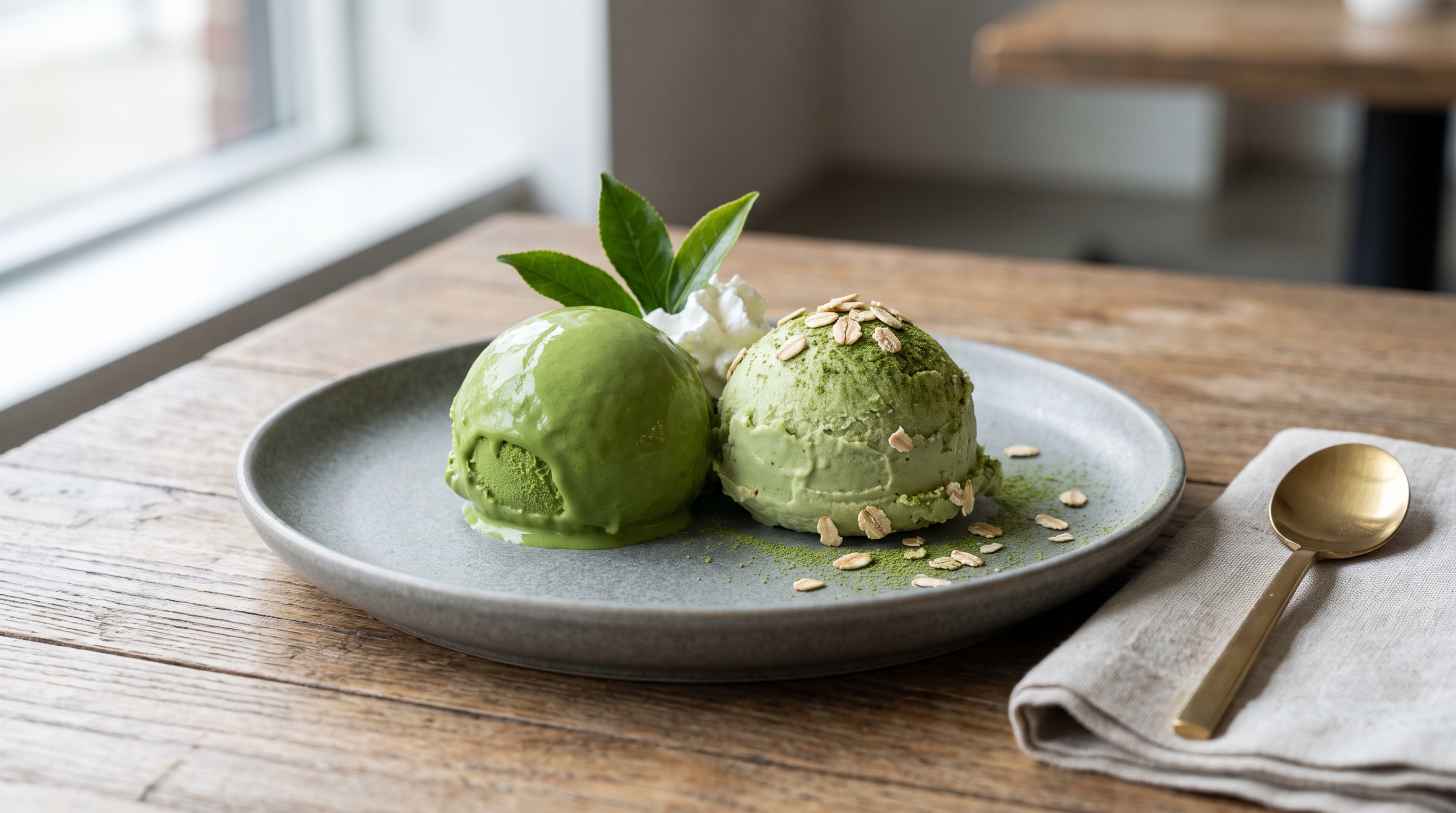
In non-dairy bases—such as those formulated with oat, coconut, almond, or pea proteins—the stabilization dynamics change significantly. Plant-based emulsions often exhibit a lower buffering capacity and a slightly lower natural pH (typically 6.0 to 6.4), which accelerates phaeophytinization. Furthermore, plant proteins do not form the same micellar protective structures as milk caseins, leaving the free chlorophyll molecules highly exposed to light-induced and thermal oxidation.
Oat-based systems, which are rich in natural reducing sugars and free iron/copper ions, can also accelerate oxidative pathways. This leads to rapid color fading under retail display lighting, where UV and visible light waves photochemically generate reactive oxygen species (ROS) that cleave the chlorin ring, resulting in complete pigment bleaching.
To mitigate color degradation across both dairy and non-dairy bases, manufacturers can implement several industrial strategies:
- pH Standardization: Carefully buffer the ice cream mix to a slightly alkaline pH range of 7.0 to 7.2 using food-grade sodium bicarbonate or potassium phosphate stabilizers. This minimizes the concentration of free hydrogen ions (H+), significantly retarding the phaeophytinization reaction.
- Antioxidant Synergism: Incorporate oil-soluble and water-soluble antioxidants. A combination of ascorbic acid (Vitamin C) at 0.05% to 0.1% and mixed tocopherols (Vitamin E) protects the chlorophyll from oxidative cleavage by scavenging free radicals.
- High-Shear Dispersion at Low Temperatures: Instead of adding matcha before pasteurization, consider utilizing sterile, cold-dispersed matcha slurries injected post-pasteurization via aseptic dry-dosage systems, or design HTST profiles that minimize thermal dwell times.
The Science of Freeze-Resistance: How Matcha’s Bitterness and Flavor Profile Changes After Freezing
The formulation of a successful frozen matcha dessert requires a deep understanding of how sub-zero temperatures alter human sensory perception. At a standard consumption temperature of -12°C to -18°C, the physiology of human taste buds undergoes a profound shift. Sensory thresholds change dramatically under freezing conditions, meaning the raw flavor profile of a room-temperature matcha slurry will taste radically different when frozen.
Cold temperatures suppress the activation of TRPM5 (Transient Receptor Potential Melastatin 5), a calcium-activated sodium channel in taste receptor cells that is responsible for transmitting sweet, bitter, and umami tastes to the brain. Because TRPM5 activity decreases as the temperature of the food matrix drops, the perceived intensity of sweetness and umami is suppressed in frozen states.
Conversely, the physical cooling sensation stimulates cold-sensitive trigeminal fibers, which can modulate and sometimes isolate bitter and astringent notes. This means that while sweetness and subtle grassy notes are dampened by the cold, the sharp, lingering astringency of catechins (specifically Epigallocatechin Gallate, or EGCG) can remain highly pronounced, cutting through the cold to taste unpleasantly harsh if not properly balanced.
In addition to taste receptor kinetics, the freezing of water into ice crystals concentrates the non-fat solids, sugars, and proteins in the remaining unfrozen water phase—a phenomenon known as freeze-concentration. In this concentrated unfrozen phase, L-theanine (the amino acid responsible for matcha’s savory umami) and catechins interact dynamically with the concentrated dairy proteins and sugars.
If the matcha selected has an excessively high catechin-to-theanine ratio (typical of late-summer harvests), the freeze-concentration effect will amplify the bitter, dry mouthfeel, leaving a puckering sensation on the palate.
A skilled R&D team must calibrate the volatile aroma profile of the matcha. Because low temperatures drastically reduce the vapor pressure of volatile organic compounds, many of the light, top-note grassy aromas fail to volatilize in the mouth at -18°C. To ensure a recognizable, premium green tea aroma, the raw matcha must possess a concentrated core of robust, mid-note volatiles—such as dimethyl sulfide, ionones, and linalool—which possess lower odor thresholds and remain detectable even when cold.
Selecting a matcha grade with a naturally high concentration of L-theanine and a moderate catechin profile ensures that the cold-suppressed umami remains satisfying, while the bitter astringency behaves as a clean, refreshing palate cleanser rather than a harsh, metallic aftertaste.
Matcha Dosage and Formulation Optimization for Commercial Ice Cream Recipes
Determining the precise dosage of matcha within an industrial formulation is a delicate balancing act. The goal is to achieve a characteristic green tea flavor and color without destabilizing the complex ice cream emulsion, which consists of air cells, fat globules, ice crystals, and a continuous unfrozen aqueous phase. Adding matcha introduces dry solids (mainly insoluble plant fibers, proteins, and polyphenols) that actively compete for water and fat interfaces, directly affecting viscosity, overrun, and melting resistance.
Typically, commercial formulations utilize a matcha dosage rate ranging from 1.0% to 2.5% of the total mix weight. The exact concentration depends on target market demographics and product positioning.
For standard mass-market profiles, a dosage of 1.0% to 1.3% of a robust culinary grade matcha is optimal, delivering a mild, approachable green tea profile with a soft green hue.
For premium or super-premium offerings targeted at connoisseurs, a dosage of 1.5% to 2.5% of a high-amino-acid premium grade matcha is required to provide a deep, authentic umami-forward profile.
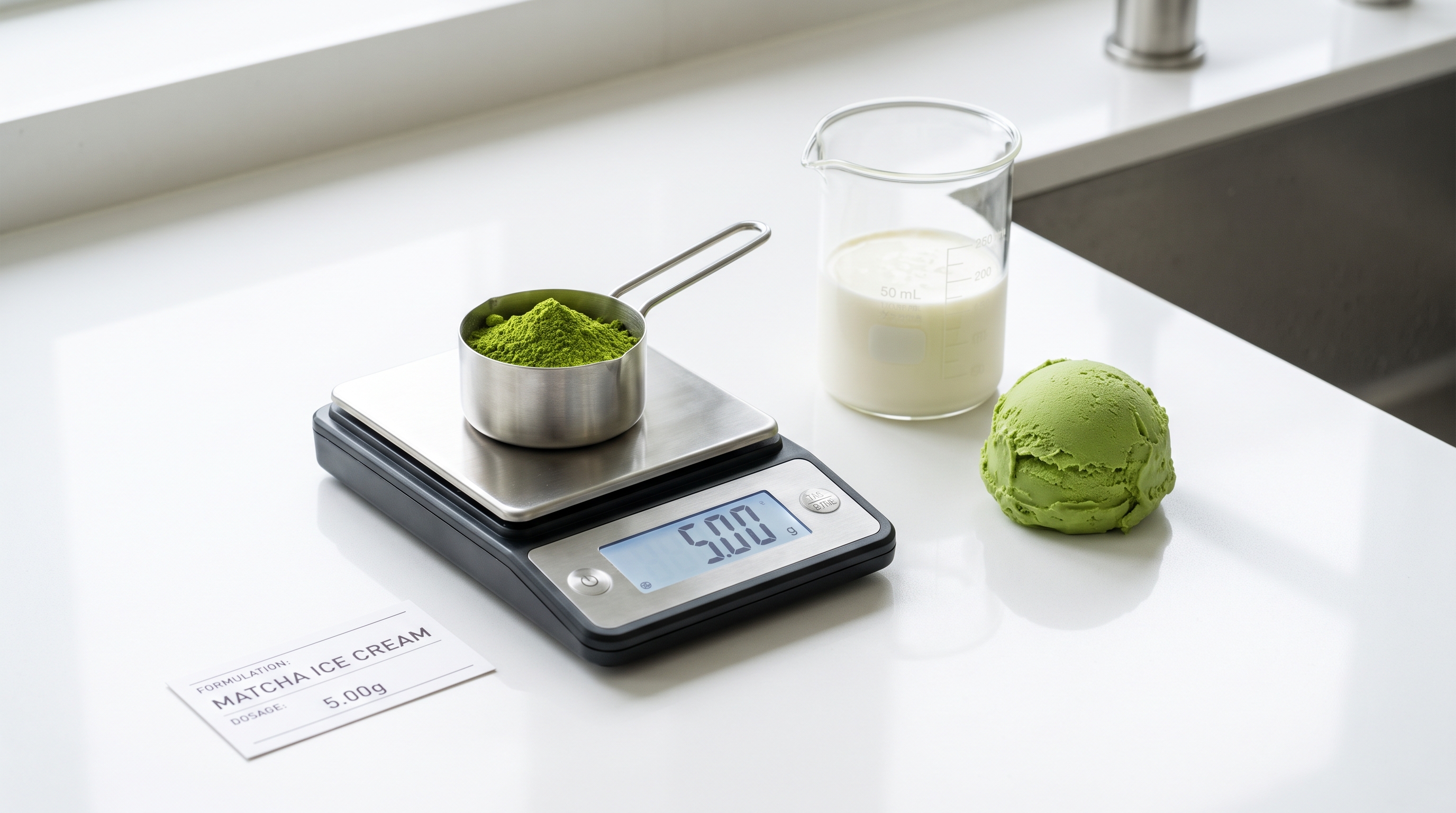
When integrating matcha solids into the mix, formulators must adjust several key parameters:
- Total Solids and MSNF (Milk Solids-Not-Fat): Matcha contains approximately 35% to 40% insoluble dietary fiber and 20% to 30% crude proteins. These solids absorb water. If the MSNF is kept too high (above 11%) while adding 2% matcha, the total water-binding capacity of the mix is exceeded, resulting in a dry, heavy body and a high risk of “lactose crystallization” (grittiness during storage). MSNF should be dialed back slightly (by 0.5% to 1.0%) to accommodate the water-binding capacity of the matcha fibers.
- Fat Content Stabilization: High fat content (12% to 16% butterfat in super-premium ice creams) wraps around matcha particles, delaying the release of water-soluble catechins and L-theanine on the tongue. In low-fat formulations (4% to 8% fat), matcha flavor is perceived immediately and intensely, meaning the dosage must be reduced, or a smoother, less astringent grade must be selected to avoid an overwhelming bitter bite.
- Overrun Control: Continuous ice cream freezers inject air to create creaminess. High overrun (80% to 100%) dilutes both the green color intensity and the flavor impact of matcha. For premium formulations with low overrun (25% to 40%), the density of the product concentrates the matcha flavor, requiring a highly refined, premium grade to avoid sensory fatigue.
Ice Cream Category | Butterfat (%) | MSNF (%) | Sucrose Equivalent (%) | Matcha Grade | Matcha Dosage (%) | Expected Sensory & Rheological Outcome |
|---|---|---|---|---|---|---|
Standard / Mass-Market | 8.0%−10.0%8.0\% – 10.0\% | 10.5%−11.0%10.5\% – 11.0\% | 15.0%−16.0%15.0\% – 16.0\% | High-Color Culinary | 1.0%−1.2%1.0\% – 1.2\% | Approachable sweetness, low bitterness, bright green hue, high overrun (80-100%). |
Premium | 11.0%−13.0%11.0\% – 13.0\% | 9.5%−10.0%9.5\% – 10.0\% | 14.0%−15.0%14.0\% – 15.0\% | Standard Premium | 1.4%−1.8%1.4\% – 1.8\% | Balanced umami-astringency, rich mouthfeel, distinct botanical notes, medium overrun (50-70%). |
Super-Premium | 14.0%−16.0%14.0\% – 16.0\% | 8.5%−9.0%8.5\% – 9.0\% | 12.0%−13.5%12.0\% – 13.5\% | First-Harvest Premium / TOP Series | 2.0%−2.5%2.0\% – 2.5\% | Intense, authentic matcha flavor, deep umami, minimal bitterness, very low overrun (20-40%), heavy melt-resistance. |
Vegan / Non-Dairy (Oat/Coconut) | 6.0%−8.0%6.0\% – 8.0\% (Plant Fats) | N/A (Uses Plant Proteins) | 13.0%−14.5%13.0\% – 14.5\% | Premium (High L-Theanine) | 1.5%−2.0%1.5\% – 2.0\% | Smooth botanical release, counteracts plant protein off-notes, requires robust buffering to prevent fading. |
Culinary Grade vs. Premium Grade: Selecting the Right Matcha for Your Market Positioning
The commercial market offers various matcha grades, primarily categorized into Culinary and Premium (or Ceremonial) tiers. Selecting the correct grade is not merely a matter of purchasing the most expensive option; it is a strategic decision that aligns raw material cost (COGS) with the expectations of the target consumer and the limitations of the manufacturing process.
The fundamental differences between these grades originate in the agricultural management of the tea gardens (Camellia sinensis var. sinensis) and the timing of the harvest.
To produce high-grade matcha, the tea fields must be shaded using black polyethylene netting (traditional Kanesan or modern Tana scaffolding systems) for 20 to 30 days prior to harvest. Shading blocks up to 90% to 98% of direct sunlight, forcing the tea plants to adapt by synthesized massive amounts of chlorophyll to maximize photosynthesis.
This intense shading also prevents the conversion of L-theanine (produced in the roots) into bitter polyphenols and catechins in the leaves, preserving a sweet, umami-rich amino acid profile.

Understanding the physical, chemical, and sensory differences between culinary grade matcha and premium grade matcha is critical for precise product positioning:
- Premium Grade Matcha (First Harvest / Spring Flush):
- Harvesting: Hand-picked or gently machine-harvested during the first flush in early spring (April to May). Only the tender, young top two leaves and bud are selected.
- Processing: De-stemmed and de-veined completely to isolate the pure leaf parenchyma (tencha), followed by slow micro-milling.
- Analytical Profile: High L-theanine content (>2.5g/100g), low total catechins, high chlorophyll, and a vibrant, brilliant emerald-green color (L*
value is high,a*
value is highly negative, denoting strong greenness).
- Application: Highly suited for super-premium ice creams, gelato, and single-origin clean-label products where consumers expect a sweet, non-bitter, authentic umami profile.
- Culinary Grade Matcha (Second/Third Harvest / Summer Flush):
- Harvesting: Harvested during the second or third flush in summer (June to August). The leaves are older, larger, and have been exposed to more sunlight.
- Processing: May contain trace amounts of leaf veins and stems, which are micro-milled together with the leaf.
- Analytical Profile: Lower L-theanine content (<1.0g/100g)
, high concentration of bitter catechins, moderate chlorophyll, and a yellow-green to olive-green visual profile (the a*
coordinate shifts closer to zero or positive values).
- Application: Perfect for standard commercial ice creams, soft-serve mixes, and novelty bars where a strong, robust tea flavor is required to cut through heavy syrups, artificial sweeteners, or complex inclusions (such as chocolate chips, caramel, or red bean ripples).
Smart Cost-Control Strategies: Maintaining Vibrant Green Hues While Reducing Raw Material Costs
In the highly competitive commercial food sector, managing the Cost of Goods Sold (COGS) is a constant challenge. Sourcing 100% first-harvest premium matcha for high-volume, cost-sensitive product lines can quickly make formulations financially unviable. Therefore, industrial manufacturers must deploy smart cost-control strategies that optimize the visual and sensory impact of the botanical ingredient without compromising labeling integrity.
A highly effective strategy is the Dual-Grade Blending Protocol. Instead of relying on a single grade of matcha, R&D teams can create a customized, proprietary blend of two distinct grades:
- A high-color-intensity, first-harvest matcha selected specifically for its excellent green pigment performance (a* value).
- A cost-effective, robust summer-harvest culinary matcha that delivers a strong, punchy tea flavor profile at a fraction of the cost.
By blending these two grades at a ratio of 30:70 or 40:60 (Premium:Culinary), manufacturers can leverage the color performance of the premium grade and the cost efficiency of the culinary grade, resulting in a highly favorable cost-to-performance ratio.
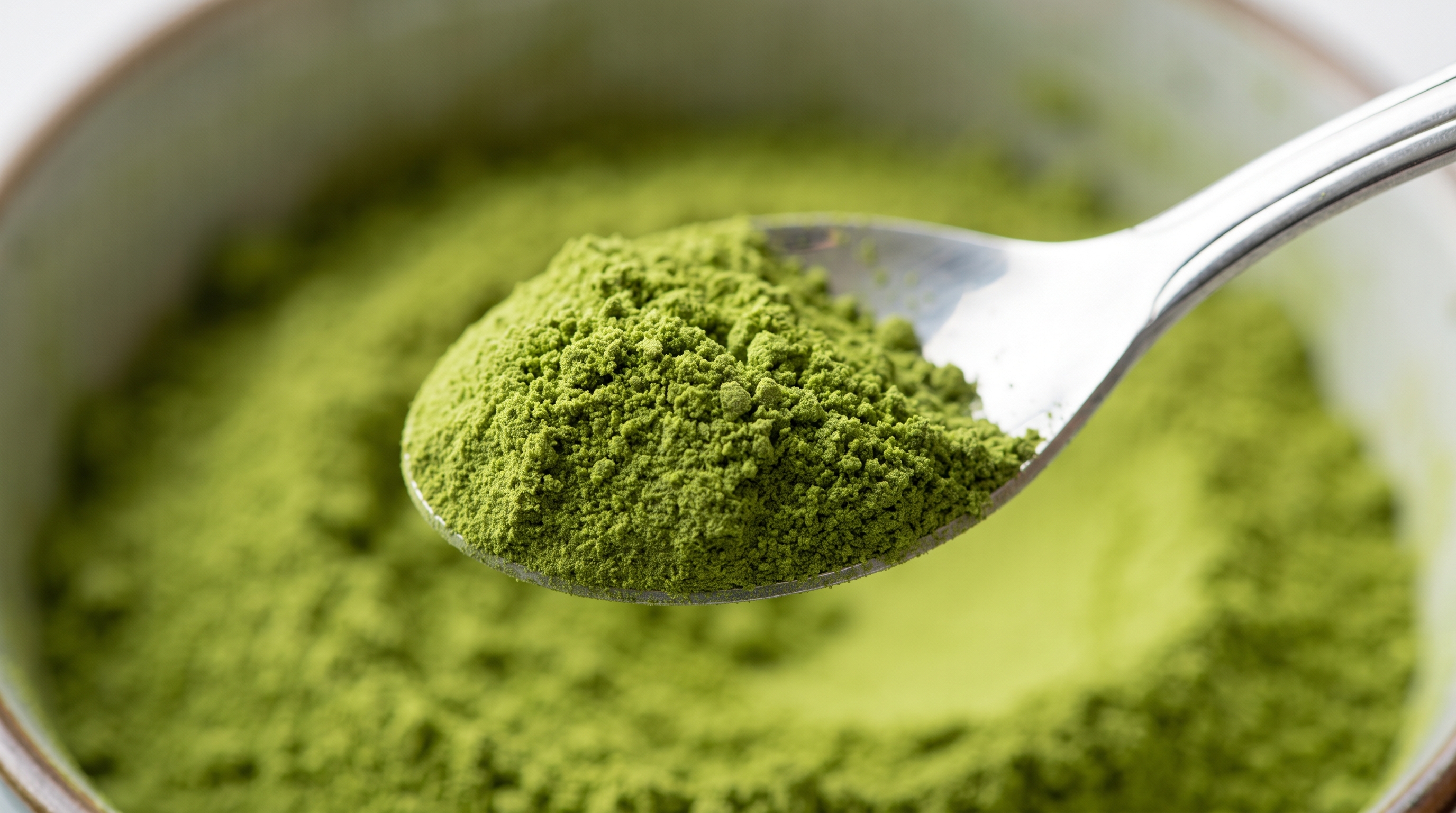
Another critical cost-saving mechanism is the Optimization of Particle Size and Surface Area Dispersion. The finer the matcha is milled, the greater its specific surface area.
An increased surface area allows for a more efficient dispersion of chlorophyll pigments within the lipid-and-water emulsion of the ice cream base. This means that a highly micro-milled matcha (with a D50 of 6 to 8 microns) can achieve the same green color intensity at a lower dosage rate (e.g., 1.2%) compared to a coarser, cheaper powder (D50 of 12 to 15 microns) that requires a higher dosage (e.g., 1.8%) to achieve the same visual impact.
Finally, manufacturers can optimize the formulation base itself to maximize color expression. By utilizing clean-label, natural green color boosters—such as organic spinach extracts, alfalfa extracts, or copper chlorophyllin (where local food regulations permit)—as a secondary background hue, the dosage of authentic matcha can be calibrated strictly for flavor performance, reducing overall raw material costs.
Additionally, ensuring that the ice cream mix has a slightly alkaline pH (buffered with sodium citrate) prevents the degradation of chlorophyll during pasteurization, allowing manufacturers to use less powder overall to achieve the target green hue.
Organic Matcha Sourcing: Meeting Clean-Label Demands for Premium Ice Cream Brands
The modern consumer landscape is increasingly dominated by the “clean-label” movement. Consumers are actively scrutinizing ingredient decks, seeking products that are free from synthetic additives, artificial colorants, chemical preservatives, and genetically modified organisms (GMOs). For premium ice cream brands, transitioning to organic certifications is a powerful way to build brand trust and capture market share.
Sourcing organic matcha is highly complex due to the agricultural requirements of organic tea farming. To meet international standards such as USDA National Organic Program (NOP), European Commission Organic Regulation (EC 834/2007), and Japanese Agricultural Standards (JAS), tea estates must completely eliminate synthetic chemical fertilizers, chemical pesticides, and herbicides.
Because tea plants are highly demanding of nitrogen to produce chlorophyll and amino acids, organic cultivation requires specialized organic fertilizers (such as composted fish meal, rapeseed meal, and organic poultry manure). This organic farming method naturally results in a slower growth cycle, slightly lower yields, and a unique sensory profile that is often characterized by a clean, earthy, and highly authentic flavor.
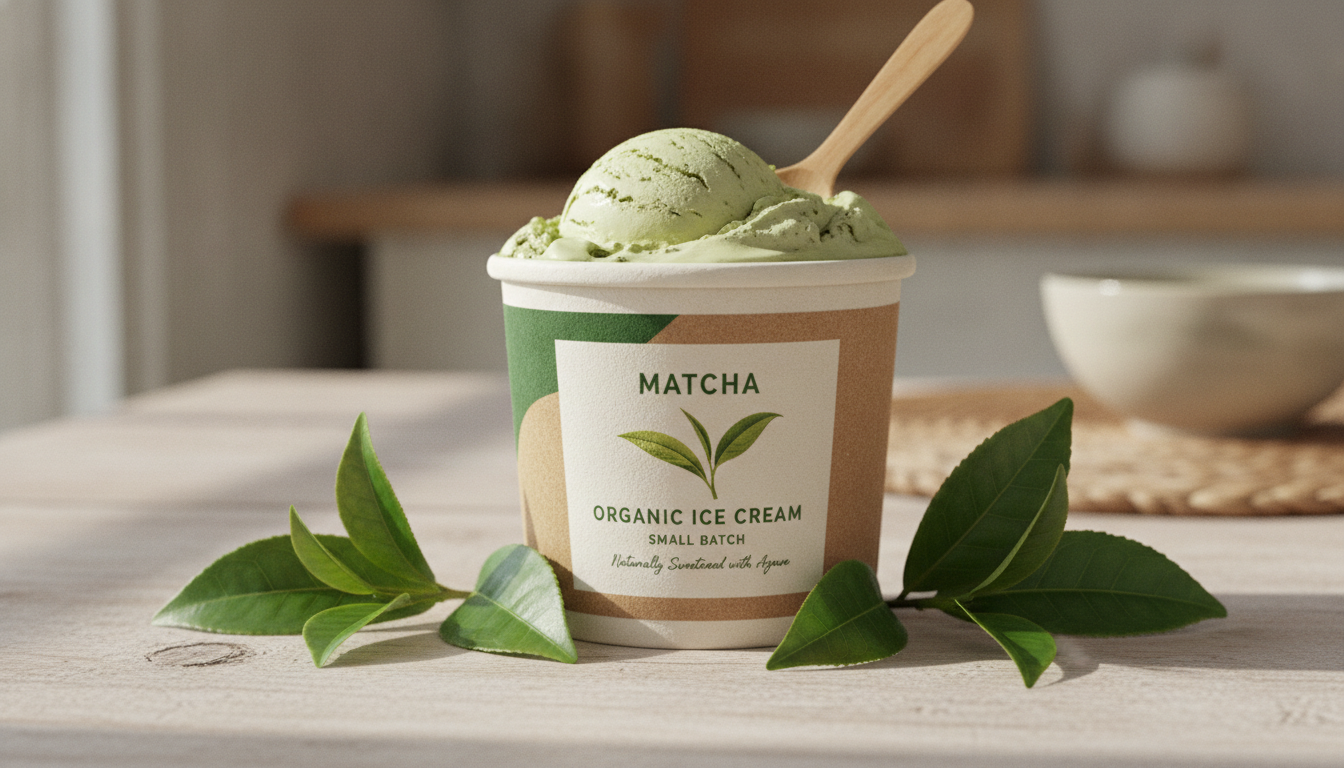
When developing a clean-label organic ice cream, partnering with an established organic matcha wholesale supplier is essential. The supplier must provide absolute, unbroken traceability from the mountain tea gardens to the final processing facility.
Key sourcing compliance steps include:
- Pesticide Residue Screening: Organic matcha batches must be subjected to comprehensive Multi-Residue Methods (MRM) using Gas Chromatography-Tandem Mass Spectrometry (GC-MS/MS) and Liquid Chromatography-Tandem Mass Spectrometry (LC-MS/MS) to screen for over 500 potential pesticide residues. The target detection limit must be non-detectable (typically<0.01mg/kg)
- Absence of Artificial Carriers: Some low-quality green tea powders utilize maltodextrin or silica flow-agents to prevent clumping. True organic matcha must be guaranteed as 100% pure, single-ingredient Camellia sinensis powder with zero carriers or additives.
- Radiation Testing: For matcha sourced from certain East Asian regions, rigorous beta-spectrometry radiation testing (measuring Cesium-134 and Cesium-137 isotopes) is required to ensure absolute safety and regulatory compliance for export to international markets.
By aligning with a supplier that maintains these strict organic standards, ice cream brands can confidently print USDA Organic, EU Leaf, or clean-label logos directly on their retail pint packaging, commanding a premium price point in the marketplace.
Industrial Bulk Packaging and Storage Solutions for Food Manufacturers
Once matcha powder has been processed and milled, the clock begins to tick. Matcha is an exceptionally delicate, living botanical ingredient. It is highly sensitive to four environmental catalysts: oxygen, moisture, UV light, and heat.
If exposed to these elements, the chlorophyll in the powder rapidly oxidizes into brownish pheophytins, L-theanine degrades, and the natural lipids oxidize, creating stale, hay-like, or fishy off-flavors. For large-scale food manufacturers, implementing proper industrial bulk packaging and cold-chain storage is critical to protecting raw material quality prior to batching.
For industrial-scale consumption, standard retail stand-up pouches or small tins are unviable. Bulk matcha must be packed in heavy-duty, multi-layer composite barrier bags designed to withstand transportation and warehouse handling.
The industry standard for premium bulk ingredients is a multi-layer kraft paper bag featuring an inner aluminum foil liner (such as PET/AL/PE laminate). This aluminum foil layer serves as an absolute barrier against both moisture vapor and oxygen transmission, achieving an Oxygen Transmission Rate (OTR) of virtually zero (≈0cc/m2/day)
To maximize shelf life, the packaging process must include Nitrogen Gas Flushing (MAP – Modified Atmosphere Packaging). Prior to heat-sealing the inner aluminum liner, the air in the bag is evacuated and replaced with high-purity nitrogen gas (>99.9%), reducing the residual oxygen level to less than 1.0%. This inactive gas atmosphere effectively halts all oxidation reactions during transit and warehousing.
Once the bulk packages arrive at the food manufacturing plant, strict storage protocols must be enforced:
- Cold Storage Temperature Control: Matcha must be stored in specialized cold-room facilities. For short-term storage (under 3 months), the temperature must be maintained below 5°C. For long-term storage (3 to 12 months) or to preserve peak color performance, the material should be held in deep-freeze environments at -18°C or lower.
- Humidity Management: The cold-storage facility must maintain a low relative humidity (RH < 50%) to prevent condensation on the exterior of the packaging during retrieval.
- Tempering Protocol: When removing bulk bags from cold storage for production, the bags must undergo a 12-to-24-hour tempering period to slowly acclimatize to ambient room temperature before being opened. Opening a cold bag of matcha in a warm, humid processing room causes immediate moisture condensation on the micro-fine powder, leading to rapid clumping, accelerated oxidation, and severe micro-contamination risks.
For manufacturers looking to implement highly customized packaging formats or establish private-label lines, partnering with a supplier that offers flexible private label matcha supplier services can streamline the supply chain by delivering pre-weighed, production-ready batch sizes directly to the plant floor.
Selecting and Partnering with a Reliable B2B Matcha Supplier for Stable Production
For industrial ice cream manufacturers, a production stoppage caused by raw material supply delays or out-of-specification batches can cost thousands of dollars per hour. Sourcing matcha requires moving past transactional purchasing and establishing a strategic partnership with a highly qualified B2B supplier capable of supporting continuous, large-scale food manufacturing.
A critical requirement is Supply Chain Consistency and Scale. The ideal partner must control their supply chain from the farm level. Suppliers with vast, dedicated tea plantations (such as those managing over 4,000,000 square meters of organic tea fields) can guarantee a stable, uninterrupted supply of raw materials even in years of challenging weather conditions.
Furthermore, having a massive annual production capacity (e.g., over 10,000 tons) ensures that they can easily scale with your brand’s growth and accommodate seasonal demand spikes without lead-time inflation.
When evaluating potential B2B suppliers, procurement and R&D managers should utilize a comprehensive verification checklist:
- Global Certifications: Ensure the supplier holds GFSI-recognized certifications, including FSSC 22000 or BRCGS, alongside religious dietary certifications such as Kosher and Halal.
- Batch-Specific Documentation: Every single shipment must be accompanied by a comprehensive Certificate of Analysis (COA) detailing physical, chemical, and microbiological parameters tested by ISO 17025 accredited third-party laboratories.
- Strict Quality Assurance Protocols: The supplier’s facility must utilize advanced processing machinery, including continuous steam sterilization systems to control micro-loads, heavy-duty rare-earth magnets to catch foreign metals, and color sorters to eliminate leaf impurities.
- Contractual Price Stability: To safeguard manufacturing margins, the supplier should offer annual or multi-year fixed-price contracts. This protects your brand from market price fluctuations and guarantees consistent, long-term procurement budgets.
- Technical and Formulation Support: Choose a supplier whose R&D team can collaborate directly with your food scientists. Having access to pilot-scale testing, custom blending services, and scientific guidance on stabilization and color performance makes the formulation process seamless.
By partnering with a vertically integrated, certified manufacturer that understands the complex food science of ice cream production, you can secure a reliable supply of premium matcha. This partnership ensures that every scoop of ice cream your brand produces maintains the perfect color, aroma, and flavor that modern consumers demand.
Frequently Asked Questions (FAQs)
What is the typical shelf life of bulk wholesale matcha powder when stored in an industrial food warehouse, and how do we prevent quality degradation?
The typical shelf life of bulk matcha powder is 12 to 18 months from the date of manufacture, provided the original vacuum-sealed packaging remains completely intact. To prevent degradation, bulk bags must be stored in a cold environment (below 5°C, or at -18°C for maximum color preservation) with a relative humidity of less than 50%. Once a bulk bag is opened, it should be used immediately. Any remaining powder must be tightly sealed, nitrogen-flushed if possible, and returned to cold storage to prevent rapid oxidation from ambient air and moisture.
Can your factory provide customized matcha grades or proprietary blends specifically calibrated to our ice cream base’s fat and sugar levels?
Yes, high-quality B2B suppliers offer customized blending and formulation services. Our R&D team can analyze your specific ice cream mix parameters—including butterfat percentages, sweetener types (sucrose vs. high-potency sweeteners), and overrun targets—to engineer a custom matcha powder. We can adjust the shading duration, harvest selection, and particle size to achieve your desired sensory profile and cost requirements, ensuring a consistent, tailored raw material for your production lines.
What are the minimum order quantities (MOQ) for industrial orders, and what bulk packaging configurations are available for large-scale operations?
Our industrial minimum order quantity starts at 20 kilograms, which is designed to support pilot-scale runs, R&D trials, and regular commercial production. For bulk packaging, we utilize heavy-duty, multi-layer kraft paper bags with an inner aluminum foil lining. This liner acts as an absolute barrier against oxygen and moisture. These are typically packed in sturdy shipping cartons containing 10kg or 20kg of product. For specialized requirements, we also support custom bag-in-box formats and pre-weighed batch bags to simplify your manufacturing process.
How do you guarantee the microbiological safety and heavy metal compliance of your matcha powder for export to highly regulated markets like the EU and USA?
We maintain a state-of-the-art, vertically integrated quality control system. Every batch of tencha undergoes controlled steam-sterilization to significantly reduce micro-loads while preserving color and flavor. We test every single production run for heavy metals (Lead, Cadmium, Arsenic, Mercury) and microbiological parameters (APC, Yeast/Mold, Salmonella, E. coli) using ISO 17025 accredited third-party laboratories. All shipments are accompanied by a batch-specific Certificate of Analysis (COA) to guarantee full compliance with FDA, USDA NOP, and European Commission food safety regulations.
What is the lead time for large-volume shipping (e.g., container loads), and do you offer sea freight cold-chain transport for international deliveries?
For large-volume, full container load (FCL) orders, our typical manufacturing and processing lead time is 15 to 25 days from contract signing and recipe approval. To safeguard the delicate green pigments and volatile compounds of the matcha during transit, we highly recommend and support refrigerated container shipping (Reefer Containers) maintained at 2°C to 8°C. This temperature-controlled sea freight ensures that the matcha arrives at your factory in pristine, fresh-milled condition, fully ready for immediate integration into your production lines.