
In an era defined by digital exhaustion and “always-on” work cultures, the search for natural stress relief has led many back to an ancient Japanese secret: matcha powder. While standard green tea has long been praised for its health properties, matcha exists in a category of its own. It is not merely a beverage; it is a functional superfood that has served as a cornerstone of meditative practice for over 800 years.

What makes matcha unique is its preparation. Unlike traditional tea, where the leaves are steeped and then discarded—leaving behind the majority of the fat-soluble nutrients—matcha involves consuming the entire stone-ground leaf. This results in a concentrated dose of vitamins, minerals, and most importantly, the amino acid L-theanine. For those struggling with the modern epidemic of burnout, matcha for anxiety offers a pharmacological advantage that few other plants can match. It provides a “calm alertness” that stabilizes the nervous system, making it an essential tool for high-performing professionals and wellness seekers alike. By integrating this vibrant green powder into your daily routine, you aren’t just drinking tea; you are participating in a biological and psychological recalibration designed to foster resilience against stress.
What Is Matcha Powder Made From?
The journey of matcha begins long before the powder reaches your bowl. It is derived from the Camellia sinensis plant, but its lifecycle is meticulously managed to maximize its therapeutic potential. The defining characteristic of authentic matcha is the “shading” process. For three to four weeks prior to harvest, the tea bushes are covered with traditional bamboo mats or synthetic fabric to reduce sunlight by up to 90%.
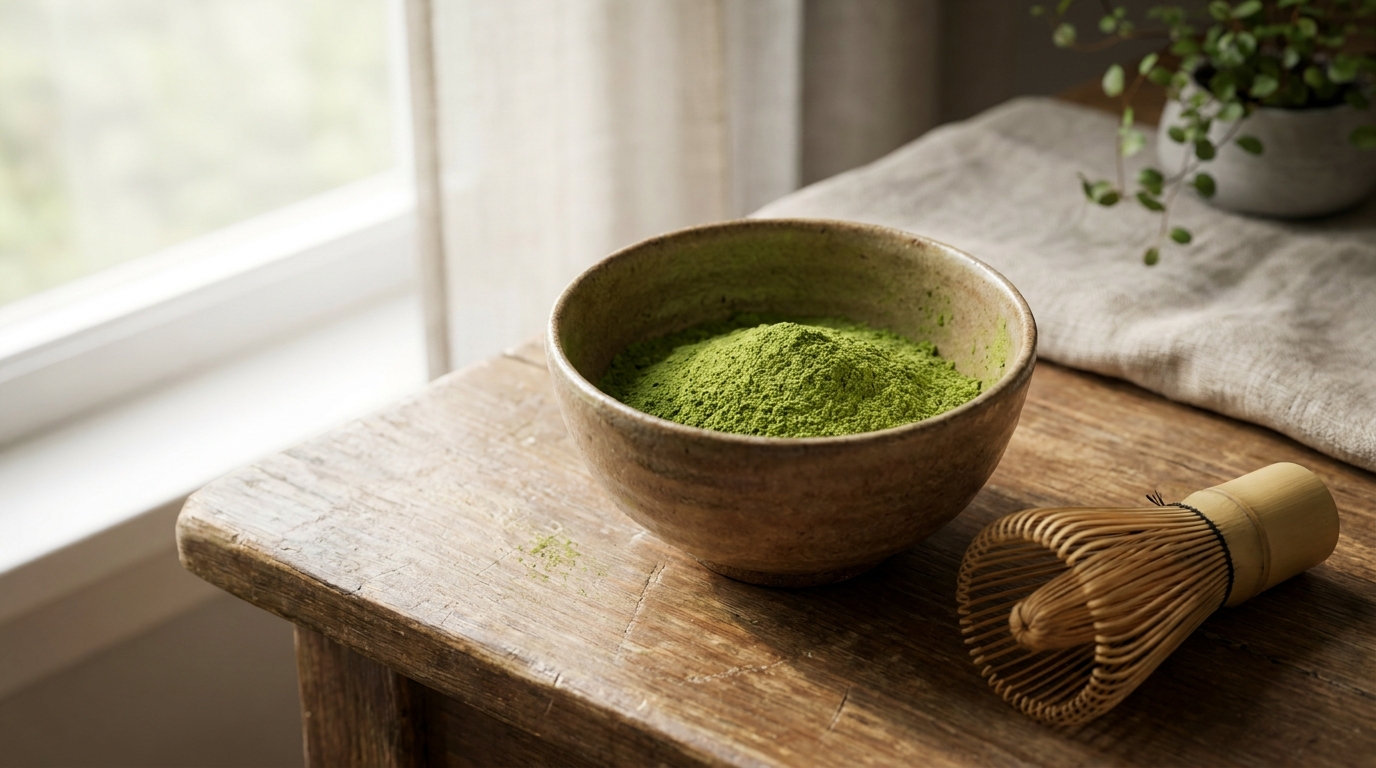
This deprivation of light forces the plant to overproduce chlorophyll to compensate for the lack of photosynthesis, giving the leaves their signature electric green hue. More importantly, this stress on the plant triggers a massive surge in amino acids, specifically L-theanine, which gives the tea its rich “umami” flavor profile. Once harvested, the leaves (now called tencha) are steamed to stop oxidation, air-dried, and de-veined. The final step involves slow-grinding the tea on granite stones to prevent heat friction from degrading the delicate nutrients. This traditional process is exactly what Riching Matcha prioritizes in their sourcing, ensuring that every gram of powder maintains the integrity of its ancient origins. Consuming this whole-leaf powder ensures you receive 100% of the plant’s stress-fighting compounds.
Nutritional Composition: The Bio-Chemistry of Calm
To understand why matcha is a superior tool for natural stress relief, one must look at its complex molecular structure. It is a dense matrix of polyphenols, vitamins (A, C, E, and K), and trace minerals. However, the stars of the show are the catechins and the amino acids.
Nutrient | Primary Function | Impact on Stress/Health |
|---|---|---|
L-Theanine | Amino Acid | Crosses blood-brain barrier to induce relaxation. |
EGCG | Powerful Catechin | Reduces oxidative stress and inflammation. |
Chlorophyll | Natural Pigment | Supports detoxification and alkalinity. |
Arginine | Amino Acid | Works with L-theanine to mitigate caffeine jitters. |
The nutritional density of matcha is nearly 10 times that of regular brewed green tea. Specifically, the high concentration of Epigallocatechin gallate (EGCG) works in tandem with L-theanine to protect neurons from the damaging effects of chronic stress. Chronic stress often leads to “leaky” gut and systemic inflammation; matcha’s chlorophyll content acts as a gentle internal cleanser, helping to restore the body’s alkaline balance. When we talk about L-theanine benefits, we are referring to its ability to modulate the body’s internal chemistry, turning a chaotic stress response into a manageable, focused state. This unique chemical profile is why experts recommend high-quality Premium Grade Matcha for those using tea as a functional supplement for mental health.
Antioxidant Powerhouse: Surpassing the Superfoods
The biological impact of stress is largely driven by oxidative damage. When we are stressed, our bodies produce free radicals that damage DNA and accelerate cellular aging. Matcha’s defense against this is its staggering Oxygen Radical Absorbance Capacity (ORAC).
Scientific data indicates that matcha has an ORAC value of approximately 1,384 to 1,573 units per gram. To put this in perspective, this is nearly 15 times the antioxidant power of wild blueberries and over 60 times that of spinach. The primary antioxidants, known as catechins, are particularly effective at scavenging free radicals. EGCG, which makes up about 60% of the catechins in matcha, is the most widely studied for its anti-cancer and anti-inflammatory properties. For a person living in a high-stress urban environment, daily consumption of matcha provides a “shield” against the environmental pollutants and metabolic waste products that contribute to feelings of fatigue and malaise. By reducing the overall oxidative load on the body, matcha allows the brain and nervous system to function more efficiently, preventing the “brain fog” often associated with chronic anxiety.
Boosting Energy Without the Crash: Matcha vs. Coffee
The most common mistake people make when stressed is reaching for a second or third cup of coffee. While coffee provides a rapid energy spike, it frequently triggers the “fight or flight” response, leading to increased heart rate and the dreaded afternoon crash. Matcha offers a sophisticated alternative.
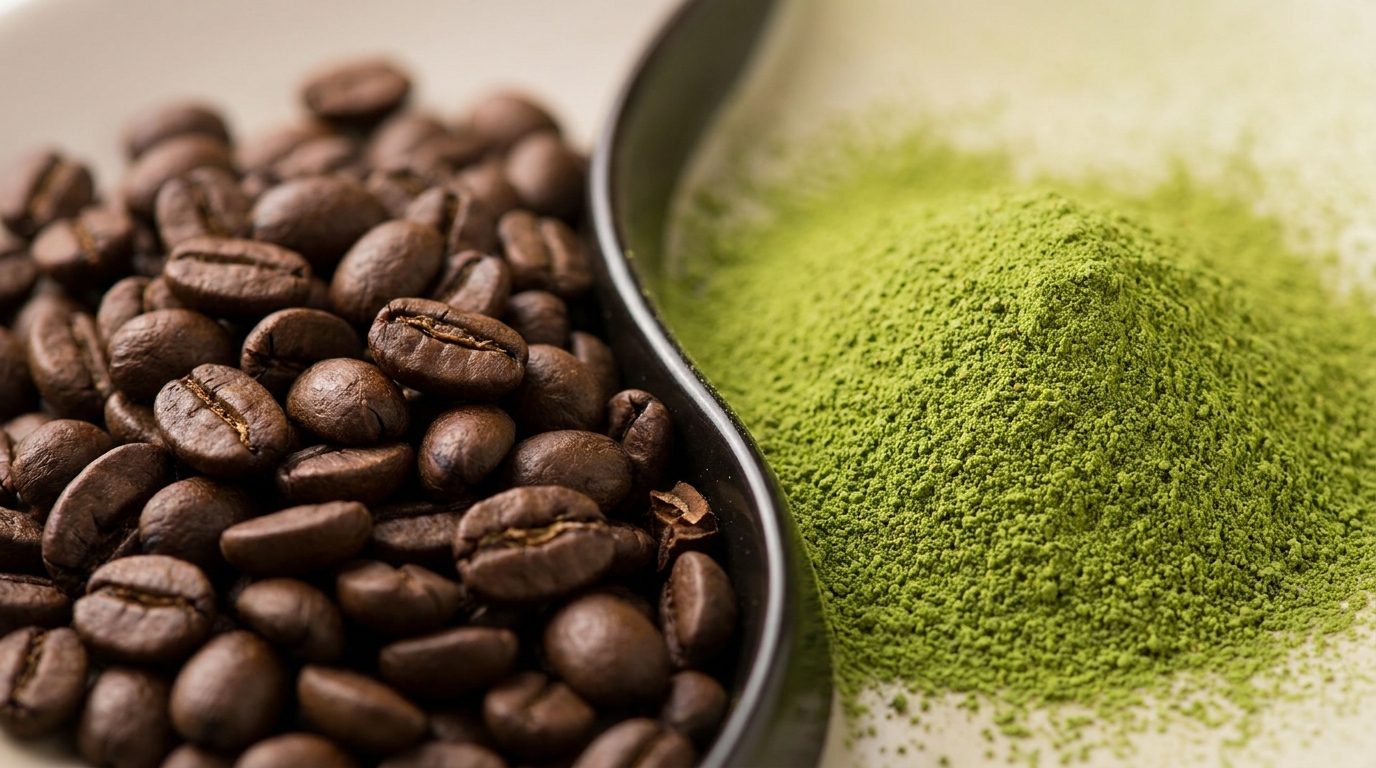
The caffeine in matcha is physically bound to the larger catechin molecules. As these molecules are broken down during digestion, the caffeine is released slowly into the bloodstream over a period of 4 to 6 hours.
Table: Matcha vs. Coffee Comparison
Feature | Coffee | Matcha Powder |
|---|---|---|
Energy Curve | Sharp Spike & Crash | Steady, Sustained Lift |
Stress Markers | Increases Cortisol | Lowers Cortisol (L-Theanine) |
Focus Style | Jittery / Hyper-alert | “Alpha” Relaxed Alertness |
Acidity | High (Acidic) | Low (Alkaline) |
Breath Impact | Coffee Breath | Antibacterial (Fresh) |
This slow-release mechanism, combined with L-theanine benefits, ensures that the user experiences heightened focus without the sympathetic nervous system arousal that causes jitters. It is the difference between a lightning strike and a glowing lamp. For those prone to palpitations or caffeine-induced anxiety, switching to matcha can be the single most effective dietary change for long-term stress management.
The Science of Alpha Brain Waves and L-Theanine
The most profound scientific evidence for matcha’s stress-relief capabilities lies in its impact on brain wave activity. The human brain operates on different frequencies depending on our state of mind. Beta waves are associated with active thinking and stress, while Alpha brain waves (8–12 Hz) are associated with a state of “wakeful relaxation.”
L-theanine is a rare amino acid that can cross the blood-brain barrier. Once inside, it directly stimulates the production of alpha waves. Recent clinical studies (2024-2025) have shown that consuming just 200mg of L-theanine—roughly the amount found in two bowls of high-quality matcha—leads to a significant increase in alpha activity within 40 minutes. This state is identical to the brain activity measured in experienced monks during deep meditation. By increasing alpha waves, matcha allows you to remain “in the zone”—highly productive and attentive, yet completely immune to the “noise” of anxiety. It essentially lowers the “gain” on the brain’s stress signals, allowing for clearer cognitive processing and better emotional regulation.
Cortisol Management: Taming the Stress Hormone
Cortisol is the body’s primary stress hormone, essential for survival but devastating when chronically elevated. High cortisol levels lead to weight gain (particularly around the midsection), impaired sleep, and a weakened immune system. Matcha acts as a natural buffer against cortisol spikes.

While the caffeine in matcha does provide a stimulus, the L-theanine and arginine present in the tea work to “dampen” the cortisol response that normally accompanies caffeine consumption. Research published in the Journal of Physiological Anthropology found that students who consumed matcha showed significantly lower levels of salivary α-amylase (a marker of stress) and lower cortisol during stressful exam periods compared to those who did not. This makes matcha an ideal companion for high-pressure situations like public speaking or deadlines. Unlike pharmaceutical sedatives that dull the senses, matcha lowers the physiological markers of stress while keeping the mind sharp and ready for action.
Weight Loss and Metabolic Resilience
Stress and weight gain are intrinsically linked through the “cortisol-belly fat” connection. When we are stressed, our bodies crave sugar and hold onto fat as a survival mechanism. Matcha disrupts this cycle by enhancing the body’s metabolic efficiency.

The EGCG in matcha is known to increase thermogenesis—the rate at which the body burns calories. Studies have shown that consuming matcha can increase the body’s calorie-burning rate from a normal 8-10% of daily energy expenditure to between 35% and 43%.
Table: Metabolic Benefits of Matcha
Benefit | Mechanism | Result |
|---|---|---|
Increased Fat Oxidation | EGCG inhibits enzymes that break down norepinephrine. | 17% increase in fat burning during exercise. |
Blood Sugar Stability | Fiber and polyphenols slow glucose absorption. | Fewer insulin spikes and reduced cravings. |
Cortisol Inhibition | L-Theanine reduces stress-induced eating. | Less “emotional” weight gain. |
By stabilizing blood sugar and lowering cortisol, matcha helps prevent the cravings that lead to stress-eating. It provides the energy needed to stay active, which in turn helps further reduce stress through physical movement. For those looking to incorporate this into a fitness regime, using a high-purity Ceremonial Grade Matcha ensures you get the maximum concentration of these metabolic boosters.
Detoxification: Chlorophyll and Heavy Metals
Chronic stress often leaves the body feeling “heavy” and sluggish, a result of poor lymphatic drainage and the accumulation of metabolic byproducts. Matcha’s high chlorophyll content makes it one of the most effective natural detoxifiers available.
Chlorophyll is chemically similar to hemoglobin in human blood. It helps the body transport oxygen more efficiently and assists the liver in filtering out toxins, including heavy metals and chemical pollutants. Because matcha is shade-grown, it contains significantly more chlorophyll than any other tea. This “green blood” effect helps to alkalize the blood and tissues, which is vital because stress creates an acidic environment in the body. A “clean” body is a more resilient body; when your internal systems are functioning without the burden of toxic buildup, your capacity to handle psychological stress increases exponentially. Many health enthusiasts use Culinary Grade Matcha in daily green smoothies to maintain this detoxifying effect consistently.
Immune Support: Strengthening the Biological Shield
Stress is a notorious immune-suppressant. This is why people often get sick immediately following a major work project or emotional event. Matcha provides the immune system with a powerful boost of antioxidants and antimicrobial agents to keep you healthy during trying times.
The catechins in matcha have been shown to possess antibiotic properties that promote overall health. Additionally, just one bowl of matcha provides substantial amounts of Potassium, Vitamins A & C, Iron, Protein, and Calcium. These nutrients are essential for the production of T-cells, the body’s “soldiers” that fight off viruses and bacteria. Furthermore, the EGCG in matcha can actually interfere with the replication of various pathogens. By maintaining your physical health through matcha, you remove the additional stress of illness, allowing you to focus your energy on your mental and emotional well-being.
Skin Health: The “Matcha Glow”
The skin is often the first place the effects of stress become visible. Stress-induced inflammation leads to breakouts, redness, and premature aging. Matcha’s high antioxidant profile makes it an internal and external “beauty tea.”
The EGCG in matcha is particularly effective at reducing skin inflammation and fighting the free radicals that cause wrinkles and age spots. Furthermore, the vitamin K in matcha helps reduce puffiness and dark circles under the eyes—classic signs of sleep deprivation and stress. Many users report a “matcha glow” after just a few weeks of consistent consumption. This isn’t just cosmetic; it is a sign that the body’s internal inflammatory markers are decreasing. Whether consumed as a tea or applied as a DIY face mask, the L-theanine benefits and catechins work to soothe the skin just as they soothe the mind.
Mindfulness and Ritual: The Psychology of the Whisk
The preparation of matcha is an act of “active meditation.” In the traditional Japanese tea ceremony (Chanoyu), every movement is intentional. The act of sifting the powder, heating the water to exactly 80°C (176°F), and whisking the tea into a frothy lather forces the practitioner to be present.
In a world of “instant” everything, the five minutes required to prepare a bowl of matcha serves as a psychological “circuit breaker.” This ritual activates the parasympathetic nervous system—the part of our biology responsible for “rest and digest.” By focusing on the sensory details—the vibrant green color, the earthy aroma, the sound of the Matcha Whisk against the bowl—you pull your mind away from future anxieties and past regrets. This mindful engagement is as important for stress relief as the chemical compounds themselves.
Cognitive Longevity and Memory Support
Stress is toxic to the hippocampus, the part of the brain responsible for memory and learning. Chronic high cortisol can actually shrink brain cells over time. Matcha provides neuroprotective benefits that help safeguard your cognitive future.
The combination of L-theanine and EGCG has been shown to improve memory and attention span in middle-aged and older adults. In one study, participants who consumed matcha daily performed significantly better on cognitive tasks involving selective attention and memory retrieval. This makes matcha an excellent “study aid” or “work companion” that prevents the cognitive decline often associated with long-term burnout. By keeping your brain “plastic” and resilient, you are better equipped to solve problems and handle the complexities of modern life without feeling overwhelmed.
Ceremonial vs. Culinary: Selecting Your Stress-Relief Grade
Not all matcha is created equal. To achieve the best results for stress relief, understanding the difference between grades is crucial.
Feature | Ceremonial Grade | Culinary Grade |
|---|---|---|
Harvest | First Flush (Spring) | Second or Third Harvest |
Color | Electric, Vibrant Green | Muted, Olive Green |
Flavor | Naturally Sweet, Umami | Robust, Earthy, Bitter |
Best Use | Whisked with water | Lattes, Baking, Smoothies |
Nutrient Focus | Highest L-Theanine | High Antioxidants |
For pure stress relief, Ceremonial Grade is the gold standard because it contains the highest concentration of L-theanine. However, Culinary Grade is a fantastic, cost-effective way to get high doses of antioxidants into your diet through smoothies and cooking. Choosing the right grade depends on your ritual and your budget, but both offer significant health advantages.
Incorporating Matcha into a Modern Lifestyle
The beauty of matcha powder lies in its versatility. You don’t need to be a tea master to reap the benefits of natural stress relief.
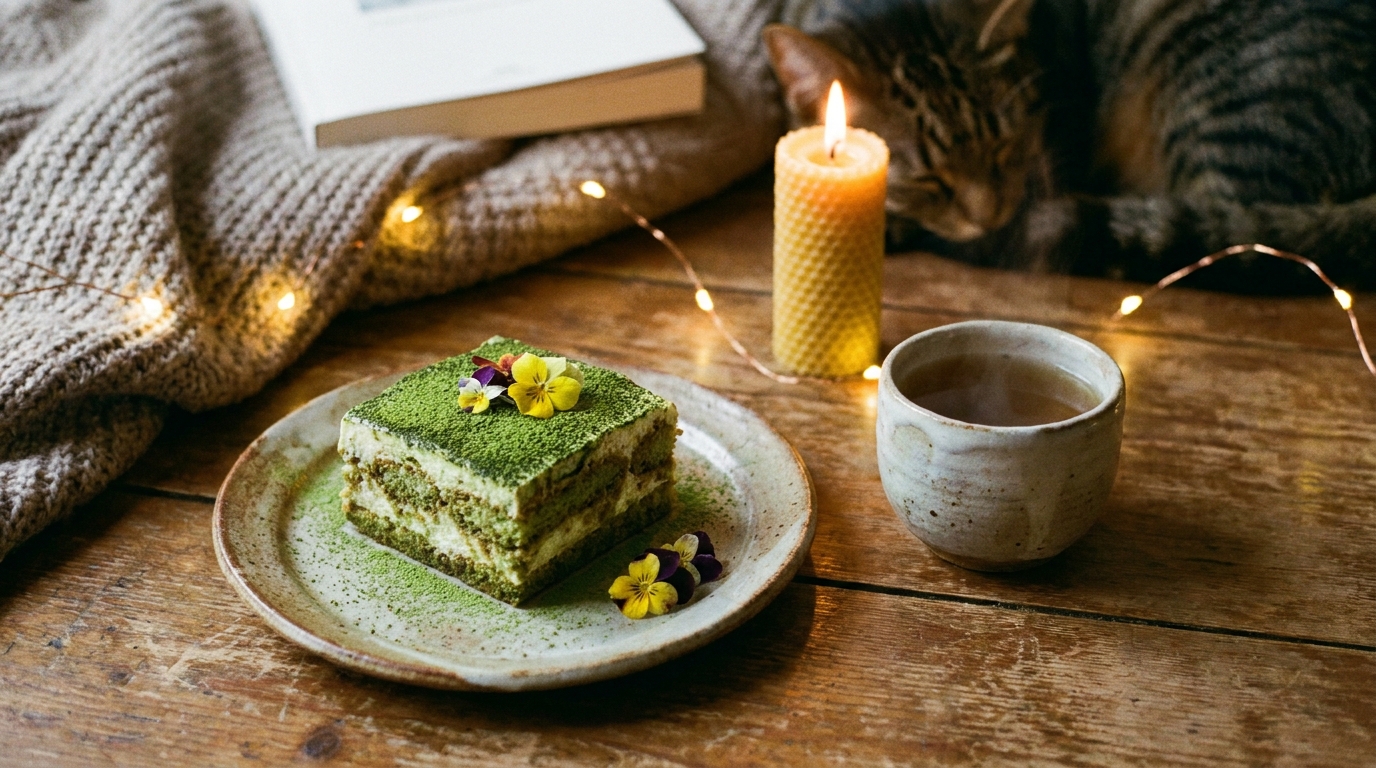
- Morning Ritual: Replace your coffee with a matcha latte using oat milk and a touch of honey.
- Mid-Day Reset: Whisk a quick bowl of ceremonial matcha at 3 PM to avoid the afternoon slump.
- Evening Wind-Down: Use a smaller dose of matcha in a bedtime “moon milk” or a matcha-infused dessert to leverage the calming effects of L-theanine before sleep.
- Culinary Creativity: Add a teaspoon of Culinary Grade Matcha to your morning yogurt or chia pudding.
Regardless of how you consume it, consistency is key. The stress-relieving effects of matcha are cumulative; the more you integrate it into your life, the more resilient your nervous system becomes.
FAQS
1. Does matcha really help with anxiety better than coffee?Yes. While coffee can trigger the “fight or flight” response by spiking cortisol and adrenaline, matcha contains L-theanine. This amino acid induces alpha brain waves, which provide a state of “relaxed alertness.” This means you get the energy of caffeine without the heart palpitations or “jitters” associated with anxiety.
2. How much matcha should I drink for stress relief?Most experts recommend 1 to 2 servings (approx. 1 teaspoon total) per day. This provides a sufficient dose of L-theanine (approx. 40-70mg) to influence brain wave activity without over-stimulating the system with caffeine.
3. Is it safe to drink matcha every day?Absolutely. In fact, the benefits of matcha are cumulative. Daily consumption helps maintain steady antioxidant levels and keeps the nervous system in a more balanced state. Just be mindful of your total caffeine intake if you are sensitive.
4. Can I drink matcha at night?Matcha does contain caffeine (about 35mg per bowl), so if you are very sensitive to stimulants, avoid it after 4 PM. However, because of the L-theanine, many people find it doesn’t disrupt their sleep the way coffee does. Some even find the “relaxed” state helps them transition into sleep more easily.
5. What is the difference between Riching Matcha and store-bought brands?Riching Matcha focuses on EU and USDA Organic standards, ensuring the powder is free from pesticides and heavy metals. Their stone-grinding process is slow and traditional, which preserves the delicate L-theanine and EGCG molecules that are often destroyed by high-heat industrial grinding used in cheaper brands.
Conclusion: Your Path to a Calmer Mind
Matcha powder is more than a health trend; it is a scientifically-backed solution for the stresses of modern life. By combining the focused energy of caffeine with the profound calming effects of L-theanine, it offers a unique neurological state that no other food can replicate. Whether you are looking to lower your cortisol, boost your metabolic health, or simply find five minutes of peace in a busy day, matcha is your most powerful ally.