
Genmaicha, often referred to as “Popcorn Tea” or “Brown Rice Tea,” is one of Japan’s most recognizable and beloved exports. For the casual drinker, it offers a comforting, toasted aroma that feels like a warm hug in a cup. For the cafe owner and B2B beverage developer, it represents a versatile, high-margin ingredient that bridges the gap between traditional tea culture and modern, “Instagrammable” beverage trends.
This comprehensive guide explores everything from the humble origins of Genmaicha to the technical nuances of wholesale sourcing and modern culinary applications using Genmaicha powder .
Genmaicha (玄米茶) is a Japanese green tea blend consisting of steamed green tea leaves (typically Sencha or Bancha) mixed with roasted popped brown rice. The name literally translates to “brown rice tea,” reflecting its core ingredients. However, this simple translation belies the complexity of the processing required to create the perfect balance of flavors.
The visual appeal of Genmaicha is unmistakable and serves as a primary marketing asset for retailers. The dark green, needle-like shapes of the tea leaves contrast beautifully with the golden-brown, earthy hues of the roasted rice. Occasionally, you will see white, flower-like grains in the mix; these are rice kernels that “popped” during the roasting process, leading to the colloquial nickname “popcorn tea.”
While traditional Genmaicha is a loose-leaf product, the modern beverage industry has seen a massive surge in the use of finely ground Genmaicha powder. This allows for the creation of lattes, smoothies, and baked goods that carry the intense, nutty essence of the roasted rice without the need for traditional steeping. In the B2B space, the choice between loose-leaf and powder depends entirely on the final application—be it the visual ritual of a teapot in a high-end restaurant or the rapid-service demands of a high-volume urban cafe.
The Components of a Premium Blend
- The Tea Base: Usually a late-harvest Bancha or a mid-season Sencha. Bancha provides a more robust, astringent backbone that stands up well to the rice, while Sencha offers a more delicate, umami-rich experience.
- The Rice (Genmai): Specifically, Mochi-gome (glutinous rice) or Uruchi-gome (non-glutinous rice). The rice is cleaned, steamed, dried, and then roasted to varying degrees of darkness.
- The “Popped” Elements: While purely aesthetic, the white popped rice signals a traditional “folk” style of Genmaicha that many consumers find nostalgic.
The Historical Origins: The Evolution of the “People’s Tea”
The history of Genmaicha is a testament to human ingenuity and economic necessity. Unlike ceremonial Matcha, which was historically reserved for the elite, the samurai class, and the monkhood, Genmaicha began as a “People’s Tea” (Bunjin-cha).
The “Rice as Filler” Theory
The most widely accepted historical narrative suggests that Genmaicha was born out of necessity during times of economic hardship in Japan. Green tea was once a luxury commodity. To make the expensive tea leaves last longer, commoners began mixing them with roasted rice—a cheap, abundant filler. This not only increased the volume of the tea but also added calories, making it a functional beverage for laborers and farmers who needed a sustained energy boost. It was the “utilitarian brew” of the 15th and 16th centuries.
The Legend of the Servant
A more colorful (though likely apocryphal) legend tells of a servant named Genmai in 15th-century Japan. While serving tea to his samurai master, a few grains of toasted rice fell from his sleeve into the master’s cup. Though the master was initially enraged by the “contamination,” he tasted the brew and was captivated by the unique, savory flavor. Regardless of which story you believe, by the early 20th century, Genmaicha had transitioned from a “poverty drink” to a staple in Japanese households, celebrated for its unique flavor profile that appealed to the palate’s love for roasted flavors (reminiscent of the charred edges of rice at the bottom of a cooking pot).
In the modern context, this “lowly” origin has become a point of charm. It represents a tea that is accessible, unpretentious, and deeply rooted in the daily lives of the Japanese people. For businesses, this history provides a compelling brand narrative: the transformation of a humble necessity into a global gourmet sensation.
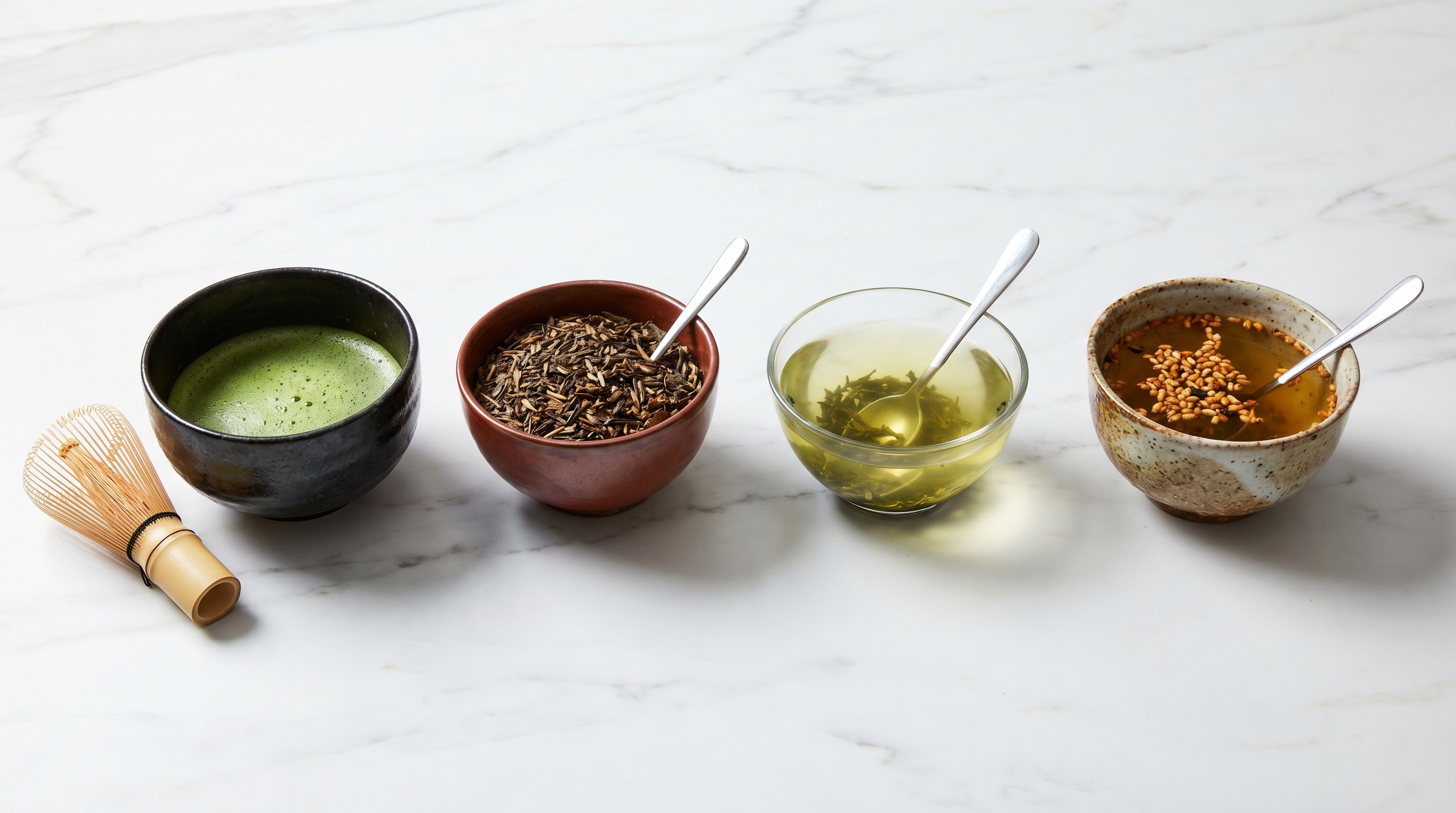
Genmaicha vs. Matcha, Hojicha, and Sencha: A Comparative Analysis
For businesses and enthusiasts alike, understanding where Genmaicha sits on the spectrum of Japanese teas is crucial for menu development and palate training. While premium grade matcha offers a grassy, vibrant energy, Genmaicha provides a grounded, earthy alternative.
Feature | Genmaicha | Sencha | ||
|---|---|---|---|---|
Composition | Green tea + Roasted rice | Ground shade-grown leaves | Roasted green tea leaves | Steamed green tea leaves |
Color | Light yellow-green | Vibrant emerald green | Reddish-brown | Clear lime green |
Flavor Profile | Nutty, toasted, savory | Umami, grassy, sweet | Smoky, caramel, woody | Grassy, astringent, fresh |
Caffeine Level | Low (diluted by rice) | High | Very Low | Moderate |
Aroma | Toasted popcorn/nuts | Fresh hay/Vegetal | Roasted cocoa/Tobacco | Seaweed/Fresh grass |
Primary Use | Daily drinking/Lattes | Ceremony/Lattes | Evening tea/Desserts | Traditional steeping |
Why the Distinction Matters for B2B
Understanding these differences allows a cafe owner to position Genmaicha as the “bridge” beverage. A customer who finds Matcha too “grassy” or Hojicha too “smoky” will often find the middle ground in Genmaicha. It is the most approachable entry point into the world of Japanese green teas. Furthermore, because Genmaicha is diluted with rice, the cost per serving is often more favorable than pure bulk matcha wholesale imports, allowing for better margins on daily-special beverages.
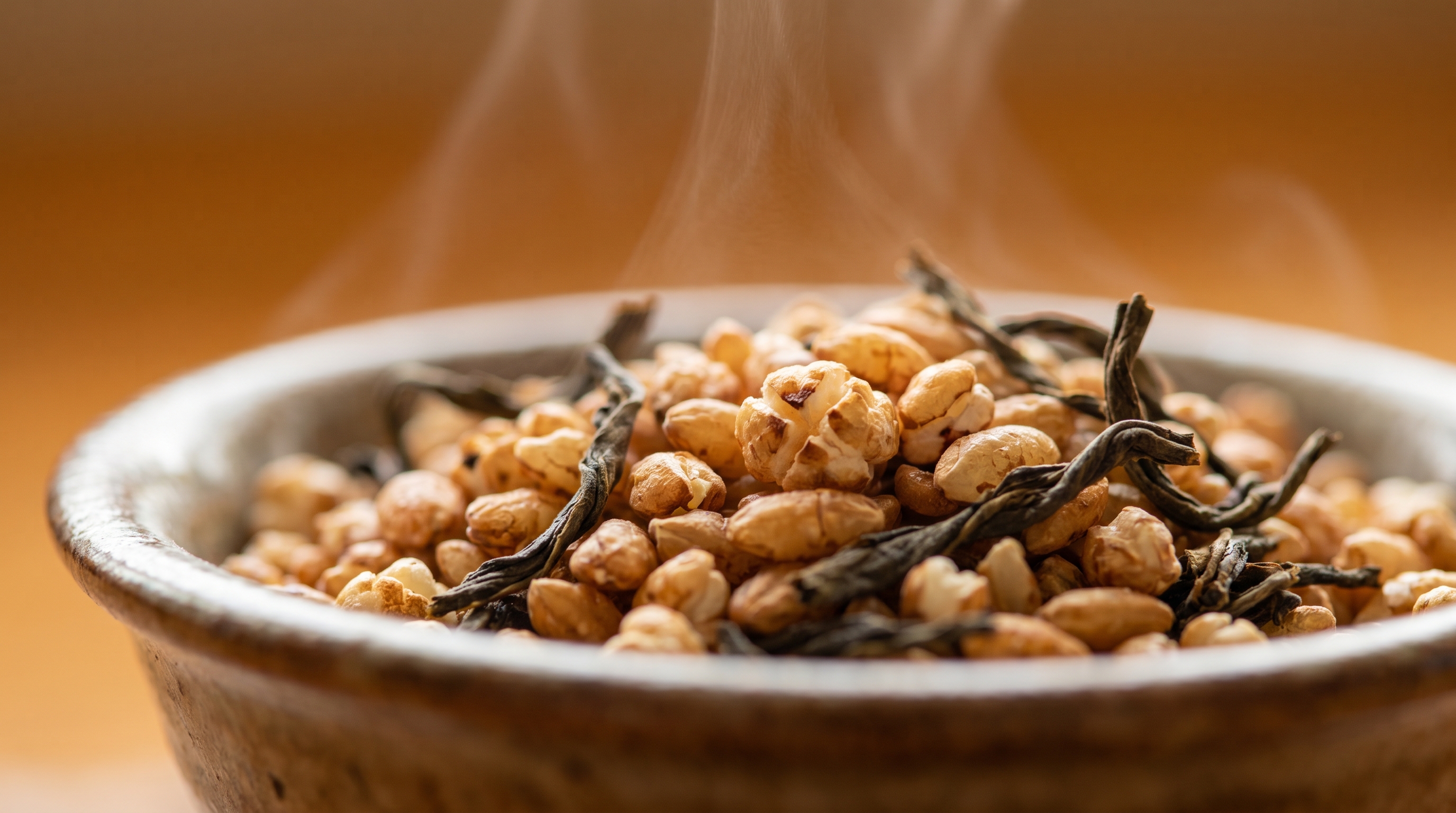
Toasted Rice Science: The “Popcorn” Characteristic and Aroma
The primary appeal of Genmaicha lies in its balance of contrasts. This isn’t just a culinary observation; it’s a matter of food chemistry.
The Maillard Reaction
During the roasting of the brown rice, the Maillard reaction occurs—a chemical reaction between amino acids and reducing sugars that gives browned food its distinctive flavor. In Genmaicha, this produces 2-acetyl-1-pyrroline, the same aromatic compound responsible for the scent of freshly popped popcorn and basmati rice. This is why the aroma is so universally appealing; it triggers a primal “comfort food” response in the human brain.
The Three Pillars of Flavor
- The Nutty Base: The roasted brown rice (Genmai) provides complex aromatic compounds similar to those found in toasted bread or roasted nuts.
- The Fresh Top Notes: Because the base is typically a high-quality green tea like Sencha, you still receive the “green” notes—hints of freshly cut grass and a subtle oceanic umami.
- The Mouthfeel: Genmaicha is notably less astringent than pure Sencha. The starch from the roasted rice adds a slight “roundness” or creaminess to the body of the tea, making it incredibly easy to drink even without sweeteners.
For beverage developers, this “toasty” profile is a marketing dream. It appeals to coffee drinkers who may find traditional green teas too “thin” or “vegetal.” When used in a private label matcha supplier context, adding a Genmaicha blend can significantly diversify a brand’s portfolio.
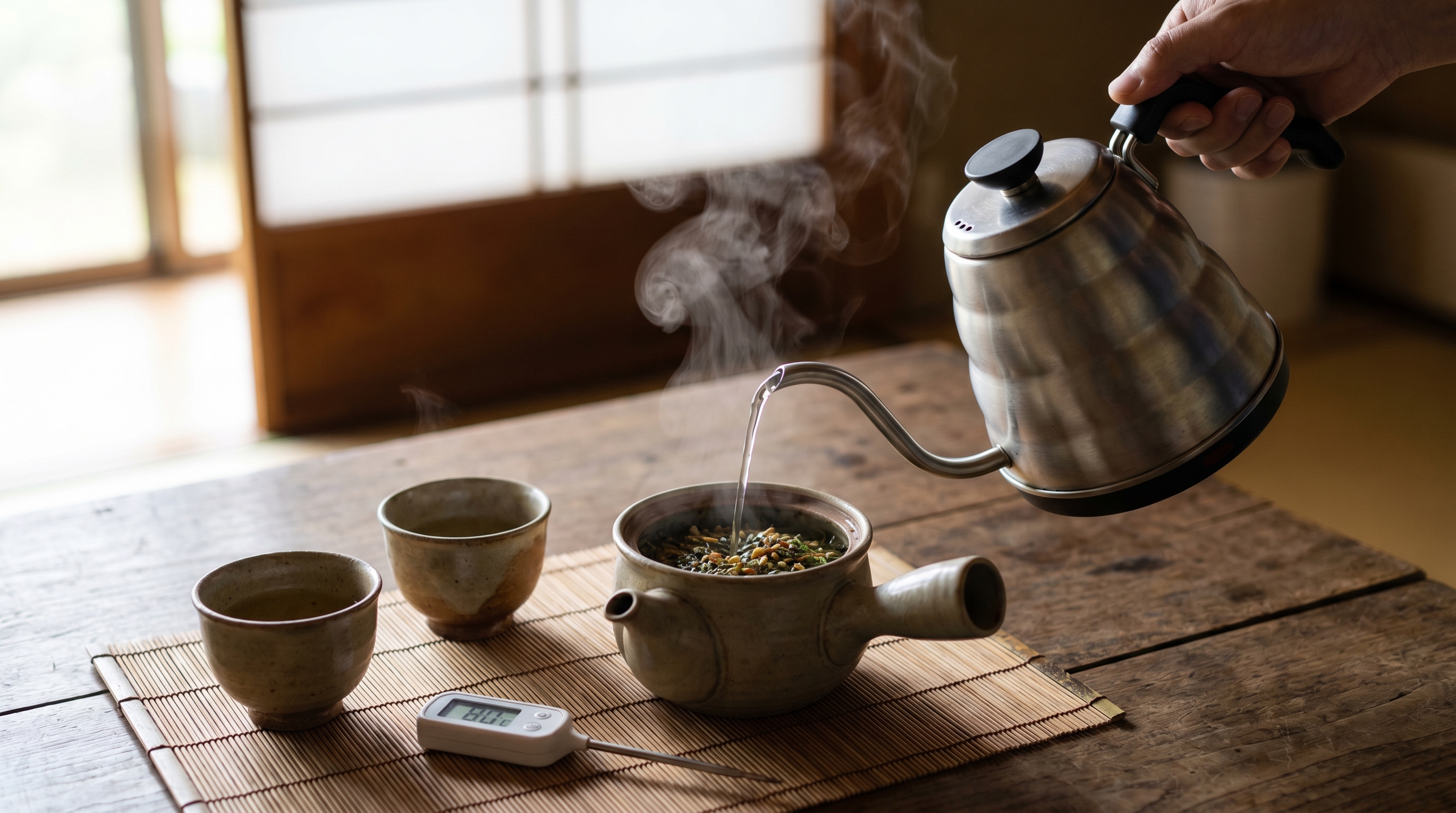
Mastering the Art of Hot Brewing Genmaicha
Brewing Genmaicha is more forgiving than brewing delicate Gyokuro or Sencha, but precision still yields the best results. The goal is to extract the nuttiness of the rice without scalding the green tea leaves, which can release excessive tannins and lead to bitterness.
Professional Hot Brewing Parameters
Parameter | Recommended Setting | Reason |
|---|---|---|
Water Temperature | 80°C – 85°C (176°F – 185°F) | Hot enough to extract rice oils, cool enough to save tea leaves. |
Tea-to-Water Ratio | 5g of tea per 200ml of water | Higher ratio needed because rice adds volume but not tea strength. |
Steep Time | 30 to 60 seconds | Prevents over-extraction of the green tea base. |
Number of Infusions | 2 to 3 | The first is for aroma (rice); the second is for body (tea). |
Step-by-Step Method:
- Preheat the Vessel: Rinse your teapot (preferably a clay Kyusu) with hot water. This ensures the water temperature doesn’t drop too rapidly during the steep.
- Measure the Tea: Use a generous amount. Because the rice takes up significant volume, you need more “weight” of the blend than you would with pure tea.
- The Pour: Pour the water gently. You will immediately smell the toasted rice.
- The Wait: 30 seconds is usually enough for the first infusion to get a bright, nutty cup. 60 seconds will yield a deeper, more savory liquor.
- Complete Decanting: Ensure every last drop is poured out. If water remains in the pot, the leaves will continue to “stew,” making the second infusion bitter.
For those looking for a more intense experience, Matcha-iri Genmaicha (Genmaicha with added Matcha powder) is a popular choice. It produces a neon-green liquor and a much heavier body, making it a favorite for restaurant service where visual impact is key.
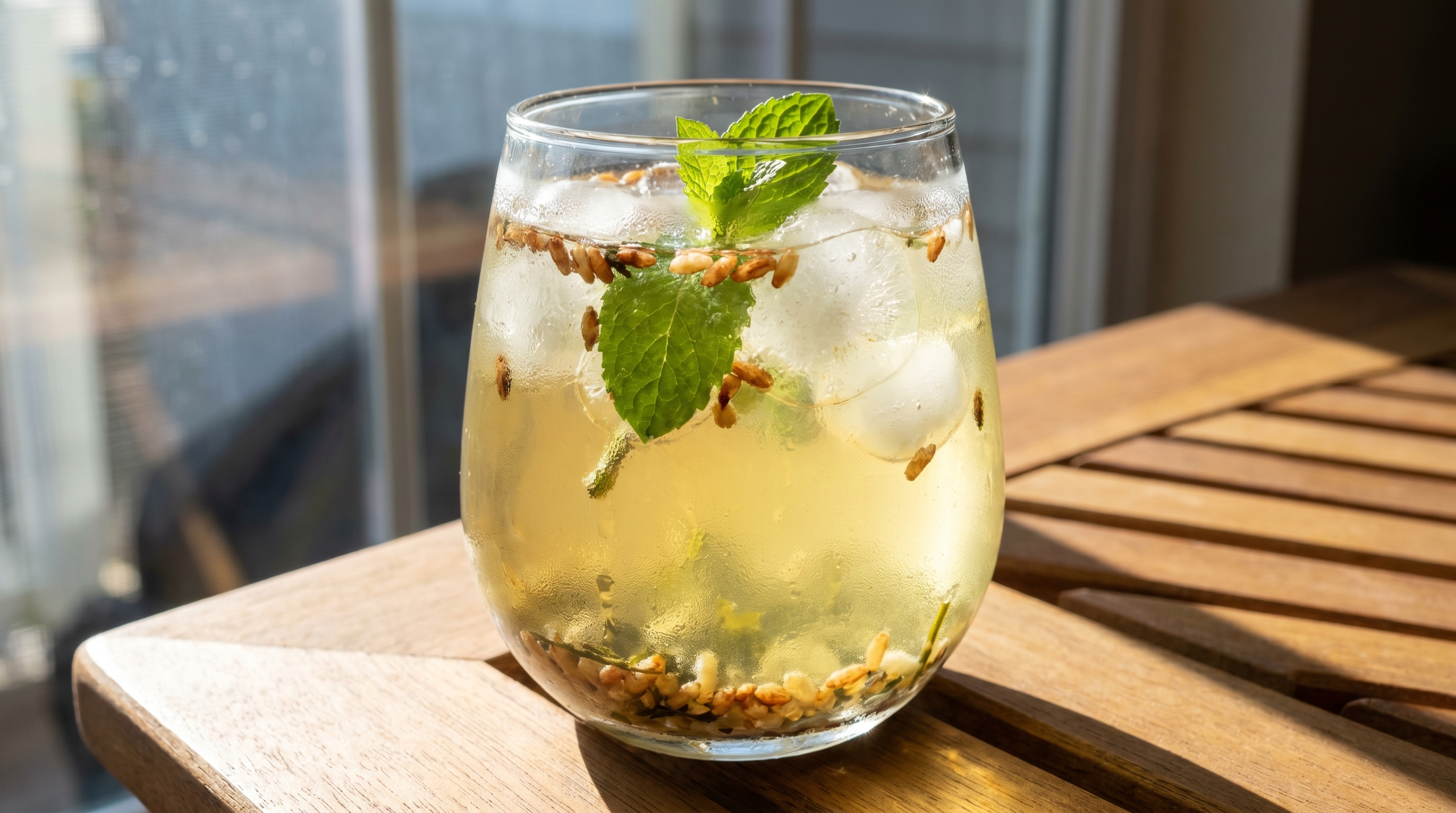
Cold Brewing and Mizudashi Techniques for Summer
As a B2B supplier, we often recommend Mizudashi (cold brewing) for bottled tea brands and summer cafe menus. Cold brewing Genmaicha results in an entirely different beverage profile—it is exceptionally sweet, with almost zero bitterness.
The Science of Cold Extraction
When tea is steeped in cold water, the tannins (which cause bitterness) and caffeine are extracted much more slowly. However, the amino acids (umami) and the aromatic oils from the roasted rice are still effectively released over time. The result is a crisp, refreshing drink where the toasted rice flavor takes on a “cereal milk” sweetness.
The 12-Hour Cold Brew Method
- Ratio: 10-15g of loose-leaf Genmaicha per 1 liter of cold, filtered water.
- Process: Place the tea and water in a glass carafe and refrigerate for 12 hours.
- Result: A clear, golden-hued liquid that is perfect for pairing with summer salads or seafood.
The “Flash Chill” Method (Cafe Speed)
For an “Instant” iced version in a cafe setting, brew a double-strength hot concentrate (10g tea in 100ml water) and pour it immediately over a large glass of ice. This “shocks” the tea, locking in the bright green color and the sharp toasted aroma.
Modern Cafe Applications: The Rise of the Genmaicha Latte
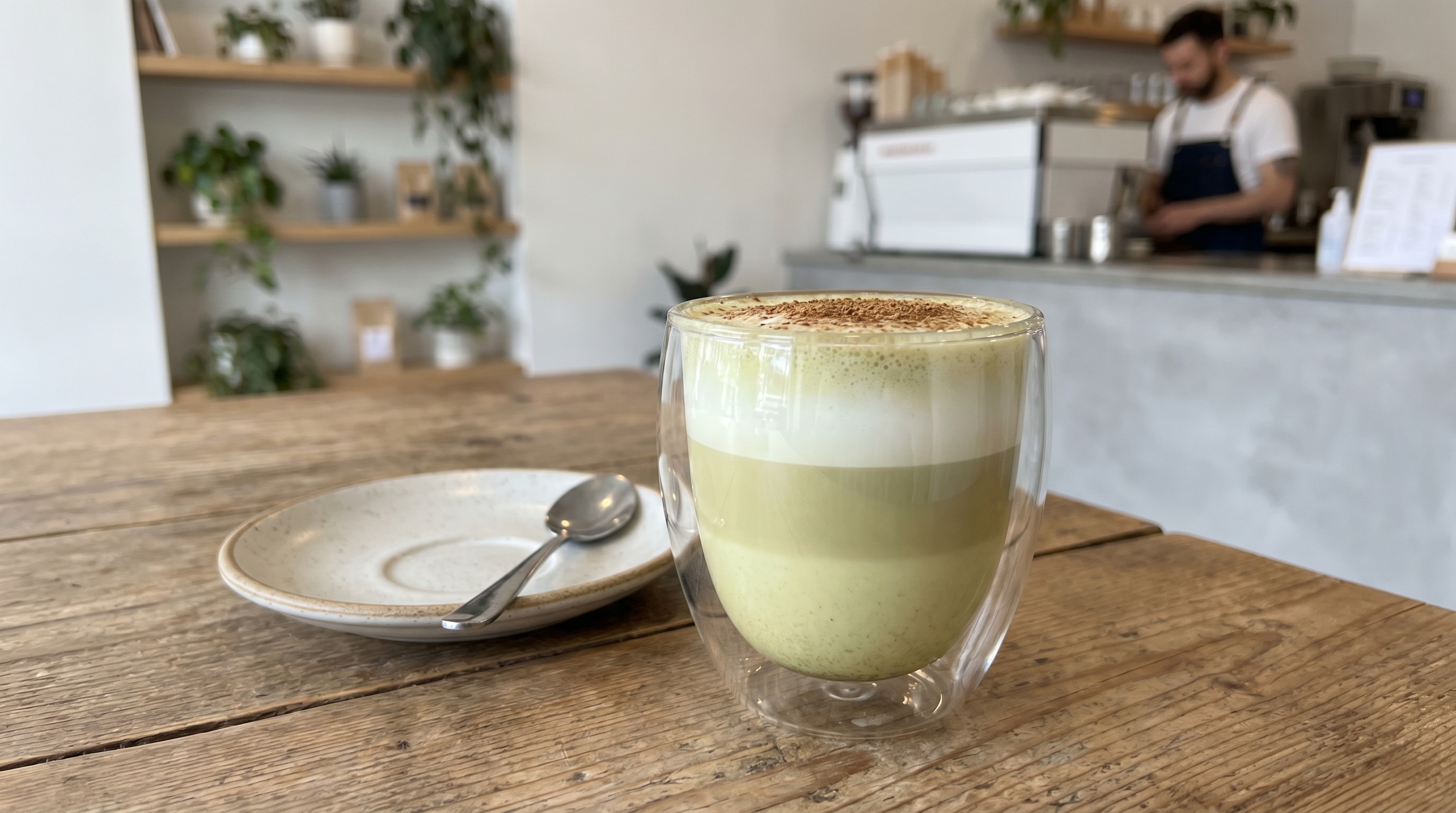
While Matcha lattes are a global staple, the Genmaicha Latte is the new “must-have” on specialty menus. To achieve a professional-grade latte, cafes should move away from steeping leaves and toward using high-grade Genmaicha powder .
Why Use Powder in a Commercial Setting?
Using finely ground powder allows the toasted rice particles to remain in suspension. This creates a much more intense flavor and a beautiful, textured mouthfeel that mimics the richness of a coffee-based latte. It also significantly reduces service time, as there is no need to wait for a 2-minute steep.
The “Genmaicha Fog” Signature Recipe:
- Sift: Sift 3g of Genmaicha powder into a wide bowl or cup.
- Whisk: Add 30ml of 80°C water and whisk vigorously until a thick, frothy paste forms (similar to preparing ceremonial grade matcha ).
- Sweeten: Add 5-10ml of honey or brown sugar syrup. The molasses notes in brown sugar pair exceptionally well with the roasted rice.
- Steam: Steam 200ml of oat milk to 65°C. Pro Tip: Oat milk is the superior choice for Genmaicha lattes as its natural graininess complements the roasted rice perfectly.
- Combine: Pour the textured milk over the Genmaicha base.
- Garnish: Finish with a dusting of roasted rice powder or a few grains of toasted rice for crunch.
This beverage serves as a fantastic caffeine-light alternative for afternoon customers. It provides the “comfort” of a latte with a unique flavor profile that differentiates your cafe from competitors sticking only to Matcha.
Culinary Innovation: Cooking and Baking with Genmaicha
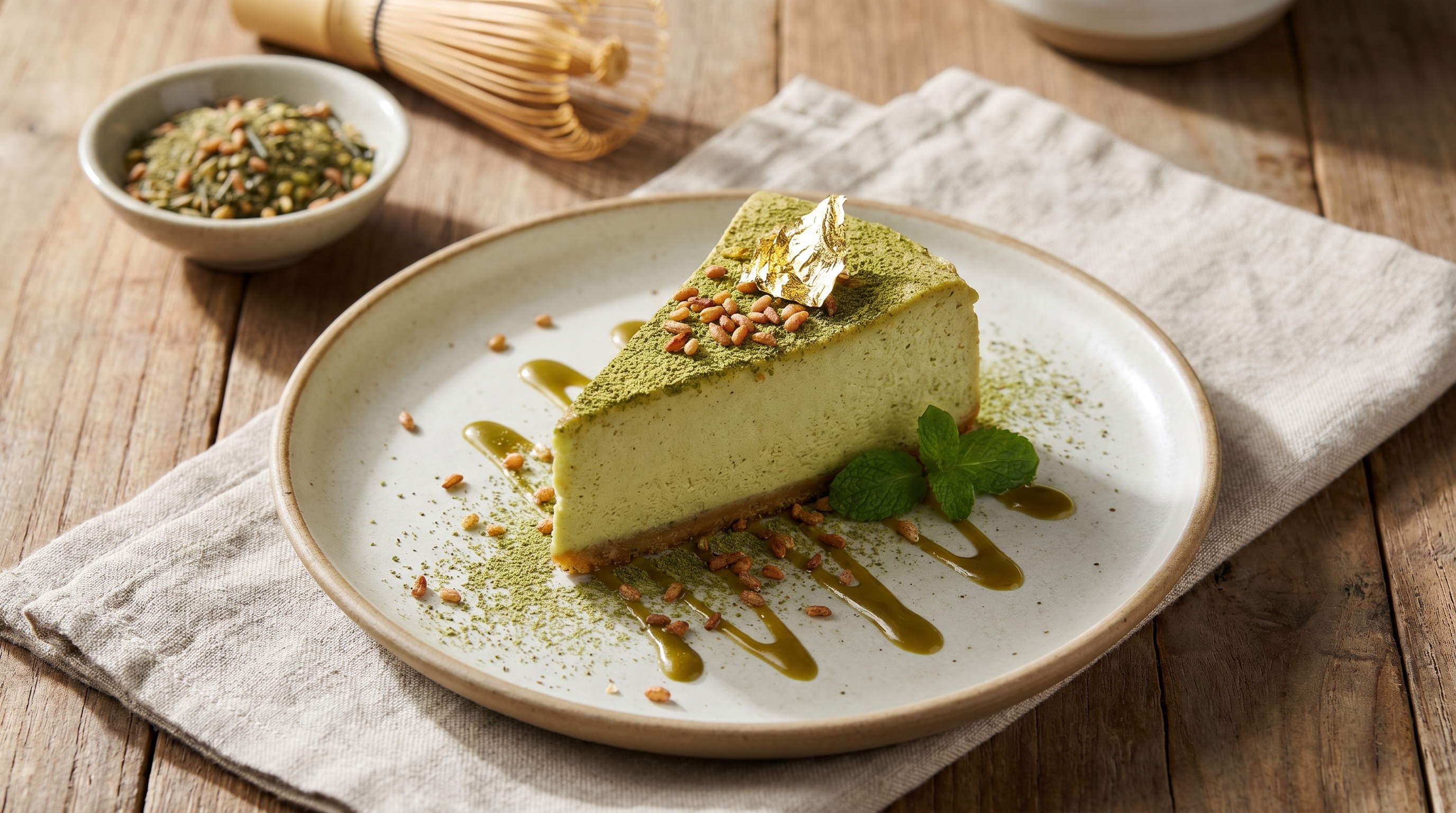
Genmaicha’s savory-sweet profile makes it a versatile ingredient in the kitchen. B2B food manufacturers are increasingly using it as a “natural flavor booster” for everything from chocolate to savory sauces.
The Pastry Chef’s Secret
In baking, Genmaicha powder acts similarly to hojicha powder . It adds a “roasted” aroma that is deeply nostalgic, reminiscent of malt or toasted biscuits.
- Genmaicha Ice Cream: The toasted rice flavor cuts through the fat of the dairy, providing a sophisticated alternative to vanilla.
- Shortbread & Cookies: Incorporating 10-15g of powder into a standard buttery dough creates a cookie with an earthy, complex finish.
- Breads and Brioche: Replacing a portion of flour with Genmaicha powder yields a loaf with a golden interior and a scent reminiscent of a Japanese bakery.
Savory Applications (Ochazuke and Beyond)
Genmaicha is the traditional base for Ochazuke, a Japanese dish where tea is poured over cooked rice and savory toppings (like salmon or seaweed).
- The Modern Twist: Chefs are now using a blend of Genmaicha powder and sea salt to finish seared scallops or white fish, adding a “toasted” dimension without the need for actual frying.
- Genmaicha Broth: Using a strong Genmaicha brew as the liquid base for a vegetarian ramen broth adds a layer of “roastiness” that is usually achieved only through long-simmered meats.
The Science of Health Benefits: More Than Just Flavor
Genmaicha offers a unique set of health benefits that combine the power of green tea with the nutritional profile of brown rice. This makes it an easy sell for wellness-focused brands.
1. High in Antioxidants (Catechins)
Since it contains Sencha or Bancha leaves, Genmaicha is rich in EGCG (Epigallocatechin gallate), which helps combat oxidative stress and supports heart health.
2. GABA (Gamma-Aminobutyric Acid)
The roasting process of the brown rice can increase the presence of GABA. This neurotransmitter is known for its ability to reduce anxiety, improve sleep quality, and lower blood pressure. It makes Genmaicha an excellent “relaxation” tea for the evening.
3. Blood Sugar Regulation
The polyphenols in green tea combined with the complex carbohydrates of the rice may help in stabilizing blood sugar levels after a meal. This is why it is traditionally served after oily or heavy meals in Japan.
4. Low Caffeine Content
Because the tea leaves are “diluted” by the rice, Genmaicha contains significantly less caffeine than pure green tea or coffee. It provides a gentle mental clarity without the “jitters,” making it suitable for children, the elderly, and those sensitive to stimulants.
Strategic Food Pairing Guide
For restaurants and tea houses, pairing Genmaicha with the right food can elevate the entire dining experience. Its savory nature makes it one of the most versatile teas for meal-time service.
Category | Suggested Pairing | Why it Works |
|---|---|---|
Seafood | Salmon Sashimi / Fatty Tuna | The tea’s roasted notes cut through the richness of the fish fat. |
Fried Food | Vegetable Tempura | The “toasty” overlap between the batter and the rice is harmonious. |
Grilled Meats | Chicken Yakitori | The earthy profile stands up well to char and soy-based glazes. |
Sweets | Red Bean Mochi (Anko) | The savory nuttiness balances the dense sweetness of the bean paste. |
Chocolate | 70% Dark Chocolate | The “roasted” overlap between cocoa and rice is highly sophisticated. |
Cheese | Aged Manchego or Comté | Nutty cheeses find a perfect companion in the toasted rice aroma. |
Wholesale Genmaicha Tea: A Business Selection Guide
When sourcing for a brand or a high-volume cafe, quality consistency is everything. At Riching Matcha, we help businesses navigate the complexities of bulk sourcing to ensure their final product is world-class.
1. Identifying Premium Toasted Rice
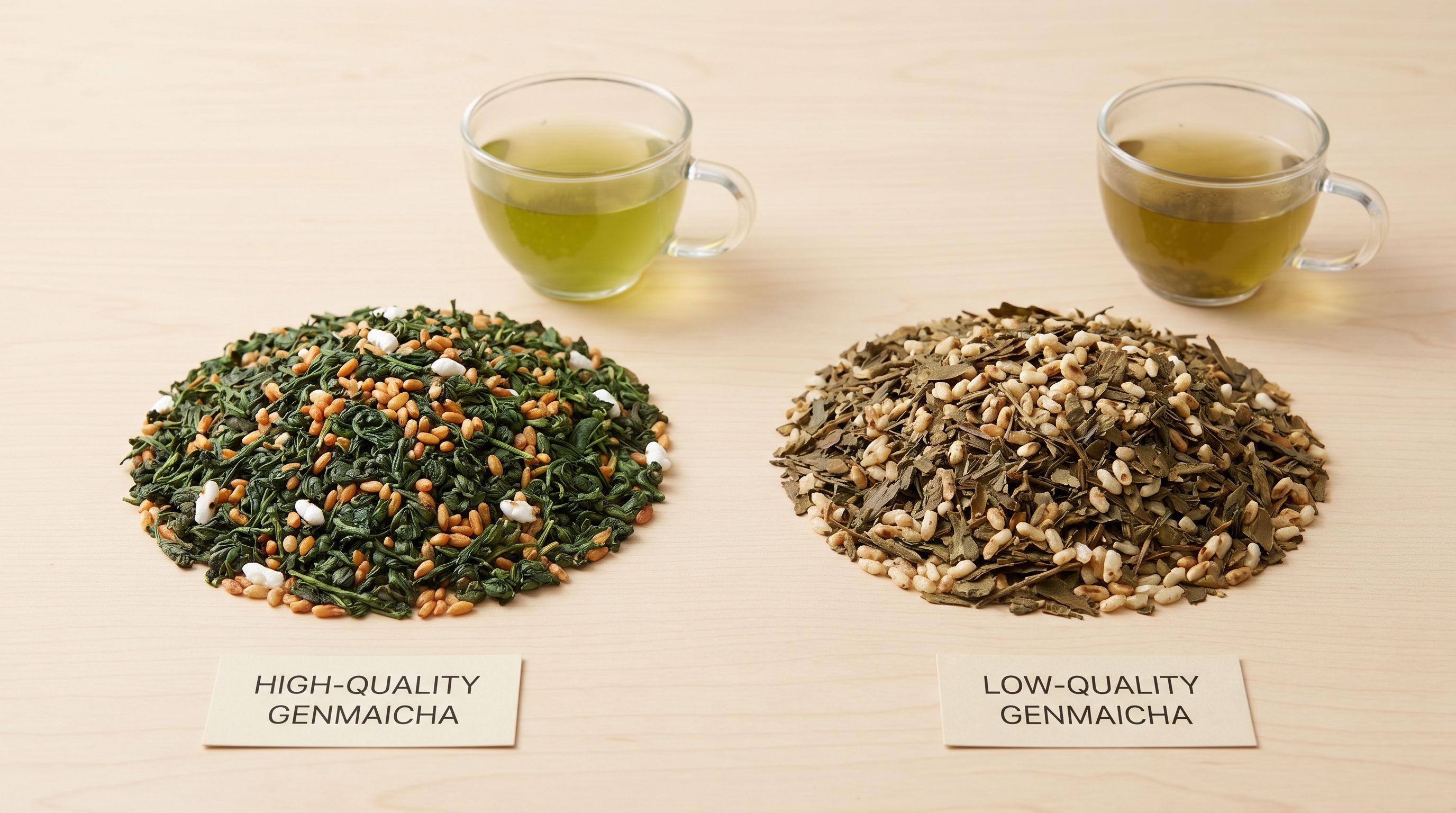
In lower-grade Genmaicha, the rice is often over-popped (looking like white popcorn) to add weight. In premium Genmaicha, the rice is deeply toasted to a consistent golden-brown. Look for “Uruchi-gome” (non-glutinous rice) for a cleaner, crisper flavor or “Mochi-gome” (glutinous rice) for a sweeter, more aromatic result.
2. Evaluating the Tea Base
Many suppliers use old, yellowed Bancha leaves to keep costs down. Premium wholesale Genmaicha uses vibrant, nitrogen-flushed Sencha leaves. As seen in the comparison above, the liquor should be a clear, bright yellow-green, not a muddy brown.
3. Powder vs. Loose Leaf
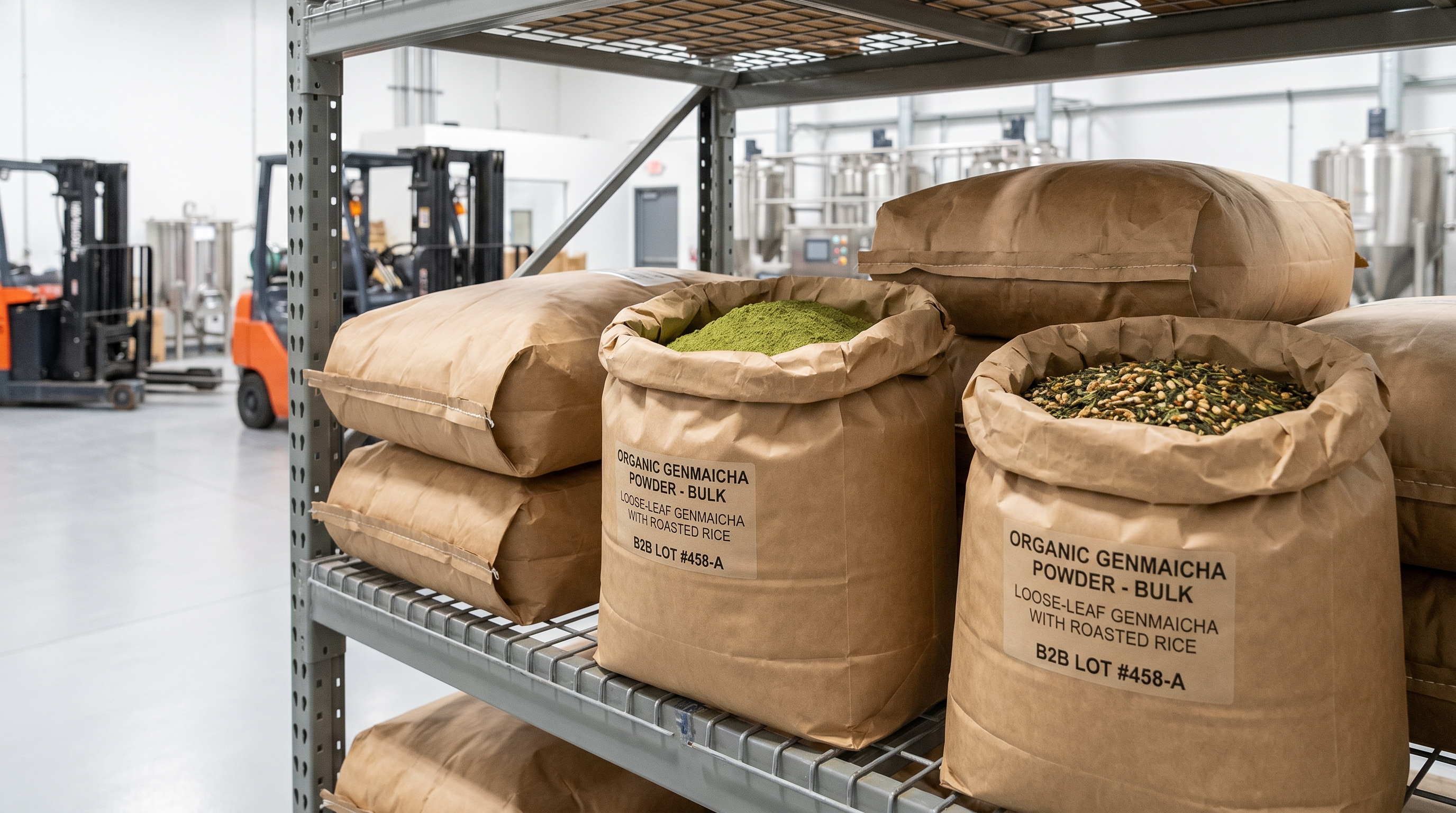
If you are a retail brand, loose-leaf is essential for the “visual” experience—customers want to see the “popcorn.” However, if you are a beverage chain or a food manufacturer, Genmaicha powder offers better flavor extraction, color stability, and ease of use in automated systems.
4. Certifications
For international markets, ensure your supplier can provide EU/USDA Organic certifications. This is a key requirement for private label matcha supplier services and bulk exports to health-conscious markets.
FAQs: Expert Insights into Genmaicha
1. Does Genmaicha have more caffeine than coffee? No, Genmaicha has significantly less caffeine. A cup of coffee typically has 95-150mg of caffeine, while a cup of Genmaicha contains approximately 20-30mg.
2. Can I eat the rice in Genmaicha? While the rice is edible after steeping, it is usually quite mushy and has lost most of its flavor to the water. In the traditional dish Ochazuke, the rice is part of the meal, but in a standard tea cup, it is generally discarded.
3. Is Genmaicha better for weight loss than Matcha? Both contain catechins that boost metabolism. However, Matcha is a more concentrated source since you consume the whole leaf. Genmaicha is often preferred for long-term “daily drinking” because it is easier on the stomach.
4. How long does Genmaicha stay fresh? The roasted rice can go stale or “rancid” faster than pure tea leaves because of its natural oils. We recommend consuming it within 6-9 months of the production date and storing it in an airtight, light-proof container.
5. Why is it called “Popcorn Tea” if there is no corn? The nickname comes from the appearance of the white, popped rice kernels, which look exactly like miniature pieces of popcorn.
6. Is Genmaicha suitable for people with gluten sensitivities? While rice is naturally gluten-free, the roasting equipment might be shared with other grains in some facilities. Always check for a gluten-free certification from your wholesale tea provider .
7. Can I use Genmaicha in a traditional Matcha whisking bowl? If you are using Genmaicha powder, yes! You can use a bamboo whisk to create a frothy, nutty tea. For loose-leaf, a teapot (Kyusu) is required.
8. What is the difference between “Genmaicha with Matcha” and pure Genmaicha? Some blends are dusted with Matcha powder (Matcha-iri Genmaicha). This results in a much more vibrant green color and a stronger umami punch, often favored by cafes for its visual appeal and “superfood” marketing.
9. Does Genmaicha help with digestion? In Japan, it is traditionally served after oily or heavy meals because the combination of green tea and roasted rice is believed to settle the stomach and aid digestion.
10. How is Genmaicha powder made? The roasted rice and green tea leaves are blended and then stone-ground or ball-milled into a fine powder (usually around 10-15 microns), similar to the process used for hojicha powder .
Conclusion: Partnering for Success with Riching Matcha
Genmaicha is more than just a novelty tea; it is a versatile tool for any beverage professional. Whether you are looking to offer a comforting “house tea” or developing the next viral “Toasted Rice Latte,” the quality of your base material is the deciding factor in customer retention.
At Riching Matcha, we specialize in providing high-quality, B2B-ready tea solutions. From our 4,000,000 ㎡ organic tea farms, we supply:
- Bulk Genmaicha Powder: Perfect for cafe chains, industrial food production, and ready-to-drink (RTD) beverages.
- Premium Loose Leaf Blends: Sourced from peak-season harvests for specialty tea retailers and Michelin-star restaurants.
- Private Label Services: We offer custom packaging and branding for startups and established retailers looking for a reliable private label matcha supplier .
Whether you need a steady supply of bulk matcha wholesale or a unique Genmaicha blend tailored to your brand, our team is ready to provide samples and expert guidance.
Elevate your beverage menu with the toasted perfection of Genmaicha. Contact Riching Matcha today for a custom quote, wholesale catalog, and sample kit.