
The global rise of matcha green tea has transformed it from a traditional Japanese ceremonial beverage into a modern wellness phenomenon. Favored for its vibrant green hue, rich umami flavor, and promises of clean, jitter-free energy, matcha is widely celebrated as a healthier alternative to coffee. Yet, a subset of wellness enthusiasts and daily drinkers encounter an unexpected and unsettling side effect: heart palpitations.
If you have ever felt a sudden flutter, flip-flop, or rapid pounding in your chest after enjoying a warm bowl of matcha, you are not alone. While matcha is inherently therapeutic and packed with life-enriching antioxidants, its unique botanical makeup can interact with our physiology in complex ways.
This comprehensive guide delves into the cardiovascular science of green tea, dissects the chemical compounds within the tea leaf, and offers clear, evidence-based guidance on how to enjoy this ancient elixir without compromising your cardiovascular comfort.
Table of Contents
ToggleIntroduction to Matcha and Heart Rate Changes
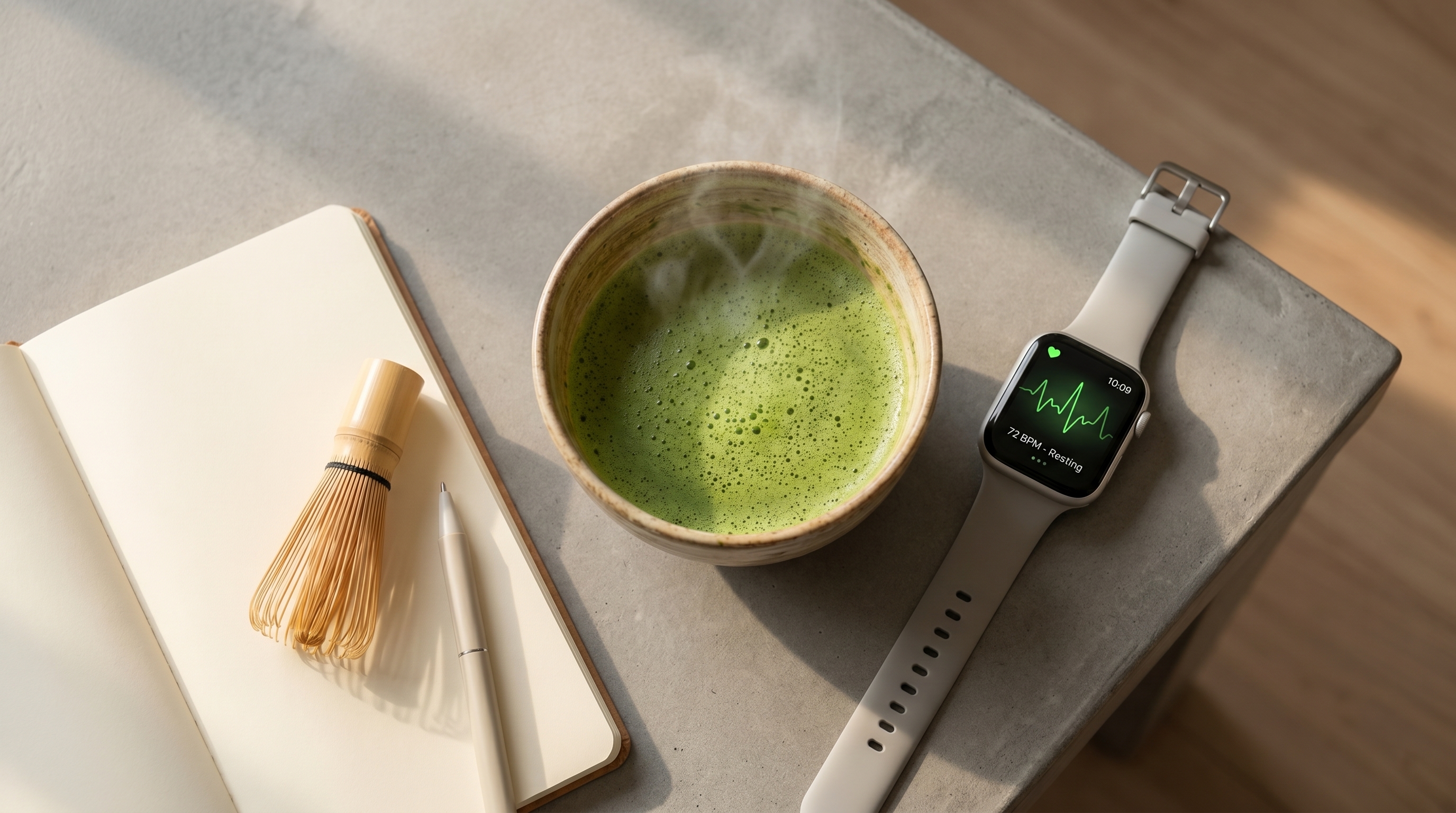
Matcha has transitioned from a traditional Japanese tea ceremony staple to a global wellness phenomenon. Celebrated for its vibrant green hue, rich umami flavor, and concentrated antioxidant profile, this powdered green tea is frequently championed as a healthier, more stable alternative to coffee. Wellness influencers and health advocates often promise “sustained focus without the crash,” attributing this steady energy state to the harmonious pairing of caffeine and L-theanine.
However, as its consumption has scaled worldwide, a subset of drinkers has reported unexpected and unsettling side effects: heart palpitations, a racing pulse, muscle tremors, and acute episodes of anxiety. This raises a critical, evidence-based question: Can matcha make your heart palpitate, and if so, what are the underlying biological mechanisms driving this response?
To answer this, one must first look at the botanical reality of matcha. Unlike traditional green tea, where the leaves (Camellia sinensis) are steeped in hot water and then discarded, matcha involves consuming the entire stone-milled leaf suspended in liquid. This fundamental difference means that a single serving of matcha delivers a highly concentrated dose of all the plant’s active chemical constituents—including its stimulant compounds.
For the average consumer, this concentrated dose is easily tolerated and even beneficial. For others, particularly those with underlying sensitivities, genetic predispositions, or specific physiological states, the sudden influx of these active compounds can trigger a pronounced fight-or-flight response.
Understanding these cardiovascular effects requires moving past marketing narratives and diving deep into human physiology, pharmacokinetics, and cardiovascular science. By analyzing how the central nervous system interacts with matcha’s unique biochemical profile, we can demystify why some individuals experience a calm, laser-focused state, while others find themselves monitoring a rapidly rising heart rate on their smartwatches.
The Science of Heart Palpitations and Caffeine
To understand how matcha affects the cardiovascular system, we must first understand the clinical definition of a heart palpitation. The Mayo Clinic defines palpitations as feelings of having a fast-beating, fluttering, or pounding heart. While they can feel alarming, they are often harmless and frequently triggered by lifestyle factors, such as stress, exercise, medication, or stimulants like caffeine.
At the core of matcha’s stimulating potential is caffeine (1,3,7-trimethylxanthine), a natural alkaloid that acts as a powerful central nervous system (CNS) stimulant. Once ingested, caffeine is rapidly absorbed into the bloodstream through the gastrointestinal tract and easily crosses the blood-brain barrier. Its primary mechanism of action involves blocking adenosine receptors .
In a baseline physiological state, the neurotransmitter adenosine binds to these receptors to promote relaxation, slow down nerve cell activity, and signal drowsiness to the brain. Because caffeine shares a strikingly similar molecular structure to adenosine, it binds to these receptors without activating them, effectively acting as an antagonist. By blocking adenosine, caffeine prevents the natural “braking system” of the brain, leading to a cascade of physiological effects:
- Elevated Catecholamines: The inhibition of adenosine triggers the adrenal glands to release epinephrine (adrenaline) and norepinephrine. These stress hormones initiate the body’s sympathetic nervous system response.
- Vasoconstriction: Norepinephrine binds to alpha-adrenergic receptors on blood vessels, causing them to constrict. This increases peripheral vascular resistance and raises blood pressure.
- Positive Inotropic and Chronotropic Effects: Epinephrine binds directly to beta-1 adrenergic receptors on the heart muscle. This increases both the force of cardiac contractions (inotropic effect) and the speed of the heart rate (chronotropic effect).
For individuals highly sensitive to stimulants, this rush of adrenaline can disrupt the heart’s normal sinus rhythm, leading to premature ventricular contractions (PVCs) or ectopic beats. This is experienced physically as a “skipped beat” or a rapid, fluttering sensation in the chest.
According to the U.S. Food and Drug Administration (FDA), while up to 400 milligrams of caffeine per day is generally considered safe for healthy adults, individual tolerances vary wildly. A dose that provides a gentle cognitive lift for one person can easily trigger acute cardiovascular distress and palpitations in another.
Caffeine Levels: Green Tea, Matcha, and Coffee Compared
A common misconception is that matcha contains a negligible amount of caffeine compared to coffee. Because matcha drinkers consume the actual, pulverized leaf tissue rather than a filtered infusion, they receive a significantly higher concentration of caffeine than they would from an equivalent volume of standard brewed green tea.
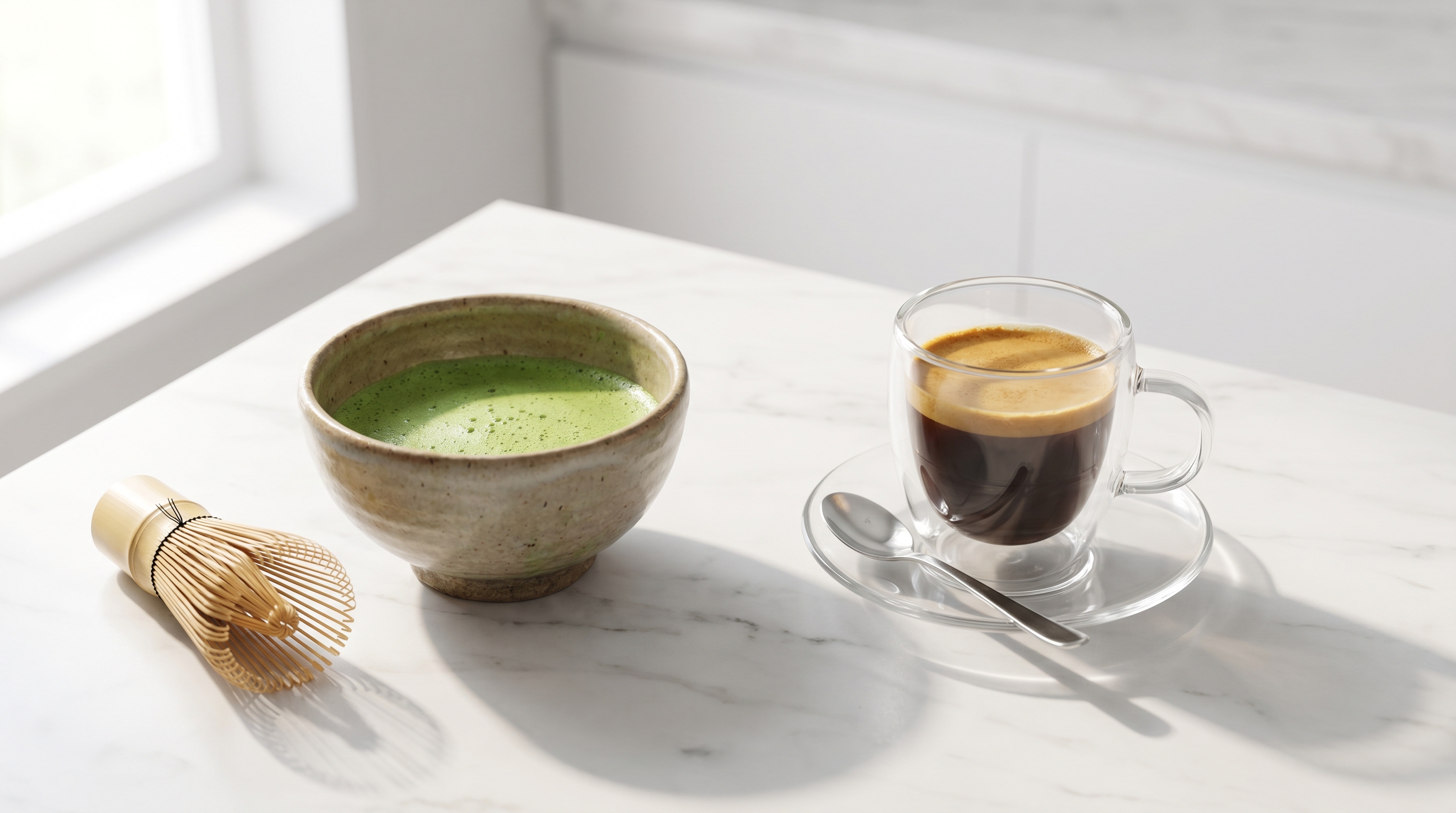
To put this in perspective, a standard cup of steeped green tea (8 oz) typically contains between 25 to 45 milligrams of caffeine. A standard serving of matcha (prepared using 1 to 2 grams of high-quality powder) contains between 35 to 80 milligrams of caffeine, depending on the agricultural practices and leaf grades used. By comparison, a standard single shot of espresso (1 oz) contains roughly 60 to 75 milligrams of caffeine, and an 8 oz cup of drip coffee contains anywhere from 95 to 200 milligrams.
While coffee remains the higher-octane beverage per ounce, matcha’s caffeine concentration is remarkably close to espresso. However, the behavior of this caffeine in the human body is vastly different. This difference is driven by the presence of L-theanine, a unique, non-protein amino acid found almost exclusively in the Camellia sinensis plant.
When you consume coffee, the caffeine is absorbed rapidly, leading to a sharp peak in blood serum levels within 30 to 60 minutes. This sharp spike is often accompanied by vasoconstriction, a rapid rise in blood pressure, and subsequent jitters.
In contrast, the caffeine in matcha is absorbed more gradually. L-theanine forms a loose, synergistic bond with caffeine, slowing down its release into the bloodstream and modulating its binding affinity to adenosine receptors. This results in a sustained energy curve that can last between 3 to 6 hours, without the sharp drop-off or “crash” characteristic of coffee.
The following table provides a comprehensive comparison of green tea, matcha, and coffee across their primary stimulant variables:
Beverage Type | Average Serving Size | Caffeine Content (mg) | L-Theanine Content (mg) | Peak Absorption Window | Relative Palpitation Risk |
|---|---|---|---|---|---|
Steeped Green Tea | 8 oz (240 ml) | 25 – 45 mg | 10 – 20 mg | 45 – 60 minutes | Very Low |
Ceremonial Matcha | 4 oz (120 ml) | 35 – 80 mg | 20 – 40 mg | 1 – 2 hours (Gradual) | Low to Moderate |
Drip Coffee | 8 oz (240 ml) | 95 – 200 mg | 0 mg | 30 – 45 minutes (Rapid) | High |
Espresso Shot | 1 oz (30 ml) | 63 – 75 mg | 0 mg | 15 – 30 minutes (Acute) | High |
The Role of L-Theanine in Mitigating Jitters

The unique cognitive and physiological profile of matcha is primarily attributed to L-theanine (gamma-ethylamino-L-glutamic acid). This amino acid works as a natural counterbalance to caffeine, dampening the overstimulating effects of the methylxanthine molecule on the central nervous system.
From a neurological perspective, L-theanine easily crosses the blood-brain barrier via the leucine-preferring transport system. Once in the brain, it exhibits structural similarity to glutamate, the primary excitatory neurotransmitter. By weakly binding to glutamate receptors, L-theanine acts as a mild antagonist, inhibiting excitatory cortical pathways.
Additionally, L-theanine stimulates the production of gamma-aminobutyric acid (GABA), the brain’s principal inhibitory neurotransmitter. Elevated GABA levels quiet neural activity, promote relaxation, and help mitigate the physical manifestations of anxiety—such as a racing heart and muscle tension.
L-theanine also promotes the generation of alpha brain waves (which are associated with a state of “alert relaxation” or “flow state”) while simultaneously reducing beta brain waves (which are linked to stress, anxiety, and hyper-alertness).
Clinical studies have shown that the combination of caffeine and L-theanine can improve cognitive performance, focus, and mood, while minimizing the physiological side effects of caffeine alone. For example, research indicates that L-theanine can help mitigate the rise in blood pressure and heart rate typically induced by high stress or stimulant consumption.
Why, then, do some people still experience severe heart palpitations after drinking matcha? The answer lies in the ratio of compounds and individual biology.
While L-theanine works to mitigate jitters, it does not completely eliminate the cardiovascular effects of caffeine, especially in highly sensitive individuals or when consuming matcha of lower quality. If the absolute dose of caffeine exceeds an individual’s unique neurological or cardiovascular threshold, or if they are drinking a matcha with an unfavorable caffeine-to-theanine ratio, the protective effects of L-theanine can be overridden, resulting in typical caffeine-induced palpitations.
Individual Sensitivity and Cardiovascular Responses
Not all human bodies process compounds in the same way. The wide variation in how people react to matcha is deeply rooted in genetic diversity, enzyme activity, and baseline cardiovascular health.
When examining caffeine sensitivity, the most critical genetic factor is the CYP1A2 gene, which codes for the cytochrome P450 1A2 enzyme. This specific hepatic enzyme is responsible for metabolizing more than 95% of ingested caffeine in the liver.
Genetic variations, known as Single Nucleotide Polymorphisms (SNPs), divide the population into two primary categories:
- Fast Metabolizers (IA/IA Genotype): These individuals possess a highly active form of the CYP1A2 enzyme. They process and clear caffeine from their system rapidly. For fast metabolizers, a cup of matcha or coffee is processed efficiently, providing a brief energy boost with almost no risk of jitters or heart palpitations.
- Slow Metabolizers (IA/IF or IF/IF Genotype): These individuals possess a variation of the gene that leads to much slower caffeine clearance. In slow metabolizers, caffeine remains in the bloodstream at high concentrations for an extended period. This prolonged exposure increases the likelihood of prolonged vasoconstriction, elevated heart rates, and chronic palpitations from even small doses of matcha.
Another important genetic factor is the ADORA2A gene, which regulates the sensitivity of adenosine receptors in the brain. Individuals with certain variations in this gene are naturally prone to higher levels of anxiety and panic when these receptors are blocked by caffeine, regardless of how quickly their liver metabolizes the compound.
Beyond genetics, baseline cardiovascular health and lifestyle factors play a decisive role. Individuals with pre-existing conditions—such as mitral valve prolapse, premature ventricular contractions (PVCs), or silent arrhythmias—are much more vulnerable to stimulant-induced palpitations.
Additionally, state-dependent variables can amplify these risks:
- Chronic Dehydration: Low blood volume forces the heart to beat faster to maintain blood pressure, making it much easier for stimulants to trigger palpitations.
- Sleep Deprivation: Lack of sleep elevates baseline cortisol and adrenaline levels, lowering the threshold at which caffeine can trigger a fight-or-flight response.
- Pre-existing Anxiety: Those suffering from generalized anxiety disorder or panic disorder already have an overactive sympathetic nervous system, making them highly sensitive to any physical sensations of stimulant-induced arousal.
Dehydration, Empty Stomach, and Preparation Methods
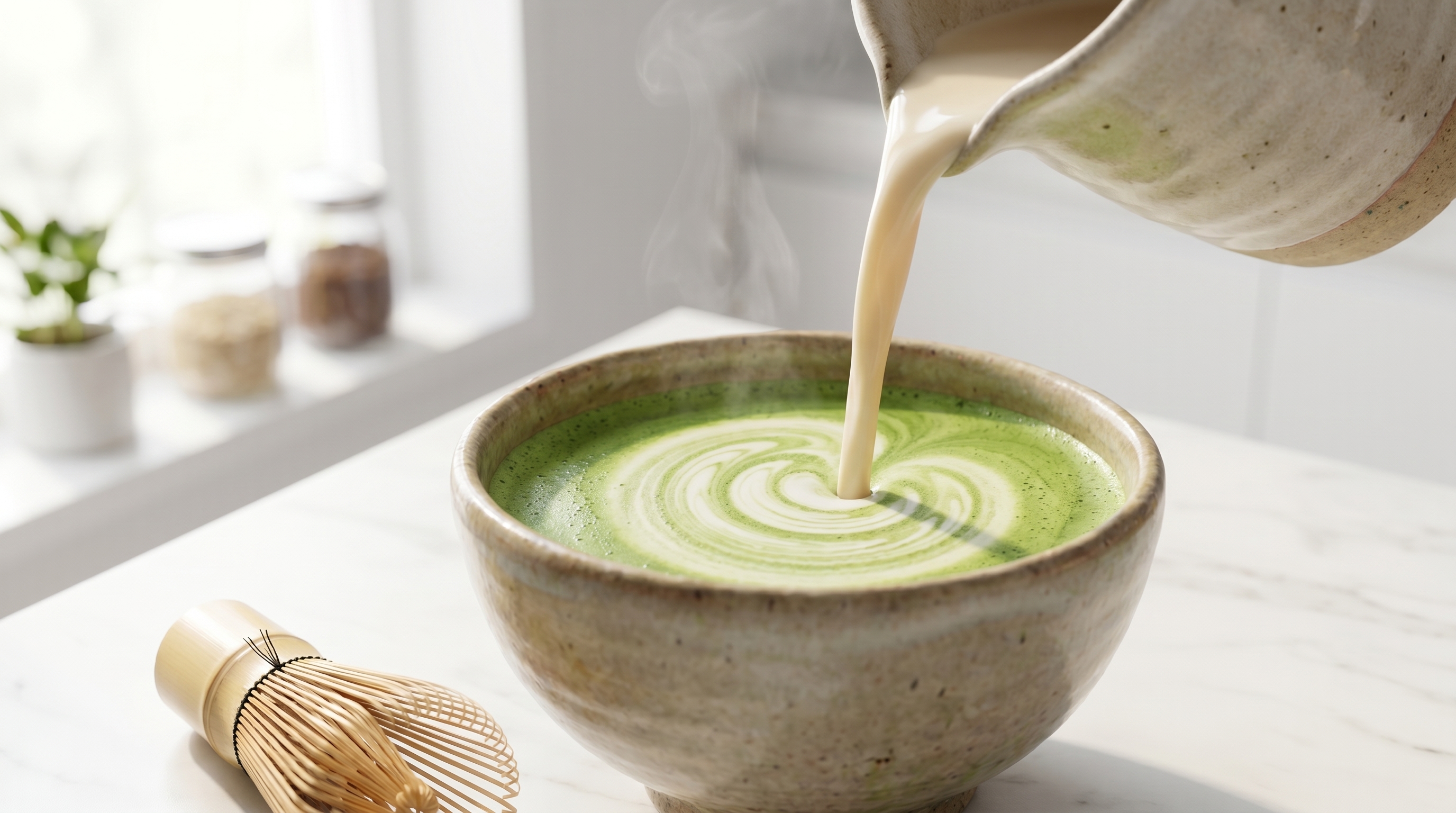
The physiological impact of matcha is not just determined by what you drink, but how and when you drink it. Two of the most common catalysts for heart palpitations among matcha drinkers are consumption on an empty stomach and pre-existing dehydration.
Drinking Matcha on an Empty Stomach
When you drink matcha first thing in the morning on an empty stomach, the liquid bypasses the digestive buffering of a solid meal. The stomach lining absorbs water-soluble compounds rapidly, and the remaining powder moves quickly into the small intestine, where the bulk of the caffeine is absorbed.
Without dietary fiber, healthy fats, or complex proteins to slow gastric emptying, blood caffeine levels spike much faster than they would otherwise. This rapid rise can mimic the pharmacokinetic spike of coffee, overwhelming the calming influence of L-theanine and triggering an immediate sympathetic response: a sudden spike in blood pressure, a rapid heart rate, and acute jitters.
Additionally, the methylxanthines and tannins in green tea can stimulate the secretion of hydrochloric acid in an empty stomach. This can lead to gastrointestinal distress, acid reflux, and nausea, further elevating physical stress and triggering anxiety-induced palpitations.
To explore healthy preparation options and morning rituals that avoid these issues, readers can browse various matcha latte recipes on the Riching Matcha blog.
The Compounding Effect of Dehydration
Caffeine is a mild diuretic that inhibits the release of antidiuretic hormone (ADH), also known as vasopressin. When consumed by someone who is already dehydrated, the loss of fluid decreases overall blood volume.
To maintain adequate cardiac output and perfusion to vital organs, the baroreceptors in the aortic arch and carotid sinuses signal the brain to increase the heart rate. Introducing a stimulant like matcha into a dehydrated body creates a perfect storm: the physical trigger of low blood volume combined with the chemical trigger of caffeine can easily cause a rapid, pounding heartbeat.
The Impact of Brewing Mechanics
The way matcha is prepared also directly affects its final chemical composition:
- Water Temperature: Using boiling water (100∘C/212∘F100^\circ\text{C} / 212^\circ\text{F}100∘C/212∘F
) extracts caffeine and bitter catechins much more rapidly than using traditional brewing temperatures (
75∘C−80∘C/167∘F−176∘F75^\circ\text{C} – 80^\circ\text{C} / 167^\circ\text{F} – 176^\circ\text{F}75∘C−80∘C/167∘F−176∘F). This high-temperature extraction can result in a bitter, highly stimulating brew with a higher ratio of caffeine to L-theanine.
- Powder Dosage: Standard recipes call for 1 to 2 grams of matcha powder. However, many consumers use heavy, unmeasured scoops. A single, overflowing tablespoon of matcha can easily contain 4 to 6 grams of powder—delivering up to 240 milligrams of caffeine in a single cup. This dose rivals a large, strong cup of drip coffee and can easily cause severe jitters and heart palpitations in unsuspecting drinkers.
Matcha Quality: Ceremonial vs. Culinary Grades
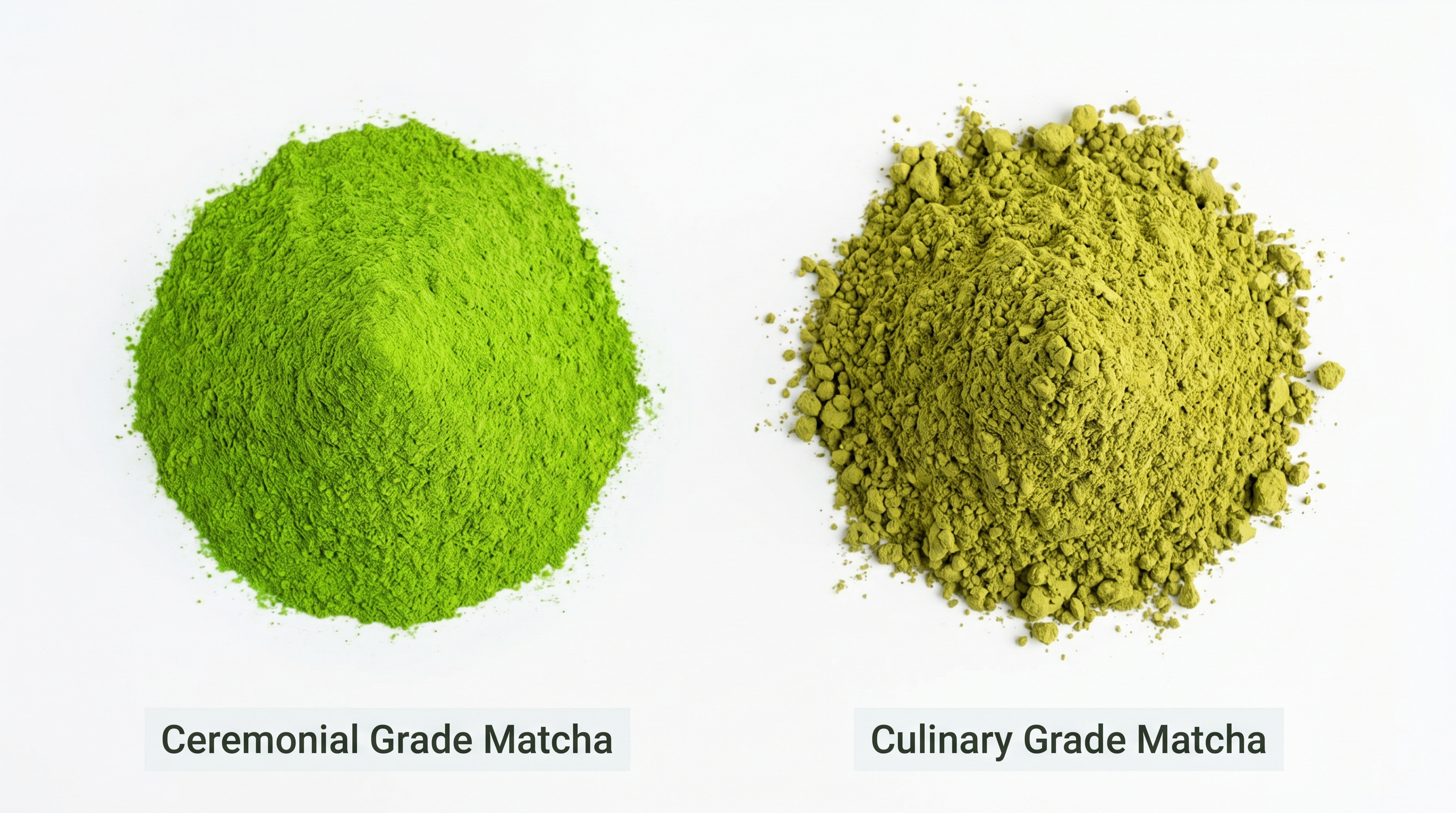
When sourcing matcha, it is essential to understand that not all powders are created equal. The agricultural practices, harvesting times, and processing methods used directly dictate both the flavor profile and the physiological effects of the final product.
Matcha is broadly classified into two primary categories: Ceremonial Grade and Culinary Grade.
Ceremonial Grade Matcha
Ceremonial grade represents the pinnacle of matcha cultivation. The tea plants (Camellia sinensis) are shaded under black netting or straw mats for up to 20 to 30 days before harvest. Shading restricts sunlight by up to 90%, forcing the plants to overproduce chlorophyll (which gives the powder its brilliant emerald-green color) and amino acids, particularly L-theanine.
Because L-theanine is synthesized in the roots and travels to the leaves, exposure to sunlight normally converts these amino acids into bitter catechins (polyphenols). Shading halts this conversion, preserving high concentrations of L-theanine.
Furthermore, ceremonial matcha is made from the first flush of spring—the youngest, most tender leaves at the very top of the plant. These leaves are hand-picked, carefully de-veined, destemmed (removing the fibrous parts), and gently stone-milled into an ultra-fine powder. This meticulous process ensures a high concentration of L-theanine, which helps balance out the caffeine content and minimize the risk of heart palpitations.
For cafes, brands, or private-label buyers looking to source authentic, high-altitude harvests, partnering with an experienced, certified organic matcha manufacturer ensures access to consistent, lab-tested ceremonial batches. Selecting a premium ceremonial grade matcha provides a higher concentration of L-theanine, offering a more balanced energy curve and lower risk of jitters.
Culinary Grade Matcha
Culinary grade matcha is produced from leaves harvested later in the year (second or third flushes). These leaves are older, have been exposed to more sunlight, and are positioned lower on the plant stem.
Consequently, culinary grade matcha has a lower concentration of L-theanine and a higher concentration of bitter, astringent catechins. The stems and veins are often milled along with the leaf, resulting in a duller, olive-green color and a more bitter flavor profile.
While a high-quality culinary grade matcha is perfect for culinary applications like baking or blending into green tea ice creams, using it for daily drinking can lead to a less balanced experience. Because of its lower L-theanine content, the caffeine in culinary matcha is absorbed more rapidly, which can increase the likelihood of jitters, anxiety, and heart palpitations.
Distinguishing Matcha Jitters from Coffee Anxiety
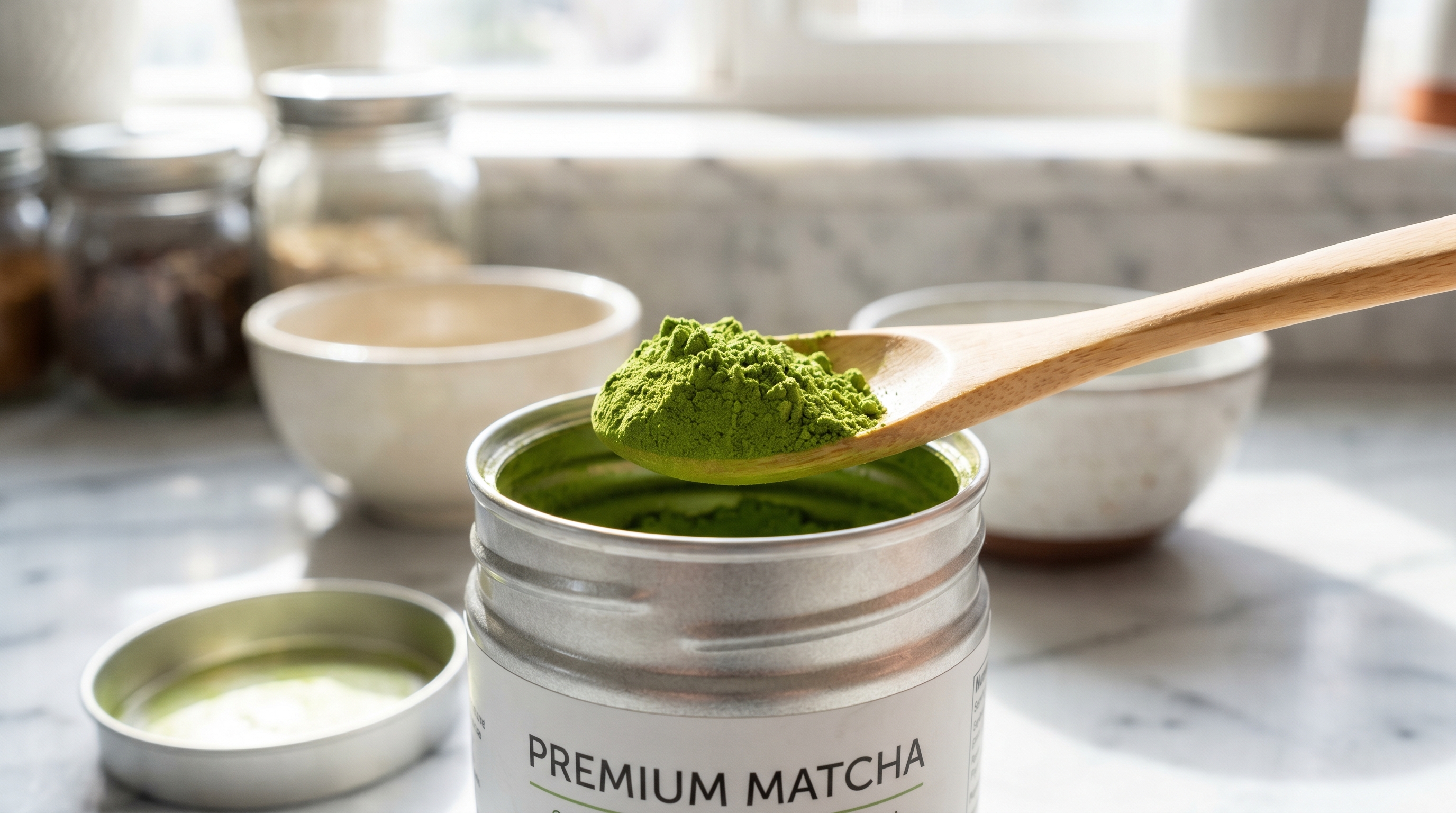
Many coffee drinkers switch to matcha in search of a “cleaner” energy source. While both beverages contain caffeine, they affect the body in distinctly different ways. Understanding the biological factors in a detailed matcha vs. coffee comparison can help consumers make informed choices for their daily caffeine intake.
The core difference lies in their absorption kinetics. When you drink coffee, the caffeine exists in a highly bioavailable, free-floating state. It is absorbed rapidly in the stomach and upper duodenum, leading to a sharp spike in blood caffeine levels within 30 to 45 minutes.
This rapid rise triggers an acute spike in epinephrine, which can cause sudden vasoconstriction, a rapid rise in blood pressure, and subsequent jitters. As the liver metabolizes the caffeine, blood levels drop just as quickly, leading to the dreaded “coffee crash” characterized by fatigue, brain fog, and irritability.
Matcha, on the other hand, contains a matrix of L-theanine and dietary fiber (from the ingested leaf particles). The caffeine in matcha binds loosely to these fibers and amino acids, which slows down its release in the digestive tract.
Rather than a sharp spike, matcha provides a gentle, sustained release of caffeine over a period of 4 to 6 hours. This gradual absorption allows the body to adapt to the stimulant, reducing the risk of a sudden fight-or-flight response.
Additionally, the high acidity of coffee (due to chlorogenic acids) can irritate the gastric mucosa, triggering sensory nerves that can increase heart rate and exacerbate anxiety. Matcha is much less acidic and contains high levels of epigallocatechin gallate (EGCG), a powerful antioxidant that supports cardiovascular health and helps modulate inflammatory pathways.
The following table summarizes the physiological differences and palpitation risks between matcha and coffee:
Physiological Variable | Matcha Stimulant Profile | Coffee Stimulant Profile |
|---|---|---|
Primary Stimulant | Caffeine (slow-release via L-theanine complex) | Caffeine (highly bioavailable, fast-release) |
Neurotransmitter Modulation | Increases GABA, Dopamine, Serotonin | Primarily increases Dopamine & Glutamate |
Gastric Mucosal Irritation | Low (non-acidic, contains soothing tannins) | High (highly acidic, increases gastric acid) |
Adrenal Response | Moderate, controlled release of epinephrine | Rapid, acute release of adrenaline |
Cardiovascular Strain | Gradual, well-tolerated heart rate modulation | Sharp, sudden vasoconstriction and spike in heart rate |
Duration of Cognitive Focus | 4 to 6 hours (steady, sustained) | 1 to 2 hours (hyper-focused, followed by a dip) |
Actionable Safety Tips and Brewing Adjustments
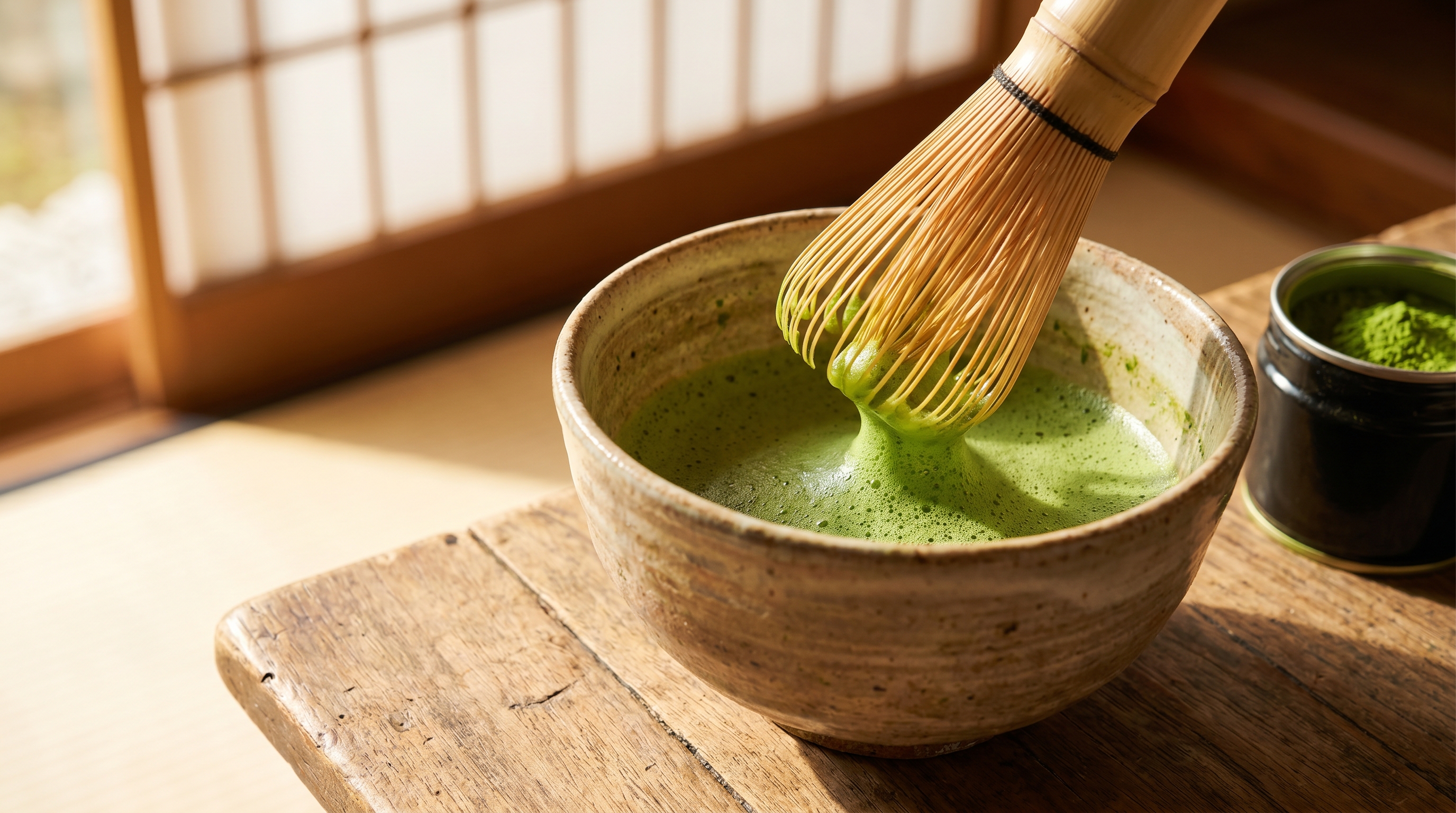
If you love the taste and health benefits of matcha but are prone to mild jitters or heart palpitations, you do not necessarily have to give it up. By making a few simple adjustments to your brewing process and consumption habits, you can enjoy matcha comfortably and safely.
1. Measure Your Matcha Accurately
Do not eyeball your scoops. A standard, rounded teaspoon of matcha powder can weigh anywhere from 2 to 3 grams, which may contain more caffeine than your body can easily process.
Instead, invest in a simple digital kitchen scale or use a traditional bamboo scoop (chashaku), which is designed to hold approximately 1 gram of powder per scoop. Start with a conservative dose of 1 gram (or half a teaspoon) to assess your tolerance before gradually increasing the amount.
2. Control Your Water Temperature
Never use boiling water to prepare your matcha. High temperatures extract caffeine and bitter tannins more aggressively, resulting in a highly stimulating, bitter brew.
Instead, let your kettle cool for a few minutes after boiling, aiming for an ideal temperature of
75∘C75^\circ\text{C}75∘C
to
80∘C80^\circ\text{C}80∘C
(
167∘F167^\circ\text{F}167∘F
to
176∘F176^\circ\text{F}176∘F
). This lower temperature ensures a sweeter, more balanced flavor profile and a smoother extraction of both caffeine and L-theanine.
3. Eat a Balanced Meal First
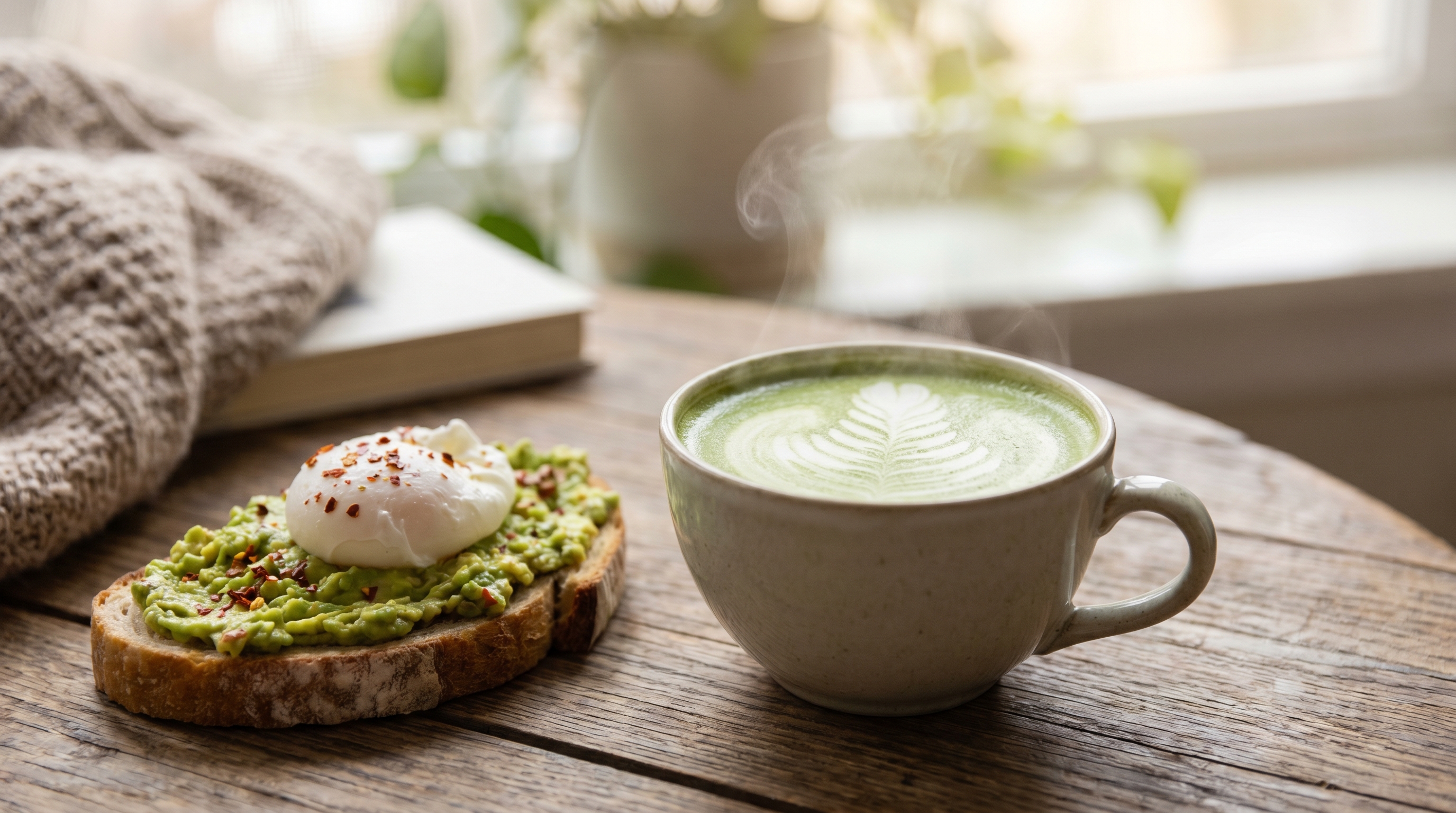
Avoid drinking matcha first thing in the morning on an empty stomach. Enjoy your cup during or after a balanced breakfast that includes:
- Complex Carbohydrates: Whole grains, oatmeal, or sourdough toast, which provide a steady release of glucose and slow down digestion.
- Healthy Fats & Proteins: Eggs, avocado, nuts, or seeds. Fats and proteins slow down gastric emptying, ensuring that the caffeine is absorbed gradually over several hours rather than all at once.
4. Stay Adequately Hydrated
Because caffeine is a mild diuretic, you should always drink a full glass of water before enjoying your matcha. Maintaining optimal blood volume helps prevent the compensatory heart rate increases and mild palpitations that often accompany mild dehydration.
5. Practice Mindful Whisking
Traditional preparation involves whisking matcha vigorously in a W-shaped motion with a bamboo whisk (chasen). This thoroughly suspends the powder and creates a rich, creamy microfoam.
Proper suspension ensures that the L-theanine and caffeine are evenly distributed throughout the liquid, preventing you from consuming a highly concentrated clump of powder at the bottom of your bowl.
Matcha Extracts, Supplements, and Concentrates
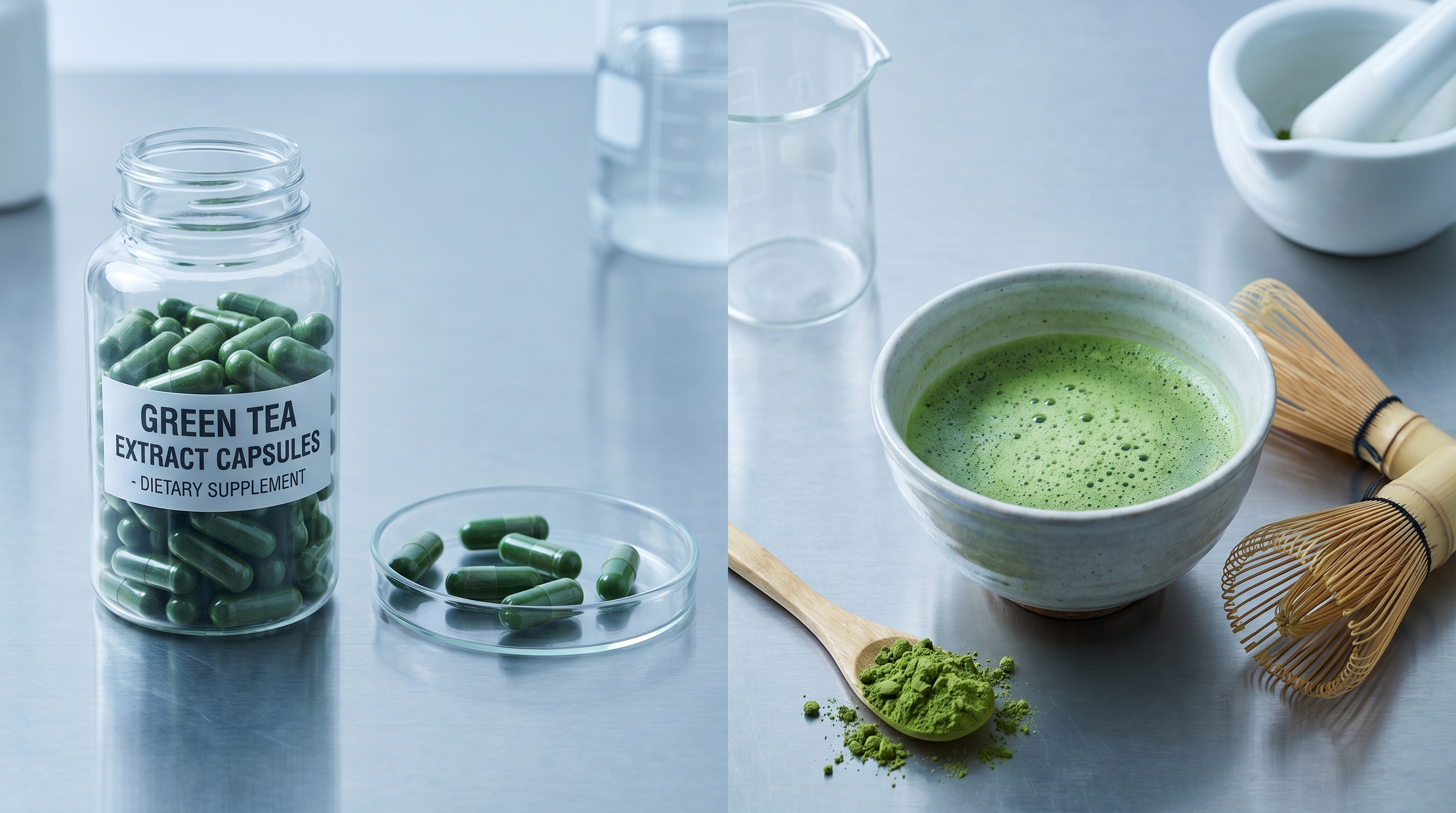
In recent years, the wellness market has seen a surge in green tea and matcha-based dietary supplements. These products range from concentrated Green Tea Extracts (GTE) in capsule form to liquid drops and high-potency energy shots. While these supplements are marketed as convenient ways to boost metabolism and improve focus, they present a significantly higher risk of heart palpitations and other adverse health effects compared to traditional brewed matcha.
The primary concern with dietary supplements is their sheer potency. A single green tea extract capsule can contain up to 500 milligrams of concentrated polyphenols, including epigallocatechin gallate (EGCG), along with a highly concentrated dose of anhydrous caffeine.
Without the natural matrix of the whole tea leaf—which includes water, dietary fiber, and balancing amino acids—the body absorbs these concentrated stimulants almost instantly. This rapid absorption can cause acute cardiovascular stress, leading to a sudden rise in blood pressure, severe jitters, and a rapid, pounding heartbeat.
Furthermore, the National Institutes of Health (NIH) and the European Food Safety Authority (EFSA) have issued warnings regarding the potential liver toxicity (hepatotoxicity) associated with high doses of green tea extract. While drinking traditional brewed matcha is safe and beneficial for liver health, consuming concentrated GTE supplements (especially those providing more than 800 milligrams of EGCG per day) has been linked to elevated liver enzymes and, in rare cases, acute liver injury.
Additionally, dietary supplements are not as strictly regulated by the FDA as prescription medications. This lack of oversight means some products may contain undisclosed stimulants or higher caffeine concentrations than listed on the label.
For those seeking the metabolic and antioxidant benefits of green tea safely, the consensus among medical authorities is clear: stick to traditional, whole-food matcha powder, where the active compounds remain in their natural, balanced ratios.
When to See a Doctor
For the vast majority of people, heart palpitations triggered by drinking matcha are harmless, temporary sensations caused by a mild sensitivity to caffeine. These episodes usually resolve naturally within a few hours as the liver metabolizes the compound.
However, it is vital to distinguish between a benign, stimulant-induced flutter and a potential underlying cardiovascular issue that requires professional medical evaluation.
According to the Mayo Clinic and Harvard Health Publishing, you should consult a doctor if your heart palpitations are frequent, worsening, or occur alongside any of the following symptoms:
- Chest Pain or Pressure: Any tightness, squeezing, or pain in the chest area, which can indicate myocardial ischemia (restricted blood flow to the heart muscle).
- Shortness of Breath (Dyspnea): Difficulty breathing or feeling unable to catch your breath while resting or during light activity.
- Dizziness, Lightheadedness, or Vertigo: Feeling unsteady on your feet or sensing that the room is spinning.
- Syncope (Fainting or Loss of Consciousness): Any episode of fainting is a medical emergency that requires immediate cardiovascular evaluation.
These symptoms could point to an undiagnosed cardiac condition, such as:
- Atrial Fibrillation (A-Fib): A common, irregular heart rhythm that increases the risk of stroke and heart failure.
- Supraventricular Tachycardia (SVT): A rapid heart rate originating above the ventricles, often triggered by stress or stimulants.
- Pre-existing Arrhythmias: Undiagnosed heart blockages or electrical pathway abnormalities.
If you decide to consult a healthcare professional regarding your symptoms, consider asking the following diagnostic questions:
“Could my heart palpitations be related to an underlying sensitivity to caffeine or stimulants, or should we run tests to rule out a primary arrhythmia?”“Would you recommend a 24-hour Holter monitor or an electrocardiogram (ECG) to track my heart’s electrical activity during these episodes?”“Are there any specific lifestyle adjustments or dietary changes I should make given my family history of heart health?”
Conclusion and Balanced Wellness Sourcing
In summary, while matcha is celebrated for its clean energy profile and high antioxidant content, it can indeed cause heart palpitations in certain individuals. This response is primarily driven by its concentrated caffeine content, which is rapidly absorbed under specific conditions, such as:
- Consumption on an empty stomach or during dehydration.
- Having a genetic predisposition as a slow caffeine metabolizer (CYP1A2 gene).
- Drinking lower-quality culinary grades that lack sufficient L-theanine to balance the stimulant effects.
By understanding the science behind how matcha interacts with your body, you can transform your daily tea ritual from a source of jittery anxiety into a mindful, steady source of clean energy. The key lies in self-awareness: listening to your body’s signals, choosing high-quality ceremonial-grade powders, measuring your servings accurately, and always enjoying your tea alongside a balanced meal.
As a consumer, brand, or business, sourcing premium matcha from a trusted, certified manufacturer is the single best way to ensure a clean, high-quality product. Clean agricultural practices, shade-growing techniques, and careful stone-milling are essential to preserving the delicate balance of L-theanine and caffeine that makes matcha such a powerful wellness tool.
By prioritizing quality and consuming mindfully, you can safely harness all the remarkable health, focus, and energy benefits that authentic matcha has to offer.
Frequently Asked Questions
1. Can drinking matcha on an empty stomach cause heart palpitations?
Yes. Drinking matcha on an empty stomach allows the caffeine to bypass digestive buffers and absorb rapidly into the bloodstream through the small intestine. This rapid absorption can trigger a sudden spike in adrenaline, leading to vasoconstriction, elevated blood pressure, and heart palpitations. To prevent this, always enjoy your matcha during or after a balanced meal that contains healthy fats, complex carbohydrates, and proteins.
2. How much matcha can I safely drink per day without getting jitters?
For most healthy adults, the FDA considers up to 400 milligrams of caffeine per day safe. This equates to approximately 4 to 5 standard cups of matcha (assuming 1.5 grams of high-quality powder per cup, containing roughly 60–80 mg of caffeine). However, if you are sensitive to caffeine or are a slow metabolizer, limit your intake to 1 or 2 cups per day, and avoid consuming it in the late afternoon to protect your sleep quality.
3. Is matcha safe for people with pre-existing heart conditions?
If you have a pre-existing heart condition—such as arrhythmia, high blood pressure, coronary artery disease, or mitral valve prolapse—you should consult your cardiologist before introducing stimulants into your diet. While matcha contains beneficial antioxidants like EGCG, its caffeine content can still place additional stress on a vulnerable cardiovascular system.
4. Why do I feel anxious or get a rapid heart rate from matcha but not standard steeped green tea?
Standard green tea is prepared by steeping the leaves in hot water and then discarding them, which extracts only a fraction of the caffeine. With matcha, you ingest the entire pulverized tea leaf, which delivers a far more concentrated dose of caffeine. If you use too much powder or brew with boiling water, you can easily receive a stimulant dose that triggers a rapid heart rate and mild anxiety.
5. What should I do immediately if I start feeling palpitations after drinking matcha?
If you feel your heart racing or fluttering after drinking matcha, take the following steps to calm your system:
- Stop consuming all stimulants immediately (including coffee, sodas, and chocolate).
- Drink a large glass of water to help flush the caffeine from your system and support optimal blood volume.
- Practice deep breathing exercises (such as box breathing: inhale for 4 seconds, hold for 4 seconds, exhale for 4 seconds, hold for 4 seconds) to activate your parasympathetic nervous system and lower your heart rate.
- Go for a gentle walk or rest in a quiet, cool room until the sensation passes. If the palpitations are accompanied by chest pain, shortness of breath, or dizziness, seek medical attention immediately.