
You have likely faced the dilemma of discovering a bulk inventory of tea tucked away in your warehouse or pantry, well past its printed date. This uncertainty about product viability creates a significant pain point for businesses and consumers alike, balancing the risk of serving sub-par beverages against the financial loss of discarding stock. Here’s the deal: understanding the science of tea preservation is the only way to make an informed decision.
The solution lies in mastering the nuances of shelf life and storage. While you might be asking can tea bags go bad , the answer isn’t a simple yes or no. They rarely spoil in a way that is dangerous, but they degrade in flavor and aroma, which is critical for maintaining commercial quality standards. This guide will walk you through everything you need to know to keep your tea inventory fresh and profitable.
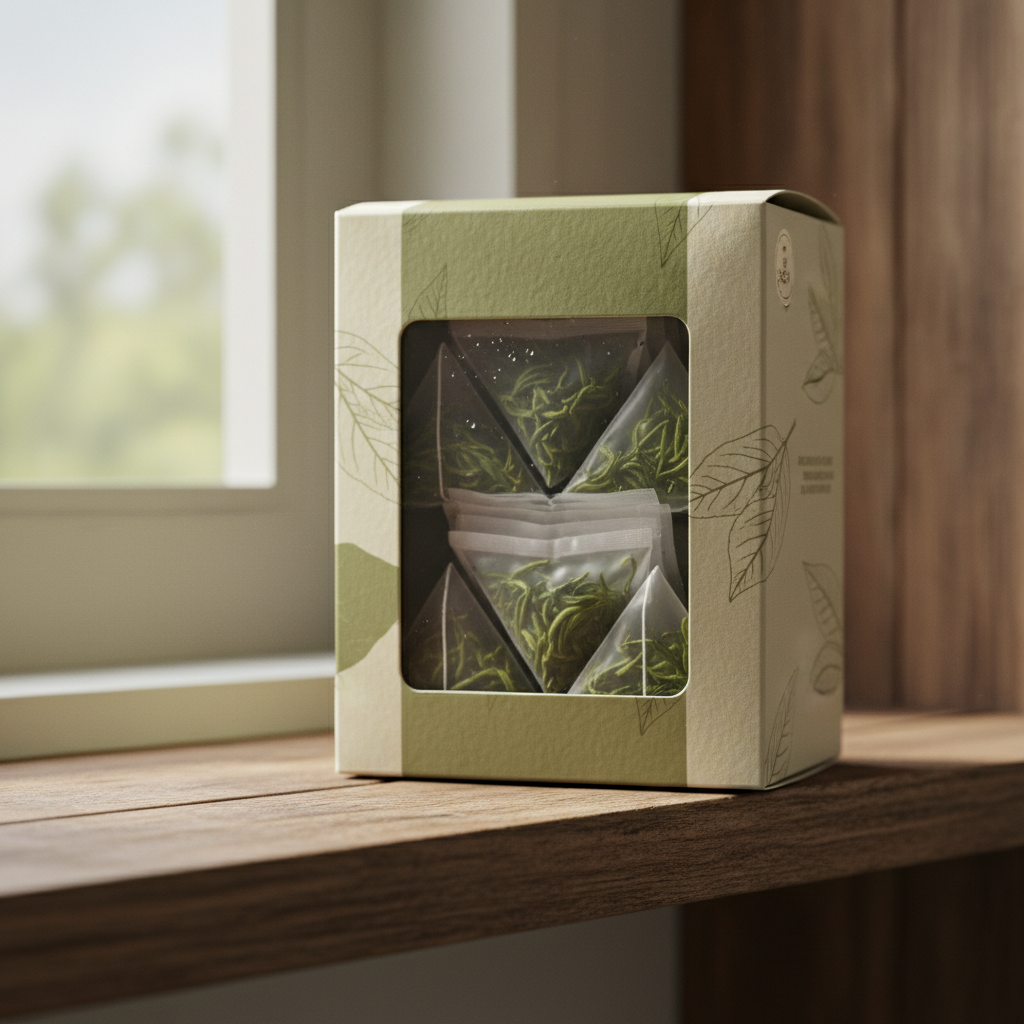
When managing a large inventory, the question of can tea bags go bad is often a matter of quality rather than safety. Tea bags do not strictly expire like perishable foods such as milk or produce, but they suffer from significant quality degradation over time. The “best by” date on your wholesale packaging is a manufacturer’s guarantee of peak aromatic profile, not a safety warning.
You might be wondering, what actually happens inside the bag? Commercially dried tea is a low-moisture product, meaning bacteria typically cannot survive on the leaves. However, oxidation is the enemy. Over time, exposure to air converts the fresh, vegetal notes of green tea or the malty depth of black tea into a flat, dusty taste.
Key Concepts in Tea Degradation
- Best By Date: Indicates when the flavor notes are most vibrant.
- True Spoilage: Only occurs if water enters the packaging, leading to mold.
- Oxidation: The chemical process that strips tea of its essential oils.
Feature | Best By Date | True Spoilage | |
|---|---|---|---|
Indicator | Loss of aroma/taste | Mold or rancid smell | |
Cause | Oxidation/Time | Moisture intrusion | |
Safety Risk | Low | High |
Key Takeaways
- Tea “expiration” is usually about flavor loss, not health risks.
- Stock rotation is vital for flavor, not just safety.
- Oxidation affects broken leaves (fannings) faster than whole leaves.
2. How Can You Tell If Tea Bags Have Gone Bad?
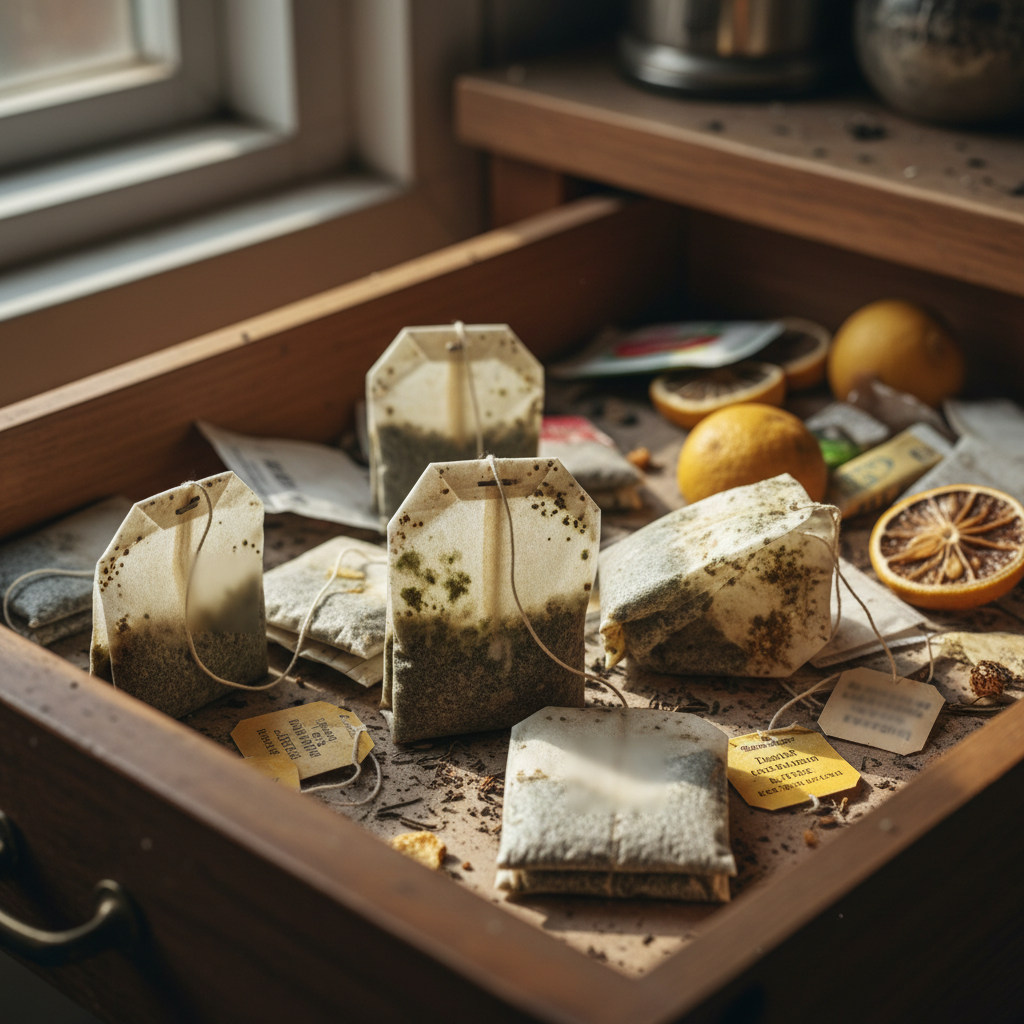
Identifying whether can tea bags go bad requires a sensory inspection rather than just checking a date on a box. You can identify compromised tea by inspecting bags for visual signs of moisture damage or a distinct lack of aroma. Before serving or selling older stock, a sensory audit is necessary to ensure brand standards are met.
Ready for the truth? Your nose is your best quality control tool. Fresh tea, especially delicate varieties, should have a potent, grassy, or floral scent immediately upon opening the seal. If the tea smells like cardboard or has no scent at all, the essential oils have evaporated, and the product is past its prime.
The Sensory Audit Checklist
- Visual Check: Look for grey or white fuzzy spots (mold) or stains on the paper.
- Scent Test: A musty or stale smell indicates moisture damage or age.
- Brew Test: Stale tea produces a flat, metallic liquor often tasting like the paper filter.
Key Takeaways
- A vibrant green hue is the ultimate sign of quality; fading indicates age.
- If tea smells like nothing, it will taste like nothing.
- Discard immediately if any sign of mold is present.
3. How Long Do Different Types of Tea Last?
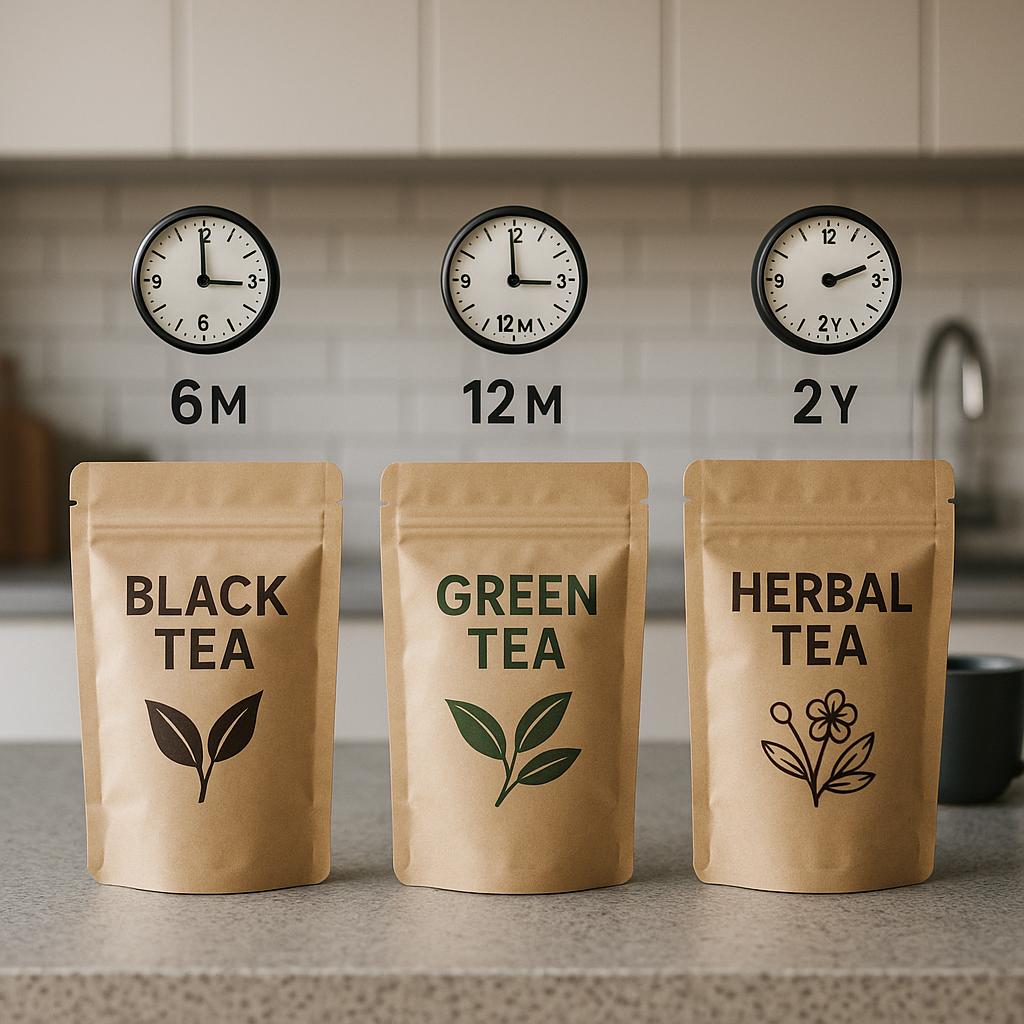
The answer to can tea bags go bad depends heavily on the oxidation level of the leaf itself. Darker, oxidized teas generally last significantly longer than delicate green or white teas due to their chemical stability. Understanding these variances allows for smarter inventory purchasing and rotation.
But here’s the kicker: while black tea is robust, delicate powders like ceremonial grade matcha are highly volatile. They require consumption within months of opening to retain their vibrant color and nutritional value. Green and white teas are unoxidized, meaning they are prized for fresh, vegetal notes which dissipate rapidly compared to the stable tannins in black tea.
Shelf Life by Variety
- Black Tea & Oolong: 2-3 years. The oxidation process stabilizes the leaf.
- Green & White Tea: 12-18 months. Highly sensitive to air and light.
- Herbal Infusions: 1-2 years. Fruit pieces may degrade faster than dried herbs.
Tea Type | Oxidation Level | Optimal Shelf Life | Vulnerability | |
|---|---|---|---|---|
Green/White | None/Low | 12-18 Months | High (Light/Air) | |
Black/Oolong | High/Full | 2-3 Years | Low | |
Herbal | Varied | 1-2 Years | Medium (Moisture) |
Key Takeaways
- Darker teas have a longer shelf life due to processing.
- Ceremonial Grade Matcha requires the strictest turnover schedule.
- Plan your inventory rotation based on tea type, not just purchase date.
4. Is It Safe to Drink Expired Tea?
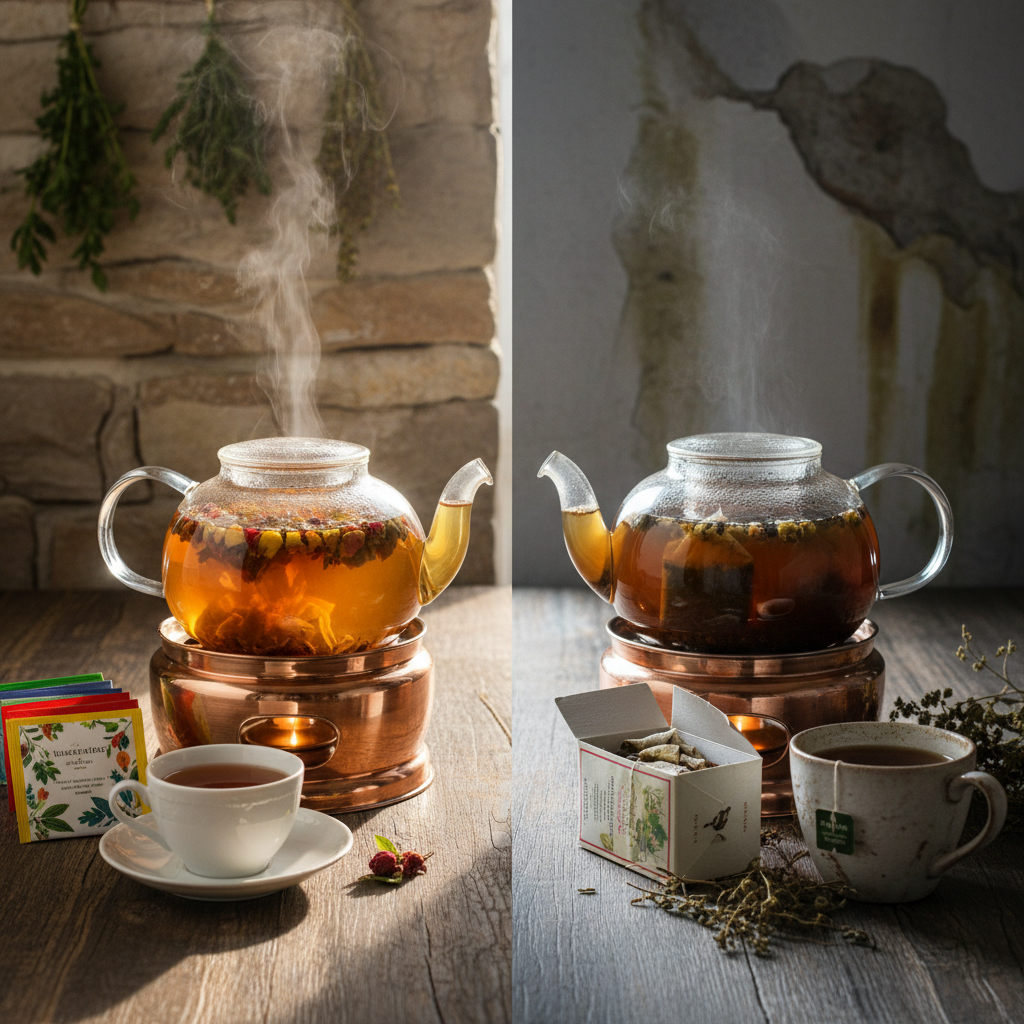
From a health perspective, can tea bags go bad enough to make you sick? Generally, it is safe to drink expired tea provided there is no mold, but it poses a risk to customer satisfaction and brand perception. While the health risks are minimal, the sensory experience will be lackluster.
This is where it gets interesting: The only genuine health risk comes from microbial growth caused by moisture. If the tea bags have been kept dry, consuming them years past the date will not cause illness. However, the antioxidant levels (catechins) and caffeine potency degrade over time, reducing the functional benefits customers may expect from premium products.
Safety vs. Quality
- Safe: Dry, odorless, faded color (Safe to drink, poor experience).
- Unsafe: Clumped leaves, visible mold, mildew smell (Discard immediately).
- Nutritional Loss: Old tea has significantly fewer antioxidants than fresh crops.
Key Takeaways
- Safety does not equal quality; serve only fresh products to maintain reputation.
- Moisture is the catalyst for dangerous spoilage.
- Functional benefits like energy and focus diminish with age.
5. What Factors Affect the Shelf Life of Tea Bags?
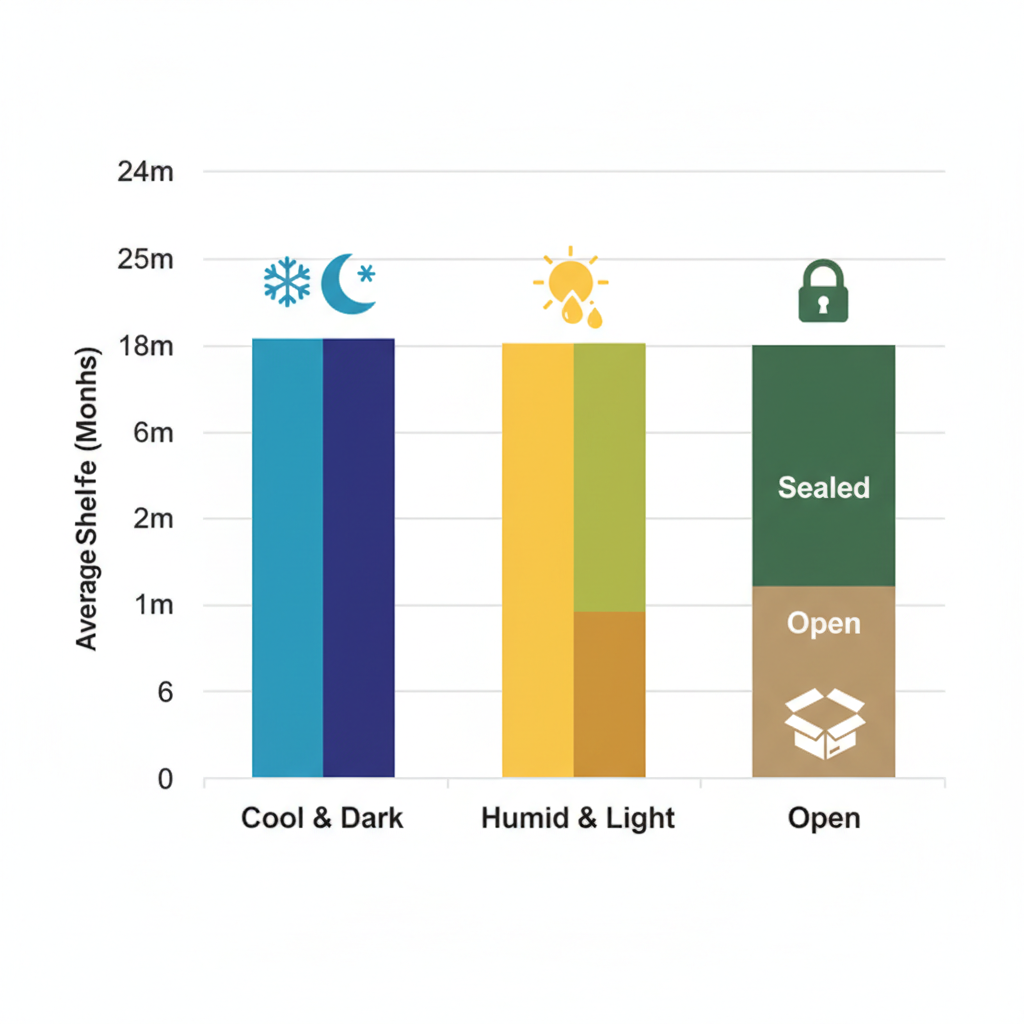
Environmental control is the primary variable in determining can tea bags go bad prematurely. Light, heat, moisture, and air are the four primary enemies that will destroy your inventory value. Controlling these variables in your storage facility is non-negotiable for maintaining quality.
Think about this: UV rays bleach tea leaves, stripping them of chlorophyll and flavor, while heat accelerates chemical reactions that stale the tea. Storing clear glass jars of tea near a window or an espresso machine is a common mistake that destroys inventory value in weeks. Proper sealing is even more critical for powdered teas to prevent clumping and oxidation.
The Four Enemies of Tea
- Light: Photodegradation bleaches leaves.
- Heat: Accelerates molecular breakdown.
- Moisture: Encourages mold and bacterial growth.
- Air: Oxidizes essential oils, killing flavor.
Factor | Effect on Tea | Mitigation Strategy | |
|---|---|---|---|
UV Light | Bleaching/Flavor Loss | Opaque packaging (Tins/Foil) | |
Heat | Accelerated Staling | Cool, stable room temp | |
Moisture | Mold/Spoilage | Airtight sealing | |
Air | Flat Taste | Nitrogen flushing/Vacuum seal |
Key Takeaways
- Never store tea in clear containers near sunlight.
- Private label packaging with foil barriers significantly extends shelf life.
- Humidity control is essential for preventing mold.
6. What Is the Best Way to Store Tea Bags?
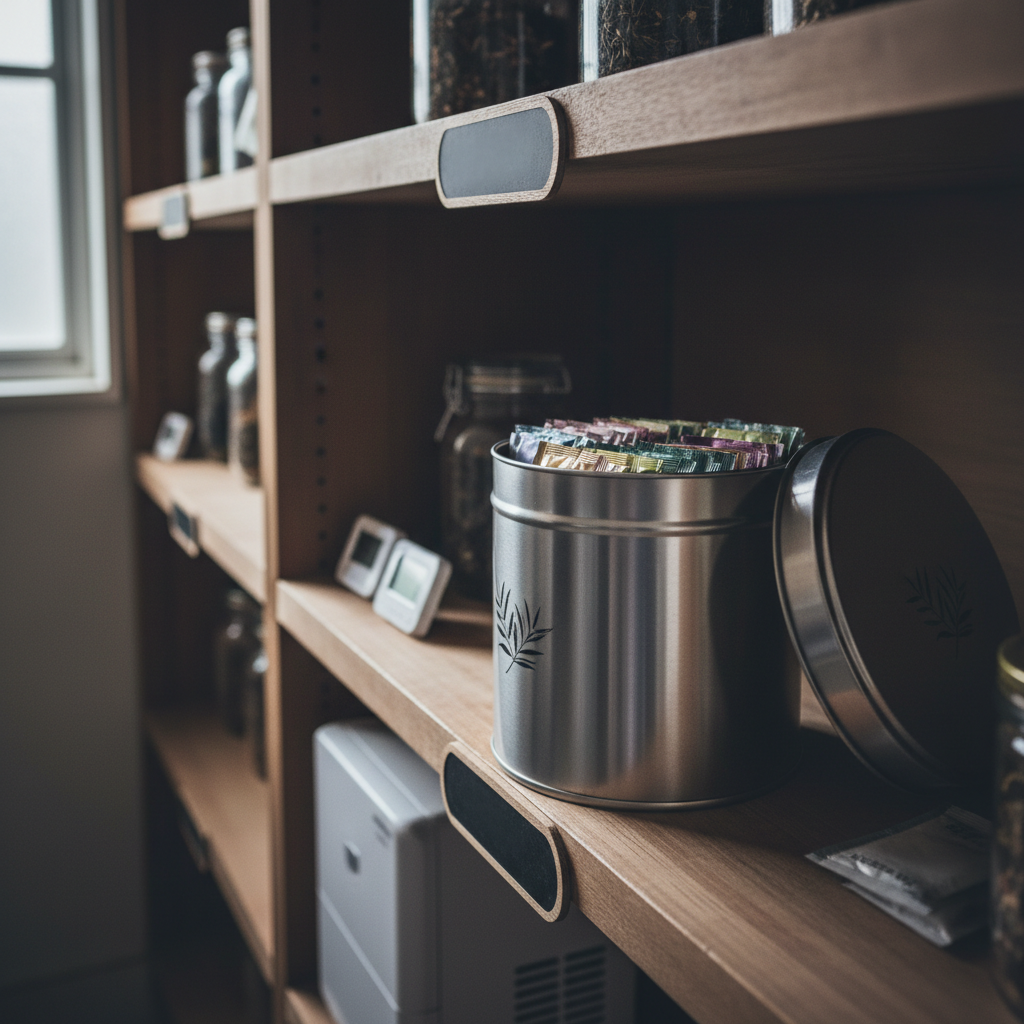
To prevent the scenario where can tea bags go bad becomes a reality, you must implement professional storage protocols. The best way to store wholesale tea is in airtight, opaque containers kept in a climate-controlled environment away from strong odors.
Here is the secret: Use double-sealed packaging. For bulk loose tea or bags, an inner foil bag inside a rigid tin or bin offers the best protection. While refrigeration is often debated, it is generally discouraged for standard tea bags due to condensation risks, though it is standard practice for sealed matcha quality preservation.
Storage Best Practices
- Material: Food-grade tin or opaque plastic with rubber gaskets.
- Location: Cool, dark pantries away from spices or cleaning chemicals.
- Organization: First-In, First-Out (FIFO) rotation to ensure older stock is used first.
Key Takeaways
- Airtight tins are superior to cardboard boxes.
- Avoid storing tea near coffee or spices; tea absorbs odors.
- Condensation from refrigerators can ruin dry tea bags instantly.
7. Can You Use Old Tea Bags for Other Purposes?
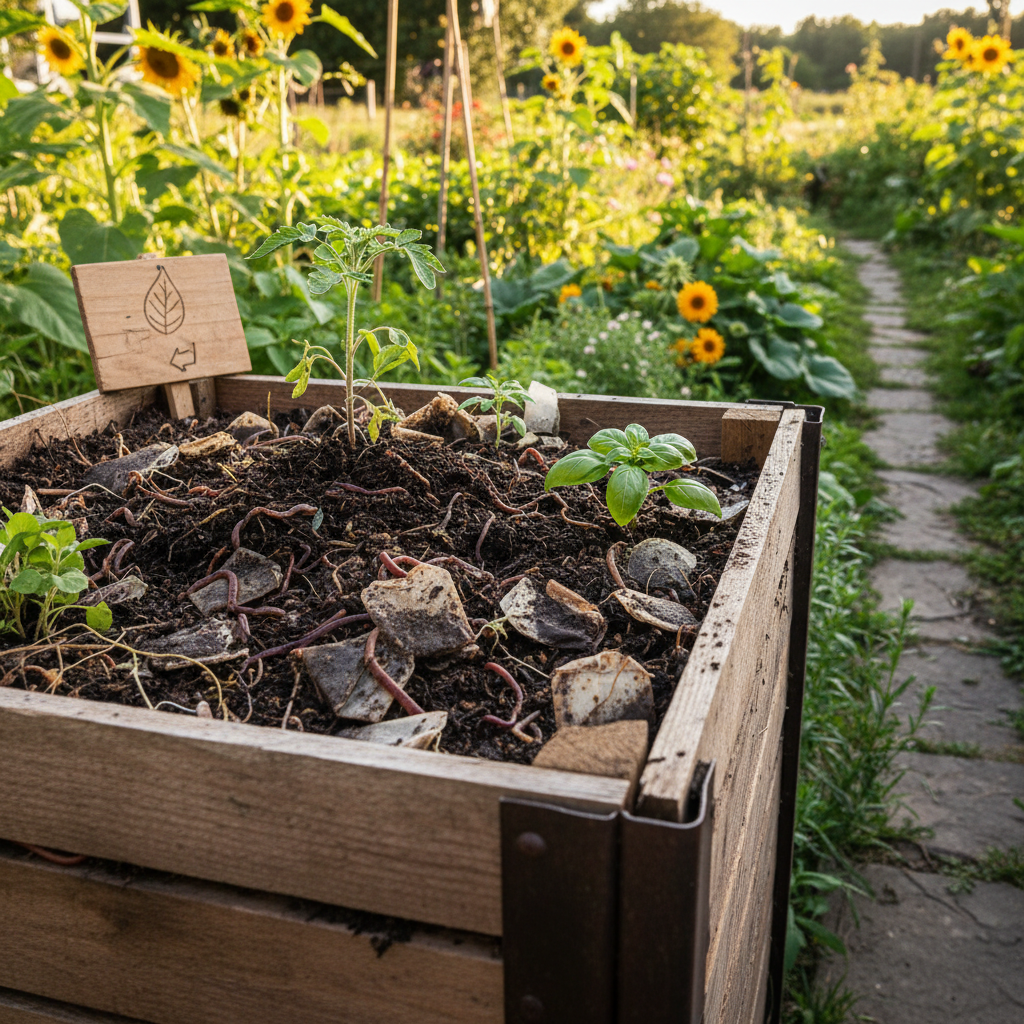
Even if you determine that can tea bags go bad applies to your stock, the product still holds value. Stale tea bags that are safe but flavorless can be repurposed for non-culinary commercial uses, such as odor neutralization or composting.
Why does this matter? Transforming waste into utility supports sustainability goals. Tea leaves are nitrogen-rich, making them excellent compost accelerators for gardens. Furthermore, dry tea leaves are highly effective at absorbing odors, making them useful natural deodorizers for commercial fridges or storage areas.
Creative Repurposing
- Composting: Adds nitrogen to soil (ensure bags are plastic-free).
- Deodorizing: Place dry bags in musty areas to absorb smells.
- Cleaning: The tannins in brewed old tea can cut through grease on surfaces.
Key Takeaways
- Waste can be minimized through creative reuse.
- Ensure matcha accessories and bags are compostable before garden use.
- Never use moldy tea for anything; discard it immediately.
Conclusion
Understanding whether can tea bags go bad is essential for maintaining the high standards your clients expect. While tea rarely spoils dangerously, the loss of volatile oils and flavor nuances can compromise your product offering. By controlling storage conditions, choosing superior packaging like foil and tins, and strictly managing stock rotation, you protect your investment and your brand’s reputation.
At Riching Matcha, we are committed to providing premium organic tea products that utilize advanced sealing technologies to ensure every shipment arrives with peak freshness. Don’t let your tea inventory go to waste.
Contact us today to discuss how our high-quality packaging and premium teas can elevate your business.
FAQ
Q1: What is the average shelf life of a standard tea bag?Standard tea bags typically retain peak freshness for 18 to 24 months. However, this depends heavily on packaging; paper-wrapped bags degrade faster (6-12 months) compared to foil-sealed bags which can last up to 2 years or more.
Q2: How does moisture affect the safety of stored tea bags?Moisture is the primary cause of tea spoilage. If dry tea absorbs humidity, it becomes a breeding ground for mold and bacteria, rendering it unsafe for consumption. Always store tea in a dry environment with humidity control.
Q3: Can tea bags go bad if they are kept in their original sealed box?Yes, eventually. Even in a sealed box, micro-oxidation occurs, especially if the internal bags are paper rather than foil. While they may not “spoil” in a safety sense, they will lose flavor and aroma over several years.
Q4: Does the expiration date on tea bags actually matter?The date is usually a “best by” guideline for quality rather than a safety expiration. Consuming tea after this date is generally safe, but the flavor profile will likely be flat, dusty, or weak compared to fresh stock.
Q5: What happens if you drink tea that is 5 years past its expiration date?If the tea has been kept perfectly dry and cool, it is likely safe to drink but will be sensorially disappointing. It will lack the complex notes, aroma, and potential health benefits (like antioxidants) of fresh tea. If it smells musty, do not drink it.