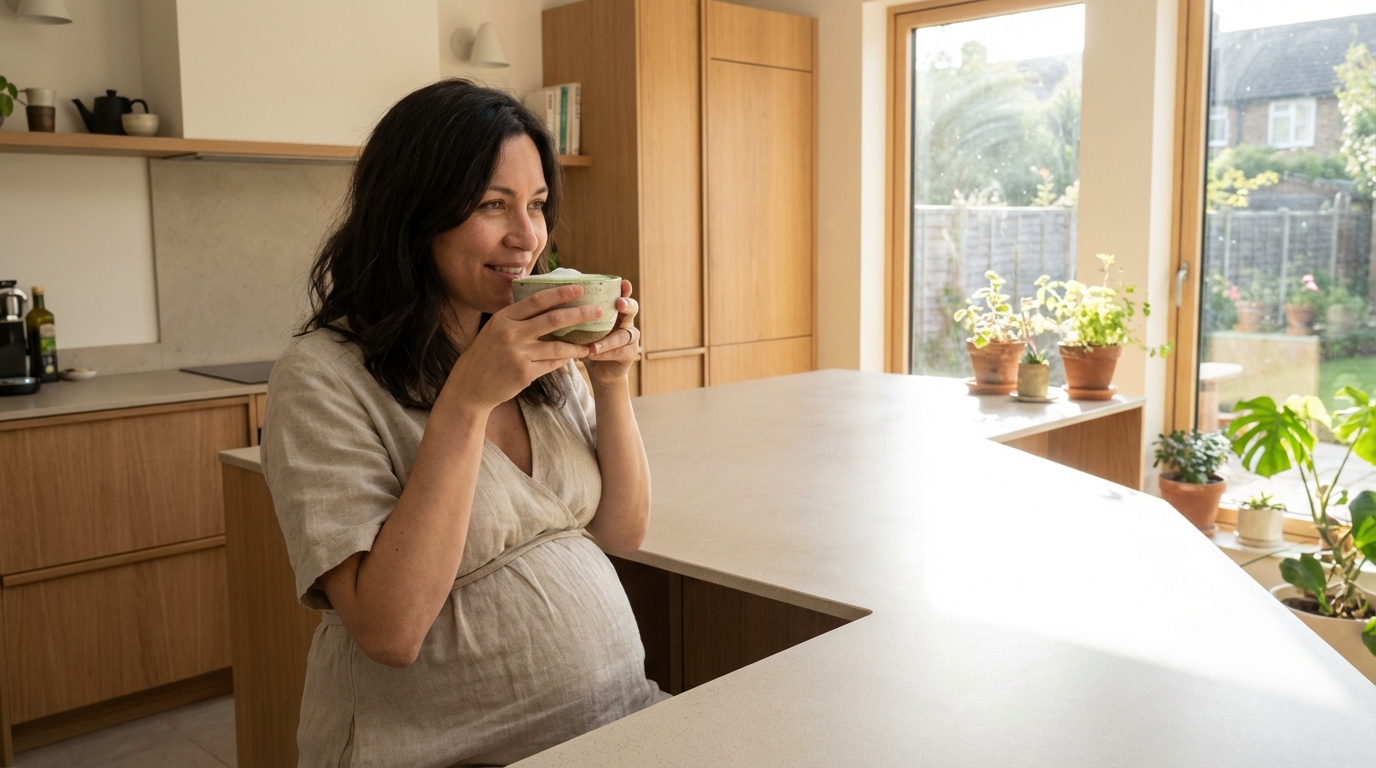
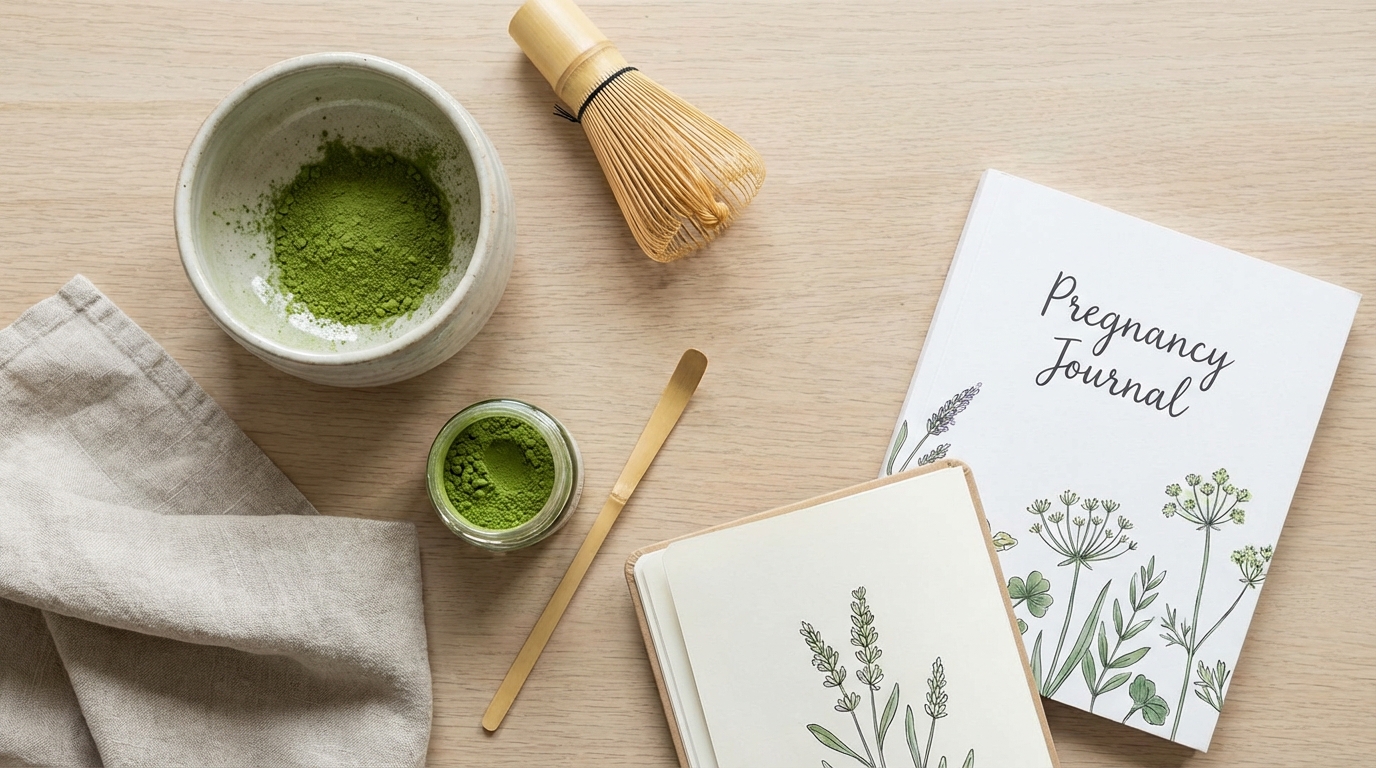
Yes, you can safely consume matcha during your pregnancy as long as you monitor your total daily caffeine intake and choose high-quality sources. You likely worry that your morning energy ritual might compromise fetal development or lead to unwanted jitters. This uncertainty can turn a relaxing break into a source of stress, especially when navigating conflicting health advice. We are here to help you Drink Matcha While Pregnant at https://richingmatcha.com/ with absolute confidence. Is matcha safe for you during pregnancy?
Yes, matcha is considered a safe and health-promoting beverage for expectant mothers when consumed within moderate limits. It is a nutrient-dense choice for those who want to Drink Matcha While Pregnant because it offers a unique combination of antioxidants and amino acids. This traditional Japanese tea provides a functional alternative to high-acid coffee.
Understanding the nutritional profile
Matcha is much more than a caffeine source; it is a powerhouse of polyphenols like EGCG that support your cardiovascular health and immune system. These plant compounds provide anti-inflammatory benefits that can be particularly helpful during the physical transitions of pregnancy.
- High concentrations of Vitamin C for immunity.
- Vitamin K for healthy bone development.
- L-theanine for significant stress reduction.
Key Takeaway: Matcha is a safe, wellness-focused beverage for mothers when sourced correctly and consumed in moderation.
| |
|---|
| Cellular protection and heart health |
| Balanced energy without the jitters |
The analysis shows that matcha’s complex nutritional profile provides specific physiological support for the unique demands of pregnancy.
What is the recommended caffeine limit?
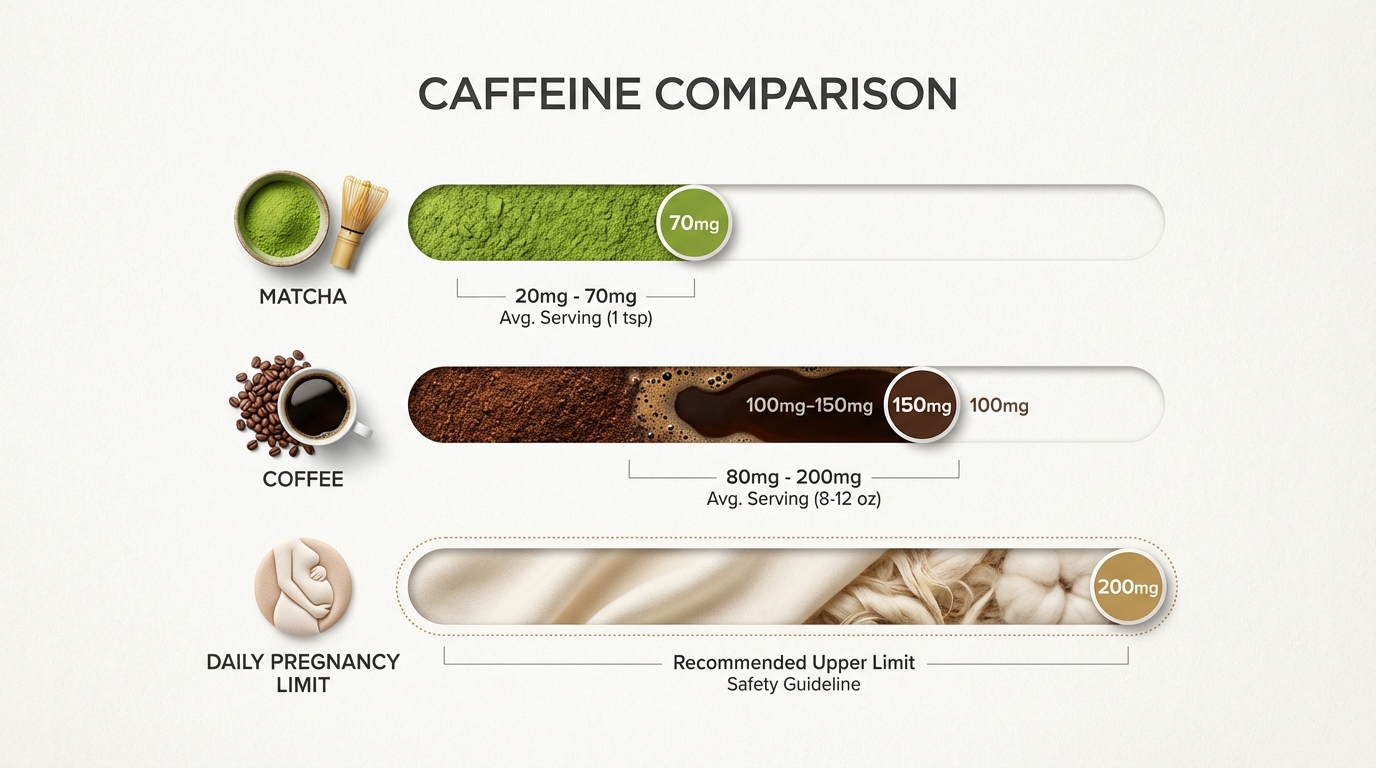
The standard medical recommendation is to limit your total daily caffeine intake to 200 milligrams to ensure a safe environment for your baby. It is entirely possible to Drink Matcha While Pregnant while adhering to this limit, as a standard teaspoon typically contains between 40 and 88 mg. You must account for all caffeine sources, including chocolate and soda, to stay within this safety zone. Monitoring your daily intake totals
While matcha is generally lower in caffeine than a standard cup of coffee, you must be diligent about tracking your cumulative daily consumption. Caffeine is a stimulant that crosses the placenta, and excessive amounts have been linked to lower birth weights in some clinical studies.
- One teaspoon of matcha equals ~70mg caffeine.
- Medical boards recommend a 200mg daily maximum.
- Spacing your servings helps maintain stable levels.
Key Takeaway: Tracking your total milligrams allows you to enjoy one to two cups of matcha daily without exceeding medical guidelines.
Analysis confirms that moderate matcha consumption fits well within the 200mg safety threshold established by obstetricians.
How do you prepare matcha safely at home?
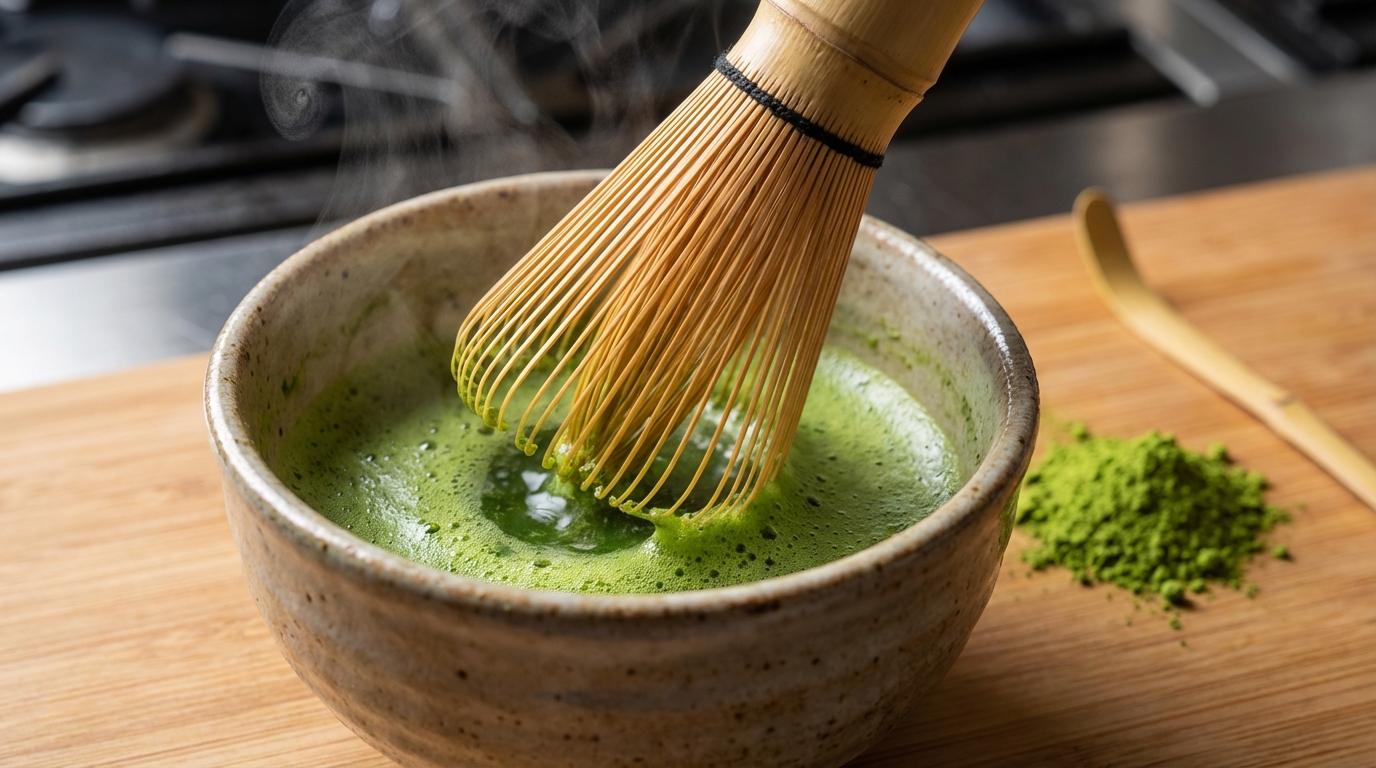
Preparing matcha safely at home involves using hot, but not boiling, water and whisking the powder into a smooth, froth-free suspension. This ensures you can Drink Matcha While Pregnant without the bitterness often associated with over-extracted or burned tea leaves. Proper preparation also helps to fully activate the beneficial compounds within the powdered leaf.
The whisking and temperature method
Using water at approximately 175°F (80°C) is the secret to a perfect bowl that preserves the delicate amino acids and antioxidants. You should use a bamboo whisk or a small electric frother to break up clumps and create a creamy texture.
- Do I need special equipment?
- Can I use a regular spoon?
- Does water temperature really matter?
- Boiling water burns the delicate leaves.
- Proper whisking improves nutrient suspension.
- Sifting the powder prevents clumping.
Key Takeaway: Correct temperature and whisking techniques are essential for a palatable and nutrient-rich experience.
An analysis of preparation methods shows that careful temperature control prevents the degradation of heat-sensitive antioxidants.
Why is ceremonial grade matcha better for you?
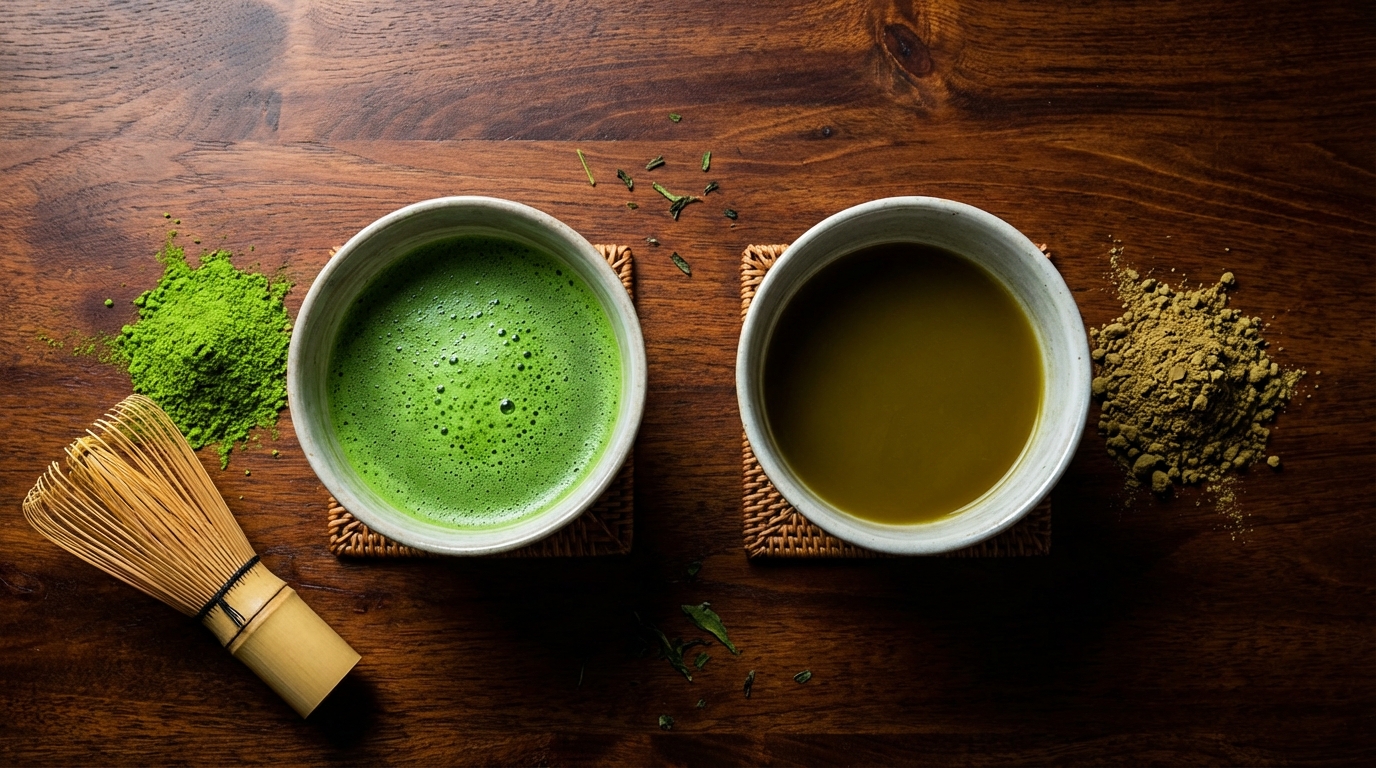
Ceremonial grade is the highest quality available and is preferred for pregnancy because it uses the youngest, most tender tea leaves. Choosing this grade allows you to Drink Matcha While Pregnant with a much smoother flavor and a higher concentration of beneficial L-theanine. This ensures a more pleasant ritual without the harsh astringency found in lower-tier products. Quality and purity standards for moms
Culinary grade matcha is often made from older leaves that may contain more stems and veins, leading to a bitter taste and lower nutrient density. Ceremonial grade is specifically processed to be enjoyed with just water, ensuring you get the purest experience possible during your second and third trimesters.
- Vibrant green color indicates high chlorophyll.
- Younger leaves have the lowest bitterness levels.
- Higher L-theanine content promotes “calm energy.”
Key Takeaway: Investing in ceremonial grade ensures you are consuming the most nutrient-dense and palatable version of the tea.
The analysis indicates that ceremonial grade provides superior bioavailable nutrients per gram compared to culinary alternatives.
Can matcha interfere with your iron absorption?
Yes, the tannins and catechins in matcha can potentially inhibit the absorption of non-heme iron from your meals and prenatal vitamins. When you Drink Matcha While Pregnant, it is vital to time your consumption correctly to avoid contributing to pregnancy-related anemia. This is one of the most important “catches” to understand when integrating tea into your diet.
Timing your tea for better health
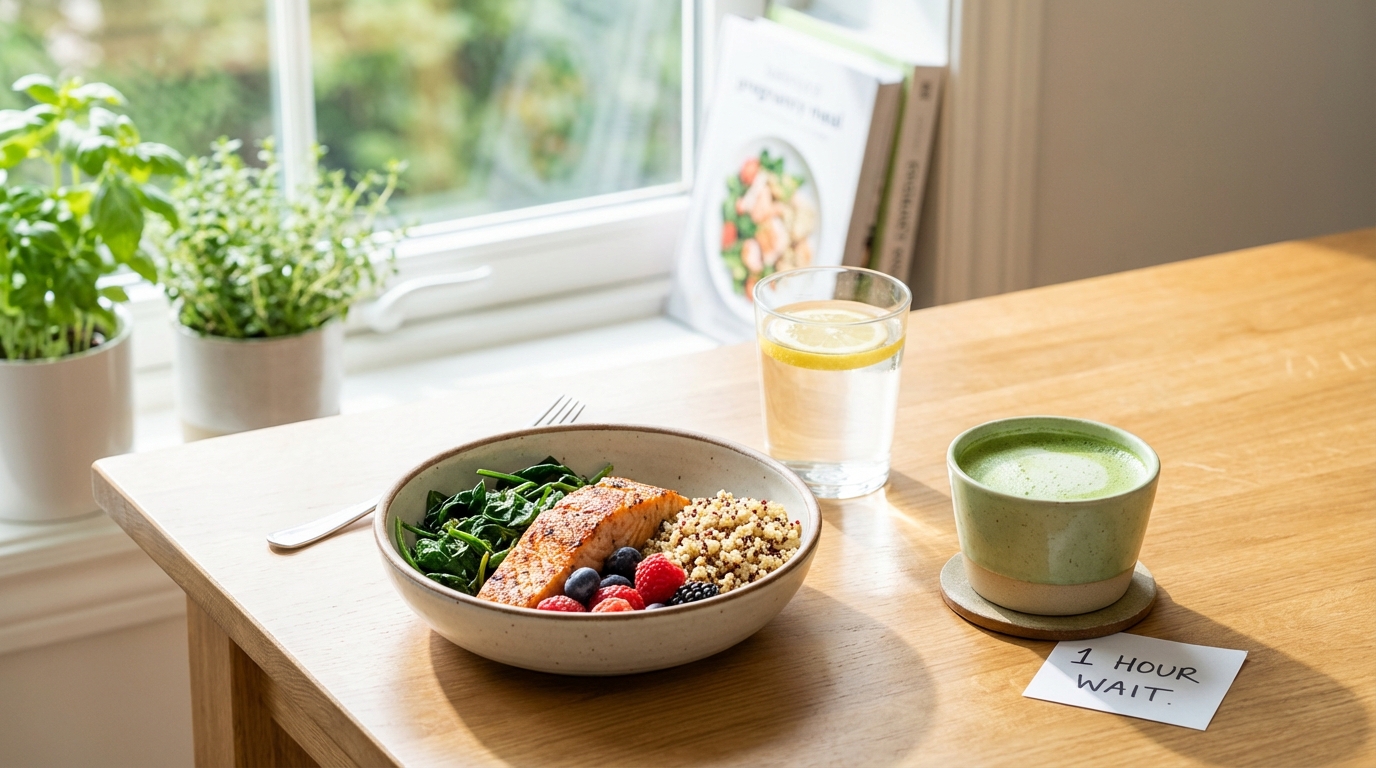
To maximize your iron uptake, experts suggest enjoying your matcha at least one hour before or after your main meals. This simple adjustment ensures that the tea’s polyphenols do not bind to the iron found in your spinach, beans, or supplements.
- Tannins bind to iron in the digestive tract.
- Folate absorption can also be slightly affected.
- Spacing is the key to nutritional balance.
Key Takeaway: Avoid drinking matcha directly with meals or prenatal supplements to maintain optimal iron and folate levels.
| | |
|---|
| | |
| | Monitor levels with doctor |
Analysis shows that a simple 60-minute buffer is sufficient to prevent nutritional interference during the digestive process.
Is organic matcha a safer choice for mothers?
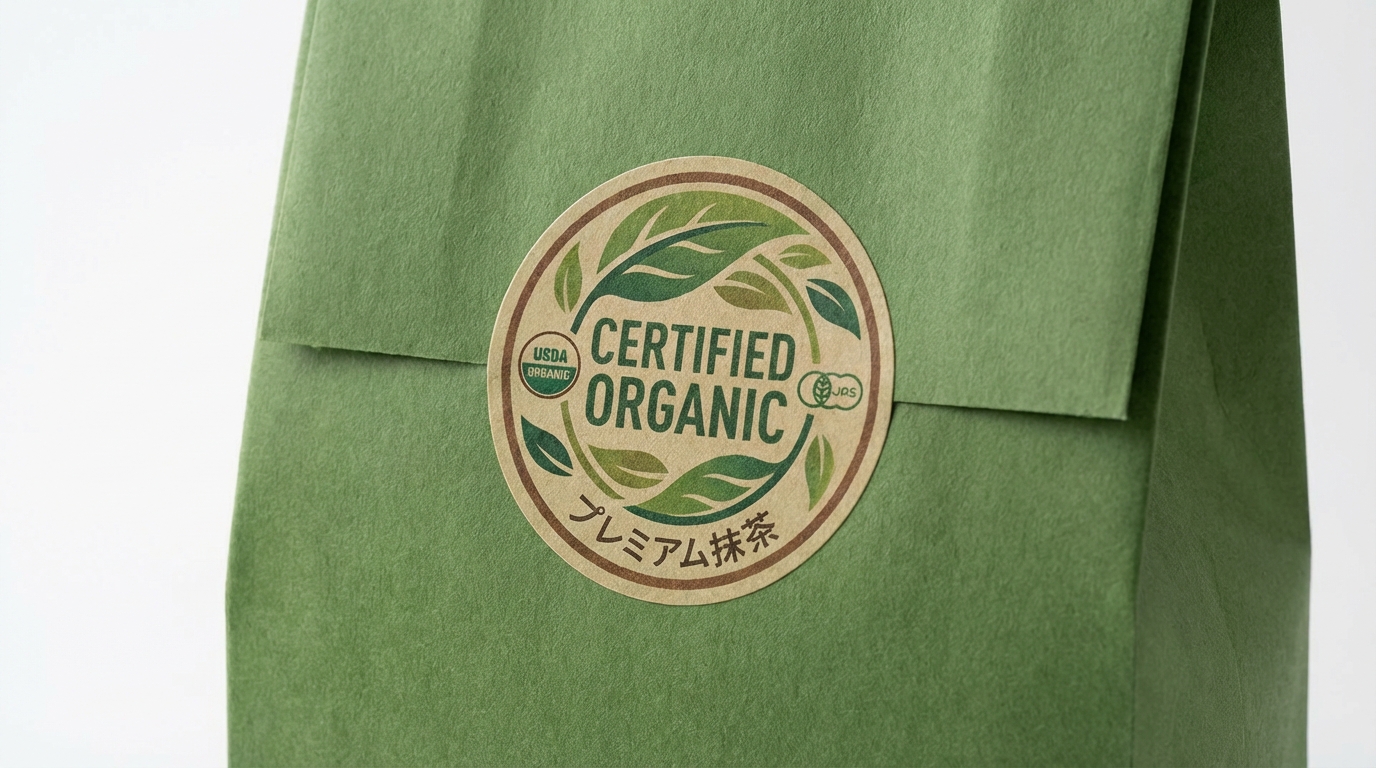
Organic matcha is generally a safer choice because it is grown without synthetic pesticides, herbicides, or chemical fertilizers. This is a critical consideration when you choose to Drink Matcha While Pregnant , as your body and developing baby are more sensitive to chemical residues. Since you consume the entire ground leaf, the purity of the farming environment matters more than with steeped teas. The benefits of chemical-free farming
Organic certification ensures that the tea was produced using sustainable methods that protect the consumer from toxic runoff. These farming practices often result in a healthier plant that develops a more complex and beneficial nutrient profile over time.
- No synthetic pesticide residues in the leaf.
- Better for the local ecosystem and soil.
- Strict adherence to international organic standards.
Key Takeaway: Opting for organic-certified matcha reduces your chemical load and supports a cleaner, healthier pregnancy diet.
Evidence suggests that organic farming preserves the integrity of the tea’s antioxidants while eliminating external toxin risks.
Are heavy metals a risk in matcha powder?
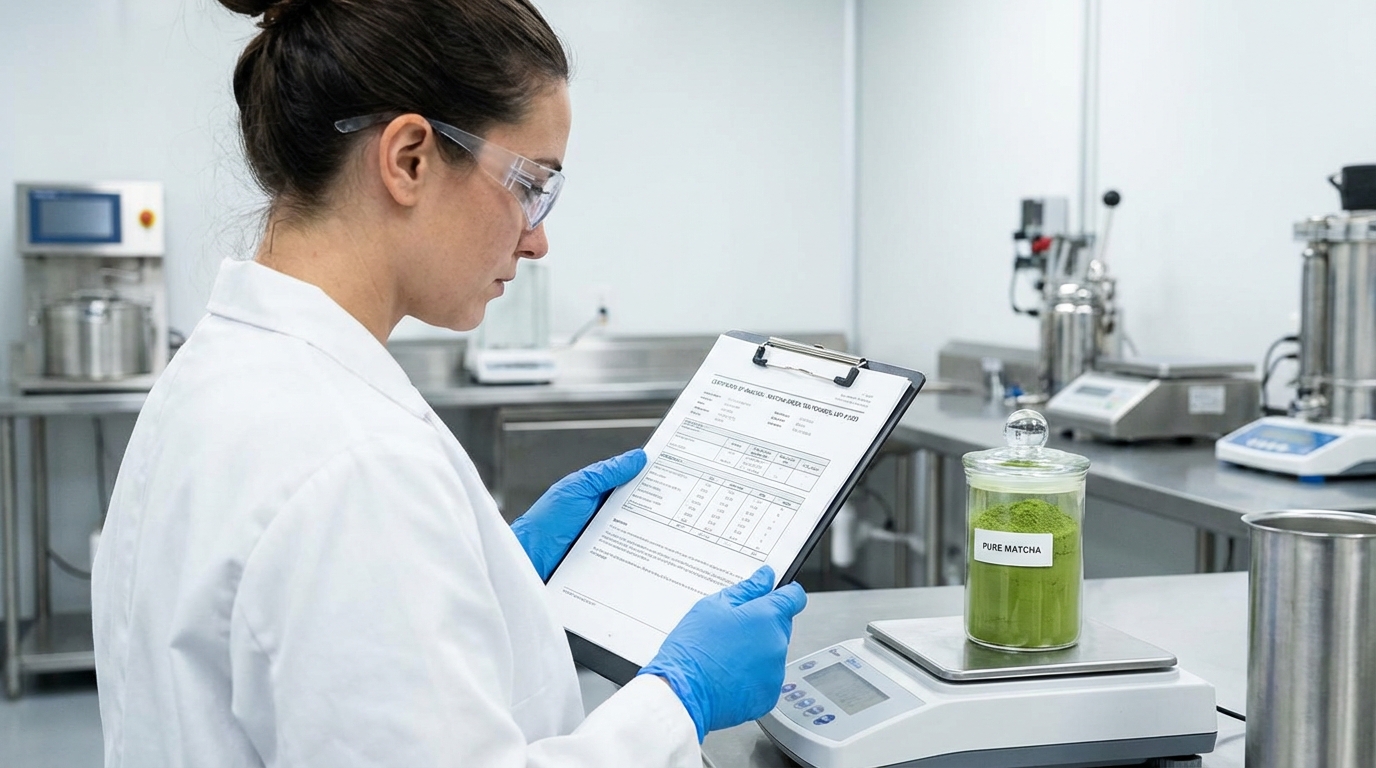
There is a potential risk of heavy metals like lead or arsenic being present because tea plants naturally absorb minerals from their surrounding soil. However, you can safely Drink Matcha While Pregnant by selecting reputable brands that provide third-party testing results for purity and contaminants. Verification is the only way to ensure your morning cup is free from industrial pollutants.
Sourcing for safety and purity
Matcha from certain regions may have higher lead content if the soil is not strictly monitored and regulated. By choosing high-quality Japanese matcha that undergoes rigorous testing, you significantly reduce the risk of exposing yourself or your baby to environmental toxins.
- Lead can accumulate in older tea leaves.
- Third-party testing is the gold standard for moms.
- Japanese soil regulations are typically very strict.
Key Takeaway: Always verify that your matcha brand tests for heavy metals and radiation to ensure the highest safety standards.
The analysis highlights that transparency in testing is the most effective safeguard against heavy metal exposure in tea products.
How does matcha compare to coffee for energy?
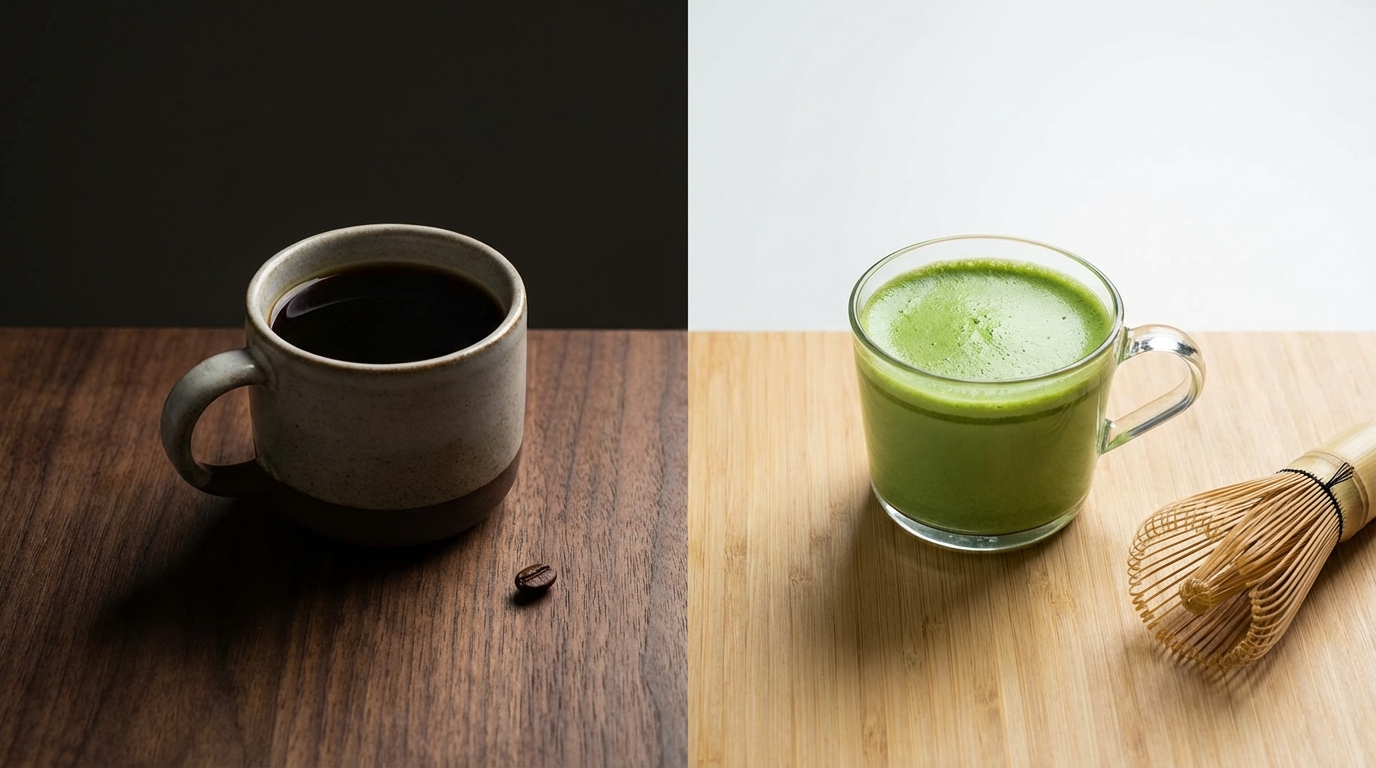
Matcha provides a more sustained, “jitter-free” energy boost compared to the sharp spikes and subsequent crashes associated with coffee. This makes it an ideal choice to Drink Matcha While Pregnant , as it helps manage fatigue without aggravating pregnancy-related anxiety or heart palpitations. The alkaline nature of the tea is also gentler on the digestive system. The L-theanine and caffeine synergy
The secret lies in the amino acid L-theanine, which slows the absorption of caffeine into your bloodstream over several hours. This results in a state of relaxed alertness that can help you navigate the common exhaustion of the third trimester.
- Matcha is less acidic than roasted coffee.
- Helps reduce common pregnancy heartburn.
- No “crash” that leaves you feeling drained.
Key Takeaway: Matcha offers a gentler, more alkaline energy source that aligns with the physiological needs of an expectant mother.
Analysis of metabolic responses shows that matcha creates a more stable blood-sugar environment compared to coffee consumption.
Can you enjoy matcha while breastfeeding?
Yes, matcha is safe to consume while breastfeeding, and your daily caffeine limit actually increases slightly to 300 milligrams in the postpartum period. You can continue to Drink Matcha While Pregnant and through your nursing journey, though you should observe your infant for any signs of caffeine sensitivity. Most babies tolerate moderate amounts of caffeine in breast milk without any issues.
Impact on your baby’s sleep patterns
While only a small percentage of caffeine passes through breast milk, some infants may be more sensitive than others. If you notice your baby is unusually fussy or having trouble sleeping, you may want to time your cup for immediately after a feeding session.
- Nursing limit: ~300mg caffeine daily.
- Infant sensitivity varies significantly by age.
- Strategic timing can minimize caffeine transfer.
Key Takeaway: Breastfeeding mothers can enjoy matcha safely, often finding it provides the much-needed energy for early motherhood tasks.
Scientific analysis confirms that moderate matcha intake during breastfeeding does not negatively impact infant development in the vast majority of cases.
Frequently Asked Questions about Matcha?
Can I drink matcha every day?
Yes, you can drink it daily provided you stay under the 200mg caffeine limit. Consistency helps you reap the antioxidant benefits without causing overstimulation or sleep issues.
What’s the best way to avoid lead?
Always choose high-quality Japanese matcha that features transparent third-party testing for heavy metals. This ensures the soil and leaves are free from dangerous industrial contaminants.
Can I drink Starbucks matcha lattes?
Yes, but you should be wary of the high sugar content which can increase gestational diabetes risks. Ask for the unsweetened version or fewer pumps of syrup to stay healthy.
What’s the best time to drink it?
Ideally, drink your matcha between meals to ensure it doesn’t block the absorption of vital iron. Morning or early afternoon is best to avoid interfering with your evening sleep.
Can I use matcha in smoothies?
Absolutely, blending matcha into a fruit-filled smoothie is an excellent way to add natural sweetness. This avoids the need for refined sugars while providing a massive antioxidant boost.
Navigating your dietary choices during pregnancy doesn’t have to mean giving up the rituals that bring you joy and vitality. By prioritizing high-quality, organic ceremonial grade powder and keeping a close eye on your timing and caffeine intake, you can enjoy the vibrant energy of matcha with total confidence. If you have any specific concerns about your sourcing or preparation methods, feel free to contact us today at https://richingmatcha.com/ for expert guidance. Take the next step in your wellness journey by choosing a brew that supports both you and your baby. Our vision is to provide every mother with the purest, most transparently sourced tea on the market. Elevate your pregnancy ritual with the gold standard of green tea today.