
Organic matcha, in particular, is often perceived as a safer and more natural option. However, it’s crucial to understand that even organic products can be susceptible to environmental contamination. In this article, we will delve into the presence of lead in matcha, focusing on organic varieties, and explore the importan
In the world of superfoods, few products carry the prestige and nutritional density of matcha. Unlike traditional green tea, where the leaves are steeped and then discarded, matcha involves consuming the entire tea leaf, ground into a microscopic powder. This “whole-leaf” consumption is the primary reason why health enthusiasts flock to it—but it is also the root of the most common safety concern: heavy metal contamination, specifically lead.
As consumers and B2B buyers become more discerning, the question of whether organic certification guarantees a lead-free product has become paramount. Lead is a naturally occurring element, but its presence in the food supply is often augmented by industrial activity. Because the tea plant, Camellia sinensis, is an efficient bioaccumulator, it can pull minerals and metals from the soil and environment with remarkable efficacy.
Understanding the safety of organic matcha requires looking beyond the “organic” label and into the chemistry of the soil, the geography of the plantation, and the rigor of laboratory testing protocols. This article provides an exhaustive analysis of lead in matcha, the efficacy of organic standards, and how to ensure the purity of your supply.
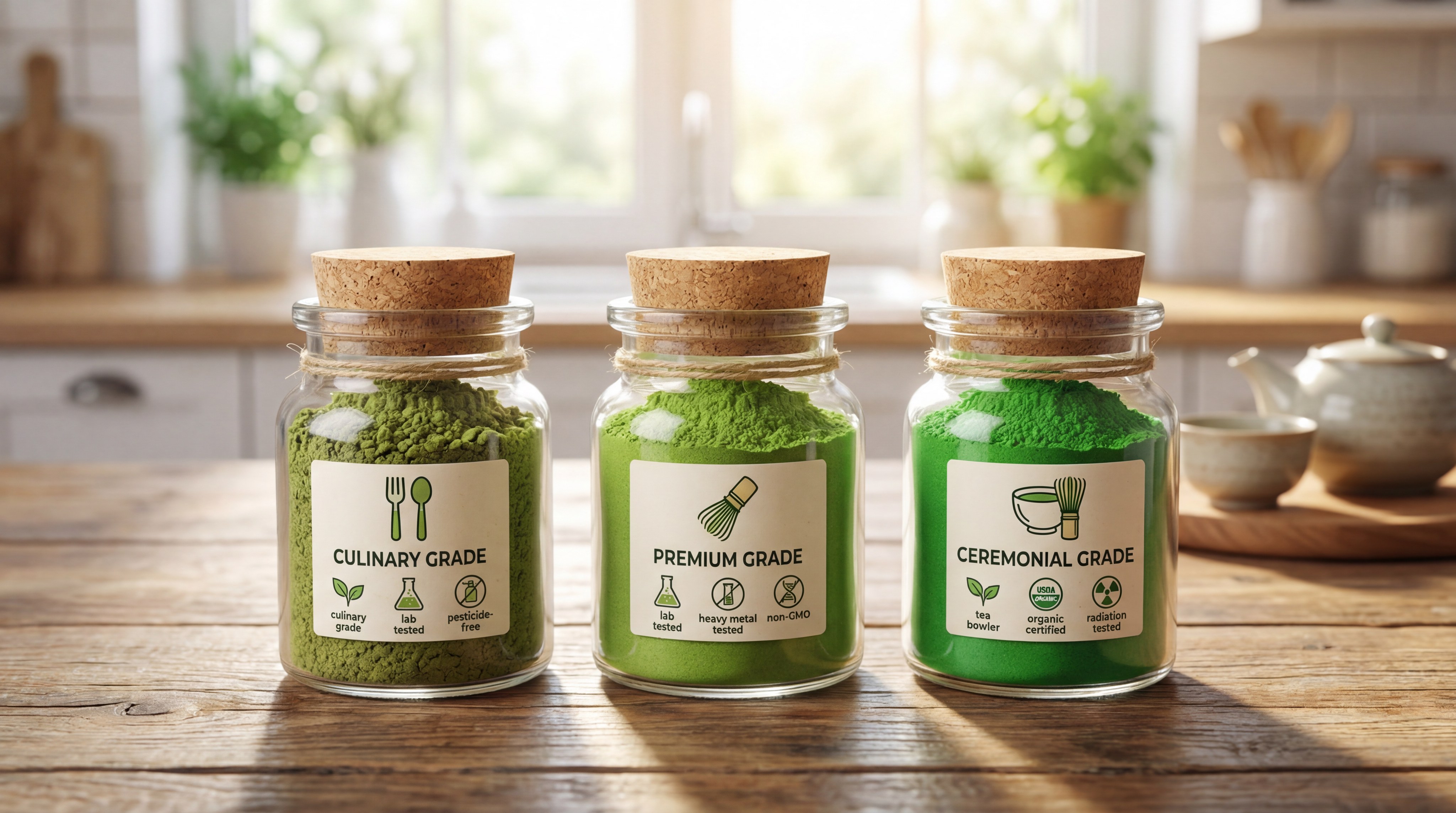
Safety in the context of matcha is defined by the absence of harmful levels of contaminants, including pesticides, herbicides, radiation, and heavy metals. When a product is labeled “Organic,” it primarily signifies that the tea was grown without synthetic fertilizers or chemical pesticides. However, many consumers conflate “organic” with “contaminant-free,” which is a dangerous oversimplification.
The Organic Paradox
The safety of organic matcha is generally superior to conventional matcha regarding chemical residues. Organic farming utilizes natural compost and biological pest control, which prevents the introduction of neurotoxic organophosphates and synthetic pyrethroids into the tea leaves. At Riching Matcha, for instance, our 3,000 hectares of tea gardens are managed under strict USDA and EU organic protocols, ensuring that the foundational growing environment is free from synthetic intervention.
However, lead is not a pesticide. It is a heavy metal found in the earth’s crust. An organic certification ensures that the farmer did not add lead to the crop via contaminated fertilizers, but it does not inherently change the geological composition of the soil or the purity of the air. Therefore, even the most pristine organic matcha can contain trace amounts of lead if the soil has a high natural mineral content or if the plantation is near industrial centers.
Whole-Leaf Consumption and Exposure
The reason lead is discussed more frequently with matcha than with Oolong or Earl Grey is the delivery method. When you steep loose-leaf tea, approximately 90% of the lead remains trapped within the discarded leaves. In contrast, when you drink a matcha latte, you are ingesting 100% of the leaf matter. This 10-fold increase in consumption requires a 10-fold increase in scrutiny.
To be considered “safe,” matcha must undergo rigorous testing to ensure that even with 100% leaf ingestion, the lead levels remain well below the daily intake limits established by health authorities like the FDA, WHO, and California’s Prop 65.
Why Can Matcha Contain Lead?
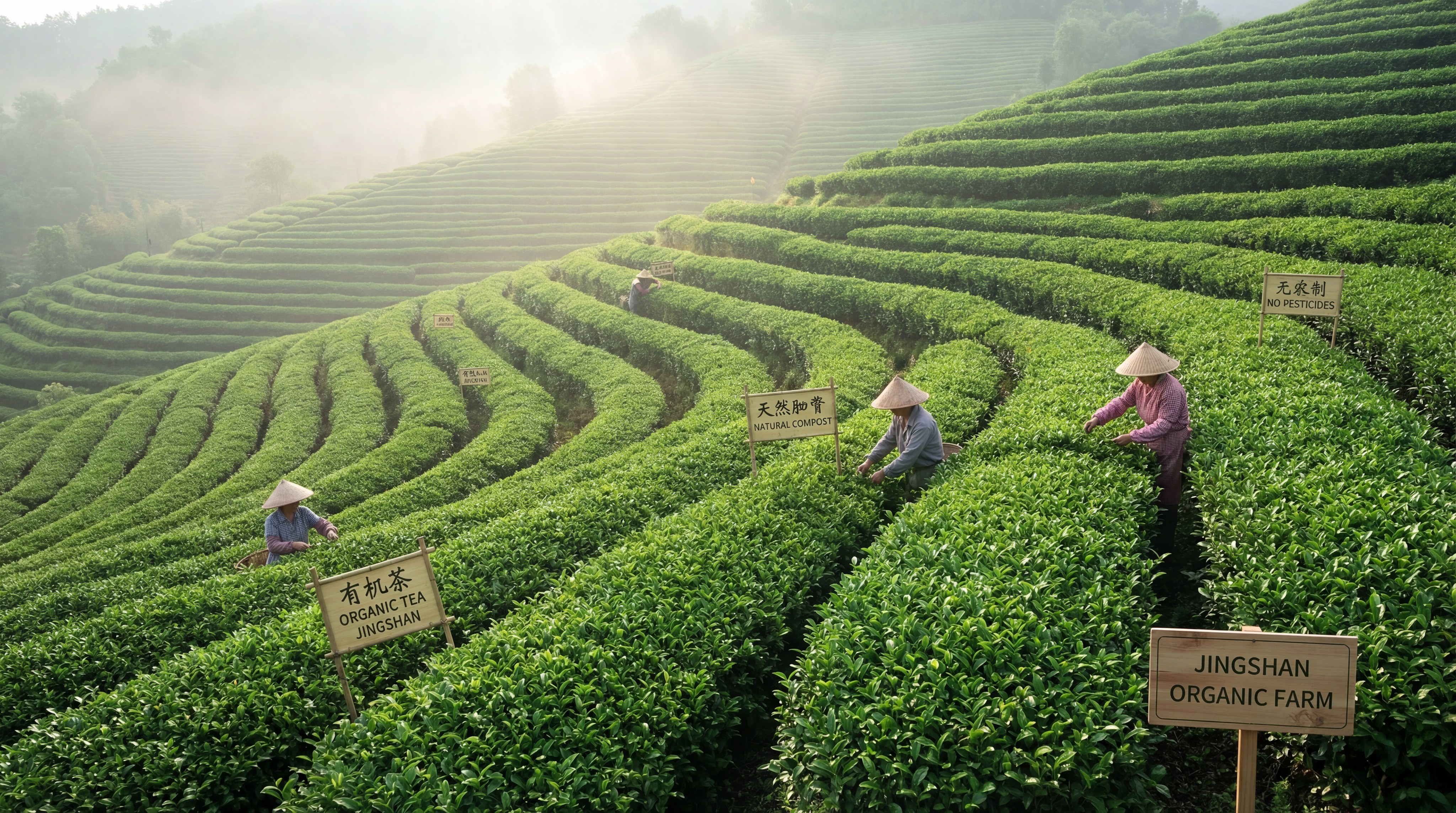
To understand why lead appears in tea, we must examine the intersection of botany and environmental science. Camellia sinensis is a hardy evergreen shrub that thrives in acidic soils—the exact type of soil where lead and other metals become more “bioavailable.”
1. Soil Chemistry and Bioavailability
Lead in soil exists in various forms, but tea plants primarily absorb “labile” or soluble lead. In acidic soils (pH 4.5 to 5.5), which are ideal for tea growth, lead ions become more mobile and are easily taken up by the plant’s root system. Once absorbed, lead is transported through the xylem to the leaves.
2. Atmospheric Deposition
A significant portion of lead found in tea leaves does not come from the roots, but from the air. In the 20th century, the global use of leaded gasoline and industrial smelting released massive amounts of lead into the atmosphere. This lead eventually settled onto the surface of tea leaves. While leaded gasoline is largely phased out, legacy lead remains in the dust of some regions. This is why geographical sourcing is critical; plantations in high-altitude, remote areas like Jingshan, Hangzhou, are far less susceptible to atmospheric contamination than those near urban highways or industrial zones.
3. The Shading Process
Matcha is unique because it is shaded for 21 days before harvest. This process increases chlorophyll and L-theanine levels but also affects the plant’s metabolism. While shading doesn’t directly increase lead, it slows leaf growth, potentially allowing more time for the plant to accumulate minerals from the soil. This makes the purity of the soil in matcha-specific estates even more vital than in standard green tea gardens.
4. Legacy Pesticides
In some parts of the world, older “conventional” farms used lead-arsenate pesticides decades ago. These compounds are incredibly stable and can persist in the soil for over half a century. Converting such a farm to “organic” removes new chemical inputs, but it does not remove the legacy lead. This is why reputable suppliers like Riching Matcha conduct deep-soil testing before establishing an organic estate.
Is Organic Matcha Lower in Lead Than Non-Organic Matcha?
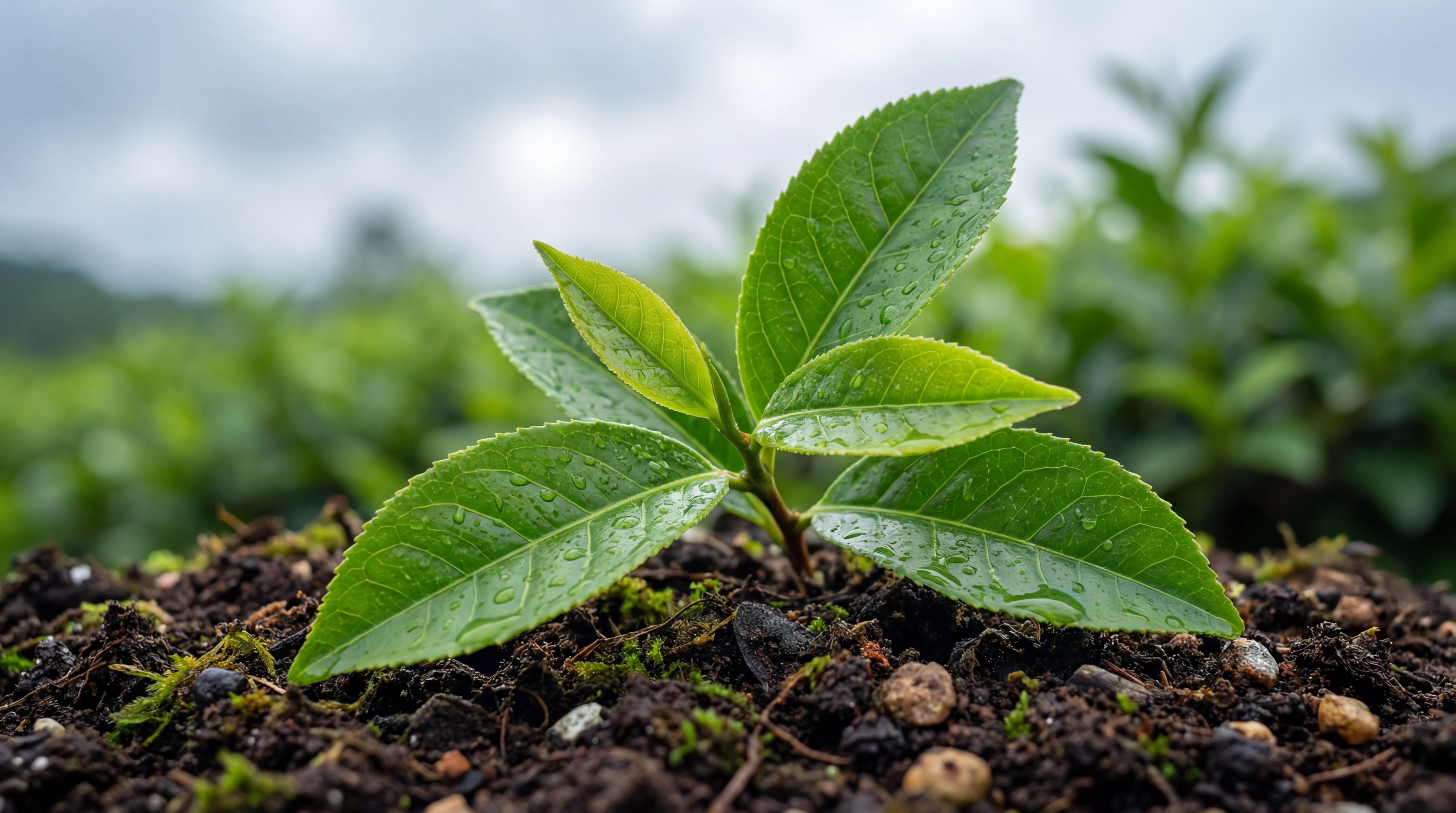
The relationship between organic certification and lead levels is nuanced. While an organic label is not a direct guarantee of zero lead, there is a strong statistical correlation between organic practices and lower heavy metal profiles.
Soil Health and Cation Exchange
Organic farming focuses on soil “vitality.” By using natural compost and organic matter, farmers improve the soil’s Cation Exchange Capacity (CEC). High-quality organic soil can sometimes “bind” heavy metals, making them less available for the plant to absorb. Conversely, the use of synthetic nitrogen fertilizers in conventional farming can further acidify the soil, potentially increasing the solubility and uptake of lead.
Fertilizer Contamination
One of the hidden sources of lead in conventional tea is low-grade phosphate fertilizer. Some synthetic fertilizers are contaminated with heavy metals like cadmium and lead during the manufacturing process. By strictly prohibiting these synthetic inputs, USDA and EU organic standards eliminate a major secondary pathway for lead contamination.
Comparative Analysis: USDA vs. EU Organic Standards
Feature | USDA Organic | EU Organic |
|---|---|---|
Synthetic Pesticides | Prohibited | Prohibited |
Sewage Sludge | Prohibited | Prohibited |
Focus | Process-based (how it’s grown) | Process + strict residue limits |
Heavy Metal Limits | Not explicitly part of “organic” definition | Often includes strict adjunct safety limits |
Environmental Impact | High focus on biodiversity | High focus on ecosystem sustainability |
In the EU, the regulatory environment for food safety (EC No 1881/2006) sets specific maximum levels for contaminants like lead in foodstuffs, which work in tandem with organic certifications. Choosing a supplier that meets both USDA and EU standards ensures that the product has passed the world’s two most rigorous gatekeepers.
What Testing Should Safe Matcha Have?
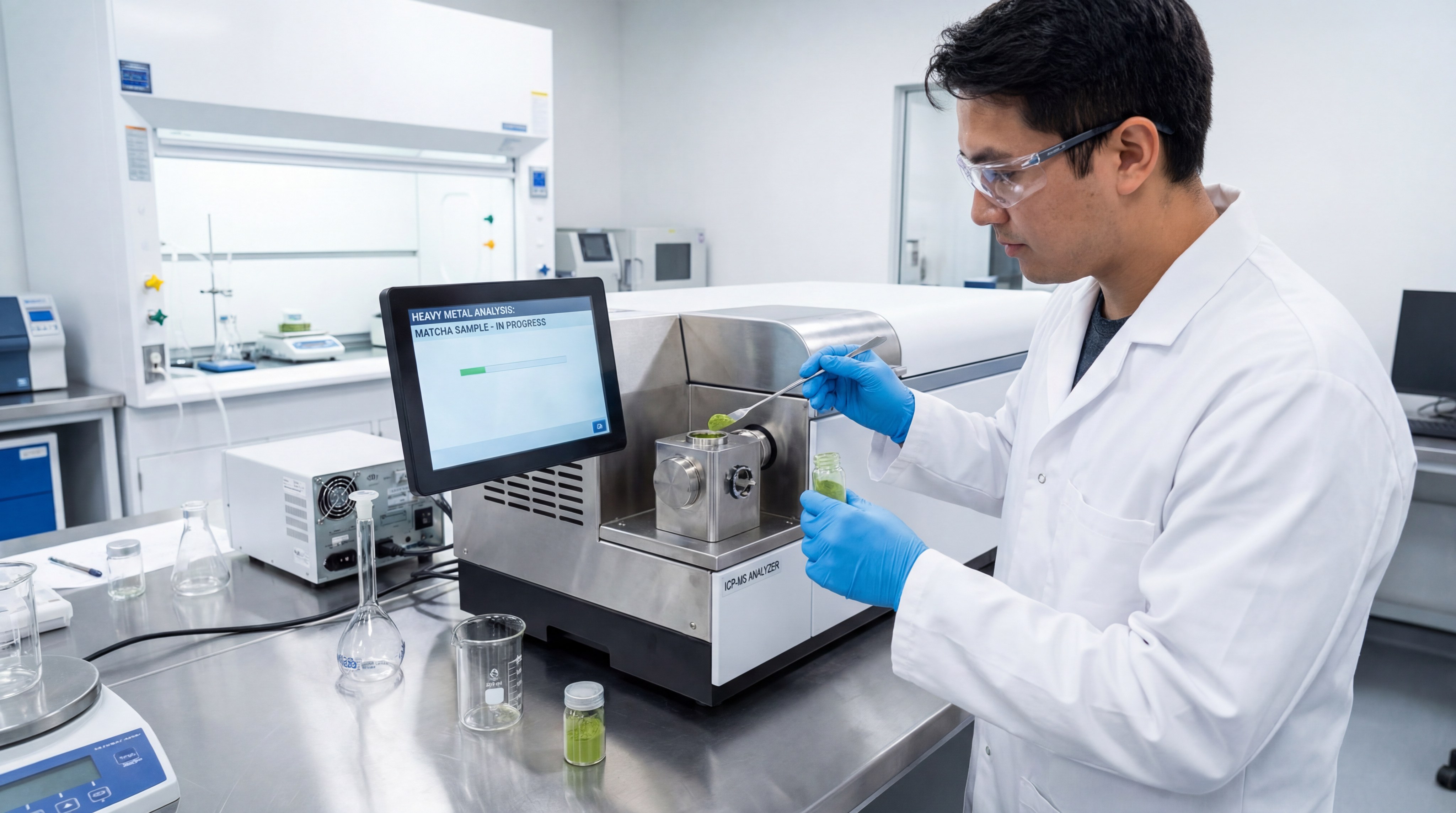
Visual inspection and “organic” stamps are insufficient for safety verification. True safety is proven in the laboratory through advanced analytical chemistry. For B2B buyers and health-conscious consumers, understanding these protocols is essential.
ICP-MS: The Gold Standard
The most accurate method for detecting lead in matcha is Inductively Coupled Plasma Mass Spectrometry (ICP-MS).
- Digestion: A sample of matcha is dissolved using high-purity nitric acid in a microwave digestion system.
- Atomization: The liquid is turned into an aerosol and passed through an argon plasma torch reaching temperatures of 10,000°K.
- Mass Detection: The individual atoms are ionized and separated based on their mass-to-charge ratio.
ICP-MS can detect lead at levels as low as 1 part per billion (ppb). This level of precision is necessary because the safety thresholds for lead are exceptionally low.
The Role of Third-Party Laboratories
Internal testing is a good start, but transparency requires third-party validation. Reputable manufacturers partner with international testing giants such as Eurofins, SGS, or Alex Stewart. These organizations provide an unbiased Certificate of Analysis (COA) for every batch produced.
Testing Parameters for a Complete COA:
- Heavy Metals: Lead, Arsenic, Cadmium, Mercury.
- Pesticide Screen: Coverage of over 400+ known chemical residues.
- Microbiology: Salmonella, E. coli, Mold, and Yeast counts.
- Radiation: Testing for Cesium-134 and Cesium-137 (particularly relevant for tea grown in certain Pacific regions).
How Much Lead in Matcha Is Considered Safe?
Safety is often a matter of dosage. Lead has no known “safe” level in the human body, but because it is ubiquitous in the environment, regulatory bodies have established “Maximum Levels” (ML) or “Safe Harbor” levels that minimize risk.
FDA and International Standards
The FDA does not have a specific “limit” for lead in tea leaves, but they monitor products and can take action if a food item poses a health risk. However, other international standards provide clearer benchmarks:
- European Union (EU): Sets a maximum level of 0.05 mg/kg to 1.0 mg/kg for various plant-based products.
- World Health Organization (WHO): Historically suggested a limit of 10 mg/kg for raw herbal materials, though modern tea standards are much stricter.
The California Prop 65 Benchmark
California’s Proposition 65 is the most stringent standard in the world. It requires a warning label if a product contains more than 0.5 micrograms (mcg) of lead per daily serving.
To put this in perspective:
- A typical 2-gram serving of matcha with a lead concentration of 0.2 ppm (parts per million) would contain 0.4 mcg of lead.
- This would fall below the Prop 65 warning threshold.
- Most high-quality organic matcha from protected estates tests well below 0.1 ppm, making it remarkably safe for daily consumption.
Quantifying the Risk
Comparing matcha to other foods often puts the lead concern into context. Root vegetables like carrots or leafy greens like spinach—which are also grown in soil and consumed whole—often contain lead levels similar to or higher than tested premium matcha. The key is to source from “low-lead” regions where the soil chemistry is monitored.
How Can You Choose Safer Organic Matcha?
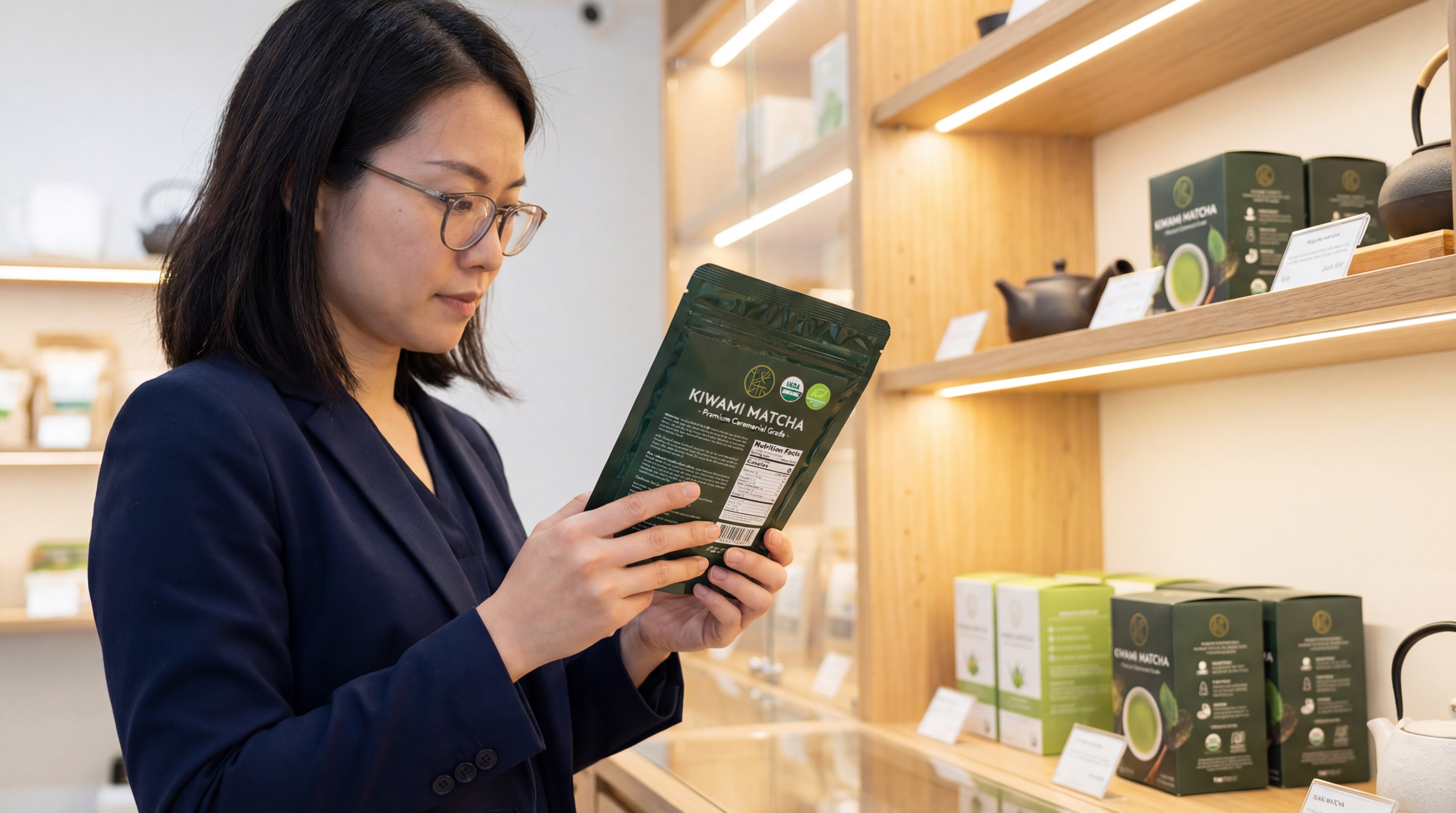
For the individual consumer, you cannot bring a mass spectrometer to the grocery store. However, you can use several “proxies” for purity and quality that indicate a high-safety product.
1. Demand the COA
If a brand is proud of its purity, they will make their testing data available. Contact the company and ask for the most recent heavy metal test results for the batch you purchased. If they cannot provide a Certificate of Analysis from a third-party lab like SGS or Eurofins, it is a significant red flag.
2. Verify the Origin
Geography matters. Matcha originated in China during the Song Dynasty and was later perfected in Japan. Today, the Jingshan region in Hangzhou is renowned for its “Matcha Village,” where the high altitude and natural barriers provide a clean-air environment. Avoid matcha from regions with heavy industrial histories or those located near major metropolitan hubs.
3. Color and Texture as Quality Proxies
While color doesn’t directly measure lead, it measures processing quality.
- Vibrant Electric Green: Indicates high chlorophyll and proper shading. Premium processing usually happens in cleaner, more modern facilities.
- Dull Yellow/Brown: Often signifies older leaves, poor shading, or oxidation. Lower-grade “tea powder” (often marketed as matcha) is frequently sourced from unmonitored mass-market farms where heavy metal testing is not a priority.
4. Look for Dual Certification
A product that carries both the USDA Organic and EU Organic seals has undergone a double layer of scrutiny. Because the EU often has stricter residue limits and different testing protocols, the dual-seal is a hallmark of a globally-vetted product.
Organic Matcha Safety for B2B Buyers
For beverage brands, supplement manufacturers, and café chains, the stakes are much higher. A single batch of contaminated matcha can lead to product recalls, legal liability, and irreparable brand damage. B2B procurement must be clinical and data-driven.
Supply Chain Transparency
As a B2B buyer, you must move past the distributor and look at the “Source Factory.” Many distributors “white-label” matcha from various sources, making batch consistency difficult. Working directly with a source factory—like Riching Matcha—allows for:
- Traceability: Knowing exactly which block of the 3,000 ha garden your tea came from.
- Batch Consistency: Ensuring that the lead levels in January’s shipment match those in July’s.
- Automated Processing: Facilities that use automated production lines reduce human error and secondary contamination.
The Role of the COA in B2B
A COA is a legal document. Ensure that the COA provided by your supplier:
- Matches the Lot Number on the packaging.
- Is dated within the last 6–12 months.
- Uses ICP-MS or ICP-OES testing methods.
- Includes a “Statement of Conformity” for the target market (e.g., “Meets EU regulation 1881/2006”).
Logistics and Import Documentation
When importing organic matcha into the EU or North America, a Transaction Certificate (TC) is required. This document proves that the specific shipment you are receiving is certified organic. For B2B buyers, the TC is the link between the farm’s certification and your specific inventory.
Auditing the Factory
A reliable partner will welcome audits. At Riching, we provide documentation for our 500+ matcha machines and our specialized grinding technologies. High-end B2B clients should look for suppliers who invest in clean-room environments and automated winnowing, drying, and grinding lines, as these reduce the risk of environmental dust (which contains lead) entering the product during the sensitive grinding phase.
Final Answer
Does organic matcha have lead? The honest, scientific answer is: It can, but the levels in premium, tested organic matcha are so low that they are considered safe for daily consumption by every major global health authority.
Lead is a natural element of the earth. The goal is not to find a product with “zero” lead—which is scientifically impossible in any food grown in soil—but to find a product with non-detectable or trace levels that fall well below the most stringent safety thresholds.
By choosing USDA and EU Organic certified matcha from reputable sources like the Jingshan estates, and by insisting on third-party ICP-MS testing, you are ensuring that your matcha provides all the benefits of L-theanine and EGCG without the risks associated with heavy metals.
At Riching Matcha, we pride ourselves on revitalization of the Chinese matcha tradition through a lens of modern safety and precision. Whether you are a consumer looking for a pure morning ritual or a brand seeking a reliable wholesale partner, we invite you to contact us today to review our latest batch testing and learn more about our commitment to purity.
FAQs
1. Does ceremonial grade matcha have less lead than culinary grade?
Not necessarily. The grade refers to the leaf’s position on the plant, its color, and its flavor profile (sweetness vs. bitterness). While ceremonial grade is made from younger, more tender leaves, lead levels are determined more by the soil and environment of the plantation than by the grade of the leaf. However, ceremonial matcha is often sourced from more prestigious, better-maintained estates, which frequently have stricter testing protocols.
2. Is Japanese matcha safer than Chinese matcha?
Safety is determined by the specific farm, not the country. Both Japan and China have pristine regions and industrial regions. The key is to look for specific certifications (USDA/EU Organic) and independent lab results (SGS/Eurofins). Chinese matcha from the Jingshan region, for example, is grown in a protected environment that rivals or exceeds the purity standards of many Japanese regions.
3. Can I “wash” the lead off my matcha?
No. Because matcha is a fine powder, you cannot wash it. Additionally, a portion of the lead is inside the leaf structure, absorbed through the roots. This is why sourcing from clean soil is the only effective way to ensure a low-lead product.
4. How often can I safely drink matcha?
For high-quality matcha that tests below 0.2 ppm of lead, drinking 1–3 bowls a day is well within the safety limits established by health organizations. The massive antioxidant benefits of matcha generally far outweigh the risk of trace mineral exposure, provided the product is lab-verified.
5. Should pregnant women be concerned about lead in matcha?
Pregnant women should always consult their doctor regarding caffeine and heavy metal exposure. However, choosing a certified organic, third-party-tested matcha is the safest way to enjoy the tea during pregnancy. Many doctors recommend limiting intake to one cup per day to stay within both caffeine and trace-mineral safety margins.
6. What should I look for on a matcha label to ensure safety?
Look for the USDA Organic or EU Organic logo, a “Batch Number” or “Lot Number,” and a clear statement of origin. If you are buying in bulk, always request the COA (Certificate of Analysis) for that specific lot number.
ce of ensuring the safety of the matcha you consume. Understanding these potential contaminants helps consumers make informed choices and maintain their health while enjoying the benefits of matcha.