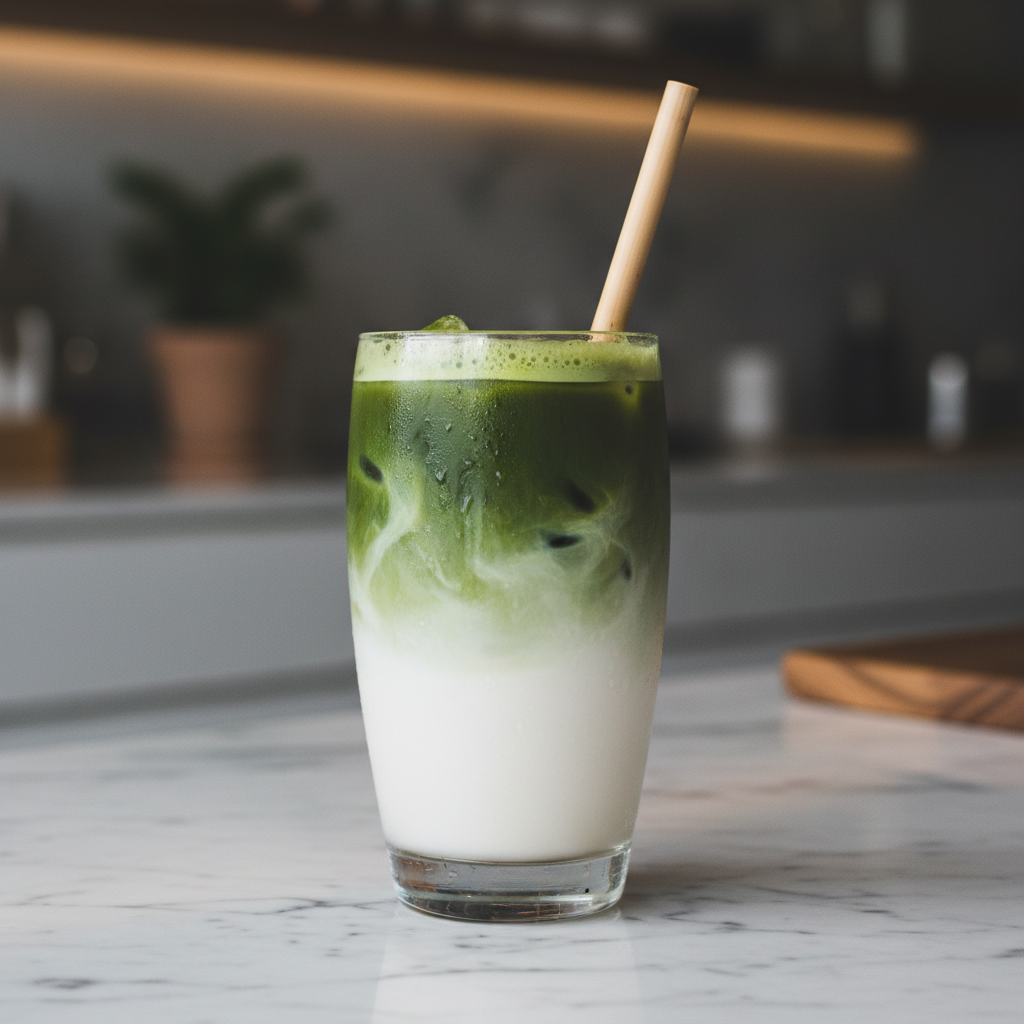
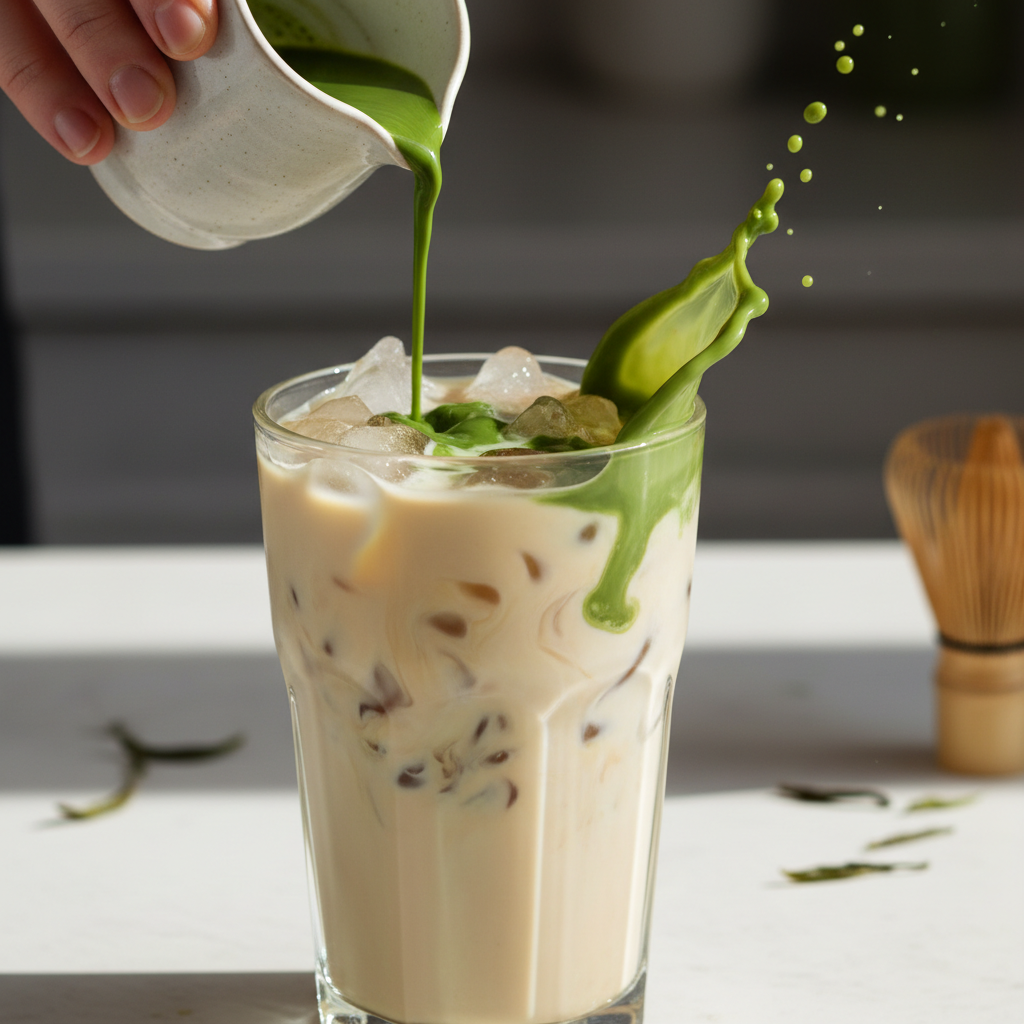
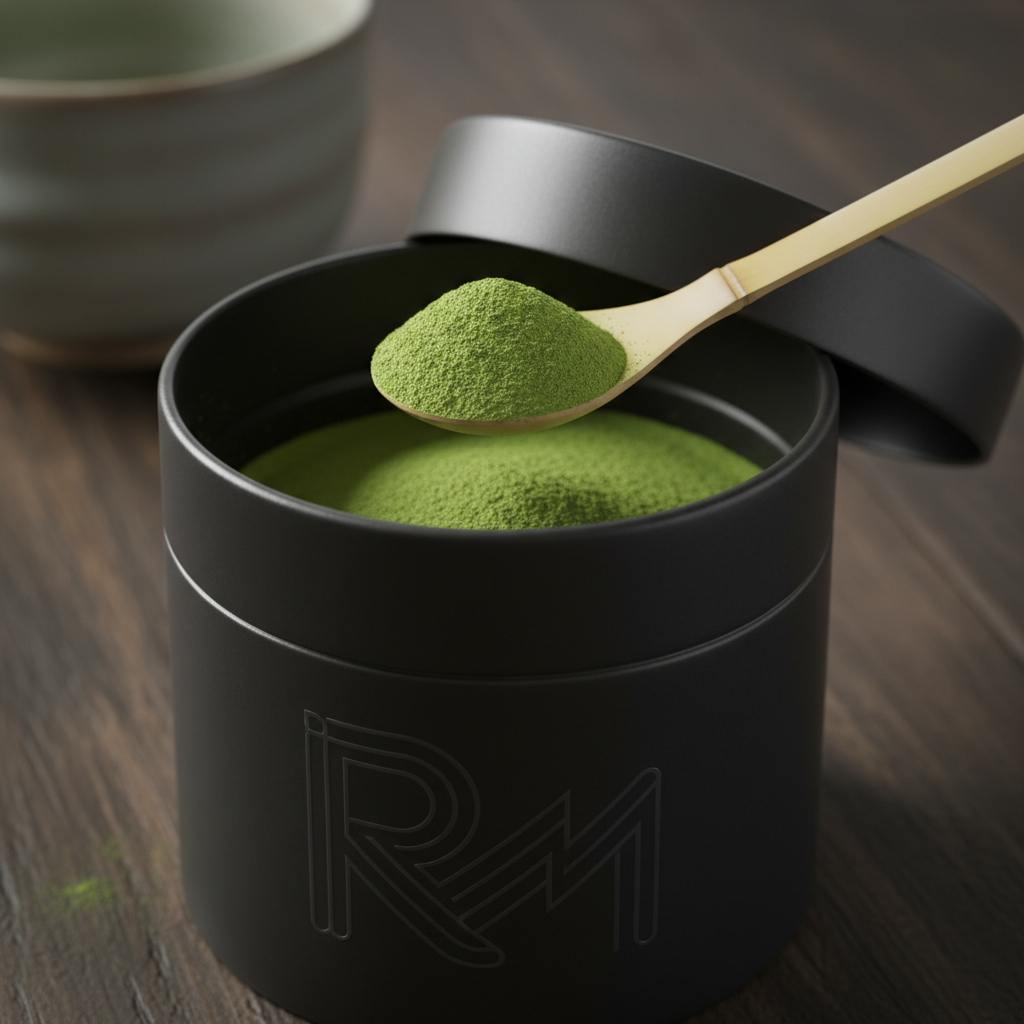
An Iced Matcha Latte is a chilled, creamy beverage made by whisking high-quality Japanese green tea powder with water and pouring it over cold milk and ice. You likely struggle with the afternoon energy slump that makes staying productive feel impossible during long boardroom sessions or complex data analysis tasks. Relying on traditional coffee often leads to significant jitters and a harsh physiological crash that leaves you feeling more exhausted than before the caffeine intake. Preparing a matcha iced latte with ceremonial grade tea provides a steady, focused energy boost without the side effects, allowing you to maintain peak professional performance. What is a premium matcha iced latte?
A premium matcha iced latte is a high-grade botanical drink that combines stone-ground tea leaves with a chilled dairy or plant-based liquid to create a sophisticated sensory experience. But here is the kicker: the quality of the powder determines the entire nutritional and flavor profile, meaning that lower grades will produce a grainy texture and unpleasant bitterness that lacks the refined umami of a truly elite beverage. You will notice a distinct lack of astringency when using top-tier ingredients because the amino acids remain preserved through specialized shading and harvesting techniques designed for the most discerning professional palates. By incorporating this beverage into your corporate routine, you access a superior form of hydration that bridges the gap between traditional tea culture and modern productivity requirements.
- Shaded growth cycles to boost chlorophyll production.
- Cold-stone grinding to prevent thermal oxidation.
- Removal of stems and veins before processing.
What gives the drink its vibrant color?
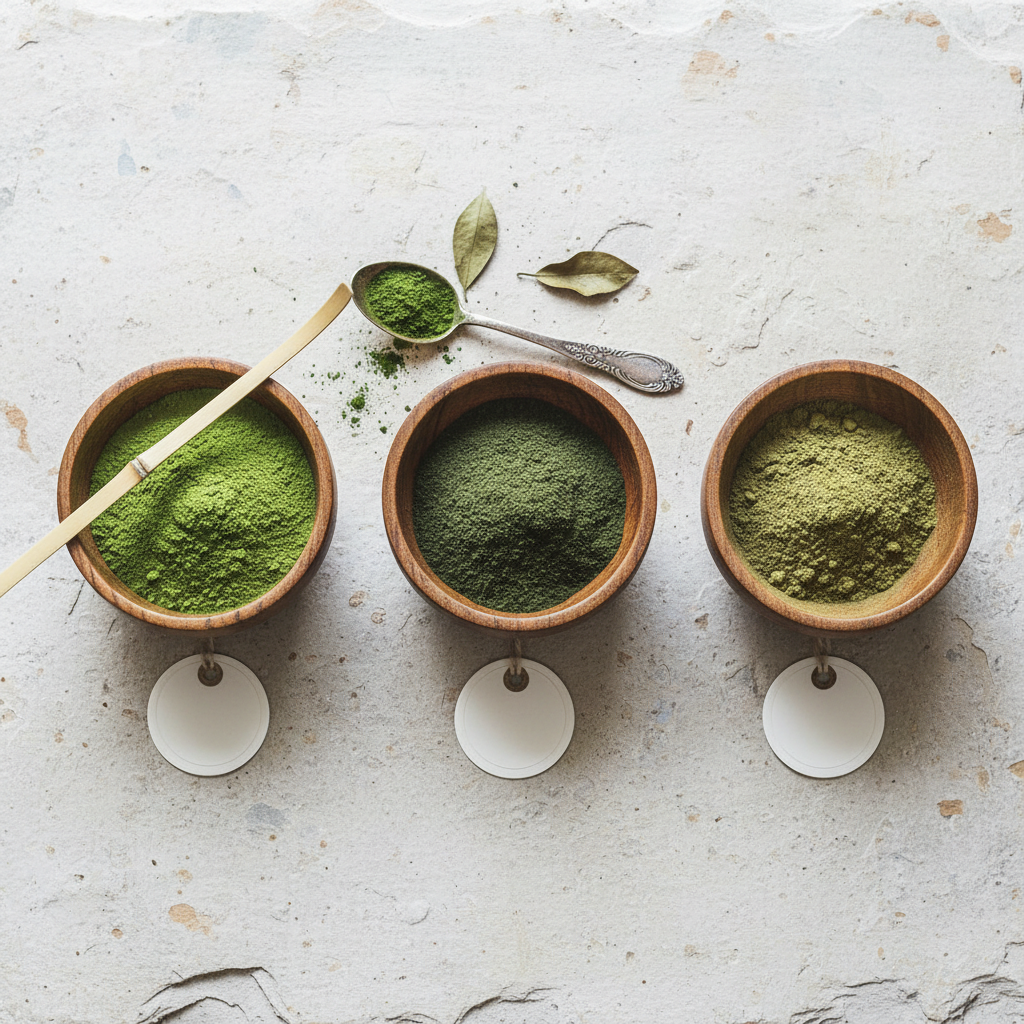
The intense emerald hue comes from high concentrations of chlorophyll developed during the tea plant’s specialized shading process which occurs for several weeks before the actual harvest takes place. This natural pigment is meticulously preserved by grinding the leaves in dark, temperature-controlled environments to ensure that no light exposure degrades the vibrant botanical properties of the final powder. You should look for this electric green color as a primary indicator of freshness, as duller or brownish shades suggest that the tea has oxidized and lost its potent antioxidant capacity. Understanding this visual cue allows you to distinguish between industrial-grade additives and authentic Japanese stone-ground tea that provides genuine health benefits for your busy lifestyle.
The visual intensity of the drink directly correlates with the nutrient density and the specific amino acid profile required for high-level cognitive function.
Key Takeaway: High chlorophyll levels indicate a fresh, nutrient-dense product that delivers superior aesthetic appeal and metabolic advantages.
Is ceremonial grade best for a matcha iced latte?
Ceremonial grade is the absolute best choice for a matcha iced latte because it offers the smoothest texture and a naturally sweet flavor profile that elevates the entire drinking experience beyond standard expectations. Ready for the good part? You can follow our how-to guide to see how this specific grade simplifies the preparation process by dissolving more readily into a fine, suspended liquid without the need for excessive sweeteners. This classification ensures you are consuming the youngest, most tender leaves from the spring harvest, which contain the highest concentration of L-theanine for a calm yet alert mental state. Investing in this grade ensures that your daily wellness ritual remains a high-value activity that supports your long-term health and professional clarity without compromise. - First flush harvest vs. late-season picking.
- Slower grinding speed to protect volatile oils.
- Higher concentration of natural sugars and umami.
How does ceremonial grade differ from culinary?
Ceremonial grade is intended for drinking as a standalone tea or in lattes, while culinary grade is processed from older, tougher leaves meant specifically for heavy baking and large-scale food production applications. The culinary variety typically has a brownish tint and a much more astringent, bitter taste that requires significant amounts of sugar or heavy syrups to become even remotely palatable for the average consumer. You might be wondering… why would anyone choose a lower grade for a beverage when the price difference often reflects a massive gap in nutritional density and overall flavor complexity? Selecting the wrong grade can lead to a chalky mouthfeel and a disappointing experience that fails to deliver the promised cognitive benefits associated with high-quality green tea.
Distinguishing between these grades is the most vital step in ensuring your beverage meets the professional standards of flavor and functionality expected in a B2B context.
Key Takeaway: Ceremonial grade provides the necessary sweetness and solubility to create a premium beverage that requires minimal additives for a perfect taste.
How do you start a matcha iced latte base?
You start a matcha iced latte base by creating a smooth, concentrated slurry of tea powder and a small amount of warm water to ensure complete particle integration. This initial step is vital for ensuring the tea particles are fully hydrated and evenly distributed throughout the liquid before you introduce the cold milk and ice cubes. Skipping this process often leads to a clumpy, inconsistent beverage that lacks professional quality and leaves undissolved powder at the bottom of your glass, wasting expensive ingredients. This is where it gets interesting… mastering the concentrate base allows you to maintain the integrity of the tea’s flavor while achieving a velvety texture that mirrors the quality of the world’s most exclusive tea houses.
- Prevents bitter, undissolved powder pockets in your drink.
- Creates a more uniform, velvety texture.
- Allows for better suspension in cold milk.
Why should you sift the green tea powder?
Sifting the powder breaks up the small clumps that naturally form due to static electricity and the incredibly fine particle size of stone-ground leaves which can be as small as five microns. This ensures that every bit of tea can be properly aerated and dissolved during the whisking stage to create a froth that carries the aromatic properties of the tea to your senses. You will find that taking the extra thirty seconds to pass the powder through a fine-mesh strainer results in a significantly more consistent drink that feels luxurious on the palate. Failure to sift often results in a lumpy drink where the flavor is unevenly distributed, detracting from the professional presentation and the overall enjoyment of the beverage.
Precision in the initial mixing phase guarantees that the botanical compounds are fully accessible, providing a consistent energy release from the first sip to the last.
Key Takeaway: A sifted and well-mixed base is the non-negotiable foundation for a professional-grade latte that avoids the common pitfall of texture inconsistency.
What water temperature suits a matcha iced latte?
The best water temperature for a matcha iced latte falls between 165°F and 175°F to ensure optimal extraction without burning the delicate leaves or destroying the heat-sensitive antioxidants. What’s the real story? You should refer to our about us page to understand how heat affects the delicate biological compounds in the powder which are essential for your daily wellness. Using water that is too hot will destroy the beneficial compounds you are trying to consume and will release unwanted tannins that cause extreme bitterness in the final drink. Most people inadvertently ruin their expensive tea by using boiling water, which completely masks the natural sweetness of a ceremonial grade product with a harsh chemical aftertaste. - Protection of heat-sensitive Vitamin C.
- Preservation of the sweet L-theanine molecules.
- Prevention of rapid chlorophyll oxidation.
Will boiling water make the tea bitter?
Boiling water at 212°F will scorch the tea and rapidly release tannins which are the chemicals responsible for the extreme bitterness often mistakenly associated with green tea. This heat damage ruins the delicate umami notes of ceremonial powder and turns the drink a dull, yellowish-green color that looks unappealing in a professional setting. You must remember that high-grade tea is more like a delicate herb than a roasted coffee bean, requiring a gentle touch to unlock its full potential for flavor and focus. By maintaining a lower temperature, you protect the structural integrity of the amino acids that provide the “calm alertness” necessary for high-stakes decision-making and prolonged mental endurance.
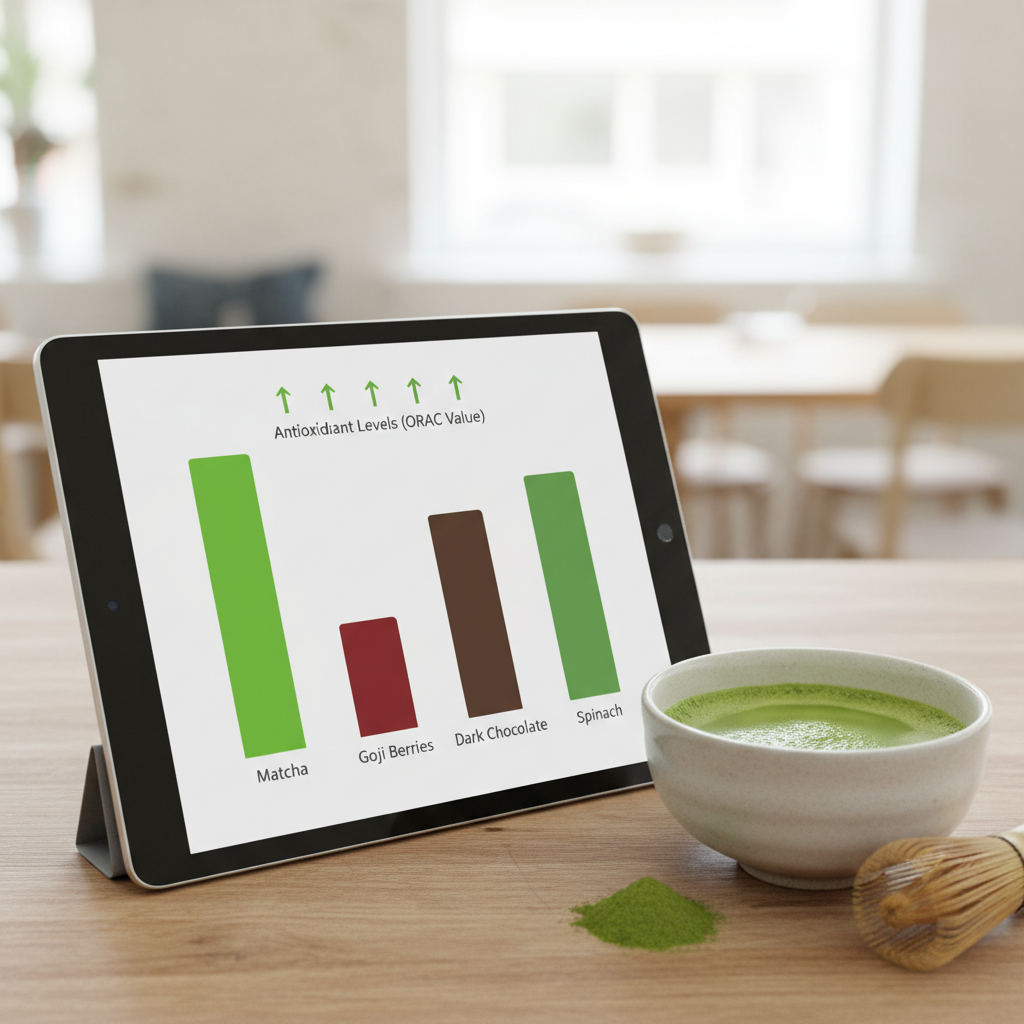
Careful thermal management ensures that you receive the maximum ORAC value and nutritional benefits from every gram of premium powder you consume.
Key Takeaway: Strict temperature control between 165°F and 175°F is essential for preserving the sweet amino acid profile and vibrant color of the tea.
Which milk types improve a matcha iced latte?
The best milk for a matcha iced latte depends on your preference for creaminess and how much you want the tea flavor to stand out against the liquid base. Most professionals prefer plant-based milks that offer a neutral sweetness and a thick, satisfying mouthfeel that complements the vegetal notes of the stone-ground tea leaves perfectly. Your choice of liquid will determine the final caloric and nutritional profile of your daily beverage, making it a critical decision for those tracking their health metrics. You might be wondering… which alternative provides the best froth and stability for a long-lasting drink that maintains its texture throughout a morning of deep work and client interactions?
- Naturally thick texture from beta-glucan fibers.
- Neutral flavor that highlights the tea’s umami.
- High frothability for a professional appearance.
Is oat milk the best dairy-free alternative?
Oat milk is widely considered the best dairy-free option because its natural creaminess and subtle sweetness complement the tea perfectly without the need for additional refined sugars. It froths remarkably well due to its unique fat and protein composition, creating a professional appearance that rivals any high-end cafe or executive lounge beverage. You will find that the neutral profile of oat milk allows the delicate floral and umami notes of the ceremonial powder to shine through rather than being overpowered. This makes it an ideal choice for the modern workplace where health-conscious decisions and premium taste must coexist seamlessly for the benefit of all stakeholders involved.
Selecting a barista-grade plant milk ensures that the suspension remains stable, providing a consistent flavor experience that supports your nutritional goals throughout the day.
Key Takeaway: Oat milk remains the industry standard for lattes due to its superior frothing capabilities and its ability to highlight the tea’s natural sweetness.
Can you naturally sweeten a matcha iced latte?
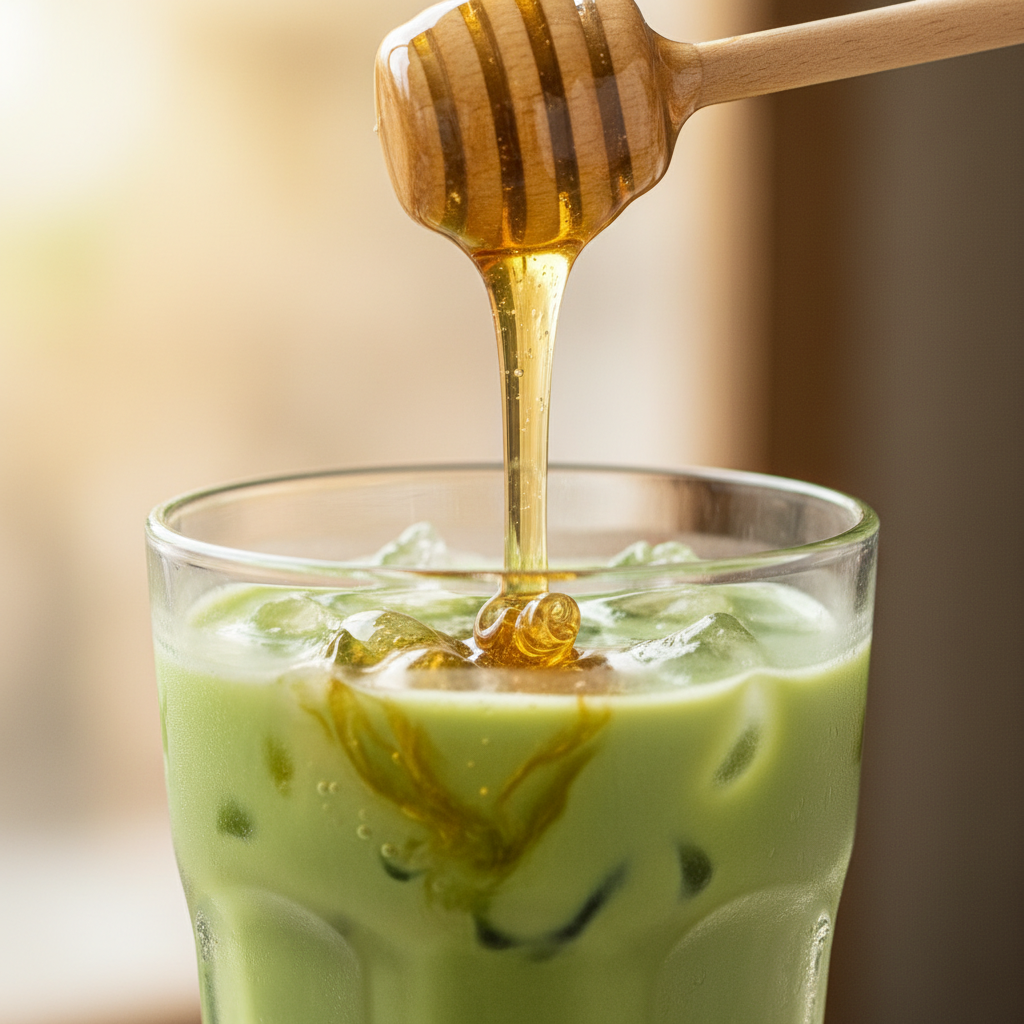
You can naturally sweeten a matcha iced latte using liquid alternatives like maple syrup, honey, or agave nectar to enhance the flavor without the health risks of white sugar. But here is the kicker: our grading guide explains why higher-quality teas actually require much less sweetener because they already possess a balanced, inherent sweetness derived from high L-theanine levels. Using natural syrups ensures that the sweetener dissolves evenly in a cold beverage without leaving a grainy residue that can distract from the smooth mouthfeel. Choosing a natural sweetener adds a layer of complex flavor notes, such as caramel or floral undertones, that standard refined sugar simply cannot provide. - Rich in minerals like manganese and zinc.
- Provides a deeper, more rounded sweetness.
- Lower glycemic index than refined sugar.
Does maple syrup pair well with green tea?
Maple syrup pairs exceptionally well because its caramelized, woody notes resonate with the deep umami of the stone-ground tea to create a highly sophisticated flavor profile. This combination is particularly effective for iced preparations as the syrup integrates instantly with cold milk, ensuring a balanced taste from the first sip to the last. You will find that a small amount of high-quality maple syrup provides a cleaner energy source than traditional sweeteners, aligning with a high-performance lifestyle focused on longevity. This pairing is often the secret ingredient in professional beverage programs designed to provide a luxury experience while maintaining a commitment to whole-food ingredients and natural processing.
Natural sweeteners offer a superior glycemic response compared to processed sugars, making them the preferred choice for professionals maintaining stable energy levels.
Key Takeaway: Liquid natural sweeteners provide a more integrated and sophisticated sweetness that complements the botanical complexity of premium green tea.
Why is whisking vital for a matcha iced latte?
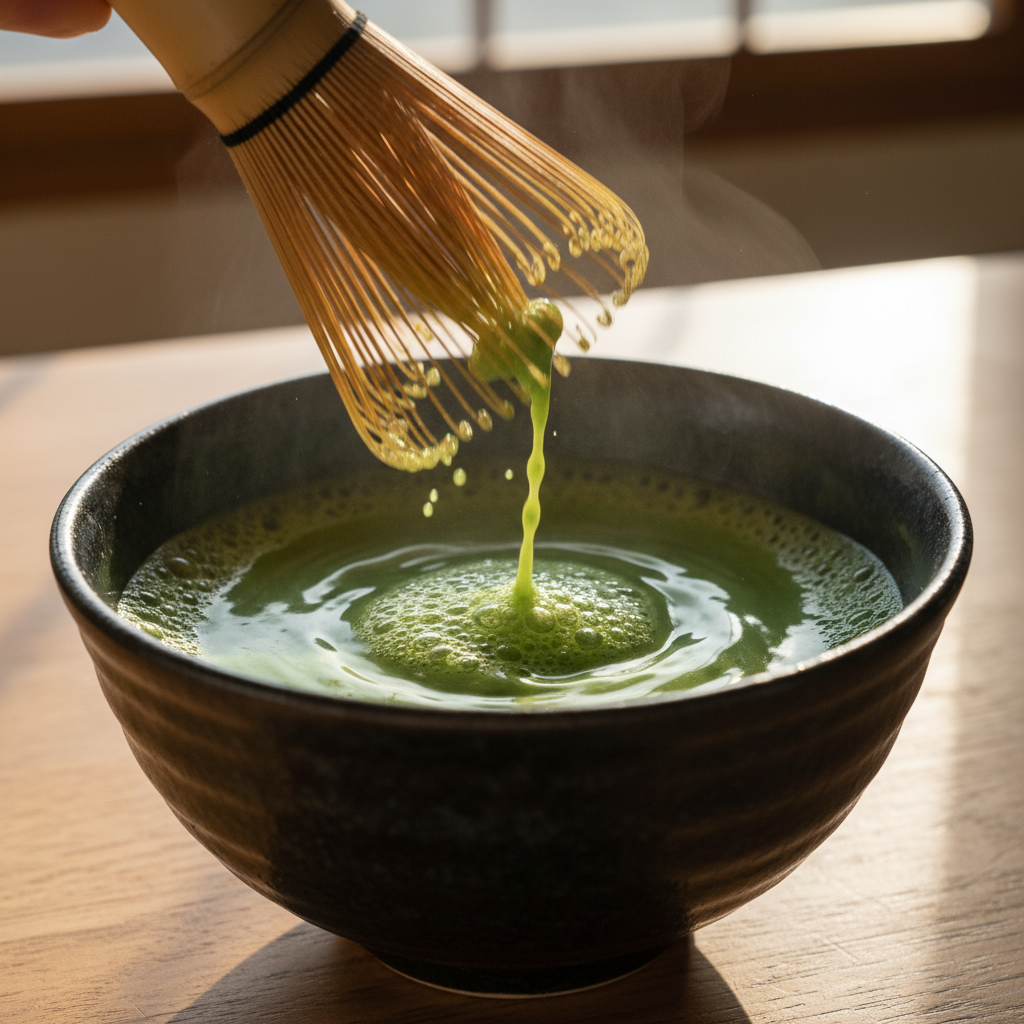
Whisking is vital for a matcha iced latte because it creates the necessary suspension of tea particles and produces a velvety micro-foam that enhances the aromatic experience. Without mechanical agitation, the tea will not fully integrate with the water and will eventually settle at the bottom of your glass, leading to an inconsistent and unappealing drink. This process also aerates the tea, which helps release its full botanical potential and softens the mouthfeel of the beverage for a more luxurious drinking sensation. The real story is… that the traditional whisking method is not just a ritual but a functional necessity for achieving the proper molecular dispersion of the non-soluble tea leaf particles.
- Eighty to one hundred tines for maximum aeration.
- Flexible bamboo that doesn’t scratch ceramic bowls.
- Traditional ritual that improves focus and mindfulness.
Is a bamboo whisk better than a frother?
A traditional bamboo whisk, or chasen, is superior because its many delicate tines are specifically designed to break up clumps and create micro-foam without adding a metallic taste. While an electric frother is convenient for a quick preparation in a busy office, it often produces larger bubbles that dissipate quickly and fail to provide the same level of creamy texture. You will find that using a bamboo whisk also provides a moment of mindfulness and focus, which can be a valuable mental reset during a high-pressure workday. The flexibility of the bamboo allows for vigorous whisking without damaging your bowl, ensuring that your equipment remains in top condition for years of daily use.
The mechanical action of the whisking process is essential for creating a stable suspension that delivers a consistent flavor profile and maximum nutrient absorption.
Key Takeaway: Traditional whisking with a bamboo chasen is the most effective way to achieve a professional micro-foam and a perfectly integrated beverage.
Should you chill a matcha iced latte base?
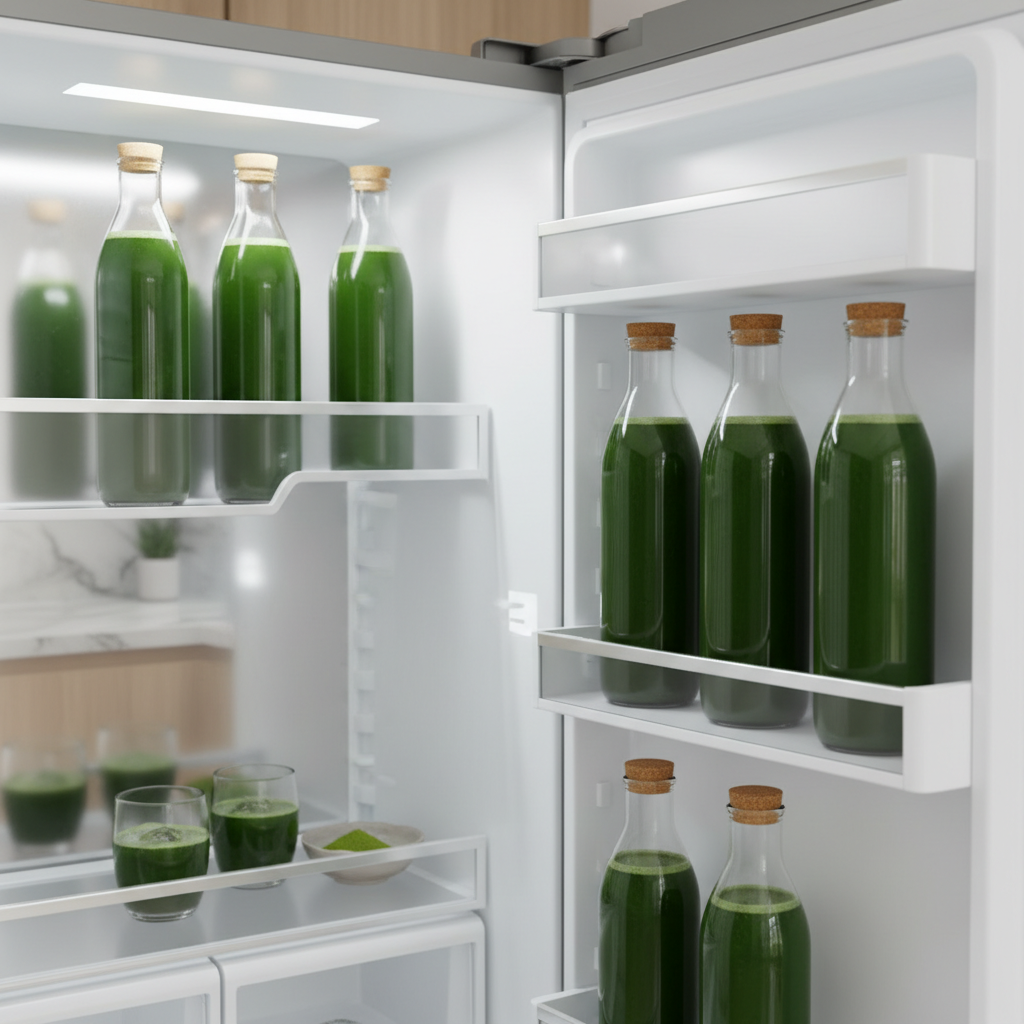
You should definitely chill your matcha iced latte base for a few minutes before pouring it over ice to prevent excessive dilution and maintain the drink’s flavor intensity. Pouring hot liquid directly onto ice cubes causes them to melt instantly, which thins out the texture and significantly reduces the impact of the premium tea you have carefully prepared. Ready for the good part? You should implement storage techniques that allow you to manage your prep time efficiently, perhaps by preparing a small concentrate earlier in the day if you have a back-to-back meeting schedule. Taking the time to cool the concentrate ensures that your final latte maintains its creamy mouthfeel and the beautiful, layered visual presentation often seen in high-end cafes. - Prevents immediate ice melt and drink dilution.
- Preserves the vibrant green color longer.
- Maintains the thick, creamy mouthfeel of the milk.
Will hot tea melt the ice too quickly?
Hot tea will melt the ice almost instantly, which ruins the calculated ratio of tea to milk and results in a watery beverage that fails to satisfy a sophisticated palate. This thermal shock also speeds up the oxidation of the tea, which can slightly alter the flavor profile toward the bitter side if the drink is left to sit for more than a few minutes. You must realize that the temperature difference between 175°F water and frozen ice is too extreme for a balanced iced drink without a cooling buffer in between. By allowing the base to cool to room temperature or briefly chilling it in the refrigerator, you preserve the structural integrity and the refreshing nature of the iced experience.
Proper thermal management is a hallmark of professional beverage preparation, ensuring that the final product remains refreshing and full-bodied until the very last drop.
Key Takeaway: Cooling the tea base is a critical step for maintaining the flavor concentration and preventing the dilution that ruins the experience of a premium latte.
What snacks pair with a matcha iced latte?
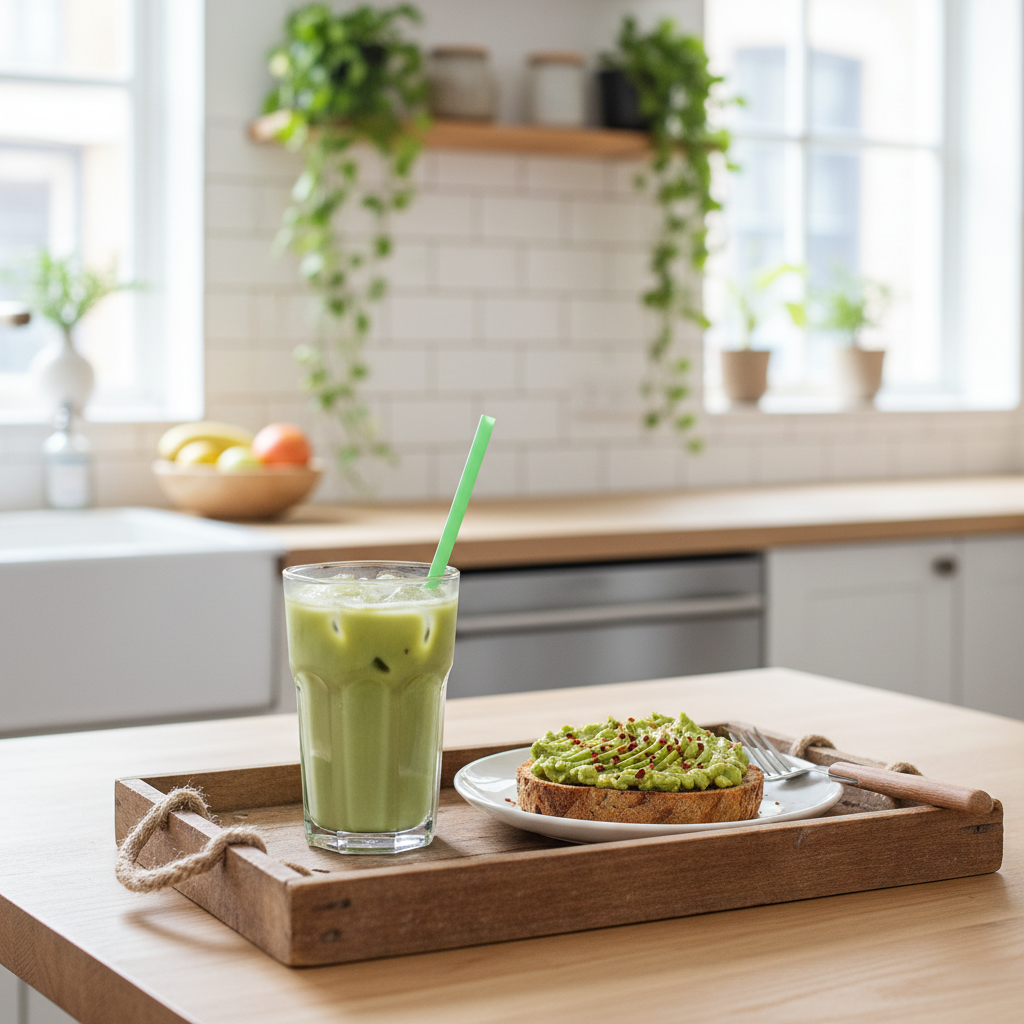
Choosing the right snacks for a matcha iced latte involves finding flavors that either complement the tea’s earthy umami or provide a bright, acidic contrast to the creamy milk. Savory items with healthy fats and sweet fruits both work exceptionally well to enhance the drinking experience and provide a balanced snack for long work sessions. The natural tannins in the tea act as a perfect palate cleanser, making it a versatile companion for various foods commonly found in a professional pantry or high-end catering menu. This is where it gets interesting… because the right pairing can actually enhance your body’s absorption of the tea’s beneficial antioxidants while providing sustained physical energy.
- Sea salt helps highlight the natural sweetness of the tea.
- Healthy fats coat the palate for a smoother sip.
- High-protein pairings provide long-lasting morning energy.
Do savory breakfast sandwiches work?
Savory items like avocado toast or egg sandwiches work beautifully because the umami in the tea resonates with the salty elements of the food to create a deeply satisfying meal. The healthy fats from the avocado or eggs help to mellow any slight astringency in the tea, creating a balanced palate that allows the floral notes of the powder to become more prominent. You will find that this combination is far more effective for sustained morning productivity than sugary pastries which lead to mid-morning insulin spikes and subsequent fatigue. This pairing strategy is an excellent way to maintain high energy levels during intense project sprints or while preparing for important business presentations.
Combining healthy fats with premium green tea creates a synergistic effect that supports both metabolic health and sustained cognitive performance throughout the day.
Key Takeaway: Healthy fats like avocado and high-protein savory items are the best pairings for maintaining a balanced and productive energy state.
How to store powder for a matcha iced latte?
You must store your powder for a matcha iced latte in an airtight, opaque container in a cool, dark place to maintain its freshness and nutritional potency over time. Exposure to light, heat, and oxygen are the primary enemies of high-quality tea, causing it to lose its color and flavor rapidly if not handled with professional care. But here is the kicker: proper storage ensures that your investment in ceremonial grade tea continues to provide the best possible results for several weeks after the initial opening of the container. You can visit our homepage to see the types of airtight packaging we use to ensure that every gram of tea arrives at your office in peak condition. - Chlorophyll browning and loss of visual appeal.
- Rapid degradation of L-theanine for focus.
- Development of a stale or hay-like aroma.
Does light exposure damage the green powder?
Light exposure causes photo-oxidation, which breaks down the chlorophyll and turns the vibrant green powder into a dull, brownish-gray dust that lacks any significant health benefits. This process also degrades the delicate amino acids and antioxidants that provide the focus benefits you need to excel in a high-stakes professional environment. You must ensure that you never leave your tea powder in a clear glass jar or on a sunny countertop where UV rays can penetrate the packaging and destroy the product’s value. Using a dedicated, light-blocking tin is the only way to guarantee that your tea remains as fresh and effective as the day it was stone-ground in Japan.
Protecting your tea from environmental degradation is essential for maintaining the high standards of quality and performance required in a professional wellness routine.
Key Takeaway: Storing tea in an opaque, airtight container within a cool environment is the only way to preserve the vibrant color and cognitive benefits of the powder.
Crafting the ultimate beverage requires a commitment to quality ingredients and precise preparation techniques that respect the delicate nature of the tea leaves. By choosing ceremonial grade powder, maintaining correct water temperatures, and using traditional whisking methods, you ensure a professional experience that supports your long-term health and productivity goals. This guide has provided you with the foundational knowledge to transform your daily energy routine and avoid the common pitfalls of low-quality alternatives that fail to deliver results. We invite you to contact us today if you have any questions about our professional sourcing or need further assistance in selecting the perfect grade for your corporate environment. Frequently Asked Questions
Can I make a matcha iced latte without a whisk?Yes. You can use a high-speed blender or shake the powder and water vigorously in a tightly sealed mason jar for one minute to achieve a similar level of particle integration.
What’s the best milk for a creamy texture?Oat milk. Most professionals prefer barista-edition oat milk because it provides a luxurious, thick mouthfeel and a neutral sweetness that perfectly complements the tea’s botanical notes.
How do I know if my powder is still fresh?Look for color. Fresh ceremonial powder will always be a vibrant, electric green, whereas older or oxidized powder will appear dull, yellowish, or brownish-gray and will have a stale aroma.
Can I use boiling water if I’m in a hurry?No. Boiling water will instantly scorch the delicate tea leaves and create an extremely bitter taste that ruins the flavor of even the highest-quality ceremonial grade product.
What’s the best way to prevent clumps in my drink?Sifting. Using a fine-mesh strainer to sift your powder before adding water is the only guaranteed way to ensure a smooth, clump-free beverage that meets professional standards.