
Many tea enthusiasts enjoy the health profile of green tea but find the grassy, vegetal flavor too astringent or the caffeine levels too disruptive for late-day consumption. Choosing between a bitter beverage that causes jitters and a bland drink that offers no nutritional value leaves a gap in your daily wellness routine. High-caffeine alternatives can lead to energy crashes and digestive discomfort, making it difficult to find a balanced, soothing ritual. Discovering the diverse genmaicha benefits offers the perfect middle ground. This “popcorn tea,” a blend of green tea and roasted brown rice, provides a nutty, toasted flavor profile and a wealth of antioxidants with significantly less caffeine, making it a versatile powerhouse for your health.
Genmaicha is a traditional Japanese tea blend consisting of high-quality green tea leaves—typically sencha—mixed with roasted brown rice kernels. Exploring the various genmaicha benefits starts with understanding this unique composition that balances earthy tea notes with a toasted, nutty aroma. Because the rice expands and occasionally pops during the roasting process, it is often affectionately referred to as “popcorn tea.”
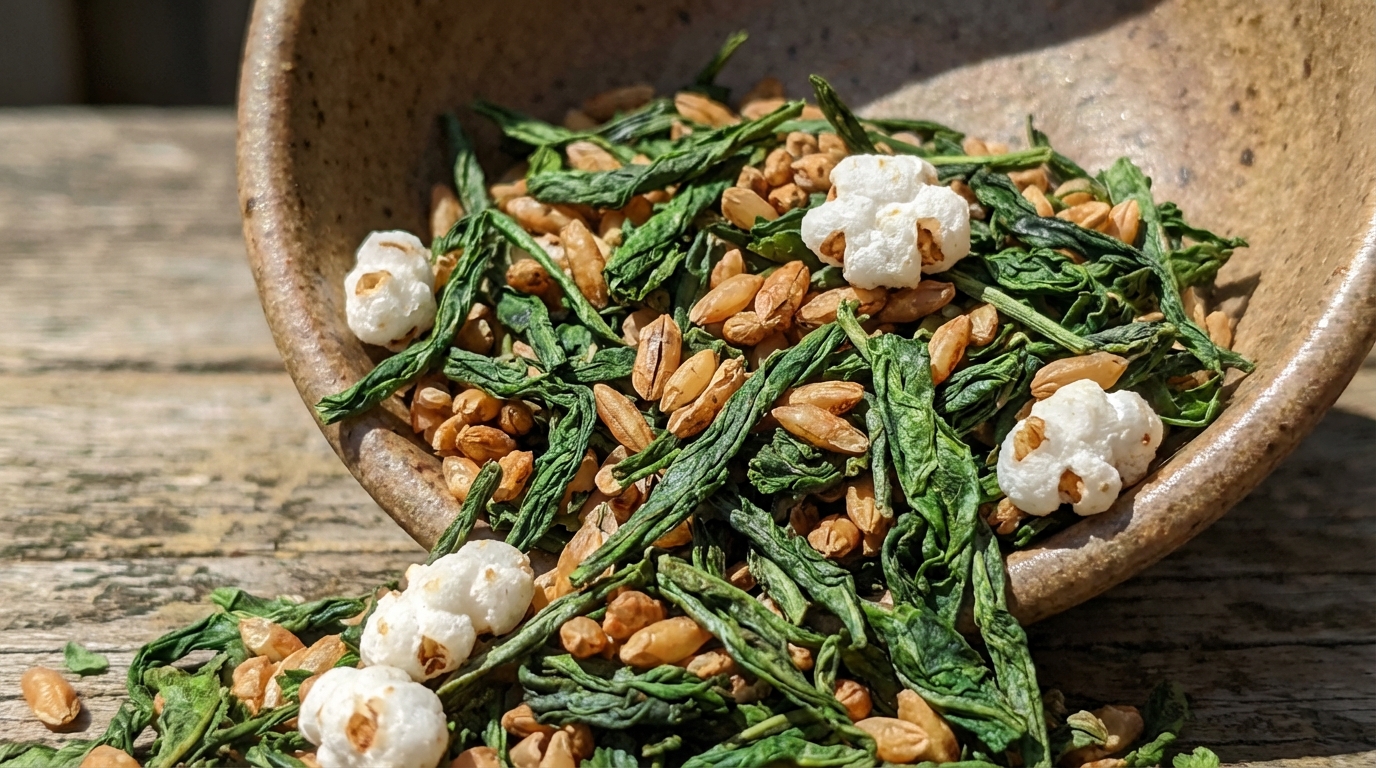
The unique blend of green tea and rice
The foundation of this tea is the specific ratio between the steamed sencha leaves and the toasted rice. Most premium blends utilize a one-to-one ratio to ensure neither flavor dominates the palate. You will find that the rice provides a warm, savory backbone that masks the natural bitterness found in pure green tea.
Think about this:
- Sencha base: Provides the polyphenols and vitamins.
- Roasted kernels: Add the distinct nutty flavor profile.
- Popped rice: Contributes to the visual “popcorn” aesthetic.
- Golden hue: Results in a clear, yellow-tinted liquor when brewed.
The history and origin of popcorn tea
Genmaicha originally served as a “people’s tea” in Japan, developed to make expensive tea leaves last longer by adding cheap rice. Over time, what was once a wartime economy measure became a cherished culinary tradition enjoyed by all social classes. It is now a staple in modern wellness circles for those seeking a more approachable green tea experience.
Here is the kicker:
- 1930s origins: It gained mainstream popularity in the early 20th century.
- Social evolution: Shifted from a budget drink to a gourmet specialty.
- Global reach: Now exported worldwide for its unique flavor.
- Cultural staple: Frequently served in Japanese restaurants as a palate cleanser.
Why the processing matters for flavor
The roasting of the rice is a delicate art that requires precise temperature control to achieve the desired aroma without burning the grains. If the rice is roasted too quickly, it loses its sweetness and becomes overly smoky. When processed correctly, the starch in the rice undergoes a Maillard reaction, creating complex flavor compounds that pair perfectly with the amino acids in the tea.
Consider these factors:
- Roasting time: Affects the depth of the “toasty” notes.
- Leaf quality: High-grade sencha ensures a smooth finish.
- Blending technique: Uniformity ensures every cup tastes consistent.
- Freshness: Proper sealing maintains the volatile aromatic oils.
Feature | Description |
|---|---|
Main Ingredients | Green tea leaves (Sencha) and roasted brown rice |
Common Name | “Popcorn Tea” due to occasional popped rice kernels |
Flavor Profile | Nutty, toasted, and earthy with mild grassy notes |
Aroma | Warm, roasted, and soothing |
Key Takeaway: Genmaicha is a historical Japanese blend of sencha and roasted rice that offers a savory, accessible flavor profile compared to standard green teas.
Can genmaicha improve your digestive health?
Genmaicha tea acts as a gentle stimulant for the digestive system, helping to move food efficiently through the gastrointestinal tract while reducing the sensation of heaviness after meals. The specific genmaicha benefits for your gut stem from the combination of active tea catechins and the soothing properties of toasted rice. It provides the metabolic boost of green tea without the aggressive laxative effects often associated with stronger brews.
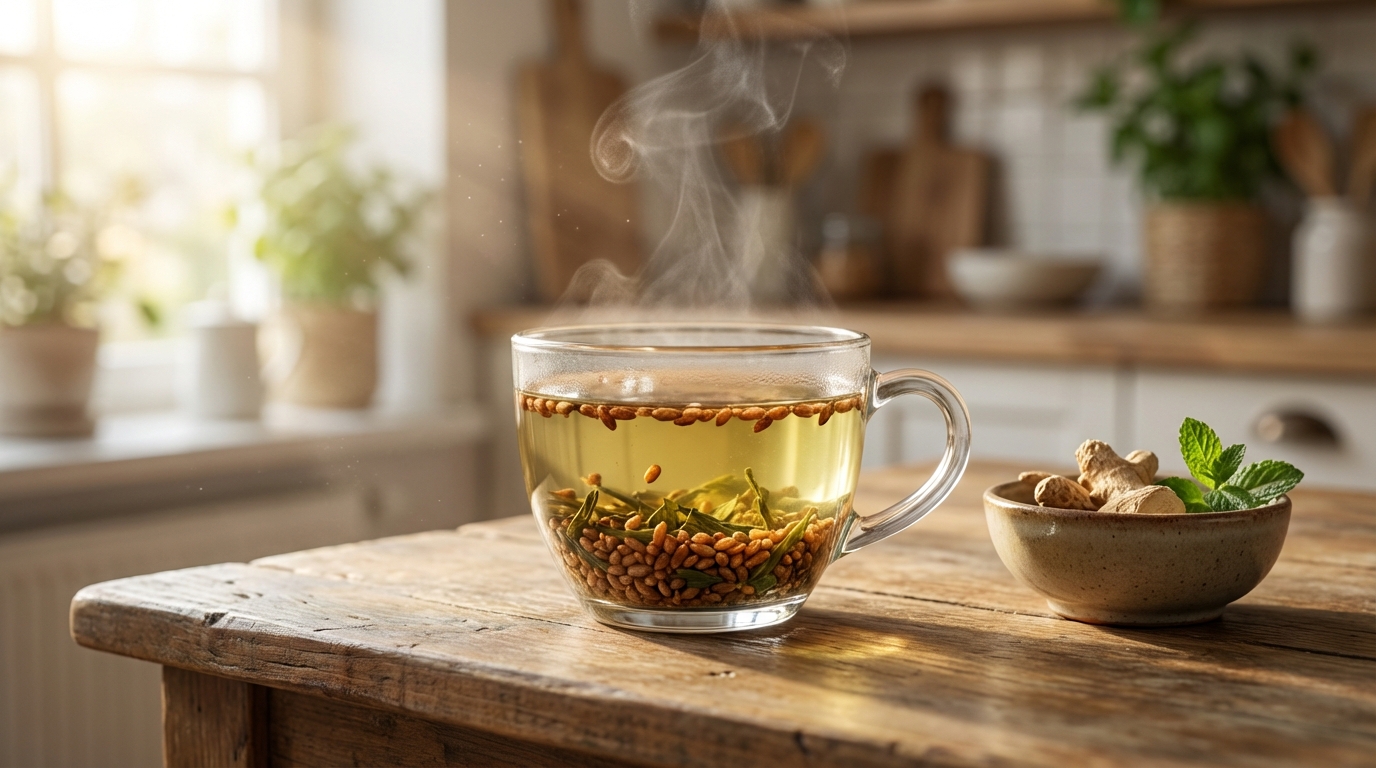
Natural stimulation without the harshness
Green tea naturally contains polyphenols that encourage the production of digestive enzymes, which are essential for breaking down complex macronutrients. Because genmaicha uses a lower concentration of tea leaves than pure matcha or sencha, the stimulation is much milder. This makes it an ideal choice for a post-lunch beverage to prevent that common afternoon slump.
Benefits include:
- Enzyme activation: Speeds up the breakdown of fats and proteins.
- Gentle motility: Encourages natural bowel movements.
- Reduced irritation: The rice buffers the astringency of the tea leaves.
- Metabolic support: Helps maintain a steady metabolic rate after eating.
Relieving bloating and discomfort
If you suffer from abdominal gas or pressure after eating, the toasted rice in genmaicha can provide significant relief. The starch in the roasted rice is thought to have a settling effect on the stomach lining, while the tea’s antioxidants reduce inflammation in the gut. Many people find that drinking a warm cup can dissipate the “bloated” feeling within minutes.
Key relief factors:
- Gas reduction: Helps break up air bubbles in the digestive tract.
- Anti-inflammatory: Soothes the lining of the intestines.
- Warmth: The temperature of the tea relaxes digestive muscles.
- Nausea suppression: The nutty aroma can help settle a queasy stomach.
Supporting a healthy gut microbiome
Recent studies suggest that the polyphenols in green tea can act as prebiotics, feeding the beneficial bacteria in your microbiome. A healthy gut is the foundation of overall immunity and mental clarity. By regularly consuming genmaicha, you are providing a consistent source of fuel for these “good” bacteria.
Why it works:
- Polyphenol content: Rich in EGCG which supports bacterial diversity.
- Lower acidity: Easier to consume daily than coffee or soda.
- Hydration: Provides essential fluids needed for fiber to work correctly.
- Consistency: Mild enough to be part of a daily wellness routine.
Digestive Benefit | Mechanism |
|---|---|
Bloating Relief | Reduces gas buildup in the intestinal tract |
Metabolic Support | Gently stimulates digestive enzymes |
Bowel Regularity | Provides mild stimulation without laxative intensity |
Key Takeaway: Genmaicha supports digestive wellness by providing a gentle metabolic boost and reducing post-meal bloating through its unique blend of tea and toasted rice.
Is the lower caffeine content beneficial?
Drinking genmaicha is highly beneficial for those who want to enjoy the health properties of green tea without the intense jitters or sleep disruption caused by high caffeine levels. Understanding the genmaicha benefits in this area is crucial for creating an all-day hydration plan. Since the tea leaves are “diluted” by the inclusion of roasted rice, a standard cup typically contains only about half the caffeine of a regular green tea.
Comparing genmaicha to standard green tea
Most pure Japanese green teas, like sencha or gyokuro, contain between 30mg and 50mg of caffeine per cup, which can be too much for sensitive individuals. In contrast, the genmaicha benefits include a much lower caffeine floor, often hovering between 10mg and 15mg. This reduction allows you to drink multiple cups throughout the day without exceeding your daily caffeine tolerance.
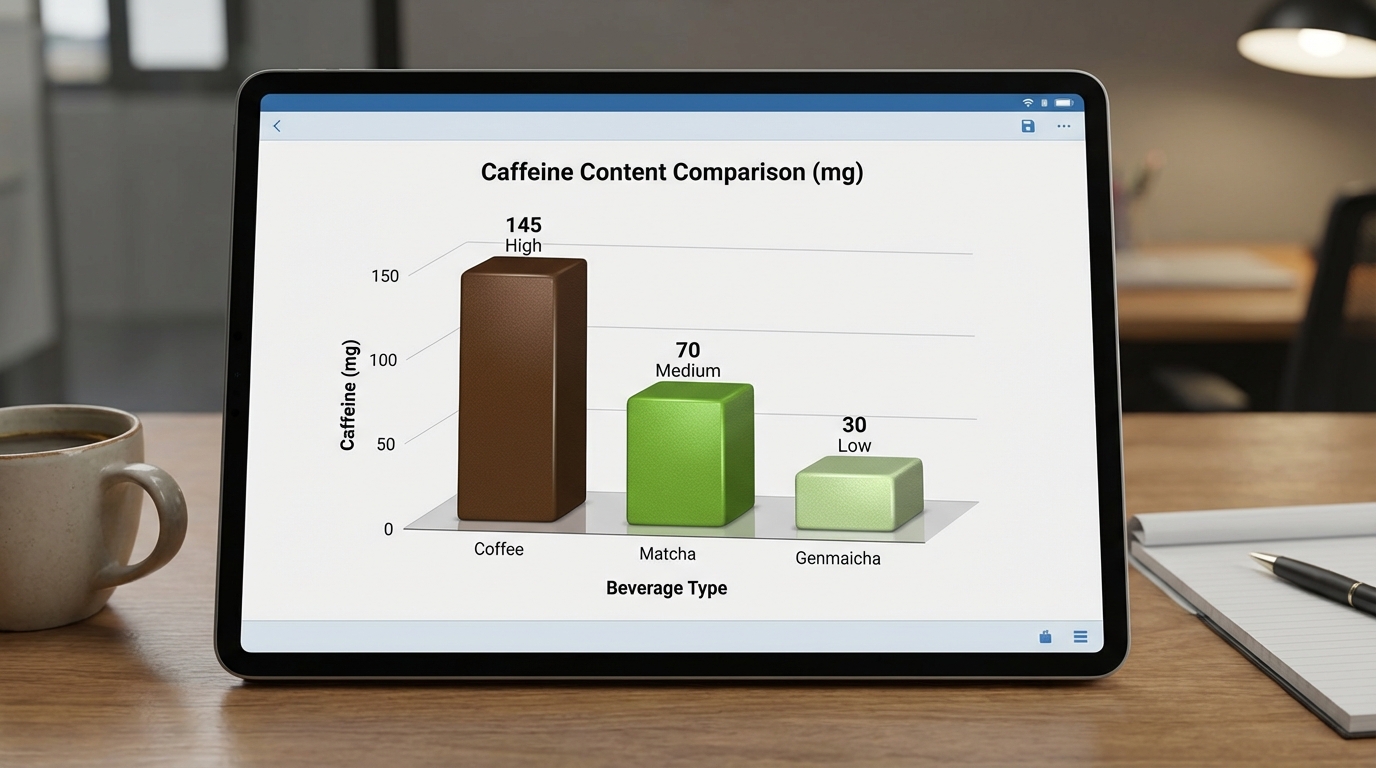
Caffeine metrics to note:
- Genmaicha: 10mg – 15mg per 8oz cup.
- Matcha: 70mg – 80mg per serving.
- Coffee: 95mg – 150mg per standard cup.
- Black Tea: 40mg – 70mg per cup.
Why it works as an evening beverage
Because the caffeine content is so low, many people find they can enjoy genmaicha well into the late afternoon or even after dinner. It provides a warm, comforting ritual that doesn’t interfere with the body’s natural production of melatonin. If you find yourself craving something savory in the evening, this tea is a perfect calorie-free solution.
Evening advantages:
- Sleep preservation: Less likely to cause insomnia than coffee.
- Anxiety reduction: Avoids the “caffeine crash” irritability.
- Savory satisfaction: The roasted flavor satisfies evening cravings.
- Gentle focus: Provides just enough alertness for evening reading or work.
Managing caffeine sensitivity
For those with high caffeine sensitivity, genmaicha serves as a bridge between herbal infusions and traditional caffeinated teas. It allows you to reap the rewards of green tea’s antioxidants without the rapid heart rate or digestive distress that high doses can trigger. It is the ultimate “middle ground” for the modern professional.
Consider these tips:
- Short steeps: Reduces caffeine extraction even further.
- Cooler water: Extract more flavor and less stimulant.
- Large volume: Drink more tea with less total caffeine intake.
- Daily habit: Maintains consistent antioxidant levels without the highs and lows.
Drink Type | Average Caffeine (per cup) | Suitability |
|---|---|---|
Pure Green Tea | 30mg – 50mg | Morning/Early Afternoon |
Genmaicha | 10mg – 15mg | All-day / Evening |
Black Tea | 40mg – 70mg | Morning |
Key Takeaway: With roughly 1/3 the caffeine of coffee, genmaicha is an ideal choice for caffeine-sensitive individuals and for those seeking a relaxing evening beverage.
How does it support relaxation and stress?
Genmaicha supports relaxation by delivering a significant dose of L-theanine, an amino acid that has been scientifically proven to reduce stress and promote mental clarity. The genmaicha benefits for your mental state are dual-action: the L-theanine works internally on brain chemistry, while the roasted aroma provides immediate sensory relief. It is the perfect beverage to help you transition from a high-stress workday to a calm evening.

The role of L-theanine in tea
L-theanine is an amino acid found almost exclusively in tea plants that promotes the production of alpha brain waves, which are associated with “alert relaxation.” This means you can feel calm without feeling drowsy or lethargic, a state often referred to as “monastic calm.” In genmaicha, the ratio of L-theanine to caffeine is particularly favorable for steady, balanced focus.
How L-theanine helps:
- Anxiety reduction: Lowers levels of cortisol in the bloodstream.
- Better sleep: Improves the quality of sleep by regulating brain activity.
- Cognitive boost: Enhances memory and attention span over time.
- Mood stabilization: Encourages the production of dopamine and serotonin.
Soothing aromas for mental clarity
The psychological impact of the roasted rice scent should not be underestimated in your wellness routine. Olfactory stimulation from the nutty, toasty notes of genmaicha can trigger a relaxation response in the nervous system. It acts as a form of “aromatherapy in a cup,” grounding your senses when you feel overwhelmed.
Sensory benefits:
- Grounding effect: The earthy smell helps stop racing thoughts.
- Sensory ritual: The act of brewing creates a mindful pause.
- Warmth: Holding the hot cup provides physical comfort.
- Pleasant distraction: Focuses the mind on the complex flavor profile.
Reducing physical tension
Stress often manifests as physical tightness in the neck, shoulders, and jaw, which a warm cup of tea can help alleviate. The combination of internal warmth and the anti-inflammatory properties of the tea’s catechins works to relax the body from the inside out. It is a simple, effective way to combat the physical toll of a sedentary desk job.
Physical impacts:
- Muscle relaxation: Warm fluid helps soothe tight muscles.
- Lower heart rate: The low caffeine prevents stress-induced tachycardia.
- Hydration: Prevents the headaches often caused by dehydration-induced stress.
- Blood flow: Supports healthy circulation throughout the body.
Stress Factor | Genmaicha Impact |
|---|---|
Anxiety | L-Theanine promotes relaxation without drowsiness |
Mental Fatigue | Provides a gentle focus boost |
Physical Tension | Warmth and aroma soothe the sensory system |
Key Takeaway: Genmaicha promotes a state of calm alertness through the synergistic effects of L-theanine and its grounding, roasted aroma.
Why is it good for sensitive stomachs?
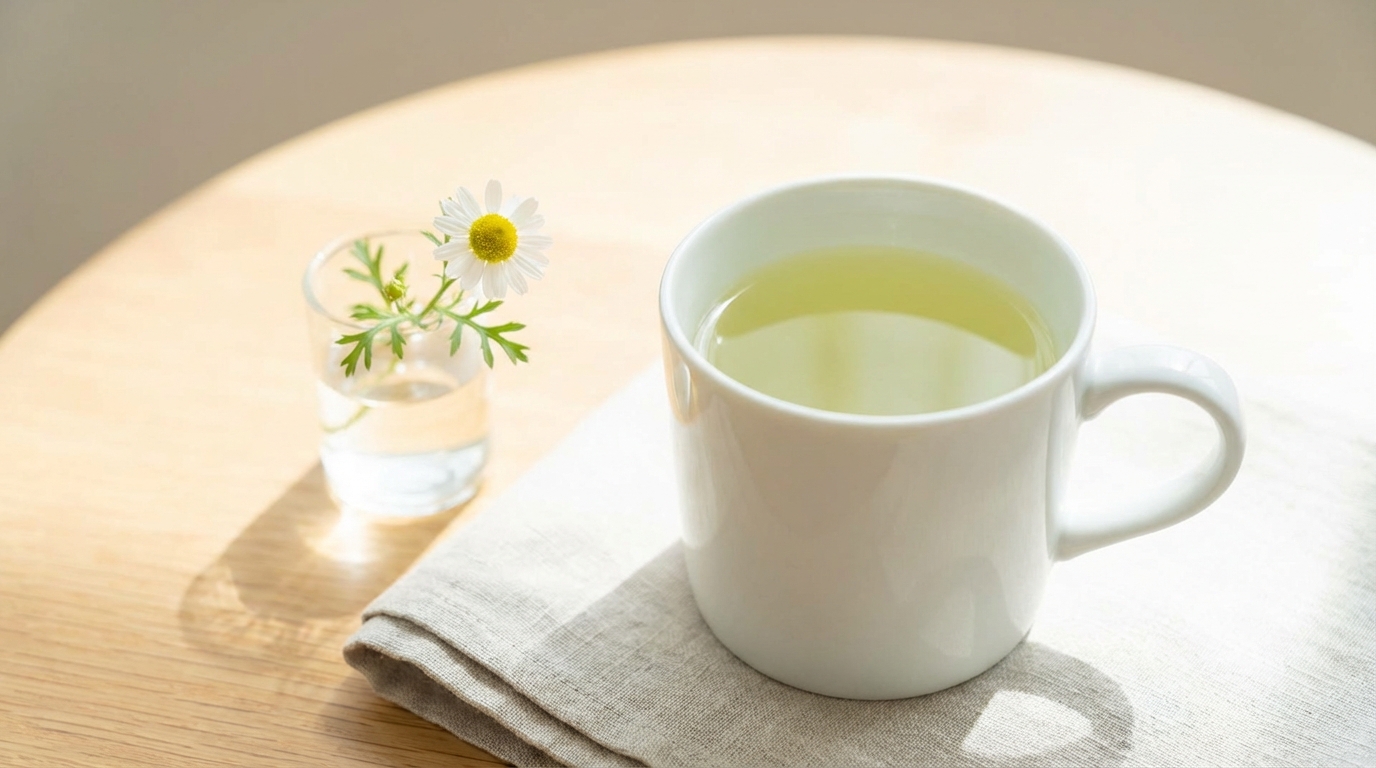
Genmaicha is exceptionally well-suited for sensitive stomachs because the roasted rice serves as a natural buffer, reducing the overall acidity and astringency of the tea leaves. One of the major genmaicha benefits is that it allows you to enjoy the advantages of green tea without the nausea or sharp stomach pains sometimes caused by pure sencha. This makes it an excellent choice for those who typically avoid tea on an empty stomach.
Lower acidity than other green teas
Many people find that pure green teas can feel “too harsh” or acidic, particularly in the morning when the stomach is empty. By blending the leaves with genmaicha benefits , the concentration of tannins—the compounds responsible for bitterness and stomach irritation—is significantly lowered. The alkaline nature of the rice helps neutralize any residual acidity.
Stomach-friendly features:
- Tannin reduction: Lower leaf count means less bitterness.
- pH balance: Toasted rice provides a more neutral profile.
- Mouthfeel: The tea feels “thicker” and smoother on the throat.
- Digestibility: The starch provides a very mild soothing effect.
Post-meal benefits for nausea relief
If you often feel slightly queasy or overly full after a heavy meal, a warm cup of genmaicha can act as a natural settler. The savory, toasted flavors are much easier to stomach than sweet or highly acidic drinks like fruit juice or coffee. It serves as a gentle “reset” for your digestive tract, clearing the palate and calming the stomach lining.
Relief highlights:
- Nausea suppression: The aroma and warmth settle the stomach.
- Palate cleanser: Removes lingering fats or oils from the mouth.
- Digestive aid: Encourages the stomach to empty more comfortably.
- Hydration: Replaces fluids lost during digestion.
Suitability for chronic sensitivity
For individuals with conditions like acid reflux or IBS, finding a flavorful beverage that doesn’t trigger a flare-up can be difficult. Genmaicha is frequently recommended by nutritionists as one of the safest “true” teas for these populations. It provides a complex drinking experience that feels substantial but remains incredibly gentle on the system.
Chronic support points:
- Non-irritant: Doesn’t trigger the same acid production as coffee.
- Gentle energy: Provides a lift without the digestive “jitters.”
- Low caffeine: Caffeine is a known trigger for many digestive issues.
- Consistency: Can be drunk daily without cumulative irritation.
Condition | Why Genmaicha Helps |
|---|---|
Nausea | Mild flavor and warmth settle the stomach lining |
Acid Sensitivity | Lower concentration of tea leaves reduces tannin impact |
Empty Stomach | More tolerable than pure green tea (though post-meal is best) |
Key Takeaway: Genmaicha is the most stomach-friendly green tea option, thanks to the buffering effect of roasted rice which reduces bitterness and acidity.
What antioxidants are found in genmaicha?
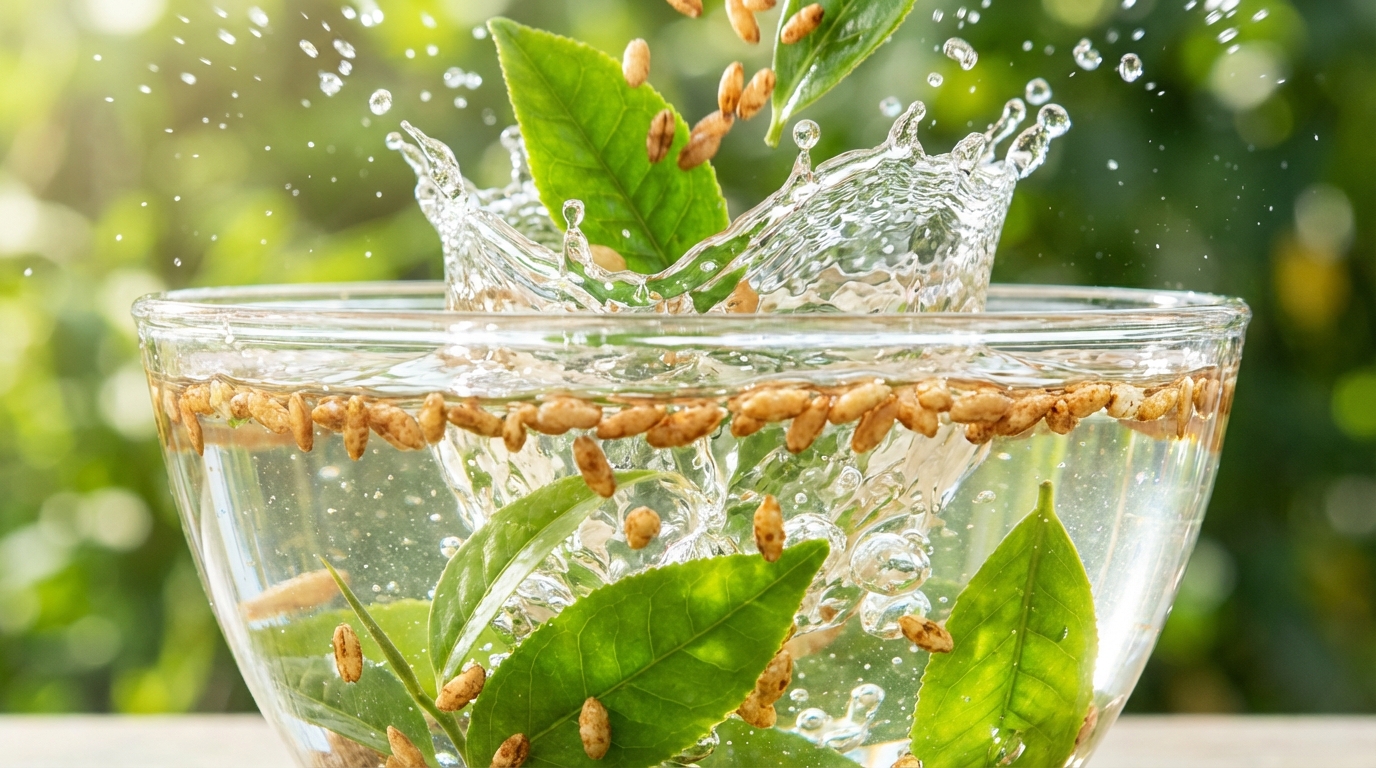
Genmaicha is packed with a wide array of antioxidants, including the powerful catechin EGCG (Epigallocatechin Gallate) and various polyphenols that protect your cells from oxidative stress. These genmaicha benefits are vital for long-term health, as they help neutralize free radicals that contribute to aging and chronic disease. Even though the tea is blended with rice, it remains a potent source of the most researched health compounds in the tea world.
High levels of EGCG and polyphenols
EGCG is the most significant catechin found in green tea, known for its ability to support cardiovascular health and boost the immune system. When you brew genmaicha, these antioxidants are released into the water, providing you with a bioavailable dose of protection. Regular consumption ensures a steady supply of these compounds to combat environmental toxins.
Antioxidant profile:
- EGCG: Supports cell health and metabolic function.
- Polyphenols: Act as the body’s internal defense system.
- Flavonoids: Help reduce systemic inflammation.
- Theanine: While an amino acid, it works alongside antioxidants for brain health.
Fighting free radicals and aging
Free radicals are unstable molecules that can damage cells, proteins, and DNA through a process called oxidation. You can think of antioxidants as “scavengers” that hunt down these free radicals before they can cause harm. By drinking genmaicha, you are essentially providing your body with a shield against the premature aging of your skin and internal organs.
Long-term protection:
- Cellular repair: Supports the body’s natural healing processes.
- Skin health: May help maintain elasticity and reduce UV damage.
- Neuroprotection: Protects brain cells from oxidative decline.
- Immune support: Strengthens the body’s response to pathogens.
Synergistic effects of rice and tea
While the green tea provides the majority of the polyphenols, the roasted brown rice contributes its own set of minerals and vitamins. Brown rice is a source of selenium and manganese, which are essential for various enzyme functions and thyroid health. This combination creates a “whole-food” tea experience that is nutritionally superior to many processed health drinks.
Nutritional synergy:
- Selenium: An essential mineral for immune function.
- Manganese: Supports bone health and metabolic processes.
- Vitamin B: Toasted rice provides trace amounts of B vitamins.
- Fiber: Though trace, the brewing process extracts some soluble nutrients.
Antioxidant Type | Primary Function |
|---|---|
EGCG | Powerful catechin that reduces inflammation |
Polyphenols | Protects cells from environmental damage |
Minerals | Supports overall cellular metabolism |
Key Takeaway: Genmaicha provides a robust dose of EGCG and polyphenols, offering significant cellular protection and anti-aging benefits with every cup.
Can genmaicha help with weight management?
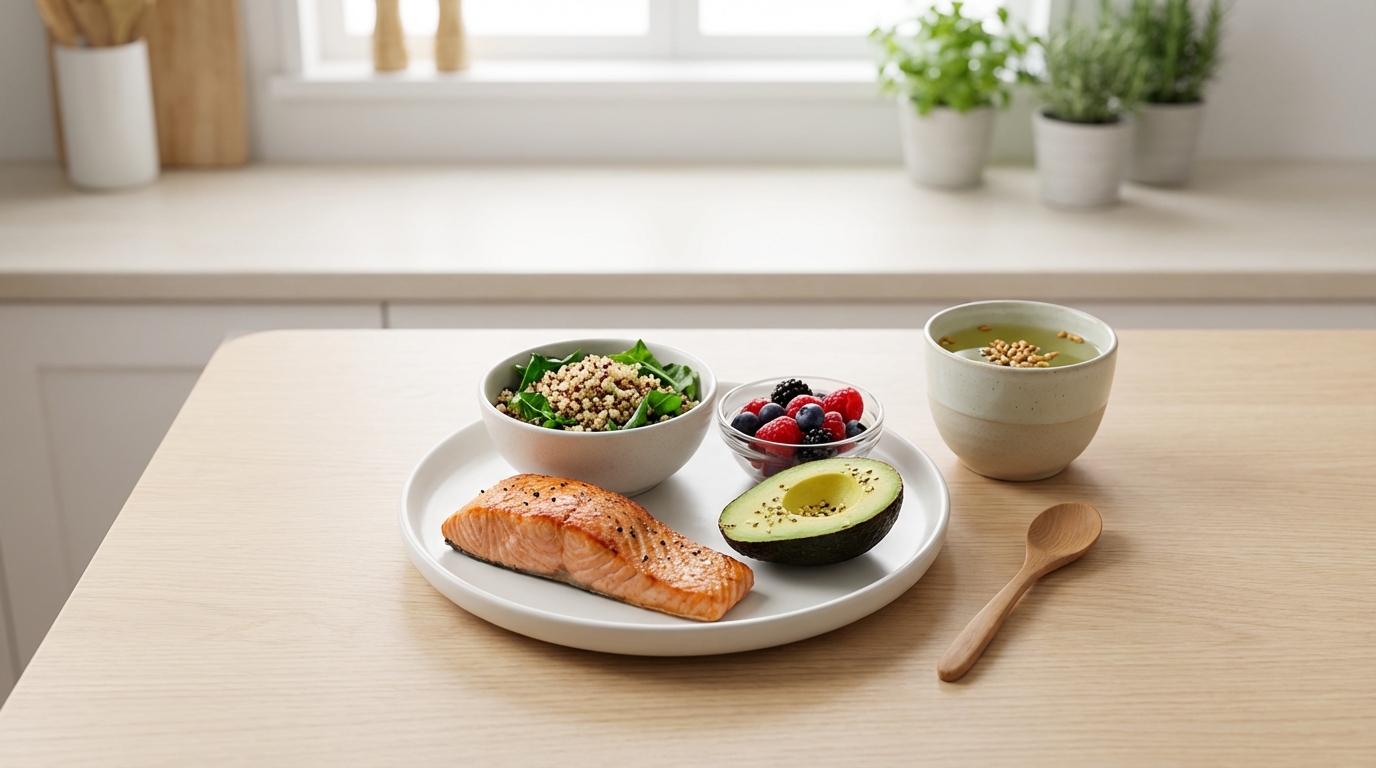
Genmaicha can be a powerful ally in your weight management journey by serving as a zero-calorie, satiating alternative to sugary beverages and idle snacking. The genmaicha benefits in this area are largely due to the “fullness” provided by the roasted aroma and the metabolism-boosting properties of the green tea base. It allows you to stay hydrated and satisfied throughout the day without adding to your daily caloric intake.
A calorie-free alternative to soda
One of the easiest ways to manage weight is to replace high-calorie drinks with genmaicha benefits . Soda, sweetened coffees, and energy drinks can easily add 500 calories or more to your day. Genmaicha, when consumed without added sugar or milk, contains virtually zero calories while providing a far more complex and interesting flavor profile.
Caloric comparisons:
- Genmaicha: 0 – 2 calories.
- Cola: 140 calories per can.
- Latte: 150 – 250 calories.
- Fruit Juice: 110 calories per glass.
Curbing hunger with nutty flavors
The savory “umami” and roasted notes of genmaicha are surprisingly satiating, helping to reduce cravings for salty or savory snacks. Many people find that drinking a cup between meals makes them feel “fuller” for longer. This psychological satisfaction is a key component of successful long-term weight maintenance.
Hunger management:
- Satiety: The “toasted” aroma tricks the brain into feeling satisfied.
- Idle snacking: Keeps the mouth busy during bored moments.
- Crave control: Replaces the urge for high-calorie savory snacks.
- Hydration: Often, thirst is mistaken for hunger; tea solves both.
Boosting metabolic rate
Green tea contains catechins and a small amount of caffeine that work together to slightly increase your basal metabolic rate (BMR). This thermogenic effect means your body burns a few more calories at rest than it would otherwise. While not a magic bullet, when combined with a healthy diet, these small boosts can lead to significant results over time.
Metabolic factors:
- Thermogenesis: Increases heat production in the body.
- Fat oxidation: Encourages the body to use fat as a fuel source.
- Steady energy: Prevents the insulin spikes that cause fat storage.
- Digestive efficiency: Helps you process food more effectively.
Feature | Weight Management Support |
|---|---|
Calorie Count | Approximately 0-2 calories per cup |
Satiety | Roasted flavor provides a feeling of fullness |
Hydration | High water content supports metabolic function |
Key Takeaway: Genmaicha supports weight loss goals by acting as a calorie-free hunger suppressant that also provides a gentle metabolic boost.
Is it a safe choice for all age groups?
Genmaicha is considered one of the safest and most accessible teas for all age groups, from young children to the elderly, due to its mild flavor and low caffeine content. The genmaicha benefits for seniors are particularly notable, as the tea’s anti-inflammatory properties can help manage age-related joint issues. It is a gentle, health-conscious choice that can be enjoyed by the whole family without concern for over-stimulation.

Gentle enough for children and seniors
Unlike coffee or high-grade matcha, the caffeine levels in genmaicha are low enough that most parents feel comfortable sharing a cup with their children. It serves as a fantastic introduction to the world of tea, teaching kids to appreciate natural, unsweetened flavors. For the elderly, it provides hydration and antioxidants without causing the sleep disturbances or heart palpitations that stronger stimulants might trigger.
Age-related advantages:
- Child-friendly: A healthy alternative to sugary juices or sodas.
- Senior-safe: Low impact on heart rate and blood pressure.
- Easy brewing: Simple to prepare for those with limited mobility.
- Palatable: The nutty flavor is widely liked by all age demographics.
Reducing inflammation in elderly joints
Chronic inflammation is a leading cause of joint pain and arthritis in older populations. The catechins in green tea have been shown to inhibit the enzymes that break down cartilage, potentially slowing the progression of joint issues. Regular consumption of genmaicha offers a gentle, natural way to support physical comfort as the body ages.
Inflammation support:
- Cartilage protection: Helps maintain joint integrity.
- Pain reduction: Lowers systemic inflammatory markers.
- Mobility support: Encourages movement through reduced stiffness.
- Safe adjunct: Can be used alongside most traditional medications.
Supporting cognitive health in aging
Maintaining mental sharpness is a priority for many seniors, and the L-theanine in genmaicha provides essential neuroprotective benefits. Studies suggest that regular tea drinkers have a lower risk of cognitive decline and better memory retention. It is a simple, enjoyable habit that pays dividends for brain health in the long run.
Brain health points:
- Neuroprotection: Protects neurons from oxidative damage.
- Memory support: Enhances focus and information processing.
- Mood elevation: Helps combat age-related depression or anxiety.
- Social ritual: Sharing tea promotes essential social connection.
Age Group | Key Benefit |
|---|---|
Children | Low caffeine levels for a gentle introduction to tea |
Adults | All-day hydration and stress management |
Seniors | Anti-inflammatory support for joint health |
Key Takeaway: Genmaicha is a versatile, family-friendly beverage that offers specific anti-inflammatory and cognitive benefits for seniors while remaining safe for children.
What are the heart health benefits?
Genmaicha supports cardiovascular health by helping to manage cholesterol levels and reducing systemic inflammation that can damage heart tissue. These genmaicha benefits are primarily driven by the catechins, which have been shown to inhibit the absorption of dietary cholesterol in the gut. By making this tea a regular part of your routine, you are taking a proactive step toward protecting your heart for the future.

Managing cholesterol levels naturally
High levels of LDL (bad) cholesterol are a major risk factor for heart disease and stroke. The antioxidants in genmaicha benefits work by blocking the enzyme responsible for cholesterol production and increasing the excretion of cholesterol through the digestive system. This dual-action approach helps keep your arteries clear and your blood flowing smoothly.
Cholesterol impacts:
- LDL reduction: Lowers the “bad” cholesterol that clogs arteries.
- HDL support: May help maintain healthy “good” cholesterol levels.
- Plaque prevention: Reduces the oxidation of cholesterol in the blood.
- Natural alternative: A safe way to support heart health daily.
Supporting long-term cardiovascular health
Beyond cholesterol, genmaicha helps improve the function of the endothelium—the inner lining of your blood vessels. When your blood vessels are healthy and flexible, they can better regulate blood pressure and respond to changes in flow. This reduced strain on the cardiovascular system is a critical component of a long, healthy life.
Long-term heart perks:
- Blood pressure: Supports healthy, stable pressure levels.
- Vascular flexibility: Keeps arteries from becoming stiff.
- Clot prevention: May help reduce the risk of abnormal blood clotting.
- Stroke risk: Regular tea consumption is linked to lower stroke incidence.
Reducing heart-related inflammation
Inflammation is now recognized as a primary driver of heart disease, as it can cause arterial plaques to become unstable and rupture. The polyphenols in genmaicha act as powerful anti-inflammatories, calming the body’s immune response and protecting the delicate tissues of the heart. It is one of the most delicious ways to lower your systemic inflammation markers.
Anti-inflammatory focus:
- Artery protection: Reduces inflammation in the vessel walls.
- Heart muscle support: Protects cardiac cells from oxidative stress.
- Overall health: Lowers C-reactive protein (a marker of inflammation).
- Synergy: Works with a heart-healthy diet for maximum effect.
Heart Metric | Potential Impact |
|---|---|
LDL Cholesterol | May help reduce levels with regular intake |
Blood Pressure | Supports healthy vascular function |
Inflammation | Lowers systemic inflammation affecting the heart |
Key Takeaway: Genmaicha is a heart-healthy beverage that manages cholesterol levels and supports vascular function through its rich antioxidant content.
How do you brew the perfect cup?
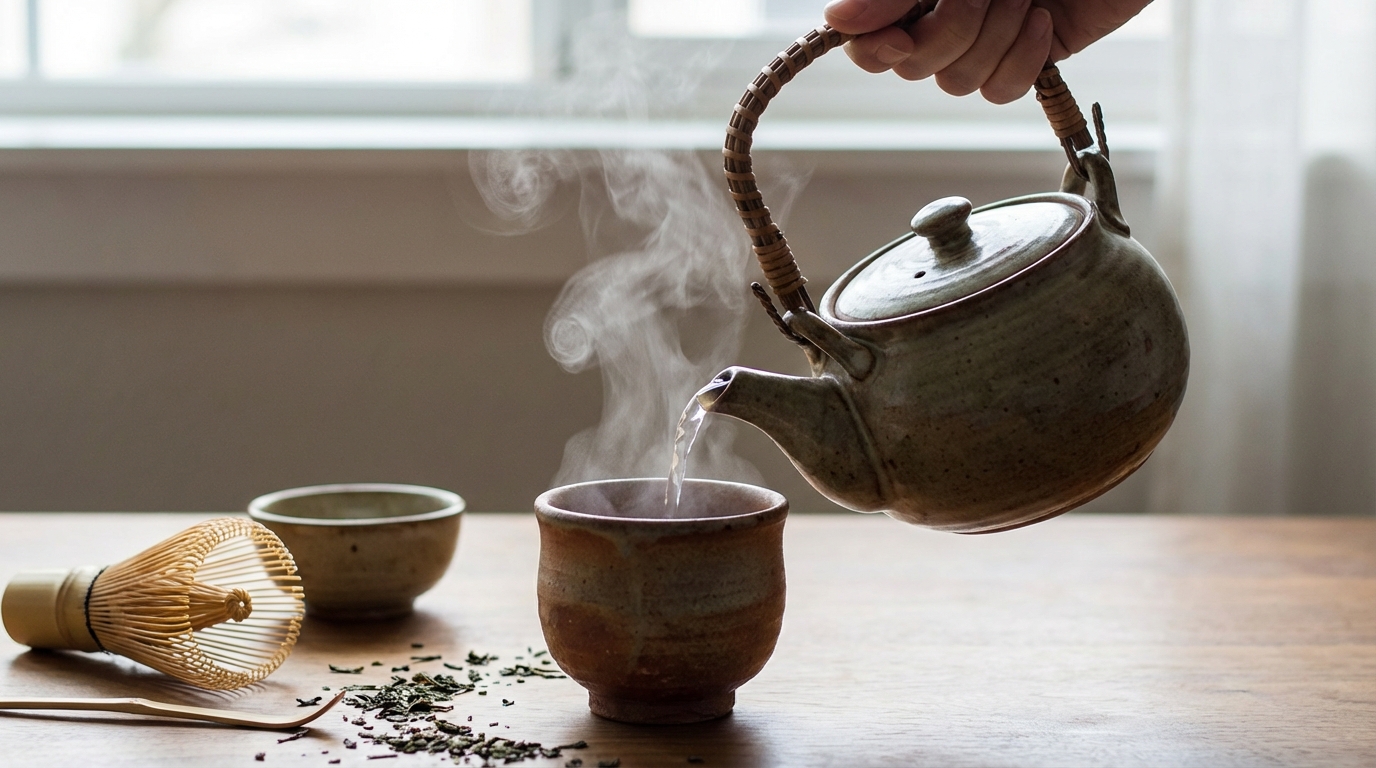
Brewing the perfect cup of genmaicha requires careful attention to water temperature and steeping time to ensure you extract the best genmaicha benefits and flavor. Unlike black tea, which requires boiling water, genmaicha is best prepared with water that has cooled slightly to avoid scalding the delicate green tea leaves. This ensures that the final brew is sweet and nutty rather than bitter and astringent.
Traditional hot steeping methods
For a standard hot brew, use approximately one teaspoon (3-5 grams) of genmaicha benefits per cup of water. Heat your water to 80°C (175°F)—if you don’t have a thermometer, simply let boiling water sit for two minutes before pouring. Steep the leaves for only 60 to 90 seconds to capture the vibrant color and the full spectrum of toasted notes.
Step-by-step hot brew:
- Measure: Use 1 teaspoon of leaves per 8oz of water.
- Temperature: Water should be 80°C (175°F).
- Steep: Leave for 60 – 90 seconds.
- Strain: Remove leaves immediately to prevent bitterness.
Refreshing iced genmaicha techniques
Genmaicha makes an incredible iced tea, offering a refreshing and savory alternative to sweet iced drinks. You can either brew it hot and pour it over ice, or use a “cold brew” method by placing the leaves in cold water and refrigerating for at least three hours. The cold brew method results in an even smoother, sweeter flavor with almost zero bitterness.
Iced tea options:
- Flash chill: Brew hot (concentrated) and pour over a full glass of ice.
- Cold brew: 1 tablespoon per quart of water, steep in fridge overnight.
- Garnish: Add a sprig of mint or a slice of lemon for brightness.
- Sweetener: Use a touch of honey if you prefer a sweeter profile.
Using genmaicha powder for lattes
If you have genmaicha in powder form, you can create a rich, comforting tea latte that rivals any coffee shop offering. Whisk the powder with a small amount of hot water to create a smooth paste, then top with frothed milk of your choice. The nutty, roasted flavor of the tea pairs exceptionally well with oat milk or almond milk.
Latte instructions:
- Paste: Whisk 1 teaspoon of powder with 2oz hot water.
- Froth: Heat and froth 6oz of your favorite milk.
- Combine: Pour the milk over the tea paste.
- Enjoy: Dust with a little extra powder for a professional finish.
Method | Temperature | Steeping Time |
|---|---|---|
Hot Brew | 80°C (175°F) | 60 – 90 Seconds |
Cold Brew | Ice-cold water | 3+ Hours (Refrigerated) |
Milk Tea | 80°C (175°F) | Whisk powder into paste, then add milk |
Key Takeaway: Proper brewing at 80°C (175°F) for 60-90 seconds is the secret to unlocking the sweet, nutty flavor of genmaicha without any bitterness.
Frequently Asked Questions (FAQ)
- Does genmaicha taste like coffee because it is roasted?While it has a toasted, nutty aroma similar to some coffee roasts, it maintains the light, refreshing body of green tea without the heavy bitterness or acidity of coffee.
- Can I drink genmaicha before bed?Yes, for most people. Its caffeine content is very low (about 1/3 of a standard green tea), though caffeine-sensitive individuals should monitor their personal response.
- Is there sugar in the roasted rice?No, the roasting process brings out the natural starches and sweet flavors of the rice, but the tea itself remains entirely sugar-free and calorie-free.
- Does genmaicha contain gluten?While rice is naturally gluten-free, those with severe celiac disease should always ensure their tea is processed in a dedicated gluten-free facility to avoid cross-contamination.
- How many times can I re-steep the leaves?High-quality genmaicha leaves can typically be re-steeped 2 to 3 times, with the nutty flavor becoming more dominant in the second and third infusions.
To discover the highest quality Japanese tea and elevate your daily wellness ritual, contact us today for expert guidance and premium selections.