

In the global food, beverage, and nutraceutical industries, matcha has transitioned from a specialty niche item into a massive mainstream ingredient. It is highly valued for its vibrant color, unique flavor profile, and functional health benefits. As a product developer, quality assurance manager, or procurement officer for a café chain, consumer packaged goods (CPG) brand, or wholesale import company, you face a challenging procurement landscape.
Unlike standard agricultural commodities that are traded on public exchanges with strictly standardized, transparent pricing, the global wholesale green tea market operates on highly subjective grade definitions, complex agricultural supply chains, and volatile pricing models. This lack of standardization introduces significant operational and financial risks when purchasing matcha in bulk container loads.
The True Cost of Poor Procurement
The financial consequences of a failed matcha procurement cycle can be devastating to a brand’s bottom line and market reputation. If an imported shipment of bulk matcha fails to meet physical, sensory, or chemical standards, the damage is rarely limited to the direct cost of the raw material. The negative consequences ripple through the entire business:
- Manufacturing Downtime: Industrial manufacturing runs are tightly scheduled. A batch of matcha that arrives with high moisture content, poor solubility, or microbiological contamination can shut down processing lines, leading to expensive factory idle-time fees and missed retail delivery windows.
- Rapid Product Degradation: Matcha is exceptionally sensitive to environmental factors. An improperly processed or poorly packaged batch can oxidize within weeks of arrival, turning your finished products from an attractive, bright green to an unappealing, brownish-khaki color. This leads to immediate customer returns and tarnished brand equity.
- Regulatory Rejections and Recalls: If a batch of bulk matcha exceeds regional maximum residue limits (MRLs) for pesticides or heavy metals, it can be seized at the port of entry by customs and agricultural authorities. Even worse, if contaminated products reach retail shelves, the resulting recall can cost millions of dollars and cause irreparable damage to your brand.
Moving Beyond the “Golden Sample” Illusion
Many bulk procurement failures trace back to a single mistake: relying too heavily on a supplier’s “golden sample.” This refers to a small, pristine, hand-picked sample sent during the initial sales process that does not represent the actual quality of the commercial-scale batches the supplier can produce.
To eliminate this vulnerability, your procurement team must transition from a passive buying approach to an active, science-based, and audit-driven evaluation process.
A critical step in this risk-mitigation framework is partnering with a transparent, direct-from-origin manufacturer. Relying on a premier global wholesale partner like Riching Matcha in providing reliable pre-shipment samples helps ensure that the initial evaluation samples perfectly match the final container-load shipments.
Establishing a standardized, repeatable in-house testing protocol allows you to systematically verify every sample against strict quality, flavor, and compliance benchmarks before committing capital to a purchase.
2: Understanding Matcha Grading: Commercial Reality vs. Marketing Terms
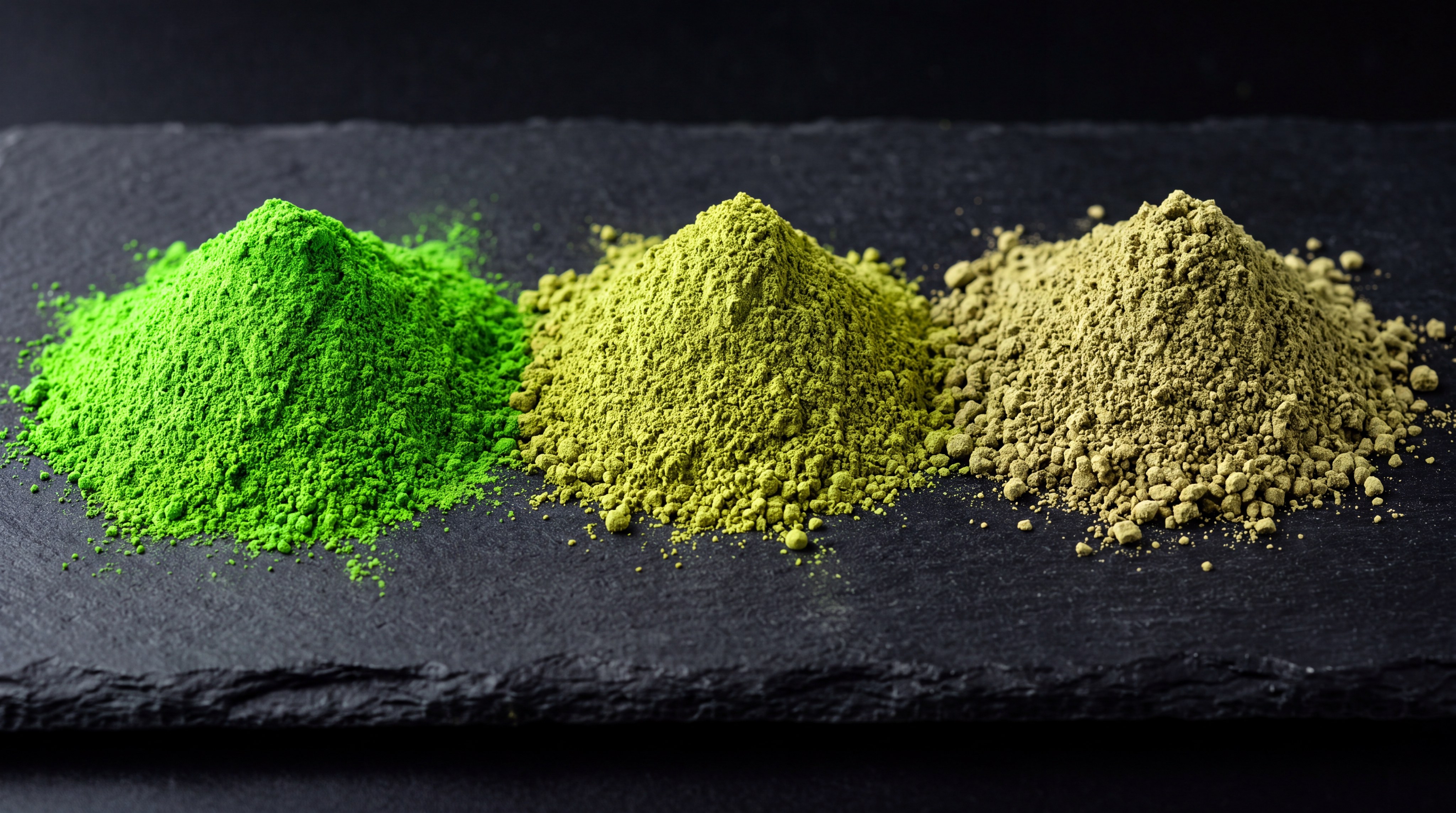
The wholesale matcha market is flooded with subjective, non-standardized terms such as “Ultra-Premium,” “Super-Ceremonial,” “Imperial Grade,” and “Barista Blend.” These terms are created by marketing departments and carry no legal or scientific weight.
To make smart purchasing decisions, a procurement officer must look past these subjective labels and evaluate the real, objective agricultural and processing factors that determine a matcha sample’s true grade and market value.
The Agricultural and Processing Hierarchy
The ultimate quality, flavor profile, color, and cost of a matcha sample are determined by three main variables: the harvest season, the position of the leaf on the Camellia sinensis plant, and the milling technology used to grind the dried leaves (tencha) into a fine powder.
- Harvest Season (Flush):
- First Flush (Spring Harvest): Occurring from late April to May, this harvest yields the highest quality matcha. After a long winter dormancy, the tea plants are packed with stored nutrients, amino acids (specifically L-theanine), and minerals. First-flush leaves produce a bright green powder with an intense savory-sweet umami flavor and very low bitterness.
- Second Flush (Summer Harvest): Harvested in June or July, these leaves grow under stronger sunlight and warmer temperatures. They contain fewer amino acids and more catechins, resulting in a more astringent, bitter flavor and a slightly more yellow-green hue.
- Third and Fourth Flush (Late Summer/Autumn Harvest): Harvested from August through October, these older, sun-drenched leaves are low in nutrients and high in fiber. They yield a dull green or khaki-colored powder with a flat, astringent flavor profile.
- Leaf Selection and Plantation Shading:
- Before harvest, the tea fields must be shaded (using straw mats or black synthetic nets) for 21 to 30+ days. This shading blocks 90% to 98% of direct sunlight, forcing the plants to produce massive amounts of chlorophyll and L-theanine to survive.
- Premium ceremonial grades use only the tender, young top buds and the first two leaves of first-flush plants, which are hand-picked or gently machine-harvested.
- Lower culinary grades are made from leaves lower on the stem, which receive less benefit from the shading process and have higher fibrous content.
- Milling Technologies:
- Granite Stone Grinding: The traditional method for high-grade ceremonial matcha. Granite stone mills turn very slowly (about 30 to 45 RPM) to prevent heat buildup. It takes one hour to grind just 30 to 40 grams of powder. This slow process preserves volatile aromatic oils, prevents oxidation, and produces round, ultra-fine particles (5 to 10 microns) that feel incredibly silky.
- Ball Milling & Jet Milling: These modern, high-speed industrial grinding methods use ceramic balls or high-velocity air streams to pulverize tencha leaves. While highly efficient for large-scale production, these methods generate heat that can slightly oxidize the powder if not carefully water-cooled. They are primarily used for high-volume beverage and culinary-grade production.
Matching Grade to Application
Using an expensive, delicate ceremonial matcha for industrial baking or dairy blending is an inefficient use of budget, as the subtle sweet notes will be completely masked by fats and sugars. Conversely, using a bitter, astringent culinary grade for a pure drinking tea will disappoint consumers.
Procurement officers must align their chosen matcha grade with the specific requirements of their final product. For example, utilizing high-purity culinary matcha powder for dairy, RTD beverages, and industrial baking delivers a strong, distinctive green tea flavor that easily cuts through other ingredients, while keeping your formulation costs highly competitive.
Evaluation Parameter | Ceremonial Grade (Super-Premium) | Premium Grade (Beverage / Café) | Culinary Grade (Ingredient / Industrial) |
|---|---|---|---|
Harvest Season | First Flush (Early Spring) | First & Second Flush (Late Spring) | Third Flush / Autumn |
Leaf Selection | Top young leaves (bud & first two leaves) | Middle leaves | Lower, older leaves |
Shading Duration | 25 to 30+ days (90% straw/black nets) | 21 days | 14 to 21 days |
Milling Method | Slow granite stone-ground | Ball-mill or air-flow jet mill | High-speed industrial pulverization |
Primary Color | Electric, vibrant jade green | Bright sage green with yellow undertones | Dull olive green to brownish-yellow |
Solubility / Particle Size | Under 10 microns (supremely silky) | 10 to 15 microns | 15 to 25+ microns |
Flavor Profile | Intense umami, zero astringency, sweet | Balanced sweetness, mild bitterness | Strong, astringent, highly vegetal |
Primary B2B Use Cases | Traditional drinking, premium RTD shots | Cafes, lattes, frappes, wellness blends | Ice cream, bakery, chocolate, supplements |
3: The Chemistry of Matcha: What Governs Flavor, Color, and Efficacy

To evaluate matcha samples objectively, your quality control team must understand the chemical compounds that define the tea’s sensory and functional characteristics. By focusing on these core chemical components, you can use lab analyses to confirm or support your sensory testing.
L-Theanine: The Molecule of Sweetness and Calm
L-theanine is a unique, non-protein amino acid found almost exclusively in the Camellia sinensis plant. It is synthesized in the roots of the tea bush and travels up to the leaves during the growing season.
Under normal, unshaded conditions, sunlight converts L-theanine into bitter polyphenols and catechins. However, by shading the plantation for several weeks before harvest, growers disrupt this conversion pathway. The leaves retain their high L-theanine content, resulting in the distinct savory-sweet umami flavor characteristic of high-quality matcha.
With Shading (21-30 Days)] ──> Suppressed UV Exposure ──> Preserves L-Theanine (High Umami/Sweetness)
Beyond its impact on flavor, L-theanine is highly valued in the functional wellness market. It crosses the blood-brain barrier to stimulate alpha-wave activity, promoting a state of relaxed focus.
When evaluating ceremonial-grade samples, a high concentration of L-theanine (typically between 1.5% and 2.5% of dry weight) is a reliable chemical indicator of a genuine, properly shaded first-flush spring harvest.
Catechins and Epigallocatechin Gallate (EGCG)
Catechins are natural polyphenols and antioxidants that make up a large portion of the dry weight of green tea leaves. The most famous and abundant of these is Epigallocatechin Gallate (EGCG), which is highly prized for its metabolism-boosting and cellular-health properties.
On the palate, catechins are highly astringent and bitter. While you want low catechin levels in ceremonial matcha to keep it smooth, having a moderate-to-high concentration of catechins is actually beneficial in culinary and beverage formulations. The astringency of these catechins acts as a natural flavor carrier, allowing the signature matcha profile to cut through dense ingredients like dairy, sugar, and flour.
Chlorophyll: The Chemistry of Electric Green
The intense, vibrant green color of high-quality matcha is a direct result of its exceptionally high chlorophyll content. During the pre-harvest shading period, the leaves are starved of light, forcing them to produce massive amounts of chlorophyll a and b to maximize their photosynthetic efficiency.
- Chlorophyll a provides a deep blue-green hue, while chlorophyll b contributes a bright yellow-green tone.
- A premium, well-shaded matcha sample contains up to 3 to 5 times more chlorophyll than a standard, sun-grown green tea like sencha.
- High chlorophyll levels indicate meticulous farm management and proper, low-temperature milling, as excessive heat during grinding degrades chlorophyll into pheophytin, which turns the powder a dull, brownish-olive color.
Caffeine and the Synergistic Energy Profile
Matcha contains a relatively high concentration of caffeine, typically ranging from 2.5% to 4.5% of its dry weight. This is higher than standard brewed green tea because consumers drink the entire pulverized leaf rather than just an infusion.
In premium matcha, this high caffeine content is balanced by high levels of L-theanine. This chemical combination slows down the absorption of caffeine in the body, providing a sustained, jitter-free energy release that avoids the sharp spikes and crashes associated with coffee or energy drinks.
4: Establishing Your Evaluation Lab: Tools, Equipment, and Environment
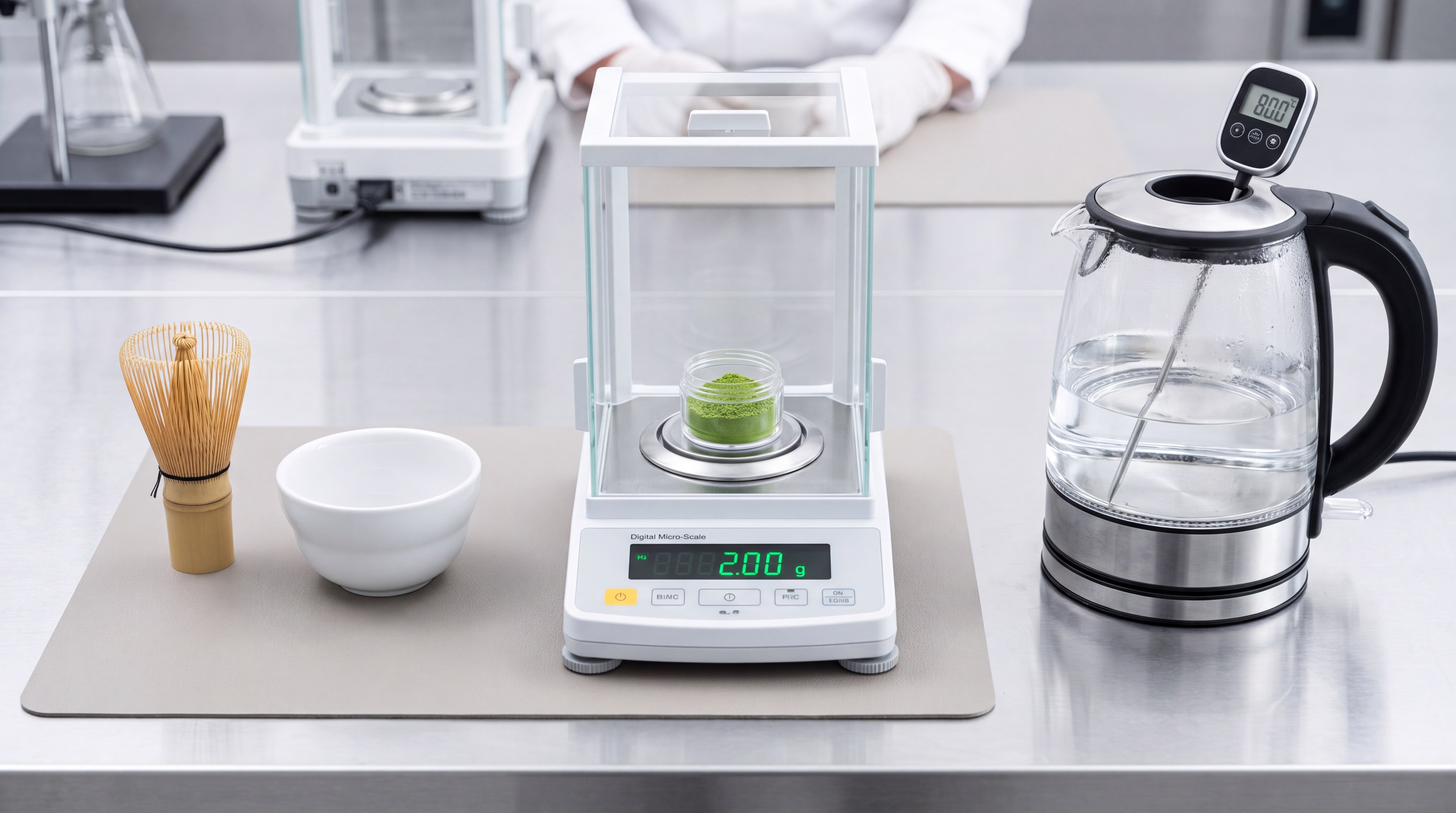
To evaluate matcha samples accurately, you must eliminate as many external variables as possible. Testing samples in an uncalibrated, chaotic kitchen environment under yellow fluorescent lights can distort colors, aromas, and tastes, leading to unreliable results.
Your procurement and quality control team should establish a standardized, clean, and quiet testing environment. This ensures that every sample is prepared and analyzed under identical conditions.
Designing the Sensory Lab Space
- Standardized Lighting: Color is one of the most important quality indicators of matcha. Your evaluation room must be equipped with professional, color-neutral lighting. Use daylight-standard LED or fluorescent fixtures calibrated to a color temperature of 5000K to 6500K (ideally with a Color Rendering Index of CRI > 90). Avoid warm yellow lights, which can make dull, low-grade powders look artificially rich and vibrant.
- Climate Control: Keep the testing room at a comfortable temperature (20°C to 22°C) and a low humidity level (below 45% Relative Humidity). This prevents the ultra-fine, highly hygroscopic matcha powder from absorbing ambient moisture and clump during the dry evaluation phase.
- Zero Aromatic Interference: The testing room must be completely free of outside odors. Do not allow coffee machines, chemical cleaners, cosmetic fragrances, or food prep smells nearby, as these will mask the delicate, grassy, and floral notes of high-grade matcha.
The Professional Evaluation Toolkit
Investing in a few specialized tools will dramatically improve the precision and repeatability of your testing:
- Analytical Micro-Scale: Use a digital laboratory scale with an accuracy rating of at least 0.01 grams. Measuring matcha volume with a spoon is highly inaccurate because the density of the powder varies widely depending on its grind size, static charge, and clumping levels.
- Calibrated Water Kettle: Use a temperature-controlled variable electric kettle. Brewing matcha with boiling water (100°C) is a common mistake that burns the tea solids, releasing bitter tannins and masking delicate sweetness. Your kettle must be able to hold a steady temperature of exactly 80°C (176°F).
- Standardized Ceramic Evaluation Cups: Use professional, flat-bottomed white porcelain cupping bowls (Chawan) or wide glass beakers. The stark white background is essential for evaluating the color of the liquid and observing the density of the froth.
- Calibrated Bamboo Whisks (Chasen): Use identical 100-prong or 120-prong bamboo whisks to ensure a consistent, reproducible froth. Do not use low-powered handheld electric milk frothers, as they can shear the liquid unevenly and create large, unstable bubbles that do not represent the powder’s true suspension performance.
Controlling Water Quality
Water is the solvent that unlocks the flavor and aroma of your tea, making it a critical variable in your evaluations.
- Avoid Tap Water: Municipal tap water is often high in chlorine, fluoride, and dissolved minerals, which can react with catechins and ruin both the color and flavor of the tea.
- Avoid Distilled Water: Completely pure, distilled water lacks the mineral ions needed to extract flavor, leaving the brewed tea tasting flat, thin, and overly acidic.
- The Target Water Spec: Use high-quality filtered or spring water with a Total Dissolved Solids (TDS) level between 50 and 100 ppm, and a neutral pH of 6.8 to 7.2. This balanced mineral profile ensures a clean extraction and allows you to compare the natural, unaltered characteristics of each sample.
5: Step-by-Step Sensory Protocol: The Visual Assessment of Dry Matcha Powder
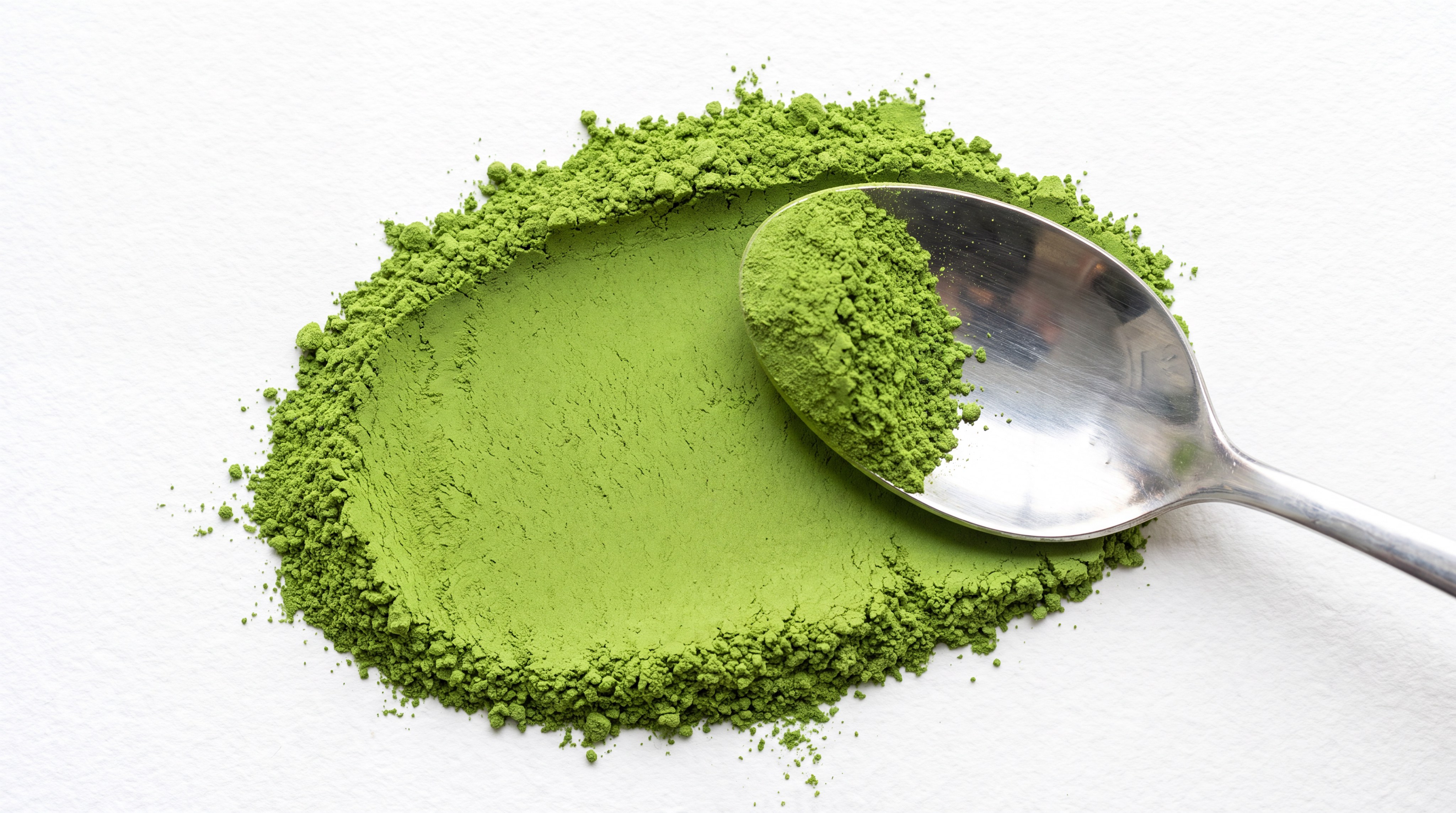
Before introducing water, a physical evaluation of the dry powder reveals a wealth of information about the raw materials, harvesting methods, and overall processing quality of the batch. Experienced buyers can often estimate the commercial grade and value of a sample simply by studying the dry powder under proper lighting.
Running the “Paper Smear Test”
The paper smear test is a quick, reliable industry-standard method for evaluating the color, texture, and grind quality of dry matcha powder.
- Preparation: Place a thick sheet of textured, bright-white laboratory cardstock or heavy paper on a flat surface under your calibrated daylight-standard LED bulb.
- Dosing: Place a small, uniform mound (about 1.0 to 2.0 grams) of each matcha sample side-by-side on the paper. Leave about 3 inches of space between the mounds.
- The Drawdown: Use a flat, clean stainless steel laboratory spatula or your index finger (wearing a clean, powder-free nitrile glove). Press down firmly on the top of the mound and draw the powder downward in a straight, continuous line, spreading it into a thin, flat smear on the paper.
- Evaluation:
- Color Tone: High-quality ceremonial matcha will produce a solid, unbroken smear of electric jade-green with no yellow or brown undertones. Culinary grades will show a lighter sage-green or yellowish-olive color, while poor-quality industrial grades will look dry, dull, and khaki.
- Texture and Cohesion: High-grade, stone-ground matcha (under 10 microns) will spread like smooth, velvety cosmetic powder. It will stick closely to the paper fibers, forming a sharp, crisp line. Coarser, jet-milled or ball-milled culinary powders (15 to 25+ microns) will feel slightly sandy or gritty, and the smear will look uneven or broken.
Evaluating Luster and Gloss
Hold the paper smear card under direct light and view it from a shallow angle.
- Premium matcha made from shade-grown, chlorophyll-rich leaves will show a subtle, lively sheen or luster. This natural sheen is a sign of healthy cell structure and high levels of intact, light-reflecting plant sugars and proteins.
- In contrast, lower-grade or oxidized samples look flat, chalky, and matte. They absorb light rather than reflecting it, indicating an older crop or damage from high heat during the grinding process.
Understanding Electrostatic Clumping
When you open a high-quality matcha sample, you may notice that it quickly forms small, round clumps. This can easily be mistaken for moisture damage. However, in dry, ultra-fine powders, this clumping is actually a positive indicator of quality.
Ultra-fine grinding (under 10 microns) increases the surface area of the particles, creating a high static charge that causes them to naturally cling together. These electrostatic clumps are dry, soft, and crumble easily with a light touch or when passed through a fine-mesh sifter.
Conversely, moisture-induced clumps are hard, sticky, and difficult to break apart. They indicate that the sample has been exposed to humidity and has begun to degrade.
6: The Wet Sensory Analysis: Aroma, Texture, and Luster of Hydrated Matcha
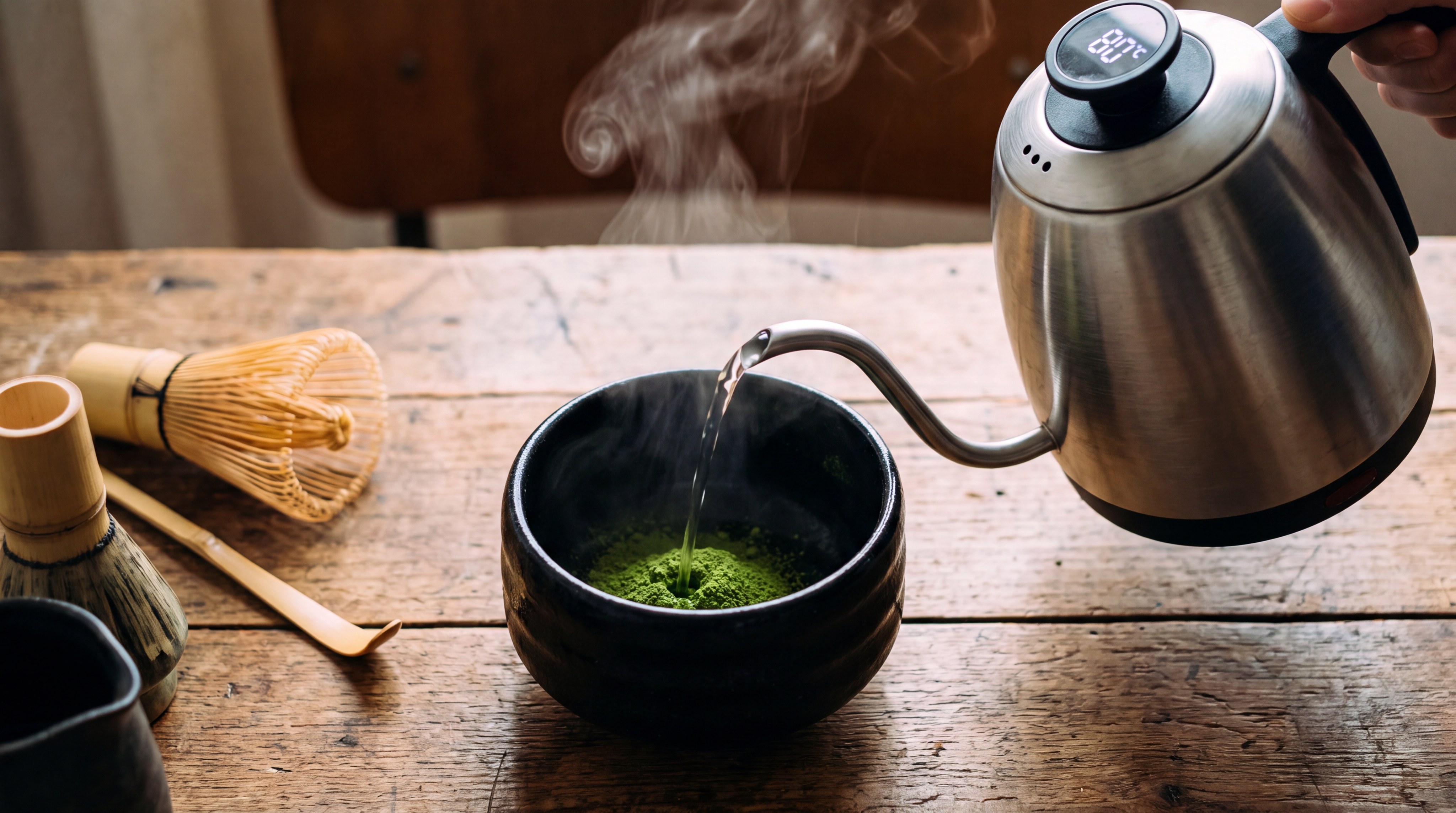
Adding hot water to a matcha sample triggers a rapid chemical release, volatilizing essential oils and organic compounds. This wet sensory phase is where you can clearly identify off-flavors, verify the suspension stability of the powder, and evaluate the quality of the froth.
The Standardized Whisking SOP
To evaluate every sample consistently, your team should follow a strict, standardized preparation protocol:
- Warm the Bowl: Rinse your porcelain evaluation bowl (Chawan) with hot water to preheat it, then dry it completely with a clean microfiber towel.
- Sift and Dose: Sift exactly 2.00 grams of matcha powder through a fine-mesh sifter into the warm bowl to break up any dry electrostatic clumps.
- Add Water: Pour exactly 70 mL of calibrated water (heated to exactly 80°C/176°F) directly over the sifted powder.
- The Whisking Technique: Use a calibrated 100-prong bamboo whisk. Lower it into the bowl and whisk vigorously in an “M” or “W” motion for exactly 15 seconds. Use your wrist rather than your elbow, and avoid pressing the whisk prongs against the bottom of the bowl.
- Finish: Gently lift the whisk from the center of the bowl to create a small peak in the foam.
Evaluating the Aromatic Bouquet
Immediately bring the bowl to your nose and inhale deeply. The rising steam carries volatile aromatic molecules that reveal the freshness and quality of the harvest.
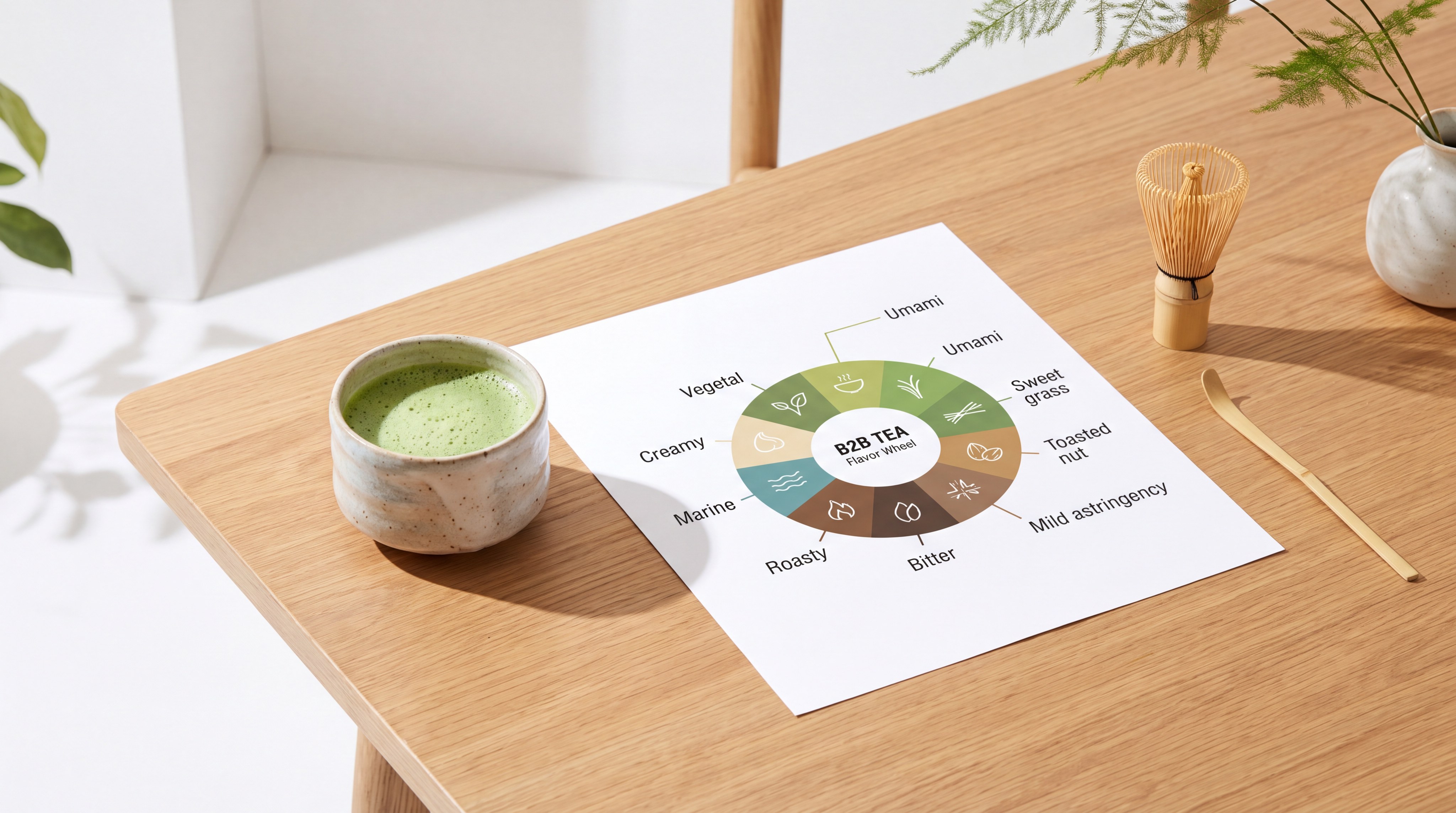
- Premium Aromas (The Target): Look for a sweet, clean, and complex bouquet. High-grade ceremonial matcha will show notes of fresh sweet peas, toasted nuts, warm milk, and baby spinach, along with deep, marine-like sea moss or steamed seaweed notes.
- Culinary Aromas: These profiles are more straightforward and robust, featuring a pronounced grassy, vegetal, and hay-like character.
- Defects and Red Flags: Watch out for off-notes like wet straw, cardboard, dust, or mold, which indicate poor storage or processing. A strong “fishy” or pond-water smell is also a major red flag; it usually means the grower over-fertilized the fields with cheap synthetic urea to boost nitrogen levels artificially, resulting in an unappealing, ammonia-like scent when brewed.
The Physics of Foam Architecture
Study the layer of foam on the surface of the whisked tea. The structure of this foam is a direct indicator of the powder’s particle size and milling quality.
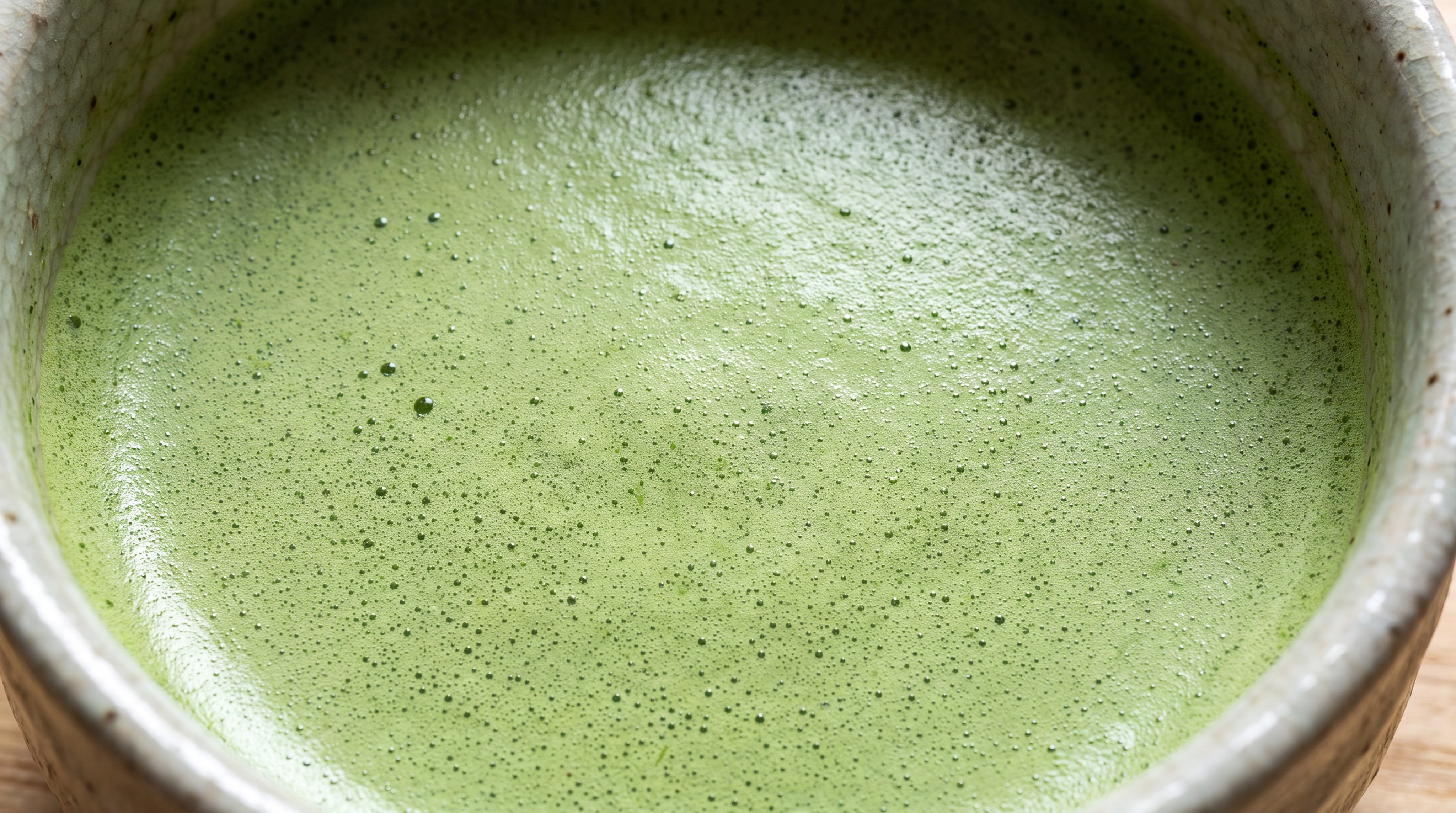
The saponins in green tea naturally create foam when agitated. In an ultra-fine, stone-ground matcha sample, these saponins easily lock together with the tiny, uniform particles to build a dense, velvety layer of micro-bubbles. This uniform foam holds its shape for several minutes, locking in aromatics and creating a smooth, creamy mouthfeel.
Coarser culinary powders (over 15 microns) struggle to form a stable structure. They produce large, soapy, and uneven bubbles that quickly pop, leaving an open liquid center with a thin ring of foam around the edges of the bowl.
7: The Palate Test: Taste Profiles, Mouthfeel, and Aftertaste Metrics
The palate test is the ultimate sensory evaluation step. By drinking the whisked tea, you can directly assess the balance of amino acids, catechins, and fibers. This tells you how well the matcha will perform in its final application, whether served as a pure hot beverage or used as an ingredient.
The Tasting Protocol
- Sip and Slurp: Take a moderate sip of the warm matcha and draw air into your mouth with a sharp slurping sound. This aerates the liquid, spreading it across your entire tongue and throat to maximize the reach of your taste receptors.
- Swirl: Hold the tea in your mouth for 3 to 5 seconds. Swirl it gently to evaluate its texture and body.
- Swallow and Breathe: Swallow the tea, then exhale slowly through your nose to evaluate the retro-nasal aromas and the evolving aftertaste.
The Four Dimensions of the Palate
When tasting your samples, score them across these four key dimensions:
- The Umami Bloom: This is the savory, broth-like richness created by L-theanine binding to your tongue’s T1R1 and T1R3 taste receptors. High-grade ceremonial matcha will deliver an immediate, rich wave of umami that coats the mouth.
- Astringency and Tannic Balance: Astringency is the dry, puckering sensation caused by catechins reacting with the proteins in your saliva. A premium ceremonial matcha should have almost zero astringency, leaving the mouth feeling hydrated. For culinary grades, a clean, moderate astringency is acceptable and even desirable, as it helps cut through heavy baking fats and dairy.
- Mouthfeel and Viscosity: This is the physical weight of the suspended tea solids. High-quality matcha feels creamy, rich, and velvety—similar to whole milk. Lower-grade powders often feel thin, watery, and slightly sandy or chalky, leaving a gritty residue on the tongue.
- The Finish (Aftertaste Persistency): High-quality matcha leaves a long, sweet, and clean aftertaste that can linger on the palate for several minutes. A low-quality or oxidized sample will leave a dry, bitter, metallic, or sour finish that requires immediate rinsing.
Sensory Attribute | Target Characteristics (Ceremonial/Premium) | Acceptable Limits (Culinary/Industrial) | Major Red Flags (Reject Batch) |
|---|---|---|---|
Aroma (Dry) | Sweet grass, fresh-cut greens, light cream, nutty undertones. | Clean tea scent, mild hay, toasted rice, toasted grain. | Damp straw, mold, dust, chemical or petroleum scents. |
Aroma (Wet) | Deep marine, steamed spinach, sweet cream, cacao-butter. | Vegetal, mild grassy aroma, clean and simple. | Fishy (excessive urea fertilizer), stagnant water, burnt grass. |
Taste (Initial) | Sweet, rich, smooth, instant umami bloom. | Mild bitterness, balanced tea flavor, highly vegetal. | Harsh bitterness, sourness, complete lack of sweetness. |
Taste (Mid-palate) | Thick savory depth, zero sandiness, milky texture. | Crisp astringency, strong green tea profile. | Heavy sandiness, metallic notes, cardboard-like flat taste. |
Mouthfeel | Creamy, velvet-like, heavy body, smooth suspension. | Slightly thin, clean, minimal grit, light astringency. | Watery, chalky, highly astringent, leaves a dry coating. |
Aftertaste | Sweet green tea finish, clean palate, prolonged sweet notes. | Clean finish with mild bitterness, dry but agreeable. | Lingering bitter burn, sourness, chemical aftertaste. |
8: Evaluating Culinary Performance: Baking, Blending, and Thermal Stability
Evaluating culinary-grade matcha requires a different approach than evaluating delicate drinking grades. Since culinary matcha is designed to be processed, heated, and mixed with other ingredients, your quality control team must test how well these samples perform under real-world manufacturing conditions.
Thermal Stability and Chlorophyll Degradation
The bright green color of chlorophyll is highly sensitive to heat and acid. When exposed to baking temperatures (150°C to 180°C) or liquid pasteurization processes, the magnesium atom at the center of the chlorophyll molecule is replaced by hydrogen. This chemical process, called pheophytinization, transforms vibrant green chlorophyll into dull, brown pheophytin.
To evaluate the thermal stability of your samples, run a standardized oven stress test:
- The Base Recipe: Prepare a simple, standardized flour-and-water dough or a basic sugar cookie batter.
- Dosing: Mix exactly 3% dry weight of each matcha sample into separate, identical portions of the dough.
- Baking: Bake the samples under identical conditions (e.g., 170°C for 15 minutes).
- Evaluation: Once cooled, slice the baked goods open. Compare the interior crumbs under standard daylight lighting.
- High-Quality Culinary Matcha: Will retain a rich, clear green color even after exposure to heat.
- Low-Quality / Substituted Powders: Will fade to a dull yellow-gray or muddy brown, indicating low starting chlorophyll levels or a high concentration of oxidized older crops.
Recipe Synergy: Cutting Through Fats, Sugars, and Dairy
Fats and dairy proteins (specifically casein) are highly effective at binding to tea polyphenols. When matcha is mixed with milk, cream, butter, or plant-based milks (like oat or almond), these proteins can mask the green tea flavor, making it taste dull and flat.
To test how well your samples cut through other ingredients, run a standardized beverage blending test:
- Mix 2.5 grams of each matcha sample into 150 mL of unsweetened oat milk or whole dairy milk at 70°C.
- Evaluate the result: The ideal sample should deliver a clear, distinct green tea flavor that balances perfectly with the sweetness of the milk, without tasting overly bitter or swampy. If the sample’s green tea character is completely lost, it lacks the required physical and chemical strength for beverage applications.
9: Verifying Authenticity, Certifications, and Origin Documentation
Beautiful samples and great taste profiles are meaningless if the batch cannot clear customs or satisfy your retail customers’ strict quality and safety standards. Verifying regulatory compliance is a critical step in the B2B procurement process.
Verifying Organic Authenticity
If your brand sells USDA Organic or EU Organic certified products, you must verify that your supplier’s organic certificates are genuine and up to date.
- Check the Entity Name: Make sure the organic certificate lists the primary manufacturing facility, not just an intermediary broker or trading company.
- Trace the Transaction Certificates (TCs): Every organic shipment requires a valid Transaction Certificate issued by a certified third-party agency (such as ECOcert or QAI). This certificate traces the exact batch of matcha from your shipment back to the certified organic tea garden where it was grown.
- To ensure full compliance and avoid regulatory hold-ups, verify the validity of USDA and EU organic matcha certificates directly with official certification registries during your initial evaluations.
Reading a Certificate of Analysis (CoA) Like an Expert
A Certificate of Analysis (CoA) is a technical document issued by a manufacturer’s quality control lab or an independent third-party laboratory. Never accept a simple, self-generated spreadsheet. Your quality assurance team must review the following key parameters on every CoA:
- Microbiological Thresholds: Matcha is a raw agricultural product that is ground without high-heat sterilization. This makes it highly susceptible to microbial growth.
- The Total Plate Count (TPC) must be safely under 10,000 CFU/g (and ideally under 1,000 CFU/g for high-end applications).
- Yeast and Mold levels must be under 1,000 CFU/g.
- Pathogens like E. coli and Salmonella must be completely undetected in 25-gram samples.
- Heavy Metal Tolerances: Tea plants are highly efficient at absorbing minerals and contaminants from the surrounding soil.
- Ensure the CoA lists specific testing results for heavy metals, with limits strictly below regional regulatory thresholds: Lead (Pb) under 1.0 ppm (or under 0.5 ppm for strict markets like California Proposition 65), Arsenic (As) under 0.5 ppm, Cadmium (Cd) under 0.2 ppm, and Mercury (Hg) under 0.1 ppm.
- Pesticide Residue Screens: The US FDA and European Commission enforce exceptionally strict Maximum Residue Limits (MRLs) for tea.
- Your supplier must provide a comprehensive, multi-residue pesticide screen covering at least 500 common agricultural chemicals (including glyphosate and fipronil), showing levels well within regional regulatory limits.
Document Required | Key Parameters to Verify | B2B Sourcing Purpose | Potential Compliance Red Flags |
|---|---|---|---|
Certificate of Analysis (CoA) | Batch number matching sample, moisture < 5%, lead < 1.0 ppm, microbial counts within limits. | Verifies microbiological safety and physical purity. | Outdated test dates, missing signature from QC manager, mismatched batch numbers. |
USDA / EU Organic Certificate | Valid issuer, matching company name, correct product categorization. | Legal requirement to label and sell the finished product as organic. | Certificates registered to intermediaries rather than the primary manufacturer. |
Heavy Metals Lab Report | Lead, Cadmium, Arsenic, and Mercury levels (ICP-MS testing). | Ensures compliance with Prop 65 and international food-safety laws. | “Not Detected” claims without listing the laboratory’s limit of detection (LOD). |
Pesticide Residue Screen | Broad-spectrum multi-residue pesticide analysis (covering 500+ compounds). | Guarantees compliance with strict US FDA and EU Maximum Residue Limits. | Traces of banned organophosphates or synthetic pesticides. |
Phytosanitary Certificate | Official stamp from exporting nation’s agricultural department. | Required for smooth customs clearance and import biosecurity. | Typographical errors in product name, weight, or shipping container numbers. |
10: Technical Lab Testing: Moisture Content, Particle Size, and Shelf Life
While sensory analysis is incredibly valuable, incorporating objective, instrument-based testing into your quality control process removes human bias. This allows you to verify physical and chemical parameters with scientific precision.
Moisture Content and Water Activity (aW)
Matcha is highly hygroscopic, meaning it greedily absorbs water from the surrounding air. Keeping moisture levels low is critical for preserving quality and extending shelf life.
- The Target Moisture Level: Bulk matcha samples must have a moisture content strictly under 5.0% (with 3.0% to 4.5% being the ideal sweet spot).
- The Hazard of High Moisture: If moisture levels exceed 5.5%, oxidation accelerates dramatically. This causes the bright green chlorophyll to degrade, the flavor to grow flat and stale, and the powder to form hard, sticky clumps. High moisture also increases the risk of mold growth during transport and storage.
- How to Test: Use a digital halogen moisture analyzer. Heat a 2.00-gram sample of matcha at 105°C until it reaches a stable weight, then record the percentage of moisture lost.
Particle Size Analysis (Granulometry)
The grind size of matcha determines its texture, solubility, and overall performance in both beverages and food formulations.
- Ceremonial Standard: High-quality, stone-ground ceremonial matcha has an average particle size of 5 to 10 microns (equivalent to an 800 to 1000+ mesh rating). These tiny, uniform particles feel like silk and dissolve easily into a stable suspension.
- Culinary Standard: High-quality culinary grades fall between 12 and 18 microns. Coarse industrial powders exceed 20 to 25 microns (under a 325 mesh rating), which can feel sandy or gritty and quickly settle to the bottom of beverage cups.
- How to Test: In a professional QC laboratory, particle size distribution is measured using a laser diffraction particle size analyzer (recording D50 and D90 values). For a quick, low-cost bench-top test, rub a small amount of dry powder between your fingers on a dark background; a quality grind should feel completely smooth, leaving no coarse, gritty grains behind.
Accelerated Shelf-Life Stress Testing
To test how well your matcha samples will hold up during storage, shipping, and retail display, you can run an accelerated aging test in your lab:
- Divide each sample into two portions. Place one portion in a cool, dark storage area as a control.
- Place the second portion in an incubator chamber held at 40°C (104°F) and 60% Relative Humidity for 7 days. This intense 7-day stress test simulates approximately 3 to 4 months of typical warehouse storage.
- Evaluate the results: Compare the heat-stressed samples against the control portions. Check for changes in color (using a color spectrophotometer to measure L∗a∗b∗L^* a^* b^*
values), aroma degradation, and flavor changes. Samples that show minimal fading and oxidation under stress are much better suited for long-term supply chains.
11: Assessing Supplier Responsiveness, Custom Formulation, and Private Labeling Capabilities
Sourcing a great sample is only the first step. To build a successful, long-term product line, you must ensure that your supplier has the communication skills, production capacity, and packaging capabilities to support your brand’s growth.
Evaluating Communication and Technical Support
Pay close attention to how your supplier communicates during the initial sampling phase. This serves as a reliable indicator of their professional reliability:
- Do their export managers answer technical questions quickly and clearly?
- Can they easily share up-to-date Certificates of Analysis, organic registrations, and food-safety documentation?
- Are they willing to help you find the right grade of matcha for your specific product application and target price point?
- Working with a direct, specialized manufacturer that offers comprehensive wholesale matcha B2B programs is highly superior to buying from general trading companies, which often have limited control over crop consistency and struggle to provide detailed technical documentation.
Custom Blending and Formulation Support
For brands developing unique food products or beverages, finding a supplier that can provide custom formulation services is incredibly valuable:
- Sweetened Bases and Latte Mixes: Can the supplier create ready-to-use mixes blended with cane sugar, fruit sugars, or alternative sweeteners?
- Functional Blends: Can they blend premium matcha with functional ingredients like adaptogens (lion’s mane, ashwagandha), collagen, proteins, or botanical extracts?
- Custom Particle Sizing: For specific industrial food applications, can they adjust their milling processes to meet your exact target mesh size?
Packaging and Private Label Options
Matcha degrades rapidly when exposed to oxygen. Your supplier must offer packaging solutions that protect the product’s quality and shelf life:
- Nitrogen-Flushed Aluminum Tins: The gold standard for retail-ready ceremonial matcha. Flusher-sealing tins with food-grade nitrogen gas drops oxygen levels below 1%, protecting the powder from oxidation for up to 2 years.
- Tri-Laminated Foil Pouches: Zipper-locking, high-barrier stand-up pouches that block UV light, moisture, and oxygen. These are ideal for both consumer retail lines and back-of-house café operations.
- Single-Serve Stick Packs: Extremely popular in the grab-and-go energy and wellness markets. Ensure your supplier has high-speed packaging lines to fill, seal, and box individual single-serve sachets under modified atmosphere conditions.
12: Financial & Sourcing Logistics: MOQs, Pricing, Lead Times, and Incoterms
Once you have verified the quality, safety, and compliance of your matcha samples, you must evaluate the financial and logistical details of your order. Understanding how shipping terms, minimum order quantities (MOQs), and transit logistics affect your total landed cost is essential for running a profitable sourcing operation.
Understanding the Volume-Pricing Matrix
Bulk matcha pricing is highly volume-dependent. Standard entry-level pricing for small trial batches is significantly higher than container-load pricing.
When reviewing quotes, request a clear pricing tier breakdown (e.g., pricing at 100 kg, 500 kg, 1,000 kg, and 5,000+ kg). This allows your finance team to calculate the optimal order size, balancing volume discounts against the warehouse storage costs and shelf-life limitations of carrying large amounts of inventory.
Navigating Minimum Order Quantities (MOQs)
For major industrial food and beverage manufacturers, standard wholesale packaging formats are built around large bulk units:
- Bulk Packaging Standards: Bulk industrial matcha is typically packed in 10 kg or 20 kg heavy-duty fiber drums lined with double-layered, vacuum-sealed food-grade blue polyethylene liners.
- MOQ Strategies: The standard minimum order quantity for direct-from-factory sea freight shipments is usually 100 kg to 500 kg. If your team is running small-scale pilot tests or initial market launches, negotiate with your supplier for a smaller, air-freight trial run (typically 20 kg to 50 kg packed in 1 kg foil bags) to test your manufacturing processes before committing to a full-scale order.
Choosing the Right Incoterm
The Incoterms (International Commercial Terms) you select define exactly who is responsible for shipping costs, customs clearance, insurance, and risk at every stage of the transit journey.
- FOB (Free On Board): The manufacturer delivers the goods to the exporting port and clears them for export. Your company is responsible for organizing and paying for ocean freight, marine insurance, import customs clearance, and local trucking. This term offers maximum control over freight rates and transit schedules.
- CIF (Cost, Insurance, and Freight): The seller pays for ocean freight and marine insurance to your target port of entry. However, risk transfers to your company once the goods are loaded onto the vessel, and you are responsible for import clearance, port fees, and final delivery.
- DDP (Delivered Duty Paid): The manufacturer handles the entire shipping journey, including ocean freight, import duties, customs fees, and final delivery to your warehouse door. This is the simplest option for buyers, but it is often more expensive as suppliers build a premium into their shipping quotes to cover their risks.
Shipping Volume | Optimal Incoterms | Recommended Logistics | Packing Formats | Typical Lead Time |
|---|---|---|---|---|
Small Trial / Café (20 to 100 kg) | EXW or FCA | Air Express (DHL, FedEx, UPS) | 1 kg re-sealable foil bags (10-20 bags per master carton) | 5 to 10 days |
Medium Commercial (100 to 500 kg) | FOB or CFR | Air Freight or LCL (Less than Container Load) | 10 kg vacuum-sealed foil liner inside double-wall cartons | 15 to 25 days |
Large Industrial (500 to 5,000+ kg) | FOB, CIF, or DDP | Ocean Freight (FCL – Full Container Load) | 20 kg heavy-duty fiber drums with food-grade inner liners | 30 to 45 days |
13: Scalability Testing: From Sample Consistency to 1,000+ kg Production Runs
One of the biggest challenges in B2B ingredient sourcing is the gap between a small, pristine sample and a large-scale commercial shipment. A supplier may send a flawless 50g sample, but delivering 1,000+ kilograms of identical quality month after month requires robust agricultural operations, industrial blending technology, and strict quality control.
Why Batch-to-Batch Variations Occur
As an agricultural crop, green tea is highly sensitive to environmental changes:
- Weather Volatility: Variations in rainfall, temperature, and sunlight from year to year alter the levels of L-theanine, catechins, and chlorophyll in the leaves.
- Harvest Timing: Tea leaves harvested just a few days later in the season grow larger and more fibrous, which can alter the color and flavor profile of the finished powder.
- Blending Expertise: To maintain a consistent flavor and color year-round, tea masters must masterfully blend different batches of dried tencha leaves before milling. If a supplier lacks these advanced blending capabilities, your bulk shipments will suffer from noticeable quality swings.
Implementing a Mandatory Pre-Shipment Sample (PSS) Protocol
To protect your brand from quality drops in bulk shipments, your procurement team should make a Pre-Shipment Sample (PSS) step a mandatory part of every purchasing agreement.
- The Agreement: Include a clause in your contract stating that the bulk shipment cannot leave the manufacturer’s facility until your quality control team has approved a representative sample drawn from that specific production run.
- Drawing the Sample: The supplier’s quality control team must draw a representative sample (typically 100g to 200g) directly from the finished, packaged bulk batch.
- Laboratory Verification: Once the PSS arrives at your lab, run it through the same physical, sensory, and chemical tests you used on the initial evaluation samples.
- The Release: Only release the balance payment and approve the shipment for shipping once the PSS has passed all your quality benchmarks. If the sample fails, the supplier must re-blend the batch or allocate a new run that meets your approved specifications.
Defining Legal Quality Agreements
For large-scale, ongoing supply contracts, do not rely on verbal agreements. Work with your legal and quality assurance teams to draft a formal Quality Assurance Agreement (QAA).
This document should clearly define your acceptable quality limits, testing methodologies, and specific tolerances for moisture levels, particle size, color coordinates, and microbiological counts. It should also outline clear, step-by-step procedures for handling cargo rejections, financial penalties, and replacement shipments if a bulk delivery fails to meet your agreed specifications.
14: How to Deliver Structured Feedback to Your Matcha Supplier
In B2B sourcing, things are rarely perfect on the very first try. If an initial matcha sample does not meet your exact requirements, sending vague, subjective feedback like “it’s too bitter” or “we don’t like the color” is unhelpful.
Instead, professional procurement teams should deliver structured, technical, and actionable feedback. This helps your supplier’s team adjust their blending and processing to deliver exactly what you need.
Translating Sensory Feedback into Technical Actions
To help your supplier make precise adjustments, translate your sensory observations into clear agricultural and manufacturing actions:
- Observation: “The sample has too much bitter astringency for our beverage line.”
- Technical Feedback: “Please adjust the blend to incorporate a higher percentage of first-flush tencha leaves with longer shading times (25+ days) to increase L-theanine levels and reduce catechin astringency.”
- Observation: “The powder is gritty and doesn’t stay suspended in our lattes.”
- Technical Feedback: “Please increase the stone-milling or jet-milling duration to reduce the average particle size (D50)
to under 10 microns, ensuring a smooth mouthfeel and stable suspension.”
- Observation: “The baked cookies are turning dull and yellow-brown in the oven.”
- Technical Feedback: “We need a culinary blend with a higher concentration of starting chlorophyll and lower moisture levels (under 4.0%) to prevent rapid heat degradation during baking.”
Creating a Standardized Feedback Scorecard
When evaluating samples, compile your results into a simple, structured numerical scorecard. This allows you to share clear, objective data with your supplier:
By providing clear, structured data, you can work with the contact the Riching Matcha export team to adjust grind size, shading time, or blend ratios, demonstrating how professional communication leads to custom-tailored product success.
15: Conclusion & The Strategic Path to Your Bulk Matcha Order
Sourcing bulk matcha is a detailed process that bridges organic chemistry, agricultural expertise, sensory evaluation, and international logistics. Successfully navigating this process requires moving past subjective marketing buzzwords and establishing a rigorous, science-based evaluation system.
By setting up a standardized sensory lab, running paper smear tests, performing wet sensory evaluations, and conducting stress tests under real-world processing conditions, you can verify the true quality of your samples with scientific accuracy.
At the same time, verifying organic certifications and checking Certificate of Analysis (CoA) reports protects your brand from regulatory delays, port rejections, and expensive recalls.
Sourcing Checklist: From Evaluation to Order Release
To help your procurement team stay organized, follow this step-by-step sourcing roadmap for every procurement cycle:
- Request Initial Samples: Order 50g to 100g samples from potential suppliers, requesting a complete Certificate of Analysis (CoA) and up-to-date organic certificates for each.
- Perform Dry Visual Assessment: Run the paper smear test under daylight-standard lighting to evaluate color vibrancy, texture consistency, and grind quality.
- Perform Wet Sensory Evaluation: Whisk the tea under standardized conditions to assess aromatic complexity, froth stability, palate balance, and aftertaste.
- Run Application Stress Tests: Test the culinary performance of the samples in your specific baking, blending, or bottling recipes, paying close attention to color and flavor stability.
- Verify Compliance Documentation: Check the validity of organic registrations, heavy metal limits, and pesticide screens against your regional regulatory standards.
- Negotiate Logistical Terms: Confirm volume pricing tiers, Incoterms, packaging options, and lead times.
- Implement the PSS Protocol: Make sure your purchase contract requires you to approve a Pre-Shipment Sample (PSS) before the final cargo is released for shipping.
The Value of a Sourcing Partnership
In the competitive global marketplace, choosing the cheapest bulk quote from an unknown broker often leads to inconsistent quality, late deliveries, and regulatory issues. True value comes from building a long-term partnership with a stable, experienced, direct-from-origin producer.
A reliable partner who understands the science of tea cultivation and maintains strict quality control over every step of the farming and milling processes secures your supply chain, protects your brand reputation, and helps your business scale with confidence.
5 Core B2B Frequently Asked Questions (FAQs)
Q1: Why do initial matcha samples sometimes taste better than the final bulk shipment, and how can we prevent this?
A: This discrepancy is known as the “golden sample” issue. It occurs when a supplier manually selects and packages premium-grade tea for initial evaluation, but delivers a lower-quality commercial blend for the bulk order.
To protect your brand from this quality drop, include a mandatory Pre-Shipment Sample (PSS) clause in your purchase agreement. Under this clause, the supplier must send a representative sample drawn directly from the milled, packaged bulk batch for your lab’s approval before the shipment leaves their warehouse.
Q2: What are the primary microbiological limits that wholesale matcha must meet for US and EU imports?
A: Standard compliance limits for tea powders require:
- A Total Plate Count (TPC) of less than 10,000 CFU/g (and ideally under 1,000 CFU/g for high-end applications).
- Yeast and Mold levels under 1,000 CFU/g.
- A complete absence of pathogens like E. coli and Salmonella in 25-gram samples.
Always verify these limits on the Certificate of Analysis (CoA) before approving a shipment to avoid customs rejections or product recalls.
Q3: Does organic certification affect the color and taste profile of culinary-grade matcha?
A: Yes, it can. Because organic matcha cultivation relies entirely on organic fertilizers (such as oilseed meal and compost) rather than fast-acting synthetic nitrogen fertilizers, organic plants often produce slightly less chlorophyll and L-theanine.
As a result, organic matcha can sometimes have a slightly softer green color and a more subtle umami profile compared to conventional matcha of the same grade. However, working with experienced producers who use advanced shading techniques and rich organic fertilizers helps close this gap, ensuring vibrant color and excellent flavor.
Q4: What is the optimal storage setup for holding bulk matcha inventory in our warehouse?
A: Matcha is highly sensitive to heat, light, moisture, and oxygen. Bulk inventory should be kept in its original vacuum-sealed foil bags within heavy-duty drums.
Store these containers in a temperature-controlled, low-humidity warehouse (ideally below 15°C/59°F, or under cold storage at 2-5°C for long-term holds). Once a container is opened, use it quickly or flush it with food-grade nitrogen before resealing to prevent oxidation and color loss.
Q5: How do we test the solubility and suspension stability of a culinary matcha sample?
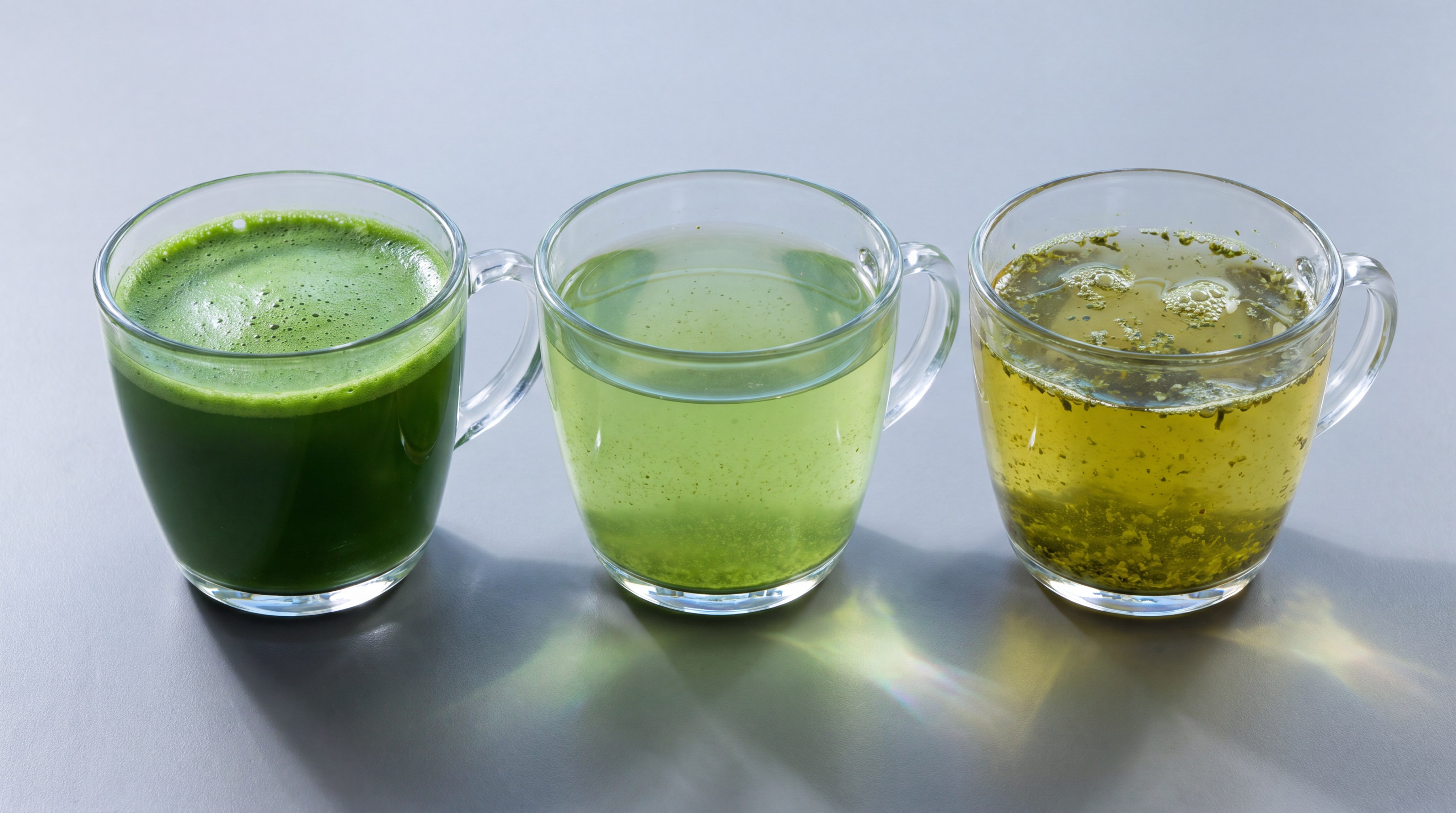
A: To run a standard suspension test, whisk 2.0 grams of the matcha sample into 100 mL of water at 80°C in a clear glass beaker. Let the liquid stand undisturbed for 15 minutes.
High-quality, ultra-fine matcha (under 10 microns) will remain suspended in the water, showing minimal separation. Lower-grade, coarsely ground powders will quickly separate, leaving a layer of green sediment at the bottom of the beaker and a clear liquid layer on top.