
The global beverage landscape is undergoing a seismic shift. Modern consumers are no longer satisfied with simple refreshments; they demand functional benefits, vibrant aesthetics, and ethical sourcing. In this “Green Revolution,” matcha has emerged as the undisputed leader. However, for B2B entities—from high-end cafe chains to global retail brands—the challenge lies in consistency, quality, and scale.
Riching Matcha , a titan in the industry with over a decade of B2B expertise, provides the solution. By leveraging a vertically integrated supply chain, including 4,000,000 ㎡ of organic tea farms, Riching Matcha empowers businesses to elevate their menus from ordinary to extraordinary. This guide explores the technical, financial, and strategic advantages of integrating premium matcha into your professional beverage program.
In the B2B world, the term “premium” is often overused. At Riching Matcha, premium is a technical standard, not a marketing buzzword. True premium matcha is defined by three pillars: the harvest timing, the shading process, and the milling technique.
Unlike standard green tea, premium grades are produced from the first flush (Ichiban-cha) of spring. These young, tender leaves are packed with chlorophyll and L-theanine. For a beverage menu to be considered “premium,” the matcha used must possess a vibrant, electric green hue—an indicator of high chlorophyll content—and a fine, talc-like texture that ensures a clump-free suspension in liquids. The distinction between “Culinary” and “Ceremonial” is vital for procurement officers. While culinary grades are robust and designed to cut through fats, premium beverage grades must offer a balance of umami sweetness and a clean finish that doesn’t require excessive sweeteners to mask bitterness.
Table 1: Premium vs. Regular Matcha Comparison
Feature | Premium Riching Matcha | Regular Commercial Matcha |
|---|---|---|
Harvest Period | First Flush (Spring) | Late Summer / Autumn |
Color | Electric Jade / Bright Forest Green | Dull Yellow / Olive Brown |
Texture | 2-10 Microns (Silky) | 15-30 Microns (Gritty) |
Flavor Profile | Sweet Umami, Creamy, No Bitterness | Astringent, Bitter, Grassy |
L-Theanine Level | High (Promotes relaxation) | Low (Mainly caffeine-driven) |
Shading Period | 20-30 Days (Kabusecha method) | Minimal or no shading |
Heritage and Scale: The Strategic Advantage of Hangzhou’s “Matcha Village”
While Japan is often associated with matcha, the historical roots of stone-ground tea trace back to China’s Tang Dynasty. Today, Riching Matcha bridges this ancient heritage with modern Japanese processing technology. Based in Jingshan Town, Hangzhou—famously known as “Matcha Village”—Riching operates at the heart of the world’s most fertile tea-growing regions.
- Price Stability: By owning the land and the harvest, we protect our clients from the price volatility of the open market.
- Traceability: Every batch can be traced back to the specific plot of land where it was grown, satisfying modern consumer demands for transparency.
- Consistency: With vast acreage, we can blend harvests to maintain a consistent flavor profile and color year-round, which is critical for franchised cafe chains that require uniformity across hundreds of locations.
The volcanic soil of the Jingshan region is naturally rich in minerals, which, combined with the region’s high humidity and mist, creates the perfect microclimate for producing tea leaves with exceptionally high amino acid content.
The Riching Matcha Grade Hierarchy: Navigating the TOP Series
Choosing the right grade is the most important decision for a beverage director. Riching Matcha has simplified this process through our specialized “TOP Series,” designed specifically for high-end applications where visual impact and flavor complexity are paramount. This series ranges from TOP-3 to TOP-7, each catering to a specific market segment and price point.
Ceremonial grade matcha is typically the star of this hierarchy. Our TOP-3 grade represents the pinnacle of the harvest—leaves so tender they are hand-picked. It is designed for pure whisked tea or high-end water-based drinks where every note of umami is scrutinized. As we move to TOP-5 and TOP-7, the flavor profile becomes slightly more robust, which is actually an advantage when mixing with plant-based milks like oat or almond, as it ensures the “green” flavor isn’t lost behind the creaminess of the milk.
For the B2B buyer, understanding this hierarchy is about cost-benefit optimization. Using a TOP-3 for a heavily sweetened frappe is a waste of resource, just as using a standard culinary grade for a traditional tea ceremony will result in a poor customer experience.
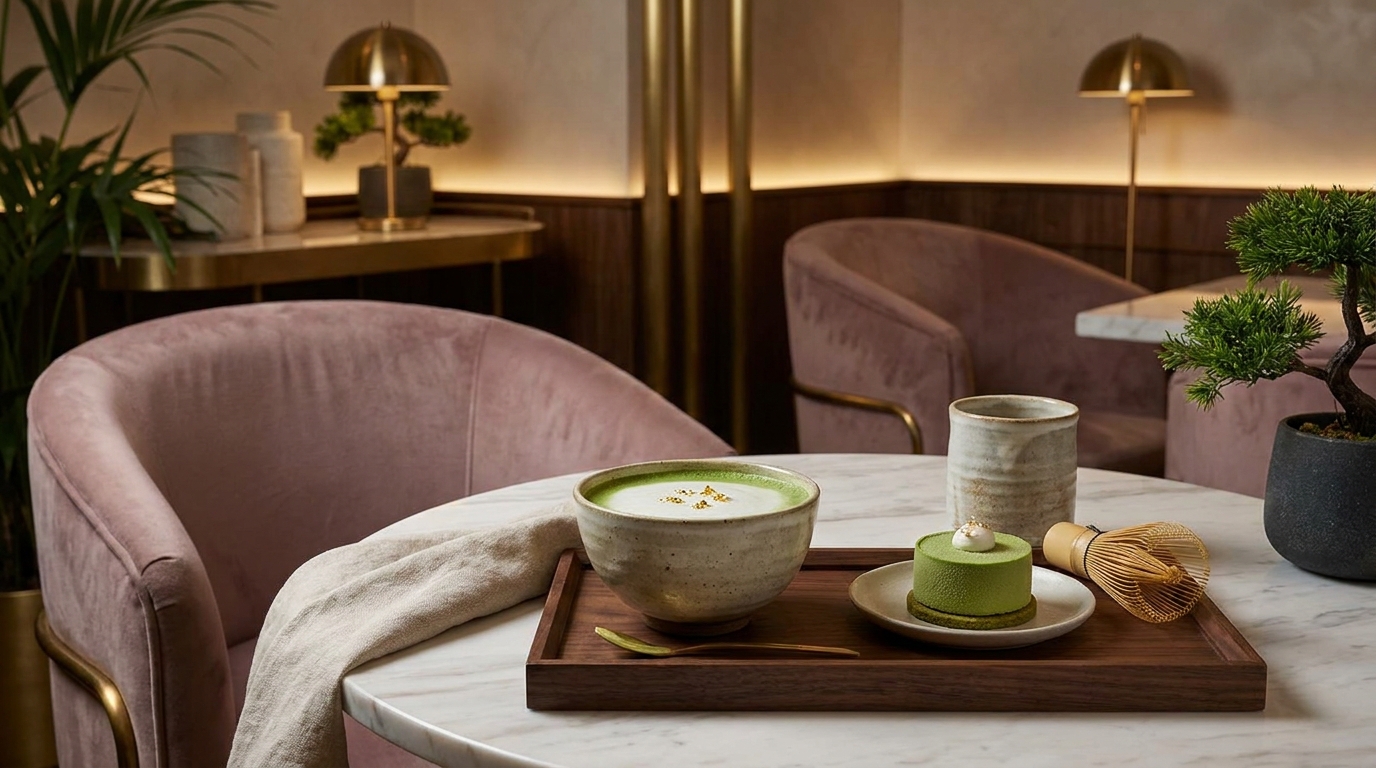
Elevating Sensory Experiences: Color Stability and Micro-Milling Technology
The technical superiority of Riching Matcha lies in our state-of-the-art facility. One of the biggest challenges in the beverage industry is oxidation. Once matcha is ground, its surface area increases exponentially, making it vulnerable to light and heat.
We utilize advanced Air-Milling and Stone-Grinding technology that operates at low temperatures. If the grinding process generates too much heat, the tea leaves “cook,” resulting in a yellowish powder and a burnt flavor. Our facility maintains strict temperature controls to keep the powder at 2-10 microns while preserving the volatile aromatic compounds.
Furthermore, our organic matcha powder is processed to ensure color stability. For bottled beverage manufacturers, this is the “holy grail.” Most matcha-based bottled drinks turn brown on the shelf due to the high-heat cycles of pasteurization. Riching’s proprietary processing methods enhance the heat resistance of the chlorophyll, allowing that “Instagrammable” green color to persist longer than standard powders.
Health as a Marketing Engine: L-Theanine and Functional Benefits
In the post-pandemic era, “Functional Beverages” are no longer a niche market. Consumers are actively seeking drinks that offer more than just hydration. Matcha is the ultimate functional superfood, and marketing these benefits can significantly increase the perceived value of your menu.
The key differentiator for premium matcha is L-Theanine. This amino acid crosses the blood-brain barrier and promotes the production of alpha waves, which induce a state of relaxation without drowsiness. When combined with the natural caffeine in matcha, it creates “calm alertness”—a sustained energy boost without the jittery “crash” associated with coffee or energy drinks.
By highlighting these benefits on your menu—such as “Metabolism Boosting,” “High Antioxidant Content (EGCG),” and “Cognitive Support”—you position your brand as a wellness partner. Riching Matcha’s high-altitude organic farms produce leaves with a higher density of these nutrients compared to low-lying commercial tea plantations.
Financial Optimization: Calculating ROI and Cost-Per-Serving
From a financial perspective, premium matcha offers one of the highest ROIs on a beverage menu. While the cost per kilogram of matcha powder wholesale is higher than coffee beans, the dosage per serving is significantly lower.
Let’s look at the numbers:
- Dosage: A standard 12oz premium matcha latte requires only 2.5 to 3 grams of powder.
- Cost Efficiency: Even with a top-tier premium matcha priced at 60/kg,thecostperservingofthepowderisonly60/kg, the cost per serving of the powder is only
0.18.
- Profit Margin: In major metropolitan markets, a premium organic matcha latte retails for 5.50to5.50 to
7.50. When you factor in milk and labor, the gross margin remains exceptionally high—often exceeding 80%.
By switching to a higher-grade matcha, you may increase your serving cost by only
0.05,buttheresultingimprovementincolorandtasteallowsyoutojustifya”Premium”or”Reserve”pricepointthatis0.05, but the resulting improvement in color and taste allows you to justify a “Premium” or “Reserve” price point that is
1.00 higher than your standard offering.
Global Trust: Navigating Organic Certifications and Safety Standards
Trust is the currency of B2B transactions. As a global supplier, Riching Matcha prioritizes transparency through rigorous international certifications. For a beverage brand looking to export or list in premium retail stores like Whole Foods or Marks & Spencer, certifications are non-negotiable.
Our farms and facilities are USDA Organic and EU Organic certified. This represents a commitment to soil health, the absence of synthetic pesticides, and regular independent testing. Furthermore, every batch of Riching Matcha undergoes testing by third-party labs like EUROFINS and SGS for:
- Heavy metals (Lead, Arsenic)
- Pesticide residues (Screening for over 500 types)
- Radiation (Crucial for peace of mind in the global market)
Beyond safety, we hold Halal and Kosher certifications, ensuring that your beverage menu is inclusive and ready for a diverse global consumer base.
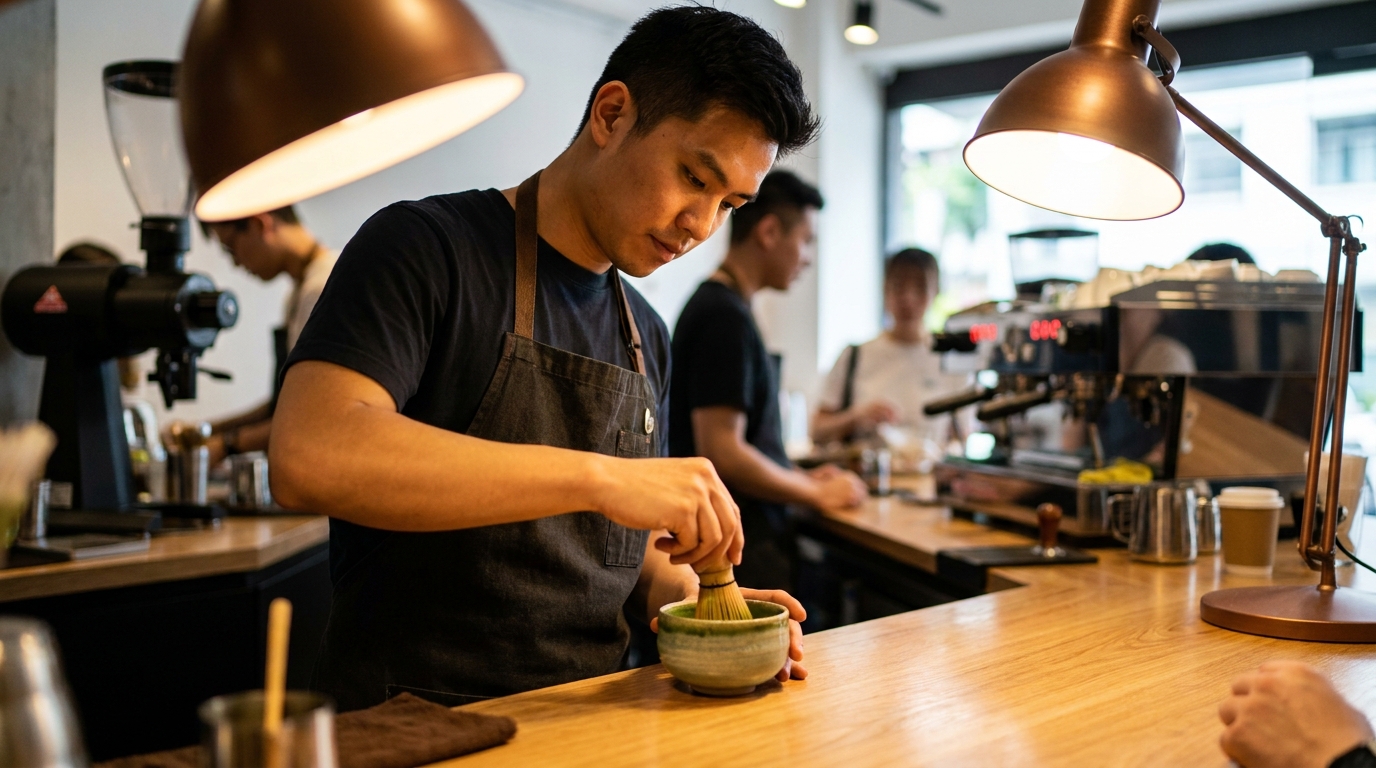
Versatility in Menu Design: Seasonal Strategies and Multi-Texture Applications
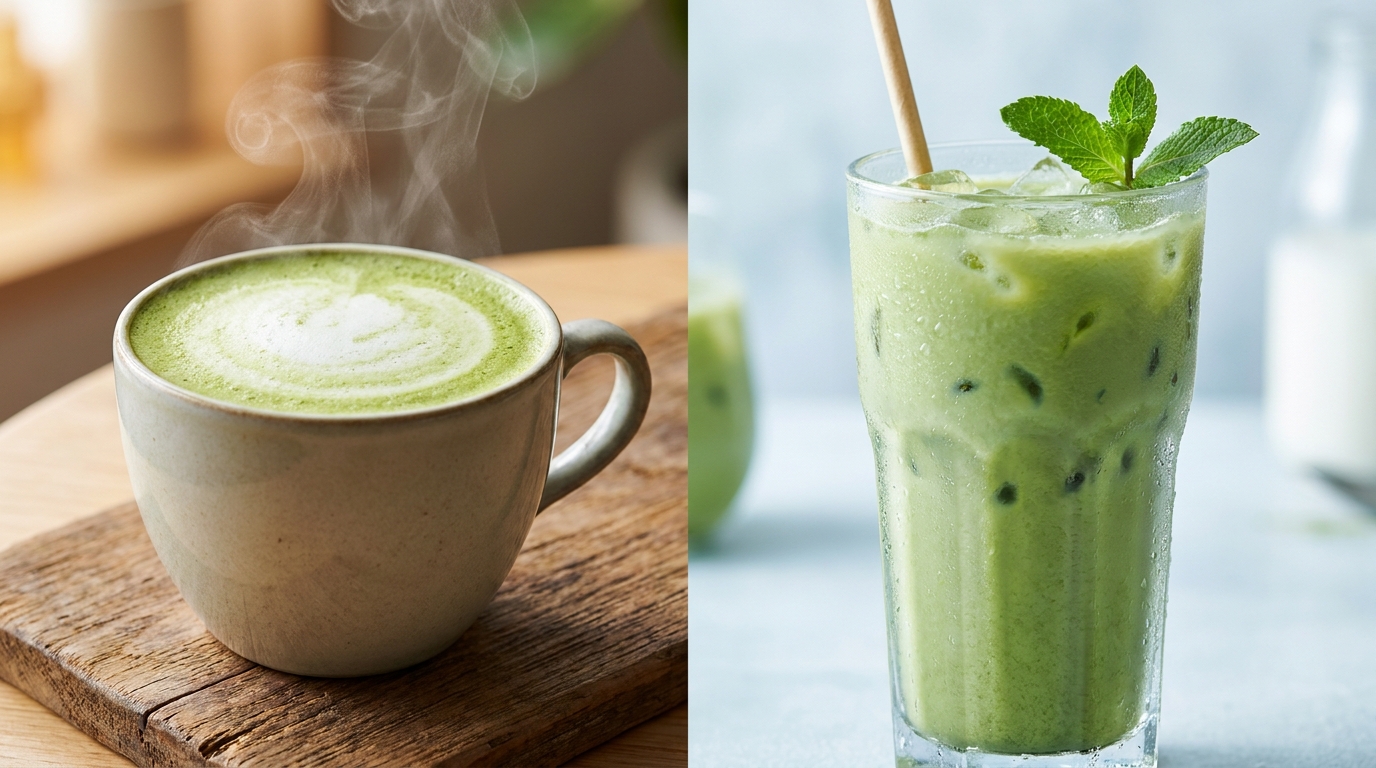
To maximize a beverage menu, you must understand how matcha behaves across different formats. Riching Matcha’s versatility allows for a multi-seasonal strategy that keeps customers coming back year-round.
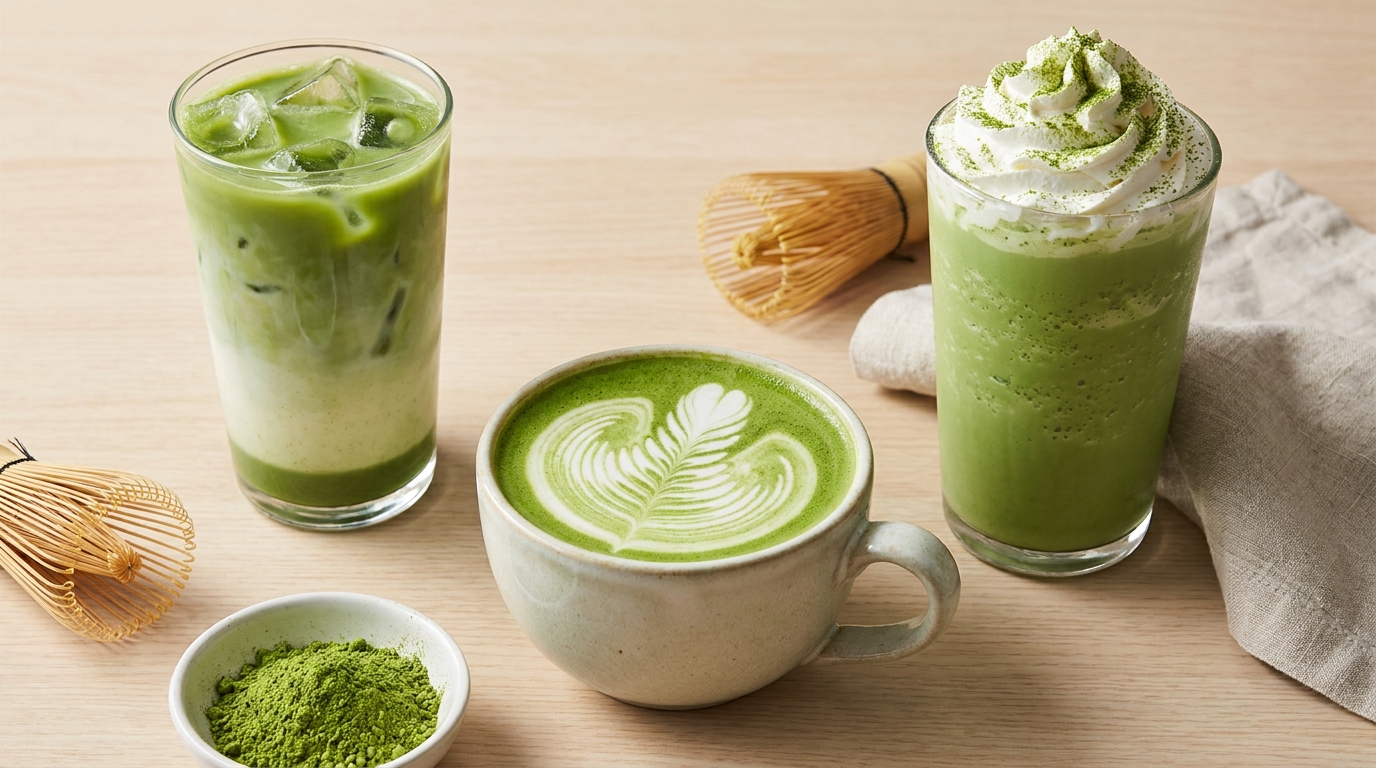
For winter, the focus is on the “Matcha Latte” and “Matcha Cortado,” where the powder’s ability to emulsify with hot milk is paramount. For summer, the trend shifts toward “Matcha Lemonades,” “Iced Matcha Tiaras” (cold foam), and “Matcha Smoothies.”
Table 2: Application Guide – Ceremonial vs. Culinary Grades
Application Type | Recommended Grade | Key Success Metric | Riching Series |
|---|---|---|---|
Traditional Whisked Tea | Ultra-Premium Ceremonial | Umami depth & Froth density | TOP-3 |
Specialty Lattes | Premium Beverage Grade | Color vibrancy through milk | TOP-4 / TOP-5 |
Iced Teas & Refreshers | Standard Premium | Clarity & Refreshing finish | Standard Premium |
Frappes & Smoothies | High-Quality Culinary | Flavor strength vs. ice/sugar | TOP-7 / Culinary |
Protein Shakes | Organic Culinary | Nutrient density & Cost | Organic Culinary |
Innovation Beyond Pure Matcha: Hojicha, Blue Matcha, and Genmaicha
While matcha is the flagship, a complete beverage program includes variety to capture different “dayparts.” Riching Matcha offers a suite of complementary tea powders that allow for creative menu engineering:
- Hojicha Powder: This roasted green tea powder offers a smoky, caramel-like flavor and very low caffeine. It is the perfect “afternoon” alternative for those sensitive to stimulants.
- Blue Matcha (Butterfly Pea Flower): For brands looking to create visually stunning, naturally blue beverages. It reacts with acidity (like lemon) to turn purple, creating a “magic” customer experience.
- Genmaicha Powder: A blend of green tea and roasted brown rice, offering a savory, popcorn-like aroma that is highly popular in Asian fusion menus.
- Jasmine Matcha: Combines the health benefits of matcha with the floral elegance of jasmine—ideal for refreshing iced teas.
By offering these variations, you reduce “menu fatigue” and encourage customers to try new, higher-margin specialty drinks.
Scaling with Precision: OEM, Private Label, and Custom Formulations
For retail brands and large distributors, the goal is often to launch a proprietary product line. Riching Matcha’s OEM and Private Label services provide a turnkey solution for brand expansion. We don’t just supply the powder; we partner in your brand’s growth.
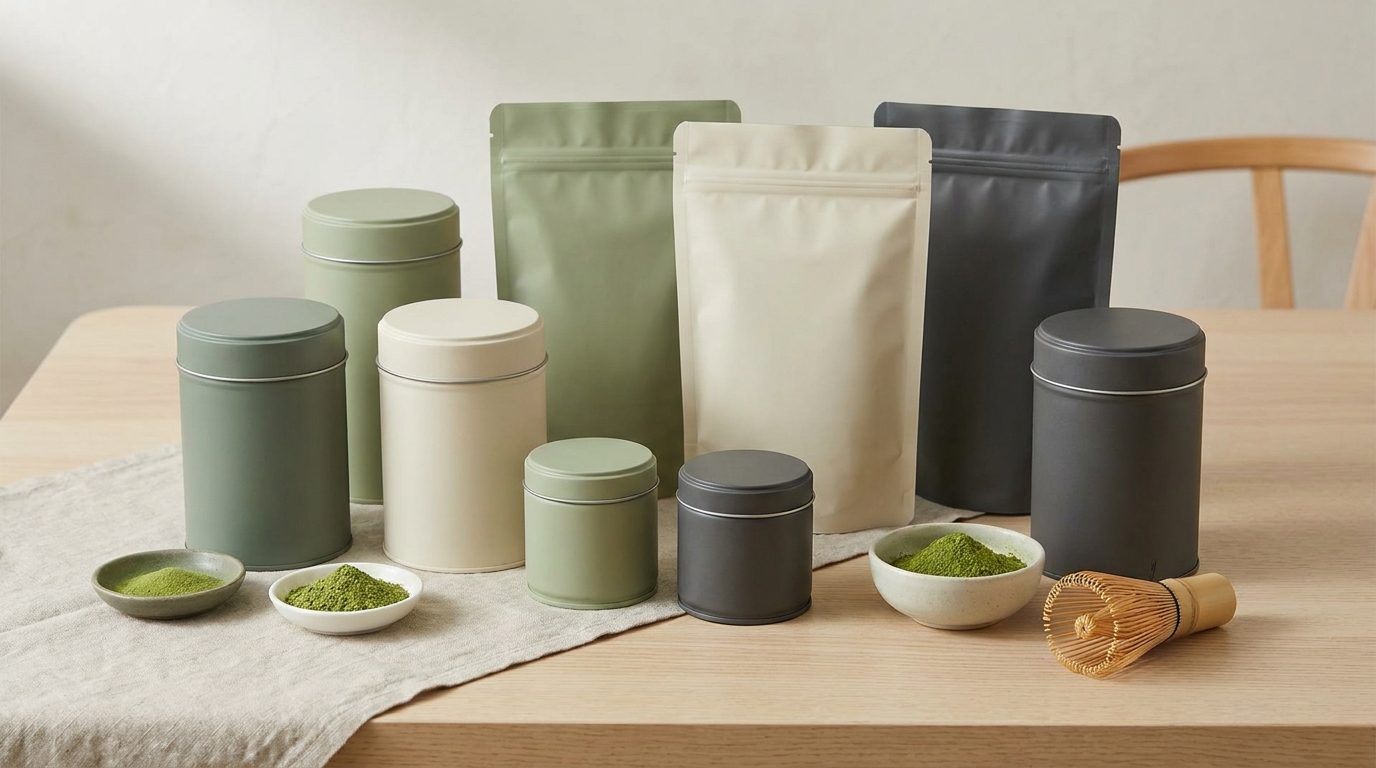
Our R&D team can assist with Custom Blending. For example, many of our B2B clients are currently requesting “Matcha Collagen” blends for the beauty-from-within market, or “Matcha Mushroom” (Lion’s Mane/Reishi) blends for the nootropic market. We also provide expertise in packaging—from 30g retail tins to single-serve sachets for the hospitality industry.
Our facility is equipped with automated packaging lines that use nitrogen-flushing technology. This process replaces oxygen with nitrogen inside the packaging, extending the shelf life of the matcha and ensuring the customer opens a product that is as fresh and green as the day it was ground.
Supply Chain Resilience: Global Logistics and Freshness Preservation
The biggest risk in the matcha business is oxidation. Once ground, matcha begins to lose its color and nutritional potency if exposed to heat, light, or air. Riching Matcha solves this through a sophisticated logistics network. We utilize cold-storage warehousing and nitrogen-flushed packaging to ensure that the matcha arriving at your facility is as fresh as possible.
With exports to over 50 countries, we have the expertise to handle complex customs requirements, ensuring timely delivery for national cafe chains and food manufacturers. We offer flexible shipping options, including air freight for smaller, high-frequency “freshness-first” orders, and sea freight for large-scale industrial applications.
Our vertical integration—owning the farm, the factory, and the export license—means there are no “middlemen” to slow down the process or inflate the costs. This direct-from-source model is the most resilient way to build a long-term beverage program.
Conclusion: Partnering for a Greener Future
Transforming your beverage menu is more than just adding a new item; it’s about aligning with a movement toward wellness, quality, and sustainability. By choosing Riching Matcha, you aren’t just buying a product—you are gaining a decade of expertise, a massive organic infrastructure, and a partner dedicated to your success.
The “Green Revolution” is here to stay. As consumers become more educated, the gap between low-quality “dust” and premium “matcha” will continue to widen. Position your brand on the right side of history by sourcing from the “Matcha Village.” Ready to elevate your business? Explore our wholesale solutions or contact our team today to request samples of our TOP series. Let’s create something extraordinary together.
Frequently Asked Questions (FAQs)
1. What is the difference between ceremonial and culinary grade matcha? Ceremonial grade is made from the youngest leaves of the first harvest, offering a sweet, umami flavor and vibrant green color, best for drinking plain. Culinary grade uses later harvests, resulting in a bolder, slightly bitter flavor that holds up well in baking and smoothies.
2. Is your matcha certified organic? Yes, we provide both USDA Organic and EU Organic certified matcha. This ensures no synthetic pesticides or fertilizers are used, meeting the highest global safety standards.
3. Do you offer private label or OEM services? Absolutely. We offer full OEM and private label support , including custom blending, nitrogen-flushed packaging, and design services for tins and pouches.
4. Where is your matcha sourced? Our matcha is grown on our 4,000,000 ㎡ organic tea farm in Hangzhou, China. This region, known as “Matcha Village,” combines ideal climate conditions with centuries of tea heritage.
5. How should I store bulk matcha to maintain freshness? Matcha should be stored in a cool, dark, and dry place. For B2B clients, we recommend keeping bulk bags sealed and refrigerated to prevent oxidation and maintain the vibrant green color.