
For many tea enthusiasts, the journey into Japanese tea begins with the vibrant, grassy notes of Sencha or the creamy intensity of Matcha. However, there is a hidden gem in the world of Japanese camellia sinensis that offers a completely different sensory experience: Hojicha. Unlike its green cousins, Hojicha is defined by its deep amber hue, a comforting aroma of toasted nuts and caramel, and—most importantly for many—a significantly lower caffeine profile.
In an era where “caffeine jitters” are a common complaint among coffee and even some tea drinkers, Hojicha has emerged as the ultimate “evening tea.” But how low is its caffeine content exactly? And how does it achieve this while still being a true tea? This guide provides an exhaustive analysis of Hojicha’s caffeine levels, the scientific magic of the roasting process, and how it stacks up against the world’s most popular beverages. Whether you are caffeine-sensitive, a late-night tea lover, or a health-conscious consumer, understanding the chemistry of Hojicha is the first step toward mastering your daily energy ritual.
What is Hojicha? (History, Bancha vs Kukicha)
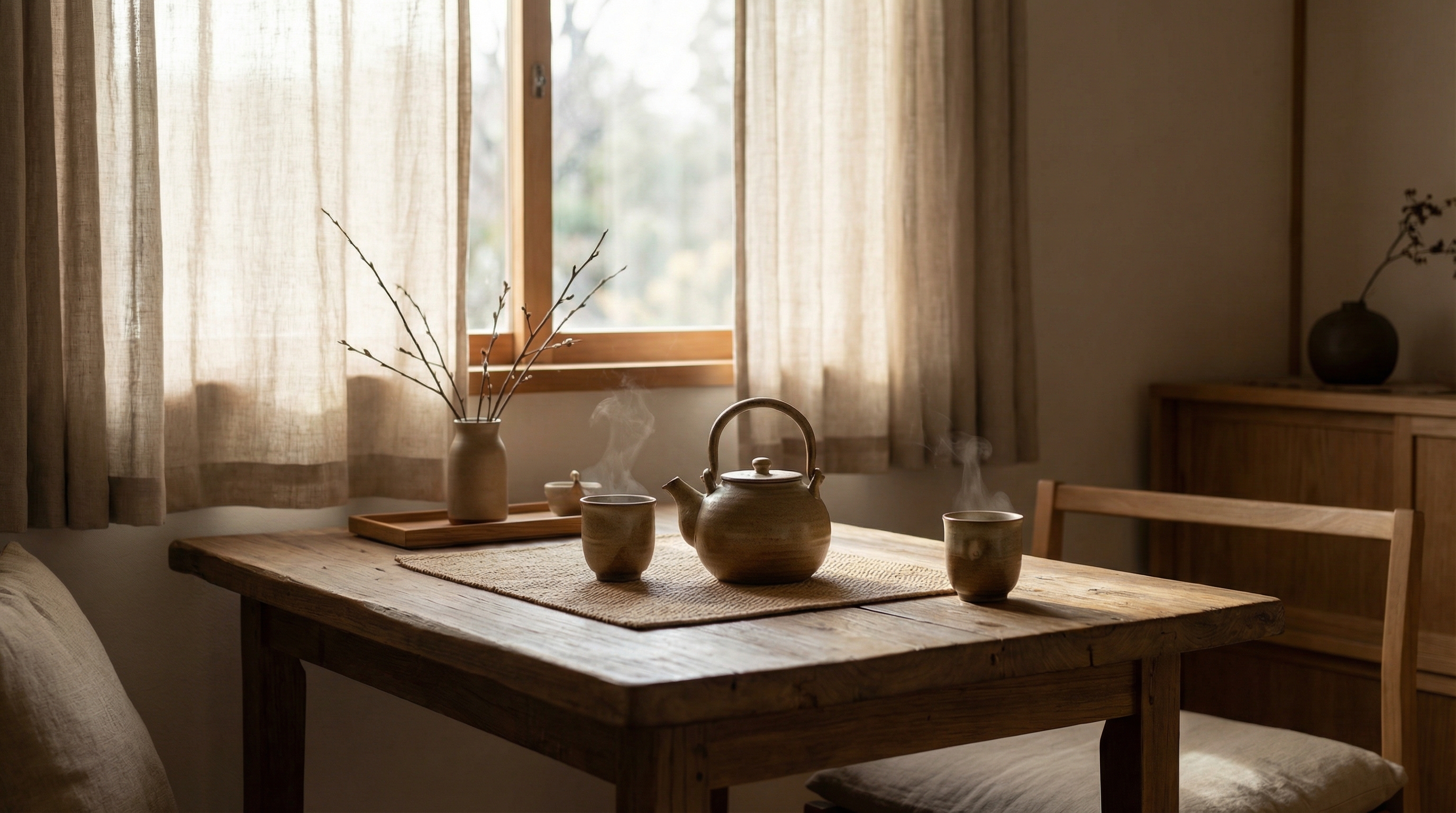
Hojicha (焙じ茶) literally translates to “roasted tea.” While most Japanese green teas are steamed to prevent oxidation and preserve their green colour and vegetal taste, Hojicha undergoes an additional high-temperature roasting stage.
The Kyoto Origin Story
The history of Hojicha is relatively modern compared to the centuries-old tradition of Matcha. It was first developed in Kyoto in the 1920s. During this period, tea merchants were looking for ways to make use of leftover tea parts and older leaves that weren’t suitable for high-end Sencha. By roasting these materials over charcoal, they discovered a beverage that was not only delicious and aromatic but also exceptionally gentle on the stomach.
Bancha vs. Kukicha: The Raw Materials
The caffeine content of Hojicha is largely determined by the parts of the tea plant used. There are two primary varieties:
- Bancha-based Hojicha: This is the most common variety. It uses Bancha—leaves harvested later in the season (summer or autumn). These mature leaves naturally contain less caffeine than the tender young buds used for premium green teas.
- Kukicha-based Hojicha (Kuki-Hojicha): This is made from the stems and twigs of the tea plant. Since the tea plant stores most of its caffeine in the leaves to ward off insects, the stems are naturally low in caffeine. Kuki-Hojicha is often considered the “lightest” and sweetest version of roasted tea.
When you choose the best matcha powder , you are often looking for high L-theanine and caffeine for focus; when choosing Hojicha, you are seeking the result of master-level roasting that transforms these base materials into something smoky and soothing.
Exactly How Much Caffeine is in Hojicha?
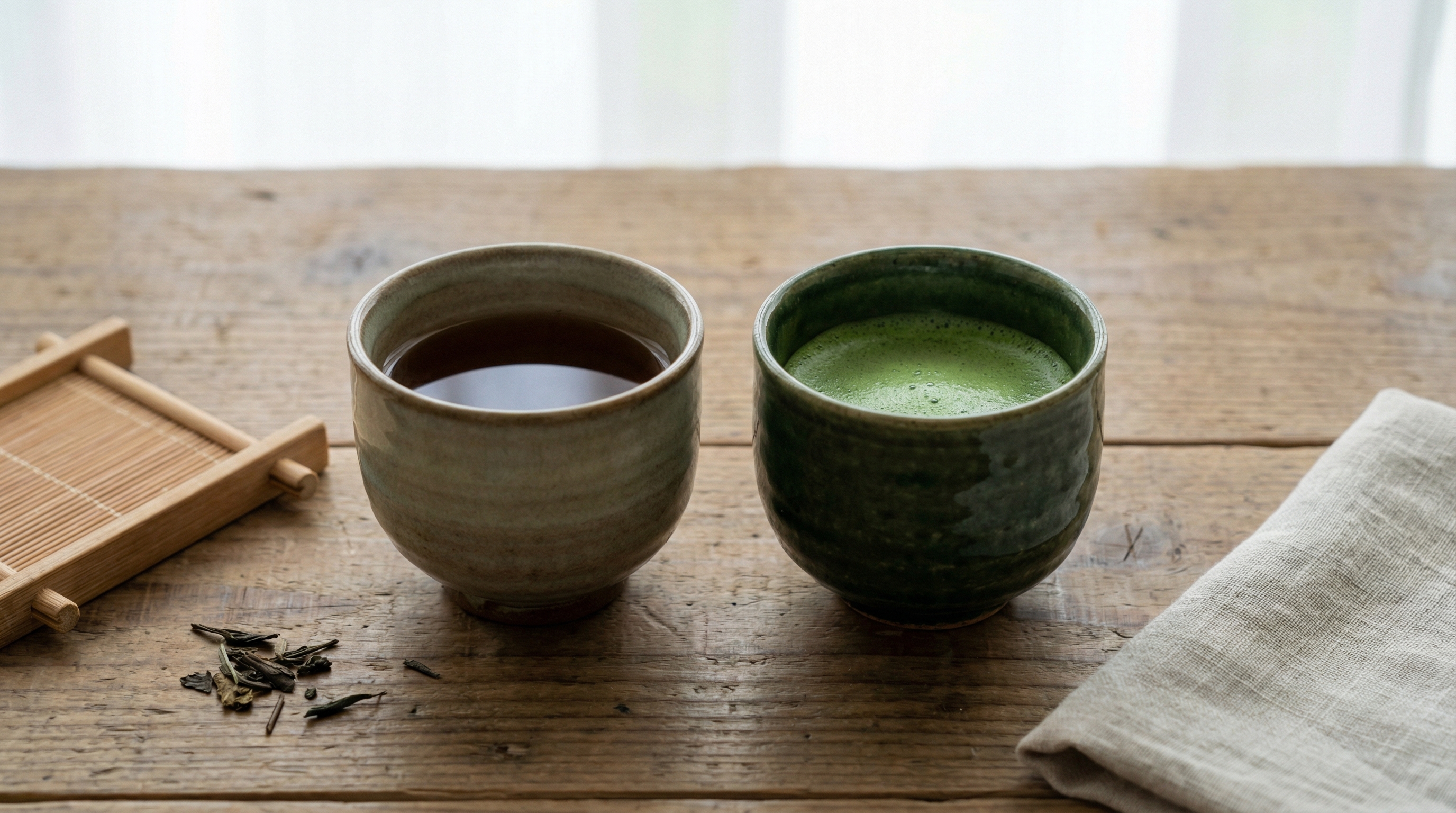
The most pressing question for most drinkers is the hard data. While caffeine levels can fluctuate based on the specific harvest and roasting intensity, scientists and tea experts have established a reliable range.
A standard 8-ounce (240 ml) cup of brewed Hojicha typically contains between 7 mg and 20 mg of caffeine. On average, most servings hover around the 7.7 mg to 10 mg mark. To put this in perspective, a decaffeinated cup of coffee still contains about 2 mg to 5 mg of caffeine. Hojicha is remarkably close to being “naturally decaffeinated” without the chemical processes often used to strip caffeine from coffee beans or black tea.
Comparison Data Table: Caffeine Across Popular Beverages
Beverage Type | Average Caffeine (per 8oz/240ml cup) | Energy Impact |
|---|---|---|
Hojicha | 7–20 mg | Very Low / Soothing |
Sencha (Green Tea) | 20–45 mg | Moderate / Alert |
Black Tea | 40–70 mg | High / Stimulating |
Matcha (2g powder) | 60–80 mg | High / Sustained Focus |
Brewed Coffee | 95–200 mg | Very High / Spiky |
Gyokuro | 120–160 mg | Extreme / Intense Focus |
As seen in the table, Hojicha sits at the very bottom of the stimulant scale, making it one of the few “true” teas (made from the Camellia sinensis plant) that can be consumed in large quantities without significant physiological stimulation.
Why is Hojicha Lower in Caffeine? (Roasting Chemistry)
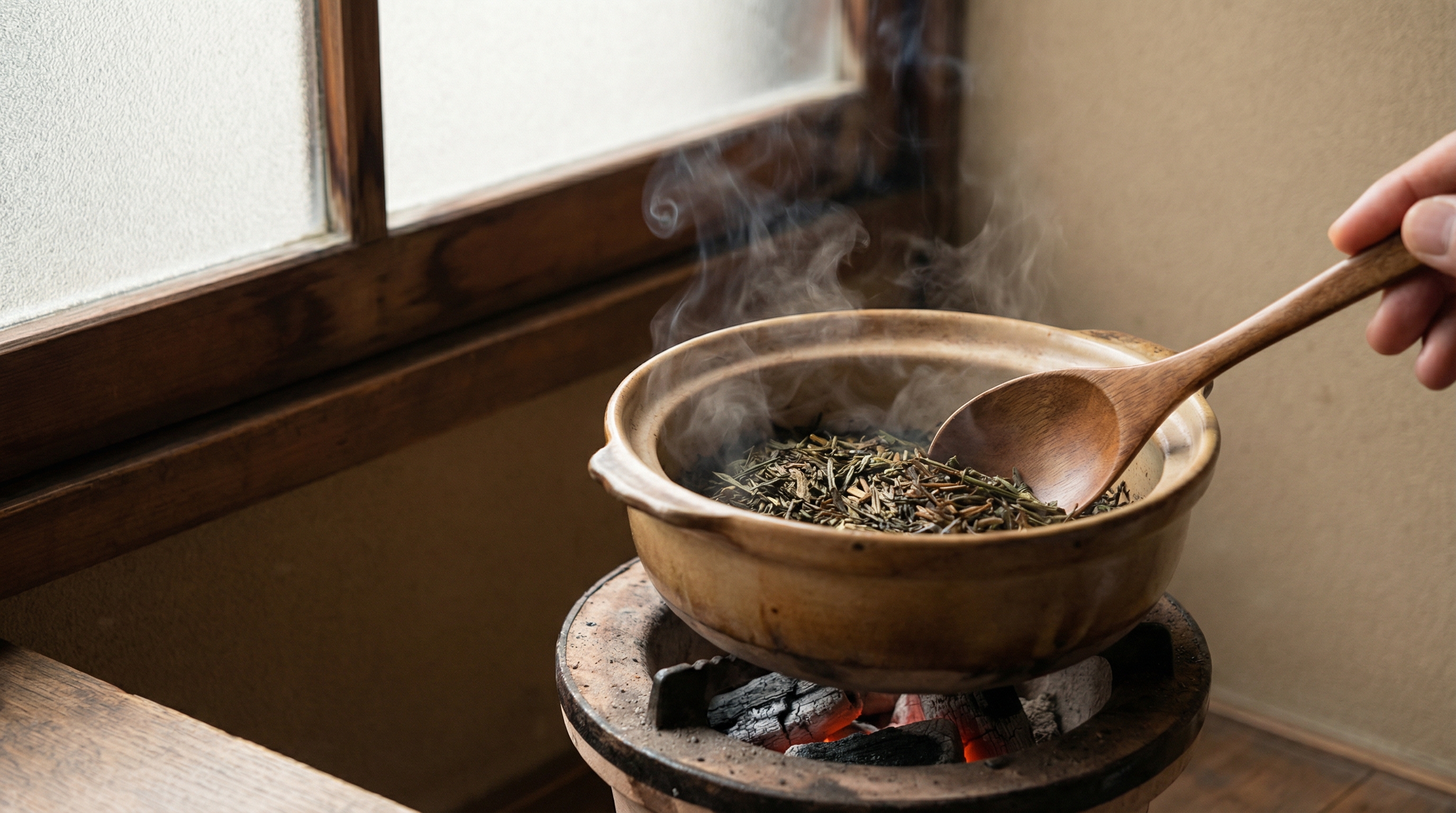
The low caffeine level of Hojicha isn’t an accident; it is the result of specific botanical factors and a transformative chemical process called sublimation.
1. The Power of Sublimation
Caffeine is a resilient molecule, but it has a breaking point. During the Hojicha roasting process, tea leaves are subjected to temperatures often exceeding 200°C (392°F). In chemistry, the “sublimation point” of caffeine—the temperature at which it turns from a solid directly into a gas—is approximately 178°C.
By roasting the leaves at temperatures higher than this threshold, a significant portion of the caffeine literally evaporates into the air. This is why Hojicha roasting facilities have such a distinct, heavenly aroma; you are smelling the toasted sugars and seeing the physical reduction of stimulants.
2. Mature Leaves vs. Young Buds
As mentioned earlier, caffeine acts as a natural insecticide for the tea plant. The plant concentrates its caffeine in the young, tender “first flush” leaves and buds because these are the most vulnerable to pests. Hojicha typically uses more mature leaves (Bancha) or stems (Kukicha), which the plant has naturally invested with less caffeine.
3. The Maillard Reaction and Pyrazines
While the roasting reduces caffeine, it creates something new: Pyrazines. These are aromatic compounds formed through the Maillard reaction (the same reaction that gives toasted bread or seared steak its flavour). Pyrazines have been scientifically linked to relaxation and improved blood circulation, counteracting the minor stimulatory effects of the remaining caffeine.
Hojicha vs Matcha: A Direct Caffeine Comparison
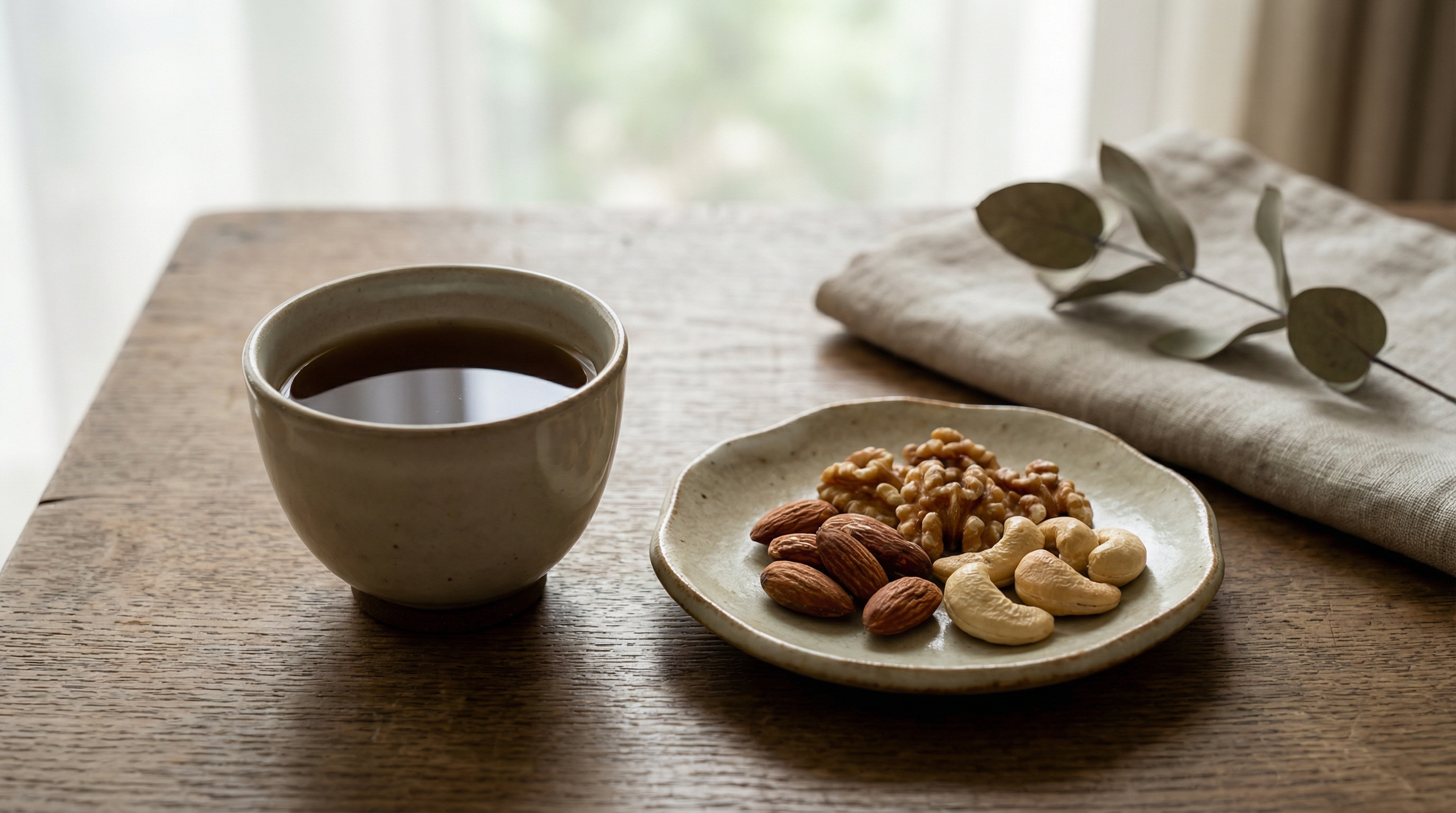
Comparing Hojicha to Matcha is a study in opposites. While both are Japanese green teas, their processing and consumption methods lead to vastly different caffeine experiences.
The Whole Leaf Factor
When you drink Matcha, you are consuming the entire tea leaf in powdered form. This means you ingest 100% of the caffeine present in those high-quality, shade-grown leaves. In contrast, Hojicha is a steeped tea; you infuse the leaves and then remove them, leaving only the water-soluble compounds in your cup.
If you are following a comprehensive matcha powder guide , you know that Matcha is the “espresso” of the tea world. A single gram of Matcha can contain up to 45mg of caffeine. Since a standard bowl of Matcha uses 2 grams, you are looking at 70-90mg. Hojicha, at 7-10mg per cup, provides roughly one-tenth the caffeine of Matcha.
Shading vs. Roasting
Matcha leaves are shaded for weeks before harvest, which boosts caffeine and L-theanine levels. Hojicha leaves are grown in full sunlight and then roasted, both of which contribute to a lower caffeine profile. If Matcha is your “workhorse” for a productive morning, Hojicha is your “reward” for a peaceful evening.
Hojicha vs Green and Black Teas
To truly appreciate Hojicha’s place in the tea pantry, we must look at how it compares to standard green and black teas. The difference lies in the Processing Triad: Steaming, Fermenting, and Roasting.
Comparison Table: Processing and Caffeine Extraction
Tea Type | Primary Processing | Leaf Maturity | Relative Caffeine |
|---|---|---|---|
Hojicha | Roasting (High Heat) | Mature Leaves/Stems | Lowest |
White Tea | Minimal Drying | Young Buds | Low to Moderate |
Sencha | Steaming (Green) | Young to Middle | Moderate |
Black Tea | Fully Oxidised | Various | High |
Gyokuro | Shaded & Steamed | Young Buds | Highest |
Black tea typically has higher caffeine because the oxidation process makes the caffeine more readily extractable during brewing, and the leaves are often harvested from varieties with naturally higher stimulant counts. Sencha, the standard Japanese green tea, remains vegetal and “raw,” retaining much more of its original caffeine content than Hojicha because it is only lightly steamed to stop oxidation, never roasted.
Hojicha vs Coffee: The Ultimate Energy Difference
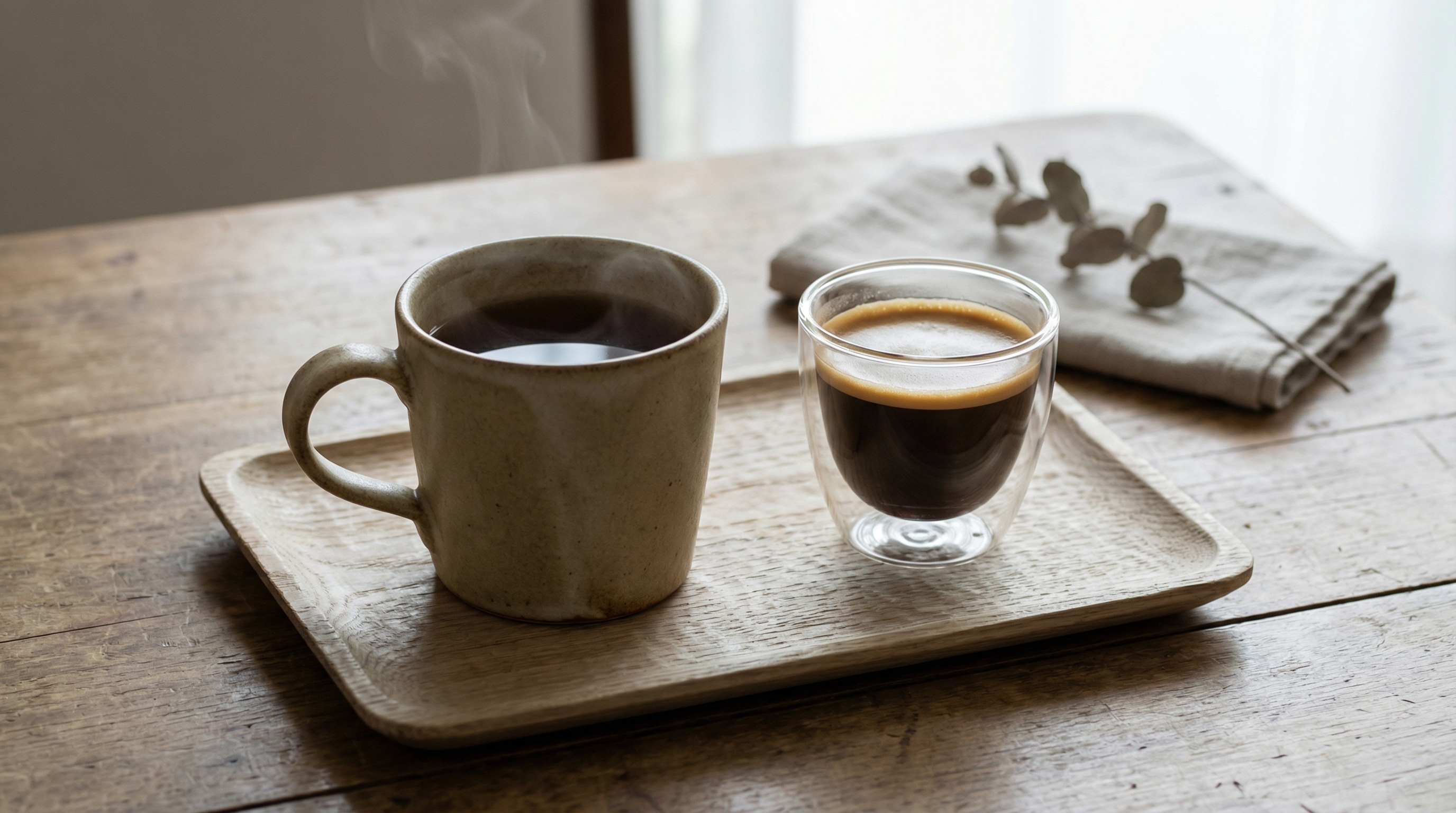
For coffee drinkers looking to switch, the transition to Hojicha is often motivated by a desire to escape the “caffeine crash.”
The Absorption Curve
Coffee caffeine is absorbed quickly in the stomach, leading to a sharp spike in heart rate and cortisol. Hojicha, even with its small amount of caffeine, contains tannins and residual L-theanine. These compounds slow the absorption of caffeine, providing a very gentle “lift” that is almost imperceptible.
Quantitative Reality
One cup of drip coffee contains approximately 100mg to 150mg of caffeine. You would have to drink roughly 10 to 15 cups of Hojicha to equal the caffeine hit of a single standard coffee. This makes Hojicha an excellent “volume” drink—something you can sip on all afternoon without worrying about your sleep cycle.
Can You Drink Hojicha at Night?
One of the most common reasons people search for “Hojicha caffeine” is to determine if it’s a suitable nightcap.
The Sleep Science
For the average person, a dose of 10mg of caffeine is negligible. The human body typically metabolises caffeine with a half-life of 3 to 5 hours. If you drink a cup of Hojicha at 8:00 PM, by 11:00 PM, your body has already processed most of that tiny amount.
Furthermore, the aroma of Hojicha plays a psychological role. The scent of roasted grains and wood is deeply grounding. In Japan, Hojicha is frequently served in hospitals and to children or the elderly specifically because it provides the comfort of a warm beverage without the risk of insomnia or stomach irritation. If you are a facilitator of your own matcha journey , you know that Matcha is for the dawn; Hojicha is for the dusk.
Is Hojicha Safe for Caffeine-Sensitive People?
Caffeine sensitivity varies wildly. Some individuals can drink double espressos before bed, while others feel palpitations from a single piece of dark chocolate.
Why Hojicha is “The Safe Tea”
For those with a low tolerance, Hojicha is often the only tea they can comfortably enjoy.
- Low Acidity: The roasting process reduces the catechins (antioxidants) that can sometimes cause bitterness and stomach upset on an empty stomach.
- L-Theanine Presence: Although lower than in Matcha, Hojicha still contains L-theanine, an amino acid that promotes alpha brain waves (relaxation).
- Blood Pressure: Unlike coffee, which can spike blood pressure, the pyrazines in Hojicha are known to help dilate blood vessels and improve peripheral circulation, creating a warming sensation in the hands and feet.
If you are highly sensitive, we recommend starting with a Kuki-Hojicha (Twig Tea), as it represents the absolute minimum caffeine level possible in a Camellia sinensis product.
The Relaxation Effect: L-Theanine and Pyrazines
The unique appeal of Hojicha isn’t just the absence of high caffeine, but the presence of relaxation-inducing chemistry.
The Synergistic Duo
- L-Theanine: This amino acid is the “calm” to caffeine’s “alert.” It crosses the blood-brain barrier and increases the activity of GABA, a neurotransmitter that has anti-anxiety effects. While roasting reduces L-theanine compared to Matcha, the remaining amount is highly effective because there is so little caffeine to compete with it.
- Pyrazines: As discussed, these are the “toasty” molecules. Scientific studies in Japan have shown that just smelling pyrazines can lower the heart rate and reduce stress.
This combination makes Hojicha a “functional” beverage for stress management. It provides a mindful pause in a busy day, acting as a sensory anchor that tells your nervous system it is time to downregulate.
Factors Influencing Caffeine Levels (Water Temp/Time)
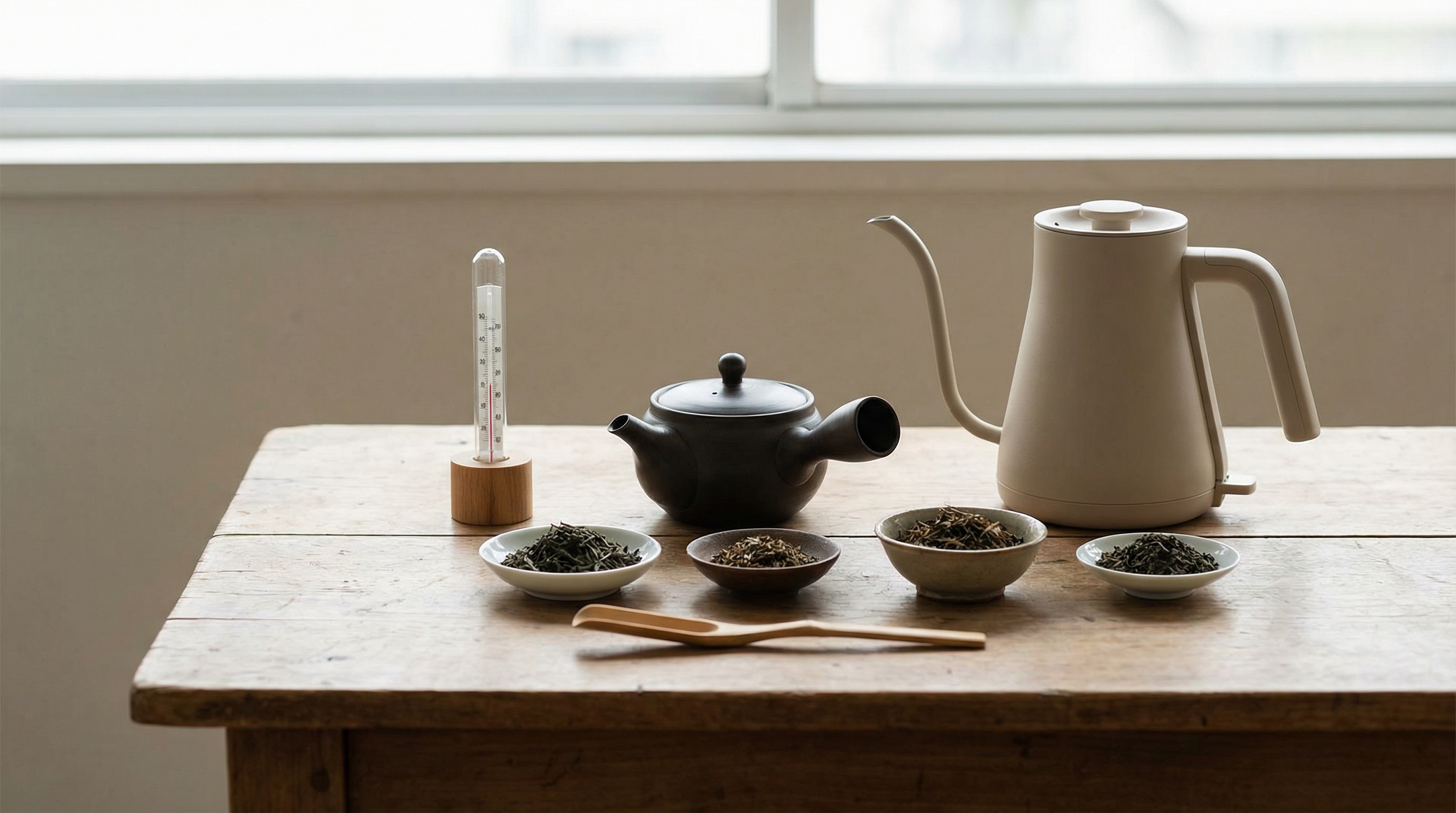
Even within Hojicha, you have control over the final caffeine count in your cup. Caffeine extraction is a physical process that depends on temperature and time.
Extraction Mechanics
Caffeine is highly soluble in hot water. The hotter the water and the longer the leaves sit, the more caffeine moves from the leaf into the liquid.
Data Table: Impact of Brewing Parameters on Caffeine Extraction
Brewing Method | Temp (°C) | Steep Time | Caffeine Extracted |
|---|---|---|---|
Traditional Hot | 90–100°C | 30–60 sec | Standard (7–10mg) |
Over-Steeped | 100°C | 5+ mins | High (15–20mg) |
Quick Rinse | 80°C | 20 sec | Lowest (4–6mg) |
Cold Brew | 5°C | 8 hours | Minimal (3–5mg) |
Pro-Tip for Sensitive Drinkers
If you want the flavour of Hojicha with the absolute minimum caffeine, try Cold Brewing. Caffeine extracts much more slowly in cold water. Steeping Hojicha leaves in a carafe in the fridge overnight results in a silky, sweet, and almost entirely caffeine-free beverage.
Best Time to Drink Hojicha
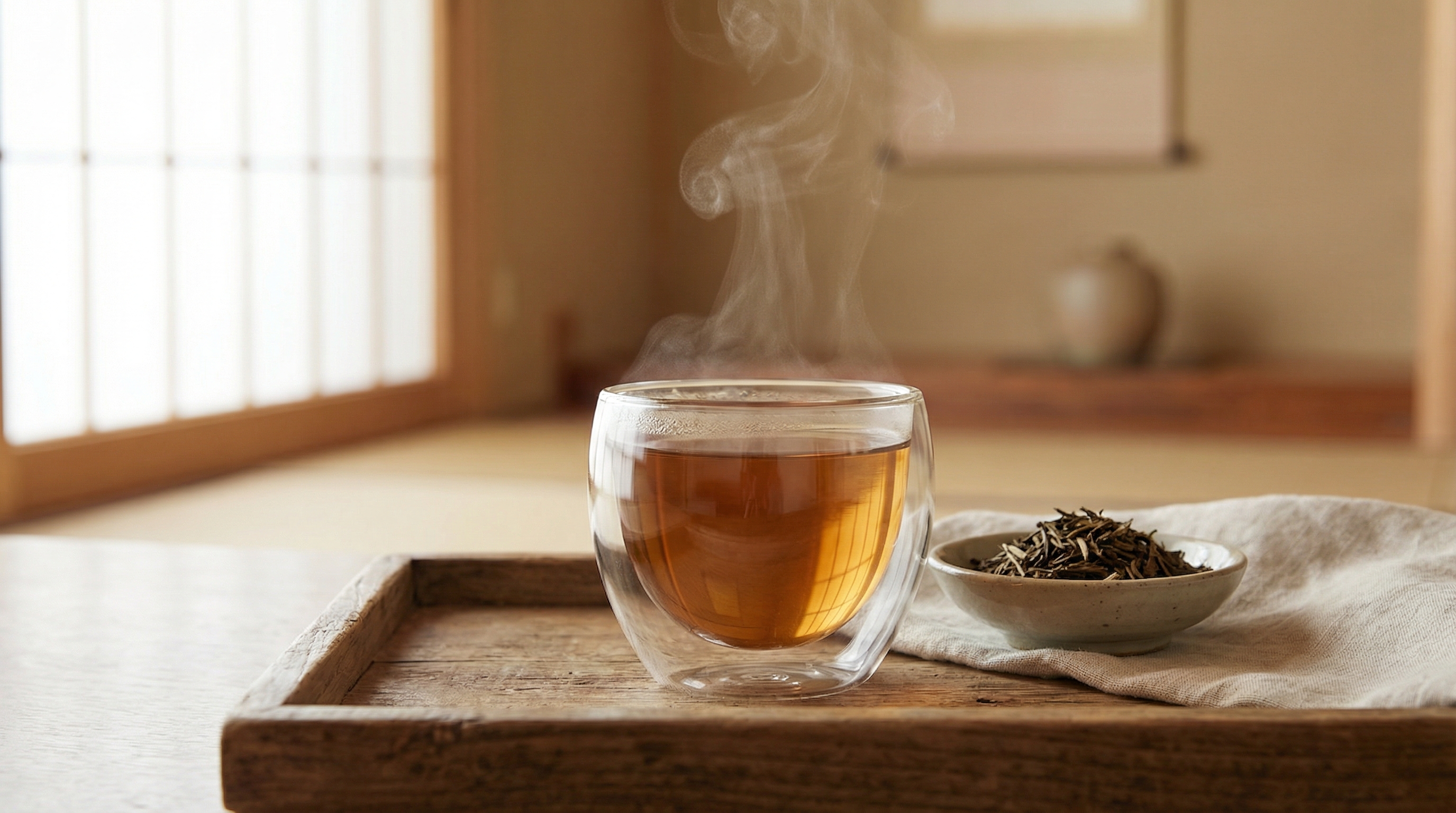
While you can drink Hojicha anytime, certain moments in the day highlight its benefits more than others.
- After Lunch: Hojicha is famously good for digestion. The roasting process makes it alkaline, which helps settle the stomach after a heavy meal.
- The “3 PM Slump”: Instead of a second coffee that might ruin your sleep later, Hojicha provides a warm, comforting ritual that satisfies the “need for a drink” without the over-stimulation.
- Post-Dinner: Its nutty, caramel-like notes pair perfectly with desserts (especially chocolate or wagashi).
- Before Bed: For many, the ritual of a warm cup of Hojicha is a powerful sleep signal.
Taste Profile: Beyond the Caffeine
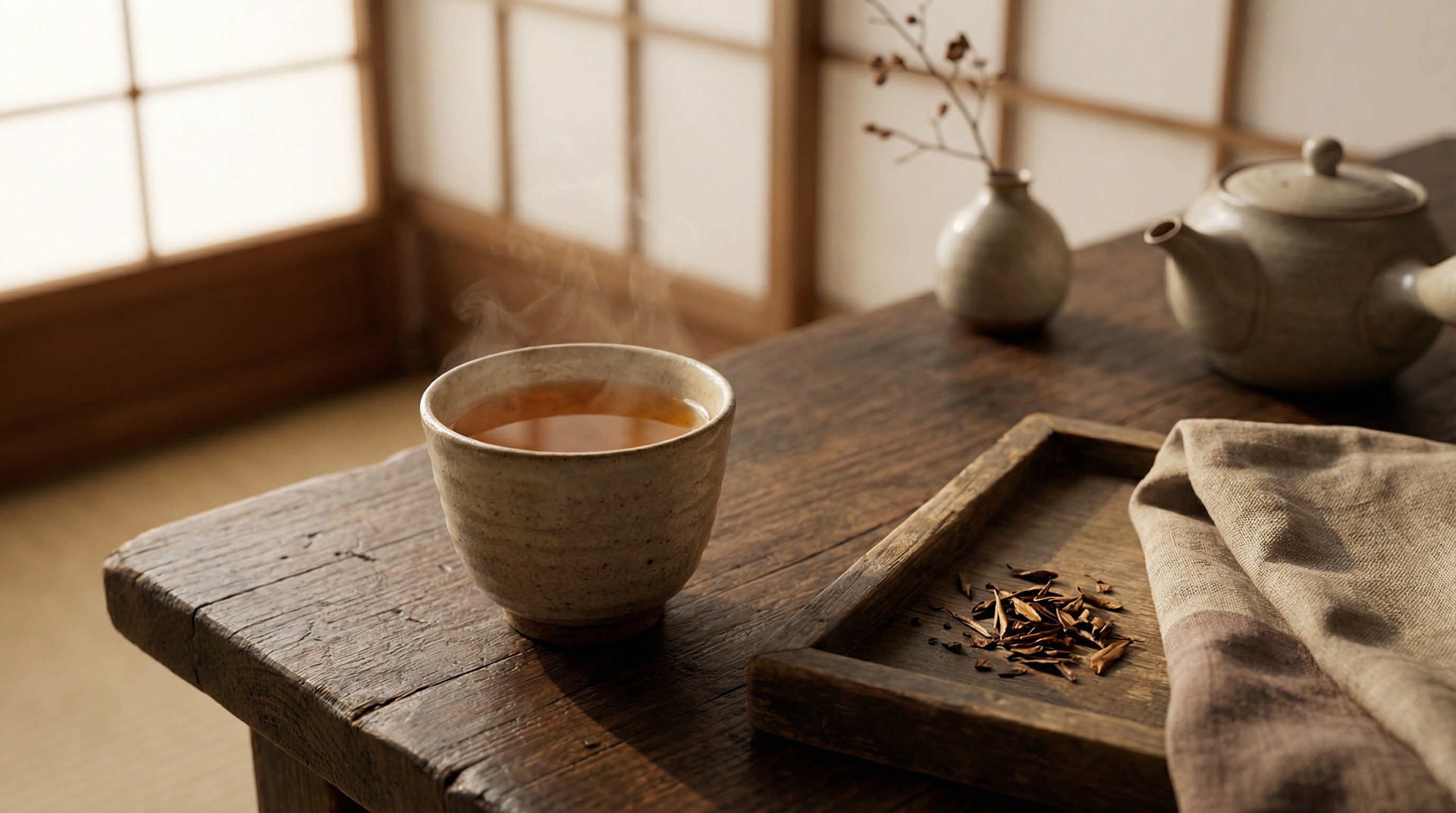
If you are used to the bitter or astringent notes of some green teas, Hojicha will be a revelation. The high-heat roasting destroys the catechins that cause bitterness.
Flavour Notes
- Toasted Grain: Similar to roasted barley or puffed rice.
- Caramel/Molasses: A natural sweetness that emerges from the caramelized sugars in the leaf.
- Wood Smoke: A gentle, earthy smokiness (not as intense as Lapsang Souchong).
- Nutty: Reminiscent of roasted hazelnuts or walnuts.
This profile makes it a “bridge” tea—it appeals to coffee drinkers because of the roast and to tea drinkers because of the clean finish.
How to Choose High-Quality Hojicha
Not all Hojicha is created equal. To ensure you’re getting the best flavor and the lowest caffeine, look for these markers of quality:
1. Leaf Appearance
Look for leaves that are uniform in color. A high-quality Hojicha should have a rich, chocolate-brown hue. If the leaves look uneven or “burnt” (black), the tea may have been roasted too quickly, resulting in a charcoal taste rather than a toasted one.
2. The Aroma
The scent should be immediate and inviting. If it smells like nothing, it is likely old. Hojicha loses its aromatic pyrazines over time, so freshness is key.
3. Origin
Kyoto (Uji) remains the gold standard for Hojicha. The expertise in roasting in this region is unmatched. When you invest in essential matcha tools , you are buying into a tradition; the same applies to the roasting equipment used for Hojicha.
4. Powder vs. Loose Leaf
Hojicha powder is becoming popular for lattes. Ensure the powder is finely milled and smells intensely of toasted nuts.
Who Should Choose Hojicha?
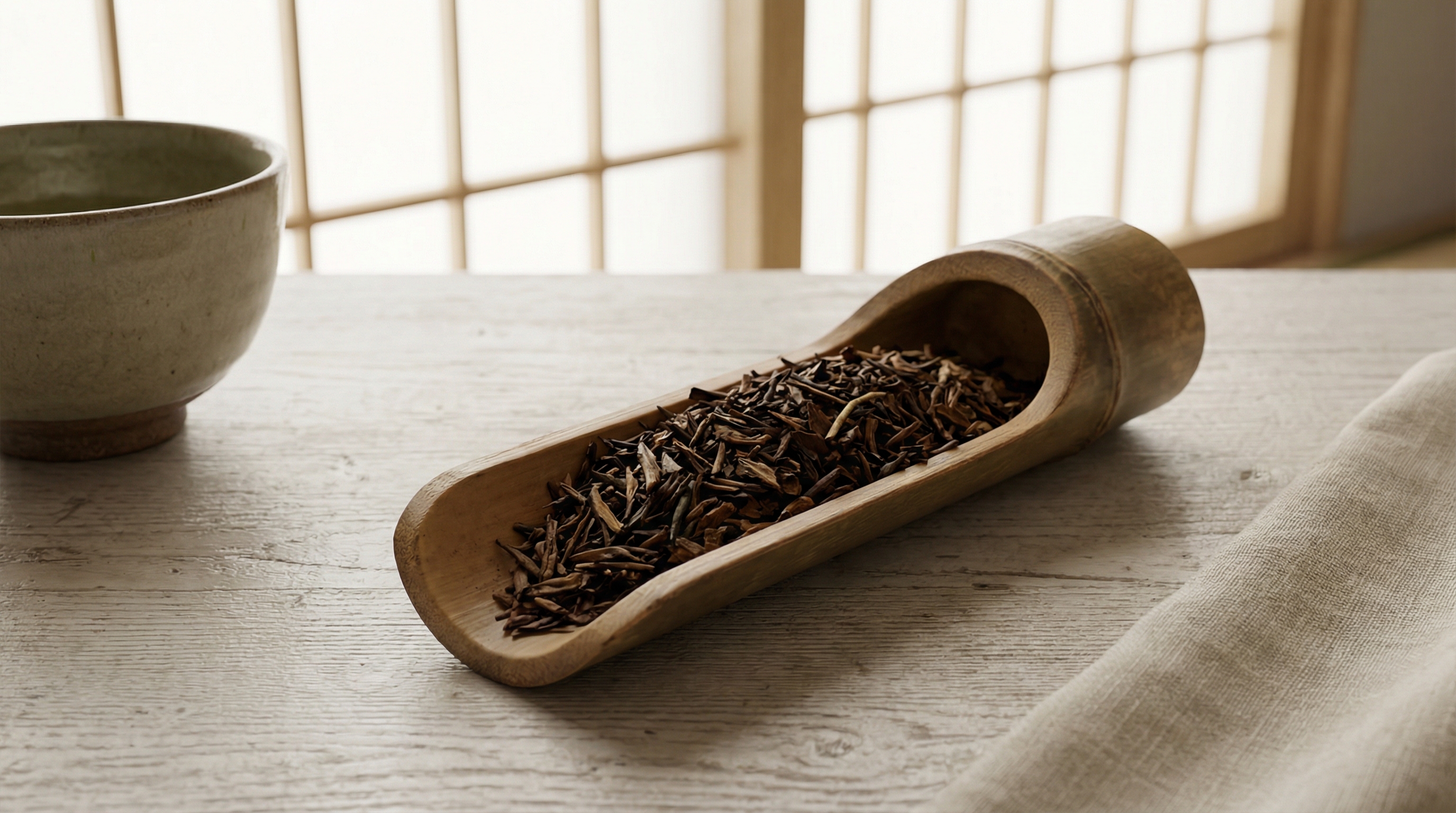
Hojicha is a versatile tea, but it is particularly beneficial for certain groups of people:
- The “Anxious” Drinker: If caffeine makes you feel panicky or shaky, Hojicha is your safe haven.
- Intermittent Fasters: Because it is so low in acidity and bitterness, it is much easier on an empty stomach than coffee or green tea.
- Parents: Hojicha is a wonderful way to introduce children to tea culture without worrying about hyperactivity.
- Pregnant or Nursing Mothers: Always consult a doctor, but many find Hojicha’s low caffeine levels (7-10mg) fit easily within recommended daily limits.
- Tea Beginners: Its accessible, “savory” flavour is often preferred by those who find Matcha too “grassy.”
Integrating Hojicha into Your Daily Life (Recipes)
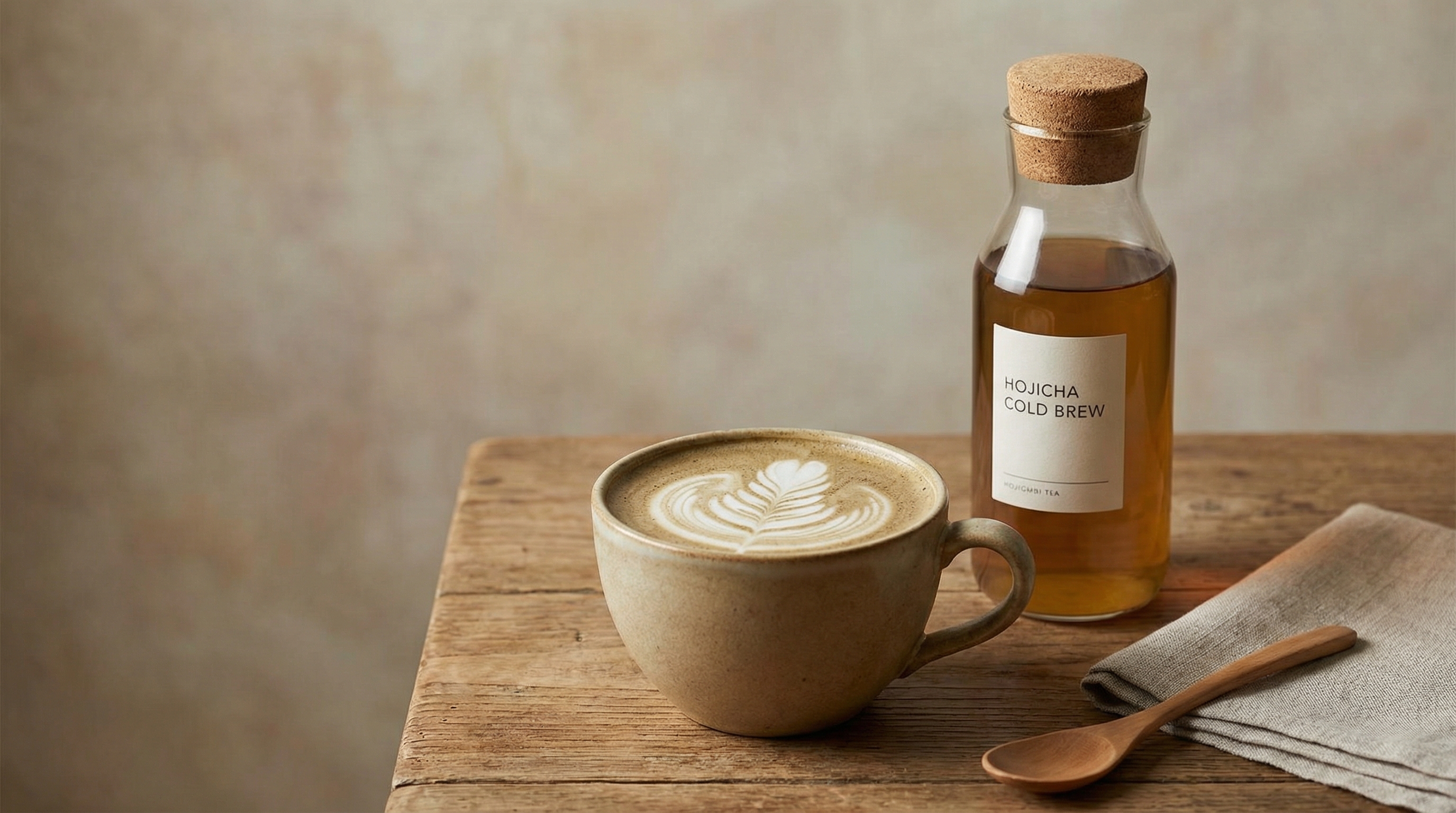
Hojicha is more than just a steeped tea; its roasted profile makes it an incredible ingredient for modern culinary applications.
1. The Hojicha Latte (The “Roasted” Matcha Latte)
This has become a staple in Tokyo cafes.
- Step 1: Sift 1 teaspoon (approx 2g) of Hojicha powder into a bowl.
- Step 2: Add 60ml of hot water (90°C).
- Step 3: Use a whisk (the same one you use when you learn how to prepare pure matcha ) to froth the tea.
- Step 4: Pour over 200ml of steamed oat or soy milk. The creaminess of the milk perfectly complements the smoky tea.
2. Hojicha Cold Brew
- Step 1: Place 10g of loose-leaf Hojicha in a 1-litre pitcher.
- Step 2: Fill with cold filtered water.
- Step 3: Refrigerate for 8–12 hours.
- Step 4: Strain and serve over ice. It’s the ultimate refreshing summer drink.
Conclusion & FAQ
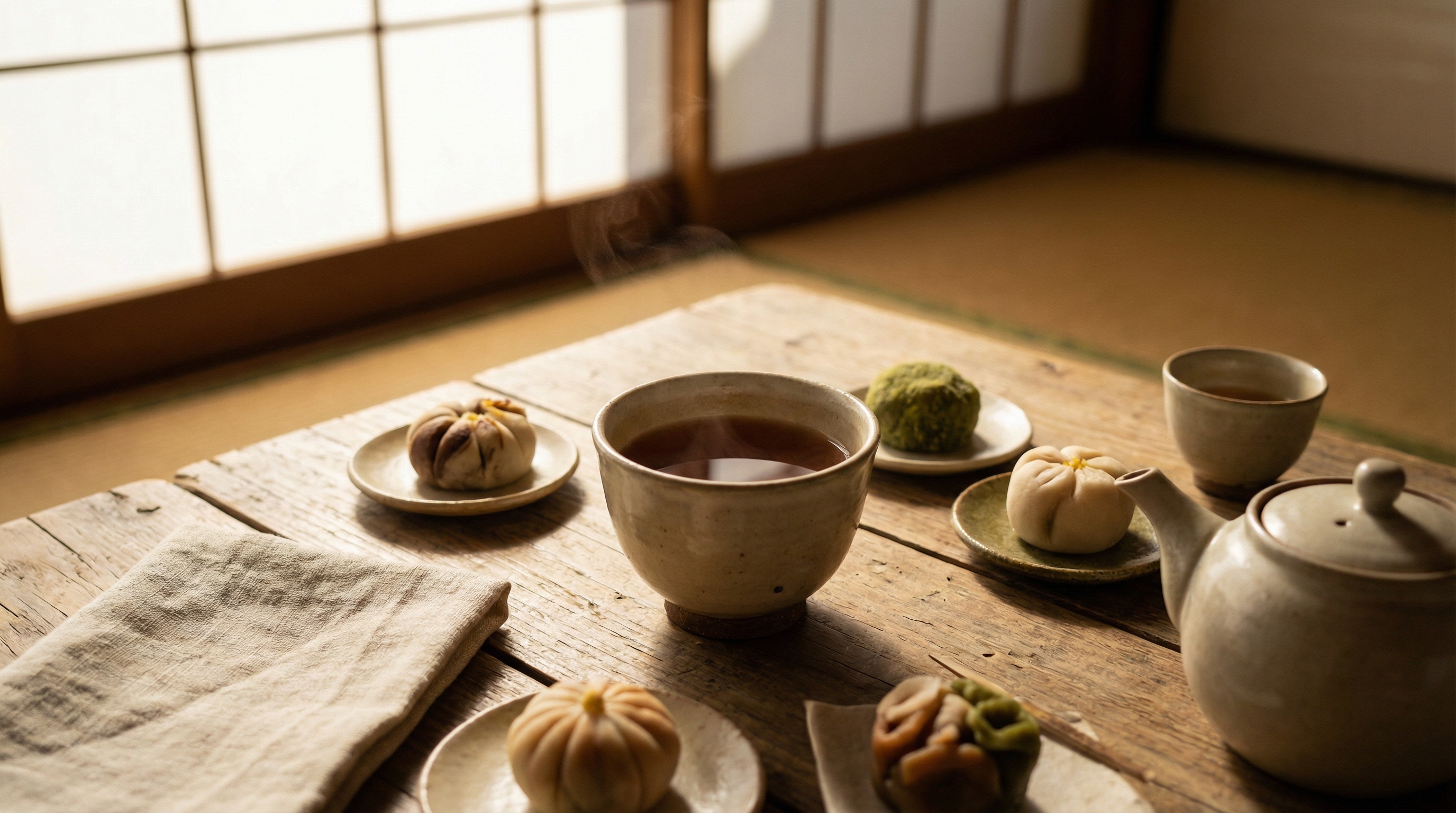
Hojicha stands as a testament to the ingenuity of Japanese tea culture. By taking “lesser” leaves and applying the transformative power of fire, tea masters created a beverage that solves the modern dilemma of caffeine over-consumption. With its uniquely low caffeine content (7–20mg), rich pyrazine profile, and comforting toasted flavour, it is the perfect companion for a balanced life.
Frequently Asked Questions
Q: Does Hojicha have more caffeine than white tea?A: Usually, no. Most white teas contain 15-30mg of caffeine per cup, whereas Hojicha typically stays below 15mg.
Q: Can I drink Hojicha if I have a stomach ulcer?A: Hojicha is the least acidic of all teas, making it the most likely to be tolerated. However, always consult your physician for medical advice.
Q: Does roasting destroy the antioxidants?A: Roasting reduces the levels of catechins (like EGCG) but creates other beneficial compounds through the Maillard reaction. It still offers significant health benefits, just a different profile than unroasted green tea.
Q: How do I store Hojicha?A: Because of its roasted nature, Hojicha is slightly more shelf-stable than Matcha. However, it should still be kept in an airtight, opaque container away from heat and light to preserve its precious aromatic pyrazines.
Q: Where can I learn more about the tools for the tea ritual?A: You can explore our guide on essential tools in the perfect matcha set to understand the craftsmanship behind Japanese tea accessories.