
For a standard cup of tea, you should use approximately 1.5 to 2 grams (about 1/2 to 1 teaspoon) of matcha powder per 8-ounce cup of water. Many beverage enthusiasts struggle with a thin consistency or overwhelming bitterness when preparing this vibrant Japanese green tea at home or in a professional kitchen. Such inconsistency often results from guessing the measurements rather than following a precise formula that balances earthy notes with natural sweetness. By failing to master how much matcha powder per cup is necessary, you risk wasting premium leaves and delivering a beverage that fails to satisfy discerning palates. You can transform your tea ritual into a reliable science by understanding the specific gram-to-water ratios utilized by top-tier baristas globally. Riching Matcha provides the foundational expertise needed to ensure every serving maintains its signature emerald hue and creamy texture.
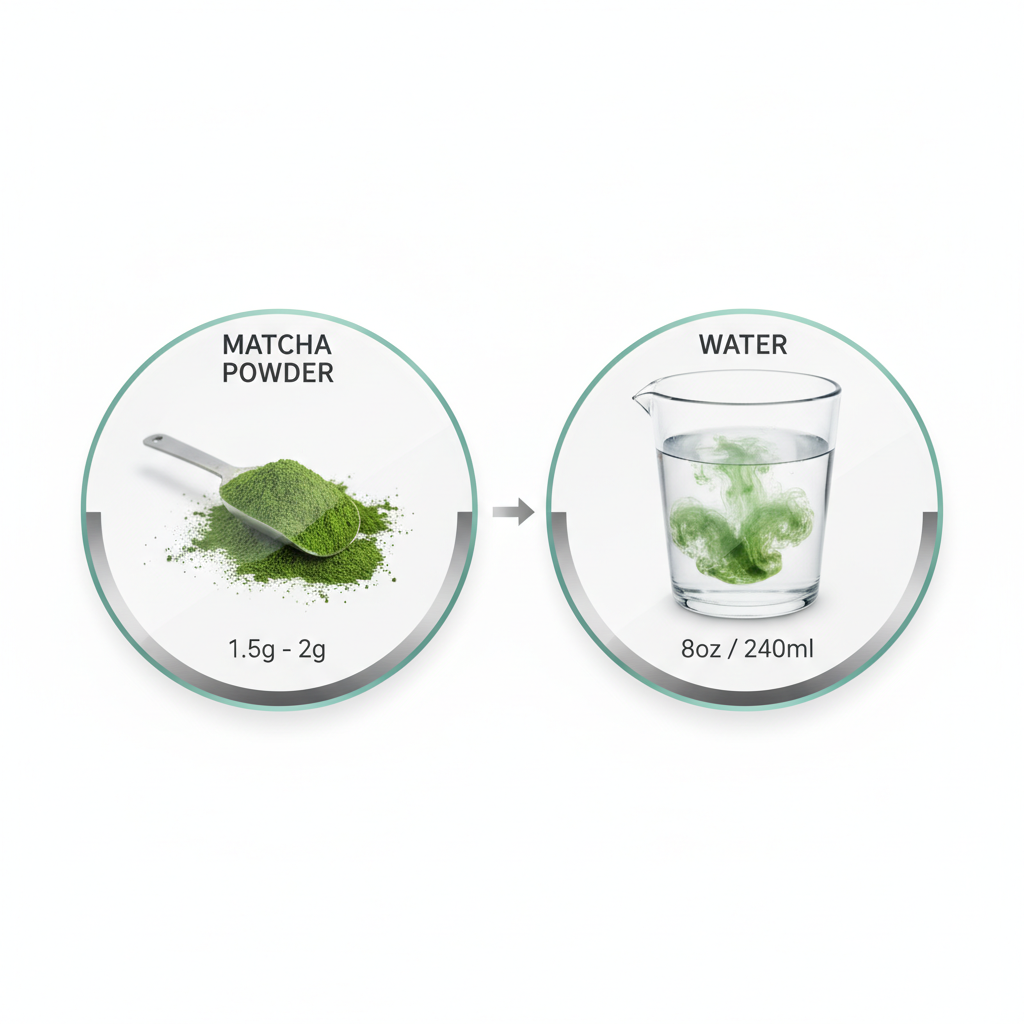
Achieving the ideal consistency for Usucha requires a precise measurement of approximately 1.5 to 2 grams of sifted powder. Determining how much matcha powder per cup is necessary often depends on the specific volume of hot water being used in the bowl. Most practitioners find that 2 to 3 ounces of water provides the best canvas for this vibrant green tea suspension. This balance ensures that the drink remains light enough to be refreshing while still offering a deep, lingering finish.
Using a bamboo scoop is the most common way to measure this amount in a traditional setting. You should aim for two heaping scoops to reach the desired weight without needing a digital scale every time. If you use too little, the tea will lack the characteristic froth and mouthfeel that defines the experience. Conversely, over-measuring can lead to a grit that settles at the bottom of your vessel and ruins the texture.
Measuring by precise weight
Using a digital gram scale represents the most accurate method for establishing consistency in your daily tea routine. Here is the kicker: even a half-gram deviation can significantly alter the mouthfeel and color of your final brew. Scales allow you to replicate the exact experience every morning regardless of how densely the powder settled inside its tin.
- Precision scales eliminate guesswork for high-volume cafe environments and home enthusiasts alike.
- Consistent weight prevents product waste over long business quarters by ensuring no excess is used.
- Gram measurements remain more reliable than volumetric spoon sizes which vary by brand and shape.
- Digital readouts allow for micro-adjustments based on the specific harvest year of your tea leaves.
- Taring the bowl before adding powder ensures that only the weight of the tea is calculated accurately.
- Professionals use scales to maintain a strict 1:40 powder-to-water ratio for the most balanced profile.
Measuring by volume tools
If you lack a scale, a level teaspoon typically holds about two grams of fine powder when leveled off across the top. The best part? Traditional bamboo scoops are specifically designed to deliver approximately one gram per heaping portion. Using these tools provides a tactile connection to the heritage of the tea while keeping your proportions within a reasonable range.
- Level teaspoons provide a quick alternative for busy home settings where speed is the primary priority.
- Bamboo scoops offer an authentic experience for ceremonial preparation styles and formal tea gatherings.
- Volumetric measuring requires sifting first to avoid compacting the tea and getting an inaccurate reading.
- Standard kitchen spoons are often deeper than tea-specific tools and can lead to over-portioning the product.
- Consistency with volume tools requires a steady hand and a repeatable “scooping” motion every time.
- Many starters prefer a 1/2 teaspoon measure to reach a safe 1.5-gram starting point for their first bowl.
Key TakeawayMastering the standard 2-gram ratio for an 8-ounce serving provides the foundational balance required for traditional thin tea enjoyment.
Measurement Method | Amount Needed | Liquid Volume | Resulting Strength |
|---|---|---|---|
Digital Scale | 2.0 Grams | 8 oz Water | Perfectly Balanced |
Bamboo Scoop | 2 Heaping Scoops | 2-3 oz Water | Authentic & Medium |
Standard Teaspoon | 1 Level Spoon | 8 oz Water | Consistent Strength |
Small Whisk | 0.5 Teaspoon | 4 oz Water | Light & Delicate |
Why does how much matcha powder per cup affect the final taste?
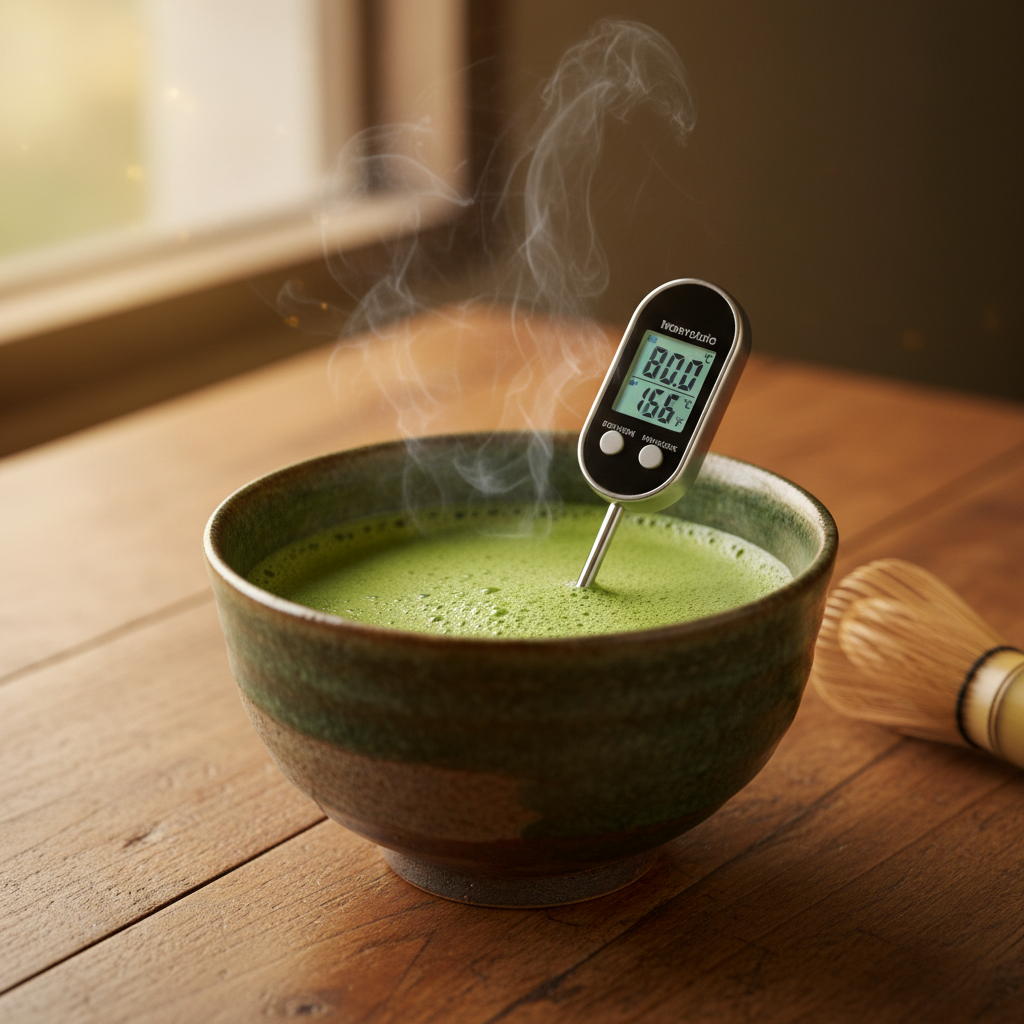
The specific concentration of solids directly dictates whether the resulting brew tastes sweet and umami-rich or overly sharp and unpleasantly bitter. When you analyze how much matcha powder per cup should be integrated, you must consider the chemical composition of the Camellia sinensis leaves used in production. Higher concentrations of powder increase the caffeine and L-theanine delivery but also elevate the tannins that cause dryness on your tongue. Finding that “sweet spot” requires a delicate touch so that the nuances of the harvest aren’t buried under a wall of intense plant flavors.
Balancing these elements distinguishes a mediocre drink from a professional-grade experience that lingers pleasantly on the palate. If the ratio is too low, the water will overpower the delicate amino acids and result in a grassy, thin liquid. If the ratio is too high, the polyphenols will become dominant and create a harsh astringency that masks the natural sweetness. The interaction between powder volume and water creates a unique suspension that changes character with every milligram added.
Impact of particle suspension
Matcha is a suspension of ground leaves rather than a traditional steeped infusion which means every particle remains in your beverage. This is where it gets interesting: the density of these particles determines how smoothly the liquid glides across your throat during consumption. Too few particles result in a watery broth that lacks the signature creamy froth required for an authentic aesthetic.
- Suspended solids provide the rich mouthfeel associated with high-grade, stone-ground Japanese tea.
- Proper density allows for stable micro-foam creation during whisking with a traditional bamboo tool.
- Over-saturation leads to a gritty texture that coats the teeth and creates a sandy finish.
- The suspension carries the chlorophyll which gives the drink its vibrant and appealing emerald green color.
- Sifting the powder ensures these particles are uniform and do not form clumps that fail to hydrate.
- High-quality powder stays in suspension longer, whereas lower grades tend to sink rapidly to the bottom.
Role of temperature interaction
Water temperature interacts with the powder amount to release specific aromatic compounds that define the overall drinking experience. Believe it or not, using too much powder at high temperatures releases excessive catechins that turn the tea brown and bitter. Lowering the water heat while maintaining a steady ratio allows the sweet amino acids to dominate the flavor profile.
- Water around 175 degrees Fahrenheit protects the delicate tea nutrients and prevents heat-induced oxidation.
- Higher powder ratios require cooler water (around 160°F) to manage the potential for excessive bitter notes.
- Proper temperature control enhances the vibrant green chlorophyll color and preserves the fresh aroma of the tea.
- Using boiling water destroys the L-theanine molecules which are responsible for the tea’s calming effects.
- Cold water brewing requires more powder because the extraction of flavor molecules happens much more slowly.
- Pre-heating the bowl ensures the powder meets the water at the intended temperature for immediate dispersion.
Key TakeawayAchieving the correct ratio prevents the release of excessive tannins while ensuring the creamy suspension provides a luxurious mouthfeel.
Ratio Deviation | Taste Impact | Texture Result | Color Appearance |
|---|---|---|---|
Too Much Powder | Sharp Bitterness | Gritty / Thick | Dark Forest Green |
Correct Ratio | Sweet Umami | Creamy / Frothy | Vibrant Emerald |
Too Little Powder | Weak / Grassy | Thin / Watery | Pale Translucent |
Cold Prep Ratio | Very Mild | Non-Frothy | Bright & Clear |
How much matcha powder per cup do you use for creamy lattes?
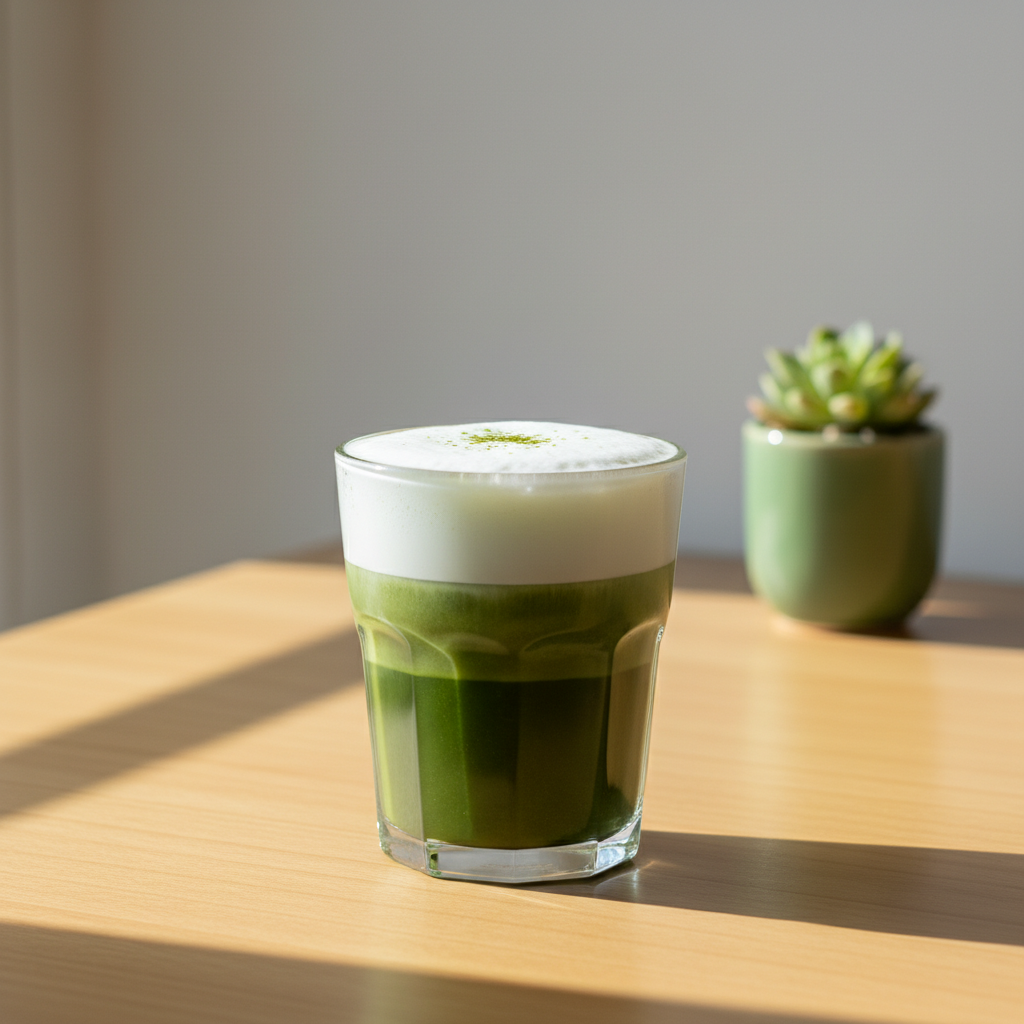
Preparing a latte requires a higher concentration of tea to ensure the flavor cuts through the fats and sugars found in milk. Determining how much matcha powder per cup for a latte involves increasing the standard measurement to approximately 3 grams for a 12-ounce beverage. Because dairy and plant milks like oat or almond have strong flavor profiles, the tea must be robust enough to remain the star of the show. If you use the standard water ratio, the milk will simply wash away the delicate grassy notes and leave you with a bland drink.
Boosting the powder content provides the necessary “punch” that latte drinkers expect from a premium cafe offering. This concentrated base allows for a beautiful contrast between the white milk foam and the dark green tea liquid. Most baristas recommend using a culinary or premium grade for lattes as the subtle nuances of ceremonial grade are often lost. You should always whisk the tea with a tiny amount of hot water first to create a smooth, clump-free paste before adding milk.
Balancing with milk fats
The fats in whole milk or heavy cream can coat the tongue and dull the perception of the tea’s natural sweetness. Ready for the good part? Using about 1.5 teaspoons of powder creates a concentrated “shot” that maintains its integrity even when diluted with several ounces. This concentration ensures that the earthy backbone of the tea provides a sophisticated counterpoint to the creaminess of the dairy.
- High fat content in dairy milk requires a stronger tea base for a balanced and professional flavor profile.
- Concentrated shots prevent the latte from becoming overly diluted and tasting like hot milk with a hint of grass.
- Sifting remains mandatory to prevent unsightly green clumps from floating in the thick, textured milk foam.
- Soy milk has a nutty flavor that pairs exceptionally well with a 3-gram ratio of premium green tea.
- Cashew milk offers a naturally sweet profile that can handle a slightly lower powder ratio of 2.5 grams.
- Steaming the milk to 150 degrees Fahrenheit ensures it doesn’t burn the tea when the two are combined.
Choosing the right sweetener
Sweeteners like honey or vanilla syrup often mask the flavor of the tea if the ratio is not adjusted accordingly. Wait, there is more: a 3-gram ratio allows you to add sweetness without losing the authentic tea character that defines a true latte. You should always whisk the powder with a small amount of hot water first to create a smooth paste before adding any liquid.
- Syrups require a bolder tea presence to avoid creating a drink that tastes like liquid candy.
- Natural sweeteners like maple syrup complement the umami when the tea ratio is kept sufficiently strong.
- Pre-mixing the paste with the sweetener ensures even distribution of flavor and color throughout the glass.
- Agave nectar provides a neutral sweetness that lets the 3-gram tea concentration shine through clearly.
- Brown sugar can add a caramel note that works best with a slightly higher culinary-grade ratio.
- Stevia or monk fruit are powerful sweeteners that should be added in very small amounts to avoid bitterness.
Key TakeawayIncrease your powder to 3 grams for lattes to maintain a bold flavor profile that stands up against milk and sweeteners.
Milk Type | Recommended Powder | Water Base | Total Volume |
|---|---|---|---|
Whole Dairy | 3.5 Grams | 2 oz | 12 oz |
Oat Milk | 3.0 Grams | 2 oz | 10 oz |
Almond Milk | 2.5 Grams | 2 oz | 8 oz |
Coconut Milk | 3.0 Grams | 1 oz | 12 oz |
Does grade change how much matcha powder per cup to use?
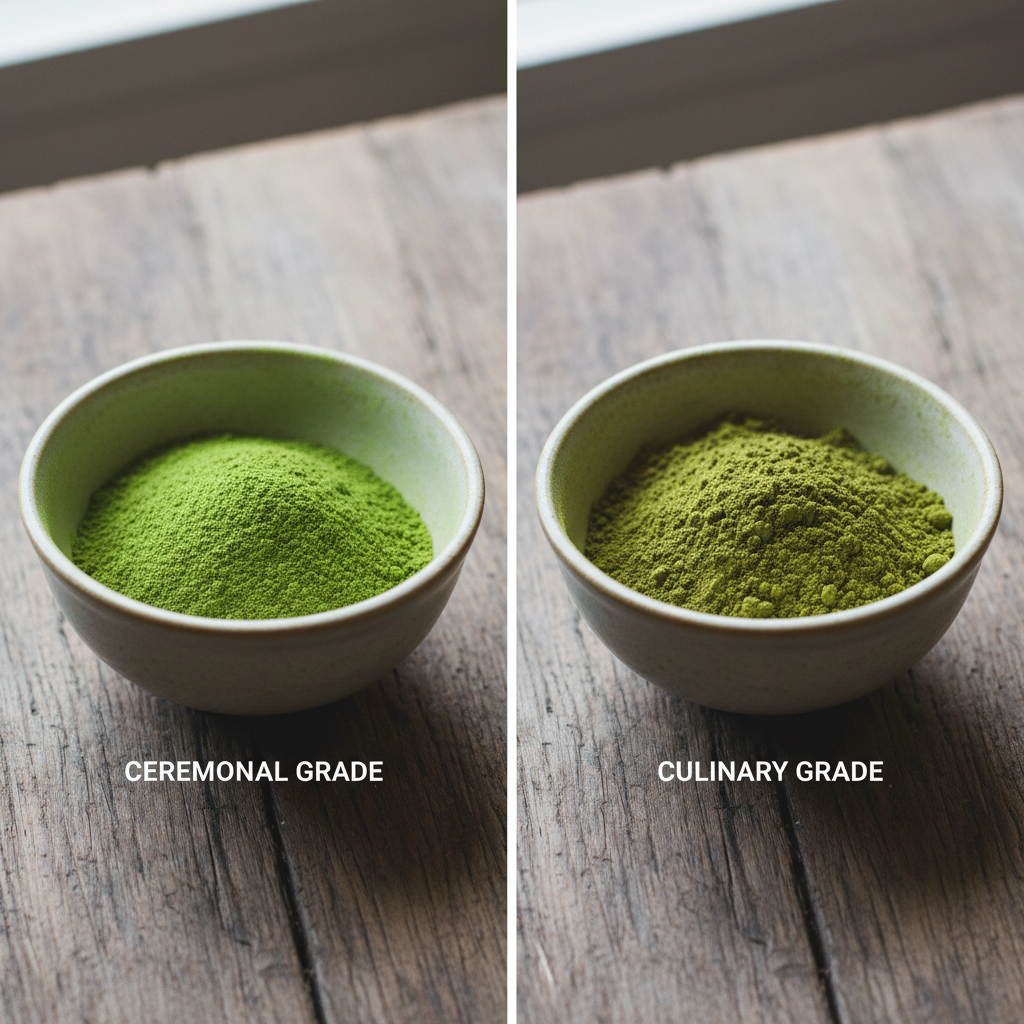
The quality of your leaves significantly dictates the volume needed to achieve a satisfying beverage for your customers or guests. When evaluating how much matcha powder per cup is appropriate, you must distinguish between ceremonial and culinary grades of tea. Ceremonial grade is ground from the youngest, most tender leaves which contain a higher concentration of sweet L-theanine and vibrant chlorophyll. Conversely, culinary grade comes from later harvests and possesses a bolder, more astringent profile that works better in blended applications.
Understanding these differences allows you to optimize your ingredient usage and provide the best possible value for every serving prepared. If you use too much culinary grade in a simple water-based tea, the result will be uncomfortably bitter for most drinkers. On the other hand, using too little ceremonial grade in a smoothie will result in the flavor being completely hidden by the fruits. Matching the grade to the application is the secret to professional-level consistency and cost management in the kitchen.
Efficiency of ceremonial grade
Ceremonial tea is so flavorful that you can often use a slightly smaller amount to reach the same level of satisfaction. But here is the kicker: using just 1.5 grams of high-tier ceremonial powder can often outperform 3 grams of a lower-tier product. The refined processing ensures that every milligram contributes to a smooth, non-bitter finish that delights the palate with minimal effort.
- Younger leaves harvested in the spring provide more flavor per gram of powder than later summer harvests.
- Fine stone-grinding techniques improve the solubility and suspension of ceremonial tea in hot water.
- Lower natural bitterness allows for a cleaner taste at standard ratios without the need for any sugar.
- The high chlorophyll content means you need less powder to achieve a striking and vibrant emerald color.
- Ceremonial tea is often “shaded” for longer periods, increasing the amino acid content per unit of weight.
- Precision sifting at the factory level ensures the powder is light and fluffy, increasing its effective volume.
Boldness of culinary grade
Culinary grades are specifically processed to have a sharper taste that can survive the heat of baking or the cold of blending. What is the real story? If you try to drink culinary grade at a 2-gram ratio in plain water, you will likely find the experience far too harsh. These grades are designed for recipes where the tea is an ingredient rather than the sole focus of the beverage.
- Stronger tannins provide a recognizable tea flavor even when mixed with butter, flour, and sugar.
- Darker, more olive-toned colors ensure the green hue remains visible after the cooking or baking process.
- Cost-effective pricing makes larger ratios feasible for mass production of ice cream or retail baked goods.
- Culinary powder is often ground more coarsely, making it less likely to clump in thick batters or doughs.
- The higher fiber content in culinary grade adds a structural element to recipes that require a tea backbone.
- Using 4 to 5 grams in a smoothie ensures the “matcha” flavor isn’t lost among bananas and berries.
Key TakeawayHigher grades allow for lower usage amounts due to their concentrated umami and reduced bitterness compared to culinary alternatives.
Matcha Grade | Typical Use Case | Powder Density | Flavor Strength |
|---|---|---|---|
Ceremonial | Pure Tea / Water | High (Fine) | Subtly Sweet |
Premium Culinary | Lattes / Smoothies | Medium | Bold & Earthy |
Standard Culinary | Baking / Desserts | Low (Coarse) | Very Astringent |
Industrial | Supplements | Very Low | Grassy / Bitter |
How much matcha powder per cup should go into iced tea?
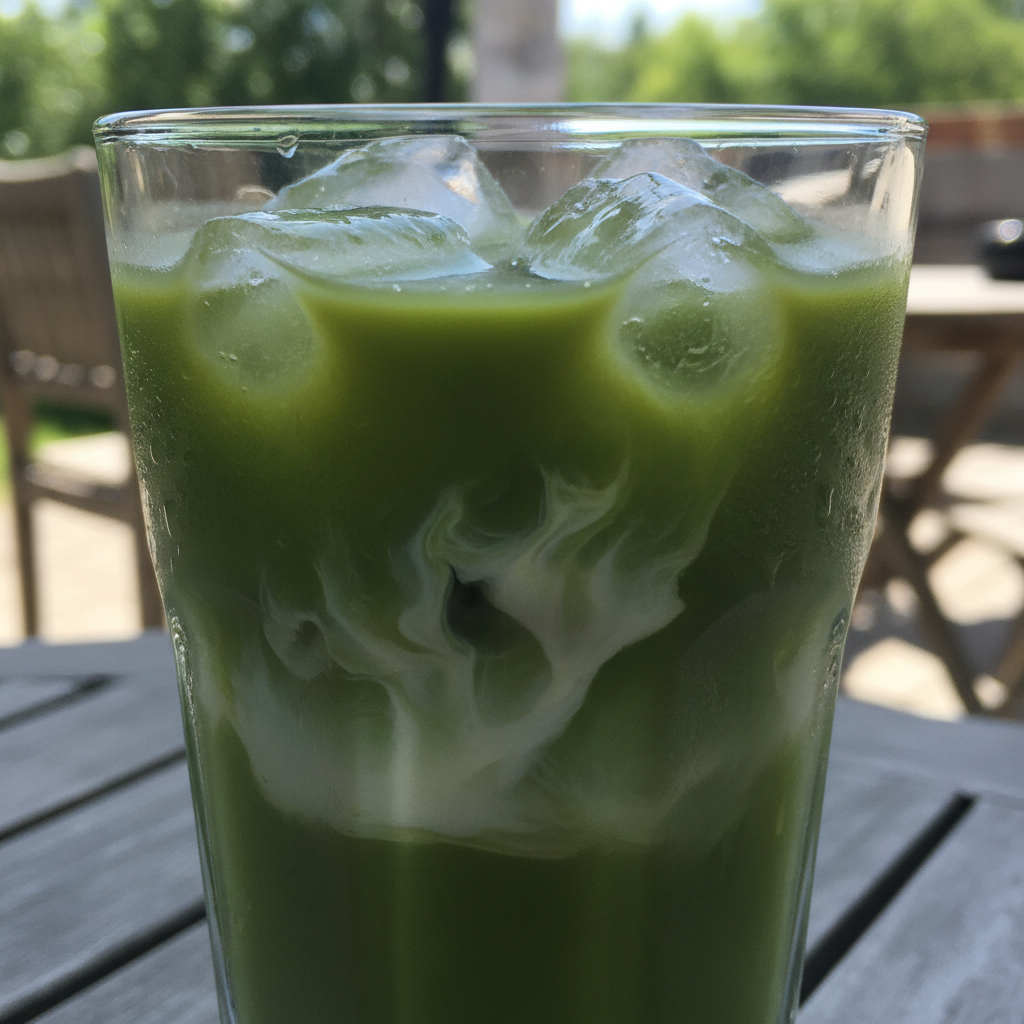
Cold preparations introduce the problem of dilution as the ice melts and increases the total water volume of the drink. Calculating how much matcha powder per cup for iced versions requires an upward adjustment of about 25% to maintain a consistent taste throughout. If you prepare a cold tea with the standard 2-gram ratio, the first few sips might taste fine, but the end will be watery. A 2.5-gram to 3-gram measurement ensures the tea remains refreshing and vibrant until the very last drop is consumed by the guest.
Using a shaker or a dedicated whisking bowl helps integrate this extra powder without leaving unsightly lumps at the bottom. Cold water does not dissolve the powder as easily as hot water, making the sifting and whisking process even more critical. Many people prefer the crisp, clean finish of iced tea, but achieving that requires a careful eye on the powder-to-ice ratio. You should always use high-quality ice made from filtered water to avoid introducing any off-flavors to the delicate tea leaves.
Combatting ice melt
As frozen cubes turn back into liquid, they fundamentally change the ratio of solids to water in your beverage. This is where it gets interesting: by starting with a “stronger” brew, you create a buffer that keeps the flavor profile stable. This is particularly important for takeout orders where the customer might not finish the drink immediately upon receiving it from the barista.
- Over-portioning the powder acts as a flavor insurance policy against the inevitable melting of the ice cubes.
- Rapid chilling of a hot tea concentrate helps lock in the bright green color and fresh grassy aroma.
- Larger 16-ounce or 20-ounce glasses require a proportional increase in tea solids to maintain the flavor.
- Using “extra-large” ice cubes reduces the surface area and slows down the dilution of the tea beverage.
- Double-walled glasses keep the drink colder for longer, preserving the intended powder-to-water ratio.
- Shaking the tea with ice creates a beautiful froth that remains stable even as the drink slowly warms up.
Cold whisking techniques
Whisking powder into cold water is notoriously difficult and often results in clumps if you do not use the right tools. The best part? Using a small amount of hot water to create a slurry before adding cold water and ice is the secret to success. This method allows the powder to fully hydrate and release its nutrients before being shocked by the cold temperature of the ice.
- Slurry creation prevents the “sandiness” common in poorly made iced tea served in many amateur kitchens.
- Mechanical frothers work excellently for high-volume iced beverage service in a busy cafe environment.
- Pre-sifting the powder is even more vital for cold applications as clumps are much harder to break in cold water.
- Adding a touch of liquid sweetener to the slurry can help the powder integrate more smoothly with the liquid.
- A cocktail shaker provides the necessary agitation to ensure the 3 grams of powder are fully suspended.
- Mason jars with lids offer a low-cost way to “shake” an iced tea to perfection at home or on the go.
Key TakeawayAdjust your iced tea ratios to 2.5 or 3 grams to prevent the beverage from becoming weak as the ice inevitably melts.
Ice Volume | Additional Powder | Liquid Base | Serving Suggestion |
|---|---|---|---|
Minimal Ice | +0.25 Grams | Cold Water | Quick Consumption |
Full Glass Ice | +0.75 Grams | Cold Water | Long Sipping |
Shaken Ice | +1.00 Grams | Cold Water | Maximum Froth |
Frozen Blend | +1.50 Grams | Milk / Ice | Frappe Style |
How much matcha powder per cup is needed for Koicha?
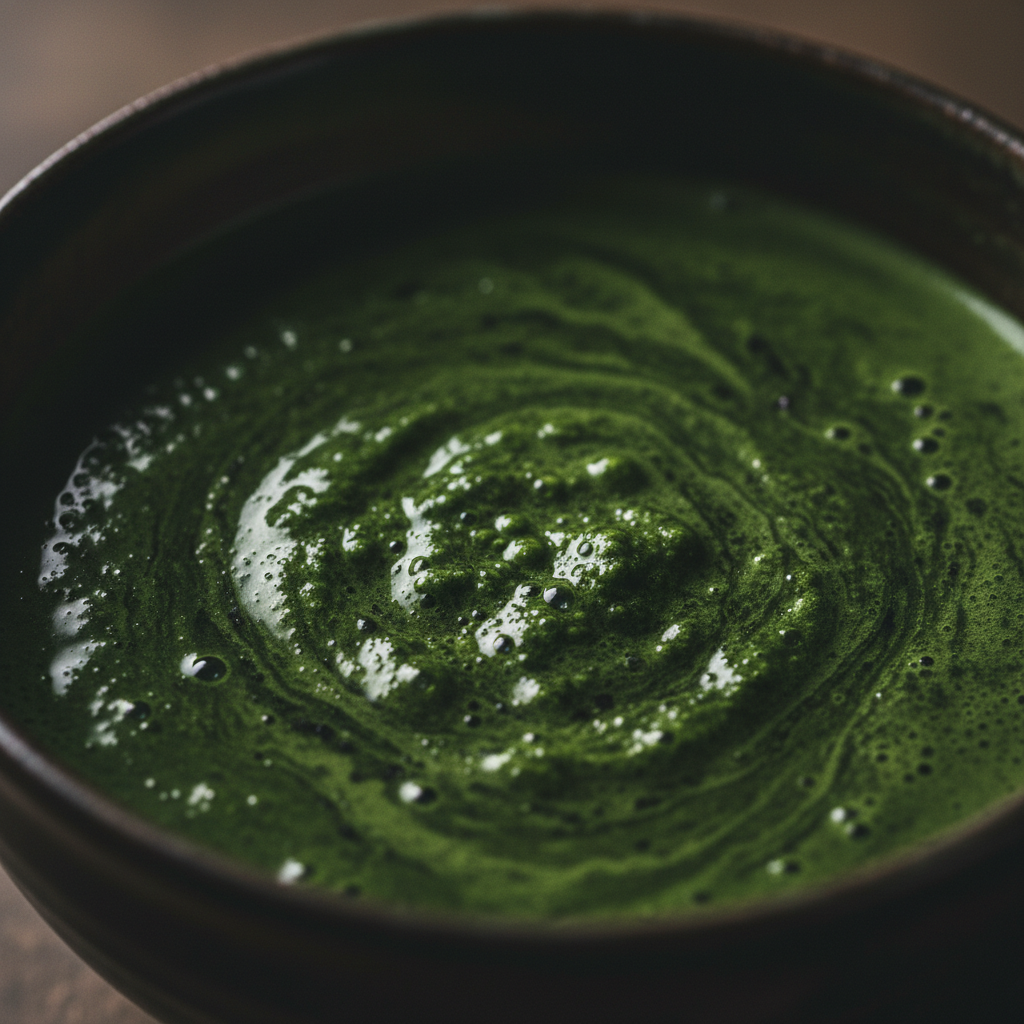
Koicha, or “thick tea,” represents the pinnacle of the Japanese tea ceremony and requires a significantly higher bulk matcha wholesale ratio than standard thin tea. When you ask how much matcha powder per cup is used for this style, the answer is usually 4 to 5 grams for just one ounce of water. This creates a syrupy, paint-like consistency that is meant to be sipped slowly and shared among guests in a formal setting. Because the concentration is so high, you must use the absolute highest grade of ceremonial tea available.
This preparation highlights the intense sweetness and deep umami that only the finest leaves can provide under such concentrated conditions. Preparing Koicha is an art form that requires patience and a deep understanding of the powder’s behavior when introduced to minimal moisture. If the ratio is off by even a tiny amount, the liquid will either be too thin or impossible to move around the bowl. The goal is a glossy, smooth, and incredibly rich experience that coats the tongue with pure green tea essence.
Syrup-like consistency
The goal of Koicha is to create a liquid that has the thickness of warm honey rather than a frothy soup. Believe it or not, you do not whisk Koicha to create foam; instead, you use a kneading motion with the bamboo whisk to blend. This results in a glossy, dark green liquid that coats the bowl and offers a flavor experience unlike any other tea style.
- High density provides an explosion of amino acids on the tongue that lingers for several minutes after sipping.
- Kneading prevents aeration and maintains the smooth, heavy texture that is characteristic of traditional thick tea.
- Proper hydration of the powder takes longer in such low water volumes, requiring a steady and rhythmic motion.
- The temperature for Koicha is slightly higher (around 185°F) to help the high volume of powder integrate quickly.
- A “kneading” whisk has more tines and a sturdier build than the whisks used for making thin, frothy tea.
- The resulting liquid should be so thick that it moves slowly like molten chocolate when the bowl is tilted.
Grade requirements for Koicha
You simply cannot make Koicha with anything less than top-tier ceremonial grade tea without it being undrinkable for most people. Here is the kicker: the natural astringency of lower grades becomes amplified to an unbearable degree when prepared at this 4-gram concentration. Only the most expensive harvests have the low tannin levels necessary to remain sweet and palatable when the ratio is this high.
- Specialized “Koicha-grade” powders are often marketed for this specific use by high-end Japanese tea producers.
- Freshness is paramount as oxidation is easily detected in thick tea and can result in a sour or metallic taste.
- Sifting multiple times through a very fine mesh ensures the absolute smoothness required for this luxurious style.
- The color of Koicha-grade tea is often a deeper, more saturated green due to the high chlorophyll concentration.
- Using a regular culinary grade for Koicha would likely cause a physical gag reflex due to the extreme bitterness.
- The price of Koicha-grade powder reflects the meticulous labor required to harvest and grind the top-tier leaves.
Key TakeawayKoicha preparation demands 4-5 grams of high-grade powder and a specialized kneading technique to achieve its signature thick, sweet profile.
Attribute | Usucha (Thin Tea) | Koicha (Thick Tea) | Difference |
|---|---|---|---|
Powder Weight | 2 Grams | 4-5 Grams | Double the solids |
Water Volume | 3-4 Ounces | 1 Ounce | Significant reduction |
Texture | Frothy / Light | Syrupy / Dense | Heavy Mouthfeel |
Whisking Style | Zig-zag (Fast) | Kneading (Slow) | No foam vs dense syrup |
What tools measure how much matcha powder per cup accurately?
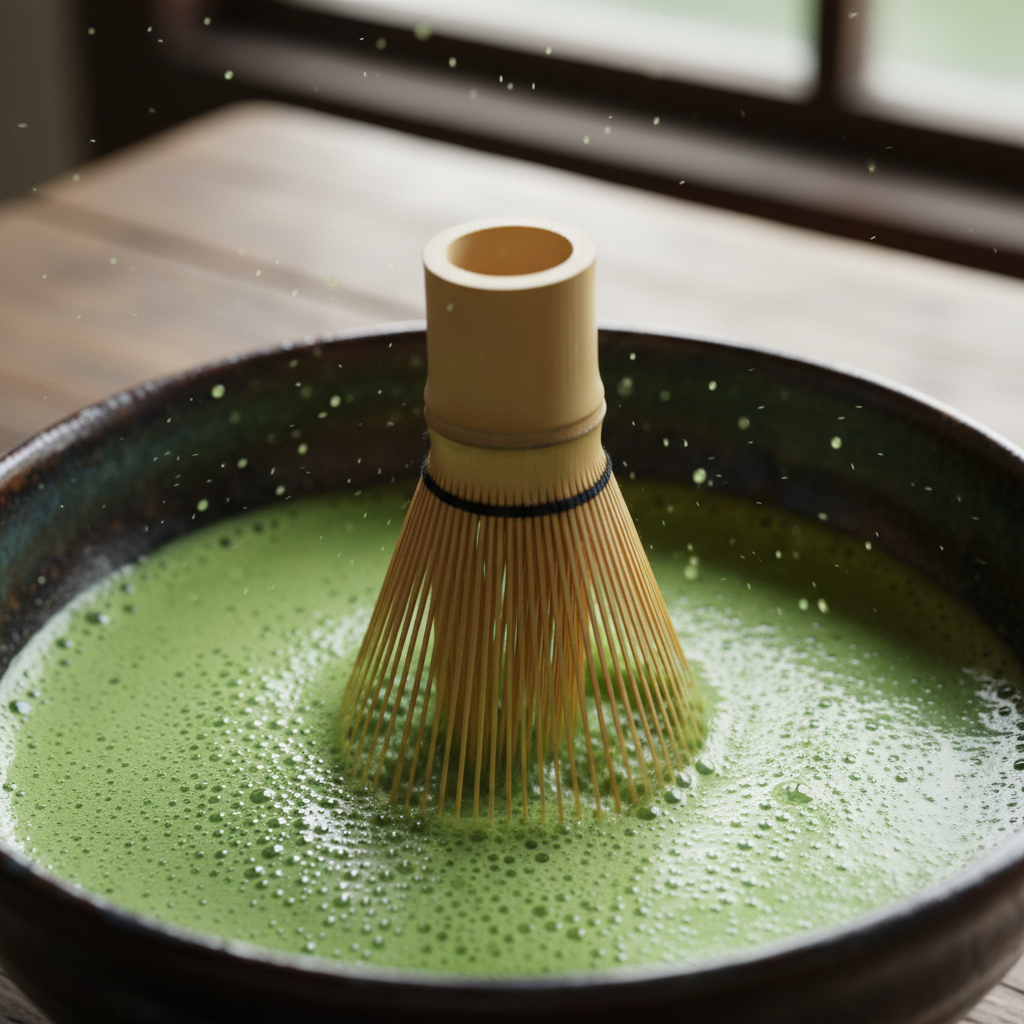
Precision in measurement is the only way to guarantee that your customers receive the same high-quality experience every time they visit. To determine how much matcha powder per cup you are using, you should invest in a high-quality gram scale with 0.1g increments. While traditional scoops are beautiful and culturally significant, they vary based on the user’s hand and the fluffiness of the powder inside the tin. Combining modern technology with traditional sifting tools creates a workflow that is both efficient and highly accurate.
Without these tools, your margins will fluctuate and your brand reputation for consistency will inevitably suffer over time in a competitive market. A well-equipped tea station should include a sifter, a scale, a whisk, and a dedicated bowl to ensure every variable is controlled. By standardizing the equipment, you remove the guesswork and empower your staff to produce perfect drinks every single time. Modern innovations have even introduced specialized dispensers that release exactly 2 grams of powder with a single click of a button.
Digital micro-scales
A micro-scale is the single most important tool for any barista who takes tea seriously and wants to eliminate flavor variables. The best part? These scales are affordable and take up very little space on a crowded counter or in a home kitchen. By taring your bowl and weighing the powder directly, you ensure that every cup meets your specific flavor standards.
- Tenth-of-a-gram accuracy allows for micro-adjustments in recipes for different tea harvests or seasonal drink specials.
- Tare functions make it easy to measure powder directly in the serving vessel, reducing the need for extra cleaning.
- Compact designs fit easily under espresso machines or on small prep tables without obstructing the barista’s workflow.
- Backlit displays allow for easy reading in the dim lighting often found in cozy tea houses or late-night cafes.
- Auto-off features preserve battery life, which is essential for busy commercial environments with high drink volumes.
- Stainless steel platforms are easy to wipe clean after accidental spills of fine green powder or hot water.
Traditional bamboo scoops
The chashaku, or bamboo scoop, has been the standard for measuring tea for hundreds of years and offers a unique aesthetic. Ready for the good part? Two scoops from a chashaku generally equal about 1.5 to 2 grams, which is perfect for a traditional bowl. While not as precise as a scale, it provides a consistent volume that is deeply rooted in the history of the tea ceremony.
- Handmade bamboo tools add a sense of ritual and elegance to the preparation that a plastic spoon cannot match.
- Scoops are designed to reach into deep tins without creating a mess or wasting powder on the sides of the container.
- Natural materials do not react with the tea or alter its delicate flavor profile even over years of constant daily use.
- The flexibility of the bamboo allows the user to “shave” the powder for a level scoop that is more consistent.
- Using a chashaku encourages a slower, more mindful approach to tea preparation that many enthusiasts find highly rewarding.
- Bamboo tools are easy to maintain and only require a quick wipe with a dry cloth after each use to stay clean.
Key TakeawayInvest in a digital scale for maximum accuracy while utilizing bamboo scoops for an authentic and efficient measuring experience.
Tool Name | Measurement Type | Accuracy Level | Best For |
|---|---|---|---|
Digital Scale | Weight (Grams) | Very High (0.1g) | Cafes & Consistency |
Bamboo Chashaku | Volume (Scoops) | Moderate | Home Rituals |
Measuring Spoon | Volume (Teaspoons) | Low | Fast Prep |
Click Dispenser | Volume (Fixed) | High | High-Volume Chains |
How much matcha powder per cup is too much for health?
While the health benefits of this superfood are well-documented, consuming excessive amounts can lead to caffeine sensitivity or digestive discomfort for some. When considering how much matcha powder per cup is safe, you must remember that you are consuming the entire ground leaf. One gram of powder typically contains about 35mg of caffeine, which means a standard 2-gram cup delivers 70mg of clean energy. For most healthy adults, three to four cups per day fall within the recommended limit of 400mg of caffeine.
Exceeding this can lead to jitters, even with the calming effects of the L-theanine present in the high-quality tea leaves. It is also important to consider the intake of catechins and antioxidants, which are highly concentrated in this particular form of tea. While these compounds are beneficial, extreme over-consumption can occasionally put a strain on the liver in very sensitive individuals. Moderation is always the key to enjoying the longevity benefits of green tea without any unwanted physiological side effects or sleep disruption.
Caffeine threshold management
Managing your daily intake requires an awareness of how many grams you are adding to each beverage throughout the day. Wait, there is more: the type of powder you use can also affect the caffeine content, as younger leaves have higher concentrations. If you find yourself feeling anxious, try reducing your ratio to 1 gram per cup or switching to a later-harvest powder.
- L-theanine provides a “steady” energy boost without the coffee crash, but too much caffeine still affects the heart rate.
- Individual tolerance varies significantly based on body weight, metabolism, and the frequency of other caffeine consumption.
- Consuming tea on an empty stomach can increase the speed of caffeine absorption and lead to temporary nausea.
- Spacing out your servings throughout the day helps maintain a steady level of focus without overwhelming the nervous system.
- Late-night consumption (after 4 PM) should be avoided by those who are particularly sensitive to the stimulant effects.
- Pregnant women should consult their doctor, as the daily limit for caffeine is typically lower (around 200mg) for them.
Heavy metal considerations
Because the tea leaves are ground into a powder, any contaminants in the soil or air can end up directly in your drink. This is where it gets interesting: choosing organic-certified products ensures that you are not consuming harmful pesticides with every single gram of tea. Reputable suppliers provide lab testing results to prove their products are free from lead and other heavy metals that can accumulate.
- Organic certification protects you from synthetic chemical residues that can be present in cheaper, mass-produced tea options.
- Third-party lab testing is the only way to verify the purity of the powder and ensure it meets international safety standards.
- Consuming moderate amounts (2-4 grams daily) reduces the risk of long-term metal accumulation even with non-certified brands.
- Rinsing your tea bowl before use removes any dust or debris that might interfere with the purity of the final drink.
- High-quality Japanese tea is often grown in controlled environments that minimize exposure to environmental pollutants and radiation.
- Choosing a supplier with transparent sourcing practices allows you to drink your daily cup with complete peace of mind.
Key TakeawayStick to a maximum of 3-4 cups (approximately 8 grams total) per day to enjoy the benefits of tea without caffeine-related side effects.
Daily Intake | Total Caffeine | Health Effect | Recommendation |
|---|---|---|---|
1-2 Cups | 70-140 mg | Focused Calm | Ideal for most |
3-4 Cups | 210-280 mg | High Energy | Maximum Daily |
5+ Cups | 350+ mg | Potential Jitters | Reduce Consumption |
1/2 Cup | 35 mg | Very Mild | For sensitive users |
Can you guess how much matcha powder per cup without a scale?
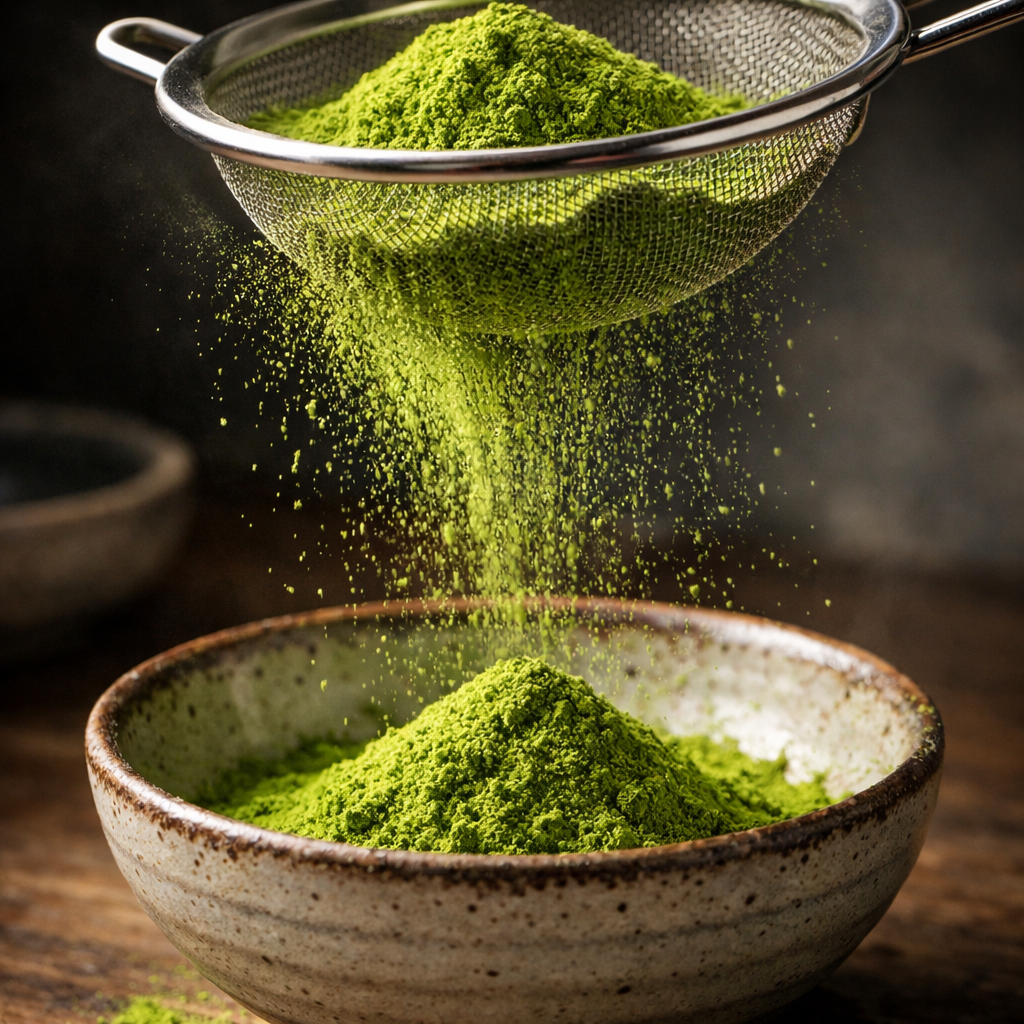
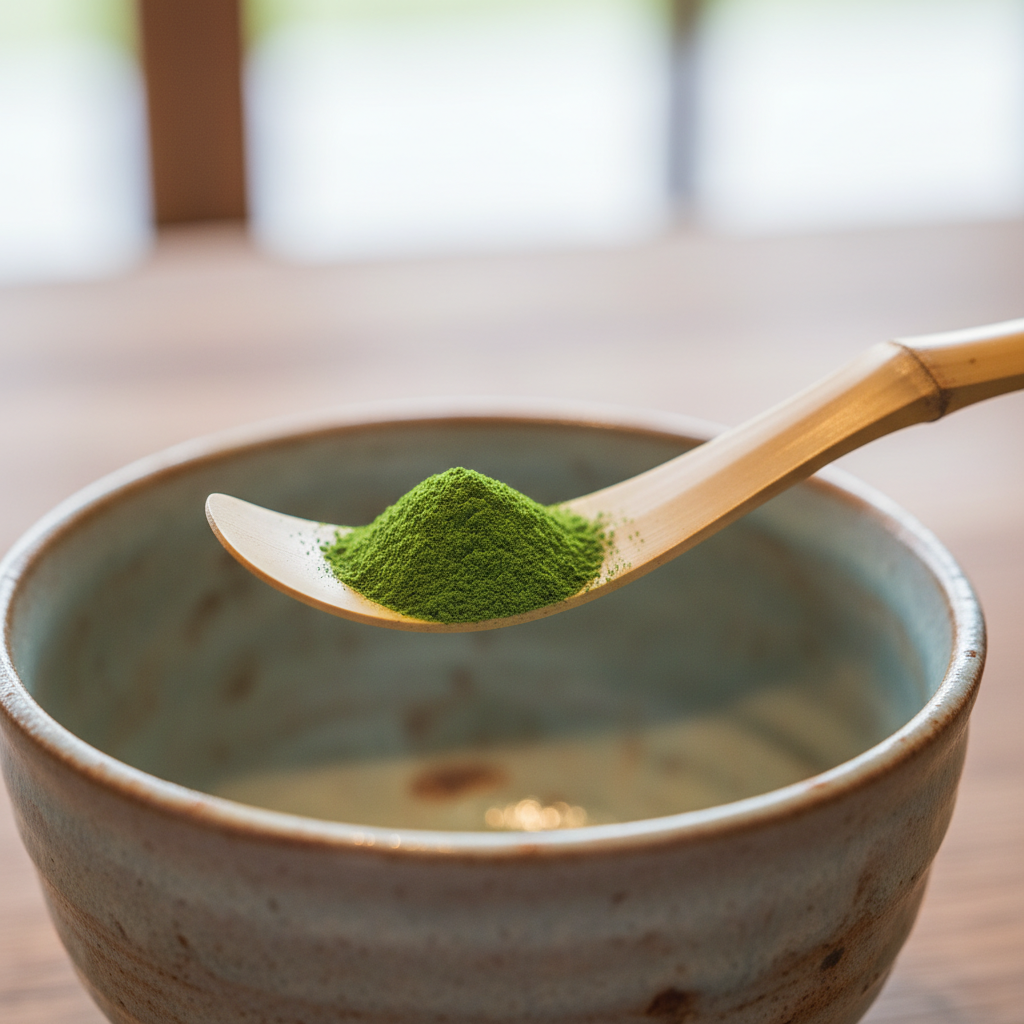
Estimating the correct amount by sight is a skill that takes time to develop but is useful when you are away from home. Learning how much matcha powder per cup looks like in a sifter or a bowl allows you to prepare a decent drink. A mound of sifted powder about the size of a large marble is typically around 1.5 to 2 grams in weight. However, you must be careful because the density of the powder changes significantly depending on whether it has been sifted or compacted.
Always aim for a “vibrant green mound” that feels substantial but not overwhelming in the bottom of your vessel before adding water. With practice, you will begin to recognize the specific “shadow” and volume that a 2-gram portion casts against the ceramic bowl. This intuitive measuring is common among experienced tea drinkers who have prepared thousands of bowls over their lifetime. Even so, it is always a good idea to recalibrate your eyes every few weeks by using a digital scale again.
Visual cues and volume
The color and fluffiness of the powder provide clues about its weight and quality before you even add any hot water. But here is the kicker: unsifted powder looks smaller because it is clumped together, leading people to often use too much. By sifting first, you create a voluminous pile that is much easier to judge visually for a single serving of tea.
- Sifted powder takes up more space but whisking is much easier and the final froth is more uniform and stable.
- Clumps can hide up to 0.5 grams of extra tea in a single spoonful, leading to unintended bitterness in the bowl.
- The diameter of the powder pile should be roughly one inch for a standard Usucha preparation in a wide bowl.
- High-grade powder is much “fluffier” and will create a taller mound than lower-grade, more dense culinary powders.
- Observing the way the powder clings to the scoop can tell you if it is too humid or needs more sifting.
- The brightness of the green color is more apparent in a sifted mound, helping you judge the freshness of the tea.
Sensory testing for ratios
If you are unsure of the amount you used, the smell and initial whisking resistance can tell you if you are on track. What is the real story? A correctly portioned cup will smell fresh and grassy, whereas an over-portioned cup will have a sharp aroma. When you begin to whisk, the liquid should feel light and easy to move rather than thick or sludge-like in the bowl.
- The aroma of the dry powder should be bright and inviting, indicating a proper balance of amino acids and chlorophyll.
- Whisking resistance indicates the concentration of the suspension; if it feels heavy, you have likely used too much powder.
- Bubbles should be small and uniform if the ratio is correct; large, soapy bubbles often mean the tea is too thin.
- Tasting the first sip will confirm your visual estimation; a clean finish indicates you hit the 2-gram sweet spot perfectly.
- The way the liquid coats the side of the bowl can reveal if the suspension is too dense for a thin tea style.
- Over time, your “muscle memory” will develop a feel for the exact weight of a full scoop of your favorite brand.
Key TakeawayVisual estimation is a valuable skill for experienced tea drinkers but should be validated with a scale whenever possible to ensure quality.
Visual Cue | Estimated Weight | Potential Flavor | Adjustment Needed |
|---|---|---|---|
Small Pebble | 1.0 Gram | Weak / Grassy | Add more powder |
Large Marble | 2.0 Grams | Balanced Umami | None / Perfect |
Golf Ball | 4.0 Grams | Very Bitter | Add more water |
Thin Layer | 0.5 Grams | Watery / Pale | Double the amount |
How much matcha powder per cup is best for wholesale?
Businesses must calculate their exact usage to manage costs and ensure that every customer receives the premium experience they are paying for. When determining how much matcha powder per cup for a commercial menu, you should standardize your recipes using grams. A 1kg bag of high-quality tea should yield approximately 500 standard servings if your staff adheres to the 2-gram rule. If your baristas are inconsistent and use an extra half-gram, you will lose 125 servings per bag, costing your business thousands annually.
Professionalism in the tea industry starts with the discipline of precise measurement and reliable inventory tracking across all locations. Beyond cost, consistency is the primary driver of customer loyalty; a guest who loves their drink on Monday expects the same taste on Friday. Training your team with a Matcha Bowl & Whisk Holder and digital scales is an investment in the longevity of your brand. Standardized ratios also simplify the ordering process, as you can predict exactly when your next shipment of bulk powder will be needed.
Yield and cost analysis
Calculating your cost per serving allows you to set prices that are competitive while still maintaining healthy margins for your business. Believe it or not, even a small reduction in waste through better measuring tools can pay for the equipment in just a few weeks. You should perform regular audits of your waste to see where your powder is going and if your recipes are being followed.
- Standardized recipes ensure brand consistency across multiple locations, making it easier to scale your tea program effectively.
- Gram-based training reduces product “shrink” and improves the speed of service during busy morning or afternoon rushes.
- High-quality tools like electric whisks speed up service without losing the quality that customers expect from premium tea.
- Tracking the number of servings against the grams of powder used is the only way to identify theft or training gaps.
- Bulk purchasing allows for a lower cost-per-gram, which increases the profitability of every 2-gram serving sold to guests.
- Accurate yield calculations are essential for creating a sustainable and profitable menu in a competitive coffee or tea market.
Staff training for consistency
The biggest variable in any cafe is the person behind the counter and their understanding of the product they are serving. Here is the kicker: many baristas are trained on coffee but have very little experience with the delicate nature of high-grade tea. Providing clear visual guides and mandatory scale usage for every drink ensures that your quality never dips during busy rushes.
- Visual recipe cards simplify the learning process for new employees and provide a quick reference during high-pressure shifts.
- Regular tasting sessions help staff identify a “perfect” ratio by flavor, allowing them to troubleshoot issues before the customer complains.
- Investing in quality whisks and holders maintains the integrity of the preparation and shows customers that you care about quality.
- Ongoing education about the origins and grades of tea helps staff sell the product more effectively to curious or hesitant customers.
- Competitions among staff for the “best froth” can turn a standard training session into an engaging and fun team-building event.
- Clear expectations regarding sifting and temperature control result in a product that is consistently superior to the competition.
Key TakeawayStandardize your wholesale operations with a 2-gram rule and professional measuring tools to maximize yield and ensure customer satisfaction.
Package Size | Servings (2g) | Servings (3g) | Business Yield |
|---|---|---|---|
100g Tin | 50 | 33 | Retail Focus |
500g Bag | 250 | 166 | Small Cafe |
1kg Bag | 500 | 333 | High Volume |
5kg Bulk | 2,500 | 1,666 | Industrial / Chain |
Conclusion: Mastering the Perfect Ratio
Finding the correct balance of green tea solids to water is the most important step in creating a beverage that is both delicious and visually stunning. By following the standard 2-gram guideline and adjusting for specific needs like lattes or iced drinks, you ensure a superior experience for yourself or your customers. Precision tools like digital scales and traditional whisks are the keys to unlocking the full potential of high-quality leaves. We are dedicated to providing the finest ingredients and the technical knowledge necessary to help your tea program flourish. Read more About Us and our passion for quality, or contact us today to find the perfect wholesale solution for your needs.
Frequently Asked Questions
Q1: Can I use more than 2 grams for a stronger flavor? Yes, you can increase the amount to 3 or 4 grams for a bolder taste, but be aware that the caffeine content and bitterness will increase proportionally. It is often better to use a higher-grade powder rather than just adding more of a lower-grade one to avoid harsh tannins.
Q2: What’s the best way to prevent clumps when using 2 grams? The most effective method is to sift your powder through a fine-mesh strainer before adding any water. This breaks up any clumps formed during storage and allows for a much smoother, frothier final beverage that is free of grit.
Q3: How do I know if I used too much matcha powder per cup? If your tea tastes unpleasantly bitter, feels gritty on your teeth, or has a dark, muddy appearance rather than a bright emerald one, you have likely exceeded the ideal powder-to-water ratio for that specific grade and should add more water.
Q4: Can I use a regular spoon to measure if I don’t have a scale? A standard, level teaspoon is approximately 2 grams of powder, which serves as a good estimate for home use. However, for business purposes, a scale is much more reliable due to the significant variations in spoon sizes and powder density across different brands.
Q5: What is the best water temperature for a 2-gram serving? You should use water that is approximately 175°F (80°C) to prevent scorching the delicate powder. Boiling water will destroy the sweet amino acids and lead to an unpleasantly bitter cup regardless of how much powder you use in your ratio.