
The production of high-quality matcha is a meticulous science that begins long before the tea leaves reach the stone mill. Among the various stages of manufacturing, the fixation process—often referred to in the industry as “kill-green” or shaqing—stands as the most critical intervention point. This process employs heat to halt the natural enzymatic oxidation of the tea leaves, effectively “locking in” the chemical profile, vibrant color, and nutritional density of the fresh leaf. Without precise fixation, the tea would undergo fermentation, transforming into an oolong or black tea and losing the characteristic “fresh-green” essence required for premium matcha.
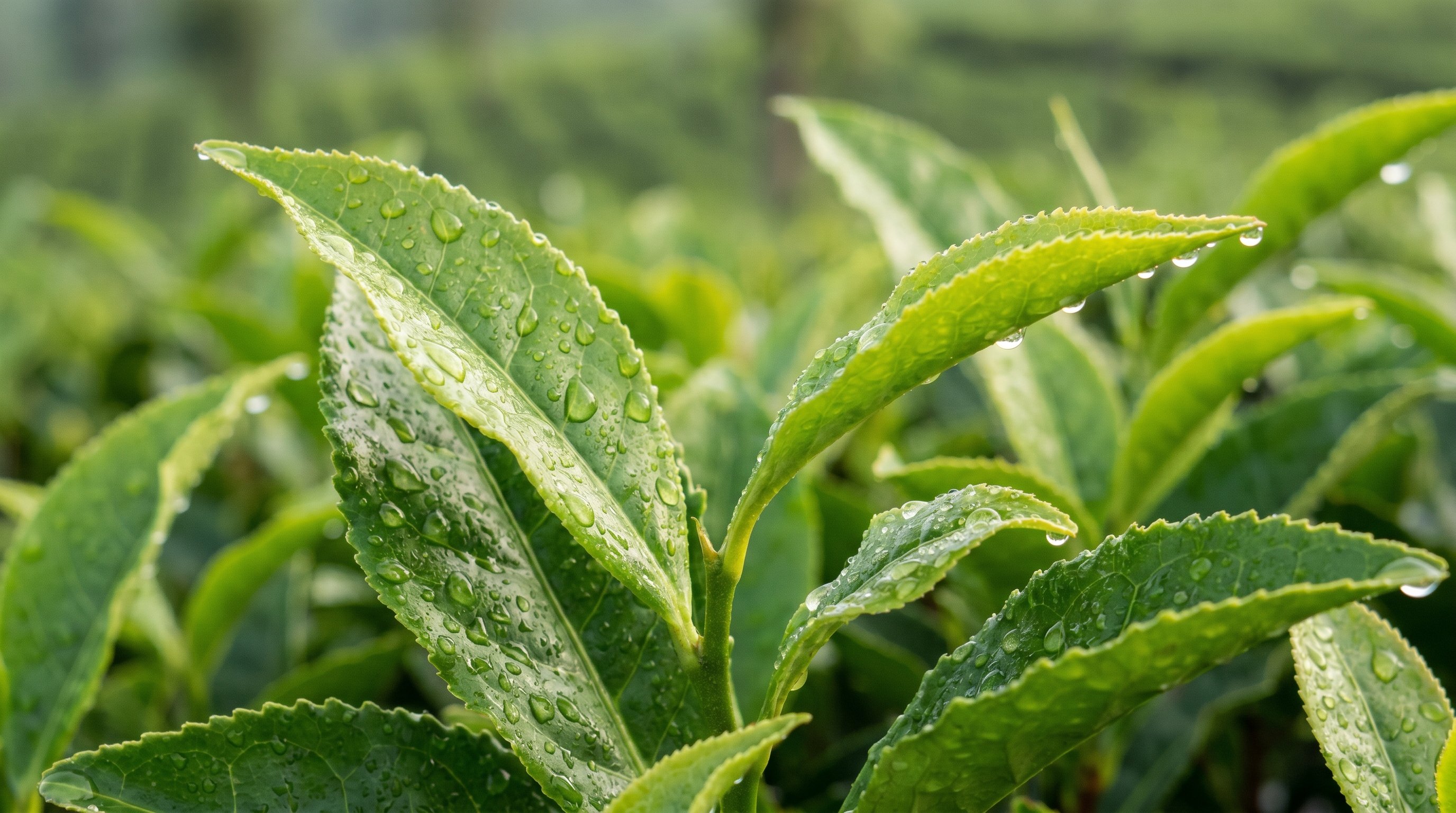
In the context of the Matcha Source Factory, fixation is the biological “stop button.” As soon as tea leaves are harvested, their cellular structures begin to break down, allowing enzymes to interact with oxygen and polyphenols. This triggers the oxidation process. The primary objective of fixation is to apply sufficient heat to denature these oxidative enzymes, thereby preserving the leaf’s organic composition.
For matcha, this step is uniquely demanding. Unlike standard green teas that may allow for some minor oxidation during handling, matcha requires an immediate and uniform “kill-green” to maintain its delicate amino acid profile. The process typically involves raising the leaf temperature to a threshold where biological activity ceases without causing thermal damage to the fragile plant tissues.
Key Concepts in Initial Fixation:
- Moisture Management: Freshly harvested leaves contain 70-80% moisture. Fixation begins the process of moisture reduction while ensuring the leaf remains pliable for subsequent stages.
- Enzymatic Arrest: Halting the transformation of catechins into theaflavins and thearubigins.
- Color Setting: Stabilizing the chlorophyll molecules before they can degrade into duller, brownish pigments.
To explore how these raw materials are sourced and prepared at scale, you can visit a professional Matcha Source Factory to understand the journey from field to fixation.
2. Biochemical Kinetics: Deactivating Polyphenol Oxidase (PPO) and Peroxidase (POD)
The scientific core of fixation lies in the kinetics of enzyme deactivation. The two primary culprits of oxidation in tea are Polyphenol Oxidase (PPO) and Peroxidase (POD). These enzymes act as catalysts; PPO, in particular, facilitates the oxidation of catechins (polyphenols) into quinones, which then polymerize into dark pigments.
Research into enzyme deactivation kinetics shows that PPO is relatively heat-sensitive, typically losing its catalytic function at temperatures between 65°C and 80°C (150°F – 176°F). However, POD is significantly more thermally resistant. If fixation is performed at a temperature that is too low, or if the duration is insufficient, POD can remain active, leading to “red stems” or a dulling of the final matcha powder color during storage.
Table 1: Thermal Inactivation Thresholds for Primary Tea Enzymes
Enzyme Type | Optimal Activity Temp | Inactivation Threshold | Impact of Residual Activity |
|---|---|---|---|
Polyphenol Oxidase (PPO) | 30°C – 38°C | 65°C – 80°C | Rapid browning, loss of “green” taste |
Peroxidase (POD) | 40°C – 50°C | 90°C – 100°C | Slow degradation of color and flavor |
Chlorophyllase | 35°C – 45°C | 75°C – 85°C | Breakdown of chlorophyll into pheophorbide |
Industrial fixation machines, such as those used in high-capacity facilities, often employ a “biphasic” heating strategy. This ensures that the leaf temperature rises rapidly above 85°C within the first 60-90 seconds to guarantee nearly 100% enzyme arrest.
3. Molecular Transformations: Chlorophyll Degradation and Color Retention

The vibrant emerald hue of matcha is its most famous quality marker. This color is entirely dependent on the preservation of Chlorophyll a and b. Under the stress of heat and moisture during fixation, chlorophyll molecules are susceptible to a chemical transformation known as pheophytinization.
In this reaction, the magnesium ion (Mg²⁺) at the center of the chlorophyll porphyrin ring is replaced by two hydrogen ions. This transforms the bright green chlorophyll into olive-brown pheophytin. High fixation temperatures that are sustained for too long accelerate this ion replacement. Conversely, insufficient heating fails to deactivate chlorophyllase, an enzyme that breaks down chlorophyll into pheophorbide, resulting in a similarly dull appearance.
Factors Enhancing Color Stability:
- Shading Impact: Shade-grown leaves (tencha) have higher initial chlorophyll concentrations, providing a more robust starting point for color retention.
- Rapid Cooling: After the high-heat fixation stage, leaves must be cooled immediately using high-velocity air. This “shocks” the pigments into stability and prevents the “cooking” of the leaf by residual internal heat.
- pH Balance: Maintaining a slightly alkaline environment during processing can help stabilize the magnesium ion within the chlorophyll structure.
Understanding these molecular changes is vital for producers aiming to create a high-grade premium grade matcha that maintains its color even after whisking.
4. Precision Thermal Control: Temperature Thresholds in Industrial Fixation
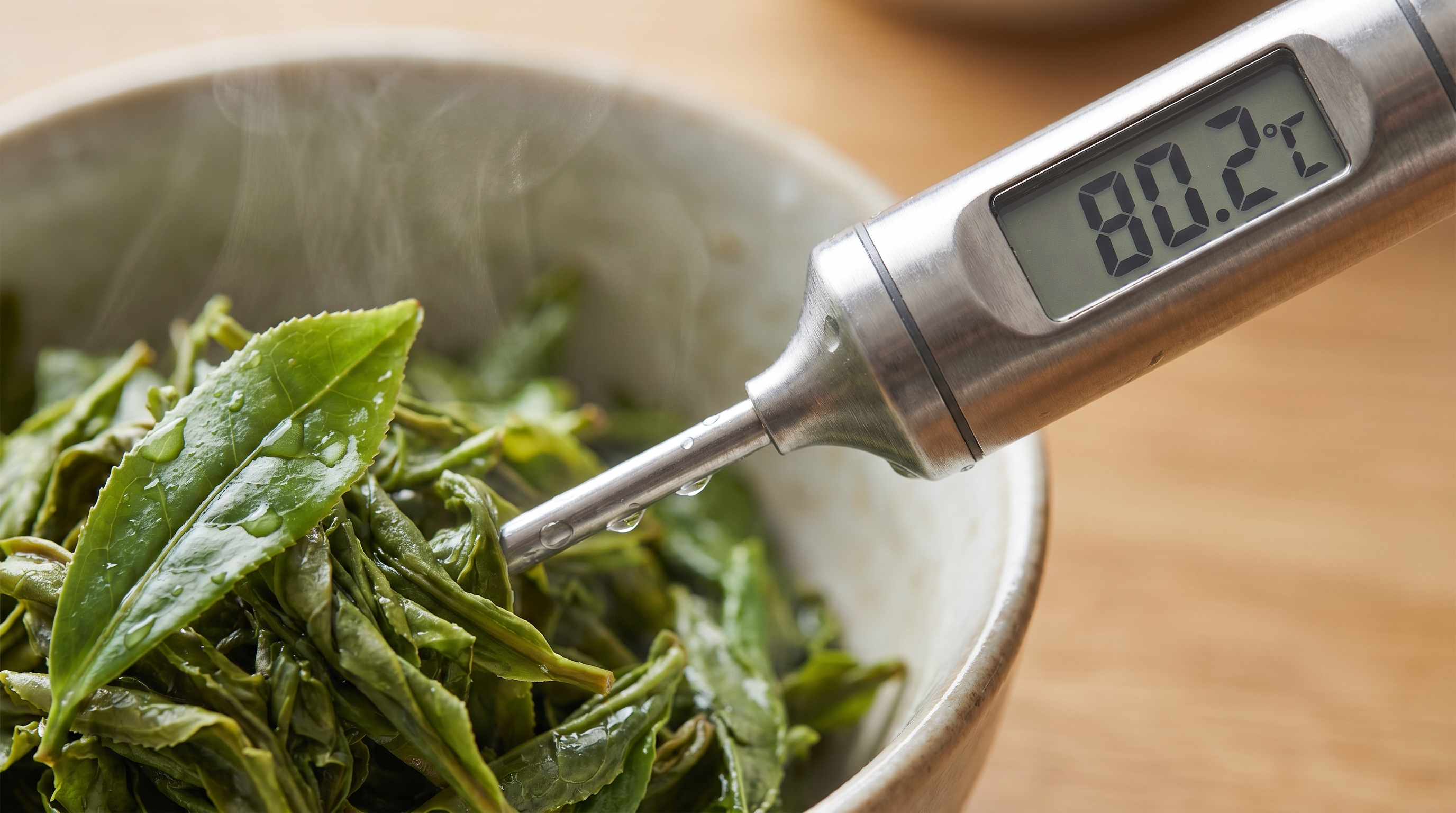
Temperature is the primary lever of control in the “kill-green” process. For matcha, the heat source is almost exclusively high-pressure steam, although the underlying principles of thermal thresholds apply across all green tea types.
Scientific data suggests that the rate of heat transfer is just as important as the peak temperature. If the heat is applied too slowly, the enzymes actually enter an “activation zone” (around 45°C – 55°C) before they reach the deactivation threshold, causing localized oxidation. This is why flash-steaming is the preferred method for matcha.
Temperature Threshold Breakdown:
- 100°C – 110°C (Steam Temperature): Used to penetrate the leaf cuticle quickly.
- 85°C (Target Leaf Core Temp): The minimum internal temperature required to ensure POD inactivation.
- 120°C – 180°C (Pan-Firing Alternative): While rarely used for matcha, these temperatures are common in Chinese green teas, where dry heat triggers different chemical reactions (like the Maillard reaction) compared to steaming.
Precision control is non-negotiable. Modern factories utilize infrared sensors and PID (Proportional-Integral-Derivative) controllers to maintain constant temperatures regardless of the “load” or moisture level of the incoming fresh leaves. This level of consistency is what separates bulk manufacturing from artisanal excellence.
5. Comparing Methodologies: Steaming vs. Pan-Firing Impact on Matcha
While “green tea” is a broad category, the fixation method defines the sub-type. Matcha is defined by steaming (Mushi). This wet-heat method is superior for preserving the vivid color and “oceanic” or “grassy” notes typical of Japanese-style teas. In contrast, pan-firing (dry heat) is the hallmark of Chinese green teas like Longjing.
Table 2: Steaming vs. Pan-Firing in Green Tea Fixation
Feature | Steaming (Matcha Method) | Pan-Firing (Roasting Method) |
|---|---|---|
Heat Medium | Saturated Steam | Direct Metallic Contact / Hot Air |
Temperature | ~100°C | 120°C – 240°C |
Duration | 15 – 60 Seconds | 5 – 15 Minutes |
Color Result | Deep Emerald Green | Yellow-Green to Pale Jade |
Aroma Profile | Vegetal, Seaweed, Umami | Roasted, Nutty, Toasty |
Chemical Impact | Preserves Catechins/Chlorophyll | Induces Maillard Reactions |
For producers of culinary grade matcha , the steaming time might be adjusted slightly to handle older, tougher leaves, whereas top-tier ceremonial grades require a very short, high-intensity steam to protect the delicate first-flush chemistry.
6. Aroma Synthesis: Lipid Oxidation and Volatile Compound Development
The “scent” of matcha—that distinct mix of fresh grass and sea air—is a product of lipid transformation. Fresh tea leaves contain unsaturated fatty acids, primarily linolenic and linoleic acids. During fixation, these lipids undergo thermal degradation and oxidation.
Volatile Organic Compounds (VOCs) formed during this stage include:
- Hexanal & (E)-2-Hexenal: Responsible for the “leafy green” and “grassy” scent.
- Dimethyl Sulfide (DMS): Often described as the “nori” or seaweed aroma, which is intensified by the steaming process.
- Linalool: Adds a subtle floral sweetness to the aroma profile.
The fixation process must strike a delicate balance. If the heat is too aggressive, it can cause lipid over-oxidation, resulting in “rancid” or “fatty” off-notes. Conversely, under-fixation leaves behind “raw” or “harsh” vegetal odors that can be off-putting to consumers. Superior matcha processing ensures that these volatile sulfur compounds (VSCs) and aldehydes are developed just enough to create a complex, harmonious bouquet.
7. The Maillard Reaction: Managing Heat for Nutty and Sweet Flavor Profiles
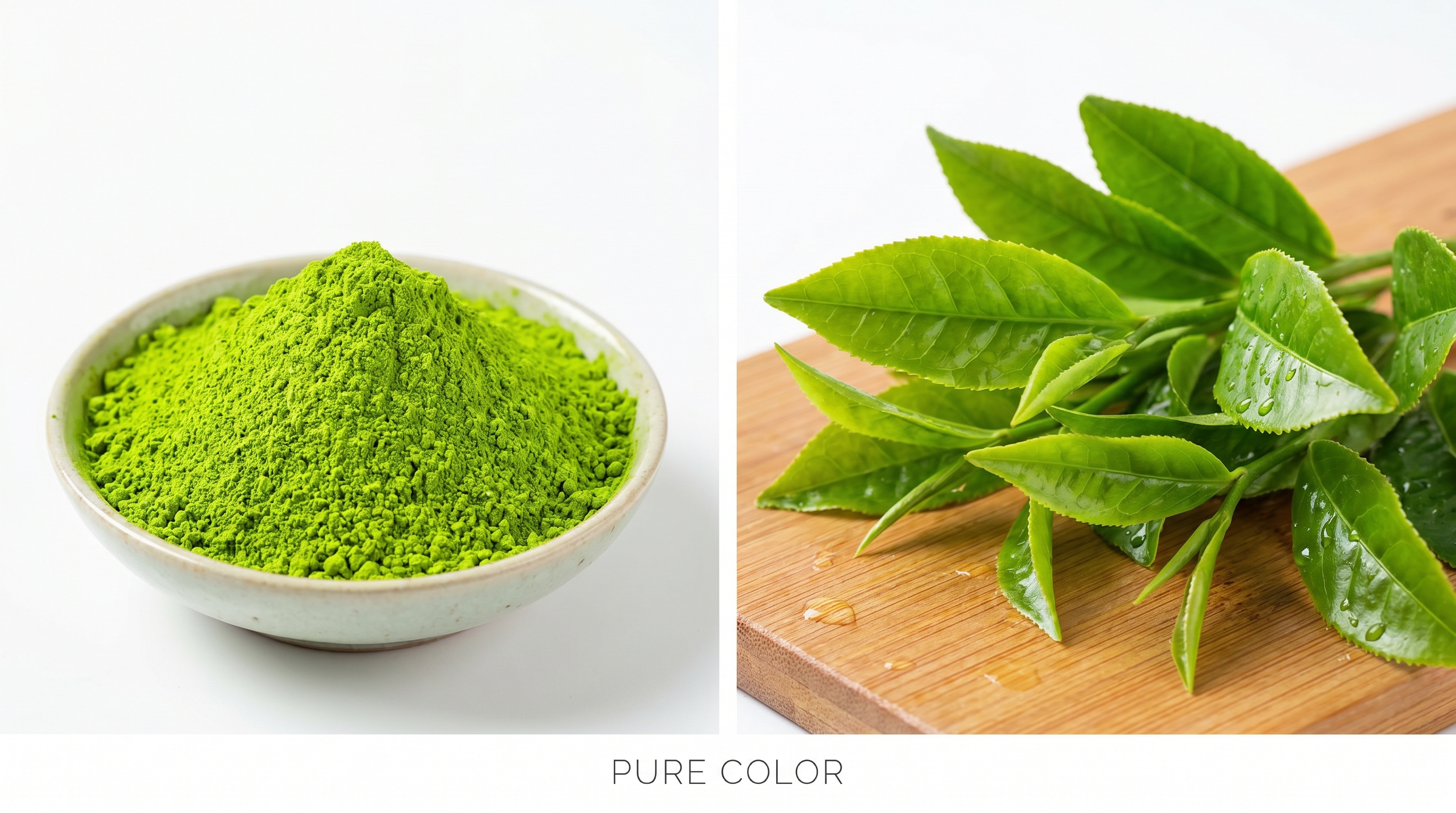
While the Maillard reaction—the non-enzymatic browning between amino acids and reducing sugars—is more prominent in roasted teas like Hojicha, it still plays a subtle, supporting role in matcha fixation. When tencha (the raw material for matcha) is dried and fixed, the interaction of heat with the tea’s natural sugars and the high concentration of L-theanine produces heterocyclic compounds.
Table 3: Aroma Compounds Generated via Thermal Processing
Compound Class | Sensory Note | Formation Pathway |
|---|---|---|
Pyrazines | Nutty, Roasted, Toasty | Maillard reaction (High Heat) |
Furans | Caramel-like, Sweet | Sugar degradation |
Pyrroles | Grain-like, Cereal | Amino acid + Sugar interaction |
Aldehydes | Green, Grassy, Fruity | Lipid oxidation |
In high-quality ceremonial grade matcha , the goal is to minimize aggressive Maillard reactions to keep the color vibrant. However, a tiny degree of “roasting” during the final drying phase of tencha adds a layer of “chestnut” sweetness that rounds out the flavor, preventing it from being purely “thin” and grassy.
8. Preserving the “Umami” Character: Amino Acid Profiles and L-Theanine Stability
L-Theanine is the “soul” of matcha. It is the amino acid responsible for the savory umami taste and the calming “alpha-wave” mental state it induces. Shading the tea plants for weeks before harvest boosts the levels of L-theanine by preventing its conversion into polyphenols (catechins) via photosynthesis.
The fixation process is a dangerous time for L-theanine. High-heat exposure, particularly if prolonged, can lead to the thermal degradation of amino acids.
- Umami Retention: Precise steaming (usually 20-40 seconds) halts the enzymatic conversion of amino acids while avoiding the “overcooking” that would destroy the theanine molecules.
- The Ratio: High-quality matcha is characterized by a low polyphenol-to-amino-acid ratio. Fixation ensures this ratio is “frozen” in time at the moment of peak flavor.
If the steaming pressure is too high, the cellular membranes of the leaf rupture excessively, leading to the leaching of these precious amino acids during the subsequent washing and drying stages. This results in a matcha that tastes “flat” and lacks the rich, savory depth expected of a ceremonial product.
9. Quality Assurance and Standardization: Analytical Parameters of Premium Matcha
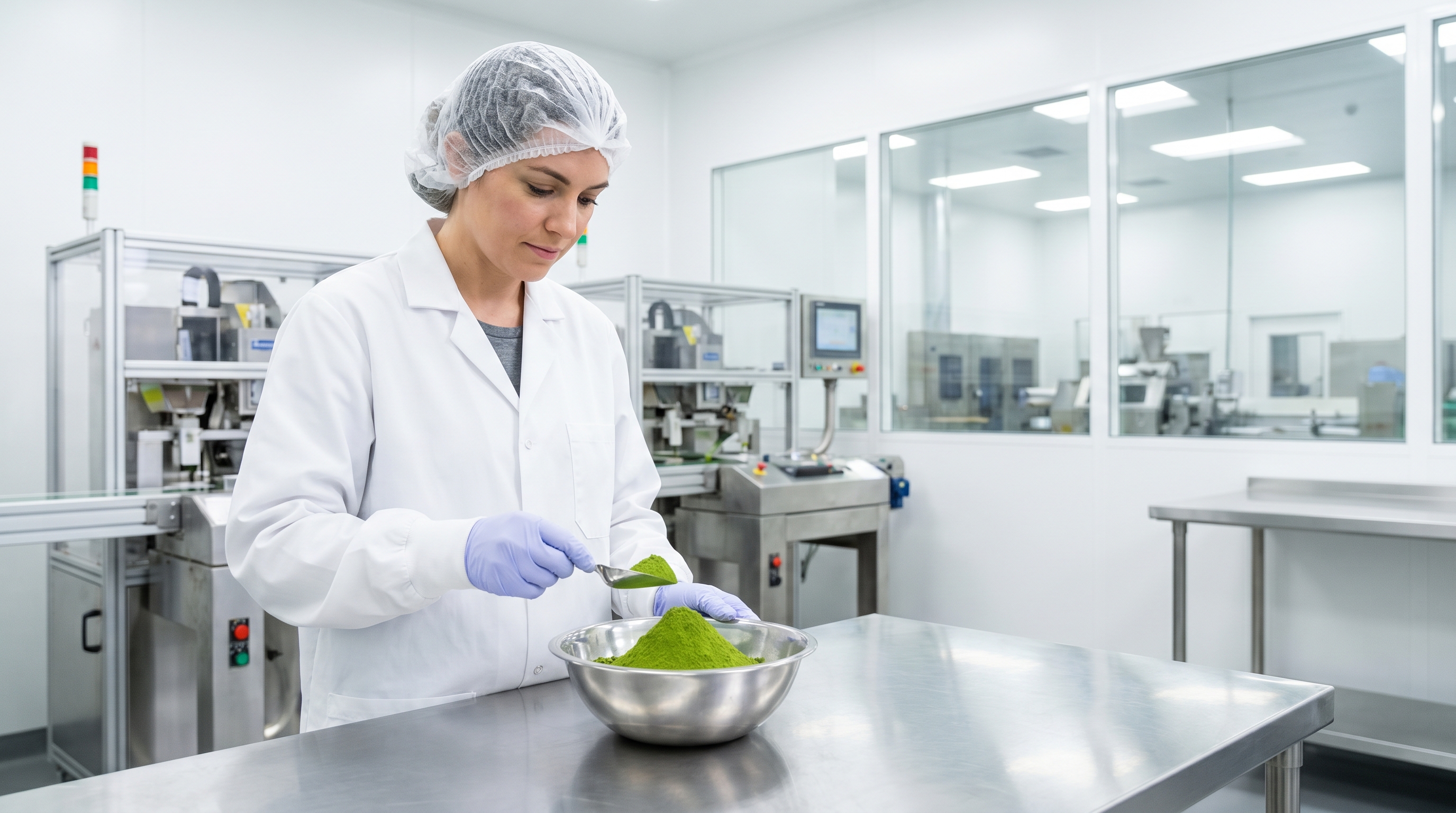
How do we measure the success of the fixation process? In a professional production environment, “feeling” and “smell” are backed by rigorous analytical chemistry. Quality control laboratories use several metrics to ensure the fixation has achieved its goals.
Key Quality Metrics:
- Chlorophyll Content: Measured via spectrophotometry. Higher levels indicate successful fixation and minimal degradation.
- Pheophytin %: A high percentage of pheophytin relative to chlorophyll indicates “heat damage” during fixation or drying.
- Moisture Content: Post-fixation leaves (tencha) must be dried to precisely 5% moisture for stable storage.
- Colorimetry (L a b* scale):** Using a colorimeter to assign numerical values to the “greenness” (a* value) and “brightness” (L* value) of the powder.
For businesses looking to launch their own brand, using a custom matcha packaging service ensures that these analytical standards are maintained through to the final retail product, protecting the powder from light and oxygen which can reverse the work of the fixation process.
10. Future Innovations in Tea Science: The Evolution of Fixation
The future of matcha quality lies in the integration of smart technology into the fixation stage. We are seeing a move toward electromagnetic roller-hot air coupling and microwave fixation.
Advancements on the Horizon:
- Microwave Fixation: Allows for volumetric heating—the leaf is heated from the inside out simultaneously. This can achieve over 90% enzyme deactivation in seconds, potentially preserving even more catechins than traditional steaming.
- AI-Driven Sensors: Cameras equipped with computer vision can monitor the color of the leaves in real-time as they exit the steamer, automatically adjusting the belt speed or steam pressure to ensure perfect uniformity.
- Energy Efficiency: Reducing the carbon footprint of the “kill-green” stage by utilizing heat recovery systems from the steam boilers.
As global demand for matcha grows, the marriage of traditional Japanese wisdom and modern industrial engineering will continue to refine the fixation process. Whether it is a bulk culinary blend or an ultra-premium ceremonial powder, the mastery of heat remains the defining factor of success.
FAQS
1. Why does my matcha look yellowish or brown instead of vibrant green?This is typically a result of poor fixation or improper storage. If the enzymes (PPO and POD) were not fully deactivated during the “kill-green” process, the catechins will slowly oxidize, turning the powder brown. Alternatively, if the leaf was overheated, the chlorophyll may have transformed into pheophytin, which has a dull, olive-brown color.
2. Is “steaming” the only way to fix matcha?For authentic Japanese-style matcha, yes. Steaming is essential to create the specific flavor and color profile. While some Chinese green tea powders are fixed by pan-firing, these are technically “green tea powders” and not traditional “matcha,” as they lack the umami and vivid green color provided by steaming tencha.
3. What is the difference between Asamushi and Fukamushi steaming?Asamushi (Light Steaming) lasts for about 20-30 seconds, preserving leaf integrity and a lighter, grassier flavor. Fukamushi (Deep Steaming) lasts 60-90 seconds or more. While deep steaming creates a bolder flavor and deeper color, it can sometimes degrade the delicate “shaded aroma” (ooikou) if not carefully controlled.
4. Does the fixation process affect the caffeine content in matcha?Fixation has a minimal direct effect on caffeine, as caffeine is relatively heat-stable at the temperatures used for “kill-green.” However, the overall quality of the process ensures that the synergistic relationship between caffeine and L-theanine is preserved, providing the “calm energy” effect.
5. Can a poor fixation process make matcha taste bitter?Absolutely. If the steaming is insufficient, residual enzymes remain active and can create harsh, bitter compounds. Furthermore, if the temperature is not controlled, it can cause the premature release of bitter catechins before they are properly balanced by the tea’s natural sweetness and umami.