
Learning how to make green tea taste better is a common challenge for many tea enthusiasts and businesses looking to serve a premium beverage. You may have experienced that sharp, astringent bitterness that makes your cup almost undrinkable, leading to wasted product and a disappointing experience. By mastering a few professional techniques and understanding the science of the leaf, you can transform a mediocre infusion into a sweet, umami-rich delicacy that satisfies even the most discerning palate. This guide provides the definitive roadmap to elevating your brewing process from basic to exceptional.
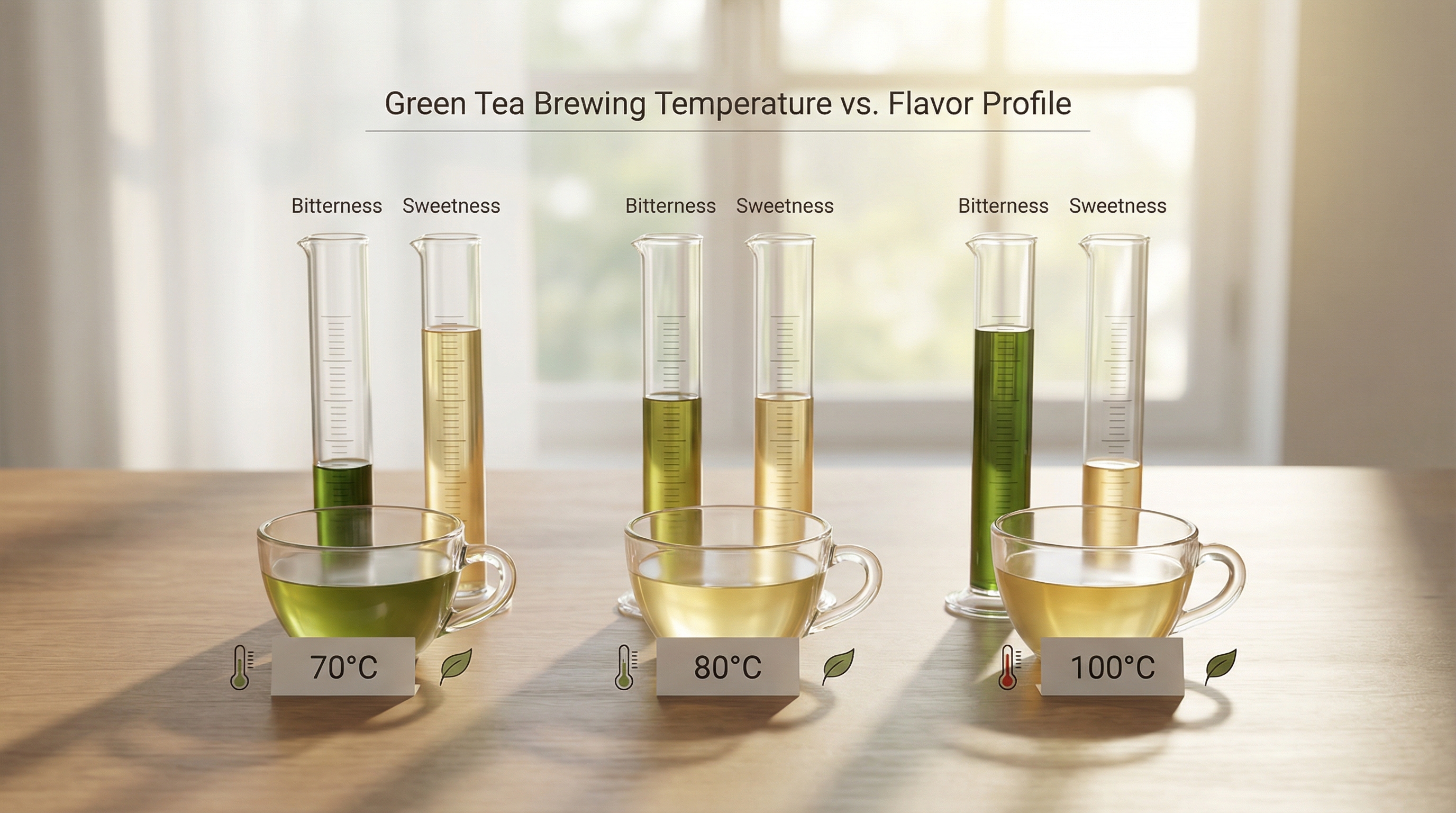
Many people struggle with an unpleasant astringency when they first start brewing, but understanding how to make green tea taste better begins with identifying the chemical triggers of bitterness. When leaves are exposed to extreme conditions, they release tannins and catechins too rapidly, overpowering the delicate amino acids that provide sweetness.
Does excessive heat damage the delicate leaves?
The most frequent mistake in tea preparation is using boiling water, which essentially “cooks” the leaves and destroys their nuanced flavor profile. High temperatures catalyze the release of polyphenols, which are responsible for that dry, puckering sensation in your mouth. You should aim for a temperature between 160°F and 180°F to ensure a balanced extraction.
Lowering the temperature allows the L-theanine—the amino acid responsible for the “umami” flavor—to dissolve without being masked by harsh bitter compounds. This gentle approach preserves the integrity of the leaf and results in a much smoother finish.
How do you achieve the perfect temperature without a thermometer?
If you do not have a temperature-controlled kettle, you can still achieve great results by letting your boiling water sit for two to three minutes. Alternatively, pouring the boiling water into a cold ceramic vessel before adding it to the tea leaves will naturally drop the temperature. This simple cooling step is a fundamental technique for anyone mastering tea preparation.
Another professional trick is the “vessel swap,” where you move water between cups to lose heat through evaporation. Each transfer typically drops the water temperature by about 10 degrees Celsius, giving you more control over the final infusion environment.
Why does the ratio of leaves to water matter?
Using too many leaves for the amount of water provided can lead to a saturated, heavy liquor that feels overwhelming on the tongue. Conversely, too few leaves will result in a weak, watery brew that lacks the characteristic body of high-quality green tea. Finding the “Golden Ratio”—typically one teaspoon of leaves per eight ounces of water—is essential for consistency.
Consistency in your measurement ensures that every cup maintains the intended flavor profile designed by the cultivator. When you balance the volume correctly, the water has enough space to circulate around the leaves, allowing for a comprehensive and even extraction.
Key Technical Considerations:
- Avoid boiling water: Never pour 212°F water directly onto green tea leaves.
- Cooling time: Allow water to rest for 120-180 seconds if using a standard kettle.
- The Golden Ratio: Maintain approximately 2 grams of tea per 150ml of water.
- Vessel choice: Use pre-warmed cups to maintain a steady, lower temperature during the steep.
Think about this:
Bitterness isn’t a flaw of the tea itself, but rather a symptom of an aggressive brewing environment.
Key Takeaway: Controlling the temperature is the single most effective way to eliminate bitterness and highlight the natural sweetness of the tea.
Temperature (°C) | Bitter Level | Sweetness Level | Best For |
|---|---|---|---|
70°C | Very Low | High | Delicate Gyokuro/Matcha |
80°C | Low | Medium | Standard Sencha/Chinese Green |
100°C | Very High | Low | Not recommended for Green Tea |
The data indicates that as temperature increases, the bitterness profile rises exponentially while sweetness diminishes, highlighting why boiling water is the enemy of a good cup.
Is your tap water ruining the delicate flavor?
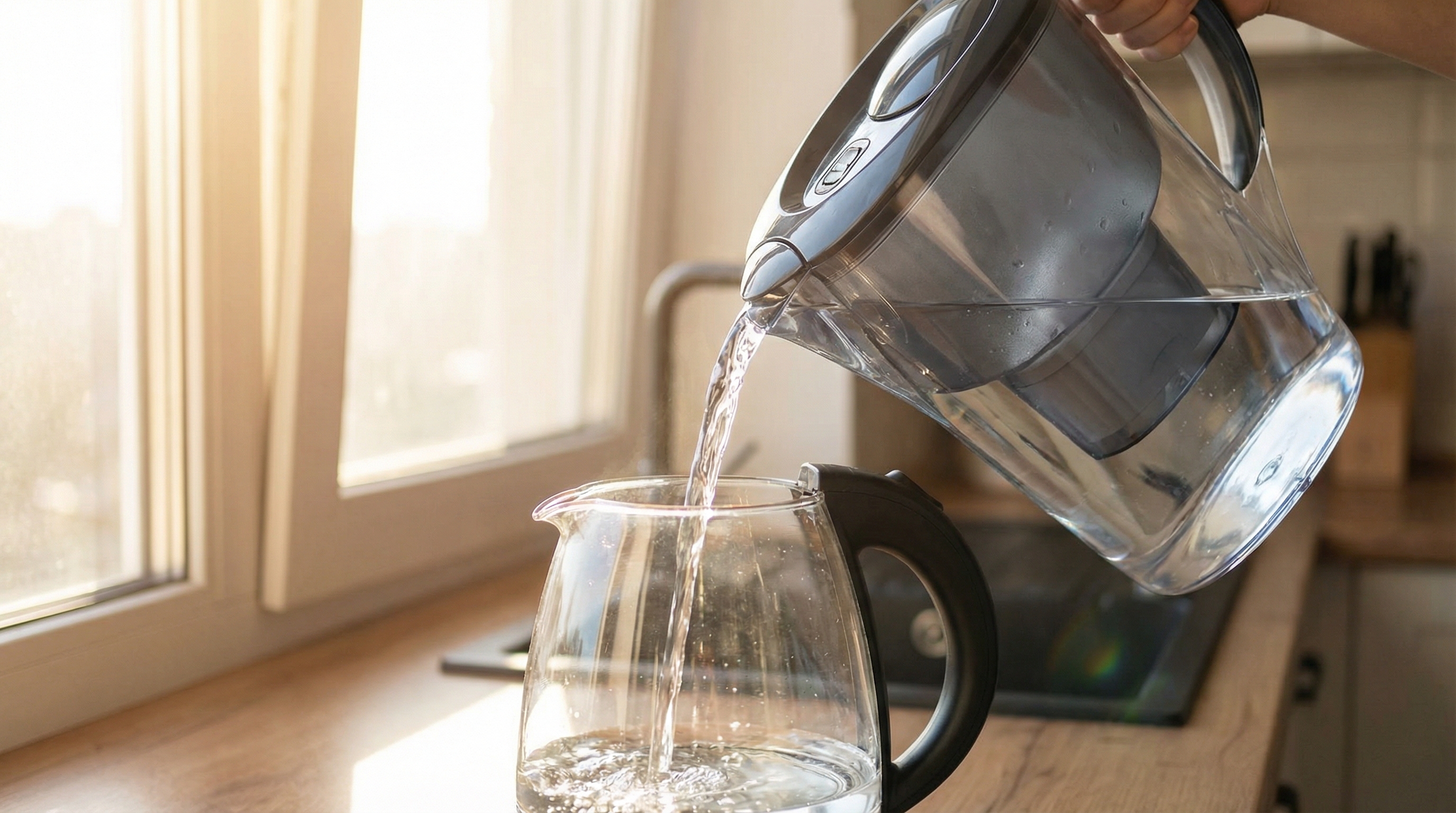
If you are wondering how to make green tea taste better , the answer might be sitting in your pipes. Since a cup of tea is 99% water, the mineral content and pH level of your local supply play a massive role in the final taste.
Why do minerals affect the clarity of the tea?
Hard water, which is high in calcium and magnesium, can create a “film” on the surface of the tea and lead to a cloudy appearance. These minerals react with the tea’s natural compounds, often resulting in a metallic or flat taste that obscures the floral notes. Using soft or filtered water allows the true characteristics of the tea to shine through without interference.
Chlorine, often found in municipal tap water, is particularly detrimental as it adds a chemical odor that clashes with the tea’s aroma. Filtering your water removes these impurities, providing a clean canvas for the tea leaves to paint their flavor.
Is distilled water a good choice for brewing?
While it might seem logical to use the purest water possible, distilled water is actually not ideal because it lacks the trace minerals needed to “pull” flavor from the leaves. Tea brewed with distilled water often tastes flat and lifeless because there is no mineral interaction to facilitate the extraction. You want a balanced mineral profile, often referred to as “spring water” quality.
Spring water typically has a neutral pH and a balanced mineral count that enhances the mouthfeel and sweetness of the tea. It provides enough structure to support the tea’s body while remaining clean enough to prevent off-flavors.
How does a charcoal filter improve your cup?
Activated charcoal filters are highly effective at removing volatile organic compounds and chlorine without stripping away essential minerals. Using a filtered pitcher is a cost-effective and easy way to significantly upgrade your daily brewing routine. You will notice an immediate improvement in the brightness and “crispness” of your green tea.
Consistency in your water source is just as important as the tea itself when scaling a professional tea program. By standardizing your water quality, you ensure that your customers or guests receive the same premium experience every time.
Water Quality Checklist:
- Filtration: Use a multi-stage filter to remove chlorine and heavy metals.
- Hardness: Aim for moderately soft water to avoid a “chalky” texture.
- pH Level: A neutral pH of 7.0 is ideal for maintaining flavor balance.
- Freshness: Always start with cold, fresh water rather than re-boiling water left in the kettle.
It gets better.
Once you switch to filtered water, you’ll discover subtle notes of chestnut and grass that were previously hidden by tap water impurities.
Key Takeaway: High-quality, filtered water acts as a flavor enhancer, allowing the delicate nuances of green tea to be fully expressed.
Water Type | Flavor Impact | Clarity | Recommendation |
|---|---|---|---|
Tap Water | Often Metallic/Chlorinated | Low/Cloudy | Avoid for premium tea |
Filtered Water | Clean and Crisp | High | Best for daily brewing |
Spring Water | Rich and Sweet | Very High | Premium/Professional Choice |
Analysis shows that filtered and spring water provide the necessary clarity and taste neutrality required to showcase the complex profiles of artisanal green teas.
Why is precision timing critical for infusion?
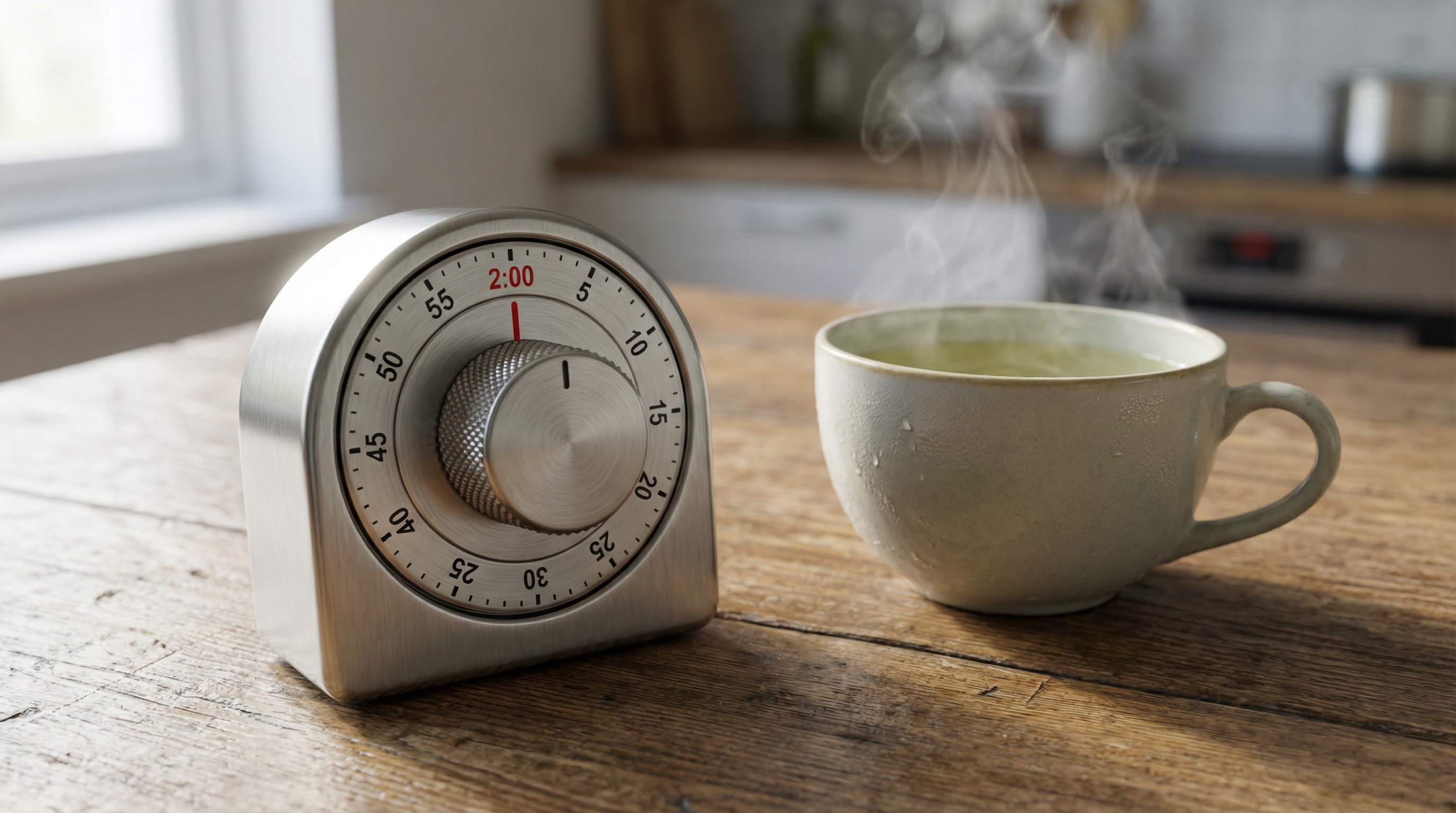
When investigating how to make green tea taste better, you cannot overlook the duration of the steep. Time is the engine of extraction; even a thirty-second variance can transform a refreshing beverage into a bitter disappointment.
Does a longer steep mean more health benefits?
There is a common misconception that steeping tea longer extracts more antioxidants, but this often comes at the cost of palatability. While you might get a marginal increase in nutrients, the resulting bitterness usually makes the tea impossible to enjoy. Most green teas only require one to three minutes to reach their peak flavor and nutritional balance.
Over-steeping causes the leaves to release heavy tannins that coat the tongue and create a dry aftertaste. By timing your brew precisely, you capture the peak “sweet spot” where the tea is both flavorful and revitalizing.
How do different tea varieties require different times?
Japanese green teas, like Sencha, often have a shorter steeping time of 60 to 90 seconds because they are steamed during processing. Chinese green teas, which are typically pan-fired, are slightly more resilient and can handle a two to three-minute steep. Understanding the processing method of your tea is key to determining the correct timing.
If you are unsure of the variety, start with a shorter steep and taste the tea at 60 seconds. You can always steep longer if the flavor is too light, but you cannot “un-steep” a bitter cup once the tannins are released.
Why should you remove the leaves immediately?
Leaving the tea leaves in the pot while you drink is the fastest way to ruin the second half of your tea experience. As the water sits, the extraction continues, leading to an increasingly bitter and astringent liquid. Always strain your tea completely into a serving carafe or secondary vessel once the timer goes off.
This practice also prepares the leaves for a second infusion, which many high-quality green teas are capable of providing. By keeping the leaves dry between steepings, you preserve their structural integrity for subsequent rounds of flavor.
Timing Success Factors:
- Set a timer: Never “eye-ball” the time; use a digital timer or smartphone app.
- Incremental testing: Taste at 60, 90, and 120 seconds to find your personal preference.
- Variety awareness: Adjust timing based on whether the tea is steamed or pan-fired.
- Complete drainage: Ensure no water remains in the pot after pouring.
Believe it or not:
The difference between a “good” cup and a “great” cup is often just a matter of sixty seconds.
Key Takeaway: Precision timing prevents over-extraction, ensuring the bitterness remains low while the aromatic qualities remain high.
Tea Type | Initial Steep Time | Second Steep | Note |
|---|---|---|---|
Japanese Sencha | 60-90 Seconds | 30 Seconds | Very fast extraction |
Chinese Dragonwell | 2-3 Minutes | 1 Minute | More heat resistant |
Matcha (Whisked) | N/A (Immediate) | N/A | Total leaf consumption |
The table illustrates the significant differences in timing required for various regions, emphasizing that a “one size fits all” approach leads to inconsistent quality.
Does the quality of raw leaves really matter?
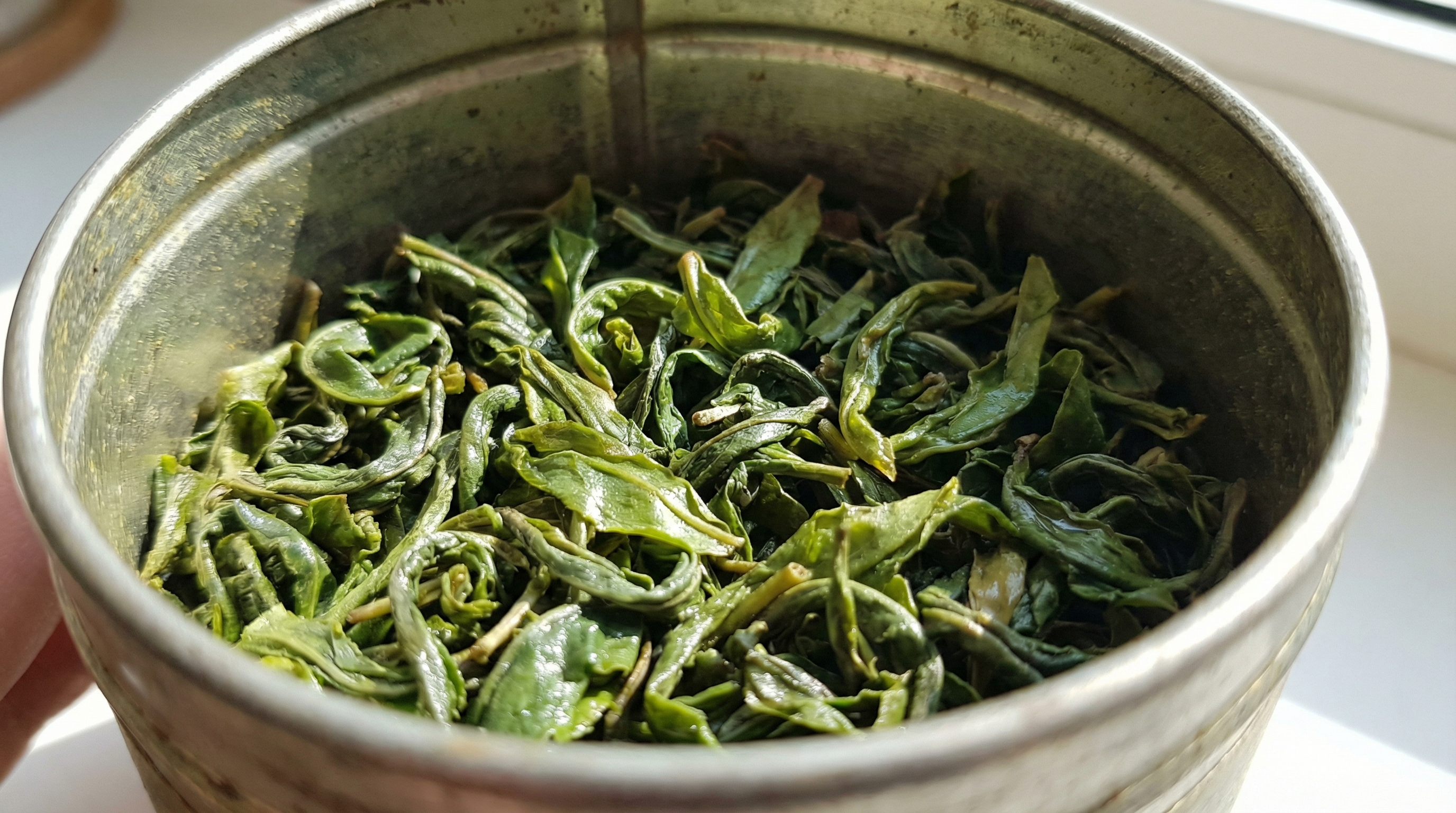
You simply cannot produce a world-class beverage from inferior ingredients, which is why how to make green tea taste better begins with sourcing. Investing in bulk ceremonial matcha powder or high-grade loose leaves ensures that the fundamental chemistry of your tea is optimized for flavor.
How do you identify high-quality loose leaves?
Premium green tea leaves should look vibrant, whole, and have a slight sheen rather than appearing dull or dusty. When you look at the leaves, they should be uniform in size, which indicates careful sorting and processing during the harvest. Avoid “tea dust” or fannings often found in low-quality tea bags, as these have a much higher surface area and turn bitter almost instantly.
The aroma of the dry leaves should be potent and fresh, smelling of cut grass, roasted nuts, or sea air depending on the variety. If the dry leaves have no scent, they are likely old and will produce a flat, uninspiring cup.
Why is the harvest season important for flavor?
The “First Flush” or spring harvest is generally considered the highest quality because the plants have spent the winter storing nutrients. These early leaves are packed with amino acids and sugars, leading to a much sweeter and more complex profile. Later harvests, such as summer or autumn flushes, tend to be higher in catechins and lower in sweetness.
For B2B applications, sourcing spring-harvested teas is a significant selling point that justifies a premium price point. It demonstrates a commitment to quality that translates directly to the customer’s sensory experience.
Is organic certification a marker of better taste?
While organic certification primarily relates to farming practices, many organic matcha options offer a cleaner, more vibrant flavor because they are grown without synthetic interference. Plants grown in healthy, biodiverse soil often develop more complex secondary metabolites, which we perceive as deep, layered flavors. Choosing organic can be an excellent strategy for brands targeting health-conscious and flavor-focused demographics.
Furthermore, organic tea gardens often employ more artisanal processing methods. This attention to detail in the field frequently carries over into the drying and rolling stages, resulting in a superior finished product.
Leaf Quality Indicators:
- Color: Deep greens indicate high chlorophyll and careful processing.
- Shape: Whole leaves or needles suggest hand-harvesting and minimal damage.
- Origin: Look for specific regions known for excellence, like Uji or Zhejiang.
- Freshness Date: Always check the “packed on” date to ensure the tea hasn’t oxidized.
You deserve better.
Don’t settle for dusty tea bags when whole-leaf tea offers a spectrum of flavors you’ve never experienced.
Key Takeaway: Starting with premium, fresh leaves is the foundation of a superior tea experience that no amount of brewing technique can replace.
Grade | Appearance | Flavor Profile | Usage |
|---|---|---|---|
Ceremonial | Vibrant Green/Fine Powder | Sweet, Umami, Creamy | Traditional Whisking |
Culinary | Dull Green/Coarser | Strong, Astringent | Baking and Blending |
Commodity | Brownish/Broken Leaves | Bitter, Flat | Mass Market Bags |
Analysis reveals that the Grade of tea directly correlates with the amino acid content, which is the primary driver of sweetness and “better” taste.
Can natural additives balance out the profile?
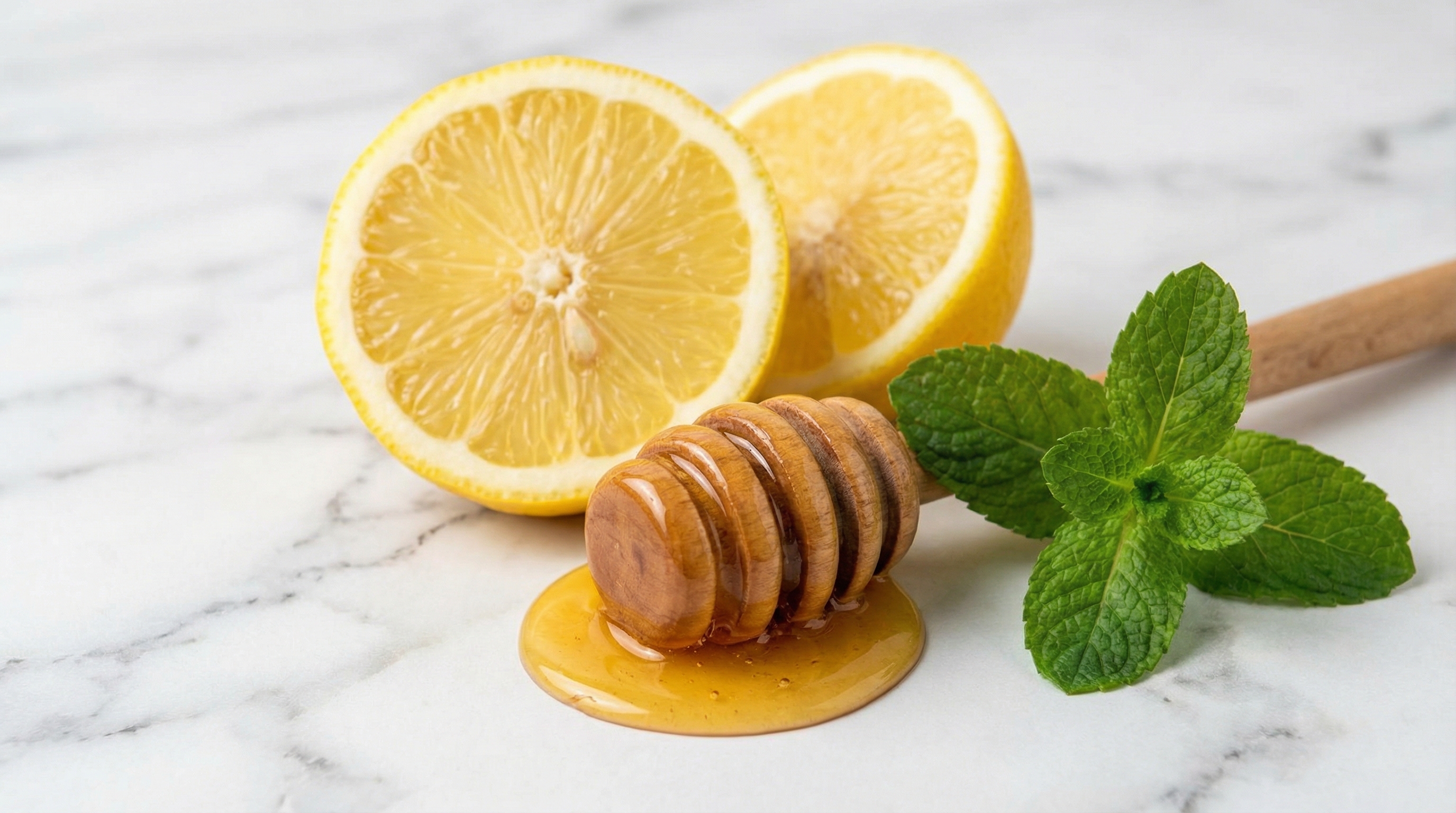
While purists prefer green tea “naked,” many people find that learning how to make green tea taste better involves adding a few complementary ingredients. If you find the vegetal notes too intense, certain natural elements can soften the edges and create a more approachable beverage.
Does lemon actually change the chemistry of the tea?
Adding a squeeze of fresh lemon juice does more than just add a citrus note; it actually stabilizes the antioxidants in the tea. The acidity of the lemon helps your body absorb the catechins more effectively while simultaneously cutting through any lingering bitterness. This creates a bright, refreshing profile that is especially popular in Western markets.
The vitamin C in lemon acts as a natural preservative for the tea’s color, preventing it from turning brown as it cools. This makes lemon an excellent addition for iced green tea presentations where visual appeal is paramount.
Can honey provide a better sweetness than sugar?
Honey contains a complex array of sugars and floral notes that pair beautifully with the earthiness of green tea. Unlike white sugar, which provides a “flat” sweetness, honey adds depth and a silky mouthfeel that complements the tea’s natural body. It is particularly effective at smoothing out the astringency in slightly over-brewed tea.
Raw honey also offers its own health benefits, making it a “clean label” sweetener for health-focused beverage programs. Just a small teaspoon can transform a challenging cup into a comforting, nectar-like treat.
Why is fresh mint a popular green tea pairing?
Fresh mint leaves add a cooling sensation that balances the warmth of the tea and provides a clean, aromatic finish. This is the foundation of traditional Moroccan mint tea, which uses green tea as a base for a highly refreshing and social drink. Mint is particularly good for masking any “fishy” or overly grassy notes that some drinkers find off-putting.
You can simply slap the mint leaves to release their oils and drop them into the hot tea for an instant aromatic upgrade. This adds a visual element of freshness that customers appreciate in a professional setting.
Effective Additive Combinations:
- Citrus: Lemon, lime, or orange zest for brightness.
- Sweeteners: Honey, agave nectar, or stevia for a low-calorie lift.
- Herbs: Mint, ginger, or lemongrass for aromatic complexity.
- Spices: A pinch of cinnamon or cardamom for a warming effect.
The secret is out.
A small addition of honey or lemon can make green tea accessible to those who usually find it too “earthy.”
Key Takeaway: Natural additives are powerful tools for customizing the flavor profile of green tea to suit diverse palettes and market preferences.
Additive | Primary Benefit | Flavor Direction | Best Served |
|---|---|---|---|
Lemon | Increases Bioavailability | Tart and Bright | Hot or Iced |
Honey | Softens Astringency | Floral and Sweet | Hot |
Fresh Mint | Masks Grassy Notes | Cooling and Clean | Hot or Iced |
The data suggests that additives are not just for flavor; they serve functional roles in stabilizing the tea’s chemistry and improving customer acceptance.
Is your storage method destroying the aroma?
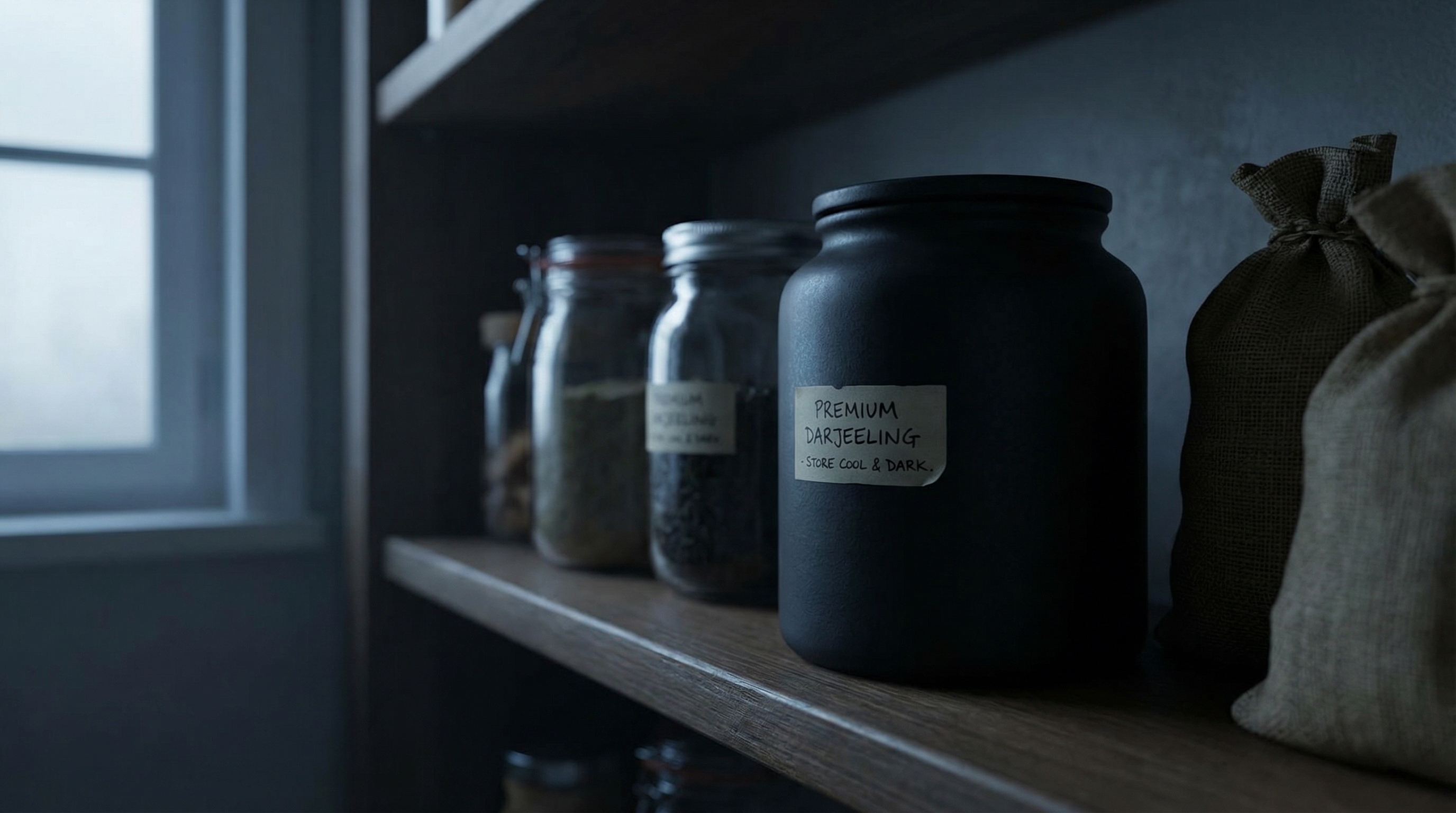
Even if you know how to make green tea taste better through brewing, poor storage will eventually make your efforts futile. Green tea is highly sensitive to its environment and can quickly lose its “spark” if exposed to air, light, or moisture.
Why is light the enemy of green tea?
Exposure to UV light triggers photodegradation, which breaks down chlorophyll and other delicate flavor compounds in the leaves. This is why you should never store tea in clear glass jars, regardless of how attractive they look on a shelf. Light-damaged tea often develops a “stale” or “metallic” taste that cannot be fixed by better brewing.
Using opaque canisters or matcha accessories designed for airtight storage is essential for maintaining product integrity. Protecting your inventory from light ensures that the last cup you serve is as fresh as the first.
Does green tea absorb smells from the pantry?
Tea leaves are hygroscopic and porous, meaning they readily absorb moisture and odors from their surroundings. If you store your green tea next to spices, coffee, or cleaning supplies, it will inevitably take on those flavors. This cross-contamination is one of the most common reasons why tea tastes “off” after a few weeks in a home or commercial kitchen.
Keep your tea in a dedicated area away from strong-smelling items. For high-volume businesses, using sealed, foil-lined bags inside airtight bins is the industry standard for preventing flavor drift.
Should you store green tea in the refrigerator?
For long-term storage of un-opened packages, refrigeration can help preserve the freshness of delicate Japanese greens. However, once a package is opened, constant moving in and out of the fridge creates condensation, which is far more damaging than room temperature. If you do use a fridge, ensure the container is absolutely airtight and let it reach room temperature before opening.
Most experts recommend a cool, dark cupboard as the best middle ground for daily use. This maintains a stable temperature without the risk of moisture accumulation that can lead to mold or rapid oxidation.
Storage Best Practices:
- Airtight seals: Use lids with gaskets to keep oxygen out.
- Opaque containers: Tin or ceramic are superior to glass or plastic.
- Cool environment: Keep away from ovens, dishwashers, or direct sunlight.
- Small batches: Only buy what you can consume or sell within 3-6 months.
Here is the bottom line:
Fresh tea is better tea, and how you store it determines how long that freshness lasts.
Key Takeaway: Protecting tea from the “Four Enemies” (Light, Air, Heat, and Moisture) is vital for preserving the delicate aromatics of green tea.
Storage Method | Oxygen Exposure | Light Exposure | Shelf Life |
|---|---|---|---|
Original Paper Bag | High | Low | 1-2 Months |
Glass Jar | Low | High | 2-3 Months |
Airtight Tin | Very Low | None | 6-12 Months |
Analysis confirms that airtight, opaque tins are the superior choice for maximizing the lifespan and flavor retention of premium green tea products.
Why is accurate leaf measurement a game changer?
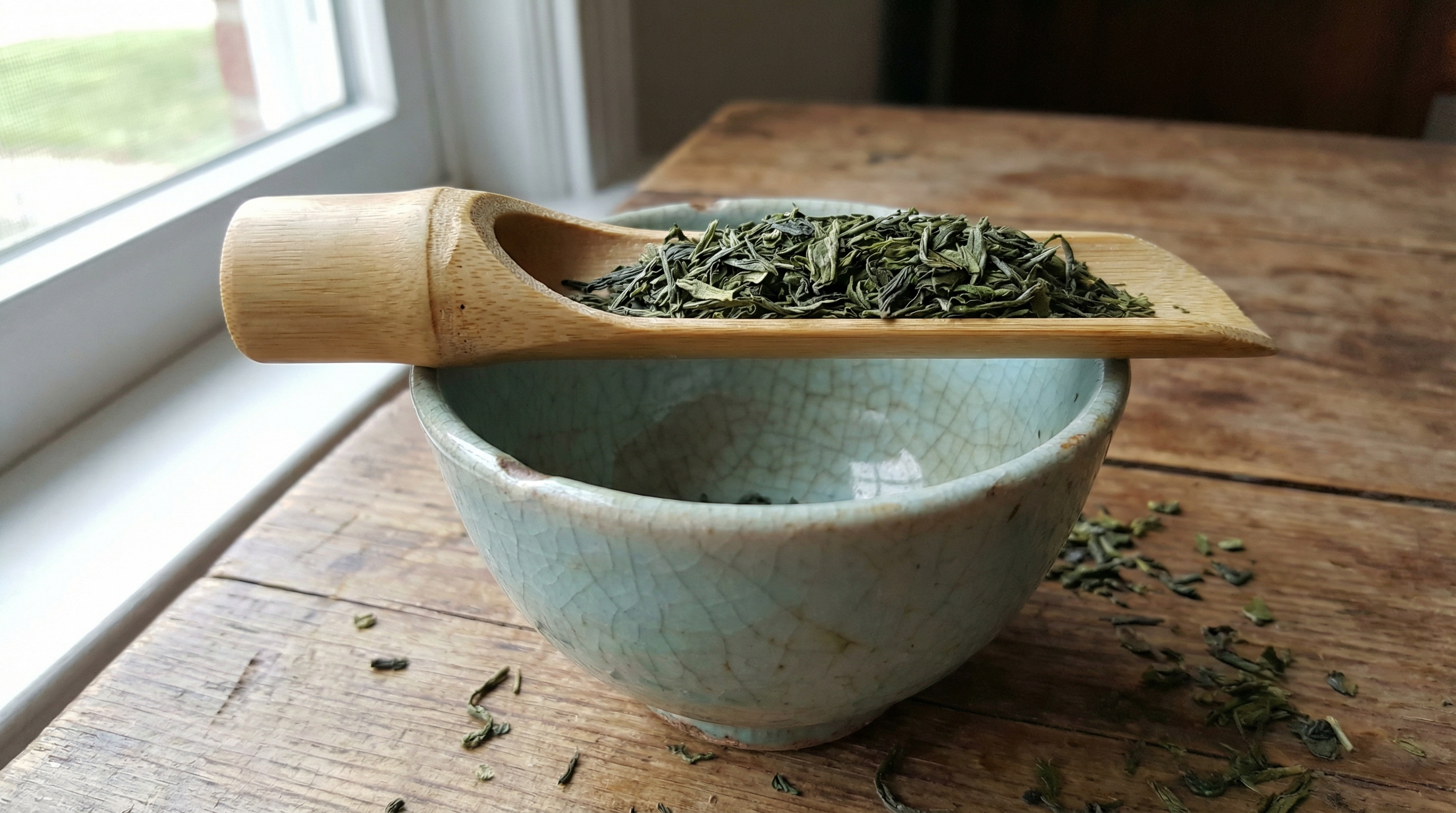
If you are looking for how to make green tea taste better consistently, you must treat your measurements with the precision of a chemist. Guessing the amount of tea per cup leads to wild fluctuations in flavor, making it impossible to refine your brewing technique.
Is a digital scale better than a spoon?
While a “teaspoon” is a common measurement, the density of green tea varies wildly between a tightly rolled gunpowder tea and a fluffy, needle-like Sencha. Two grams of a dense tea might fit on a half-teaspoon, while a voluminous tea might require two full spoons. Using a digital scale to measure by weight (grams) rather than volume (spoons) ensures perfect results every time.
For a standard 8-ounce cup, 2 to 3 grams of tea is usually the ideal starting point. Once you have a consistent weight, you can adjust in 0.5-gram increments to find the exact strength that appeals to your palate.
How does leaf density impact the extraction rate?
Small, broken leaves have more surface area and extract much faster than large, whole leaves. If you use the same measurement for different grades of tea, the finer ones will often turn out too strong and bitter. Understanding the physical structure of the leaf helps you calibrate your measurement for the specific variety you are brewing.
Consistent measurement is particularly important in B2B settings where multiple staff members might be preparing the tea. Standardizing the weight ensures that every customer receives the exact same flavor profile, building brand trust and satisfaction.
Why should you pre-heat your measuring tools?
Using a cold spoon or scale can actually draw a small amount of heat away from the water during the crucial first few seconds of brewing. While this effect is minor, professional tea masters often warm their vessels and tools to maintain a perfectly stable environment. It also helps to awaken the aroma of the dry leaves before the water even touches them.
When you place measured leaves into a pre-warmed pot, the steam releases a “preview” of the tea’s fragrance. This sensory step is part of the overall experience that makes a well-prepared cup of green tea feel truly special.
Measurement Guidelines:
- Weight over volume: Aim for 2g per 150-200ml of water.
- Calibrate for variety: Use less weight for broken leaves and more for whole leaves.
- Consistency: Use the same scale and vessels for every brew to minimize variables.
- Record results: Keep a small log of weights and times to “dial in” your perfect cup.
Don’t ignore this:
Consistency is the hallmark of a professional; you can’t improve what you don’t measure.
Key Takeaway: Precise measurement by weight eliminates the guesswork that leads to inconsistent and often bitter tea.
Measurement Tool | Precision | Consistency | Recommended For |
|---|---|---|---|
Eyeballing | Very Low | Poor | Not Recommended |
Standard Spoon | Medium | Fair | Home Use |
Digital Scale | High | Excellent | Professional/B2B |
The comparison shows that digital scales provide the only reliable method for maintaining the strict quality standards required in a professional tea service.
Should you be rinsing your leaves before brewing?
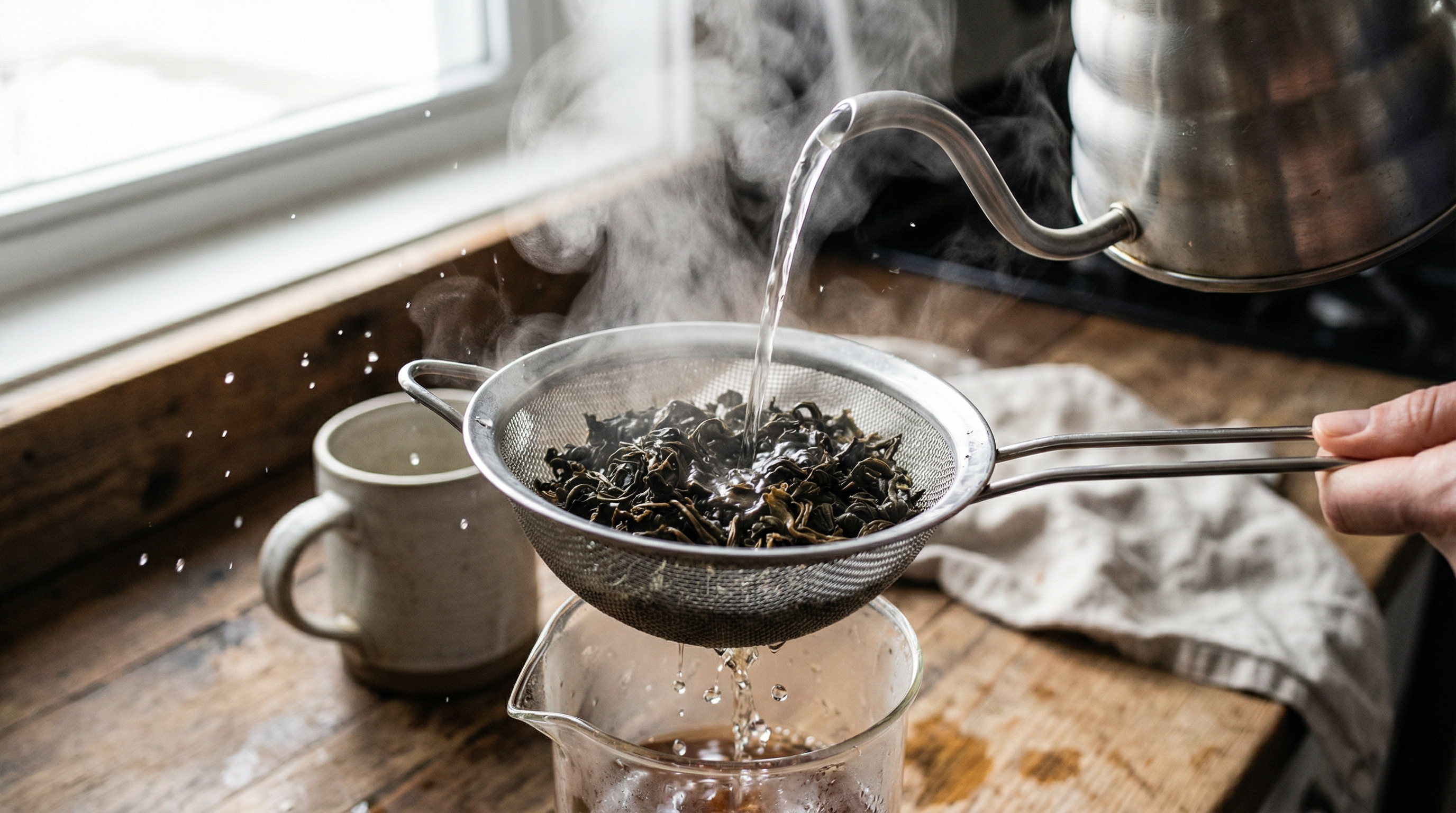
A professional secret on how to make green tea taste better is the practice of “awakening” the leaves with a quick rinse. This technique is especially useful for steamed green tea powder or rolled leaf varieties that need a moment to unfurl.
Does rinsing remove dust and impurities?
The primary benefit of a 5-second rinse is to remove any surface dust or tiny fragments that might cause cloudiness in the final cup. By pouring a small amount of warm water over the leaves and immediately discarding it, you ensure a cleaner, more vibrant liquor. This is standard practice in Gongfu-style brewing and can be easily adapted to Western methods.
Rinsing also helps to warm the leaves, preparing them for the primary infusion. This thermal preparation allows the water to penetrate the leaf structure more effectively, leading to a more comprehensive flavor release.
Can a rinse reduce initial bitterness?
The very first few seconds of water contact often release the most volatile surface elements, which can sometimes be more astringent. By discarding this “wash,” you are essentially removing the harshest part of the extraction. What remains is a softened leaf ready to provide its most balanced and sweet infusion.
This is particularly effective for teas that have been compressed or tightly rolled. The rinse allows the leaves to begin opening up, so they are fully prepared to release their complex flavors during the actual steeping time.
Why is the temperature of the rinse water important?
You should use water that is the same temperature as your intended brewing water for the rinse. Using boiling water for a rinse on green tea can shock the leaves and start the bittering process prematurely. A gentle, quick pour-over at 170°F is all that is needed to achieve the desired results.
The rinse should be extremely fast—no more than 5 to 10 seconds. You want to wake the tea up, not start the extraction, so speed is of the essence in this preparatory step.
Rinsing Step-by-Step:
- Place leaves: Put your measured tea in the brewer or strainer.
- Quick pour: Add enough warm water to just cover the leaves.
- Immediate discard: Wait no more than 5-10 seconds before pouring the water out.
- First brew: Immediately proceed with your timed infusion using fresh water.
Take a look:
Rinsing is like “decanting” for tea; it lets the leaves breathe and prepares them for their best performance.
Key Takeaway: A quick rinse clarifies the flavor and prepares the leaves for a more efficient and balanced extraction.
Process Stage | Duration | Water Temperature | Purpose |
|---|---|---|---|
The Rinse | 5-10 Seconds | 75-80°C | Cleanse & Awaken |
First Steep | 1-2 Minutes | 75-80°C | Primary Flavor |
Second Steep | 30-60 Seconds | 80-85°C | Deepened Notes |
Analysis indicates that the rinse stage acts as a quality filter, ensuring that only the most desirable flavor compounds make it into the final serving.
Does the tea set influence the tasting experience?
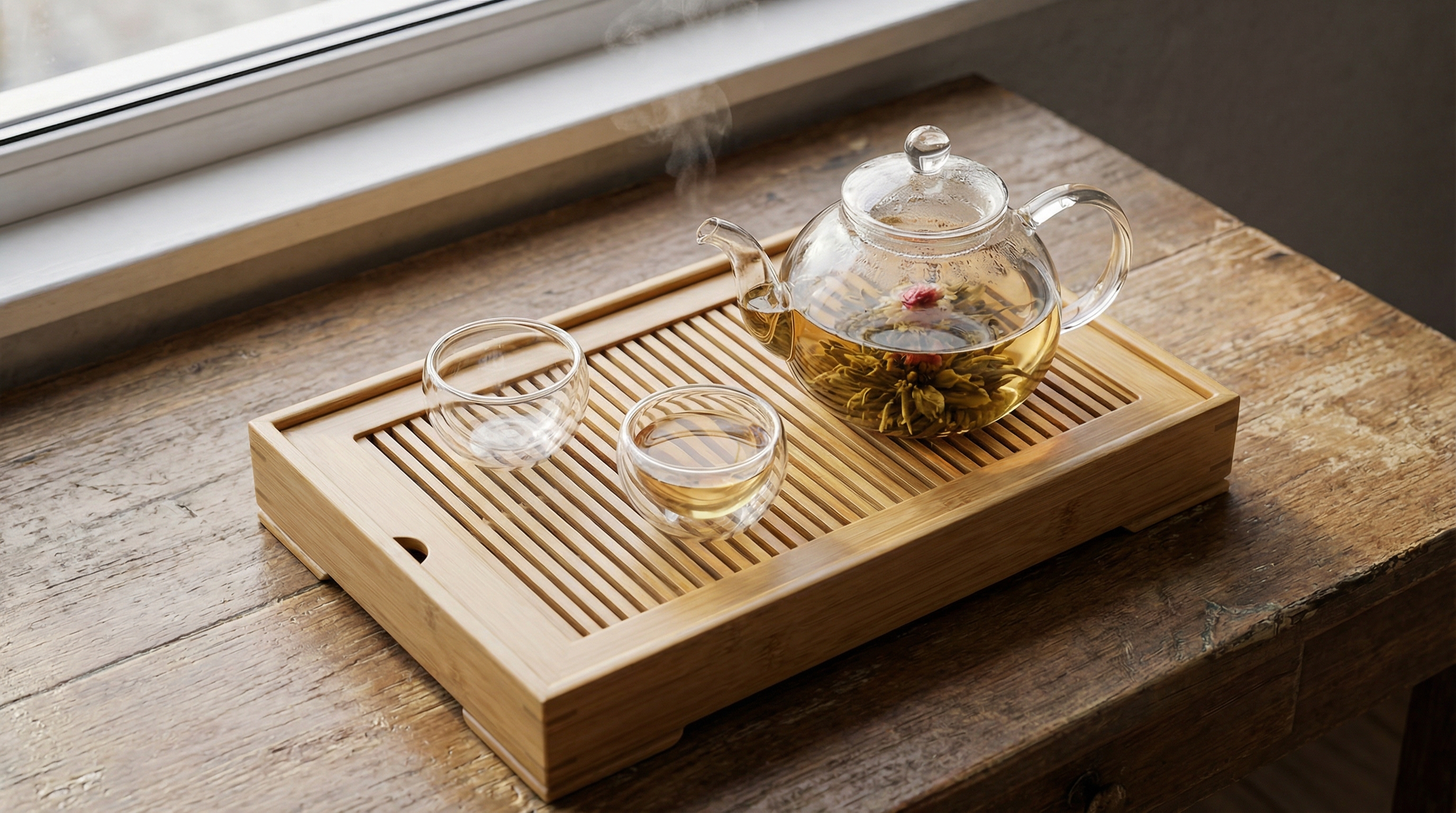
When considering how to make green tea taste better, you must account for the psychological and physical impact of your serving ware. The material, shape, and even the color of your cup can significantly alter how you perceive the flavor and quality of the tea.
Why is ceramic preferred over plastic or metal?
Ceramic and porcelain are chemically inert, meaning they do not impart any metallic or synthetic flavors to the delicate tea. Furthermore, high-quality ceramic has excellent heat retention properties, keeping your tea at the optimal drinking temperature for longer. Plastic cups can sometimes trap oils from previous drinks, which can ruin the clean profile of a green tea.
The smooth surface of porcelain also feels better against the lips, enhancing the overall “mouthfeel” of the beverage. In a B2B context, serving tea in high-quality ceramic conveys a sense of luxury and attention to detail that elevates the brand.
How does cup shape affect the aroma?
A cup with a wider rim allows the tea to cool faster and spreads the aroma over a larger area, which is great for highly fragrant floral teas. Conversely, a taller, narrower cup concentrates the heat and aroma, which can be beneficial for deep, umami-rich teas like Gyokuro. Matching the cup shape to the tea variety is a mark of true tea expertise.
The color of the inside of the cup is also important; a white or light-colored interior allows you to appreciate the vibrant green or golden hue of the tea. Since we “eat with our eyes,” the visual clarity of the tea contributes to the perceived freshness and quality.
Is the size of the cup important for flavor?
Smaller cups encourage you to take multiple, small sips, which aerates the tea on your palate and allows you to pick up more nuanced flavors. Large mugs often lead to the tea cooling unevenly and being consumed in larger gulps, which can mask the subtle finish. Using smaller, traditional-sized cups forces a slower, more mindful tasting experience.
This slower pace allows the drinker to notice the change in flavor as the tea cools. A truly great green tea will often taste even sweeter as it nears room temperature, a phenomenon that is lost in a large, insulated travel mug.
Teaware Selection Tips:
- Material: Stick to porcelain, glass, or high-fired ceramic.
- Internal color: Choose white or clear to showcase the tea’s natural color.
- Rim thickness: Thinner rims provide a more delicate and refined tasting sensation.
- Cleanliness: Use specialized tea cleaners to remove any built-up tannins that can turn bitter.
It’s a game changer.
Switching from a thick office mug to a thin porcelain cup will immediately make your tea feel more “expensive” and flavorful.
Key Takeaway: The right teaware enhances both the physical taste and the psychological perception of quality, making the tea experience more complete.
Material | Heat Retention | Flavor Neutrality | Aesthetic Appeal |
|---|---|---|---|
Porcelain | Medium-High | Excellent | High/Elegant |
Borosilicate Glass | Medium | Excellent | High/Modern |
Plastic/Paper | Low | Poor | Low/Functional |
The data proves that traditional materials like porcelain and glass are functionally superior for maintaining the integrity of green tea’s delicate flavor profile.
Have you tried the smoothness of cold brewing?
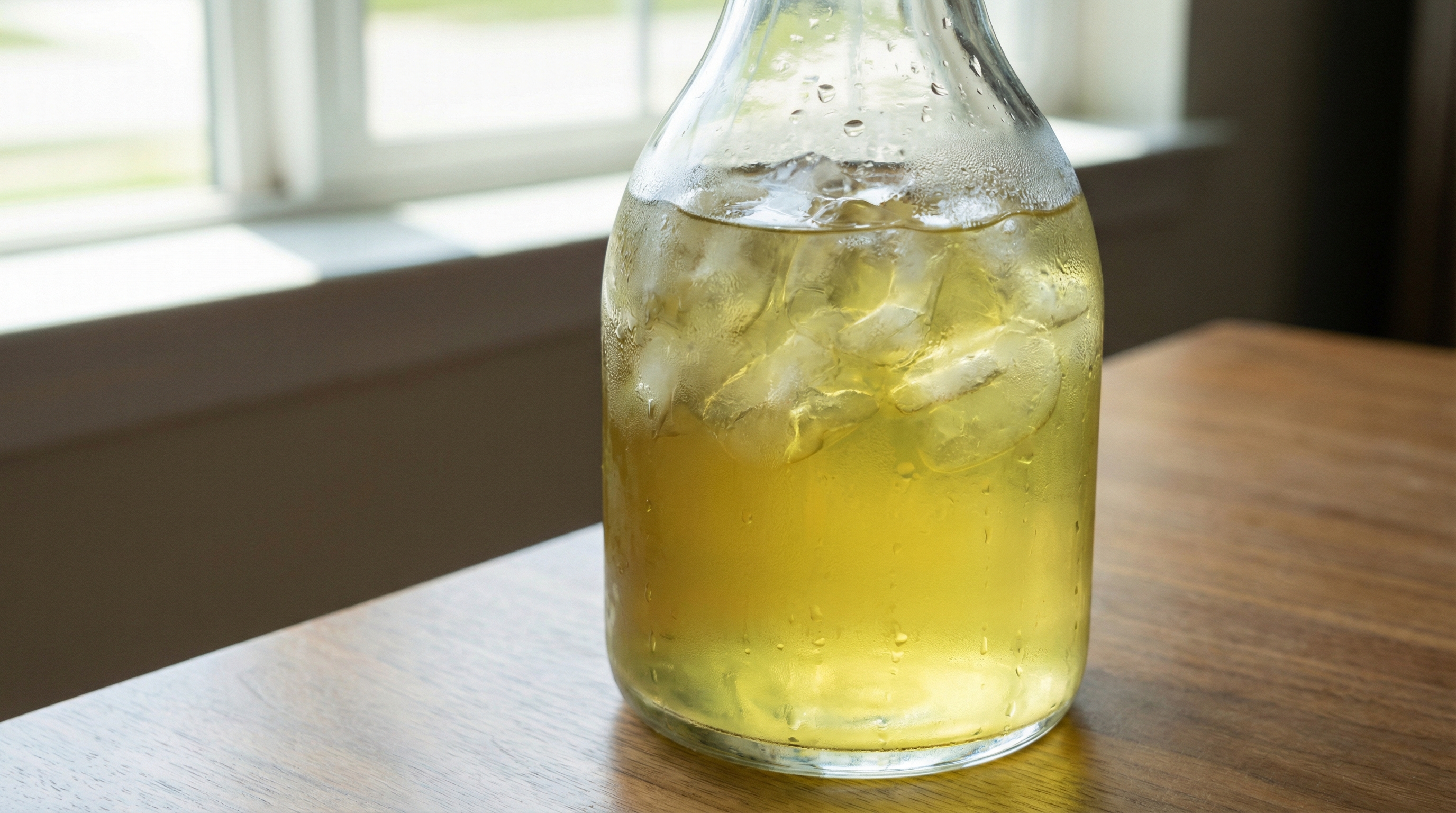
If heat continues to be an issue, the ultimate way how to make green tea taste better is to remove heat from the equation entirely. Cold brewing is a revolutionary method that results in a silky, sweet liquor that is virtually impossible to over-steep or make bitter.
Why is cold brew tea naturally sweeter?
Bitter tannins and caffeine are primarily extracted at high temperatures, while the sweet amino acids can be extracted even in ice-cold water. By steeping leaves in the refrigerator for 6 to 12 hours, you extract only the “good stuff,” leaving the bitterness behind in the leaf. This produces a flavor profile that is remarkably smooth and refreshing.
This method is incredibly forgiving, making it perfect for office environments or busy cafes. You can prepare large batches overnight with zero risk of the tea turning bitter if it sits for an extra hour.
How do you prepare a professional cold brew?
Simply place 10 to 15 grams of high-quality loose-leaf green tea into a one-liter glass carafe and fill it with cold, filtered water. Place it in the refrigerator overnight, and by morning, you will have a vibrant, emerald-colored tea that is ready to serve. Strain the leaves as you pour, or use a carafe with a built-in filter for maximum convenience.
Cold brew green tea is also an excellent base for cocktails or mocktails. Its clean profile mixes well with fruit purees and botanical syrups, providing a sophisticated alternative to sugary sodas.
Is cold brew more stable than hot tea?
Because the extraction happened at a low temperature, cold brew tea is much more stable and can be kept in the refrigerator for up to 48 hours without a significant loss in flavor. Hot tea, once cooled, often oxidizes rapidly and becomes flat and unappealing. This longevity makes cold brew a highly efficient option for B2B operations looking to minimize waste.
The visual appeal of a cold brew carafe filled with floating leaves is also a strong marketing tool. It suggests a “slow” and “artisanal” approach that appeals to modern consumers looking for authentic experiences.
Cold Brew Advantages:
- Foolproof: Bitterness is physically impossible to extract at low temperatures.
- Efficiency: Make large batches with minimal labor or equipment.
- Versatility: Serve plain, with fruit, or as a high-end cocktail mixer.
- Shelf-life: Stays fresh and vibrant in the fridge for much longer than hot-brewed tea.
You won’t believe it.
Cold brew green tea has a creamy texture and honey-like sweetness that hot brewing simply cannot replicate.
Key Takeaway: Cold brewing is the most effective method for eliminating bitterness and creating a consistently sweet, premium green tea experience.
Method | Extraction Time | Temp | Tannin Level |
|---|---|---|---|
Hot Brew | 1-3 Minutes | 80°C | Moderate |
Flash Chilled | 3 Minutes + Ice | 80°C | Moderate |
Cold Brew | 6-12 Hours | 4°C | Very Low |
The comparison clearly shows that cold brewing provides the lowest possible tannin extraction, making it the superior method for those sensitive to bitterness.
Summary of Excellence
Mastering the art of green tea is a journey of precision and quality. By controlling your temperature, choosing filtered water, timing your steep, sourcing premium leaves, and utilizing modern methods like cold brewing, you can guarantee a superior product every time. Whether you are brewing for personal enjoyment or as part of a professional beverage program, these five steps provide the foundation for success.
For businesses looking to elevate their offerings with the highest quality ingredients, we invite you to explore our full range of premium products. Contact us today to discuss wholesale opportunities and expert consultations.
Frequently Asked Questions
1. Why does my green tea always taste like grass or seaweed?Green tea is naturally high in chlorophyll and amino acids like L-theanine, which provide those vegetal notes. If it is too strong, try reducing the steeping time or using slightly cooler water to bring out the floral notes instead.
2. Can I reuse my green tea leaves?Yes, high-quality whole-leaf tea can often be steeped 2-3 times. Each subsequent steep will have a slightly different flavor profile; just be sure to increase the water temperature slightly for the later infusions.
3. Is matcha better than loose-leaf green tea?Neither is “better,” but they offer different experiences. Matcha is a powder where you consume the whole leaf, providing a more intense flavor and higher caffeine content, while loose-leaf is an infusion that is more delicate.
4. How much caffeine is in a cup of green tea?A typical cup contains between 30-50mg of caffeine, which is about half the amount found in a cup of coffee. The presence of L-theanine in green tea also helps provide a more stable, focused energy without the “jitters.”
5. Does the color of the tea indicate the taste?Generally, a vibrant green color indicates a steamed Japanese-style tea (often more umami), while a golden-yellow color suggests a pan-fired Chinese-style tea (often more nutty). Cloudiness usually indicates either high quality (broken leaves) or hard water minerals.