
In the global landscape of specialty tea, few varieties offer the comforting complexity and technical intrigue of Genmaicha. Known colloquially as “popcorn tea” or “brown rice tea,” Genmaicha is a masterpiece of Japanese blending that bridges the gap between the verdant, umami-rich world of green tea and the toasted, malty depth of roasted grains. For the modern sommelier, cafe owner, or home enthusiast, understanding Genmaicha requires more than just a passing familiarity with its ingredients; it demands an appreciation of the Maillard reaction, agricultural precision, and the cultural philosophy of mottainai (resourcefulness).
This guide, presented by the experts at richingmatcha.com/genmaicha , serves as the definitive authority on Genmaicha. We will explore the molecular chemistry that gives this tea its signature aroma, the specific cultivars that define its profile, and the professional-grade brewing techniques required to extract its full potential. Whether you are looking to refine your palate or source premium ingredients for a high-volume business, this masterclass provides the analytical depth necessary to master this storied Japanese staple.
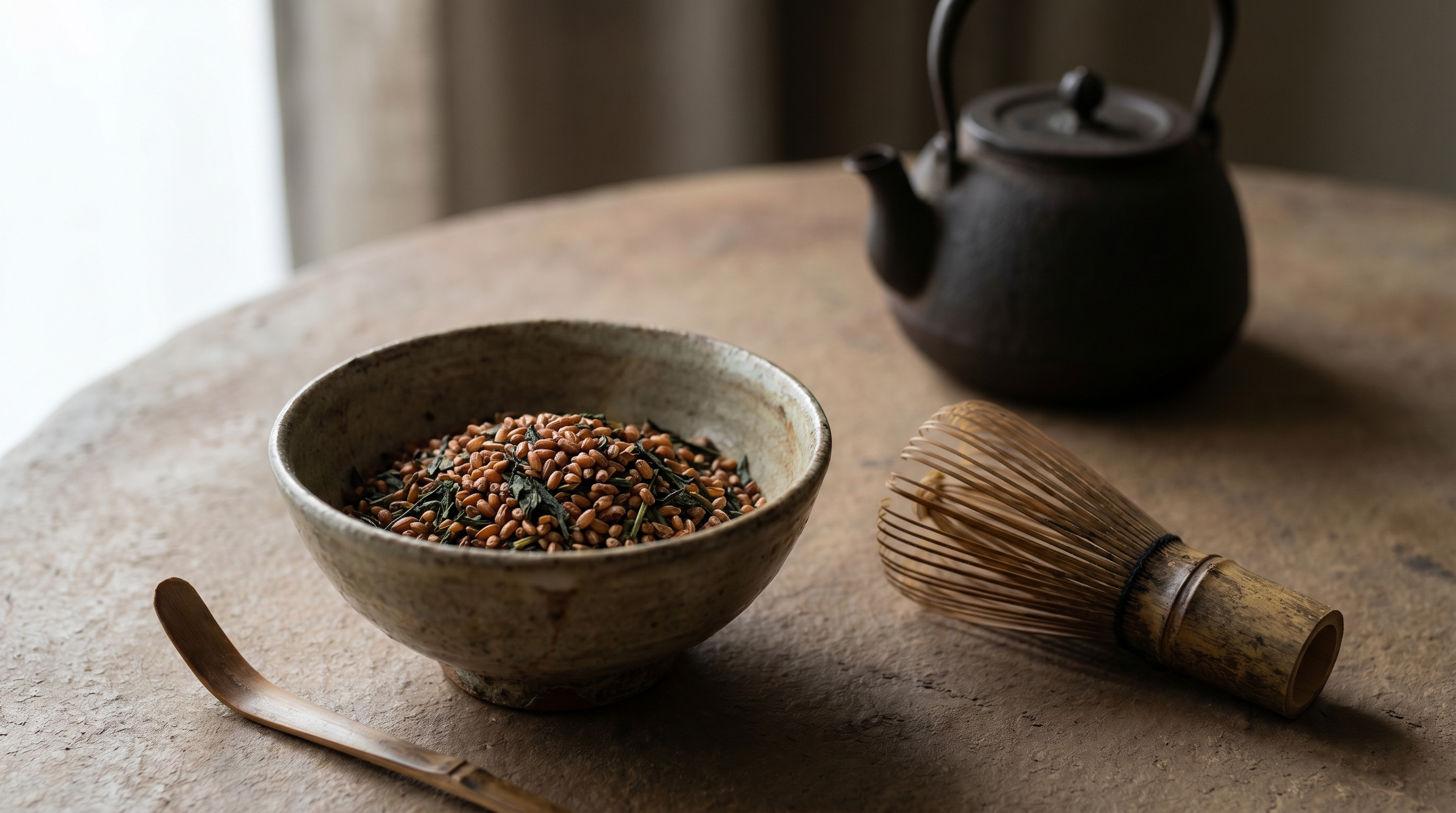
Genmaicha’s origins are rooted in a synthesis of necessity and artistry. While many perceive it as a modern invention, its soul dates back to the Muromachi era (1336–1573). During this period, green tea was a luxury reserved for the elite—samurai, monks, and the nobility. The common people, seeking to enjoy the revitalizing properties of tea without the prohibitive cost, began blending tea leaves with roasted brown rice (genmai). This served as a “filler,” extending the life of precious tea leaves and making the beverage accessible to all social strata.
The Legend of Genmai
The most enduring myth surrounding the tea involves a 15th-century servant named Genmai. As the story goes, Genmai was serving tea to his samurai master when a few kernels of roasted rice fell from his sleeve into the cup. Enraged by the “contamination,” the master executed the servant on the spot. However, upon tasting the infusion, the samurai discovered a transformative, nutty profile that he preferred over pure green tea. In a fit of remorse, he named the blend “Genmaicha” in honor of his servant. While historically dubious, this legend underscores the tea’s identity as a bridge between the humble and the high-born.
From “Peasant Tea” to Gourmet Staple
The 20th century saw Genmaicha evolve from a survivalist staple into a celebrated culinary category. Post-WWII Japan saw a resurgence of the tea due to its filling, caloric qualities. Today, it is prized not for its cost-saving benefits, but for its unique sensory profile. Modern Genmaicha often incorporates high-grade Sencha or even matcha powder to create a vibrant, multi-layered experience that challenges the complexity of any single-origin tea. The cultural shift from “frugality” to “intentionality” has placed Genmaicha on the menus of the world’s finest tea houses.
Ingredients & Sourcing — The Anatomy of the Blend
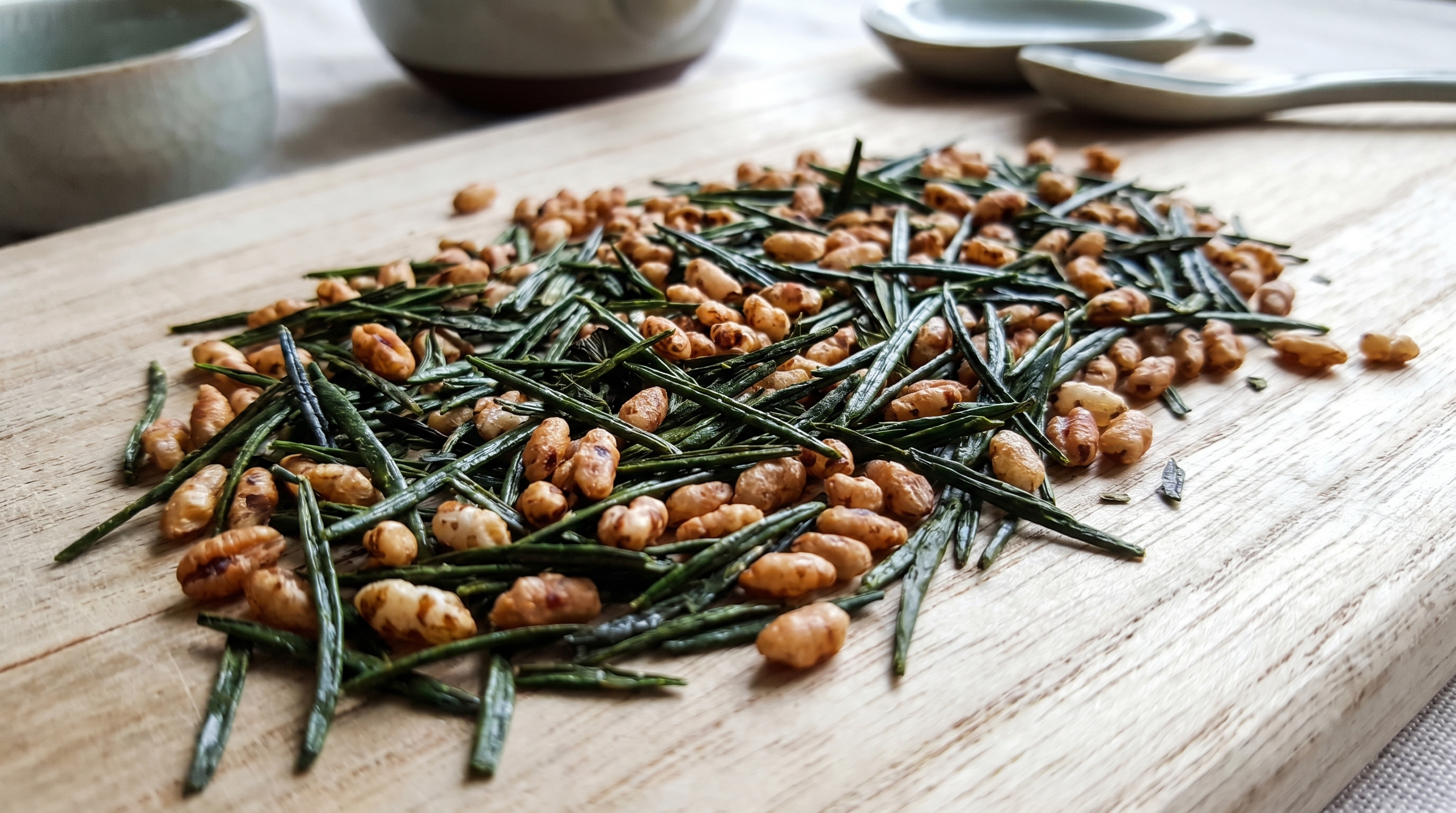
The quality of Genmaicha is determined by the synergy between its two primary components: the tea base and the roasted rice. If the balance is off, the tea either becomes too grassy or excessively “cereal-like.”
The Tea Base: Sencha vs. Bancha
Most commercial Genmaicha utilizes Bancha, a tea harvested later in the season (late summer or autumn). Bancha is naturally lower in caffeine and possesses a robust, earthy character that holds its own against the strong aroma of roasted rice. However, premium “Specialty Grade” Genmaicha uses Sencha, typically from the Yabukita cultivar.
- Sencha-based: High umami, bright astringency, and a vivid green color. Often used in competition-grade blends.
- Bancha-based: Lower price point, more approachable, and highly comforting. Its lower caffeine content makes it a staple for evening consumption.
The Rice: Mochi-gome vs. Uruchi-gome
The “Genmai” in Genmaicha traditionally refers to brown rice, but modern production often involves complex steaming and drying cycles. The choice of rice variety significantly impacts the texture and “pop” of the tea.
Table 1: Comparison of Rice Varieties in Genmaicha Production
Feature | Mochi-gome (Glutinous Rice) | Uruchi-gome (Non-Glutinous) |
|---|---|---|
Amylopectin Content | Very High (nearly 100%) | Moderate (approx. 80%) |
Roasting Result | Puffs easily, creates “popcorn” look | Stays dense, deeply toasted |
Flavor Profile | Sweet, creamy, mild | Nutty, malty, savory |
Best For | Visual appeal and sweetness | High-aroma, traditional blends |
Mouthfeel | Light and airy | Substantial and “grainy” |
Sourcing these ingredients requires a commitment to traceability. Whether you are looking for loose leaf or exploring private label tea opportunities, the rice must be steamed and dried before roasting to ensure internal caramelization without surface charring.
The Science of the Maillard Reaction in Tea
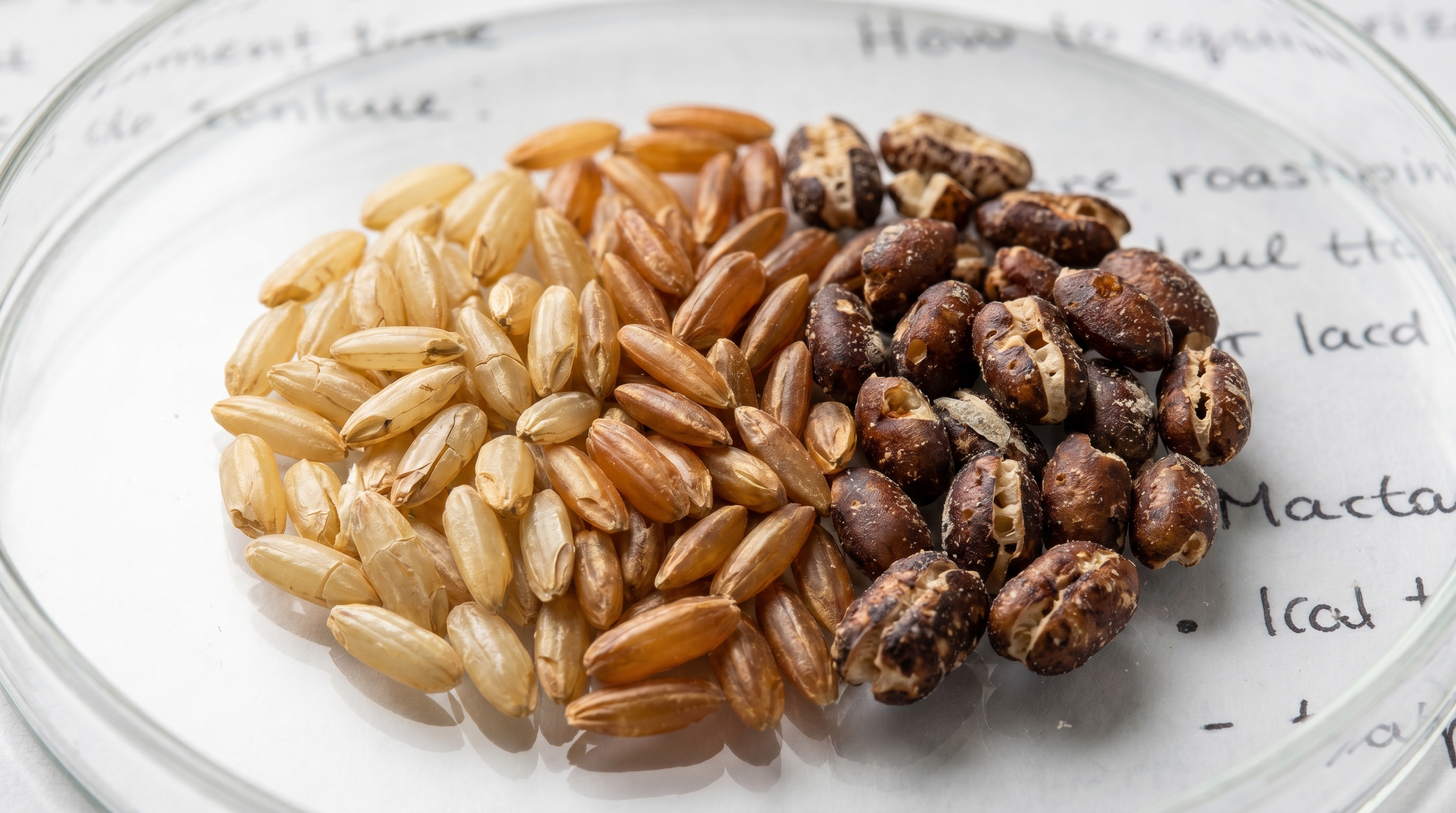
The intoxicating aroma of Genmaicha is a result of the Maillard reaction, a chemical reaction between amino acids and reducing sugars that occurs during the rice roasting process (typically between 150°C and 200°C).
The Key Compound: 2-acetyl-1-pyrroline
If you’ve ever wondered why Genmaicha smells exactly like fresh popcorn or toasted bread, the answer lies in 2-acetyl-1-pyrroline (2AP). This volatile aroma compound is generated when the rice kernels reach peak roasting temperature. It is detectable by the human nose at incredibly low concentrations, making it the dominant sensory characteristic of the tea.
Chemical Transformations
During roasting, several other transformations occur:
- Pyrazines and Furans: These contribute the “roasted,” “nutty,” and “earthy” notes.
- Melanoidins: These brown pigments provide the golden-amber hue to the liquor.
- Starch Gelatinization: The steaming process before roasting breaks down the rice’s crystalline starch structure, making the sugars more available for the Maillard reaction, which increases the perceived sweetness of the final brew.
Understanding the complexity of these powders is essential for industrial applications. When businesses source bulk matcha or Genmaicha powder, they are essentially buying the preserved results of this chemical precision.
Water Temperature Mastery
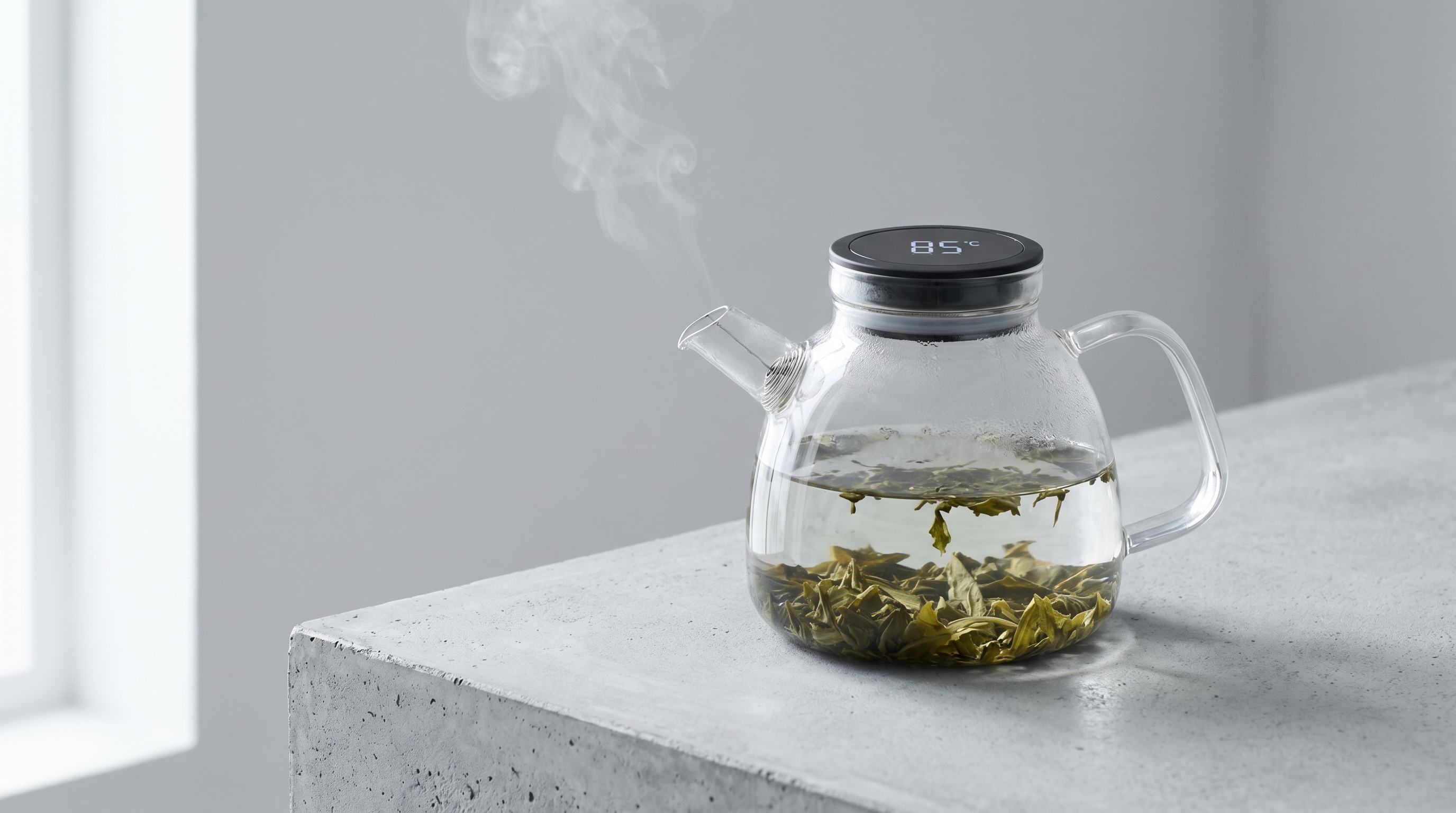
The most common mistake in brewing Genmaicha is treating it like a standard green tea. While many Japanese greens (like Gyokuro) require low temperatures (50-60°C), Genmaicha is an exception due to the physical density of the roasted rice.
The 80-90°C Rule
To properly extract the roasted notes from the rice, you need heat. If the water is too cool, the tea will taste “thin,” and the nutty rice flavors will remain trapped in the grain. Conversely, if the water is a rolling boil (100°C), you risk scalding the delicate Sencha leaves, leading to unwanted bitterness.
Table 2: Water Temperature and Flavor Extraction Effects
Temperature | Effect on Rice | Effect on Green Tea Leaves | Sensory Outcome |
|---|---|---|---|
70°C (158°F) | Poor extraction of oils | High umami preservation | Grassy, weak rice notes |
80°C (176°F) | Moderate extraction | Balanced bitterness | Optimal for Sencha blends |
90°C (194°F) | High extraction of 2AP | Pronounced tannins | Malty, bold, “toasty” |
100°C (212°F) | Maximum extraction | Thermal degradation/Scalding | Bitter, ashy, astringent |
For a step-by-step visual on managing these variables, see our guide on how to brew matcha and other Japanese varieties.
The Golden Ratio for Home and Cafe
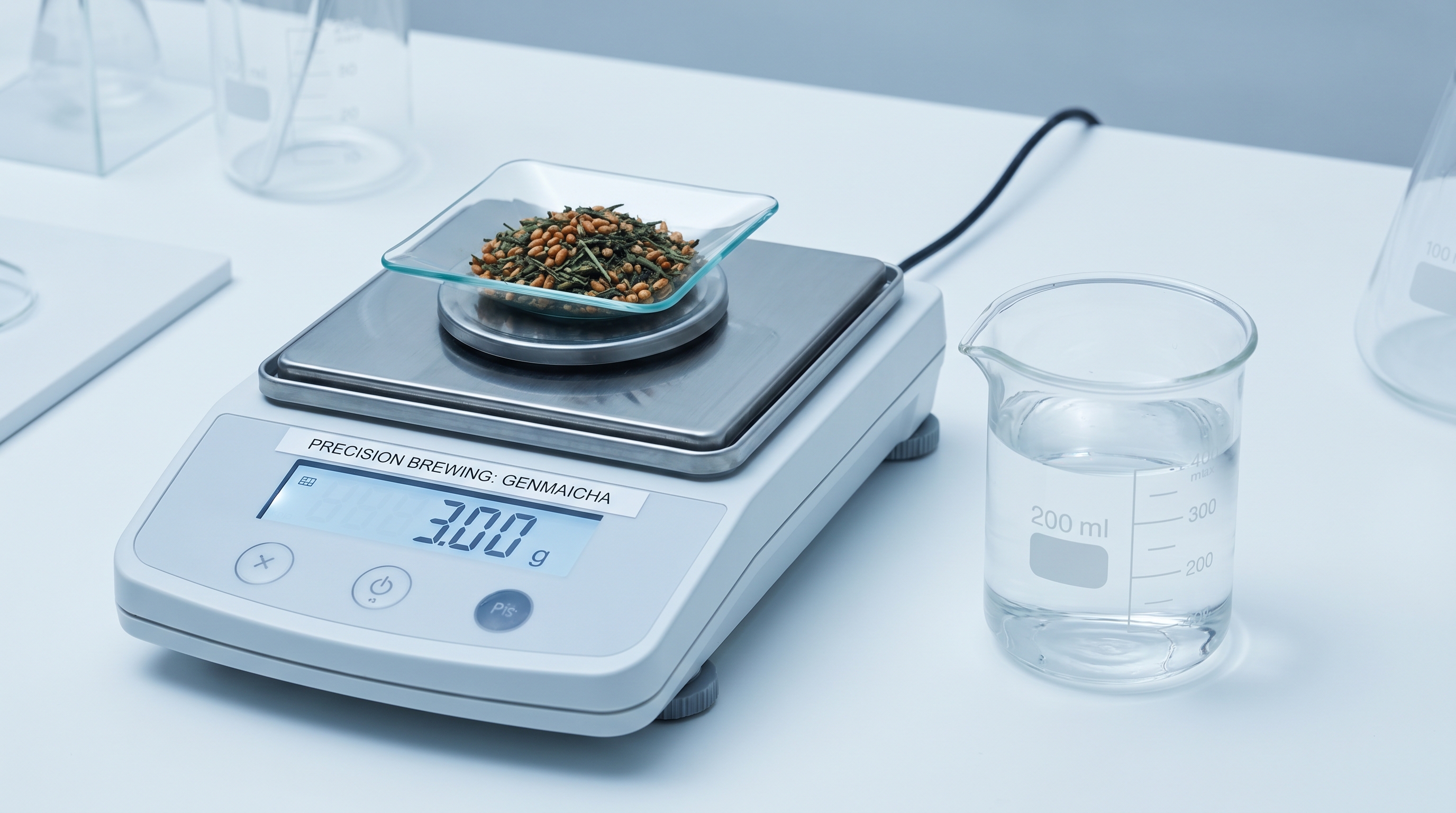
Precision is the hallmark of a master brewer. Whether you are preparing a single cup at home or a 2-liter batch for a busy cafe, maintaining a consistent tea-to-water ratio is non-negotiable.
The Standard Formula
For a traditional Japanese experience, we recommend a ratio of 1 gram of tea per 50ml of water. However, depending on the environment, these ratios can be adjusted to suit the palate.
Table 3: Genmaicha Brewing Ratios and Conversions
Preparation Method | Tea Amount (g) | Water Volume (ml/oz) | Resulting Strength |
|---|---|---|---|
Traditional Kyusu | 5g | 200ml (6.7oz) | Concentrated/Umami |
Standard Home Mug | 3g | 300ml (10oz) | Balanced/Everyday |
Professional Cupping | 2g | 100ml (3.4oz) | Analytical/Evaluation |
Large Cafe Batch | 30g | 2000ml (67.6oz) | High Volume/Consistent |
Iced Genmaicha | 8g | 250ml (8.5oz) | Bold (diluted by ice) |
Using a digital scale is highly recommended, as the density of roasted rice varies significantly between batches.
Precision Steeping — The Multi-Infusion Logic
Genmaicha is a generous tea, capable of providing multiple high-quality infusions. However, each steep requires a different tactical approach to ensure the flavor profile evolves rather than degrades.
- First Infusion (30-45 seconds): The “Aromatic Steep.” This is where the 2-acetyl-1-pyrroline is most active. The liquor will be golden and the scent of popcorn will be at its peak. This infusion extracts the surface oils of the roasted rice.
- Second Infusion (10-15 seconds): The “Flash Steep.” Because the leaves and rice are already hydrated and the temperature is high, the extraction happens almost instantly. This steep often reveals more of the green tea’s vegetal sweetness and amino acid content.
- Third Infusion (60-90 seconds): The “Final Extraction.” Here, you increase the time and temperature slightly to pull the remaining minerals and heavier tannins from the leaves. This cup will be milder, thinner, but still deeply comforting.
Pro Tip: Between infusions, keep the lid of your teapot slightly ajar to prevent the leaves from “cooking” in the residual steam, which can lead to a soggy, over-extracted flavor.
Troubleshooting Bitterness
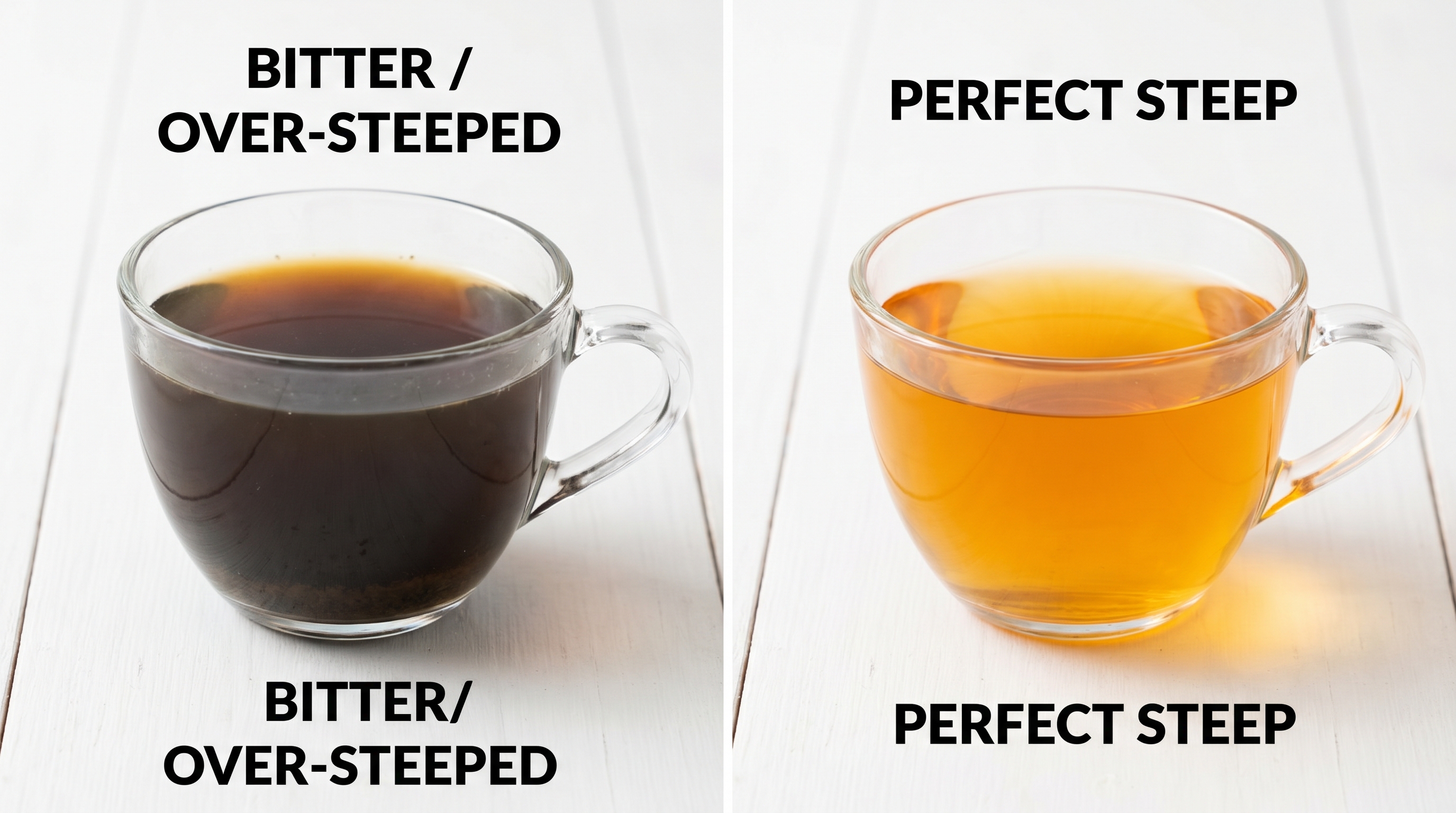
If your Genmaicha tastes unpleasantly sharp or “ashy,” it is likely a result of technical error rather than poor leaf quality. Use the following table to diagnose and fix the issue.
Table 4: Professional Troubleshooting Guide for Genmaicha
Symptom | Primary Cause | Solution |
|---|---|---|
Astringent/Bitter Finish | Water too hot or steep too long | Drop temp to 80°C; reduce steep to 30s |
Flat/Metallic Taste | Poor water quality (too hard) | Use filtered or soft spring water |
“Thin” or Watery Mouthfeel | Water too cool | Increase temp to 90°C to extract rice oils |
Burnt/Ashy Aroma | Low-quality, over-roasted rice | Source premium blends |
Cloudy Liquor | Excessive agitation of the pot | Do not shake the teapot; pour gently |
Maintaining the integrity of the liquor is paramount. A perfect cup of Genmaicha should be clear, ranging from a pale lime green to a deep golden amber.
Culinary Innovation — Lattes and Beyond
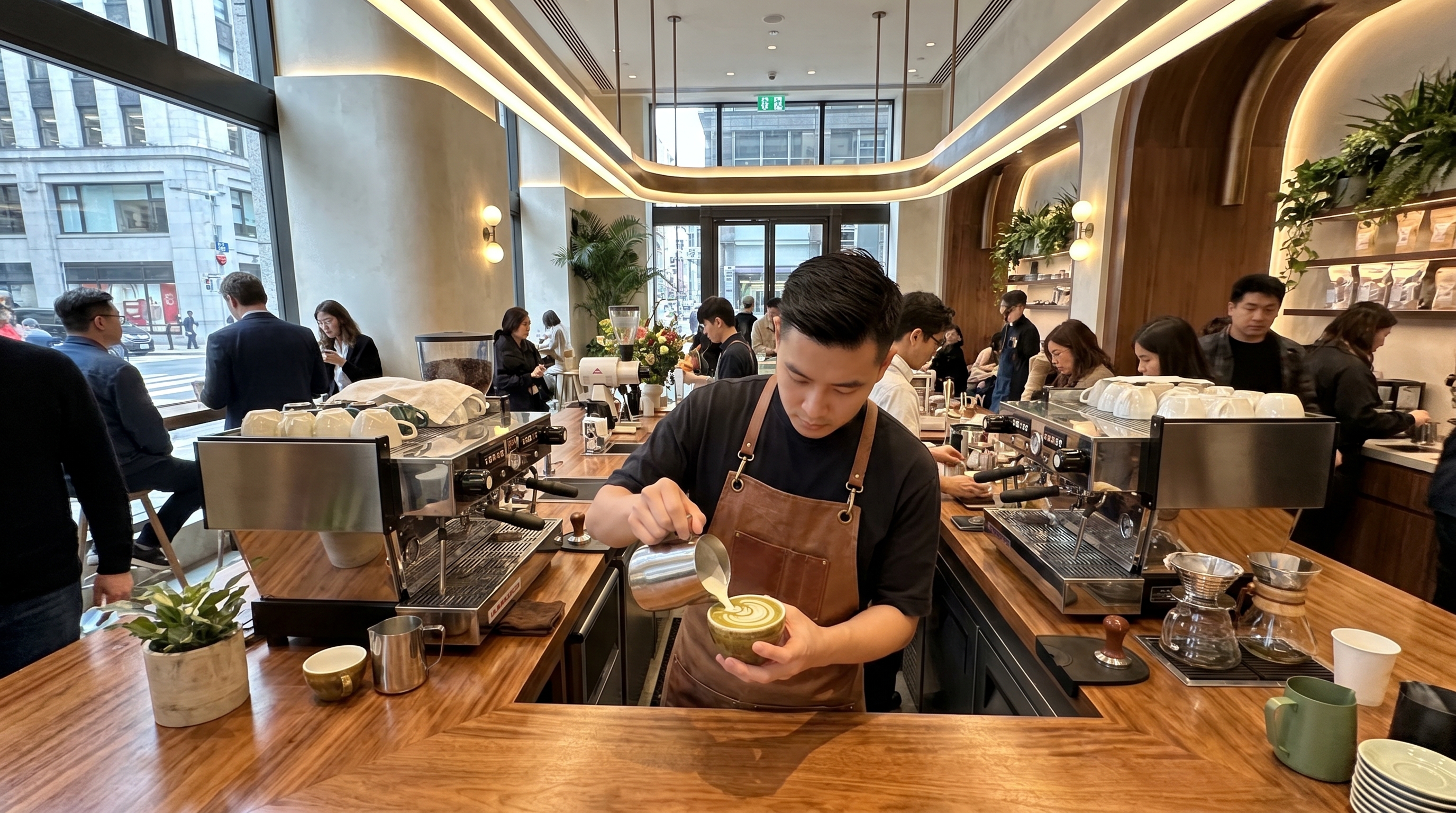
The move toward Genmaicha Powder has opened a new frontier for culinary professionals. Because the powder is made by stone-grinding both the green tea and the roasted rice, it offers a concentrated flavor profile that stands up to milk, sugar, and fats.
The Genmaicha Latte
The signature “toasty” note of Genmaicha pairs exceptionally well with oat milk, which has a natural grain-like sweetness.
- Recipe: Whisk 2g of Genmaicha powder with 30ml of 80°C water to create a “slurry.” Add 200ml of steamed oat milk.
- Result: A latte that tastes like a “liquid breakfast” with hints of cereal and cream.
Savory Applications: Ochazuke
In Japan, Genmaicha is the traditional choice for Ochazuke—a dish made by pouring hot tea over cooked rice and savory toppings like salmon, nori, or pickled plum (ume) . The roasted rice in the tea harmonizes perfectly with the actual rice in the bowl, creating a deeply satisfying, low-calorie meal that embodies the spirit of Washoku (traditional Japanese cuisine).
Health Benefits — GABA, L-theanine, and Antioxidants
Genmaicha is often marketed as a “lifestyle tea” because of its unique chemical profile. While it contains the standard catechins found in all green teas, the addition of roasted rice introduces new therapeutic dimensions.
Table 5: Key Health Compounds in Genmaicha
Compound | Source | Primary Benefit |
|---|---|---|
GABA | Rice Germ | Promotes relaxation, lowers blood pressure |
L-theanine | Green Tea Leaves | Calm alertness, reduces caffeine jitters |
EGCG (Catechins) | Green Tea Leaves | Powerful antioxidant, boosts metabolism |
γ-Oryzanol | Brown Rice | Regulates blood sugar, heart health |
Vitamin E/B | Roasted Rice | Supports skin health and energy levels |
By blending rice with tea, the overall caffeine content per cup is reduced by approximately 30-50% compared to pure Sencha. This makes Genmaicha an ideal “all-day” tea, providing the mental clarity of L-theanine without the risk of insomnia or anxiety. It is the perfect bridge for those transitioning from coffee to tea.
Cold Brew Techniques — The Science of Cold Extraction
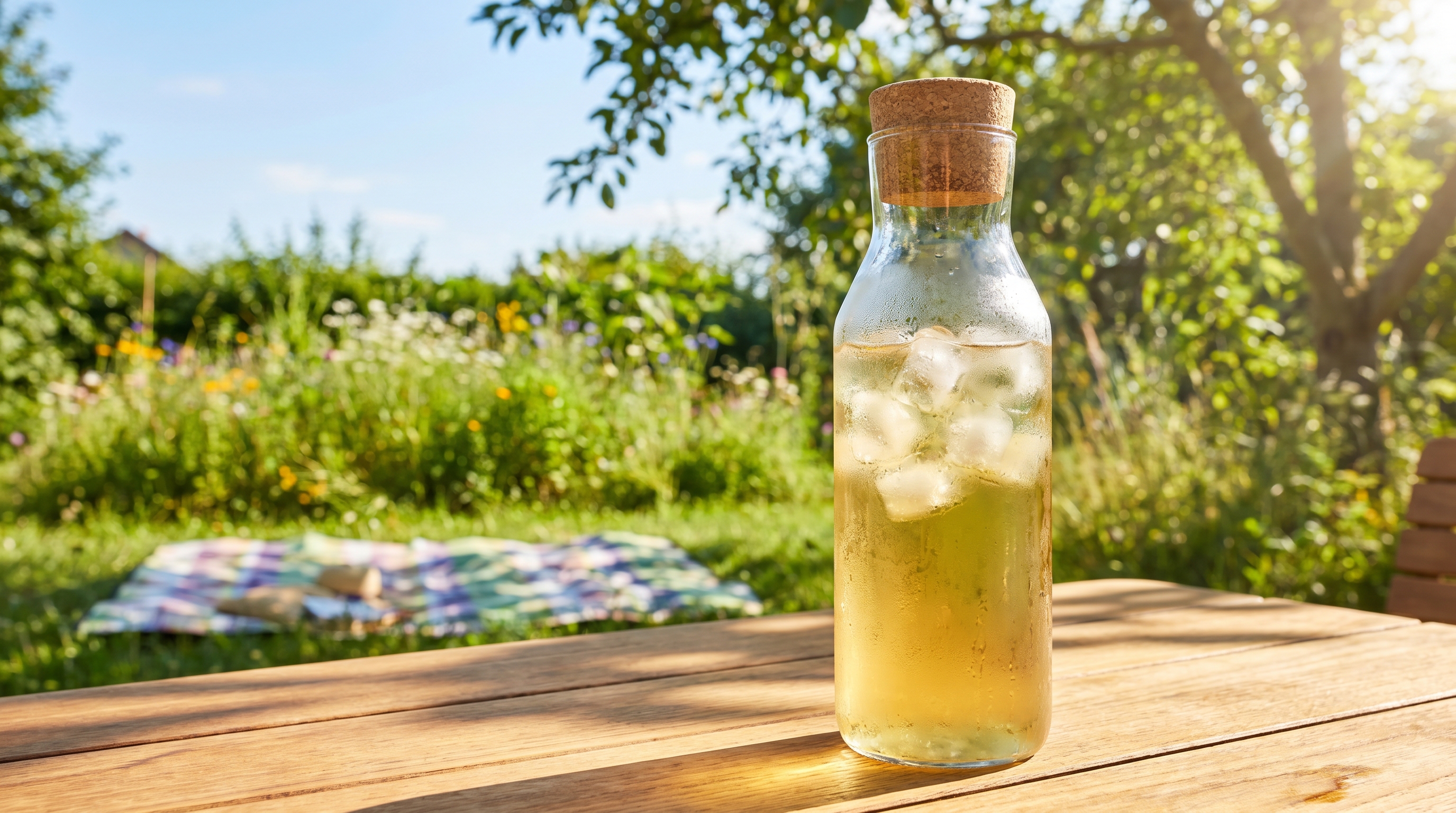
Cold brewing Genmaicha is not simply “iced tea.” It is a different chemical extraction method. Cold water (below 5°C) does not extract tannins or caffeine as effectively as hot water, but it is excellent at extracting amino acids.
Why Cold Brew Genmaicha?
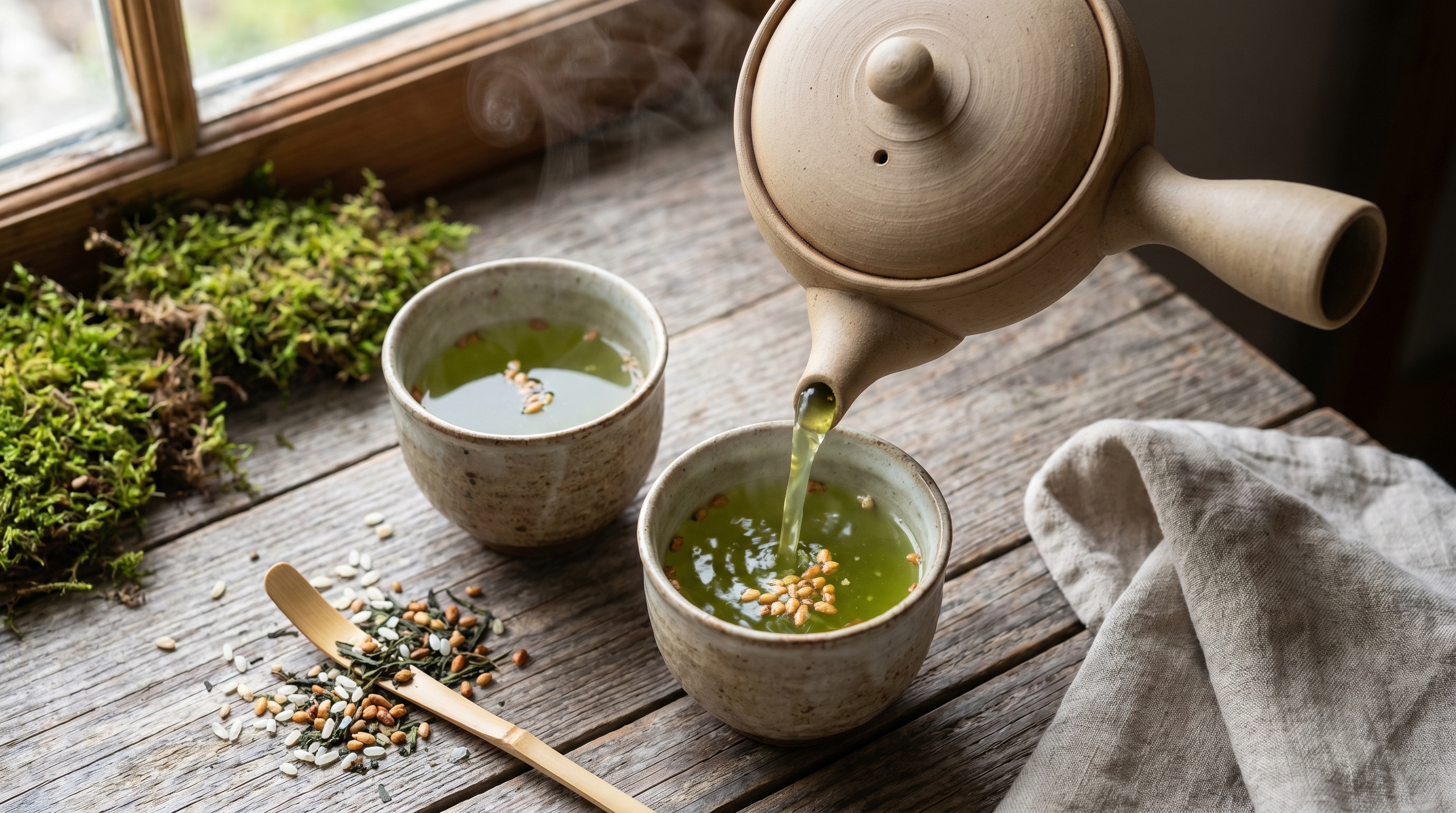
When you cold brew this blend, the bitterness is virtually eliminated. The rice oils release slowly, resulting in a drink that is remarkably sweet, creamy, and refreshing.
- The Method: Use 10g of tea per 1 liter of cold filtered water. Steep in the refrigerator for 6 to 12 hours.
- The Science: The low temperature prevents the “scalded” taste that can sometimes occur with roasted rice, highlighting the top notes of the 2AP compound without the heavy roasted base. This method is increasingly popular in summer for its thirst-quenching properties and distinct nutty sweetness.
Storage & Freshness — Degradation Science
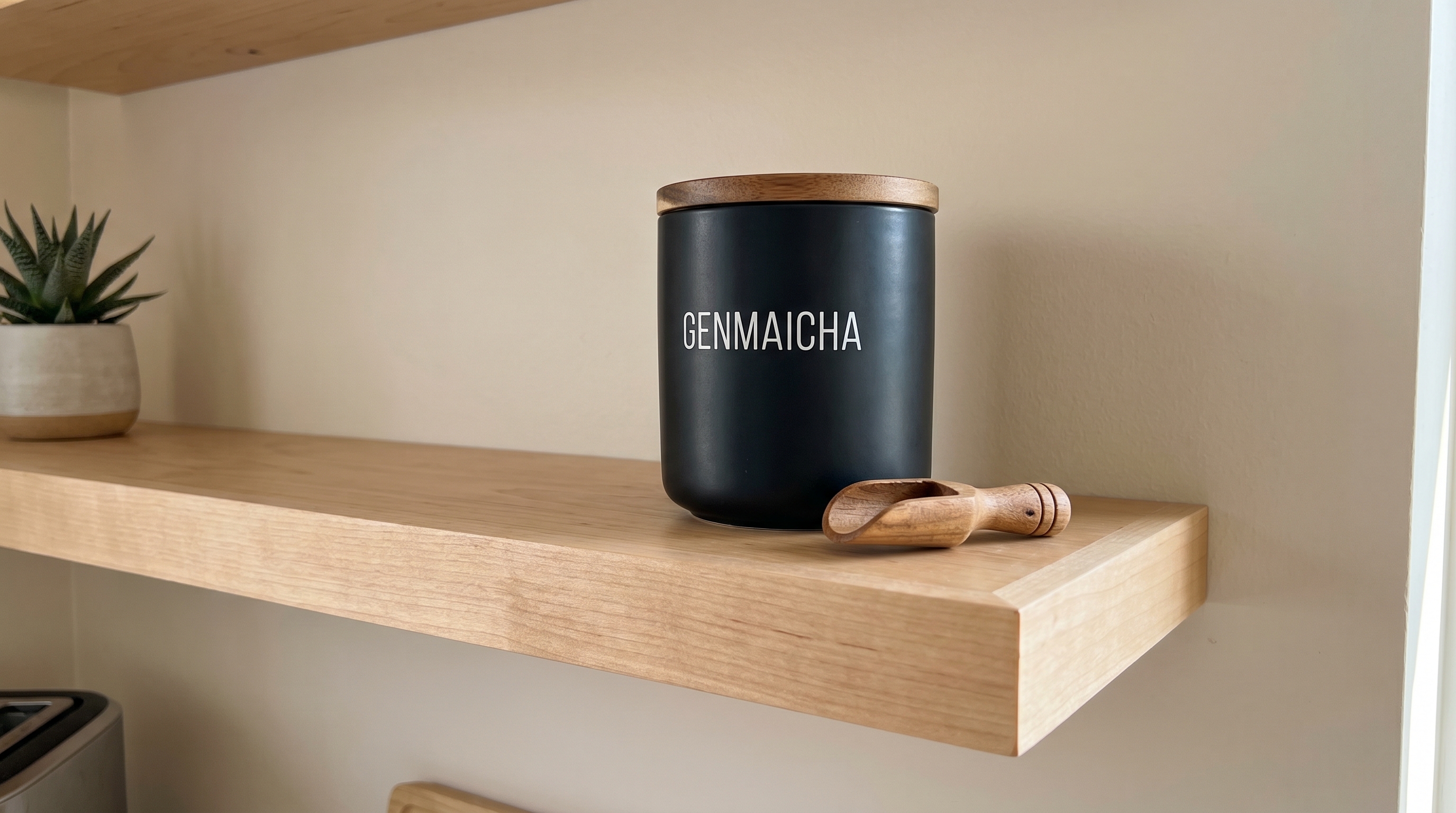
Genmaicha is more volatile than pure green tea. The oils in the roasted rice are highly susceptible to oxidative rancidity, which can make the tea smell like old oil if not stored correctly.
The Three Enemies of Freshness
- Light and Air: Oxygen is the absolute enemy of 2AP (the popcorn aroma). Once a bag is opened, the aroma begins to dissipate rapidly. Use vacuum-sealed or nitrogen-flushed packaging.
- Temperature: Keep Genmaicha in a cool, dark place. While refrigeration is popular for high-grade Matcha, it can cause moisture condensation in Genmaicha rice kernels, leading to a loss of “crunch” in the aroma. A cool pantry (below 20°C) is usually best.
- Shelf Life: For peak flavor, consume within 3-6 months of the roasting date. Unlike Pu-erh, Genmaicha does not improve with age.
For those managing a business, ensuring a high inventory turnover is key to maintaining the quality that customers expect from bulk matcha and genmaicha supplies.
B2B Sourcing for Cafes — Consistency and ROI
For cafe owners, Genmaicha represents a high-margin opportunity. Because it is partially composed of rice, the cost per kilogram of the raw material is often lower than high-grade pure Sencha, yet the perceived value of a “Japanese Roasted Popcorn Tea” is high.
Selecting a Supplier
When sourcing B2B, consistency is the primary metric. You need a partner that ensures the ratio of tea to rice is identical in every bag. At richingmatcha.com , the production process involves automated blending to ensure that one scoop of tea doesn’t contain all rice and the next all leaves.
Menu Integration Strategy
Genmaicha’s versatility allows it to function as:
- Low-Caffeine Alternative: Perfect for afternoon/evening menus.
- Tea Cocktails: Pairs excellently with peated whiskey or botanical gin.
- House Specialty: A unique ingredient for house-made ice creams, syrups, and even bread.
By offering Genmaicha, you aren’t just selling a beverage; you are selling a story of Japanese resourcefulness and the science of flavor.
Conclusion
Mastering Genmaicha is a journey through history, chemistry, and sensory awareness. It is a tea that rewards the meticulous—those who understand that a few degrees of water temperature or a specific variety of rice can be the difference between a “good” cup and a “sublime” experience. From its humble origins in the Muromachi era to its current status as a darling of the global specialty beverage scene, Genmaicha remains a testament to the power of balance. By applying the scientific principles of the Maillard reaction and the precision of Japanese brewing traditions, you can unlock a world of toasted, verdant flavor that is as comforting as it is complex.
FAQs About Genmaicha
1. Does Genmaicha contain gluten?While “glutinous rice” (Mochi-gome) is frequently used in the blend, the term refers to the rice’s “glue-like” or sticky texture, not the presence of gluten protein. Pure Genmaicha is naturally gluten-free. However, if you have severe Celiac disease, always verify that the processing facility does not handle wheat or barley (as in Mugicha) to avoid cross-contamination.
2. Can I eat the roasted rice after brewing?Yes! The rice is essentially toasted and then “steamed” during the brewing process. Many enthusiasts enjoy eating the spent rice kernels, which have a soft, nutty texture. In Japan, it is common to season the spent leaves and rice with a dash of soy sauce and sesame oil to eat as a high-fiber side dish.
3. Is “Matcha-iri Genmaicha” superior to regular Genmaicha?It is a matter of preference rather than quality. Matcha-iri Genmaicha is regular Genmaicha dusted with matcha powder . It produces a vibrant, opaque green liquor and has a stronger “umami” punch. It is excellent for those who want a more intense green tea flavor and a higher caffeine kick.
4. Why are there “popcorn” pieces in my tea if it’s called “brown rice tea”?The “popcorn” pieces are rice kernels that popped during the high-heat roasting process. While visually iconic, they contribute very little to the actual flavor. Most of the nutty, malty aroma comes from the toasted brown/golden kernels that didn’t pop. A high-quality blend uses a small percentage of “pops” primarily for aesthetic appeal.
5. How much caffeine is in a typical cup of Genmaicha?A standard 8oz cup contains roughly 20-30mg of caffeine. In comparison, a cup of pure Sencha has 40-50mg, and a cup of coffee has 95-150mg. This lower caffeine profile makes it an excellent choice for a mid-afternoon pick-me-up that provides focus without interfering with your sleep cycle.