
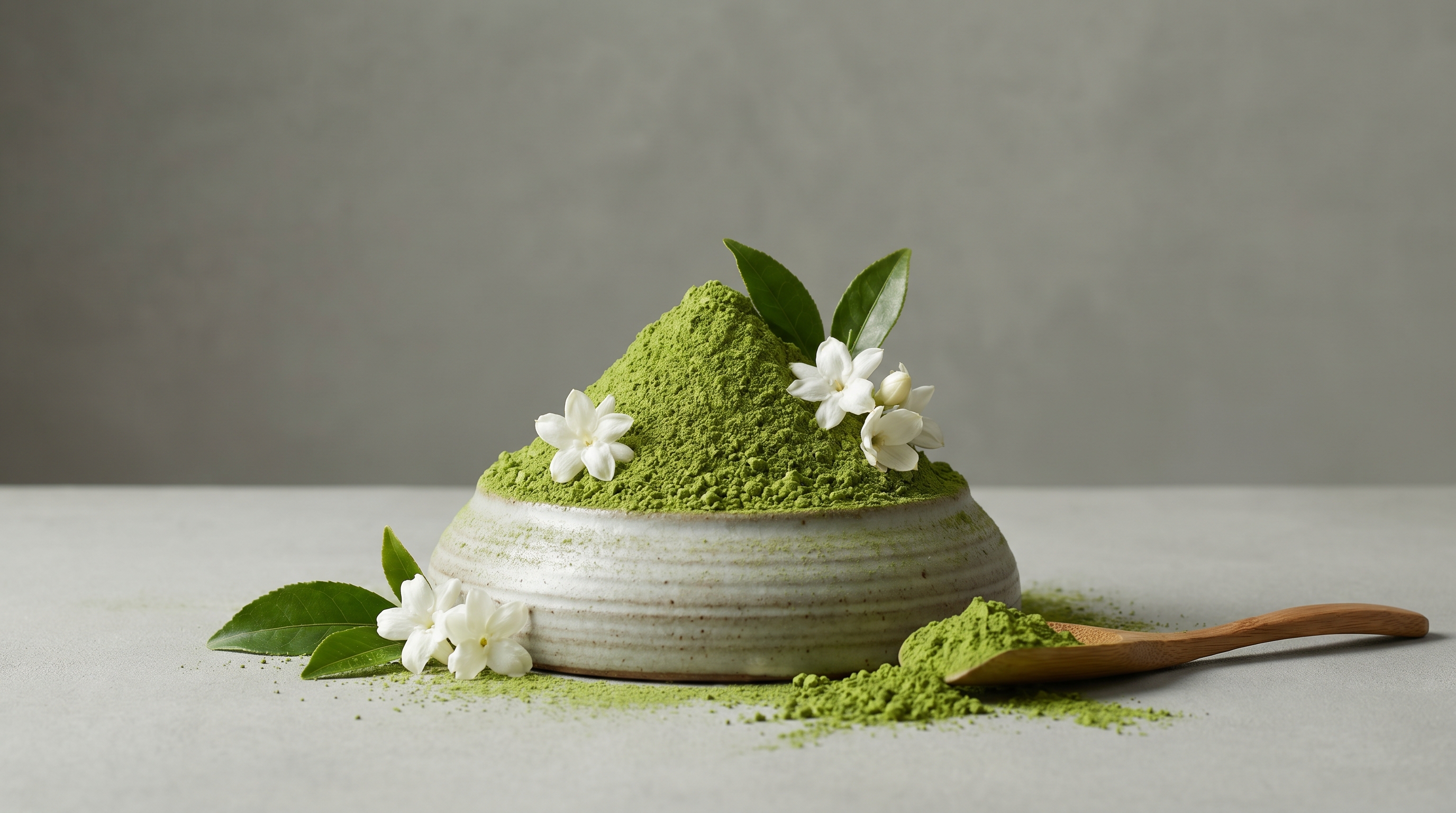
The global beverage landscape is currently undergoing a “Floral Awakening.” As consumer preferences shift toward functional, clean-label, and sensory-rich experiences, Jasmine Matcha has emerged as a powerhouse ingredient for premium cafes, beverage manufacturers, and health-conscious brands. Unlike standard green tea powders, Jasmine Matcha offers a sophisticated flavor profile that bridges the gap between the umami depth of traditional matcha and the ethereal, calming notes of jasmine.
For B2B procurement managers and R&D teams, understanding the nuances of this product—from its molecular synergy to its industrial scaling—is essential for capturing market share in the 2025–2030 “New Tea” era.
The historical roots of jasmine-scented tea date back to the Song Dynasty, but its integration with pulverized matcha is a modern innovation driven by high-end gastronomy and functional beverage trends. Standard matcha is prized for its high chlorophyll and antioxidant content, but its “grassy” profile can be polarizing. By infusing the powder with natural jasmine, producers have created a “bridge product” that appeals to the luxury palate while maintaining the health credentials of a superfood.
In 2026, the market for flavored matcha is projected to grow at a CAGR of 12.4%, with floral variants leading the specialty sector. This growth is fueled by a shift away from synthetic flavorings toward “whole food” infusions. For a B2B buyer, this means transitioning from commodity-grade green tea powders to specialized blends that offer higher margins and greater customer loyalty.
Table 1: Jasmine Matcha vs. Standard Matcha – A B2B Comparative Analysis
Feature | Standard Matcha | Jasmine Matcha | B2B Strategic Advantage |
|---|---|---|---|
Aroma Profile | Grassy, Oceanic, Umami | Floral, Sweet, Night-blooming Jasmine | Broadens consumer appeal; reduces “bitterness” perception. |
Volatile Compounds | Pyrazines, Dimethyl sulfide | Linalool, Benzyl acetate, Geraniol | Higher sensory engagement in RTD (Ready-to-Drink) formats. |
Target Market | Traditional tea drinkers, Bakers | Premium Cafes, Wellness brands, RTD Mixologists | Captures the “Latte” and “Functional Wellness” demographics. |
Shelf Stability | 12 Months (sensitive to oxidation) | 12-18 Months (enhanced by natural oils) | Natural jasmine oils act as a secondary barrier to oxidation. |
Pricing Tier | Commodity to Premium | Premium to Ultra-Premium | Higher perceived value allows for premium menu pricing. |
2. Origin and Terroir: The Riching Matcha Gardens in Jingshan, Hangzhou
The quality of Jasmine Matcha is inseparable from its origin. Riching Matcha operates from the heart of “Matcha Village” in Jingshan Town, Hangzhou—a region with a thousand-year history of tea cultivation. Our facilities manage over 4,000,000 ㎡ of organic tea farms, providing a stable, high-capacity supply chain that is often lacking in the fragmented tea market.
The terroir of Jingshan is characterized by acidic, nutrient-rich soil and a microclimate with persistent mist, which naturally shades the tea plants. This natural shading, combined with industrial-scale black-net shading (which blocks 90% of sunlight for 21 days), boosts the L-theanine and chlorophyll levels in the Tencha leaves.
Table 2: Geographical and Agricultural Specifications (Riching Matcha Gardens)
Variable | Specification | Impact on Product Quality |
|---|---|---|
Altitude | 300 – 800 Meters | Slower growth increases concentration of amino acids. |
Soil pH | 4.5 – 5.5 (Acidic) | Ideal for Camellia sinensis; enhances nutrient uptake. |
Farm Size | 4,000,000 ㎡ | Ensures consistent batch quality for wholesale orders. |
Annual Capacity | 10,000+ Tons | Supports global distribution and large-scale OEM projects. |
Shading Method | Tana (Scaffold) & Direct Covering | Maximizes the vibrant “Jade Green” color of the powder. |
3. The Scenting Process: Technical Integration of Jasmine Aroma with Tencha Powder
The critical differentiator in high-quality Jasmine Matcha is the infusion method. At the industrial level, many brands rely on “Liquid Jasmine Essence,” which uses synthetic chemicals to mimic the scent. This results in a “chemical” aftertaste and disqualifies the product from “Organic” or “Clean Label” status.
Riching Matcha utilizes a proprietary Natural Scenting Process. This involves layering high-grade Tencha (the precursor to matcha) with fresh, night-blooming jasmine flowers. Because Tencha is porous, it naturally absorbs the essential oils from the blossoms.
Table 3: Production Lifecycle and Scenting Timeline
Phase | Duration | Technical Objective |
|---|---|---|
Harvest (Tencha) | April – May | Select “First Flush” leaves for maximum chlorophyll. |
Harvest (Jasmine) | July – August | Flowers picked at peak bloom for maximum Linalool content. |
Scenting Cycles | 3 – 7 Rounds | Repeated layering to deepen the floral fragrance. |
De-moisturization | 4 – 6 Hours | Removing excess moisture from flowers to prevent tea rot. |
Milling | Year-round | Stone-grinding or jet-milling Tencha into 5-15 micron powder. |
4. Phytochemical Profile: The Synergistic Health Benefits of Jasmine and Matcha
For wellness brands, Jasmine Matcha is more than a beverage; it is a delivery system for complex bioactive compounds. The combination of green tea catechins and jasmine essential oils creates a synergistic effect that enhances the product’s functional profile.
The primary bioactive in jasmine is Linalool, a terpene alcohol known for its sedative and anti-anxiety effects. When consumed alongside the L-theanine found in Ceremonial Grade Matcha , it provides a “Calm Alertness” that is more effective than caffeine alone.
Table 4: Phytochemical Composition Comparison (per 100g)
Nutrient/Compound | Standard Ceremonial | Jasmine Infused | Physiological Role |
|---|---|---|---|
L-theanine | 1,400 mg | 1,350 mg | Stress reduction, cognitive enhancement. |
EGCG (Catechins) | 6.5 g | 6.2 g | Metabolism boost, antioxidant protection. |
Caffeine | 2.8 g | 2.7 g | Sustained energy without the “jitters.” |
Linalool | Trace | 450 mg | Calming the nervous system, aromatic therapy. |
Chlorophyll | 250 mg | 245 mg | Internal deodorizer, vibrant color retention. |
5. Classifying Jasmine Matcha Grades: From Industrial Culinary to Premium Ceremonial
Not all Jasmine Matcha is created equal. B2B buyers must select the correct grade based on the final application to ensure cost-efficiency and flavor performance.
- Ceremonial Grade Jasmine Matcha: Best for traditional whisking or high-end lattes where the powder is the star. Characterized by a vibrant “Jade Index” and zero bitterness.
- Premium/Beverage Grade: The “workhorse” for cafe chains. High solubility and a balanced flavor that cuts through milk and plant-based alternatives.
- Culinary Grade: Targeted at the bakery and confectionery industries. It has a slightly more “yellow-green” hue but a more robust tea flavor that survives the baking process.
Table 5: Grade Selection Matrix for B2B Applications
Industry Segment | Recommended Grade | Key Metric | Why? |
|---|---|---|---|
Specialty Cafe | Ceremonial | Jade Index > 90 | Visual appeal is paramount for social media-friendly lattes. |
Beverage Mixes | Premium/Latte | Solubility Rate | Prevents clumping in industrial mixing vats. |
Industrial Bakery | Culinary | Heat Stability | Aroma must persist through 180°C oven temperatures. |
RTD Bottling | Premium | Low Sedimentation | Maintains clarity and mouthfeel in bottled beverages. |
6. Global B2B Sourcing: Why Beverage Brands are Pivoting to Jasmine Matcha
The shift to Jasmine Matcha is a strategic move for brands looking to differentiate themselves in a crowded “Green Tea” market. Standard matcha has become a commodity; Jasmine Matcha remains a “specialty” offering.
By sourcing through a Bulk Matcha Wholesale supplier like Riching Matcha, brands can leverage factory-direct pricing, eliminating middleman markups that often range from 30% to 50%. Furthermore, sourcing from a factory with its own farms ensures traceability—a key requirement for modern ESG (Environmental, Social, and Governance) reporting.
Table 6: Wholesale Pricing Tiers and Volume Incentives
Order Volume | Price Index | Lead Time | Recommended For |
|---|---|---|---|
100kg – 500kg | Standard Wholesale | 7 – 10 Days | Independent cafe groups, niche retailers. |
500kg – 2,000kg | Preferred Partner | 14 – 21 Days | National distributors, medium-sized tea brands. |
2,000kg – 10,000kg | Direct Factory Tier | 30 Days | Global beverage corporations, mass-market RTD. |
10,000kg+ | Strategic Alliance | Custom Contract | Multi-national OEM projects with long-term forecasts. |
7. Private Labeling Jasmine Matcha: Custom Packaging and Branding Solutions
For many distributors, the fastest path to market is through private labeling. A Private Label Matcha Supplier provides a “Turnkey Solution” where the product is sourced, blended, and packaged under the client’s brand.
Riching Matcha offers advanced packaging technologies, such as Nitrogen Flushing, which replaces the oxygen in the package with inert nitrogen. This prevents the oxidation of chlorophyll and the degradation of jasmine aroma, extending shelf life and ensuring the consumer receives a “farm-fresh” product.
Table 7: Private Label Packaging Formats and MOQs
Format | Material | Capacity | MOQ |
|---|---|---|---|
Retail Tins | Aluminum/Tinplate | 30g – 100g | 1,000 Units |
Stick Packs | Multi-layer Foil | 1g – 3g | 50,000 Units |
Zip-lock Pouches | Kraft/Mylar | 100g – 1kg | 500 Units |
Industrial Drums | Cardboard/PE | 10kg – 25kg | 1 Unit (Bulk) |
8. Technical Specifications and Quality Control: Export Standards and Lab Testing
For B2B buyers in the EU and USA, quality control is a legal necessity. The “Jasmine” component adds a layer of complexity to pesticide residue testing. Riching Matcha addresses this through rigorous third-party testing with organizations like EUROFINS, SGS, and ALEX STEWART.
Every batch of our Jasmine Matcha is tested for over 500 types of pesticide residues to ensure compliance with strict USDA and EU Organic standards. This is critical because jasmine flowers, if not sourced from certified organic farms, are often treated with chemicals that would disqualify the final matcha blend.
Table 8: Testing & Compliance Standards (Typical COA)
Parameter | Limit/Requirement | Methodology |
|---|---|---|
Pesticide Residue | <0.01 mg/kg (Non-detect) | GC-MS/LC-MS |
Heavy Metals (Pb/As) | Lead < 2.0 ppm, Arsenic < 0.2 ppm | ICP-MS |
Microbial (TPC) | < 10,000 cfu/g | Plate Count |
Moisture Content | < 5.0% | Infrared Drying |
Particle Size | 800 – 1000 Mesh (12-15 microns) | Laser Diffraction |
9. Supply Chain Logistics: Scaling from Hangzhou Factory to International Markets
The logistical journey from a Hangzhou factory to a warehouse in Los Angeles, London, or Sydney requires specialized handling. Matcha is highly sensitive to heat and UV light. For bulk sea freight, we utilize temperature-controlled containers (Reefers) to maintain a steady 5°C – 10°C, preserving the floral volatile oils.
Table 9: Global Shipping & Incoterms Guide
Destination | Shipping Method | Lead Time (Door-to-Door) | Recommended Incoterm |
|---|---|---|---|
North America | Sea Freight (Fast) | 25 – 35 Days | DDP / CIF |
Europe | Rail (Silk Road) | 18 – 25 Days | CIF / DAP |
Southeast Asia | Sea Freight | 7 – 12 Days | FOB / CIF |
Global | Air Freight | 3 – 5 Days | EXW / DDP |
10. Market Outlook and Consumer Trends: The Rise of Floral Tea Powders in 2025-2030
The “Third Wave Coffee” movement has paved the way for the “Premium Tea” movement. Consumers are increasingly literate in tea terminology, seeking out specific origins and processing methods. In 2026, we are seeing a surge in Jasmine Matcha Lattes featuring “Cloud Foam” or oat milk—a trend that is currently viral on platforms like TikTok and Instagram.
For the B2B sector, this means the demand for Jasmine Matcha will extend beyond specialty tea shops into mainstream retail. Supermarket chains are now looking for “Functional Lattes” that offer flavor complexity without the calories of traditional sugary drinks.
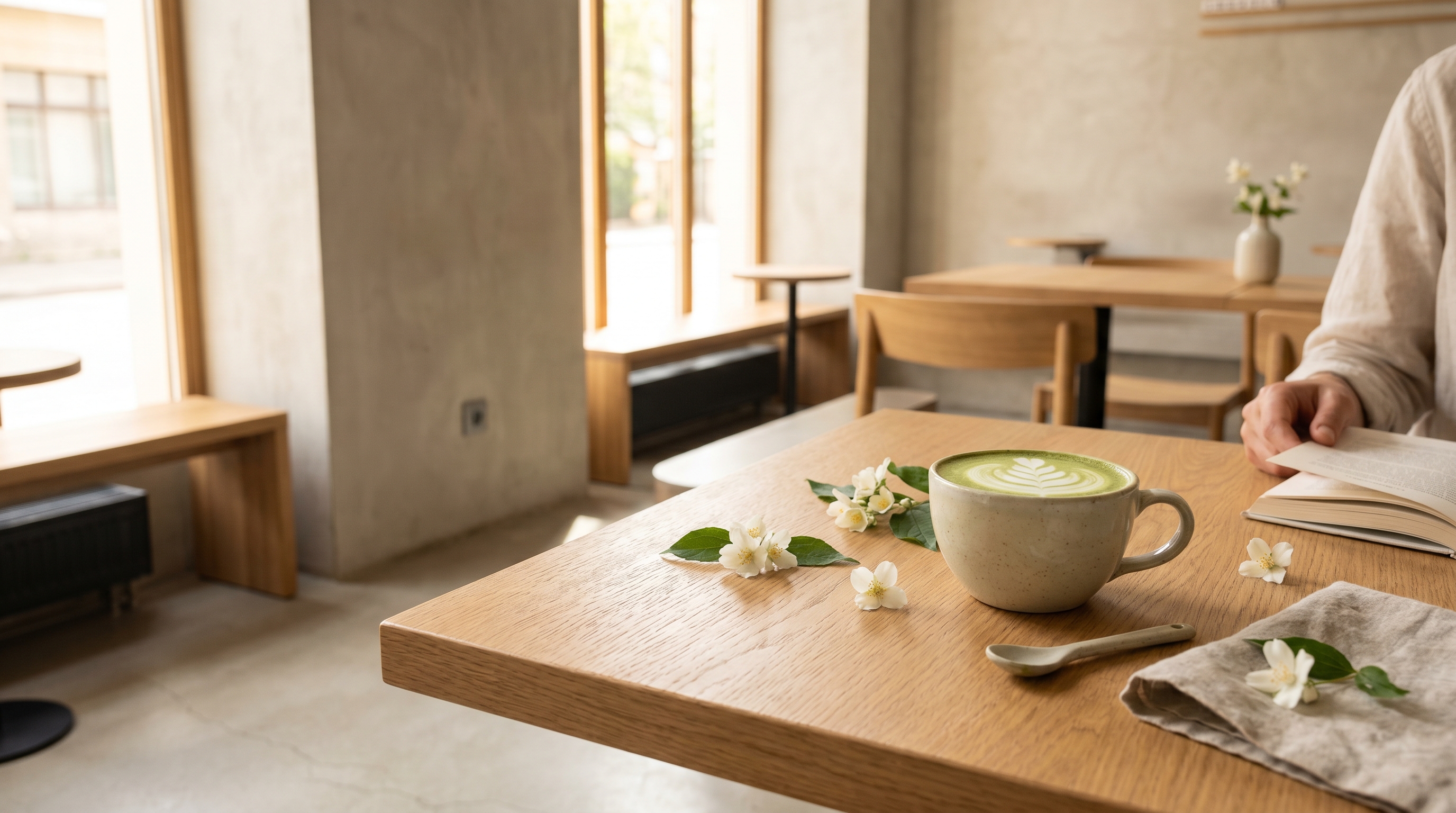
Table 10: Consumer Trend Forecast (2025 – 2030)
Trend | Market Impact | Strategic Opportunity |
|---|---|---|
“Clean Label” | Rejection of artificial flavors. | Use naturally scented Jasmine Matcha as a marketing hook. |
Sugar Reduction | Demand for naturally sweet aromas. | Jasmine’s floral sweetness reduces the need for added sugar. |
RTD Innovation | Growth in bottled “Cold Brew Matcha.” | Premium Jasmine Matcha offers a sediment-free, clear flavor. |
Home Barista | DIY matcha kits are booming. | Wholesale retailers can offer branded “Matcha Scenting Kits.” |
11. Sustainability and Organic Integrity: Maintaining EU/USDA Standards in Mass Production
Sustainability is no longer optional in the tea industry. With 4,000,000 ㎡ of organic tea farms, Riching Matcha focuses on regenerative agriculture. This includes using organic fertilizers, maintaining biodiversity in the tea gardens to manage pests naturally, and implementing solar-powered irrigation systems.
Our commitment to sustainability is backed by TC (Transaction Certificate) organic certificates for every shipment. This provides B2B buyers with the legal documentation needed to label their products as “Certified Organic” in regulated markets like the EU and USA.
As we move toward 2030, the brands that succeed will be those that prioritize transparency, quality, and sensory innovation. Jasmine Matcha represents the pinnacle of this evolution—a product that is as scientifically advanced as it is culturally rich.
For procurement professionals ready to elevate their product line, the next step is a direct consultation with our export experts. Contact Us today to request samples and technical data sheets tailored to your specific market needs.
Frequently Asked Questions (FAQs)
1. How does the inclusion of Jasmine impact the shelf life of Matcha powder?The inclusion of natural jasmine essential oils through the scenting process actually acts as a secondary barrier to oxidation. However, because the floral volatile oils (like Linalool) are more sensitive than the tea solids, we recommend a shelf life of 12-18 months. To maximize freshness, the powder should be stored in nitrogen-flushed, UV-protected packaging at temperatures below 20°C.
2. Is the “Jasmine” element achieved through flavoring or natural scenting?At Riching Matcha, we use the Traditional Natural Scenting method. We layer fresh, high-fragrance jasmine blossoms with Tencha leaves for multiple cycles. The tea leaves naturally absorb the aroma. We do not use synthetic oils, artificial “essences,” or chemical flavorings, ensuring a “Clean Label” that meets USDA and EU Organic standards.
3. Can the intensity of the Jasmine aroma be customized for bulk orders?Yes. For wholesale and OEM clients (minimum order quantities apply), we can adjust the number of scenting cycles. Some clients prefer a subtle floral undertone for delicate tea ceremonies, while beverage manufacturers often request a “High-Intensity” profile to ensure the jasmine flavor remains prominent when mixed with milk, sweeteners, or other ingredients.
4. Does Jasmine Matcha meet the same organic pesticide residue standards as pure Matcha?Absolutely. We apply the same rigorous standards to our jasmine flower supply as we do to our tea gardens. Every batch undergoes third-party lab testing (SGS/Eurofins) for over 500 pesticide residues. We provide a full Certificate of Analysis (COA) with every order, guaranteeing compliance with global organic regulations.
5. What is the lead time for a Private Label Jasmine Matcha project from design to delivery?A typical timeline for a first-time custom project is 45-60 days. This includes 7-10 days for sample approval, 15-20 days for custom packaging production, and 20-30 days for international sea freight. Re-orders with existing packaging designs typically have a significantly shorter lead time of 15-25 days plus shipping.