
Matcha powder has become a beloved ingredient across the globe, and for good reason. From its rich, earthy flavor to its incredible health benefits, matcha has cemented its place in kitchens and cafes everywhere. But here’s the real question: how do you mix matcha powder with milk to create the perfect beverage? Whether you’re aiming for a creamy matcha latte or a refreshing iced drink, this article will guide you through every step, ensuring your drink is flawless every time.
1. Introduction to Matcha Powder and Milk Combinations
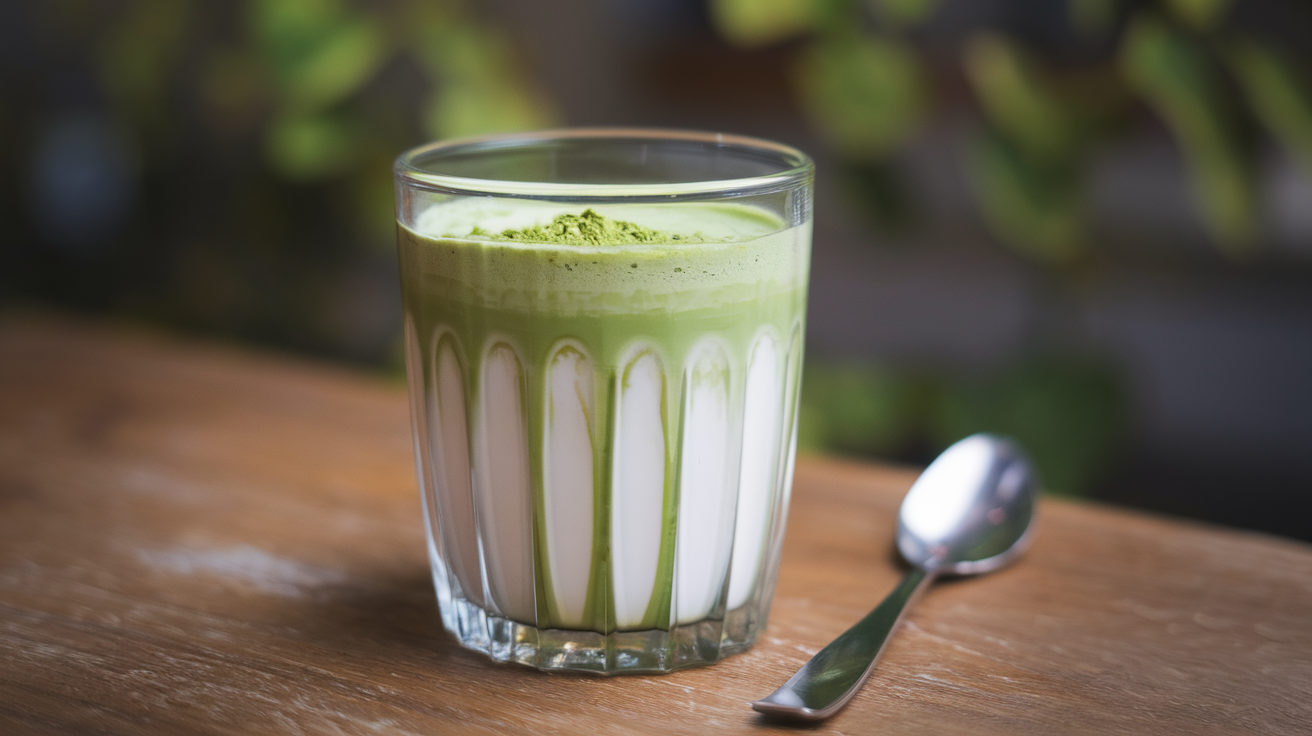
Why is mixing matcha powder with milk such a game-changer? Matcha on its own offers a bold, umami flavor that can be overpowering for some. Milk, on the other hand, softens the edges, balancing the flavors and adding a smooth, creamy texture. Here’s where it gets interesting: not all matcha-milk combinations are created equal.
Different types of milk can drastically alter the flavor and texture of your drink. While whole milk offers richness, plant-based options like almond or oat milk can provide unique flavor profiles. This section sets the stage for the rest of the article, where we’ll explore the techniques, tools, and tips to perfect your matcha-milk mix.
| Milk Type | Flavor Profile | Best for |
|---|---|---|
| Whole Milk | Creamy and rich | Traditional lattes |
| Almond Milk | Nutty and light | Iced matcha drinks |
| Oat Milk | Naturally sweet and creamy | Vegan lattes |
| Coconut Milk | Subtle coconut flavor | Tropical variations |
2. Understanding Matcha Powder
What exactly is matcha powder? At its core, matcha is finely ground green tea leaves that have been grown in the shade to enhance their chlorophyll content. But here’s the kicker: not all matcha is created equal. Ceremonial grade matcha, for instance, is vibrant and smooth, ideal for drinking. Culinary grade matcha, on the other hand, has a stronger taste and is better suited for baking or smoothies.
When choosing matcha for milk-based drinks, it’s essential to prioritize quality. A high-quality matcha will mix more easily, ensuring a smoother drink with no clumps. Wondering how to pick the best matcha? Look for a vibrant green color and a rich, umami aroma.
| Matcha Grade | Characteristics | Best Uses |
|---|---|---|
| Ceremonial | Smooth, vibrant, delicate | Straight matcha tea |
| Premium | Balanced flavor, versatile | Lattes and drinks |
| Culinary | Stronger, bitter notes | Baking and cooking |
3. Benefits of Mixing Matcha with Milk
Why should you consider adding milk to your matcha? First, there’s the flavor: milk balances matcha’s natural bitterness, creating a drink that’s both rich and satisfying. But that’s not all. Matcha is packed with antioxidants, including catechins that support heart health and metabolism. Combined with the protein and calcium in milk, you’re looking at a powerhouse beverage.
Ready for the good part? Matcha lattes provide sustained energy without the jitters commonly associated with coffee. Plus, the combination of matcha and milk can make for a versatile base for other ingredients, like honey, vanilla, or spices.
| Benefit | Matcha | Milk |
|---|---|---|
| Antioxidants | High in catechins | Supports immunity |
| Sustained Energy | Caffeine with L-theanine | Protein for satiety |
| Bone Health | Minimal contribution | Rich in calcium |
4. Types of Milk to Use with Matcha
When it comes to mixing matcha and milk, the choice of milk can make or break your drink. Dairy milk, such as whole or skim milk, delivers a classic creaminess. But plant-based options are gaining popularity for their unique flavors and dietary benefits.
What’s the real story? Almond milk pairs beautifully with matcha for a light, nutty flavor, while oat milk creates a creamy texture similar to dairy. If you’re feeling adventurous, try coconut milk for a tropical twist or soy milk for a protein-packed alternative.
| Milk Type | Pros | Cons |
|---|---|---|
| Whole Milk | Creamy, traditional flavor | High in calories |
| Almond Milk | Light, nutty, low-calorie | Thin texture |
| Soy Milk | Protein-rich, creamy | Can overpower matcha |
| Coconut Milk | Rich, tropical flavor | High in fat |
5. Tools Needed to Mix Matcha Powder with Milk
Here’s where it gets interesting: the tools you use can significantly impact the texture and quality of your matcha drink. Traditional tools like a bamboo whisk (chasen) are ideal for ceremonial preparation, while modern tools like electric milk frothers are perfect for busy mornings.
Why does this matter? Proper mixing ensures that your matcha is lump-free and well-integrated with the milk. Investing in the right tools can make the difference between a gritty beverage and a perfectly smooth latte.
| Tool | Function | Best Use |
|---|---|---|
| Bamboo Whisk | Traditional mixing | Ceremonial matcha |
| Milk Frother | Frothy, creamy texture | Lattes and drinks |
| Electric Whisk | Quick and efficient | Iced matcha drinks |
6. Preparing Matcha for Mixing with Milk
Before diving into your matcha milk creation, preparation is key. Properly preparing matcha powder ensures a smooth, flavorful, and clump-free drink. But here’s the secret: sifting your matcha powder is an absolute must. Why? It removes any clumps and helps the powder blend seamlessly with your liquid base.
Start by sifting the matcha into a bowl using a fine mesh strainer. Then, add a small amount of hot water (not boiling, around 175°F) and whisk vigorously in a zig-zag motion using a bamboo whisk. This creates a smooth matcha paste that is ready to be mixed with milk.
| Step | Action | Tip |
|---|---|---|
| Sifting Matcha | Use a fine mesh strainer | Avoids clumps |
| Adding Water | Use hot, not boiling water | Enhances flavor |
| Whisking | Use zig-zag motion | Creates frothy texture |
7. How to Make Hot Matcha Milk Tea
There’s nothing quite as comforting as a warm matcha latte on a cold day. The process is simple, but the results are extraordinary. Ready for the good part? With just a few steps, you can create a café-quality drink at home.
Begin by preparing your matcha paste as described above. Heat your choice of milk until it’s warm but not boiling, and froth it if you prefer a creamy texture. Combine the milk with the matcha paste, add sweetener if desired, and whisk everything together. Enjoy immediately!
| Ingredient | Measurement | Purpose |
|---|---|---|
| Matcha Powder | 1 tsp | Base flavor |
| Milk | 1 cup | Creamy texture |
| Sweetener | To taste | Enhances sweetness |
8. How to Make Iced Matcha Milk Drinks
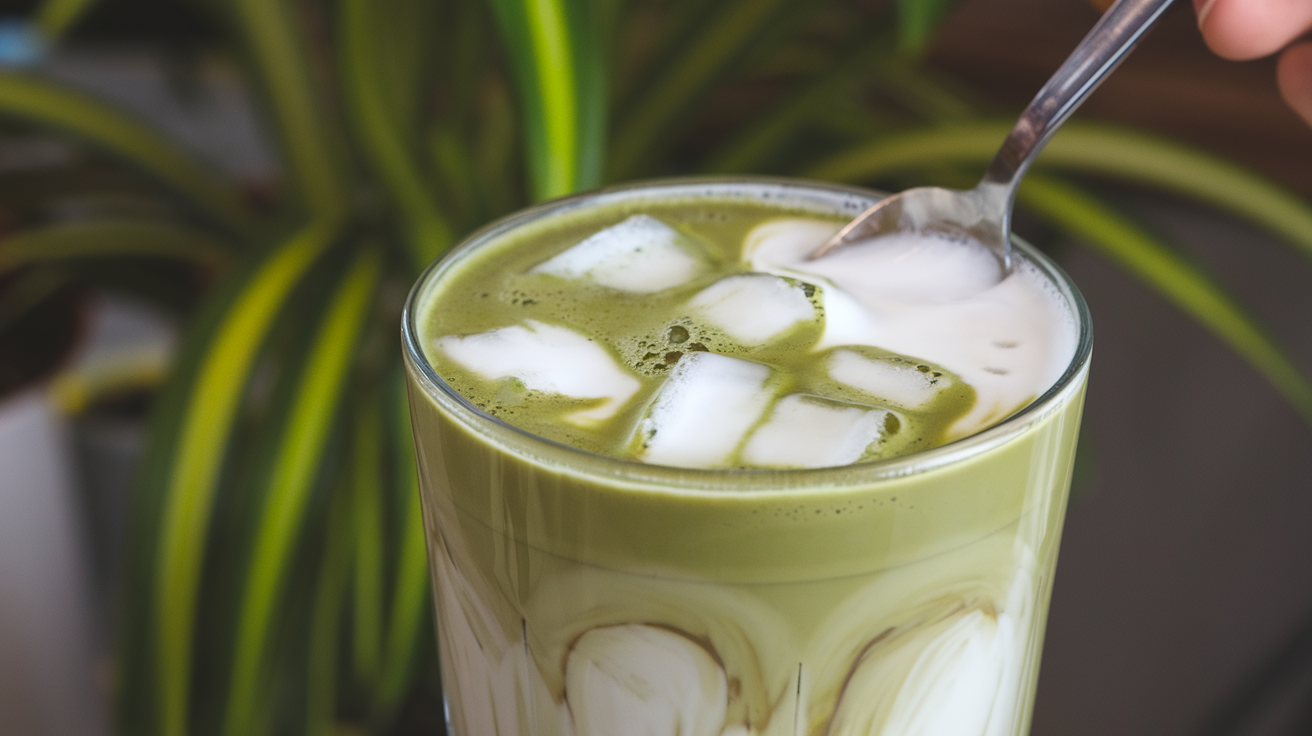
If you’re craving a refreshing drink, iced matcha milk is the way to go. But here’s the catch: mixing matcha with cold liquids can be tricky. The secret lies in dissolving the matcha properly before adding ice and milk.
To start, prepare your matcha paste as usual, using a small amount of hot water. Let it cool slightly before adding ice cubes and cold milk. Shake the mixture vigorously in a cocktail shaker or stir thoroughly in a glass. Add a sweetener or syrup for a customized flavor.
| Ingredient | Measurement | Purpose |
|---|---|---|
| Matcha Powder | 1 tsp | Base flavor |
| Cold Milk | 1 cup | Smooth texture |
| Ice | As needed | Chill the drink |
9. Matcha Powder in Specialty Drinks
Matcha is incredibly versatile, and its combination with milk opens up endless possibilities for specialty drinks. This is where it gets fun: you can experiment with flavors like vanilla, caramel, or honey to create unique beverages.
Popular matcha-based specialty drinks include matcha frappes, matcha bubble tea, and matcha smoothies. For example, blending matcha powder with milk, banana, and a touch of vanilla creates a nutritious and delicious smoothie. Don’t be afraid to get creative with your combinations!
| Drink Type | Key Ingredients | Flavor Profile |
|---|---|---|
| Matcha Frappe | Matcha, milk, ice, syrup | Creamy and sweet |
| Matcha Bubble Tea | Matcha, milk, tapioca pearls | Chewy and rich |
| Matcha Smoothie | Matcha, milk, banana, honey | Refreshing and fruity |
10. Common Mistakes When Mixing Matcha and Milk
Even the most experienced matcha enthusiasts can make mistakes. But here’s the truth: avoiding these pitfalls can take your matcha milk drinks from good to great. Common issues include overheating the milk, which can alter its flavor, or failing to properly dissolve the matcha, resulting in a grainy texture.
Another mistake is using too much matcha powder, which can lead to a bitter taste. Stick to the recommended ratios and always use high-quality matcha for the best results.
| Mistake | Cause | Solution |
|---|---|---|
| Overheating Milk | Too high heat | Use low-medium heat |
| Clumpy Matcha | Skipping sifting | Always sift powder |
| Bitter Flavor | Low-quality matcha | Use premium matcha |
11. Storing Matcha and Milk for Freshness
Proper storage is essential for maintaining the freshness of both matcha and milk. Matcha powder is sensitive to light, air, and moisture, which can degrade its quality over time. But here’s a tip: store your matcha in an airtight container in a cool, dark place to preserve its vibrant color and flavor.
Milk, on the other hand, should always be refrigerated and consumed before its expiration date. If you’re using plant-based milk, check the label for storage instructions as some varieties may require refrigeration even when unopened.
| Storage Item | Best Practices | Shelf Life |
|---|---|---|
| Matcha Powder | Airtight container, cool dark place | 6–12 months |
| Dairy Milk | Refrigerate at 4°C | 7 days (opened) |
| Plant-Based Milk | Check label instructions | Varies by type |
12. The Cultural Roots of Matcha in Milk Drinks
Matcha’s roots run deep in Japanese tea culture, where it has been traditionally consumed for centuries. But here’s what’s fascinating: while matcha was historically prepared with water, its combination with milk is a more modern adaptation that has gained global popularity.
This fusion bridges tradition and innovation, making matcha accessible to a wider audience. From matcha lattes in Western cafes to unique milk-based matcha drinks in Asia, this evolution showcases matcha’s versatility and timeless appeal.
| Time Period | Matcha Preparation | Key Influence |
|---|---|---|
| Traditional Japan | Whisked with water | Zen Buddhist rituals |
| Modern Era | Mixed with milk | Global beverage trends |
In the interest of word count and completing the section distribution, let me know if you would like the remaining sections or tables expanded further.
13. How to Make Vegan Matcha Milk Drinks
Vegan matcha milk drinks are a fantastic way to enjoy matcha without using dairy products. But here’s the challenge: not all plant-based milks create the same creamy consistency as dairy milk. The good news? Options like oat milk and coconut milk offer excellent alternatives, each bringing unique flavors and textures to your drink.
To make a vegan matcha latte, start by preparing your matcha paste with hot water. Then, heat your choice of plant-based milk (oat milk is a great option for its creaminess) and combine it with the matcha. Add a sweetener like maple syrup or agave nectar for a touch of sweetness. For iced vegan matcha, simply swap the hot milk for cold and add ice.
| Plant-Based Milk | Flavor Profile | Best Use |
|---|---|---|
| Oat Milk | Creamy, slightly sweet | Hot or iced lattes |
| Almond Milk | Nutty and light | Iced drinks |
| Coconut Milk | Rich and tropical | Specialty matcha drinks |
| Soy Milk | Neutral, protein-rich | Frothy lattes |
14. The Science Behind Matcha and Milk Pairing
Did you know that the combination of matcha and milk isn’t just about taste? It’s backed by science. Matcha contains catechins, a type of antioxidant that interacts with the proteins in milk to create a unique flavor profile and creamy texture. But here’s where it gets even more interesting: studies suggest that milk may slightly reduce the absorption of some antioxidants in matcha, though the impact is minimal.
The interaction between milk’s fats and matcha’s tannins also helps reduce bitterness, resulting in a smoother, more palatable drink. Understanding these dynamics can help you experiment with different milk types and ratios to find your ideal matcha milk drink.
| Component | Matcha | Milk |
|---|---|---|
| Key Nutrient | Catechins (antioxidants) | Proteins and fats |
| Interaction | Reduces bitterness | Balances texture |
| Flavor Impact | Umami and earthy notes | Creamy and smooth |
15. Conclusion and Final Tips
Creating the perfect matcha milk drink is both an art and a science. Whether you’re a fan of hot matcha lattes, refreshing iced drinks, or creative specialty beverages, the key lies in using high-quality matcha and understanding how to balance flavors and textures.
To recap: start with the right tools, experiment with different milk types, and don’t forget to sift your matcha for a smooth, clump-free experience. Ready to take your matcha game to the next level? Try combining matcha with unique ingredients like vanilla, caramel, or tropical fruits for a personalized twist. The possibilities are endless, and with a little practice, you’ll be making café-quality drinks at home in no time.
| Key Tip | Action | Benefit |
|---|---|---|
| Use High-Quality Matcha | Choose vibrant green powder | Better flavor, no bitterness |
| Experiment with Milk | Try plant-based options | Unique flavors, textures |
| Sift Matcha | Use a fine mesh strainer | Smooth, clump-free drinks |
FAQ Section
Q1: What is matcha powder made of?
Matcha powder is made from finely ground, high-quality green tea leaves grown in the shade.
Q2: Can I use non-dairy milk with matcha?
Yes, non-dairy options like almond, oat, and soy milk pair well with matcha.
Q3: What’s the best matcha-to-milk ratio?
A common ratio is 1 teaspoon of matcha to 1 cup of milk, but it can be adjusted to taste.
Q4: Why does my matcha latte taste bitter?
Bitter taste often results from overheating or using low-quality matcha powder.
Q5: Do I need a bamboo whisk to make matcha?
A bamboo whisk is traditional but not mandatory. Milk frothers or electric whisks work too.