
Mastering the art of matcha jelly is a journey that intersects traditional Japanese aesthetics with modern molecular gastronomy. Whether you are a professional pastry chef or a dedicated home enthusiast, achieving the perfect translucency, vibrant emerald hue, and delicate “melt-in-mouth” texture requires more than just a recipe—it requires a deep understanding of tea chemistry and hydrocolloid behavior. In this comprehensive guide, we explore the nuances of creating world-class matcha jelly, from the historical roots of Kanten to the advanced technical specifications of professional-grade matcha.
The story of matcha-infused jellies begins centuries ago with Wagashi (traditional Japanese confectionery). Originally, the primary gelling agent was agar-agar, known in Japan as Kanten. Discovered accidentally in the 17th century by an innkeeper named Minoya Tarazaemon, Kanten allowed for the creation of Yokan (red bean jelly) and eventually tea-based jellies that provided a refreshing, cooling sensation during Japan’s humid summers. These traditional sweets were prized for their firm, clean “snap” and their ability to remain stable at room temperature.
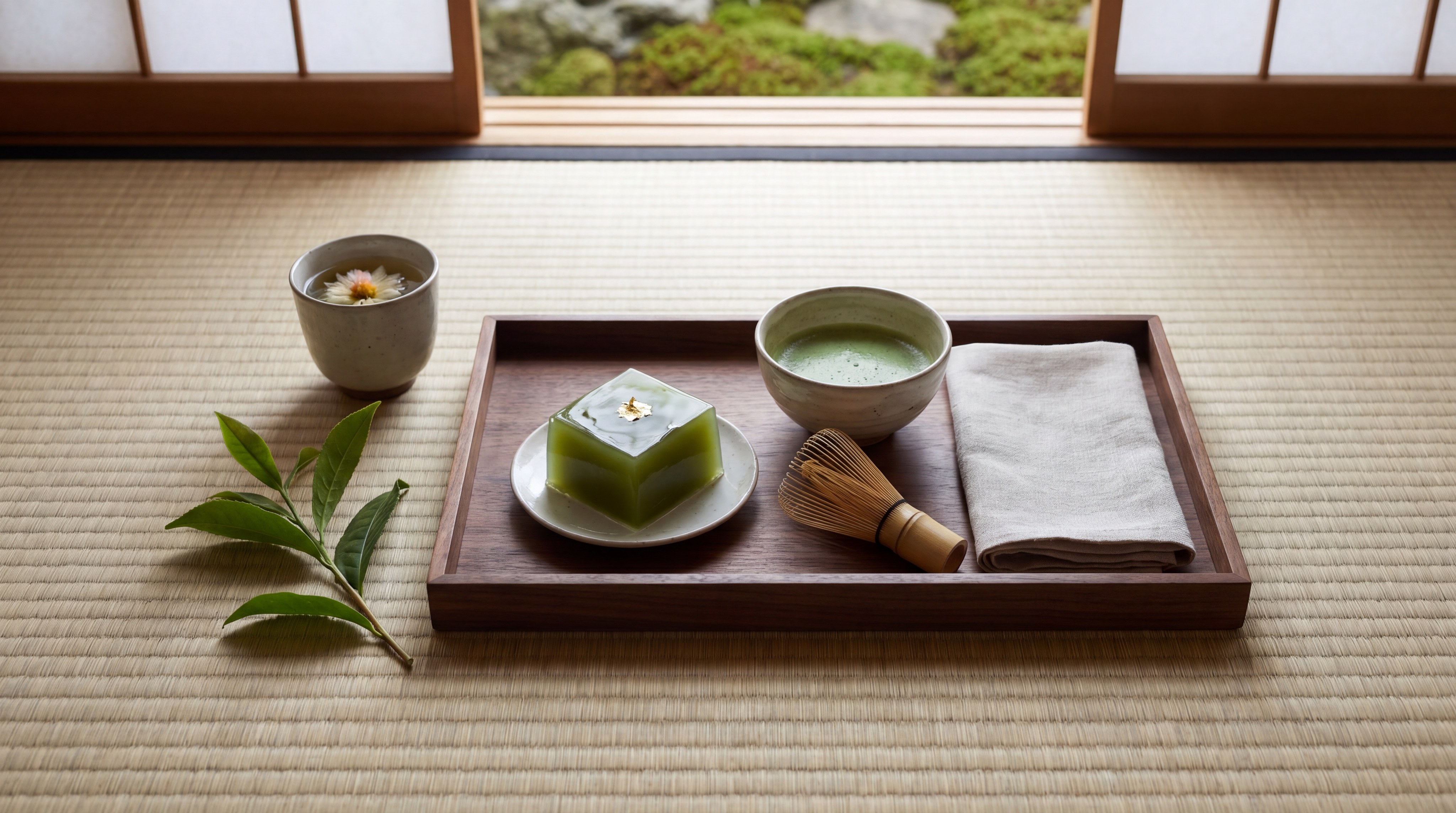
In the modern era, the culinary application of matcha has expanded globally. High-end patisseries in Tokyo, Paris, and New York have transitioned from the brittle texture of Kanten to the more sophisticated, elastic textures of animal-derived gelatin and vegan-friendly carrageenan. This evolution represents a shift from purely functional preservation to an emphasis on “mouthfeel”—the way the jelly releases flavor as it dissolves on the tongue. Modern matcha jelly is no longer just a side dish for tea; it is a centerpiece of fusion desserts, often layered with coconut mousse, topped with gold leaf, or served alongside Shirotama Dango (mochi balls).
2. The Science of Gelling: Agar-Agar vs. Gelatin vs. Carrageenan
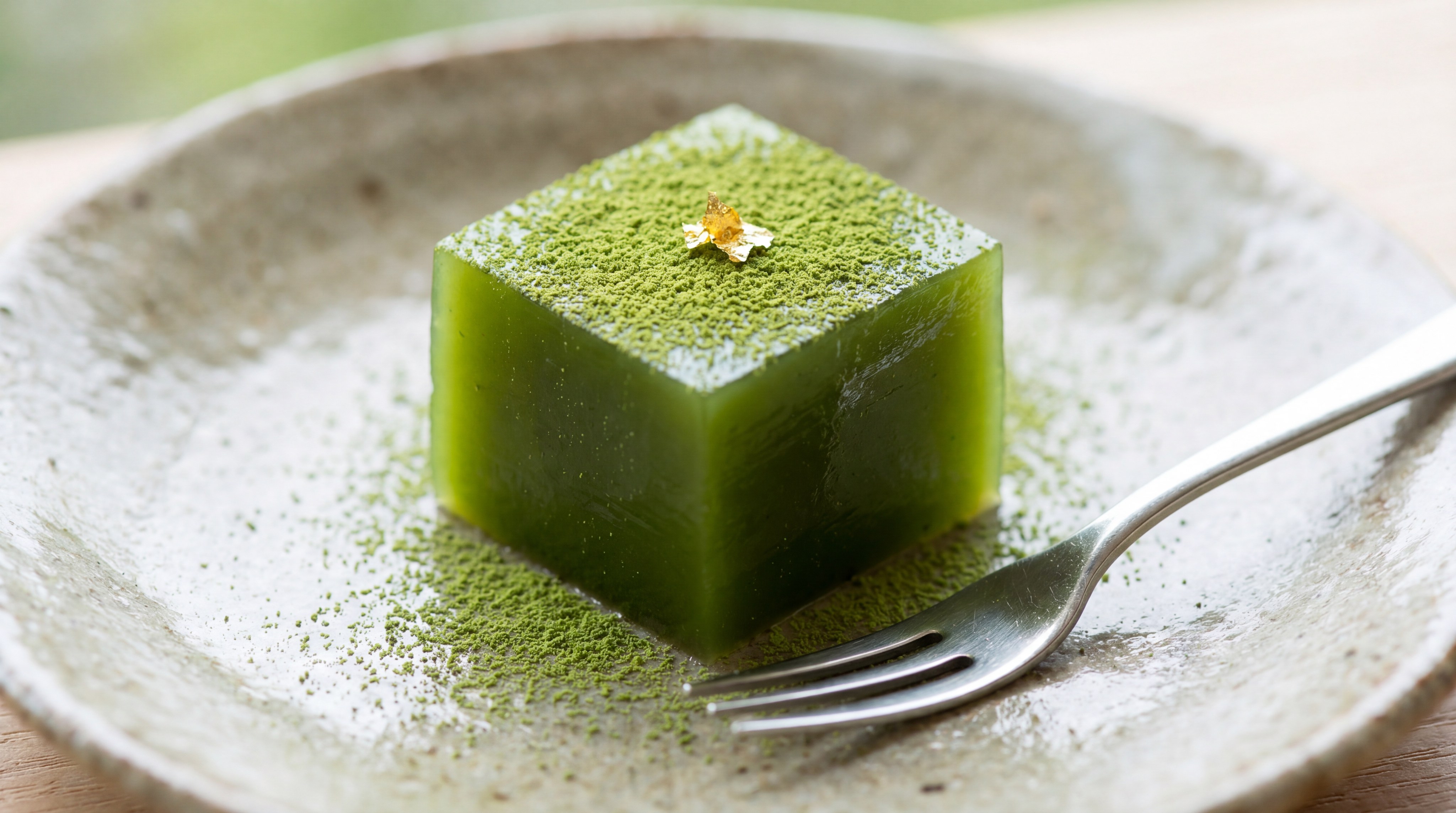
Choosing a gelling agent is the most critical decision in the jelly-making process. Each agent interacts differently with the polyphenols and amino acids in matcha. Gelatin, for instance, provides a lower melting point that mimics the body temperature, creating a “disappearing” sensation that allows the tea’s umami to coat the palate instantly. Agar-agar, conversely, creates a structural lattice that is much firmer, making it ideal for molded shapes that need to withstand warmer environments.
Understanding the thermal properties of these agents is essential for consistency. Below is a professional comparison of the three primary hydrocolloids used in dessert production:
Table 1: Technical Specifications of Gelling Agents
Gelling Agent | Origin | Texture & Mouthfeel | Melting Point | Setting Temperature | pH Sensitivity |
|---|---|---|---|---|---|
Agar-Agar | Red Algae (Vegan) | Firm, brittle, clean “snap” | 85°C (185°F) | 32-45°C | High (Acid weakens gel) |
Gelatin | Animal Collagen | Jiggly, elastic, melt-in-mouth | 35°C (95°F) | <15°C (Requires fridge) | Medium (Protease enzymes) |
Carrageenan | Red Seaweed (Vegan) | Creamy, elastic, smooth | 50-70°C | 30-50°C | Low (Very stable) |
For the ultimate matcha jelly, many experts recommend a “hybrid” approach, using a small percentage of agar for stability and a larger portion of gelatin for that luxurious, soft texture.
3. Foundation First: Decoding Matcha Grades for Perfection
The quality of your jelly is limited by the quality of your powder. Matcha is not a monolithic ingredient; it is a spectrum of chlorophyll density, L-theanine content, and particle size. For results that require no artificial food coloring, the selection of the tea grade is paramount. High-quality matcha is harvested from shade-grown leaves (Tencha), which boosts chlorophyll production, resulting in the brilliant green color essential for high-end jellies.
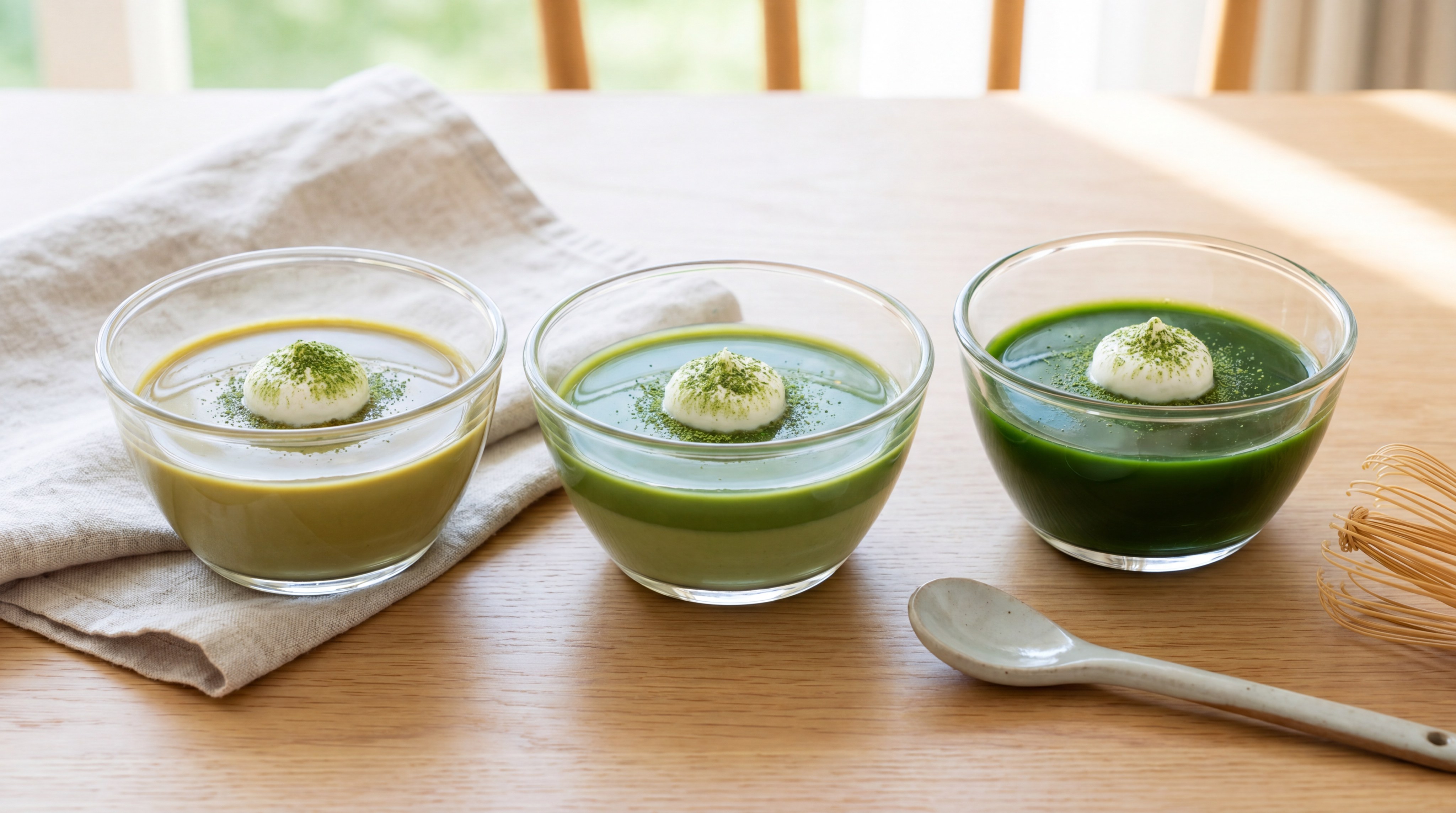
For the most vibrant, emerald-green results that require no artificial coloring, utilize Ceremonial Grade Matcha for its high chlorophyll density and delicate, sweet profile. This grade is best reserved for “Tea Jellies” where the flavor of the tea is the primary focus. However, for high-volume production or recipes where a robust, astringent profile is needed to cut through heavy cream toppings or sweetened syrups, Culinary Grade Matcha is the industrial standard. Culinary grades typically come from later harvests, offering a stronger “tea” taste that survives the heating and gelling process without fading.
4. Industrial Excellence: Why the TOP Series Leads Professional Kitchens
In the world of commercial dessert manufacturing and high-end boutique patisserie, consistency is the metric of success. This is where the TOP Series Matcha distinguishes itself. Unlike standard retail matcha, the TOP Series is engineered for technical applications. Its microscopic particle size—achieved through precision stone milling or advanced air-jet pulverization—ensures that the powder remains in suspension during the cooling phase of the jelly.
One of the most common failures in matcha jelly is “sedimentation,” where the tea particles sink to the bottom, creating a dark, gritty layer. Discover why the TOP Series Matcha is the preferred choice for premium product lines and high-end dessert boutiques, as its superior solubility and suspension properties prevent this common defect. The TOP Series also undergoes rigorous color-stability testing, ensuring that the jelly retains its “new leaf” green color even after 48 hours of refrigeration, a feat difficult to achieve with standard culinary powders.
5. Solvent Synergy: The Crucial Role of Water and Sweeteners
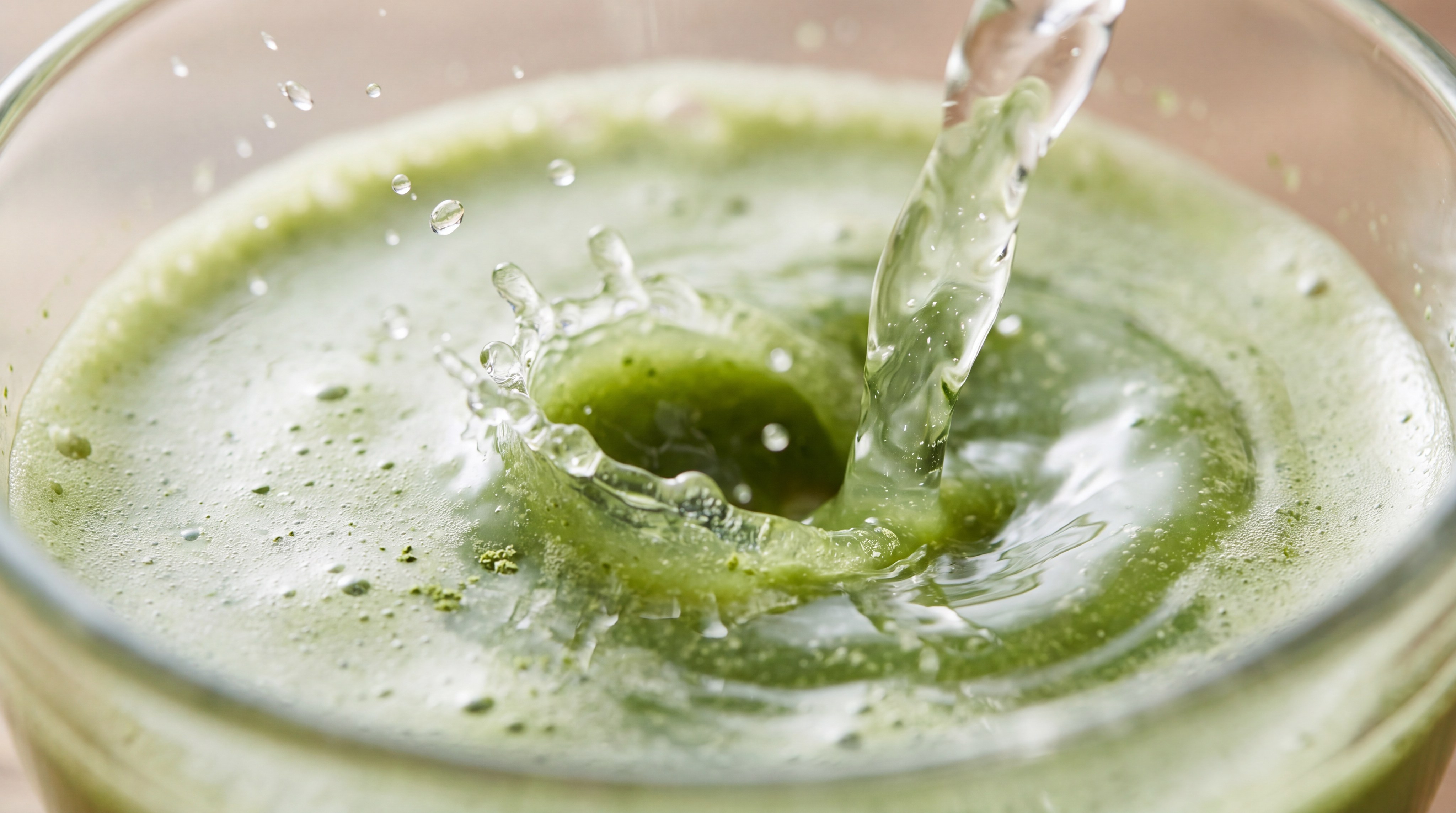
Most people focus entirely on the matcha, but the water used to hydrate the tea is equally important. Water hardness—the concentration of calcium and magnesium—can significantly alter both the color and flavor of the jelly. Hard water reacts with the catechins in matcha, causing the vibrant green to turn a muddy olive-brown. Furthermore, high mineral content can interfere with the cross-linking of gelling agents, leading to a “weeping” jelly that loses its structure.
The choice of sweetener also affects clarity. While honey or unrefined sugars like Kokuto offer deep flavor, they introduce impurities that cloud the jelly. For a crystal-clear, jewel-like appearance, fine caster sugar or light agave syrup is preferred. Learn more about the technical specifications of Matcha for Baking and Desserts to ensure your sweeteners don’t overpower the tea’s natural aromatic profile. Always aim for a sugar concentration of 10-15% to balance the natural bitterness of the tea without masking its umami.
6. The Master Methodology: Step-by-Step Culinary Precision
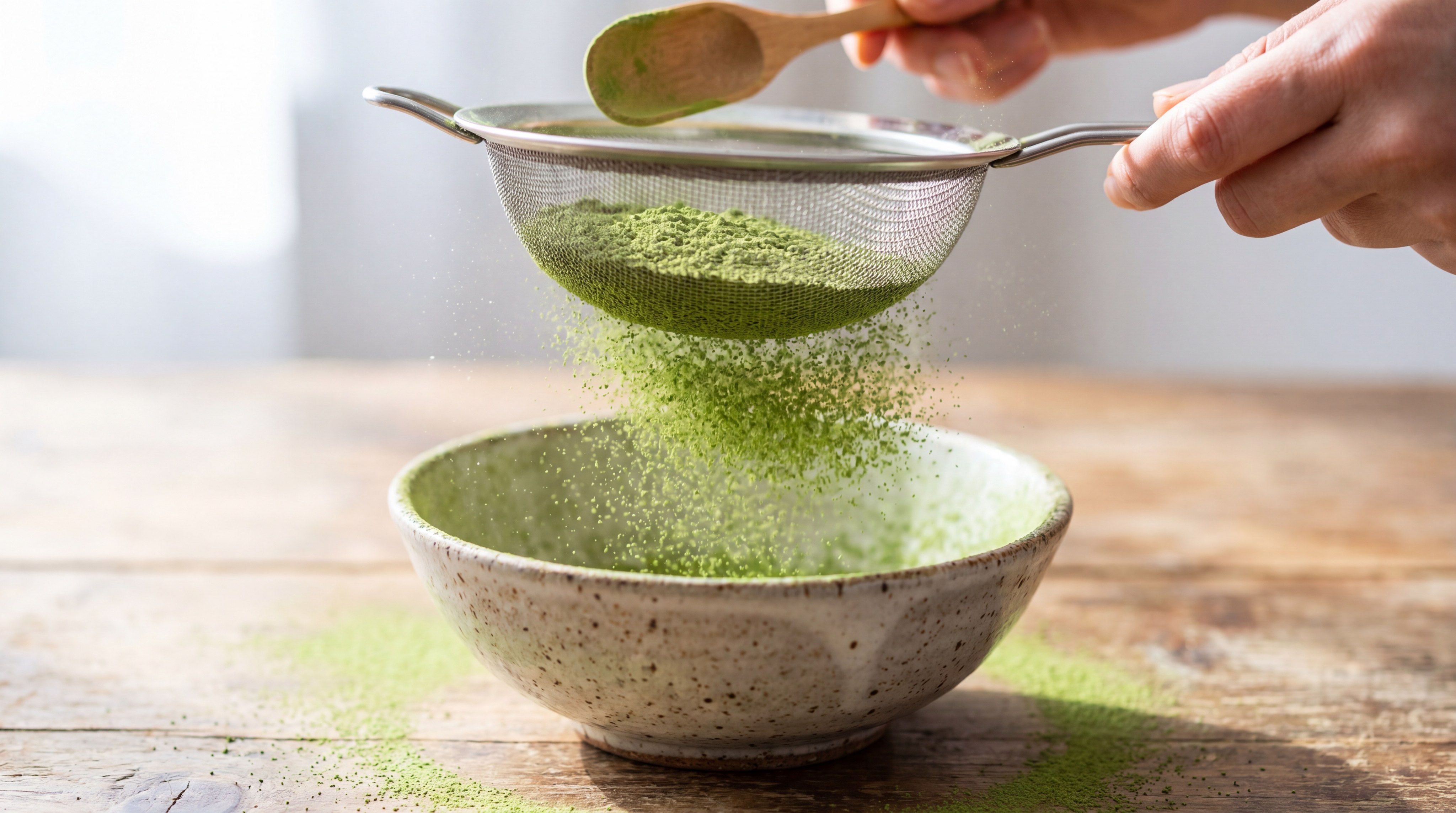
The difference between “good” and “perfect” matcha jelly lies in the technique. The most common mistake is adding matcha powder directly to boiling water. High temperatures “cook” the delicate proteins in the tea, resulting in a vegetal, “boiled seaweed” taste and a dull color. To avoid this, professionals use the Slurry Method and Flash Chilling.
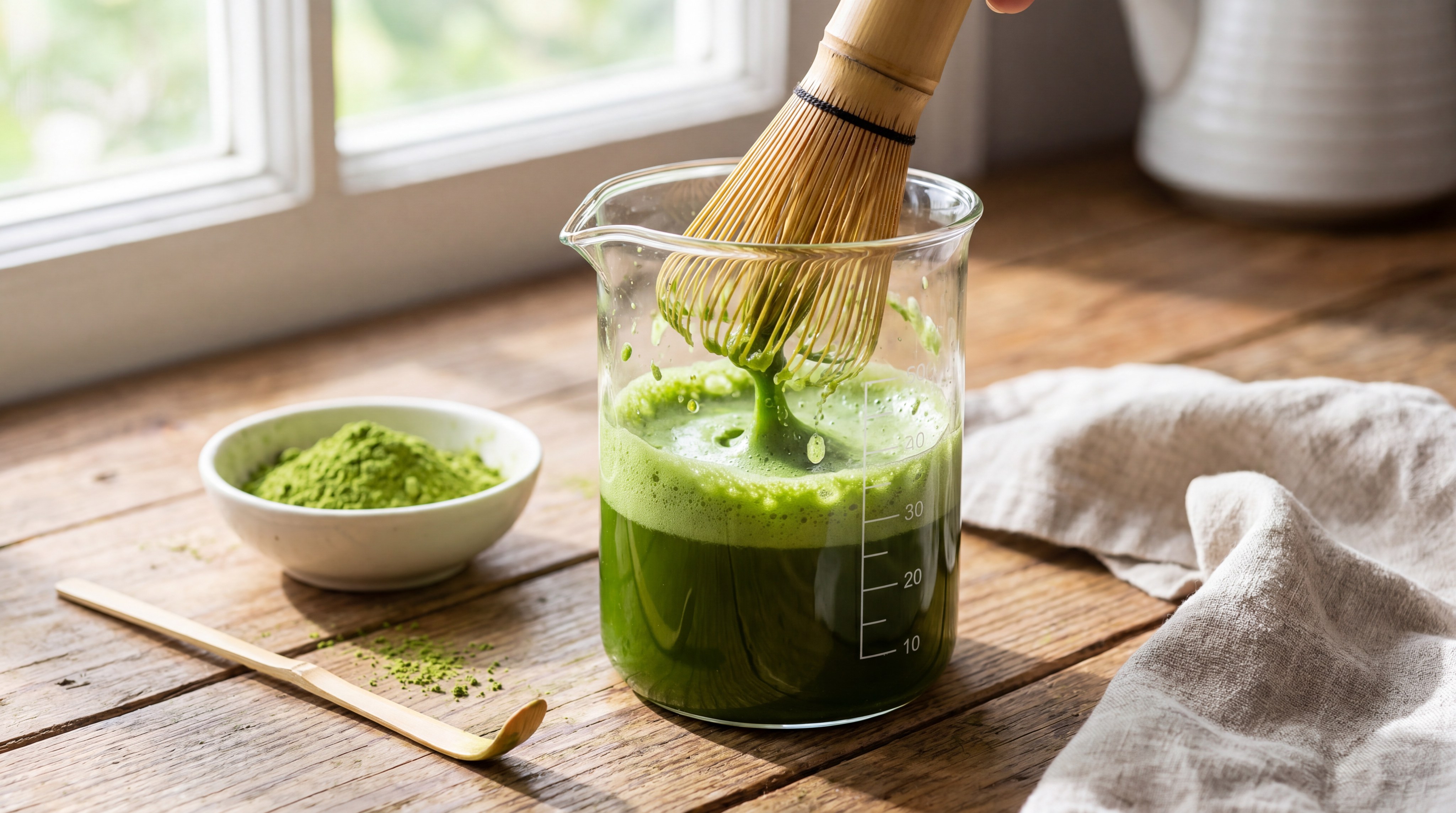
First, sift your matcha to remove all clumps. Create a concentrated slurry using water at exactly 80°C (176°F). This temperature is the “sweet spot” where the powder fully hydrates and releases its aromatics without scorching. Refer to our Comprehensive Guide on Choosing Matcha Powder to match your recipe’s specific flavor profile with the correct hydration ratio.
Table 2: Professional Dosing Guide for Matcha Jelly (per 500ml of liquid)
Application Type | Matcha Dose | Sweetness (Brix) | Recommended Grade | Setting Agent |
|---|---|---|---|---|
Pure Tea Jelly | 6g – 8g | 10-12% | Ceremonial | Gelatin (Soft) |
Parfait Layers | 9g – 11g | 15% | TOP Series | Carrageenan (Elastic) |
Molded Cubes | 12g+ | 18% | Culinary | Agar-Agar (Firm) |
Once the slurry is smooth, whisk it into your dissolved gelling agent. To lock in the color, place the mold in an ice bath immediately—this “flash chilling” prevents oxidation from occurring while the mixture is still warm.
7. Professional Stability: Combating Oxidation and Sedimentation
Oxidation is the enemy of matcha. Once the leaves are ground into powder, their surface area increases exponentially, making them highly reactive to oxygen, heat, and light. In jelly form, this manifests as a gradual browning. To combat this, senior food scientists often incorporate a tiny amount of ascorbic acid (Vitamin C). This acts as a sacrificial antioxidant, reacting with oxygen before the matcha does.
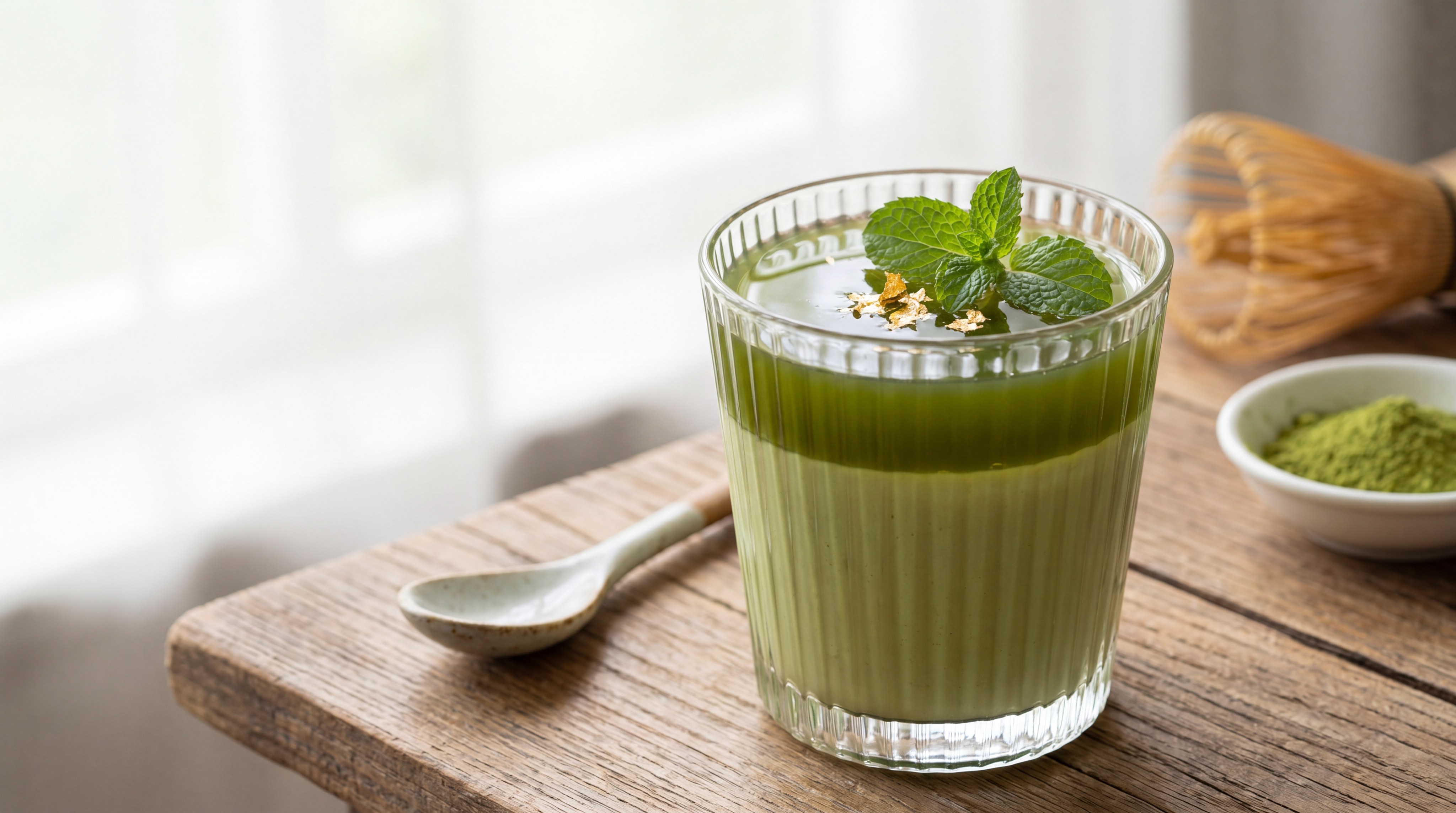
Sedimentation—the settling of tea particles—is a physics problem. In a thin liquid, gravity pulls the particles down before the gel can set. To prevent this, wait until the mixture has cooled to its “nearing set” point (around 30°C for agar or 20°C for gelatin) before pouring it into its final mold. This increased viscosity holds the particles in suspension, ensuring a uniform green color from top to bottom.
8. Advanced Troubleshooting: Solving Common Texture and Color Failures
Even with the best ingredients, variables like ambient humidity or the pH of your tap water can cause unexpected results. Troubleshooting requires an analytical approach to the “Symptoms” vs. “Causes.” For example, if your jelly is “weeping” liquid (a process known as syneresis), it is often a sign that the gel network is too tight or has been broken by excessive acidity.
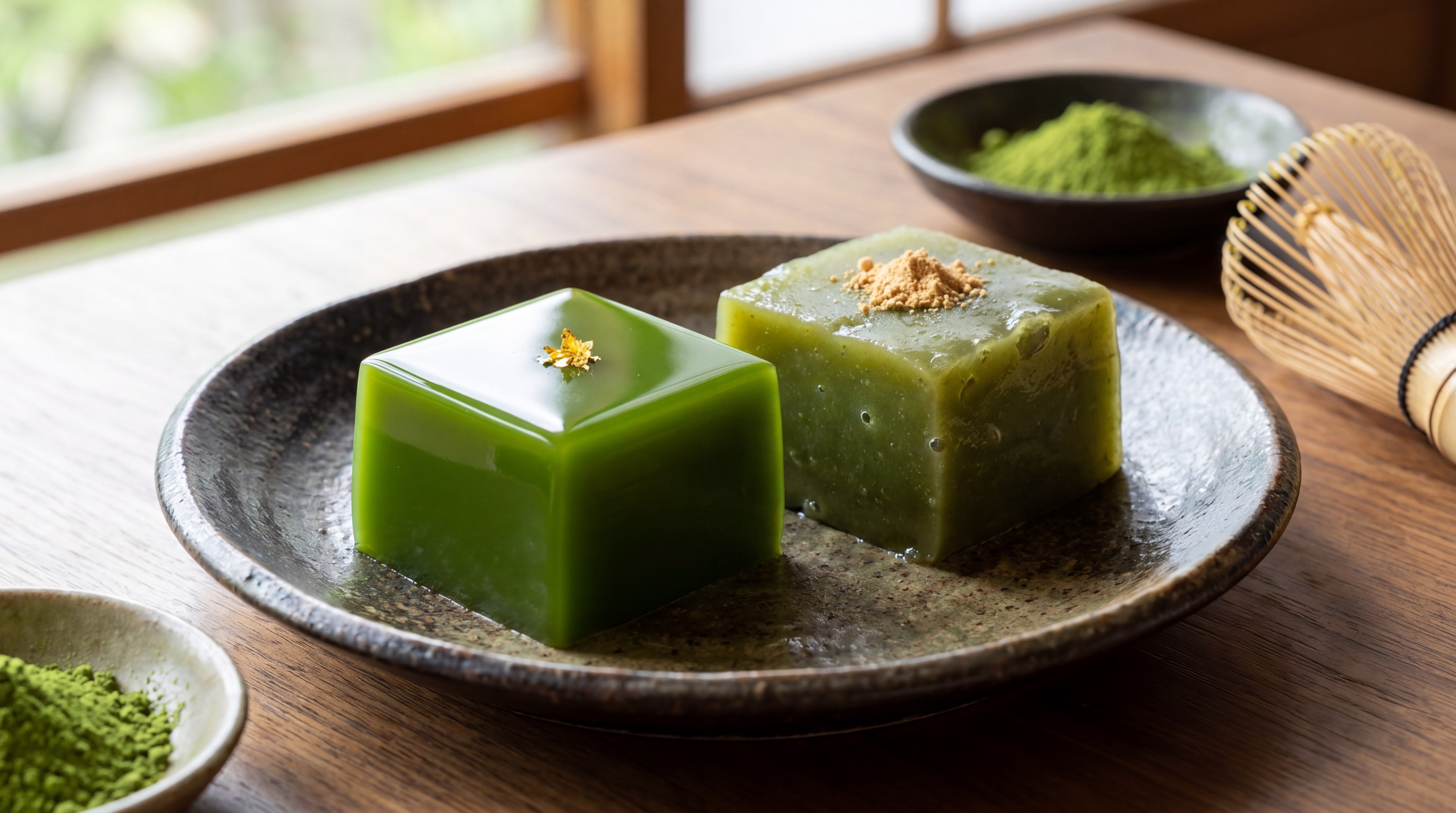
Table 3: The Matcha Jelly Troubleshooting Matrix
Problem | Potential Cause | Professional Solution |
|---|---|---|
Dull Olive Color | Overheating or Hard Water | Keep temp <80°C; Use filtered water |
Grainy Texture | Insufficient sifting or whisking | Use a 100-mesh sieve; Chasen whisk |
Jelly Won’t Set | High acidity or Protease enzymes | Increase agent by 20%; Avoid raw kiwi/pineapple |
Bitter Aftertaste | Low-grade powder or over-extraction | Switch to TOP Series; Reduce matcha ratio |
Visible Particles | Sedimentation during cooling | Stir gently until the mixture begins to thicken |
9. Aesthetics and Presentation: Elevating the Visual Experience
The visual appeal of matcha jelly is as important as its flavor. In the high-end dessert world, “Gloss Factor” is a key metric. A perfectly made jelly should reflect light like a gemstone. To achieve this, many chefs use a “Glazing Liquefaction” technique—applying a very thin layer of neutral-flavored mirror glaze over the set jelly to prevent the surface from drying out and losing its shine.
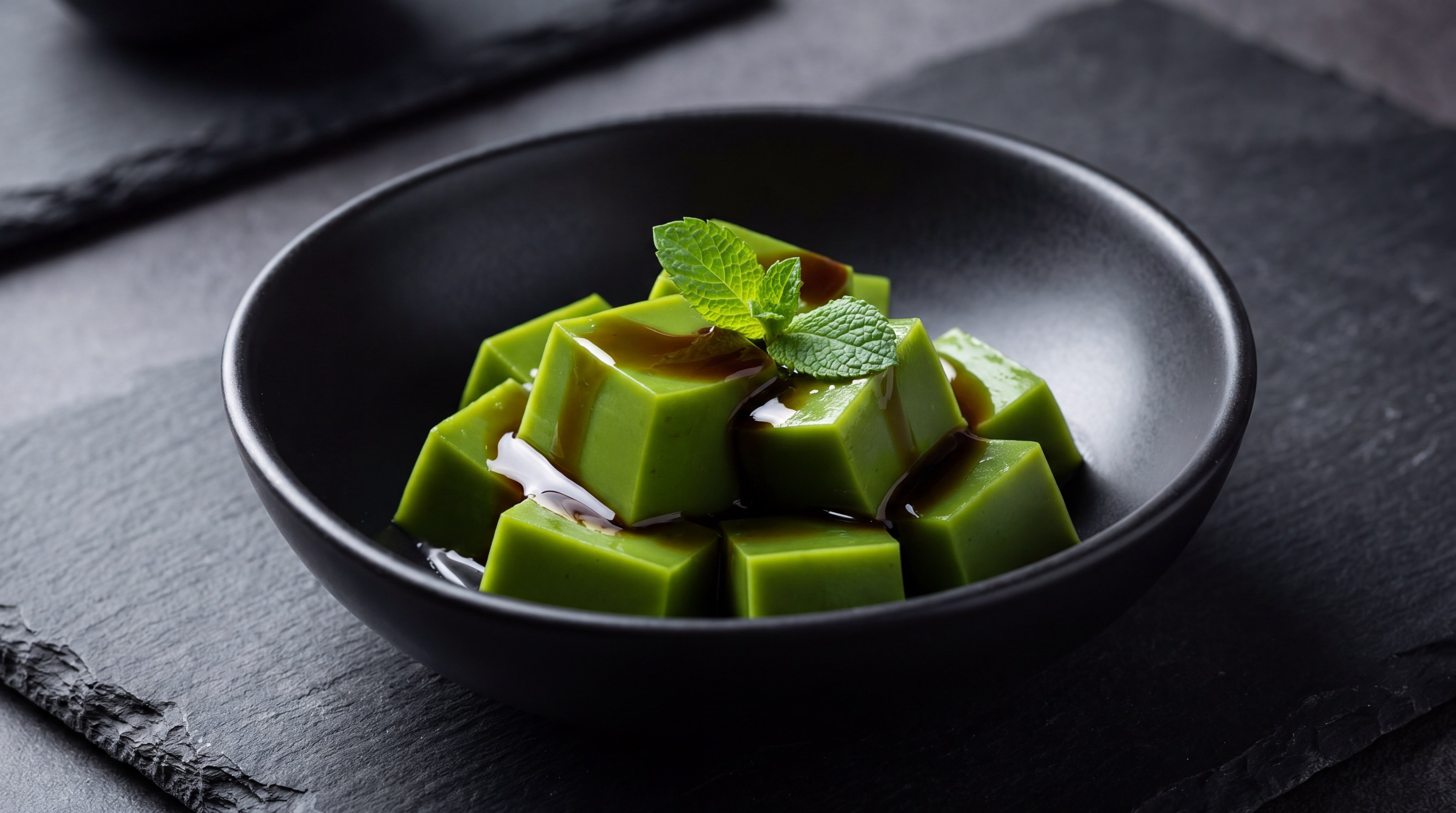
Plating should emphasize contrast. The deep, matte green of the matcha jelly pairs exquisitely with glossy black syrups like Kuromitsu (Japanese black sugar syrup) or the stark white of whipped coconut cream. For a more traditional look, serving the jelly in a matte black stone bowl makes the green “pop” visually. Garnishing with a single mint leaf or a speck of edible gold leaf adds a touch of luxury that signals to the diner that they are about to experience a high-craft dessert.
10. Nutritional Profile: Exploring the Functional Benefits of Matcha Jelly
Beyond its culinary appeal, matcha jelly is a “functional dessert.” Unlike drinking hot tea, where some volatile nutrients may be lost to steam, the gelling process “encapsulates” the polyphenols. The primary compound of interest is EGCG (Epigallocatechin gallate), a powerful antioxidant associated with metabolic health. Because matcha jelly is consumed cold, the L-theanine—an amino acid that promotes “calm alertness”—remains highly stable.
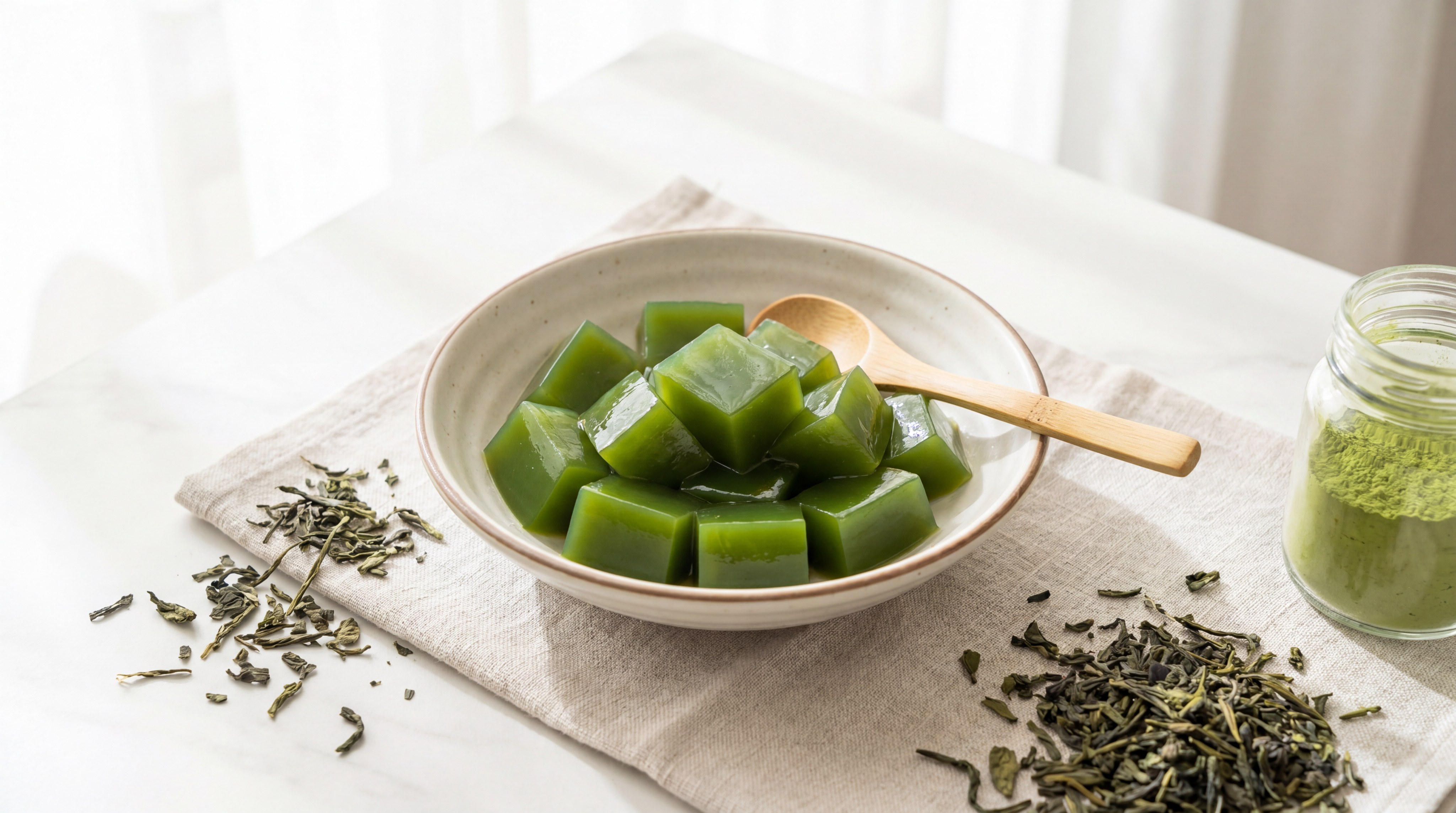
By using agar-agar and natural sweeteners like stevia or monk fruit, matcha jelly can be transformed into a zero-fat, low-calorie, and vegan-friendly treat. This makes it an ideal inclusion for modern menus that prioritize wellness without sacrificing the indulgence of a gourmet dessert. The high fiber content of agar-agar also aids in digestion, making this the rare dessert that actually supports gut health.
Frequently Asked Questions (FAQs)
- Why does my matcha jelly have a “grassy” or “fishy” smell?This is usually a sign of using low-quality, oxidized matcha or overheating the powder. High-quality ceremonial or TOP Series matcha should smell like fresh grass and toasted nuts. Always ensure your water is below 80°C to prevent “cooking” the tea.
- Can I make this recipe vegan without using Agar-Agar?Yes, you can use Carrageenan or Pectin. However, Carrageenan is the best substitute for gelatin if you want to maintain that “melt-in-mouth” elastic texture, as Agar-Agar tends to be much more brittle and firm.
- How long can I store the jelly before the color fades?In an airtight container in the fridge, the color will remain vibrant for about 48 hours. After that, natural oxidation will cause it to dull. To extend the life, add a pinch of Vitamin C (ascorbic acid) during the mixing phase.
- Why did my jelly “leak” water after I cut it?This is called syneresis. It happens when the gel network is too strong and “squeezes” the water out, or when the jelly is stored in a very dry environment. Using a mix of agar and gelatin can help create a more stable, water-holding structure.
- Is it possible to freeze matcha jelly for later use?Generally, no. Freezing destroys the cellular structure of most gelling agents. When thawed, the jelly will lose its shape and turn into a watery, grainy mess. It is always best served fresh or within two days of preparation.