
Introduction
Matcha is a finely ground powder made from shade-grown green tea leaves that is whisked into a suspension rather than steeped as an infusion. While this vibrant superfood promises calm energy and rich flavor, many enthusiasts are let down by a bitter, clumpy experience that feels far from premium. Here is the good news: mastering the art of this Japanese tradition is incredibly simple once you understand the science behind the powder. This guide will walk you through selecting the right grade, using the essential tools, and learning how-to-prepare-pure-matcha to ensure a frothy, sweet, and umami-packed cup every time.
1. What Is Matcha and Why Is It So Popular?
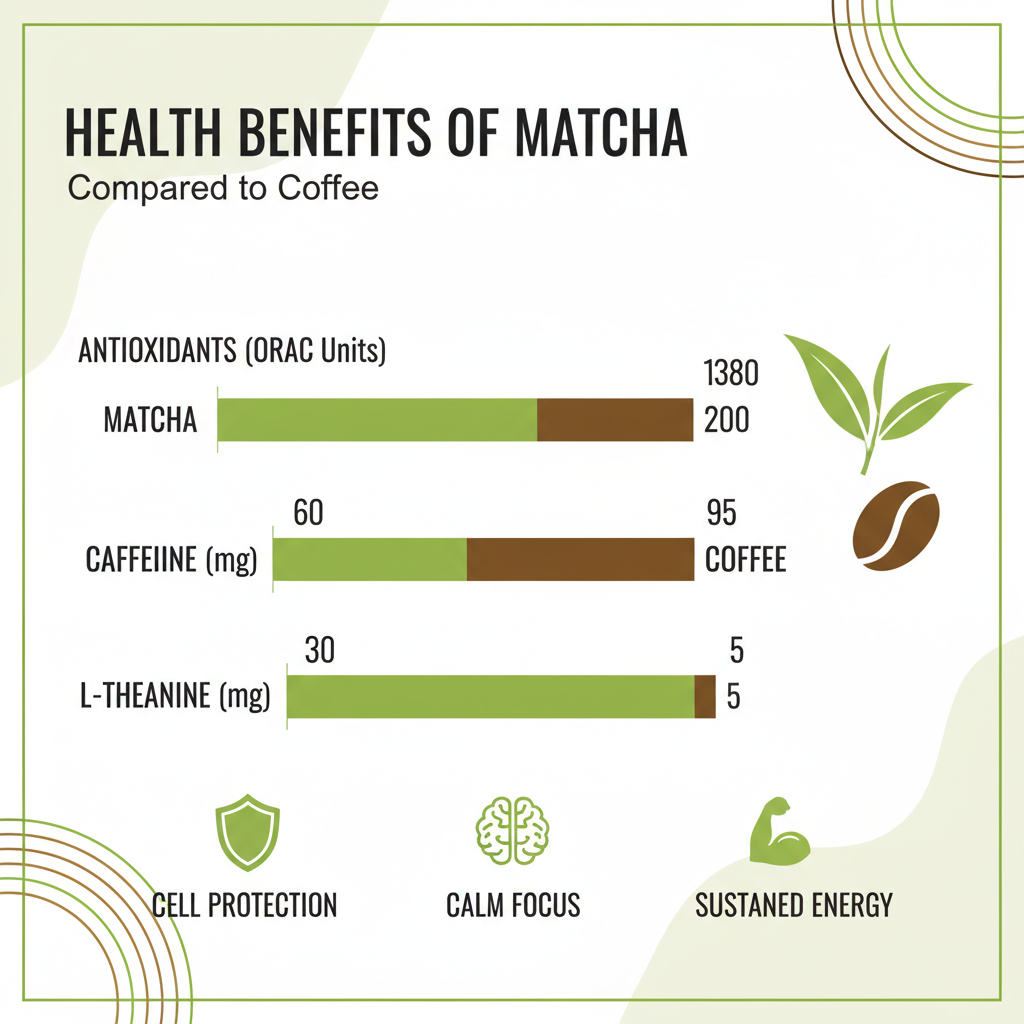
Matcha distinguishes itself from all other teas because it is not an extraction; it is a suspension of the entire tea leaf, stone-ground into a micro-fine powder. Unlike loose-leaf varieties where you discard the leaves after steeping, matcha ensures you ingest 100% of the plant’s bioactive compounds.
What distinguishes matcha from regular green tea?
You might be wondering, does consuming the whole leaf really change the nutritional profile? Absolutely. The shading process used before harvest boosts chlorophyll and amino acids significantly, creating a chemical composition that water infusion simply cannot match.
- Chlorophyll: Detoxifies and provides the electric green color.
- Antioxidants: Significantly higher concentration of catechins (EGCG).
- Fiber: Naturally present since the leaf is consumed.
Why is the “Umami” flavor profile so important?
The savory “umami” taste is the hallmark of high-quality matcha, resulting from high L-theanine content developed during the shading process. Listen closely: if your tea tastes mostly bitter or flat, it likely lacks the amino acids found in properly shaded leaves.
- Sweetness: A natural, vegetal finish without added sugar.
- Mouthfeel: Creamy and full-bodied.
- Balance: Savory notes that counter natural astringency.
Key Takeaway
Feature | Traditional Green Tea | Matcha | |
|---|---|---|---|
Consumption | Infusion (water only) | Whole leaf suspension | |
Caffeine | Moderate | Higher concentration | |
Nutrients | Water-soluble only | 100% of leaf nutrients |
Analysis: Understanding that matcha is a suspension, not an infusion, is fundamental to mastering its preparation and appreciating its potent health benefits.
2. Which Grade Should You Choose for Your Needs?
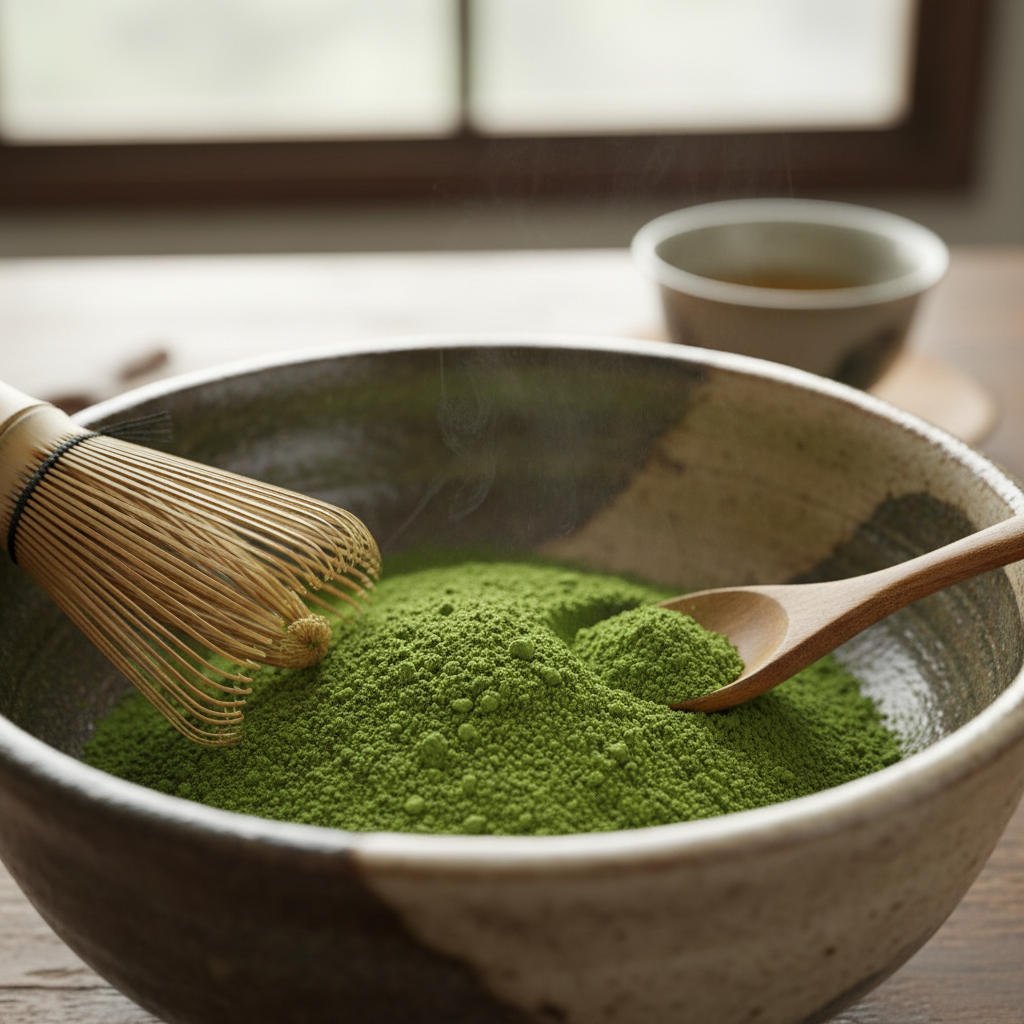
Selecting the correct grade is the single most important decision you will make, as the intended use dictates the necessary flavor profile and price point. Using a ceremonial grade for baking is a waste of money, while drinking culinary grade as tea is often an unpleasant experience.
When should you use Ceremonial Grade?
Here is the deal: if you plan to drink matcha traditionally with just water, you must use Ceremonial Grade Matcha . This grade is harvested from the youngest, tenderest leaves at the top of the plant, ensuring a texture that is silky and a flavor that is naturally sweet.
- Harvest: First flush (spring harvest).
- Texture: Extremely fine (< 10 microns).
- Usage: Whisked tea (Usucha or Koicha).
When is Culinary Grade the better option?
Do not make the mistake of thinking “culinary” means low quality; it simply means the tea is harvested later and has a bolder flavor profile. It turns out, this robustness is exactly what you need to cut through the fats and sugars in recipes like lattes, cakes, and ice creams.
- Harvest: Second or third flush.
- Flavor: Stronger, more astringent.
- Usage: Smoothies, baking, lattes.
Key Takeaway
Grade | Best Application | Flavor Profile | |
|---|---|---|---|
Ceremonial | Drinking pure (whisked) | Delicate, sweet, smooth | |
TOP/Premium | High-end desserts, lattes | Vibrant color, strong aroma | |
Culinary | Baking, smoothies, cooking | Robust, astringent, bold |
Analysis: Selecting the correct grade is the primary economic and gastronomic decision for businesses and consumers to ensure satisfaction and cost-efficiency.
3. What Tools Are Essential for the Perfect Brew?
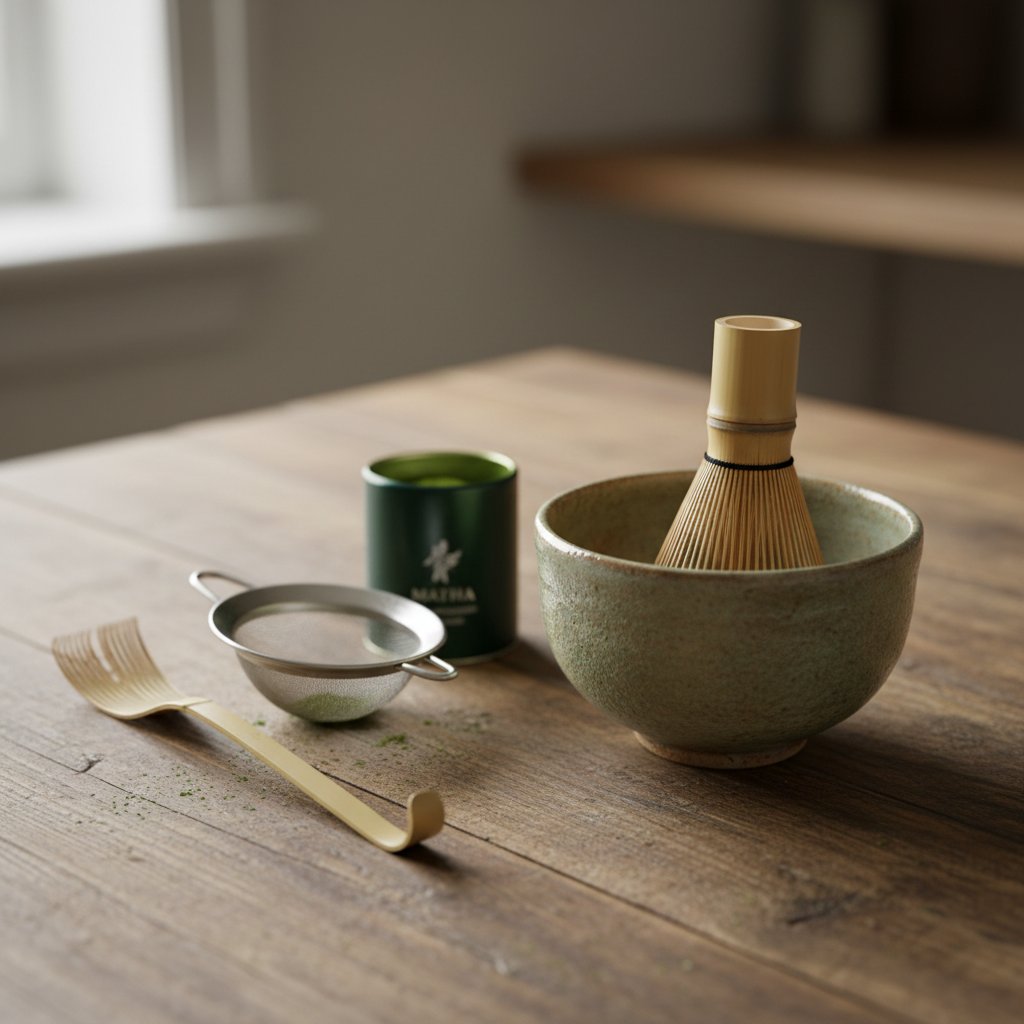
While you can technically mix powder and water with a spoon, the result will be a clumpy, uneven drink that fails to represent the true character of the tea. Proper tools are designed to aerate the mixture and create the suspension that defines a perfect bowl of matcha.
Why is the Bamboo Whisk (Chasen) non-negotiable?
You might think a metal spoon or electric frother is sufficient, but they often fail to mix the powder completely. Ready for the secret? The bamboo whisk, or chasen, has flexible prongs that are engineered to break up clumps and suspend the particles evenly in the water without damaging the flavor.
- Prongs: Usually 80-100 fine tines.
- Material: Bamboo (neutral taste).
- Action: Creates micro-foam bubbles.
What role does the sieve play?
Do not skip this step: Sifting is the hidden secret to a velvety, clump-free drink. Matcha powder is prone to clumping due to static electricity, and pressing it through a fine mesh sieve ensures that every particle is separated and ready to be whisked.
- Function: Removes static clumps.
- Result: Smoother texture.
- Speed: Dissolves faster in water.
Key Takeaway
Tool | Function | Necessity Level | |
|---|---|---|---|
Chasen (Whisk) | Aerates and suspends powder | Essential for Pure Tea | |
Sieve | Removes static clumps | Highly Recommended | |
Chawan (Bowl) | Allows room for whisking | Recommended |
Analysis: The proper tools are not just about ritual; they are functionally necessary to dissolve the ultra-fine powder and prevent an unpleasant, gritty texture.
4. How Do You Prepare Pure Matcha Correctly?
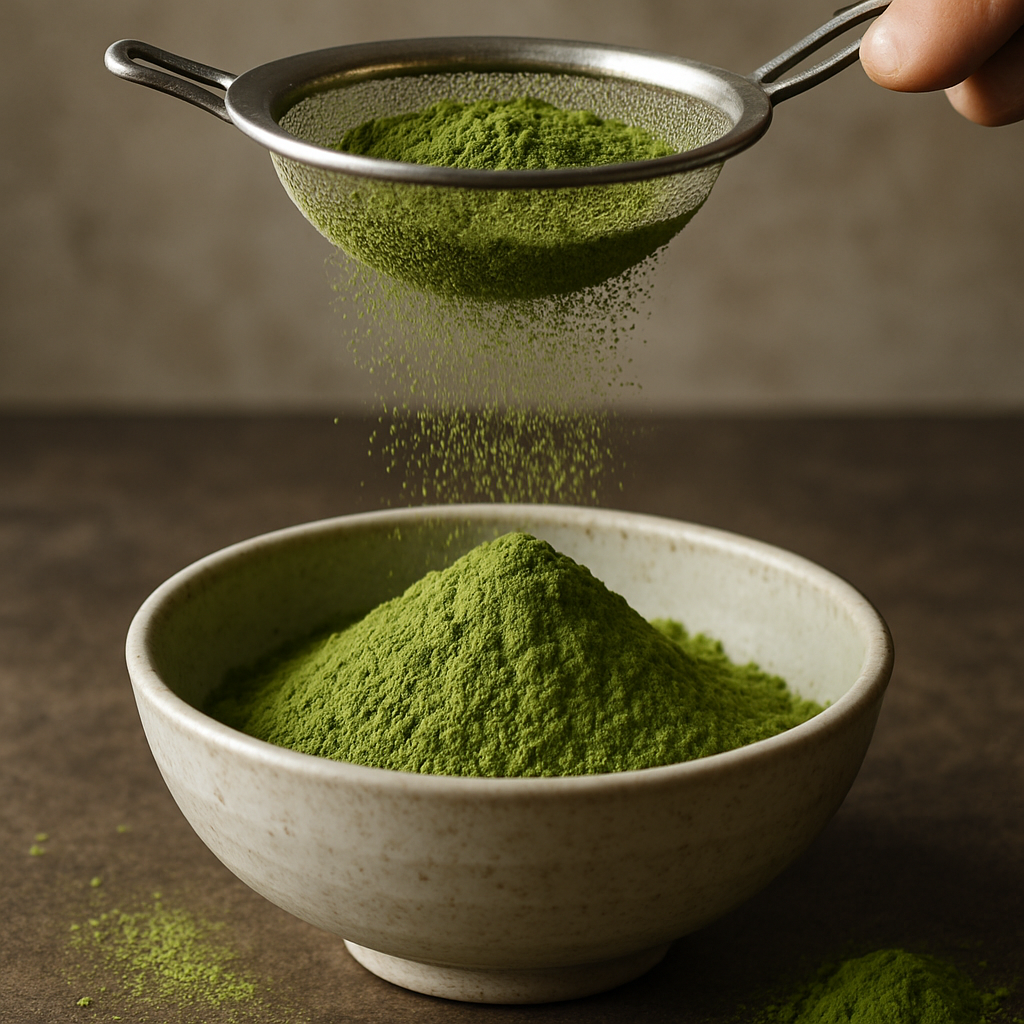
The preparation of matcha is a meditative process that relies on swift, precise movements to transform powder and water into a creamy elixir. It requires no expensive machinery, just a few moments of focus to achieve a result that rivals any coffee shop.
What is the first step in the process?
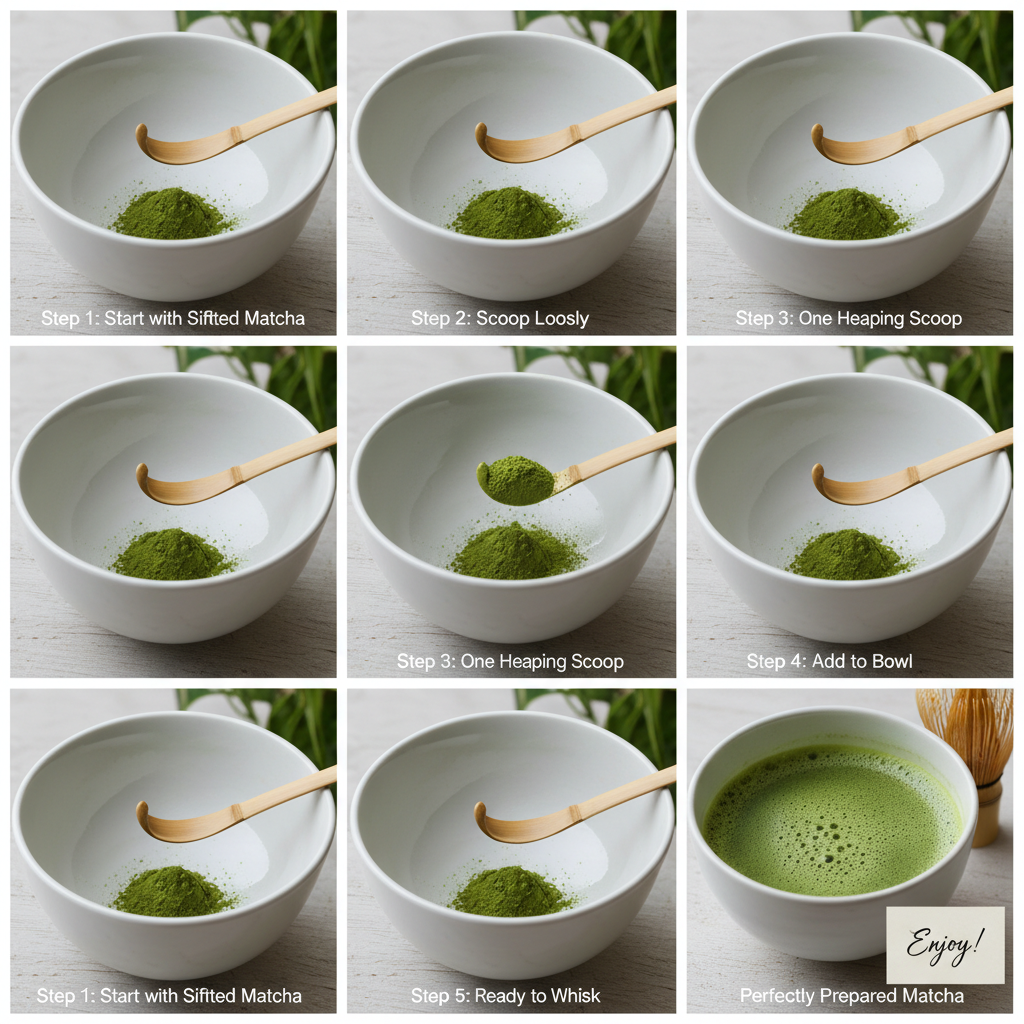
Begin by sifting 1-2 bamboo scoops (approx. 1-2 grams) of matcha into your bowl to aerate the powder. Now, here is the trick: this simple action releases the aroma and ensures there are no lumps before the water even touches the tea.
- Amount: 1.5g to 2g standard.
- Action: Press through sieve.
- Aroma: Releases upon sifting.
How do you whisk for the best foam?
Pour roughly 2oz (60ml) of hot water over the powder and begin whisking. You simply can’t ignore the motion; do not stir in a circle, but whisk vigorously in a “W” or “M” zigzag motion using your wrist to introduce air.
- Motion: Zigzag (W shape).
- Duration: 15-30 seconds.
- Visual: Look for dense foam.
Key Takeaway
Step | Action | Goal | |
|---|---|---|---|
1. Sift | Pass powder through mesh | Remove clumps | |
2. Pour | Add hot water (not boiling) | Begin suspension | |
3. Whisk | “W” motion rapidly | Create micro-foam |
Analysis: The “W” motion is the critical technique that differentiates a flat, watery tea from a creamy, texturally pleasing matcha experience.
5. Why Does Water Temperature Matter So Much?
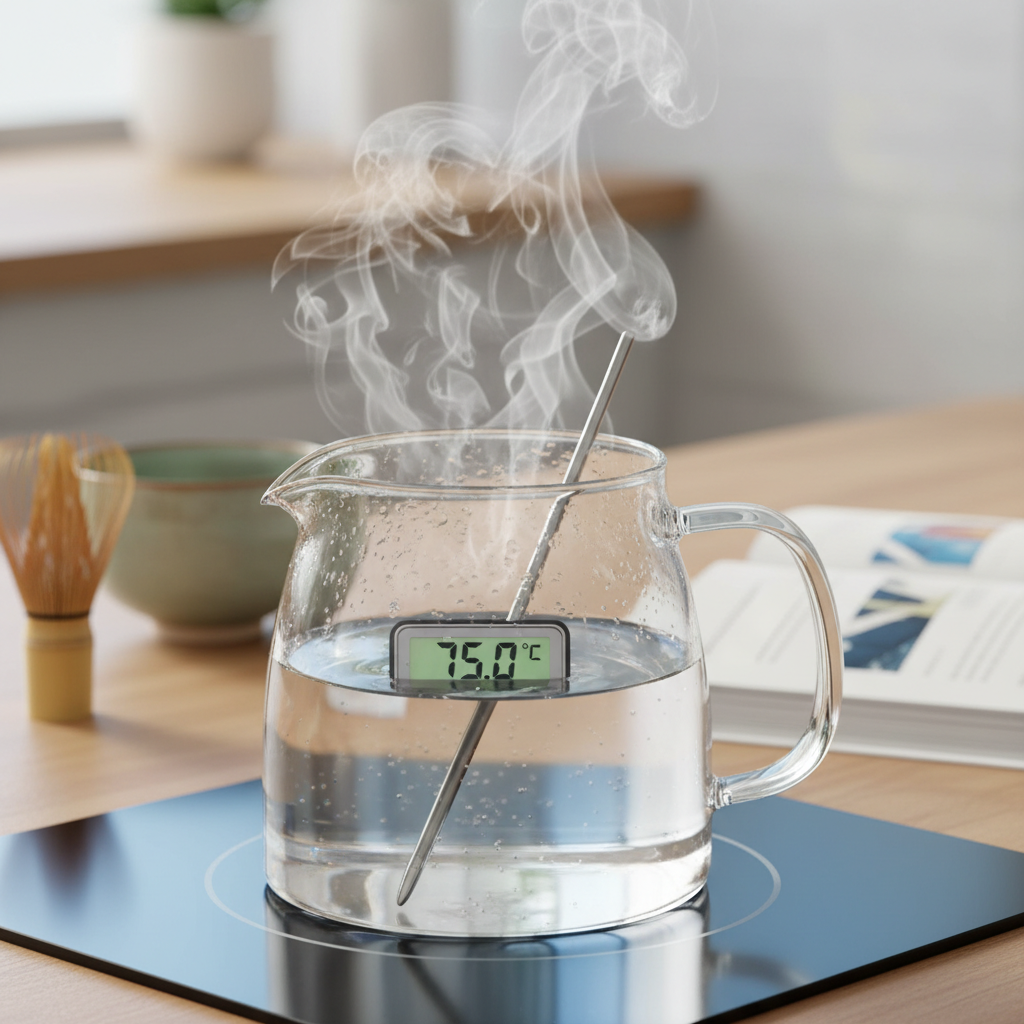
Temperature control is perhaps the most critical variable in matcha preparation, as extreme heat destroys the delicate amino acids that provide sweetness. Using boiling water is the fastest way to turn a premium product into a bitter disappointment.
What happens if the water is boiling?
Pouring 100°C (212°F) boiling water directly onto matcha will scorch the delicate tea leaves instantly. But here is the kicker: this releases tannins immediately, overpowering the sweet L-theanine and resulting in a drink that is harsh, astringent, and difficult to enjoy.
- Effect: Scorches leaves.
- Flavor: Bitter and sharp.
- Tannins: Rapidly released.
What is the ideal temperature range?
Aim for precision to unlock the full potential of your tea. The sweet spot for matcha preparation is strictly between 70°C and 80°C (158°F – 176°F), which is hot enough to froth but cool enough to preserve the umami.
- Target: 70°C – 80°C (160°F – 175°F).
- Hack: Let boiling water sit for 2 mins.
- Result: Sweet, mellow flavor.
Key Takeaway
Temperature | Result | Verdict | |
|---|---|---|---|
100°C (Boiling) | Bitter, astringent, scorched | Avoid | |
70°C – 80°C | Sweet, umami, smooth | Ideal | |
Cold Water | Hard to dissolve | Use for Cold Brew only |
Analysis: Temperature control is the easiest variable to fix and yields the highest return on investment regarding flavor improvement.
6. Can You Use Matcha in Cooking and Baking?
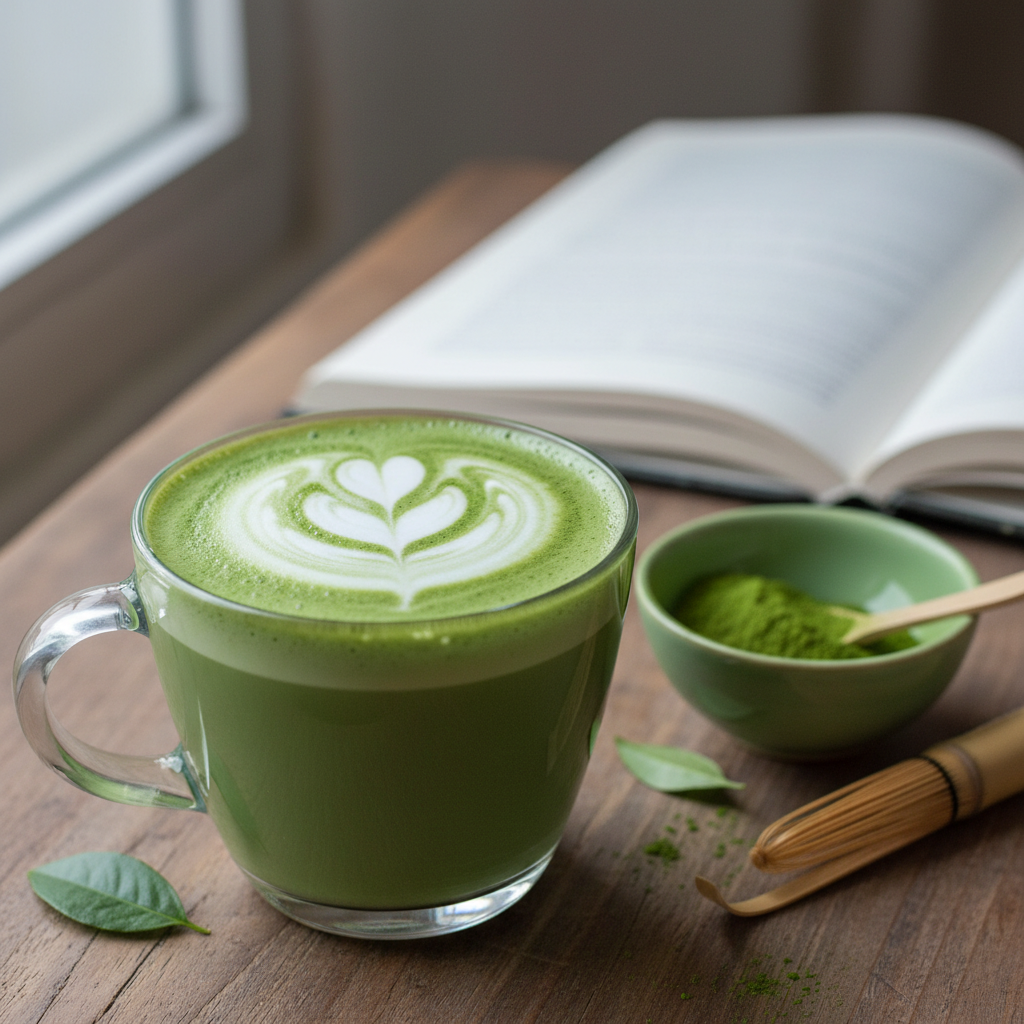
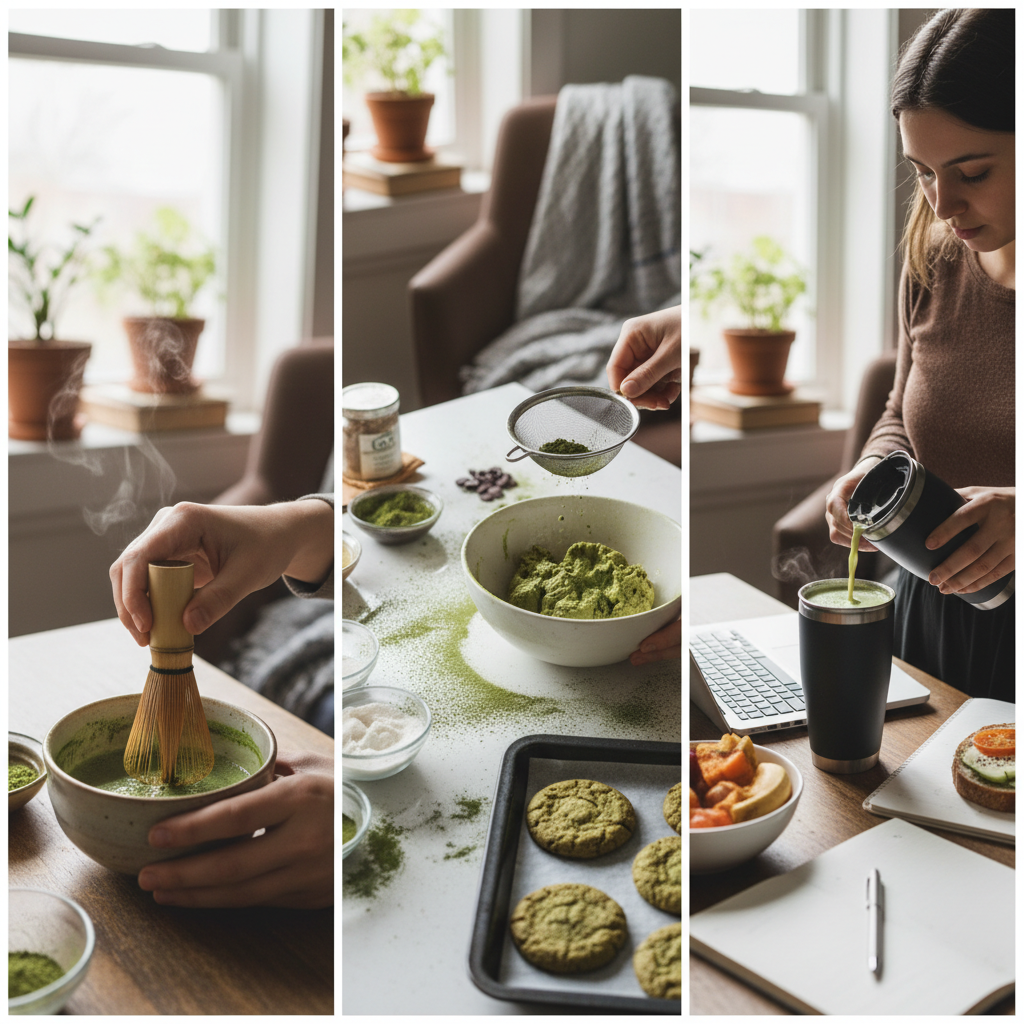
Matcha is an incredibly versatile ingredient that adds a sophisticated flavor and striking color to a wide range of culinary creations. However, because it is a dry powder that behaves like flour, it requires specific adjustments to your standard recipes.
How does matcha behave in baked goods?
Matcha is hydroscopic, meaning it absorbs moisture from your batter or dough. Keep in mind, when adding Culinary Grade Matcha to a recipe, you may need to adjust your liquid ratios to prevent the final product from drying out.
- Absorption: High moisture uptake.
- Adjustment: Add splash of milk/oil.
- Ratio: 1-2 tsp per cup of flour.
What flavors pair best with matcha?
Matcha has a strong, earthy personality that pairs beautifully with sweet and creamy elements. Here is the opportunity: use fats like butter, white chocolate, or milk to carry the matcha flavor and reduce any perceived bitterness.
- Sweet: White chocolate, honey, vanilla.
- Tart: Yuzu, lemon, strawberry.
- Creamy: Milk, cream cheese, coconut.
Key Takeaway
Application | Recommended Grade | Pairing Idea | |
|---|---|---|---|
Lattes | Premium/Culinary | Oat milk, Honey | |
Baking | Culinary | White Chocolate, Lemon | |
Savory | Culinary | Sea Salt, Soba Noodles |
Analysis: Matcha’s versatility extends far beyond beverages, serving as a functional ingredient that adds color, flavor, and health benefits to a diverse culinary menu.
7. What Are the Benefits of Blue and Flavored Matcha?
While traditional green matcha reigns supreme, the market has expanded to include vibrant alternatives that offer different aesthetic and functional benefits. These niche powders allow cafes and home users to experiment with color and caffeine-free options.
Is Blue Matcha the same as Green Matcha?
Technically, no; Blue Matcha is derived from the Butterfly Pea Flower, not the tea plant. What is the real story? It is completely caffeine-free and acts as a stunning natural food dye that changes from blue to purple when acid is added.
- Source: Butterfly Pea Flower.
- Caffeine: Zero.
- Reaction: pH sensitive (color change).
Why use flavored or niche powders?
For cafes looking to expand their menu, options like Jasmine Matcha or Hojicha offer variety. Here is why it works: these specific niches allow you to cater to customers seeking lower caffeine options or unique, “Instagrammable” visual experiences.
- Hojicha: Roasted, nutty, low caffeine.
- Jasmine: Floral, aromatic twist.
- Blue: Visual appeal, kid-friendly.
Key Takeaway
Product | Source | Best Feature | |
|---|---|---|---|
Green Matcha | Camellia Sinensis | Caffeine + Antioxidants | |
Blue Matcha | Butterfly Pea Flower | Caffeine-free + Color Changing | |
Hojicha | Roasted Green Tea | Low Caffeine + Nutty flavor |
Analysis: Diversifying into niche powders allows businesses to capture a broader market segment, including those sensitive to caffeine or focused on visual aesthetics.
8. How Should You Store Matcha to Keep It Fresh?
Preserving the freshness of matcha is a battle against the elements, as the powder is highly unstable and degrades quickly. Proper storage is the difference between a vibrant, flavorful cup and a dull, stale brew.
Why does matcha lose its color?
Matcha is incredibly sensitive to oxygen, light, and heat. You have probably noticed that old matcha turns yellowish-brown; this oxidation degrades the chlorophyll and destroys the fresh, grassy notes, leaving behind a hay-like taste.
- Oxidation: Browns the powder.
- Light: Bleaches chlorophyll.
- Heat: Accelerates aging.
What is the best storage vessel?
Listen closely: always keep your matcha in an airtight, opaque container to block out light and air. If you buy Bulk Matcha , keep the main supply sealed and transfer only small amounts to a daily-use tin.
- Container: Metal tin or opaque jar.
- Seal: Airtight/Vacuum.
- Location: Cool, dark cupboard or fridge.
Key Takeaway
Enemy of Matcha | Effect | Prevention | |
|---|---|---|---|
Oxygen | Dull color, stale taste | Airtight seal | |
Light | Degrades chlorophyll | Opaque tin | |
Moisture | Clumping, mold risk | Room temp before opening |
Analysis: Proper storage is a hidden profit center; reducing waste and spoilage ensures that every gram of purchased product generates revenue.
9. What Distinguishes High-Quality Organic Matcha?
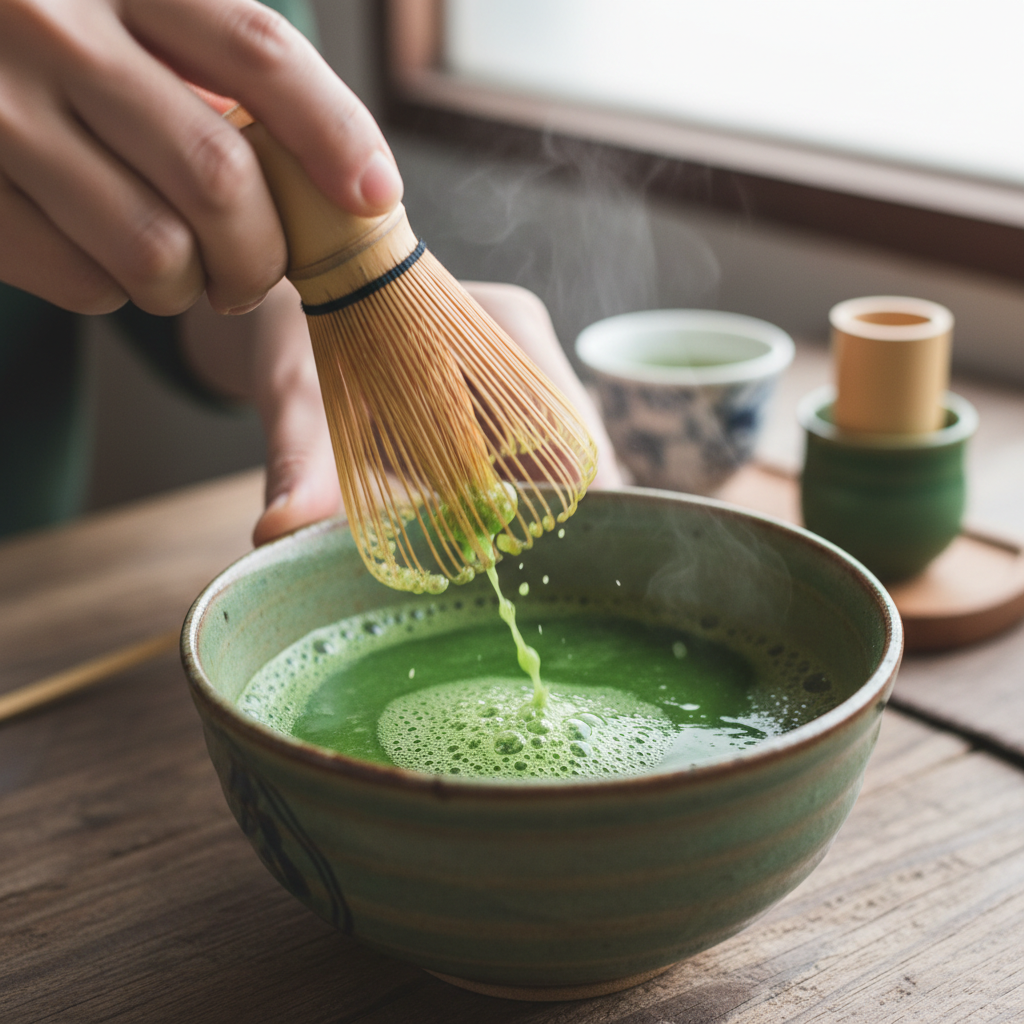
In a market flooded with green powders, understanding the markers of quality ensures you are getting a pure, safe, and flavorful product. Since you consume the leaf whole, the purity of the cultivation method is paramount.
Why does “Organic” matter for matcha?
Since you are consuming the entire leaf, any pesticides used in farming are ingested directly. This is critical: sourcing EU and USDA Organic certified matcha ensures purity and safety, giving you peace of mind that no harmful chemicals are in your cup.
- Safety: No pesticide residue.
- Purity: Non-GMO cultivation.
- Sustainability: Better for soil health.
How do you identify quality visually?
You can assess the quality of matcha before you even taste it by looking at its physical properties. Check this out: high-quality powder should be vibrant electric green and feel silky like eyeshadow, while low quality is dull and gritty.
- Color: Electric/Jade Green.
- Smell: Fresh, grassy, sweet.
- Feel: Ultra-fine, talc-like.
Key Takeaway
Indicator | High Quality | Low Quality | |
|---|---|---|---|
Texture | Talc-like, fine | Gritty, coarse | |
Scent | Fresh, vegetal | Stale, fishy | |
Origin | Certified Organic | Unknown/Uncertified |
Analysis: In a B2B context, the consistency and safety certification of the supply chain are just as important as the flavor profile of the product.
10. What Common Mistakes Should You Avoid?
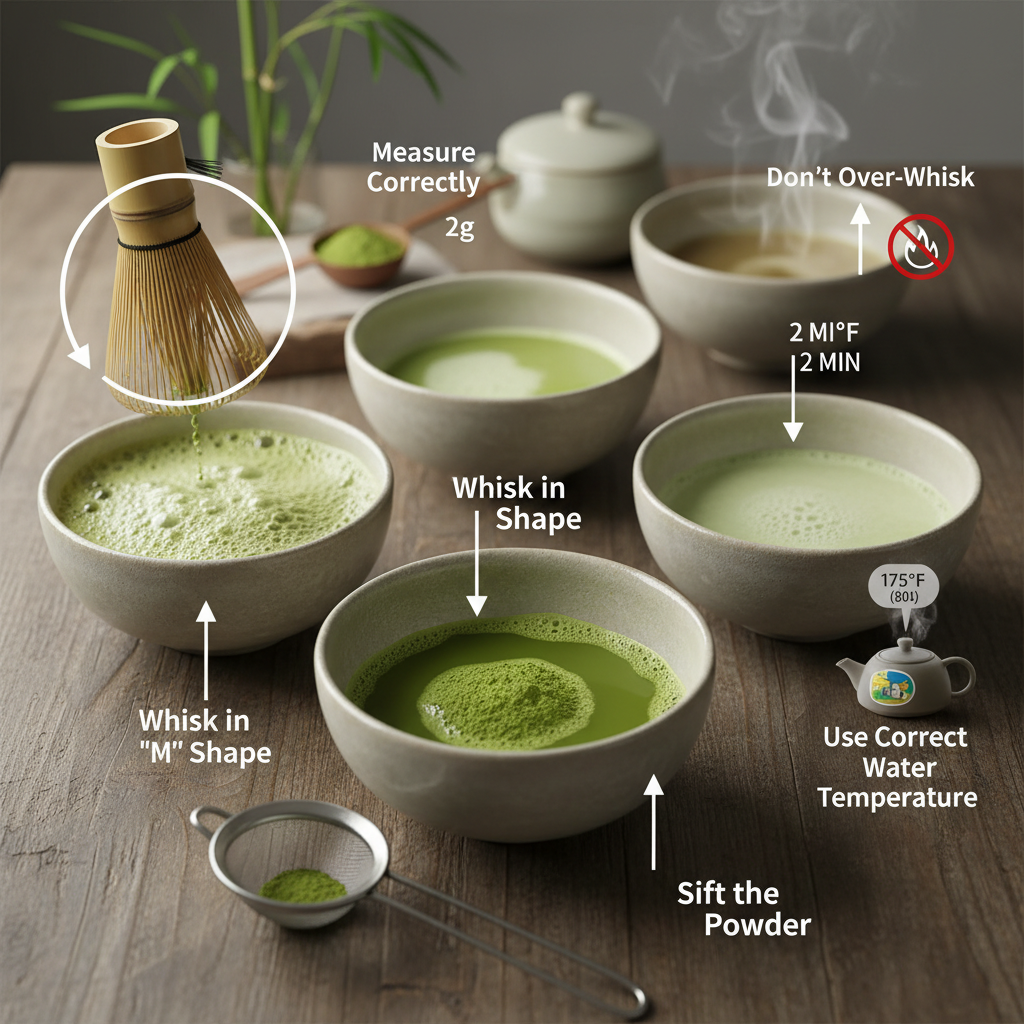
Even with the best tea leaves, a few simple errors in preparation can ruin the final cup. Being aware of these common pitfalls allows you to troubleshoot your technique and consistently produce a superior beverage.
What equipment mistakes ruin the drink?
Using the wrong vessel or tool is a frequent point of failure for beginners. Here is the issue: using a bowl that is too small prevents proper whisking, while using a cold bowl saps the heat from the water instantly.
- Bowl: Must be wide enough for whisk.
- Whisk: Must be bamboo, not metal.
- Temp: Pre-heat the bowl with hot water.
What are the top preparation errors?
Rushing the process or guessing measurements leads to inconsistency. Don’t forget, using too much water makes the tea thin and weak, while failing to sift results in unappealing lumps of dry powder in your mouth.
- Ratio: Stick to 2g tea : 60ml water.
- Sifting: Never skip this step.
- Mixing: Whisk, don’t stir.
Key Takeaway
Mistake | Consequence | Fix | |
|---|---|---|---|
No Sifting | Clumpy texture | Use a mesh sieve | |
Boiling Water | Bitter taste | Cool to 80°C/176°F | |
Metal Spoon | Poor suspension | Use bamboo whisk |
Analysis: Identifying and eliminating these friction points empowers the user to consume the product confidently, increasing the likelihood of daily habit formation.
Conclusion
Matcha is more than a fleeting wellness trend; it is a functional superfood that rewards precision, patience, and quality. Whether you are a business owner sourcing Top Matcha for your menu or a home enthusiast seeking clarity, the key to success lies in respecting the grade, the tools, and the temperature.
By solving the common problems of bitterness and clumping through proper technique, you unlock a world of sustained energy and exquisite flavor. Ready to elevate your tea experience with consistent, premium quality? Contact us today to explore our range of organic matcha solutions designed to bring your visionary brand to life.
FAQ
Q1: Can I use a metal spoon instead of a whisk?No, you really shouldn’t. A metal spoon pushes the powder around rather than aerating it, leaving you with floating clumps and a watery texture.
Q2: Why is my matcha bitter?It is likely due to water temperature. If you used boiling water (100°C), you scorched the tea; alternatively, your powder-to-water ratio might be too high.
Q3: Is it safe to drink matcha every day?Yes, absolutely. For most people, 1-2 cups a day is a healthy habit providing high antioxidants, though it is best to avoid it late at night due to caffeine.
Q4: Does matcha contain sugar?Pure matcha has zero added sugar. The “sweetness” described in high-grade matcha is a natural flavor note from the L-theanine amino acid, not an additive.
Q5: What is the difference between Koicha and Usucha?It comes down to thickness. Usucha is “thin tea” (standard frothy prep), while Koicha is “thick tea” (paste-like consistency) used in ceremonies requiring the highest grade.