To start your own private label matcha business, you must secure a reliable organic supplier, design distinctive brand packaging, and establish a robust digital distribution channel. You might be observing the explosive growth of the wellness industry and feeling the urge to capitalize on high-demand superfoods. However, navigating the complexities of international sourcing, quality certifications, and market positioning often leaves aspiring entrepreneurs paralyzed by indecision. By following a structured roadmap that prioritizes premium sourcing and strategic branding, you can successfully launch Your Own Private Label Matcha Business and secure a profitable foothold in the global tea market. Can You Launch Your Own Private Label Matcha Business Today?
You can absolutely launch Your Own Private Label Matcha Business today because the barriers to entry have been significantly lowered by professional manufacturing partners and global e-commerce platforms. The current market environment favors agile brands that can communicate a unique story while delivering high-quality, shade-grown tea. Starting this venture requires a clear understanding of the Japanese cultural heritage associated with the tea while leveraging modern supply chains. Is the Market Ready for New Matcha Brands?
The global appetite for antioxidant-rich beverages is at an all-time high, creating a perfect window for your entry. Consumers are increasingly moving away from synthetic energy drinks in favor of natural alternatives that provide sustained focus.
- Millennials and Gen Z are driving a 10% annual growth rate in the premium tea sector.
- Health-conscious buyers prioritize transparency and organic certifications above all else.
- Social media platforms offer a low-cost environment for highly visual brand storytelling.
But wait, there’s more: the versatility of the product allows you to target diverse niches from fitness enthusiasts to culinary professionals.
What Makes Matcha a Sustainable Business Choice?
Building a brand around a product with a shelf life of up to a year reduces the pressure of immediate inventory turnover. This stability allows you to scale at a pace that matches your capital availability and marketing reach.
Key Takeaway: The intersection of health trends and digital accessibility makes this the ideal moment to establish your presence in the superfood industry.
| | |
|---|
| | Identify specific consumer niche |
| | Partner with a certified manufacturer |
| | Select an e-commerce platform |
Analyzing these market factors reveals that timing and consumer sentiment are currently aligned for maximum ROI in the tea sector.
Why Target Your Own Private Label Matcha Business Market Now?
You should target Your Own Private Label Matcha Business market now because the shift toward functional nutrition has transformed matcha from a niche ceremonial drink into a mainstream lifestyle staple. Data indicates that the functional beverage market is expanding rapidly as people seek out “clean label” products with proven physiological benefits. Entering the space now allows you to build brand equity before the market reaches full saturation in Western territories.
Are Consumers Moving Toward Specialty Teas?
Modern shoppers are no longer satisfied with generic tea bags found in traditional grocery aisles. They are actively seeking specialty experiences, such as the vibrant emerald color and umami flavor profile unique to high-grade powders.
- Specialty tea consumption has outpaced traditional black tea growth for five consecutive years.
- Buyers are willing to pay a 40-60% premium for products with verified health claims.
- The “ritual” aspect of tea preparation offers a mental health benefit that consumers value.
The shift toward mindful consumption means your brand can position itself as a tool for daily wellness and meditation.
How Does Social Media Drive Growth?
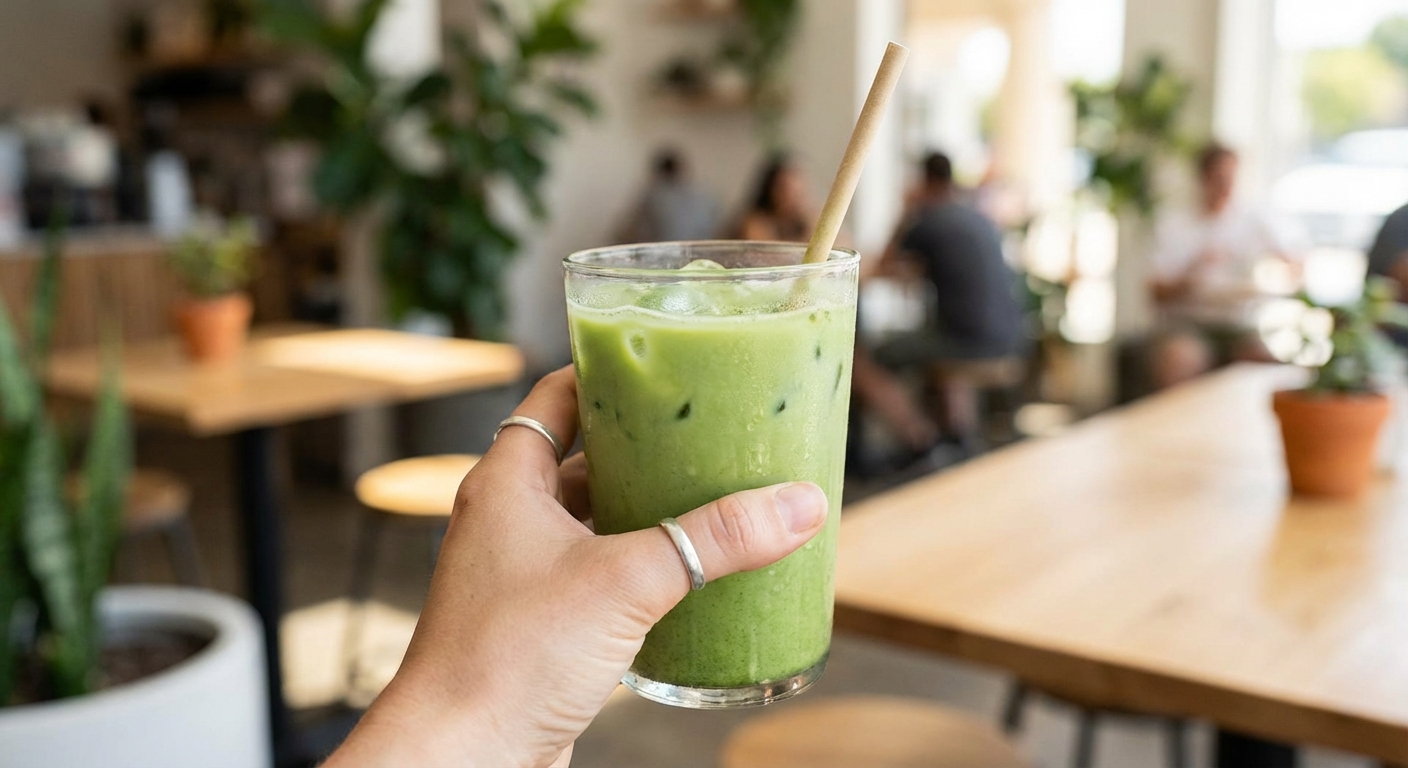
The aesthetic nature of the product makes it inherently “viral,” as the deep green hues perform exceptionally well on visual-centric platforms. This organic reach significantly reduces the customer acquisition cost for new entrants in the market.
Key Takeaway: Capitalizing on the current cultural obsession with “biohacking” and clean energy will give your brand an immediate competitive edge.
| | |
|---|
| | High-margin health positioning |
| | Influencer marketing potential |
| | Educational content strategy |
Market data confirms that early adopters in the functional tea space are seeing the highest rates of customer loyalty.
How Do You Source Quality for Your Own Private Label Matcha Business?
You source quality for Your Own Private Label Matcha Business by vetting suppliers who offer shade-grown, stone-ground leaves with EU and USDA organic certifications. Quality control is the single most important factor that will determine your brand’s reputation and long-term viability in a competitive landscape. While Japan remains the traditional heart of production, China has become the world’s largest producer, offering high-quality organic options that balance cost and excellence. What Are the Different Grades of Powder?
Understanding the distinction between grades is essential for ensuring you provide the right product for your target audience’s specific needs. Your sourcing strategy must align with whether you are targeting the beverage, culinary, or retail markets.
- Ceremonial Grade: High L-theanine content, delicate flavor, and intended for drinking with water.
- Premium Grade: Balanced flavor profile, suitable for lattes and daily health shots.
- Culinary Grade: Stronger, more astringent profile designed to hold up against heat in baking.
Choosing the wrong grade for your intended application can lead to negative customer reviews and brand damage.
Why Is Organic Certification Non-Negotiable?
In the B2B world, having USDA or EU organic stamps on your packaging acts as a shorthand for trust and safety. Consumers in the premium segment are often highly skeptical of products lacking third-party verification of their “clean” status.
Key Takeaway: Superior sourcing from certified farms in major production regions ensures your product meets the rigorous safety and flavor standards of global buyers.
| | |
|---|
| | Vibrant green, no bitterness |
| | Versatile flavor, cost-effective |
| | Bold flavor, heat resistant |
The strategic selection of grades allows you to capture multiple price points within a single brand ecosystem.
Can You Design Your Own Private Label Matcha Business Brand?
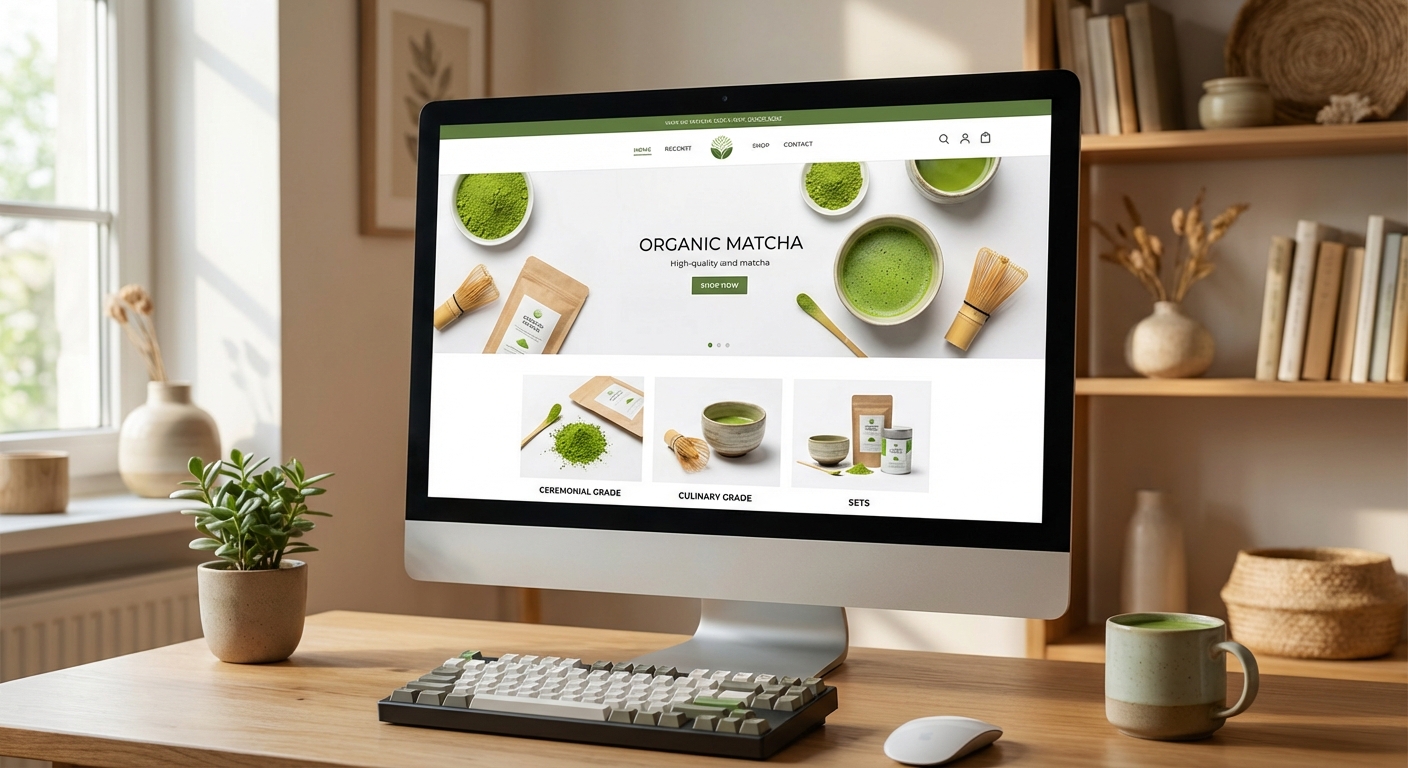
You can design Your Own Private Label Matcha Business brand by creating a visual identity that balances the product’s ancient heritage with a modern, minimalist aesthetic. Your brand is more than just a logo; it is the emotional connection you build with your customers through storytelling and design. Effective branding helps you stand out in a crowded market where many products look identical at first glance.
Which Packaging Formats Perform Best?
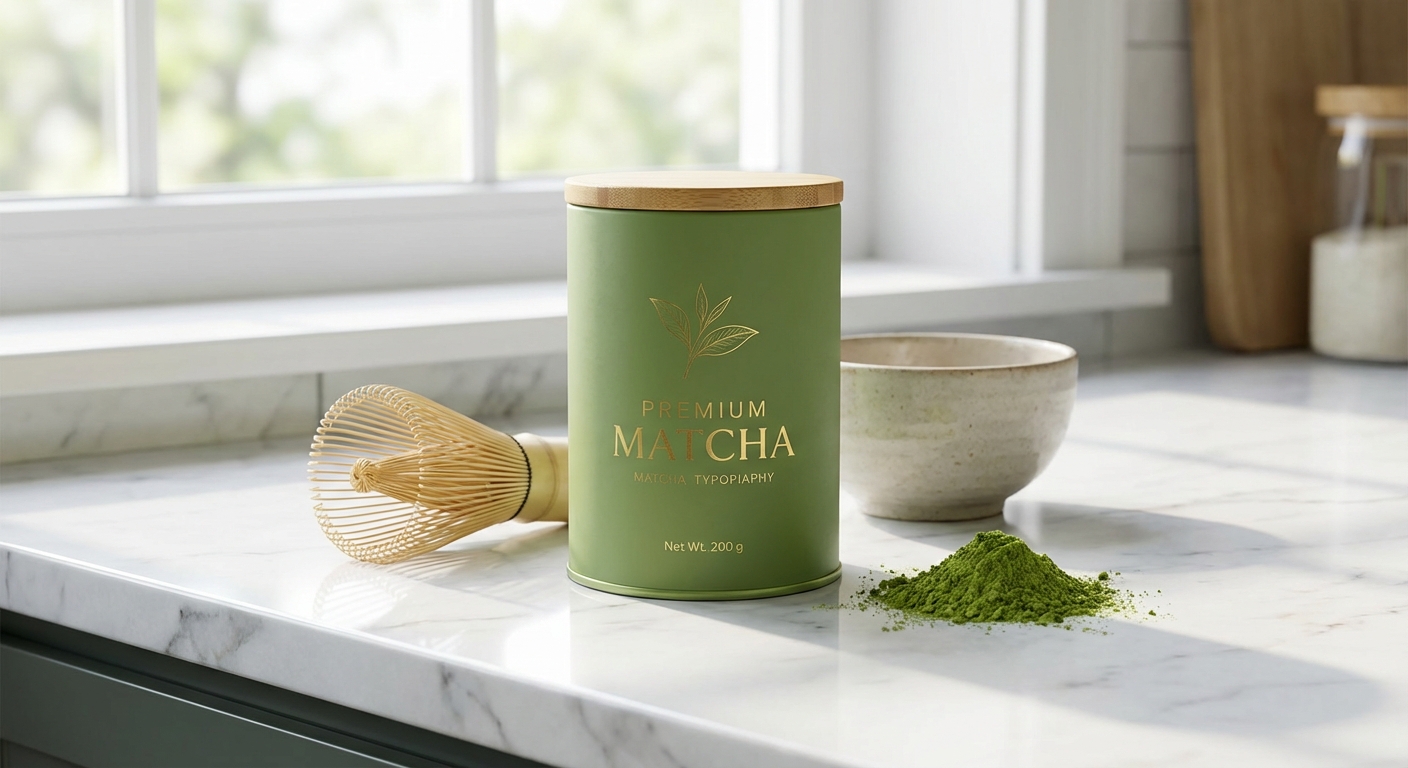
The choice of packaging significantly impacts the freshness of the tea and the perceived value of your brand in the eyes of the consumer. Since the powder is highly sensitive to light and oxygen, your design must prioritize functional preservation alongside beauty.
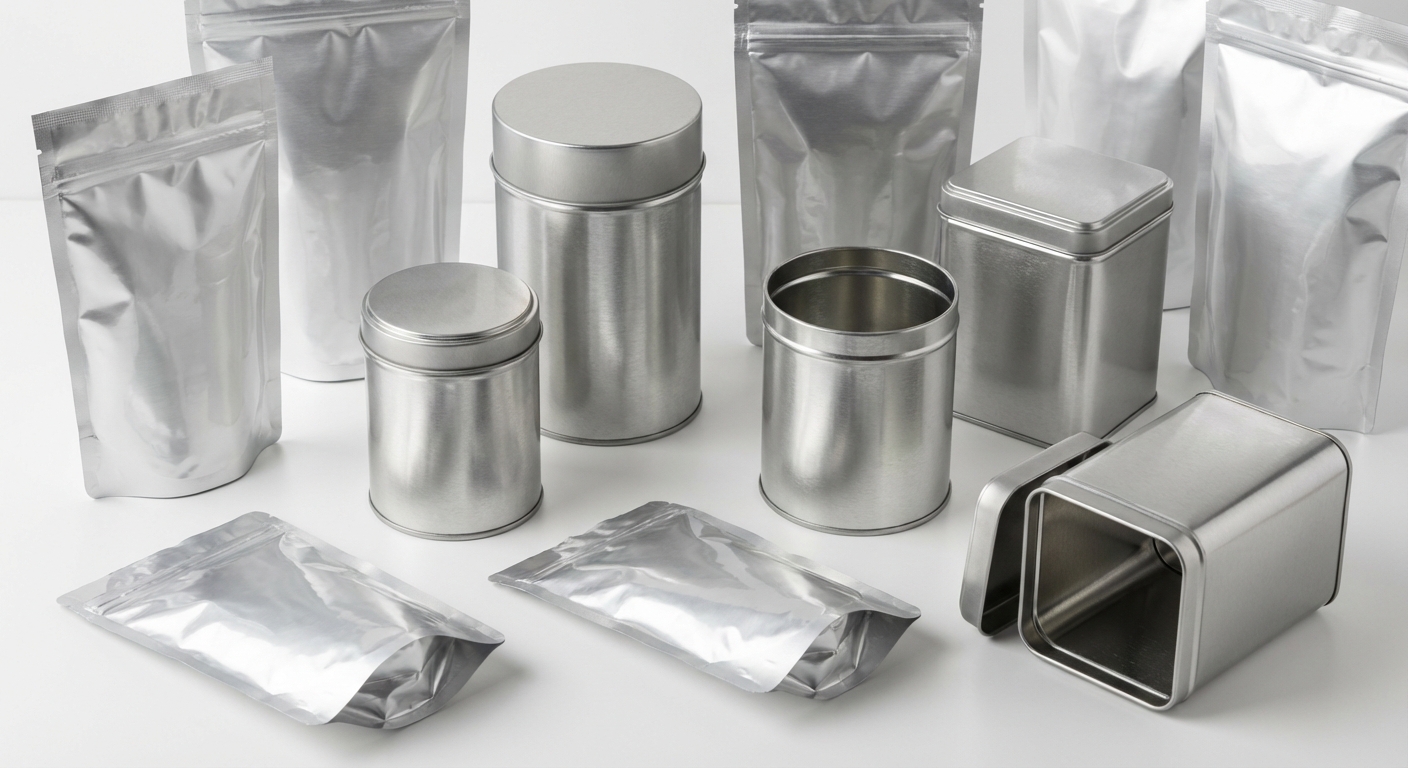
- Tins: Offer a premium feel and the best protection against light and air.
- Pouches: Cost-effective for shipping and popular for bulk or culinary use.
- Sticks: Highly convenient for on-the-go consumers who value portion control.
Make sure you choose a format that aligns with your target customer’s lifestyle, whether they are home-based or frequent travelers.
How Do You Build a Compelling Story?
Your narrative should focus on the journey of the leaf from the farm to the cup, emphasizing sustainability and health. Consumers are more likely to stay loyal to a brand that shares their values regarding ethical sourcing and environmental stewardship.
Key Takeaway: High-end packaging and a resonant brand story allow you to justify premium pricing and foster deep customer trust.
Investing in high-quality visual assets early ensures that your brand looks professional across all digital and physical touchpoints.
How Do You Set Up Your Own Private Label Matcha Business Legally?
You set up Your Own Private Label Matcha Business legally by registering a business entity and ensuring all product labels comply with regional food safety and health claim regulations. Navigating the legal landscape is critical to preventing costly fines or product recalls that could derail your startup. You must work closely with your manufacturer to ensure that all certifications, such as HACCP or ISO, are up to date and verifiable. What Are the Essential Legal Steps?
Building a solid legal foundation requires attention to detail regarding both your business structure and your product’s specific dietary labels. Failure to adhere to FDA or EFSA guidelines can result in your inventory being seized at customs.
- Entity Formation: Choose an LLC or Corporation to protect your personal assets from business liabilities.
- Label Compliance: Ensure your packaging includes net weight, ingredients, and nutrition facts in the required format.
- Trademarking: Secure your brand name and logo early to prevent competitors from infringing on your intellectual property.
Don’t forget: health claims like “boosts metabolism” must be carefully phrased to avoid violating medical advertising laws.
How Do You Manage Logistics and Imports?
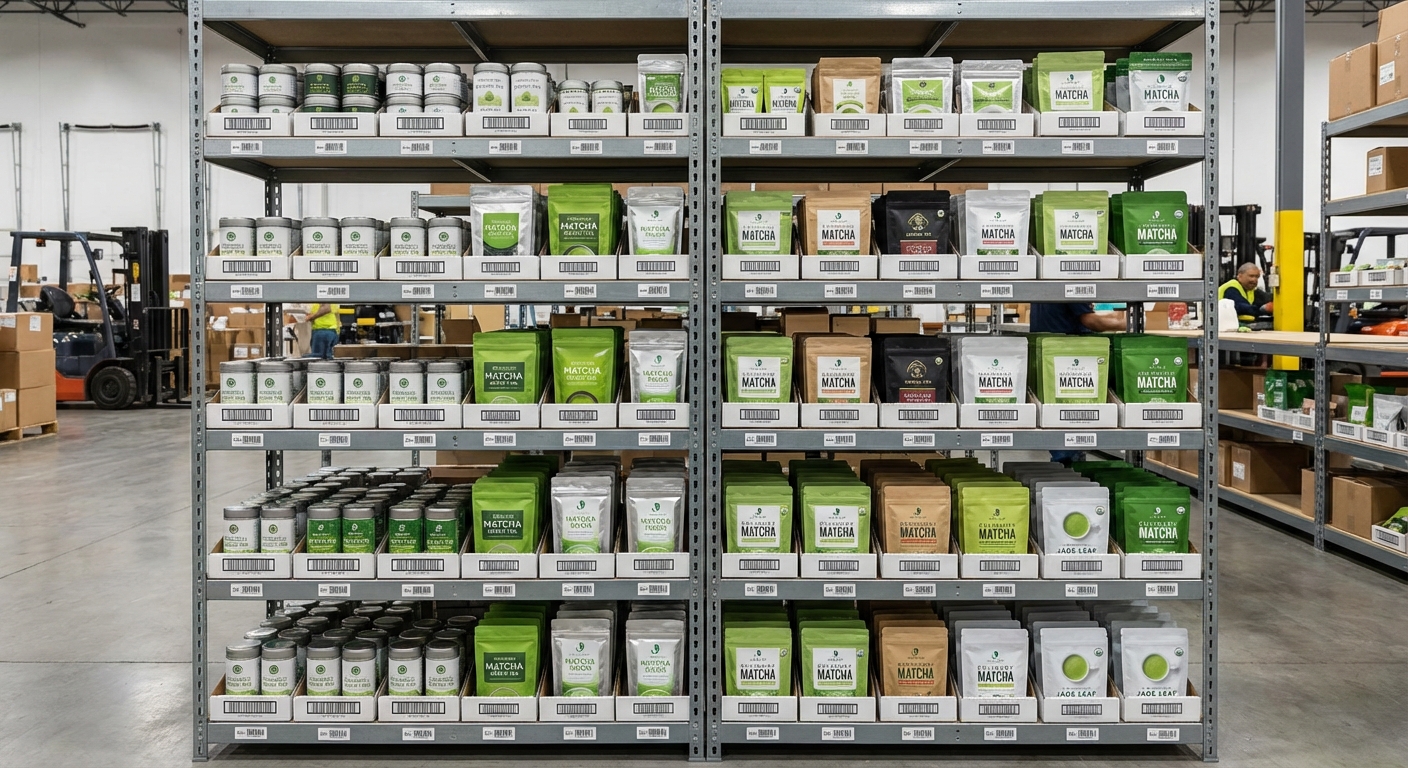
Managing the supply chain involves coordinating international shipping, customs brokerage, and domestic warehousing. Partnering with a supplier that has experience exporting to your specific region can simplify the complex process of getting goods through customs.
Key Takeaway: Proper legal documentation and a compliant supply chain protect your investment and ensure smooth operations across international borders.
| | |
|---|
| | Mandatory for every batch |
| | Required for plant imports |
| | Essential for premium labels |
Maintaining a rigorous documentation trail is the best defense against regulatory hurdles in the global food trade.
Why Customize Your Own Private Label Matcha Business Product Line?
You customize Your Own Private Label Matcha Business product line because differentiation through unique flavors or functional blends allows you to escape the “commodity trap” of price competition. While pure powder is the foundation, offering specialized variations can help you capture specific lifestyle niches that other brands ignore. Customization shows your customers that you understand their unique tastes and health goals beyond the basic tea experience.
Can You Create Unique Flavor Profiles?
Infusing your powder with natural flavors can broaden its appeal to consumers who find the traditional earthy taste of green tea too intense. This strategy is particularly effective for the latte and smoothie market, where flavor variety drives repeat purchases.
- Fruit Infusions: Strawberry or mango-flavored powders are highly popular in the summer beverage market.
- Superfood Blends: Mixing with lion’s mane or collagen targets the high-growth “beauty from within” sector.
- Sugar-Free Options: Creating pre-mixed lattes using monk fruit or stevia appeals to the keto and diabetic communities.
By offering something that isn’t available from generic wholesalers, you give consumers a reason to choose your brand specifically.
Why Offer Specialized Accessories?
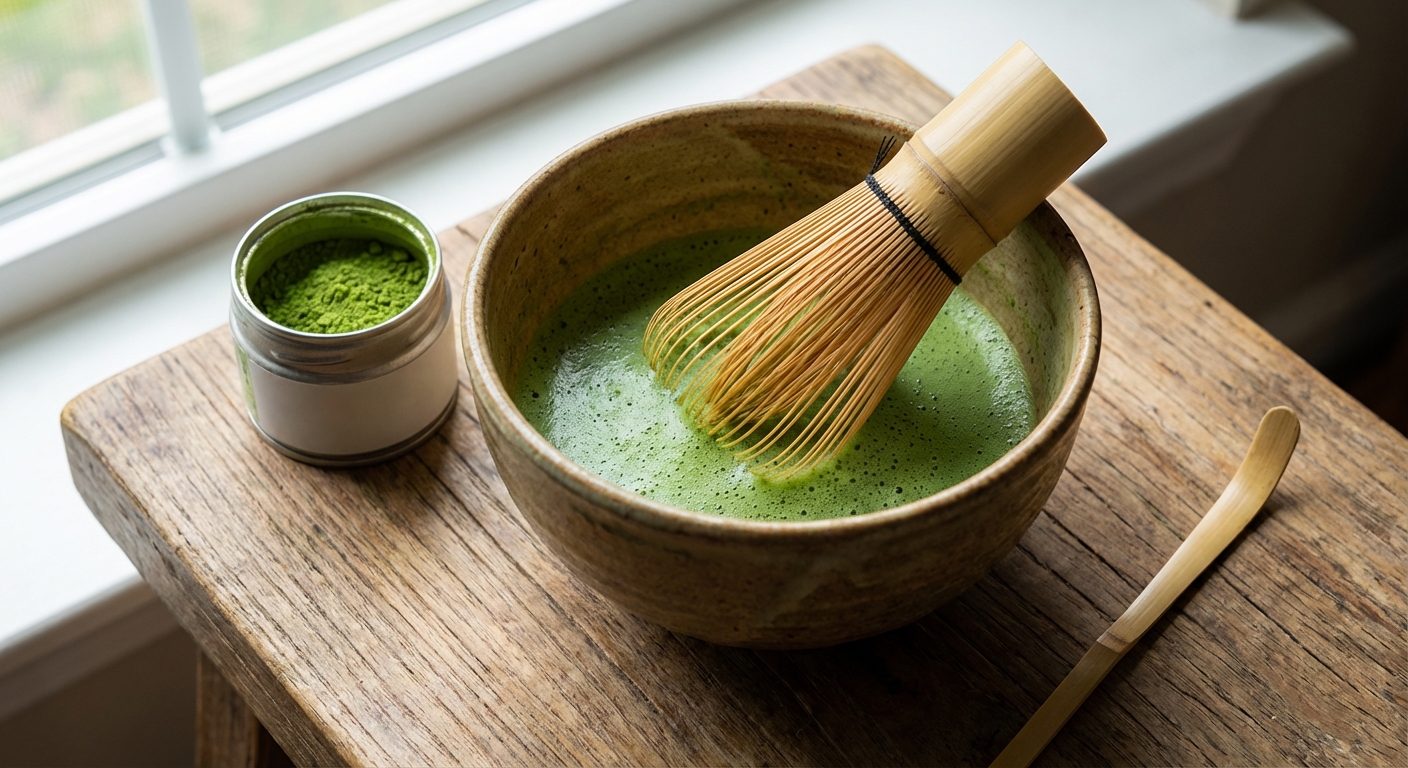
Selling whisks, bowls, and scoops alongside your tea creates a “one-stop shop” experience that increases your average order value. It also positions your brand as a comprehensive authority on the authentic tea preparation ritual.
Key Takeaway: Innovative product customization and accessory bundles create a moat around your brand, making it difficult for competitors to copy your offerings.
| | |
|---|
| | Familiar flavor, easy prep |
| | Cognitive boost via adaptogens |
| | Complete ritual in one box |
Developing a diverse product roadmap ensures your business can adapt to changing consumer preferences over time.
How Should You Market Your Own Private Label Matcha Business?
You should market Your Own Private Label Matcha Business by combining high-quality visual content on social media with educational SEO strategies that highlight the tea’s unique health benefits. In the digital age, your ability to reach potential customers depends on appearing in search results when they look for wellness solutions. A multi-channel approach ensures that you are capturing interest across different stages of the customer’s buying journey. How Do You Master SEO for Tea?
Search engine optimization is the key to driving consistent, high-intent traffic to your website without relying solely on expensive paid advertisements. By creating content around topics like “the benefits of L-theanine” or “how to make a matcha latte,” you build authority in the niche.
- Target “long-tail” keywords that indicate a specific intent to buy or learn.
- Use high-quality images with descriptive alt-text to rank in visual search results.
- Build backlinks from health and wellness blogs to increase your domain’s credibility.
Remember, the more helpful your content is, the more likely search engines are to reward you with top rankings.
Why Is Influencer Marketing So Effective?
Collaborating with fitness and wellness influencers allows you to borrow the trust they have already built with their dedicated audiences. Seeing a trusted creator incorporate your tea into their morning routine is more persuasive than any traditional advertisement.
Key Takeaway: A balanced marketing mix of educational SEO and authentic social proof is the most sustainable way to grow a modern B2B or B2C brand.
Strategic marketing turns a simple product into a desirable lifestyle brand that commands long-term customer loyalty.
Can You Pick Sales Channels for Your Own Private Label Matcha Business?
You can pick sales channels for Your Own Private Label Matcha Business by analyzing where your target demographic spends their time and money. While a direct-to-consumer (DTC) website offers the highest margins, leveraging established marketplaces like Amazon can provide immediate access to a massive global audience. A diversified distribution strategy prevents your business from being overly dependent on any single platform’s algorithm or policy changes.
Is Amazon Right for Your Startup?
Marketplaces offer a turnkey solution for logistics through programs like FBA (Fulfillment by Amazon), which can handle your storage and shipping needs. This allows you to focus on marketing and brand building while the platform manages the heavy lifting of delivery.
- Amazon has a built-in audience of millions of active health supplement buyers.
- Verified reviews on the platform act as powerful social proof for new customers.
- Advertising on these platforms can be highly targeted based on actual purchase history.
However, be mindful that these platforms take a significant percentage of your revenue in fees.
Why Build Your Own Website?
Your own e-commerce store is the only place where you have full control over the customer experience and own all the customer data. This data is invaluable for running retargeting campaigns and building long-term email marketing lists.
Key Takeaway: Using a hybrid approach of your own website and major marketplaces balances high-margin sales with maximum market reach.
Choosing the right mix of sales channels is a strategic balancing act between profitability and rapid growth.
How Do You Scale Your Own Private Label Matcha Business Globally?
You scale Your Own Private Label Matcha Business globally by expanding into international markets and diversifying your product line to include bulk B2B supply for cafes and bakeries. Growth requires moving beyond individual consumer sales and tapping into the massive demand for green tea ingredients in the food manufacturing sector. Scaling also involves optimizing your operations to handle higher volumes while maintaining the strict quality standards your brand was built on. When Is the Right Time to Expand Internationally?
Expansion should only occur once you have a stable domestic operation and a reliable logistics partner that can handle international shipping and tax regulations. You must also consider whether your branding needs to be localized for different cultural contexts.
- Look for markets with high health consciousness, such as Northern Europe or Australia.
- Ensure your supplier can provide the necessary export certificates for new regions.
- Consider setting up regional fulfillment centers to reduce shipping times for global customers.
International scaling can exponentially increase your revenue if executed with careful planning and cultural sensitivity.
How Does B2B Wholesale Drive Massive Growth?
Supplying local cafes, restaurants, and bakeries provides consistent, high-volume recurring revenue that is more stable than individual retail sales. These B2B partnerships also act as a form of marketing, as customers see your brand name used in their favorite local establishments.
Key Takeaway: Scaling from a small retail brand to a global ingredient supplier is the ultimate path to long-term sustainability and market leadership.
| | |
|---|
| | |
| | |
| | International Logistics Partner |
Systematic scaling ensures that your business growth is supported by a robust infrastructure that can withstand increased demand.
Why Choose Expertise for Your Own Private Label Matcha Business?
You choose expertise for Your Own Private Label Matcha Business because working with an experienced manufacturing partner minimizes the risks associated with product quality, regulatory compliance, and supply chain disruptions. In a market as sensitive as organic tea, having a partner who understands the intricacies of shade-growing and stone-grinding is invaluable. Their industry knowledge allows you to focus on your core strengths—branding and sales—while they handle the complex production details.
What Should You Look for in a Manufacturing Partner?
A world-class partner should offer more than just a product; they should provide a comprehensive suite of services including custom packaging, blending, and technical support. They must also possess a deep commitment to ethical sourcing and sustainable farming practices.
- Certifications: They should hold valid organic, ISO, and food safety credentials.
- Customization: Look for a provider who can tailor grades and flavors to your specific brand vision.
- Communication: Choose a partner who provides transparent updates on lead times and batch testing.
The right partner acts as an extension of your own team, sharing in your goal of delivering excellence to the end consumer.
How Do Experts Help You Avoid Common Pitfalls?
Experienced suppliers have already solved the problems you are likely to face, from customs delays to packaging failures. Their guidance can save you thousands of dollars in “rookie mistakes” during your first year of operation.
Key Takeaway: Leveraging professional manufacturing expertise is the fastest and most secure way to build a high-quality brand that stands the test of time.
Trusting the experts allows you to build Your Own Private Label Matcha Business on a foundation of proven success and industry-leading standards.
The journey to launch your brand is an opportunity to combine passion for wellness with a profitable business model that serves an ever-growing global audience. By focusing on premium sourcing, compliant logistics, and innovative marketing, you can overcome the common hurdles that stop most entrepreneurs. We have explored every critical step from identifying market trends to scaling for international success. Now is the time to take your vision from a plan on paper to a tangible product in the hands of customers. If you are ready to start this exciting adventure, please contact us today to discuss how we can support your growth with the world’s finest organic powders. Our vision is to empower global brands with the highest quality superfoods, fostering a world where health and tradition are accessible to everyone through excellence in production and partnership. Can I start this business with a small initial investment?Yes, because many suppliers offer flexible minimum order quantities that allow you to test the market before committing to large volumes. By starting with a focused product line and utilizing social media for organic marketing, you can maintain a lean budget during the initial launch phase.
What is the best way to ensure my tea stays fresh during shipping?You should prioritize aluminum tins or high-barrier foil pouches, as these materials provide the necessary protection against oxygen, light, and moisture. Ensuring your packaging is airtight is the most effective way to preserve the delicate color and umami flavor profile that premium buyers expect.
How do I know if a supplier’s organic certification is legitimate?Always request a valid Certificate of Analysis (COA) for every batch and verify their USDA or EU organic status through official third-party databases. Reputable manufacturers will be transparent with their documentation and often have their facilities audited by international testing organizations.
Do I need a physical storefront to sell my products?No, because the majority of specialty tea growth is occurring in the digital space through direct-to-consumer websites and online marketplaces. Operating as an e-commerce brand allows you to reach a global audience while keeping overhead costs significantly lower than traditional retail.
How can I differentiate my brand from existing competitors?You should focus on a specific lifestyle niche or offer unique functional blends that incorporate other high-demand superfoods or natural flavors. Providing superior educational content and a high-quality preparation ritual can also help you build a distinctive brand identity that resonates more deeply with consumers.