
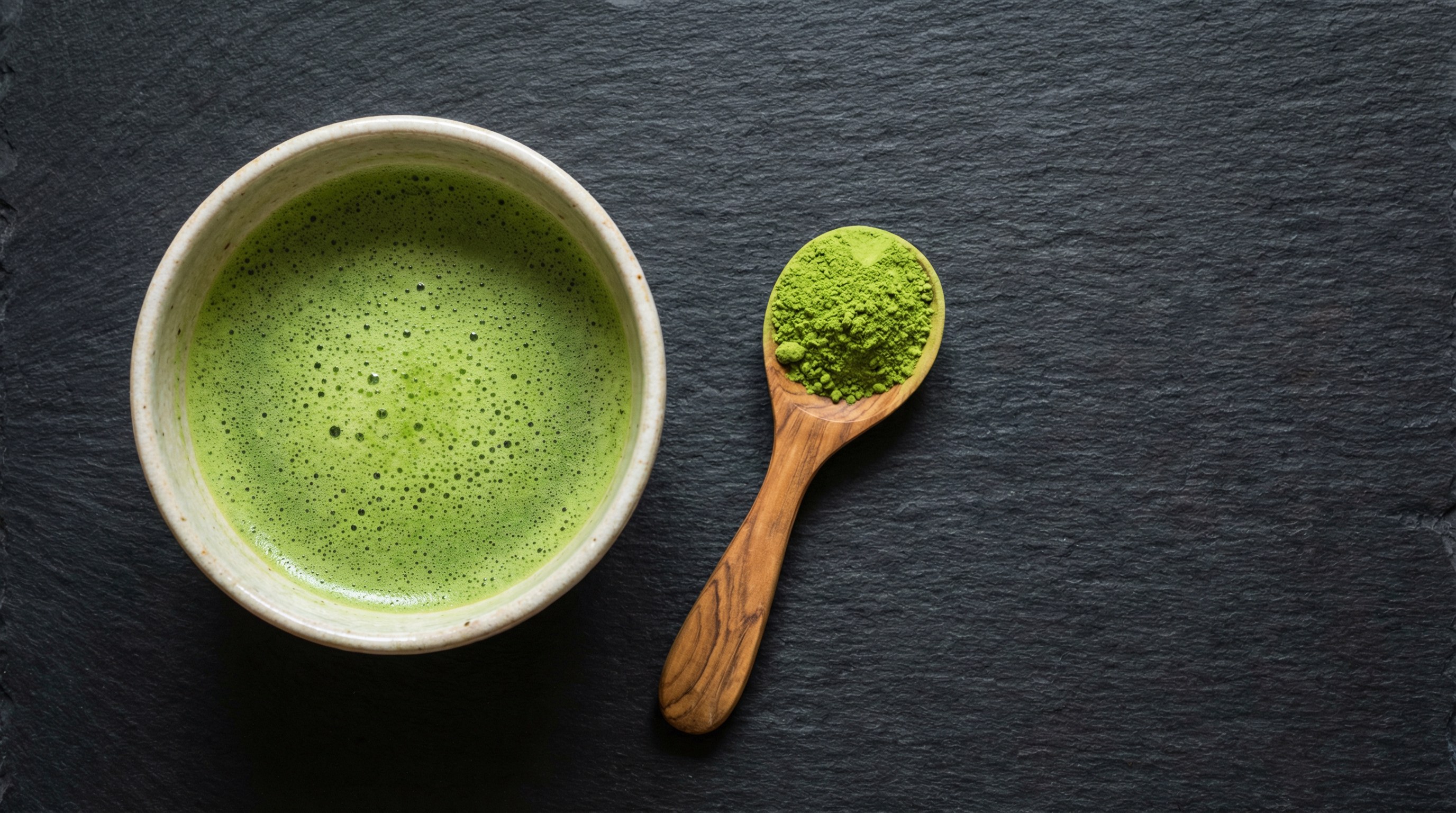
Yes, matcha contains approximately 3 grams of protein per 100 grams of powder, which is a significant amount for a tea-based beverage. Most health enthusiasts focus on whey or plant-based isolates for protein, often overlooking functional teas that contribute to their daily macro goals. You might be drinking matcha for the antioxidants but wondering if does matcha have protein enough to support your recovery.
Relying solely on heavy shakes can lead to bloating and “supplement fatigue,” while many green tea drinks are stripped of their nutritional integrity. This leaves you with caffeine jitters but no actual substance to support muscle repair or satiety. Integrating a high-quality does matcha have protein source like Riching Matcha provides a natural, bioavailable solution.
Is it a complete protein source?
Matcha is considered a complete protein source because it contains all nine essential amino acids that your body cannot produce on its own. While the total volume is lower than a steak, the quality of these building blocks is exceptional for cellular repair.
The best part?
- Contains Histidine and Isoleucine.
- Rich in Leucine for muscle signaling.
- High levels of Phenylalanine and Valine.
The science of whole-leaf consumption
When you drink matcha, you are ingesting the entire Camellia sinensis leaf rather than just the steeped water extract. This method ensures that the protein structures remains intact and accessible to your digestive system.
Think about it:
- 100% of leaf nutrients are consumed.
- Fiber and protein work together for satiety.
- No nutritional waste compared to bagged tea.
How Much Protein Is in a Serving of Matcha?
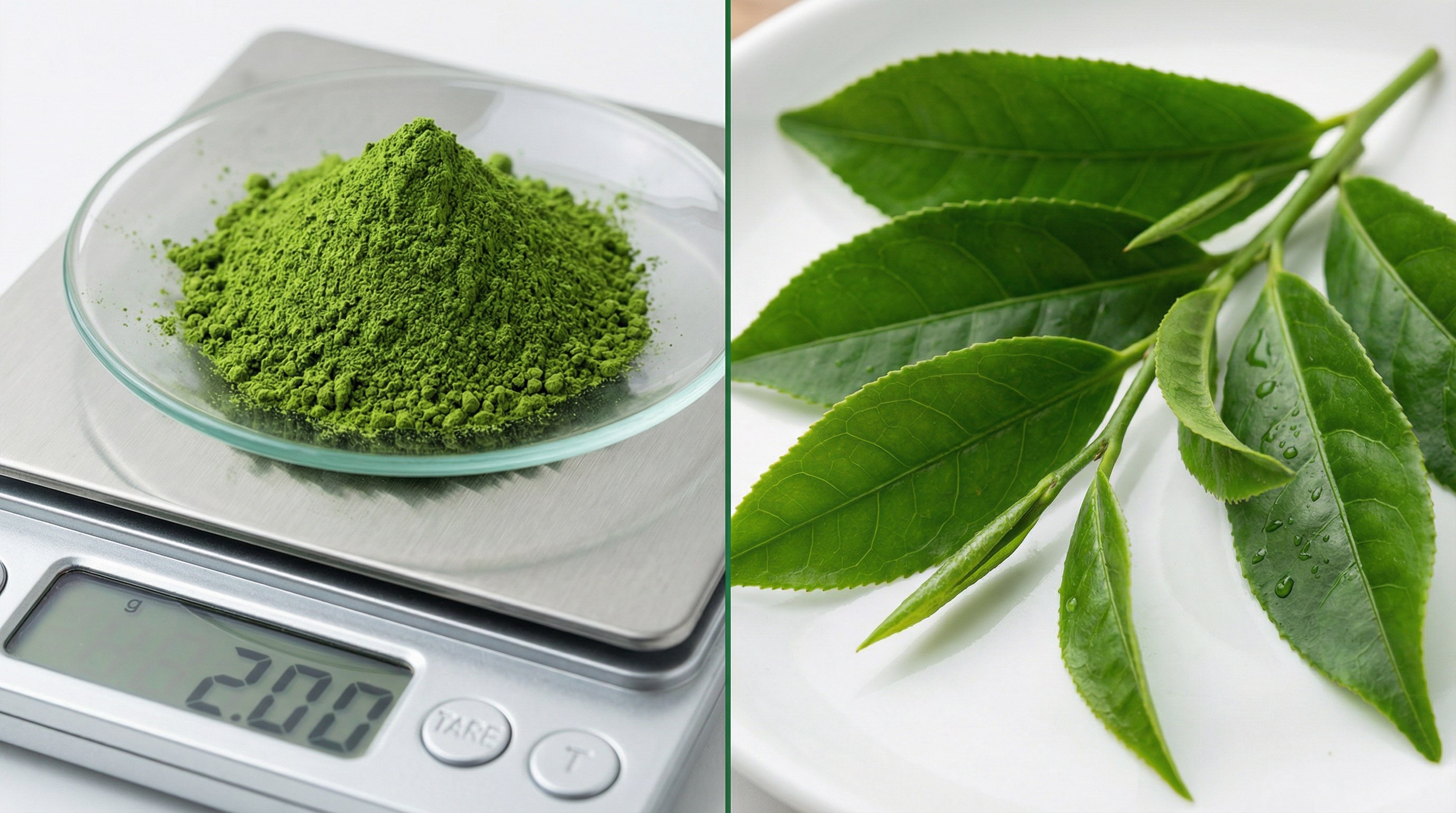
A standard 2-gram serving of matcha provides roughly 0.6g to 0.8g of protein, which is nearly 30% of its dry weight. When calculating your macros, you’ll find that does matcha have protein content sufficient to act as a metabolic catalyst. This small but mighty contribution adds up when consumed multiple times a day as part of a balanced diet.
Many users assume that tea is just flavored water, but the suspension of solids in matcha changes the nutritional math. Every teaspoon you whisk into your bowl brings you closer to your daily intake goals without adding excessive calories.
Measuring protein per teaspoon
One teaspoon of matcha typically weighs around 2 grams and delivers a concentrated dose of amino acids. While this seems small, the density of these nutrients per gram exceeds many common vegetables.
Here is the kicker:
- 0.6g of protein per 2g scoop.
- Zero fat and minimal carbohydrates.
- Highly concentrated nitrogenous compounds.
Key TakeawayMatcha offers a high density of protein relative to its serving size, making it an efficient way to micro-dose amino acids throughout your workday.
Metric | Value per 2g Serving | Value per 100g |
|---|---|---|
Total Protein | 0.6g – 0.8g | 3.1g – 3.5g |
Calories | 6 kcal | 300 kcal |
Amino Acid Ratio | ~25% of weight | ~30% of weight |
The data confirms that matcha is a legitimate macronutrient contributor for those tracking precise intake.
What Is the Amino Acid Profile of Matcha?
The amino acid profile of matcha is dominated by L-theanine, glutamic acid, and aspartic acid, which together form its unique protein signature. Understanding if does matcha have protein quality that matches its quantity requires looking at these specific building blocks. These compounds are responsible for both the “umami” flavor and the steady energy release the tea is famous for.
Because the plants are shaded before harvest, they produce higher levels of nitrogen-rich amino acids than standard green teas. This process essentially “supercharges” the leaf, turning it into a dense reservoir of protein-related nutrients.
The importance of L-Theanine
L-Theanine is a non-protein amino acid that crosses the blood-brain barrier to promote relaxation without drowsiness. It works synergistically with the protein fragments in matcha to provide a “calm alertness” that synthetic supplements cannot replicate.
Believe it or not:
- Reduces the “spike” of caffeine.
- Improves cognitive focus and clarity.
- Supports alpha brain wave production.
Essential vs. non-essential aminos
Matcha provides a balanced spectrum of both essential aminos for muscle growth and non-essential aminos for metabolic health. This dual-action profile makes it a versatile tool for both physical and mental performance optimization.
The real secret?
- Glutamic acid aids gut health.
- Arginine supports healthy blood flow.
- Lysine assists in collagen production.
Key TakeawayThe sophisticated amino acid profile of matcha ensures that the protein you consume is utilized effectively for both brain function and muscle maintenance.
Amino Acid Type | Primary Functions | Prevalence in Matcha |
|---|---|---|
L-Theanine | Stress relief, focus | Very High |
Glutamic Acid | Umami flavor, gut health | High |
BCAAs | Muscle repair, energy | Moderate |
An analysis of these compounds shows that matcha behaves more like a functional supplement than a simple beverage.
How Does Matcha Compare to Other Teas?
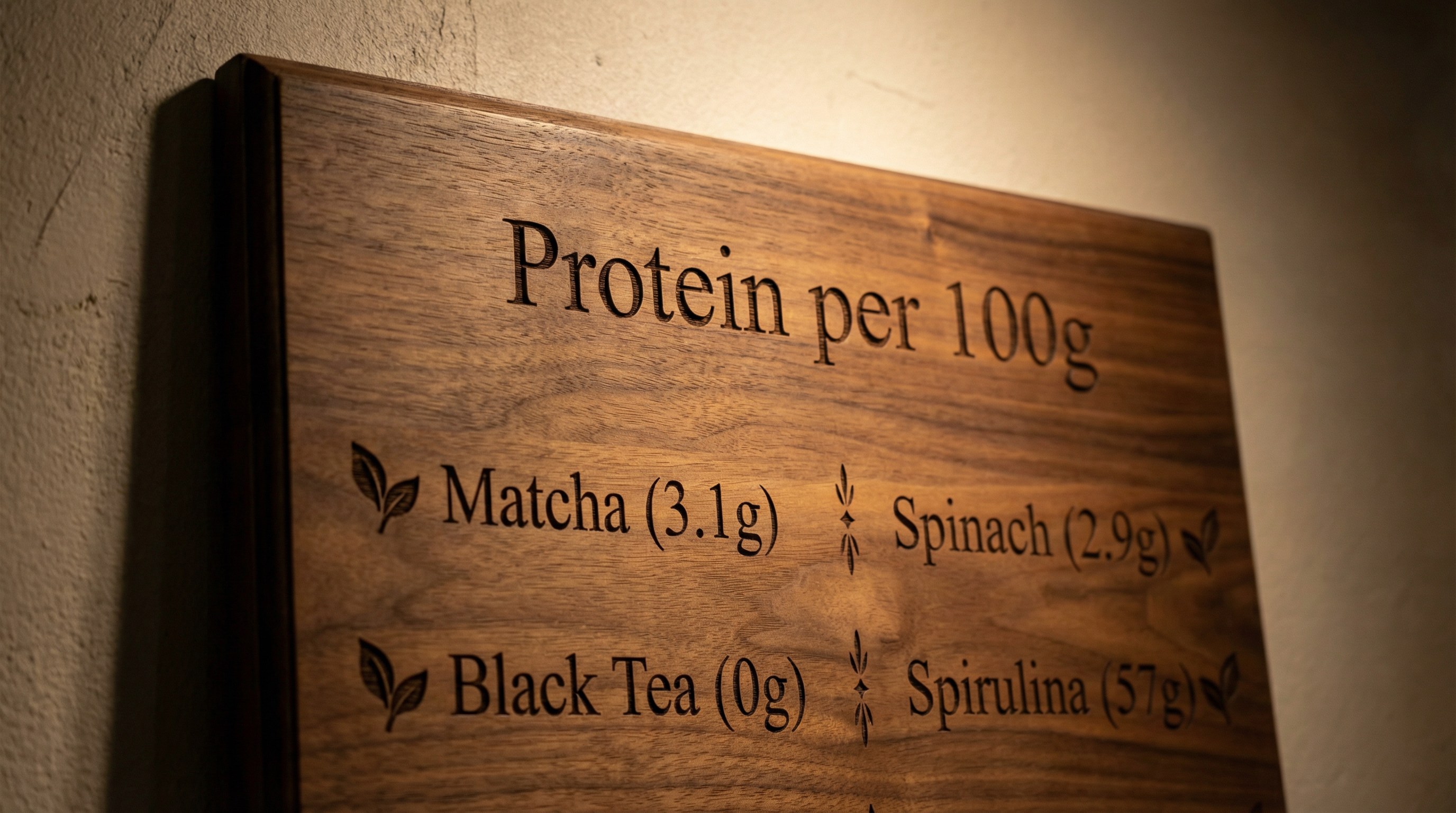
Matcha contains significantly more protein than steeped green or black tea because the whole leaf is consumed rather than just a water extract. Compared to steeped teas, does matcha have protein levels that are up to 10 times higher per cup. This is a crucial distinction for B2B buyers and health professionals looking for the most nutrient-dense ingredients.
While a bag of green tea leaves behind most of its nutrients in the trash, matcha carries every milligram of its protein into your cup. This efficiency is why it has become the gold standard for functional beverage formulations globally.
Matcha vs. Sencha protein levels
Sencha is the most common green tea, but it lacks the shaded growth and grinding process that preserves matcha’s protein density. In a head-to-head comparison, the suspended particles in matcha offer a far superior nutritional profile for active users.
Think about it:
- Matcha: 3g protein / 100g.
- Sencha: <1g protein / 100g.
- Matcha provides 3x the aminos of sencha.
Why coffee has zero protein
Coffee is a bean extract that provides caffeine and antioxidants but virtually no protein or amino acids. If you are choosing between a morning latte and a matcha, the protein content is a deciding factor for long-term satiety.
The best part?
- Matcha satisfies hunger longer.
- No “empty” caffeine stimulation.
- Includes essential minerals and aminos.
Key TakeawayMatcha is the clear winner in the tea category for protein density, offering a whole-food advantage that steeped teas and coffee cannot match.
Beverage Type | Protein per 100g (Dry) | Consumption Method |
|---|---|---|
Matcha | 3.1g | Whole Leaf Powder |
Black Tea | 0.1g | Steeped Extract |
Coffee | 0.1g | Brewed Bean Extract |
Matcha’s unique preparation method is the primary driver behind its superior macronutrient status.
Can Matcha Protein Support Muscle Recovery?
Yes, the combination of amino acids and catechins in matcha makes it an excellent tool for reducing inflammation and supporting muscle recovery. When athletes ask if does matcha have protein sufficient for post-workout needs, the answer lies in the synergy of its nutrients. The protein helps repair micro-tears, while the antioxidants flush out metabolic waste products like lactic acid.
Consuming matcha pre-workout can also provide a steady stream of aminos to prevent muscle catabolism during intense sessions. This “protection” ensures that your body stays in an anabolic state for longer periods throughout the day.
Pre-workout energy and repair
Using matcha as a pre-workout base provides a clean energy boost that won’t leave you crashing mid-session. The small protein dose acts as a buffer for the caffeine, leading to a sustained release of power and focus.
The real secret?
- Prevents muscle protein breakdown.
- Increases fat oxidation during cardio.
- Provides immediate amino availability.
Synergy with catechins
The EGCG (epigallocatechin gallate) in matcha works alongside its protein content to accelerate the healing of tissues. This powerful duo helps you bounce back faster from high-intensity interval training or heavy lifting.
Look at the facts:
- EGCG reduces oxidative stress.
- Amino acids rebuild muscle fibers.
- Combined effect lowers DOMS (soreness).
Key TakeawayMatcha is a functional recovery drink that provides the exact combination of protein and antioxidants needed to optimize the athletic repair cycle.
Recovery Factor | Role of Matcha | Benefit |
|---|---|---|
Muscle Repair | Amino Acid Supply | Faster rebuilding |
Inflammation | Catechins (EGCG) | Reduced soreness |
Endurance | Clean Caffeine | Longer training sessions |
The chemical synergy within the leaf makes matcha a potent, natural alternative to synthetic recovery formulas.
Does the Grade of Matcha Affect Protein?
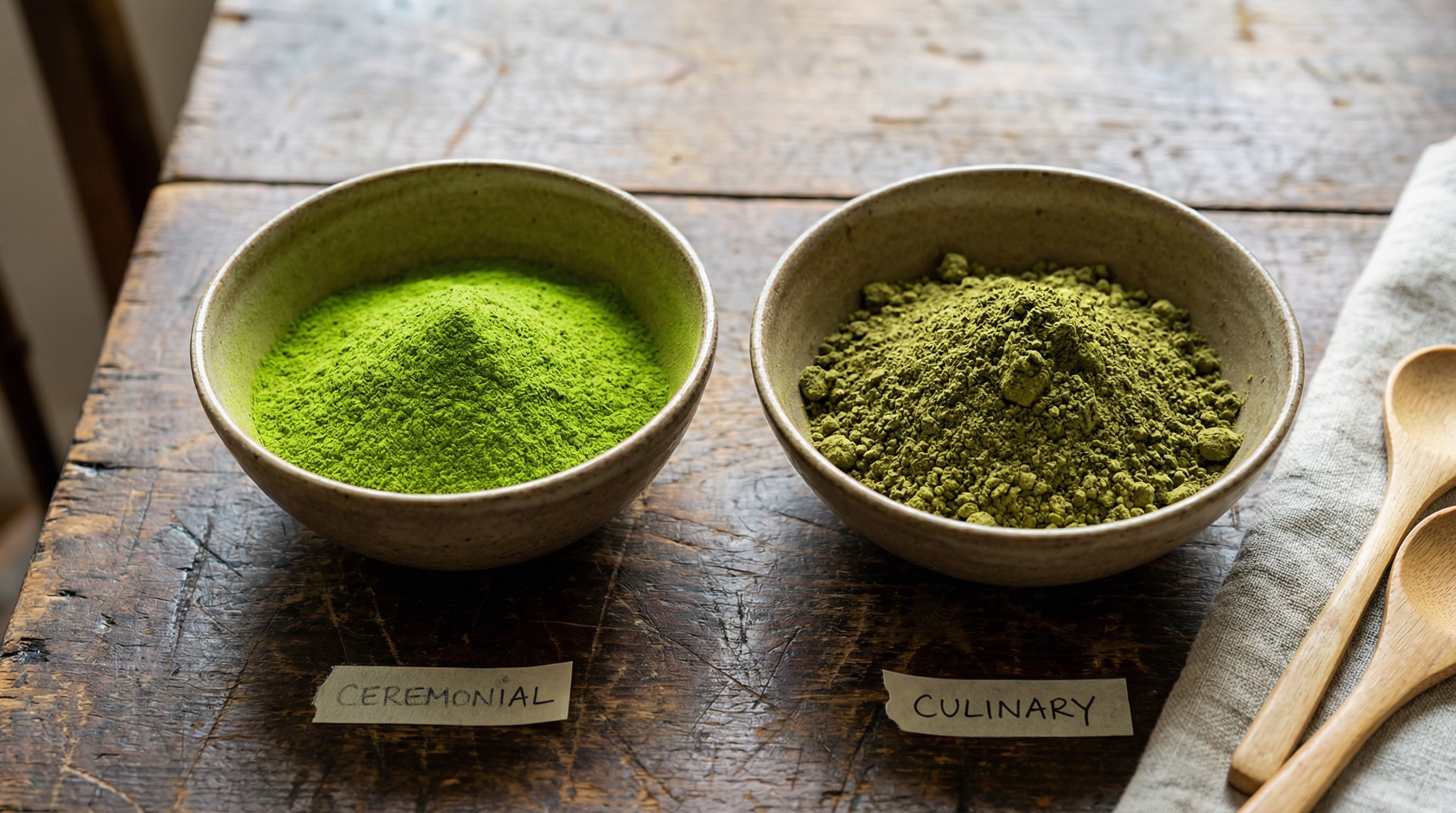
Yes, ceremonial grade matcha typically contains higher levels of protein and amino acids than culinary grade due to the selection of younger, more tender leaves. The quality of the leaf matters; does matcha have protein variance between grades depends heavily on the nitrogen-rich soil used during the shading process. Younger leaves are more nutritionally dense, which is why ceremonial grade has a more vibrant green color.
Culinary grade, while still beneficial, often uses older leaves harvested later in the season. These leaves have spent more time in the sun, converting some of their amino acids into catechins, which results in a slightly lower protein profile.
Ceremonial vs. Culinary protein stats
Ceremonial grade is harvested during the “first flush” in spring, when the plant is most concentrated with nutrients. This grade maximizes the L-theanine and protein content, making it the preferred choice for those drinking it straight.
The best part?
- Higher amino acid concentration.
- Sweeter, umami-rich flavor profile.
- More bioavailable nutrient density.
Does harvest timing matter?
Harvest timing is the single most important factor in determining the final protein content of the tea powder. First-flush leaves are packed with nitrogen from the winter dormancy period, which the plant uses to build new proteins.
Think about it:
- Spring harvest is protein-peak.
- Summer harvest has more tannins.
- Late harvest is best for baking.
Key TakeawayTo maximize your protein intake, choose a first-flush ceremonial grade matcha, which contains the highest concentration of nitrogen-based aminos.
Matcha Grade | Protein Content (Avg) | Best Use Case |
|---|---|---|
Ceremonial | 3.4g / 100g | Daily drinking, health boost |
Culinary | 2.6g / 100g | Baking, large-scale cooking |
Industrial | 1.8g / 100g | Food additives, colorants |
Selecting the right grade ensures you are getting the nutritional value that matches your specific health or business requirements.
Is Matcha Protein Sufficient for Athletes?

While matcha provides high-quality amino acids, it is not sufficient as a standalone primary protein source for athletes requiring 100g+ of protein daily. When evaluating if does matcha have protein enough for serious gains, it is best viewed as a “performance optimizer” rather than a bulk builder. It fills the gaps in your nutrition by providing essential aminos that might be missing from other plant sources.
For athletes, the value of matcha lies in its bioavailability—the ease with which your body can absorb and use the nutrients. Unlike some plant proteins that are hard to digest, matcha’s powdered form makes its protein instantly accessible.
Managing expectations for macro intake
Athletes should use matcha to supplement their existing protein sources like lean meats, legumes, or high-quality shakes. Its role is to enhance metabolic efficiency and provide a “clean” nutrient boost without the heavy caloric load of a meal.
Here is the kicker:
- Ideal for cutting phases (low cal).
- Supports nitrogen balance.
- Enhances metabolic rate (thermogenesis).
Key TakeawayMatcha should be treated as a high-performance additive that improves the quality of your overall protein intake rather than replacing your main meals.
Athlete Type | Role of Matcha | Suggested Use |
|---|---|---|
Bodybuilder | Anti-catabolic agent | Intra-workout sip |
Runner | Clean energy + aminos | Pre-run focus |
Yoga/Pilates | Recovery & focus | Post-session ritual |
Professional athletes leverage matcha for its unique chemical composition that supports both physical endurance and mental fortitude.
How Can You Boost Protein in Your Matcha?
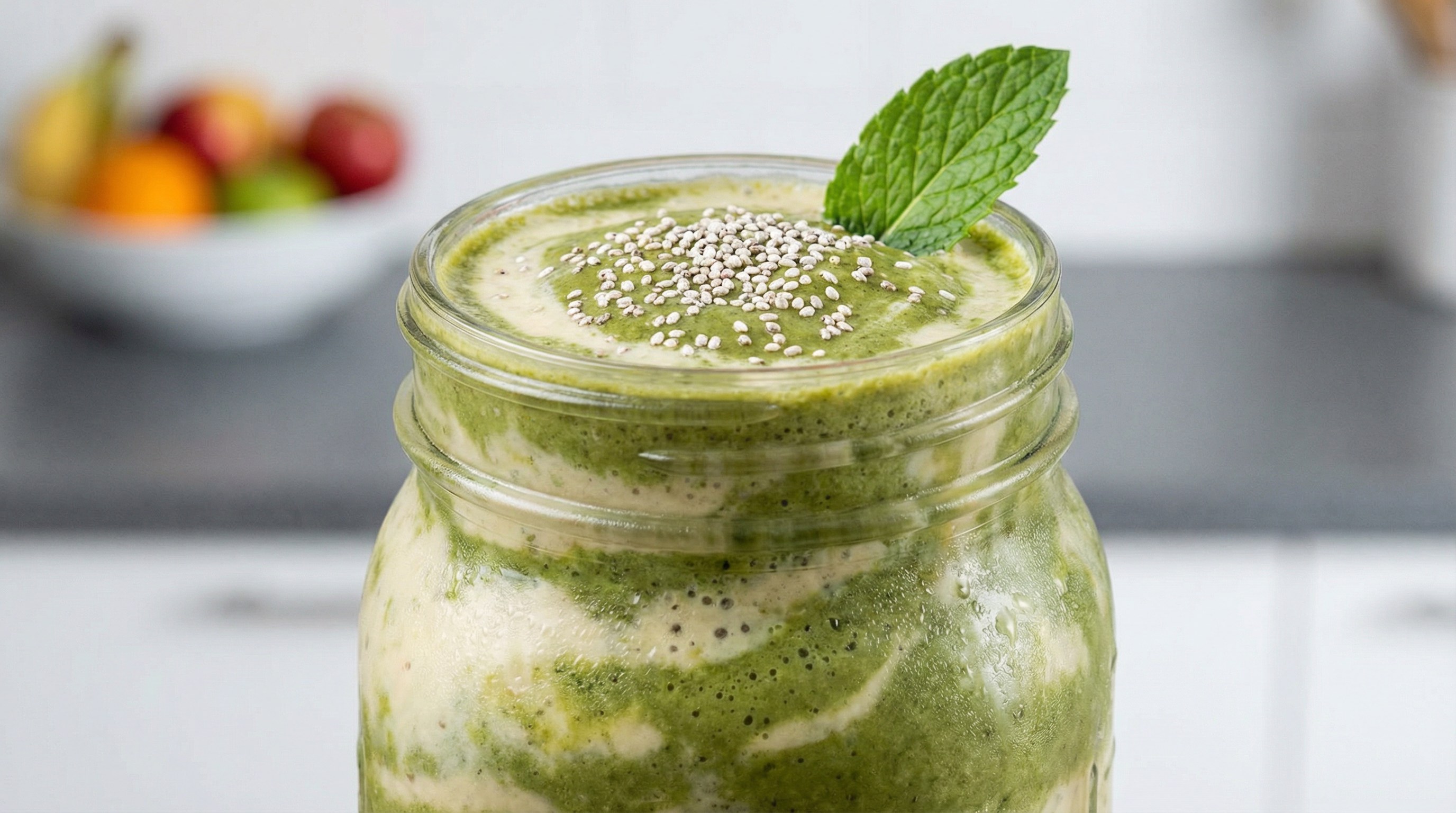
You can easily boost the protein content of your matcha by blending it with collagen peptides, whey isolate, or high-protein plant milks like soy or pea milk. If you are looking for a meal replacement, does matcha have protein enough on its own? Usually not, but it acts as a perfect, antioxidant-rich base for protein-fortified recipes that can deliver 20-30g per serving.
The fine texture of matcha powder allows it to dissolve seamlessly into shakes, making it one of the most versatile “superfood” additives in a modern pantry. This flexibility makes it a favorite for B2B wellness brands creating functional beverages.
The ultimate high-protein matcha latte
A standard latte made with 1 cup of soy milk and 2g of matcha already provides about 8.5g of protein. By adding a scoop of unflavored collagen, you can push this morning ritual into a serious recovery drink.
Think about it:
- Collagen adds 10g of protein.
- Soy milk adds 8g of protein.
- Matcha adds 0.6g + antioxidants.
Adding collagen or whey
Mixing matcha with protein powders creates a “nutritional powerhouse” that addresses both muscle repair and skin health. The bitterness of the tea often masks the chalky taste of some supplements, resulting in a much more enjoyable drink.
The real secret?
- Whey is best for post-workout.
- Collagen is best for joint health.
- Matcha provides the flavor and EGCG.
Key TakeawayTransforming matcha into a high-protein meal is as simple as choosing the right liquid base and adding a targeted supplement boost.
Add-on Ingredient | Protein Added | Primary Benefit |
|---|---|---|
Soy Milk (1 cup) | 8g | Vegan base, creamy texture |
Collagen (1 scoop) | 10g – 18g | Skin, hair, and joint support |
Whey Isolate (1 scoop) | 25g | Maximum muscle recovery |
Creative blending allows you to hit your macro targets while enjoying the premium taste of ceremonial matcha.
Are There Any Risks to Matcha Protein?
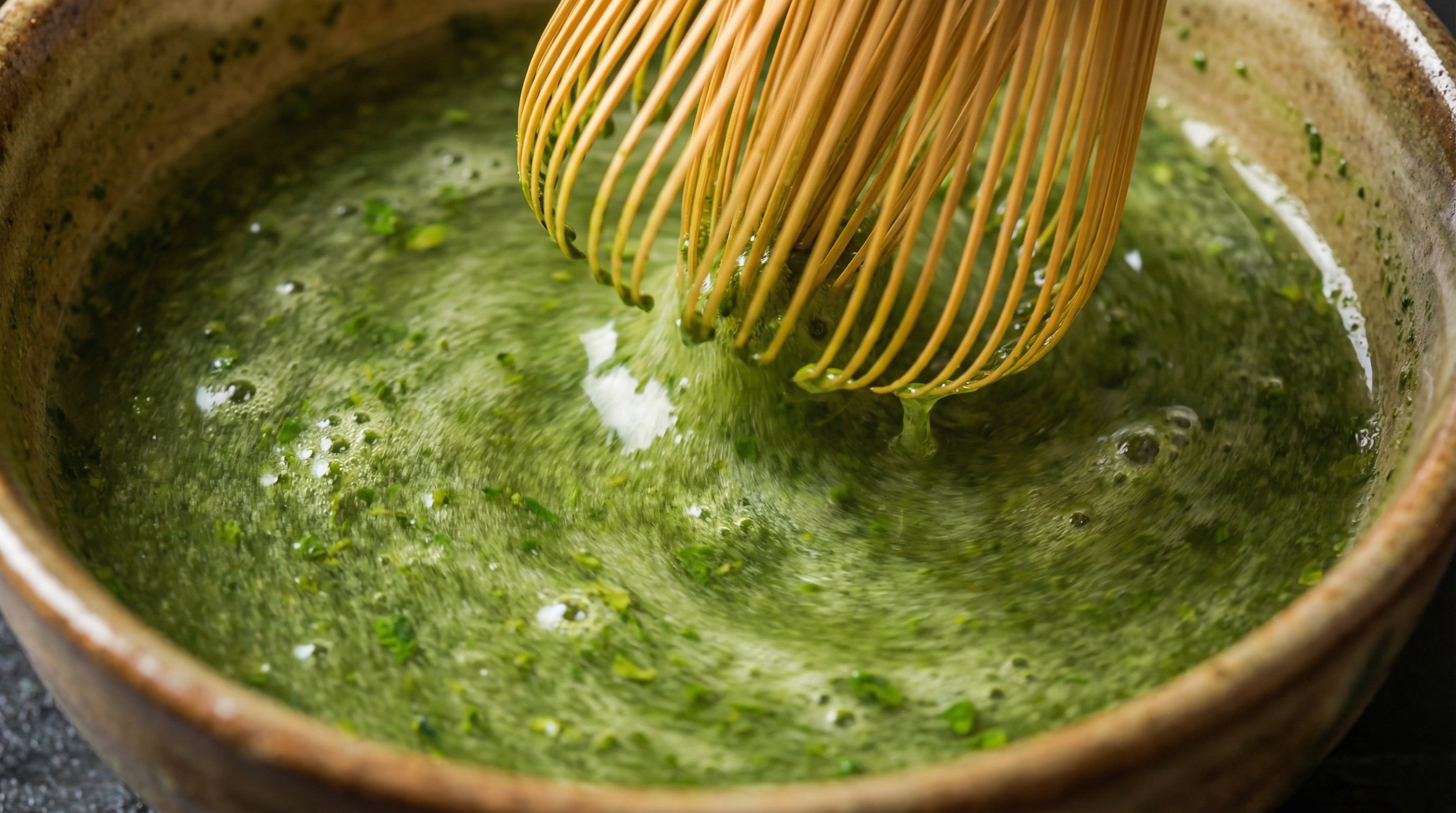
There are virtually no risks associated with the protein in matcha, though individuals with specific caffeine sensitivities should monitor their total intake. When assessing if does matcha have protein concerns, the primary focus should be on the quality of the source rather than the protein itself. Low-quality powders can contain lead or pesticides, which is why sourcing from certified organic suppliers is critical.
Because you are consuming the whole leaf, you are also getting all the plant’s fiber, which is generally beneficial for digestion. However, drinking extremely large quantities on an empty stomach might cause mild nausea in some individuals due to the tannins.
Digestion and nutrient absorption
The protein in matcha is highly digestible, but its absorption can be enhanced or hindered by what you eat with it. For example, the vitamin C in a squeeze of lemon can help your body utilize the plant’s nutrients more effectively.
Believe it or not:
- Fiber aids in steady digestion.
- Aminos are absorbed quickly.
- Gentle on the stomach for most users.
Key TakeawayMatcha protein is safe and beneficial for almost everyone, provided you choose high-quality, lab-tested products to avoid contaminants.
Potential Concern | Fact | Solution |
|---|---|---|
Caffeine Sensitivity | Contains 35-70mg per cup | Limit to 2-3 cups daily |
Tannin Nausea | Can occur on empty stomach | Drink after a light snack |
Heavy Metals | Found in low-grade soil | Buy lab-tested organic |
The “risks” of matcha are entirely manageable through smart sourcing and moderate consumption patterns.
Is Matcha a Top Choice for Vegan Protein?
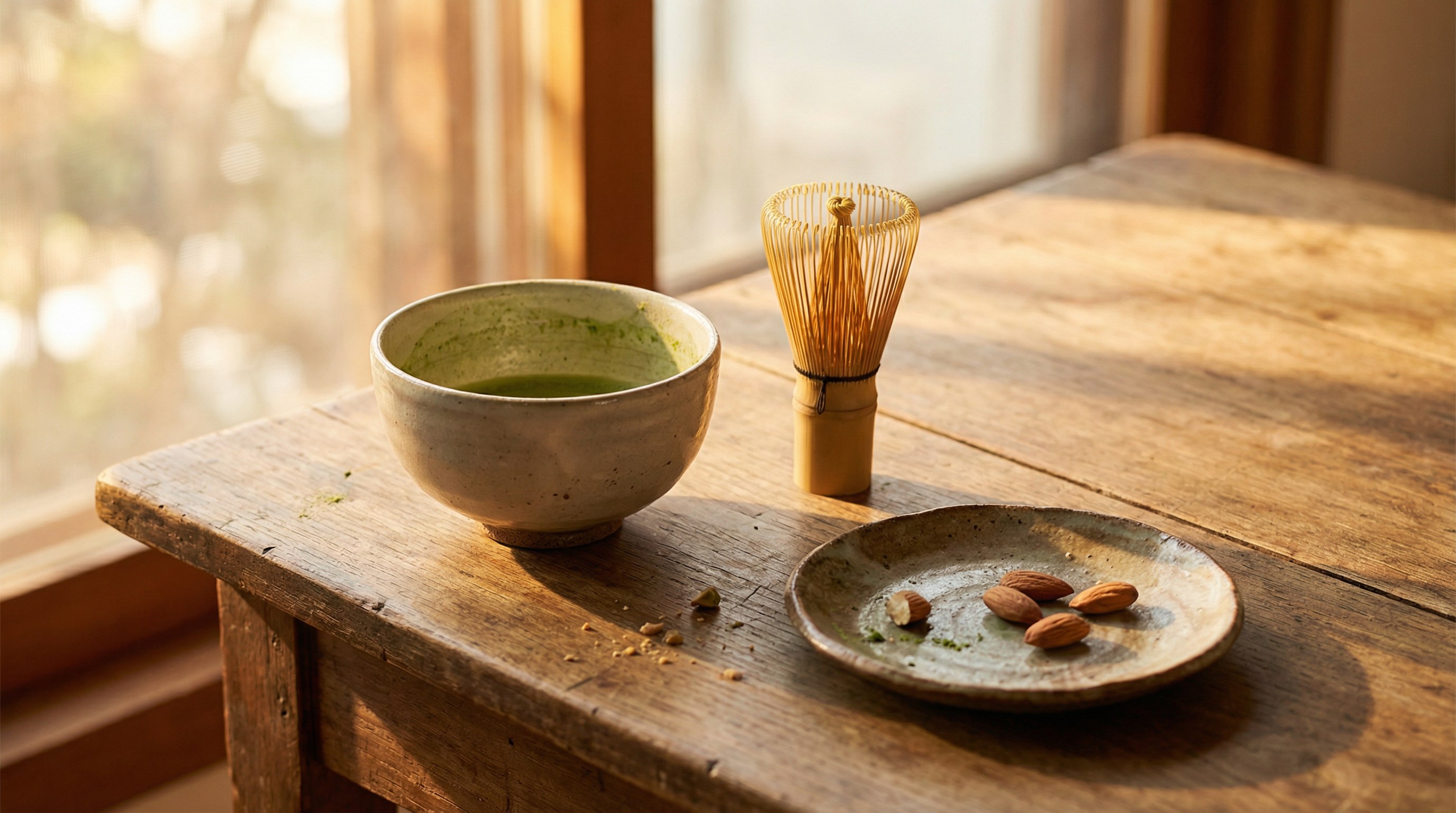
Yes, matcha is an elite choice for vegan protein because it is a “complete” plant source that requires minimal processing to consume. For those on a strict plant-based diet, does matcha have protein profiles that offer all nine essential amino acids? Yes, making it a rare and valuable addition to a vegan lifestyle that often struggles with “incomplete” protein sources.
Unlike soy or gluten, matcha is naturally hypoallergenic and free from common anti-nutrients that can hinder mineral absorption. It provides a “clean” way to boost your daily stats without the environmental footprint of animal-based products.
Plant-based nutrition benefits
Matcha fits perfectly into a holistic vegan diet by providing micronutrients like Vitamin K and Manganese alongside its protein content. It acts as a bridge between a beverage and a food, offering more substance than any other tea.
Here is the kicker:
- 100% natural and unprocessed.
- Supports alkalizing the body.
- No synthetic additives or fillers.
Pairing with vegan meals
To maximize the benefits, pair your matcha with other high-protein vegan foods like quinoa bowls or almond butter toast. This creates a “protein-sparing” effect where the body uses the tea’s aminos to support various metabolic functions.
The best part?
- Enhances the flavor of green bowls.
- Adds umami to vegan dressings.
- Perfect “pick-me-up” after a heavy meal.
Key TakeawayFor vegans, matcha is more than just a drink; it is a vital source of complete amino acids that supports a healthy, active plant-based lifestyle.
Feature | Vegan Benefit | Impact |
|---|---|---|
Amino Status | Complete Protein | Better muscle maintenance |
Processing | Minimal (Stone-ground) | High nutrient retention |
Digestion | Plant-enzymes intact | Easy on the gut |
By integrating matcha into your daily routine, you ensure a higher quality of plant-based nutrition that supports long-term wellness.
Frequently Asked Questions
Can I use matcha as a primary protein source?No, because the serving size is too small; it should be used as a high-quality nutritional optimizer alongside other protein-rich foods.
What’s the best time to drink matcha for protein benefits?Drink it 30 minutes before your workout; this allows the amino acids and caffeine to work together for energy and muscle protection.
Can I mix matcha with my daily whey protein shake?Yes, it is a popular way to add antioxidants; the tea’s flavor masks the chalkiness of many powders while adding a clean energy boost.
What’s the best way to preserve the protein in my powder?Store it in an airtight, opaque container in a cool place; heat and light can degrade the delicate amino acids over time.
Can I bake with matcha without destroying the protein?Yes, standard baking temperatures do not denature the protein; the amino acids are stable enough to remain beneficial in muffins and pancakes.
Strategic Conclusion
Matcha may not replace your primary protein sources, but its concentrated amino acid profile and whole-leaf structure make it a powerhouse addition to any fitness regimen. By choosing high-quality, organic powders, you ensure that every gram of protein is accompanied by the highest possible levels of L-theanine and EGCG. Whether you are an athlete looking for a recovery edge or a health-conscious professional seeking clean energy, the nitrogen-rich building blocks in matcha offer a sophisticated solution.
Ready to upgrade your protein routine?Explore our collection of lab-tested, nutrient-dense powders and discover the difference that ceremonial quality makes. To learn more about our wholesale opportunities or custom formulations, contact us today and let us help you optimize your nutritional strategy.