
Yes, consuming high-quality ceremonial matcha on a daily basis is not only safe for most adults but serves as a foundational pillar for long-term physiological optimization and sustained cognitive performance. Many professionals find themselves trapped in a repetitive cycle of mid-afternoon energy crashes and the underlying anxiety often triggered by traditional high-caffeine beverages like coffee. Is it OK to Eat Matcha Everyday? By integrating this vibrant green elixir into your morning ritual, you effectively neutralize the “jitter” effect while flooding your cardiovascular system with protective polyphenols that support cellular integrity.
This daily habit addresses the root cause of metabolic sluggishness and chronic mental fatigue by providing a slow-release energy source that aligns with your body’s natural circadian rhythms. If you are currently navigating a high-stress corporate environment or seeking to enhance your athletic recovery, the cumulative benefits of daily green tea powder consumption become increasingly evident after just two weeks of consistent use. It is truly the ultimate solution for those who demand peak performance without sacrificing their internal sense of calm or gut health stability. This comprehensive analysis will explore exactly how your biology transforms when you make this ancient superfood a consistent part of your modern lifestyle.
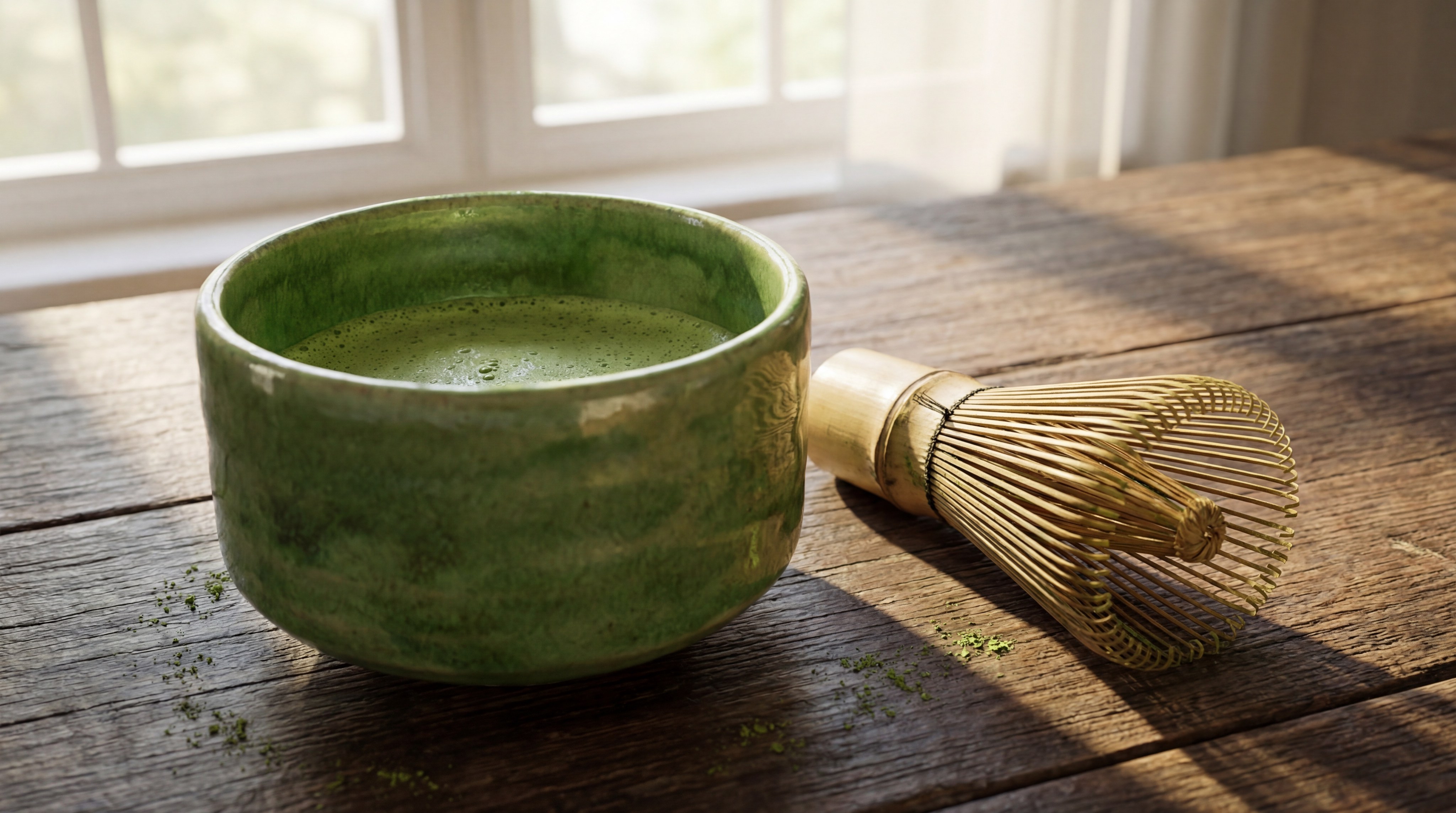
Purity is defined by the meticulous shading and grinding process of the Camellia sinensis plant, which ensures that Is it OK to Eat Matcha Everyday? remains a nutritionally superior choice compared to steeped teas. When you consume this powder, you are ingesting the entire leaf, which provides a significantly higher concentration of vitamins and antioxidants than traditional infusions. Here is the deal: not all powders are created equal, so selecting ceremonial grade is vital for daily safety.
Is it more than just powdered tea?
Matcha represents a unique category of functional food because the process of stone-grinding the leaves preserves the structural integrity of the plant’s most volatile nutrients. Unlike standard green tea where you discard the leaves, the matcha method ensures you receive 100% of the chlorophyll and amino acids stored within the fiber.
- Consuming the whole leaf provides ten times the antioxidants of regular green tea.
- The fiber content aids in a slower, more regulated release of nutrients into the bloodstream.
- Essential minerals like magnesium and zinc remain bioavailable in the powder form.
- High levels of vitamin C support the immune system more effectively through whole-leaf ingestion.
Why does the cultivation process matter for your health?
The traditional shading technique used in the final weeks before harvest forces the plant to overproduce chlorophyll and L-theanine to compensate for the lack of sunlight. This labor-intensive process results in a deep emerald hue and a chemical profile that is specifically designed to soothe the nervous system while providing a mental edge.
Key Takeaway: Daily consumption is safe and effective because the whole-leaf format delivers a concentrated nutrient profile that traditional steeping methods simply cannot match.
Feature | Matcha Powder | Regular Green Tea |
|---|---|---|
Preparation | Whole Leaf Ingestion | Water Infusion Only |
Antioxidant Level | Extremely High (EGCG) | Moderate |
Amino Acids | High L-theanine | Low to Moderate |
Texture | Frothy and Rich | Thin and Aqueous |
The structural difference between these two tea formats is the primary reason why matcha is regarded as a comprehensive health supplement rather than just a beverage.
Can stress levels drop if Is it OK to Eat Matcha Everyday?

Stress levels typically decrease significantly when you maintain a daily matcha habit because the high concentration of L-theanine promotes a state of “calm-alertness” that buffers the body against cortisol spikes. When people wonder Is it OK to Eat Matcha Everyday?, they are often looking for a way to manage the persistent demands of a modern workspace without relying on sedatives. This unique amino acid works by crossing the blood-brain barrier to increase the production of relaxing neurotransmitters.
What is the “Calm-Alert” state?
The “Calm-Alert” state is a physiological phenomenon where the brain produces alpha waves, which are typically associated with deep meditation and creative flow. Here is the deal: unlike the frantic energy provided by synthetic stimulants, this state allows you to remain highly productive while maintaining a resting heart rate.
- Alpha brain wave production increases within 40 minutes of consumption.
- Mental clarity is maintained without the risk of an energy “crash” later.
- This state facilitates better decision-making during high-pressure scenarios.
- Physical tension in the shoulders and neck often dissipates as the nervous system stabilizes.
How does it impact your neurotransmitters?
Daily intake helps to regulate the levels of serotonin and GABA in the brain, which are the primary chemicals responsible for feelings of happiness and tranquility. By stabilizing these markers, you create a more resilient emotional baseline that can withstand the daily frustrations of professional life.
Key Takeaway: Daily consumption of matcha modulates your physiological stress response, allowing for a more balanced emotional state throughout the work week.
Neurotransmitter | Impact of Matcha | Resulting Feeling |
|---|---|---|
Serotonin | Increased production | Improved mood and stability |
GABA | Enhanced signaling | Reduced anxiety and tension |
Dopamine | Gentle modulation | Better focus and motivation |
Cortisol | Inhibition of spikes | Lowered systemic stress |
Understanding the chemical interaction between tea catechins and your brain is essential for mastering your daily productivity levels.
Will cognitive focus improve Is it OK to Eat Matcha Everyday?

Cognitive focus improves dramatically when you incorporate a daily serving of matcha, as the synergy between caffeine and L-theanine optimizes neural firing patterns for peak mental performance. If you are asking Is it OK to Eat Matcha Everyday? to enhance your workflow, the answer lies in the sustained delivery of energy to the prefrontal cortex. This combination prevents the vasoconstriction often caused by pure caffeine, ensuring your brain receives a steady supply of oxygen and glucose.
Can you achieve focus without the coffee jitters?
The “jitter” effect is almost entirely absent in matcha because the polyphenols bind to the caffeine molecules, slowing their absorption into the small intestine. Here is the deal: this results in a four-to-six-hour window of heightened awareness rather than the sharp peak and valley associated with espresso.
- Sustained energy levels prevent the typical 2 PM productivity slump.
- Absence of jitters allows for better fine motor skills and steady typing.
- Mental endurance is increased for long-form tasks and complex problem solving.
- The gentle “lift” supports a more positive outlook on demanding projects.
Can it protect you from cognitive decline?
Long-term daily consumption provides the brain with a consistent supply of EGCG, which has been shown to reduce neuroinflammation and protect neurons from oxidative damage. By maintaining this habit, you are essentially investing in a “brain shield” that may reduce the risk of memory impairment as you age.
Key Takeaway: Drinking matcha every morning provides a cognitive edge that enhances immediate productivity while offering long-term neuroprotective benefits.
Cognitive Marker | Matcha Impact | Benefit to Professional |
|---|---|---|
Attention Span | Extended duration | Better focus on long reports |
Memory Recall | Improved accuracy | Faster retrieval of key data |
Mental Fatigue | Significant reduction | Higher stamina for late meetings |
Neural Clarity | Enhanced sharpness | Improved communication skills |
The consistent application of these antioxidants creates a biological environment where your brain can thrive under the pressure of a modern career.
Can heart health thrive if Is it OK to Eat Matcha Everyday?
Heart health thrives when you consume matcha daily because the potent catechins help to lower systemic inflammation and improve the elasticity of your blood vessel walls. When assessing Is it OK to Eat Matcha Everyday?, cardiovascular researchers emphasize the tea’s ability to inhibit the oxidation of LDL cholesterol, which is a primary driver of arterial plaque. This proactive approach to heart health is essential for professionals who spend long hours in sedentary desk positions.
Does it actually lower “Bad” cholesterol?
Multiple studies indicate that the high concentration of EGCG in matcha interferes with the absorption of cholesterol in the digestive tract, leading to a healthier lipid profile over time. Here is the deal: by lowering your LDL and triglyceride levels, you are significantly reducing the long-term workload on your heart.
- LDL cholesterol levels can drop after just 30 days of consistent use.
- Triglyceride levels are better managed through improved lipid metabolism.
- HDL (good) cholesterol often remains stable or increases slightly.
- The overall ratio of total cholesterol to HDL is optimized for longevity.
How does it help your blood vessels?
The antioxidants in matcha promote the production of nitric oxide, which is a molecule that helps the arteries dilate and maintain healthy blood pressure levels. This vasodilation ensures that your tissues are properly oxygenated and that your heart does not have to pump against high resistance.
Key Takeaway: A daily matcha habit supports a robust cardiovascular system by improving cholesterol profiles and maintaining arterial flexibility.
Cardiovascular Marker | Impact of Daily Matcha | Long-term Outcome |
|---|---|---|
Blood Pressure | Mild reduction | Lower risk of hypertension |
LDL Cholesterol | Inhibition of oxidation | Reduced arterial plaque buildup |
Endothelial Function | Enhanced elasticity | Improved overall circulation |
Inflammation | Systemic decrease | Lowered risk of heart disease |
Prioritizing your heart through this simple dietary change is a strategic move for any professional looking to secure their physical future.
Is metabolism optimized when Is it OK to Eat Matcha Everyday?
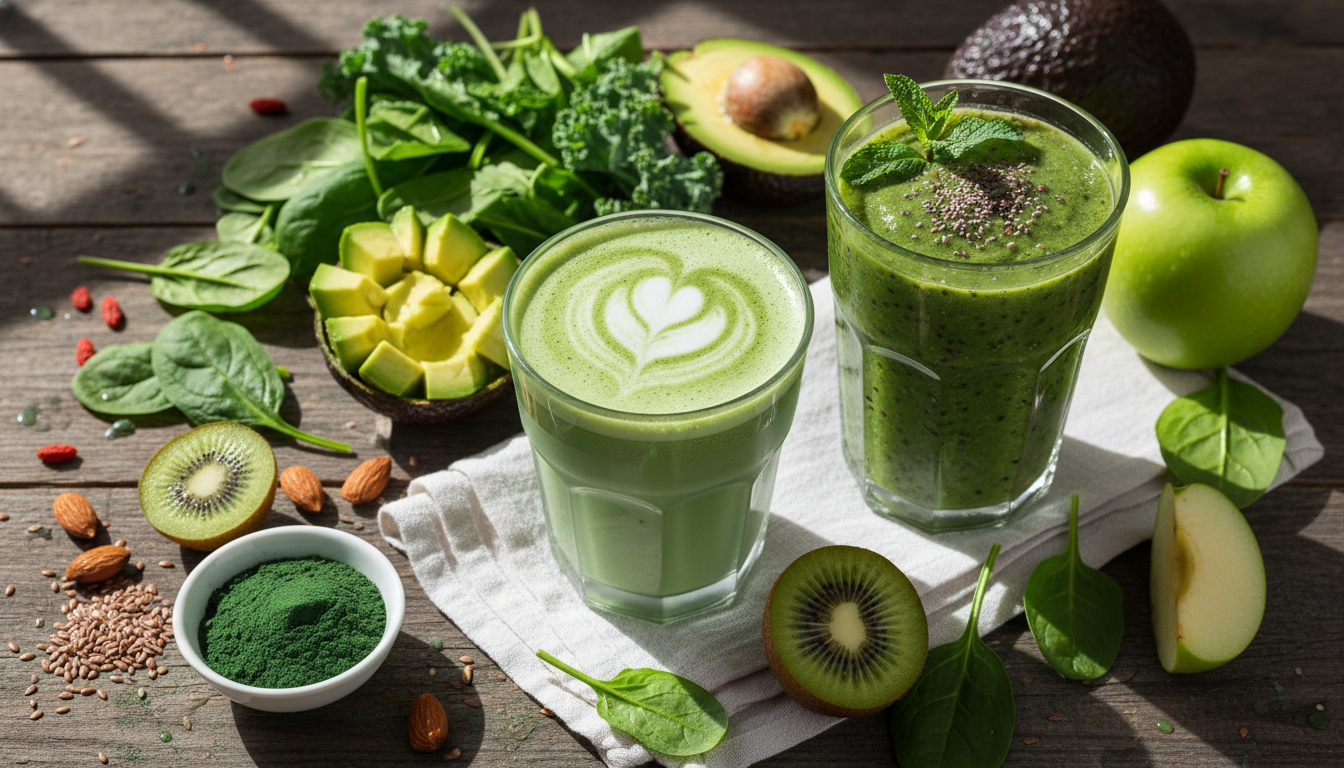
Metabolism is significantly optimized through the process of thermogenesis when you ensure Is it OK to Eat Matcha Everyday? as part of a balanced nutritional strategy. The combination of caffeine and EGCG has been scientifically proven to increase the rate at which your body burns calories, even while you are sitting at your desk or resting. This metabolic “boost” is a natural byproduct of the tea’s ability to increase the oxidation of fat cells.
Is “Thermogenesis” a real weight-loss tool?
Thermogenesis is the process of heat production in the body, and the bioactive compounds in matcha can increase this rate by up to 40% in some individuals. Here is the deal: while it is not a “magic pill,” it provides a legitimate metabolic advantage that supports weight management when combined with a clean diet.
- Resting metabolic rate (RMR) can see a noticeable increase with daily use.
- The body becomes more efficient at utilizing stored fat for energy.
- Appetite signals are often more regulated, reducing the urge to snack.
- Calorie burning is enhanced during light physical activity like walking.
Can it change how you burn fat during exercise?
Consuming matcha before a workout can increase fat oxidation by up to 17%, allowing you to get more results from the same amount of effort in the gym. This shift in fuel preference—from glucose to fat—is particularly beneficial for those looking to improve their body composition.
Key Takeaway: Integrating matcha into your daily routine provides a subtle but consistent metabolic advantage that aids in long-term weight maintenance.
Metabolic Process | Matcha Impact | Practical Benefit |
|---|---|---|
Calorie Burn | 10-40% increase | Easier weight management |
Fat Oxidation | Enhanced during rest | Lowered body fat percentage |
Energy Utilization | Shift to fat-burning | Sustained physical stamina |
Insulin Response | Improved sensitivity | Stable energy without crashes |
By leveraging the thermogenic properties of ceremonial tea, you can align your biology with your fitness and aesthetic goals more effectively.
Will digestion improve if Is it OK to Eat Matcha Everyday?
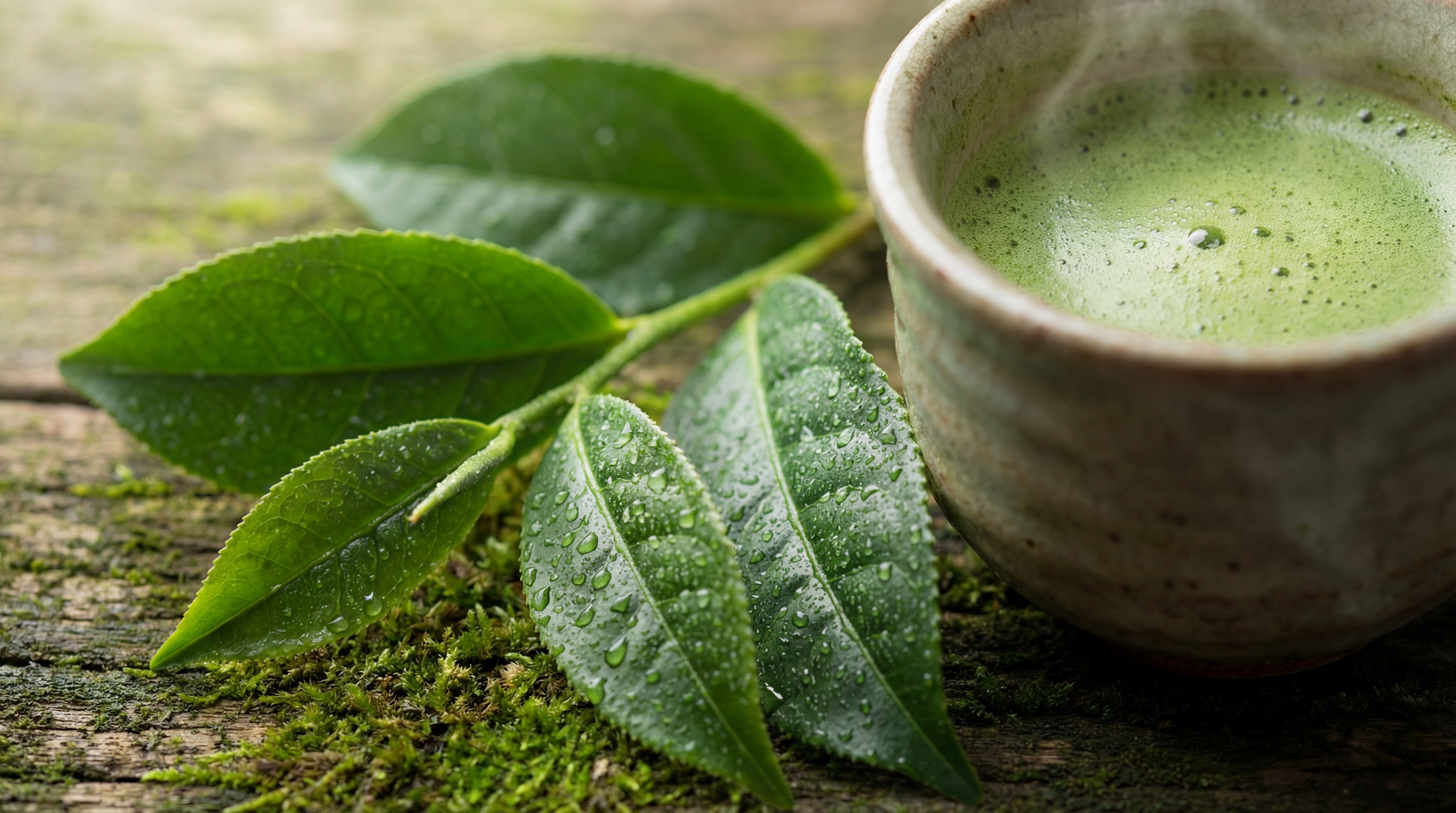
Digestion often improves dramatically with daily matcha use because the polyphenols act as prebiotics that foster the growth of beneficial bacteria in your gut microbiome. When evaluating Is it OK to Eat Matcha Everyday?, it is important to recognize that a healthy gut is the foundation of a strong immune system and clear mental state. The antimicrobial properties of green tea also help to keep harmful pathogens in check, maintaining a balanced internal environment.
How does it influence your microbiome?
The catechins in matcha reach the large intestine mostly intact, where they are metabolized by your gut flora to produce short-chain fatty acids that nourish the intestinal lining. Here is the deal: this process creates a diverse and resilient microbiome that is better equipped to handle dietary stress and environmental toxins.
- Growth of beneficial Bifidobacteria is encouraged by green tea polyphenols.
- Harmful bacteria like E. coli are inhibited by the tea’s natural tannins.
- Digestive regularities are often improved through the gentle stimulation of fiber.
- Nutrient absorption from other foods is enhanced by a healthier gut wall.
Can it help with inflammatory gut conditions?
The anti-inflammatory effects of EGCG can soothe the digestive tract, potentially reducing the symptoms of common issues like bloating or mild irritable bowel syndrome. By reducing oxidative stress in the gut, matcha helps to maintain the integrity of the intestinal barrier.
Key Takeaway: Daily matcha consumption acts as a powerful gut-health modulator that supports both your microbiome and your body’s natural detoxification pathways.
Gut Health Factor | Matcha Influence | Benefit to User |
|---|---|---|
Bacterial Diversity | Increases “good” strains | Stronger immune defense |
Intestinal Lining | Reduces inflammation | Improved comfort after meals |
Pathogen Control | Inhibits “bad” strains | Reduced risk of gut infections |
Waste Elimination | Gentle fiber support | More consistent regularity |
A high-functioning digestive system ensures that your body has the raw materials it needs to perform at an elite level every single day.
Can blood sugar stabilize if Is it OK to Eat Matcha Everyday?
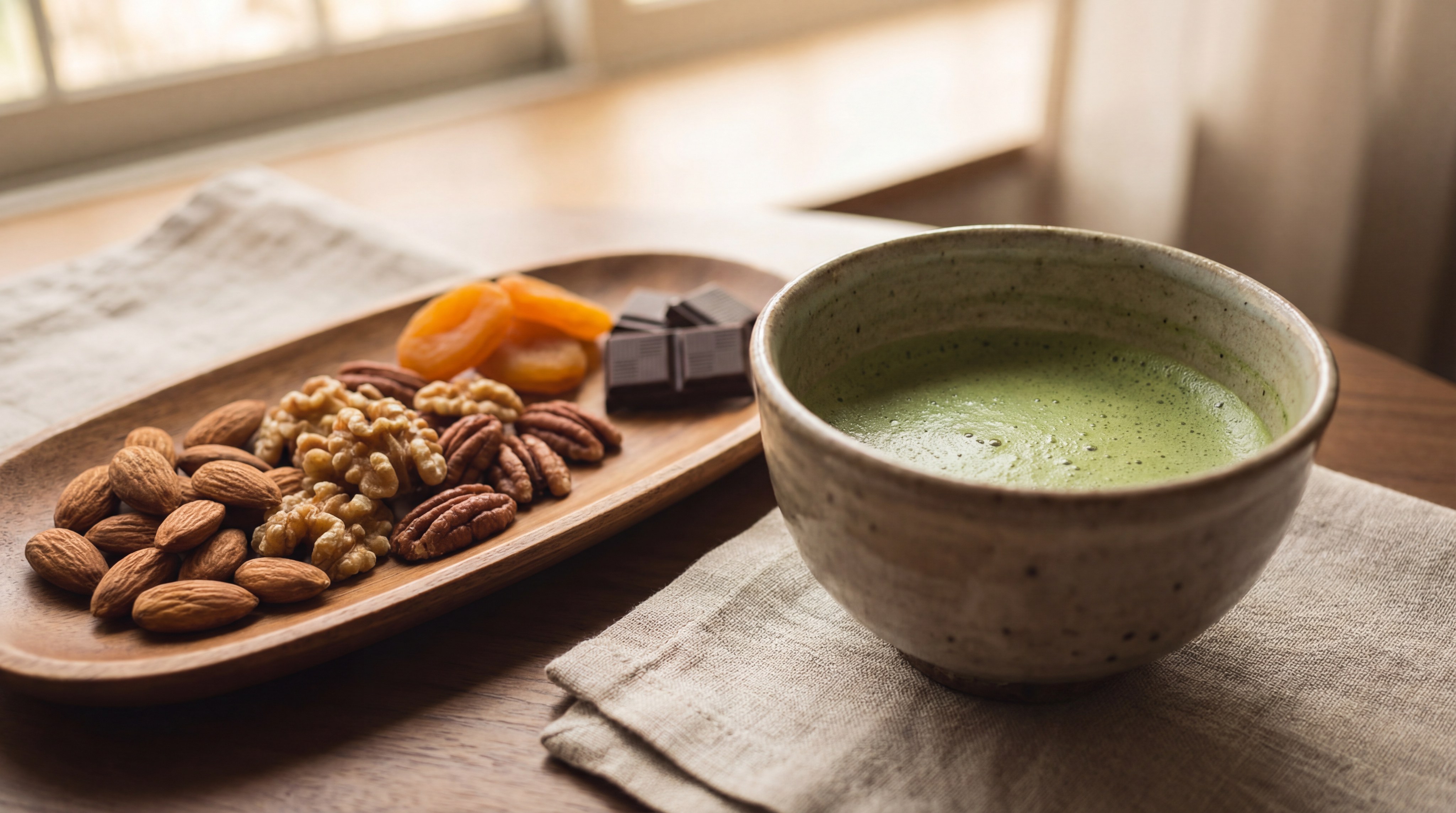
Blood sugar levels stabilize effectively when you confirm Is it OK to Eat Matcha Everyday? because the plant pigment quercetin significantly improves how your body processes carbohydrates. For the busy professional, maintaining stable glucose is the secret to avoiding the “brain fog” that often follows a high-carbohydrate lunch or a sugary snack. By enhancing insulin sensitivity, matcha allows your cells to efficiently absorb energy from the bloodstream without causing massive spikes.
What is the role of Quercetin in glucose control?
Quercetin is a powerful antioxidant that helps inhibit the enzymes responsible for breaking down complex sugars, which slows the release of glucose into your system. Here is the deal: this natural slowing mechanism prevents the rapid “sugar high” and subsequent crash that ruins afternoon productivity.
- Post-meal glucose spikes are reduced by up to 20% in consistent users.
- Carbohydrate metabolism becomes more efficient and predictable.
- Pancreatic health is supported by reducing the demand for insulin.
- Sugar cravings are often diminished as the body maintains steady fuel levels.
Does it improve insulin sensitivity?
Regularly drinking matcha helps your cells become more responsive to insulin, which means your body can manage blood sugar using less of the hormone. This is a critical factor in preventing long-term metabolic issues and maintaining a lean physique over several decades.
Key Takeaway: Matcha provides a natural, plant-based method for regulating blood sugar, ensuring you have steady energy and focus throughout the day.
Glucose Marker | Matcha Impact | Result for Health |
|---|---|---|
Insulin Sensitivity | Marked improvement | Better glucose management |
Sugar Spikes | Significant reduction | Prevention of energy crashes |
Enzyme Inhibition | Slows carb breakdown | Sustained energy release |
Cravings | Natural suppression | Easier adherence to diet |
Mastering your glucose levels through daily tea consumption is one of the most effective ways to ensure your brain stays sharp during demanding work hours.
Is cellular protection enhanced if Is it OK to Eat Matcha Everyday?
Cellular protection is vastly enhanced when you make the choice to consume matcha daily, as the immense concentration of antioxidants neutralizes free radicals before they can damage your DNA. When people ask Is it OK to Eat Matcha Everyday?, they are often unaware that they are providing their body with a molecular “shield” against the oxidative stress caused by pollution, UV rays, and poor diet. This proactive defense is vital for maintaining youthful skin and preventing the cellular mutations that lead to chronic illness.
Can the “Super-Antioxidant” EGCG fight cancer cells?
EGCG is widely studied for its ability to halt the growth of abnormal cells and encourage apoptosis, which is the body’s natural way of removing damaged or dangerous cells. Here is the deal: while it is not a cure, the presence of these catechins creates an internal environment that is highly inhospitable to tumor formation.
- DNA damage from environmental toxins is significantly mitigated by catechins.
- Cell division is better regulated, reducing the risk of abnormal growth.
- Oxidative stress in the liver and kidneys is lowered by high antioxidant loads.
- The overall lifespan of healthy cells is extended through improved protection.
Does it boost your overall immune defense?
Daily consumption strengthens the immune system by providing a steady supply of polyphenols that enhance the activity of T-cells and other white blood cells. This means you are less likely to fall ill during peak flu seasons or when traveling for business.
Key Takeaway: The high concentration of bioactive compounds in daily matcha serves as a powerful defense mechanism for your body’s most fundamental cellular structures.
Defense Component | Matcha Benefit | Outcome for You |
|---|---|---|
DNA Protection | Neutralizes free radicals | Lowered mutation risk |
Immune Cells | Increases T-cell activity | Faster recovery from illness |
Inflammation | Lowers systemic markers | Reduced chronic pain levels |
Detoxification | Supports liver enzymes | Cleaner internal environment |
Investing in your cellular health today pays massive dividends in the form of long-term vitality and a lower risk of age-related diseases.
Is it safe to follow the rule Is it OK to Eat Matcha Everyday?
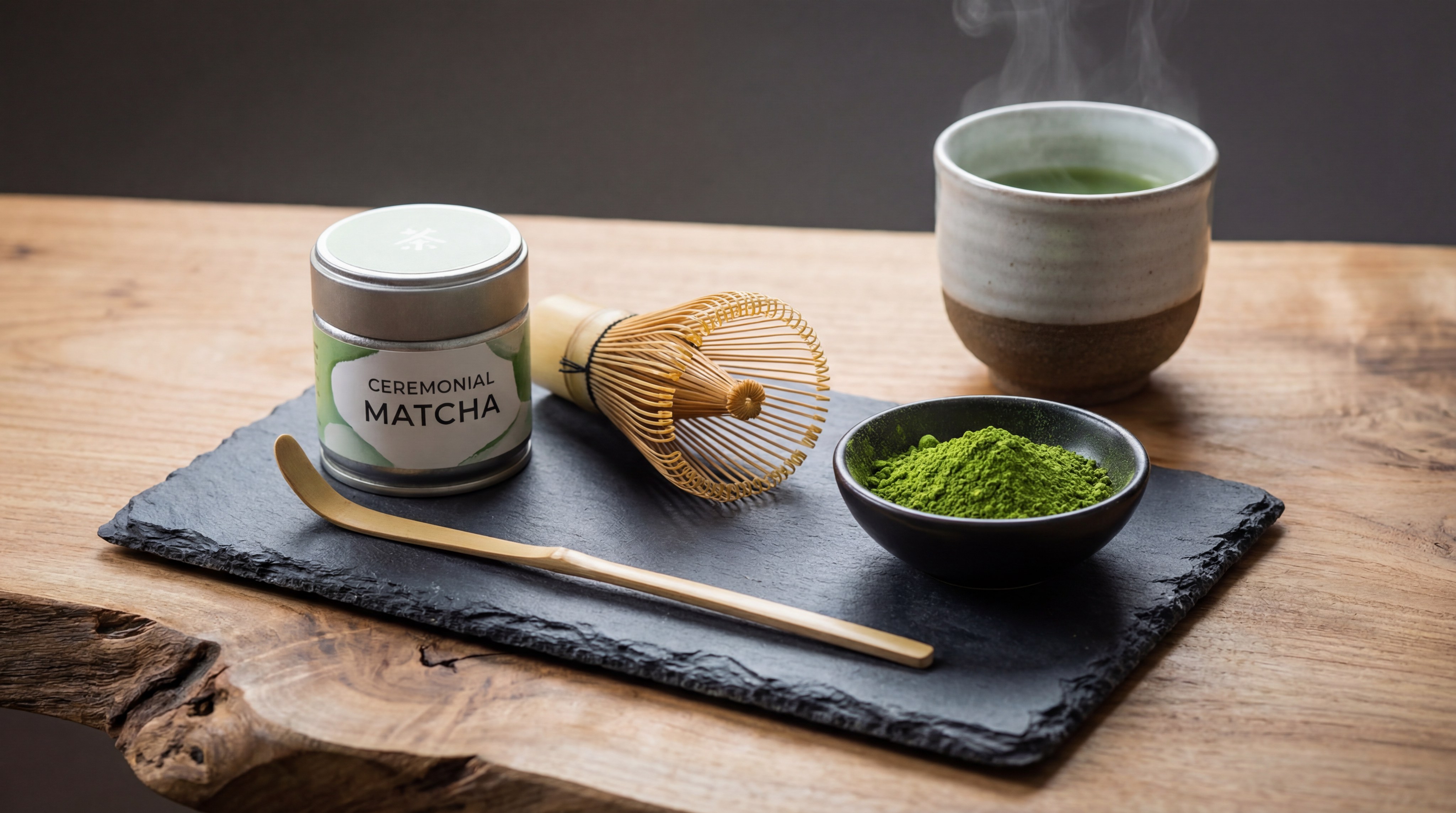
It is entirely safe and highly recommended for most people to follow the rule of daily consumption, provided you are aware of Is it OK to Eat Matcha Everyday? and the specific nutritional facts of each serving. A single teaspoon of ceremonial grade powder contains almost zero calories but is packed with roughly 1 gram of fiber and a high concentration of minerals. For those sensitive to caffeine, monitoring the time of day you consume your tea is the only major precaution required.
What are the nutritional facts of a single teaspoon?
One standard teaspoon (approx. 2g) of matcha provides a dense array of nutrients including Vitamin C, Selenium, and Chromium, with virtually no impact on your daily calorie count. Here is the deal: you are getting a massive nutritional “payload” in a very small, convenient package that fits perfectly into any dietary regimen.
- Only 3 calories per serving, making it ideal for fasted states or weight loss.
- High levels of natural chlorophyll aid in blood oxygenation and detox.
- Contains trace minerals that support enzymatic reactions in the body.
- ZERO sugar and ZERO fat, maintaining pure nutritional integrity.
Are there any side effects or precautions?
The main consideration for daily use is the caffeine content, which is roughly 70mg per serving—about half of a standard cup of coffee. While the L-theanine prevents jitters, individuals with extreme caffeine sensitivity should avoid drinking it after 4 PM to ensure optimal sleep quality.
Key Takeaway: For the vast majority of people, 1-2 servings of high-quality matcha a day is the “sweet spot” for maximizing health benefits without any negative side effects.
Nutritional Element | Amount per Teaspoon | Health Benefit |
|---|---|---|
Calories | 3 kcal | Weight management friendly |
Fiber | 1g | Digestive support |
Caffeine | 35mg – 70mg | Sustained mental energy |
EGCG Catechins | 120mg+ | Powerful antioxidant defense |
By understanding the nutritional profile of your daily tea, you can confidently integrate it into your wellness routine for maximum long-term results.
How can I start my journey with Is it OK to Eat Matcha Everyday?

Starting your journey is as simple as replacing your first cup of coffee with a ceremonial grade preparation to see for yourself why Is it OK to Eat Matcha Everyday? is a common question among health experts. The traditional method involves whisking the powder with hot (not boiling) water to create a frothy, nutrient-dense beverage that awakens the senses. However, the versatility of this powder means you can also incorporate it into smoothies, lattes, or even morning oats for a quick nutritional boost.
How can you safely incorporate it into your diet?
The most effective way to start is by trying a 30-day challenge where you replace your morning stimulant with a high-quality matcha latte. Here is the deal: consistency is key, and you will likely notice the most profound changes in your energy and mood during the second and third weeks of the habit.
- Use water around 175°F (80°C) to prevent burning the delicate leaves.
- Use a bamboo whisk (chasen) to ensure a smooth, clump-free texture.
- Add a splash of oat or almond milk if you prefer a creamier profile.
- Drink it first thing in the morning to maximize the focus benefits for work.
What is the best way to choose a grade?
Always look for “Ceremonial Grade” for daily drinking, as this comes from the youngest leaves and has the highest concentration of L-theanine and the smoothest flavor. “Culinary Grade” is better suited for baking or recipes where the tea flavor is blended with other strong ingredients.
Key Takeaway: A 30-day matcha challenge is the most effective way to experience the transformative power of this superfood on your productivity and health.
Integration Step | Action | Desired Outcome |
|---|---|---|
Step 1 | Buy Ceremonial Grade | Optimal taste and nutrients |
Step 2 | Whisk Daily | Create a mindful morning ritual |
Step 3 | Monitor Energy | Track the lack of afternoon crashes |
Step 4 | Assess Mood | Notice the sustained sense of calm |
Making the switch to matcha is a strategic upgrade for anyone who values their long-term health and wants to perform at their absolute best in a competitive world.
Frequently Asked Questions
Does matcha have more caffeine than a standard cup of coffee?
No, a standard serving of matcha typically contains about 70mg of caffeine, which is roughly half to two-thirds the amount found in a typical cup of brewed coffee. However, because of the L-theanine content, the energy release is much slower and lasts significantly longer without the crash.
Can I drink matcha on an empty stomach first thing in the morning?
Yes, you can, although individuals with very sensitive stomachs might experience slight nausea due to the high tannin content. If you have a sensitive stomach, it is best to drink it after a light snack or with a splash of plant-based milk.
What is the best time of day to consume my daily matcha?
The best time is between 8 AM and 11 AM, as this aligns with the body’s natural rise in cortisol and provides the necessary focus for the most demanding parts of your workday. Avoid drinking it late in the evening to prevent potential sleep disruption.
Is culinary grade matcha healthy enough for daily drinking?
Yes, it is still healthy, but it tends to have a more bitter profile and lower levels of L-theanine compared to ceremonial grade. For the best flavor and the maximum “calm-alert” benefit, ceremonial grade is always the preferred choice for daily consumption.
Does high heat or boiling water destroy the nutrients in the powder?
Yes, using boiling water can scorch the delicate tea leaves and degrade some of the beneficial antioxidants like Vitamin C. For the best results, use water that is around 175°F (80°C) to preserve the nutritional profile and the sweet, umami flavor.
Conclusion
This article has explored the profound physiological and psychological transformations that occur when you choose to integrate high-quality matcha into your daily routine. We have solved the problem of the afternoon caffeine crash, addressed the need for sustained cognitive focus, and provided a science-backed pathway for long-term heart and gut health. At our core, we believe that your health is your most valuable professional asset, and we are dedicated to providing the purest ceremonial grade powders to help you unlock your full potential. Our vision for the industry is one where ancient wisdom meets modern productivity, allowing every professional to achieve peak performance through mindful, natural nutrition. If you are ready to experience the difference for yourself, please contact us today to find the perfect grade for your specific lifestyle needs.