
Yes, drinking matcha is generally beneficial for your kidneys because it provides concentrated antioxidants that protect renal tissues from oxidative stress. You may feel a sharp pang of worry every time you read about oxalates and kidney stones, fearing that your favorite morning ritual could cause immense physical pain. This frustration is common, but scientific research into Matcha and Kidney Health suggests that this vibrant green powder is safe and supports filtration. By switching to high-quality sources, you can turn a potential concern into a powerful protective habit for your vital organs.
The primary concerns regarding Matcha and Kidney Health typically involve oxalate levels and the potential formation of calcium-based stones. Most fears stem from the fact that all tea leaves contain these naturally occurring substances.
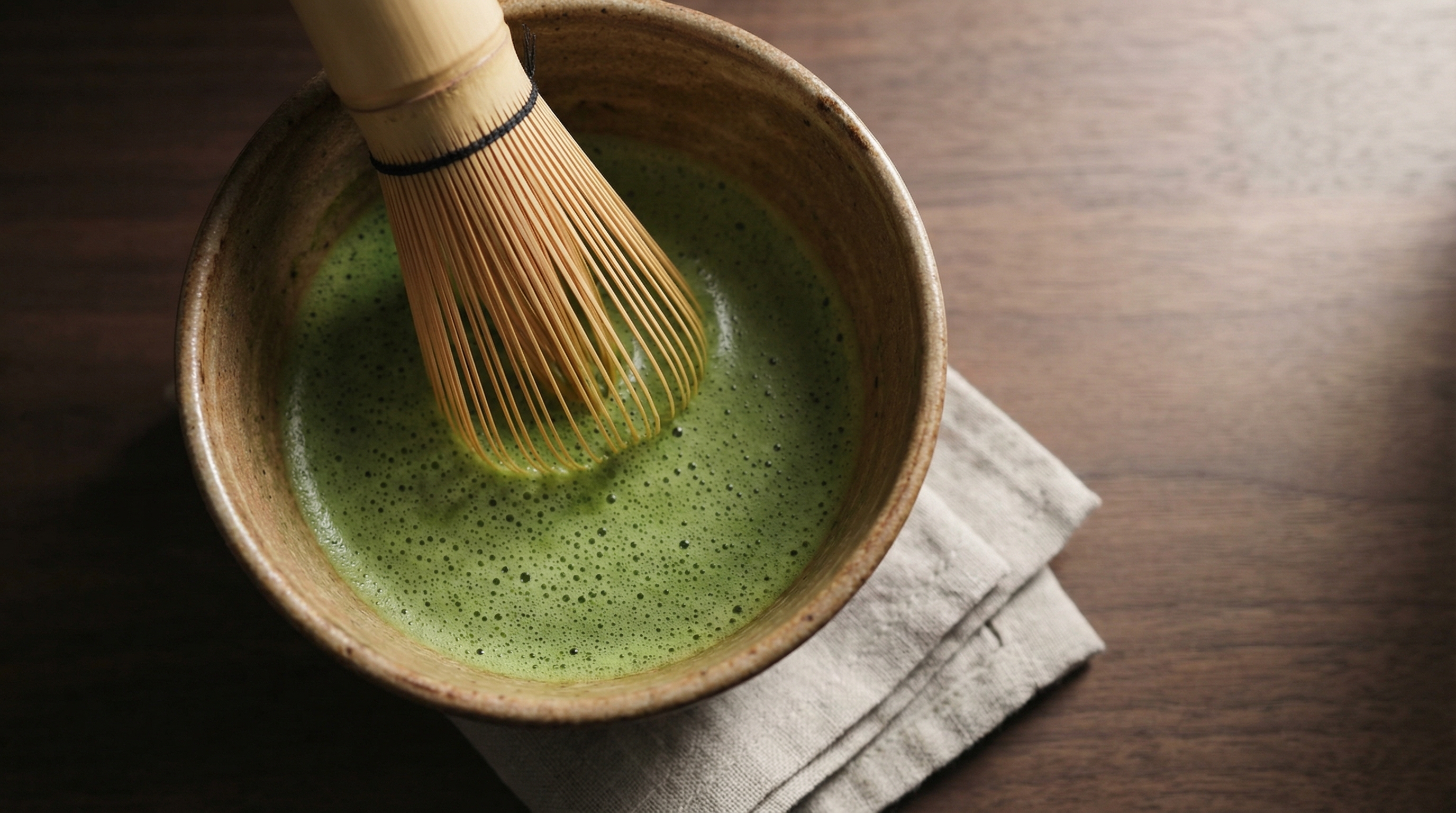
The Truth About Oxalates
Understanding how these compounds work is the first step to easing your mind about your daily cup. When you consume high-oxalate foods, they can bind to calcium in your urinary tract to form painful stones.
- Matcha contains fewer oxalates than steeped black tea.
- High-quality sourcing further reduces the risk of contaminants.
- Proper hydration helps flush residual oxalates from your system.
But here is the kicker: Quality is the deciding factor in whether a plant-based drink helps or hinders your internal systems.
Key Takeaway: Premium grade matcha minimizes the risk of stone formation while maximizing antioxidant intake.
Factor | Matcha Impact | Benefit |
|---|---|---|
Oxalate Level | Low to Moderate | Reduces stone risk |
Purity | High (Ceremonial) | Fewer contaminants |
Analysis Guide: Look for vibrantly green powders, as brownish hues often indicate older leaves with higher oxalate concentrations.
How do kidneys function for Matcha and Kidney Health?
Your kidneys function as a vital filtration system that manages waste while Matcha and Kidney Health provides the antioxidant support needed to maintain this process. These organs process all your blood dozens of times every single day to regulate electrolytes.
The Filtration Process
You rely on approximately two million nephrons to keep your blood clean and your blood pressure stable. These tiny units filter out toxins while retaining the essential minerals your body needs to thrive.
- Glomeruli filter waste from your bloodstream.
- Tubules return necessary substances to the blood.
- Excess fluid is converted into urine for excretion.
Wait, there is more: Your kidneys also produce hormones that manage red blood cell production and bone health.
Key Takeaway: Supporting your nephrons with high-quality nutrients ensures your entire body stays in perfect equilibrium.
Kidney Component | Primary Function | Matcha Support |
|---|---|---|
Nephrons | Waste filtration | Reduced inflammation |
Hormones | Blood regulation | Stable energy |
Analysis Guide: Monitor your hydration levels alongside matcha intake to assist the glomeruli in their filtration duties.
Which common issues affect Matcha and Kidney Health?
Common issues that impact Matcha and Kidney Health include chronic inflammation and the development of metabolic conditions like hypertension. Most renal problems are actually driven by systemic issues rather than tea consumption.
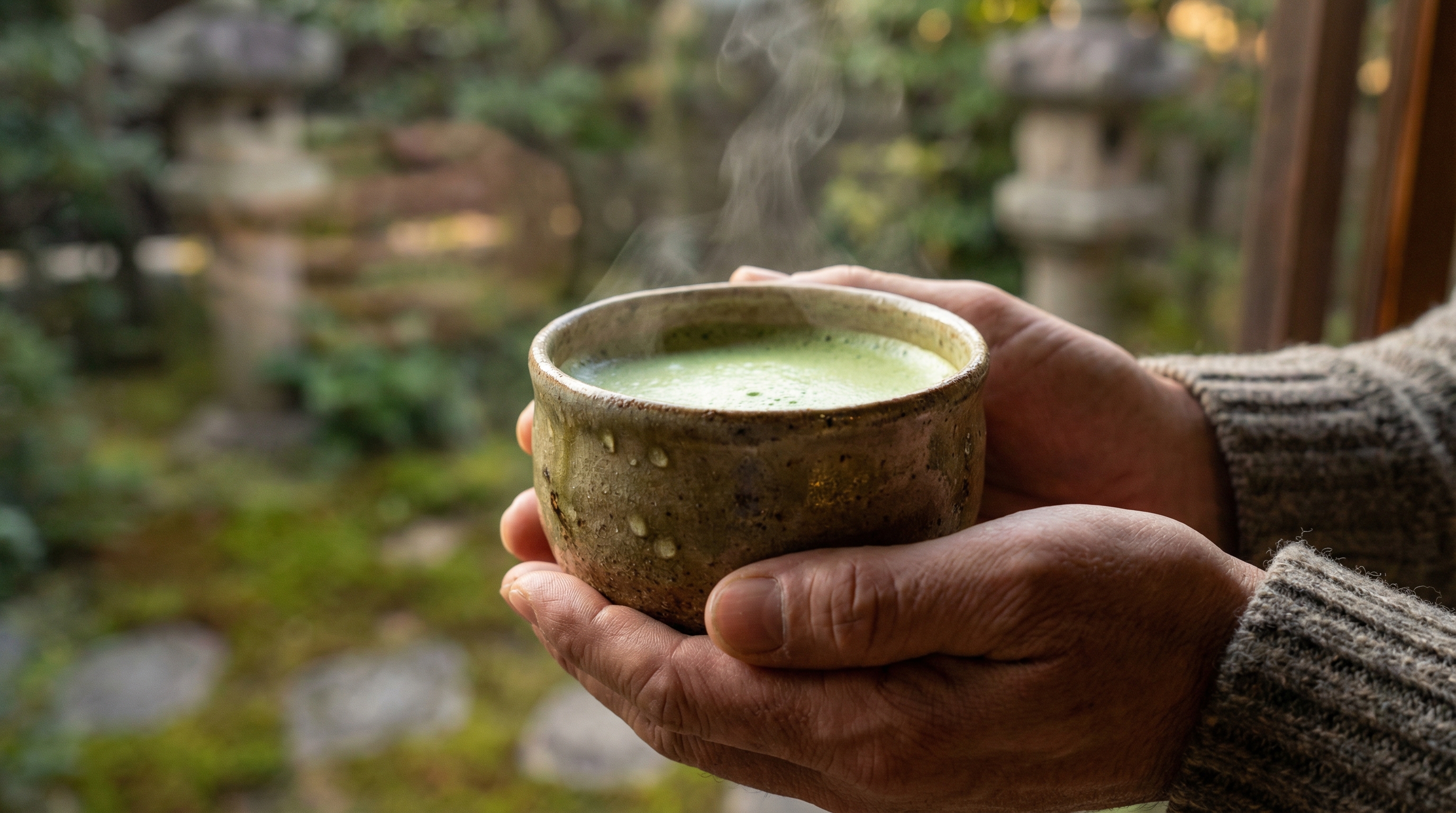
Understanding Common Risks
You should be aware of how stones and disease develop so you can take proactive steps to prevent them. Most stones form when your urine becomes too concentrated with certain minerals.
- Dehydration is a leading cause of crystal formation.
- High blood pressure can damage delicate vessels.
- Metabolic issues lead to long-term filtration decline.
Believe it or not: Small dietary choices have a massive impact on whether your kidneys stay healthy or begin to struggle.
Key Takeaway: Managing systemic health through diet is the most effective way to prevent long-term kidney issues.
Common Risk | Primary Cause | Matcha Role |
|---|---|---|
Kidney Stones | Concentration of minerals | Low oxalate alternative |
CKD | High blood pressure | Blood flow support |
Analysis Guide: Evaluate your total daily sodium and sugar intake, as these stressors are more damaging to kidneys than moderate tea consumption.
What are the positive impacts of Matcha and Kidney Health?
The positive impacts of Matcha and Kidney Health include a reduction in renal inflammation and better management of glucose levels. Drinking this concentrated powder provides a significant dose of EGCG for organ protection.
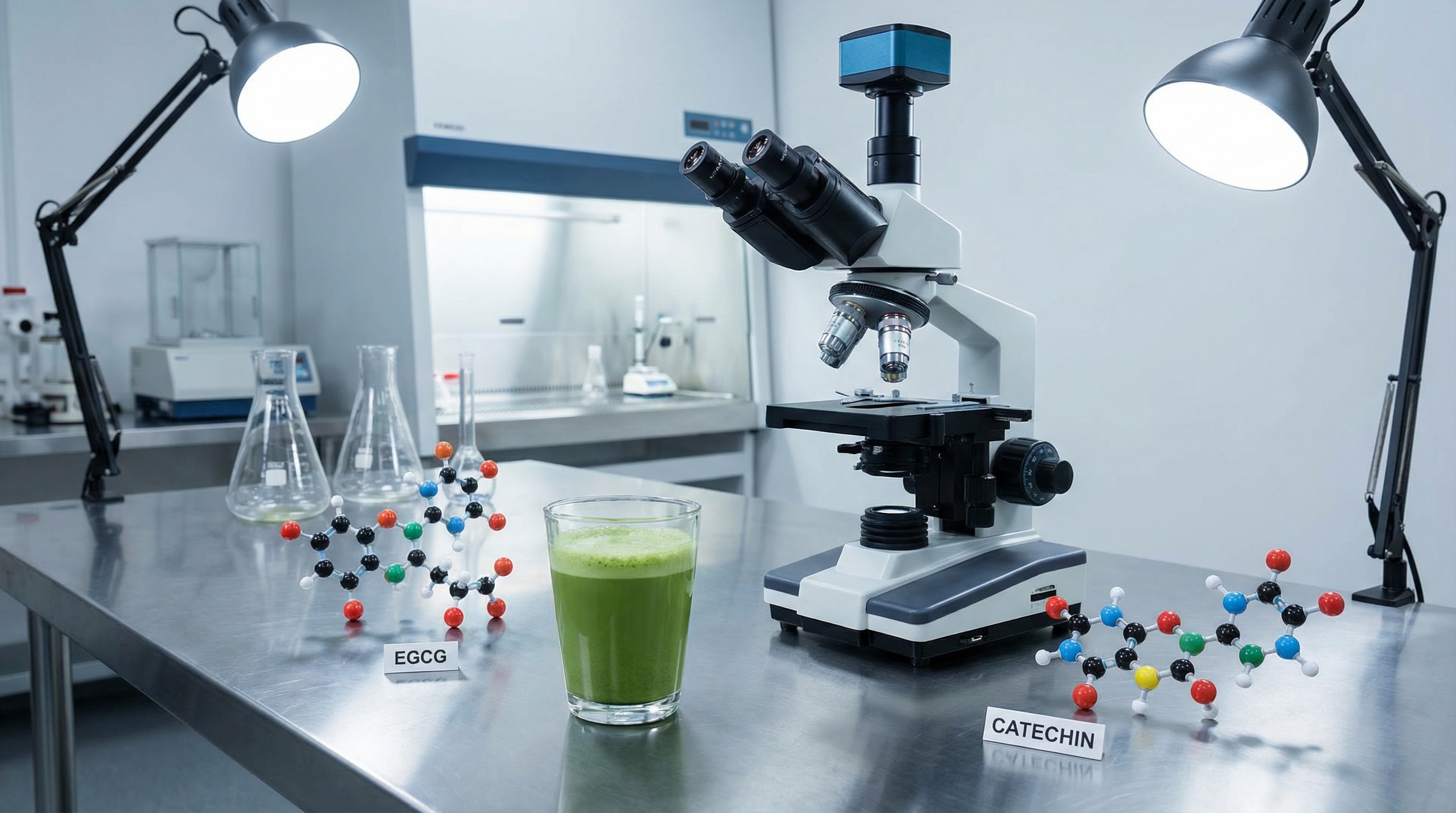
Protecting Your Filters
You can actively shield your kidneys from oxidative stress by flooding your system with high-quality polyphenols. These compounds act like a security team for your cells, preventing damage from free radicals.
- EGCG reduces inflammation in renal tissues.
- Matcha regulates glucose to prevent diabetic damage.
- The tea supports healthy blood flow to renal arteries.
But wait, there is even more: Matcha has been shown to potentially reverse some damage caused by high-fructose diets in laboratory settings.
Key Takeaway: The concentrated catechins in matcha provide a robust defense against modern dietary stressors.
Positive Impact | Physiological Result | Active Compound |
|---|---|---|
Anti-inflammatory | Reduced tissue stress | EGCG |
Glucose Control | Reduced nephron strain | Polyphenols |
Analysis Guide: Incorporate matcha into a low-sugar diet to maximize its ability to protect the kidney’s filtration units.
How do antioxidants help your Matcha and Kidney Health?
Antioxidants help Matcha and Kidney Health by neutralizing unstable free radicals that would otherwise degrade the delicate tissues of the renal system. This cellular repair is essential for maintaining long-term filtration efficiency.
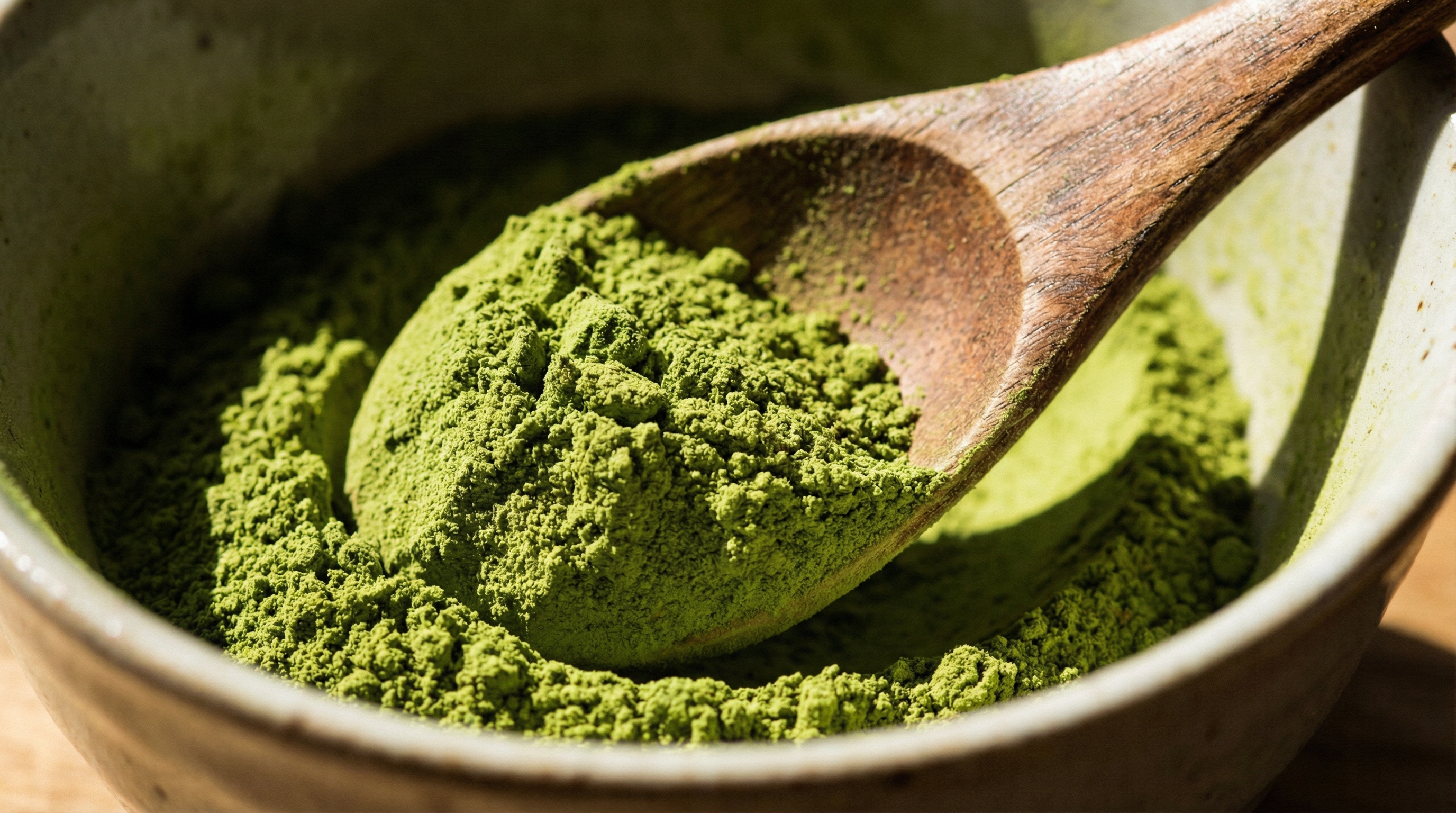
The Power of Catechins
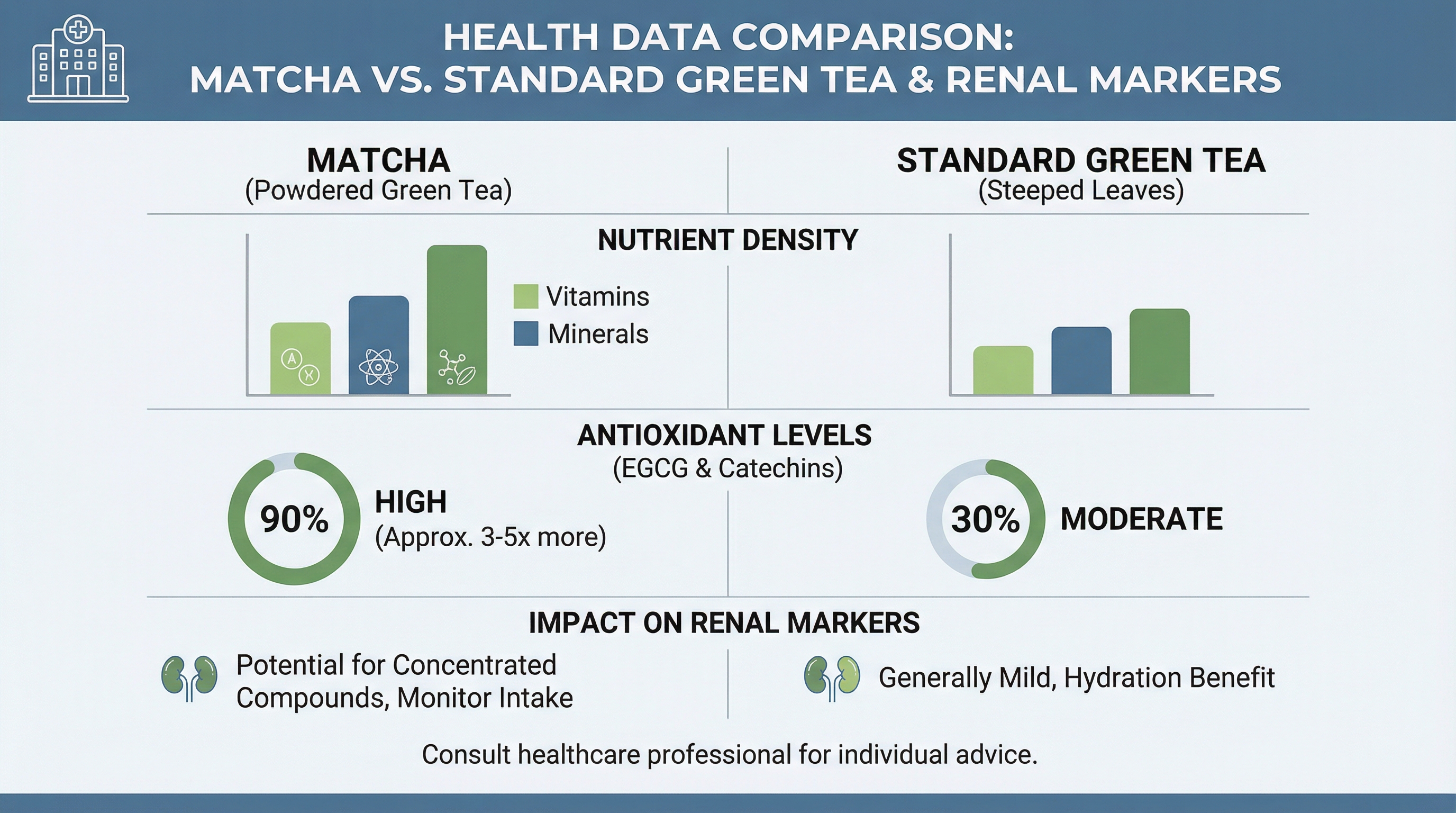
You might know that matcha is a powerhouse of EGCG, which is specifically effective at targeting inflammation. This particular antioxidant is much more concentrated in matcha than in regular steeped tea.
- Catechins help prevent the oxidation of renal cells.
- They support natural detoxification pathways.
- Regular intake improves the overall resilience of organs.
It gets even better: These compounds actively signal your body to produce its own internal antioxidants for a double layer of protection.
Key Takeaway: Consistent antioxidant intake is a cornerstone of maintaining youthful and functional kidney tissue.
Antioxidant Type | Focus Area | Impact |
|---|---|---|
EGCG | Cellular inflammation | High Protection |
Chlorophyll | Toxin binding | Moderate Support |
Analysis Guide: Use a whisk to ensure all the powder is suspended, as the most potent antioxidants are stored within the leaf particles.
Can detoxing support your Matcha and Kidney Health?
Natural detoxification supports Matcha and Kidney Health by ensuring that primary exit routes for toxins remain clear and functional. Matcha enhances this process by protecting against heavy metal toxicity and environmental pollutants.
Supporting Natural Pathways
You don’t need a “detox kit” when you have a beverage that naturally enhances your organ function. Your kidneys and liver are already designed to detoxify you, provided they have the right nutrients.
- Chlorophyll helps bind to toxins for removal.
- The tea promotes healthy urination to flush the system.
- It protects against damage from environmental pollutants.
But here is the real secret: Long-term consumption has been shown to protect both the liver and kidneys from cumulative damage over time.
Key Takeaway: Matcha acts as a natural ally for your body’s built-in filtration and excretion systems.
Detox Support | Mechanism | Benefit |
|---|---|---|
Toxin Binding | Chlorophyll interaction | Cleaner filtration |
Flushing | Natural diuretic effect | Reduced mineral buildup |
Analysis Guide: Replace one sugary beverage per day with matcha to significantly reduce the toxin load on your kidneys.
Does oxalate content impact Matcha and Kidney Health?
While oxalate content is a factor in Matcha and Kidney Health, it is significantly less concerning than in black tea or processed sodas. High-quality ceremonial powders provide a balanced profile that mitigates potential stone risks.
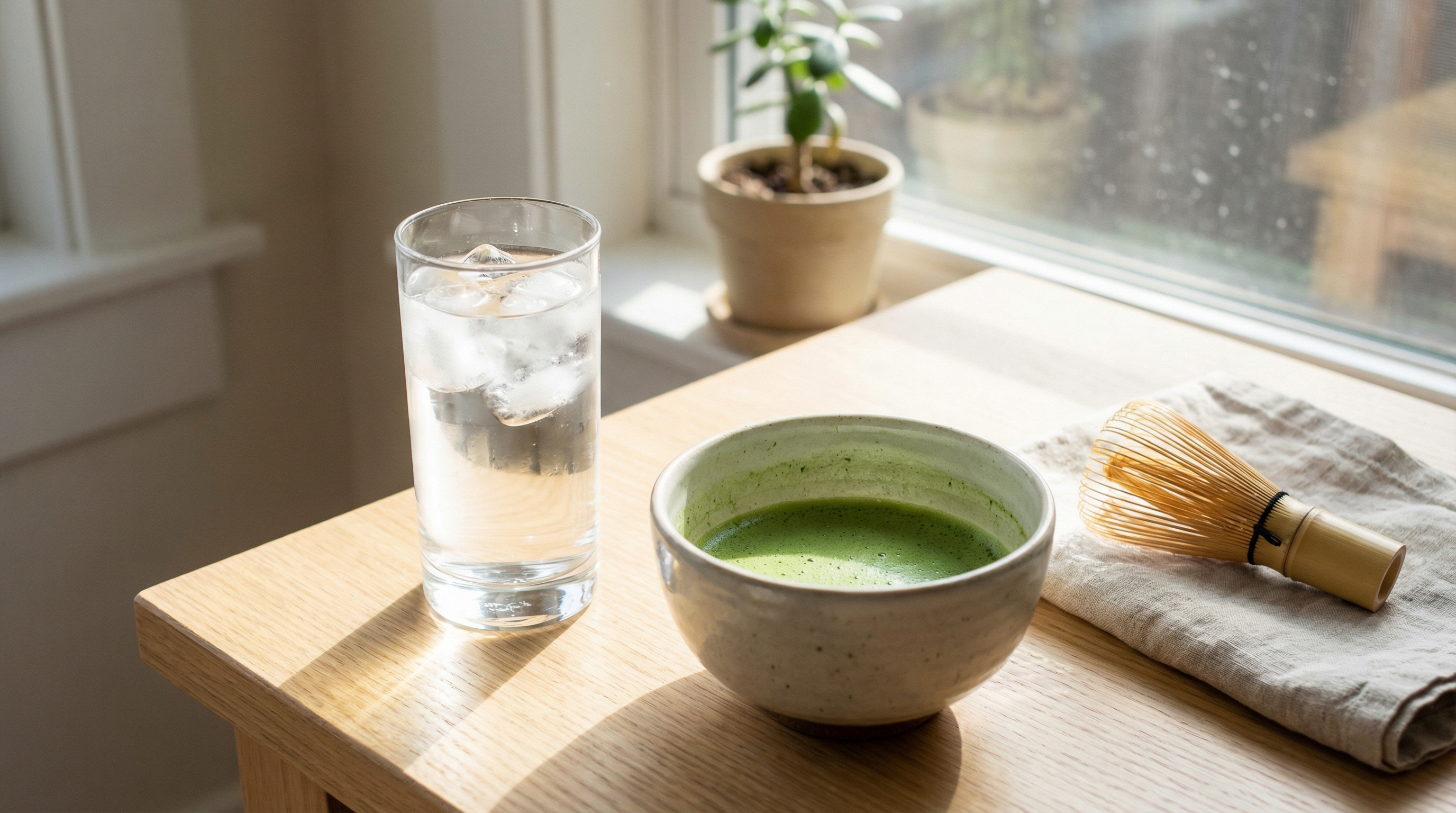
Comparing Tea Varieties
You will be relieved to know that the way matcha is processed keeps the oxalate levels manageable for most people. Because you consume the whole leaf, you get a balanced profile of nutrients that offsets potential risks.
- Black tea contains higher levels of soluble oxalates.
- Matcha’s calcium content helps bind oxalates in the gut.
- Proper hydration further mitigates any potential stone risk.
The best part is: You don’t have to give up your favorite drink to stay safe from stones if you choose high-grade sources.
Key Takeaway: Quality sourcing and proper hydration are the best defenses against oxalate-related issues.
Beverage | Oxalate Risk | Renal Safety |
|---|---|---|
Black Tea | High | Moderate |
Matcha (Ceremonial) | Low-Moderate | High |
Analysis Guide: If you are prone to stones, drink an extra glass of water with every bowl of matcha to ensure mineral dilution.
Is Hojicha a good alternative for Matcha and Kidney Health?
Hojicha is an excellent alternative for Matcha and Kidney Health because the roasting process reduces caffeine and offers a gentle profile for the stomach. This roasted tea remains rich in polyphenols while being easier on the renal system.
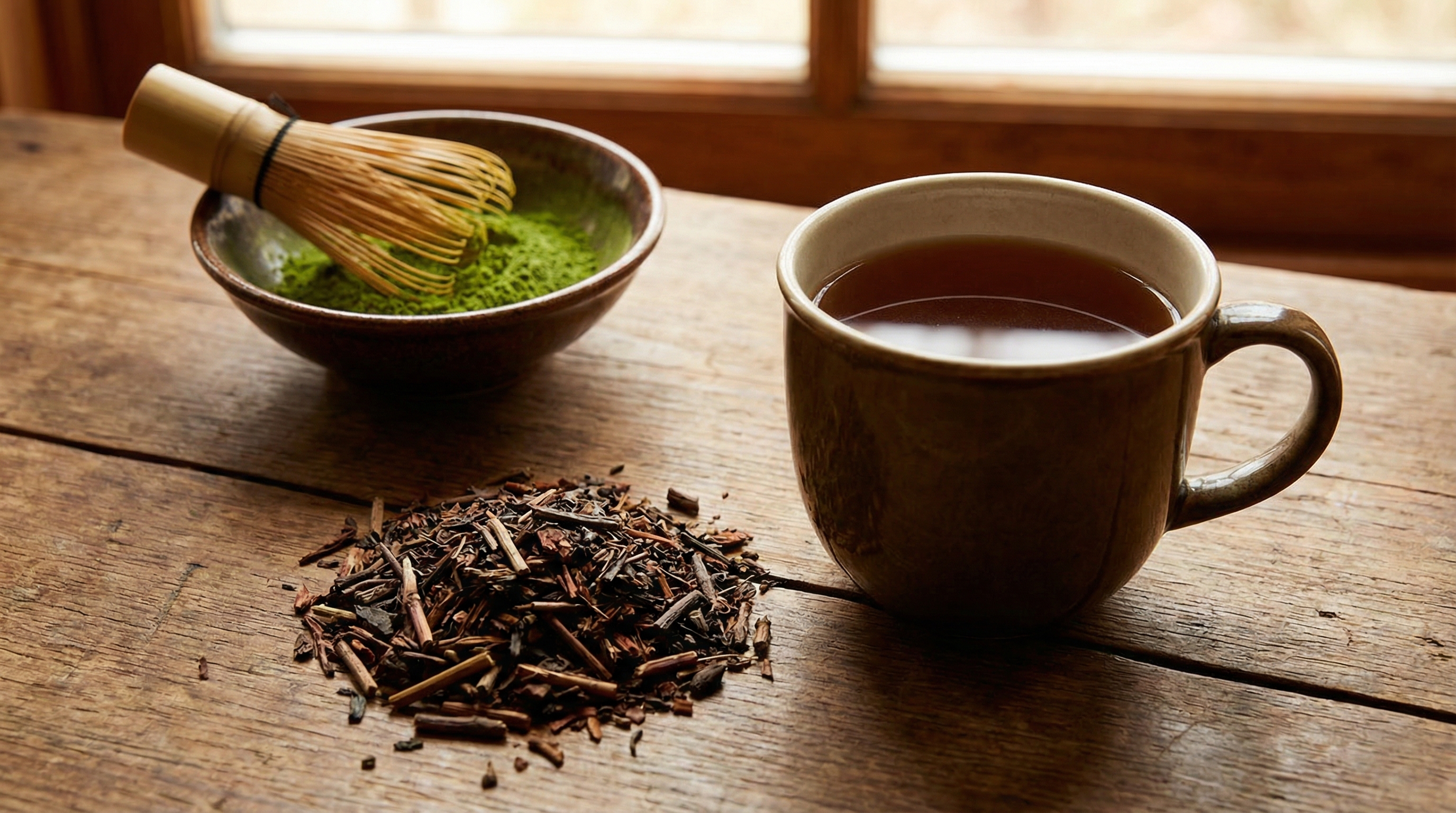
Benefits of Roasted Tea
You might enjoy the nutty flavor of Hojicha if you want a more soothing, low-caffeine experience. It remains a potent source of antioxidants despite the high-heat roasting process it undergoes.
- Lower caffeine content reduces the diuretic effect.
- The roasting process creates unique aromatic compounds.
- It is a perfect evening alternative to green tea.
But don’t forget: Switching between different types of Japanese teas allows you to receive a wider spectrum of protective benefits.
Key Takeaway: Hojicha provides a kidney-friendly, low-caffeine option for those sensitive to traditional green tea stimulants.
Tea Type | Caffeine Level | Kidney Impact |
|---|---|---|
Matcha | Moderate | Stimulating/Protective |
Hojicha | Low | Soothing/Protective |
Analysis Guide: Use Hojicha in the afternoon to avoid over-stimulating the kidneys before sleep, which is when most repair happens.
How can you improve your overall Matcha and Kidney Health?
Improving your Matcha and Kidney Health requires a holistic approach that combines clean eating, active movement, and proper hydration. Matcha works most effectively when it is part of a larger, healthy lifestyle puzzle.

Holistic Lifestyle Choices
You can significantly boost your kidney function by making small, consistent changes to your daily routine. Matcha works best when it is supported by a clean diet and active movement.
- Aim for 30 minutes of physical activity daily.
- Reduce intake of processed salts and sugars.
- Ensure 7-8 hours of restorative sleep every night.
Wait, there is more: Combining your matcha with a squeeze of lemon can actually increase the bioavailability of its antioxidants.
Key Takeaway: A healthy lifestyle amplifies the natural benefits of matcha for long-term renal vitality.
Lifestyle Pillar | Impact | Kidney Benefit |
|---|---|---|
Movement | Improved circulation | Better waste removal |
Sleep | Cellular repair | Toxin processing |
Analysis Guide: Track your salt intake for one week; reducing sodium is the single best way to help your kidneys process matcha nutrients.
What is the daily intake for Matcha and Kidney Health?
A daily intake of one to two cups is the ideal range for Matcha and Kidney Health for most healthy adults. This moderation ensures you get the protective catechins without overloading your system with oxalates or caffeine.

Determining Your Dosage
You should listen to your body and adjust your intake based on how you feel throughout the day. For most people, a morning bowl provides the perfect energy boost without overworking the kidneys.
- One teaspoon of powder per cup is standard.
- Limit intake if you have a history of severe stones.
- Consult a doctor if you have existing conditions.
The bottom line is: Consistency is more important than quantity when it comes to the long-term health benefits of green tea.
Key Takeaway: Stick to 1-2 servings of ceremonial grade matcha daily to maintain optimal renal and systemic health.
Daily Intake | Status | Recommendation |
|---|---|---|
1-2 Cups | Ideal | Recommended for protection |
4+ Cups | High | Monitor for caffeine/oxalate |
Analysis Guide: If you experience any changes in urination or comfort, reduce your intake to one cup and increase water consumption.
Conclusion
The evidence clearly shows that incorporating premium matcha into your lifestyle supports filtration and protects against common renal stressors. By choosing high-quality, lab-tested powders, you ensure that your kidneys receive only the best antioxidant support. If you have any further questions or want to source the highest quality tea, please contact us today .
FAQ
Can I drink matcha if I have kidney disease?While matcha has protective benefits, you must consult your nephrologist if you have a pre-existing condition, as they may need to monitor your potassium or oxalate intake specifically.
What’s the best matcha for kidney health?Ceremonial grade matcha is the best choice because it uses the youngest leaves, which typically have the highest antioxidant concentration and lower levels of older-leaf oxalates.
How do I know if matcha is affecting my kidneys?Most people feel increased energy and better hydration; however, if you have a history of stones, you should look for signs of mineral concentration in your urine and ensure you are drinking enough water.
Can I combine matcha with other kidney-friendly foods?Yes, consuming matcha alongside a Mediterranean-style diet rich in healthy fats and low in processed salt will amplify the protective effects on your renal system.
What’s the best time of day to drink matcha for renal support?Morning or early afternoon is best, as the caffeine provides energy for your daily activities while leaving plenty of time for your kidneys to process the nutrients before sleep.