
Yes, pure matcha is entirely gluten-free because it is made solely from ground tea leaves without any grain-based additives. Navigating a world where hidden gluten lurks in the most unexpected processed foods can make your morning routine feel like a minefield of potential inflammation and discomfort. You deserve a vibrant, high-energy beverage that supports your health goals without the constant fear of a Celiac flare or digestive distress. By choosing premium organic tea, you can eliminate the guesswork and finally enjoy a superfood that is as clean as it is powerful. Is Matcha Powder Gluten Free? The answer is a resounding yes, provided you understand the critical differences between pure origins and commercial blends.

Yes, it is perfectly safe for a gluten-free morning ritual as long as you are using 100% pure stone-ground tea. Determining if Is Matcha Powder Gluten Free? is the first step toward building a sustainable wellness habit that doesn’t compromise your dietary restrictions. Many people find that switching from grain-based coffee alternatives to green tea significantly reduces bloating and morning brain fog.
This transition allows you to benefit from sustained energy without the crash often associated with sugary, gluten-heavy breakfast drinks. You can sip your morning bowl with complete confidence, knowing the botanical makeup of the leaf is naturally free of problematic proteins.
Does it support a clean lifestyle?
High-quality green tea powder is a staple for those following autoimmune protocols or strict gluten-free diets. It provides a dense source of chlorophyll and antioxidants that help detoxify the body after accidental gluten exposure.
The best part?
- It contains L-theanine for calm focus.
- No synthetic fillers are ever required.
- It naturally boosts your metabolic rate.
- It is compatible with Paleo and Keto diets.
Why is purity essential for focus?
When your body isn’t fighting off inflammatory proteins like gluten, your brain can function at a much higher level. Pure tea powder allows you to achieve a state of “relaxed alertness” that coffee simply cannot match.
Think about it:
- Gluten-free diets often lack diverse antioxidants.
- Matcha fills that nutritional gap instantly.
- It avoids the jittery spikes of standard caffeine.
Key Takeaway: Incorporating pure matcha into your morning ensures a gluten-free start that promotes long-term gut health and mental clarity.
Routine Factor | Benefit | Gluten Status |
|---|---|---|
Morning Drink | Sustained Energy | 100% Free |
Digestion | Reduced Bloating | Safe |
Mental State | Focused Calm | No Irritants |
The integration of clean tea into a daily schedule provides a reliable foundation for those managing sensitive digestive systems.
Is Matcha Powder Gluten Free when made from 100% pure tea leaves?
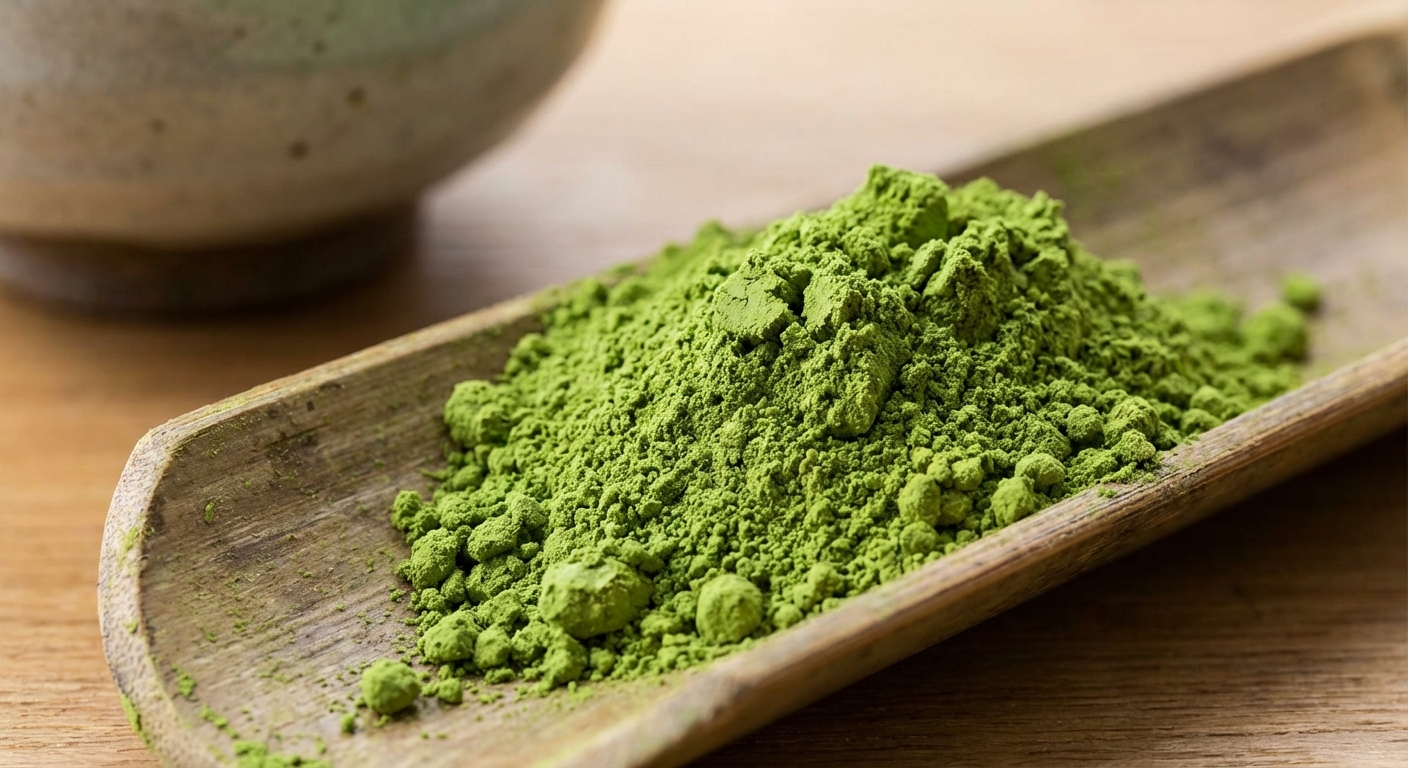
Pure tea leaves are biologically distinct from grains and contain absolutely zero gluten proteins by nature. When you ask Is Matcha Powder Gluten Free? , you are looking at the biological reality of the Camellia sinensis plant, which does not produce the gliadin proteins found in wheat. This makes the raw material inherently safe for everyone, including those with severe Celiac disease.
The production process involves steaming and drying the leaves before they are ground into the fine powder you see in your bowl. Because no other ingredients are introduced during this traditional manufacturing stage, the purity remains intact from the farm to your cup.
What is the botanical source?
Matcha comes from the same plant as black, green, and oolong tea, all of which are naturally gluten-free. The plant belongs to the Theaceae family, which is entirely unrelated to the Poaceae family of grasses and grains.
Here is the deal:
- Tea leaves are harvested for their polyphenols.
- Grains are harvested for their starchy endosperms.
- The two categories never overlap in nature.
- Cross-pollination between tea and wheat is impossible.
Are there any hidden fillers?
In the world of high-end tea, adding fillers would destroy the flavor profile and color that connoisseurs demand. Authentic manufacturers pride themselves on the vibrant green hue that only comes from pure, shade-grown chlorophyll.
Check this out:
- Vibrant green color indicates high purity.
- Yellowish hues may suggest older leaves, not gluten.
- Clumping is a sign of static, not a wheat binder.
Key Takeaway: The botanical identity of the tea leaf serves as a natural guarantee that the product is free from gluten-producing proteins.
Component | Matcha Leaf | Wheat Grain |
|---|---|---|
Protein Type | Amino Acids | Glutenin/Gliadin |
Carbohydrates | Fiber | Starch |
Main Benefit | Antioxidants | Energy/Structure |
Understanding the biological distinction between shrubs and grasses confirms that pure tea remains a safe haven for gluten-sensitive individuals.
Is Matcha Powder Gluten Free despite potential facility contact?
While the plant is safe, the real question of Is Matcha Powder Gluten Free? depends heavily on the cleanliness of the processing facility. Cross-contamination is the number one threat to a gluten-free product, especially if the factory also handles powdered drink mixes containing barley malt. Professional manufacturers mitigate this risk by using dedicated equipment that never touches grain-based products.
Modern cleanroom standards in high-end tea factories are designed to prevent airborne dust from entering the stone-grinding area. This level of environmental control is what separates a premium supplier from a generic repackager.
How are shared lines managed?
Dedicated tea factories avoid the risk of cross-contamination by refusing to process any products outside of the tea family. If a facility does handle multiple items, they must perform deep cleaning and “flush” the lines to meet international safety standards.
But wait, there is more:
- Air filtration systems catch micro-particulates.
- Stainless steel equipment is non-porous and easy to sanitize.
- Staff wear protective gear to prevent external contamination.
- Batch testing verifies the absence of allergens.
Is the grinding equipment safe?
Stone mills used for traditional tea grinding are specialized tools that are not used for flour or grains. These granite mills are calibrated specifically for the delicate structure of Tencha leaves.
Look at the facts:
- Granite mills are dedicated solely to tea.
- The slow rotation prevents heat degradation.
- No grain products could survive the friction of these mills.
Key Takeaway: Choosing a manufacturer with a dedicated tea-only facility is the most effective way to eliminate the risk of cross-contamination.
Safety Measure | Goal | Effectiveness |
|---|---|---|
Dedicated Lines | Prevent cross-contact | Highest |
Air Filtration | Remove dust particles | High |
Staff Protocols | Prevent outside gluten | Essential |
Rigorous facility standards ensure that the natural purity of the tea leaf is maintained through every stage of the grinding process.
Is Matcha Powder Gluten Free compared to common cereal grains?
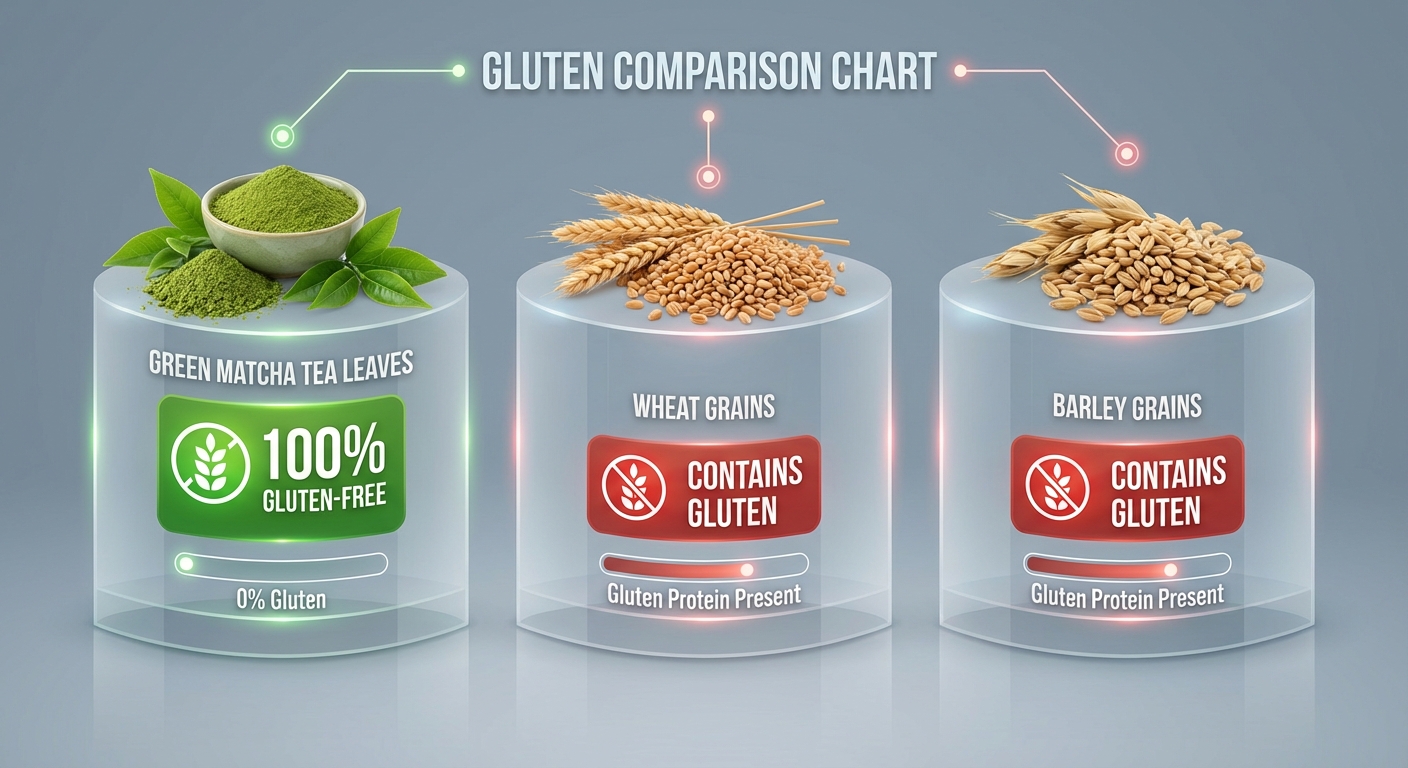
Unlike wheat, barley, or rye, matcha contains no gliadin or glutenin proteins and functions as a suspension rather than a dough. When investigating Is Matcha Powder Gluten Free? , it is helpful to look at the molecular structure of the powder versus traditional flour. Gluten provides elasticity and “glue” to baked goods, whereas tea powder relies on fine particle size to create a frothy, creamy texture in water.
The proteins in tea are primarily amino acids like L-theanine, which do not trigger the same immune response as grain proteins. This makes it a perfect alternative for those who miss the creamy mouthfeel of certain grain-based beverages.
How do the proteins differ?
Grain proteins are designed to store energy for a germinating seed and are notoriously difficult for some humans to digest. In contrast, tea proteins are water-soluble and designed to support the metabolic functions of the living leaf.
The reality is:
- Gluten proteins form sticky chains.
- Tea proteins are easily absorbed.
- Matcha provides nutrients without the “glue.”
- Your gut can process tea with minimal effort.
Can it replace grain-based drinks?
Many “instant” grain coffees use barley as a base, which is a major source of hidden gluten. Pure tea powder offers a similar richness and depth of flavor without the risk of an allergic reaction.
Consider these points:
- Barley coffee contains significant gluten.
- Matcha latte is 100% grain-free.
- The texture comes from whisking, not binders.
Key Takeaway: Molecularly, tea and grains are worlds apart, making tea a safe and superior choice for those avoiding traditional cereal proteins.
Property | Matcha Powder | Wheat Flour |
|---|---|---|
Protein Structure | Globular/Soluble | Fibrous/Elastic |
Solubility | Suspends in water | Forms a paste |
Health Impact | Anti-inflammatory | Potential Pro-inflammatory |
The fundamental difference in protein architecture guarantees that tea will never behave like gluten in the human digestive tract.
Is Matcha Powder Gluten Free in ceremonial vs. culinary grades?
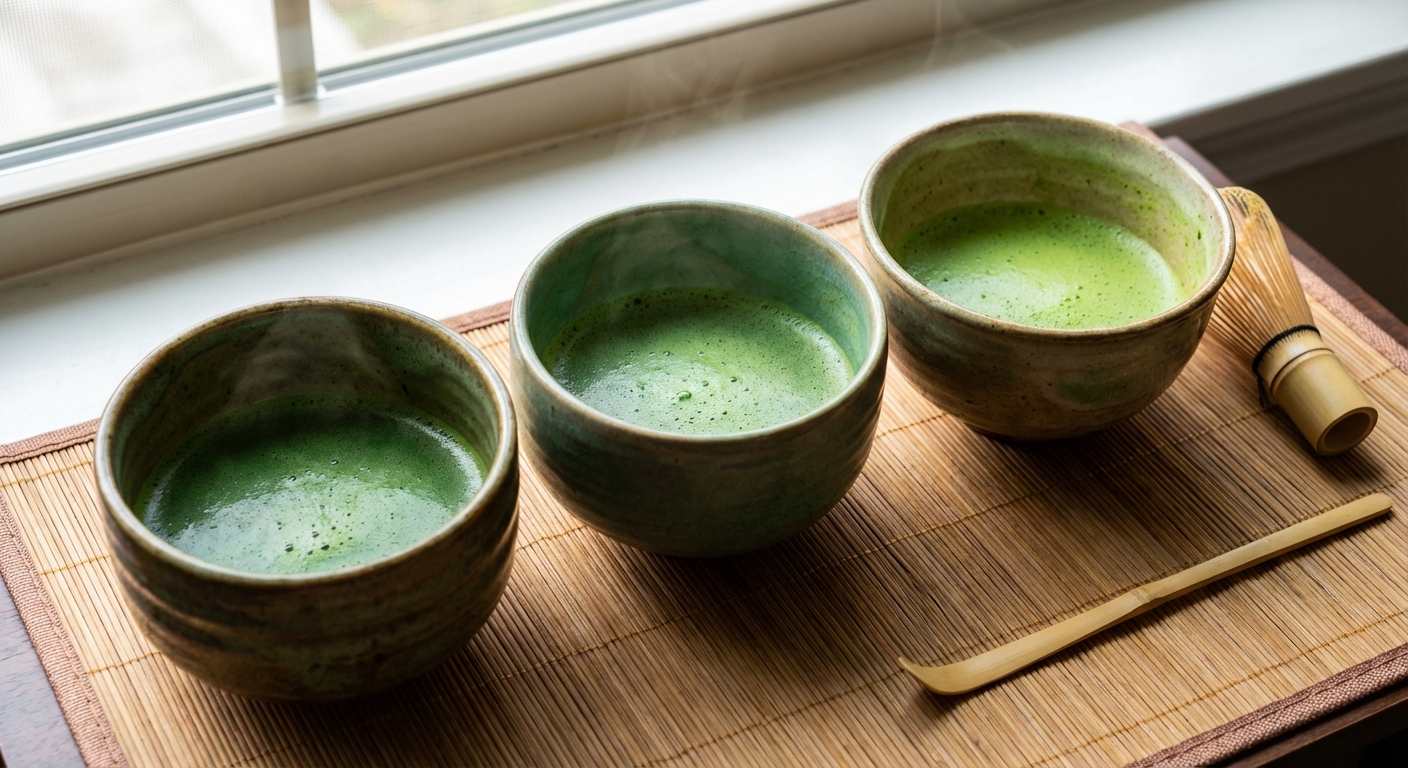
All grades of pure matcha are naturally gluten-free regardless of whether they are destined for a traditional ceremony or a kitchen recipe. You might wonder Is Matcha Powder Gluten Free? when you see the different price points, but the difference lies in the leaf quality and flavor, not the gluten status. Whether it is the youngest spring harvest or the more robust late-summer leaves, the plant remains the same.
Culinary grade is often more astringent and better for mixing with other ingredients, while ceremonial grade is intended to be enjoyed alone with water. Neither grade requires any glutenous additives to achieve their respective flavor profiles.
Is Ceremonial grade safer?
Because ceremonial grade is the highest tier, it often undergoes the most rigorous quality controls. Manufacturers know that this tea will be consumed purely, so they take extra precautions to ensure zero contamination.
The best part?
- It is processed from the softest leaves.
- It has a naturally sweet, non-bitter taste.
- No sugar or thickeners are ever needed.
- It is the gold standard for purity.
Can I use Culinary grade for baking?
When you use tea for cooking, it remains gluten-free, but you must be careful with the other ingredients in your recipe. The tea itself will never introduce gluten to your muffins or pancakes.
Keep this in mind:
- Culinary tea is robust and flavorful.
- It pairs perfectly with almond or coconut flour.
- It adds vibrant color to gluten-free treats.
Key Takeaway: Regardless of the grade you choose, pure tea powder remains a safe, gluten-free ingredient for both drinking and cooking.
Matcha Grade | Best Use | Additive Status |
|---|---|---|
Ceremonial | Drinking with water | Always pure |
Premium | Lattes and smoothies | Always pure |
Culinary | Baking and recipes | Always pure |
Selecting the right grade allows you to customize your experience while maintaining a strict gluten-free dietary protocol.
Is Matcha Powder Gluten Free if certified by third-party labs?
Third-party certification provides the ultimate verification for Is Matcha Powder Gluten Free? by testing samples at the parts-per-million level. While the plant is safe, a “Certified Gluten-Free” label means the product has been lab-tested to contain less than 20 ppm of gluten. This is the industry standard required for a product to be considered safe for those with Celiac disease.
Reputable suppliers also test for heavy metals, pesticides, and radiation. This comprehensive approach to quality control ensures that your wellness journey isn’t derailed by invisible contaminants.
Why is a COA important?
A Certificate of Analysis (COA) is a document provided by an independent lab that lists the exact results of safety tests. It is the most transparent way for a company to prove that their product is clean and safe for consumption.
Check this out:
- Lab tests don’t lie.
- COAs cover multiple batches for consistency.
- It proves the “Gluten-Free” claim is accurate.
- It builds trust between the brand and the consumer.
What do the certifications mean?
Labels like USDA Organic or EU Organic often go hand-in-hand with gluten-free purity. These certifications require the manufacturer to document every step of the supply chain, leaving no room for undeclared fillers.
Here is the deal:
- Organic standards prohibit synthetic additives.
- Documentation tracks the tea from field to shelf.
- Audits ensure the facility remains clean.
Key Takeaway: Relying on third-party testing and official certifications is the only way to be 100% certain of a product’s gluten-free status.
Certification | Level of Trust | Benefit to You |
|---|---|---|
Lab Tested | Extremely High | Verifies exact ppm of gluten |
Organic Cert | High | Ensures no chemical fillers |
COA Provided | High | Transparent data for peace of mind |
Verification through data-driven testing removes all ambiguity regarding the safety and purity of your green tea.
Is Matcha Powder Gluten Free for those with severe sensitivities?

Individuals with high sensitivity can safely consume verified pure matcha because it lacks the inflammatory triggers found in modern wheat. If you are struggling with leaky gut or general inflammation, the question of Is Matcha Powder Gluten Free? is vital for your recovery. Matcha actually contains high levels of EGCG, a catechin known for its anti-inflammatory properties that can help soothe a damaged digestive lining.
Instead of causing a reaction, high-quality tea helps the body maintain a balanced immune response. This makes it a functional food that supports healing rather than a simple beverage that you just “tolerate.”
Can it help with gut health?
Because you are consuming the entire leaf, you get a small amount of dietary fiber and a massive dose of polyphenols. These compounds act as prebiotics, feeding the beneficial bacteria in your gut.
The best part?
- It supports a diverse microbiome.
- It reduces systemic inflammation.
- It provides a gentle energy boost.
- It is easy on the stomach lining.
Are there any digestive risks?
The only risk for those with sensitive stomachs is consuming tea on a completely empty stomach, which can occasionally cause mild nausea due to the tannins. This is a common reaction to green tea and has nothing to do with gluten.
Think about it:
- Tannins can be strong for some.
- Adding a splash of nut milk often helps.
- It is still 100% gluten-free even if it feels “strong.”
Key Takeaway: Beyond being gluten-free, pure tea powder actively supports gut health and reduces the inflammation often caused by grain consumption.
Health Impact | Mechanism | Result for Sensitive Users |
|---|---|---|
Inflammation | EGCG Catechins | Soothes the gut |
Microbiome | Polyphenols | Improved digestion |
Energy | L-Theanine | No jitters or crashes |
A proactive approach to gut health includes choosing beverages that actively contribute to healing and long-term wellness.
Is Matcha Powder Gluten Free when choosing the right packaging?
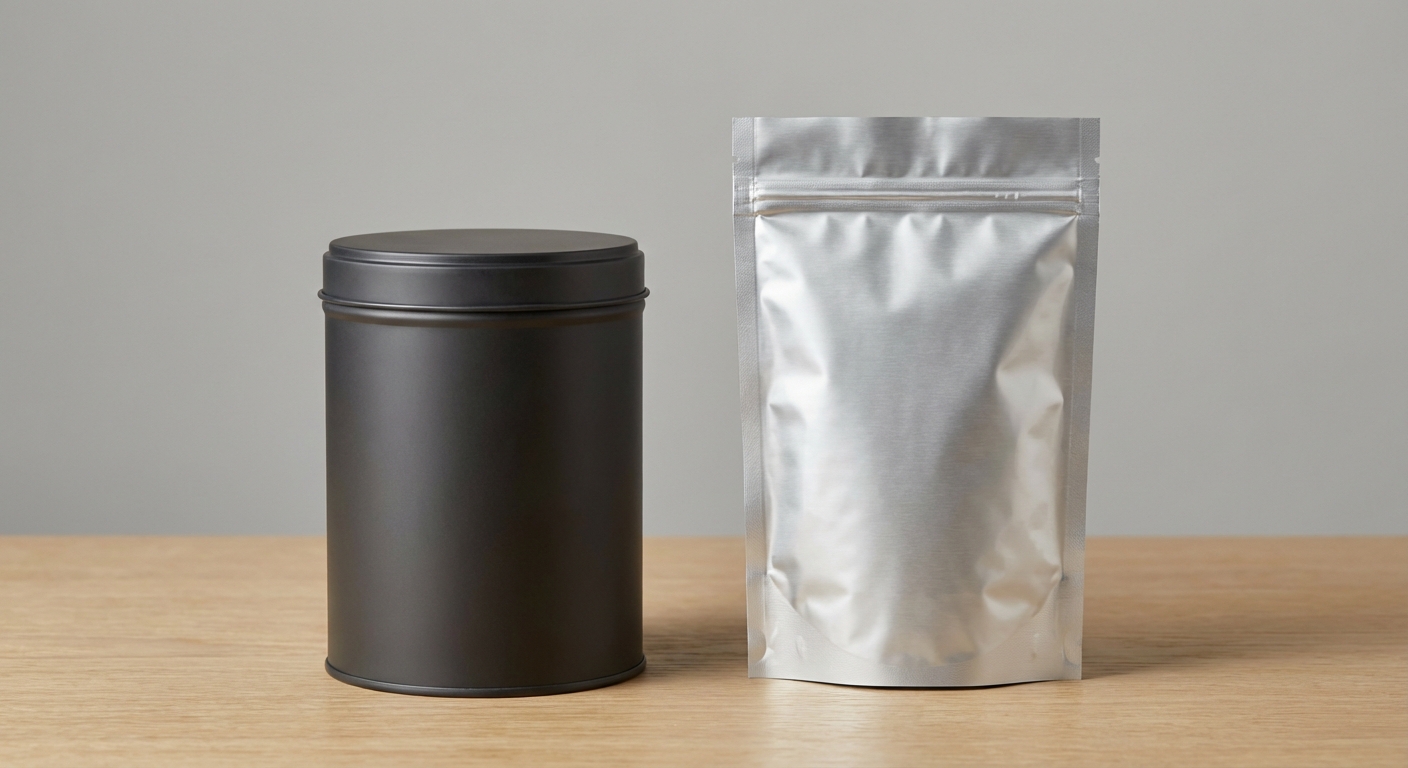
Proper packaging ensures that no external gluten dust enters your product during the distribution and storage phase. When you consider Is Matcha Powder Gluten Free? , you must look at how the powder is protected from its environment. High-quality tea should be stored in airtight, light-proof containers like aluminum pouches or sealed tin canisters to prevent oxidation and contamination.
If a product is sold in loose, open bins, the risk of cross-contamination from other bulk items in a grocery store increases dramatically. Always opt for factory-sealed units that guarantee the internal environment has remained untouched.
Why are sealed pouches best?
Multi-layer aluminum pouches provide a barrier against moisture, light, and airborne particles. This is essential for maintaining the delicate flavor and ensuring no flour dust from a nearby bakery could ever seep in.
Check this out:
- Oxygen-free seals preserve freshness.
- Zip-lock features keep daily use safe.
- Aluminum is a perfect barrier for allergens.
How should you store it at home?
Even at home, you should keep your tea away from your flour canisters. While the risk is small, keeping your “safe” foods in a dedicated area of the pantry is a best practice for those with severe allergies.
Here is the deal:
- Heat and light degrade tea quickly.
- Airtight storage prevents odor absorption.
- Keeping it separate ensures purity.
Key Takeaway: Secure, factory-sealed packaging is a vital layer of defense that keeps pure tea free from environmental gluten and degradation.
Packaging Type | Protection Level | Best For |
|---|---|---|
Aluminum Pouch | Highest | Long-term freshness and safety |
Tin Canister | High | Daily accessibility and light protection |
Glass Jar | Low | Aesthetic only (must be kept in dark) |
Investing in high-quality packaging is as important as the tea itself when it comes to maintaining a strictly gluten-free lifestyle.
Is Matcha Powder Gluten Free in instant mixes and lattes?
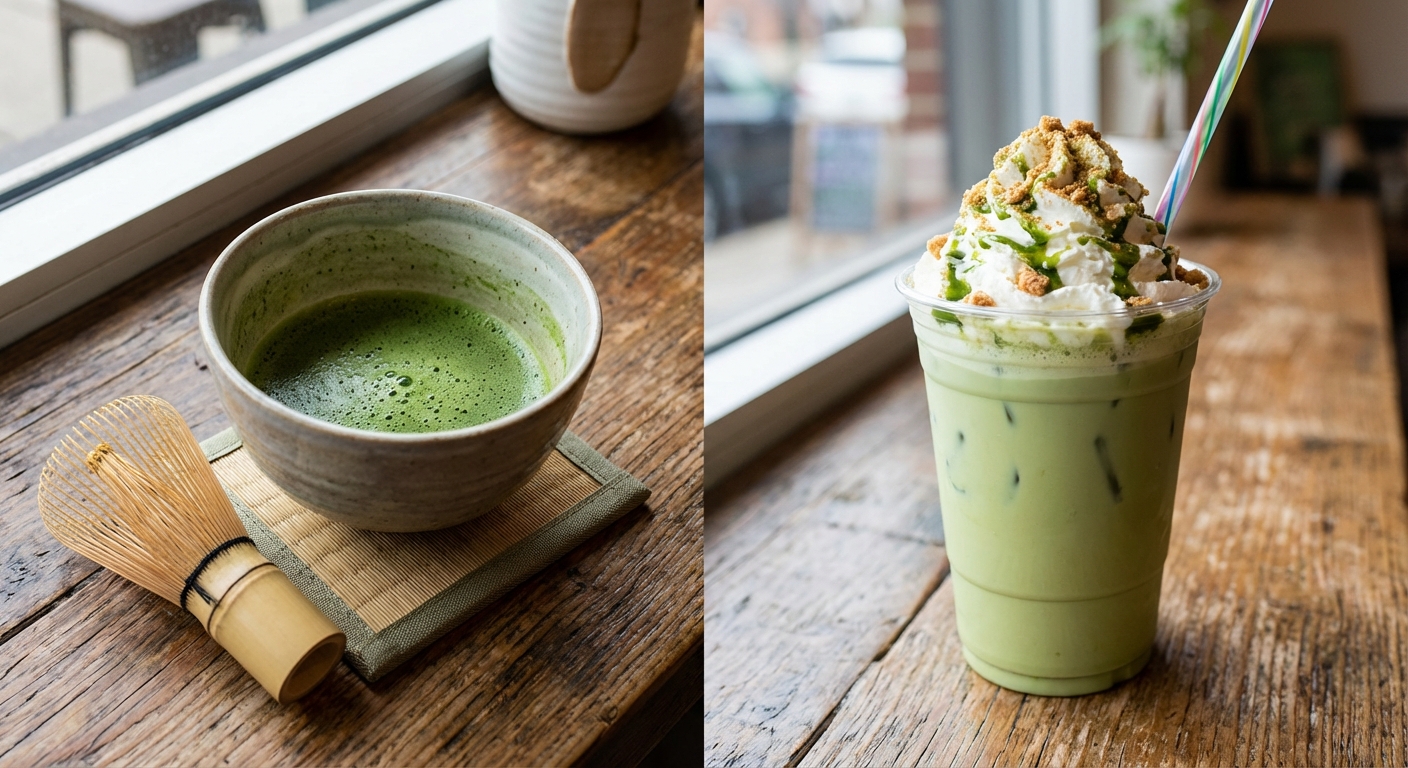
Instant mixes and commercial lattes require careful scrutiny because they often contain additives like maltodextrin that can introduce gluten. To truly know Is Matcha Powder Gluten Free? in these products, you must read the fine print on the ingredient label. Many “3-in-1” mixes use barley-derived sweeteners or wheat-based thickeners to create a creamy texture at a lower cost.
Sticking to 100% pure powder allows you to control exactly what goes into your drink. You can then add your own safe, gluten-free sweeteners and plant-based milks without any hidden risks.
What are common red flag ingredients?
Look out for terms like “Natural Flavors” or “Maltodextrin” if the source isn’t specified. While many forms of maltodextrin are corn-based, some can be derived from wheat, which is a major concern for Celiac consumers.
But wait, there is more:
- “Modified food starch” can be wheat-based.
- Some creamers contain trace gluten binders.
- Barley malt is a common flavor enhancer.
- Pure powder avoids all these traps.
Why is traditional prep safer?
Preparing your tea with a bamboo whisk and pure water is the most traditional—and safest—method. It bypasses the need for any industrial processing aids that could compromise your dietary needs.
Check this out:
- Water and tea are 100% safe.
- No emulsifiers are needed for foam.
- The bamboo whisk is a dedicated tea tool.
Key Takeaway: Pure, additive-free tea powder is the only way to guarantee a gluten-free experience in a world of complex commercial mixes.
Product Category | Gluten Risk | Recommendation |
|---|---|---|
Pure Matcha Powder | None | Safest Choice |
Sweetened Mixes | Moderate | Check for wheat-derived starch |
Ready-to-Drink | Low-Moderate | Verify cross-contamination labels |
Choosing simplicity over convenience is often the best strategy for those managing serious dietary restrictions.
Is Matcha Powder Gluten Free when buying in bulk for B2B?
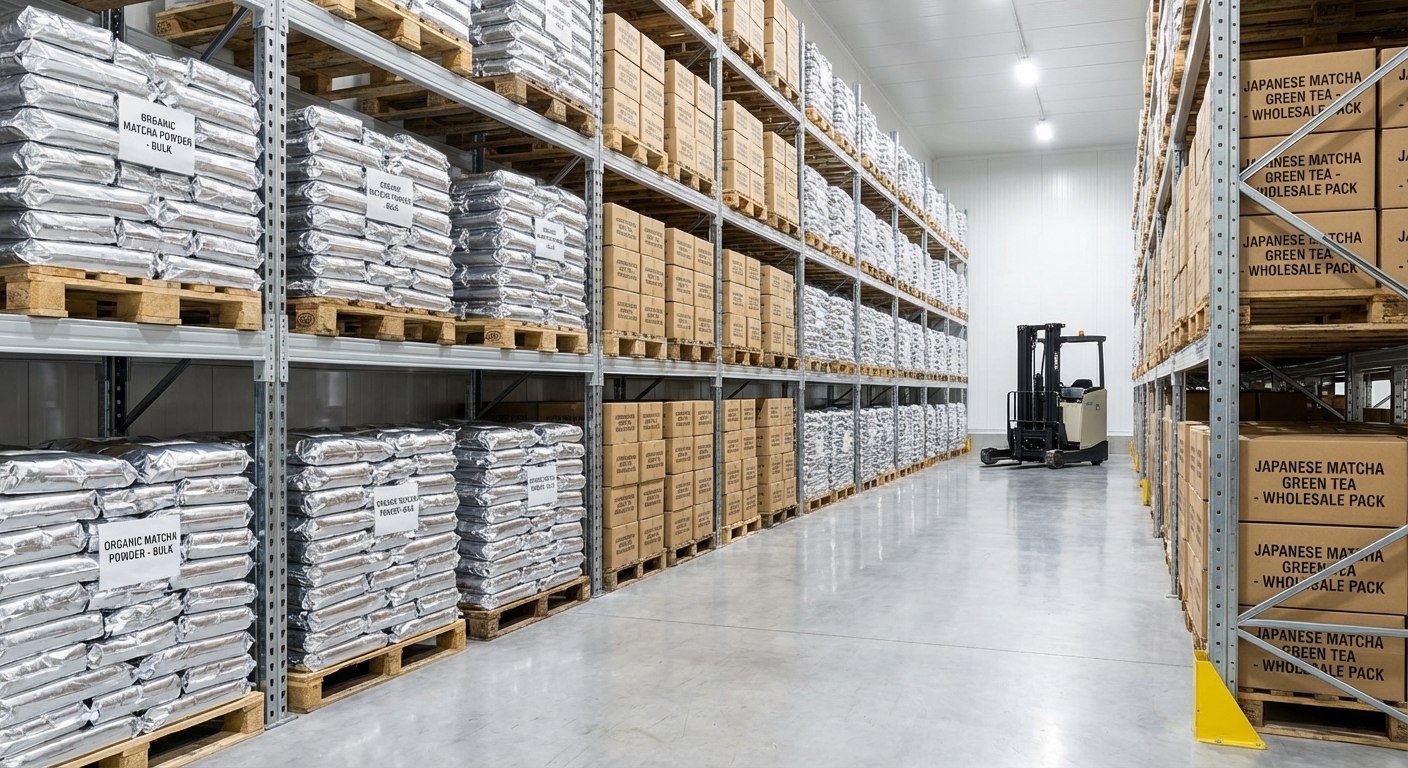
Bulk purchases for business use remain safe as long as the supplier maintains rigorous allergen-free logistics and certified storage. When sourcing for a cafe or health food shop, you must confirm Is Matcha Powder Gluten Free? at the wholesale level. Professional suppliers provide complete documentation, including export certificates and allergen statements, to ensure the product meets global safety standards.
Buying in bulk (20kg to 25kg cartons) requires the same level of care as retail units. The inner liners must be food-grade and moisture-proof to prevent any environmental interaction during international shipping.
How is bulk tea handled?
Reputable wholesalers use dedicated tea warehouses that are climate-controlled and free from grain dust. This prevents any possibility of cross-contamination during the palletization and shipping process.
Here is the deal:
- Bulk bags are double-sealed for security.
- Warehouses are dedicated to tea and superfoods.
- Logistics chains are audited for safety.
- Wholesale buyers get full technical specs.
What should B2B buyers ask for?
When you contact us today for bulk supplies, you should always request the most recent testing data. A reliable partner will be happy to share their USDA/EU organic certs and their specific gluten-free testing protocols.
Consider these steps:
- Request the latest batch COA.
- Ask about the facility’s dedicated lines.
- Verify the non-GMO and allergen-free status.
Key Takeaway: B2B buyers must partner with dedicated tea manufacturers who can provide the necessary paperwork to guarantee a gluten-free supply chain.
Wholesale Factor | Importance | B2B Action |
|---|---|---|
Documentation | Vital | Request COA and Certs |
Logistics | High | Confirm tea-only storage |
Packaging | Essential | Verify double-sealed liners |
Securing a transparent and verified supply chain is the cornerstone of any successful and safe health-focused business.
Conclusion
Embracing a gluten-free lifestyle shouldn’t mean sacrificing the rich, vibrant flavors of the world’s best superfoods. Matcha is a rare beverage that offers both incredible taste and profound health benefits without the risk of hidden grains. By understanding the importance of purity, facility standards, and third-party testing, you can transform your morning ritual into a safe haven of wellness.
At Riching Matcha, we have solved the problem of sourcing reliable, high-purity tea by owning our organic farms and maintaining a world-class, tea-only manufacturing facility. We can provide you with every grade of matcha—from ceremonial to culinary—each backed by EU/USDA organic certifications and rigorous lab testing. Our brand stance is simple: we believe that premium health products should be transparent, accessible, and absolutely pure. Whether you are a business owner looking for a reliable wholesale partner or a tea lover seeking the best for your kitchen, we are here to support your journey. Contact us today to discover how we can elevate your brand or your breakfast bowl with the power of pure, gluten-free tea!
FAQ
Can I drink matcha if I have celiac disease?Yes, pure matcha is naturally gluten-free and safe for those with Celiac disease, provided it is processed in a facility that does not handle wheat or barley. Always look for a “Certified Gluten-Free” label or a manufacturer that uses dedicated tea lines.
How do I know if a matcha mix has hidden gluten?You must read the ingredient label carefully for red flags like maltodextrin (if the source is not specified), barley malt, or modified food starch. Sticking to 100% pure green tea powder is the only way to avoid these hidden risks entirely.
Is culinary grade matcha more likely to have gluten?No, the grade of the tea (culinary vs. ceremonial) only refers to the harvest time and flavor profile, not the gluten status. Pure culinary grade is just as gluten-free as ceremonial grade, as both are made from 100% Camellia sinensis leaves.
Does cross-contamination happen in tea factories?It can occur if a factory processes grain-based drink mixes on the same equipment as their tea. To prevent this, choose a supplier like Riching Matcha that operates a dedicated, tea-only facility with strict cleanroom standards.
What is the best way to store matcha to keep it pure?Store your tea in its original, airtight aluminum pouch or a light-proof tin canister in a cool, dark place. Keeping it separate from your baking flours at home adds an extra layer of protection against environmental gluten dust.