
Yes, cats can drink green tea provided the beverage is strictly decaffeinated and served in a cooled, diluted format to prevent metabolic distress. You likely enjoy a morning brew to sharpen your focus, yet you worry if sharing this ritual might accidentally harm your feline companion. It is a valid concern because even small amounts of stimulants can lead to rapid heart rates or nervous system distress in pets. can cats have green tea safely when you prioritize water-processed leaves that offer plant-based antioxidants without the dangers of chemical toxicity.
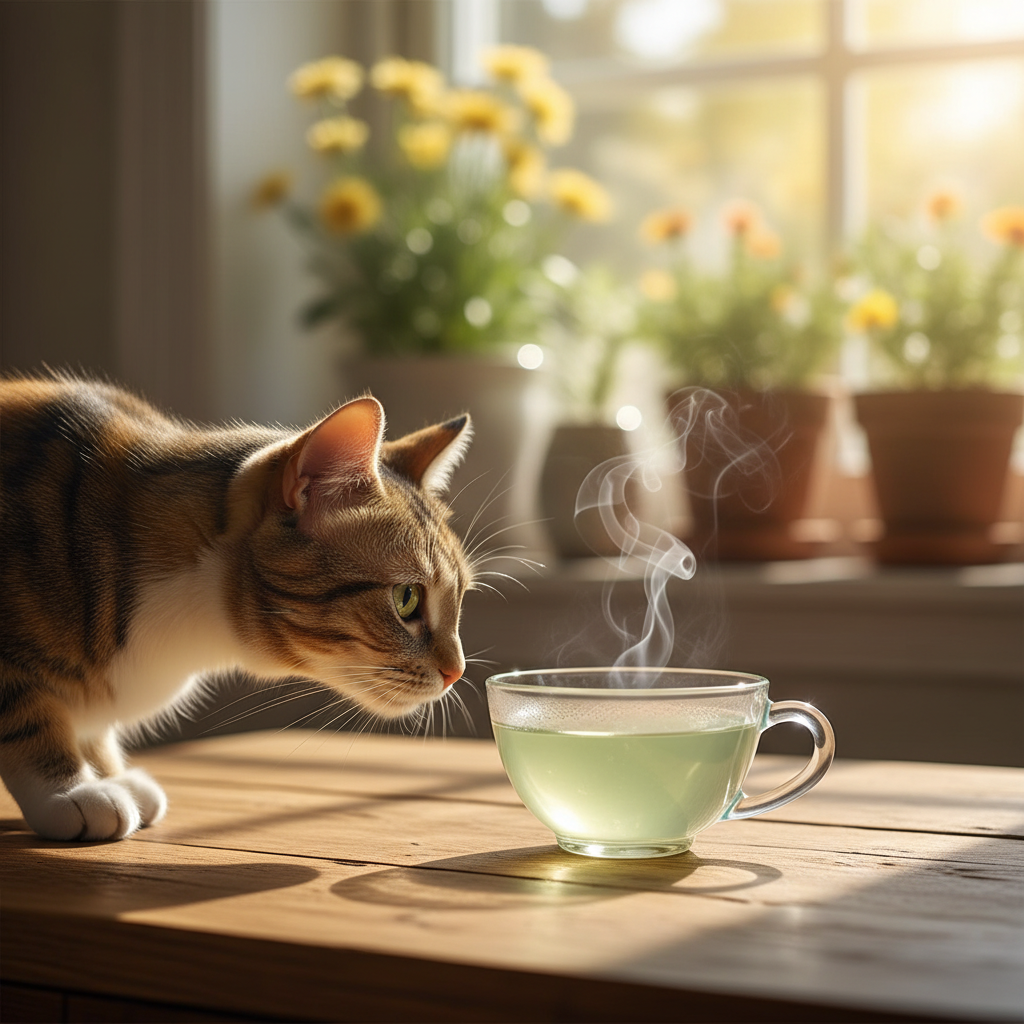
You may safely offer small portions of this herbal liquid because can cats have green tea when it is entirely free from caffeine and additives. While the raw plant is not inherently toxic, the processing of most commercial leaves introduces stimulants that felines cannot metabolize efficiently. To keep your pet healthy, you must strictly prioritize water-processed decaffeinated leaves that have been steeped lightly and cooled to room temperature.
Is the caffeine content safe for felines?
Stick with me here. Cats are hypersensitive to methylxanthines, meaning even a few licks of caffeinated tea can cause agitation or tremors. To keep your pet safe, you must prioritize the following preparation standards:
- Always select “CO2 process” decaffeinated leaves.
- Avoid any tea blends containing chocolate or citrus zest.
- Limit intake to no more than one tablespoon per serving.
Key Takeaway: Caffeine remains the primary threat, so the decaffeinated status is a non-negotiable requirement for feline safety.
Component | Feline Safety Status | Recommended Action |
|---|---|---|
Caffeine | Toxic | Zero tolerance; use decaf only |
L-Theanine | Safe | Beneficial for relaxation |
Tannins | Moderate | Limit to prevent stomach upset |
The removal of stimulant compounds transforms a potential toxin into a safe functional supplement for domestic cats.
How can cats have green tea for health benefits?
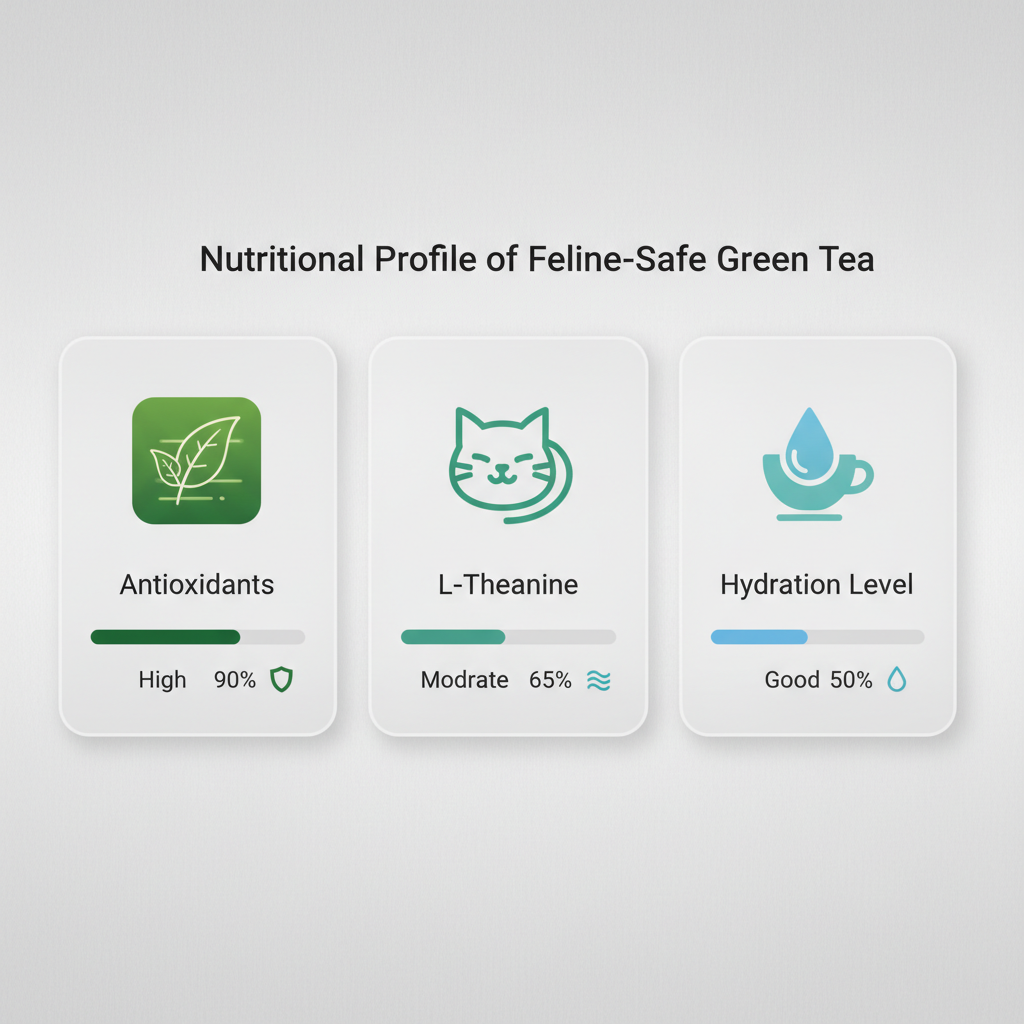
The biological profile of your pet improves through antioxidant support when can cats have green tea as a supplemental beverage. Integrating this plant into their routine helps fight oxidative stress at a cellular level. These natural compounds work to bolster internal defenses and promote a glossy coat while supporting the liver’s natural detoxification pathways.
Does it support antioxidant levels in pets?
You might be wondering. Evidence indicates that tea catechins help neutralize free radicals that would otherwise damage feline DNA. These compounds support the body’s natural ability to recover from environmental toxins.
- Supports vital liver detoxification processes.
- Neutralizes environmental pollutants in the bloodstream.
- Bolsters the natural immune response against seasonal ailments.
Can it improve cognitive function in senior cats?
Ready for the good part? Older cats often suffer from cognitive decline, and the neuroprotective properties of tea polyphenols can help maintain mental clarity. Reducing inflammation in the brain allows for better engagement with their surroundings.
- Reduces brain inflammation in aging felines.
- Supports neurotransmitter balance for better sleep patterns.
- Increases alertness during daytime hours.
Key Takeaway: Antioxidant and neuroprotective properties make this a potent tool for managing the health of aging pets.
Health Marker | Tea Impact | Observed Result |
|---|---|---|
Cell Integrity | High | Reduced oxidative damage |
Brain Aging | Positive | Improved cognitive awareness |
Immunity | Supportive | Fewer minor infections |
Targeted use of specific tea catechins shows a direct correlation with improved vitality in geriatric feline populations.
What types can cats have green tea without risk?
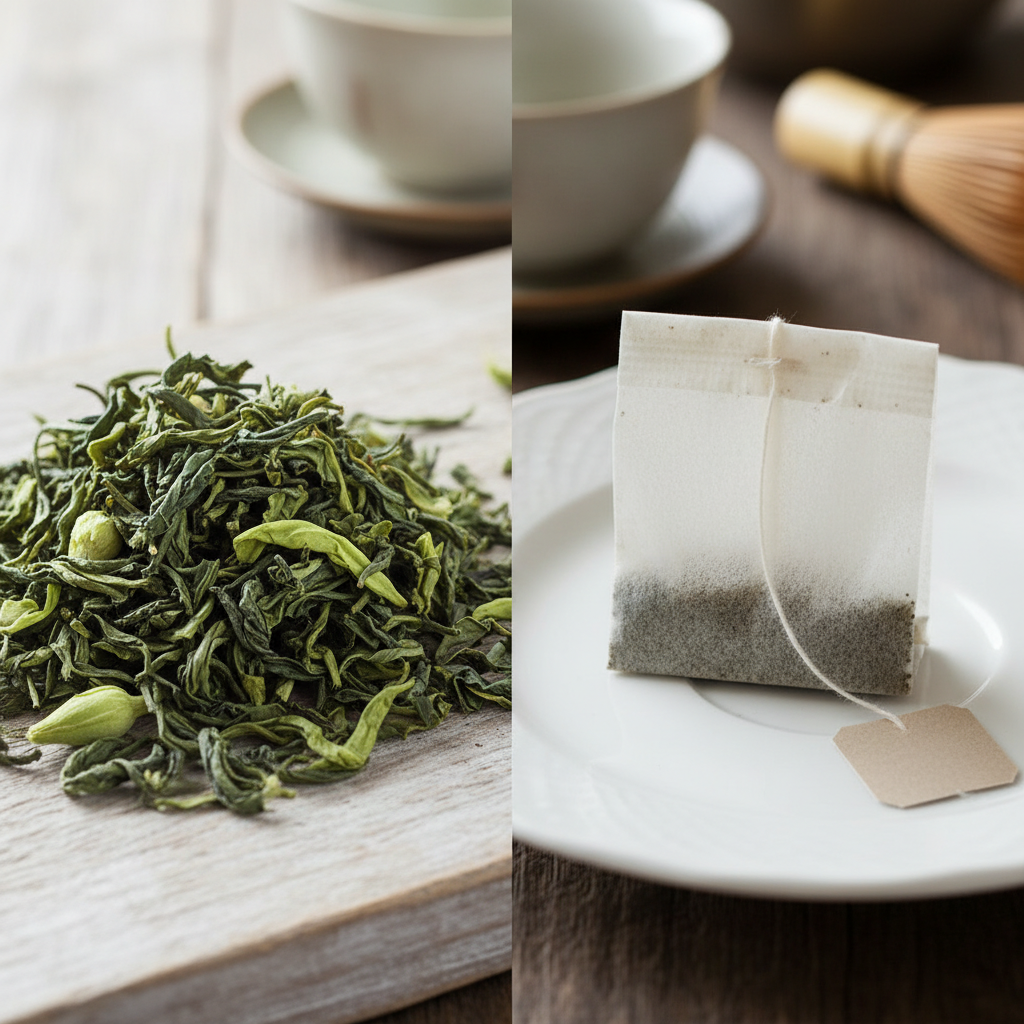
To minimize the risk of chemical exposure, you should only consider organic varieties when can cats have green tea in their diet. Not all leaves are grown equal, and your cat’s smaller body mass makes them more susceptible to agricultural residues. By choosing high-quality, pesticide-free leaves, you ensure that the beneficial polyphenols are not overshadowed by synthetic toxins.
Should you choose decaffeinated varieties only?
It gets better. Decaffeinated tea allows your pet to enjoy the flavor and nutrients without the “jitters” or heart palpitations associated with standard brews. You should look for water-processed options to ensure chemical solvents were not used.
- Look for natural water-process decaffeination.
- Ensure the product is 99.9% caffeine-free.
- Avoid “lightly caffeinated” versions.
Is organic green tea better for kitty health?
Check this out. Pesticides used in mass-market tea production can accumulate in a cat’s liver over time. Organic leaves are grown in soil that is free from synthetic fertilizers and chemical pesticides.
- Organic leaves are free from synthetic chemical fertilizers.
- No toxic pesticides are used during cultivation.
- Higher concentrations of pure plant nutrients are retained.
Key Takeaway: Organic, water-processed decaf tea is the gold standard for feline-safe consumption and long-term health.
Tea Type | Risk Level | Feline Compatibility |
|---|---|---|
Conventional | High | Not recommended (pesticides) |
Decaf Organic | Low | Highly recommended |
Herbal Blends | Variable | Dangerous if toxic herbs added |
Choosing organic products effectively eliminates the risk of secondary poisoning from synthetic chemical runoff.
When can cats have green tea to aid digestion?
Metabolic efficiency increases significantly when can cats have green tea to help process nutrients and clear the digestive tract. If your pet suffers from sluggish digestion, a diluted tea tonic may offer a natural remedy. Understanding the timing of these servings is essential to ensuring the tea acts as a helpful aid.
Can it help with feline metabolic rates?
Here is the deal. The natural compounds in tea can gently stimulate the gallbladder to produce bile, which is necessary for breaking down fats. This is especially helpful for cats on high-protein, meat-based diets.
- Promotes smoother bowel movements.
- Reduces the occurrence of painful gas or bloating.
- Encourages better absorption of vital fat-soluble vitamins.
Key Takeaway: Tea acts as a mild metabolic stimulant that assists in the breakdown of heavy protein diets.
Digestive Function | Mechanism | Benefit |
|---|---|---|
Bile Production | Stimulation | Faster lipid processing |
Gut Motility | Mild activation | Reduced constipation |
Nutrient Absorption | Optimization | Increased vitamin uptake |
Regular small doses of diluted tea can optimize the internal feline gut environment for more efficient waste removal.
Why can cats have green tea for dental hygiene?
Oral health improves through the reduction of bacteria when can cats have green tea as a mouth-rinsing agent. Periodontal disease is a frequent issue for felines, and tea offers a chemical-free way to maintain their teeth. The polyphenols in the tea work to disrupt the formation of plaque, keeping the mouth cleaner.
Does natural fluoride prevent mouth infections?
This is where it gets interesting. Green tea contains trace amounts of natural fluoride and polyphenols that inhibit the growth of bacteria causing plaque. Regular exposure can help manage oral health between professional cleanings.
- Helps freshen chronically bad “kitty breath.”
- Reduces the formation of sticky biofilm on the gums.
- Strengthens tooth enamel through mineral interaction.
Key Takeaway: The antibacterial nature of tea polyphenols serves as a natural defense against feline gingivitis.
Oral Issue | Tea Action | Expected Outcome |
|---|---|---|
Plaque Buildup | Antibacterial | Slower tartar formation |
Bad Breath | Deodorizing | Fresher oral scent |
Gum Inflammation | Anti-inflammatory | Reduced redness and swelling |
Utilizing diluted tea as a dental additive provides a preventative barrier against common feline oral pathogens.
Where can cats have green tea added to their diet?
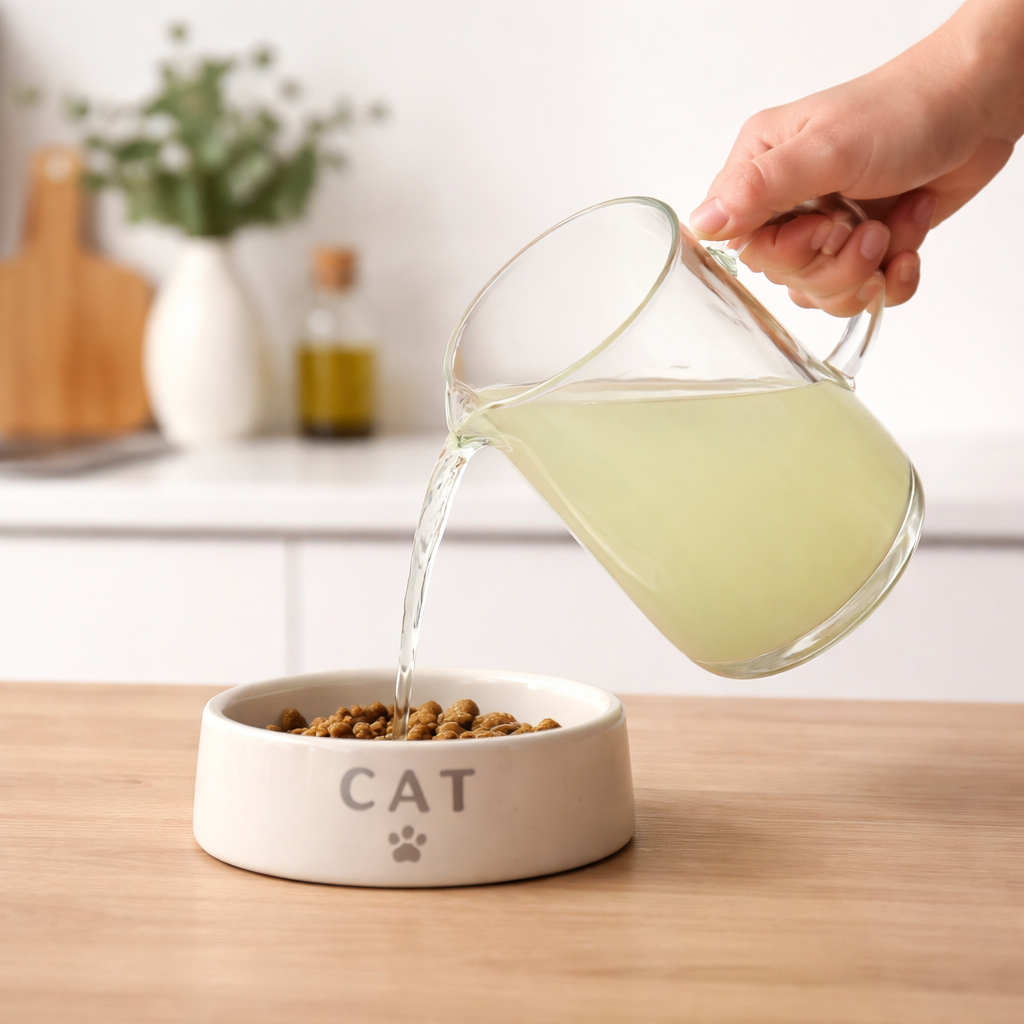
You can easily incorporate these nutrients into their routine because can cats have green tea mixed directly into their existing food or water. The key is to ensure the taste is subtle enough that they do not reject their primary nutrition. Most owners find that starting with a very small amount allows the cat to acclimate.
Is mixing it with wet food a viable option?
Wait, there’s more. Most cats find the earthy scent of green tea appealing when it is blended into a high-quality gravy or pâté. This method ensures they ingest the supplement without noticing a change in texture.
- Use two teaspoons of tea per standard meal.
- Stir thoroughly to distribute the liquid evenly.
- Ensure the tea is at room temperature before mixing.
Can you offer it as a cooled beverage?
Believe it or not. Some cats prefer drinking tea straight from a bowl, especially during warmer months when a cool drink is refreshing. Always ensure the tea is diluted to avoid overwhelming their palate.
- Dilute the tea with 50% filtered water.
- Serve in a ceramic or stainless steel bowl.
- Discard any unfinished liquid after four hours.
Key Takeaway: Flexibility in serving methods ensures that even picky eaters can benefit from tea nutrients.
Method | Effort Level | Pet Acceptance Rate |
|---|---|---|
Food Mix-in | Low | Very High |
Direct Drinking | Medium | Moderate |
Freeze-Dried Topper | High | High |
Integrating tea into wet food remains the most reliable method for ensuring your cat receives a consistent dosage.
How much can cats have green tea daily?
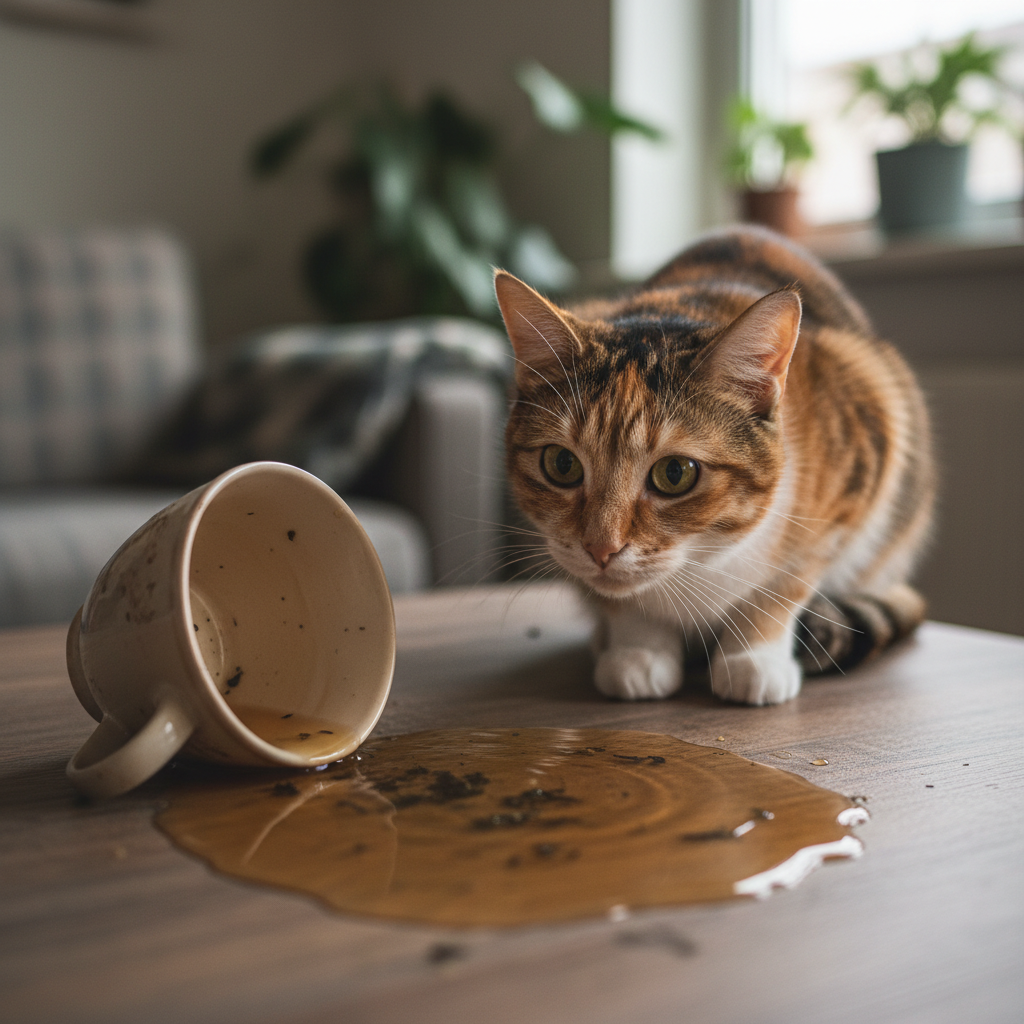
Strict portion control is necessary when can cats have green tea to avoid overwhelming their sensitive kidneys. Even safe substances can cause issues if the volume exceeds the animal’s processing capacity. By sticking to weight-based recommendations, you can enjoy the benefits without risking digestive upset.
What are the serving size recommendations?
Keep this in mind. A feline’s stomach is roughly the size of a ping-pong ball, so liquid supplements must be kept to a minimum. Over-supplementing can lead to digestive upset or nutritional imbalances.
- Small cats (under 5kg): 1 teaspoon per day.
- Large cats (over 5kg): 1 tablespoon per day.
- Frequency: No more than three times per week.
Key Takeaway: Moderation is the most pivotal factor in preventing digestive upset or kidney strain.
Cat Weight | Max Daily Dose | Frequency |
|---|---|---|
2kg – 4kg | 5ml | 2-3x weekly |
5kg – 8kg | 15ml | 3x weekly |
8kg+ | 20ml | Daily (if tolerated) |
Adhering to strict weight-based dosing schedules prevents the over-accumulation of tannins in the sensitive feline system.
Which powders can cats have green tea from safely?
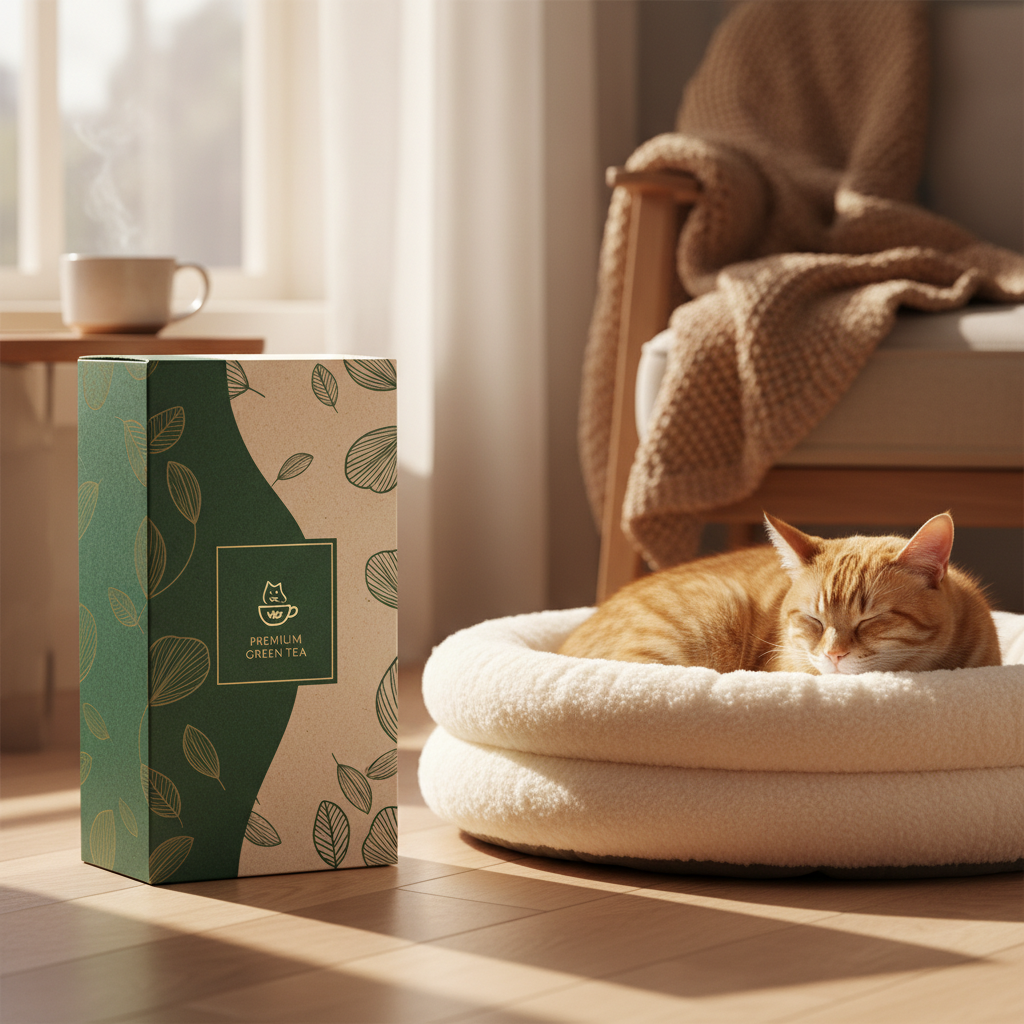
You should focus on high-purity sources because can cats have green tea powders that are free from sugar or artificial flavorings. Concentrated powders can be more potent, so choosing the right grade is vital. Choosing a premium grade ensures the powder is fine and easy to blend without leaving grit.
Can you use culinary grade matcha for cats?
But wait, there’s a catch. While culinary powders are affordable, they are often more bitter and contain higher levels of tannins than premium versions. You must use extremely small amounts to maintain palatability.
- Sift the powder to remove any clumps.
- Use only a tiny pinch (less than 1/16 of a teaspoon).
- Ensure the powder is sourced from organic leaves.
Key Takeaway: Purity and grade determine both the palatability and the safety of concentrated tea powders.
Powder Grade | Texture | Feline Suitability |
|---|---|---|
Culinary | Coarse/Bitter | Acceptable if diluted |
Premium | Fine/Sweet | Preferred for pets |
Flavored Mixes | Sticky/Sweet | Dangerous (Xylitol risk) |
High-grade powders offer better nutrient density, allowing for much smaller and safer doses for small animals.
Can cats have green tea if they have diabetes?
Managing blood glucose levels becomes easier when can cats have green tea to support insulin sensitivity. For cats on a diabetic management plan, tea can be a helpful non-medical adjunct. However, never replace prescribed insulin with herbal remedies without veterinary supervision.
Does it help regulate feline blood sugar?
You won’t believe this. Studies on mammals suggest that tea polyphenols can mimic some insulin functions, helping to transport glucose into cells. This can help stabilize energy levels throughout the day.
- Reduces post-meal blood sugar spikes.
- Supports pancreatic health over time.
- Aids in weight management.
Key Takeaway: Tea can be a supportive element in a diabetic cat’s diet, provided it is unsweetened.
Diabetes Factor | Tea Benefit | Impact |
|---|---|---|
Glucose Levels | Stabilization | Lower variability |
Insulin Sensitivity | Improvement | Better glucose uptake |
Obesity | Management | Enhanced fat oxidation |
The glucose-modulating effects of tea provide a natural secondary layer of support for feline diabetic care.
Can cats have green tea as a skin treatment?
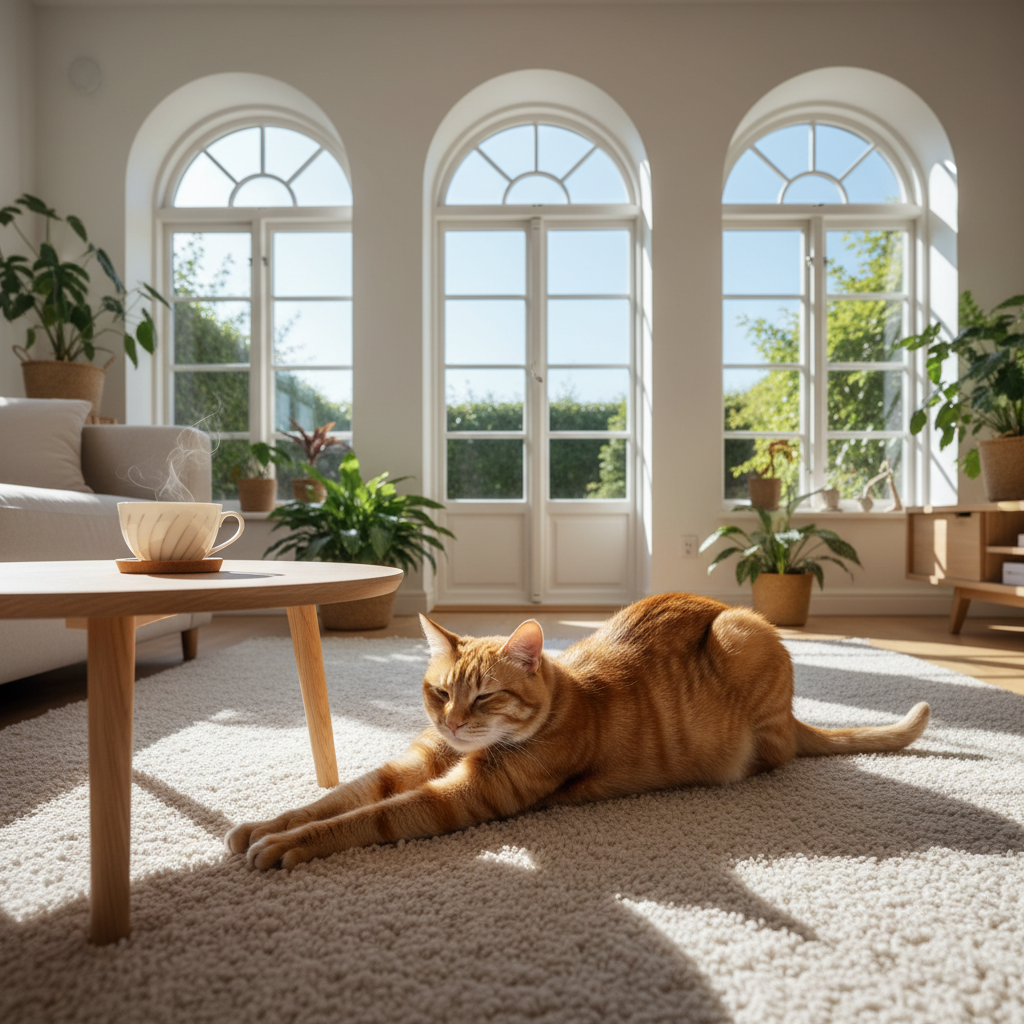
Topical soothing occurs almost immediately when can cats have green tea applied to irritated patches of skin or fur. It is not just for drinking; the anti-inflammatory properties work externally as well. Using a tea wash is a safe way to handle minor dander without harsh chemicals.
Is topical application safe for cat fur?
The best part is. Cats frequently groom themselves, so a tea-based skin wash is perfectly safe if they lick it off. It offers a natural way to manage minor dander or itchiness.
- Soothes red, itchy spots caused by allergies.
- Acts as a mild natural deodorizer for the coat.
- Helps reduce the swelling of insect bites.
Key Takeaway: Topical tea washes provide safe, lick-friendly relief for minor skin irritations.
Skin Condition | Treatment Method | Result |
|---|---|---|
Itchy Skin | Cool Compress | Reduced scratching |
Minor Wounds | Dab with tea | Antibacterial cleansing |
Dull Coat | Spray mist | Improved shine and scent |
External application utilizes tea’s anti-inflammatory properties without the need for systemic ingestion.
Frequently Asked Questions
Q1: Can I give my cat green tea every day?It is best to limit consumption to two or three times per week to ensure your cat’s kidneys are not overworked.
Q2: What’s the best way to prepare tea for a kitten?You should avoid giving tea to kittens under six months old; after that, only offer a few drops of highly diluted, decaf tea.
Q3: How do I know if my cat likes the taste?You can tell by offering a small amount near their nose; if they lick it or stay near the bowl, they find the scent appealing.
Q4: Can I add sugar to my cat’s green tea?No, you should never add sugar or sweeteners, as felines cannot digest these properly and they cause obesity.
Q5: What’s the best temperature to serve the tea?Always serve the tea at room temperature or chilled; never give your cat tea that is still warm from the kettle.
Final Thoughts
Supporting your feline friend’s health through natural remedies requires a balance of caution and knowledge. You now understand that while caffeine is a danger, decaffeinated green tea offers a wealth of antioxidants, dental benefits, and metabolic support. By following strict dosing and choosing organic, high-grade sources, you can safely elevate your cat’s wellness routine. Our vision is to empower pet owners with pure, plant-based solutions that foster a long, vibrant life for their companions. If you have specific questions about your pet’s dietary needs or want to source the highest quality leaves, please contact us today .