
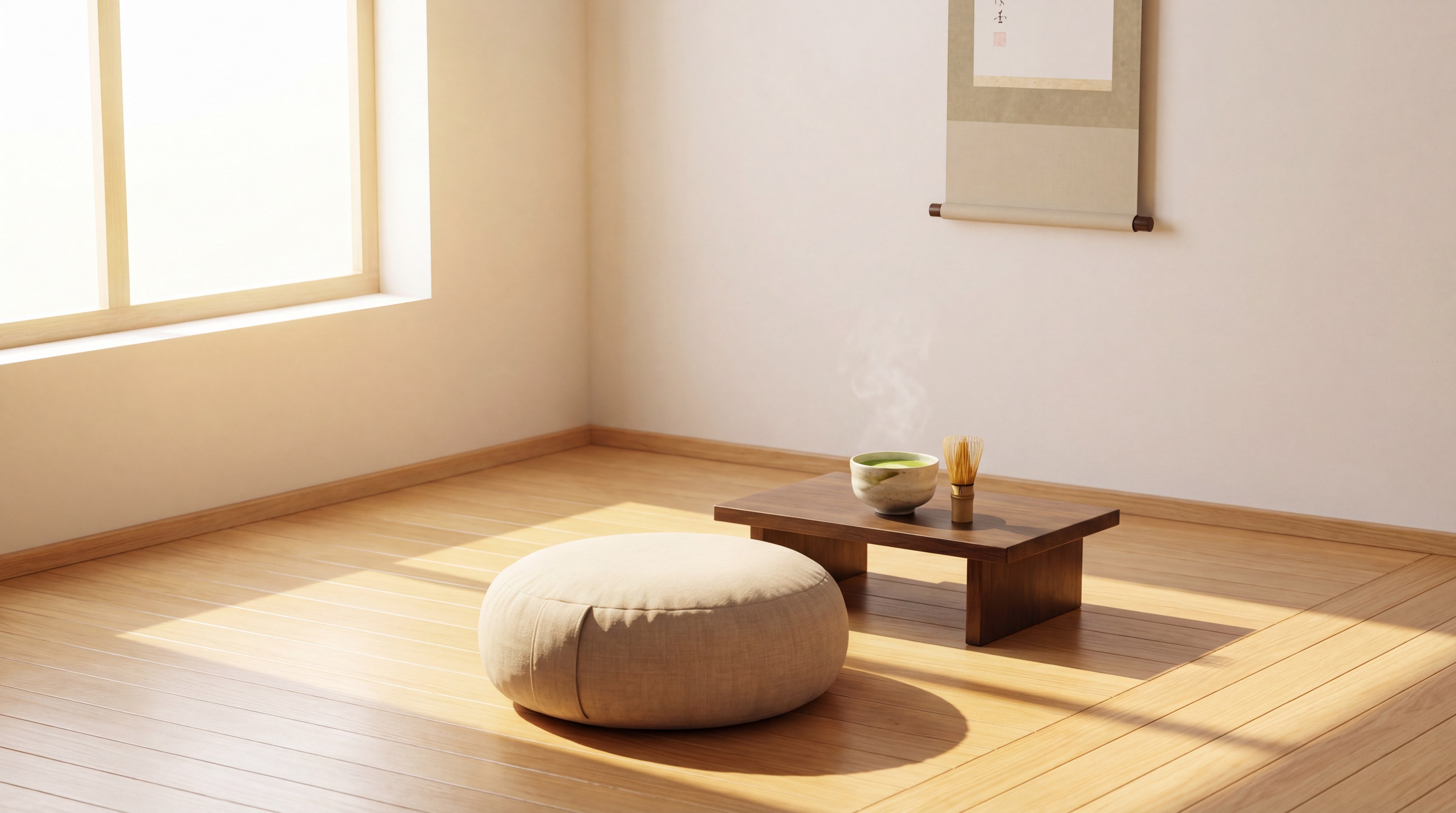
In the quest for mental clarity, inner peace, and heightened focus, the modern world has looked both to the laboratory and the ancient monastery. While meditation techniques vary across cultures, one constant has remained for over eight hundred years: the presence of a vibrant, emerald-green bowl of matcha tea.
For those asking, “Is matcha tea good for meditation?” the answer is not just a simple “yes.” It is a resounding affirmation supported by centuries of Zen Buddhist tradition and confirmed by contemporary neuroscience. Matcha is not merely a beverage; it is a cognitive enhancer, a sensory experience, and a spiritual tool designed to bridge the gap between the physical body and the meditative mind.
In this comprehensive exploration, we will dissect why Riching Matcha serves as the perfect companion for your mindfulness journey, examining its chemical composition, its historical roots, and the ritualistic preparation that transforms a drink into a “moving meditation.”
The relationship between matcha and meditation is historical. Long before matcha became a staple in modern wellness cafes, it was the secret weapon of Zen monks.
The Influence of Eisai and the Song Dynasty
In the 12th century, the Japanese monk Myoan Eisai, the founder of Rinzai Zen Buddhism, traveled to China during the Song Dynasty. He discovered that Buddhist monks used powdered green tea to maintain alertness during long, grueling hours of meditation. Eisai returned to Japan with tea seeds and a conviction that tea was the “ultimate mental medicine.”
In his treatise, Kissa Yojoki (Book of Tea), Eisai wrote:
“Tea is the ultimate mental and medical remedy and has as the ability to make one’s life more full and complete.”
Chanoyu: Meditation in Motion
By the 15th and 16th centuries, the Japanese Tea Ceremony, or Chanoyu, had evolved into a high art form. Rooted in the four principles of Harmony (Wa), Respect (Kei), Purity (Sei), and Tranquility (Jaku), the ceremony became a form of “tea meditation.” Every movement—from the cleaning of the bowl to the whisking of the tea—was performed with total presence.
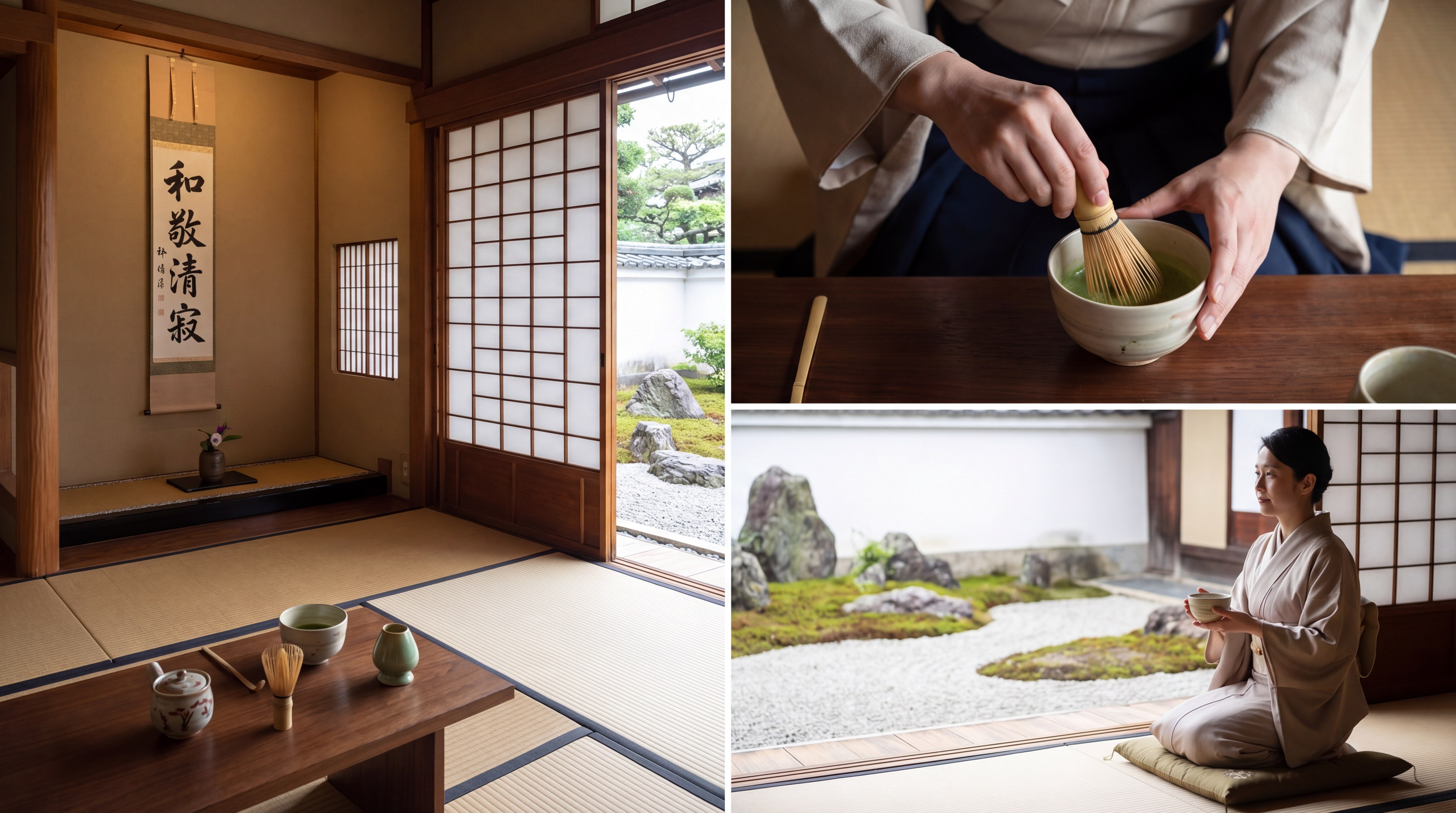
Today, when you use high-quality matcha accessories to prepare your bowl, you are participating in a lineage of mindfulness that spans nearly a millennium. The act of preparing the tea serves as a “pre-meditation” ritual, grounding the practitioner in the present moment through sensory engagement.
The Science of Serenity: L-Theanine and Alpha Brain Waves
What makes matcha fundamentally different from coffee or even standard steeped green tea? The answer lies in its unique chemical profile, which facilitates a state of “calm alertness.”
The L-Theanine Miracle
Matcha is exceptionally high in L-Theanine, a rare non-protein amino acid. Because matcha is shade-grown for several weeks before harvest, the plants produce massive amounts of L-Theanine to compensate for the lack of sunlight.
L-Theanine crosses the blood-brain barrier and directly influences the brain’s neurochemistry in several ways:
- GABA Production: It increases the production of Gamma-Aminobutyric Acid (GABA), the brain’s primary inhibitory neurotransmitter, which promotes relaxation and reduces anxiety.
- Dopamine and Serotonin: It boosts levels of these “feel-good” neurotransmitters, enhancing mood and cognitive function.
- Alpha Wave Generation: Most importantly for meditators, L-Theanine stimulates the production of Alpha brain waves (8–13 Hz). These waves are associated with a state of “wakeful relaxation”—the exact mental state achieved during deep meditation.
The Synergy of Caffeine and L-Theanine
While coffee provides a sharp, jagged spike in energy followed by a “crash,” matcha contains caffeine bound to larger phytonutrients. This slows the release of caffeine into the bloodstream. When combined with L-Theanine, the result is a sustained energy boost that lasts 4 to 6 hours without the jitters. This allows a meditator to sit still for extended periods without the physical restlessness often caused by other stimulants.
EGCG and Neuroprotection
Beyond L-Theanine, matcha is rich in Epigallocatechin gallate (EGCG), a powerful catechin. Research suggests that EGCG helps reduce oxidative stress in the brain and may improve memory and focus over the long term, supporting the cognitive health necessary for a lifelong meditation practice.
Comparing Meditation Aids: Why Matcha Wins
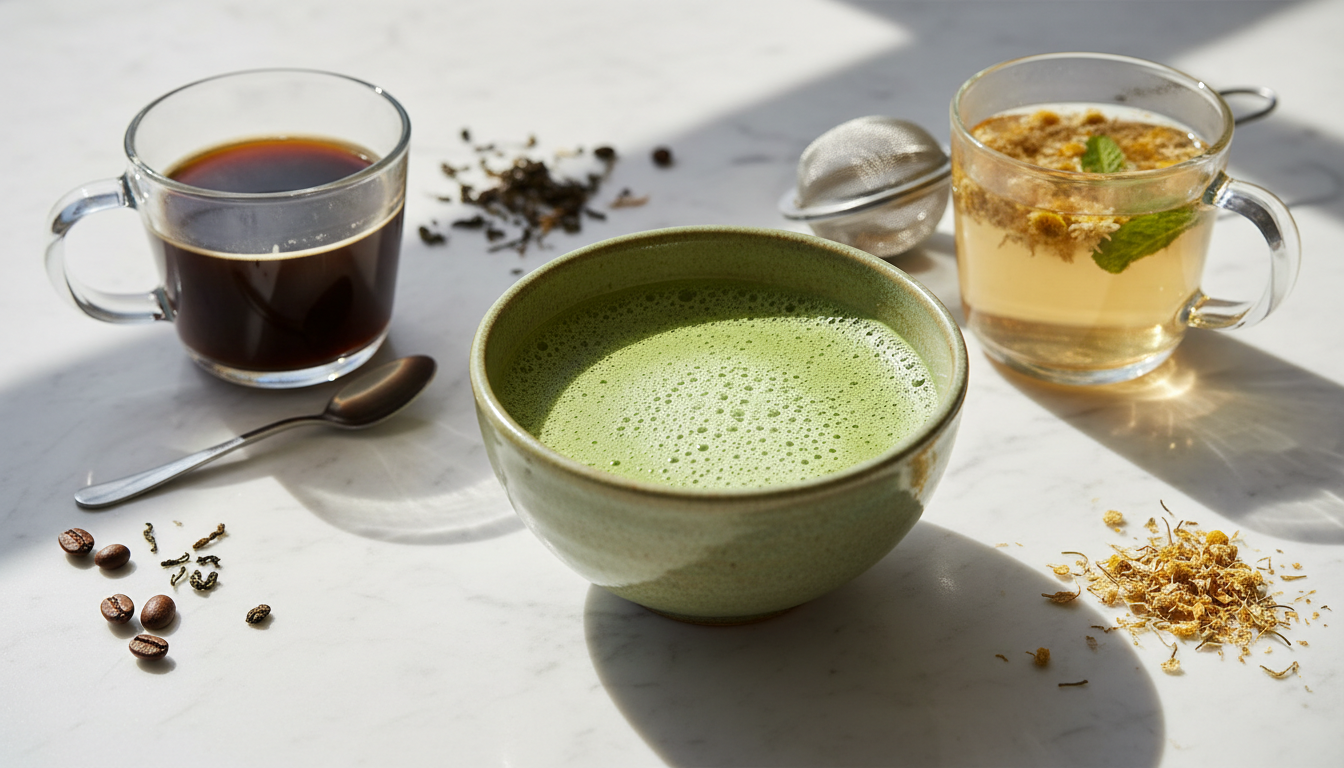
When selecting a beverage to support your practice, it is helpful to see how matcha stacks up against other common options.
Table 1: Comparison of Common Meditation Aids
Feature | Matcha Tea | Roasted Coffee | Chamomile/Herbal Tea |
|---|---|---|---|
Primary Effect | Calm Alertness / Focus | High Stimulation / Jitters | Sedation / Relaxation |
Active Ingredients | L-Theanine + Caffeine | Caffeine | Apigenin (Herbal) |
Brain Wave Influence | Promotes Alpha Waves | Promotes Beta Waves | Promotes Theta Waves |
Duration of Effect | 4–6 Hours (Sustained) | 1–2 Hours (Peak & Crash) | 1–2 Hours |
Mental Clarity | High (No “Brain Fog”) | Variable (Anxiety Risk) | Low (Potential Drowsiness) |
Ritual Value | Extremely High (Ceremonial) | Moderate | Low |
As the table demonstrates, matcha is the only beverage that balances the need for alertness (to avoid falling asleep) with the need for tranquility (to avoid physical agitation). You can learn more about these distinctions on the Riching Matcha blog .
Selecting the Right Grade for Mindfulness
Not all matcha is created equal. To reap the benefits of Alpha wave production and sustained focus, the quality of the powder is paramount.
Ceremonial vs. Culinary Grade
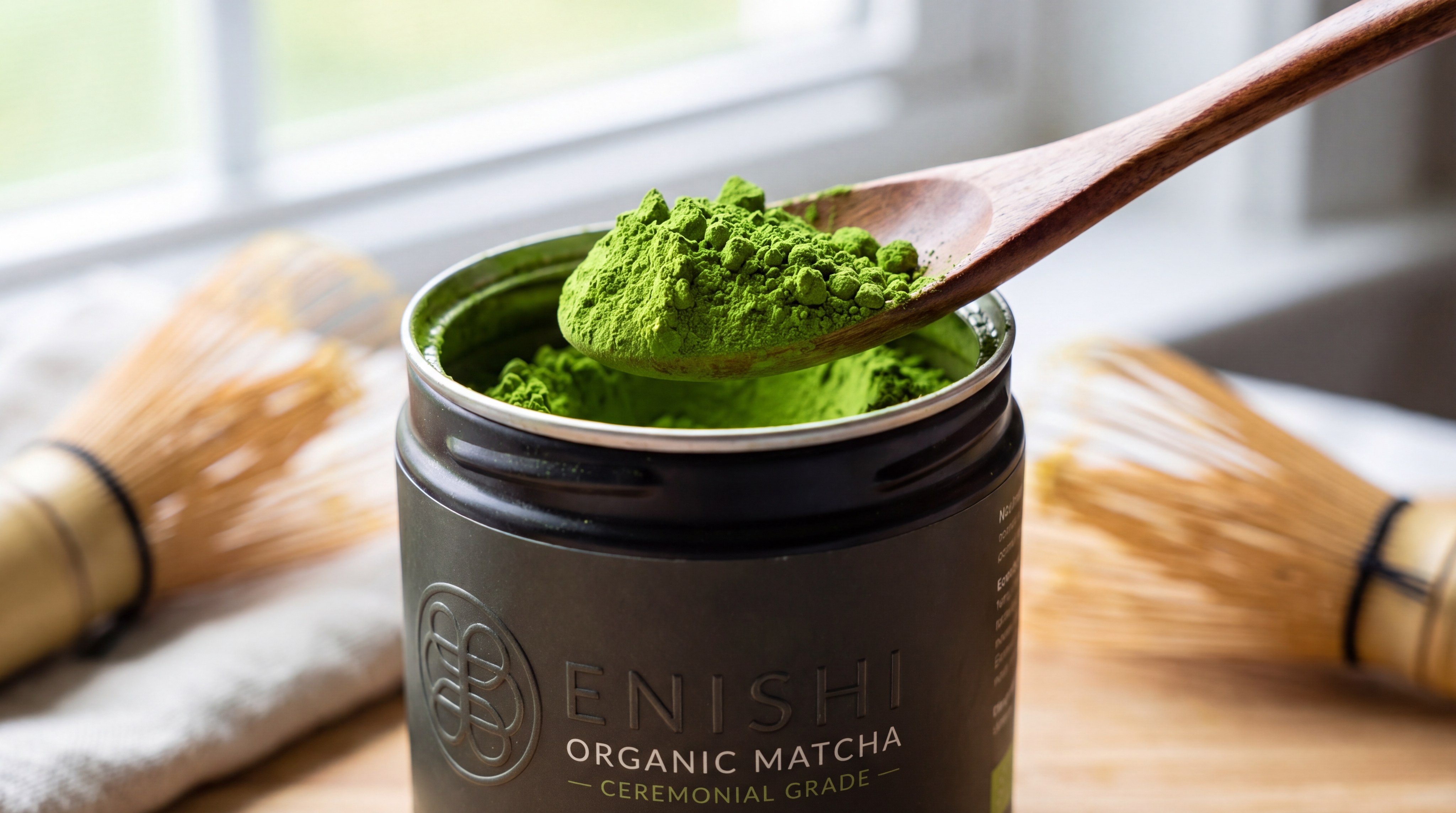
For meditation, we strictly recommend Ceremonial Grade Matcha. This grade is made from the youngest, most tender tea leaves (the first harvest) and contains the highest concentration of L-Theanine and chlorophyll. Culinary grade, while excellent for baking, is often made from older leaves that are more astringent and contain less of the calming amino acids.
The Importance of Organic Sourcing
Because you are consuming the entire tea leaf, any pesticides or chemicals used during farming will end up in your bowl. For a pure, untainted meditation experience, choosing organic matcha is essential. Organic farming ensures that the “energy” of the plant—and its chemical purity—is preserved.
Table 2: Matcha Grade and Quality Guide
Attribute | Ceremonial Grade | Premium Grade | Culinary Grade |
|---|---|---|---|
Appearance | Vibrant, Electric Green | Bright Green | Dull, Yellow-Green |
Texture | Ultra-Fine (5–10 Microns) | Fine Powder | Slightly Gritty |
Flavor Profile | Umami, Creamy, Sweet | Balanced, Slightly Nutty | Bitter, Astringent |
Best Use | Whisked with Water (Usucha) | Lattes, Smoothies | Baking, Cooking |
L-Theanine Content | Highest | High | Moderate |
Recommendation | Daily Drinking | Ingredient Use |
The Ritual: Preparing Matcha as a Mindful Practice
Preparing matcha is not a chore; it is the beginning of the meditation itself. By focusing entirely on the process, you begin to quiet the “monkey mind” before you even sit on your cushion.
Step-by-Step Meditation Preparation Guide
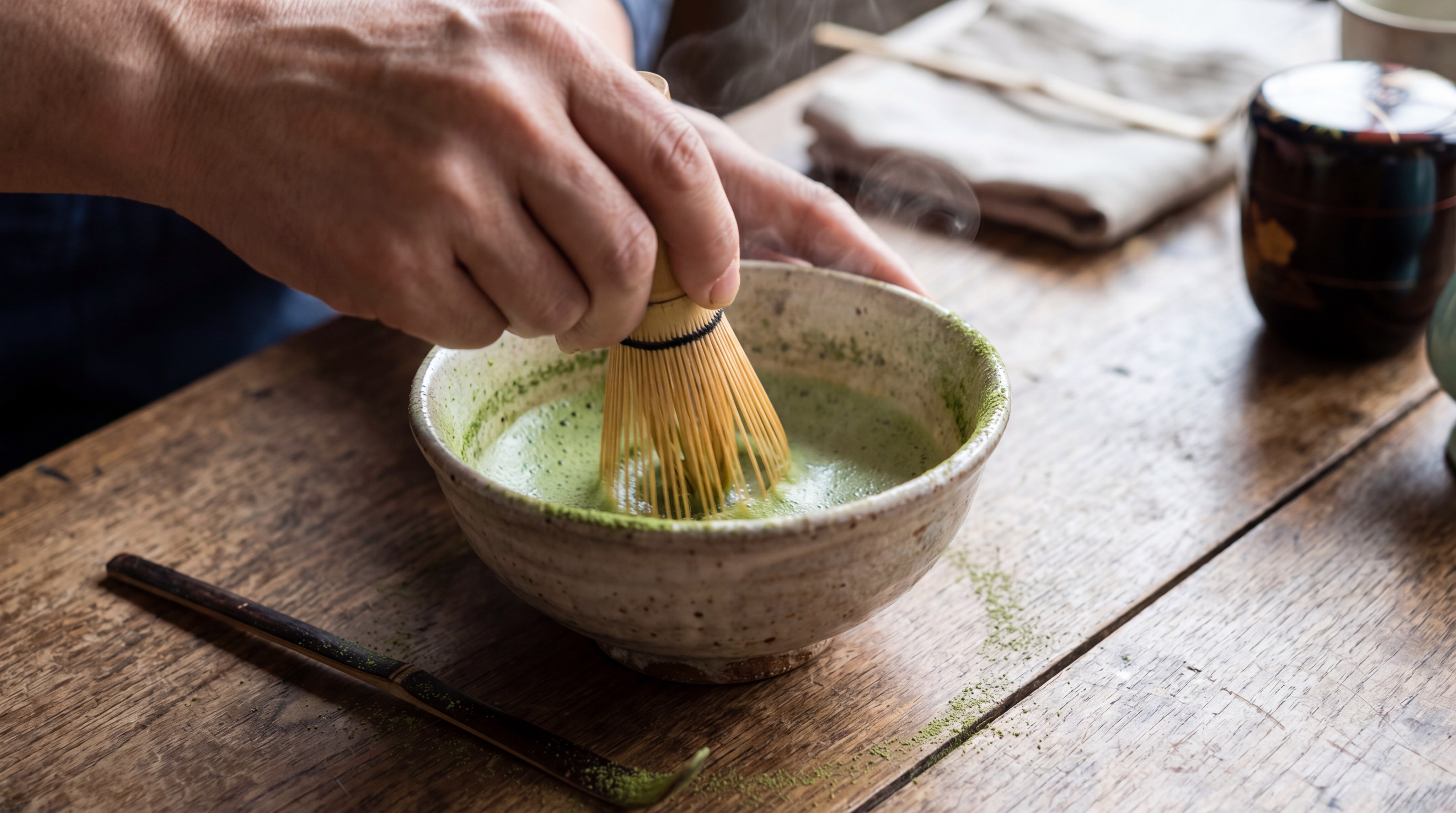
- Purify the Space: Clear a small area. Use a beautiful bowl (Chawan) and a bamboo whisk (Chasen).
- Sift the Matcha: Take two bamboo scoops (Chashaku) of Riching Matcha and sift them into the bowl. Observe the fine, vibrant dust. This act represents the filtering of your own thoughts.
- The Water Temperature: Use water that is around 80°C (176°F). Water that is too hot will burn the delicate leaves and create bitterness, just as a forced meditation can create mental tension.
- The Whisking Ritual: Use the bamboo whisk in a vigorous “W” or “M” motion. Focus on the sound of the whisk against the bowl and the sight of the emerald froth forming.
- Gazing at the Bowl: Before drinking, hold the bowl with both hands. Feel the warmth. Observe the bubbles—each one unique and fleeting, much like our thoughts.
How to Integrate Matcha into Your Meditation Routine
To maximize the benefits of matcha for your mindfulness practice, timing and intention are key.
1. The Pre-Meditation Catalyst
Drink a bowl of matcha approximately 20 to 30 minutes before your formal seated meditation. This allows the L-Theanine to reach its peak concentration in the brain just as you begin your session. You will find that the “settling” process of the mind happens faster, and the physical urge to fidget is significantly reduced.
2. The “Tea Meditation” (Zazen-matcha)
Instead of drinking the tea before meditating, make the drinking of the tea the meditation itself.
- Inhale the Aroma: Notice the grassy, sweet, “ocean-like” scent.
- The First Sip: Let the liquid coat your tongue. Notice the umami—the fifth savory taste.
- The Swallow: Feel the warmth traveling down to your core.
- The Aftertaste: Observe how the flavor lingers and changes.
3. Sustaining Focus in “Walking Meditation”
For those who practice Kinhin (walking meditation) or mindful yoga, the sustained energy from matcha provides the physical stamina needed to maintain posture and balance without the “buzz” associated with coffee.
Advanced Insights: The “Ichigo Ichie” Philosophy
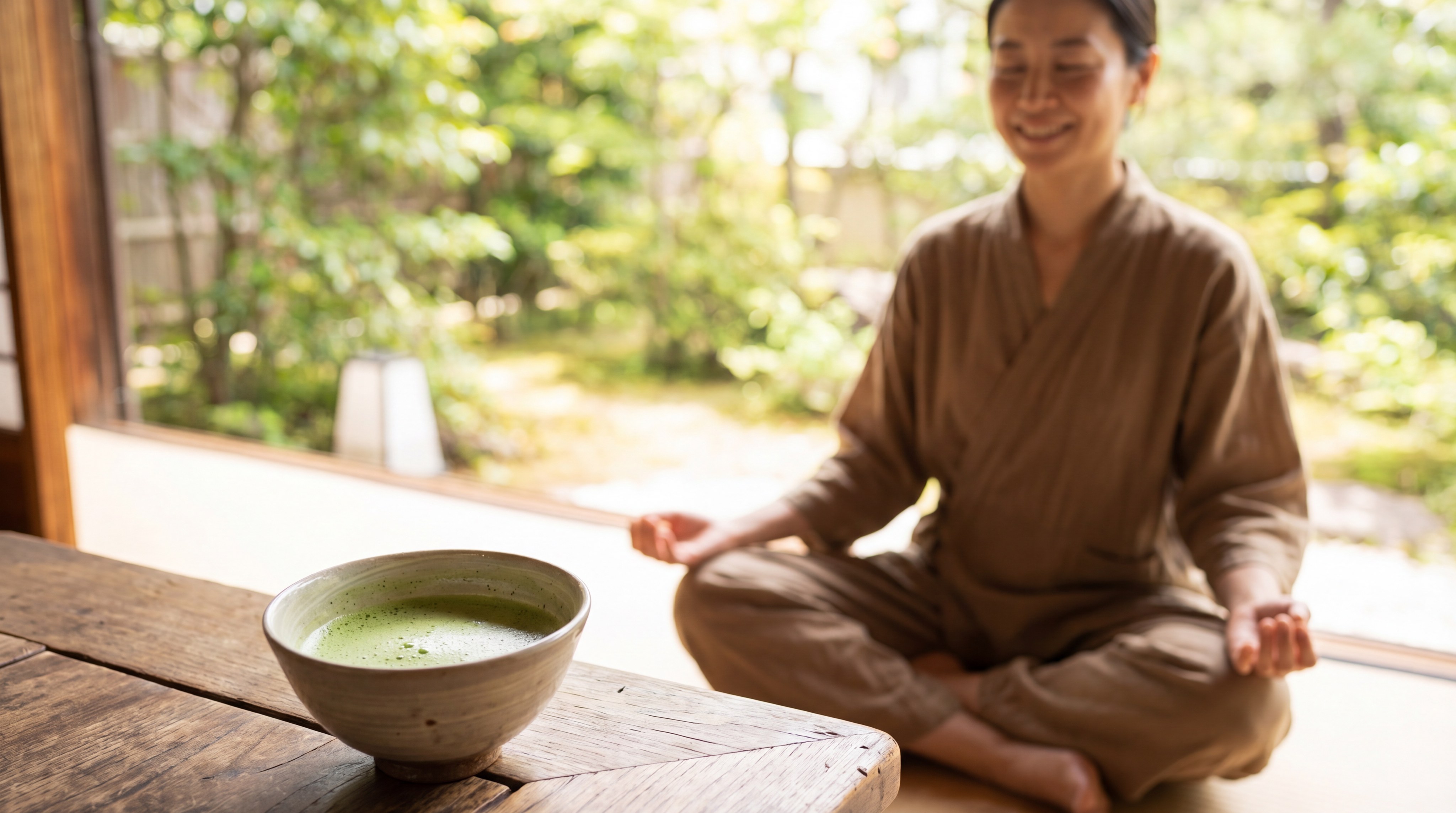
In the world of matcha and meditation, there is a concept called Ichigo Ichie, which translates to “One time, one meeting.” It is the realization that this specific bowl of tea, in this specific moment, with this specific state of mind, will never happen again.
When we apply Ichigo Ichie to our meditation, we stop trying to “replicate” yesterday’s peace. We accept the current moment exactly as it is. Matcha serves as the physical anchor for this philosophy. Every harvest is slightly different; every whisking produces a different froth. It teaches us to love the impermanence of our experiences.
Beyond the Mind: Holistic Health Benefits for Meditators
Meditation is a practice of the whole body, not just the brain. Matcha supports the physical vessel in several ways that indirectly enhance mindfulness:
Metabolic Stability
Fluctuations in blood sugar can lead to irritability and brain fog, both of which are enemies of meditation. Matcha helps stabilize blood sugar and improve metabolic rate, ensuring that your body isn’t sending “hunger” or “fatigue” signals to the brain while you are trying to find stillness.
Immune Support
A healthy body is a prerequisite for a deep practice. The high concentration of antioxidants in matcha—measured by an ORAC (Oxygen Radical Absorbance Capacity) value of 1384—protects the body from environmental stressors, ensuring you remain consistent in your daily routine.
Heart Health
Matcha has been shown to support cardiovascular health by lowering LDL (bad) cholesterol. A calm heart is the foundation of a calm mind.
Strategic Considerations: Potential Challenges and Solutions
While matcha is an incredible tool, there are nuances to using it effectively in a mindfulness context.
Challenge | Strategic Solution |
|---|---|
Evening Meditation | Since matcha contains caffeine, avoid drinking it within 6 hours of sleep. Opt for a “dry” meditation in the evening and save matcha for the morning or afternoon. |
Empty Stomach | Some people feel slight nausea drinking matcha on a completely empty stomach. We recommend a small, light snack (like a date or a piece of fruit) alongside your tea. |
Quality Degradation | Matcha is sensitive to light, heat, and air. Always store your in its original airtight tin in a cool, dark place to preserve the L-Theanine content. |
Conclusion: The Emerald Path to Presence
Is matcha tea good for meditation? It is perhaps the most sophisticated natural aid available to the modern practitioner. By combining the biological power of L-Theanine with the cultural depth of the Zen tradition, matcha transforms the internal landscape.
It clears the fog of lethargy without introducing the storm of anxiety. It provides the “middle way”—the perfect balance of energy and peace.
Whether you are a seasoned Zen student or a beginner looking to quiet a busy mind, incorporating high-quality, organic ceremonial matcha into your routine is a profound step toward deeper presence. Explore the world of Riching Matcha today and begin your own ritual of emerald-hued mindfulness.
Frequently Asked Questions (FAQs)
1. Does the caffeine in matcha interfere with deep meditation?
Unlike the caffeine in coffee, the caffeine in matcha is moderated by L-Theanine. This creates a state of “calm alertness” rather than jittery over-stimulation. Most meditators find that it actually helps them stay awake and focused (combating “sloth and torpor”) without triggering the heart palpitations or racing thoughts that would interfere with deep concentration.
2. Can I drink matcha before evening meditation sessions?
We generally advise against drinking matcha late in the evening if you are sensitive to caffeine. While the energy is stable, it can still remain in your system for several hours. For evening sessions, it is better to rely on the natural “calm” developed through morning matcha use or to choose a caffeine-free herbal alternative.
3. Why is ceremonial grade so much better for meditation than culinary grade?
Ceremonial grade matcha is made from the first harvest of the year, which is significantly higher in L-Theanine, the amino acid responsible for relaxation and Alpha brain wave production. Culinary grade is higher in tannins and catechins from older leaves, making it more bitter and potentially more stimulating/astringent, which is less ideal for a peaceful meditative state.
4. How long does the “meditative focus” of matcha last?
The effects of matcha typically peak around 30 to 60 minutes after consumption and provide a sustained plateau of focus for 4 to 6 hours. This makes it an excellent choice for meditation retreats or long study/work sessions where prolonged mental clarity is required.
5. Do I need professional tools like a bamboo whisk to get the benefits?
While you can technically mix matcha with a spoon or electric frother, the traditional bamboo whisk (Chasen) is designed to aerate the tea and create a micro-foam that enhances the sensory experience. Part of the benefit of matcha for meditation is the ritual of preparation; using traditional tools helps signal to your brain that it is time to transition from the busy world into a state of mindfulness.