
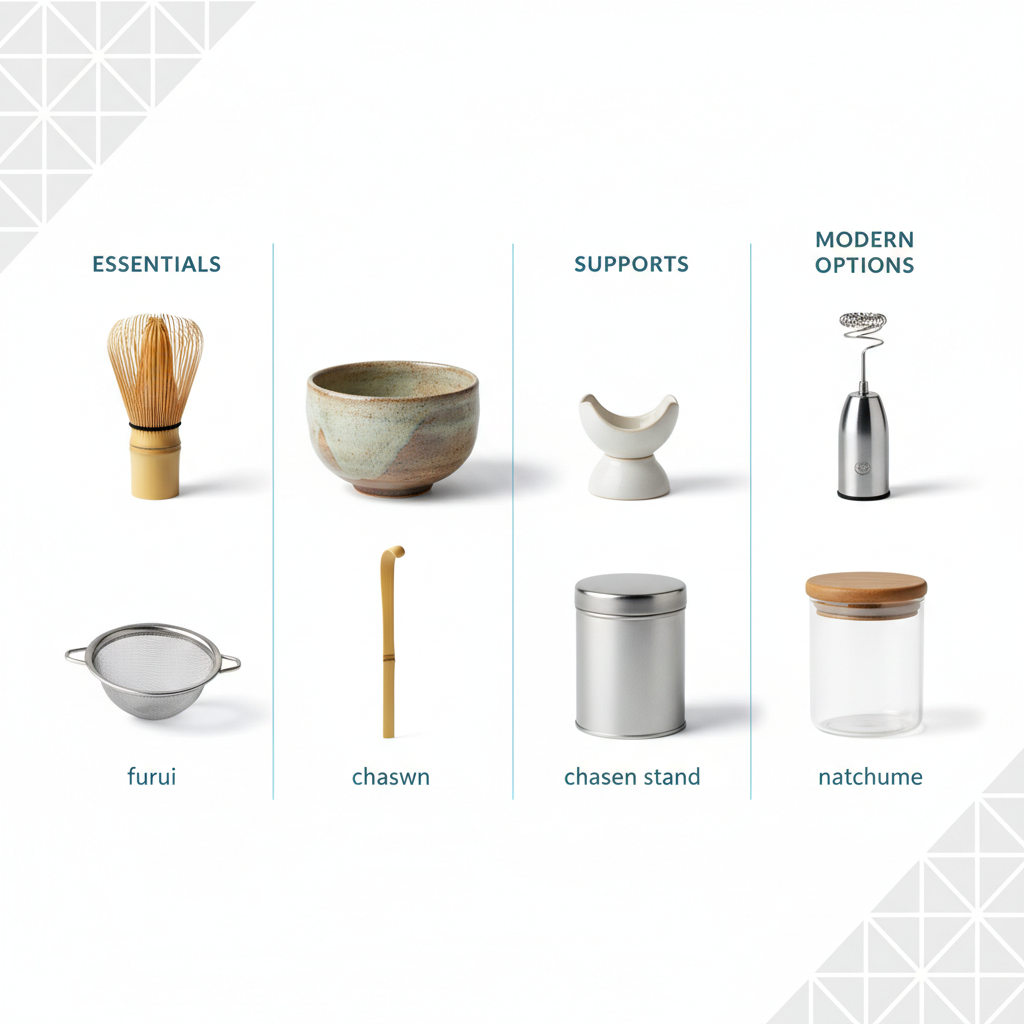
What Are the Best Kinds of Matcha Accessories for Beginners? Essential kinds of matcha accessories include a bamboo whisk (chasen), ceremonial bowl (chawan), bamboo scoop (chashaku), and fine mesh sifter (furui).
New enthusiasts frequently struggle when starting their Japanese green tea journey. You might purchase expensive powder only finding your daily drink ends up clumpy, bitter, or lacking that signature froth seen in cafes. Here is the brutal truth. Attempting ceremonial tea preparation using standard metal spoons or coffee mugs often ruins delicate flavor profiles you paid dearly to enjoy. Proper preparation demands specific tools designed over centuries specifically for aerating and suspending tea particles perfectly. As long-time practitioners, we understand exactly which items elevate rituals from mediocre to masterful. This guide covers crucial tools needed for ensuring every bowl tastes smooth, frothy, and authentic.
1. What Are the Best Kinds of Matcha Accessories for Beginners?
Understanding the Basic Tool Set
Starting any tea ritual requires identifying which kinds of matcha accessories offer maximum value immediately. You might be wondering whether owning every single item used during traditional ceremonies remains necessary. Answers depend largely upon personal goals, yet a few core items remain non-negotiable for achieving decent texture. A bamboo whisk, deep bowl, plus measuring scoop form a holy trinity regarding preparation. Without these particular tools, achieving suspension of powder within water becomes nearly impossible. Beginners should focus on acquiring high-quality versions of these three items before branching out toward specialized equipment like temperature-controlled kettles or decorative trays.
Why Quality Matters Early On
Cheap imitations of these kinds of matcha accessories often lead toward frustration plus poor results. Plastic whisks simply cannot replicate flexibility or spring found in bamboo tines, affecting foam density significantly. But here’s the kicker. Investing in proper starter kits saves money over time by preventing wasted tea powder. When users employ tools functioning correctly, they use less product achieving better flavor. High-quality beginner accessories also tend toward lasting longer when cared for properly, making them smarter financial decisions for anyone serious regarding their health habits.
Comparing Beginner Options
Choosing between individual items versus complete kits can cause confusion when viewing various kinds of matcha accessories. Kits often provide price advantages plus ensure aesthetic matching, while buying individually allows full customization.
Accessory Type | Primary Function | Beginner Necessity | Estimated Lifespan |
|---|---|---|---|
Chasen | Whisking/Frothing | High | 3-6 Months |
Chawan | Mixing Vessel | High | Lifetime |
Chashaku | Measuring | Medium | Lifetime |
Furui | Sifting | Medium | Lifetime |
2. Why Choose Traditional Kinds of Matcha Accessories Like the Chawan?
The Design Logic of the Chawan
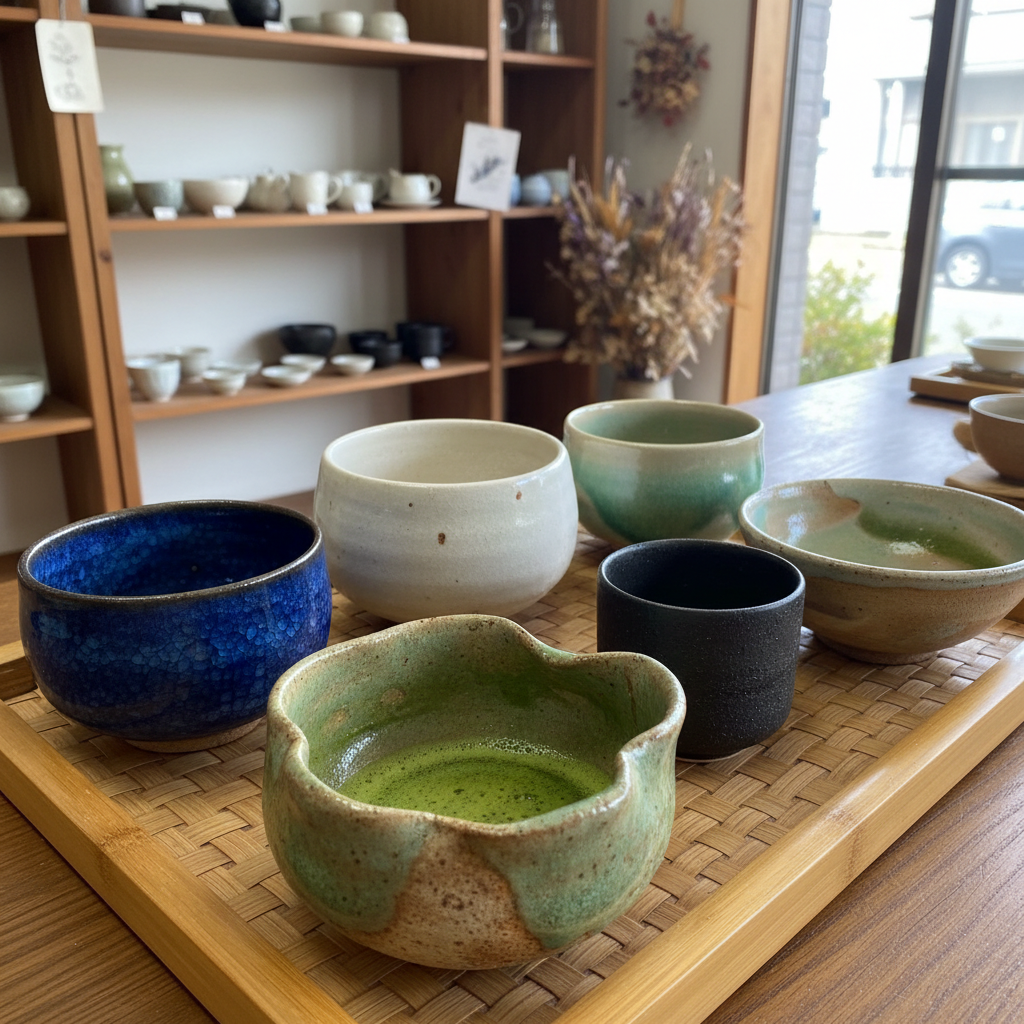
You might question why specific bowls count among essential kinds of matcha accessories. Here’s the deal. A chawan features wide, flat bottoms plus high vertical walls designed specifically accommodating rapid zigzag motion from bamboo whisks. Unlike standard cereal bowls or coffee mugs, chawan geometry prevents hot liquid form splashing out while allowing whisk tines contact with bottoms without breaking. Such design facilitates creation of thick, micro-foam layers which sweeten tea by aerating it. Thermal mass found in ceramic also maintains ideal drinking temperatures, ensuring tea stays warm without burning hands.
Material Impact on Heat Retention
Clay used in these kinds of matcha accessories plays vital roles regarding sensory experiences. Earthenware and stoneware retain heat differently than porcelain or glass. Thick, handmade ceramic chawan absorb heat effectively, warming hands during winter months while keeping tea palatable. Glaze texture also interacts with lips, adding tactile elements toward rituals that smooth mugs lack. Artisans select clays complementing vibrant green color found in tea, creating visual contrast enhancing overall perception of flavor before you even take sips.
Aesthetic and Functional Balance
Selecting right vessels from vast kinds of matcha accessories available involves balancing beauty with utility. You need to know this. Bowls bearing rough interiors might damage whisks, while ones too smooth might make frothing difficult.
Bowl Feature | Benefit | Consideration |
|---|---|---|
Wide Mouth | Easy whisking access | Cools tea faster |
High Walls | Prevents splashing | Harder to drink from |
Thick Clay | Retains heat well | Heavier to hold |
Glazed Interior | Protects whisk tines | Slippery texture |
3. How Do Bamboo Kinds of Matcha Accessories Improve Flavor?
The Mechanics of the Chasen
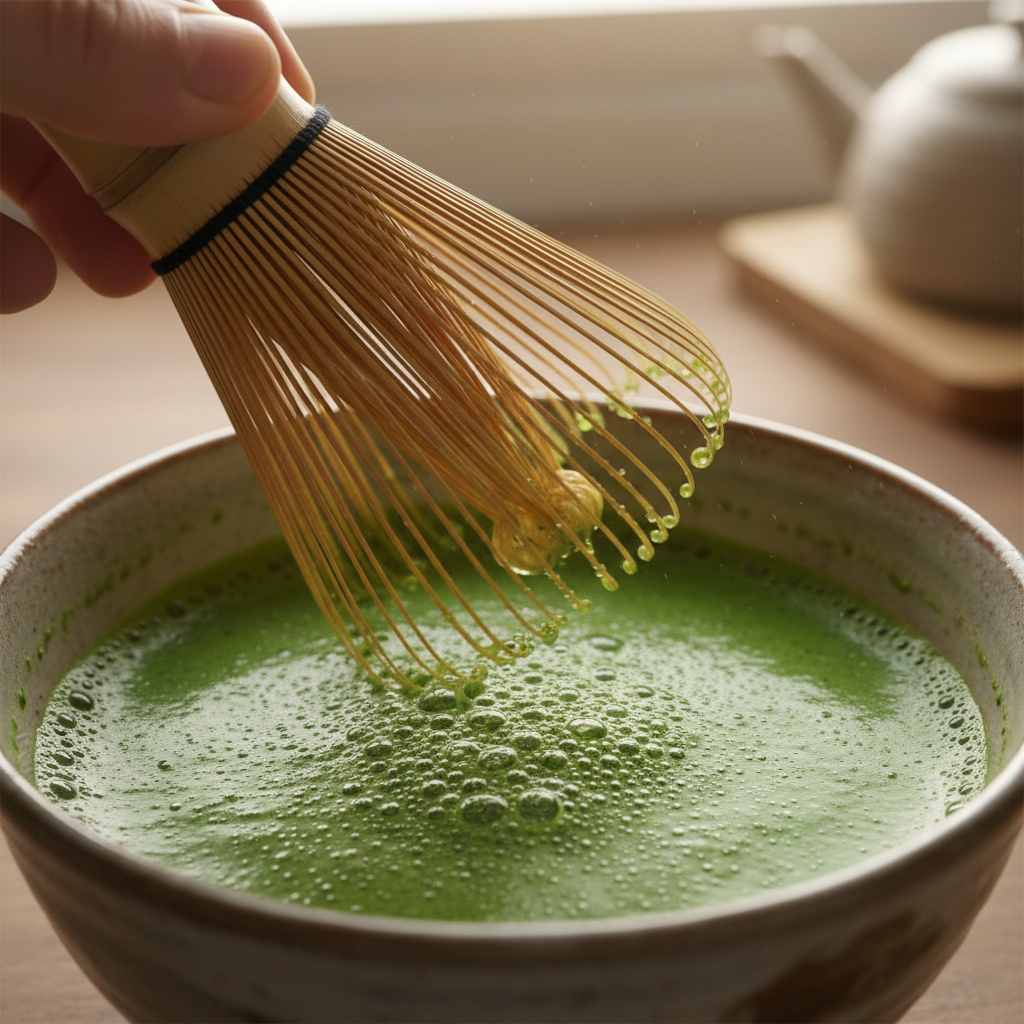
Among all kinds of matcha accessories, bamboo whisks stand out as most critical for flavor development. It sounds crazy, but materials themselves change taste. Metal whisks can impart metallic tangs plus often scrape ceramic glaze on bowls. Bamboo remains neutral plus flexible naturally. An authentic bamboo whisk features 80 to 100 tines acting like tiny springs. As users whisk, these tines cut through water plus powder, introducing air bubbles releasing aromatic compounds from tea. This aeration process reduces bitterness bringing out natural sweetness (umami) hidden within leaves.
Why Bristle Count Matters
When evaluating these kinds of matcha accessories, tine numbers dictate foam quality. Here is the secret. Whisks with fewer tines (around 16-48) suit Koicha (thick tea), while whisks bearing higher tine counts (72-120) suit Usucha (thin tea). More tines create finer bubbles, resulting in creamier mouthfeel resembling lattes without milk. For beginners drinking Usucha, standard 80 or 100-prong whisks offer best balance. Craftsmanship required splitting single pieces of bamboo into delicate tines demonstrates why this tool remains irreplaceable by modern gadgets.
Caring for Bamboo Tools
Bamboo kinds of matcha accessories require specific maintenance preventing mold plus breakage. Bamboo expands when wet then contracts when dry, which can cause cracking if not handled correctly.
- Rinse using warm water immediately after use.
- Never use soap or dishwashers.
- Air dry thoroughly in open spaces.
- Inspect tines for damage before each use.
Whisk Type | Tine Count | Best Application | Durability |
|---|---|---|---|
Kazuho | ~70-80 | Standard Thin Tea | High |
Shin | ~80-100 | Creamy Thin Tea | Medium |
Araho | ~36-50 | Thick Tea (Koicha) | Very High |
Ten-tine | 10-16 | Rustic Preparation | Extreme |
4. Which Kinds of Matcha Accessories Ensure a Smooth Texture?
The Role of the Furui (Sifter)
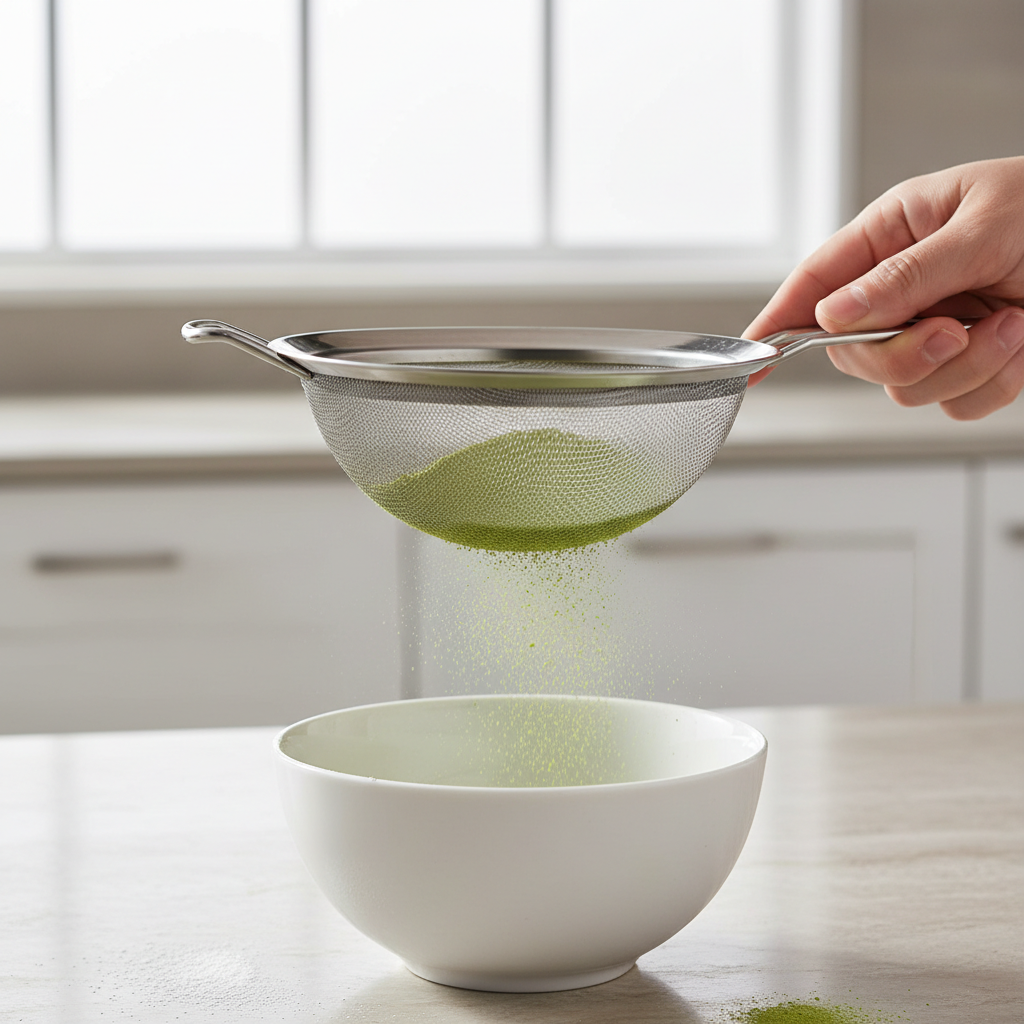
One often overlooked item among various kinds of matcha accessories involves sifters. Believe it or not, even highest grade ceremonial powders form electrostatic clumps during storage. If you skip sifting, such clumps turn into bitter pockets of dry powder inside drinks, ruining experiences. Stainless steel sifters push powder through fine mesh, breaking it down into microscopic dust dissolving instantly upon contact with hot water. This step guarantees velvety texture plus ensures flavor disperses evenly throughout bowls rather than remaining concentrated within small lumps.
Selecting the Right Sifter
Not all mesh strainers qualify as effective kinds of matcha accessories. Here’s what to look for. You need mesh fine enough breaking small clumps yet strong enough withstanding pressure from scoops pressing down. Standard kitchen sieves often have holes too large regarding tea powder. Dedicated tea sifters usually come with specialized spatulas or remain sized perfectly fitting over chawan. Some sifters come integrated into storage cans, allowing users sifting entire batches at once for convenience, although fresh sifting per serving usually yields better aromatic results.
Sifting Technique Tips
Mastering these kinds of matcha accessories involves simple but crucial techniques. Try this method. Place sifters over bowls, add powder, then gently push it through using back of scoop.
Sifter Feature | Benefit | Drawback |
|---|---|---|
Fine Mesh | Removes all clumps | Slower process |
Deep Cone | Prevents spilling | Harder to clean |
With Canister | Pre-sifting storage | Less fresh aroma |
Handheld | Portable usage | Requires two hands |
5. Are Electric Frothers Good Kinds of Matcha Accessories to Use?
Modern Convenience vs. Tradition
Purists often debate whether electric tools count as legitimate kinds of matcha accessories. Let’s face it. We live within fast-paced worlds where spending five minutes whisking isn’t always feasible. An electric bamboo frother offers bridges between convenience plus quality. While it may not produce exact microscopic bubble structures like bamboo whisks, high-RPM handheld frothers can generate substantial foam heads within seconds. For making matcha lattes with milk or sugar, these tools actually outperform bamboo whisks because they handle heavier liquids plus larger volumes without damage.
When to Use Electric Tools
Deciding between these kinds of matcha accessories depends on daily routines. You should consider this. If you drink traditional matcha using only water, bamboo whisks offer superior flavor. However, if you blend powder into smoothies, protein shakes, or oat milk lattes, electric frothers prove far more efficient. It cleans up faster plus requires less technique for operation. Many modern enthusiasts own both: bamboo whisks for weekend rituals plus electric ones for weekday morning rushes. This hybrid approach ensures you enjoy green tea benefits regardless of schedule constraints.
Limitations of Electric Frothers
While convenient, electric kinds of matcha accessories have downsides. Be aware of this. Metal coils can scratch delicate ceramic bowls.
- Requires batteries or charging.
- Creates larger bubbles (less creamy).
- Can splash liquid easily.
- Harder controlling foam density.
Tool | Speed | Foam Quality | Cleanup | Ease of Use |
|---|---|---|---|---|
Electric Frother | Fast | Medium/Coarse | Very Easy | High |
Bamboo Whisk | Slow | Fine/Micro | Delicate | Medium |
Blender | Fast | Very Coarse | Hard | Low |
6. What Kinds of Matcha Accessories Are Best for Temperature Control?
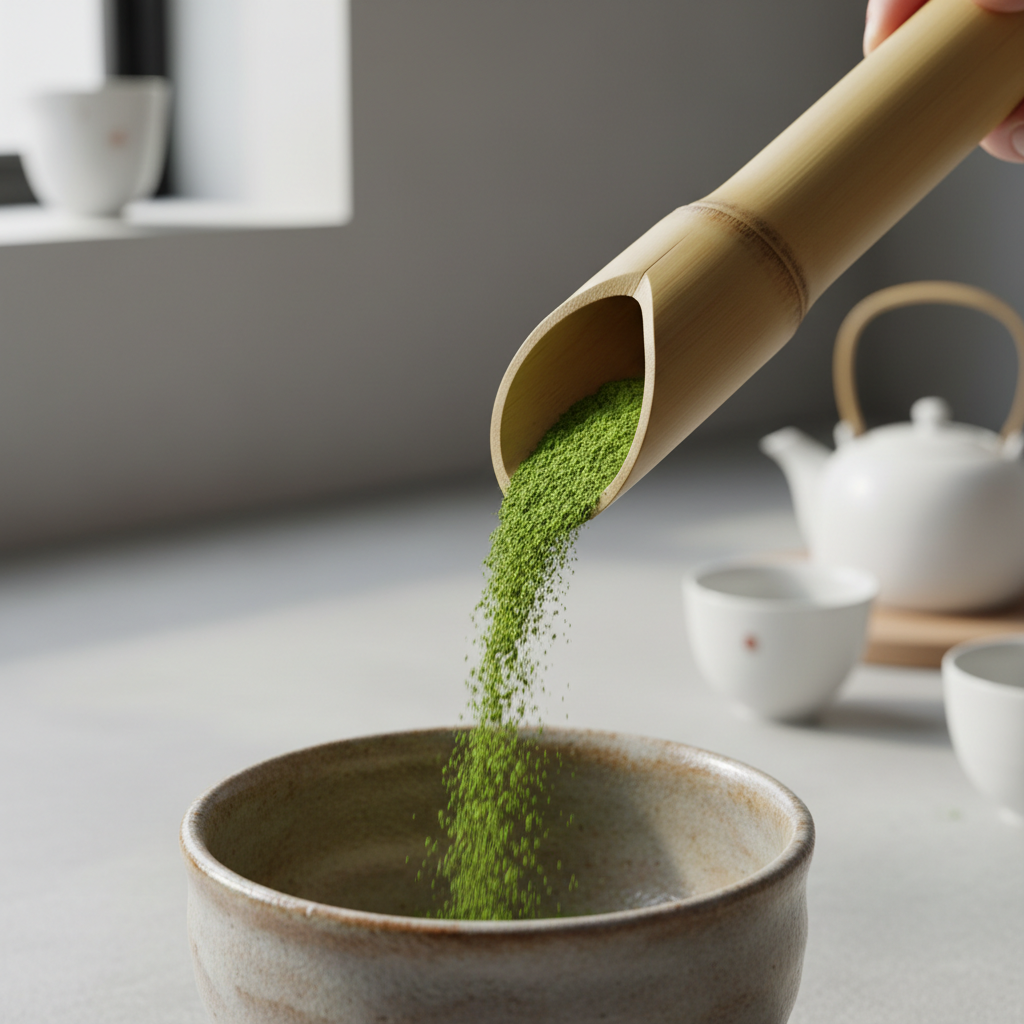
The Importance of Water Temperature
Temperature control stands as pillars regarding tea preparation, requiring specific kinds of matcha accessories. Here is the problem. Boiling water (100°C/212°F) scorches green tea leaves, destroying amino acids plus releasing excessive tannins causing extreme bitterness. Ideal temperature ranges lie between 160°F and 175°F (70°C-80°C). Digital temperature kettles solve this problem by allowing users dialing in exact heat settings. Precision ensures you extract sweet, savory notes without burning delicate powder. Consistency regarding temperature leads toward consistency regarding flavor, day after day.
Thermometers vs. Smart Kettles
If smart kettles feel too expensive, other kinds of matcha accessories can help. Here is a trick. Simple kitchen thermometers work well, or you can use “Yuzamashi” methods (cooling vessel). Pouring boiling water into separate cool bowls drops temperature by roughly 10°C. Doing this twice usually reaches target ranges. However, gooseneck variable-temperature kettles offer best user experiences. Gooseneck spouts provide control over pour speed, which helps when pre-warming bowls or adding water slowly toward paste preventing clumping.
Impact on Whisking
Temperature also affects how other kinds of matcha accessories perform. Keep this in mind.
Temperature | Flavor Profile | Foam Stability | Risk Factor |
|---|---|---|---|
160°F (70°C) | Sweet, mild | Lower stability | Poor dissolution |
175°F (80°C) | Balanced, savory | High stability | Ideal zone |
190°F (88°C) | Sharp, astringent | Fast collapse | Slight bitterness |
212°F (100°C) | Very bitter | Large bubbles | Burnt leaves |
7. How Do You Clean Different Kinds of Matcha Accessories Properly?
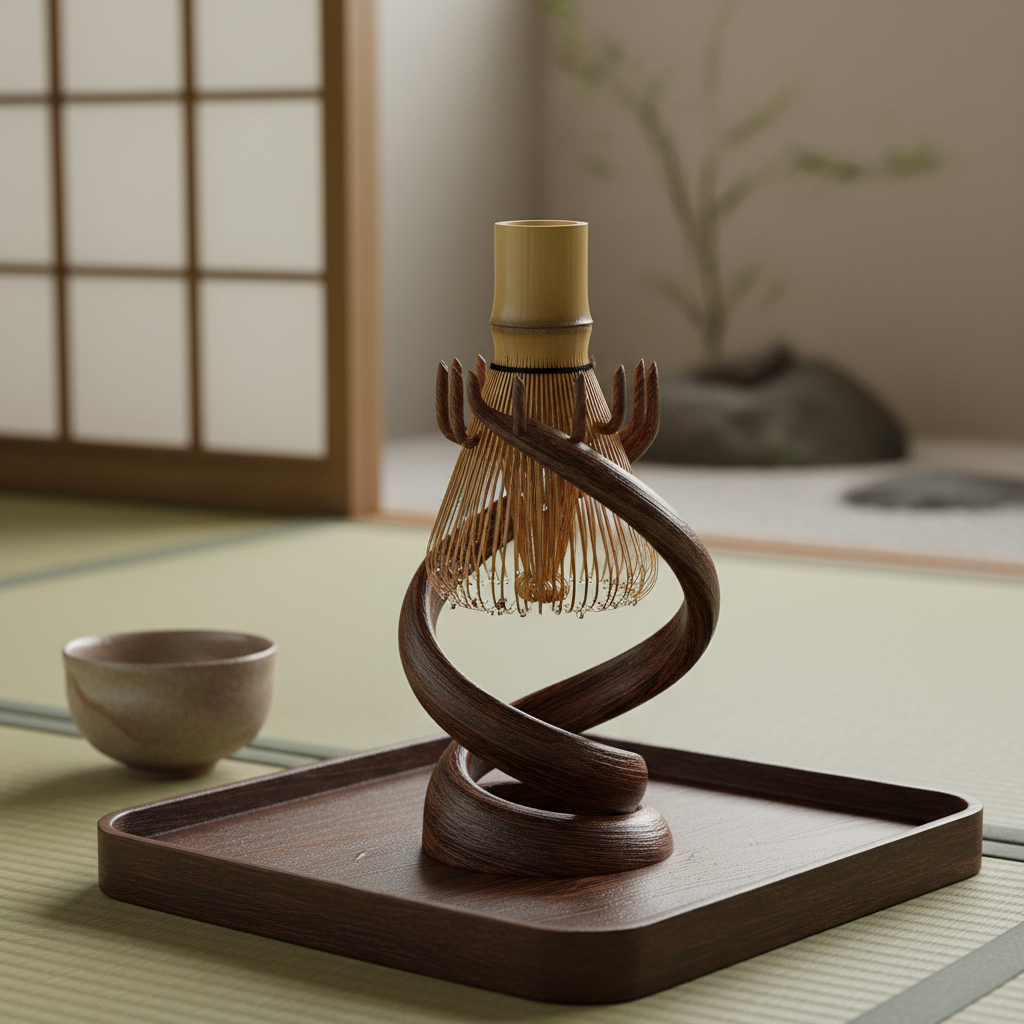
Preserving Bamboo Tools
Cleaning constitutes major parts regarding owning these kinds of matcha accessories. Here is the rule. Bamboo whisks plus scoops remain extremely susceptible toward mold. After every use, rinse whisks under warm water without soap. You may gently run fingers through tines removing stubborn green residue. Crucially, users must let it dry completely on whisk holders. This stand maintains curved shapes regarding tines while allowing airflow reaching center of handles. Leaving wet whisks lying on tables causes tines straightening out losing frothing ability, or worse, developing black mold at bases.
Ceramic Care
Ceramic kinds of matcha accessories like chawan require gentle handling. Don’t make this mistake. Never put handmade chawan inside dishwashers. High heat plus harsh detergents can damage glaze or cause thermal shock cracks. Wash gently using warm water plus soft sponges. Avoid abrasive scrubbers that could scratch surfaces. If tea stains develop over time, soaking in mild baking soda solutions usually lifts them without chemical damage. Drying is equally important; moisture trapped within porous clay feet on bowls can lead toward musty odors next time you pour hot water.
Sifter and Kettle Maintenance
Metal kinds of matcha accessories need different attention. Watch out for rust.
- Sifter: Dry immediately preventing rust mesh.
- Kettle: Descale monthly using vinegar.
- Scoop: Wipe using dry cloths only (avoid water if possible).
8. What Are the Best Kinds of Matcha Accessories for Travel?
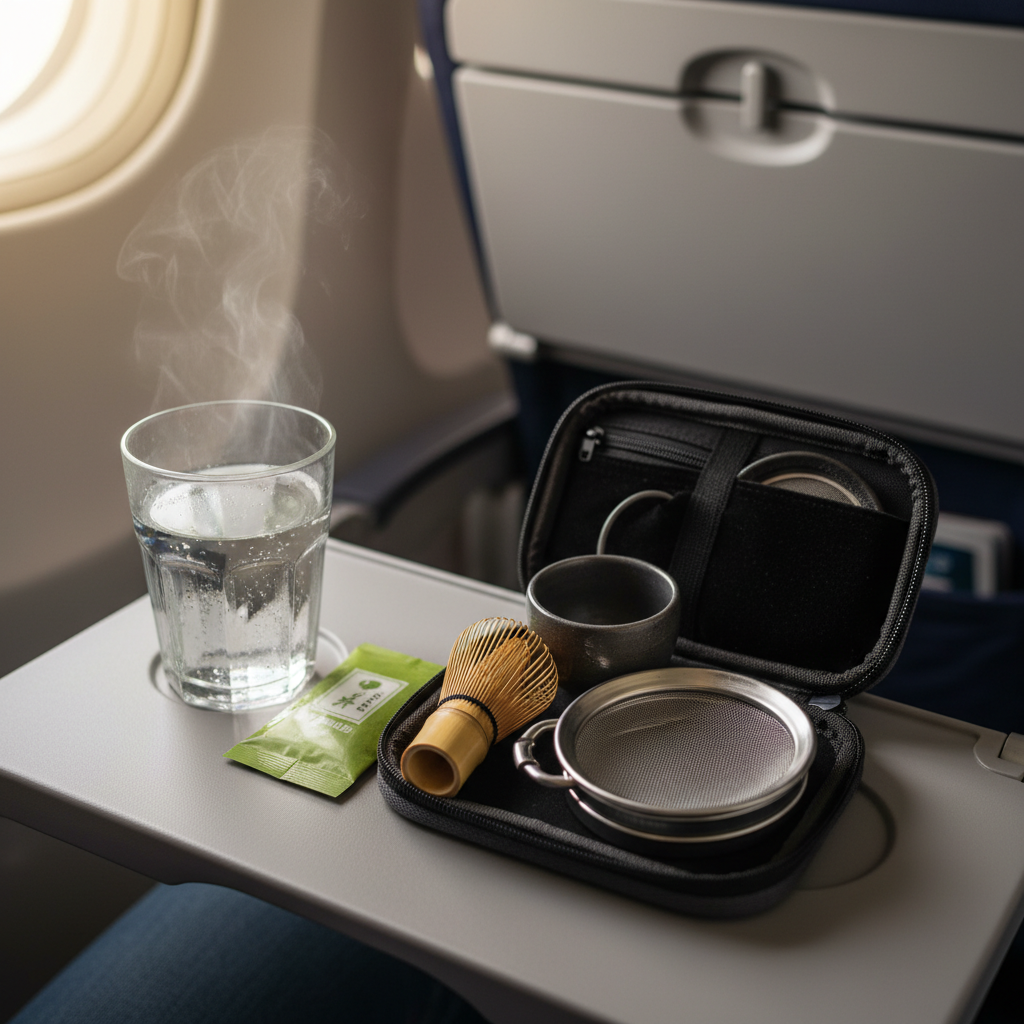
Portable Kits
Maintaining routines while away requires specific kinds of matcha accessories. You probably know the feeling missing morning energy boosts while inside hotels. Travel kits condense essential tools into compact forms. These sets often include smaller “nodate” (outdoor style) chawan, mini whisks, plus folding scoops protected by cloth pouches or hard cases. Goals involve providing full ceremonial experiences without bulk from full-sized pottery. Some modern kits replace bowls with high-quality shaker bottles, which, while not traditional, serve purposes regarding hydration plus caffeine on roads.
Durability Considerations
When selecting travel-friendly kinds of matcha accessories, durability becomes paramount. Here is the reality. Bamboo whisks crush easily inside suitcases. Protective plastic tubes for whisks remain essential. Alternatively, resin whisks are gaining popularity regarding travel; they disassemble easily, resist crushing, plus don’t grow mold if packed away damp. Double-walled glass or stainless steel tumblers also work well as mixing vessels doubling as drinking cups. These items must withstand drops plus compression inside luggage without compromising their function.
The Shaker Bottle Option
For ultimate minimalist approaches toward kinds of matcha accessories, shaker bottles win. Why complicate things?
Travel Item | Portability | Experience | Risk |
|---|---|---|---|
Travel Kit | Medium | Authentic | Breakage |
Resin Whisk | High | Close to Tradition | Low |
Shaker Bottle | Very High | Modern/Utility | Clumps |
Electric Wand | High | Latte Style | Bent Shaft |
9. Which Kinds of Matcha Accessories Are Ideal for Gift Sets?
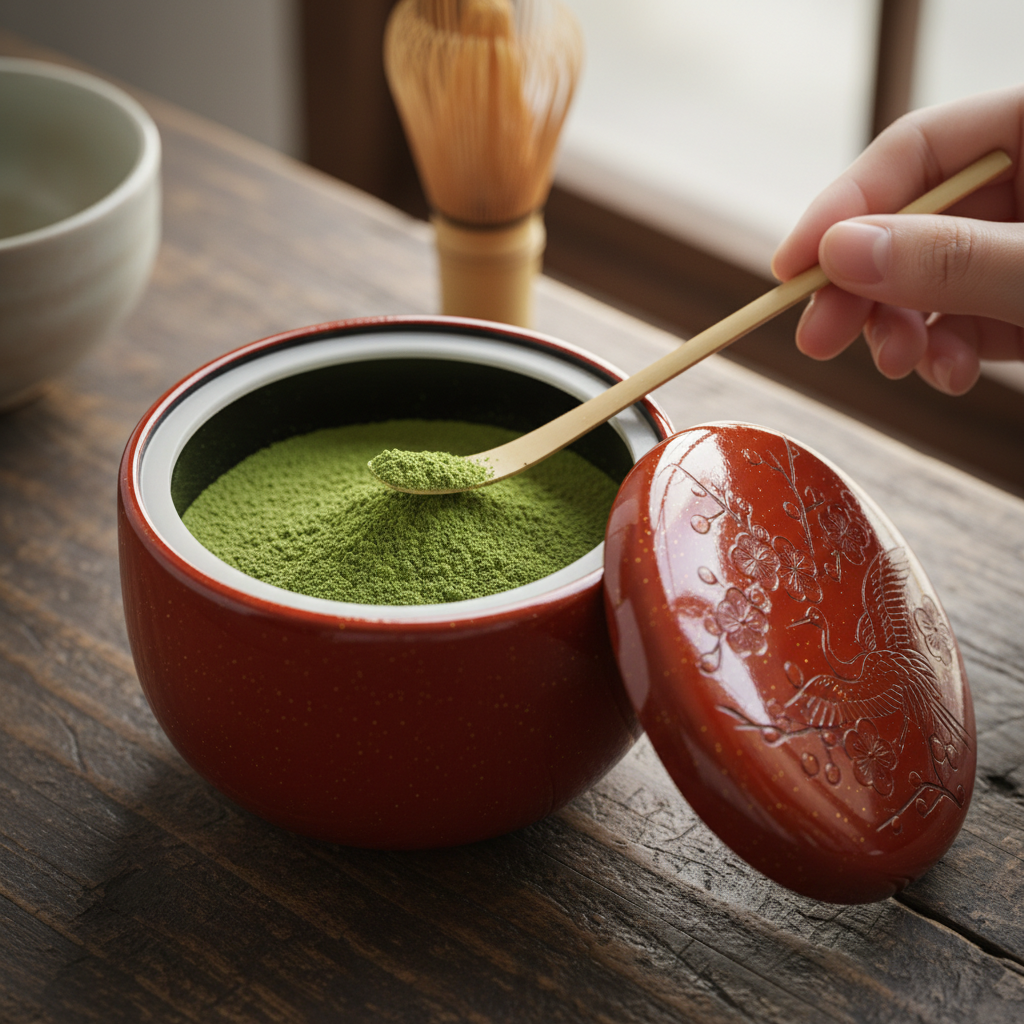
Curated Starter Sets
Gift giving provides opportunities introducing others toward these kinds of matcha accessories. Picture this. A friend opens boxes revealing beautiful ceramic bowls, delicate bamboo whisks, plus tins containing emerald green powder. Pre-assembled curated matcha starter kits remove guesswork for givers ensuring recipients have everything needed starting immediately. Best gifts focus on aesthetics plus presentation. Sets with matching bowls plus whisk holders look stunning on kitchen counters, encouraging recipients actually using it rather than hiding it inside cupboards.
Component Quality in Sets
Not all boxed sets containing these kinds of matcha accessories offer equal value. Be careful. Some mass-market sets include low-quality “culinary grade” tea or plastic tools disguised as traditional ware. Look for sets explicitly stating origin regarding bamboo (Takayama is famous for whisks) plus type regarding ceramic (Mino or Shigaraki ware). Good gift sets prioritize whisk plus bowl quality over filler items like trays or napkins. Including small instruction cards or links toward video tutorials adds immense value for beginners who might be intimidated by tools.
Customizing a Gift
You can also build custom sets using different kinds of matcha accessories. Try this idea.
- Pair handmade bowls with specific colored whisk holders.
- Add high-end scoops made from rare smoked bamboo.
- Include specialized cleaning cloths (Chakin).
Gift Set Tier | Typical Contents | Best For | Price Range |
|---|---|---|---|
Basic | Whisk + Scoop | Stocking Stuffers | 20−20- 30 |
Standard | Whisk + Bowl + Scoop | Beginners | 50−50- 80 |
Premium | Full Set + Holder + Tray | Weddings/Special | $150+ |
Modern | Frother + Glass + Pitcher | Latte Lovers | 40−40- 70 |
10. How Do You Choose Between Kinds of Matcha Accessories?
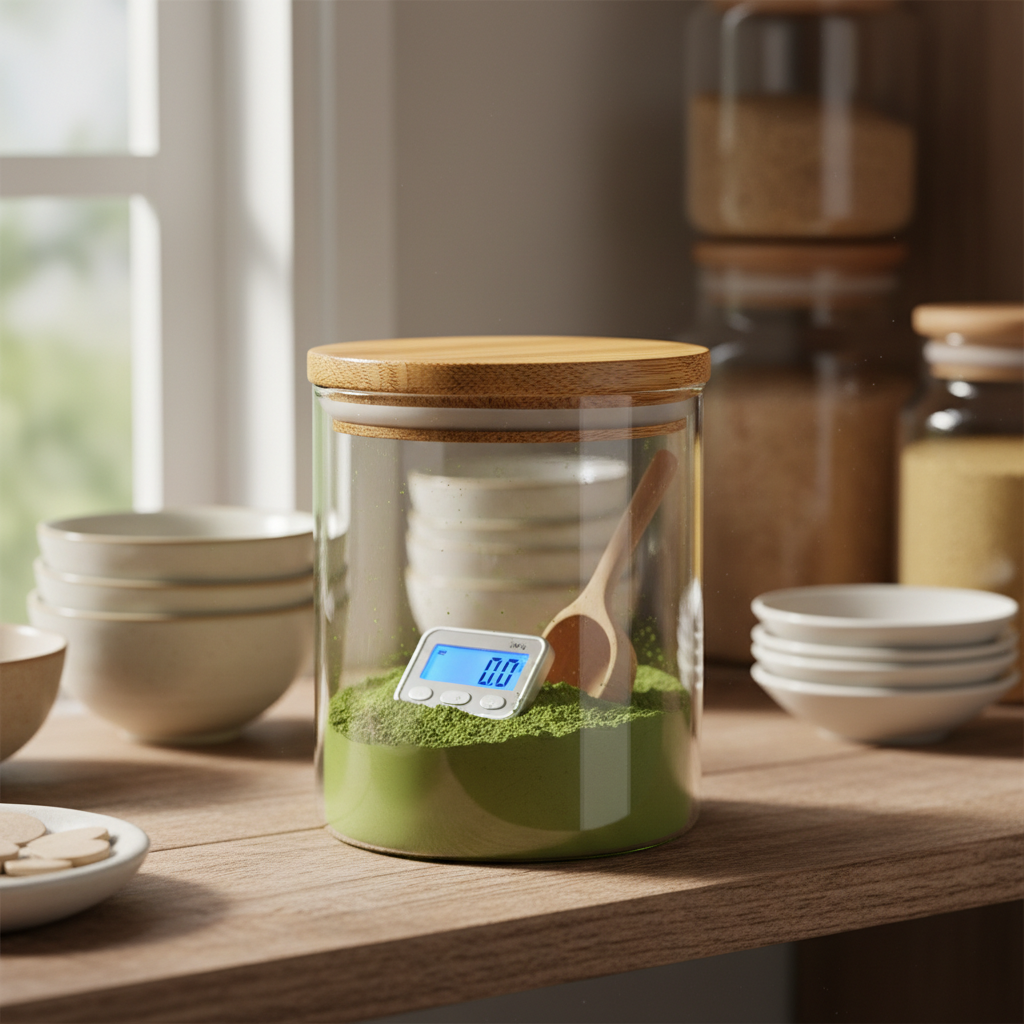
Assessing Your Lifestyle
Ultimately, choosing right kinds of matcha accessories comes down toward self-reflection. Ask yourself this. Do you view tea making as meditative breaks or caffeine fuel stops? If you value Zen aspects, tactile feedback from bamboo plus clay is irreplaceable. Sounds from whisks scratching bowls plus smells from bamboo enhance sensory experiences. If you prioritize efficiency plus consistency, modern electric tools plus temperature-controlled kettles serve better. There is no wrong answer, only answers fitting your morning reality.
Budget vs. Value
Prices regarding these kinds of matcha accessories vary wildly. Here is the bottom line. You can spend
15onmass−producedwhisksor15 on mass-produced whisks or
150 on master-crafted ones signed by artisans. For most people, mid-range offers sweet spots. Avoid cheapest options as they break quickly plus perform poorly. Investing in mid-tier authentic Japanese tools usually costs only slightly more than generic knock-offs but provides significantly better user experiences plus longevity.
Final Selection Checklist
Use this summary finalizing decisions on kinds of matcha accessories. Check these boxes.
User Profile | Recommended Setup | Priority Investment |
|---|---|---|
The Purist | Chawan, Bamboo Chasen, Sifter | High-quality Whisk |
The Busy Bee | Electric Frother, Tumbler | Reliable Frother |
The Student | Standard Bowl, Basic Whisk | Decent Powder |
The Traveler | Resin Whisk, AeroPress/Shaker | Durability |
Conclusion
Mastering art regarding green tea begins with selecting right kinds of matcha accessories. Whether you choose meditative paths using traditional bamboo whisks plus clay bowls or efficient routes using electric frothers, having proper tools ensures tea is smooth, frothy, plus delicious every time. Don’t let clumps or bitterness ruin health investments. Start building kits today experiencing true potential regarding this ancient superfood.
Key Takeaway: Correct tools turn routines into rituals. Invest in quality whisks plus sifters first immediately improving flavor plus texture.
FAQ
Q1: Can I make matcha without these kinds of matcha accessories?Yes, you can use jars shaking it or regular spoons, but texture will likely be clumpy plus thin. Proper accessories are designed specifically suspending powder in water, creating signature foam plus smooth mouthfeel defining good bowls regarding tea.
Q2: What is the single most important accessory to buy first?Bamboo whisks (chasen) remain most critical. No other tool, including electric frothers or metal spoons, can replicate fine micro-foam plus aeration that bamboo whisks produce. It significantly alters flavor profiles by mitigating bitterness.
Q3: How long do bamboo kinds of matcha accessories last?Bamboo whisks typically last 3 to 6 months with daily use before tines become too brittle or lose shape. Bamboo scoops can last lifetimes if kept dry. Using whisk holders extends life regarding whisks by maintaining shapes during drying.
Q4: Are expensive matcha bowls worth the money?Handmade bowls are worth it regarding heat retention plus ease of whisking. Shapes are engineered preventing splashing plus allowing proper whisk movement. However, for beginners, simple wide ceramic bowls are sufficient as long as they have enough room allowing whisks movement.
Q5: What is the best way to store my accessories?Store bamboo whisks on stands (kusenaoshi) keeping shapes. Keep scoops plus sifters inside dry drawers away from moisture. Ceramic bowls should be stored where they won’t chip; stacking them without protection is not recommended.