
Matcha generally packs more antioxidants and a balanced caffeine profile due to its unique processing. You want a healthy daily beverage to power your mornings, but standing in the tea aisle comparing boxes of green tea can feel overwhelming. Choosing the wrong one might mean missing out on vital nutrients or, worse, dealing with unexpected caffeine jitters that ruin your focus instead of sharpening it. Understanding the chemical differences reveals why l-theanine in matcha vs green tea is the secret to sustained energy without the crash, offering a superior solution for your daily wellness routine. For a deeper dive into these advantages, check out our guide on the health benefits of matcha .
1. How Do Growing Methods Impact L-theanine in Matcha vs Green Tea?
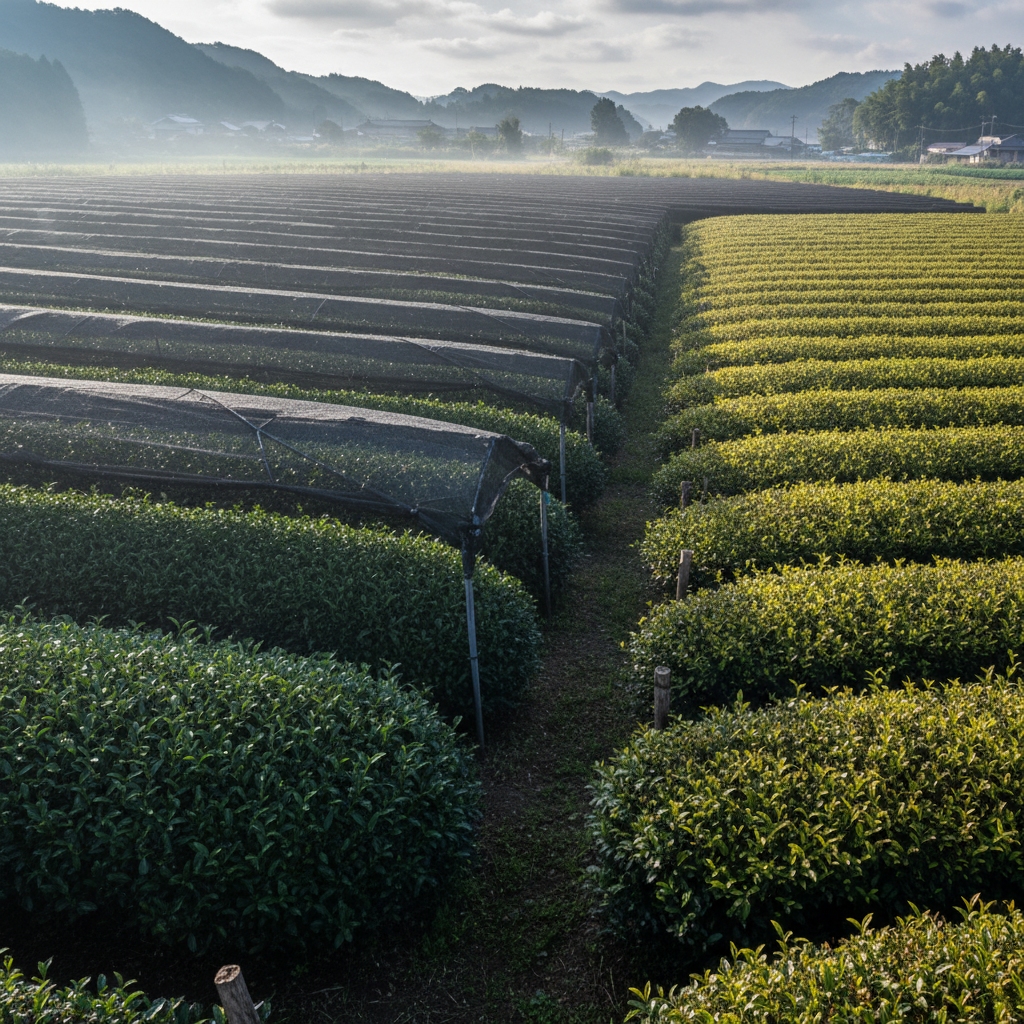
The fundamental difference between these two beverages starts long before they reach your cup, rooted deeply in how the plants are cultivated. When examining l-theanine in matcha vs green tea, the shading process is the critical factor that drastically alters the chemical profile of the final product. While standard green tea soaks up the sun, matcha plants are sheltered from direct sunlight for several weeks before harvest, preserving the delicate amino acids that define its character.
Here is the key difference: sunlight converts amino acids into catechins, which can taste bitter. By blocking the sun, farmers force the plant to produce massive amounts of chlorophyll and retain high levels of L-theanine. This meticulous process, often reserved for ceremonial grade matcha , results in a vibrant green leaf that is savory rather than bitter.
Why is shade-growing crucial for quality?
Shading the tea plants 3-4 weeks before harvest triggers a biological panic in the plant, causing it to pump out nutrients to survive.
- It dramatically increases chlorophyll levels, creating the signature electric green color.
- It boosts amino acid production, specifically L-theanine.
- It prevents the formation of bitter catechins caused by photosynthesis.
What happens during the harvest and processing?
But wait, there’s more. The post-harvest handling is just as rigorous. Green tea is typically steamed, rolled, and dried to preserve the leaf shape. Matcha, however, goes through a labor-intensive process where veins and stems are removed before the leaf is stone-ground into a microscopic powder. This means you aren’t just drinking an infusion; you are consuming the entire leaf structure.
How does sunlight affect the chemical profile?
If you want the highest L-theanine content, you must look for shade-grown tea. Here’s why that matters: sunlight naturally breaks down L-theanine and converts it into catechins.
- Sun-grown (Green Tea): High in catechins, lower in amino acids, more astringent.
- Shade-grown (Matcha): High in L-theanine, rich in savory umami flavors.
Key Takeaway
The shading process is the primary reason matcha retains significantly higher amino acid levels than standard green tea.
Feature | Matcha | Green Tea | |
|---|---|---|---|
Growing Method | Shade-grown (3-4 weeks) | Sun-grown | |
Processing | Stone-ground powder | Steamed & rolled leaf | |
Primary Compound | High L-theanine | High Catechins |
The light exposure during cultivation dictates the final nutrient density, making matcha chemically distinct from its sun-grown counterpart.
2. What Is the Nutritional Value of Matcha Compared to Green Tea?
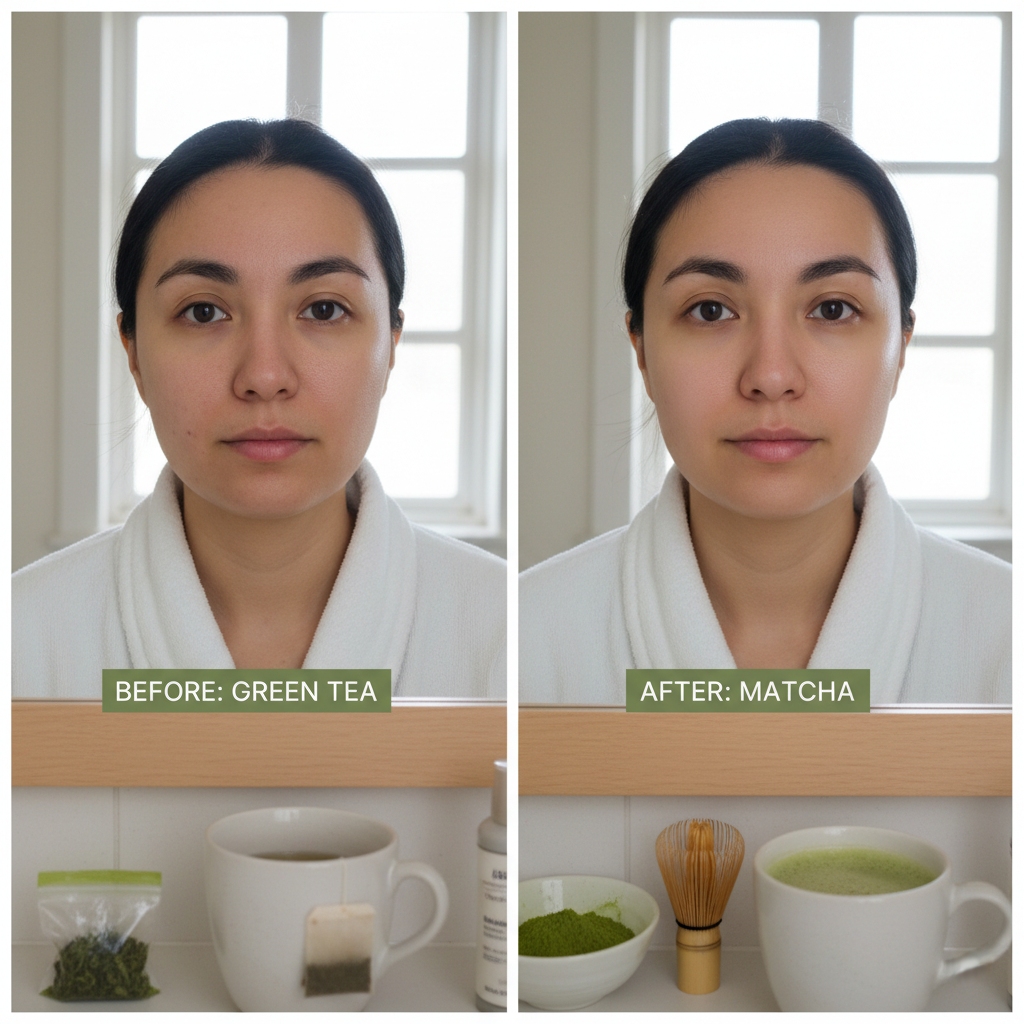
When you compare the nutritional profiles side-by-side, matcha emerges as a nutrient-dense powerhouse. Because you are consuming the entire leaf dissolved in water rather than just the soluble parts, the density of l-theanine in matcha vs green tea and other vitamins is substantially higher per serving. A simple cup of steeped tea leaves behind the majority of the plant’s beneficial fiber and vitamins in the trash or compost bin.
How do calorie counts compare per cup?
You might be surprised to learn that matcha contains slightly more calories than steeped tea, though the amount is still negligible.
- Matcha: Approximately 5 calories per serving.
- Green Tea: Approximately 2 calories per cup.
- Reason: You are physically digesting the plant fiber in matcha.
Which beverage offers more fiber and vitamins?
But that’s not all. Since matcha is a suspension of ground leaves, it provides nutrients that are not water-soluble and would never make it into a regular cup of tea.
- Vitamin A & E: High retention in matcha; mostly lost in steeped tea.
- Dietary Fiber: Matcha provides a small but absorbable amount of fiber.
- Chlorophyll: Highly concentrated in matcha, aiding in natural detoxification.
Is there a significant difference in mineral content?
You also get a more robust mineral profile with every sip of matcha.
- Potassium: Essential for hydration and muscle function.
- Iron: Vital for blood health and energy.
- Magnesium: Supports relaxation and enzymatic reactions.
Key Takeaway
Consuming the whole leaf in matcha form provides a broader spectrum of macro and micronutrients that steeping simply cannot extract.
Nutrient | Matcha (1 tsp) | Green Tea (1 cup) | |
|---|---|---|---|
Form | Whole Leaf Powder | Infusion | |
Calories | ~5 | ~2.5 | |
Fiber | Present | Trace/None |
Steeping tea leaves leaves many water-insoluble nutrients behind, whereas matcha delivers 100% of the leaf’s potential value.
3. Which Drink Packs a Bigger Antioxidant Punch?
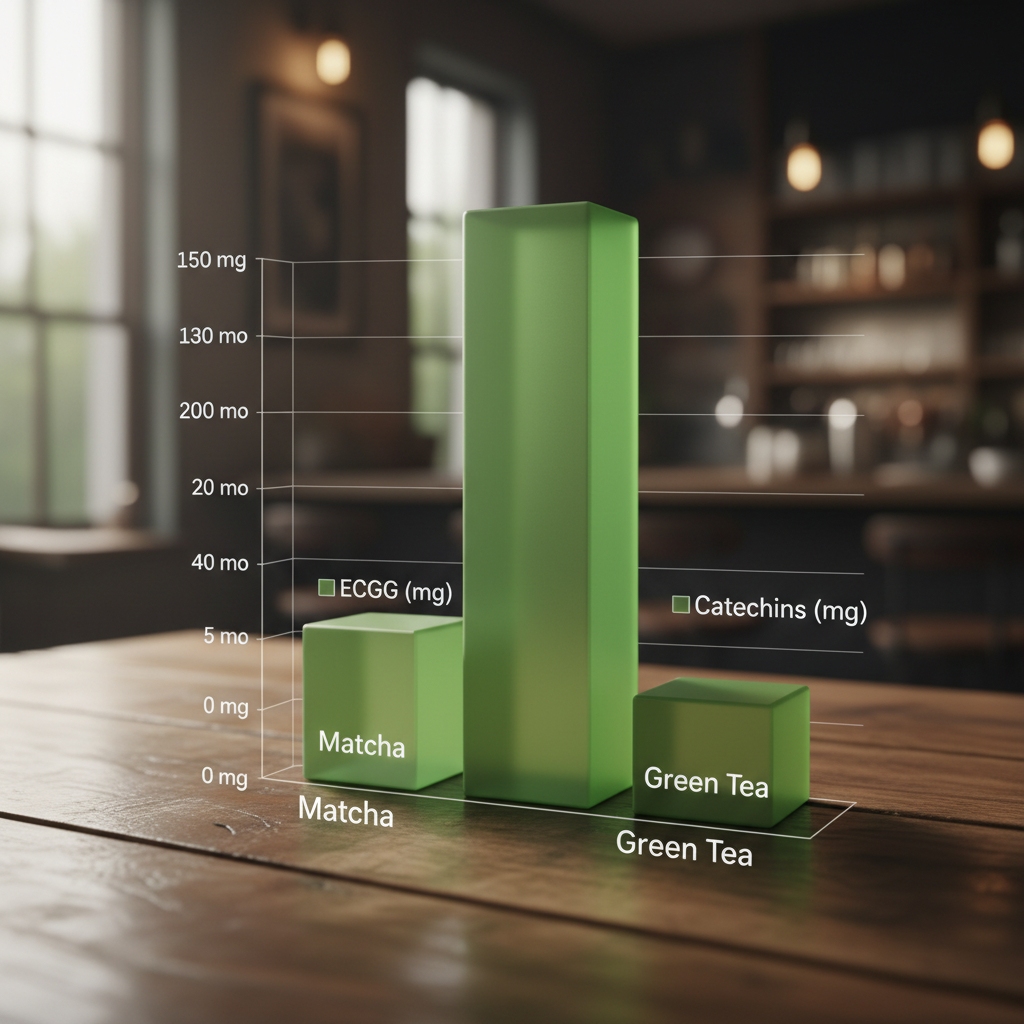
If you are looking for maximum cellular protection, matcha is the undisputed champion. While the discussion often focuses on l-theanine in matcha vs green tea, the antioxidant capacity—specifically catechins like EGCG—is where matcha truly shines. Research suggests that the concentration of EGCG in matcha can be at least three times higher than the highest quality green tea, making it a far more efficient delivery system for these protective compounds. For more on how these compounds work, read about matcha powder benefits .
What is EGCG and why does it matter?
Epigallocatechin gallate (EGCG) is the heavyweight champion of antioxidants found in tea.
- It fights oxidative stress and reduces inflammation.
- It neutralizes free radicals that cause cellular damage.
- It is heavily studied for its potential cancer-fighting properties.
How much stronger is matcha really?
Ready for the good part? Some studies indicate that matcha can have up to 137 times the antioxidant EGCG available from low-grade bagged green tea.
- ORAC Value: Matcha has an incredibly high Oxygen Radical Absorbance Capacity.
- Efficiency: You would need to drink 10 cups of green tea to equal one cup of matcha.
- Quality: Higher grades of matcha generally contain more potent antioxidants.
Can green tea still provide sufficient protection?
Yes, green tea is still undeniably healthy for you. Here’s the deal: most people drink larger volumes of green tea throughout the day, which accumulates benefits over time.
- It is hydrating and easier to consume in large quantities.
- It still offers better protection than coffee or sugary drinks.
- It is a cost-effective way to get daily antioxidants.
Key Takeaway
Matcha acts as a superfood concentrate, offering the highest antioxidant potential per sip of any tea variety.
Compound | Matcha | Green Tea | |
|---|---|---|---|
EGCG Levels | Very High | Moderate | |
Absorption | 100% of leaf | Water-soluble only | |
ORAC Score | ~1300 units/g | ~100 units/g |
A single serving of matcha can equal the antioxidant potential of ten cups of brewed green tea, making it the superior choice for maximizing intake.
4. Can L-theanine in Matcha vs Green Tea Improve Focus?
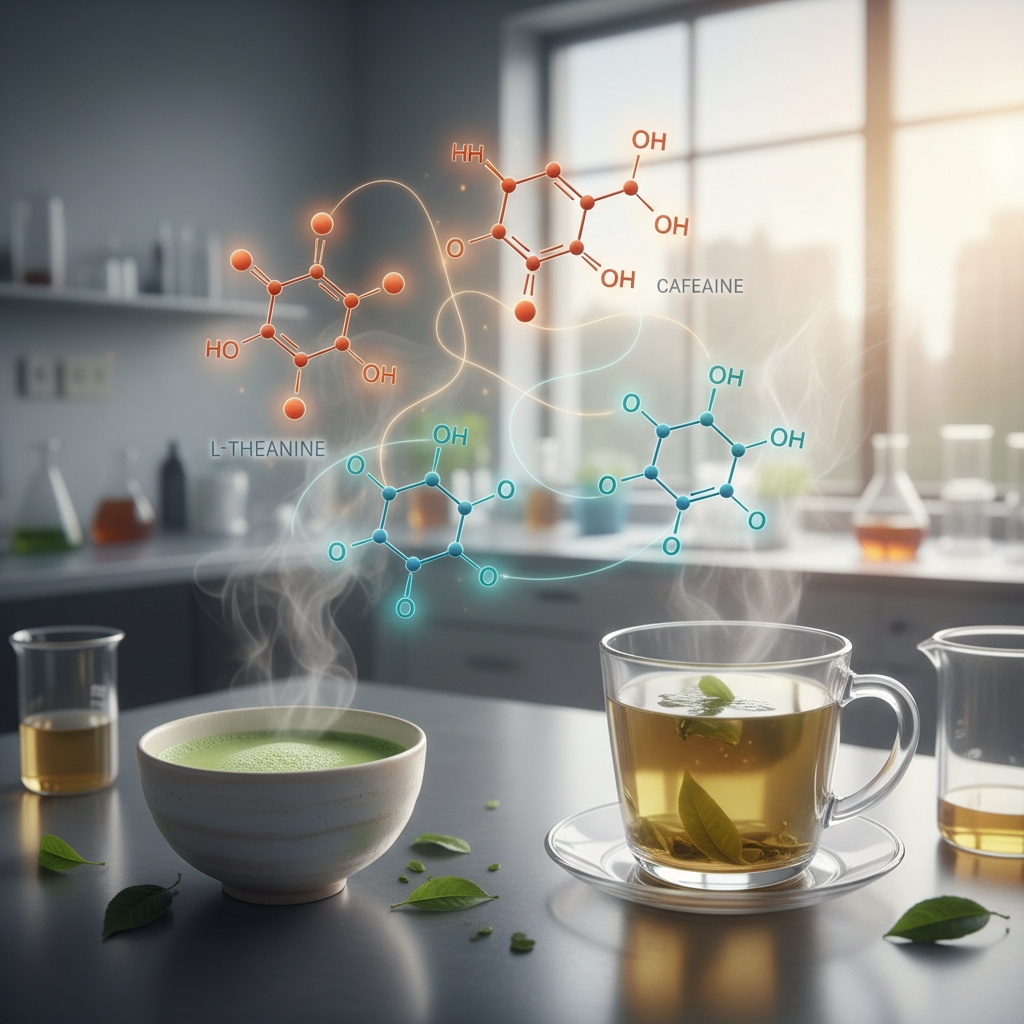
The unique interplay of caffeine and l-theanine in matcha vs green tea creates a mental state that monks have utilized for centuries during meditation. While standard green tea offers a gentle lift, matcha provides a “zenergy”—a state of calm, alert focus that is ideal for productivity. This is largely due to the higher ratio of L-theanine found in the shade-grown powder, which smooths out the stimulating effects of caffeine.
What is the “Zenergy” effect of matcha?
When you drink matcha, you experience an increase in alpha brain waves, which are associated with relaxation.
- Alertness: Caffeine wakes up the brain.
- Calm: L-theanine prevents the adrenaline spike.
- Result: You feel sharp and focused, not wired or jittery.
How does caffeine content differ by volume?
Here’s the kicker: Matcha contains significantly more caffeine than steeped tea, sometimes rivaling a cup of coffee.
- Matcha: Ranges from 38mg to 88mg per serving.
- Green Tea: Averages around 29mg per cup.
- Variance: Depends heavily on how much powder you use.
Why doesn’t green tea give the same boost?
You might feel a milder lift with green tea, but it lacks the sustained power of matcha. What’s the real story? The lower density of amino acids means the caffeine hit is less buffered.
- The focus is less intense.
- The duration of energy is shorter (1-2 hours vs 4-6 hours).
- It is better suited for late afternoons when you need less stimulation.
Key Takeaway
Matcha provides a unique “alert relaxation” that standard green tea cannot replicate due to its lower amino acid density.
Metric | Matcha | Green Tea | |
|---|---|---|---|
Caffeine | High (38-88mg) | Low/Mod (29mg) | |
Effect | Sharp, Calm Focus | Mild Lift | |
Duration | 4-6 Hours | 1-2 Hours |
The combination of high caffeine and high L-theanine makes matcha a superior productivity aid compared to the gentler lift of green tea.
5. Does Matcha Offer Superior Heart Health Benefits?
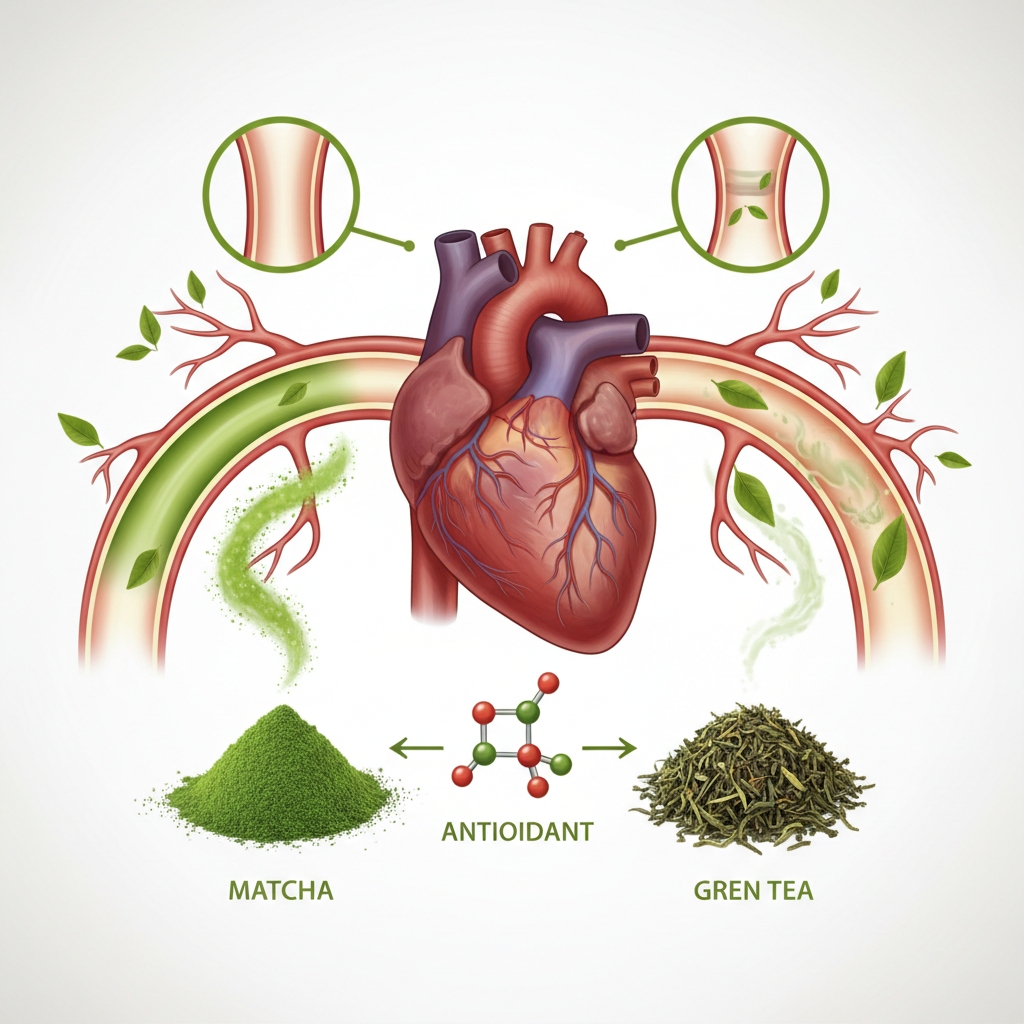
Both beverages are celebrated for their cardiovascular benefits, but the concentrated nature of matcha may offer a slight edge. Just as l-theanine in matcha vs green tea promotes mental calmness, the high levels of catechins work systemically to support blood vessels and reduce strain on the heart. Regular consumption of these green teas is linked to healthier arteries and better cholesterol management.
How do catechins affect cholesterol levels?
The EGCG in matcha actively works to prevent the oxidation of LDL (“bad”) cholesterol, which is a primary cause of plaque buildup.
- It helps lower total cholesterol levels.
- It improves the ratio of good (HDL) to bad (LDL) cholesterol.
- It protects artery walls from inflammatory damage.
Can tea consumption lower blood pressure?
What’s the real story? Both teas help relax blood vessels, making it easier for blood to flow freely.
- You get improved endothelial function (the lining of blood vessels).
- Regular intake is associated with a reduced risk of hypertension.
- The relaxation effect of L-theanine may also contribute to lower stress-induced blood pressure.
What does the research say about stroke risk?
Studies consistently show that people who drink green tea daily have a lower risk of stroke.
- Reduced inflammation leads to better overall circulation.
- The anti-clotting properties of tea catechins support healthy blood flow.
- Long-term habits yield the best protective results.
Key Takeaway
Both beverages are excellent for cardiovascular health, though matcha’s potency may offer faster or more significant results per serving.
Benefit | Mechanism | Impact | |
|---|---|---|---|
Cholesterol | Reduces LDL oxidation | Prevents Plaque | |
Blood Pressure | Relaxes arteries | Lowers Hypertension | |
Inflammation | EGCG activity | Reduced Heart Strain |
Regular consumption of catechin-rich tea is a scientifically supported strategy for heart disease prevention.
6. How Do These Beverages Influence Weight Loss?
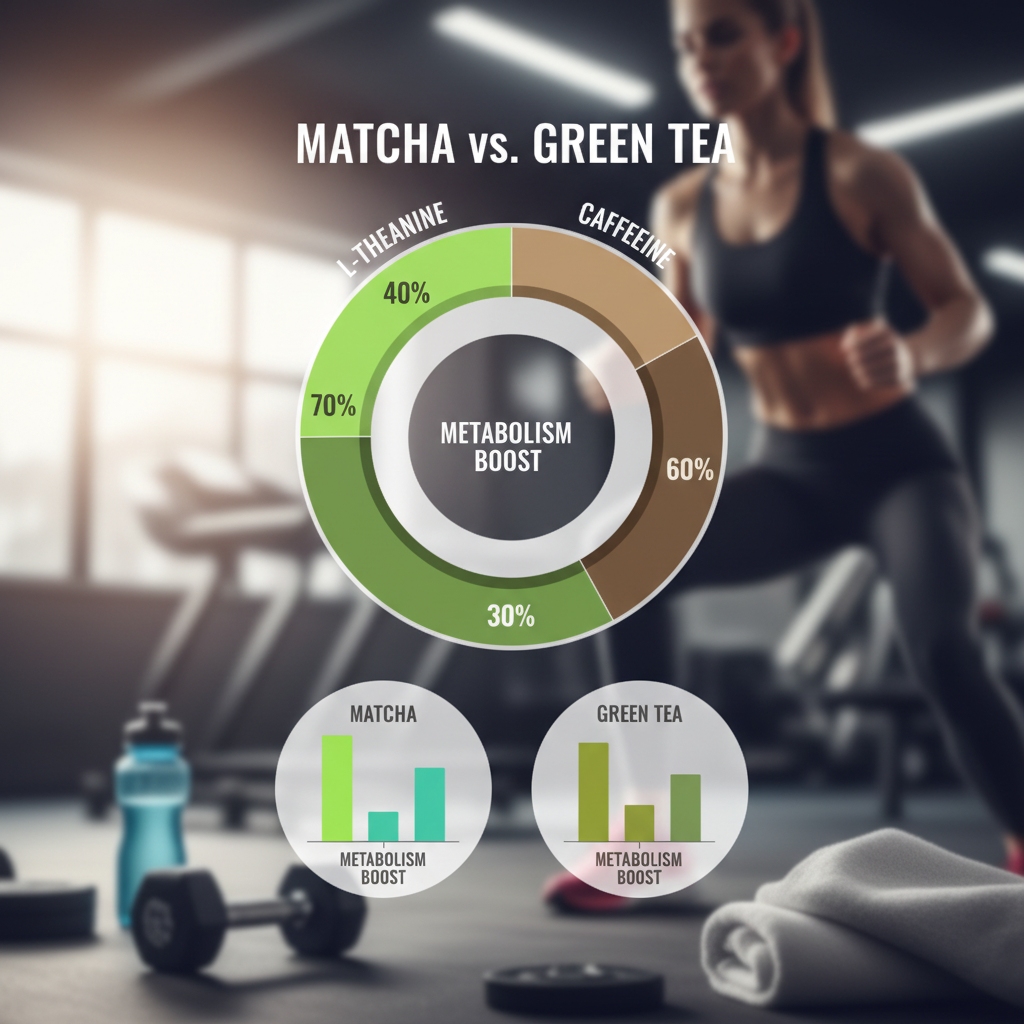
If you are looking to optimize your metabolism, the combination of caffeine and catechins in matcha acts as a powerful thermogenic agent. While green tea is a popular diet staple, l-theanine in matcha vs green tea helps manage stress-related cortisol, which can be a hidden culprit in weight gain. Matcha’s concentrated format essentially turns up the heat on your body’s calorie-burning engine.
Which drink boosts metabolism more effectively?
Matcha has been shown to increase thermogenesis (the body’s rate of burning calories) significantly more than standard tea.
- It can boost metabolic rate by 17% to 35%.
- It works by increasing heat production in the body.
- It enhances fat oxidation, using stored fat for energy.
How does exercise performance improve?
Here is the secret: You can burn more fat if you drink matcha right before a workout.
- It increases physical endurance, helping you train longer.
- It mobilizes fatty acids to be used as fuel.
- It reduces your rate of perceived exertion, making hard workouts feel easier.
Can they help with appetite control?
This is where it gets interesting. The stable energy release helps prevent the sugar cravings that come with energy crashes.
- It helps stabilize blood sugar levels.
- It prevents the insulin spikes that lead to fat storage.
- L-theanine reduces stress-eating triggers.
Key Takeaway
Matcha serves as a more potent pre-workout supplement due to its higher caffeine and catechin density.
Function | Matcha | Green Tea | |
|---|---|---|---|
Thermogenesis | High increase | Moderate increase | |
Fat Burning | Up to 17% boost | Slight boost | |
Best Time | Pre-workout | With meals |
While neither is a magic pill, matcha acts as a stronger metabolic catalyst than brewed tea.
7. Can the L-theanine in Matcha vs Green Tea Boost Brain Health?
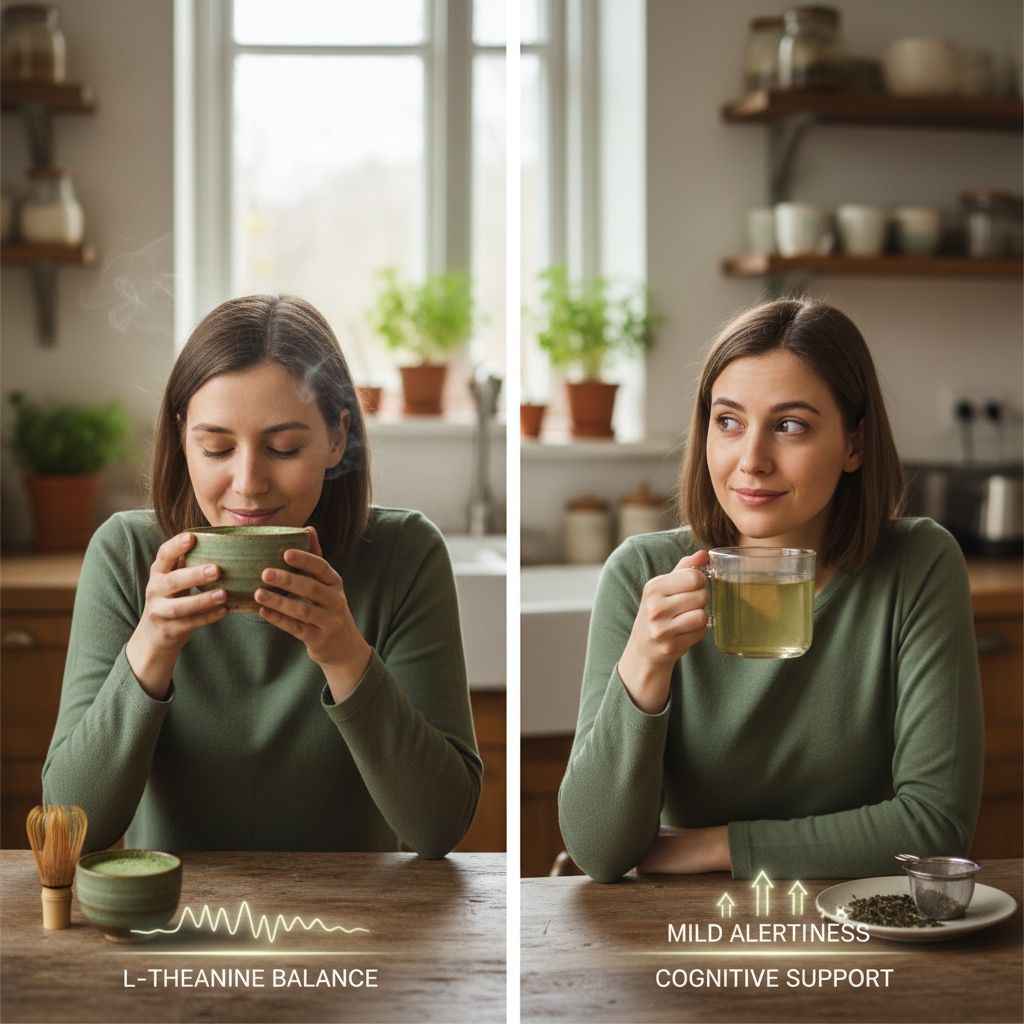
Protecting your mind is just as important as protecting your body, and the l-theanine in matcha vs green tea plays a pivotal role in cognitive longevity. Because matcha contains such high concentrations of this amino acid, it is often considered a “nootropic” or smart drug. It doesn’t just wake you up; it actively protects your neurons and enhances neural connectivity.
How does L-theanine protect brain cells?
L-theanine crosses the blood-brain barrier to offer neuroprotective benefits that fight oxidative stress in the brain.
- It slows age-related cognitive decline.
- It protects delicate neurons from damage.
- It acts as an anti-inflammatory agent for the brain.
Can matcha improve memory and reaction time?
Why does this matter? Clinical studies have shown that the combination of L-theanine and caffeine improves performance on demanding mental tasks.
- You experience a boost in working memory.
- Your processing speed increases.
- You can sustain attention for longer periods without fatigue.
Is there a link to dementia prevention?
Research suggests that the catechins found in green tea may help prevent the formation of amyloid plaques associated with Alzheimer’s.
- EGCG helps maintain brain plasticity.
- Daily consumption supports healthy aging.
- It is a delicious way to invest in your long-term brain health.
Key Takeaway
The high concentration of l-theanine in matcha vs green tea makes matcha a superior “brain food” for immediate focus and long-term health.
Cognitive Benefit | Role of L-Theanine | Role of Caffeine | |
|---|---|---|---|
Focus | Reduces distraction | Increases alertness | |
Memory | Protects neurons | Improves recall | |
Mood | Increases dopamine | Improves energy |
Matcha provides a dual-action benefit of immediate focus and long-term neuroprotection.
8. Does Preparation Style Alter Nutrient Absorption?
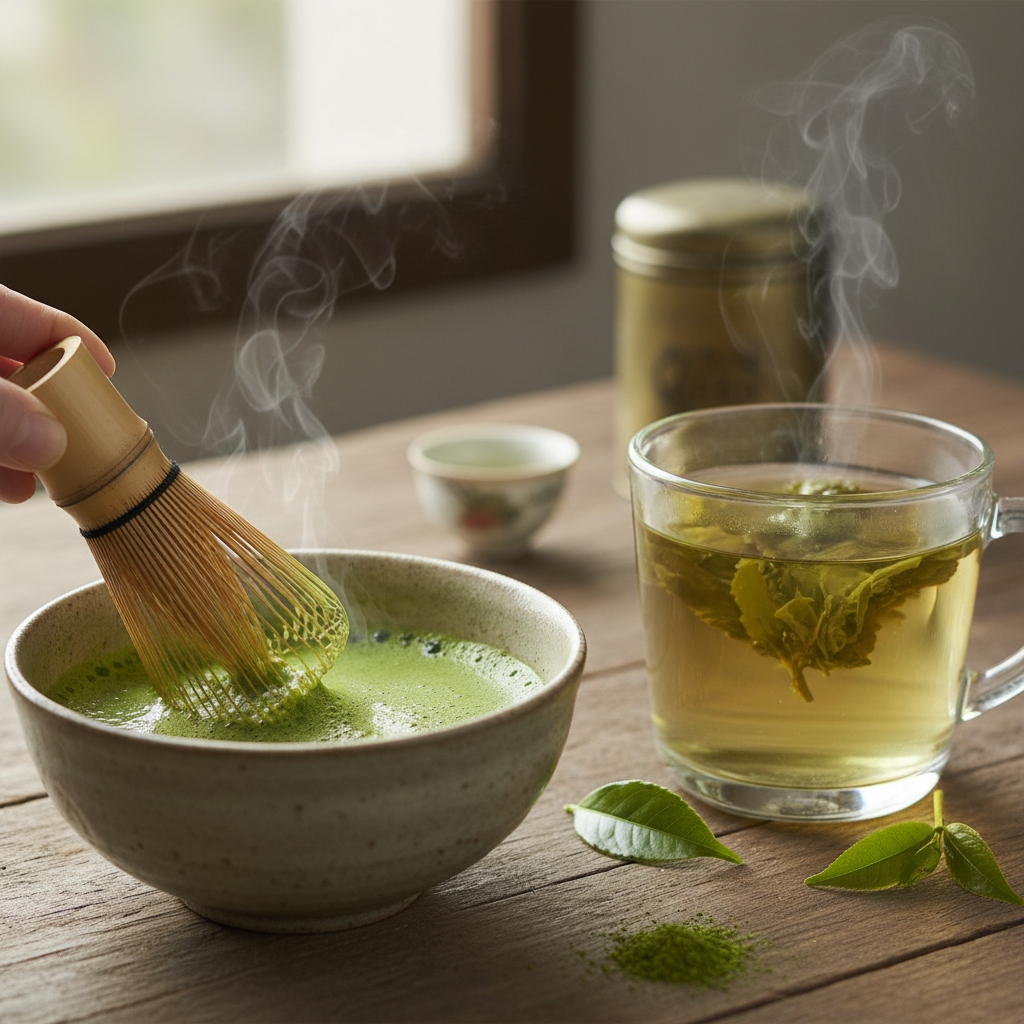
How you prepare your tea dictates how much of the l-theanine in matcha vs green tea you actually absorb. With green tea, you are merely creating an infusion and discarding the leaves. With matcha, the preparation involves suspending the powder in water, ensuring you ingest 100% of the available nutrients. Using the right tools, like a bamboo whisk , ensures a perfect suspension and a smooth, enjoyable texture.
Why is whisking better than steeping?
When you steep tea bags, you are throwing away a huge portion of the antioxidants that remain trapped in the leaf fibers.
- Matcha: You drink the leaf, fiber, and all solids.
- Green Tea: You only get the water-soluble compounds.
- Equipment: A whisk (Chasen) is essential to break up clumps and create froth.
Does water temperature affect the nutrients?
You should never use boiling water for matcha or green tea, as it burns the amino acids and ruins the flavor.
- Ideal Temp: 175°F (80°C) protects the delicate L-theanine.
- Effect: Boiling water destroys beneficial compounds.
- Taste: Excessive heat releases too many bitter tannins instantly.
What about cold brew options?
But here’s a tip: Cold brewing is an excellent way to extract L-theanine while minimizing bitter catechins.
- It creates a smoother, sweeter taste profile.
- It releases less caffeine but preserves amino acids.
- It retains high levels of Vitamin C.
Key Takeaway
To maximize the l-theanine in matcha vs green tea, proper whisking at lower temperatures is essential.
Method | Nutrients Ingested | Equipment | |
|---|---|---|---|
Whisked Matcha | 100% | Bamboo Whisk/Bowl | |
Steeped Tea | ~30-40% | Teapot/Infuser | |
Cold Brew | High Amino Acids | Bottle/Jar |
Steeping leaves behind the majority of the plant’s nutrients, while matcha ensures zero waste and maximum absorption.
9. Which Beverage Has a More Versatile Taste Profile?

Flavor is often the deciding factor, and the difference between the two is stark. The high l-theanine in matcha vs green tea gives matcha a distinct savory, umami profile that is rich and creamy, contrasting sharply with the light, floral, and sometimes astringent notes of steeped green tea. This rich flavor profile makes matcha incredibly versatile for commercial applications, from lattes to baking, which you can explore in our wholesale matcha drink mix guide .
What is the flavor profile of high-quality matcha?
Good matcha should not be bitter; it should taste vegetal, sweet, and savory, almost like seaweed or broth.
- Mouthfeel: It has a thick, rich texture.
- Notes: Umami is the dominant flavor due to L-theanine.
- Finish: It leaves a lingering sweetness.
How does green tea taste in comparison?
On the other hand, green tea is defined by its lightness and refreshing astringency.
- It is floral, grassy, and crisp.
- It has a “tannic” quality that can dry the mouth.
- It is a simpler, cleaner profile suitable for hydration.
Which is easier to use in recipes?
Matcha is a food ingredient as much as it is a beverage, allowing for endless culinary creativity.
- Versatility: You can bake it into cookies, cakes, and pastries.
- Drinks: It is the base for lattes, smoothies, and frappes.
- Green Tea: Generally limited to liquid infusions or marinades.
Key Takeaway
Matcha offers a unique savory flavor and culinary versatility that brewed tea lacks.
Aspect | Matcha | Green Tea | |
|---|---|---|---|
Primary Flavor | Umami/Creamy | Astringent/Floral | |
Texture | Thick/Frothy | Watery/Light | |
Uses | Drink & Food | Drink Only |
While green tea is excellent for hydration, matcha serves as both a beverage and a functional food ingredient.
10. What Are the Side Effects of High Caffeine Consumption?
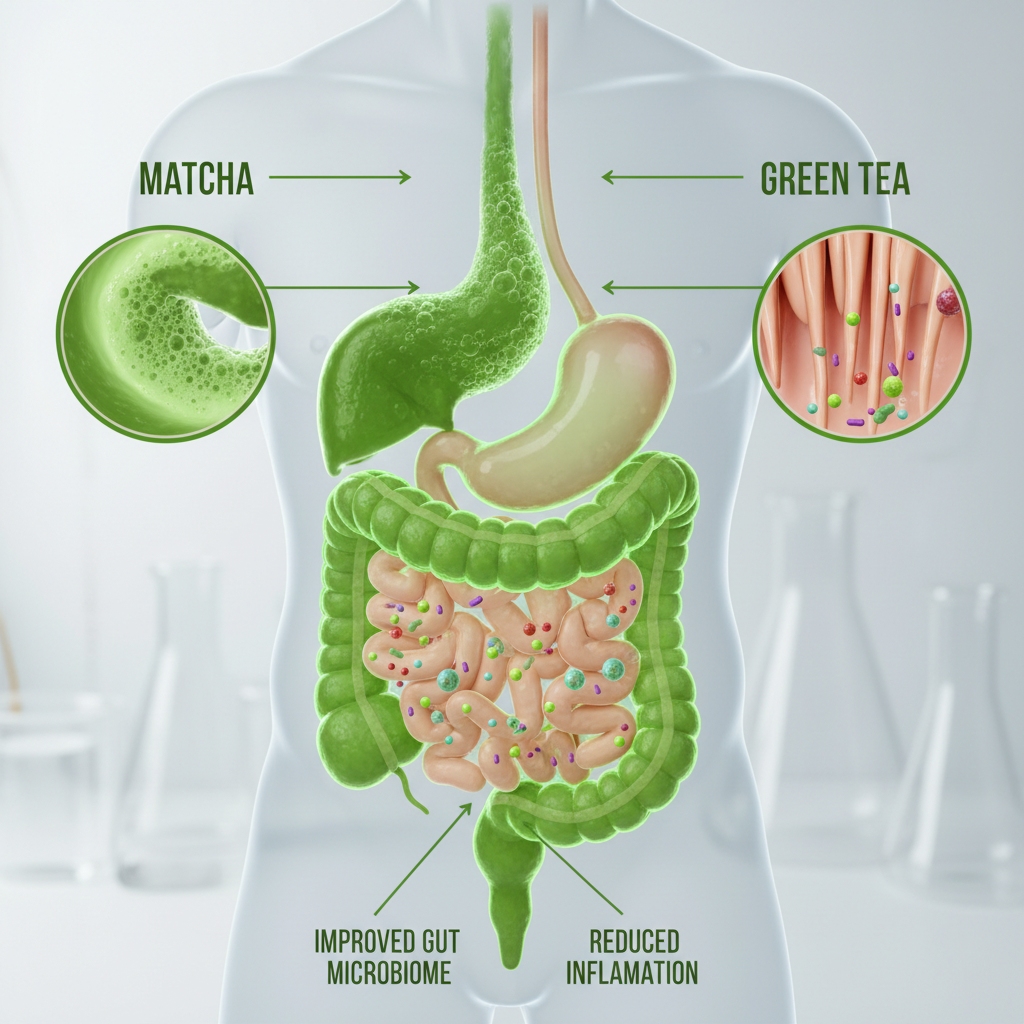
While the balance of l-theanine in matcha vs green tea helps mitigate the jitters, quantity still matters. Because matcha is so potent, it is possible to consume too much caffeine if you aren’t careful, potentially leading to side effects that are less common with the gentler green tea. Listening to your body is key to enjoying these superfoods safely.
Can drinking too much matcha cause anxiety?
Yes, despite the calming L-theanine, high doses of caffeine can still trigger sensitivity in some people.
- You should monitor your total intake (1-2 cups is usually ideal).
- Excessive consumption can lead to a racing heart or restlessness.
- Ideally, avoid drinking it late in the day.
Does green tea have stomach risks?
Green tea stomach is a real phenomenon caused by the tannins in tea irritating an empty stomach.
- It can cause nausea or acid reflux if drunk before breakfast.
- Matcha can also cause this, but the L-theanine often makes it gentler.
- Always drink tea with or after a meal if you have a sensitive stomach.
Who should avoid high-potency teas?
A word of caution: Pregnant women and those with iron deficiencies should be mindful of their intake.
- Tea tannins can block iron absorption from food.
- Limit caffeine to 200mg per day (about 2 cups of matcha).
- Consult your doctor if you are unsure.
Key Takeaway
While healthier than energy drinks, both teas require moderation due to their caffeine content.
Potential Issue | Matcha Risk | Green Tea Risk | |
|---|---|---|---|
Insomnia | High (if late) | Low | |
Nausea | Low (taken with food) | High (empty stomach) | |
Iron Blockage | High | Moderate |
Matcha’s high potency means “less is more,” whereas green tea can be consumed more freely throughout the day.
Conclusion
Whether you choose the potent nutrient density of matcha or the light hydration of green tea, both offer incredible health benefits that can elevate your daily wellness. Matcha stands out as the superior choice for those seeking focused energy, higher antioxidant intake, and a unique savory flavor profile, thanks to its unique shade-growing process and whole-leaf consumption.
If you are ready to experience the superior focus and calm of high-grade organic matcha, contact us at Riching Matcha today. We provide premium, EU/USDA organic certified matcha to help you solve the dilemma of sourcing consistent, high-quality tea for your business or daily routine. Empower your lifestyle with the best nature has to offer—try our matcha today.
FAQ Section
Q1: What are the health benefits of matcha powder? Matcha powder enhances energy, supports heart health, boosts metabolism, and offers antioxidant protection. Because you consume the whole leaf, you get a more concentrated dose of vitamins and minerals compared to steeped tea.
Q2: How does matcha powder promote weight loss? Matcha increases metabolism and fat burning while reducing fat absorption. The combination of caffeine and catechins boosts thermogenesis, helping your body burn more calories even at rest.
Q3: Can matcha powder improve skin health? Yes, its antioxidants and anti-inflammatory properties help reduce acne and signs of aging. The high chlorophyll content also aids in detoxification, which can lead to a clearer, more radiant complexion.
Q4: How much matcha should I consume daily? Experts recommend 1–2 teaspoons of matcha per day for optimal benefits. This amount provides a significant antioxidant boost and steady energy without overloading your system with caffeine.
Q5: Are there any side effects of drinking matcha? Overconsumption may cause caffeine sensitivity or stomach upset, so moderation is key. Drinking matcha on an empty stomach can sometimes cause nausea due to high tannin levels, so it is best enjoyed after a meal.