
In the contemporary B2B beverage landscape, distributors and retailers are increasingly confronted with a “sea of sameness,” where generic green tea offerings fail to capture the margins necessary for sustainable growth. As global consumers pivot toward authentic, origin-specific experiences, the traditional pan-fired green teas of China—long the industry standard—now share the stage with Japan’s steamed masterpieces, led primarily by the versatile and sophisticated Sencha. This article provides a comprehensive deep-dive into the technical, historical, and commercial dimensions of Sencha, equipping procurement officers and brand owners with the insights required to differentiate their portfolios and leverage the high-value “wellness” and “slow tea” movements. By understanding the intricate balance of umami, astringency, and visual appeal, businesses can move beyond commodity trading and into the lucrative realm of premium tea curation.
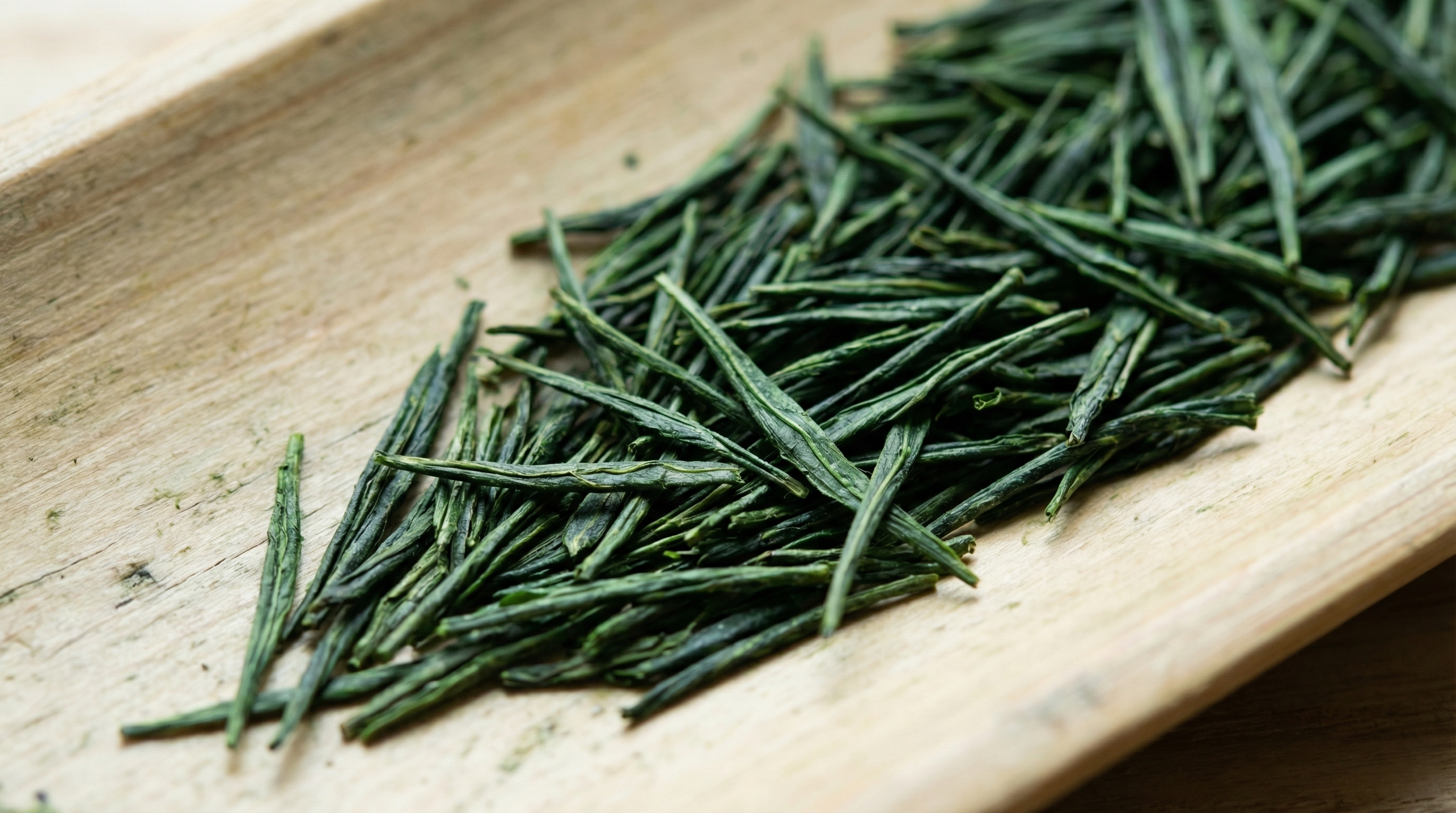
Sencha serves as the definitive cornerstone of the Japanese tea industry, representing approximately 80% of the nation’s total output and offering a sensory profile that is fundamentally distinct from the smoky, pan-fired characteristics of traditional Chinese greens like Longjing. While the Chinese method emphasizes a nutty, toasted aroma achieved through dry heat, Sencha relies on a precision-steaming process that deactivates oxidative enzymes while preserving the vibrant chlorophyll and fresh, oceanic notes that define the Japanese “green” aesthetic. For the B2B buyer, this vibrancy translates to an immediate shelf-appeal that is highly marketable within the health and wellness sectors, as the tea’s vivid emerald hue serves as a visual proxy for freshness and nutrient density.
The global popularity of Sencha is further bolstered by its role as a versatile bridge between the niche world of ceremonial powders and the mass-market convenience of bagged tea, appealing to a consumer base that values both ritual and accessibility. Unlike matcha, which is a suspension of ground powder, Sencha is a whole-leaf infusion that invites the “slow tea” movement into the daily lives of professionals who seek a sophisticated yet manageable brewing process. For businesses already established in the powdered market, expanding into loose-leaf categories requires a nuanced understanding of Matcha Tea Grades , as the quality tiers in Sencha follow a similarly rigorous hierarchy based on harvest timing and leaf integrity. By offering Sencha, distributors can capture a larger share of the “at-home” and “café-style” consumption markets, providing a refreshing, astringent counterpoint to the creamy intensity of matcha-based beverages.
Table 1: Technical Profile of Sencha vs. Traditional Chinese Green Tea
Feature | Japanese Sencha | Chinese Green Tea (e.g., Longjing) |
|---|---|---|
Kill-Green Method | Deep or Light Steaming (Mushi) | Pan-Firing / Dry Heat |
Flavor Foundation | Grassy, Oceanic, Umami-rich | Nutty, Toasted, Floral |
Visual Appearance | Dark Green, Needle-like | Flattened, Light Green/Yellow |
Antioxidant Retention | Extremely High (due to steaming) | Moderate (due to heat intensity) |
How Did Nagatani Soen Invent Sencha?
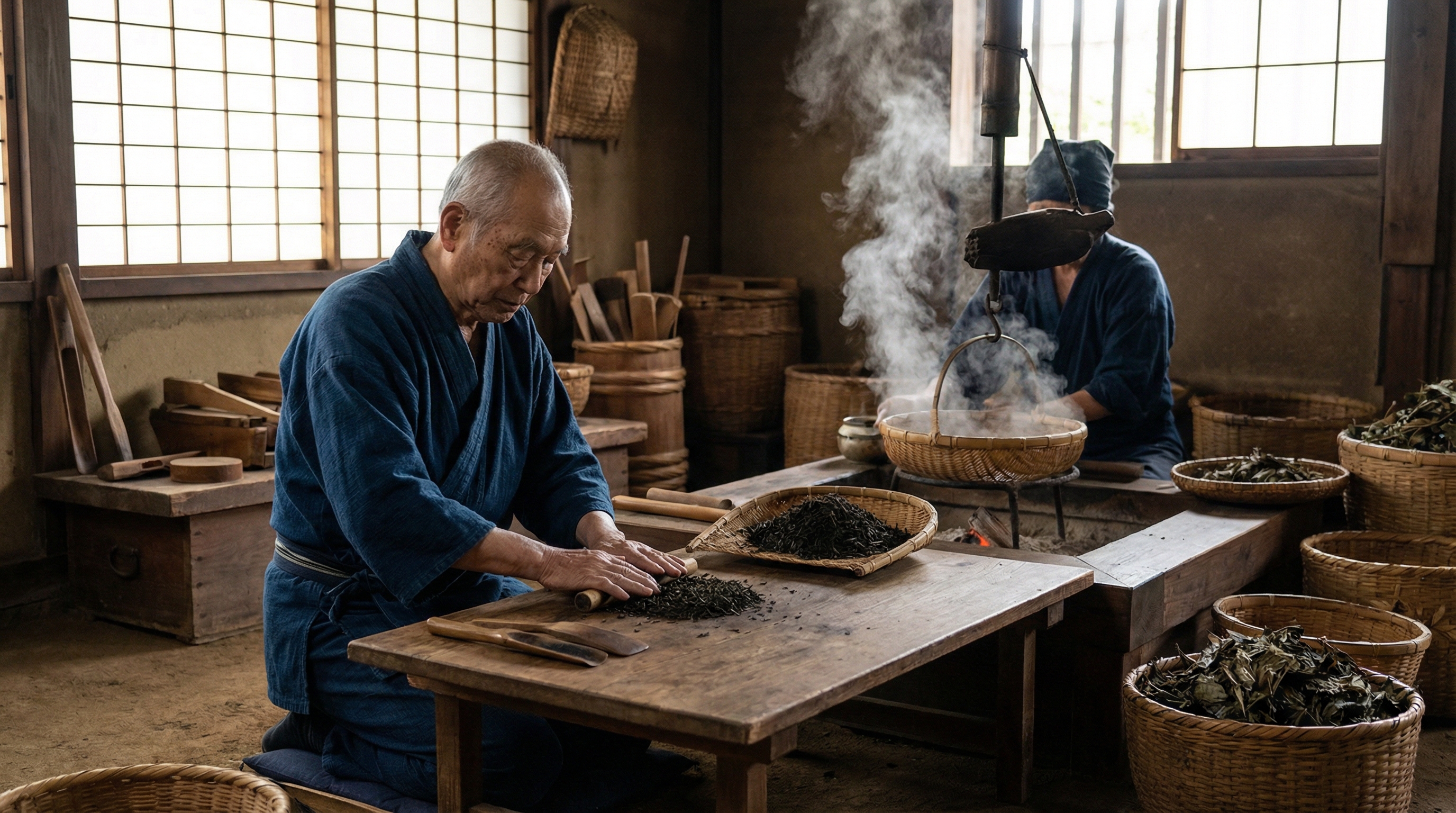
The historical trajectory of Sencha began in 1738 in the Ujitawara region near Kyoto, where a visionary farmer named Nagatani Soen developed the “Uji Method,” effectively democratizing high-quality tea consumption. Before this breakthrough, premium tea was almost exclusively the domain of the elite who consumed powdered matcha in elaborate ceremonies, while the general populace settled for “bancha,” which was often boiled and lacked the refined aromatic profile we associate with modern greens. Soen’s innovation involved a rigorous process of steaming the leaves to halt oxidation, followed by a meticulous hand-rolling technique on a heated table (hoiro) to break down leaf fibers and concentrate essential oils.
This technological leap allowed for an infusion that was both visually stunning and aromatically complex, marking a pivotal shift in the global tea trade from medicinal or ceremonial use to a lifestyle beverage. In the context of the 18th century, this was a radical disruption of the status quo, as it allowed for the mass production of a product that retained its “fresh” characteristics even after long-distance transport. Today, Nagatani Soen is revered as the “Father of Sencha,” and his original family home remains a pilgrimage site for industry professionals who recognize that the modern B2B tea market is built upon his 280-year-old foundation of efficiency and quality.
Where Is Japanese Sencha Produced Today?
Shizuoka remains the undisputed powerhouse of Japanese tea production, accounting for over 40% of the national output and benefiting from the unique volcanic terroir and drainage provided by the slopes surrounding Mount Fuji. In this region, the “Yabukita” cultivar dominates the landscape due to its exceptional frost resistance and its ability to produce a classically balanced flavor profile that blends brisk astringency with a sweet, grassy finish. For B2B procurement, Shizuoka offers the most reliable volume and standardized quality levels, making it the ideal source for high-volume retail lines and consistent seasonal blends.
In contrast, the southern prefecture of Kagoshima has emerged as a high-tech leader in the industry, utilizing its warmer climate and flat terrain to pioneer mechanical harvesting and a wider variety of specialized cultivars. This southern terroir allows for earlier harvests (Shincha) and encourages the growth of sweeter, more vibrantly green varieties like “Saemidori,” which are increasingly favored by Western palates for their reduced bitterness and intense umami. While China’s Zhejiang and Anhui provinces still dominate the global volume of green tea, the regional specificity of Shizuoka and Kagoshima provides a “Protected Designation” allure that allows B2B sellers to command premium price points in the luxury food sector.
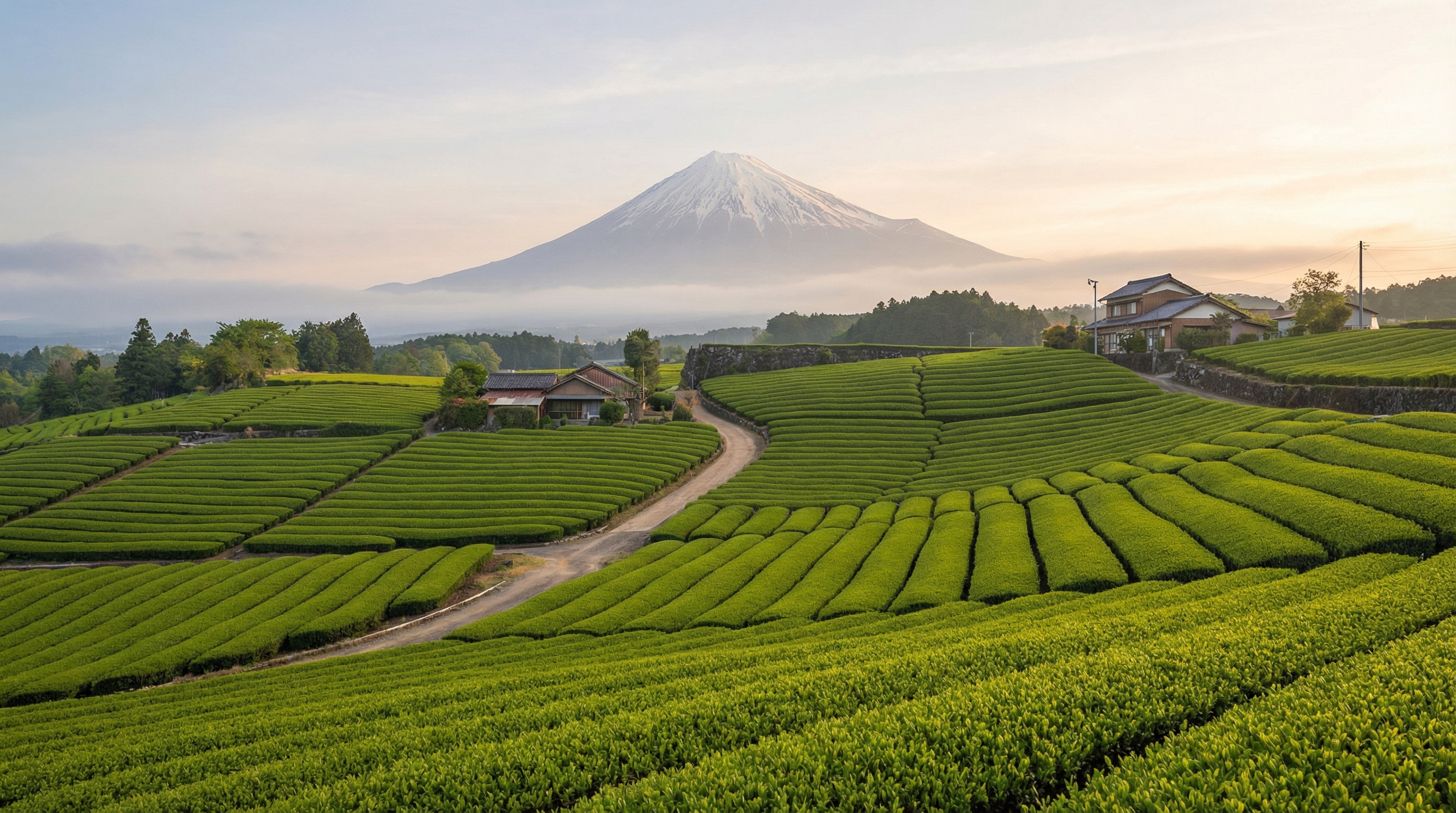
Table 2: Regional Market Positioning
Region | Market Advantage | Climate Influence | Target B2B Segment |
|---|---|---|---|
Shizuoka | Proven Heritage, Volume | Variable; High Elevation | Retailers, Traditional Tea Houses |
Kagoshima | Early Harvest, Sweeter Profiles | Warm, Volcanic Soil | E-commerce Brands, Modern Cafés |
Kyoto (Uji) | Ultra-Premium, Prestige | Mist-heavy, River Valleys | High-end Gifting, Luxury Hotels |
What Are the Primary Types of Sencha?
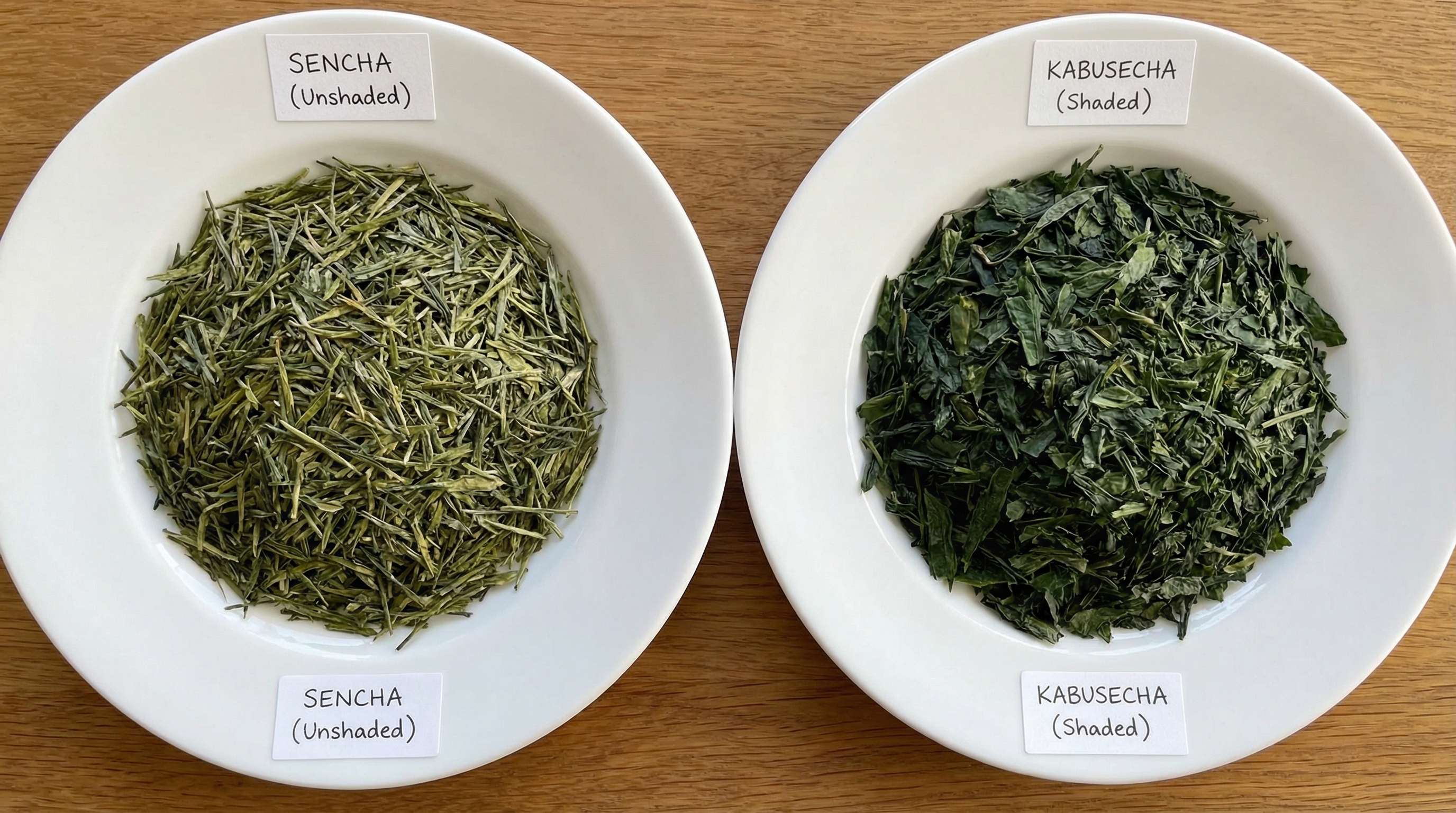
The classification of Sencha is primarily dictated by the degree of sunlight exposure the plants receive prior to harvest, a factor that fundamentally alters the chemical composition and flavor intensity of the final product. “Standard Sencha” is grown in full sunlight, a process that encourages the development of catechins (antioxidants) and results in the tea’s characteristic briskness and refreshing “bite” that serves as a palate cleanser. However, the B2B market has seen a surge in demand for “Kabusecha,” which is shaded for 7 to 14 days before picking, effectively bridging the gap between standard green tea and the ultra-premium Gyokuro.
Another significant variant is “Matcha-iri Sencha,” a visually striking blend where high-quality loose leaves are coated in a fine dusting of matcha powder to create an immediate, opaque green infusion. This product is particularly effective for businesses catering to the “Instagrammable” food trend, as it offers the deep green liquor of a latte with the sophisticated mouthfeel of a whole-leaf infusion. For retailers looking to bundle products, this variety pairs exceptionally well with hardware such as a Matcha Whisk , as consumers often enjoy experimenting with hybrid brewing techniques that incorporate both leaf and powder.
How Does Gyokuro Differ from Sencha?
For a B2B portfolio, distinguishing between Sencha and Gyokuro is essential for establishing clear price tiers and managing consumer expectations regarding flavor profiles. While both teas originate from the same Camellia sinensis plants, Gyokuro is subjected to a minimum of 21 days of intensive shading using specialized structures that block up to 90% of sunlight. This extreme environmental stress halts the conversion of L-theanine into tannins, resulting in a tea that is almost “brothy” or savory in its richness, a sensation known as the “oo-mami” effect.
Sencha, conversely, is defined by its clarity and its ability to provide a clean, invigorating experience that is suitable for multiple infusions throughout the workday. While Gyokuro is a niche, high-value item often reserved for “tea connoisseurs” or luxury gift sets, Sencha remains the high-volume engine of any successful tea business due to its approachable flavor and lower production costs. Understanding this chemical divergence is crucial for marketing; Sencha should be promoted for its antioxidant-rich “refreshment,” while Gyokuro is marketed for its meditative, savory “depth.”
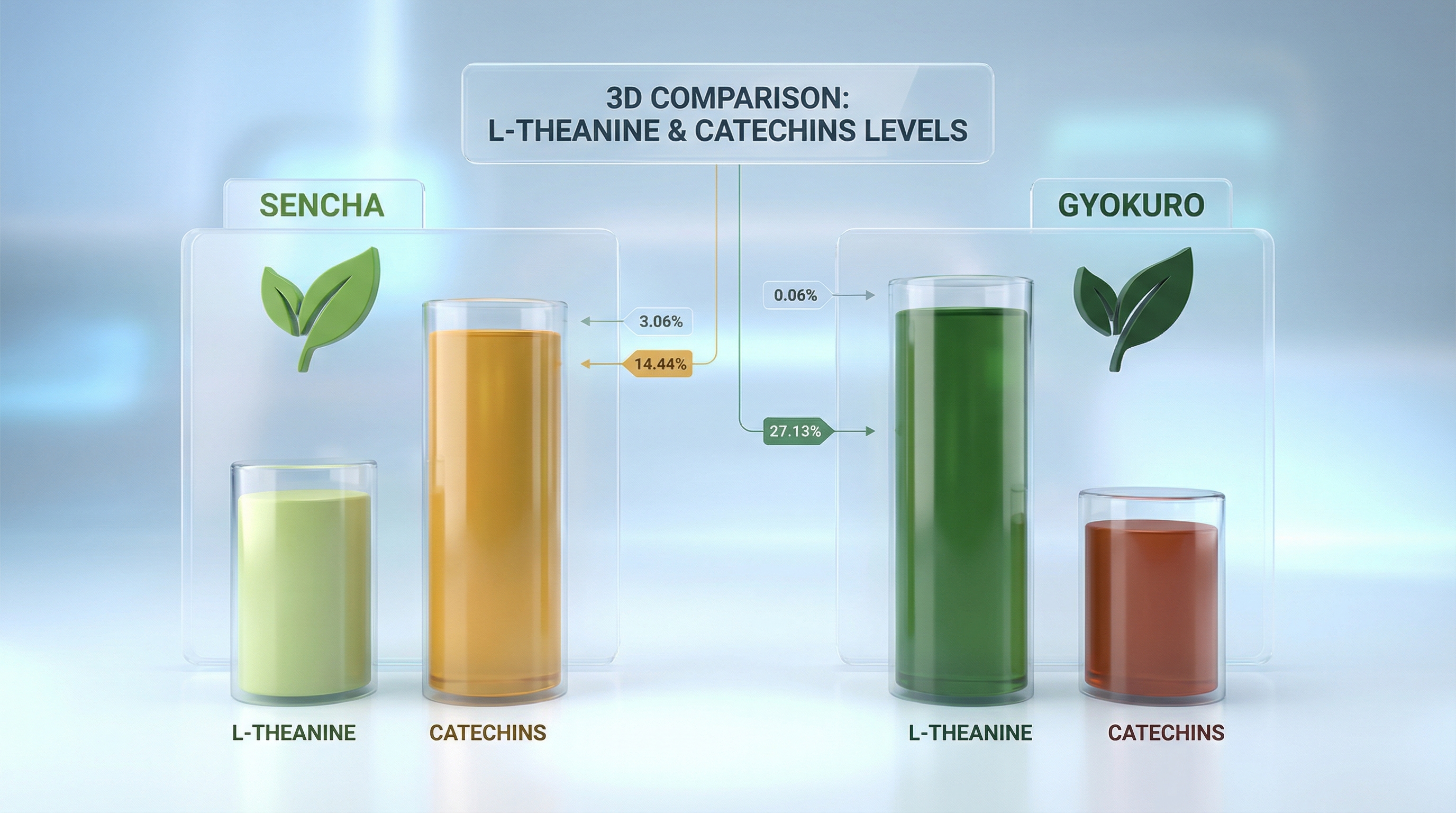
Table 3: Comparison of Sensory and Economic Indicators
Metric | Sencha (Sun-Grown) | Gyokuro (Shaded 21+ Days) |
|---|---|---|
Caffeine Content | Moderate (20-40mg/cup) | Very High (80-120mg/cup) |
Dominant Taste | Astringent, Grassy, Citrus | Savory, Sweet, Brothy |
Market Velocity | High (Everyday consumption) | Low (Luxury/Special occasion) |
Cost of Sourcing | Standardized | 3x – 5x higher than Sencha |
When Is the Best Time to Harvest Sencha?
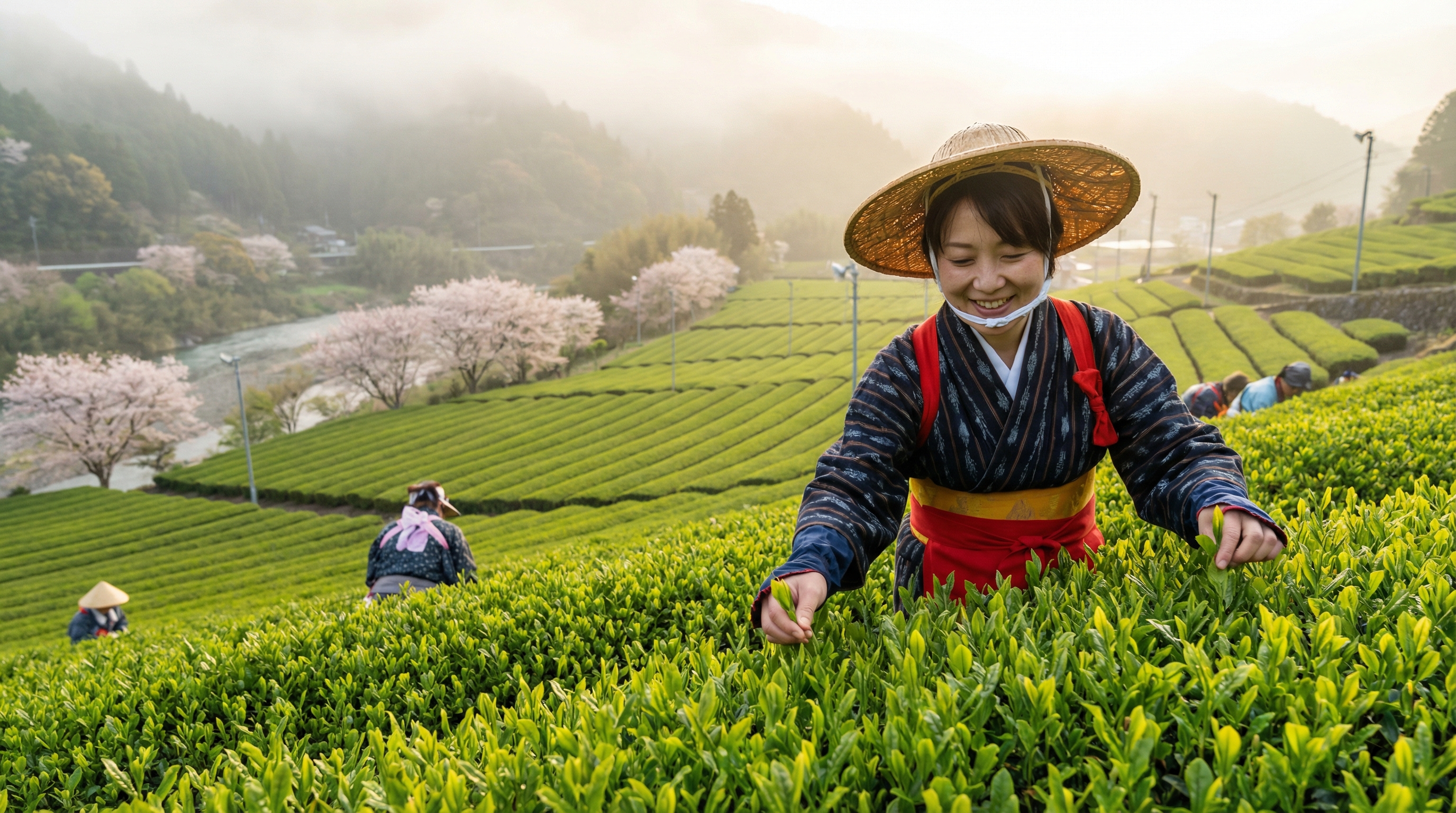
The timing of the harvest is the single most important factor in determining the nutrient density, flavor complexity, and wholesale value of Japanese green tea. “Shincha” (literally “New Tea”) or “Ichibancha” (First Flush) occurs in late April and early May, representing the young, tender buds that have stored nutrients throughout the dormant winter months. These leaves are exceptionally high in L-theanine and natural sugars, commanding the highest market prices and offering B2B buyers a significant “seasonal launch” opportunity that drives urgency and brand loyalty.
As the season progresses, subsequent harvests known as “Nibancha” (Second Flush) and “Sanbancha” (Third Flush) produce leaves that are larger, tougher, and significantly higher in catechins due to increased sunlight exposure. While these later harvests lack the delicate sweetness of Shincha, they are essential for creating budget-friendly retail lines or serving as the base for blended products like Genmaicha. “Bancha,” harvested in the late summer or autumn, provides a low-caffeine, high-antioxidant option that is increasingly popular for industrial use in bottled beverages or as a base for roasted “Hojicha” teas.
How Does Steaming Affect Sencha Flavor?
The “Mushi” or steaming duration is the primary technical lever used by Japanese tea masters to sculpt the flavor profile and visual texture of the tea liquor. Asamushi (light-steamed) teas are processed for only 30-40 seconds, maintaining the structural integrity of the leaf and resulting in a clear, golden-yellow infusion with a sophisticated, slightly dry finish. This style is often preferred by traditionalists who appreciate the subtle nuances of the terroir and the “clean” mouthfeel that characterizes high-elevation mountain teas.
Conversely, Fukamushi (deep-steamed) teas undergo a process lasting 80 to 200 seconds, which breaks down the leaf cell walls and allows more particulate matter to enter the cup. This creates an opaque, vibrant green liquor that offers a much bolder, creamier mouthfeel and a sweeter taste profile with significantly less astringency. In the Western B2B market, Fukamushi is often the preferred choice for beginners and café owners because its intense color and robust flavor remain consistent even when the brewing parameters are less than perfect.
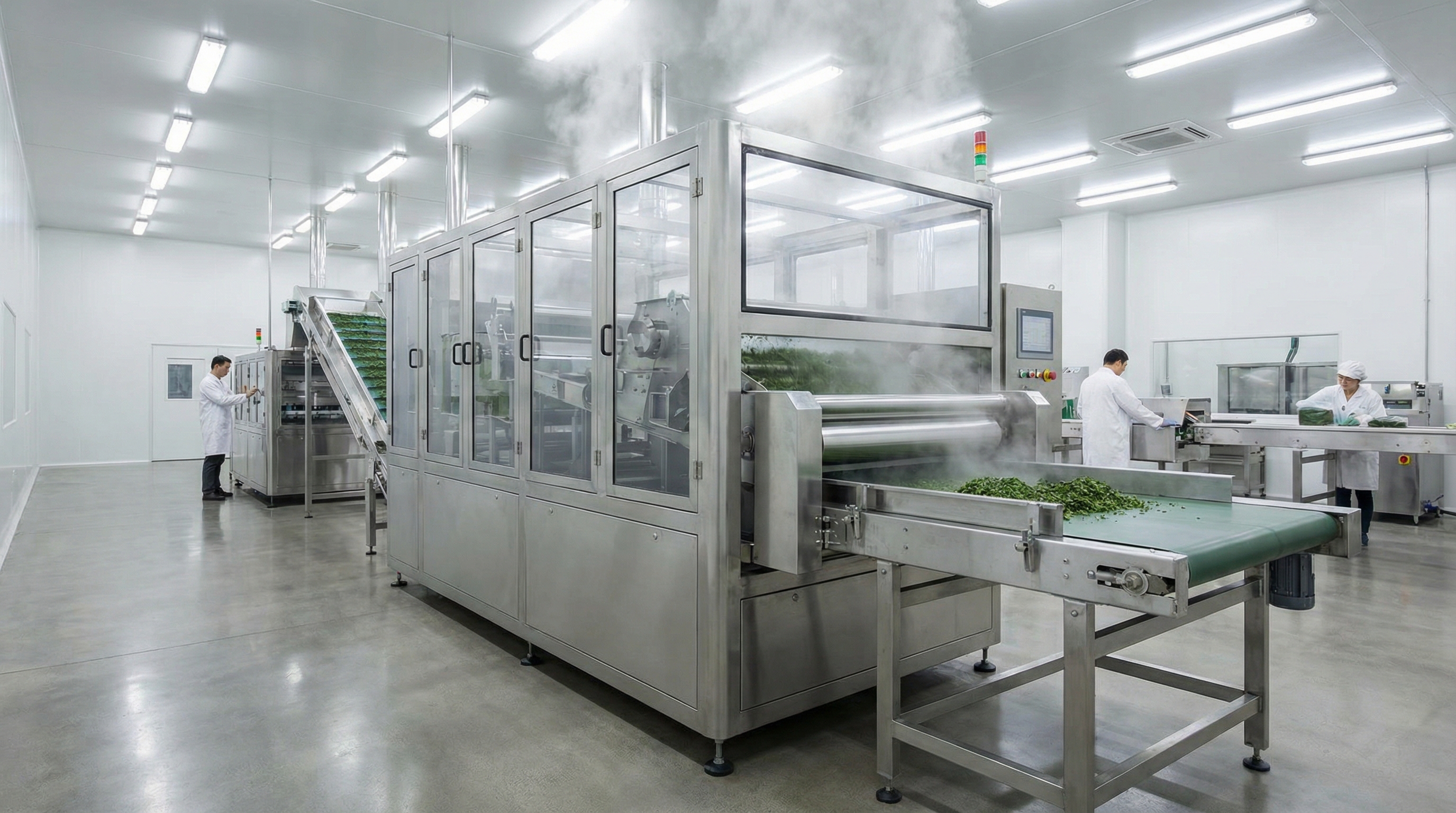
Table 4: Steaming Style Comparison for Commercial Use
Style | Steaming Time | Liquor Characteristics | B2B Application |
|---|---|---|---|
Asamushi | 30–40 Seconds | Clear, Translucent, Elegant | Fine Dining, Specialty Tea Shops |
Chumushi | 40–80 Seconds | Balanced, Classic Green | Standard Retail, Corporate Gifting |
Fukamushi | 80–200 Seconds | Opaque, Bold, Creamy | Cafés, Beverage Manufacturers |
What Is the Best Way to Brew Sencha?
Precision in brewing is the “last mile” of the tea industry, and educating B2B clients on proper preparation is vital for ensuring consumer satisfaction and repeat purchases. Unlike robust black teas or fermented oolongs, Sencha is highly sensitive to temperature; using boiling water will scorch the delicate leaves and release an excess of tannins, leading to an unpleasantly bitter experience. For premium grades, water should ideally be cooled to between 140°F and 160°F (60°C–70°C), with a steep time limited to 60 seconds for the first infusion to maximize sweetness and aroma.
In a professional setting, the choice of teaware is equally important, as it significantly impacts the aeration and expansion of the needle-like leaves. A traditional Japanese “Kyusu” (side-handle teapot) is the gold standard, as its built-in fine mesh strainer allows Fukamushi particles to pass through while containing the larger leaf structures. For high-end hospitality clients, presenting Sencha alongside a Matcha Bowl& Whisk Holder as part of a “Japanese Tea Experience” set can significantly increase the perceived value and justify premium service charges.
What Health Benefits Does Sencha Offer?
Sencha’s marketability is deeply intertwined with its chemical composition, specifically its high concentrations of Epigallocatechin gallate (EGCG) and L-theanine. Because Sencha is grown in direct sunlight, it develops higher levels of catechins than shaded teas, making it a superior choice for consumers seeking metabolic support, cardiovascular health, and immune-boosting properties. This “functional beverage” aspect allows B2B sellers to position Sencha not just as a drink, but as a wellness tool that fits seamlessly into a modern, health-conscious lifestyle.
Furthermore, the synergy between Sencha’s moderate caffeine content and its L-theanine levels provides a “calm alertness” that is increasingly sought after as a coffee alternative. This unique combination helps to sharpen cognitive focus and reduce stress without the “jitters” or subsequent energy crash associated with synthetic stimulants or high-sugar energy drinks. By emphasizing these cognitive and physiological benefits, distributors can target a wide demographic, ranging from performance-driven students and professionals to aging populations focused on long-term brain health and longevity.

Where Should You Buy Wholesale Sencha?
For businesses looking to scale, the sourcing strategy must balance quality assurance with logistical efficiency and brand flexibility. Working with a supplier that offers Private Label Matcha and Sencha allows brands to bypass the complexities of direct-to-farm negotiation while maintaining a unique identity in a crowded market. Traceability is paramount in the premium sector; ensuring that your Sencha is sourced from reputable gardens in Shizuoka or Kagoshima provides a story of authenticity that resonates with discerning modern consumers.
Furthermore, leveraging Bulk Matcha Wholesale channels alongside loose-leaf Sencha procurement can optimize shipping costs and streamline inventory management. A reliable wholesale partner should offer various grades—from culinary-grade leaves for blending to ceremonial-grade needles for specialty retail—ensuring that your business can serve multiple price points simultaneously. As the market for Japanese tea continues to expand globally, establishing a robust supply chain with a partner that understands both the technical nuances of the leaf and the commercial requirements of international trade is the ultimate key to long-term profitability.
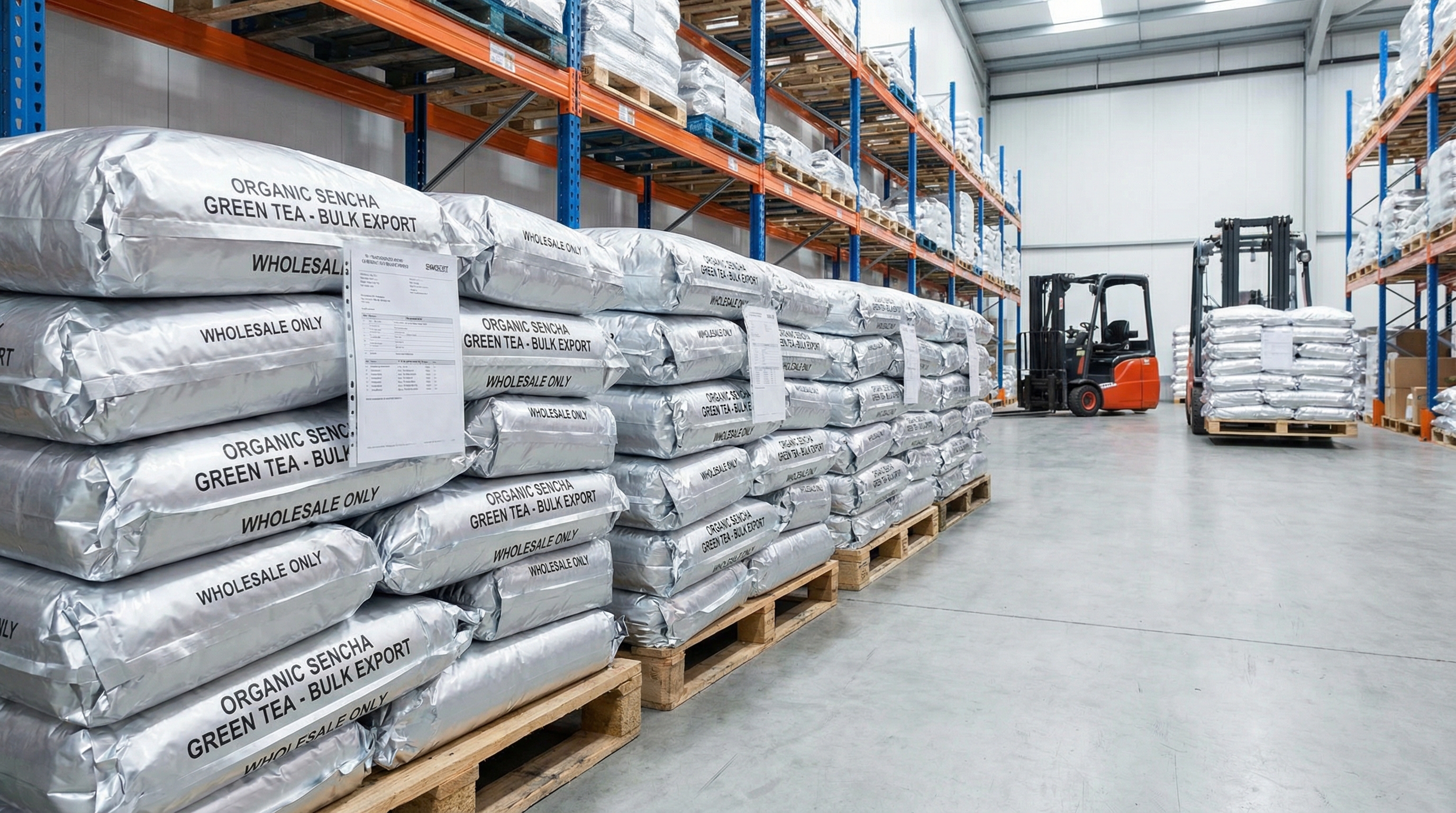
Table 5: Wholesale Procurement Strategy
Target Audience | Product Grade | Focus Metric |
|---|---|---|
Luxury Retailers | First Flush / Shincha | Origin, Rarity, Hand-picked |
Health Food Stores | Organic / High Catechin | EGCG Levels, Purity, Health Claims |
Food Service (Café) | Fukamushi / Deep Steamed | Color Intensity, Speed of Infusion |
Industrial / Bottling | Bancha / Second Flush | Price per kg, Stability in Liquid |
FAQ: Professional Insights into Sencha Operations
How does Sencha’s caffeine content compare to coffee and other teas?Sencha typically contains 20-40mg of caffeine per 8oz cup, which is roughly one-third the amount found in a standard cup of coffee. However, shaded varieties like Kabusecha can reach up to 50-60mg, making it a potent but stable energy source that avoids the sharp spikes and crashes associated with bean-based caffeine.
What is the typical shelf life for wholesale Sencha, and how should it be stored?For B2B operations, Sencha should be consumed within 12 months of its harvest date to ensure the “fresh-cut grass” aroma remains intact. It should be stored in an oxygen-free, light-proof environment—ideally in nitrogen-flushed foil bags—to prevent the delicate catechins and volatile oils from oxidizing and turning the flavor “flat.”
Is there a significant market for organic Sencha versus conventional?Yes, the demand for organic Sencha is growing at nearly double the rate of conventional tea in the Western market, particularly among Gen Z and Millennial consumers. While organic yields are often lower, leading to higher price points, the “Pesticide-Free” label serves as a powerful differentiator that justifies premium retail markups and aligns with corporate ESG goals.
Can Sencha be used effectively in cold-brew (Mizudashi) applications?Absolutely; in fact, cold-brewing is one of the best ways to showcase the sweetness of high-quality Sencha without the risk of over-extraction. By steeping leaves in cold water for 3 to 6 hours, the bitter tannins remain unreleased, resulting in a smooth, refreshing liquor that is ideal for summer seasonal menus or bottled “ready-to-drink” (RTD) products.
What are the main differences between Japanese Sencha and Chinese “Sencha-style” tea?True Japanese Sencha is always steamed, whereas many “Sencha-style” teas produced in China are actually pan-fired to mimic the appearance but fail to replicate the deep oceanic umami and vibrant green liquor. For B2B buyers, sourcing authentic Japanese-grown leaves is essential for maintaining the “Premium” status and avoiding the quality inconsistencies found in mass-market imitations.