
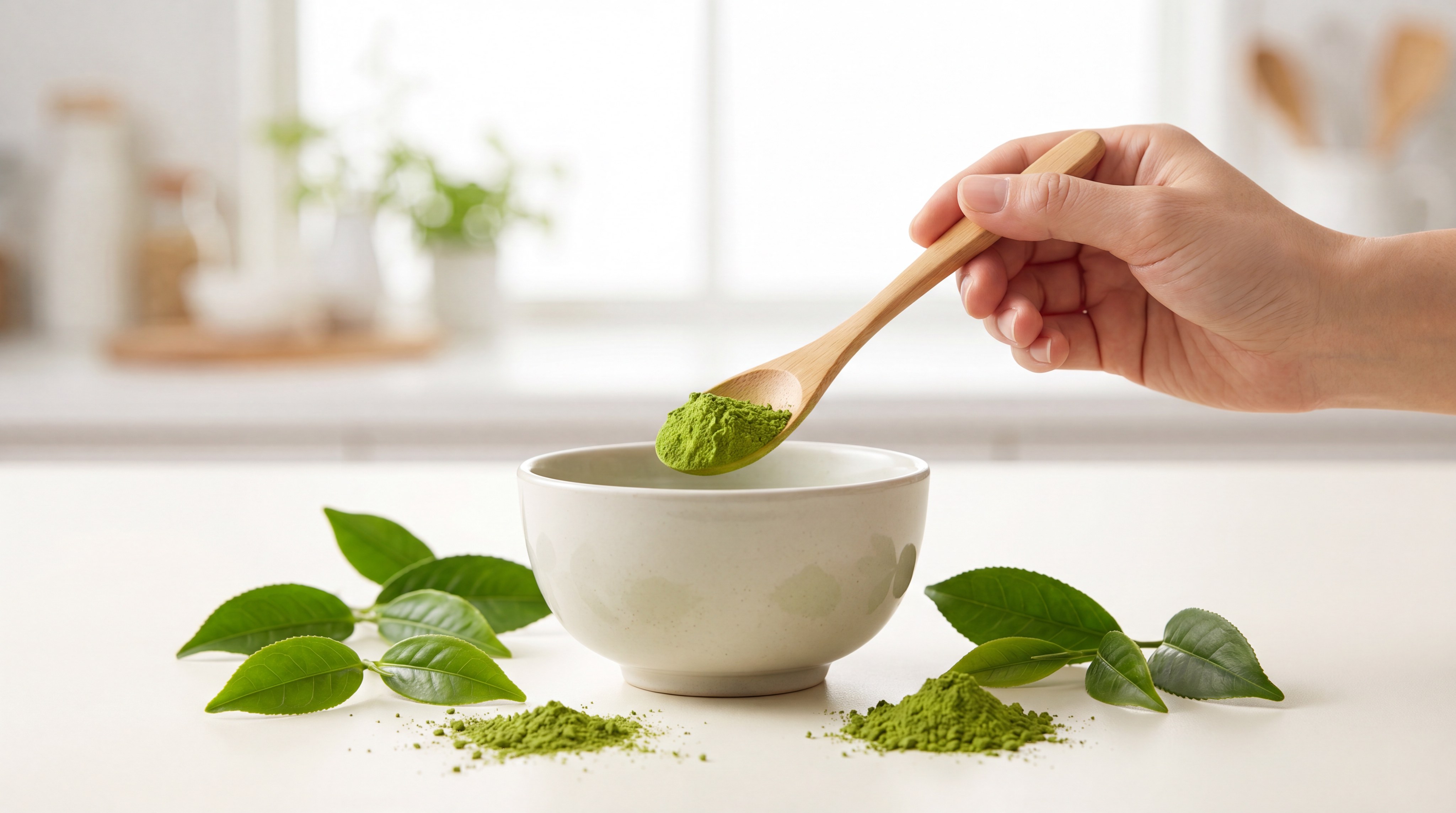
2. Formulating Commercial Matcha Latte Powder Blends for Modern Brands
). Particles of this size are prone to agglomeration and rapid settling due to gravity unless held in a stabilized colloid. To achieve this in instant commercial mixes, brands introduce natural hydrocolloids and emulsifying lipids.
- Dairy Creamers: Traditional formulations often rely on whole milk powder (WMP) or non-fat dry milk (NFDM). While dairy provides excellent mouthfeel due to milk fat globules and protein-driven emulsification (casein micelles), it is unsuitable for vegan, lactose-intolerant, and clean-label premium markets.
- Oat Milk Powder: This plant-based option has emerged as a premium standard. It delivers sweet, subtle cereal notes that complement matcha’s grassy undertones without overpowering them. However, oat milk powders often contain native starches that require enzyme treatment (amylases) during production to prevent the drink from thickening too much when hot water is added.
- Coconut Milk Powder: Rich in medium-chain triglycerides (MCTs), coconut milk powder provides a luxurious, creamy mouthfeel and coats the tongue, which naturally masks the inherent bitterness of lower-cost matcha grades. It appeals to both vegan and keto demographics but introduces a distinct coconut aroma that must be balanced.
- MCT Oil Powder: Typically spray-dried onto a carrier like acacia gum or soluble tapioca fiber, MCT oil powder is a functional favorite. It offers instant cognitive energy and a creamy texture, making it perfect for “brain-boosting” wellness formulations.
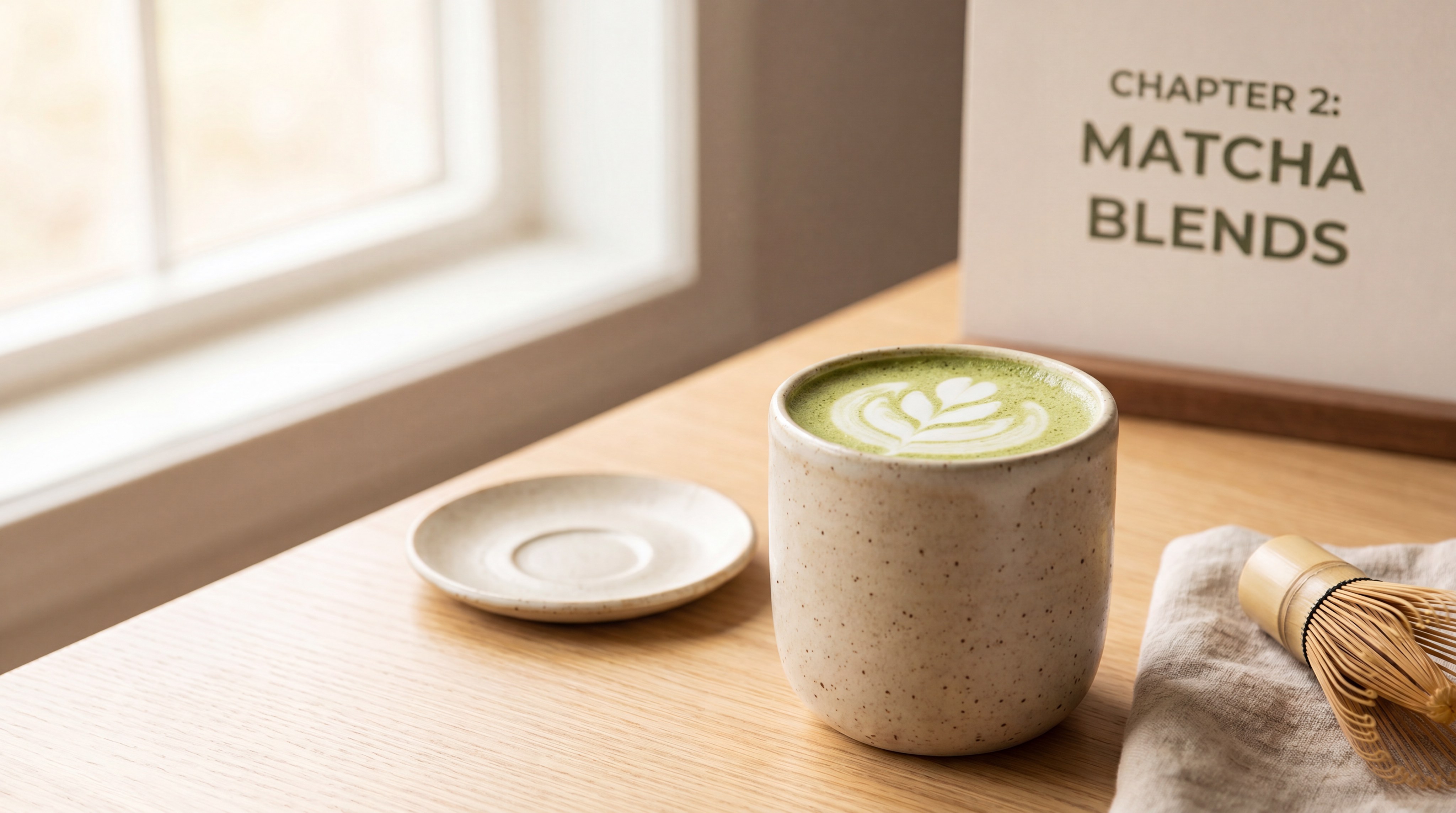
3. Developing Sugar-Free Matcha Drink Mixes for Health-Conscious Consumers
Ingredient | Primary Function | Glycemic Index (GI) | Sensory & Texture Impact | Clean-Label Status | Digestive Tolerability |
|---|---|---|---|---|---|
Soluble Tapioca Fiber | Bulk Agent / Prebiotic | ~0 – 5 | Mild sweetness, outstanding mouthfeel, mimics sucrose viscosity. | High (Organic available, non-GMO) | High ( >50g>50\text{g} daily threshold) |
Erythritol | Polyol Bulk Sweetener | 0 | Provides physical bulk, but exhibits a strong “cooling effect” on the tongue. | Moderate (Perceived as synthetic by some) | Moderate (May cause laxative effects >20g>20\text{g} ) |
Allulose | Rare Monosaccharide | 0 | Perfect taste profile, caramelizes like sugar, high solubility. | Low in EU/UK (unapproved), High in USA | High ( >30g>30\text{g} daily threshold) |
Polydextrose | Synthetic Soluble Fiber | ~5-10 | Thickens viscosity, high stability under heat, zero sweetness. | Low (Chemical-sounding name) | Moderate (Can cause gas at higher doses) |
Acacia Gum | Soluble Fiber Binder | 0 | Acts as a stabilizer, prevents phase separation, increases creaminess. | High (100% natural plant exudate) | Very High (Supports bifidobacteria) |
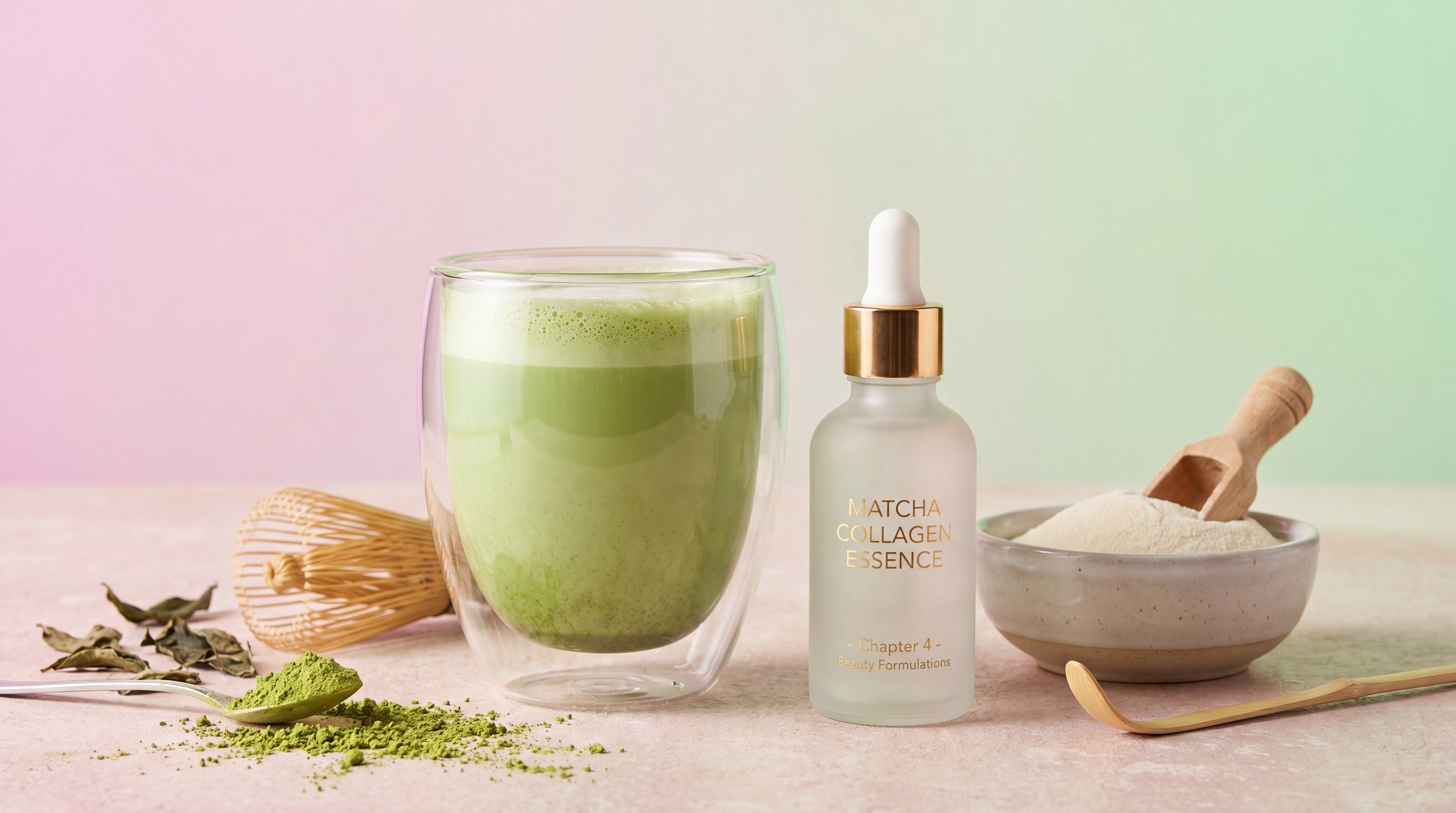
4. Matcha and Collagen: Designing High-Demand Nutricosmetic Beverages
- Bovine Collagen Peptides (Types I & III): Typically sourced from grass-fed cows, bovine collagen is highly bioavailable and dissolves cleanly. It has a neutral-to-slightly-savory flavor profile that blends easily into richer formulations, like a matcha latte.
- Marine Collagen Peptides (Type I): Sourced from wild-caught cold-water fish scales or skin, marine collagen is highly prized in the premium beauty market due to its smaller molecular weight , which allows for faster absorption in the gut. However, it can introduce a subtle, metallic, fishy aroma. This off-note must be masked by the grassy, green notes of high-grade matcha and natural vanilla or citrus flavorings.
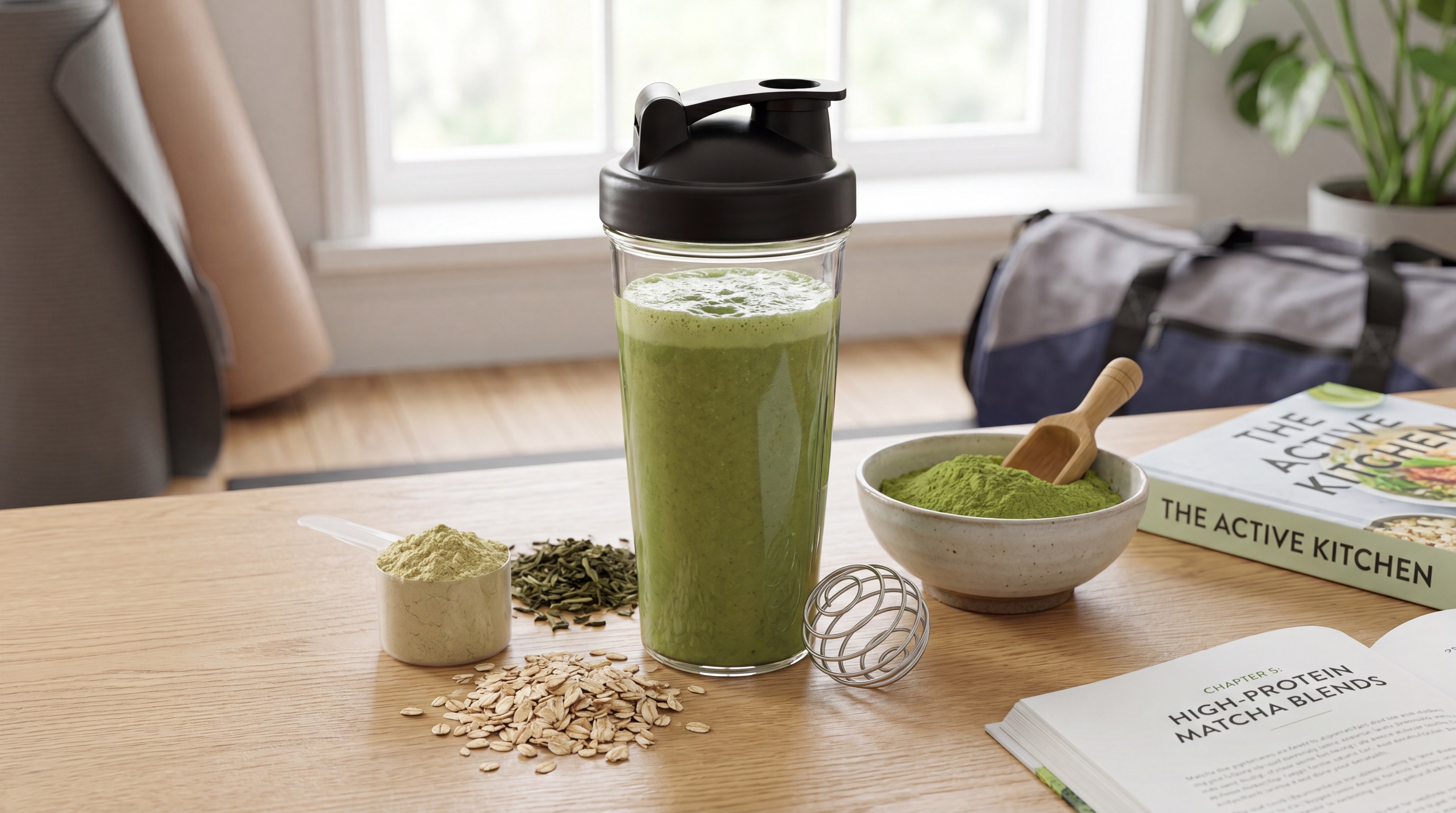
5. Combining Matcha with Plant Protein for Fitness and Wellness Markets
Protein Source | Protein Yield | Solubility ( pH 6.5−7.0pH\ 6.5-7.0 ) | Amino Acid Completeness | Flavor Profile & Off-Notes | Chalkiness & Texture Impact | Masking Difficulty with Matcha |
|---|---|---|---|---|---|---|
Pea Protein Isolate | 80−85%80-85\% | Moderate | High (Lysine rich, low Methionine) | Strong yellow pea flavor, savory, slightly salty. | High, leaves a dry, chalky coating. | High (Requires sweet culinary grade matcha) |
Brown Rice Protein | 80−90%80-90\% | Low | High (Methionine rich, low Lysine) | Mild, sweet, cereal-like, slightly nutty. | Very High, feels gritty on the palate. | Moderate (Matcha blends well with grain notes) |
Hemp Protein | 50−60%50-60\% | Very Low | Moderate | Earthy, grassy, dark green, nutty. | Extreme, leaves heavy sediment. | Low (Blends naturally with matcha’s grassy profile) |
Pumpkin Seed Protein | 60−70%60-70\% | Moderate | Moderate | Deep green, rich, highly roasted pumpkin seed notes. | Moderate, pleasantly creamy. | Very Low (Roasted notes pair beautifully) |
Soy Protein Isolate | 90%90\% | High | Complete (PDCAAS = 1.0) | Beany, slightly chalky, clean finish. | Low-to-Moderate, very smooth. | Moderate (Classic, time-tested combination) |
6. Enhancing Matcha with Dietary Fiber, Prebiotics, and Superfood Adaptogens
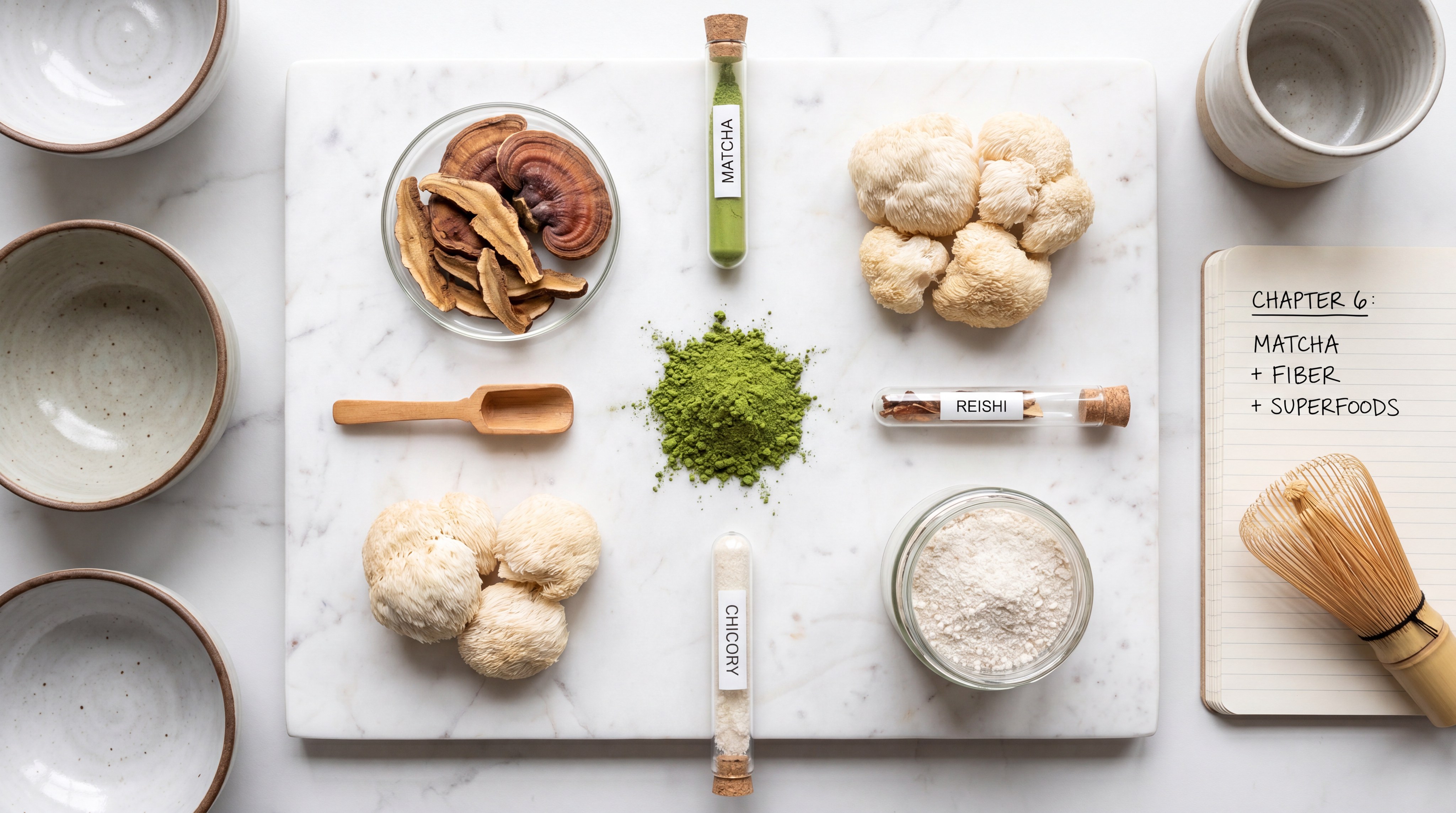
- Inulin (Chicory Root Extract): A classic prebiotic fiber that dissolves beautifully in water, adding a clean, subtle sweetness and a creamy mouthfeel. However, formulators must keep doses moderate to prevent digestive discomfort in sensitive consumers.
- Soluble Corn Fiber / Soluble Tapioca Fiber: These fibers are incredibly stable, resistant to heat and acid, and have a very low glycemic index. They add smooth body and viscosity to the beverage without causing gas or bloating, making them excellent clean-label carriers for spray-dried functional ingredients.
- Lion’s Mane (Hericium erinaceus): Highly sought after for its cognitive benefits, Lion’s Mane has been shown to support Nerve Growth Factor (NGF) synthesis. Its mild, earthy, and slightly sweet flavor profile blends seamlessly into matcha, enhancing the tea’s natural focus-boosting properties.
- Ashwagandha (Withania somnifera): A powerhouse adaptogen that helps balance cortisol levels and regulate the body’s stress response (the HPA axis). Standardized extracts like KSM-66 are highly effective but have a bitter, medicinal taste. This bitterness must be carefully balanced using natural flavor modulators, creamy fats, and sweet sweeteners.
7. Strategic Flavor Pairing Concepts: Vanilla, Coconut, Jasmine, and Hojicha
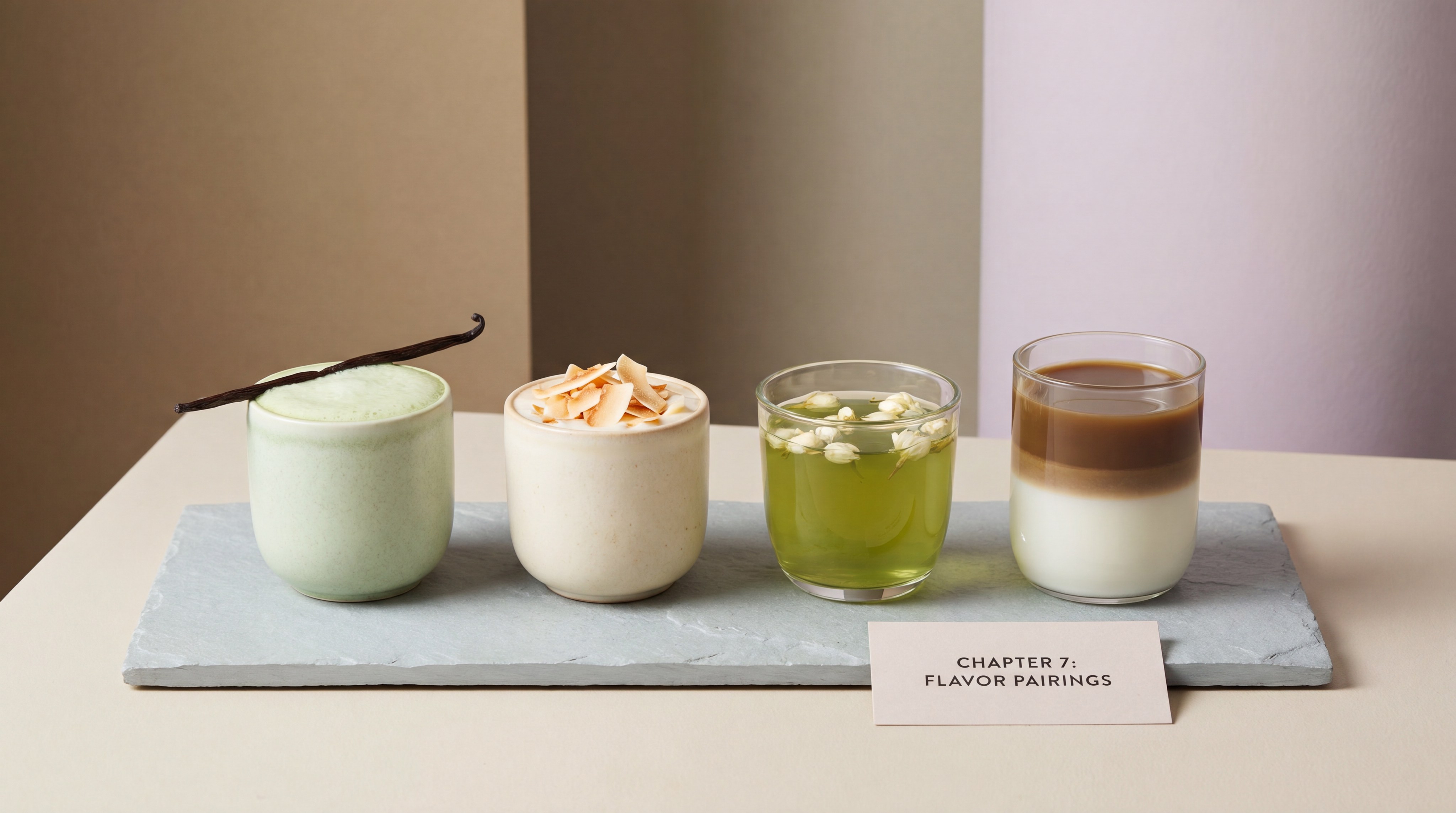
- Vanilla (Natural Extract / Ethyl Vanillin): Vanilla is a classic, versatile flavor partner. Its warm, sweet aromatic compounds (like vanillin) work wonders by softening the bold astringency of green tea. It tricks the palate into perceiving the drink as sweeter than it actually is, allowing developers to reduce the overall amount of sweeteners needed in sugar-free formulas.
- Coconut (Natural Coconut Cream Flavor): Coconut flavors are rich in lactones, which carry a creamy, tropical sweetness. These compounds coat the tongue, rounding out the sharp bitter notes of adaptogens or plant proteins and adding a luxurious, velvety mouthfeel to water-based instant mixes.
- Jasmine (Natural Jasmine Flower Extract): Perfect for refreshing, iced functional drinks, jasmine adds elegant, floral top notes (driven by linalool and benzyl acetate). This botanical touch lightens the overall body of the beverage, masking any heavy, chalky notes from added vitamins or minerals and leaving a clean, crisp finish.
- Hojicha (Roasted Green Tea Powder): Sourced from roasted green tea leaves, hojicha is packed with pyrazines, which deliver deep, nutty, and roasted cocoa notes. Blending hojicha with matcha creates a complex, comforting flavor profile that mimics the rich depth of coffee. This unique pairing is perfect for warming, functional morning blends designed to replace the daily cup of joe.
8. Clean-Label Formulation and R&D Considerations for Matcha Brands
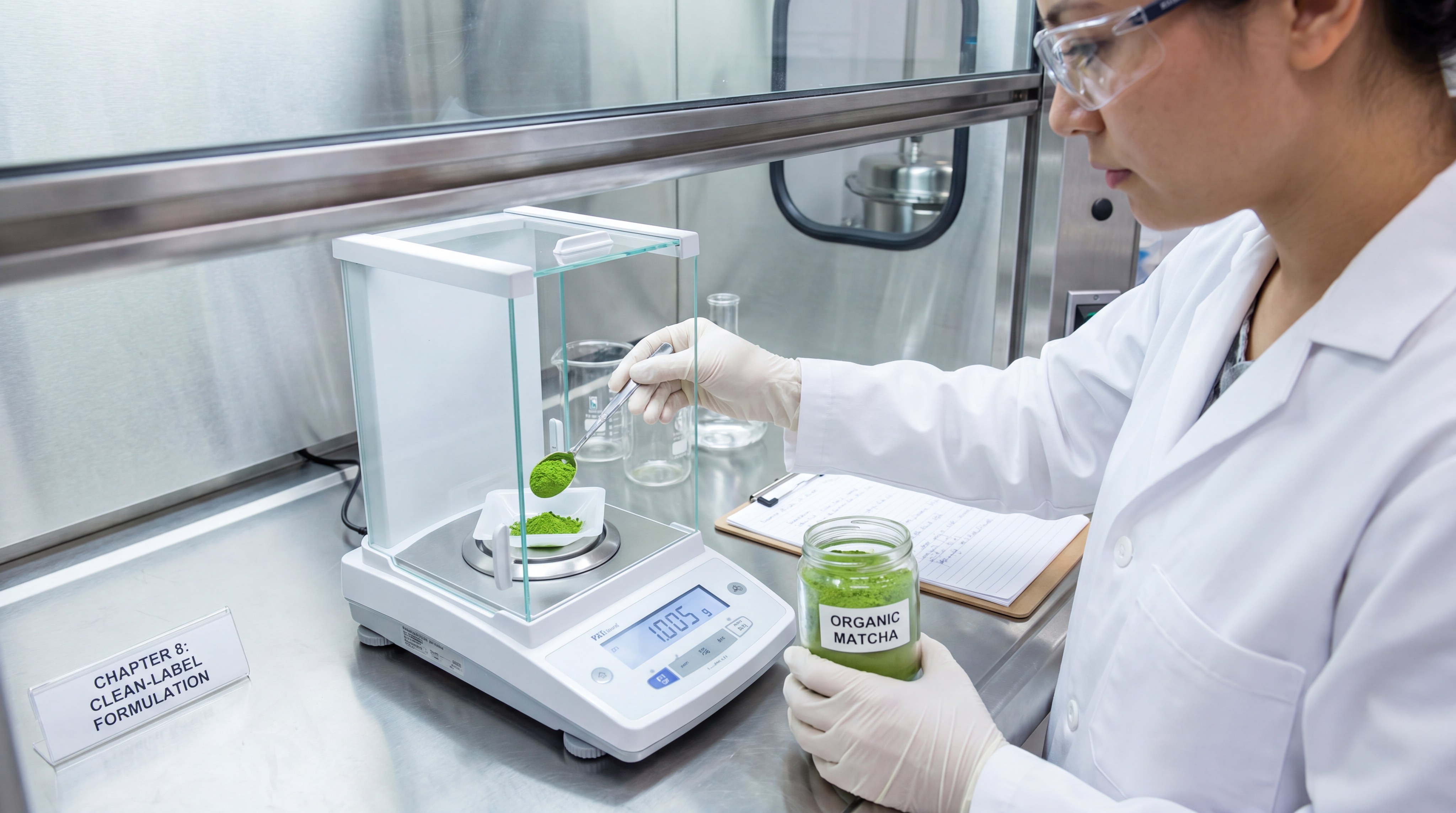
- Pesticide Residue & Heavy Metal Control: The tea plant (Camellia sinensis) is an accumulator of soil compounds, meaning it can easily absorb heavy metals like lead, arsenic, and cadmium from the ground. Since consumers ingest the entire ground leaf when drinking matcha, brands must enforce strict testing protocols. It is essential to partner with suppliers who offer verified EU and USDA Organic Matcha Powder that has been thoroughly tested for pesticide residues and heavy metals, ensuring complete safety and peace of mind.
- Shade-Growing Integrity: The duration and quality of the shade-growing process directly define the tea’s chemical profile. Proper shading blocks outof sunlight for 20 to 30 days before harvest. This process forces the plant to produce massive amounts of chlorophyll and amino acids (especially L-theanine), resulting in a vibrant green color and a naturally sweet, savory umami flavor. Low-grade green tea powders skipped this step, appearing yellow-brown and tasting intensely bitter.
- Allergen Isolation: Since functional blends often contain diverse ingredients like plant proteins, tree nut-derived coconut creamers, or dairy, manufacturing must take place in facilities with strict allergen control protocols. Preventing cross-contamination is critical for accurate clean-label declarations (e.g., Gluten-Free, Soy-Free, Dairy-Free).
- Shelf-Life Stability: Pure matcha is highly sensitive to oxygen, moisture, light, and heat. Exposure to these elements triggers rapid chlorophyll oxidation, turning the vibrant green powder into an unappealing, dull brown. To prevent this without using artificial preservatives, manufacturers utilize physical barrier techniques:
- Dehumidified Blending Environments: Keeping mixing rooms at relative humidity levels below 35%35\%
prevents the powder from absorbing moisture and clumping during blending.
- Nitrogen Gas Flushing: Replacing oxygen with food-grade nitrogen gas during the packaging process keeps oxygen levels below 2%2\%
, protecting the delicate green tea lipids from oxidizing and going rancid.
- Light-Blocking Packaging Materials: Using high-barrier films with aluminum or metallized layers completely blocks out UV light, ensuring the product stays fresh, bright green, and nutrient-dense throughout its shelf life.
9. Market-Specific Sweetener Selection for Customized Matcha Blends
Sweetener | Sweetness Potency (Sucrose = 1) | Glycemic Index | Aftertaste Profile | Cost Impact on Formulation | Regulatory Status & Approved Markets | Clean-Label Consumer Perception |
|---|---|---|---|---|---|---|
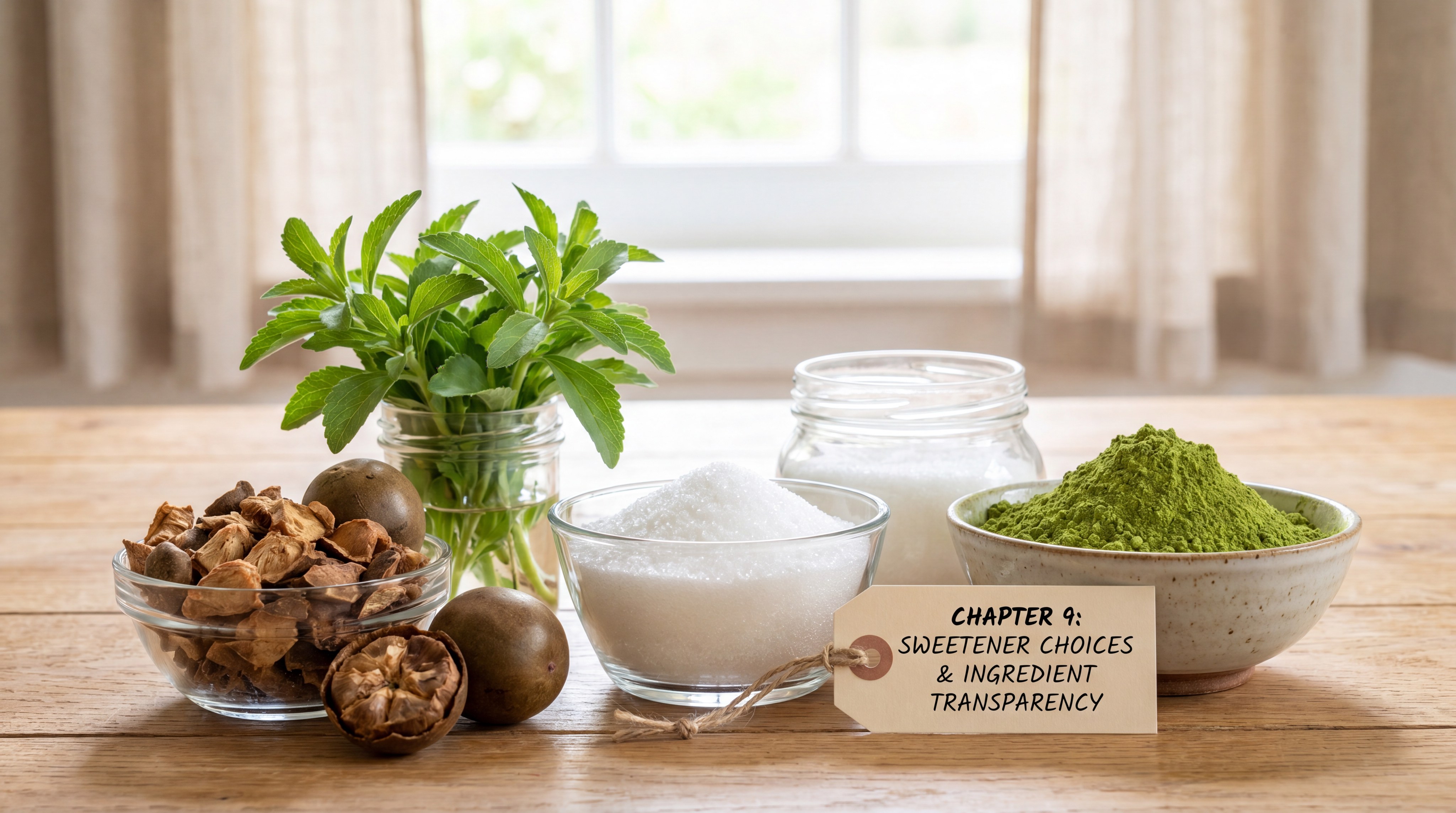
Monk Fruit Extract (Mogroside V 50%) | ~150 – 250 | 0 | Clean, rounded, fruit-like sweetness; minimal aftertaste. | High | Approved in USA, Canada, China, Australia. Limited approval in EU. | Excellent (Seen as premium and natural) |
Stevia Extract (Rebaudioside M) | ~200 – 300 | 0 | Extremely close to sugar; lacks the bitter, metallic notes of Reb A. | High | Broad global approval (FDA GRAS, EFSA, JECFA). | Good (Highly trusted, though some dislike Reb A experiences) |
Stevia Extract (Rebaudioside A) | ~200 – 300 | 0 | Strong, metallic, licorice-like lingering bitterness. | Low-to-Medium | Broad global approval. | Moderate (Some consumers associate it with diet tastes) |
Erythritol | ~0.7 | 0 | Cooling sensation on the tongue; very clean sweetness. | Medium | Broad global approval, but requires warning labels in some regions if high doses are used. | Good (Keto favorite, though chemically named) |
Allulose | ~0.7 | 0 | Incredibly close to sugar; identical mouthfeel and melting profile. | High | Approved in USA, Mexico, Colombia, Singapore. Not yet approved in EU/UK (Novel Food status pending). | Excellent in US (Seen as a game-changing rare sugar) |
Coconut Sugar | ~1.0 | ~35 | Rich, caramel-like, warm molasses notes. | Medium-to-High | Globally approved. | Outstanding (Highly valued as an unrefined, whole food sugar) |
- North American Market (USA & Canada): Consumers here are highly receptive to cutting-edge low-calorie solutions. Combining Allulose, Erythritol, and Monk Fruit is a popular choice, yielding clean, sugar-like taste profiles with zero net carbs.
- European Union Market (EU & UK): Regulatory compliance is stricter in Europe. Allulose is not yet approved, and erythritol has faced intense scrutiny regarding its manufacturing sources. Formulators typically opt for combinations of high-purity Stevia (Reb M), Inulin, and Organic Coconut Sugar to deliver a clean label that satisfies EFSA regulations.
- Asian Markets: Consumers in regions like Japan, South Korea, and China appreciate subtle, complex flavors and are highly sensitive to overly sweet products. Formulas here focus on low sweetness levels, utilizing small amounts of monk fruit or traditional natural sugars to let the rich, umami notes of premium green tea shine.
10. Innovative and Sustainable Packaging Solutions for Commercial Matcha Products
Packaging Format | Typical Material Structure | Oxygen & Moisture Barrier Performance | Shelf-Life Expectancy | Cost per Unit | Environmental Sustainability | Target Brand Positioning |
|---|---|---|---|---|---|---|
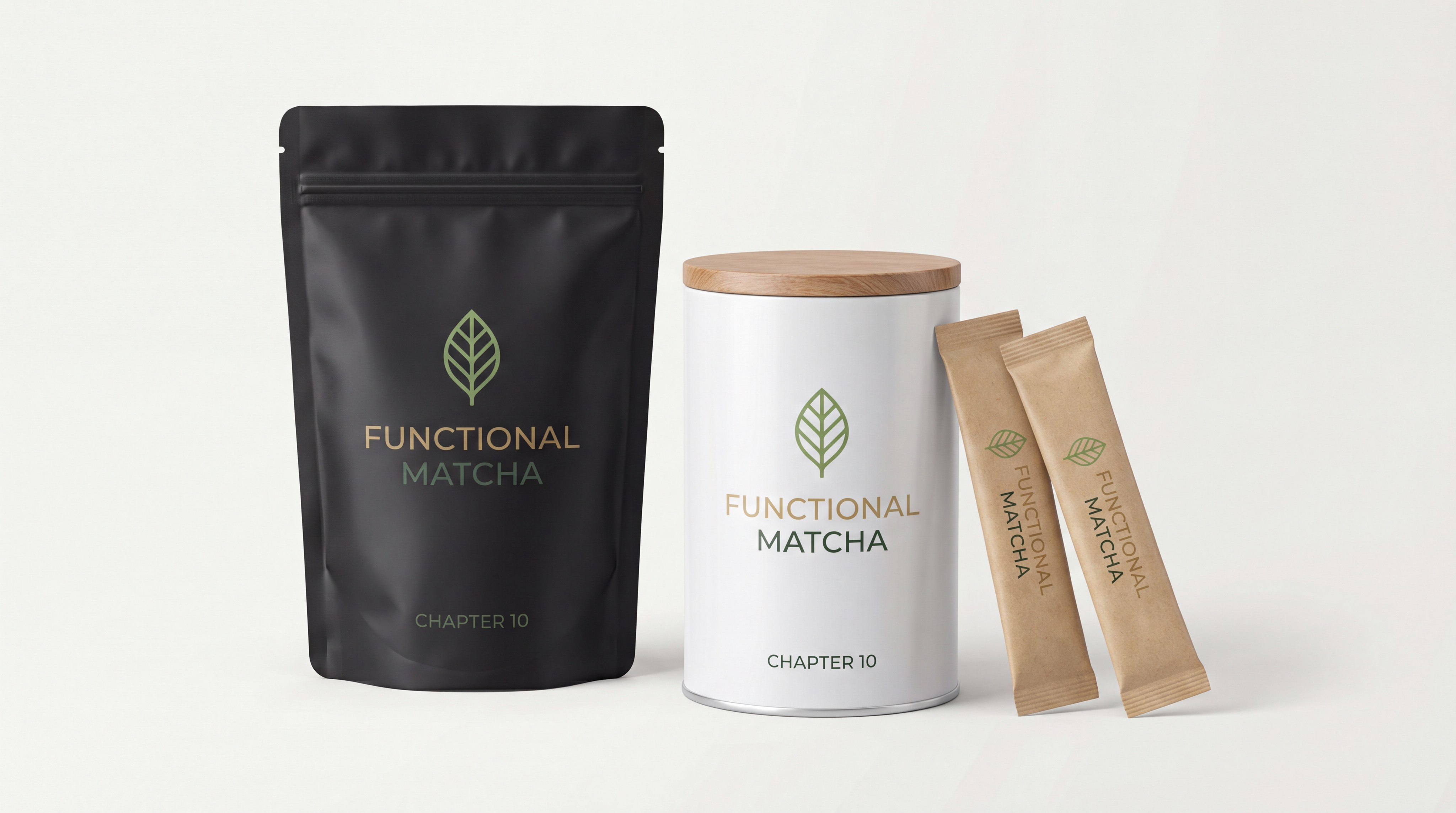
Single-Serve Stick Packs | Matte Paper / VMPET / LLDPE | Outstanding | 18−24 Months18-24\text{ Months} | Medium-to-High | Low-to-Moderate (Creates small plastic waste) | Convenience, On-The-Go, Gym bags, Premium Trial kits |
Stand-Up Pouches (Doypacks) | Kraft Paper / AL / LLDPE or PCR-PE | Outstanding | 18−24 Months18-24\text{ Months} | Low-to-Medium | High (If using post-consumer recycled or bio-PE films) | Mainstream Retail, Family size, Eco-conscious subscription brands |
Metal Tin Canisters | Tinplate steel with food-grade inner varnish | Excellent | 24+ Months24+\text{ Months} | High | Very High (100% infinitely recyclable metal) | Ultra-Premium, Professional Cafe, Ceremonial gift sets |
Compostable Pouches | PLA (Polylactic Acid) / Cellulose barrier film | Moderate-to-Poor (Prone to moisture micro-seepage) | 6−9 Months6-9\text{ Months} | High | High (Industrial compostable, though requires dry storage) | Ethical, Zero-waste, Hyper-organic communities |
11. The Step-by-Step Custom Matcha Blend Development and OEM Process
Stage 1: Product Concept & Formulation Briefing
- Target Audience & Claims: Deciding if the product is Keto, Organic, Vegan, Allergen-Free, or Low-Glycemic.
- Active Functional Matrix: Defining the exact dosages of active ingredients, such as collagen
- Cost of Goods Sold (COGS) Targets: Setting clear target price points per serving to ensure a healthy, profitable business model.
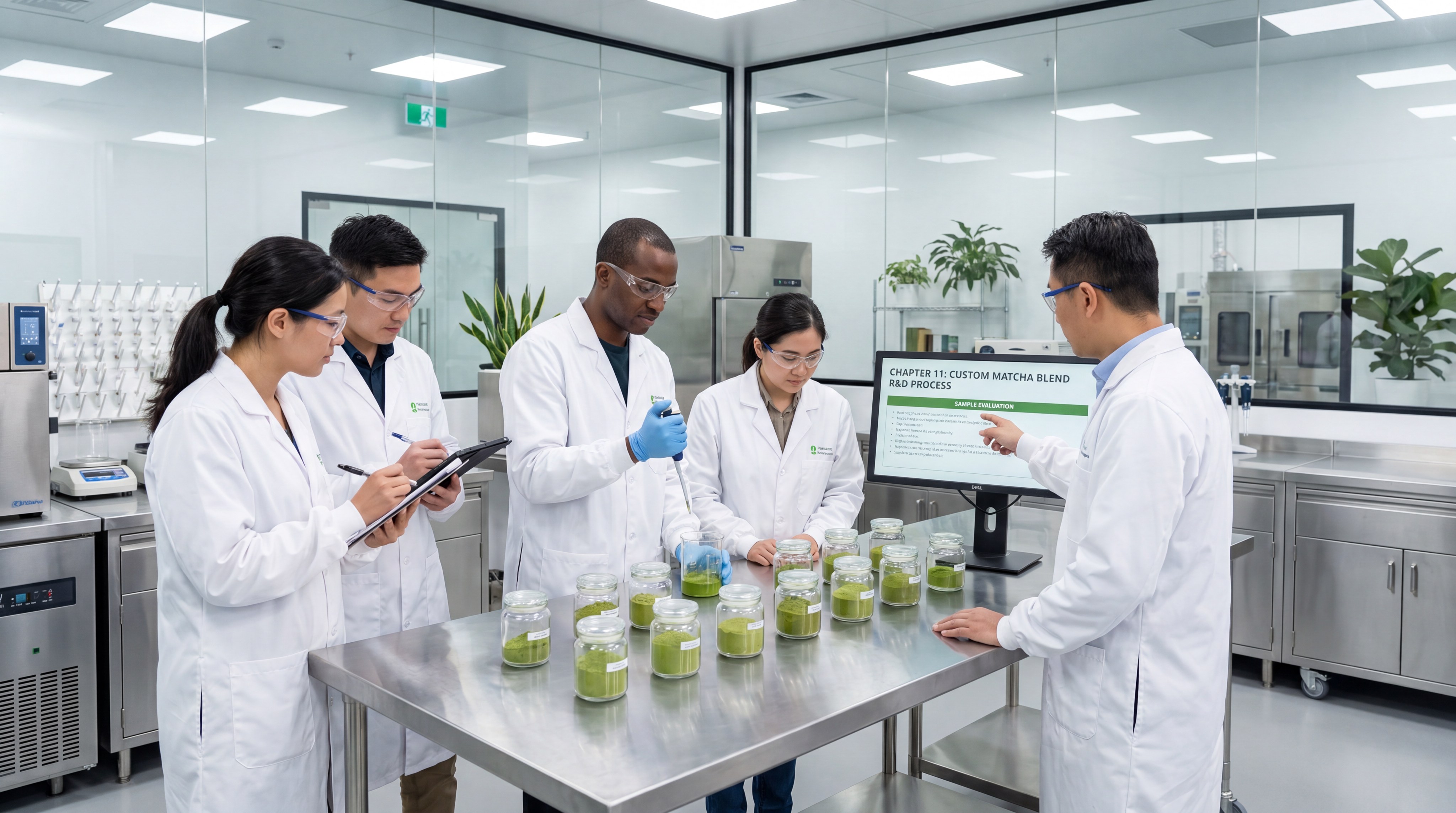
Stage 2: Benchtop R&D & Ingredient Compatibility Testing
- pH Stability Verification: Ensuring that acidic functional additives (such as Vitamin C or fruit extracts) won’t cause plant proteins to curdle or accelerate the brown discoloration of chlorophyll.
- Particle Size Optimization: Ensuring that all dry ingredients have a similar density and particle size. This prevents the powder from separating during transport and storage (a common issue known as sifting segregation).
Stage 3: Organoleptic Evaluation & Sensory Feedback Loop
- Visual Appeal: Assessing the bright green color of the dry powder and reconstituted liquid.
- Aroma & Taste: Measuring initial sweetness, mid-palate grassy-umami notes, and any lingering bitterness from functional adaptogens.
- Mouthfeel: Checking for grittiness, chalkiness, and overall viscosity. Formulations are adjusted, and samples are resubmitted until the brand team is completely satisfied with the sensory profile.
Stage 4: Pilot Plant Testing & Scaling Validation
50kg to 100kg batch). This crucial step helps identify and solve any industrial-scale processing challenges:
- Flowability Testing: Ensuring the powder flows smoothly through high-speed packaging machinery without clogging the funnels.
- Moisture Absorption Monitoring: Checking how the powder behaves under real factory humidity and temperature conditions.
Stage 5: Commercial Manufacturing & Quality Control
- Homogeneous Blending: Utilizing low-shear industrial ribbon blenders or V-blenders to mix the powder evenly without heating or damaging delicate active ingredients.
- Microbiological Testing: Testing every batch for Total Plate Count (TPC), yeast, mold, coliforms, E. coli, and Salmonella before packaging.
- Metal Detection: Passing all packaged goods through ultra-sensitive industrial metal detectors to ensure complete product safety.
Stage 6: Logistics, Storage, and Global Customs Clearance
- Temperature & Moisture Control: Utilizing climate-controlled containers (15℃ to 20 ℃,relative humidity<50%) to prevent heat from yellowing the tea or humidity from causing clumping.
- Documentation Management: Preparing all necessary customs paperwork, including organic certificates of conformity, Phytosanitary certificates, and detailed COA (Certificate of Analysis) documents.
12. FAQs
Q1: What are the Minimum Order Quantities (MOQs) for custom functional matcha blends?
- Stand-Up Pouches (Doypacks):
- 3000 to 5000bags per SKU, depending on whether we use stock pouches with custom labeling or fully pre-printed custom films.
- Single-Serve Stick Packs:
5000 to 10000 sticks per run, driven by the setup and speed requirements of high-speed multi-lane packaging machinery.
- Tin Canisters:
5000 tins per SKU to support the custom manufacturing and printing of the metal cans.
Q2: How do you guarantee the shelf life of functional ingredients (like probiotics and vitamins) in dry powder mixes?
We then package our products in high-barrier films (such as PET/VMPET/PE) and perform a food-grade nitrogen gas flush, reducing internal oxygen levels to under 2%.
Q3: Can we source custom functional ingredients (like grass-fed collagen or organic adaptogens) from our own suppliers, or do you handle all sourcing?
Q4: Do you offer international certifications (USDA Organic, EU Organic, Kosher, Halal) for custom private-label blends?
- Organic: USDA National Organic Program (NOP) and EU Organic (Regulation 2018/848) certifications, allowing us to export certified organic blends worldwide.
- Dietary Claims: Kosher and Halal certifications to ensure broad market accessibility.
- Food Safety: ISO 22000, HACCP, and GMP certifications, ensuring every batch meets the highest global standards for clean-label safety.
Q5: How do you prevent dry-blend separation (sifting segregation) in functional matcha drink mixes during shipping?