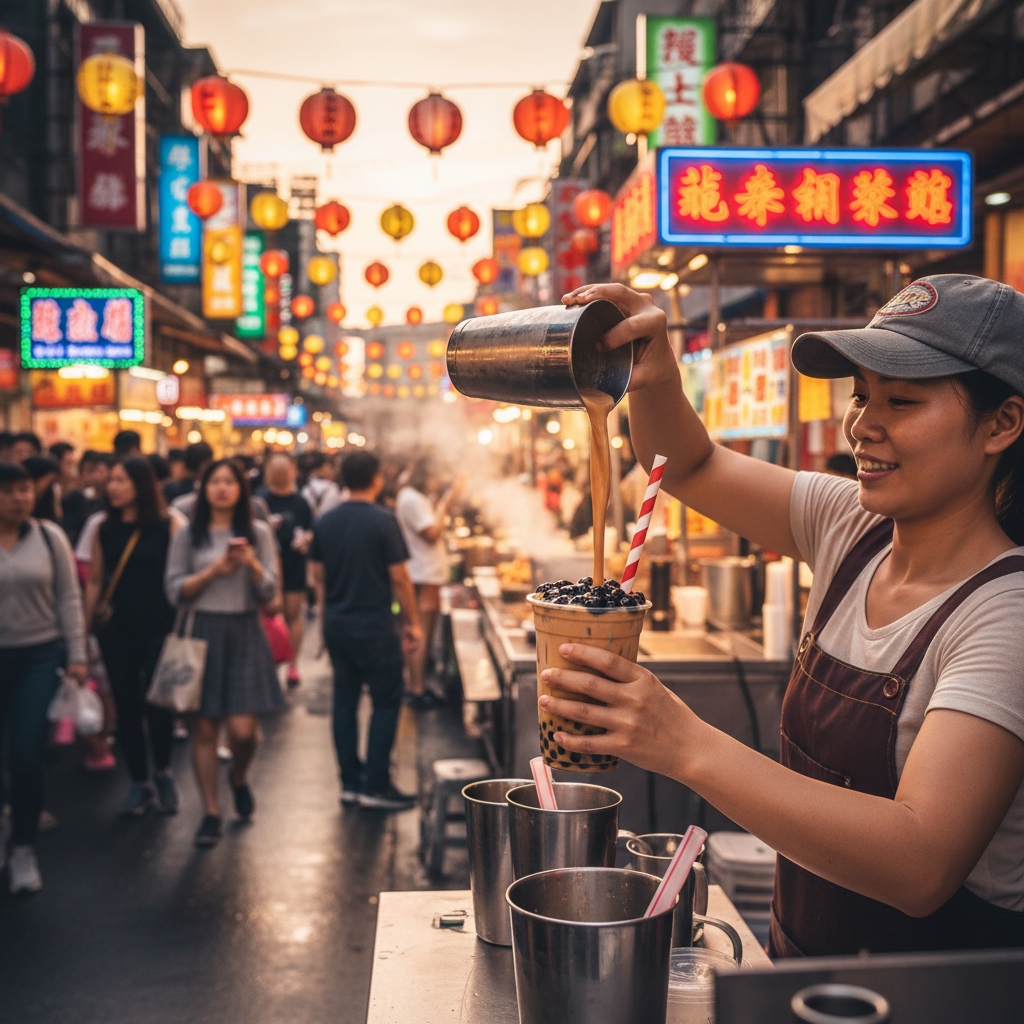
Introduction
Is your beverage menu failing to capture the attention of the modern, younger demographic?
In a highly competitive café market, offering standard tea and coffee is often not enough to drive viral growth or repeat visits. Consumers are seeking experiences, not just caffeine. A fusion of matcha and bubble tea provides the perfect solution by combining the visual appeal of layered drinks with the addictive texture that customers crave.
By sourcing high-quality ingredients from a trusted supplier like Riching Matcha , you can transform a simple menu item into a signature bestseller. This guide explores the mechanics, history, and profitability of this trending beverage. 1. What Defines the Unique Appeal of Matcha Boba Tea?
Matcha Boba Tea is defined by its striking visual contrast and the complex interplay between bitter, sweet, and chewy elements.
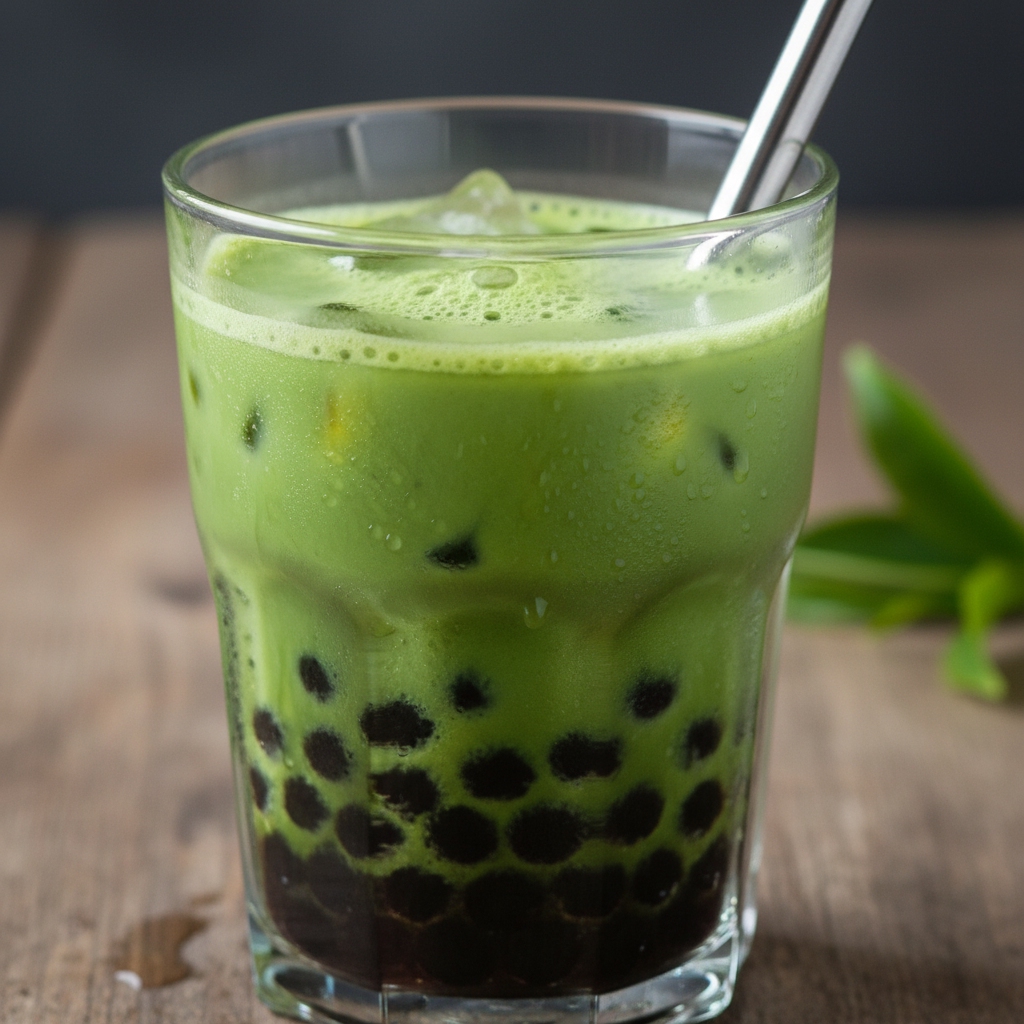
Here is the deal: customers today eat with their eyes first. The vibrant green suspension over dark pearls creates an instant visual hook. This beverage is not just a drink; it is a textural experience that engages multiple senses simultaneously.
The Visual Aesthetic of Layers
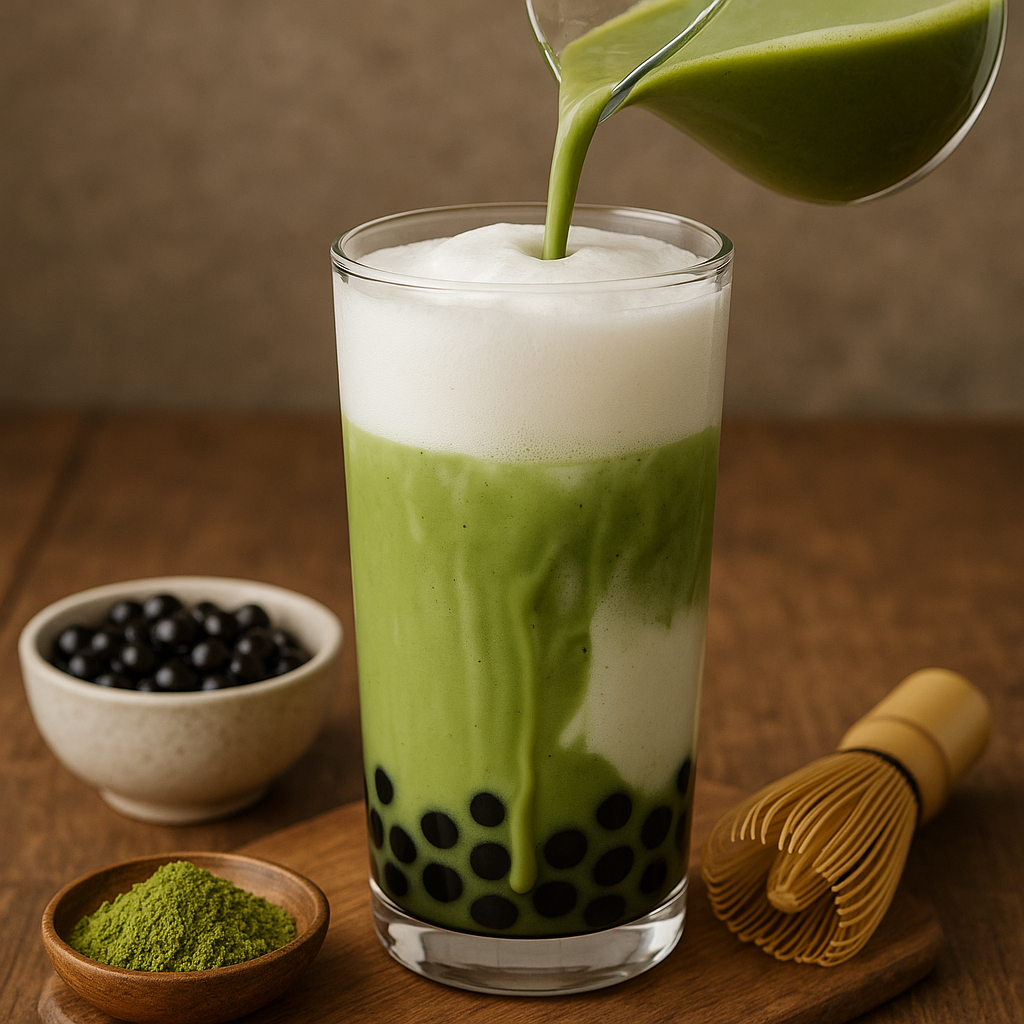
The gradient effect, often referred to as “ombre,” occurs when milky matcha is poured over dark sugar-soaked pearls. This visual presentation drives social media engagement, making the drink a marketing tool in itself. The distinct separation between the dark base, the creamy middle, and the verdant top layer signals complexity and craftsmanship.
The Sensory Combination
Balancing the vegetal, umami notes of green tea with the caramel-like sweetness of the pearls creates a sophisticated flavor profile. The “Q” texture (a Taiwanese term for the perfect level of chewiness) of the boba provides a satisfying mouthfeel that liquids alone cannot offer.
Key Takeaway: The success of this fusion relies equally on its Instagram-worthy appearance and the satisfying physical sensation of chewing while drinking.
| | | |
|---|
| | Vibrant green vs. dark pearl contrast | High social sharing potential |
| | Liquid smoothness vs. chewy “Q” pearls | Increases satiety and enjoyment |
| | Earthy umami vs. sweet caramel | Appeals to sophisticated palates |
2. How Did the Fusion of Matcha and Bubble Tea Originate?
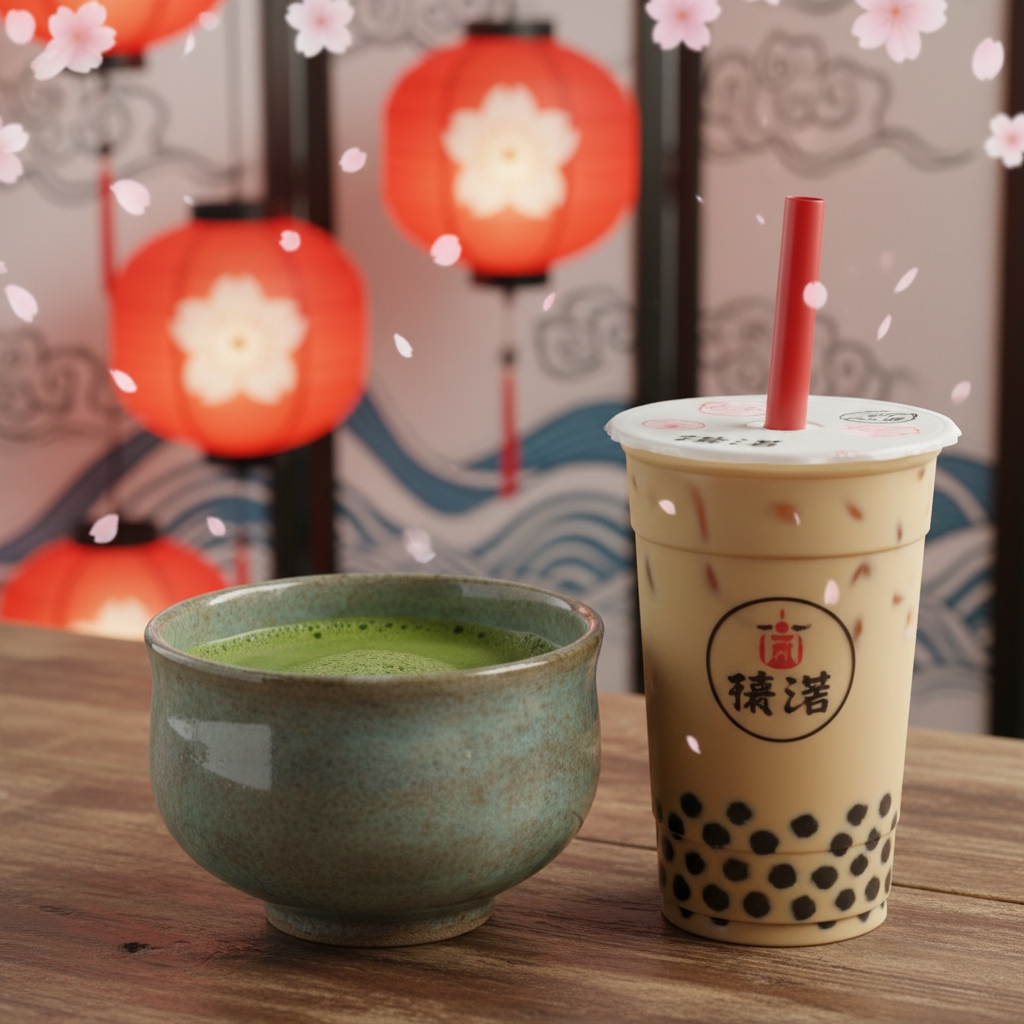
This popular beverage emerged by blending centuries-old Japanese tea ceremonies with the Taiwanese culinary innovation of the 1980s.
You might be wondering how two distinct cultures merged so seamlessly. While our shade-grown tea leaves have deep roots in Japanese history, the addition of tapioca pearls is a relatively modern twist that revitalized tea consumption for a younger generation. Tracing Japanese Roots
Matcha has been the centerpiece of Japanese tea culture for over 800 years, valued for its meditative and health properties. It was traditionally served hot and pure, without milk or sweeteners. The cultivation process involves shading the tea bushes to boost chlorophyll and amino acids, creating a distinct savory profile.
The Taiwanese Invention
Bubble tea was invented in Taiwan during the 1980s, originally using black tea and milk. The eventual incorporation of matcha powder created a cross-cultural phenomenon that bridged traditional respect for tea with modern fun.
Key Takeaway: This drink represents a successful culinary marriage where the integrity of Japanese tea enhances the playful nature of Taiwanese boba.
| | | |
|---|
| | Powdered Green Tea (Matcha) | |
| | | |
| | A fusion of matcha and bubble tea | |
3. What Are the Essential Ingredients for the Perfect Brew?
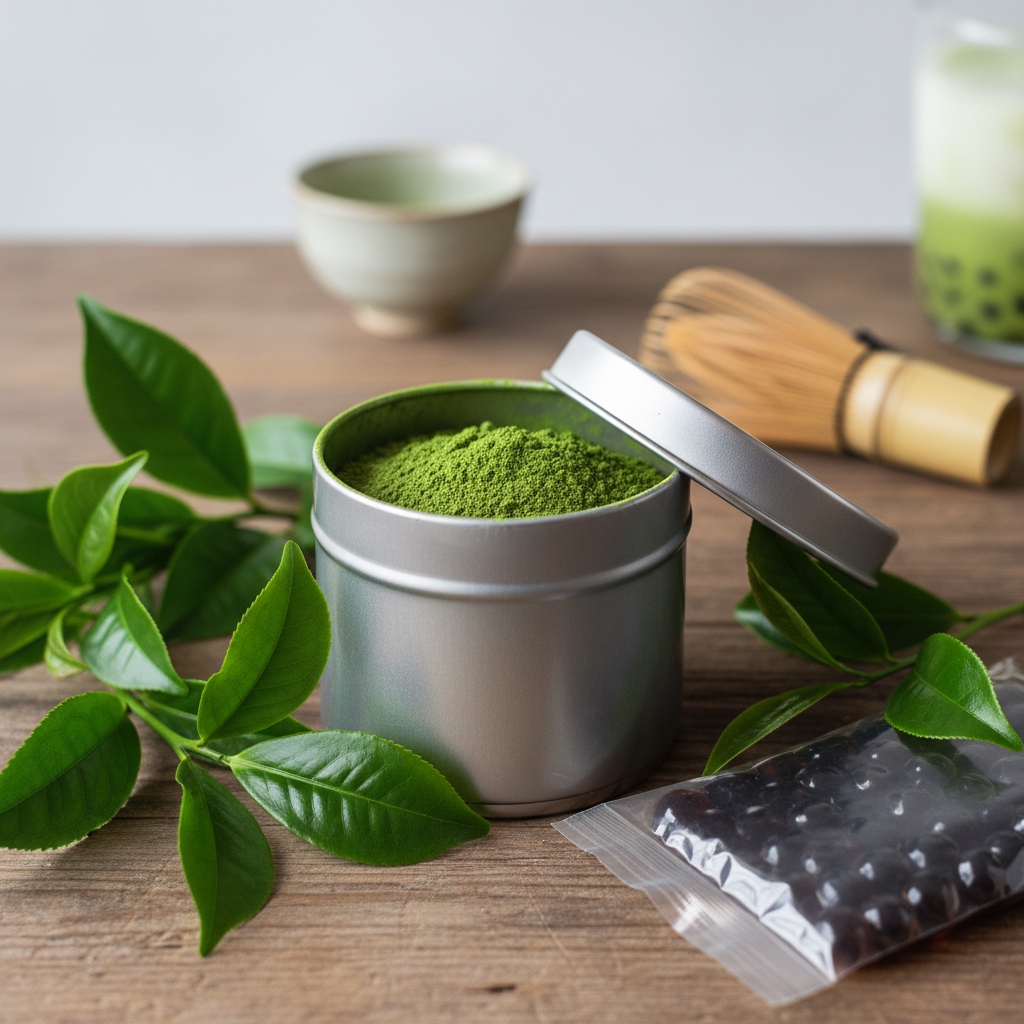
The essential components are high-quality matcha powder, tapioca starch pearls, a liquid base, and a sweetener.
What is the catch? Using low-quality tea will result in a drink that is easily overpowered by the milk and sugar. For a robust flavor that cuts through the creaminess, we recommend using culinary grade matcha , which is specifically processed to maintain its character in mixed beverages. Selecting the Right Boba
Tapioca pearls are made from cassava root starch and must be boiled to achieve the correct consistency. They are flavorless on their own and rely on soaking in sugar syrups—typically brown sugar or honey—to acquire taste and sheen.
Milk and Sweetener Options
The choice of dairy or plant-based milk affects the mouthfeel, while sweeteners like brown sugar syrup balance the natural bitterness of the tea. The fat content in the milk helps to round out the astringency of the matcha.
Key Takeaway: The quality of the matcha powder is the single most important variable in preventing the drink from tasting like plain sweetened milk.
| | | |
|---|
| | Provides base flavor and color | |
| | Adds texture and sweetness | |
| | | |
4. Why Is Choosing the Right Grade of Matcha Critical?
Choosing the correct grade determines whether your final product has a vibrant green hue or a dull, brownish color.
Ready for the best part? You do not always need the most expensive option; you need the right option. While some shops use generic powders, upgrading to high-quality premium matcha can provide a brighter color and smoother taste without the high cost of ceremonial grades, making it ideal for upscale signature drinks. Impact on Color Vibrancy
Visuals sell boba tea, and premium grades offer a neon-like green that signals freshness to the consumer. Lower grades often oxidize quickly or contain pulverized stems, turning the drink an unappealing yellow-brown which consumers associate with low quality.
Flavor Strength vs. Bitterness
A proper blending grade retains strong vegetal notes to counteract the sugar but lacks the harsh astringency found in low-end industrial powders.
Key Takeaway: Investing in a slightly higher grade of matcha significantly improves the visual marketability and perceived value of the beverage.
5. How Do You Prepare Tapioca Pearls for Optimal Texture?
Tapioca pearls must be boiled vigorously and then steeped in syrup to achieve the signature “Q” texture.
It gets better: once you master this process, you can control the exact level of chewiness your customers prefer. Undercooked pearls are powdery in the center, while overcooked ones turn into mush, so precision is mandatory.
The Boiling Technique
Pearls should be added to boiling water and cooked until they float, then simmered for roughly 20 minutes. A resting period in the hot water is crucial for the heat to penetrate the center of the starch ball.
The Sweetening Soak
After rinsing with cold water to stop the cooking process (shocking), the pearls must be soaked in a brown sugar syrup or honey. This prevents them from sticking together and infuses flavor directly into the starch.
Key Takeaway: Texture consistency is the primary indicator of quality in a boba shop; inconsistent pearls will lose you repeat customers faster than bad tea.
| | | |
|---|
| | | |
| | | |
| | | |
| | | Add flavor and prevent sticking |
6. How Does the Preparation Process Affect the Final Taste?
The order of operations and the method of whisking significantly alter the mouthfeel and flavor integration of the drink.
Think about this: simply dumping powder into milk creates clumps that ruin the experience. Unlike the delicate process used for traditional ceremonial grade tea, making boba requires a vigorous mix to create a micro-foam that suspends the particles evenly in the cold milk. However, we generally advise against using ceremonial grade for boba, as its subtle nuances are often lost amidst the sugar and milk. Whisking and Suspension
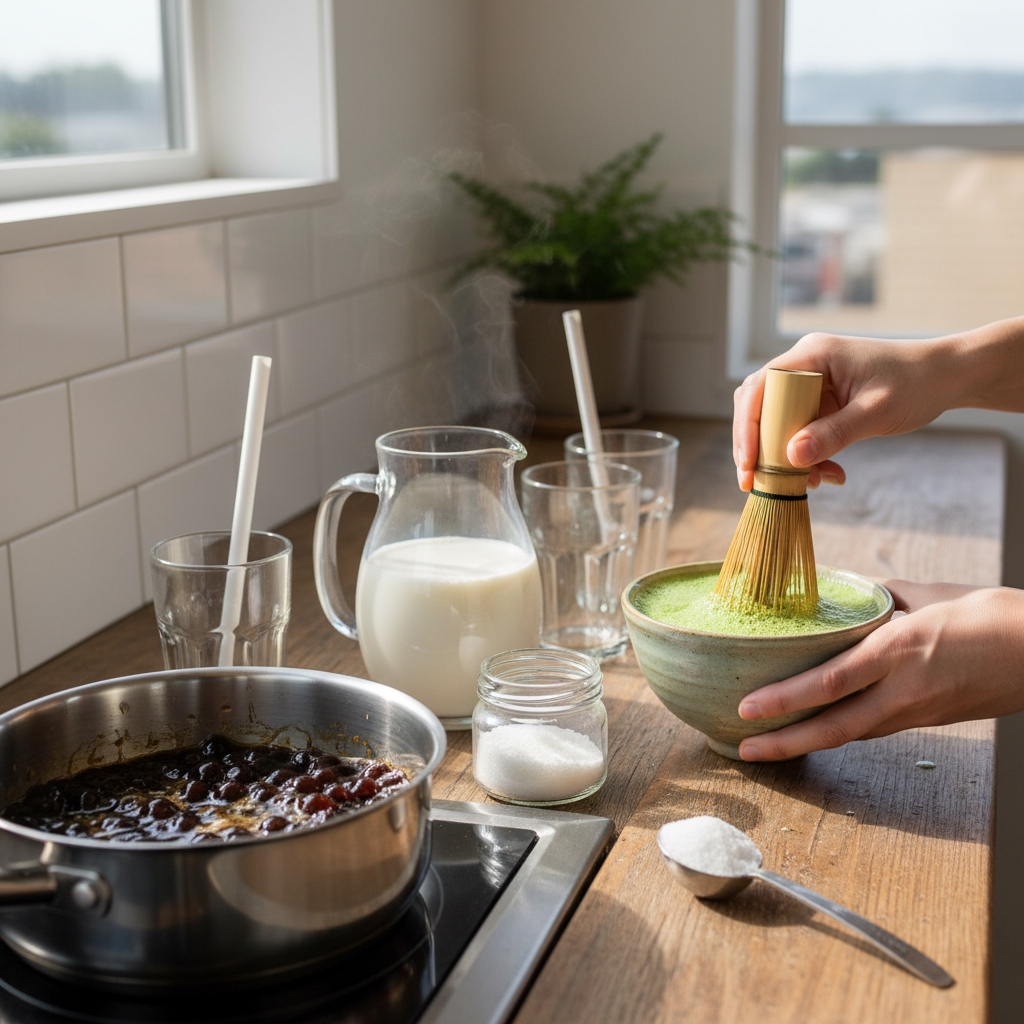
You must create a concentrated “shot” of matcha first using warm water (never boiling) and a bamboo whisk or electric frother. This concentrate is then poured over the milk and ice.
Layering for Presentation
To preserve the distinct layers, the sweetened pearls go in first, followed by ice, then milk, and finally the matcha concentrate is poured gently over the back of a spoon.
Key Takeaway: Pre-dissolving the matcha into a concentrate is non-negotiable for a smooth texture and ensures the flavor distributes evenly upon stirring.
| | | |
|---|
| | | Whisk with warm water first |
| | | Pour gently over ice/spoon |
| | | Serve layered, let customer mix |
7. What Health Benefits Does Matcha Bring to the Drink?
Matcha adds a nutritional functional boost to what is otherwise a dessert beverage, offering antioxidants and sustained energy.
But wait, there is more: because you consume the entire tea leaf in powder form, you ingest 100% of the nutrients. This allows a fusion of matcha and bubble tea to be marketed as a healthier alternative to standard sugary milk teas or sodas.
High Antioxidant Content
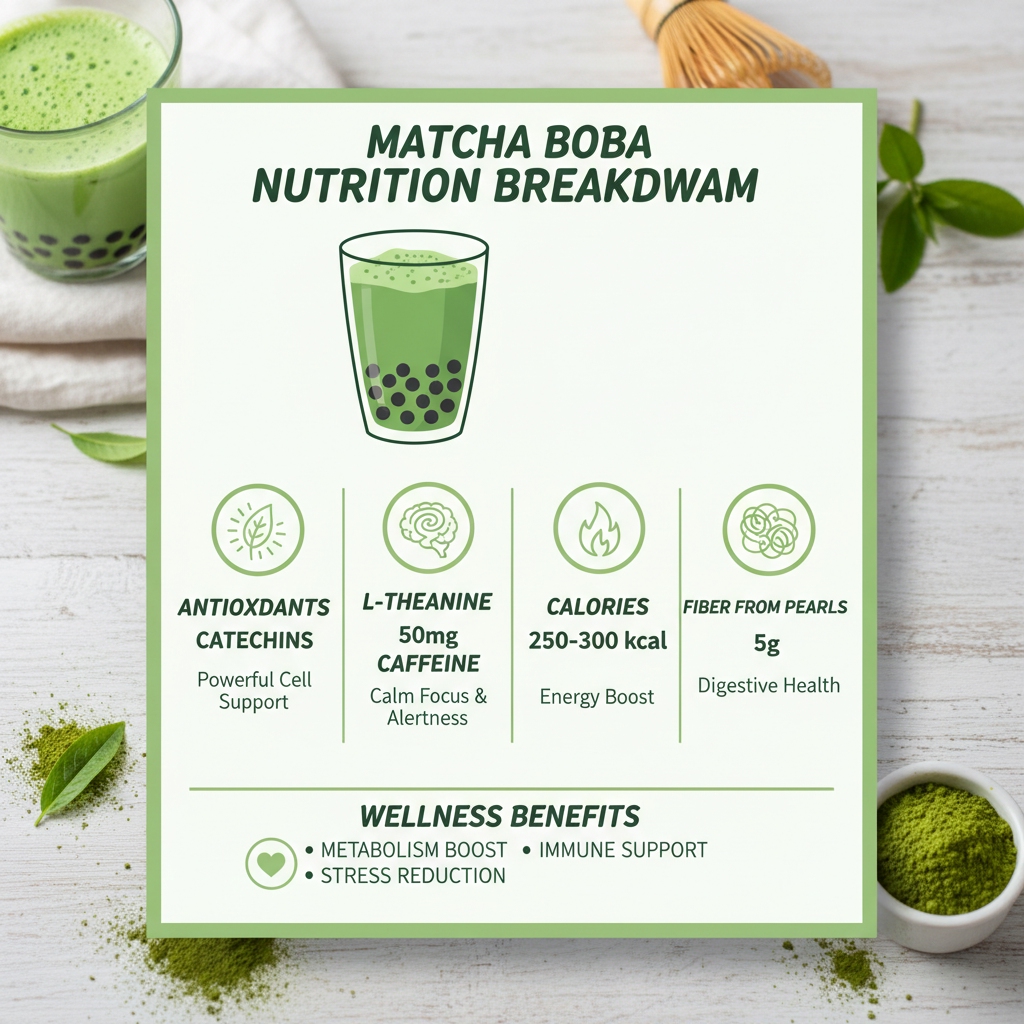
Matcha is packed with catechins, specifically EGCG (Epigallocatechin gallate), which help reduce inflammation and support cell health. This creates a “health halo” around the product, justifying indulgence.
Sustained Energy Focus
The combination of caffeine and L-Theanine promotes a state of calm alertness. This prevents the jittery crash often associated with coffee-based sugary drinks.
Key Takeaway: Highlighting the functional benefits of matcha allows businesses to justify a higher price point and appeal to health-conscious consumers.
| | | Comparison to Steeped Tea |
|---|
| | | 137x higher concentration |
| | | |
| | | Present (absent in steeped tea) |
8. How Can You Customize Your Drink for Dietary Needs?
Modern consumers demand customization, and matcha boba is highly adaptable to various dietary restrictions.
Here is why this versatility matters: it prevents the “veto vote” where a group goes elsewhere because one person cannot find a suitable option. The drink can easily be adapted for vegan, low-sugar, or gluten-free diets without sacrificing flavor.
Plant-Based Alternatives
Matcha pairs exceptionally well with oat milk and almond milk. Oat milk, in particular, offers a creamy texture that rivals dairy, complementing the earthiness of the tea.
Low-Glycemic Adjustments
Using monk fruit, stevia, or simply reducing the sugar level allows you to serve diabetic or calorie-conscious customers. The natural flavor of high-quality matcha shines even with less sugar.
Key Takeaway: Offering dairy-free and low-sugar modifications is now an industry standard, not just a niche perk.
| | | |
|---|
| | | Creamy, nutty, complements tea |
| | | Stronger tea flavor, less rich |
| | | Safe (Tapioca is naturally GF) |
9. Why Is This Drink Trending in Modern Café Culture?
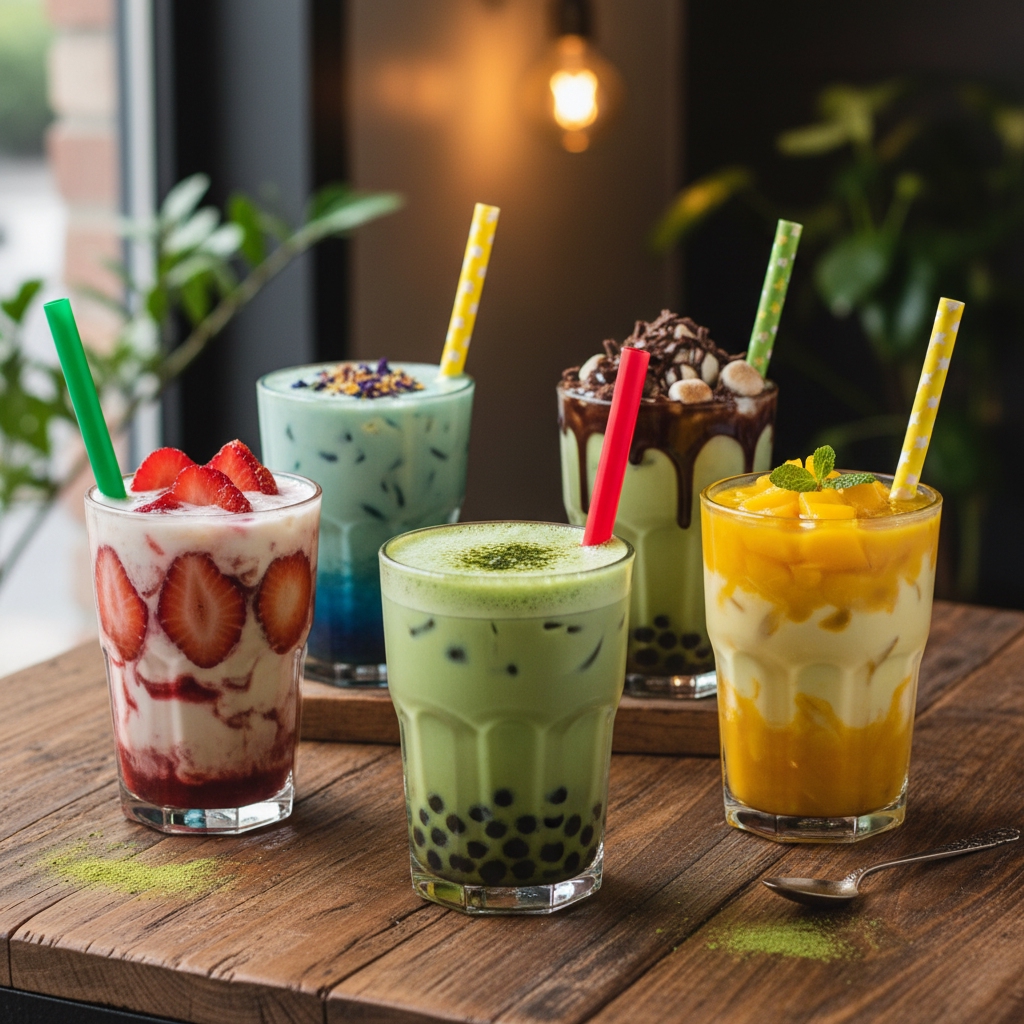
The drink sits at the intersection of wellness trends and indulgent snacking, making it a powerhouse for modern businesses.
Bottom line? It is a high-margin item that acts as free advertising. If you are looking to launch your own brand , the photogenic nature of matcha boba makes it the perfect launchpad for private labeling and social media growth. Social Media Influence
The stark contrast of green and black makes the drink highly “Instagrammable.” User-generated content acts as organic marketing, driving foot traffic to locations serving aesthetically pleasing versions.
The Premium Tea Shift
Consumers are moving away from sugary sodas toward premium tea-based beverages. Matcha signals quality and sophistication, elevating the perception of the entire menu.
Key Takeaway: The trend is driven by the dual demand for products that look good on social media and offer perceived health benefits.
| | | |
|---|
| | | |
| | | Higher Willingness to Pay |
| | | Attracts Gen Z/Millennials |
10. What Common Mistakes Should You Avoid When Making It?
Consistency is the challenge, and small errors in temperature or ratio can ruin the final product.
Don’t worry, most of these issues are easily correctable with standard operating procedures. The most frequent failures involve the temperature of the water used for the matcha and the storage life of the cooked pearls.
Temperature Control
Using boiling water (100°C) burns the matcha powder, resulting in a bitter, grassy taste. Water should be around 80°C (176°F) to preserve the delicate amino acids.
Pearl Consistency and Lifespan
Cooked boba has a shelf life of only 4-6 hours before the texture degrades and becomes hard. Serving old pearls is the quickest way to damage a shop’s reputation.
Key Takeaway: Strict adherence to temperature guidelines and batch management for pearls ensures every customer receives a high-quality experience.
Conclusion
Matcha Boba Tea represents more than just a refreshing beverage; it is a profitable fusion of culture, aesthetics, and flavor that appeals to the modern consumer. By understanding the origins, selecting the right ingredients, and mastering the preparation, you can offer a product that stands out in a crowded market.
Whether you are a café owner or an entrepreneur, the key to success lies in the quality of your raw materials. Contact us today to explore how our premium matcha products can empower your business to lead this fusion trend. Frequently Asked Questions (FAQ)
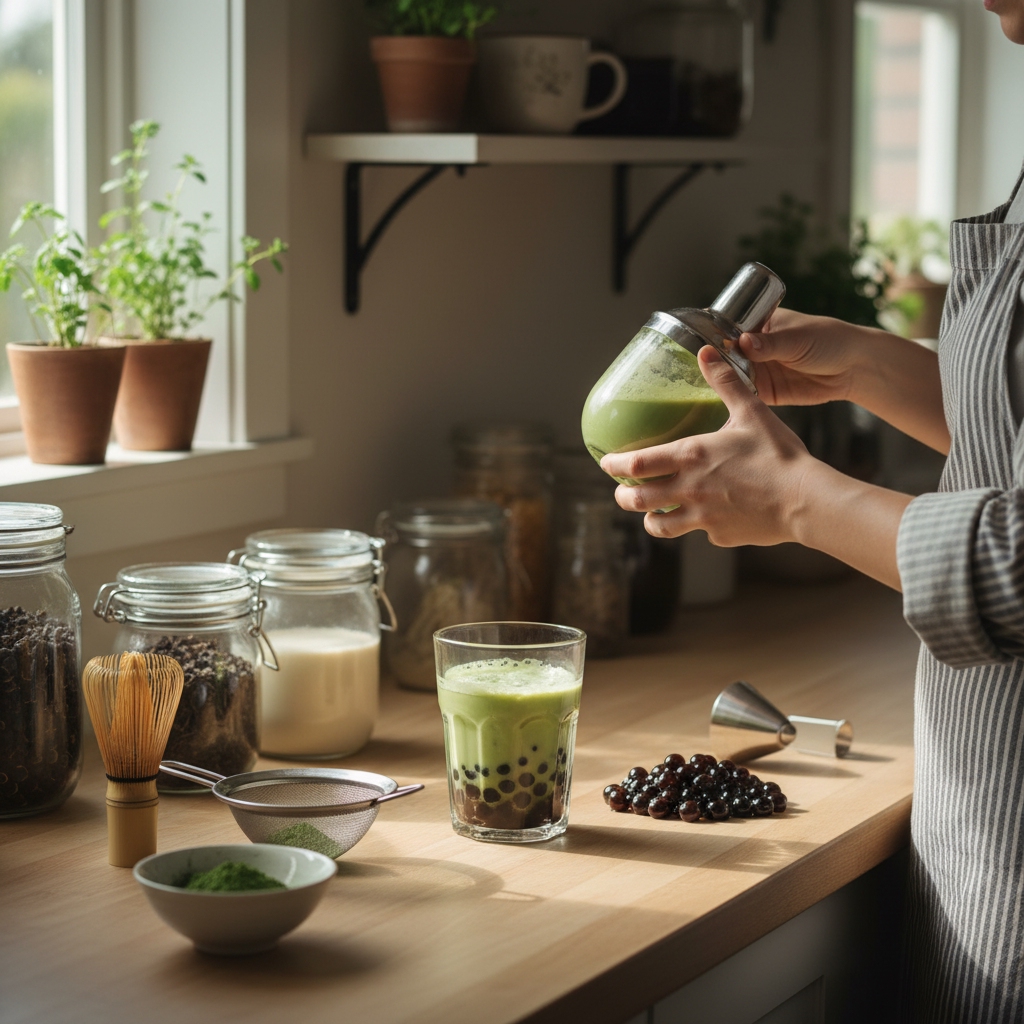
Q1: Can I make matcha boba tea at home without professional equipment?Yes, you absolutely can. While a bamboo whisk helps, a simple handheld electric frother or even a tightly sealed shaker jar works effectively to suspend the matcha powder in water before adding milk.
Q2: Is matcha boba tea healthy compared to regular milk tea?Generally, yes. A fusion of matcha and bubble tea contains high levels of antioxidants and L-Theanine from the matcha powder. However, the overall healthiness depends heavily on the amount of sugar and type of milk added.
Q3: Does this drink contain caffeine?Yes, matcha contains caffeine, typically more than steeped green tea but less than coffee. Because you consume the whole leaf powder, you get a sustained energy boost without the rapid crash associated with coffee or sugary energy drinks.
Q4: How do I store leftover tapioca pearls?You should not store cooked pearls for long periods. They harden in the refrigerator and turn mushy if left too long at room temperature. It is best to cook only what you plan to consume within 4 hours.
Q5: Can I use ceremonial grade matcha for boba tea?You can, but it is not cost-effective. Ceremonial grade is designed for drinking pure with water; its delicate nuances are often lost when mixed with milk and sugar. High-quality culinary or premium blending grades provide the stronger flavor profile needed for mixed drinks.