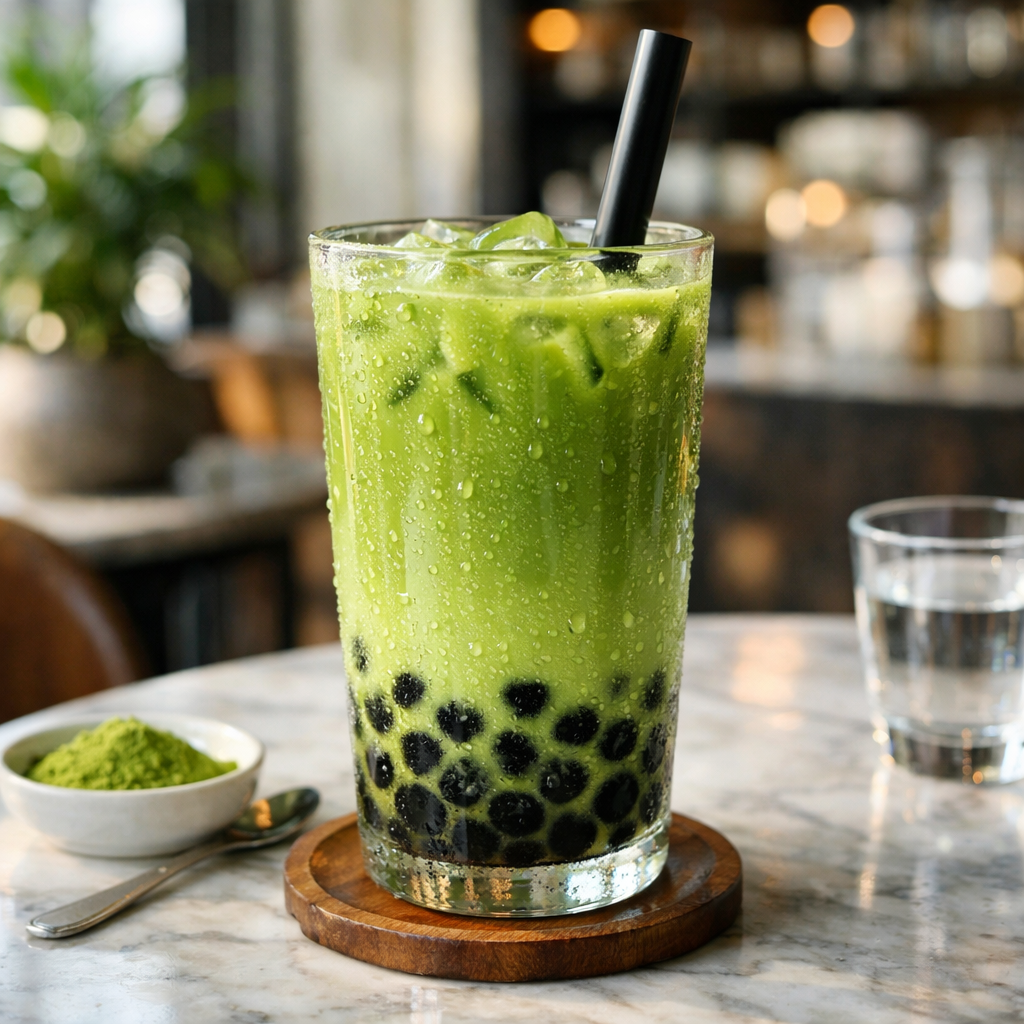
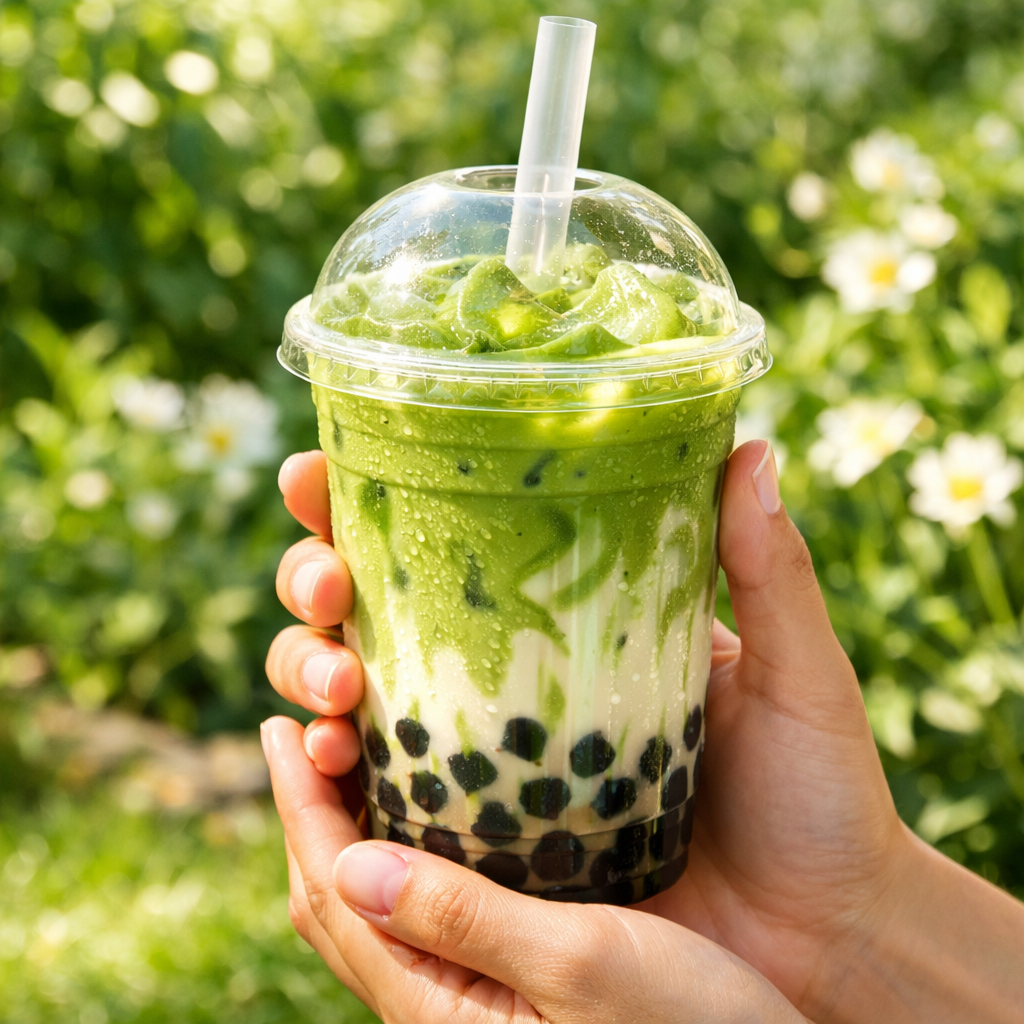
You often struggle with the high costs and excessive sugar found in cafe-bought beverages that leave you feeling sluggish. It is exhausting to pay premium prices for drinks that prioritize artificial syrups over real, high-quality ingredients. A Matcha Bubble Tea Recipe is a refreshing, antioxidant-packed beverage made from powdered green tea, milk, and chewy tapioca pearls that you can easily master at home. By following this guide, you will gain total control over your health while enjoying a barista-quality treat every single day. Why choose a homemade Matcha Bubble Tea Recipe for health?
Using a Matcha Bubble Tea Recipe at home ensures you consume only the purest ingredients without hidden preservatives. Commercial shops often use non-dairy creamers that contain hydrogenated oils and high fructose corn syrup. You can replace these with wholesome alternatives to boost your daily nutrient intake significantly. - Natural antioxidants (Catechins)
- Sustained energy from L-theanine
- Reduced refined sugar consumption
- Freshly prepared tapioca pearls
Key Takeaway: Preparing your own bubble tea eliminates artificial additives and allows you to prioritize high-potency antioxidants for better metabolic health.
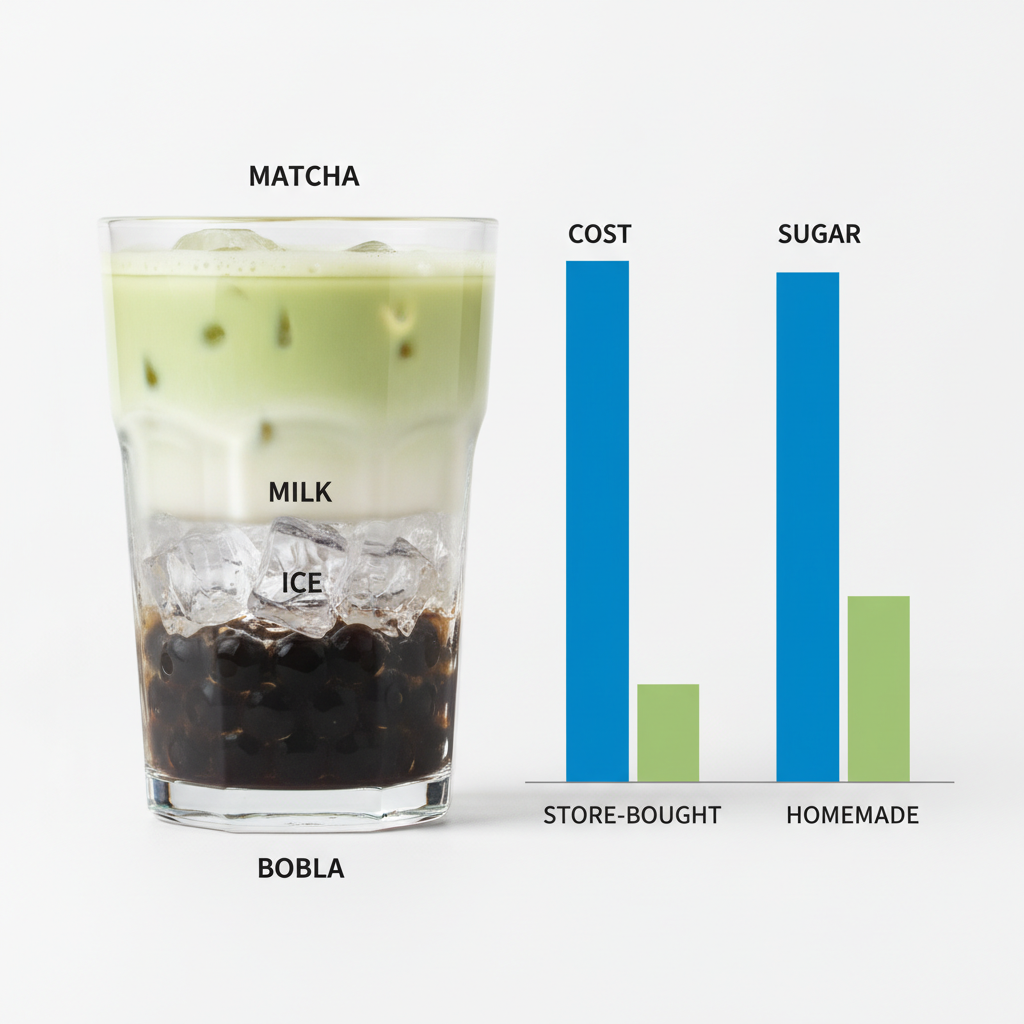
This comparison highlights how domestic preparation transforms a sugary treat into a functional health beverage.
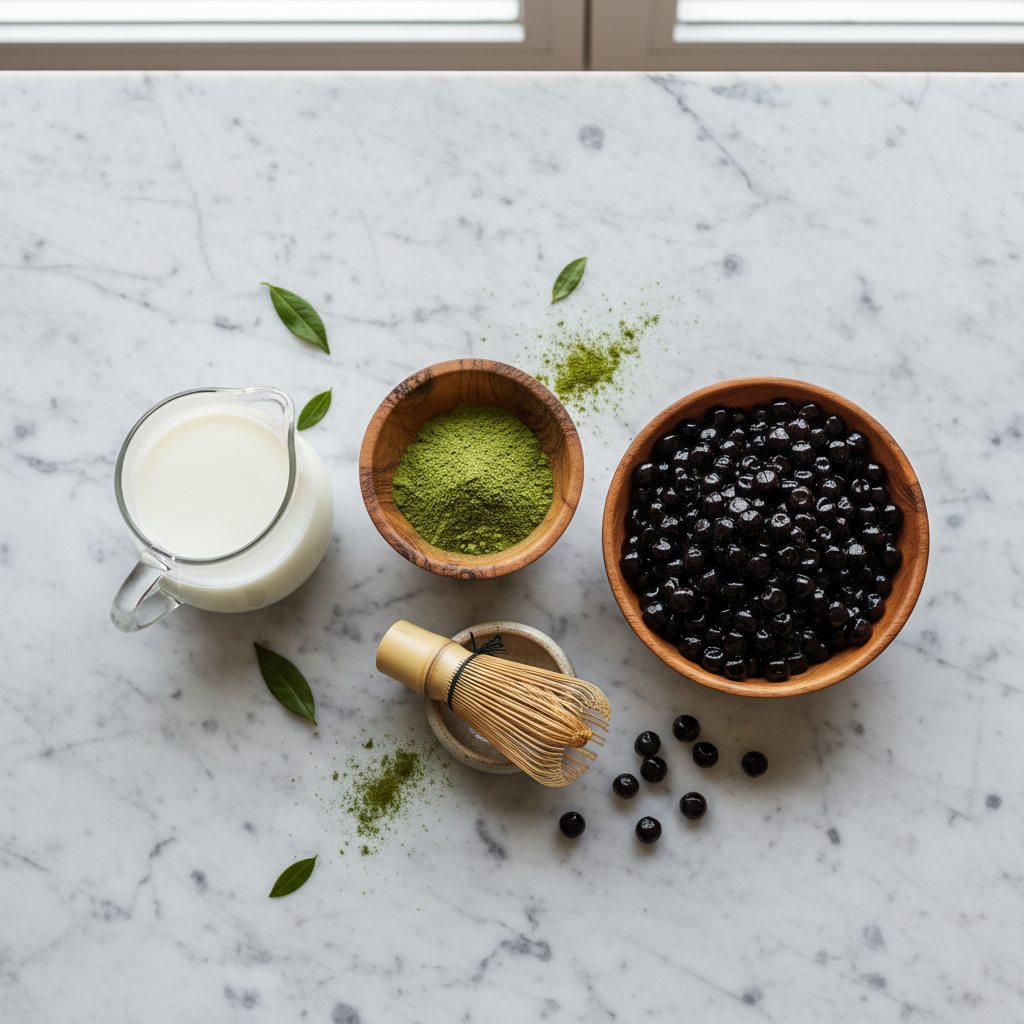
What ingredients are essential for this Matcha Bubble Tea Recipe?
Do you need ceremonial grade?
While many suggest basic powders for mixed drinks, using ceremonial grade matcha provides a much smoother and more vibrant flavor profile. Higher quality powders lack the muddy bitterness found in cheaper culinary options, which means you need less sweetener to balance the taste. You will notice the difference in both the brilliant green color and the silky mouthfeel. - Vibrant emerald green hue
- Naturally sweet aftertaste
Key Takeaway: Investing in ceremonial or high-grade matcha is the foundation of a professional-tasting drink that requires minimal added sugar.
Selecting premium components ensures that every sip provides the luxury experience you expect from a high-end tea house.
How do you cook tapioca pearls for the Matcha Bubble Tea Recipe?
What is the secret to the chewy texture?
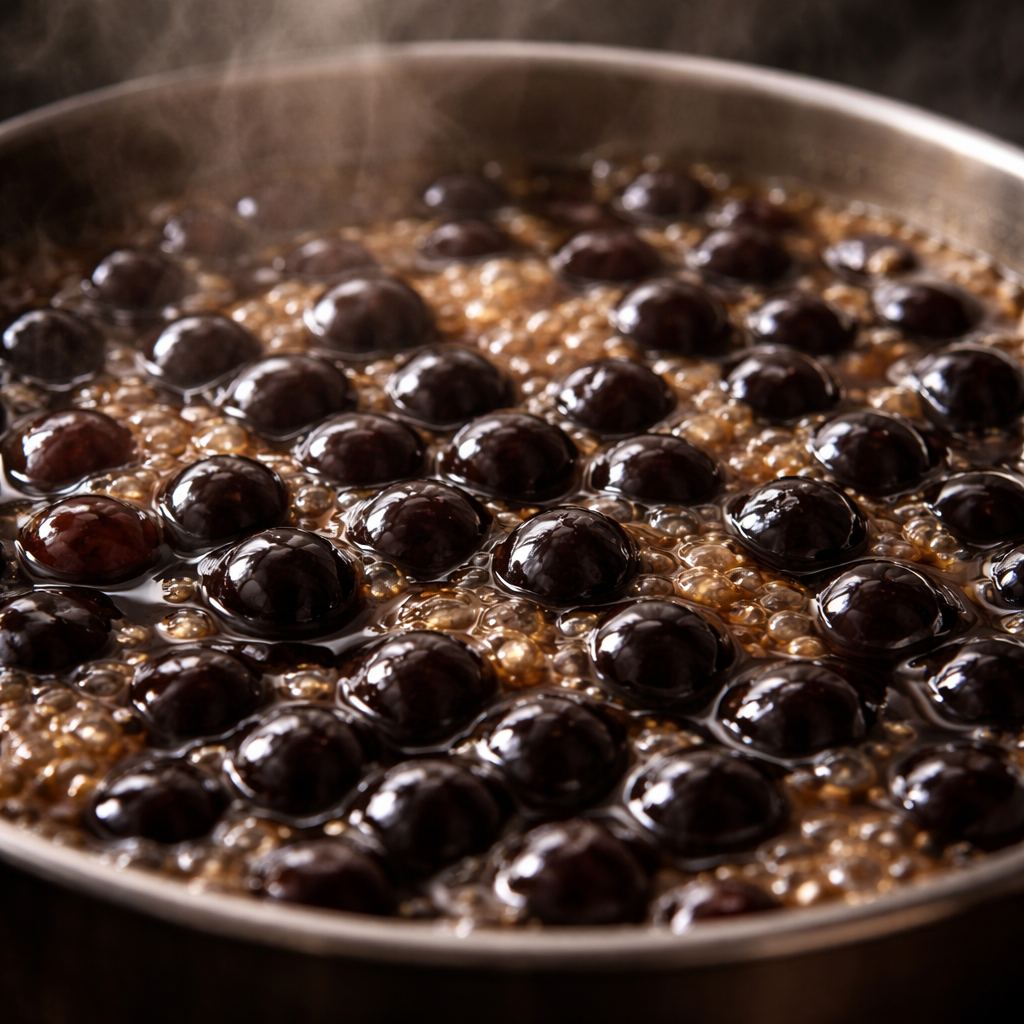
The Matcha Bubble Tea Recipe relies heavily on the “QQ” or bouncy texture of the boba. You must always add the pearls to water that is already at a rolling boil to prevent them from dissolving into a starchy mess. Once they float, reduce the heat and simmer them according to the package duration for perfect results. - Boiling water is mandatory
- Consistent stirring prevents sticking
- Cold water rinse stops cooking
- Sugar soak adds internal flavor
Key Takeaway: Proper timing and a final rinse in cold water are essential for maintaining the structural integrity and chewiness of the pearls.
Careful temperature management during the boiling phase prevents the pearls from becoming either too hard or too mushy.
Which whisking technique works for a smooth Matcha Bubble Tea Recipe?
Should you use a traditional whisk?
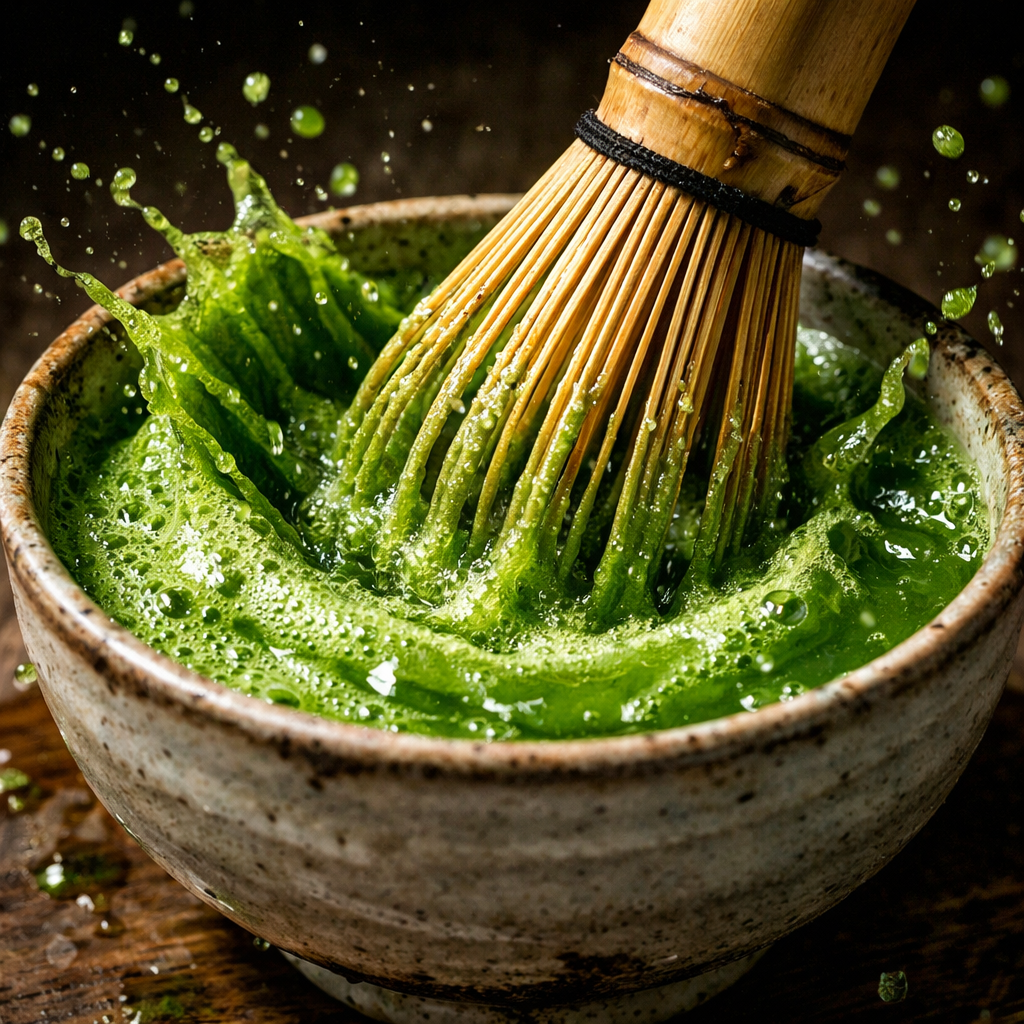
Using a traditional matcha whisk is the best way to aerate the tea and remove clumps for a smooth drink. The bamboo tines are designed to break up the fine powder without scratching your ceramic bowl. If you are in a rush, a handheld electric frother can also work, but it may not produce the same fine micro-foam. - Sifting removes all clumps
- Zig-zag motion creates foam
- 80°C water prevents burning
- Thick paste yields better mixing
Key Takeaway: Aerating the matcha correctly prevents powdery sediment and creates a luxurious foam that blends perfectly with cold milk.
The choice of whisking tool directly impacts the visual appeal and consistency of the final tea concentrated base.
How do you create beautiful layers in a Matcha Bubble Tea Recipe?
Does the order of ingredients matter?
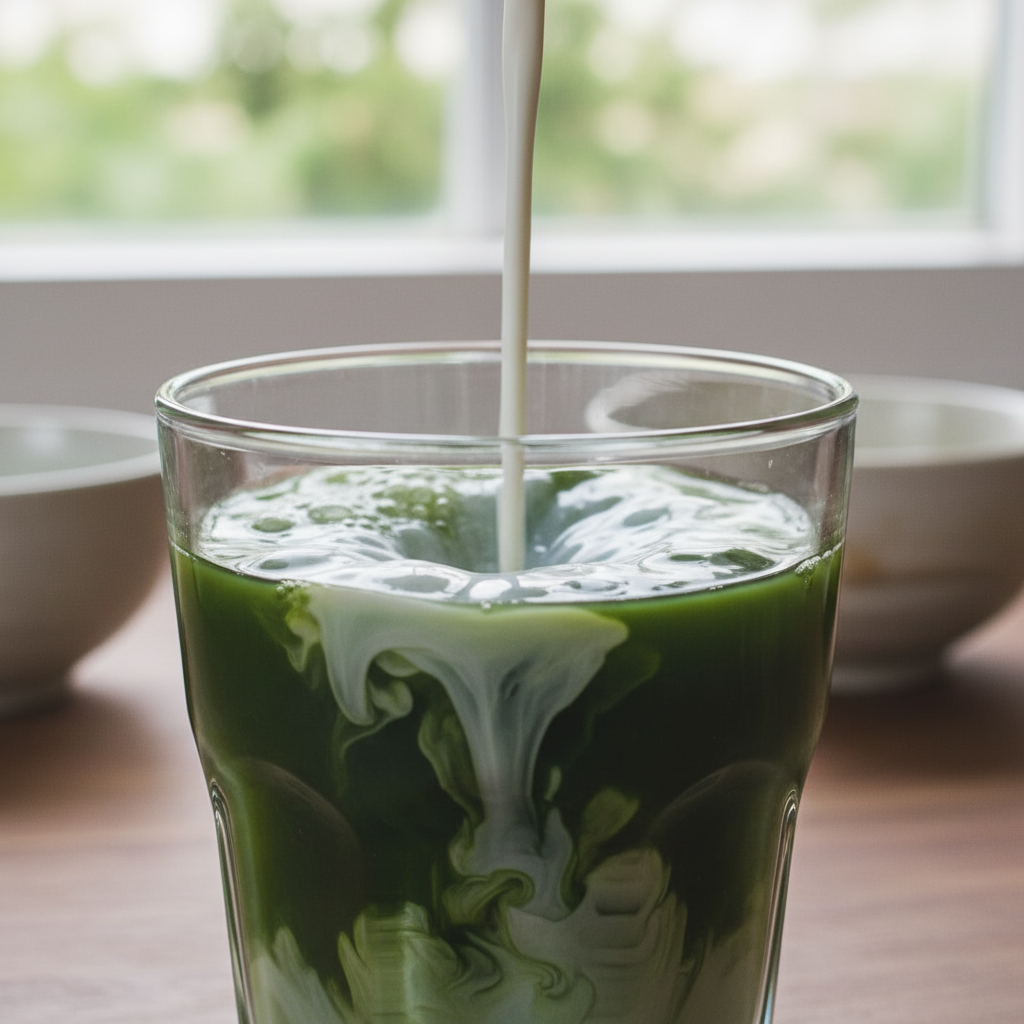
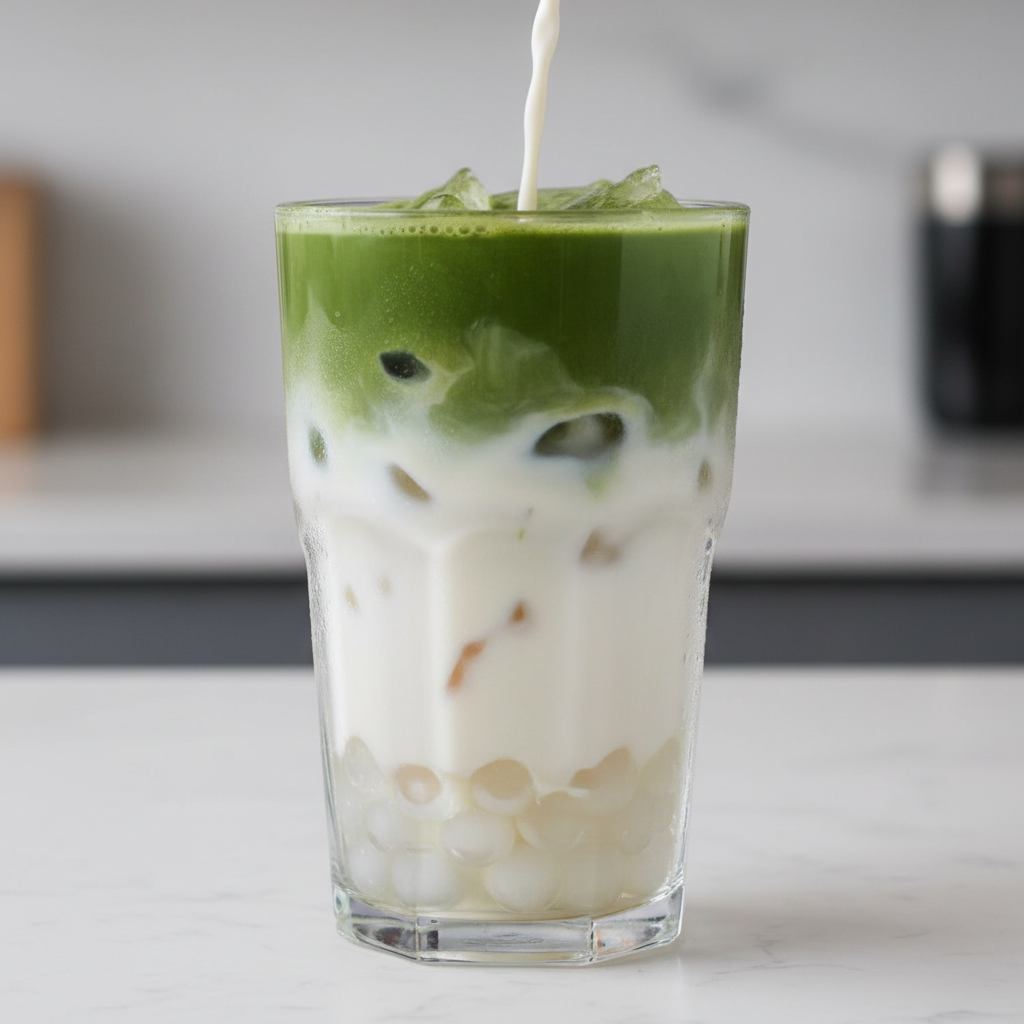
Achieving the iconic look in your Matcha Bubble Tea Recipe requires a specific assembly sequence based on liquid density. You should always place the heavy, syrup-coated pearls at the bottom first. Adding a generous amount of ice creates a physical barrier that allows the milk and tea to sit in distinct, beautiful layers. This is where it gets interesting:
- Pearls settle at the base
- Ice blocks immediate mixing
- Slow pouring preserves layers
- Milk creates a white buffer
Key Takeaway: Using ice as a buffer and pouring the concentrated matcha slowly are the keys to a stunning, Instagram-worthy presentation.
Layering your drink provides a multi-sensory experience that begins with visual appreciation before the first sip.
Can you adjust the sweetness in a Matcha Bubble Tea Recipe?
Which natural sweeteners work best?
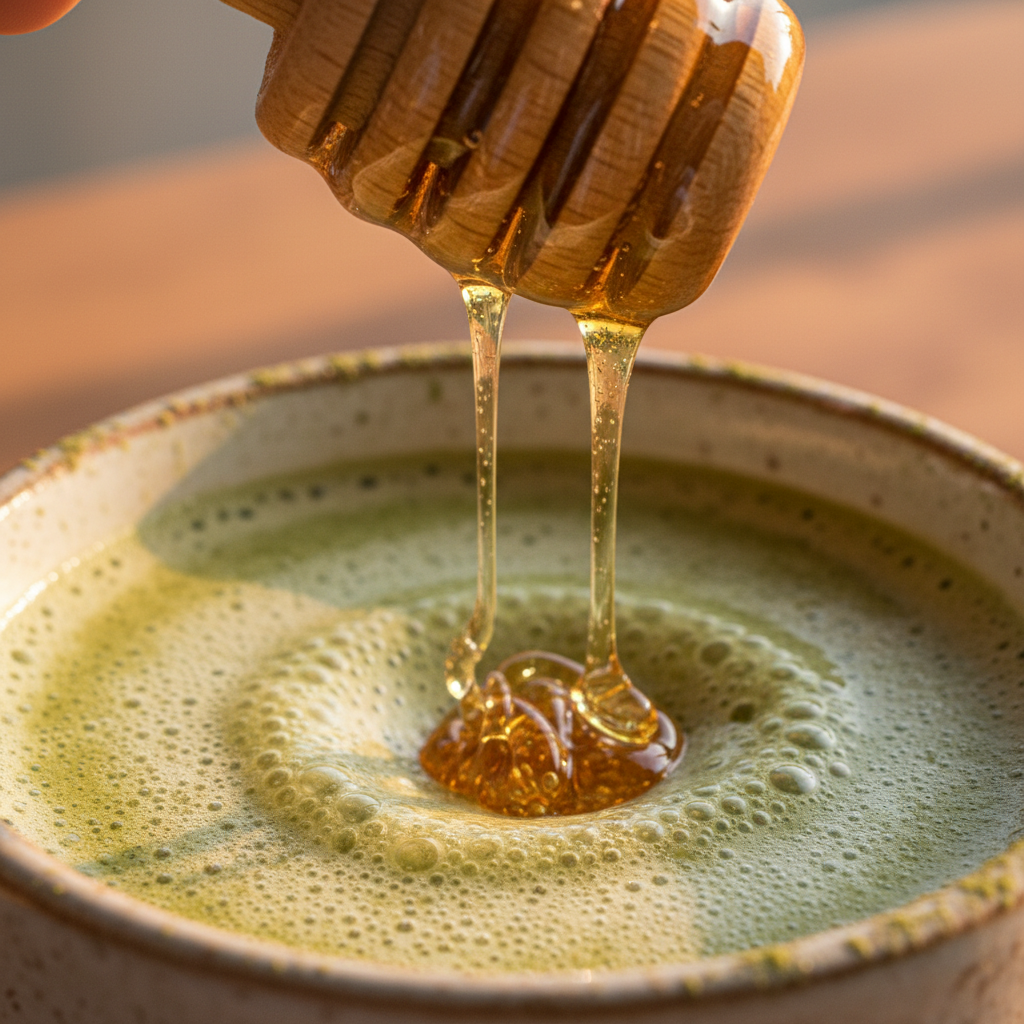
You can successfully integrate honey for lattes to provide a floral sweetness that complements the earthy notes of the tea. Maple syrup is another excellent choice because it dissolves instantly in both warm and cold liquids. Since you are the chef, you can reduce the sugar content to near zero if you prefer a more traditional tea flavor. - Honey adds floral complexity
- Maple syrup provides caramel notes
- Stevia offers calorie-free sweetness
- Brown sugar creates classic boba flavor
Key Takeaway: Soaking cooked pearls in a natural sweetener ensures they stay soft while providing a balanced flavor profile throughout the drink.
Customizing the sweetener allows you to enjoy a decadent treat that fits perfectly within your specific dietary requirements.
What are the best milk alternatives for a Matcha Bubble Tea Recipe?
Is oat milk the superior choice?
Oat milk is widely considered the best dairy alternative for any Matcha Bubble Tea Recipe due to its natural creaminess. It has a neutral flavor that doesn’t compete with the matcha, unlike coconut or almond milk. The fat content in oat milk also helps to carry the tea’s flavor across your palate more effectively. - Almond milk is low calorie
- Cashew milk is very buttery
Key Takeaway: High-fat plant milks like oat or cashew provide the best mouthfeel and allow the green tea flavor to shine.
Experimenting with different milks allows you to discover unique flavor pairings that cater to your personal taste preferences.
How long can you store a prepared Matcha Bubble Tea Recipe?
Can you make the tea in advance?
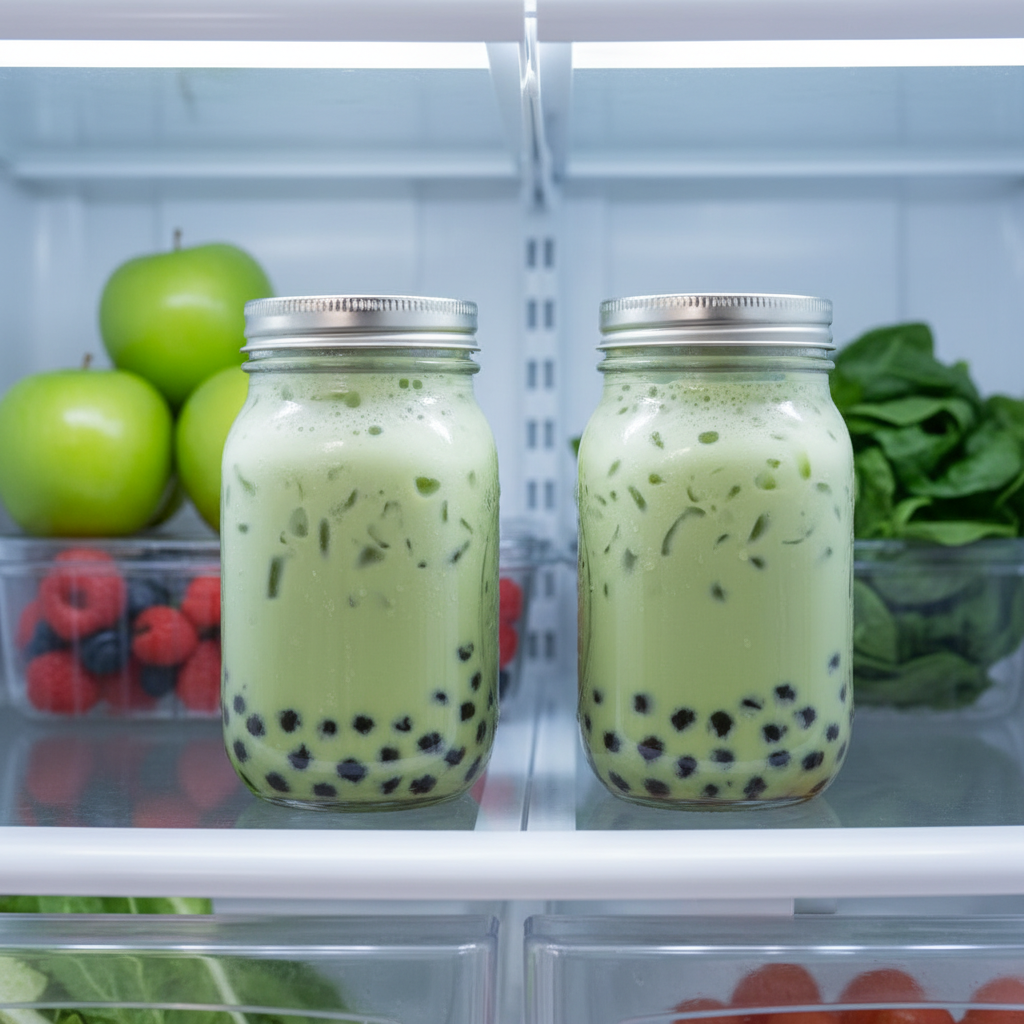
You can certainly whisk the tea base for your Matcha Bubble Tea Recipe up to 24 hours before you plan to drink it. However, the pearls must be consumed fresh because they harden and lose their texture when refrigerated. For business owners, understanding private label matcha helps in managing inventory and maintaining the freshness of high-volume tea supplies. Key Takeaway: While the matcha base is fridge-stable for a day, pearls must be prepared fresh for every serving to ensure quality.
Separating the storage of the liquid base and the pearls ensures that your drink never becomes gritty or unpalatable.
What tools are needed for a professional Matcha Bubble Tea Recipe?
Is a wide straw really necessary?
A wide-diameter straw is the only tool that allows you to experience the pearls and the tea in a single sip. Without it, you are left chasing the bubbles at the bottom of the glass with a spoon. You should also have a fine-mesh sieve to ensure your Matcha Bubble Tea Recipe is completely free of lumps. - Wide straws are essential
- Glass tumblers show layers
- Small pot for boiling boba
Key Takeaway: Investing in a few specialized items like boba straws and a fine sieve will significantly elevate your home beverage experience.
Using the correct tools not only makes the process easier but also ensures a consistent and authentic final product.
How does the nutrition look for a Matcha Bubble Tea Recipe?
A standard serving of this beverage contains approximately 250 to 300 calories depending on your choice of milk and sweetener. Because you control the Matcha Bubble Tea Recipe , you can significantly lower this by using stevia and unsweetened almond milk. The majority of the calories come from the starch in the tapioca pearls themselves. - Moderate carbohydrate count
Key Takeaway: Homemade matcha boba is a nutritionally superior alternative to coffee-shop versions because you can eliminate processed fats and excess sugar.
The nutritional data confirms that shifting to home preparation is one of the easiest ways to improve your dietary health.
Can I make the boba pearls ahead of time?No, you should avoid making pearls more than four hours in advance because they quickly become hard and lose their chewiness.
What’s the best way to keep the tea vibrant green?Always store your matcha powder in a dark, cool place to prevent oxidation from turning the powder brown and bitter.
How do I know if the water is too hot for the matcha?If the water is bubbling aggressively, it is too hot; wait two minutes after boiling to reach the ideal 80°C.
Can I use regular green tea instead of matcha?No, because matcha is a powder made from the whole leaf, it provides a much stronger flavor and higher antioxidant count.
What’s the best sweetener for a low-calorie version?Liquid stevia is the best option because it dissolves immediately and provides sweetness without adding any calories or impacting blood sugar.
Mastering this professional beverage at home is the perfect way to enjoy a luxurious treat while maintaining your health goals. By sourcing the finest ingredients and using the right techniques, you can transform your kitchen into a high-end tea house. We are dedicated to providing the best supplies for enthusiasts and businesses looking to elevate their menu. For premium sourcing or wholesale inquiries, contact us today to learn how we can support your journey.