
The global beverage market is experiencing a profound shift. Consumers are demanding healthier, visually striking, and premium menu offerings. At the intersection of these demands sits matcha—the vibrant green, stone-ground green tea powder originating from Japan and refined by modern agricultural science. Once a niche ceremonial beverage, matcha has evolved into a powerhouse ingredient for international bubble tea chains, milk tea brands, and independent specialty beverage retailers.
To capitalize on this high-margin product category, beverage procurement managers and R&D formulation specialists must look beyond standard “ceremonial” and “culinary” labels. Formulating high-volume, stable, and delicious matcha drinks requires a deep understanding of food chemistry, agricultural sourcing, visual mechanics, and sensory balance. This comprehensive B2B manual provides the technical specifications, formulation protocols, and cost-benefit frameworks required to source and scale matcha successfully across modern retail beverage chains.
The modern bubble tea menu is no longer defined solely by black milk teas and fruit syrups. Consumers have matured, prioritizing clean labels, functional health benefits, and premium flavor profiles. Matcha perfectly aligns with this transformation. Its rich concentration of L-theanine (an amino acid that promotes cognitive focus and stress reduction) and epigallocatechin gallate (EGCG, a powerful antioxidant) allows beverage brands to market matcha drinks as functional wellness beverages.
Beyond health, matcha possesses an unmatched aesthetic appeal. In the era of social media marketing, the vivid green of a meticulously crafted matcha milk tea drives immense digital engagement. This organic, visually striking color acts as an immediate pull factor for younger demographics, turning every served beverage into a mobile advertisement for the brand.
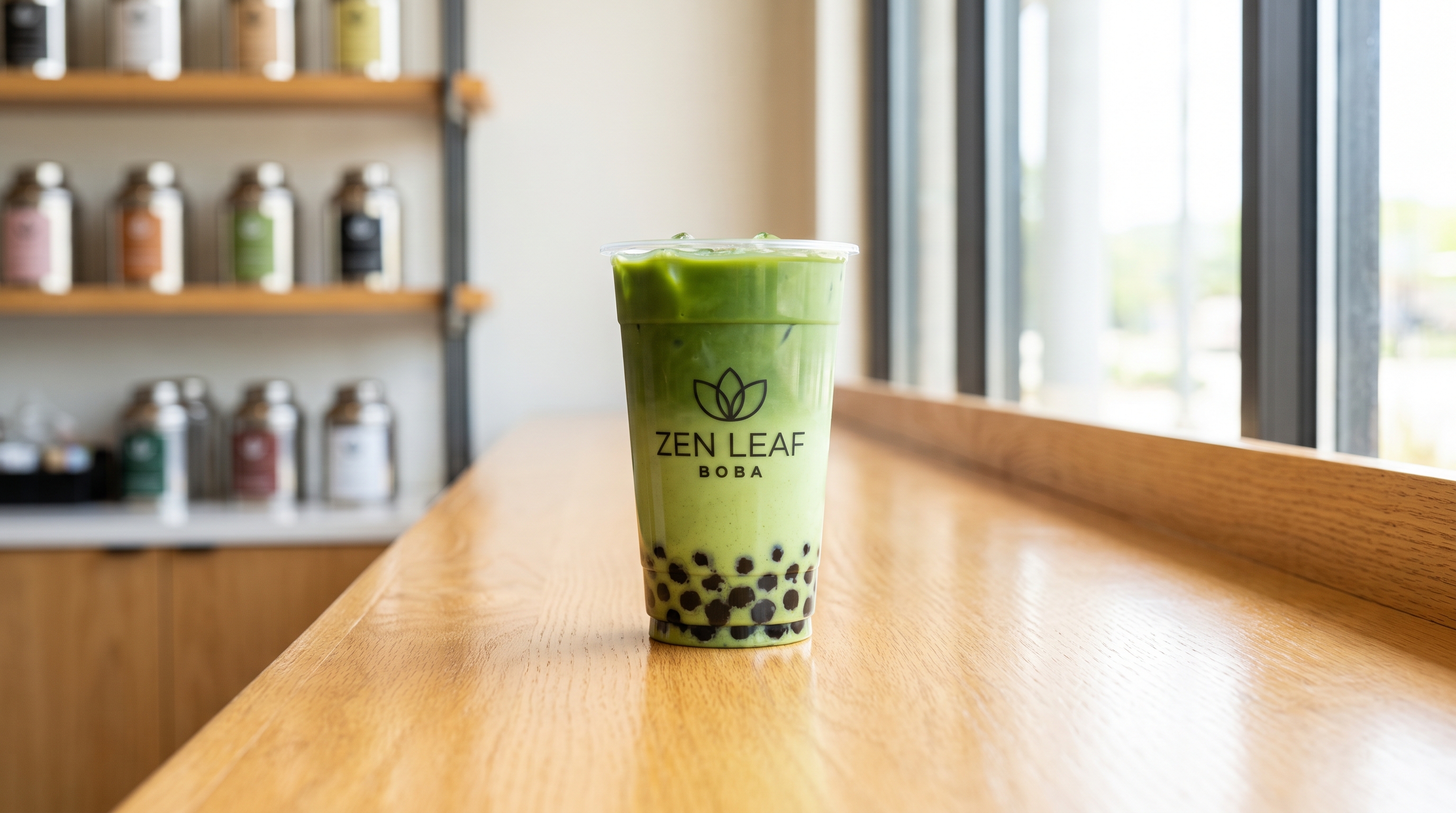
Furthermore, matcha introduces a highly profitable, complex flavor profile to the menu. The natural astringency, vegetal notes, and deep savory umami of green tea powder provide an excellent counterweight to sweet toppings such as brown sugar boba, taro paste, and sweetened red bean.
From a business perspective, integrating high-quality matcha allows beverage brands to upsell and charge premium prices per cup, substantially raising average transaction values. To capture this lucrative market segment, brands must work with a trusted, scale-ready partner. Collaborating with a leading wholesale matcha supplier ensures that your R&D team has access to consistent, highly stable raw materials designed specifically to withstand high-volume retail operations.
Understanding the Agricultural Origins of High-Quality Matcha
The final quality of a matcha powder is decided long before the tea leaves reach a grinding facility. The agricultural practices employed during cultivation dictate the concentration of chlorophyll, amino acids, and catechins within the plant tissue. For B2B buyers managing multi-store supply chains, understanding these agricultural variables is critical to establishing rigorous QA specifications.

The foundational step in producing authentic matcha is the shading process (Tano). Approximately 20 to 30 days before harvest, the tea plantations (Camellia sinensis) are covered with black netting or straw structures to block 90% to 98% of direct sunlight. This light-deprivation technique triggers a dramatic physiological response in the tea plants:
- Chlorophyll Synthesis: To optimize light absorption under shade, the plant rapidly synthesizes chlorophyll, turning the leaves a deep, intense green. This high concentration of chlorophyll is what gives premium matcha its characteristic vibrant green hue.
- L-Theanine Retention: In unshaded tea plants, sunlight converts L-theanine (the amino acid responsible for sweet, savory umami flavor) into catechins (the polyphenols responsible for astringency and bitterness). Shading halts this conversion, locking in high levels of L-theanine and keeping the leaves naturally sweet and rich in umami.
Once harvested, the delicate leaves must be immediately steamed to arrest enzyme activity (preventing oxidation) and preserve the green color and nutritional profile. The leaves are then cooled, gently dried, and passed through winnowing machines to remove stems and veins. The resulting pure leaf flakes are known as Tencha.
Finally, the Tencha is ground into an ultra-fine powder. Traditional stone mills grind slowly at low temperatures to prevent heat-induced oxidation, while modern, temperature-controlled jet-milling or ball-milling systems are utilized by high-capacity suppliers to produce consistent, high-mesh powder suitable for global B2B supply chains.
What Bubble Tea Brands Need to Evaluate in Matcha Powder Quality
When establishing sourcing agreements for bulk matcha powder products , procurement managers cannot rely on subjective taste alone. A systematic, objective laboratory evaluation protocol must be put in place. Beverage brands must focus on specific analytical parameters to ensure sensory consistency, food safety, and processing efficiency across all franchises.

When evaluating potential raw materials in your R&D lab, the following technical parameters must be prioritized:
1. Particle Size and Mesh Specification
The physical fineness of matcha determines its solubility, mouthfeel, and rate of sedimentation. High-quality matcha is ground to a particle size of 5 to 15 microns (equivalent to 800 to 1500 mesh).
If the particle size is too large (low mesh count), the powder will feel gritty on the palate, clumping during preparation and precipitating rapidly to the bottom of the cup, leaving customers with an inconsistent drink. Ultra-fine powder, conversely, disperses evenly and creates a velvety emulsion when mixed with liquids.
2. Moisture Content and Water Activity (aw)
Matcha is highly hygroscopic, meaning it readily absorbs moisture from the air. The moisture content of freshly ground premium matcha must be strictly maintained under 5.0% (ideally between 2.0% and 4.0%).
Excessive moisture speeds up enzymatic degradation, resulting in a brown color and stale flavor. It also increases water activity(aw), which can lead to microbiological spoilage during storage.
3. Microbiological Standards and Contaminants
Because matcha is a ground whole leaf product consumed without filtration, microbiological safety is paramount. B2B buyers must demand complete COAs (Certificates of Analysis) for every batch, confirming compliance with international standards:
- Total Plate Count (TPC): Less than 5,000 CFU/g (or lower depending on local food regulations).
- Yeast and Mold: Less than 100 CFU/g.
- Pathogens (Salmonella, E. coli, Listeria): Must be completely undetected.
- Heavy Metals (Lead, Arsenic, Cadmium): Must be well below established international regulatory limits.
To protect your brand and ensure these parameters are consistently met, it is critical to work with a highly certified partner. Partnering with an experienced OEM matcha manufacturer allows you to customize the mesh size, moisture specifications, and microbiological profiles to fit your exact food safety and operational requirements.
Visual Chemistry: Solving Color Stability in Milk-Based Beverages
Color is the single most important sensory cue for matcha-based drinks. A brilliant, emerald-green matcha beverage signals freshness, premium quality, and health to the consumer. However, managing the chemistry of green tea pigments in a commercial food-service environment presents several challenges.
The green color of matcha is derived from chlorophyll-a and chlorophyll-b. Chlorophyll is a highly unstable lipid-soluble pigment. In the presence of heat, oxygen, UV light, or acids, the magnesium atom at the center of the chlorophyll molecule is replaced by hydrogen atoms. This chemical reaction converts the brilliant green chlorophyll into pheophytin, which has an unappealing, dull olive-brown color.
In high-volume bubble tea operations, several factors accelerate this oxidation process:
- Thermal Exposure: Mixing matcha with boiling water (above 80°C) or holding matcha syrups in warm prep tables triggers rapid thermal degradation.
- UV and Ambient Light Exposure: Storing matcha powder in clear glass jars or plastic containers on the counter exposes it to photo-oxidation, degrading the color in a matter of hours.
- Acidity: Mixing matcha with acidic ingredients (such as fruit juices, lemon syrups, or certain yogurt bases) lowers the pH, rapidly converting chlorophyll to pheophytin.
Operational Protocols for Visual Preservation
To maintain a vivid green color in your beverages, implement the following operational safeguards:
- Strict Temperature Control: Never dissolve matcha in water exceeding 75°C to 80°C. For iced drinks, quickly chill the dissolved matcha concentrate using cold water or ice.
- Opaque, Airtight Storage: Keep matcha stored in light-proof, sealed aluminum bags or stainless steel containers. Only portion what is needed for a single shift into active station canisters.
- Optimized pH Environments: When formulating matcha-fruit combinations, introduce natural buffering agents (such as alkaline oat milk or calcium-rich dairy) to keep the overall pH of the drink above 6.0, protecting the chlorophyll molecules.
The Sensory Balance of Bitterness, Umami, and Sugar in Drink Formulations
Developing a winning matcha beverage formulation requires a careful balancing act of sensory profiles. The three primary flavor pillars of matcha are:
- L-Theanine (Umami/Sweetness)
- Caffeine (Sharp Bitter)
- Catechins/Polyphenols (Astringency/Lingering Bitter)
In a traditional tea ceremony, matcha is consumed unsweetened, where the natural umami balances the bitterness. However, in the bubble tea and commercial beverage industry, matcha must compete with dense dairy fats, heavy plant-based proteins, and intense sugar syrups.
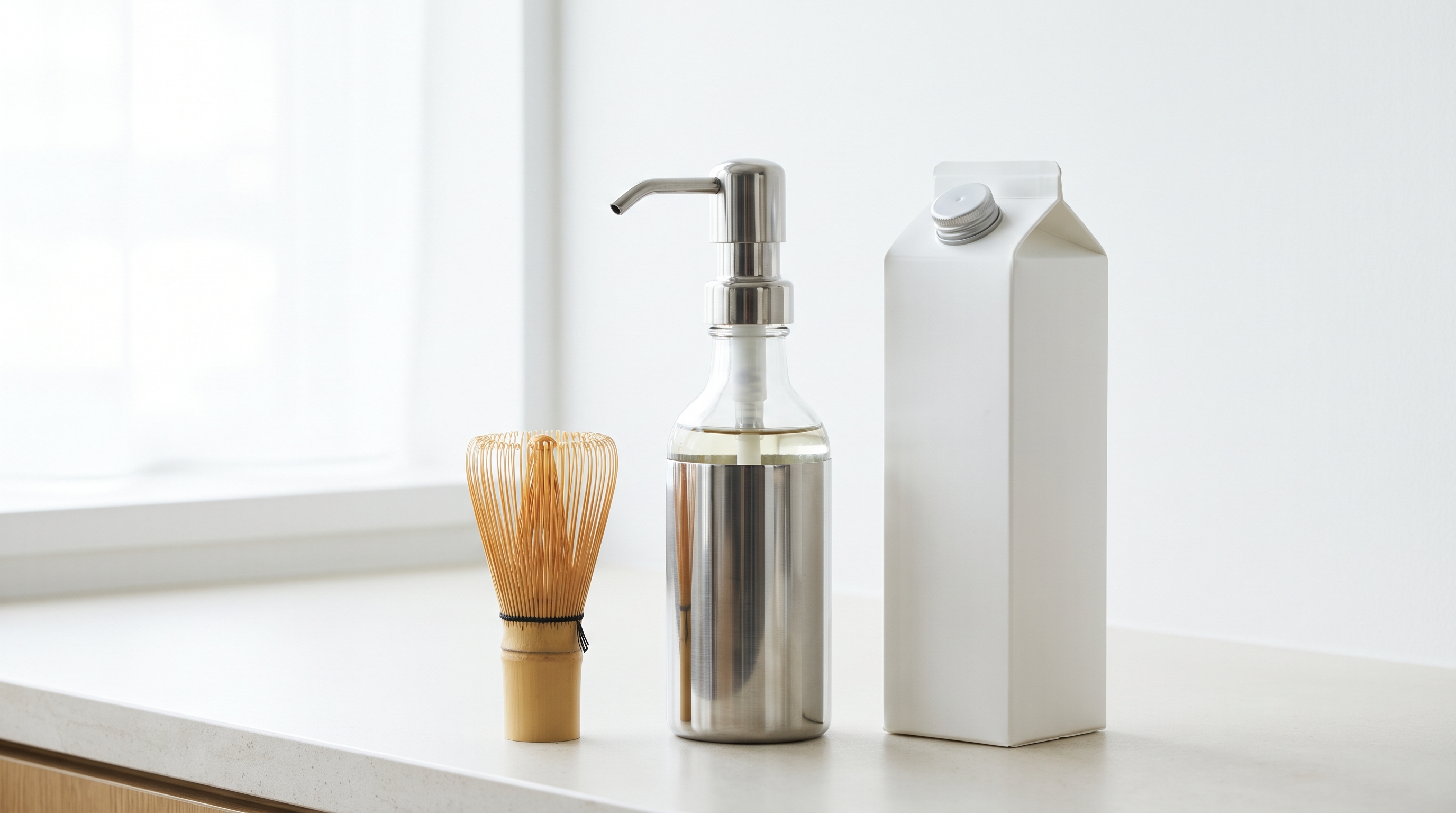
When matcha is combined with milk, the milk proteins (specifically casein) bind to the polyphenols (catechins) in the tea. This binding action tempers the harsh bitterness of the matcha, making the beverage smoother and more approachable.
However, if a brand utilizes a matcha powder that is too low in catechins (such as an ultra-premium, low-bitterness ceremonial grade), the flavor can easily get lost when combined with heavy creamers or high percentages of sugar. The drink will taste flat and lacks the distinct “matcha character.”
Conversely, using a highly astringent, low-grade culinary matcha results in a harsh, unpleasantly bitter beverage that requires excessive amounts of sugar syrup to mask. This compromises the healthy profile of the drink.
The ideal R&D solution is to select a Premium culinary or mid-to-high-tier beverage grade that retains a balanced polyphenol structure. This ensures that a clean green tea flavor cuts through the fats and sugars without overwhelming the palate.
Additionally, modern high-volume beverage preparation has evolved. While the traditional bamboo whisk (Chasen) is excellent for manual preparation, bubble tea chains rely on modern immersion blenders, automatic powder dispensers, and whipped cream siphons to create stable, uniform emulsions in seconds.
Ceremonial vs. Culinary Grade: Choosing the Right Grade for Your Menu
A common pitfall for bubble tea brands is purchasing overpriced “Ceremonial” matcha for milk-based applications, or conversely, buying low-quality “Culinary” matcha that yields a yellow, bitter drink. To optimize both beverage quality and profit margins, brands must carefully match the specific grade of matcha to the exact item on the menu.
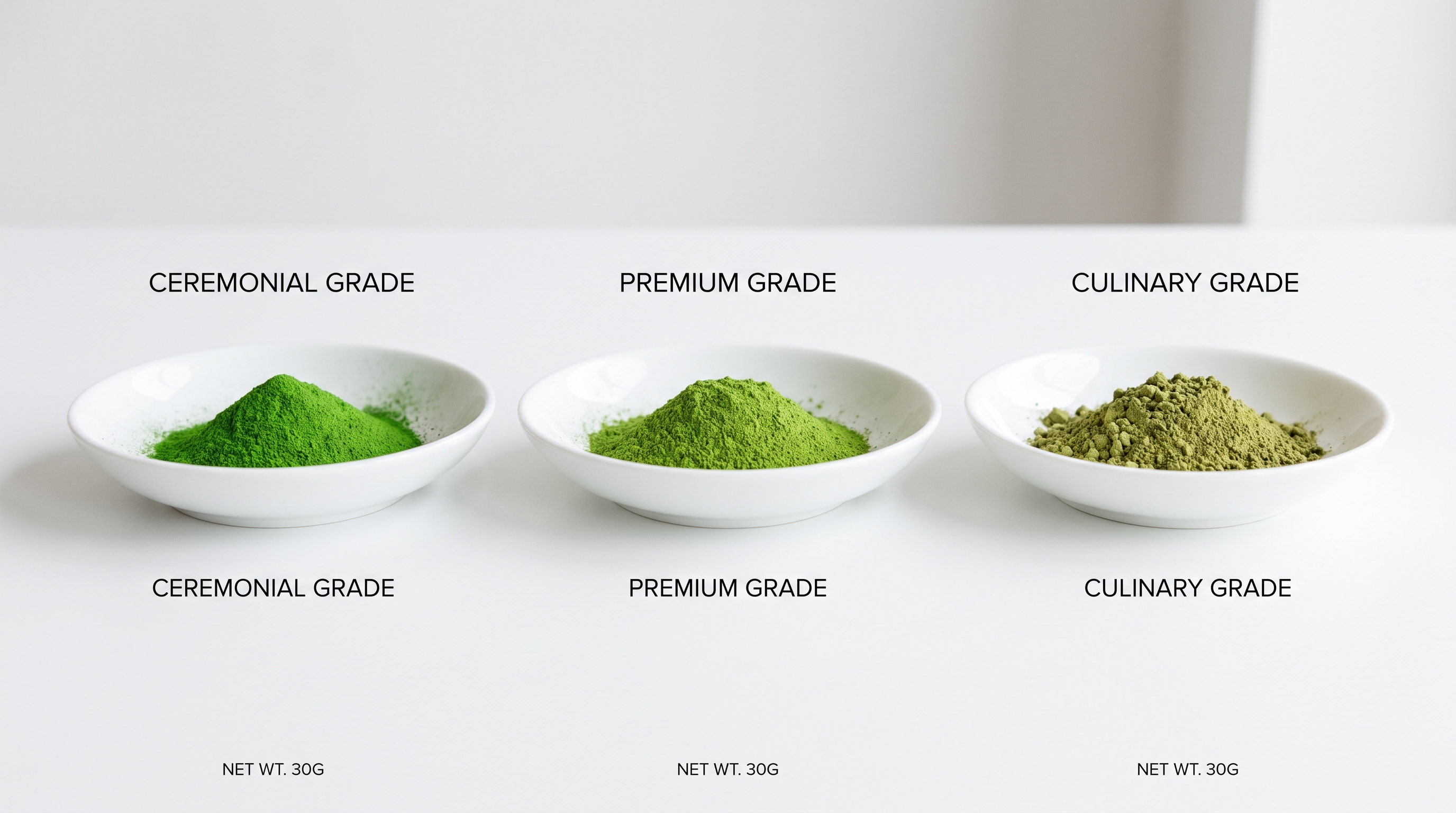
To clarify these purchasing decisions, the table below outlines the physical properties, flavor profiles, and ideal applications for the three primary commercial grades of matcha.
Matcha Grade Comparison for Beverage Chains
Parameter / Feature | Ceremonial Grade | Premium Beverage Grade | Culinary/Utility Grade |
|---|---|---|---|
Harvest Season | First Harvest (Spring / April-May) | Late First / Early Second Harvest | Second / Third Harvest (Summer-Autumn) |
Leaf Position | Top young leaves only | Middle leaves, highly selected | Lower, larger leaves of the tea bush |
Color Profile | Brilliant, electric jade green | Vibrant green, highly vivid | Dull olive-green to yellowish-green |
Aroma | Sweet grass, fresh cream, nutty | Vegetal, clean green tea, slight roast | Toasted, grassy, flat or slightly oxidized |
Flavor Profile | Deep umami, zero astringency, sweet finish | Balanced bitterness, moderate umami | Strong astringency, sharp bitterness |
Mouthfeel | Extremely smooth, velvety | Smooth, clean, medium body | Heavy, slightly grainy if not fully dissolved |
Average Mesh Size | 1,000 to 1,500 mesh (5-10 microns) | 800 to 1,200 mesh (10-15 microns) | 600 to 800 mesh (15-25 microns) |
Dairy / Plant Milk Pairing | Poor (Gets masked by fats/proteins) | Excellent (Perfect balance of tea and milk) | Moderate (Needs heavy sweetening) |
Cost Tier | Premium/High Cost | Balanced / Highly Cost-Effective | Low Cost / High Volume |
Best Menu Application | Pure Matcha on Water, Premium Layered Iced Lattes | Classic Matcha Milk Tea, Oat Matcha Lattes, Matcha Macchiatos | Matcha Bakery, Matcha Soft Serve, Blended Smoothies |
By utilizing this grading framework, a beverage chain can operate a highly efficient multi-tier matcha menu. This approach preserves top-tier grades for premium purist offerings while using robust, cost-effective grades for blended, sweet drinks.
Application Guide: Perfecting Matcha Milk Tea, Lattes, and Smoothies
To assist your R&D department in launching high-performing, operationally friendly beverages, we have developed three standardized commercial formulations. These recipes are optimized for standard 500ml (16 oz) beverage cups, balancing preparation speed, flavor impact, and visual appeal.
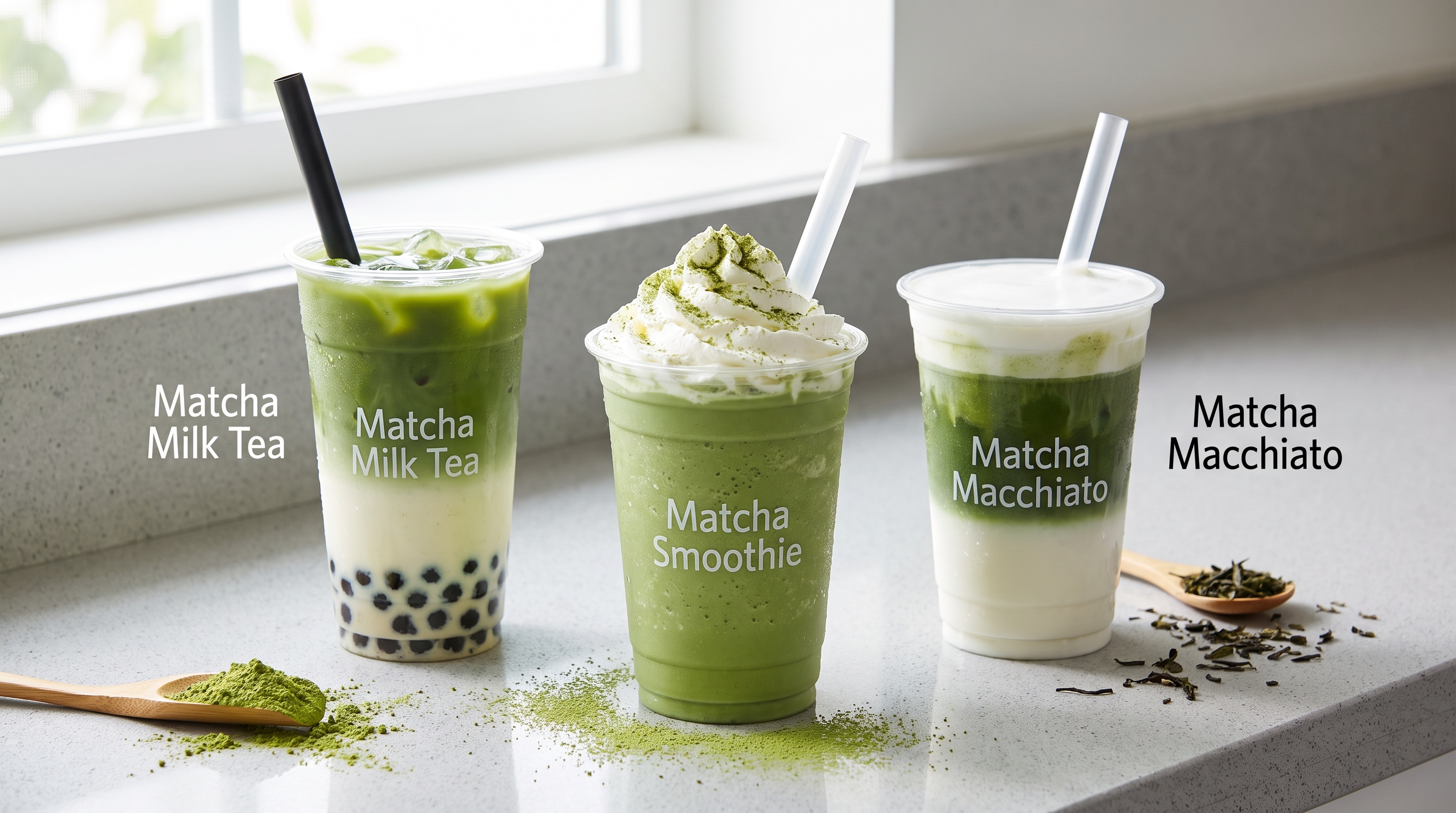
1. Classic Matcha Milk Tea (The High-Volume Standard)
This formula is designed for quick assembly using standard non-dairy creamer or fresh milk, delivering a rich, creamy beverage with a distinct matcha punch.
- Ingredients:
- Premium Beverage Grade Matcha: 5g
- Hot Water (75°C): 100ml
- Non-Dairy Creamer Powder (or Fresh Whole Milk): 35g (or 120ml if using fresh milk)
- Liquid Fructose (or Cane Sugar Syrup): 25g
- Ice Cubes: 150g
- Cooked Brown Sugar Tapioca Pearls (Boba): 80g
- Preparation Steps:
- Measure the matcha powder into a stainless steel mixing pitcher.
- Add the 75°C hot water. Use a handheld electric milk frother or immersion blender to whip the mixture for 10 to 15 seconds until completely smooth and free of clumps.
- Add the creamer powder (or fresh milk) and liquid fructose, stirring until fully incorporated.
- Fill a serving cup with the cooked tapioca pearls.
- Add ice to the mixing pitcher, shake or stir vigorously to chill, and pour the chilled matcha mixture over the pearls. Serve immediately.
2. Premium Blended Matcha Smoothie (Frappé Style)
A thick, ice-blended beverage that stays emulsified without separating, perfect for summer menus.
- Ingredients:
- Culinary/Utility Grade Matcha: 7g (a higher dosage cuts through the cold ice)
- Whole Milk (or Oat Milk): 120ml
- Liquid Sweetener (Fructose/Simple Syrup): 35g
- Commercial Vanilla Smoothie Base Powder (acts as an emulsifier): 15g
- Ice Cubes: 220g
- Sweetened Red Bean (Topping): 50g
- Preparation Steps:
- Load the milk, liquid sweetener, matcha powder, smoothie base powder, and ice directly into a commercial blender jar.
- Blend on high speed for 20 to 25 seconds until the mixture is completely smooth and velvety.
- Place the sweetened red bean at the bottom of the serving cup.
- Pour the blended green matcha smoothie into the cup, top with whipped cream if desired, and serve with a wide-diameter straw.
3. Iced Matcha Macchiato (Cheese Foam Topped)
A layered, sophisticated beverage featuring a striking contrast between the bright green tea base and a savory white cream head.
- Ingredients:
- Premium Beverage Grade Matcha: 4g
- Hot Water (75°C): 120ml
- Cold Water: 80ml
- Simple Cane Syrup: 15g
- Ice Cubes: 120g
- Salted Cheese Foam (Topping): 80ml
- Preparation Steps:
- Dissolve the matcha powder in the hot water using an electric frother until fully emulsified.
- Stir in the cold water and cane syrup, then chill the mixture with ice cubes in a shaker.
- Strain or pour the chilled green tea mixture into a serving cup.
- Gently layer the salted cheese foam on top using a spoon to create a clean, distinct white-on-green division.
R&D Testing Protocol: How to Evaluate Matcha with Dairy, Oat Milk, and Syrups
A common mistake in drink formulation is assuming a matcha powder that tastes excellent in water will perform similarly across all beverage bases. To ensure a successful launch, your R&D team must conduct systematic compatibility testing across different milks, milk alternatives, and sweeteners.
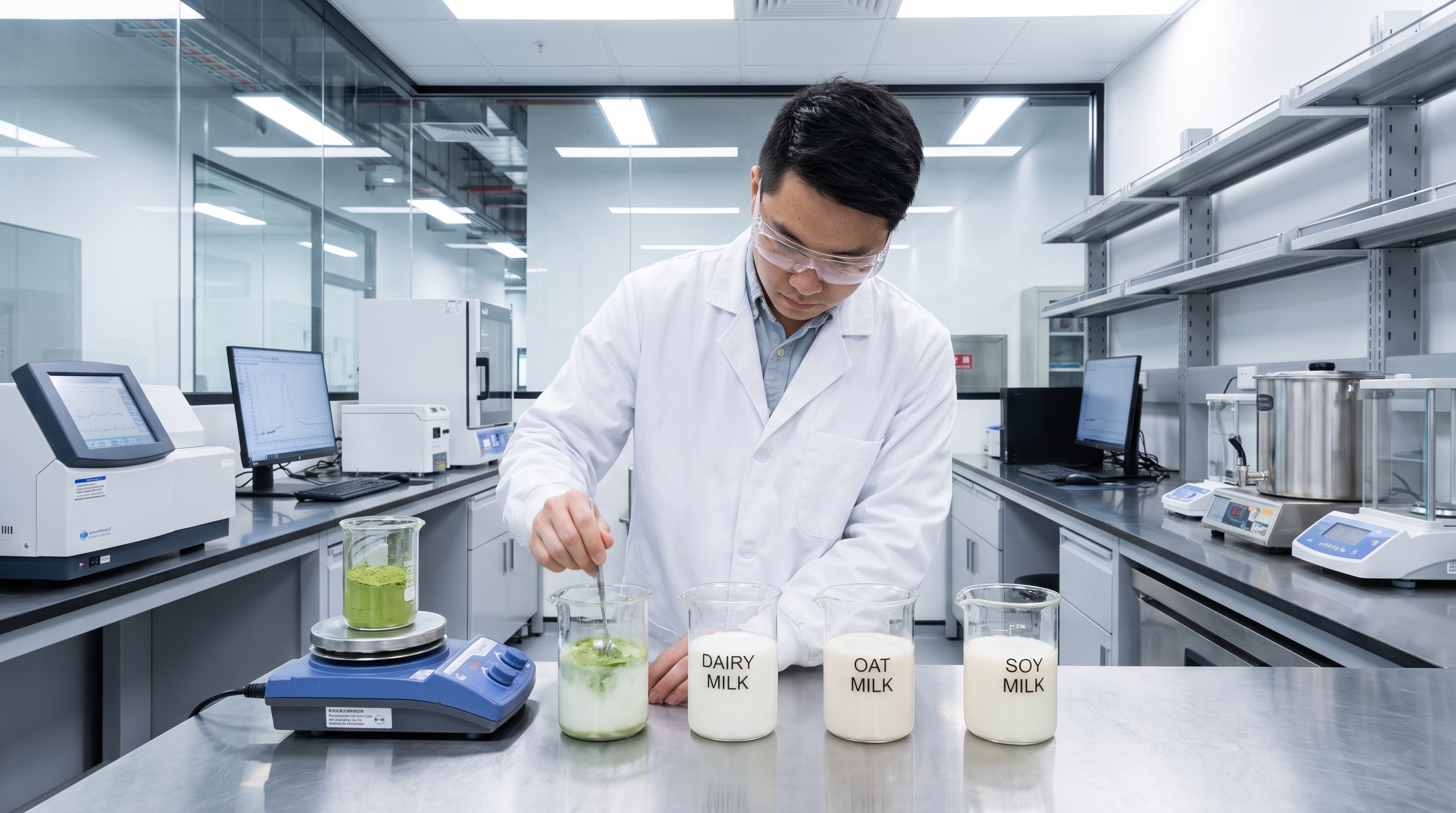
When setting up your formulation testing lab, evaluate the following variables:
1. Dairy Milk vs. Plant-Based Milks
- Dairy Milk (Whole, Skim, Lactose-Free): The fat globules in whole milk coat the tongue, softening the astringency of matcha. This requires a slightly higher dose of matcha (increase by 0.5g to 1g per cup) to ensure the authentic green tea flavor is not masked.
- Oat Milk: Oat milk contains natural starches and a distinct cereal-like sweetness. It pairs incredibly well with mid-to-high-tier matcha, accentuating its toasted, nutty notes. Oat-based lattes are a top-selling premium item across global beverage chains.
- Soy Milk: Soy protein has a stronger, distinct plant taste that can compete with the vegetal notes of matcha. If soy is used, a premium matcha with cleaner, sweeter grass notes must be chosen to avoid a flat, overly earthy flavor profile.
- Coconut Milk: Coconut milk introduces high levels of lauric acid and tropical aromatics. It pairs best with lighter, brighter matcha formulations, often requiring a touch of citrus or tropical fruit syrup to tie the flavors together.
2. Sweetener Chemistry and Synergy
- Liquid Fructose: Highly soluble and clean-tasting. It sweetens the beverage without altering the aromatic profile of the matcha. This is the industry standard for high-speed operations.
- Brown Sugar Syrup (Okinawa Style): While incredibly popular, brown sugar contains high levels of molasses, which can easily overwhelm the subtle notes of matcha. If formulating a brown sugar matcha drink, the syrup should be used primarily as a visual cup-drizzle rather than mixed directly into the green tea base.
- Cane Sugar Syrup: Provides a warm, comforting sweetness that rounds out the natural bitterness of the tea, making it ideal for hot lattes.
For brands planning to update their menus with these combinations, staying informed on sensory science is essential. Reading through our matcha industry trends and brewing guides can help your product development team refine these formulations, ensuring they match evolving consumer preferences.
Crafting Visual Masterpieces: The Art and Technique of Layered Matcha Drinks
In the competitive beverage landscape, visual appeal directly translates to customer acquisition. Layered drinks—where distinct bands of green, white, brown, or pink sit cleanly on top of one another—are highly effective menu options. However, maintaining these pristine layers during assembly requires a basic understanding of fluid dynamics.
To prevent layers from bleeding into one another before the customer takes their first sip, your formulation team must control the Specific Gravity (density) of each layer.
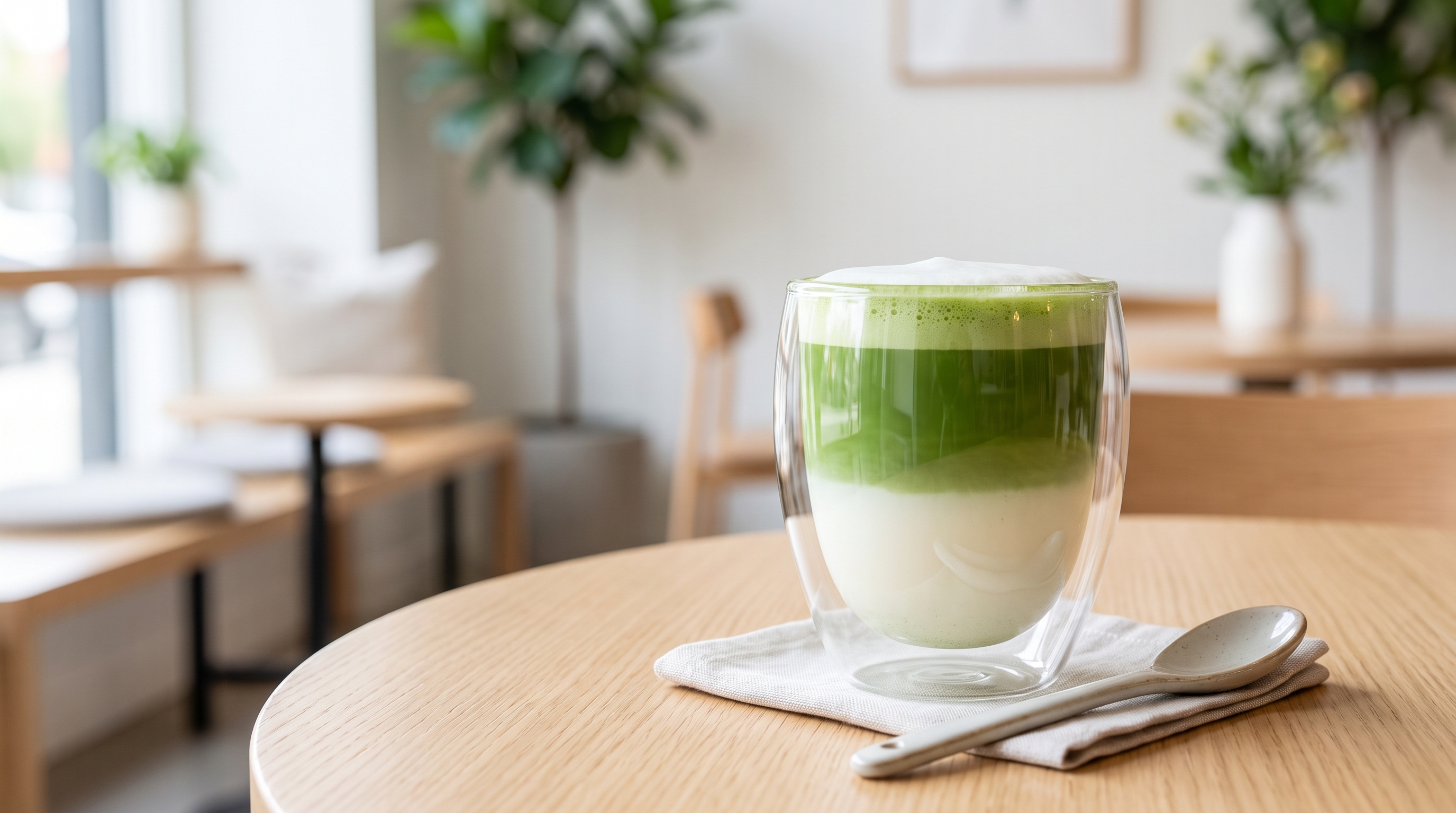
To achieve perfect, long-lasting layers, follow this structural formula:
Layer 1: The Heavy Base (Bottom Layer)
This layer must have the highest density, which is achieved by incorporating high concentrations of dissolved sugars or heavy purees.
- Examples: Brown sugar boba, sweetened taro paste, strawberry puree, or condensed milk.
- Operational Rule: This layer must be placed at the very bottom of the cup and must not contain high amounts of water.
Layer 2: The Medium-Density Spacer (Middle Layer)
This is typically the milk or plant-based dairy layer. It should have a moderate sugar concentration or be completely unsweetened.
- Examples: Whole dairy milk, unsweetened oat milk, or soy milk.
- Assembly Rule: When pouring this layer over the heavy base, place a generous amount of ice in the cup first. Pour the milk directly onto the ice cubes to break the liquid’s fall, preventing it from mixing with the bottom layer.
Layer 3: The Light Floating Cap (Top Layer)
This is the matcha layer. Because it is prepared using only water and matcha powder, it has the lowest specific gravity of the three layers.
- Operational Rule: The matcha must be dissolved in hot water, mixed with cold water, and poured very slowly onto the top ice cubes. By cascading down the ice, the light green tea liquid will float effortlessly on top of the milk layer, creating a sharp, beautiful boundary.
The Economics of Matcha: Cost-Per-Cup Calculations for High-Volume Bubble Tea Shops
For any multi-store beverage brand or franchise system, raw material cost control is just as important as sensory quality. Premium matcha is often viewed as an expensive ingredient, but when analyzed on a cost-per-cup (CPC) basis, it represents one of the most profitable items on a modern drink menu.
To demonstrate the financial viability of integrating high-quality matcha, let us analyze the real-world ingredient economics.
The following tables break down the exact costs of producing a standard 500ml Iced Matcha Latte using both Premium and Utility grades.
Cost-Per-Cup Breakdown: Premium Iced Matcha Latte (500ml / 16 oz)
- Using Premium Beverage Grade Matcha at $30.00 per kg
- Matcha dosage: 5 grams per cup
Ingredient / Component | Weight / Volume | Cost per Unit of Measure | Cost Contribution per Cup |
|---|---|---|---|
Premium Matcha Powder | 5.0 grams | 0.030pergram(0.030 per gram ( 30/kg) | $0.150 |
Fresh Whole Dairy Milk | 150 ml | 0.0015perml(0.0015 per ml ( 1.50/L) | $0.225 |
Filtered Purified Water | 100 ml | Negligible | $0.000 |
Simple Cane Syrup | 25 grams | 0.002pergram(0.002 per gram ( 2.00/kg) | $0.050 |
Ice Cubes (In-house) | 150 grams | Negligible | $0.000 |
Cup, Lid, Straw, Sleeve | 1 unit | $0.120 per set | $0.120 |
Total Raw Ingredient Cost | – | – | $0.545 |
Cost-Per-Cup Breakdown: Economy Blended Matcha Smoothie (500ml / 16 oz)
- Using Culinary/Utility Grade Matcha at $18.00 per kg
- Matcha dosage: 7 grams per cup
Ingredient / Component | Weight / Volume | Cost per Unit of Measure | Cost Contribution per Cup |
|---|---|---|---|
Culinary Matcha Powder | 7.0 grams | 0.018pergram(0.018 per gram ( 18/kg) | $0.126 |
Non-Dairy Creamer Base | 35 grams | 0.003pergram(0.003 per gram ( 3.00/kg) | $0.105 |
Filtered Water & Ice | 350 ml/g | Negligible | $0.000 |
Liquid Fructose Sweetener | 30 grams | 0.0015pergram(0.0015 per gram ( 1.50/kg) | $0.045 |
Whipped Cream Topping | 30 grams | $0.005 per gram | $0.150 |
Cup, Lid, Straw, Sleeve | 1 unit | $0.120 per set | $0.120 |
Total Raw Ingredient Cost | – | – | $0.546 |
Profit Margin and Financial Analysis
- Average Retail Price (USD): 5.00to5.00 to
6.50 (depending on store location and brand positioning).
- Food Cost Percentage: Approximately 9.0% to 11.0% (0.55costona0.55 cost on a
5.50 retail price).
- Gross Profit Margin per Cup: Over 88% to 90%.
These calculations demonstrate that even when utilizing highly premium, vibrant beverage-grade matcha, the raw ingredient cost remains exceptionally low. This high margin profile provides beverage chains with ample room to run promotional campaigns, absorb rising labor costs, and maintain healthy bottom-line profitability.
B2B Sourcing Strategy: Bulk Packaging, Shelf Life, and Chain Sample Testing
To successfully transition a matcha beverage line from the R&D kitchen to a global network of hundreds of retail stores, your procurement and supply chain teams must establish a robust sourcing strategy. Because matcha is incredibly sensitive to environmental degradation, traditional bulk shipping methods for tea leaves are inadequate.

1. Advanced Bulk Packaging Standards
To prevent oxidation and moisture ingress during shipping and storage, bulk matcha must be packed in specialized high-barrier containers:
- Materials: Multi-layer aluminum foil bags (usually 1kg, 5kg, or 20kg capacities) with thick metalized polyester linings that completely block UV light and oxygen.
- Nitrogen Flushing: Prior to sealing, the bags must be flushed with food-grade nitrogen gas to displace any oxygen, keeping the powder fresh and bright.
- Desiccants: Food-safe silica gel desiccant packs should be enclosed within external master shipping cartons to manage moisture during transit.
2. Shelf Life and Cold Chain Storage
Under optimal conditions, unopened nitrogen-flushed bulk matcha has a commercial shelf life of 12 to 18 months.
- Cold Storage: For long-term storage in distributor warehouses, matcha should be held in temperature-controlled cold rooms at 0°C to 5°C.
- Store-Level Handling: Once a foil bag is opened at a retail store, it must be consumed within 3 to 4 weeks. Store managers must keep opened bags tightly sealed, pressed free of excess air, and stored in a cool cupboard away from espresso machines, ovens, or direct sunlight.
3. Establishing a Standardized Quality Assurance Sample Protocol
Before finalizing purchase orders, bubble tea R&D teams should conduct comparative testing. To begin this evaluation process, you can easily request free matcha samples from our technical team.
When your samples arrive, run them through a standardized three-tier QA protocol:
- The Dry Powder Luster Test: Spread 5g of the sample powder on clean white paper. Observe the color under uniform 6500K daylight. Reject any samples that show a dull brown or yellow tint.
- The Water Emulsion Test: Whisk 2g of matcha into 60ml of water at 70°C. Note the ease of dissolution, the thickness of the foam, and the rate of sediment collection after sitting undisturbed for 10 minutes.
- The Base Application Blend: Prepare a standard iced latte using your brand’s specific milk and sugar syrups. Taste-test the drink over a 30-minute window to evaluate flavor balance, texture, and color retention.
Conclusion and Next Steps
The integration of high-quality matcha into modern bubble tea menus is a highly effective way to drive customer loyalty, tap into the wellness demographic, and maximize beverage margins. By moving away from basic grading labels and understanding the underlying food science, your brand can develop outstanding, highly stable menu items that set you apart from competitors.
Our team at Riching Matcha is dedicated to supporting global beverage chains, milk tea brands, and bubble tea franchise owners with scale-ready, highly consistent, and certified organic matcha products tailored specifically to high-volume commercial food-service operations. Contact our R&D and supply chain experts today to secure your custom raw material supply line.
B2B Sourcing and Technical FAQs
Q1: What is the main difference between stone-ground matcha and jet-milled matcha for bubble tea chains?
A1: Stone-ground matcha is the traditional method, yielding an exceptionally smooth texture (typically 5 to 10 microns) with minimal heat damage, preserving the highest possible L-theanine and color. However, it is a slow process with limited output. Jet-milling is a modern, high-volume pulverization technique that uses compressed air. While it can cause minor heat-induced loss of color if not carefully temperature-controlled, premium wholesale manufacturers utilize cooling jackets to produce high-mesh matcha at scale. This makes jet-milled matcha highly cost-effective and perfectly suited for large-scale beverage formulations.
Q2: How do we prevent our matcha from clumping at the drink preparation stations during peak hours?
A2: Matcha is naturally cohesive and clumps due to static electricity and moisture. To optimize speed and consistency during rush hours:
- Sifting: Pass the daily portion of matcha powder through a fine-mesh metal sieve into the station canister at the start of each shift.
- Pre-batching Syrups: For high-volume locations, prepare a concentrated matcha-sugar liquid base every morning. Combine matcha, water, and simple syrup using an immersion blender, and store it in a squeeze bottle kept in an ice bath. Use this liquid concentrate to assemble drinks in seconds.
Q3: Why does our matcha milk tea turn brown or lose its fresh flavor after sitting in a display case or delivery bag?
A3: This change is caused by oxidation. When chlorophyll is exposed to light and oxygen, it breaks down into pheophytin, turning the beverage from green to a dull brown. To prevent this, deliver beverages in opaque or heavily branded cups, avoid keeping pre-made drinks under bright display lights, and prepare all matcha drinks fresh to order rather than pre-bottling them hours in advance.
Q4: Is organic certified matcha always the best choice for commercial bubble tea chains?
A4: Organic certification is highly valuable for brand positioning and clean-label marketing. However, from a chemical standpoint, organic fertilizers (like compost or oil cake) release nitrogen slowly compared to chemical fertilizers. As a result, organic tea plants often produce fewer amino acids (L-theanine), making organic matcha slightly more astringent and less intensely green than conventional shaded matcha. For sweet milk teas, a high-quality conventional or hybrid premium culinary grade often provides a more vibrant green color and a better-balanced flavor profile at a more competitive price point.
Q5: Can we use matcha powder in hot dispensers or slushy machines that run continuously?
A5: No, we strongly advise against this. Keeping matcha-infused liquids in continuous-motion machines at ambient or warm temperatures exposes the dissolved tea powder to constant oxidation and thermal stress. Within 2 to 3 hours, the brilliant green color will degrade into a dull olive-brown, and the delicate vegetal aroma will turn stale. Slushy and hot dispenser systems should use synthetic green tea flavorings or food colorings if necessary, while authentic, premium matcha must always be prepared fresh to order.