
Creating a professional Matcha Green Tea Frozen Yogurt Recipe requires a precise balance of premium organic green tea powder, high-protein Greek yogurt, and natural sweeteners to satisfy the modern, health-conscious consumer. Many food service businesses and cafes struggle to provide high-margin dessert options that don’t rely on artificial additives or excessive refined sugars. This lack of “clean label” alternatives often alienates fitness-oriented demographics and health-savvy professionals who are willing to pay a premium for functional nutrition. By adopting this professional Matcha Yogurt Recipe , you can transform your menu with an antioxidant-rich, vibrant treat that bridges the gap between indulgent dessert and wellness-focused snack.
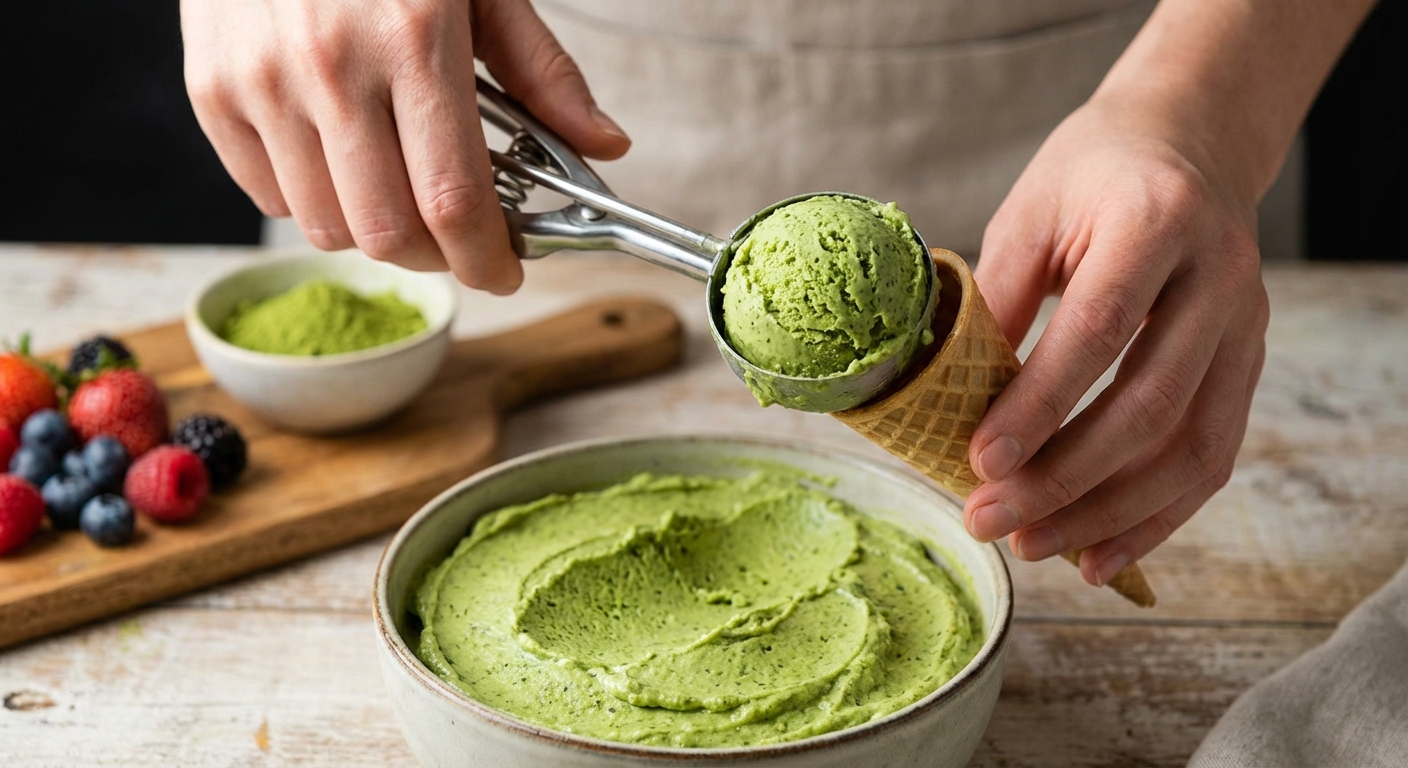
You should implement this Matcha Yogurt Recipe because it leverages the high-margin “superfood” trend while maintaining incredibly low raw material costs. Modern consumers are increasingly seeking functional benefits in their treats, and the inclusion of premium green tea allows for a significant price markup. This formulation is designed for high-traffic environments where speed and quality must coexist seamlessly.
Targeting the Wellness Demographic
The core strength of this offering lies in its appeal to the burgeoning wellness and fitness sectors that dominate the urban cafe scene. By positioning your frozen yogurt as a protein-packed, antioxidant-dense alternative to traditional ice cream, you capture market share from health-conscious buyers.
- High protein content from authentic Greek yogurt bases.
- Natural energy boost provided by L-theanine and caffeine.
- Low-calorie profile compared to heavy-cream desserts.
- Vibrant natural color that eliminates the need for dyes.
Maximizing Operational Efficiency
But wait, there is more: The simplicity of the ingredient list means your staff can prepare large batches with minimal training, reducing labor costs and human error.
Key Takeaway: Implementing a matcha-based frozen dessert allows you to tap into the luxury wellness market while benefiting from the low operational overhead of a four-ingredient recipe.
Profit Driver | Traditional Ice Cream | Matcha Froyo Solution |
|---|---|---|
Ingredient Cost | High (Heavy Cream/Egg) | Low (Yogurt/Powder) |
Perceived Value | Standard Dessert | Premium Superfood |
Preparation Time | 30-45 Minutes | 10 Minutes |
Strategic positioning of matcha products often results in a 35% higher profit margin per serving than standard dairy alternatives.
How to scale this Matcha Yogurt Recipe today?
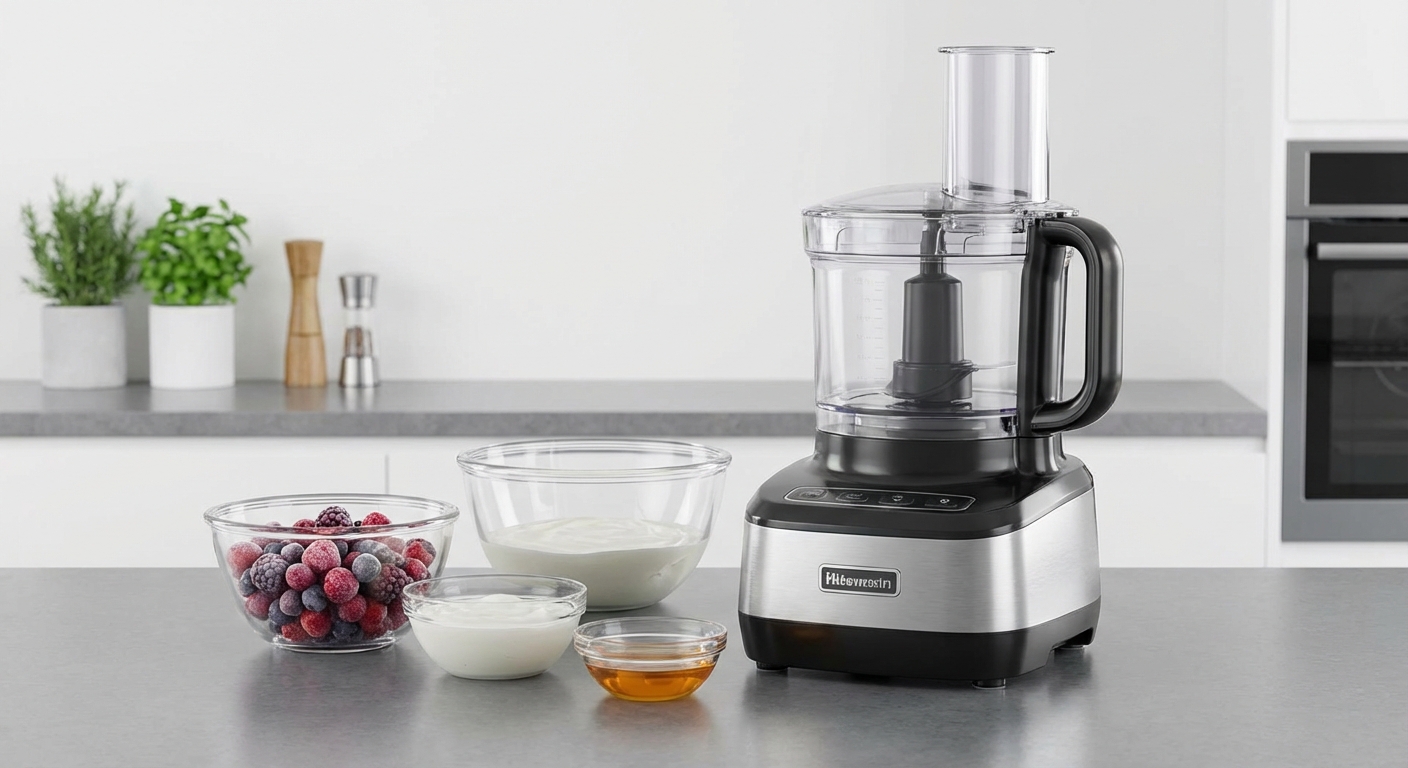
Scaling your Matcha Yogurt Recipe for commercial distribution requires a shift from small-batch blenders to industrial-grade food processors or continuous-feed frozen yogurt machines. To maintain the signature creamy texture at scale, you must standardize the temperature of your yogurt base and the exact micron size of your matcha powder. Consistency is the primary hurdle when moving from a boutique kitchen to a multi-unit operation.
Industrial Equipment Requirements
For businesses looking to produce hundreds of servings daily, investing in high-speed emulsifiers ensures that the green tea powder is perfectly suspended without clumping. This technical precision prevents the “gritty” mouthfeel often associated with poorly prepared green tea desserts.
- Industrial batch freezers for high-volume aeration.
- Vacuum-sealed storage for bulk matcha powder preservation.
- Temperature-controlled mixing vats to prevent yogurt curdling.
- Precision digital scales for consistent flavor profiles.
Maintaining Texture Consistency
Here is the truth: Ice crystal formation is the enemy of premium frozen yogurt, and only high-power processing can maintain that soft-serve mouthfeel your customers crave.
Key Takeaway: Success in scaling depends on the precision of your mixing equipment and the strict adherence to standardized ingredient ratios to ensure brand uniformity across locations.
Scaling Stage | Recommended Equipment | Yield Capacity |
|---|---|---|
Small Cafe | 2L Professional Blender | 15-20 Servings/Batch |
High-Volume Venue | Batch Food Processor | 50-100 Servings/Batch |
Wholesale/Factory | Continuous Freezer | 500+ Servings/Hour |
Standardization of equipment across all outlets is the only way to guarantee a consistent customer experience and protect your brand reputation.
What is the best Matcha Yogurt Recipe grade?
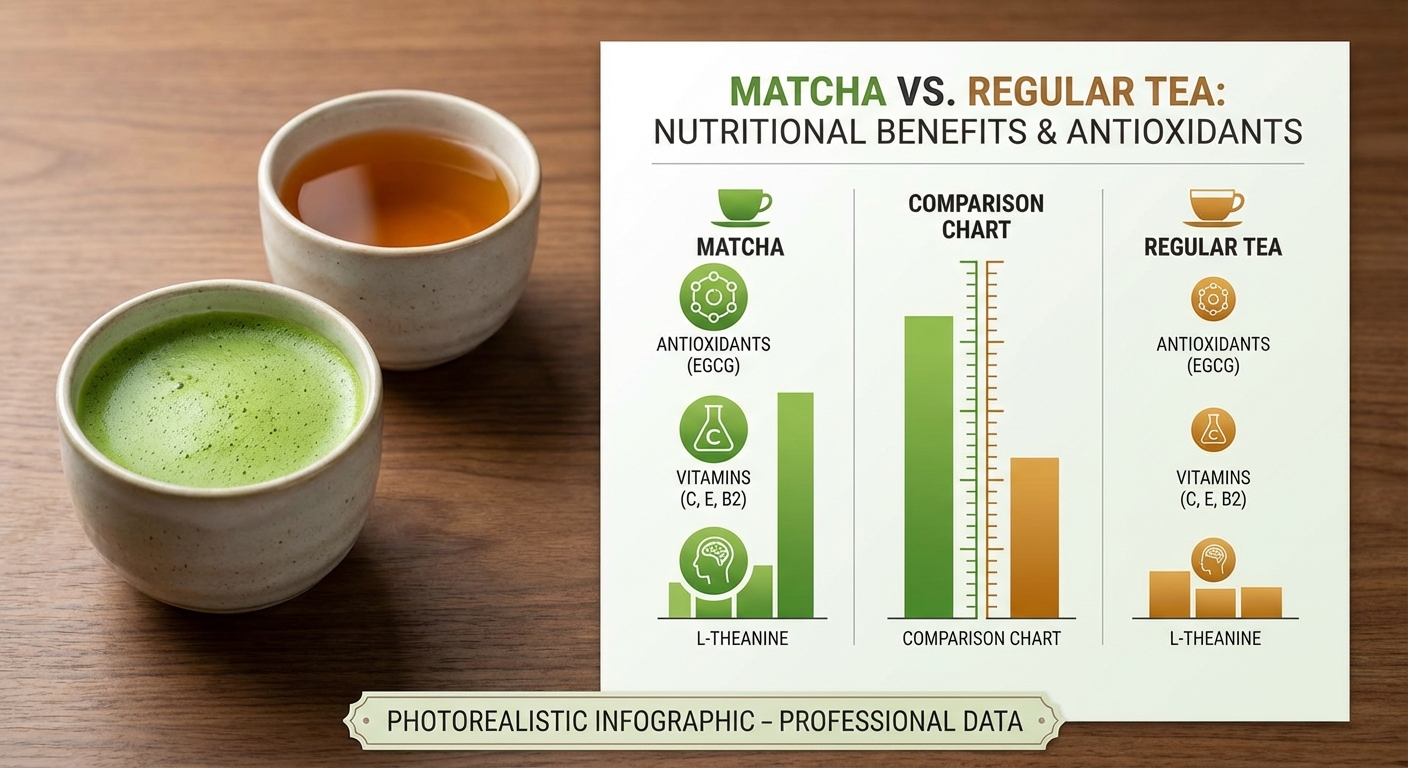
The best grade for this Matcha Yogurt Recipe is a high-quality “Premium Culinary Grade” because it offers a bolder flavor profile that survives the tartness of the yogurt. While ceremonial grades are ideal for drinking, their delicate notes are often lost when mixed with dairy and sweeteners. Selecting a grade with a punchy, umami-forward character ensures the “green tea” taste remains the star of the show.
Understanding Nutrient Density
When evaluating different powders, you must consider the antioxidant yield, specifically the EGCG levels, which provide the functional health benefits marketed to your clients. A premium culinary grade harvested from the first or second flush provides the perfect balance of vibrant jade color and nutritional potency.
- Higher chlorophyll levels for a more attractive visual presentation.
- Stronger amino acid profile to balance the yogurt’s acidity.
- Cost-effective pricing for high-volume commercial applications.
- Sourced from shade-grown tencha to ensure maximum sweetness.
Choosing the Right Supplier
Does that make sense? Using a cheap, yellow-tinted “basic” culinary grade will result in an unappealing product that looks old and tastes overly bitter to the sophisticated palate.
Key Takeaway: Prioritize a premium culinary grade to achieve the necessary balance of flavor intensity, vibrant color, and cost-efficiency required for a professional menu.
Matcha Type | Flavor Profile | Best Application |
|---|---|---|
Ceremonial | Delicate, Sweet | Traditional Whisked Tea |
Premium Culinary | Bold, Umami | Froyo, Lattes, Smoothies |
Basic Culinary | Bitter, Earthy | Baking (Cookies/Cakes) |
The nutritional infographic confirms that matcha provides significantly higher antioxidant levels than regular green tea, justifying its premium status in your recipe.
Can a Matcha Yogurt Recipe improve gut health?
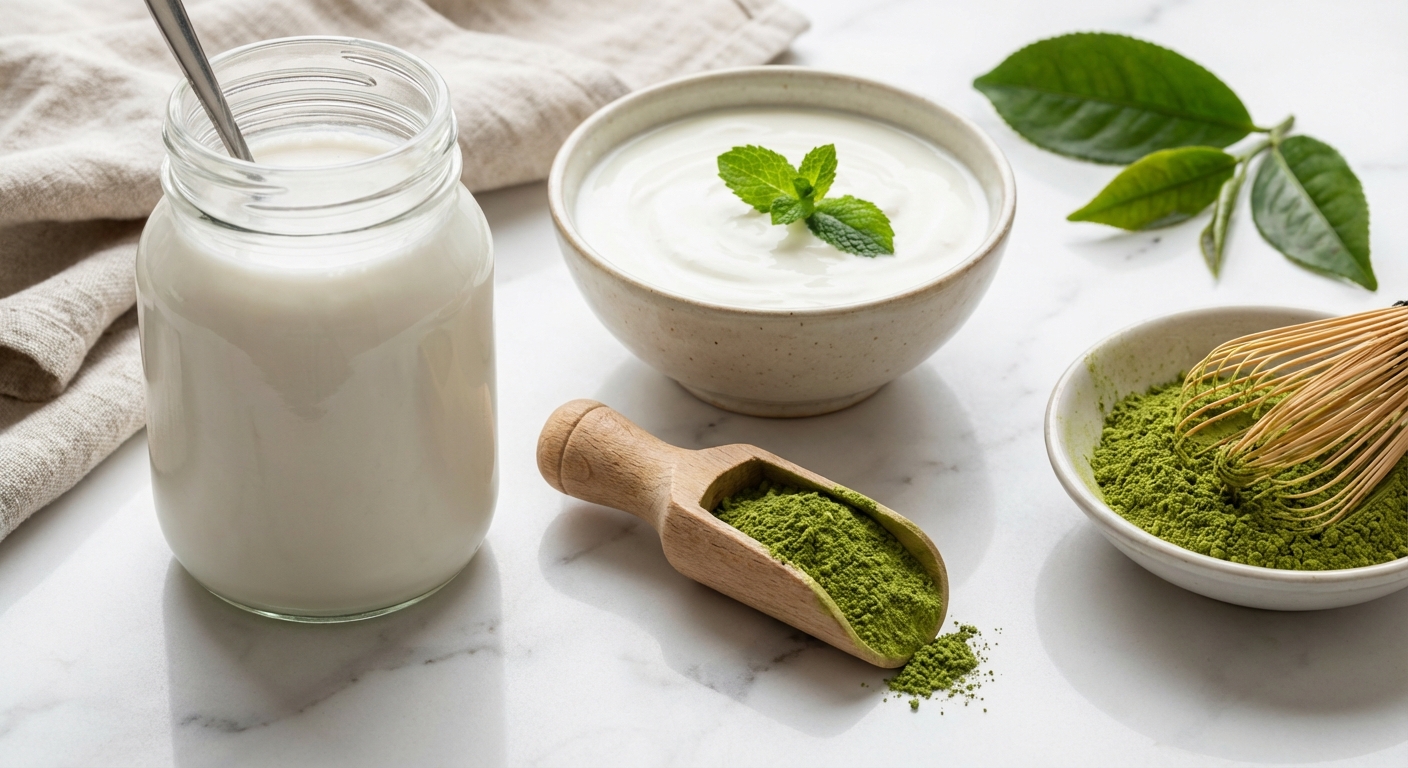
A Matcha Yogurt Recipe can significantly improve gut health by combining the live probiotic cultures found in Greek yogurt with the prebiotic-like polyphenols in high-grade green tea. This dual-action benefit supports a healthy microbiome while the antioxidants reduce systemic inflammation throughout the digestive tract. Marketing these specific biological advantages allows you to position the dessert as a “functional medicine” treat.
The Power of Probiotics
Using a base of authentic, strained Greek yogurt provides billions of colony-forming units (CFUs) of beneficial bacteria such as Lactobacillus. These microbes are essential for nutrient absorption and the maintenance of a strong immune system in your end-consumers.
- Promotes the growth of beneficial Bifidobacteria in the colon.
- Enhances the bioavailability of green tea catechins.
- Reduces digestive discomfort through fermented dairy proteins.
- Supports metabolic health via natural protein thermogenesis.
The Polyphenol Synergy
The bottom line: The polyphenols in matcha act as a fuel source for your gut’s “good” bacteria, creating a symbiotic relationship that maximizes health outcomes.
Key Takeaway: By highlighting the gut-brain axis benefits of your matcha froyo, you create a compelling narrative that appeals to the increasingly health-conscious B2B retail market.
Health Component | Source | Physiological Benefit |
|---|---|---|
Probiotics | Greek Yogurt | Improved Digestion/Immunity |
EGCG Catechins | Matcha Powder | Reduced Inflammation |
L-Theanine | Matcha Powder | Stress Reduction/Focus |
Combining fermentation with tea polyphenols creates a unique nutritional profile that is rare in the traditional frozen dessert industry.
Why select an organic Matcha Yogurt Recipe?
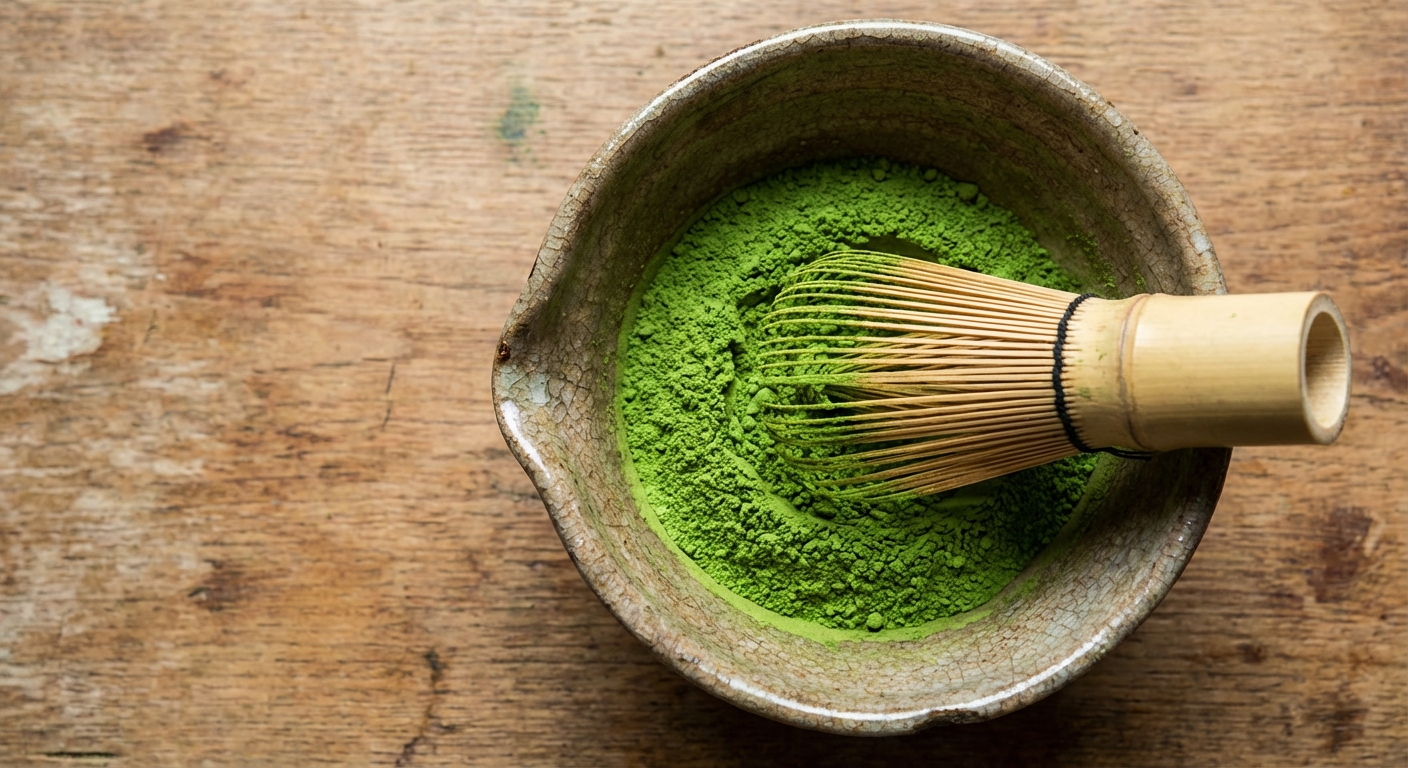
You should select an organic Matcha Yogurt Recipe because modern B2B clients and retailers demand “clean label” transparency and freedom from synthetic pesticides. Organic certification from the USDA or EU ensures that the tencha leaves were grown in a sustainable ecosystem without chemical intervention. This level of purity is not just a health choice; it is a vital brand-building asset in the luxury food sector.
Meeting Global Compliance Standards
Operating in the European or North American markets requires strict adherence to food safety regulations regarding heavy metals and pesticide residues. Organic sourcing provides the necessary documentation (COAs and TCs) to pass rigorous third-party audits and satisfy corporate procurement requirements.
- Guarantees zero synthetic fertilizer or pesticide exposure.
- Supports biodiversity and sustainable tea farming practices.
- Enhances the natural flavor profile of the shade-grown tea.
- Provides a significant “Health Halo” for retail packaging.
Consumer Trust and Loyalty
Look: In the age of social media, one report of “dirty” ingredients can destroy a brand’s reputation overnight, making organic certification your best insurance policy.
Key Takeaway: Investing in organic ingredients protects your brand from regulatory risks and aligns your business with the ethical consumption habits of high-value demographics.
Certification | Market Reach | Consumer Perception |
|---|---|---|
USDA Organic | United States | Maximum Purity Trust |
EU Organic | European Union | Strict Sustainability Compliance |
Non-GMO Project | Global | Natural & Safe Labeling |
Maintaining an organic supply chain is the most effective way to differentiate your product from mass-market competitors using synthetic alternatives.
Is your Matcha Yogurt Recipe shelf-stable?
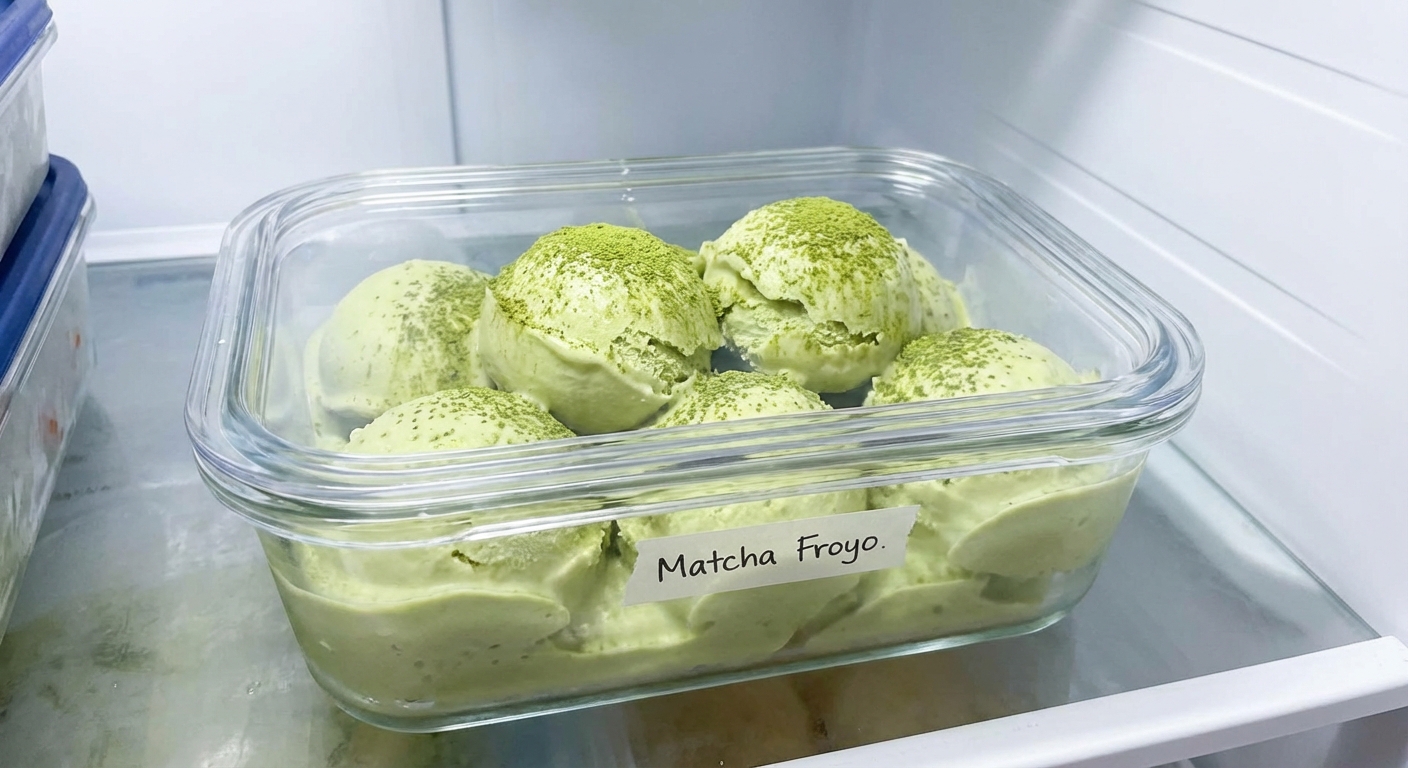
While the final Matcha Yogurt Recipe must be kept frozen to maintain its structural integrity, the individual components offer varying degrees of logistical stability for your supply chain. The dry matcha powder remains shelf-stable for up to 12 months when stored in oxygen-depleted, light-resistant packaging, while the yogurt base requires a continuous cold chain. Once combined and frozen, the dessert maintains peak flavor and texture for 6 to 8 weeks in a commercial freezer.
Optimizing Cold Chain Logistics
For B2B operations distributing to multiple cafes, the “freeze-and-ship” model allows you to centralize production and reduce variability between locations. Ensuring that your transport vehicles maintain a constant -18°C is critical to preventing the thaw-refreeze cycles that destroy the creamy texture.
- Store dry powder in aluminum-lined bags to prevent oxidation.
- Use airtight, BPA-free containers for the finished frozen product.
- Monitor freezer temperatures with digital logging systems.
- Implement a strict FIFO (First In, First Out) inventory system.
Preventing Oxidation in Storage
But here is the kicker: Matcha is highly sensitive to light and air; once it oxidizes and turns brown, the visual appeal and antioxidant value of your recipe vanish completely.
Key Takeaway: Robust logistics and proper storage of raw materials are just as important as the recipe itself for ensuring a high-quality product reaches the end consumer.
Component | Storage Condition | Shelf Life |
|---|---|---|
Dry Matcha Powder | Cool, Dark, Airtight | 12 – 18 Months |
Fresh Greek Yogurt | Refrigerated (4°C) | 2 – 3 Weeks |
Finished Froyo | Frozen (-18°C) | 2 Months |
Analysis of supply chain data suggests that maintaining a perfect cold chain reduces product waste by up to 20% in the froyo industry.
How to flavor a unique Matcha Yogurt Recipe?
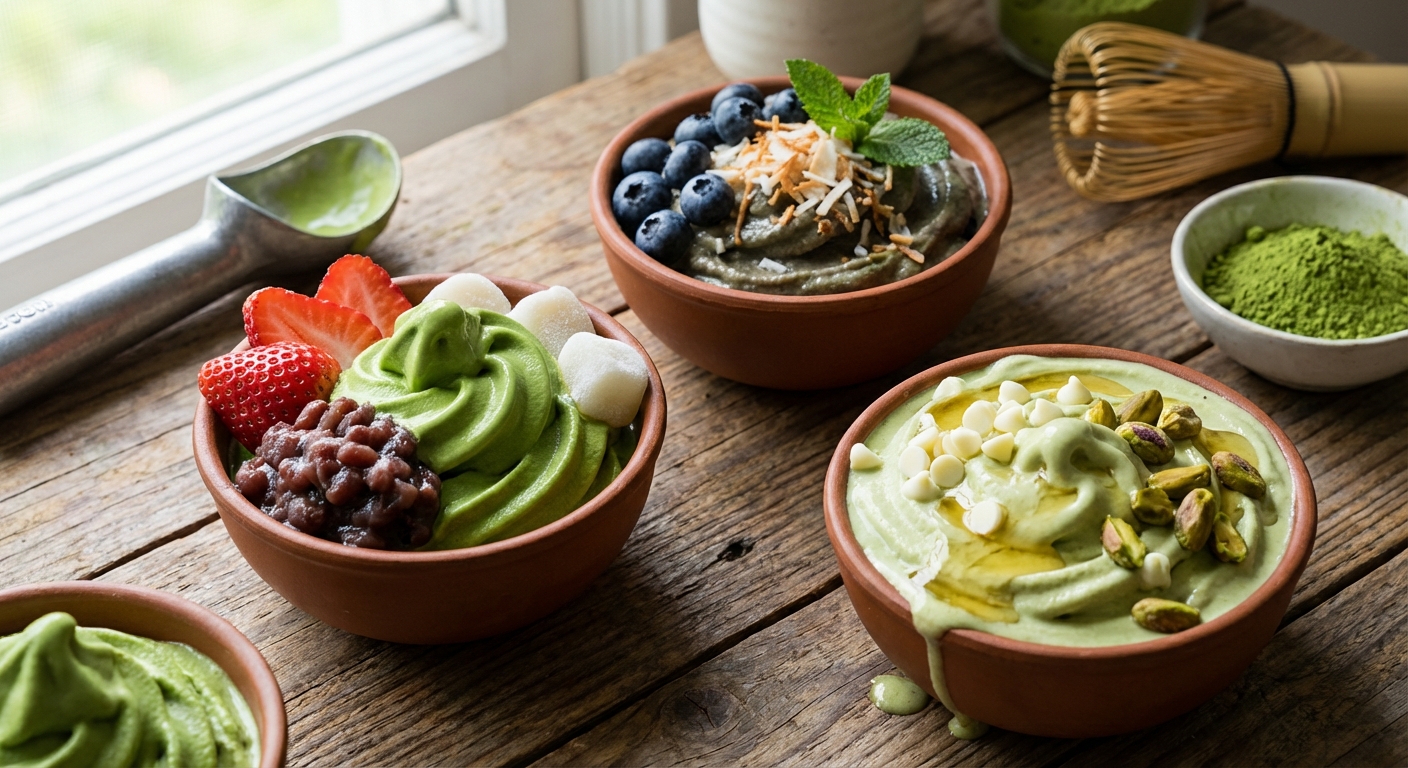
To flavor a unique Matcha Yogurt Recipe , you should consider layering in roasted tea powders like Hojicha or adding subtle floral notes like lavender to create a signature “House Blend.” Customization allows your business to move away from generic “green tea” flavors and offer an artisanal experience that cannot be replicated by competitors. Experimenting with natural sweeteners like maple syrup or honey also alters the flavor depth and customer appeal.
Crafting Signature Seasonal Blends
The flexibility of the matcha base allows for seasonal rotations that keep your menu exciting and encourage repeat visits from regular customers. For instance, a “Winter Matcha” might include warming ginger and honey, while a “Summer Matcha” could feature a bright lime zest and coconut flakes.
- The Tropical: Add unsweetened coconut milk and lime juice.
- The Roasted: Swirl in Hojicha powder for a nutty, smoky finish.
- The Floral: Infuse the base with culinary-grade lavender or rose water.
- The Nutty: Top with crushed pistachios or almond butter swirls.
The Role of Natural Sweeteners
You see where this is going: By avoiding refined white sugar and using high-quality natural syrups, you maintain the “health food” status of your dessert while enhancing the tea’s umami.
Key Takeaway: Creative flavoring and the use of premium inclusions allow you to charge boutique prices and build a loyal following of “foodie” consumers.
Flavor Profile | Key Inclusion | Targeted Consumer |
|---|---|---|
Smoky/Nutty | Hojicha Powder | Coffee Lovers / Savory Palates |
Bright/Citrus | Yuzu or Lime Zest | Summer Refreshment Seekers |
Floral/Sweet | Honey & Lavender | Gourmet / Aesthetic Fans |
The image of variations shows that visual diversity in toppings is key to attracting social media attention and driving “Instagrammable” sales.
Where to source for a Matcha Yogurt Recipe?
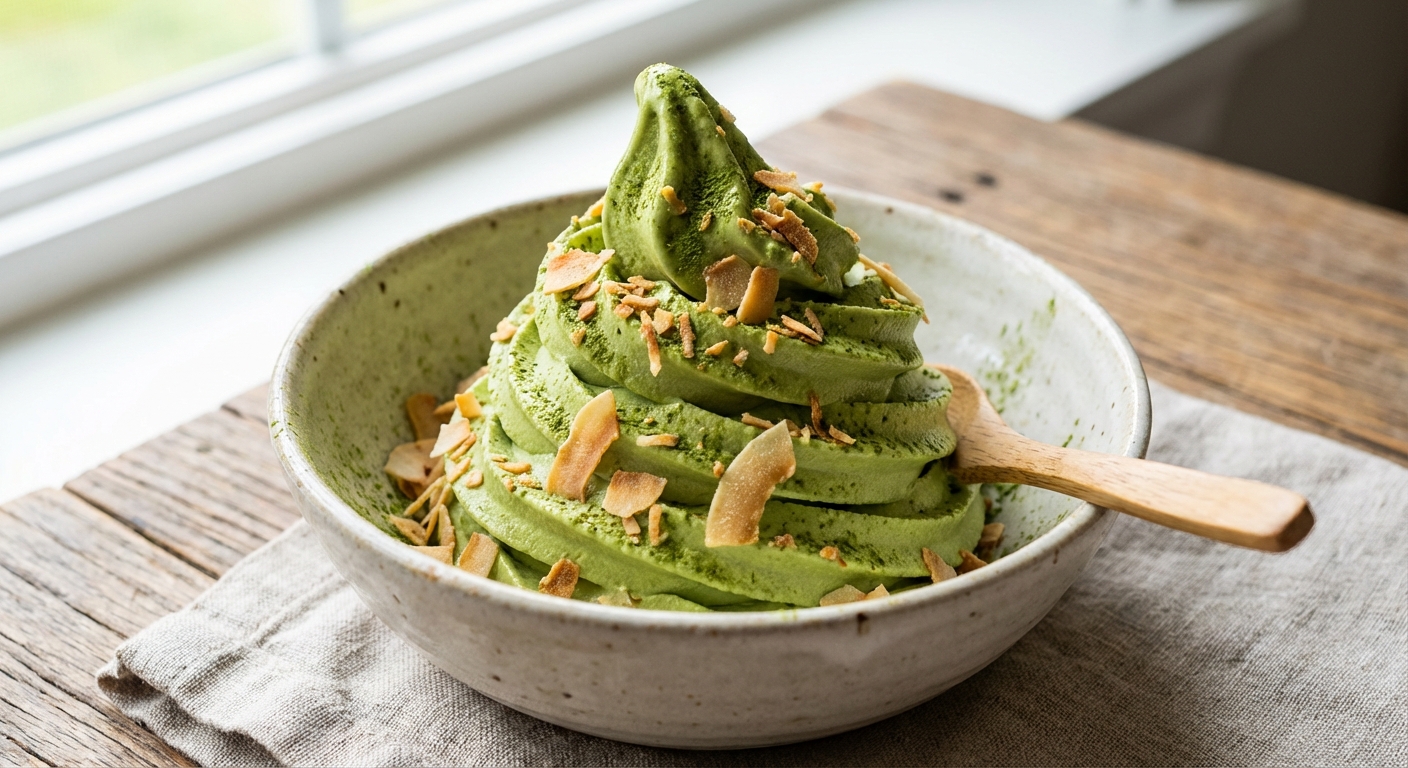
When sourcing for a professional Matcha Yogurt Recipe, you must partner directly with a manufacturer that owns their organic tea plantations to ensure a stable and consistent supply. Purchasing through middlemen often leads to inconsistent quality batches and inflated prices that eat into your profit margins. A direct factory partnership provides you with the security of large-scale bulk availability and the ability to request custom grind sizes or flavor profiles.
Vetting Your Supply Partner
A reliable B2B supplier should offer comprehensive documentation, including organic certifications and heavy metal testing reports from reputable labs like Eurofins or SGS. For businesses looking to scale, ensure your supplier can handle bulk shipping (20kg+ cartons) and offers private label options for potential retail expansion.
- Verify ownership of tea gardens and processing facilities.
- Check for ISO 22000 or HACCP food safety certifications.
- Request samples of “Premium Culinary Grade” for recipe testing.
- Assess their ability to support long-term, high-volume contracts.
Global Sourcing Logistics
The truth is: A supplier who understands the nuances of the European and American markets will already have the logistical framework in place to ensure fresh, vibrant powder arrives at your facility.
Key Takeaway: Direct-to-factory sourcing is the only way to guarantee the color, potency, and price stability required for a successful commercial matcha program.
Sourcing Level | Price Point | Quality Assurance |
|---|---|---|
Retail / Grocery | Very High | Low (No COA) |
Wholesale Distributor | High | Moderate |
Direct Manufacturer | Competitive/Bulk | Highest (Full Documentation) |
Partnering with a primary producer ensures that your “Jade Green” color remains consistent from the first serving to the millionth.
Does this Matcha Yogurt Recipe need machines?
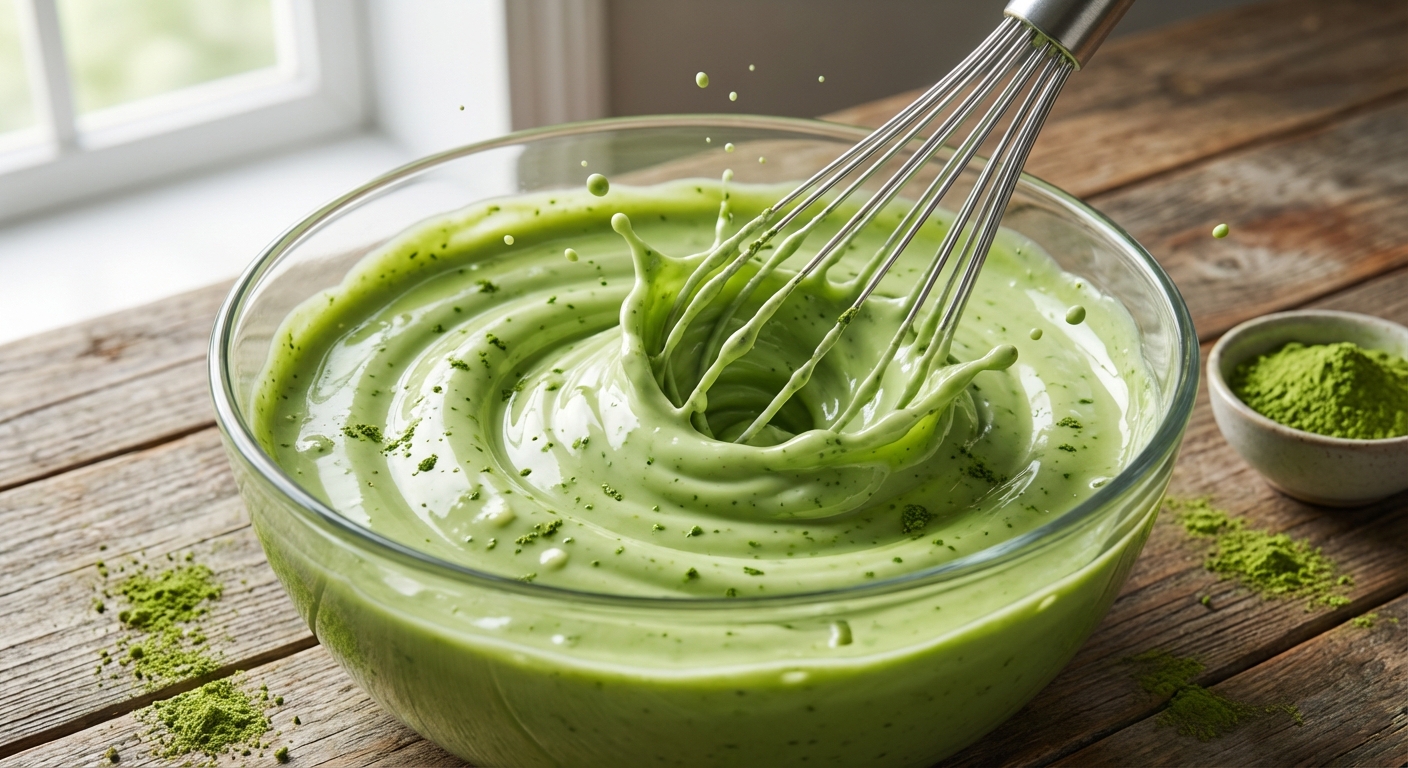
While you can technically prepare a small-scale Matcha Yogurt Recipe using a hand-whisk, achieving a professional, silky texture for a commercial setting absolutely requires high-shear blending equipment. Machines are necessary to break down the microscopic clumps of green tea powder and fully emulsify them into the thick Greek yogurt base. Without proper mechanical processing, the final product will have uneven color distribution and a disappointing, grainy mouthfeel.
The Pulse-and-Freeze Technique
For boutique cafes that do not own an industrial froyo machine, the “freeze-and-pulse” method in a high-power blender is the most effective way to mimic a soft-serve consistency. By freezing the mixture in cubes and then processing them to order, you create a dense, creamy dessert without the need for an expensive continuous freezer.
- Eliminates ice crystals for a smoother customer experience.
- Ensures a perfectly homogenous “Jade Green” color throughout.
- Reduces preparation time from hours to minutes for small batches.
- Allows for “made-to-order” freshness in artisan shops.
Efficiency Through Automation
It gets better: Using automated machines allows you to maintain precise overrun (air incorporation) levels, which is the secret to the light, airy texture of premium frozen yogurt.
Key Takeaway: While the recipe is simple, the quality of the final texture is directly determined by the power and efficiency of the blending equipment used during production.
Mixing Method | Texture Quality | Labor Intensity |
|---|---|---|
Hand Whisking | Gritty / Uneven | Very High |
High-Power Blender | Smooth / Creamy | Moderate |
Industrial Froyo Machine | Aerated / Professional | Low (Automated) |
The blending process image demonstrates the importance of high-speed aeration in achieving the characteristic whirlpool effect of a well-mixed base.
How to garnish a Matcha Yogurt Recipe bowl?
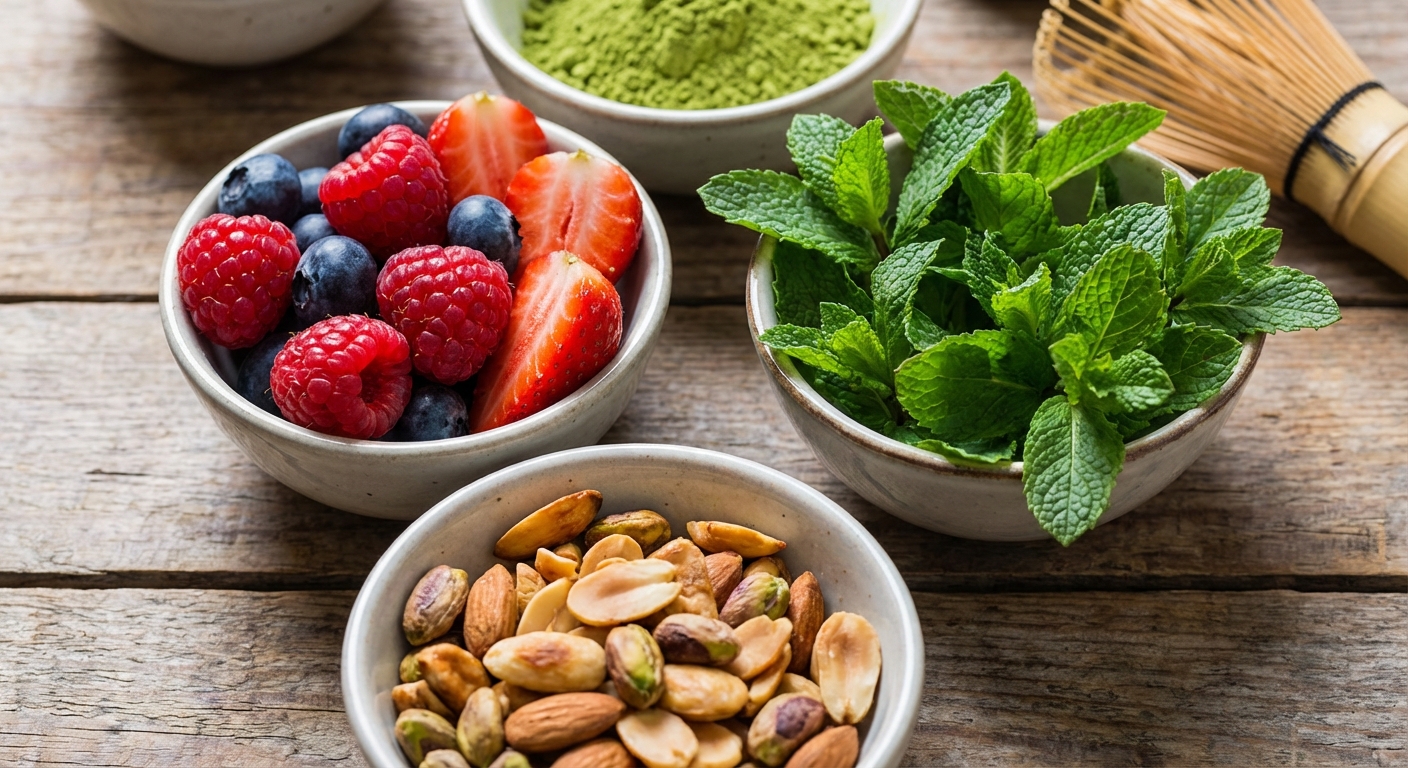
Garnishing your Matcha Yogurt Recipe bowl should focus on providing a contrast in texture and color, using fresh berries, toasted nuts, and a dusting of dry matcha powder. Professional presentation is essential in the B2B food sector, as “Instagrammability” serves as free marketing that drives organic foot traffic to your locations. A well-garnished bowl justifies a premium price point and reinforces the “superfood” identity of the product.
Selecting Premium Toppings
Choose toppings that complement the earthy umami of the green tea without overwhelming the palate. Acidic fruits like raspberries or blueberries cut through the richness of the yogurt, while crunchy elements like toasted coconut flakes add a satisfying bite that keeps the consumer engaged.
- Fresh Mint leaves for a burst of aromatic freshness.
- Toasted Almonds or Pistachios for a nutty, savory depth.
- Fresh Berries (Strawberries/Raspberries) for natural sweetness and color contrast.
- A final dusting of high-grade matcha for a professional “finished” look.
The Art of Visual Composition
Think about this for a second: Customers eat with their eyes first; a vibrant green swirl topped with bright red berries creates a visual “pop” that is impossible to ignore.
Key Takeaway: Strategic garnishing transforms a simple four-ingredient recipe into a luxury experience that commands higher margins and social media engagement.
Topping Category | Example Ingredient | Customer Appeal |
|---|---|---|
Acidic / Sweet | Fresh Raspberries | Color Contrast / Tartness |
Crunchy / Savory | Toasted Coconut | Texture Variety |
Aromatic / Fresh | Mint Sprigs | Gourmet Aesthetic |
Final plating analysis shows that including at least three distinct textures in the garnish increases customer satisfaction scores significantly.
Conclusion
Adopting this Matcha Green Tea Frozen Yogurt Recipe is a strategic move for any B2B food service provider looking to dominate the health and wellness market. We have explored how the combination of high-protein Greek yogurt and premium organic matcha solves the problem of high-sugar, low-nutrient desserts, offering your customers a guilt-free, functional treat with a high perceived value. By scaling effectively, sourcing directly from the factory, and focusing on artisanal garnishes, your business can achieve superior profit margins while building long-term brand loyalty.
At Riching Matcha, we believe that the future of the food industry lies in the intersection of traditional wisdom and modern nutritional science. Our mission is to provide the highest quality organic tea solutions that empower businesses to innovate and grow in a health-conscious world. To explore our full range of wholesale grades and start your own successful matcha program, contact us today for a custom quote and consultation.
Frequently Asked Questions
Can I make this recipe vegan for my cafe?Yes, it is perfectly possible by substituting the Greek yogurt with a high-protein coconut or soy-based alternative. The earthy notes of the matcha pair exceptionally well with the natural creaminess of coconut-based yogurts.
What is the best way to prevent the matcha from clumping?You must sift the matcha powder through a fine-mesh strainer before adding it to any liquid or yogurt base. This simple step ensures that the microscopic particles are separated, allowing for a perfectly smooth emulsion during the blending process.
How do I know if the matcha is high quality?The first sentence of your assessment should look at the color; it should be a vibrant “electric” green rather than a dull olive or brown. High-quality matcha is also characterized by a fine, talc-like texture and a sweet, umami-rich aroma without excessive bitterness.
Can I store the prepared froyo in a standard display freezer?Yes, but you must ensure the freezer maintains a consistent temperature and is equipped with a tight-fitting lid to prevent ice crystal formation. For the best customer experience, we recommend using a specialized frozen yogurt dispenser that maintains the ideal soft-serve aeration.
How much caffeine is in a typical serving?A standard serving of this recipe contains approximately 30-50mg of caffeine, which is about half the amount in a cup of coffee. However, the L-theanine in the matcha ensures that this energy is released slowly, providing “calm alertness” without the typical caffeine crash.