
To make a Matcha Jelly Drink, you simply whisk high-quality matcha powder into a hot agar-agar solution, let it set into firm cubes, and then serve them in a tall glass filled with ice and your favorite creamy milk. Many beverage enthusiasts struggle with a monotonous daily routine that lacks sensory excitement and nutritional depth. You might find yourself settling for sugary, store-bought energy drinks that lead to a midday crash and offer no real satisfaction for your palate. By mastering this matcha milk jelly or matcha latte jelly recipe , you can transform your ritual into a sophisticated, cafe-quality experience that provides clean energy and a delightful texture.
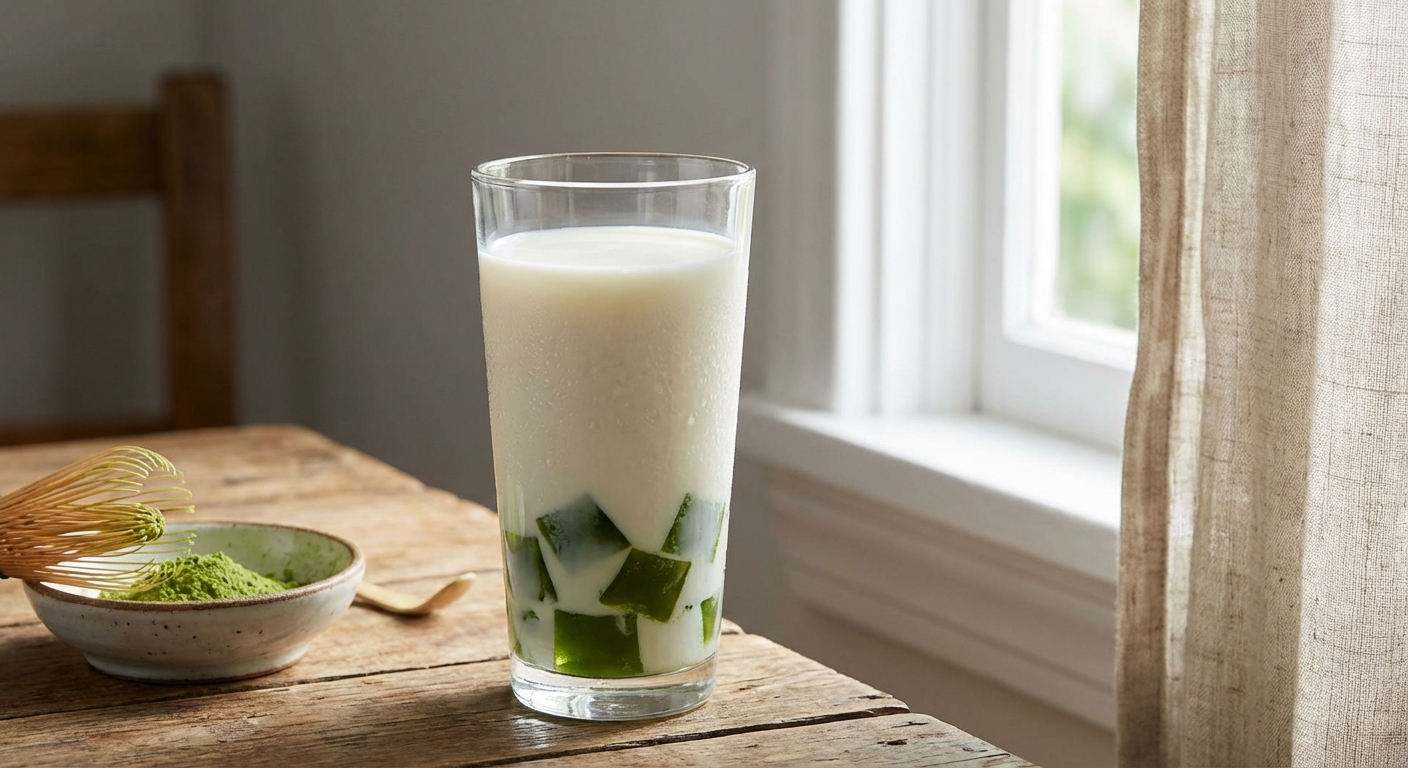
You should attempt this matcha milk jelly or matcha latte jelly recipe because it perfectly bridges the gap between a functional health drink and a decadent gourmet dessert. Modern consumers are increasingly seeking out beverages that offer more than just hydration; they want an experience that engages their senses of sight, taste, and touch. This specific preparation allows you to showcase the vibrant green hue of premium tea while introducing a playful, chewy element that elevates a standard latte.
Integrating a texturized topping like jelly into your drink menu or home kitchen repertoire provides a point of differentiation that is both memorable and profitable. If you are a business owner, this recipe represents a high-margin item that appeals to the “drinkable dessert” trend currently dominating the global market. You will find that the combination of earthy umami notes and a refreshing milk base creates a flavor profile that keeps you coming back for more.
Why is texture becoming a priority in modern drinks?
The rise of artisanal beverages has taught us that the mouthfeel of a drink is just as important as the flavor profile itself. When you add firm, bouncy jelly cubes to a creamy liquid, you create a multi-layered sensory experience that standard beverages cannot match. This contrast between the smooth milk and the resistant jelly keeps your palate engaged throughout the entire glass.
- It provides a satisfying “bite” that mimics popular bubble tea textures.
- The jelly acts as a flavor carrier, releasing concentrated tea notes as you chew.
- Visual layers create a premium aesthetic that is highly shareable on social media.
But wait, there’s more to it than just the fun of chewing. The inclusion of texture can actually make a drink feel more satiating, helping you manage cravings between meals.
How does this recipe serve both home cooks and businesses?
One of the greatest strengths of this recipe is its inherent scalability and ease of preparation across different environments. You can easily make a single serving in a home kitchen or prepare massive batches for a busy urban cafe without losing quality. The stability of agar-agar ensures that the jelly maintains its shape and flavor even during long shifts in a professional refrigerator.
- Home enthusiasts can customize sweetness levels to fit their specific dietary needs.
- Business owners can use the jelly as a signature “add-on” to increase average order value.
- The preparation requires no specialized machinery, only a whisk and a heating source.
Here is the kicker: you don’t need to be a professional pastry chef to achieve a consistent, high-quality result every time.
What makes the flavor profile so addictive?
The addictive quality of this drink lies in the sophisticated balance of “the five tastes,” particularly the harmony between sweet and umami. When you use high-quality tea powder, you receive a natural sweetness that is grounded by a savory, earthy depth. The milk adds a fatty richness that rounds out any potential bitterness, resulting in a smooth finish.
- Umami notes from the tea provide a savory satisfaction.
- Natural sweeteners highlight the grassy, floral aromatics of the leaves.
- Creamy milk bases provide a neutral canvas that allows the tea to shine.
Key Takeaway: Combining unique textures with high-grade tea creates a sophisticated beverage that appeals to both health-conscious individuals and gourmet foodies.
Benefit | Impact | Description |
|---|---|---|
Sensory Appeal | High | Engaging colors and textures create a premium experience. |
Business Margin | High | Low ingredient cost with a high perceived value for customers. |
Health Profile | Moderate | Provides antioxidants and clean energy compared to sodas. |
The multifaceted benefits of this recipe make it a mandatory addition for anyone looking to innovate within the tea category.
What ingredients are needed for a matcha milk jelly or matcha latte jelly recipe?
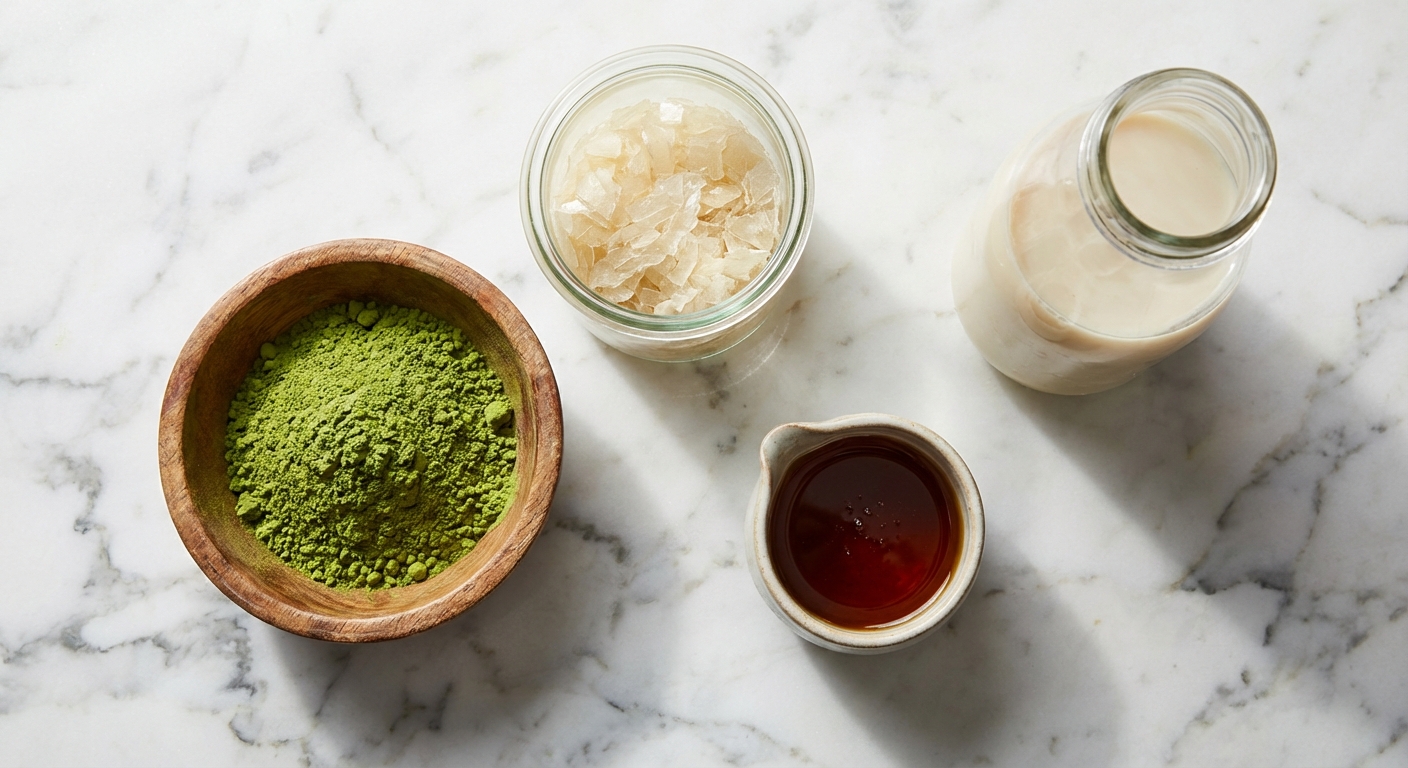
The fundamental components of a matcha milk jelly or matcha latte jelly recipe are simple but require careful selection to ensure a professional-grade final product. You will primarily need premium green tea powder, a plant-based gelling agent like agar-agar, filtered water, and your choice of sweetener and milk. Using filtered water is crucial because the minerals in tap water can sometimes interfere with the delicate color and aroma of the tea leaves.
Each ingredient plays a specific functional role in the chemistry of the drink, from the structural integrity of the jelly to the creaminess of the base. You should focus on sourcing the freshest possible powder, as the chlorophyll and antioxidants are sensitive to light and heat over time. By assembling these high-quality components, you set the stage for a beverage that tastes as vibrant as it looks.
Why is agar-agar preferred over gelatin?
Agar-agar is a gelatinous substance derived from red algae, making it a 100% vegan and plant-based alternative to traditional animal gelatin. For a modern recipe, this is essential because it allows you to cater to a much wider audience with varying dietary restrictions. Furthermore, agar-agar has a higher melting point, which means your jelly will stay firm even in a warm environment.
- It is completely odorless and tasteless, allowing the tea flavor to remain pure.
- The setting time is significantly faster than gelatin, often firming up at room temperature.
- It provides a cleaner, more “snappy” break when bitten compared to the rubbery texture of gelatin.
Think about it: why exclude potential customers or guests when a plant-based option actually performs better in this specific application?
Which sweeteners pair best with green tea?
Choosing the right sweetener is a delicate balancing act because you want to enhance the tea’s natural flavors without masking them. Liquid sweeteners are generally easier to incorporate into the hot jelly mixture, ensuring an even distribution of sweetness. You might consider using organic maple syrup, agave nectar, or a simple cane sugar syrup depending on your desired flavor profile.
- Maple syrup adds a woody depth that complements the earthiness of the tea.
- Agave nectar provides a clean, neutral sweetness with a low glycemic index.
- Honey can be used, but its strong floral notes may sometimes compete with the tea.
The truth is, the best sweetener is the one that allows the grassy notes of the tea to remain the star of the show.
How do you choose the perfect milk base?
The milk you choose acts as the “body” of the drink, providing the creamy contrast to the firm green tea cubes. While traditional dairy works well, many people are shifting toward plant-based milks that offer unique nutty or toasted undertones. The fat content in the milk is important, as it helps to carry the fat-soluble flavor compounds found in the tea leaves.
- Oat milk is a favorite for its creamy texture and toasted grain flavor.
- Coconut milk provides a tropical richness that pairs excellently with tea aromatics.
- Almond milk offers a lighter, nut-forward profile that keeps the drink refreshing.
Key Takeaway: Selecting high-quality, plant-based ingredients ensures your drink is inclusive, stable, and flavor-forward for all consumers.
Ingredient | Role | Selection Tip |
|---|---|---|
Tea Powder | Flavor & Color | Look for a vibrant green color and fine texture. |
Agar-Agar | Structure | Use powder form for easier measuring and dissolving. |
Plant Milk | Base | Choose “Barista” versions for better creaminess and layering. |
High-quality ingredients are the non-negotiable foundation of a successful and delicious jelly beverage.
Which matcha grade is best for your matcha milk jelly or matcha latte jelly recipe?
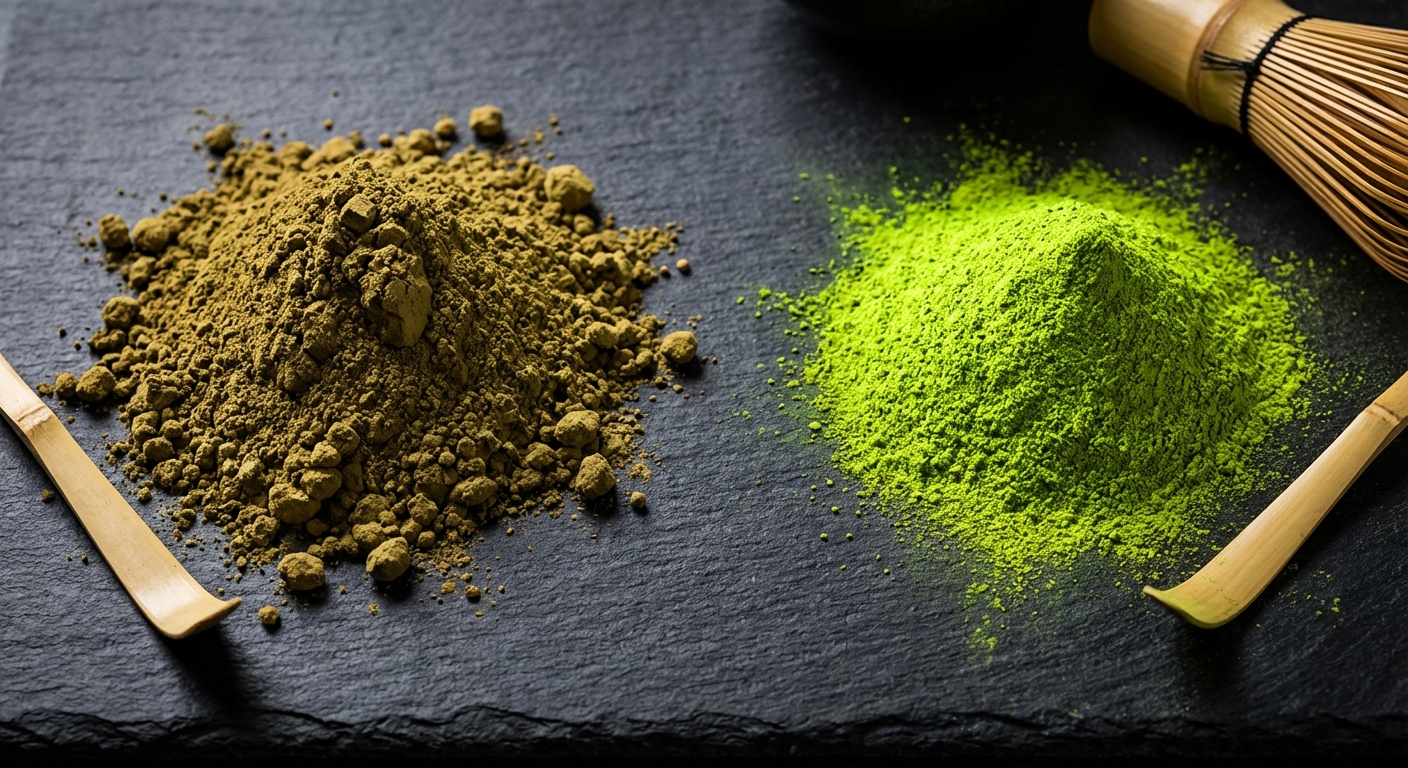
Selecting the correct grade of tea for your matcha milk jelly or matcha latte jelly recipe is the most significant decision you will make regarding flavor and aesthetics. There is a common misconception that because the tea is being mixed with milk and sugar, the quality doesn’t matter. In reality, the heat used to make the jelly can highlight the bitterness in lower-grade powders, potentially ruining the balance of your drink.
You must understand the difference between ceremonial, premium, and culinary grades to make an informed choice that suits your budget and quality standards. For a drink where the tea is the primary flavor component, using a higher-grade powder ensures a vibrant emerald color and a naturally sweet finish. You will find that investing in better tea leads to a significantly more professional and enjoyable drinking experience.
When should you use ceremonial grade powder?
Ceremonial grade is the highest quality available, made from the youngest tea leaves harvested during the first flush of spring. If you want your jelly to have a stunning, neon-green color and a smooth, umami-rich flavor, this is the grade to choose. It is characterized by a delicate sweetness and a complete lack of the astringency found in lower-quality harvests.
- It offers the highest concentration of L-theanine for a calm, focused energy.
- The fine, silk-like texture allows it to dissolve perfectly without clumping.
- It provides a sophisticated flavor that requires very little added sweetener.
Believe it or not, the visual impact of a ceremonial-grade jelly is often enough to justify the higher price point for luxury cafes and enthusiasts.
Is culinary grade suitable for jelly drinks?
Culinary grade powder is harvested later in the season and has a stronger, more robust flavor that can stand up to heavy ingredients like flour or butter. While it is much more affordable, it often has a more dull, olive-green color and a more pronounced bitterness. In a jelly drink, this can be acceptable if you are using a very rich milk and a significant amount of sweetener to balance the profile.
- It is ideal for large-scale production where keeping costs low is a priority.
- The stronger flavor ensures the tea taste isn’t lost when mixed with bold syrups.
- It often contains higher levels of certain antioxidants due to more sun exposure.
Here is the secret: you can often find a “premium culinary” grade that offers a middle ground between price and quality for daily consumption.
How do you identify a high-quality supplier?
Regardless of the grade you choose, sourcing from a reputable manufacturer who specializes in organic exports is vital for safety and consistency. You should look for suppliers that use traditional stone-grinding methods and Japanese production technologies to preserve the integrity of the leaves. A high-quality powder should always be stored in airtight, light-protected packaging to prevent oxidation.
- Look for USDA or EU Organic certifications to ensure the absence of pesticides.
- Freshness can be tested by the aroma; it should smell like fresh grass, not hay.
- Professional suppliers will provide samples so you can test the color and flavor in your recipe.
Key Takeaway: Using a higher grade of tea ensures a vibrant color and superior flavor that defines the quality of your finished drink.
Grade | Color | Flavor Profile | Best Use |
|---|---|---|---|
Ceremonial | Bright Emerald | Sweet, Umami, Smooth | Luxury drinks, thin tea. |
Premium | Vibrant Green | Balanced, Nutty | Daily lattes, high-end jelly. |
Culinary | Olive Green | Bold, Astringent | Baking, budget-friendly drinks. |
The grade of tea you select acts as the signature of your recipe, dictating both the visual and taste experience.
How do you prepare the jelly for this matcha milk jelly or matcha latte jelly recipe?
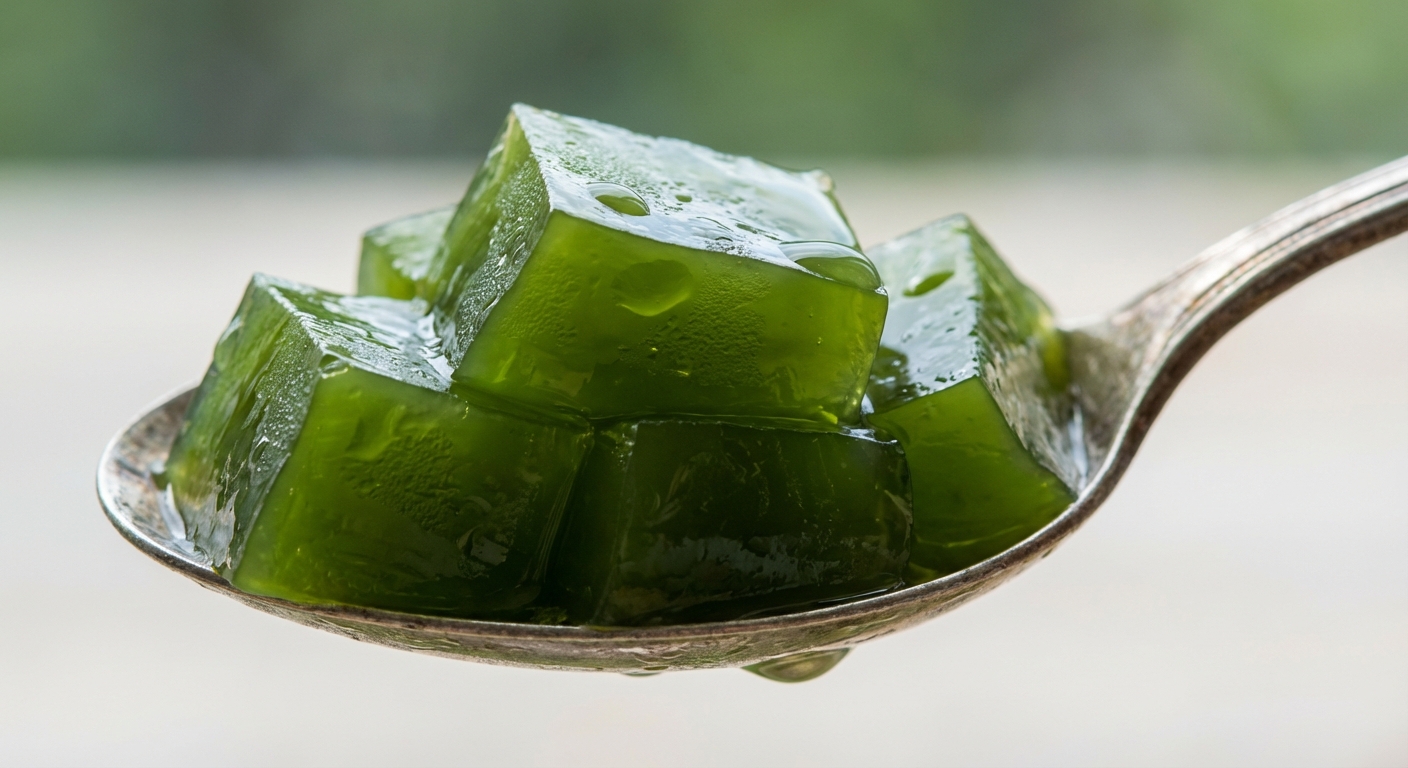
Preparing the jelly for your matcha milk jelly or matcha latte jelly recipe is a process that requires precision, especially regarding temperature control and mixing techniques. You cannot simply throw all the ingredients together; the tea powder must be handled delicately to prevent it from burning or clumping. The goal is to create a perfectly smooth, translucent green base that sets into firm, uniform cubes once chilled.
You should start by whisking your tea powder with a small amount of warm water to create a smooth, concentrated paste before adding it to the main liquid. This ensures that every particle is hydrated and that the color is evenly distributed throughout the jelly. By following a structured approach to heating and cooling, you will achieve a professional texture that is both beautiful and delicious.
What is the secret to a smooth agar mixture?
Agar-agar needs to be fully dissolved and “activated” by boiling to ensure that it sets correctly and doesn’t leave a grainy texture. You should always whisk the agar powder into room-temperature water first to avoid the immediate formation of lumps. Once the water reaches a boil, you must let it simmer for at least one to two minutes while stirring constantly.
- Boiling ensures the long-chain polysaccharides in the algae are fully released.
- Constant stirring prevents the agar from sticking to the bottom of your pot.
- A clear, slightly thickened liquid indicates that the agar is ready for the next step.
Don’t skip the boiling phase! If the liquid doesn’t reach a full boil, your jelly might stay runny or have an inconsistent “wet” feel.
Why shouldn’t you boil the tea powder?
Green tea is highly sensitive to extreme heat, which can destroy its delicate chlorophyll and cause the flavor to turn unpleasantly bitter and metallic. After you have boiled your agar and water mixture, you should remove it from the heat and let it cool for a minute or two before adding the tea paste. Aim for a temperature around 80°C (176°F) to ensure the tea stays vibrant and sweet.
- High heat causes rapid oxidation, turning the bright green color into a brownish-grey.
- Maintaining a lower temperature preserves the healthy L-theanine and antioxidants.
- Adding the tea last ensures the most potent aroma is locked into the jelly.
You might be wondering: “Is this extra step really necessary?” The answer is a resounding yes if you want a cafe-quality appearance and taste.
How do you achieve the perfect jelly set?
Once your mixture is combined and poured into a flat-bottomed container, the cooling process begins, which determines the final “snap” of the jelly. You should let the container sit at room temperature for about 15 minutes before transferring it to the refrigerator for at least two hours. A flat container is preferred because it allows you to cut the jelly into perfectly uniform cubes of any size you desire.
- A shallow tray ensures the jelly cools and sets evenly from edge to center.
- Covering the container prevents the surface from drying out or absorbing fridge odors.
- Using a very sharp knife to cut the cubes prevents tearing and ensures clean edges.
Key Takeaway: Proper agar activation combined with temperature-sensitive tea integration results in a smooth, vibrant, and firm jelly.
Step | Goal | Key Action |
|---|---|---|
Hydration | No lumps | Whisk agar into cold water before heating. |
Activation | Firm set | Boil the mixture for 60-120 seconds. |
Flavor Care | Bright color | Add tea paste only after the mixture cools to 80°C. |
Precision in the preparation phase is what separates a homemade attempt from a professional-grade beverage.
What are the health benefits of this matcha milk jelly or matcha latte jelly recipe?
One of the most compelling reasons to integrate this matcha milk jelly or matcha latte jelly recipe into your lifestyle is the incredible density of health-promoting compounds found in the tea leaves. Unlike traditional green tea where you steep the leaves and discard them, this preparation involves consuming the entire leaf in powdered form. This means you receive 100% of the vitamins, minerals, and antioxidants that the plant has to offer.
You are not just enjoying a tasty treat; you are providing your body with a functional dose of nutrients that support everything from cognitive function to metabolic health. The combination of caffeine and specific amino acids provides a unique “zenergy” that coffee simply cannot replicate. You will notice a sustained level of focus that lasts for hours without the jittery side effects common with other stimulants.
What is the power of EGCG antioxidants?
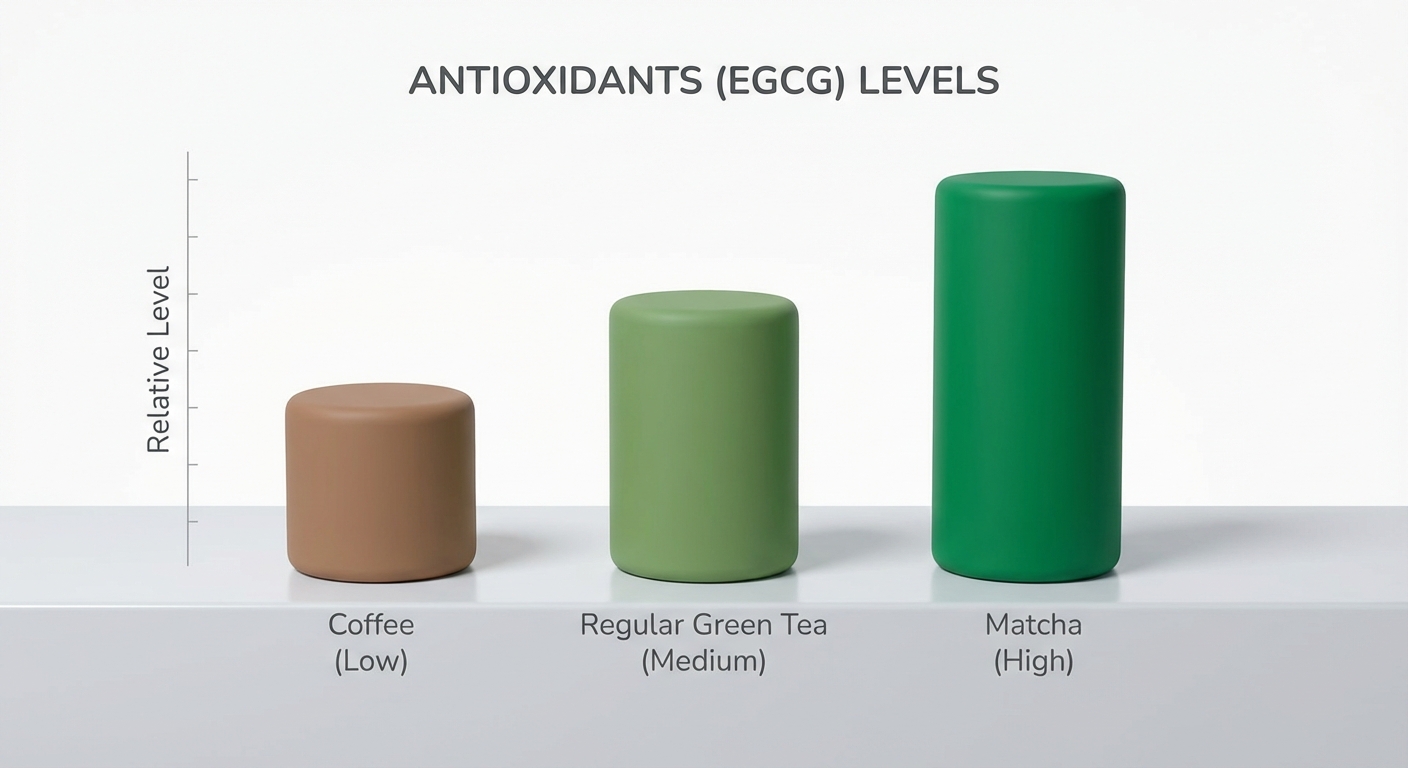
Matcha is world-renowned for its exceptionally high concentration of Epigallocatechin gallate (EGCG), a potent catechin that helps protect cells from oxidative damage. EGCG has been extensively studied for its ability to support cardiovascular health and reduce inflammation throughout the body. When you consume this jelly drink, you are essentially drinking a concentrated shield against free radicals.
- It contains significantly more antioxidants than blueberries, goji berries, or spinach.
- EGCG may help boost the metabolism, assisting in natural weight management.
- These compounds support healthy skin by protecting against UV-induced damage.
Believe it or not, one serving of this tea can have the antioxidant equivalent of up to ten cups of regularly brewed green tea.
How does L-theanine impact your mood?
The secret to the “calm alertness” associated with high-quality tea is the presence of L-theanine, an amino acid that promotes relaxation without drowsiness. L-theanine works synergistically with caffeine to slow its absorption into the bloodstream, preventing the sharp spikes and crashes associated with coffee. This makes it the perfect beverage for deep work, study sessions, or creative projects.
- It increases alpha-wave activity in the brain, which is linked to a state of “relaxed focus.”
- L-theanine helps to counteract the negative side effects of caffeine, such as anxiety or jitters.
- It promotes the production of dopamine and serotonin, naturally enhancing your mood.
Think about it: you can actually improve your productivity and your mental well-being simultaneously just by enjoying a delicious drink.
Is agar-agar a healthy choice for digestion?
Agar-agar is not just a structural component; it is a soluble fiber that provides several benefits for your digestive system. Because it is derived from sea vegetables, it contains essential minerals like calcium, magnesium, and iron in trace amounts. It acts as a mild bulk laxative, helping to maintain regular bowel movements and supporting a healthy gut microbiome.
- Being high in fiber, it helps you feel full for longer, which can aid in appetite control.
- It is naturally gluten-free and keto-friendly, making it suitable for almost any diet.
- Agar-agar is a zero-calorie thickener, allowing you to control the total caloric intake of your drink.
Key Takeaway: This beverage serves as a functional powerhouse, providing potent antioxidants, mood-enhancing amino acids, and digestive fiber.
Component | Primary Benefit | Functional Outcome |
|---|---|---|
EGCG | Antioxidant | Cellular protection and metabolic support. |
L-Theanine | Amino Acid | Focused, calm energy and mood enhancement. |
Agar-Agar | Soluble Fiber | Improved digestion and increased satiety. |
Enjoying this recipe allows you to indulge in a gourmet experience while actively investing in your long-term health.
How can you customize your matcha milk jelly or matcha latte jelly recipe?
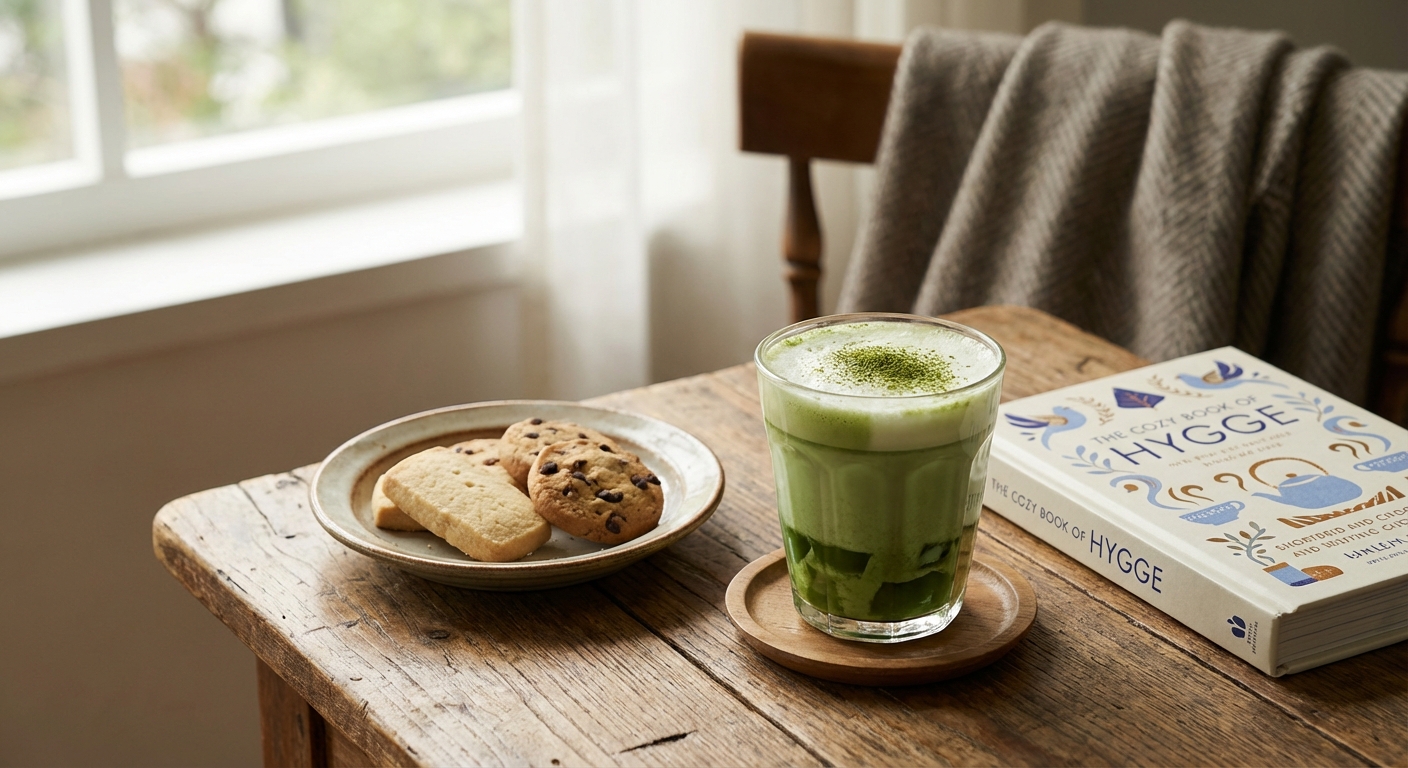
The beauty of a matcha milk jelly or matcha latte jelly recipe lies in its incredible versatility and the ease with which you can adapt it to your personal taste. You are not restricted to a single flavor profile; you can experiment with different syrups, spice infusions, and fruit pairings to create a signature drink. Whether you prefer something traditionally earthy or a modern, fruity twist, the green tea base provides a perfect canvas for your creativity.
You can also adjust the physical properties of the jelly itself by playing with the ratio of agar-agar to liquid, creating everything from soft, silky gels to firm, bouncy cubes. This flexibility is what makes the drink a staple in innovative beverage programs around the world. By trying new combinations, you ensure that your tea experience remains exciting and fresh throughout the seasons.
Can you add fruit flavors to the jelly?
Infusing your jelly with fruit extracts or purees is a fantastic way to add a layer of brightness that cuts through the creaminess of the milk. Flavors like strawberry, mango, or white peach pair exceptionally well with the grassy notes of the tea. You can either layer the fruit flavors or actually incorporate fruit juice into the jelly mixture itself for a “marble” effect.
- Mango puree adds a tropical sweetness and a beautiful orange contrast.
- Strawberry syrup creates a classic “matcha-berry” profile that is universally loved.
- Citrus zest, like yuzu or lime, provides a refreshing acidity that wakes up the palate.
But wait, there’s more. You can even drop small pieces of fresh fruit directly into the jelly tray before it sets, creating a “suspended” fruit aesthetic that looks stunning in a glass.
What are the best spice infusions?
If you prefer a more warming, aromatic drink, consider infusing your milk or your jelly with traditional spices. Ingredients like vanilla bean, cinnamon, or even a touch of sea salt can dramatically change the perception of the tea’s flavor. Vanilla, in particular, helps to round out any bitter edges, making the drink taste more like a sophisticated custard or ice cream.
- Freshly scraped vanilla bean provides a luxury aroma and flavor.
- A tiny pinch of sea salt enhances the natural umami and sweetness of the tea.
- Warming spices like cardamom or ginger can create a “matcha chai” fusion.
Here is the secret: spices can make a drink feel much more premium without adding any significant cost or calories.
How do you adapt the recipe for different milks?
The choice of milk can completely change the “personality” of your drink, from light and refreshing to rich and indulgent. If you are using a very nutty milk like hazelnut, you might want to increase the tea concentration so it isn’t overshadowed. Conversely, a neutral milk like soy or oat allows the subtle floral notes of the ceremonial powder to take center stage.
- Coconut milk creates a thick, creamy “dessert” style beverage.
- Rice milk provides a very light, almost watery base that is perfect for hot summer days.
- Barista-grade oat milk allows you to create a beautiful foam or “cloud” on top of the drink.
Key Takeaway: Infinite customization options allow you to tailor the flavor, texture, and nutritional profile to your specific desires.
Customization | Ingredient Suggestion | Flavor Impact |
|---|---|---|
Fruit Twist | Mango or Raspberry | Adds acidity and bright sweetness. |
Aromatic | Vanilla or Lavender | Enhances the floral notes and aroma. |
Richness | Full-fat Coconut Milk | Creates a decadent, creamy mouthfeel. |
Taking the initiative to experiment with these variables ensures that your recipe remains a unique reflection of your personal culinary style.
Where can businesses source wholesale for a matcha milk jelly or matcha latte jelly recipe?
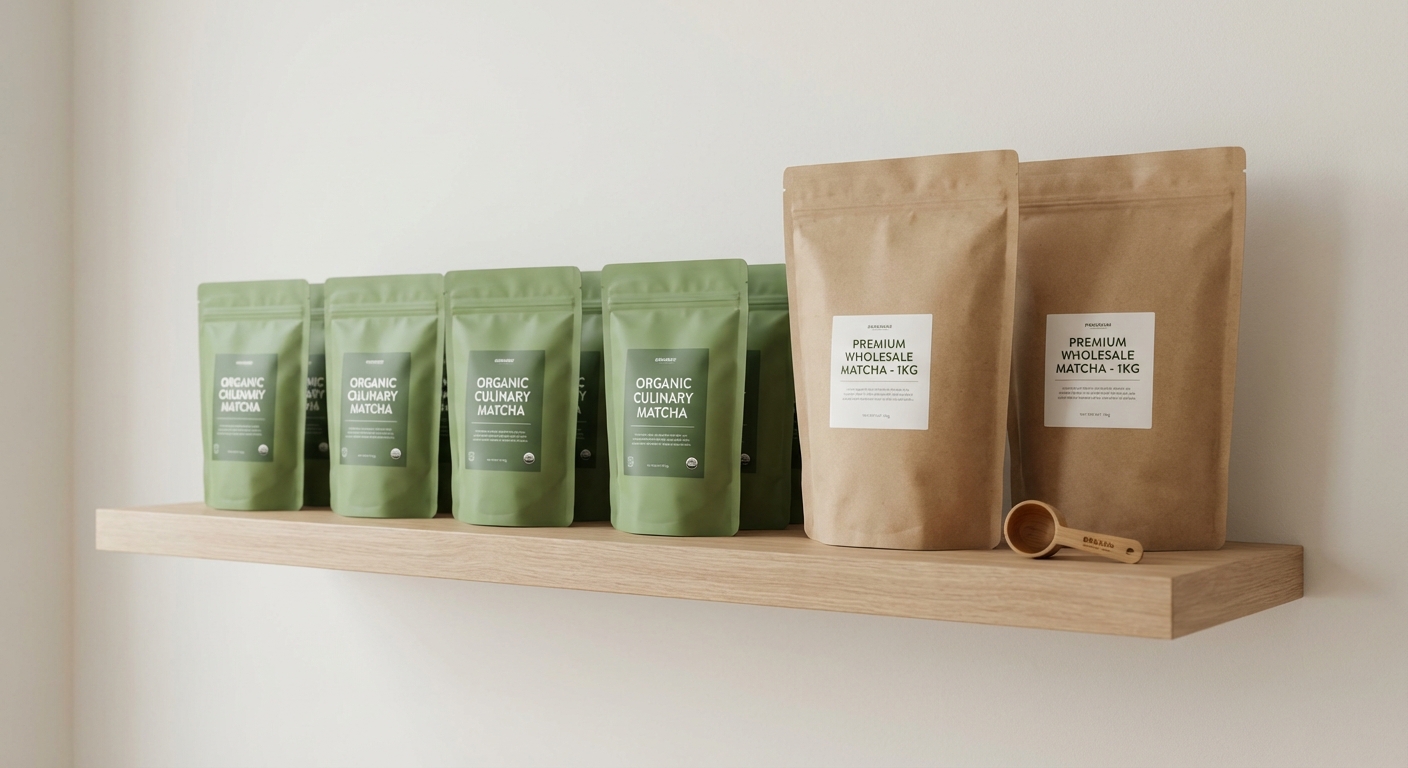
For commercial entities, finding a reliable partner for your matcha milk jelly or matcha latte jelly recipe is a strategic move that affects both your profit margins and customer loyalty. When you are producing hundreds of drinks a day, you cannot afford inconsistencies in color, flavor, or solubility. Sourcing directly from a leading manufacturer in China ensures that you receive the freshest possible product at competitive wholesale prices.
You should look for a supplier that offers a diverse range of grades, from cost-effective culinary powders for baking to ultra-premium ceremonial grades for signature lattes. A professional partner will also provide support for custom packaging and private label solutions if you are looking to build your own brand identity. By establishing a direct relationship with a factory, you bypass unnecessary middlemen and gain more control over your supply chain.
What should you look for in a wholesale supplier?
Quality control is the single most important factor when choosing a wholesale tea partner. You need a supplier that has passed international testing by organizations like Eurofins or SGS to ensure their products meet strict safety standards. Additionally, the ability to provide consistent “Jade” green color across different batches is a hallmark of a professional manufacturing process.
- Certifications like USDA Organic and EU Organic are mandatory for international businesses.
- The supplier should have high-volume production capabilities to ensure steady supply.
- Fast, reliable international shipping prevents inventory gaps that could hurt your sales.
It sounds simple, doesn’t it? But finding a supplier that checks every one of these boxes can be the difference between a thriving beverage program and a failing one.
How does direct-to-factory sourcing save money?
When you source directly from the manufacturer, you are essentially paying the “farm-gate” price plus processing costs, rather than the inflated retail price found in local markets. For high-volume businesses, even a small reduction in the price per kilogram can lead to thousands of dollars in annual savings. These savings can then be reinvested into marketing or improving other areas of your customer experience.
- Bulk packaging, such as 20kg or 25kg cartons, further reduces unit costs.
- Direct communication allows for price negotiations based on long-term volume commitments.
- You get access to “factory-fresh” stock that has not been sitting in a distributor’s warehouse for months.
Here is the kicker: the quality of direct-sourced tea is often superior to what you find through third-party wholesalers because the “chain of custody” is shorter.
Can you get custom packaging and private labeling?
Many businesses want to sell their own branded tea powder alongside their prepared beverages to create an additional revenue stream. A versatile supplier will offer comprehensive private label services, including custom-designed tins, stand-up pouches, and individual sachet sticks. This allows you to offer a complete “brand experience” to your customers, from the drink in their hand to the powder they take home.
- Custom packaging helps to elevate your brand image and builds customer trust.
- Private labeling allows you to set your own retail prices and control your brand story.
- Professional design services can help you create packaging that stands out on retail shelves.
Key Takeaway: Partnering with a professional, organic-certified manufacturer provides the consistency, pricing, and branding support necessary for business success.
Business Need | Wholesale Solution | Benefit |
|---|---|---|
Consistency | Standardized grading | Every drink tastes and looks the same. |
Profitability | Direct factory pricing | Significantly lower cost-of-goods-sold. |
Branding | Private label services | Increases brand recognition and retail revenue. |
Strategic sourcing is the backbone of any successful beverage operation, ensuring that your ingredients are as professional as your service.
How do you perfectly layer a matcha milk jelly or matcha latte jelly recipe?

Achieving a perfectly layered matcha milk jelly or matcha latte jelly recipe is an art form that transforms a simple drink into a visual masterpiece worthy of any high-end cafe. The key to successful layering lies in understanding the relative density of your liquids and using the right tools to pour them gently. When executed correctly, you will see distinct bands of dark green jelly, white milk, and a vibrant green tea “cloud” on top.
You should always start with the heaviest and most solid components at the bottom to create a stable foundation. As you add the liquids, the goal is to prevent them from mixing immediately, preserving the clean lines that make the drink so visually striking. By following a specific sequence of assembly, you ensure that every glass you serve looks like a professional photograph.
What is the correct assembly order?
To get those clean, professional layers, you must be disciplined about the order in which you add ingredients to the glass. Start by placing your chilled jelly cubes at the very bottom, followed by a generous amount of ice to act as a buffer. The ice cubes are essential because they break the fall of the liquids, allowing them to settle more gently.
- Place about 1/3 of the glass with jelly cubes for the best visual ratio.
- Fill the glass at least 2/3 with ice before adding any liquid.
- Pour the milk in first, as it is generally more dense than the final tea shot.
Think about it: the ice acts like a staircase, allowing the milk to slide down into the gaps without disturbing the jelly below.
How do you pour without mixing the layers?
The secret weapon of every professional barista is the “spoon pour” technique, which diffuses the force of the falling liquid. Instead of pouring directly into the center of the glass, you should hold a spoon upside down just above the surface of the milk or ice. Pour the final tea concentrate slowly over the back of the spoon so it spreads out horizontally rather than plunging vertically.
- A slow, steady stream is much better than a quick splash.
- The tea shot should be concentrated and slightly warm for the best “bleeding” effect.
- Using a narrow-spout pitcher gives you much more control over the flow rate.
But wait, there’s more. The temperature difference between the cold milk and the warm tea concentrate actually helps to keep the layers separate due to density variations.
How do you garnish for a premium finish?
The garnish is the final touch that tells your guest or customer that they are receiving something special. A simple dusting of tea powder through a fine-mesh strainer is the most classic and effective way to finish the drink. You can also experiment with whipped creams, edible flowers, or even a single vanilla bean to add verticality and aroma to the presentation.
- Sifting the powder ensures a light, cloud-like appearance rather than clumps.
- A sprig of fresh mint adds a pop of bright green that complements the tea hue.
- Serving with a clear or bamboo straw allows the guest to see the jelly clearly.
Key Takeaway: Using ice as a buffer and the back of a spoon for pouring allows you to create stunning, cafe-quality layers every time.
Assembly Layer | Component | Function |
|---|---|---|
Base | Jelly Cubes | Provides the foundation and bottom texture. |
Middle | Ice & Milk | Acts as a canvas and separates the tea colors. |
Top | Concentrated Tea | Creates the “cloud” effect and provides immediate aroma. |
Mastering the layering technique is the final step in ensuring your beverage is as visually impressive as it is delicious.
Why is texture so critical in a matcha milk jelly or matcha latte jelly recipe?
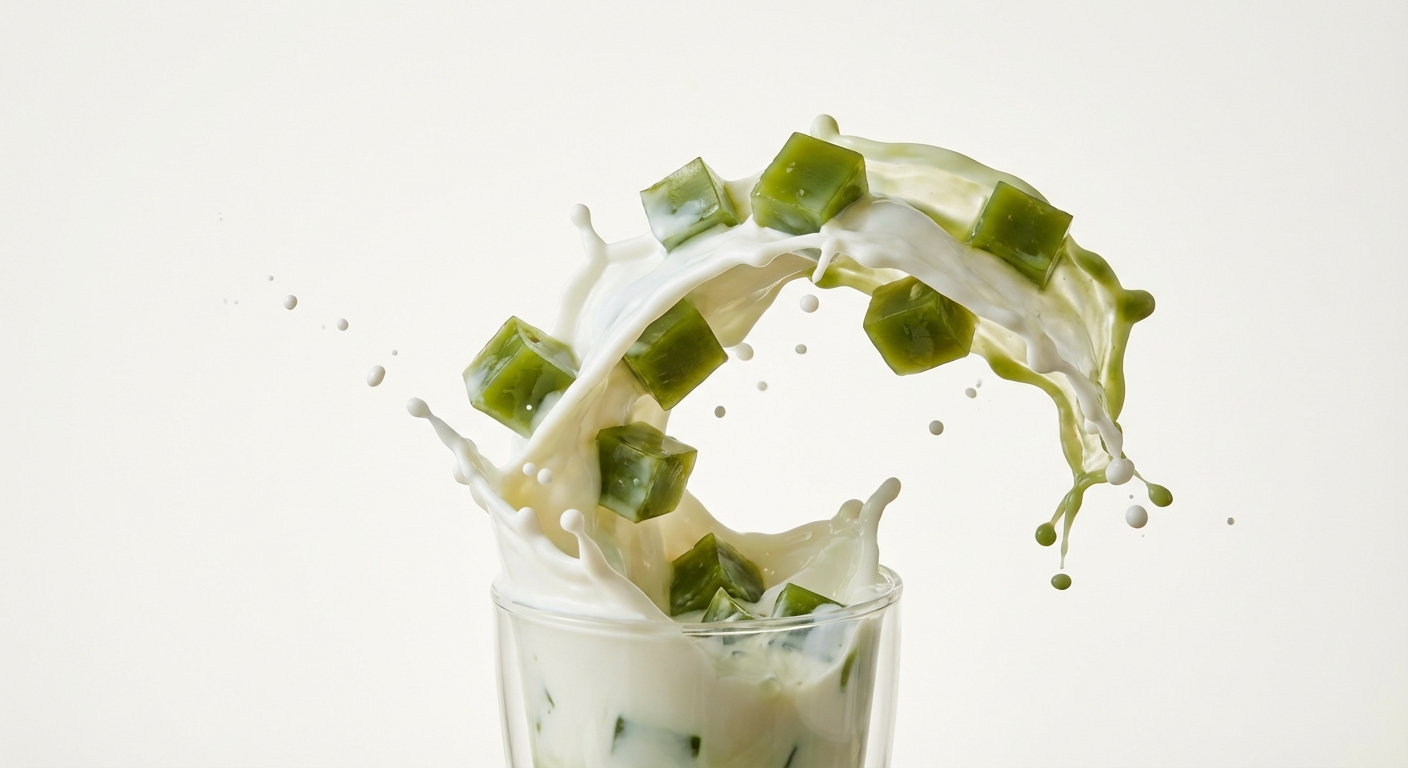
In the competitive world of artisanal beverages, the matcha milk jelly or matcha latte jelly recipe relies on its unique texture to stand out from a sea of standard lattes. Texture is not just a secondary feature; it is a primary driver of consumer satisfaction and perceived value. A drink that offers a “chew” or a “bite” is often perceived as more substantial and indulgent than a purely liquid one, justifying a higher price point.
You will find that the inclusion of jelly changes the way people consume the drink, forcing them to slow down and savor the different elements. This increased engagement leads to a more memorable experience, which is the key to building a loyal customer base or impressing your friends at home. Texture is the bridge that turns a simple refreshment into a sophisticated culinary event.
How does texture impact flavor perception?
Our brains are wired to associate different textures with specific flavor intensities and qualities. When you chew a piece of tea-infused jelly, you are physically breaking down the matrix of the agar, which releases a concentrated burst of flavor directly onto your tongue. This creates “flavor peaks” throughout the drinking process that keep the experience from becoming monotonous.
- Chewing stimulates saliva production, which helps to spread flavor compounds across the palate.
- The resistance of the jelly makes the creamy milk feel even smoother by contrast.
- Delayed flavor release keeps the aftertaste interesting and long-lasting.
Believe it or not, the same liquid can taste more complex simply by changing its physical form from a fluid to a semi-solid gel.
Why do consumers love “drinkable desserts”?
The global trend toward “topped” or “textured” drinks is driven by a desire for novelty and a shift in how we view snack time. Many people now look for beverages that can serve as a mid-afternoon snack, providing both hydration and a bit of “entertainment” for the mouth. The jelly drink fits perfectly into this niche, offering a fun, interactive experience that feels like a reward.
- It satisfies the psychological need for chewing, which is often linked to stress relief.
- The visual variety of cubes in a glass makes the drink feel “hand-crafted” and artisanal.
- It appeals to a wide demographic, from children who love the fun to adults who appreciate the sophistication.
Think about it: when was the last time you were truly excited by a plain cup of tea? Adding texture reintroduces that sense of wonder.
Is texture a tool for brand differentiation?
For a business, your signature texture can become your most powerful branding tool. If your cafe is known for having the “bounciest” or most “vibrant” jelly, customers will seek you out specifically for that experience. It is much harder for competitors to replicate a specific texture and mouthfeel than it is to copy a simple flavor combination.
- Unique textures create a “USP” (Unique Selling Proposition) for your menu.
- Word-of-mouth marketing is often driven by people describing the “fun” part of the drink.
- It allows you to create seasonal variations by simply changing the size or shape of the jelly.
Key Takeaway: Texture drives flavor intensity, consumer engagement, and brand loyalty, making it a vital component of a successful recipe.
Texture Element | Sensory Impact | Consumer Reaction |
|---|---|---|
Firmness | Provides a satisfying bite. | Perceived as high quality and “fresh.” |
Smoothness | Contrasts with the liquid. | Enhances the luxury feel of the milk. |
Consistency | Ensures every sip is the same. | Builds trust and repeat purchases. |
By prioritizing texture, you are speaking to the modern consumer’s desire for a multi-sensory and deeply satisfying beverage.
How do you store the ingredients for your matcha milk jelly or matcha latte jelly recipe?
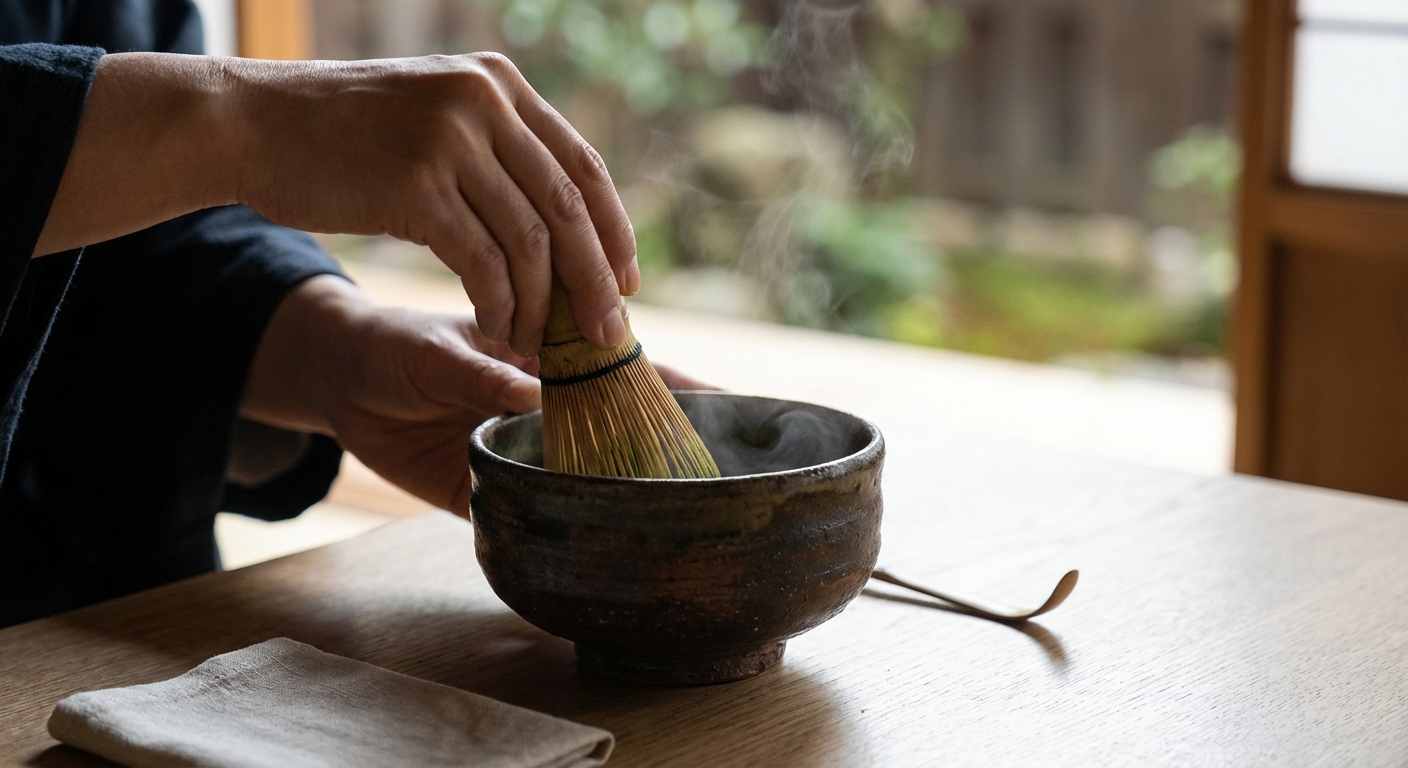
Proper storage of your ingredients is the only way to protect the integrity of your matcha milk jelly or matcha latte jelly recipe over time. Tea powder is essentially a “living” product that is highly susceptible to heat, light, air, and moisture—the four enemies of freshness. If you leave your powder exposed, it will rapidly lose its vibrant color and turn from a sweet, grassy umami to a dull, metallic bitterness.
You must be equally diligent with your prepared jelly and open containers of plant milk to prevent spoilage or flavor cross-contamination. Storing these items correctly ensures that your last drink of the week tastes just as incredible as the first one you made. By following a few simple professional storage protocols, you protect your investment and ensure a high-quality result every time.
What is the best way to store tea powder?
The golden rule for storing tea powder is to keep it in a cool, dark, and dry place, preferably in the original light-proof packaging it came in. For long-term storage, some professionals even recommend keeping the sealed tins in the refrigerator or freezer to slow down the natural degradation of the chlorophyll. If you do this, you must allow the tin to reach room temperature before opening it to prevent condensation from forming on the powder.
- Always ensure the lid or zip-lock is completely airtight after every use.
- Avoid storing your tea near strong-smelling spices, as the powder absorbs odors easily.
- A dedicated “tea drawer” away from the oven or dishwasher is the ideal kitchen spot.
Now, imagine this: you open your tin months later and the powder is still as neon-green as the day you bought it. That is the power of proper storage.
How long does prepared jelly last?
Once you have prepared your jelly, it has a limited shelf life before the texture begins to change or the tea flavor oxidizes. For the best experience, you should consume the jelly within 48 to 72 hours of preparation. While agar-agar is very stable, the tea flavor will gradually lose its brightness, and the jelly may start to release a bit of water (syneresis) over time.
- Always store the jelly in an airtight container to prevent it from absorbing fridge smells.
- Keep the jelly in its block form and only cut the cubes you need for immediate use.
- If you notice any change in color to a dull brown, it’s time to make a fresh batch.
The truth is, fresh jelly always has a better “snap” and a cleaner flavor than jelly that has been sitting for a week.
Can you freeze matcha jelly?
Freezing is generally not recommended for agar-based jellies because the freezing process breaks the delicate structure of the gel. When you thaw it, the jelly will likely turn into a mushy, watery mess rather than regaining its firm, bouncy texture. If you have leftover tea powder, freeze that instead—just never the finished jelly product itself.
- Freezing causes the water molecules in the gel to expand and rupture the agar bonds.
- Thawed jelly loses its ability to be cut into clean, professional cubes.
- Instead of freezing, try to scale your batches so you only make what you can use in three days.
Key Takeaway: Protecting your powder from light and air while using fresh jelly within three days guarantees the best possible flavor and color.
Item | Storage Location | Shelf Life (Open) | Key Requirement |
|---|---|---|---|
Tea Powder | Cool, Dark Cupboard | 1-2 Months | Airtight & Light-proof. |
Prepared Jelly | Refrigerator | 2-3 Days | Airtight container. |
Plant Milk | Refrigerator | 5-7 Days | Keep cold and sealed. |
Good storage habits are the silent partners in your culinary success, preserving the hard work you put into selecting and preparing your ingredients.
FAQs About Matcha Jelly Drinks
Can I use gelatin instead of agar-agar for this recipe?You can, but the texture will be much more rubbery and it will not be vegan-friendly. Agar-agar provides a cleaner “snap” and stays firm at room temperature, which is generally preferred for this specific drink.
What’s the best way to prevent the tea powder from clumping?The most effective method is to sift the powder through a fine-mesh strainer before whisking. Additionally, whisking it with a small amount of warm water (not boiling) into a smooth paste before adding it to the bulk liquid ensures a lump-free result.
Can I make the jelly without any sweetener?Yes, you certainly can, but be aware that the tea flavor will be very earthy and potentially slightly bitter. Most people find that a small amount of sweetener helps to “unlock” the more delicate floral and grassy notes of the tea.
What’s the best type of milk for a creamy matcha jelly drink?Oat milk is widely considered the best choice because its natural creaminess and toasted flavor complement the tea perfectly. However, coconut milk is a close second if you prefer a more indulgent, dessert-like experience.
Can I store the prepared jelly for more than a week?It is not recommended, as the tea flavor will oxidize and turn dull, and the texture may become watery. For the best taste and “snap,” try to consume your jelly within three days of making it.
Perfect Your Matcha Craft Today
Mastering the matcha milk jelly or matcha latte jelly recipe is a rewarding journey that blends traditional tea culture with modern culinary innovation. Whether you are a home enthusiast looking for a healthier alternative to sugary snacks or a business owner aiming to captivate your customers with a unique signature beverage, this recipe offers the perfect solution. By focusing on high-quality organic sourcing, precise preparation techniques, and creative layering, you can create a drink that is truly world-class.
At Riching Matcha, we understand the challenges of finding consistent, premium-grade ingredients that meet international standards. We are dedicated to solving your sourcing problems by providing top-tier, organic-certified powders directly from our specialized manufacturing facilities. Our mission is to empower your creativity and help you elevate your beverage program to new heights of success and flavor. To take the first step toward transforming your tea menu and impressing your guests with exceptional quality, please contact us today for wholesale inquiries or samples.