
The global shift toward functional wellness has propelled matcha from a traditional Japanese tea ceremony staple to the centerpiece of modern café culture. However, the difference between a gritty, bitter cup and a velvety, umami-rich masterpiece lies entirely in the tools and the technique. This comprehensive guide serves as the definitive resource for enthusiasts and businesses looking to master the matcha latte kit, leveraging the expertise of Riching Matcha, a global leader in organic tea production with over 3,000 hectares of tea gardens in Hangzhou.
Whether you are a home barista or a café owner sourcing in bulk, understanding the synergy between high-grade powder and traditional hardware is the first step toward brewing perfection.
Every perfect brew begins with the raw material. In the world of tea, “matcha” is not a monolith; it is a spectrum of quality defined by harvest timing, shading, and processing. A professional matcha latte kit must be centered around the correct grade to ensure the flavor is not lost when mixed with milk or sweeteners.
- Ceremonial Grade Matcha : The pinnacle of quality. Harvested during the first flush in spring, these youngest leaves contain the highest concentration of L-theanine. It offers a vibrant neon-green color and a delicate sweetness. While traditionally whisked with only water, it creates a “luxury” latte experience.
- Premium Grade Matcha : The most versatile option for lattes. It maintains a robust tea flavor that can “cut through” the fat content of dairy or plant-based milks without losing its characteristic emerald hue.
- Culinary Grade Matcha: Best reserved for baking or industrial food production. It has a bolder, more astringent profile that is often too bitter for a standard latte but perfect for matcha-flavored cookies or cakes.
Table 1: Matcha Grade Comparison for Latte Kits
Feature | Ceremonial Grade | Premium Grade | Culinary Grade |
|---|---|---|---|
Color | Electric Neon Green | Vibrant Forest Green | Dull/Yellowish Green |
Flavor | Umami, Sweet, Creamy | Balanced, Grassy, Bold | Astringent, Bitter, Nutty |
Best For | Traditional Drinking | Standard Lattes/Cafés | Baking & Smoothies |
L-Theanine | Highest | Moderate | Lower |
Caffeine | 60-80mg per 2g | 50-65mg per 2g | 30-45mg per 2g |
2. The Agriculture of Quality: Shading and Soil
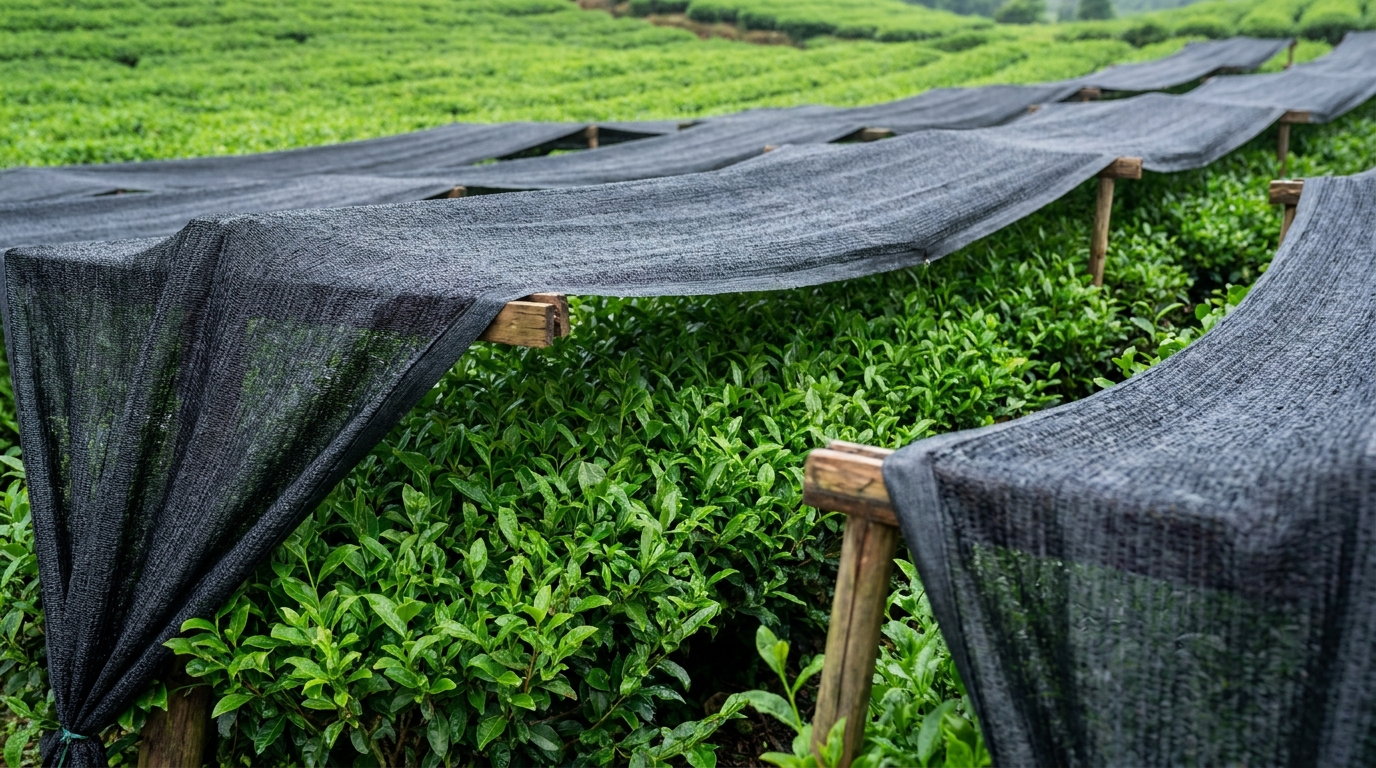
The quality of the tea in your kit is determined weeks before the harvest. At Riching Matcha’s 4,000,000 sqm farm, we employ a rigorous shading process. Approximately 21 to 30 days before the first flush, tea bushes are covered with heavy shade cloths.
This deprivation of sunlight forces the plant to overproduce chlorophyll and amino acids, specifically L-theanine. This chemical reaction is what gives high-quality matcha its deep green color and its ability to provide a “calm alertness” rather than the jitters associated with coffee. Without proper shading, the amino acids convert into catechins, which result in a bitter, yellow tea that fails to meet the standards of a premium kit.
3. Essential Hardware: The Traditional Tools of the Trade
A kit is only as effective as the tools it provides. While modern shortcuts exist, the traditional Japanese implements are designed for a specific mechanical purpose: the suspension of solids in liquid.
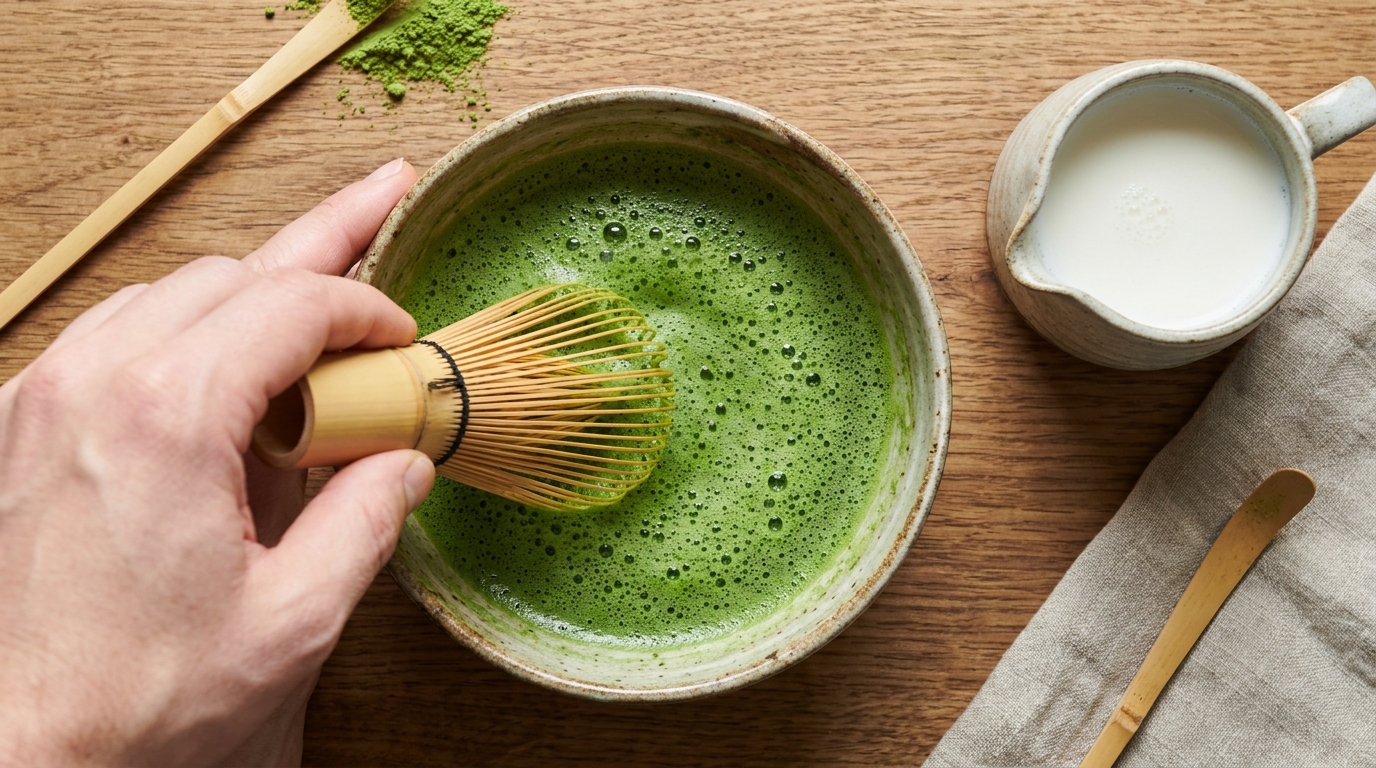
- The Chasen ( Bamboo Whisk ): Hand-carved from a single piece of bamboo, a high-quality chasen usually features 80, 100, or 120 prongs. These delicate tines are essential for aerating the tea and creating a fine micro-foam.
- The Chawan (Matcha Bowl): A wide, flat-bottomed ceramic bowl. The width is necessary to allow for the vigorous whisking motion required to dissolve the powder.
- The Chashaku (Bamboo Scoop): Calibration is key. One scoop of a chashaku is roughly equal to 1 gram, ensuring consistency in every serving.
Table 2: Traditional Whisk vs. Electric Frother
Feature | Bamboo Whisk (Chasen) | Electric Frother |
|---|---|---|
Texture | Micro-foam, creamy finish | Large bubbles, soapy texture |
Durability | High (if dried properly) | Low (battery/motor issues) |
Experience | Ritualistic and authentic | Fast and utilitarian |
Cleaning | Rinse with warm water | Needs soap/battery care |
Best For | Connoisseurs & Cafés | Travel & Quick Home Use |
4. The Sifting Secret: Achieving a Clump-Free Brew
One of the most common complaints regarding home-brewed matcha is “lumpiness.” Because matcha is stone-ground to a size of 5-10 microns, the particles are so fine that static electricity causes them to clump together.
A professional matcha whisk set should always include a fine-mesh sifter. Sifting the powder directly into the bowl before adding water ensures that every particle is exposed to the liquid, allowing for a perfectly smooth suspension. Skipping this step often results in pockets of dry powder that explode in the mouth, ruining the drinking experience.
5. Mastering Temperature: The Science of Non-Boiling Water
The most frequent error in matcha preparation is the use of boiling water. Matcha is essentially a “living” powder; boiling water (100°C/212°F) scorches the delicate leaves, destroying the sweet L-theanine and highlighting the bitter catechins.
The “Golden Rule” for a matcha latte kit is to use water at 80°C (176°F). If you do not have a temperature-controlled kettle, simply let boiling water sit for two minutes before pouring. This temperature is hot enough to dissolve the powder and release its aroma, yet gentle enough to preserve the nuanced flavor profile of a ceremonial or premium grade tea.

6. Whisking Techniques: From Beginners to Baristas
Whisking is a mechanical process of aeration. Many beginners make the mistake of whisking in a circular motion, similar to stirring coffee. This is ineffective.
To create the signature “froth” of a high-end latte, you must use a “W” or “M” motion using only your wrist, not your arm. The goal is to move the whisk back and forth as fast as possible for about 20-30 seconds. You are looking for a surface covered in tiny, uniform bubbles—this is known as usucha foam. Once this base is created, you can then add your steamed milk.
7. Hot vs. Iced: Versatility in Your Kit
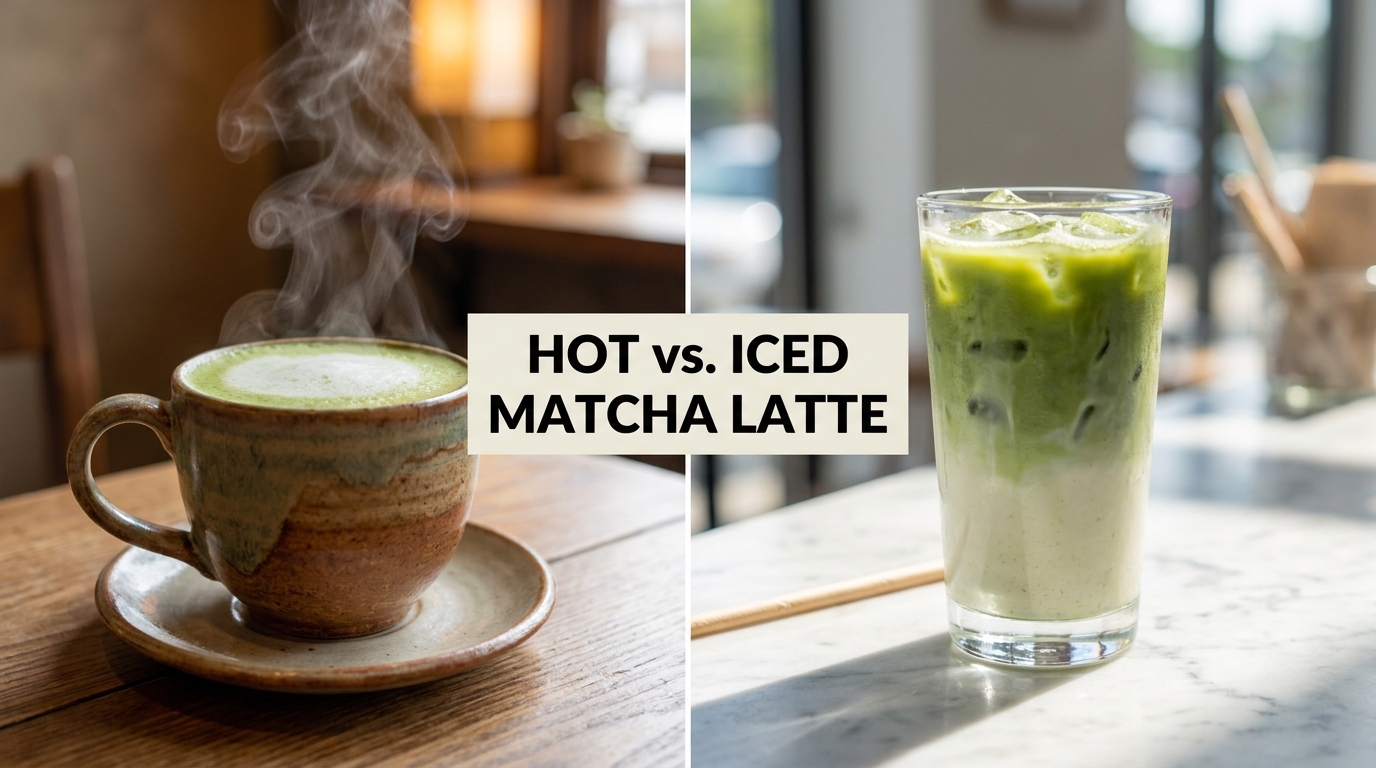
A versatile kit should cater to both seasonal preferences and flavor profiles.
- Hot Matcha Latte: Focuses on the aroma and the creaminess of steamed milk. It is a comfort beverage that highlights the “toasty” notes of the tea.
- Iced Matcha Latte: Relies on the refreshing nature of the tea. The secret to a perfect iced version is to dissolve the matcha in a small amount of warm water first to create a “concentrate” before pouring it over ice and cold milk. This prevents the matcha from clumping in the cold liquid.
8. The Milk Factor: Dairy and Alternative Pairings
The choice of milk can significantly alter the flavor profile of your matcha. Because matcha has high levels of polyphenols, it interacts differently with various proteins and fats.
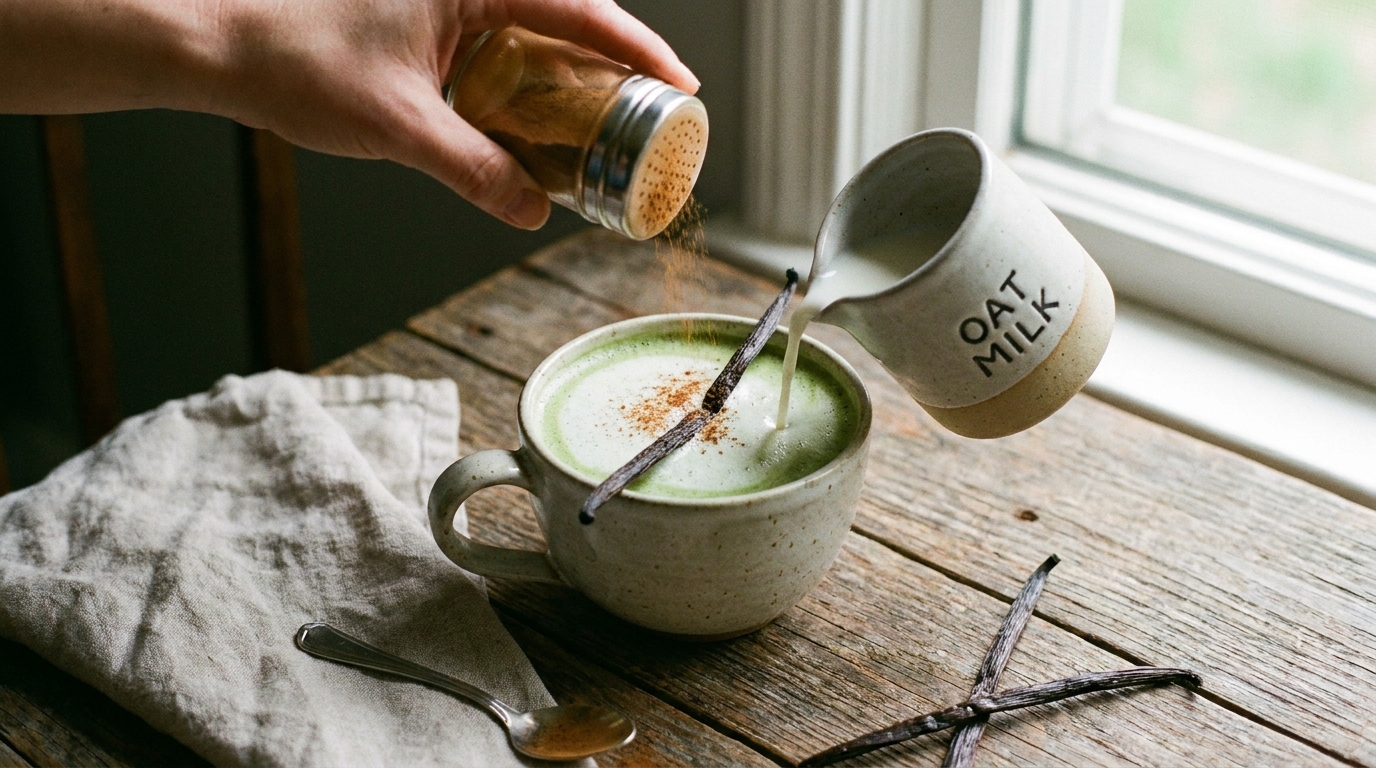
- Oat Milk: Currently the most popular pairing in the US and EU. Its natural sweetness and creaminess complement the “grassy” notes of the matcha perfectly.
- Soy Milk: A traditional pairing that offers a nutty undertone.
- Whole Milk: Provides the richest mouthfeel but can sometimes mask the delicate flavors of a ceremonial grade tea.
- Coconut Milk: Adds a tropical flair but should be used sparingly as it can dominate the palate.
9. Sourcing Excellence: Why Origin Matters
Trust and authority in the matcha industry are built on transparency. Riching Matcha, headquartered in Hangzhou—the historic cradle of tea culture—operates with full vertical integration. By owning our 4,000,000 sqm farm and utilizing over 500 specialized machines, we ensure that every gram of powder is traceable.
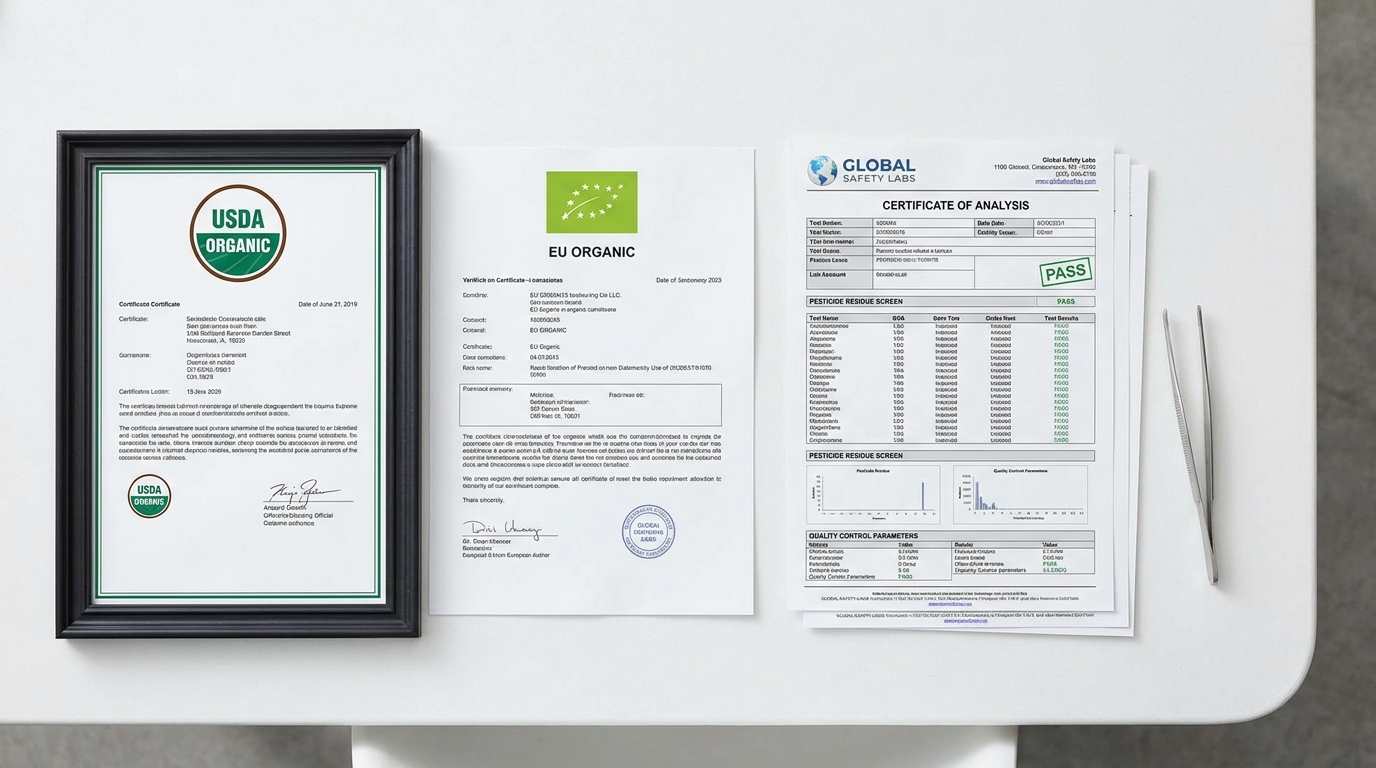
Our products undergo independent lab testing by organizations like EUROFINS and SGS to ensure they meet EU and USDA organic standards. For a business, this level of certification is critical for brand reputation and consumer safety. When you purchase a kit, ensure the matcha within is certified organic and free from heavy metals or pesticides.
10. Maintenance and Storage: Preserving the Green Gold
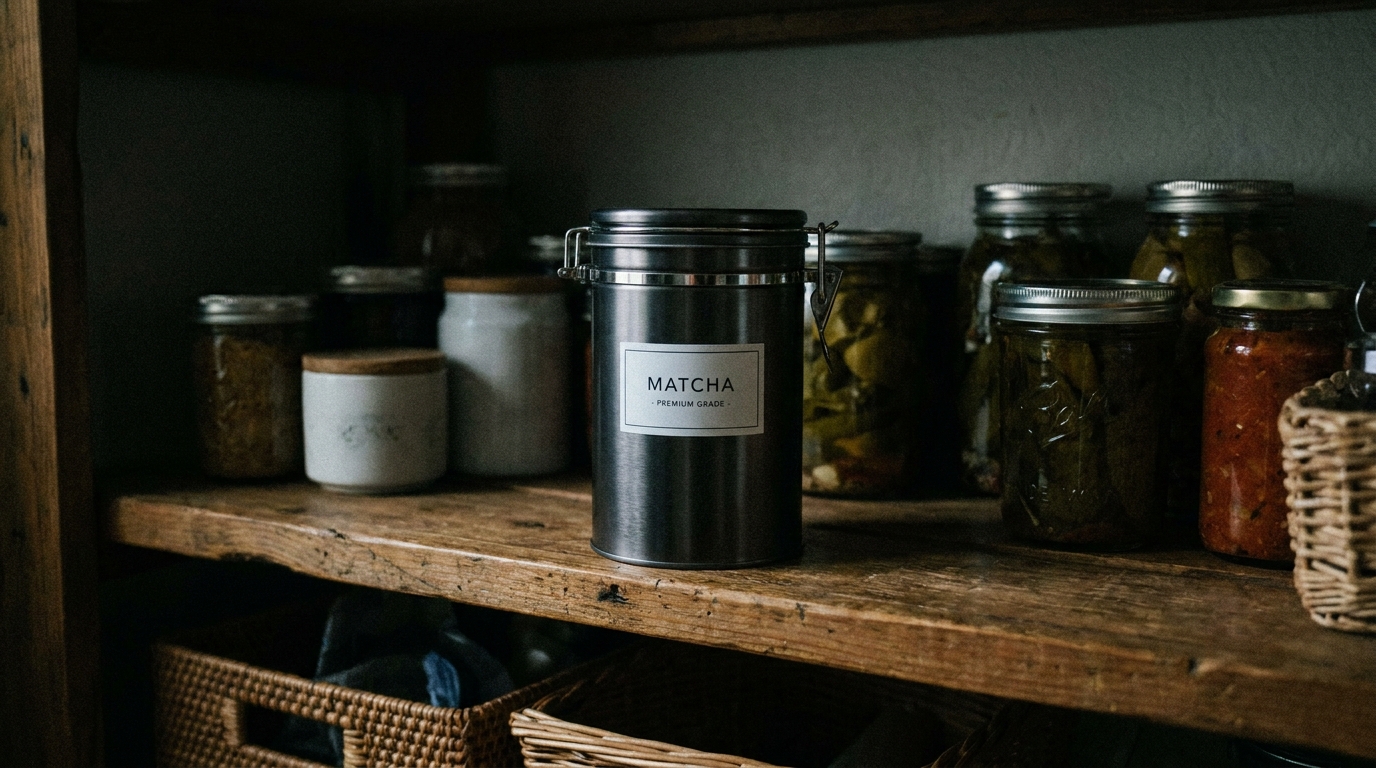
Matcha is incredibly sensitive to light, heat, and oxygen. Once a tin is opened, the powder begins to oxidize, turning from vibrant green to a dull brown and losing its nutritional value.
- Airtight Tins: Always keep your matcha in an opaque, airtight container.
- Refrigeration: For home users, storing matcha in the refrigerator can extend its freshness, provided it is sealed well to prevent moisture from entering.
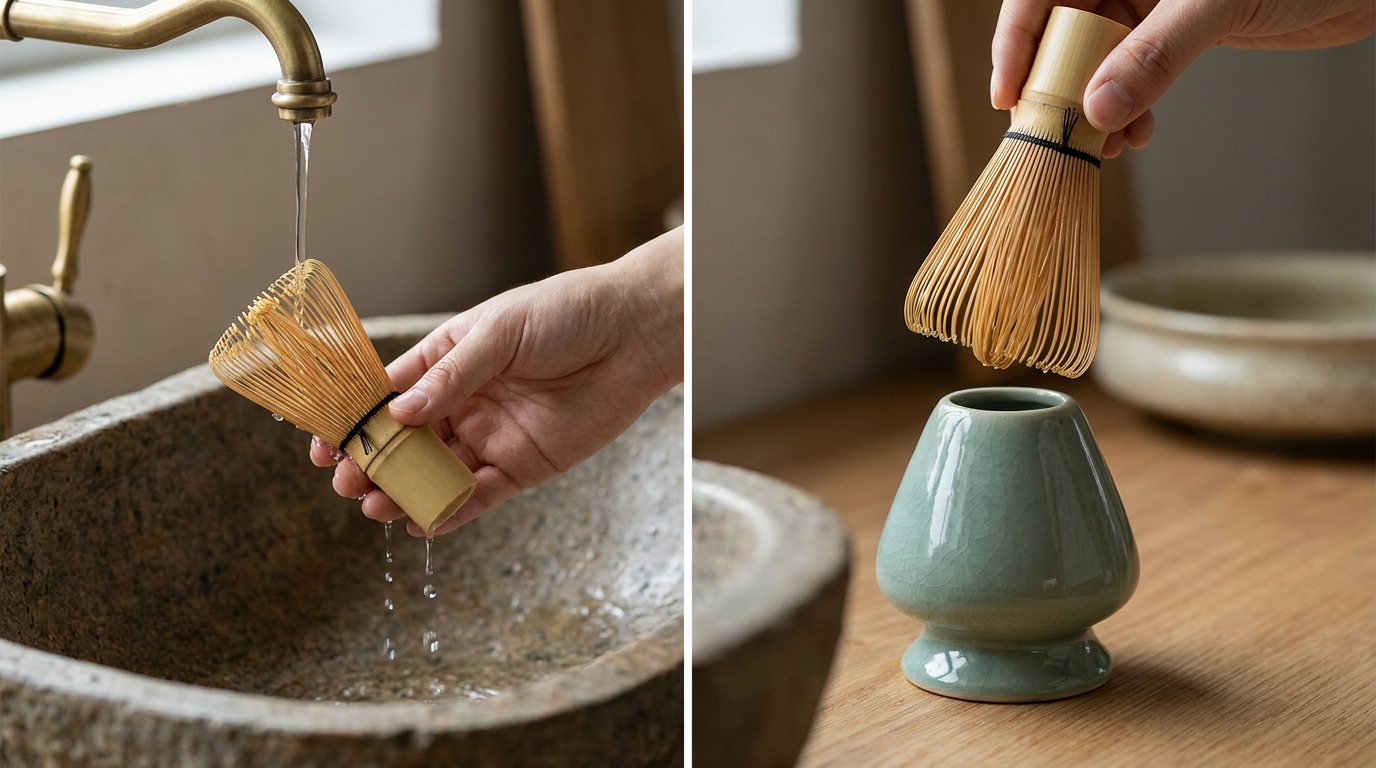
- Whisk Care: Never store your bamboo whisk face down. Use a whisk holder (Kusuna-naoshi) to help the tines maintain their shape and allow for air circulation to prevent mold.
11. Scaling Up: Wholesale and Private Label Opportunities
For entrepreneurs, the “Matcha Latte Kit” is more than a toolset—it is a business opportunity. Riching Matcha specializes in private label matcha , allowing brands to customize everything from the grade of tea to the packaging format.
We offer:
- Bulk Supply: For high-volume cafés and beverage chains.
- Custom Packaging: Tins, stick packs, and aluminum pouches.
- OEM Services: Specialized blends like Jasmine Matcha or Hojicha powder for unique menu items.
- Logistics Support: Export-ready documentation for global markets.
Frequently Asked Questions (FAQ)
1. What is the difference between Matcha and Green Tea?Regular green tea is steeped, and the leaves are discarded. With matcha, the entire leaf is ground into a fine powder and consumed, providing 10x the antioxidants of a standard cup.
2. Is it safe to drink matcha every day?Yes, most people can safely consume 1-2 servings a day. Its high antioxidant content and L-theanine provide numerous health benefits, though caffeine sensitivity should be considered.
3. Why is my matcha latte yellow?A yellow color usually indicates a low-quality culinary grade or that the powder has oxidized due to poor storage. Fresh, high-grade matcha should always be a vibrant green.
4. Does matcha help with weight loss?Matcha contains catechins (specifically EGCG), which have been shown in studies to boost metabolism and assist in fat oxidation, especially when combined with exercise.
5. How long does the bamboo whisk last?With proper care (rinsing and using a holder), a bamboo whisk can last 1-2 years. If the tines start to break or lose their curve, it is time for a replacement.