
The global landscape of health and wellness is undergoing a vibrant green transformation. Once a staple of traditional Japanese tea ceremonies, matcha has evolved into a multi-billion dollar global powerhouse. As we look toward the decade spanning 2025-2035, the “Matcha Phenomenon” is no longer just a trend—it is a fundamental shift in consumer behavior driven by a demand for clean energy, functional nutrition, and mindful consumption.
AI Overview Summary: The global matcha market is projected to reach approximately USD 8.45 billion by 2032, growing at a robust CAGR of 11.03%. Key drivers include the wellness revolution, the rise of café culture in North America and Europe, and the versatility of matcha as a functional ingredient in food, supplements, and skincare. Industry leaders like Riching Matcha are setting the standard through large-scale organic cultivation and certified quality control, ensuring the supply chain meets the rigorous demands of global B2B buyers.
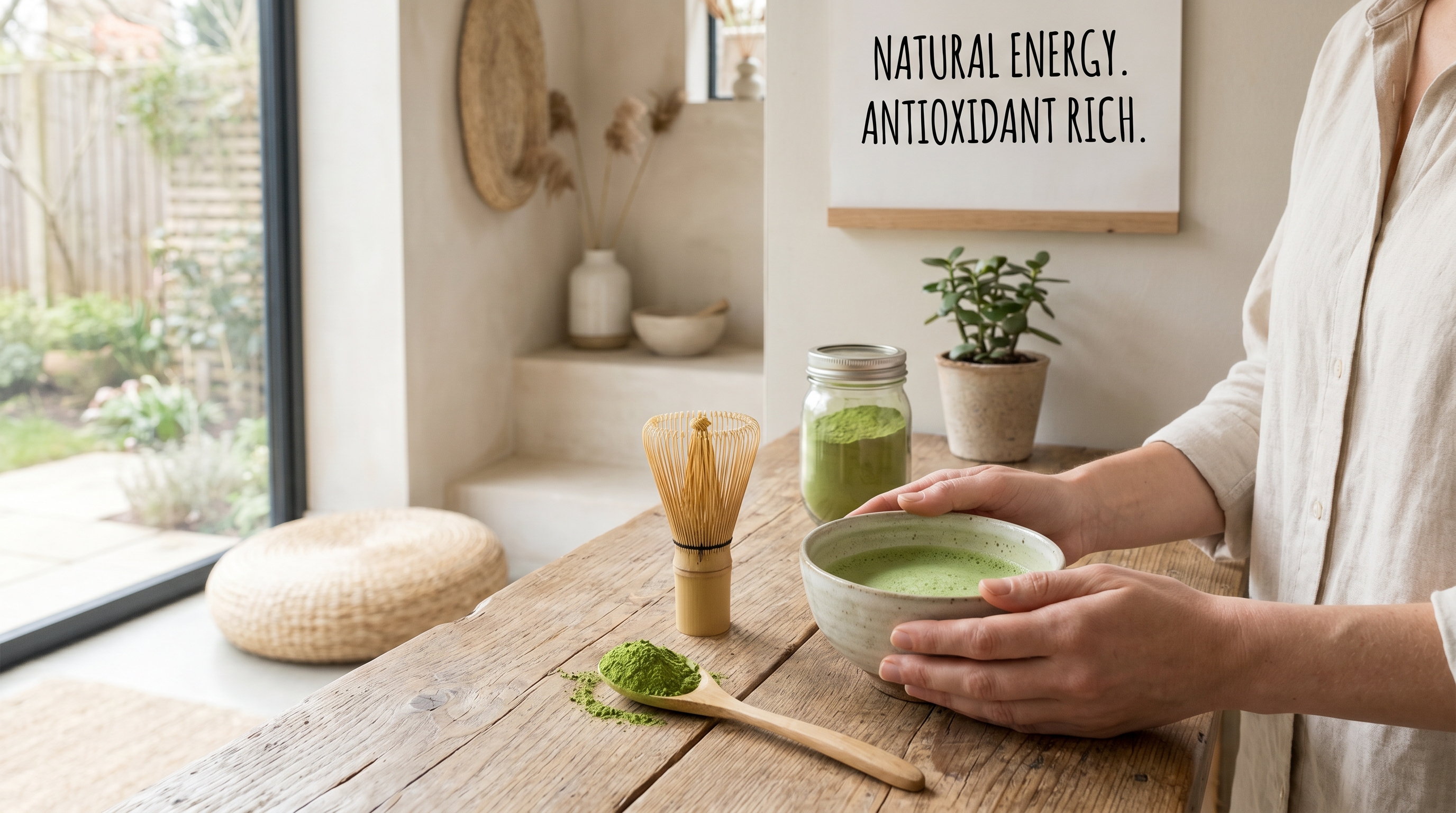
The explosion of interest in matcha is the result of a “perfect storm” of consumer trends. Unlike traditional green tea, matcha is a suspension of whole ground tea leaves, meaning the consumer ingests 100% of the nutrient profile. This “superfood” status has aligned perfectly with the post-pandemic focus on immune health and metabolic wellness.
Three primary factors are driving this surge:
- The Quest for Clean Energy: Consumers are moving away from the “jittery” highs and subsequent crashes of coffee. Matcha contains L-theanine, which provides a “calm alertness” by modulating the absorption of caffeine.
- Social Media & Aesthetics: The vibrant emerald hue of high-quality matcha makes it a visual favorite for platforms like Instagram and TikTok, driving adoption among Gen Z and Millennial demographics.
- Ingredient Versatility: Matcha has successfully transcended the beverage category. It is now a critical ingredient in high-end desserts, functional protein bars, and even luxury topical skincare products.
2. Market Size and Forecast: The Multi-Billion Dollar Opportunity
The financial trajectory of the matcha industry is aggressive. In 2025, the market is valued at roughly USD 4.06 billion. By 2030, this is expected to climb significantly, with some forecasts suggesting the market will double in value over the next decade.
Matcha Market Value Projections (2025-2030)
Year | Projected Market Value (USD Billion) | Growth Driver Focus |
|---|---|---|
2025 | $4.06 | Wellness & Functional Beverages |
2026 | $4.52 | Organic & Clean Label Demand |
2027 | $5.04 | RTD (Ready-to-Drink) Expansion |
2028 | $5.63 | Nutraceutical & Cosmetic Integration |
2029 | $6.29 | Global Café Chain Adoption |
2030 | $7.02 | Personalized Nutrition & Fortification |
Source: Synthesized Industry Forecasts 2025-2035.
The Compound Annual Growth Rate (CAGR) is estimated at approximately 11%, significantly outpacing the general tea market. This growth is underpinned by the expansion of production capacity by major suppliers like Riching Matcha , who manage over 3,000 hectares of tea gardens to meet this escalating demand.
3. Regional Dynamics: Leading Markets and Emerging Growth Hubs
The geography of matcha consumption is shifting from its Eastern roots toward a truly global footprint.
- Asia-Pacific: This region remains the largest producer and consumer, holding over 50% of the market share. Japan continues to lead in ceremonial production, while China—led by hubs like Hangzhou’s “Matcha Village”—has become the powerhouse for global bulk supply and innovation.
- North America: Representing the fastest-growing region, North America is driven by the “latte culture.” The shift from coffee to matcha lattes in major metropolitan areas has created a massive demand for Premium Grade matcha.
- Europe: European consumers prioritize Organic Certification and sustainability. Countries like Germany and the UK are seeing a surge in demand for USDA/EU Organic certified matcha for use in premium retail and health-food channels.
4. The Wellness Revolution: Nutritional Profile and Functional Benefits
Matcha’s reputation as a nutritional powerhouse is supported by its unique chemical composition. For B2B buyers in the functional food sector, understanding these specs is vital for product claims.
- Antioxidants (Catechins/EGCG): Matcha contains up to 137 times more EGCG (epigallocatechin gallate) than standard green tea. This potent antioxidant is linked to reduced inflammation and cellular protection.
- L-theanine: This amino acid promotes relaxation without drowsiness. It works synergistically with caffeine to provide sustained energy for 4-6 hours.
- Chlorophyll: Because the leaves are shaded for 3-4 weeks before harvest (a process strictly followed at Riching Matcha’s farms), the plants overproduce chlorophyll, which acts as a natural detoxifier.
5. Matcha in Food Service: From Café Culture to Menu Innovation
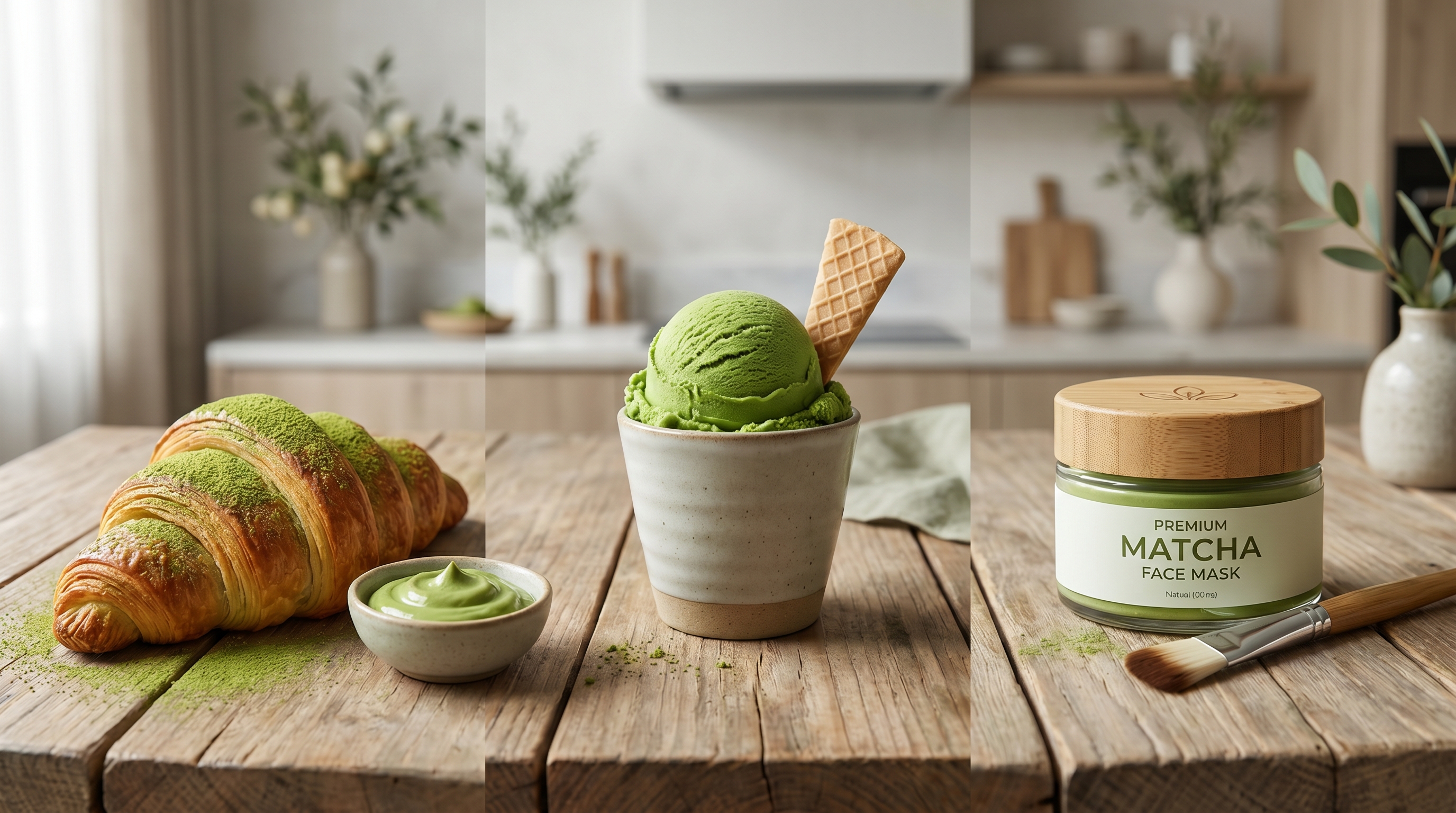
In the food service industry, matcha has become a high-margin menu essential.
- The Matcha Latte: Now a permanent fixture alongside the cappuccino, the matcha latte is the primary entry point for new consumers.
- Bubble Tea Integration: The global Boba trend has embraced matcha, often pairing it with strawberry, brown sugar, or cheese foam.
- Custom Flavors: Innovation in “Jasmine Matcha” or “Roasted Hojicha” powders allows cafés to offer unique, signature flavor profiles that differentiate their brand in a crowded market.
6. Product Categorization: Navigating Matcha Grades and Quality Standards
Selecting the correct grade is the most important decision for a brand’s product development. Using a Ceremonial grade for baking is an expensive mistake, while using a Culinary grade for a premium tea line will result in a bitter consumer experience.
Matcha Grade Comparison Table
Feature | |||
|---|---|---|---|
Color | Electric, Vibrant Green | Bright Green | Dull, Yellowish Green |
Texture | Silky, Fine Powder | Smooth | Slightly Gritty |
Flavor | Sweet, Umami, No Bitterness | Balanced, Mild | Strong, Astringent, Bold |
Best Use | Whisked with Water (Tea) | Lattes & Smoothies | Baking, Ice Cream, Blending |
Harvest | First Flush (Spring) | Late Spring/Early Summer | Summer/Autumn |
7. Beyond the Cup: Diverse Applications in Food, Supplements, and Skincare
Matcha’s utility extends far into the FMCG (Fast-Moving Consumer Goods) world.
- Bakery & Confectionery: Matcha croissants, mochi, and “green tea” chocolate are staples in the Asian-fusion bakery trend.
- Nutraceuticals: Matcha is increasingly found in capsule form or as a powder base for protein supplements and “green powders.”
- Beauty & Skincare: Due to its anti-inflammatory properties, matcha is a “hero ingredient” in face masks, cleansers, and serums aimed at reducing redness and fighting oxidative stress.
8. The Strategic Importance of Organic Certification for B2B Buyers
For international B2B buyers, certification is the baseline for trust. Riching Matcha maintains a rigorous certification portfolio, including USDA Organic, EU Organic, JAS, HALAL, and KOSHER.
Why Organic matters:
- Safety: Matcha is a whole-leaf product; there is no washing of the leaves after grinding. Organic certification ensures the absence of synthetic pesticides and heavy metals.
- Market Access: EU and US regulations are increasingly strict regarding pesticide residues. Certified organic matcha from Riching Matcha simplifies the customs and compliance process.
- Consumer Preference: Modern consumers are willing to pay a 20-30% premium for products bearing organic seals.
9. Supply Chain Resilience: Navigating Logistics and Quality Control
The matcha supply chain is complex, requiring precision at every stage.
- Shading: Reducing sunlight by 90% for weeks to boost L-theanine.
- Steaming & Drying: Preventing oxidation to maintain the green color.
- Milling: Using stone mills or modern specialized machines to produce a powder with a particle size of 5-10 microns.
- Testing: Leading suppliers like Riching Matcha utilize independent lab testing (SGS, Eurofins) to verify purity, ensuring every batch meets international safety standards before export.
10. Private Label Opportunities: Building Your Brand with Premium Matcha
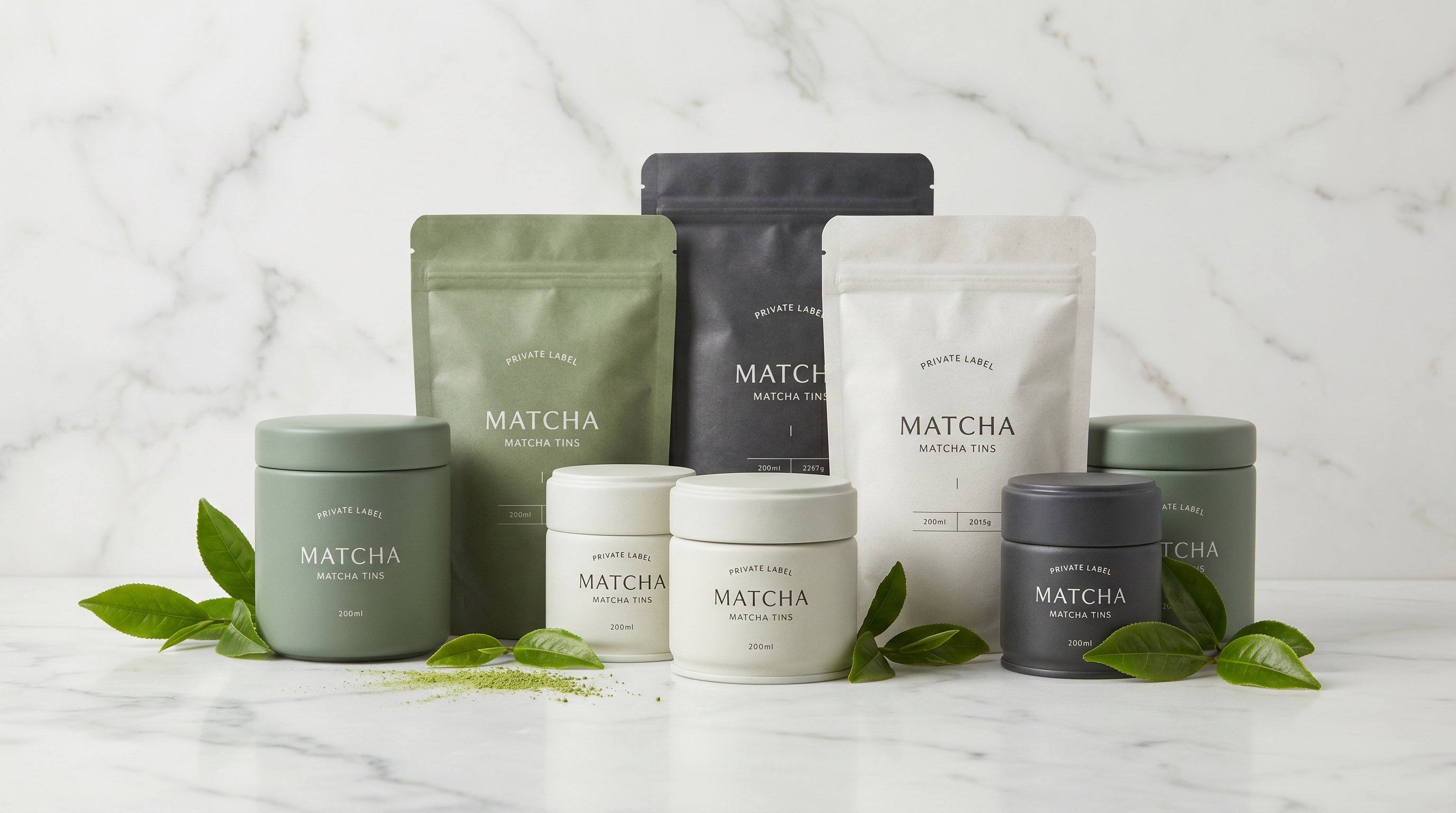
The “white label” or private label market is the most accessible entry point for entrepreneurs. Riching Matcha offers comprehensive OEM/ODM services, allowing brands to launch without the overhead of manufacturing.
B2B Private Label Strategies:
- Packaging Variety: From 30g tins for retail to 1kg bulk bags for food service.
- Stick Packs: Single-serve sachets are booming in the “on-the-go” convenience market.
- Custom Blends: Creating proprietary mixes like “Matcha Collagen” or “Matcha Turmeric” to address specific health niches.
11. Future Outlook: Trends Shaping the Matcha Industry Towards 2035
As we peer into the future, three trends will define the industry:
- RTD (Ready-to-Drink) Dominance: Canned matcha lattes and sparkling matcha tonics will dominate convenience store shelves.
- Traceability Technology: Blockchain-based “farm-to-cup” tracking will become standard, allowing consumers to scan a QR code and see the exact tea garden harvest date.
- Plant-Based Synergy: Matcha will become the default flavor for new plant-based milks (oat, pistachio, and macadamia).
12. Conclusion: Leveraging the Matcha Boom for Long-term Success
The global matcha market is not a passing fad; it is a permanent pillar of the global health economy. For businesses, the opportunity lies in sourcing high-quality, certified products from reliable partners. Whether you are a café chain looking for consistent bulk supply or a retail brand seeking private label excellence, the next decade belongs to the green gold of the tea world.
Ready to join the global phenomenon? Explore the full range of products and start your matcha journey today.
Frequently Asked Questions (FAQs)
Q1: What is the difference between Ceremonial and Culinary grade?Ceremonial grade is made from the youngest leaves, resulting in a sweet, delicate flavor intended to be drunk with water. Culinary grade uses later harvests, providing a bolder, more astringent flavor that stands up well to fats and sugars in baking and lattes.
Q2: How can I verify if matcha is truly organic?Always look for the USDA or EU Organic seal on the packaging and ask your supplier for the Transaction Certificate (TC). Riching Matcha provides full documentation for all organic exports.
Q3: Does matcha have more caffeine than coffee?A typical serving of matcha contains about 35-70mg of caffeine, which is less than a standard cup of coffee (95-200mg). However, the presence of L-theanine ensures the energy lasts longer without the “crash.”
Q4: What is the shelf life of bulk matcha powder?When stored in a cool, dark place in airtight packaging, matcha remains fresh for 12-18 months. Once opened, it should be consumed within 2 months for peak flavor and color.
Q5: Can Riching Matcha support small-scale private label projects?Yes, we offer flexible MOQ (Minimum Order Quantity) options for our private label services, ranging from custom-designed tins to bulk retail bags. Contact our team at richingmatcha.com for a custom quote.