
2. Who Should Consider Launching a Matcha Product Line?
Specialty Coffee and Beverage Chains
Health, Wellness, and E-Commerce Brands
Nutraceutical and Food Manufacturers
Boutique Retailers and Corporate Gifting Houses
3. Choose the Right Matcha Product Category for Your Market
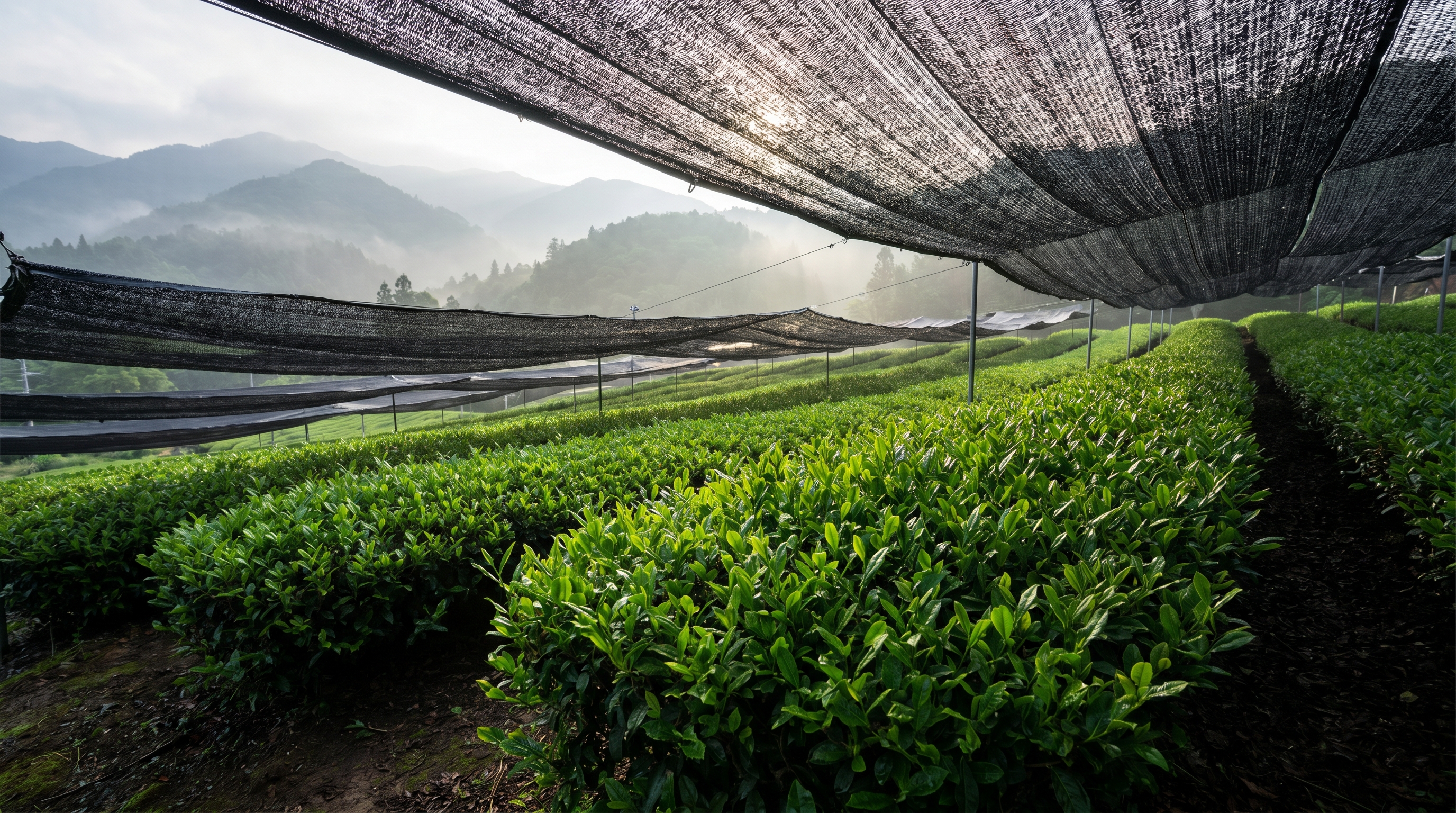
Pure Single-Origin Matcha Powder
Blended Functional Matcha
- Matcha + Marine Collagen: Targets skin elasticity, beauty-from-within, and joint health.
- Matcha + Lion’s Mane & L-Theanine: Designed for executive focus, cognitive endurance, and neuroprotection.
- Matcha + Probiotics & Prebiotic Fibers: Formulated for daily gut health and metabolic support.
Premium Matcha Latte Blends
Ready-To-Drink (RTD) and Instant Single-Serve Formats
4. How to Select the Best Matcha Grade for Your Product Line
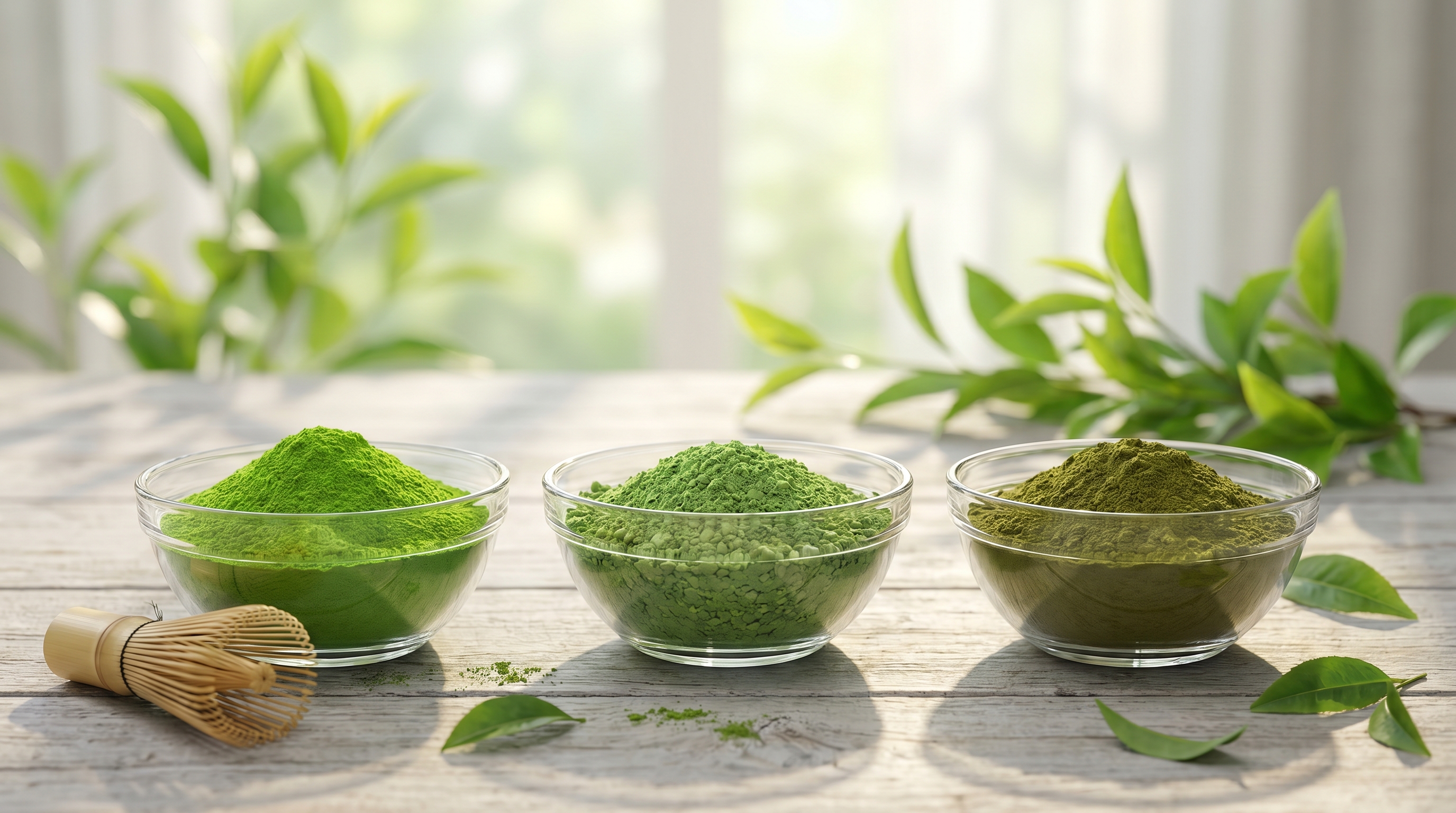
- Colorimetric Profile (L*a*b* Color Space): High-grade matcha sits deep in the negative a (greenness) and high b (yellowness) spectrum, yielding a highly vibrant jade-green hue. Lower culinary grades trend toward positive a and lower b, appearing dull, olive, or yellowish-brown.
- Particle Size Distribution (D50/D90): Premium ceremonial matcha is stone-milled to a microscopic size of 5 to 10 microns, which breaks down the cell walls of the leaf. This ultra-fine grind feels like soft talcum powder and suspends perfectly in water. Culinary grades typically feature a larger particle size (12 to 15 microns), which can feel slightly gritty and settles rapidly out of suspension.
- Amino Acid Concentration: Measured via high-performance liquid chromatography (HPLC). High L-theanine levels translate directly to a rich, savory “umami” flavor profile, whereas high tannin and catechin levels in late-season harvests lead to high bitterness and astringency.
Grade Designation | Color & Visual Profile | Taste & Aroma Metrics | Particle Size & Mesh Count | Solubility & Suspension Dynamics | Typical B2B Cost Structure & Best-Fit Applications |
|---|---|---|---|---|---|
Super Ceremonial | Luminous, vibrant jade green; velvety, bright appearance. | Intense sweet umami, zero astringency, creamy finish. | 5 – 8 microns (1,500 – 2,000 mesh) | Excellent; suspends instantly with zero clumping; highly stable foam. | Premium; best for direct whisked tea, high-end retail tins, luxury gifting. |
Standard Ceremonial | Rich emerald green; fresh, grassy, and clean. | Mild umami, subtle vegetal notes, very low astringency. | 8 – 10 microns (1,200 – 1,500 mesh) | High; dissolves cleanly with light whisking or shaking. | Upper-mid tier; ideal for premium cafe lattes, retail canisters, DTC brands. |
Cafe / Barista Grade | Medium emerald to light green with olive undertones. | Balanced umami with a sharp, clean astringency; cuts through milk. | 10 – 12 microns (1,000 – 1,200 mesh) | Moderate; requires thorough agitation or blending; quick settling. | Mid-tier; optimized for commercial espresso bars, sweet latte mixes, RTDs. |
Culinary / Ingredient | Olive to yellowish-green; duller appearance. | High astringency, bitter-sweet vegetal profile; highly robust. | 12 – 15 microns (800 – 1,000 mesh) | Low; settles rapidly; prone to clumping due to larger particle size. | Cost-effective; ideal for baking, chocolate, ice cream, protein bars. |
5. Private Label vs Full OEM: Which Option Is Better for Your Business?
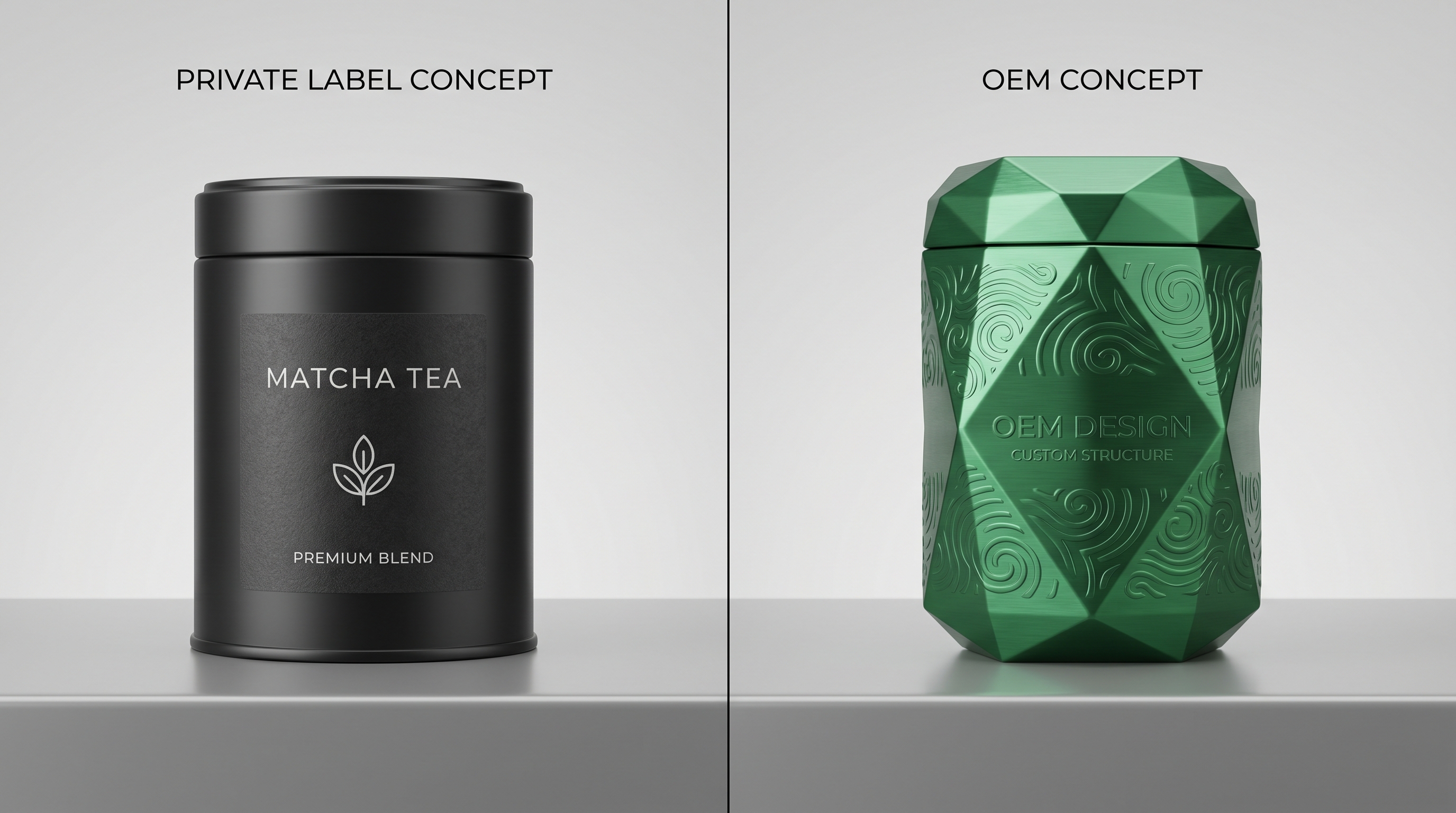
Private Label (Turnkey / White Label Solutions)
Full OEM (Bespoke Contract Manufacturing)
Operational Decision Vector | Private Label (Turnkey Model) | Full OEM (Custom Manufacturing Model) | Strategic Recommendation & Guidance |
|---|---|---|---|
Minimum Order Quantity (MOQ) | Low (typically 500 – 2,000 units per run) | High (typically 5,000 – 10,000+ units) | Use Private Label to conserve startup capital; scale to OEM as volume grows. |
Time-to-Market Timeline | Rapid (typically 4 – 8 weeks from design approval) | Extended (typically 4 – 6+ months due to R&D and testing) | Private Label is best for capturing immediate market trends. |
Formulation Ownership & IP | Owned by the manufacturer; leased to the brand. | Owned or co-developed by the brand. | OEM is essential for brands seeking venture funding or long-term enterprise value. |
Sourcing & Terroir Control | Limited to the manufacturer’s pre-selected stock grades. | Complete control over origin, harvest season, and cultivars. | OEM allows you to tell a unique origin story on your packaging. |
Branding & Packaging Customization | Applied custom labels, screen printing on standard templates. | Custom-engineered tin shapes, custom box dies, embossed finishes. | OEM creates an premium, unmistakable unboxing experience on social media. |
Gross Profit Margin Potential | Moderate; higher unit cost due to lower volume runs. | High; optimized unit cost through large-scale raw procurement. | OEM maximizes your margins once you achieve consistent, high-volume sales. |
Regulatory & Compliance Burden | Low; manufacturer provides pre-approved USDA/EU/JAS certifications. | Shared; requires independent registration of custom formulations. | Private Label simplifies compliance for international launches. |
6. Key Packaging Options for Matcha OEM Products
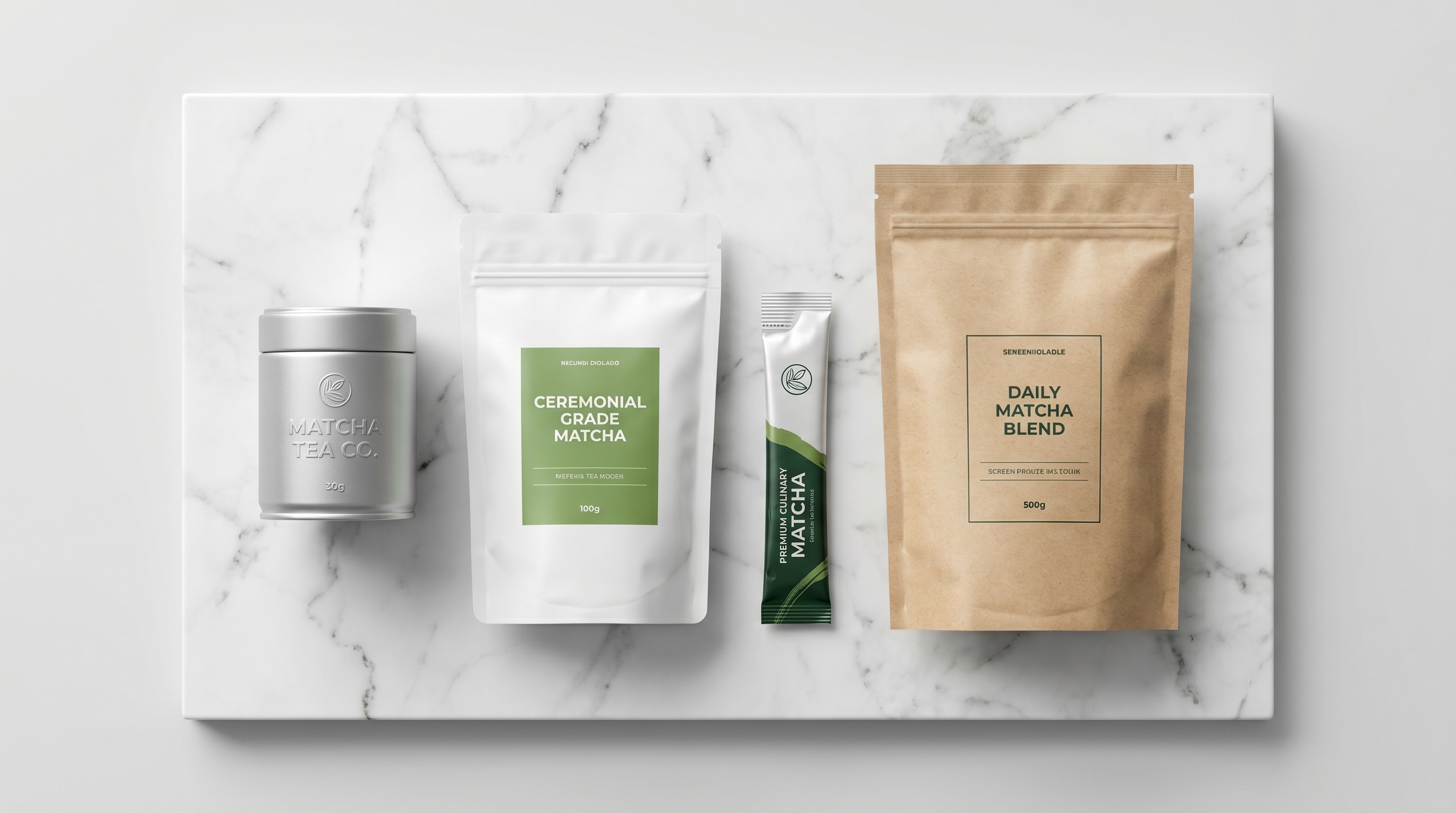
Hermetically Sealed Aluminum Tins (Canisters)
High-Barrier Stand-Up Pouches (SUPs)
Single-Serve Stick Packs (Sachets)
7. What Certifications Should a Matcha OEM Supplier Provide?
Key Global Food Certifications for Matcha OEM Suppliers
Certification System | Regulatory & Compliance Focus | Geographic Scope & Market Relevance | Key Audit Criteria & Thresholds |
|---|---|---|---|
USDA Organic (NOP) | Prohibits synthetic fertilizers, irradiation, genetic engineering, and chemical pesticides. | United States (Mandatory for organic labeling). | 100% organic ingredients; verified multi-year soil health history; strict separation of organic and non-organic lines. |
JAS (Japanese Agricultural Standard) | Verifies organic cultivation, processing, and packaging standards within Japan. | Japan (Equivalent with USDA and EU Organic via bilateral agreements). | No prohibited substances for at least 3 years prior to harvest; strict field buffer zones; certified annual physical audits. |
EU Organic (Regulation 2018/848) | Regulates agricultural production, processing, and strict import documentation. | European Union & EEA member states. | Mandatory Certificate of Inspection (COI) per batch; limit of 0.01 mg/kg for unauthorized plant protection products. |
FSSC 22000 / BRCGS | GFSI-benchmarked Food Safety Management Systems (FSMS) focusing on preventative controls. | Global (Highly demanded by tier-one retailers and multi-national brands). | Hazard Analysis Critical Control Point (HACCP) validation; allergen controls; environmental monitoring; comprehensive traceback drills. |
Kosher (e.g., OU, OK) | Ensures manufacturing processes conform to Jewish dietary laws. | Global (Highly relevant for US retail and functional supplement markets). | Absence of non-kosher processing aids; clean-in-place (CIP) verification; equipment kosherization protocols. |
Halal (e.g., JAKIM, IFANCA) | Ensures processing methods comply with Islamic law. | Southeast Asia, Middle East, and growing global Muslim demographics. | Zero exposure to ethanol, porcine byproducts, or cross-contamination; strict raw material origin tracking. |
- Pesticide Residue Analysis: Gas Chromatography-Tandem Mass Spectrometry (GC-MS/MS) and Liquid Chromatography-Tandem Mass Spectrometry (LC-MS/MS) screens testing for over 500 chemical compounds.
- Heavy Metal Quantitation: Inductively Coupled Plasma Mass Spectrometry (ICP-MS) verifying that lead (Pb), arsenic (As), cadmium (Cd), and mercury (Hg) fall well below international maximum residue limits (MRLs).
- Microbiological Testing: Assays for Total Plate Count (TPC), Yeast & Mold, E. coli, Salmonella, and Coliforms to guarantee biological safety.
8. How to Evaluate Matcha Quality Before Placing an OEM Order
1. Visual Assessment (The Color Metric)
- Method: Place 5 grams of matcha on a clean sheet of white paper and pull it with a flat card to create a smooth, thin layer.
- Analysis: Look for vibrant green shades with strong yellow-exclusion. Dull olive, khaki, or yellowish tones indicate late harvests, poor shading, excessive leaf-vein content, or thermal degradation during the milling phase.
2. Particle Size and Texture Analysis
Matcha should feel like an ultra-fine, velvety talcum powder rather than gritty sand. High-end stone-milling typically yields particles with a mean diameter (
) of 5 to 10 microns.
- Method: Rub a small amount of dry powder between your thumb and forefinger, or smear it onto dry paper.
- Analysis: If the powder leaves a smooth, continuous streak with zero graininess, it has been correctly milled. Gritty textures indicate high speed, low-cost air-milling or insufficient removal of fibrous leaf stems and veins during the Tencha processing stage. This grittiness leads to rapid sediment precipitation in liquid formats, hurting beverage quality.
3. Organoleptic Testing (Sensory Evaluation)
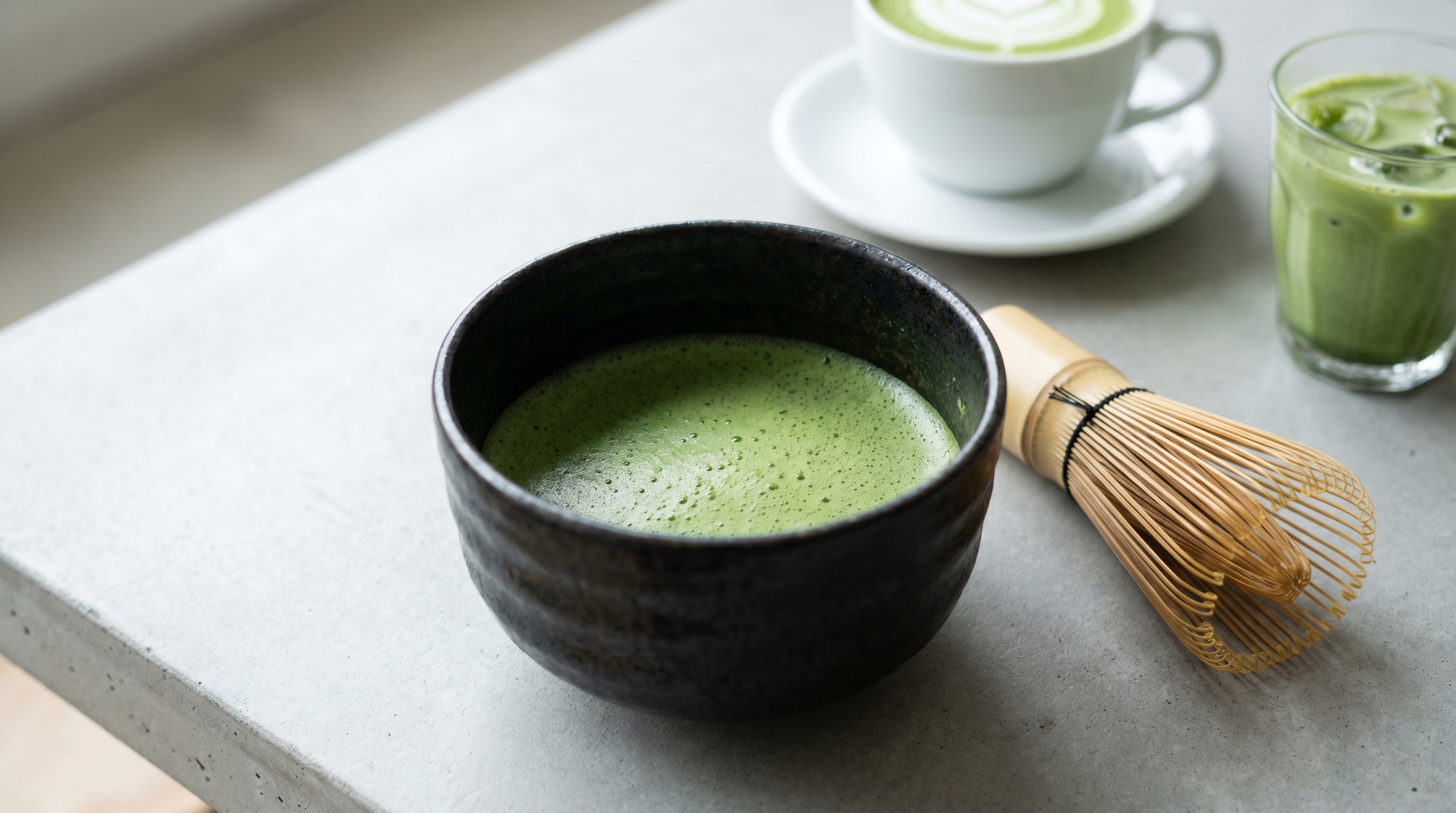
- Method: Whisk 2 grams of matcha with 70ml of filtered water at exactly 80°C (176°F) in a traditional ceramic bowl (Chawan) for 30 seconds using a bamboo whisk (Chasen).
- Analysis:
- Aroma: Evaluate the dry and wet aromas. High-grade matcha releases a clean, fresh, sweet, and vegetal aroma with distinct marine and grassy notes. Toasted, hay-like, or musty aromas suggest age or poor drying conditions.
- Taste: High-quality ceremonial grades deliver immediate, rich umami flavor (derived from L-theanine and proteins) with minimal, pleasant astringency. Conversely, if your product formulation targets baking, a higher concentration of polyphenols is desired. For these applications, procuring specialized premium culinary matcha formulations ensures the robust flavor profile cuts through fats, sugars, and high baking temperatures.
- Foam Stability: A fine, dense, micro-foamy layer that remains stable without rapidly separating indicates proper milling and high water-solubility.
4. Chemical Indicators
- L-Theanine Content: Typically >1.5%>1.5\%
in high-end ceremonial grades, providing clean cognitive focus.
- Moisture Content: Must be kept strictly below 5% (measured via Karl Fischer titration) to inhibit enzymatic browning and maintain microbiological stability.
9. MOQ, Lead Time, and Cost Factors in Matcha OEM Production
Minimum Order Quantities (MOQs) and Scaling Dynamics
- Raw Material Blending MOQs: Industrial ribbon blenders and V-mixers require a minimum volumetric load (often 50kg to 100kg per batch) to achieve a homogeneous distribution of ingredients. Running batches below these volumes leads to poor ingredient dispersion, particularly when blending micro-ingredients like adaptogens, natural sweeteners, or flavorings.
- Packaging Machinery Constraints: Automated vertical form-fill-seal (VFFS) machines for single-serve stick packs or stand-up pouch filling lines require significant physical film-roll lengths to calibrate tension, heating elements, and cutting dies. Consequently, custom printed film runs typically demand an MOQ equivalent to 20,000 to 50,000 stick packs.
- Finished Goods Packaging Options: To manage early-stage capital risk, startup brands can negotiate a two-tier strategy:
Lead Time Breakdown
- Pre-Production Phase (2 to 4 Weeks): Formulation sign-off, packaging artwork pre-press proofing, and raw material safety screening.
- Blending & Milling Phase (1 to 2 Weeks): Stone-milling Tencha leaves, mechanical blending, and quality control moisture testing.
- Packaging & Cleanroom Assembly (1 to 2 Weeks): Nitrogen-flushed packaging, metal detection, outer case packing, and lot coding.
- Logistics and International Shipping (2 to 6 Weeks): Air freight (fastest but high carbon and financial cost) versus sea freight utilizing temperature-controlled refrigerated containers (reefers).
Cost Drivers and Margins
- Raw Material Quality: The price-per-kilogram difference between spring-harvested ceremonial Tencha and summer/autumn-harvested culinary Tencha.
- Packaging Specifications: Multi-layer high-barrier laminates containing aluminum layers, fitted with resealable zippers or nitrogen gas flushing capabilities, carry a premium over single-layer PE structures but are non-negotiable for preserving shelf-life.
- Production Efficiency: Amortization of setup, sanitation, and machine tooling fees over larger production volumes.
10. How to Work with a Reliable Matcha OEM Manufacturer
Direct Manufacturer vs. Trading Broker
Key Vetting Questions for Procurement Managers
- What mechanical methods do you use to control moisture content during the final drying phase of the Tencha leaves, and what is your target water activity (awa_w
) range?
- Can you detail your packaging facility’s nitrogen-flushing capabilities? What is the maximum residual oxygen percentage inside the sealed pouch or tin upon shipment? (Ideally <1.0%<1.0\%
)
- How do you manage batch-to-batch color consistency? Do you utilize spectrophotometers to measure L*a*b* color space coordinates?
- What foreign-body detection systems are integrated into your packaging line? What are the detection thresholds for ferrous, non-ferrous, and stainless-steel contaminants?
Standard Operating Procedures for Risk Mitigation
- Mutual Non-Disclosure Agreement (MNDA): Execute this before sharing custom functional formulas or brand identity assets.
- Service Level Agreements (SLAs): Define clear, measurable parameters for acceptable sensory variations, lead-time windows, and clear protocols for handling out-of-specification (OOS) batches.
- Pilot Batch Protocols: Never transition directly from a laboratory sample to a massive commercial run. Always execute a small pilot run (e.g., 50kg to 100kg) to test the formulation’s flowability, seal integrity, and mixing uniformity on industrial-scale packaging equipment.
11. Step-by-Step Process to Launch Your Own Matcha Product Line
1. Define Market Positioning and Application Target
- Identify your primary target demographic (e.g., premium ceremonial tea purists, health-conscious retail consumers, or commercial baristas).
- Establish the product’s physical application format (e.g., pure single-origin powder, functional adaptogenic blends, ready-to-mix sweet lattes, or single-serve travel stick packs).
2. Secure Custom Formulations and Sample Approvals
- Request pre-shipment samples of diverse matcha grades from your manufacturer to benchmark color, particle size, and bitterness profiles.
- If creating custom functional blends (e.g., matcha blended with collagen, MCT powder, L-theanine, or functional mushrooms), collaborate with the factory’s in-house food scientists to run benchtop taste-masking and solubility trials.
- Utilize comprehensive matcha OEM and private label solutions to easily customize particle sizes and sweetening profiles to match your brand’s requirements.
3. Source Custom Packaging Films and Containers
- Select a packaging format (e.g., seamless aluminum tins, multi-layer stand-up pouches, or flexible stick packs).
- Provide your graphic design team with the factory’s precise mechanical die-lines to design custom artwork.
- Verify that your packaging supplier uses high-barrier films containing an aluminum layer (PET/AL/PE) or equivalent metallized structures (MOPP/VMPET/PE) to block UV light and ambient oxygen.
4. Regulatory Review and Testing Compliance
- Submit final ingredient lists to food safety compliance experts to verify labeling regulations in your target market (e.g., FDA, EFSA).
- Ensure the manufacturing partner conducts full-panel GC-MS/MS pesticide, ICP-MS heavy metal, and microbiological testing on the specific raw material batch selected for your production.
- Secure required shipping documentation, including Certificates of Analysis (COA), Phytosanitary Certificates, and JAS/USDA Organic transaction certificates.
5. Execute Pilot Run and Scaled Commercial Production
- Run a small pilot batch on automated packaging machinery to verify seal strength, check for static discharge during dry filling, and run sensory cupping tests on the finished product.
- Upon successful validation, approve the full-scale commercial run.
- Ensure the packaging cleanroom maintains relative humidity (RHRH
) below 35–40% and uses nitrogen-flushing technology to reduce oxygen levels inside the packaging to under 1%.
6. Cold-Chain Shipping and Warehousing Logistics
- Coordinate with custom brokers and logistics providers to arrange transport.
- For shipments transit during summer or across equatorial shipping lanes, utilize refrigerated containers (reefers) kept at a stable temperature (10°C10\text{°C}
to
15°C15\text{°C}) to prevent thermal browning and loss of delicate volatile aromas.
- Store finished inventory in clean, dark, climate-controlled warehouses away from aromatic goods (like coffee or spices) that matcha can easily absorb.
12. Conclusion: Start Your Matcha OEM Project with a Low-Risk Strategy
- Phase 1: Leverage existing, high-quality stock formulations with premium, semi-custom packaging options. This keeps initial investment low, minimizes regulatory hurdles, and allows you to test market demand.
- Phase 2: As your sales channels grow, scale into custom-engineered OEM formulations, custom printed barrier films, and optimized bulk shipping lanes to maximize gross margins.
Frequently Asked Questions (FAQs)
What is the typical shelf life of OEM matcha, and how is it preserved?
How do custom formulations differ from standard private label matcha blends?
- Private Label Blends: These utilize pre-formulated, off-the-shelf recipes owned by the manufacturer. The brand simply applies their custom label designs to the packaging. This model features low MOQs, quick lead times, and lower upfront research costs.
- Custom OEM Formulations: These involve co-developing a proprietary recipe. This can include custom ratios of ceremonial and culinary matcha grades, adding nutritional adaptogens (such as L-theanine, collagen, or functional mushrooms), or creating specific natural flavor and sweetening systems. OEM formulations require custom benchtop development, pilot-scale run validation, higher MOQs, and longer lead times, but they provide complete market differentiation and unique intellectual property.
Can a Western brand import JAS or USDA organic certified matcha directly?
How does shipping distance affect the color and flavor of the finished matcha powder?
Shipping distance itself does not degrade matcha, but the environmental conditions inside transit containers can cause rapid spoilage. Matcha is highly sensitive to heat and humidity. Shipping matcha in standard dry shipping containers across hot climates or equatorial waters can expose the product to temperatures exceeding
(
). This thermal stress causes rapid chlorophyll breakdown, turning the powder olive-brown and ruining the sweet amino acid profile.
To prevent this, high-quality importers use refrigerated containers (reefers) maintained at a constant temperature of
to
, ensuring the matcha arrives with its fresh, vibrant color and flavor intact.
What are the primary factors that cause wholesale matcha price fluctuations?
- Harvest Seasonality and Grade: The spring harvest produces the highest-grade ceremonial matcha, which commands premium pricing due to its limited annual supply and labor-intensive shading and picking processes. Summer and autumn harvests yield larger volumes of culinary grades at lower costs.
- Agricultural Inputs and Climatic Events: Weather patterns, late spring frosts, rainfall, and fertilizer costs directly affect crop yields and raw Tencha leaf quality.
- Global Transport and Logistics Costs: Fluctuations in international shipping container rates, fuel surcharges, and customs processing fees can impact the final landed cost of bulk matcha shipments. Partnering with a vertically integrated manufacturer with long-term agricultural contracts helps stabilize year-round raw material costs.