
The vibrant emerald hue of matcha is more than just a visual delight; it is a signal of one of nature’s most potent nutritional profiles. Unlike traditional green tea, where the leaves are steeped and then discarded, matcha is produced by grinding the entire tea leaf into a microscopic powder. When you consume matcha, you are ingesting the whole plant, unlocking a concentration of antioxidants, amino acids, and minerals that standard infusions cannot match. This comprehensive guide explores the multi-faceted world of matcha, from its ancient botanical origins to the cutting-edge science supporting its use for mental clarity, physical vitality, and long-term disease prevention.
Table of Contents
ToggleWhat is Matcha Powder Made From? The Cultivation Process
To understand why matcha is so beneficial, we must first look at its unique cultivation. All matcha comes from the Camellia sinensis plant, the same species used for black, oolong, and standard green teas. However, the journey of a matcha leaf is vastly different.
The process begins in the tea fields of Japan, most notably in regions like Uji and Shizuoka. Approximately 20 to 30 days before harvest, the tea bushes are covered with shade cloths (traditionally made of straw or modern synthetic materials) to reduce sunlight exposure by up to 90%. This deliberate deprivation of light triggers a profound biological response in the plant. To compensate for the lack of sun, the leaves go into “survival mode,” producing massive amounts of chlorophyll to maximize photosynthesis. This results in the characteristic deep green color of the leaves, known at this stage as Tencha.
Beyond color, the shading process alters the chemical composition of the leaf. It prevents the conversion of L-theanine (a calming amino acid) into polyphenols (which can add bitterness). Consequently, shade-grown tea is sweeter and more “umami” than sun-grown varieties. Once harvested, the leaves are steamed to stop oxidation, de-stemmed, de-veined, and eventually stone-ground into the fine powder we call matcha. A single stone mill may take up to an hour to produce just 30 grams of high-quality powder, ensuring the molecular structure remains intact without being damaged by friction-generated heat.
The Historical Evolution of Matcha: From Zen Rituals to Modern Superfood
The history of matcha is a 1,000-year-old narrative that bridges the gap between medicinal practice and spiritual discipline. While often associated exclusively with Japan, the roots of powdered tea lie in China during the Song Dynasty (960–1279 CE). During this era, it was common to steam tea leaves, press them into bricks for storage, and later grind them into a powder to be whisked in hot water.
In 1191, the Zen monk Eisai returned to Japan from China, bringing with him tea seeds and the knowledge of powdered tea preparation. Eisai famously wrote Kissa Yojoki (Book of Tea), where he proclaimed, “Tea is the ultimate mental and medical remedy and has the ability to make one’s life more full and complete.”
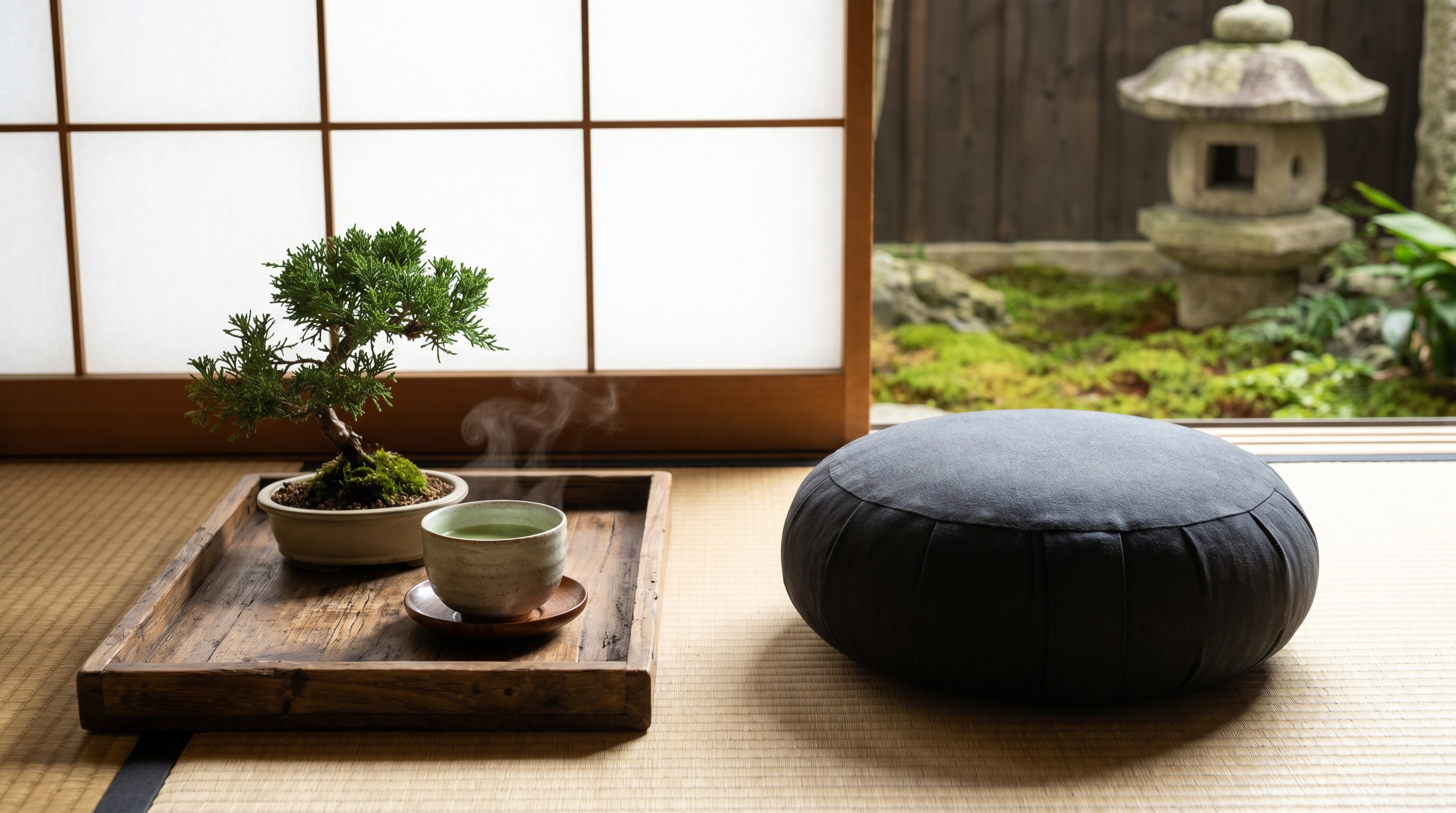
For centuries, matcha was the exclusive domain of Buddhist monks and the Japanese elite. The monks discovered that drinking matcha allowed them to remain alert yet deeply relaxed during long hours of meditation—a state now scientifically explained by the synergy of caffeine and L-theanine. This ritualized consumption evolved into the Chado or “Way of Tea,” a ceremony centered on harmony, respect, purity, and tranquility. Today, while matcha has entered the mainstream as a “superfood,” its core value remains the same: a tool for achieving a balanced state of body and mind.
Understanding Matcha Grades: Ceremonial vs. Culinary Quality
Not all matcha is created equal. The market typically categorizes matcha into “grades” based on the harvest time, the part of the plant used, and the processing method. Selecting the right grade is essential for both flavor preference and intended use.
Ceremonial Grade Matcha is the pinnacle of quality. It is produced from the youngest, most tender leaves of the first spring harvest. These leaves are rich in L-theanine and chlorophyll, resulting in a vibrant green powder with a delicate, naturally sweet flavor and a thick, creamy “umami” mouthfeel. It is intended to be whisked solely with water. For those seeking the highest purity, Ceremonial Grade Matcha provides the most concentrated nutritional profile.
Culinary Grade Matcha is often made from the second or third harvest. The leaves are slightly older and have been exposed to more sunlight, leading to a higher concentration of catechins, which provide a more robust, slightly astringent flavor. This bitterness is actually an advantage when mixing the tea with other ingredients, as it allows the matcha flavor to “cut through” the sweetness of milk or sugar in lattes and baked goods.
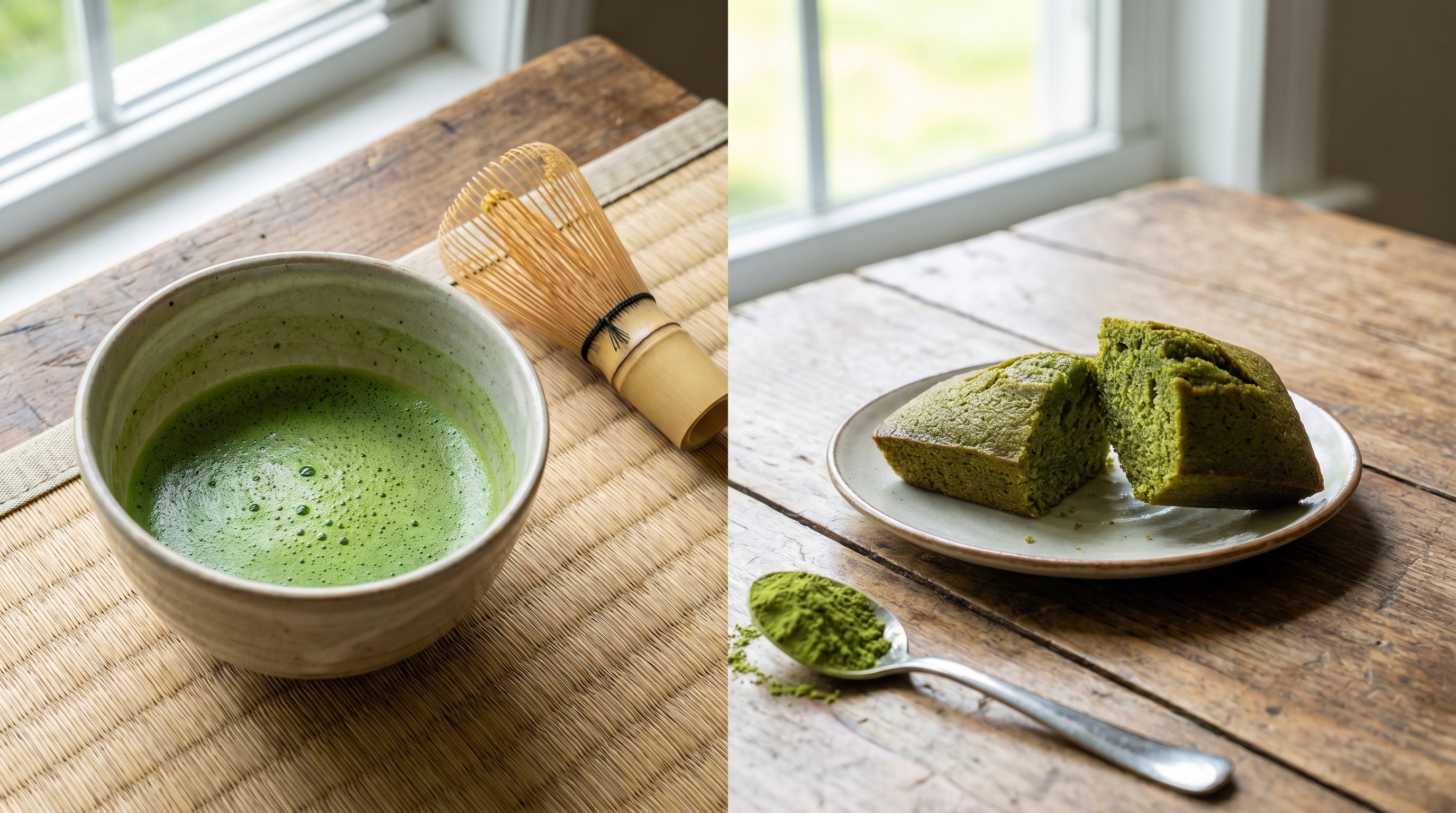
Table 1: Nutritional and Sensory Comparison of Matcha Grades
Characteristic | Ceremonial Grade | Premium Grade | Culinary Grade |
|---|---|---|---|
Harvest Time | First Harvest (Spring) | Late First / Early Second | Second or Third Harvest |
Color | Vibrant, Electric Green | Bright Green | Dull or Yellowish Green |
Flavor Profile | Sweet, Creamy, Umami | Balanced, Light Umami | Bold, Astringent, Nutty |
Texture | Ultra-fine (Silk-like) | Fine Powder | Slightly Coarser |
Best Use | Whisked with Water | Lattes, Smoothies | Baking, Cooking, Confectionery |
EGCG Content | High | Medium-High | High (Astringency) |
L-Theanine Content | Highest | Medium | Lower |
The Science of Antioxidants: How EGCG Protects Your Cells
The most celebrated benefit of matcha is its staggering antioxidant capacity. Antioxidants are molecules that neutralize free radicals—unstable atoms that can damage cells, leading to aging and chronic diseases like cancer and heart disease. Matcha is particularly rich in a class of polyphenols called catechins.
Among these, Epigallocatechin Gallate (EGCG) is the most potent. Research suggests that EGCG makes up about 60% of the total catechins in matcha. On a cellular level, EGCG works by scavenging reactive oxygen species (ROS) and enhancing the body’s natural antioxidant enzymes, such as superoxide dismutase (SOD) and glutathione peroxidase.
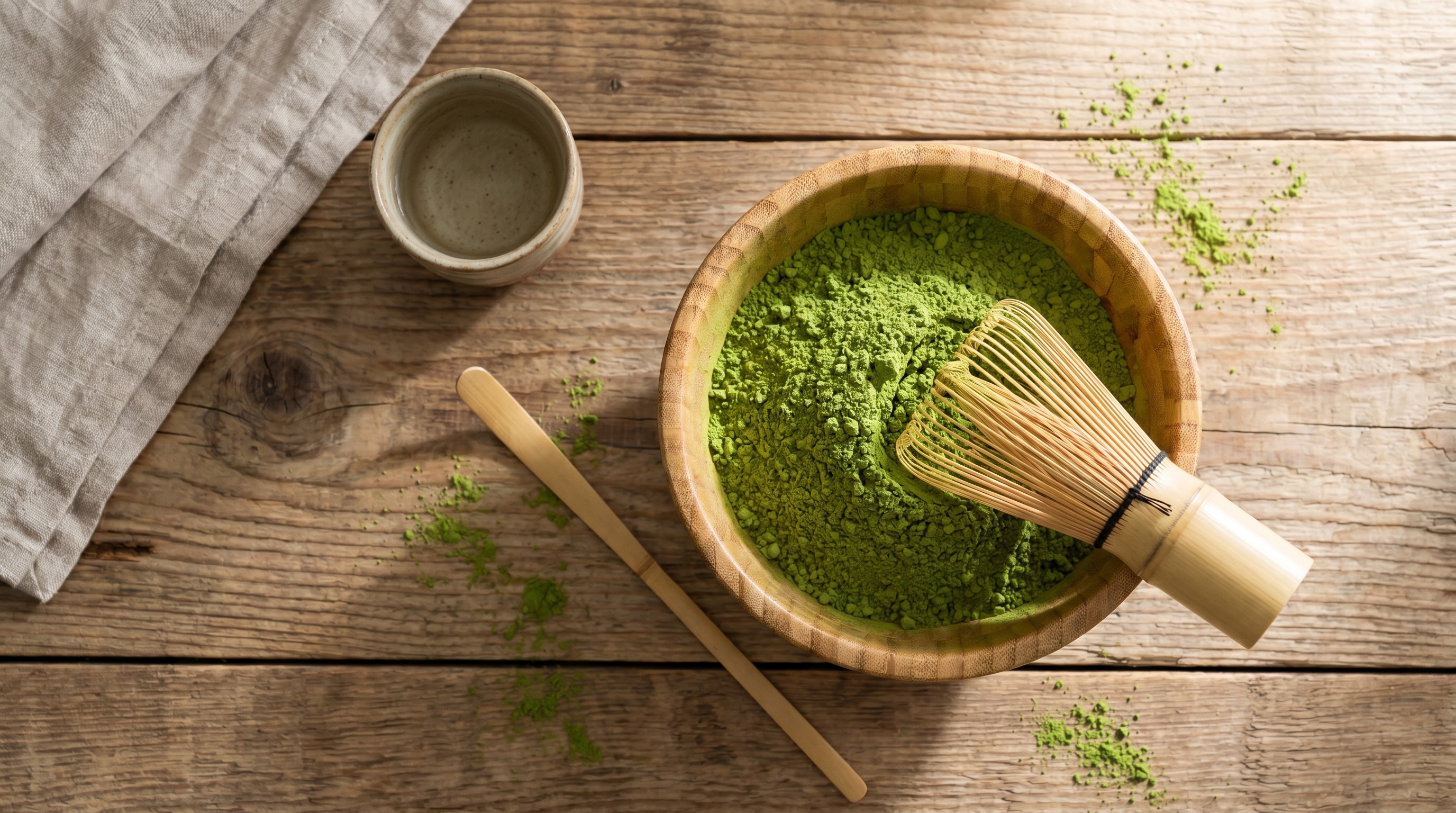
One of the most frequently cited studies regarding matcha’s potency found that it contains up to 137 times more EGCG than certain brands of bagged green tea. This is because when you drink steeped green tea, most of the antioxidants remain trapped within the leaves that you throw away. With matcha, you consume the entire leaf. According to the Oxygen Radical Absorbance Capacity (ORAC) test—a method for measuring the antioxidant power of different foods—matcha ranks significantly higher than recognized “superfoods” like pomegranates, blueberries, and spinach.
Cognitive Performance and Mental Clarity: The L-Theanine Effect
In a fast-paced world, the search for “clean energy” is relentless. Matcha provides a unique physiological experience often described as “calm alertness.” This is due to the synergistic relationship between caffeine and the rare amino acid L-theanine.
While a cup of matcha contains roughly 35mg to 70mg of caffeine (similar to a shot of espresso), the delivery is entirely different. In coffee, caffeine enters the bloodstream quickly, leading to a spike in adrenaline followed by a “crash” and potential jitters. In matcha, the L-theanine slows the absorption of caffeine. This results in a sustained energy boost that can last 4 to 6 hours.

Furthermore, L-theanine is known to cross the blood-brain barrier and increase the production of Alpha brain waves. These waves are associated with a state of “relaxed productivity”—the same state achieved during deep meditation. Studies have shown that this combination improves task-switching ability, enhances memory recall, and increases attention span. For professionals and students, matcha vs green tea is a vital comparison to understand why matcha is the superior choice for cognitive endurance.
Table 2: Comparison of Stimulants and Amino Acids
Beverage | Caffeine (per cup) | L-Theanine | Energy Delivery | Mental State |
|---|---|---|---|---|
Matcha | 35 – 70 mg | ~20 – 40 mg | Sustained (4-6 hrs) | Calm Focus / Alpha Waves |
Coffee | 95 – 150 mg | Trace | Rapid Spike (1-2 hrs) | Alert / Potential Jitters |
Green Tea | 20 – 30 mg | ~8 mg | Short-lived | Gentle Lift |
Energy Drink | 80 – 200 mg | None | Sudden Spike | High Alert / Anxiety Risk |
Matcha for Metabolic Health: A Natural Ally for Weight Management
For those looking to optimize their body composition, matcha offers a natural, thermogenic advantage. Thermogenesis is the process by which the body burns calories to produce heat. Several studies have demonstrated that the catechins in matcha, especially when combined with its moderate caffeine content, can significantly increase the body’s metabolic rate.

Research published in the American Journal of Clinical Nutrition indicated that consuming matcha can increase thermogenesis from a normal daily average of 8-10% to between 35% and 43% of daily energy expenditure. Crucially, matcha facilitates fat oxidation—the process of breaking down stored fat to be used as energy. This is particularly effective when consumed before exercise. Unlike many synthetic weight-loss supplements that put stress on the heart and raise blood pressure, matcha supports metabolism without increasing heart rate to dangerous levels. It also helps regulate blood sugar, reducing the insulin spikes that lead to fat storage and sugar cravings.
Cardiovascular Support: Improving Heart Health and Lipid Profiles
Heart disease remains a leading cause of mortality globally, but dietary interventions like regular matcha consumption can offer significant protection. The polyphenols in matcha contribute to cardiovascular health through multiple mechanisms.
First, matcha has been shown to lower LDL (low-density lipoprotein) cholesterol, often referred to as “bad” cholesterol, while simultaneously preventing the oxidation of LDL. Oxidized LDL is a primary driver of atherosclerosis (the buildup of plaque in the arteries). By keeping the arteries clear and flexible, matcha helps maintain healthy blood pressure levels.
Second, matcha supports the health of the endothelium—the thin layer of cells lining the heart and blood vessels. A healthy endothelium is vital for regulating blood flow and preventing blood clots. A 2025 meta-analysis confirmed that green tea catechins contribute to measurable improvements in BMI, body fat percentage, and adiponectin levels—a hormone that protects against insulin resistance and inflammation in the blood vessels.
Natural Detoxification: The Role of Chlorophyll in Matcha
The vibrant green color of matcha isn’t just for show; it is a direct result of the high chlorophyll content induced by the shading process. Chlorophyll is often called the “green blood” of plants because its molecular structure is remarkably similar to human hemoglobin, with magnesium at its center instead of iron.
In the human body, chlorophyll acts as a powerful natural detoxifier. It has the unique ability to bind with heavy metals (such as mercury, lead, and cadmium) and certain environmental toxins, helping to flush them out of the system. This makes matcha an ideal addition to a “clean label” lifestyle.
Furthermore, chlorophyll promotes alkalinity in the digestive tract. Many modern diets are overly acidic due to processed foods and sugars, which can lead to inflammation and fatigue. By encouraging an alkaline environment, matcha supports liver function and enhances the body’s natural filtration processes, leading to clearer skin and higher energy levels.
Strengthening Your Immune System: Anti-inflammatory and Gut Health Benefits
A robust immune system starts in the gut. Recent research into the human microbiome has revealed that the polyphenols in matcha act as prebiotics, feeding the beneficial bacteria in our intestines. A healthy gut microbiome is essential for modulating the immune response and preventing chronic inflammation.
Matcha’s anti-inflammatory properties are primarily driven by EGCG, which inhibits the production of pro-inflammatory cytokines. This can be particularly beneficial for individuals dealing with inflammatory conditions like arthritis or even seasonal allergies.
Additionally, matcha contains significant amounts of Vitamin C, Vitamin A (as beta-carotene), and Vitamin K. These vitamins, combined with trace minerals like potassium and iron, provide the micronutrient foundation required for the immune system to identify and neutralize pathogens effectively. By reducing systemic oxidative stress, matcha ensures that the body’s defensive resources are not depleted by “internal fires,” leaving them ready to fight external infections.
Potential Anti-Cancer Research: Investigating EGCG and Tumor Growth
While it is important to state that matcha is not a cure for cancer, the scientific community is deeply interested in its potential role in prevention and as a complementary therapy. The high concentration of EGCG has been the subject of numerous in vitro and animal studies focusing on tumor suppression.
Researchers have observed that EGCG can interfere with the signaling pathways that cancer cells use to grow and replicate. Specifically, it may:
- Induce Apoptosis: Programmed cell death in damaged or cancerous cells.
- Inhibit Angiogenesis: The process by which tumors grow new blood vessels to feed themselves.
- Protect DNA: Reducing the mutations caused by environmental toxins or radiation.
Current studies in 2024 and 2025 are exploring how matcha’s catechins might reduce the incidence of colorectal and breast cancers. While human clinical trials are ongoing, the foundational data suggests that a diet rich in these polyphenols provides a chemical shield that supports long-term cellular integrity.
Anti-Aging and Skin Health: The “Drinkable Beauty Serum”
The beauty industry has long embraced green tea extract, but consuming matcha provides these benefits from the inside out. The same antioxidants that protect your heart and brain also work to preserve your skin’s collagen and elastin fibers.
Exposure to UV rays and pollution generates free radicals that break down skin structure, leading to wrinkles and age spots. By neutralizing these radicals, matcha acts as an internal sunscreen (though it does not replace topical SPF). Furthermore, the anti-inflammatory properties of matcha can help soothe skin conditions like acne and rosacea by reducing sebum production and calming redness.
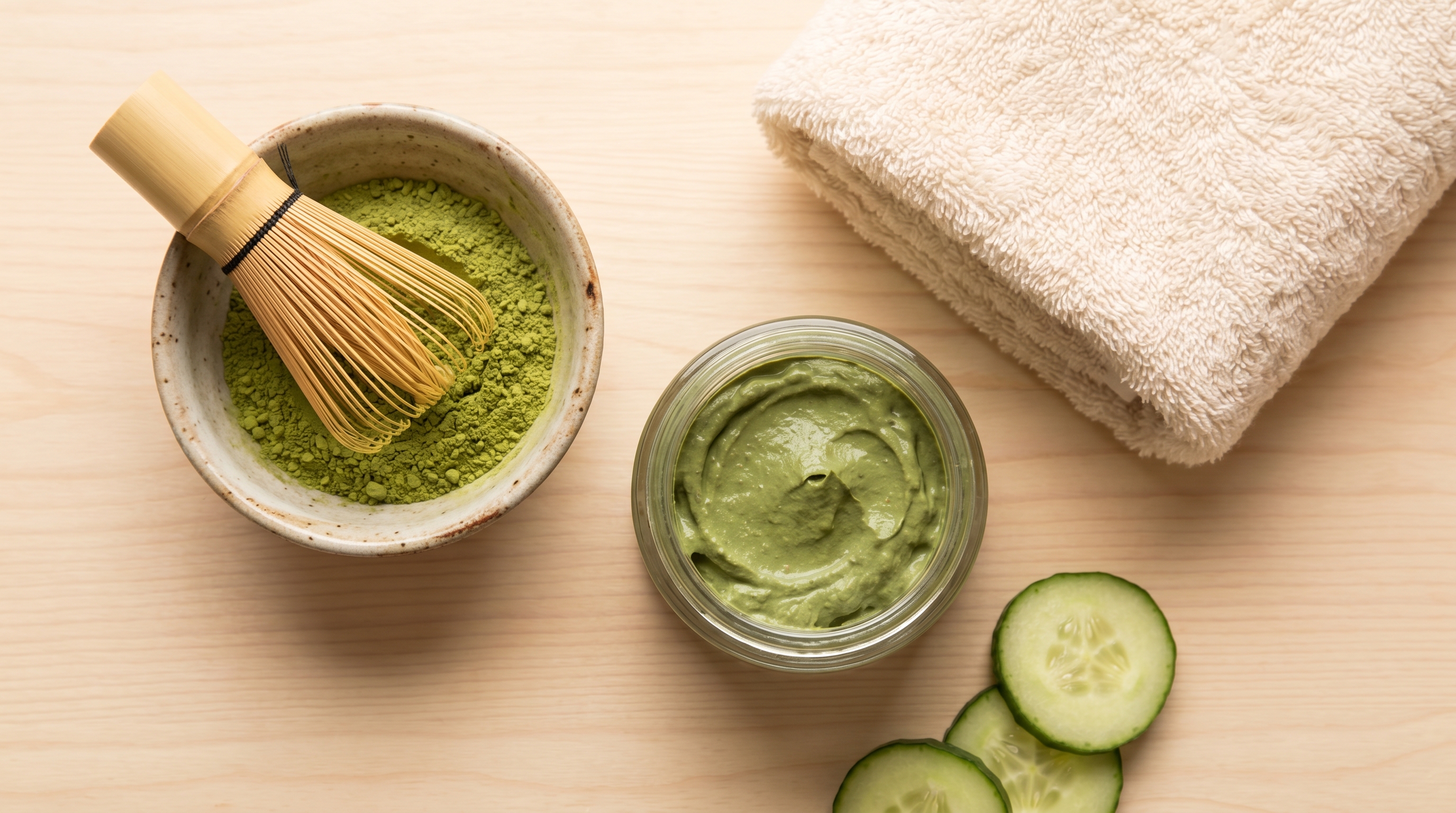
Many enthusiasts also use Culinary Grade Matcha to create DIY face masks, combining the powder with honey or yogurt to deliver antioxidants directly to the epidermis. This dual-action approach—internal consumption and external application—is why many dermatologists refer to matcha as a “beauty serum in a bowl.”
How to Make Matcha: A Comprehensive Guide to Traditional and Modern Methods
To reap the full rewards of matcha, proper preparation is key. Unlike regular tea, matcha is a suspension, not an infusion. If you simply stir it with a spoon, it will likely clump and taste gritty.
The Traditional Method (Usucha – Thin Tea)
- Sift the Powder: Place 1-2 bamboo scoops (approx. 1/2 teaspoon) of matcha into a fine-mesh sifter over your bowl (chawan). This ensures a smooth, clump-free texture.
- Heat the Water: Use water that is roughly 175°F – 185°F (80°C – 85°C). Never use boiling water, as it will scorch the delicate powder and create a bitter taste.
- The Whisking Ritual: Add about 2-3 ounces of hot water. Use a bamboo whisk (chasen) to whisk vigorously in a “W” or “M” motion—not a circular one. Whisk for about 20-30 seconds until a thick, frothy layer with tiny bubbles forms on the surface.
- Savor: Drink immediately while the powder is still suspended in the water.
For a more detailed breakdown including video assets, visit our step-by-step guide on how to make matcha .
Modern Adaptations
While the ceremony is beautiful, matcha is incredibly versatile for a modern lifestyle. You can add it to a shaker bottle with cold water for a pre-workout boost, or blend it into a latte with oat or almond milk. The key is always to use a whisk or a frother to ensure the powder is fully integrated.
Advanced Applications: Beyond the Tea Bowl
Matcha’s unique flavor—earthy, nutty, and slightly sweet—makes it a darling of the culinary world. It functions as both a natural food coloring and a sophisticated flavor enhancer.
In baking, matcha adds a vibrant green hue without the need for synthetic dyes. It is commonly used in:
- Matcha Crepe Cakes: Thin layers of matcha crepes stacked with light cream.
- Energy Bites: Combined with dates, nuts, and coconut.
- Savory Dishes: Used in salt rubs for fish or blended into tahini dressings for an earthy depth.
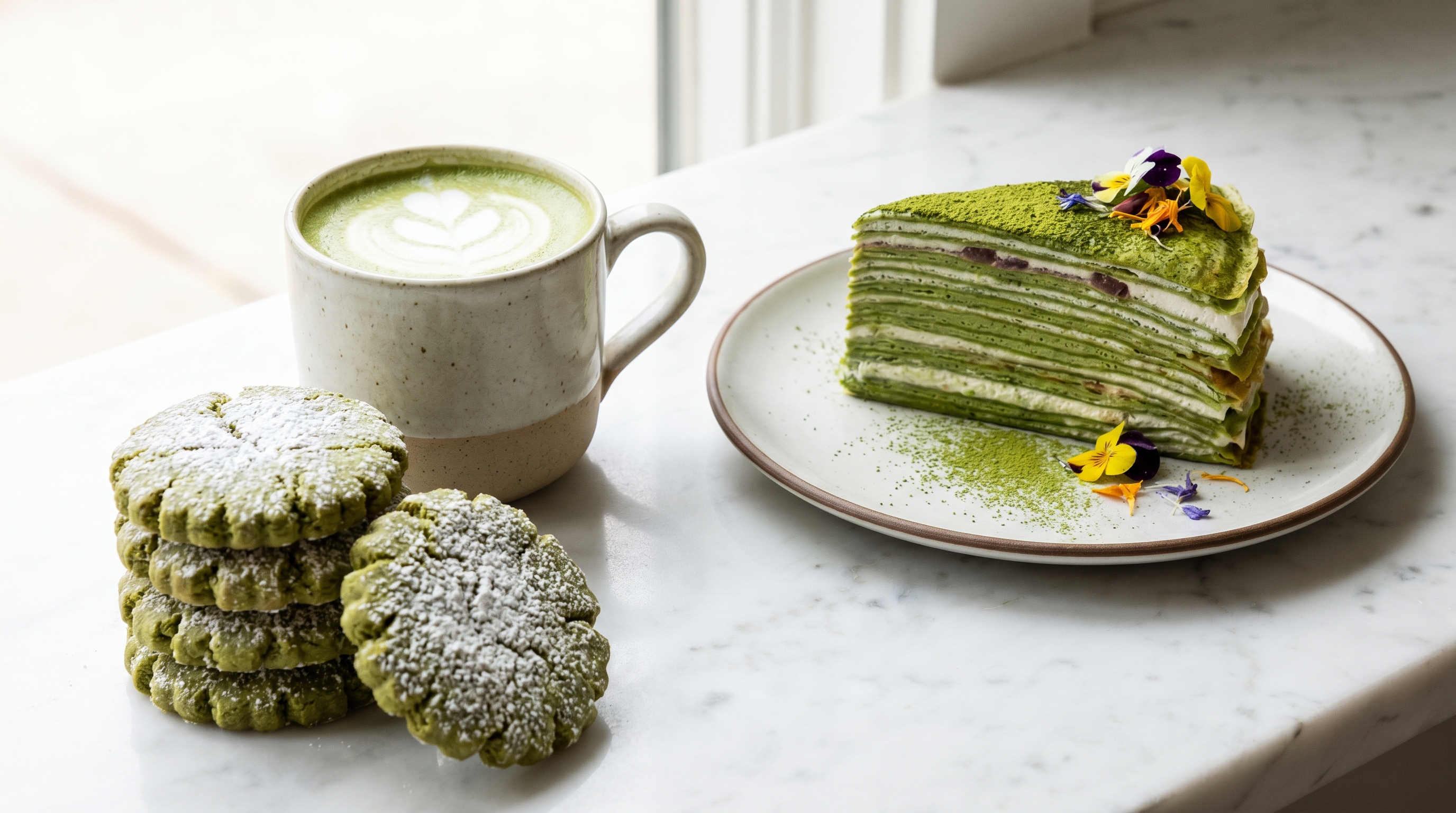
Because the flavor is bold, a little goes a long way. When cooking, it is generally recommended to use culinary grade powder, as its stronger profile stands up better to high heat and competing flavors.
Table 3: Summary of Matcha’s Key Nutrients (Per 1g Serving)
Nutrient | Amount | Function |
|---|---|---|
EGCG (Catechins) | ~100 – 140 mg | Powerful antioxidant, cancer-fighting potential |
L-Theanine | ~15 – 25 mg | Relaxation, focus, reduces caffeine jitters |
Caffeine | ~35 mg | Sustained energy, metabolic boost |
Chlorophyll | ~5 – 10 mg | Detoxification, alkalinity, blood health |
Vitamin C | ~1.5 – 2.0 mg | Immune support, skin collagen synthesis |
Fiber | ~0.3 g | Digestive health |
Proper Storage and Preservation: Maintaining Freshness and Potency
Matcha is a “living” product that is highly sensitive to its environment. Once the tea leaves are ground into powder, their surface area increases exponentially, making them vulnerable to oxidation. Exposure to light, heat, oxygen, and moisture will cause the chlorophyll to degrade (turning the powder brown) and the L-theanine to dissipate (making the tea bitter).
Rules for Storage:
- Airtight Container: Always keep matcha in a sealed tin or an opaque, airtight bag.
- Cool and Dark: Store the container in a cool cupboard away from the stove or sunlight.
- Refrigeration: If you do not plan to use your matcha daily, the refrigerator is the best place for it. However, ensure the container is perfectly sealed to prevent it from absorbing the odors of other foods (like onions or garlic).
- Use it Fast: Once opened, matcha is best consumed within 1 to 2 months for peak flavor and nutritional potency.
FAQS
1. Does matcha contain more caffeine than coffee?
Per gram, matcha contains more caffeine than coffee beans. However, a typical serving of matcha (1g to 2g) results in about 35mg to 70mg of caffeine, whereas a standard cup of brewed coffee contains 95mg to 150mg. The main difference lies in the quality of the energy; matcha provides a steady 4-6 hour lift thanks to L-theanine, while coffee provides a sharper, shorter spike.
2. Can I drink matcha every day?
Yes, most people can safely consume 1 to 3 servings of matcha daily. Because it is high in fiber and antioxidants, it supports regular digestion and consistent energy levels. However, because it contains caffeine, those who are highly sensitive should avoid drinking it late in the evening. As always, if you have specific medical conditions, consult with a healthcare professional.
3. Why is some matcha powder yellow or dull green?
The color of matcha is a direct indicator of its quality and freshness. A vibrant, electric green color signifies that the leaves were properly shaded, harvested at the right time, and stored correctly. A yellow or brownish tint usually indicates a lower grade (older leaves with more stems), poor processing, or that the powder has oxidized due to exposure to light and air.
4. Is it better to drink matcha with milk or water?
From a purely nutritional standpoint, drinking matcha with water (the traditional way) is superior. Some studies suggest that the proteins in dairy milk (specifically casein) may bind to the catechins in matcha, potentially reducing their absorption in the digestive tract. If you prefer a latte, consider using plant-based milks like almond, soy, or oat milk, which do not seem to have the same inhibitory effect.
5. What makes “Ceremonial Grade” different from “Culinary Grade”?
The primary differences are harvest time and flavor. Ceremonial grade is made from the first harvest of the year, resulting in a sweeter, more delicate taste intended for drinking straight. Culinary grade comes from later harvests, offering a stronger, more astringent flavor that is perfect for recipes where it must compete with other ingredients. Both offer significant health benefits, but richingmatcha.com recommends ceremonial for those who enjoy the pure tea experience.
In conclusion, matcha is more than a trend; it is a nutritional powerhouse with deep historical roots and a wealth of scientific backing. Whether you are looking to sharpen your mental focus, boost your metabolism, or simply enjoy a moment of Zen in your busy day, incorporating high-quality matcha into your routine is a simple yet profound investment in your long-term health. Explore our full range of Matcha products to find the perfect grade for your lifestyle.