
Matcha is a stone-ground powder of the whole tea leaf, while traditional green tea is a water-based infusion of dried, steeped leaves. Many B2B buyers and beverage developers face significant confusion when distinguishing between these two powerhouse ingredients during procurement. Choosing the wrong variety leads to inconsistent product quality, poor recipe performance, and missed opportunities for high-margin health positioning. This comprehensive guide clarifies the differences between Matcha Powder vs. Green Tea to ensure your inventory aligns perfectly with your brand’s quality standards and customer expectations.
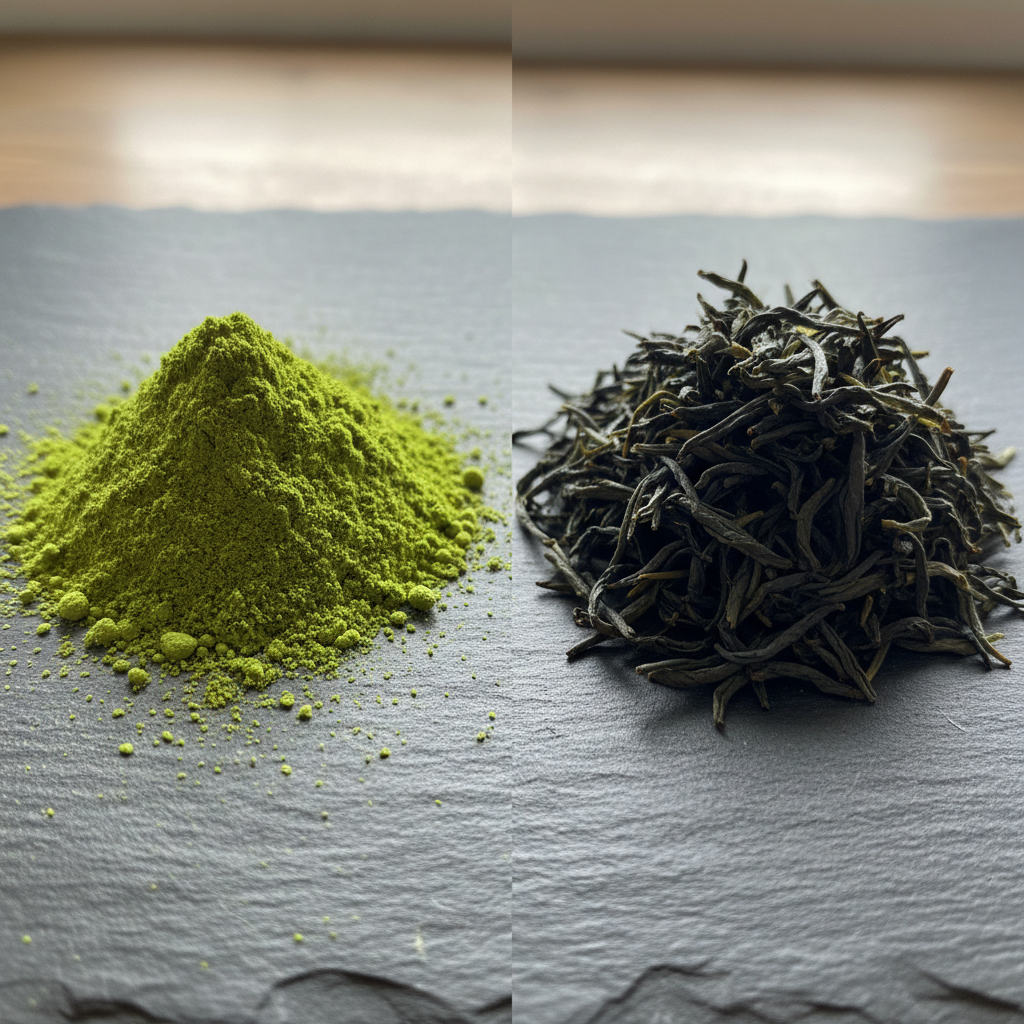
Is one a leaf and the other a powder?
The most fundamental distinction lies in the physical state of the product you provide to your customers. While both originate from the Camellia sinensis plant, green tea consists of whole or broken leaves meant for steeping. In contrast, matcha is a suspension where the entire leaf is consumed in powdered form.
Think about it:
- Green tea leaves are discarded after the brewing process.
- Matcha particles remain in the liquid during consumption.
- The surface area of the powder allows for immediate extraction.
Key Takeaway: Understanding the physical form is the first step in determining whether your application requires an infusion or a full-leaf suspension.
Feature | Matcha Powder | Loose Leaf Green Tea |
|---|---|---|
Physical State | Microscopic fine powder | Whole or cut dried leaves |
Consumption | 100% of the leaf is ingested | Only water-soluble parts are ingested |
Solubility | Suspends in liquid | Infuses and then filtered |
The fundamental difference in physical delivery dictates everything from mouthfeel in beverages to the intensity of color in baked goods.
How is Matcha Powder vs. Green Tea cultivated?
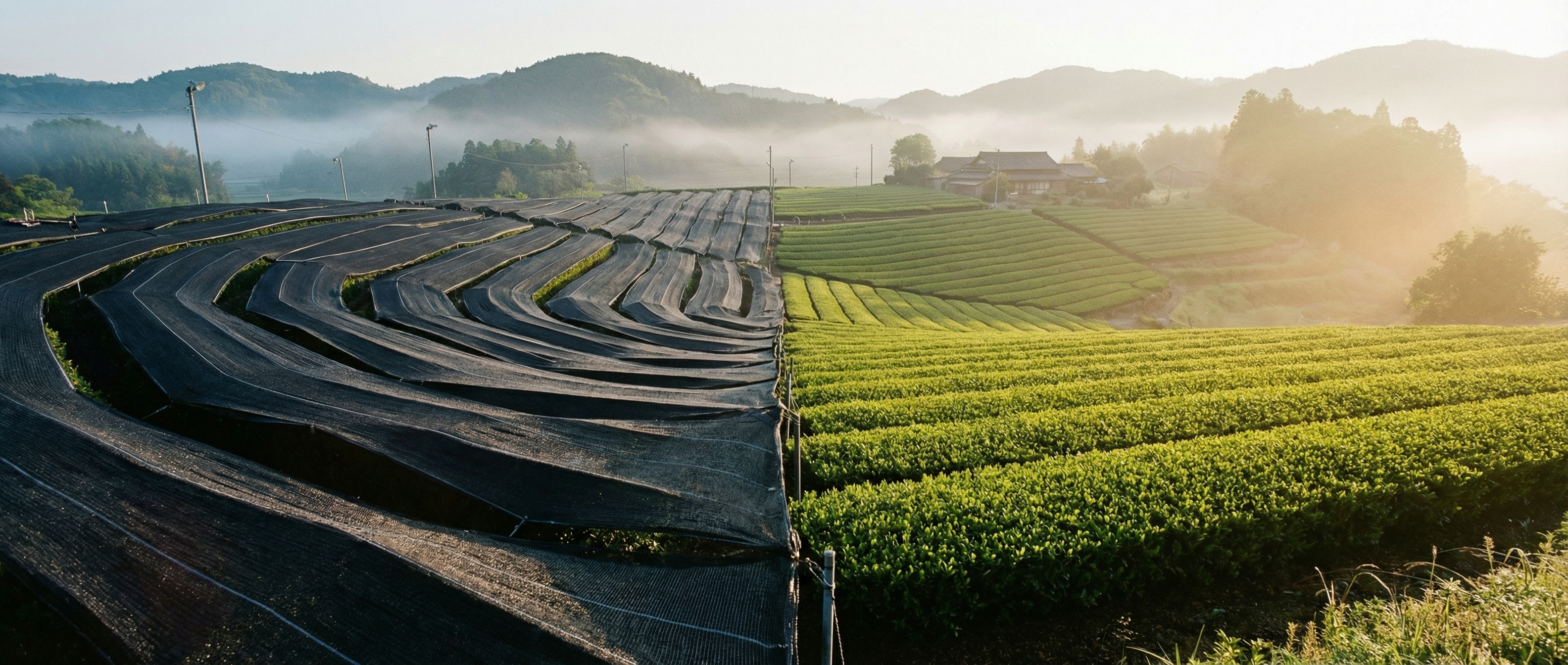
Does shade-growing impact the final tea quality?
The agricultural journey of Matcha Powder vs. Green Tea begins long before the harvest takes place in the fields. Standard green tea thrives under full sunlight, which encourages the development of polyphenols and certain catechins. However, authentic matcha requires a labor-intensive shading process for several weeks prior to plucking.
Look at this:
- Shading blocks up to 90% of direct sunlight.
- This process forces the plant to overproduce chlorophyll.
- Reduced light prevents the conversion of L-theanine into bitter tannins.
Key Takeaway: Shading is the critical agricultural intervention that separates the chemical profile of matcha from standard sun-grown teas.
Cultivation Metric | Matcha Process | Standard Green Tea |
|---|---|---|
Light Control | Strict shading for 20-30 days | Continuous sun exposure |
Chlorophyll Level | Extremely high (vibrant green) | Moderate (yellow-green) |
Amino Acid Depth | High L-theanine concentration | Lower L-theanine, higher tannins |
The deliberate stress of shading transforms the plant’s biology, resulting in the characteristic vibrant color and sweet profile sought by professional blenders.
How is Matcha Powder vs. Green Tea processed?
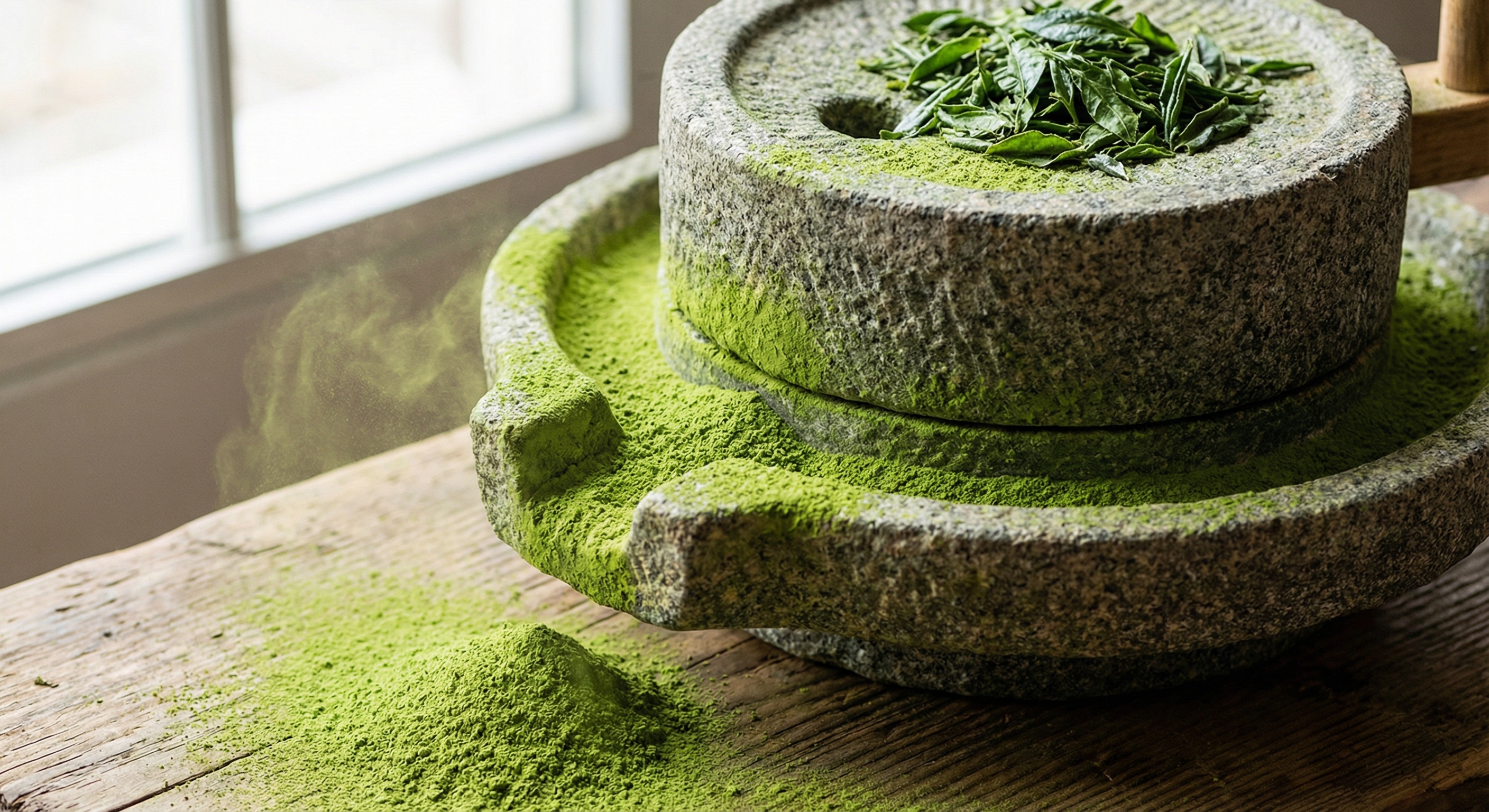
Are the leaves steamed or pan-fired for stability?
Processing techniques determine the shelf stability and final flavor notes of your bulk tea orders. Most Japanese-style teas are steamed immediately after harvest to halt oxidation and preserve the “green” character. However, matcha undergoes a much more complex refinement process known as “Tencha” production before it ever reaches a grinder.
But here is the kicker:
- Tencha involves removing all stems and veins from the leaf.
- The remaining “meat” of the leaf is slowly stone-ground.
- Standard green tea leaves are rolled and dried with veins intact.
Key Takeaway: The removal of fibrous material and the slow-grinding process ensure the silk-like texture required for premium beverage applications.
Processing Stage | Matcha Powder | Green Tea Leaves |
|---|---|---|
Oxidation Halt | Rapid steaming | Steaming or pan-firing |
Refinement | De-veined and de-stemmed | Whole leaf rolling |
Final Texture | 5-10 micron particle size | Varied leaf size |
Stone-grinding at low speeds prevents heat damage, ensuring the delicate enzymes and vibrant pigments remain intact for the end consumer.
What is the caffeine in Matcha Powder vs. Green Tea?
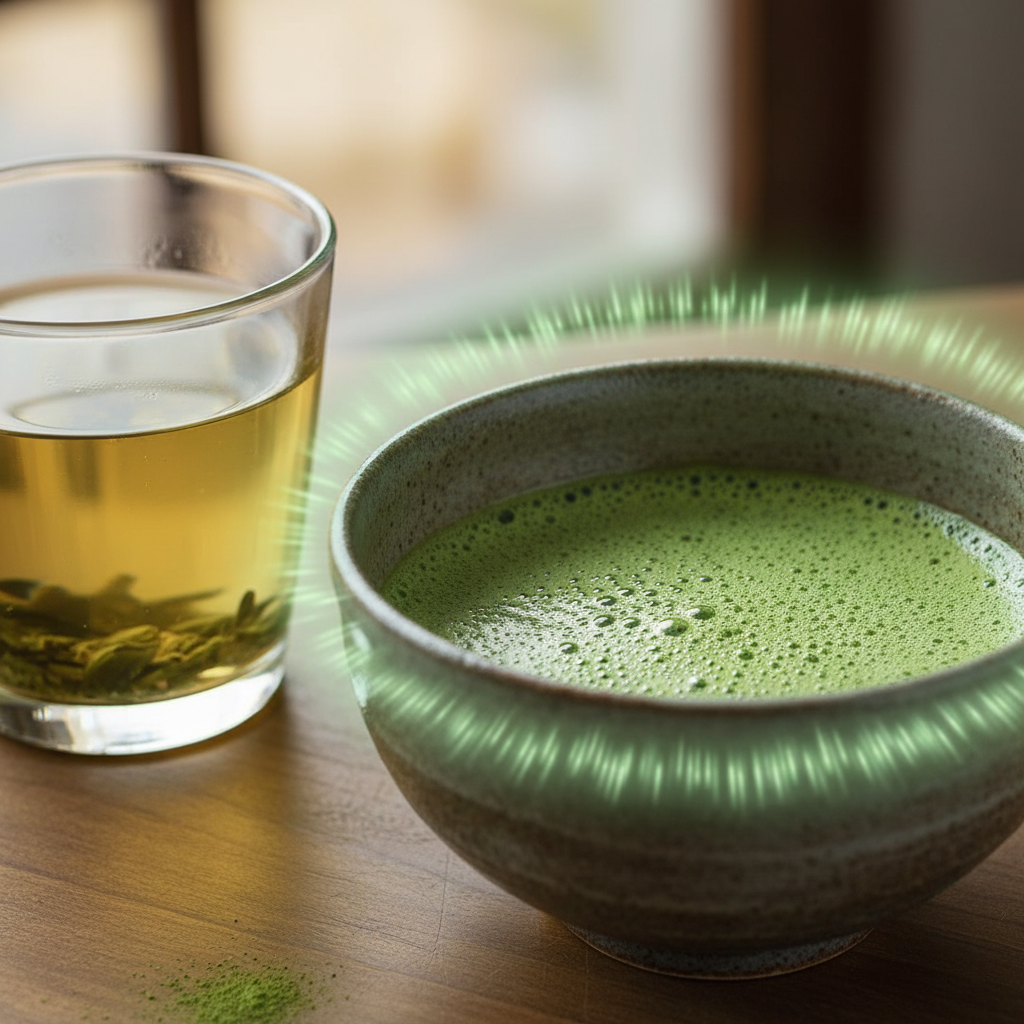
Will it provide a sustained energy boost for users?
When marketing to health-conscious professionals, the energy profile of Matcha Powder vs. Green Tea is a major selling point. Because matcha involves ingesting the entire leaf, the caffeine concentration is significantly higher than a standard steeped cup. However, the experience is not jittery like coffee due to the presence of specific amino acids.
The secret is simple:
- L-theanine promotes alpha brain wave activity.
- This creates a “calm alertness” that lasts several hours.
- Steeped green tea offers a lighter, more transient lift.
Key Takeaway: Matcha provides a high-performance energy profile that is ideal for “focus-based” functional beverages and supplements.
Energy Metric | Matcha Powder | Steeped Green Tea |
|---|---|---|
Caffeine Content | 70mg – 140mg per serving | 20mg – 45mg per serving |
Duration of Effect | 4 to 6 hours | 1 to 2 hours |
Mental State | Focused and sustained | Lightly refreshed |
The synergy between caffeine and L-theanine in matcha creates a unique metabolic advantage that standard green tea cannot replicate in intensity.
What nutrients are in Matcha Powder vs. Green Tea?
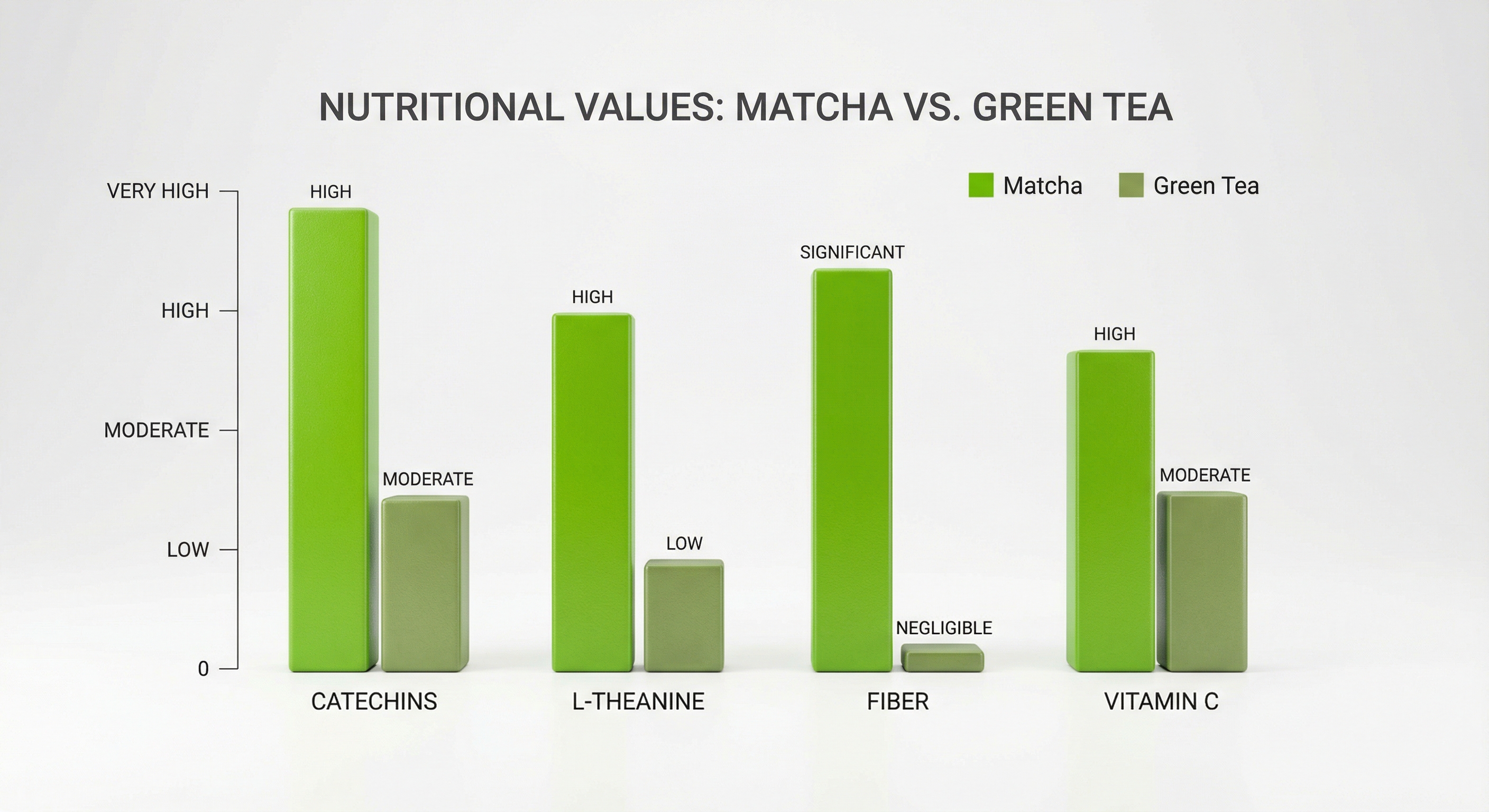
Is the antioxidant density worth the premium?
Nutritional density is the primary driver for the B2B matcha market, particularly in the wellness and nutraceutical sectors. Research indicates that the antioxidant capacity of matcha is exponentially higher than traditional steeped tea. This is because water can only extract a fraction of the nutrients locked within the leaf fibers.
Make no mistake:
- One cup of matcha equals roughly 10 cups of green tea in antioxidants.
- It contains significantly more EGCG (epigallocatechin gallate).
- Insoluble fiber and Vitamin C are also present in the powder.
Key Takeaway: For products marketed on health claims, matcha offers a much more potent nutritional story for your labeling and branding.
Nutrient | Matcha Powder | Steeped Green Tea |
|---|---|---|
EGCG/Catechins | Exceptionally High | Moderate |
Amino Acids | High (due to shading) | Low to Moderate |
Vitamin C/Fiber | Present | Negligible |
The sheer concentration of bioactive compounds makes matcha the superior choice for functional food and beverage formulations.
How does the taste of Matcha Powder vs. Green Tea differ?
Is umami or floral flavor more prominent?
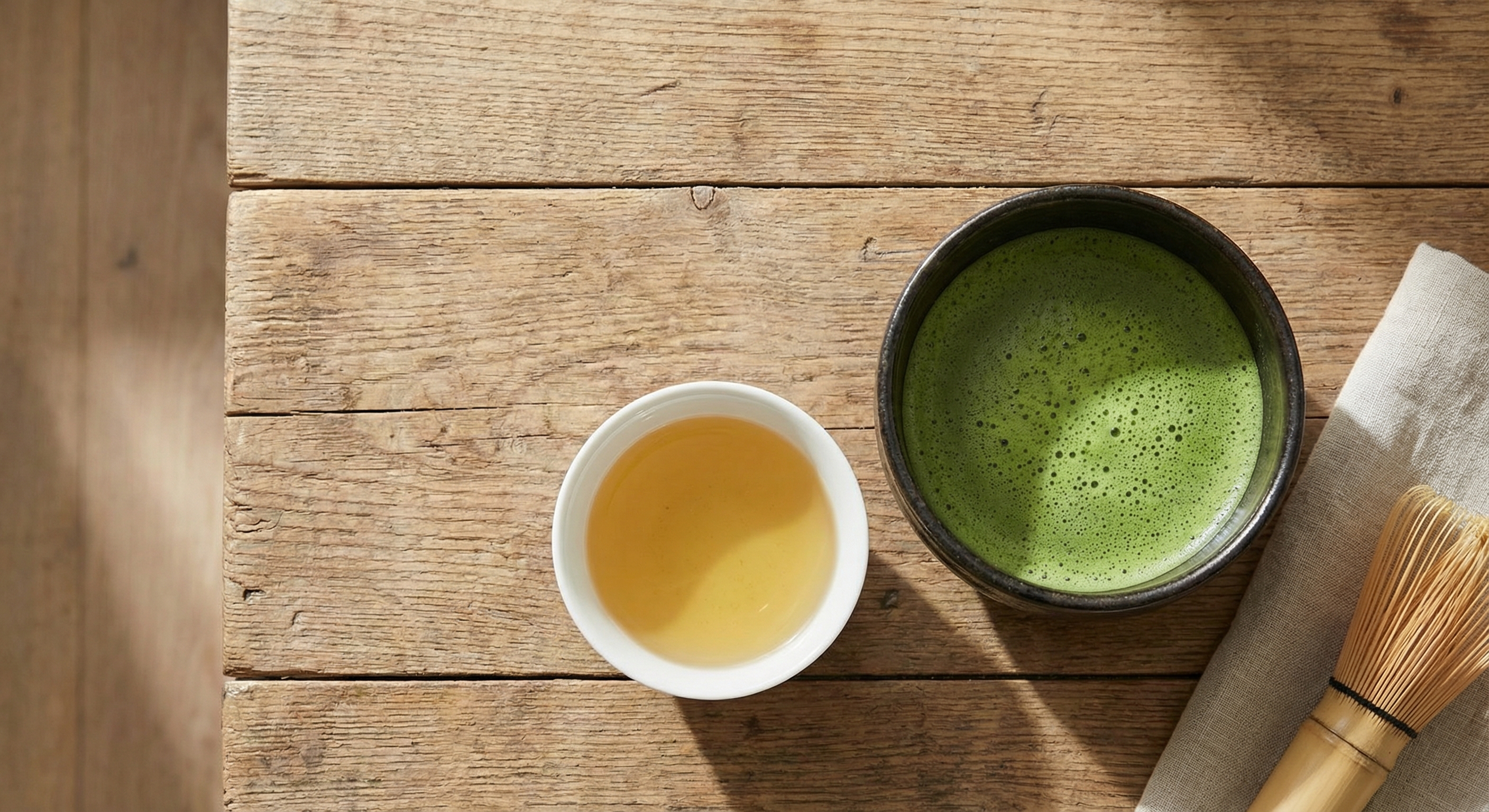
The sensory profile of Matcha Powder vs. Green Tea determines the success of your flavor development projects. Matcha is celebrated for its deep “umami” or savory sweetness, accompanied by a rich, creamy mouthfeel. Traditional green tea offers a much wider spectrum of light, floral, grassy, or even nutty notes depending on the region.
Consider this:
- Matcha has a thick, velvety body when whisked.
- Green tea is crisp, refreshing, and clean on the palate.
- Low-quality matcha can be overly bitter, while high-quality is sweet.
Key Takeaway: Matcha acts more like a “food” ingredient with its heavy body, whereas green tea is a classic “beverage” with light hydration.
Flavor Aspect | Matcha Powder | Green Tea |
|---|---|---|
Primary Taste | Savory Umami, Vegetal Sweetness | Grassy, Floral, Astringent |
Body/Texture | Full, Creamy, Thick | Light, Watery, Clear |
Aroma | Fresh Hay, Steamed Greens | Nutty, Toasted, or Floral |
Selecting the right taste profile is essential for balancing other ingredients like milk, sweeteners, or fruit acids in your final product.
How do you prepare Matcha Powder vs. Green Tea?
Do you need a whisk or just a teapot?
Preparation logistics are a vital consideration for foodservice operations and “ready-to-drink” (RTD) manufacturers. Traditional green tea is simple to brew using standard filtration equipment and specific temperature controls. Matcha preparation is more of a mechanical process, requiring aeration to create its signature froth.
The reality is:
- Matcha does not dissolve; it is a suspension.
- You must use a whisk or frother to prevent clumping.
- Green tea requires precise steeping times to avoid bitterness.
Key Takeaway: Matcha preparation requires specialized equipment or high-shear mixing to ensure a smooth, professional-grade result.
Preparation | Matcha Powder | Green Tea |
|---|---|---|
Key Tool | Bamboo Whisk or Electric Frother | Tea Infuser or Basket |
Water Temp | ~175°F (Avoid boiling) | 160°F – 185°F |
Process | Sifting and Whisking | Steeping and Straining |
The mechanical suspension of matcha creates a unique frothy texture that serves as a premium visual cue for café-style beverages.
What are the grades of Matcha Powder vs. Green Tea?
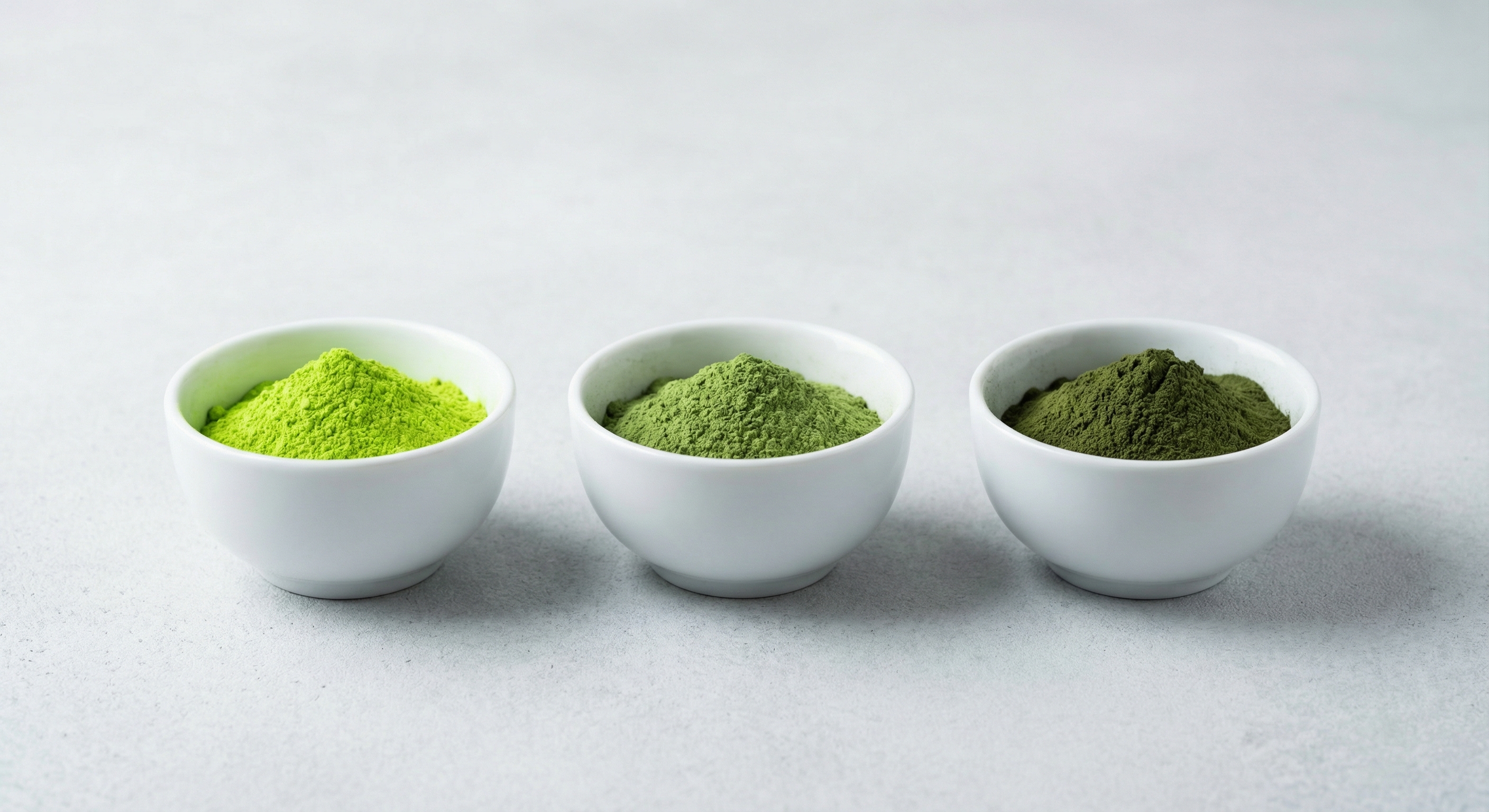
Should you invest in Ceremonial or Culinary grade?
In the B2B world, choosing the correct grade of Matcha Powder vs. Green Tea is the difference between profit and loss. Ceremonial grade is the highest quality, meant for drinking straight with water. Culinary grade is designed for industrial use, offering a bolder flavor that stands up to heat and fats.
Here is the truth:
- Ceremonial matcha is too delicate for baking.
- Culinary matcha is too astringent for traditional tea.
- Green tea leaves also vary from “Dust” to “Full Leaf” grades.
Key Takeaway: Matching the grade to your specific application ensures the most cost-effective and flavorful outcome.
Grade Category | Primary Use | Visual/Taste |
|---|---|---|
Ceremonial | Traditional drinking | Electric green, sweet |
Premium | Lattes and smoothies | Vibrant green, balanced |
Culinary | Baking and confections | Olive green, bold/bitter |
Using a culinary grade for a high-end latte may save costs but will likely result in a muddy color and harsh aftertaste for your customers.
How does Hojicha fit Matcha Powder vs. Green Tea?
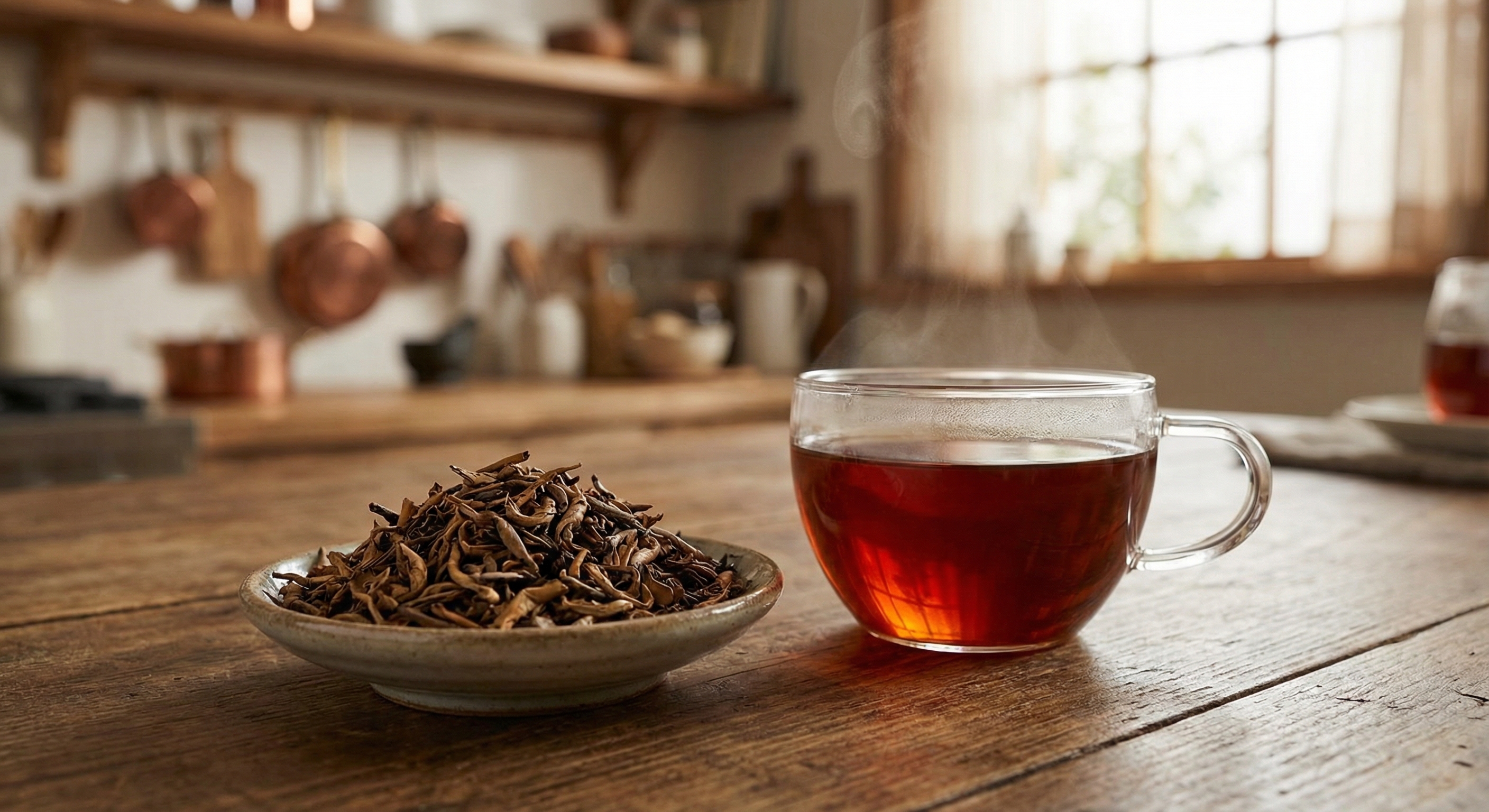
What are the unique Hojicha benefits to know?
While the debate usually centers on green varieties, Hojicha offers a distinct roasted alternative for B2B catalogs. Hojicha is made by roasting green tea leaves at high temperatures, turning them a deep reddish-brown. This process completely alters the chemical and sensory profile of the tea.
Look at this:
- Roasting significantly lowers the caffeine content.
- It introduces smoky, cocoa, and caramel flavor notes.
- It is much gentler on the stomach for evening consumption.
Key Takeaway: Hojicha provides a low-caffeine, roasted alternative that expands your product line into the evening beverage market.
Comparison | Hojicha (Roasted) | Matcha / Green Tea |
|---|---|---|
Flavor Profile | Smoky, Toasted, Sweet | Grassy, Fresh, Umami |
Caffeine Level | Low | Moderate to High |
Application | Roasty Lattes, Desserts | Fresh Beverages, Wellness |
Integrating roasted varieties allows your brand to capture consumers who enjoy the “green tea” story but prefer a warmer, earthier flavor profile.
Why choose Matcha Powder vs. Green Tea for B2B?
Is the value worth the investment for your brand?
Deciding between Matcha Powder vs. Green Tea for your business depends on your target demographic and price points. Matcha is a premium product with a higher price per kilo, but it offers immense marketing potential in the health and luxury sectors. Standard green tea remains a versatile, high-volume staple for daily hydration.
The choice is yours:
- Matcha drives higher per-cup margins in cafés.
- Green tea offers a lower barrier to entry for mass markets.
- Both can coexist as complementary offerings in a professional tea program.
Key Takeaway: Matcha is an investment in brand prestige and functional potency, while green tea is an investment in classic, broad-market appeal.
Business Metric | Matcha Powder | Traditional Green Tea |
|---|---|---|
Price Point | Premium / High | Affordable / Volume |
Market Trend | High Growth (Functional) | Stable (Standard) |
Versatility | Drinks, Food, Cosmetics | Beverages, Extracts |
The most successful B2B portfolios leverage both types to satisfy the diverse needs of modern, health-conscious consumers.
Frequently Asked Questions
Can I drink matcha every day?Yes, it is generally safe and beneficial for most adults to consume 1-2 servings of matcha daily. However, you should monitor your total caffeine intake, as the concentration is much higher than in steeped tea.
What’s the best time to drink green tea?Morning or early afternoon is ideal for a gentle energy lift without disrupting your sleep cycle. Avoid drinking it on a completely empty stomach if you are sensitive to tannins, as it may cause slight nausea.
Can I use culinary matcha for tea?Technically yes, but it is not recommended for traditional preparation. You will find it much more bitter and astringent compared to ceremonial grades, as it is formulated to be mixed with milk or sugar.
What’s the shelf life of opened matcha?Ideally, you should consume opened matcha within 4-8 weeks for maximum freshness. Because it is a ground powder, it has a high surface area and oxidizes much faster than whole-leaf green tea.
Can I prepare matcha without a whisk?Certainly. For high-volume environments, a handheld electric milk frother or even a high-speed blender is often more efficient than a traditional bamboo whisk for achieving a smooth, clump-free consistency.
Conclusion
Understanding the intricate differences between matcha and traditional green tea is essential for any business aiming to lead in the specialty tea market. Whether you require the concentrated nutritional power and ritual of matcha or the light, classic versatility of steeped green tea, making the right choice directly impacts your product’s marketability and ROI. We are dedicated to providing the highest quality bulk tea solutions tailored to your unique specifications.
Let us help you elevate your beverage program or product line with ingredients that stand out in a crowded marketplace. If you are ready to enhance your inventory with premium, sustainably sourced tea, contact us today to discuss your wholesale needs. Together, we can build a future where every cup serves as a testament to quality, health, and tradition.