
Matcha Protein Powder beats regular protein powders hands down because it delivers a unique synergy of high-quality plant protein and the powerful antioxidant EGCG, providing sustained energy without the digestive distress or “caffeine crash” common in standard whey supplements.
Are you tired of feeling bloated or jittery after your post-workout shake? Many fitness enthusiasts and product developers struggle with traditional protein sources that rely on heavy dairy or artificial stimulants, leading to sluggishness and poor long-term results. If you want to optimize your metabolic health and mental focus simultaneously, Matcha Protein Powder offers a clean-label, functional solution that transforms a basic supplement into a holistic performance tool.
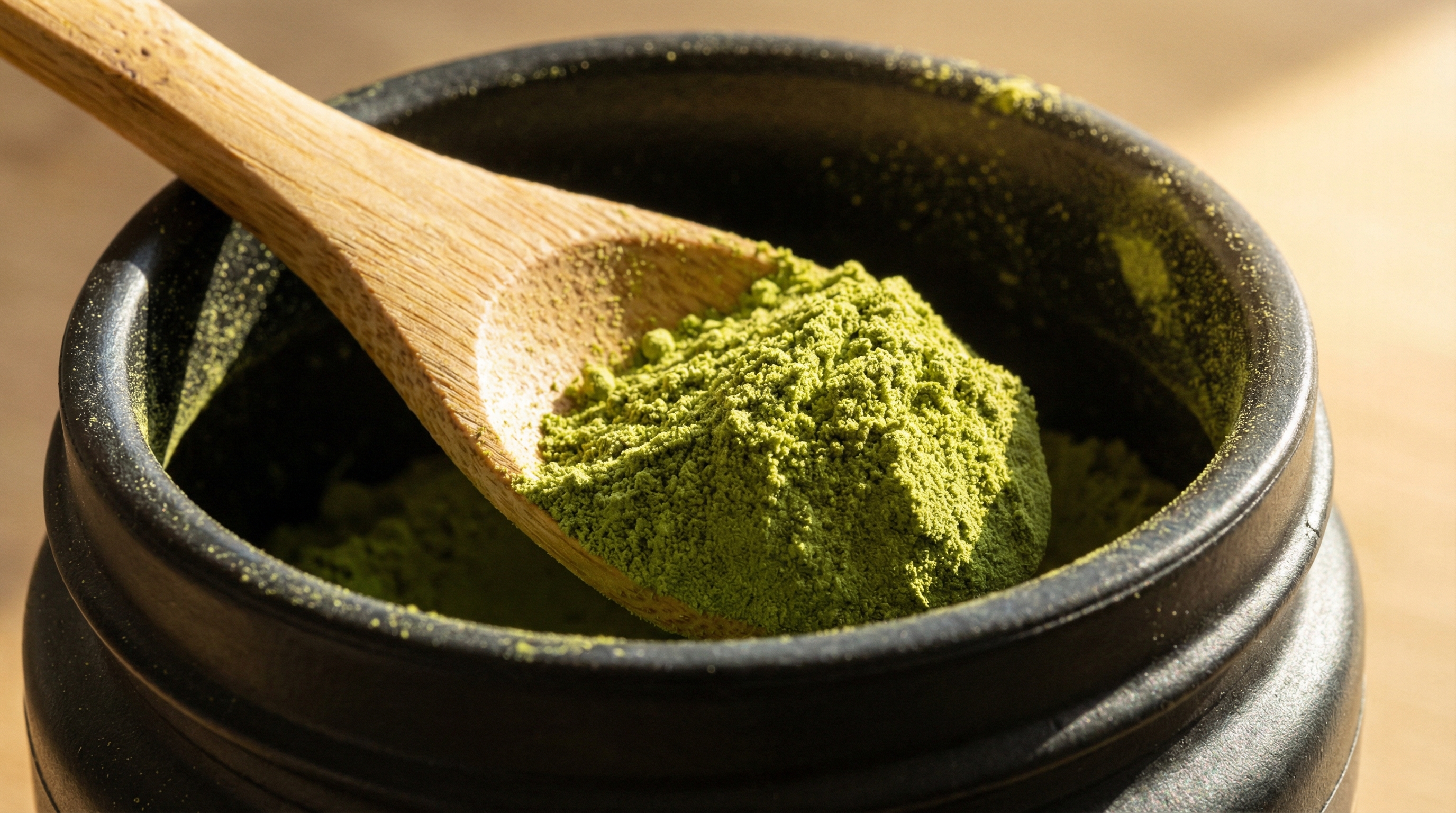
Choosing Matcha Protein Powder over whey is a strategic move for those prioritizing long-term cellular health alongside muscle growth. While whey is a byproduct of dairy processing, matcha is a whole-leaf superfood that retains its complete nutritional integrity.
You get more than just amino acids; you get a complex matrix of phytonutrients that support total body wellness. This transition from simple supplementation to functional nutrition is why high-end wellness brands are pivoting toward green tea-infused formulations.
The Antioxidant Advantage
Most standard protein powders focus solely on macronutrients, completely ignoring the oxidative stress that occurs during intense exercise. Matcha provides a massive dose of catechins, specifically EGCG, which neutralizes free radicals produced during physical exertion.
- Think about this:
- Regular whey has zero antioxidant capacity.
- Matcha provides 137 times more antioxidants than standard green tea.
Bioavailability and Nutrient Density
The natural fiber and chlorophyll found in matcha help the body process protein more efficiently than isolated synthetic powders. This ensures that the amino acids reach your muscles without causing the metabolic waste associated with highly processed animal proteins.
- Here is the truth:
- Your body absorbs whole-food nutrients more effectively.
- Plant-based matcha blends reduce the toxic load on your liver.
Superior Metabolic Support
Unlike whey, which can cause insulin spikes in some users, matcha actively supports glucose metabolism and fat oxidation. This makes it an ideal choice for individuals looking to lean out while maintaining high energy levels throughout the day.
- Key Takeaway: Matcha protein provides a comprehensive nutritional profile that supports muscle repair while actively defending the body against oxidative damage.
Feature | Regular Whey Protein | Matcha Protein Powder |
|---|---|---|
Main Benefit | Muscle Synthesis | Synthesis + Cellular Defense |
Antioxidants | None | Extremely High (EGCG) |
Processing | Highly Refined Dairy | Minimal (Whole Leaf) |
Analysis: Matcha protein powder offers a superior “functional” profile by combining muscle-building blocks with world-class antioxidant support.
2. How does the “Calm Alertness” of Matcha enhance athletic performance?
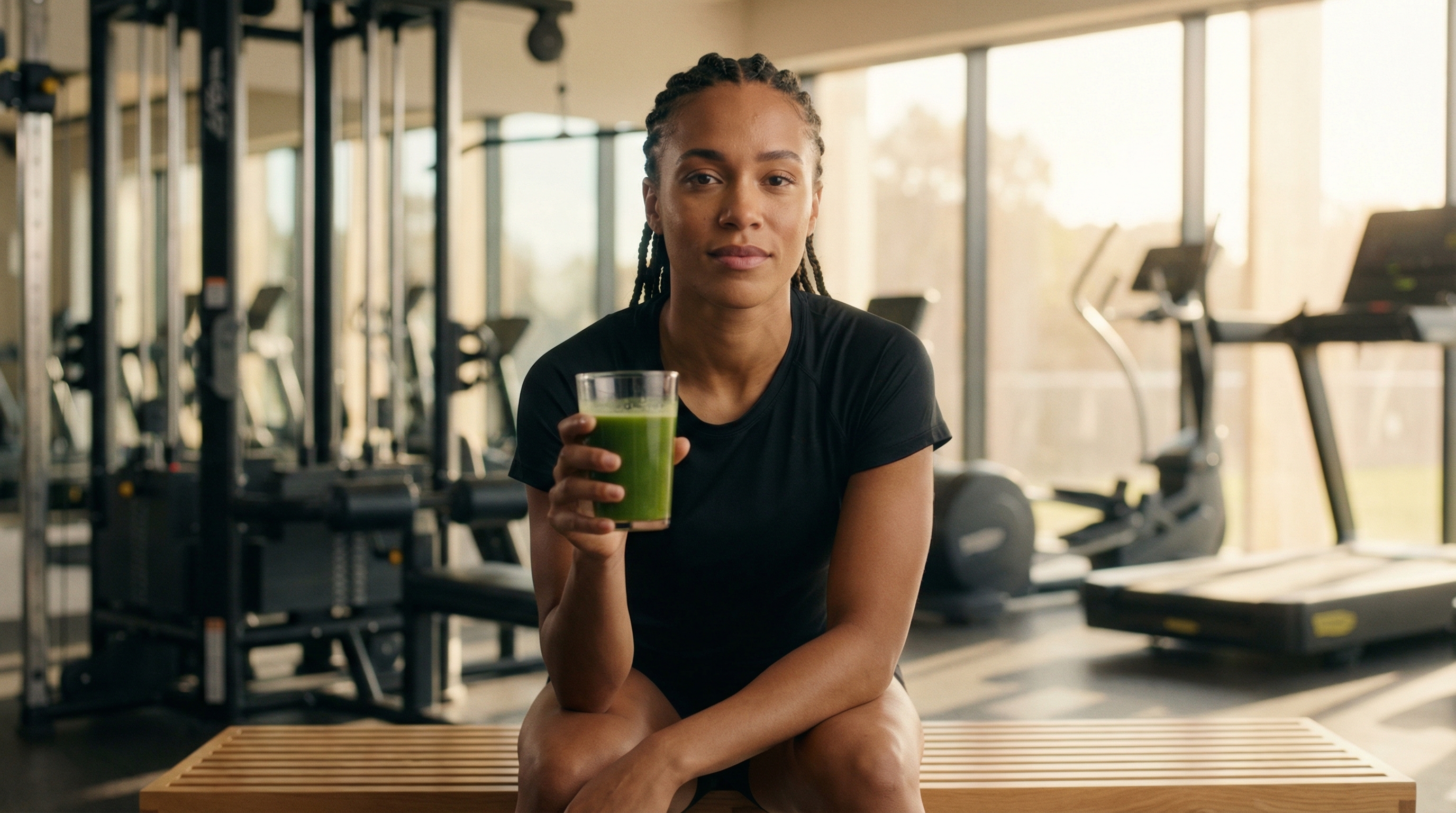
Athletes often rely on pre-workout stimulants that lead to heart palpitations and eventual crashes. Matcha utilizes a naturally occurring amino acid called L-theanine to regulate the release of its caffeine content.
This creates a state of “alpha-wave” brain activity, allowing you to stay focused and energized without the “fight or flight” response triggered by coffee. It is the ultimate tool for sports requiring both physical power and precise mental clarity.
The Power of L-Theanine
L-theanine is the “secret weapon” in matcha that differentiates it from every other stimulant-heavy protein on the market. It promotes relaxation without drowsiness, perfectly balancing the energy boost from caffeine for a steady performance curve.
- You might wonder:
- How does it feel?
- It feels like a focused, laser-like drive rather than a nervous twitch.
Sustained Energy Release
Because matcha is a whole-leaf powder, the caffeine is bound to larger molecules that take longer to break down in the digestive system. This results in an energy lift that lasts four to six hours, compared to the 60-minute spike from synthetic additives.
- Look at the facts:
- No midday crash.
- Consistent power output during long training sessions.
Cognitive Enhancement Under Pressure
For competitive athletes, mental fatigue is often the first thing to fail. The synergy of nutrients in matcha enhances reaction time and spatial awareness, giving you a cognitive edge over competitors using basic whey.
- Key Takeaway: The unique L-theanine and caffeine ratio in matcha ensures a high-intensity workout without the physiological stress of traditional stimulants.
Metric | Coffee/Synthetic Stimulants | Matcha Synergy |
|---|---|---|
Focus Type | Jittery/Anxious | Calm/Centered |
Energy Duration | 1-2 Hours | 4-6 Hours |
Post-Workout Feel | Fatigued/Crashed | Rejuvenated |
Analysis: The biological balance of L-theanine makes matcha the only protein source that improves both physical stamina and mental acuity.
3. Can Matcha Protein Powder accelerate post-workout recovery?
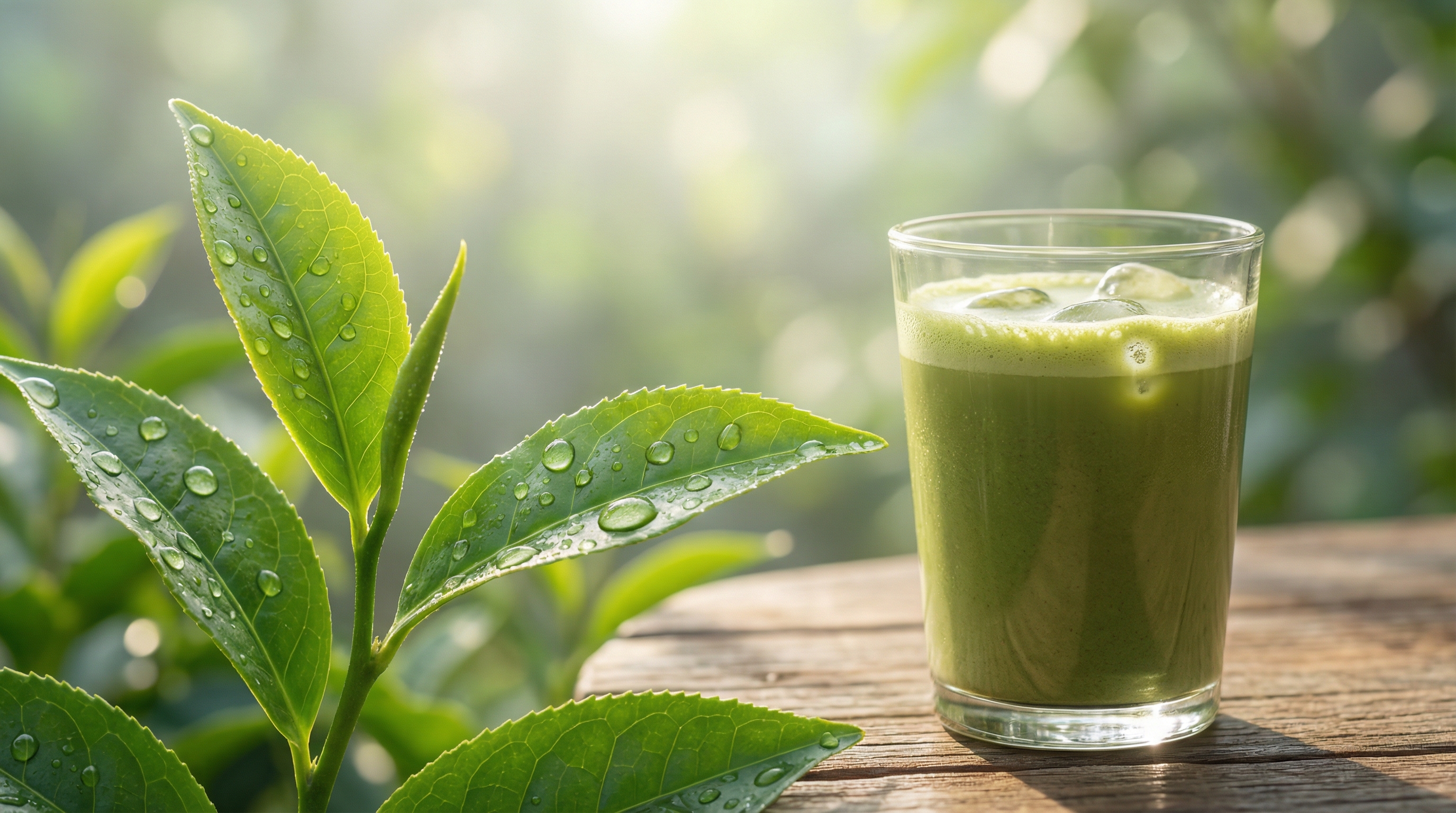
Recovery is the most critical phase of any training regimen, yet many people neglect the role of inflammation management. Matcha Protein Powder contains high levels of chlorophyll and polyphenols that act as natural anti-inflammatory agents.
By reducing the swelling and soreness associated with micro-tears in muscle tissue, you can return to your training sessions faster. This makes it a high-value ingredient for professional formulations and dedicated athletes alike.
Chlorophyll for Detoxification
Matcha is exceptionally high in chlorophyll because the plants are shaded before harvest, boosting their nutrient density. This green pigment helps flush out heavy metals and metabolic toxins that accumulate during high-intensity exercise.
- Here is the deal:
- It cleanses your blood while feeding your muscles.
- It provides a natural alkaline boost to your system.
Reducing DOMS with EGCG
Delayed Onset Muscle Soreness (DOMS) can sideline even the most disciplined trainers. Research indicates that the catechins in matcha significantly reduce muscle damage markers in the blood after eccentric exercise.
- Think about this:
- Less pain means more consistency.
- More consistency leads to better long-term results.
Promoting Rapid Tissue Repair
The vitamins and minerals inherent in matcha, such as Vitamin C and Zinc, are essential co-factors for collagen synthesis and tissue repair. When paired with a high-quality protein base, these micronutrients accelerate the structural healing of your muscles.
- Key Takeaway: The anti-inflammatory properties of matcha, combined with its detoxifying chlorophyll, significantly shorten the window needed for full physical recovery.
Recovery Agent | Whey Protein | Matcha Protein |
|---|---|---|
Anti-Inflammatory | Low/None | Very High |
Detox Support | Minimal | High (Chlorophyll) |
Micronutrient Load | Poor | Excellent (Vitamins C, A, K) |
Analysis: Matcha’s ability to tackle inflammation at the source provides a recovery advantage that regular protein powders simply cannot match.
4. Is there a significant B2B market demand for Matcha Protein blends?
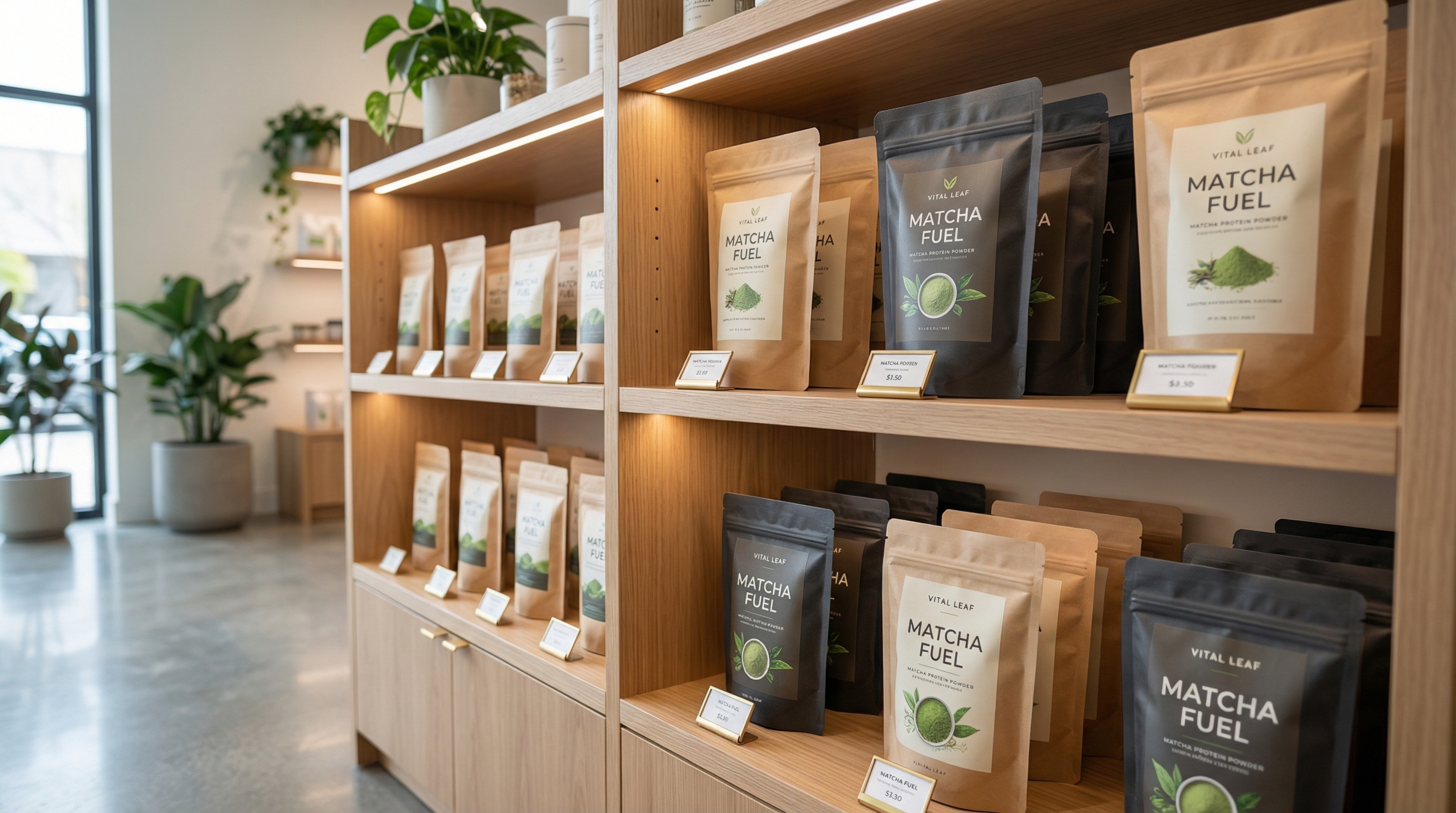
The global sports nutrition market is rapidly evolving as consumers demand more transparent, functional, and plant-based options. Product developers are increasingly turning to private label matcha suppliers to create premium products that stand out on crowded retail shelves.
Matcha protein is no longer a niche health food; it is a mainstream powerhouse that appeals to Gen Z and Millennial shoppers who value wellness over raw muscle mass. Investing in this category offers a high-growth opportunity for brands looking to diversify their portfolios.
The Rise of Functional Fitness
Today’s consumers want products that do more than one thing. They are looking for “beauty from within,” “mental focus,” and “gut health” all in a single serving, which matcha naturally provides.
- Market trends show:
- 70% of consumers prefer products with recognizable ingredients.
- Clean-label claims drive higher purchase intent.
Premium Positioning and Margins
Matcha carries a perceived luxury value that allows brands to command a higher price point than generic chocolate or vanilla whey. This “superfood” status translates directly into healthier profit margins for B2B distributors and retailers.
- Check this out:
- It appeals to the high-income wellness demographic.
- It justifies a premium “functional” markup.
Social Media and Visual Appeal
The vibrant green color of matcha is highly “Instagrammable,” making it an organic marketing engine for modern brands. This visual distinction helps a product pop on digital marketplaces and social feeds, reducing the cost of customer acquisition.
- Key Takeaway: B2B demand for matcha protein is surging due to consumer interest in multi-functional, clean-label supplements with high aesthetic and nutritional value.
Business Factor | Standard Protein | Matcha Protein Blend |
|---|---|---|
Consumer Interest | Saturated/Flat | Growing/High |
Price Ceiling | Low | High (Premium) |
Ingredient Deck | Complex/Synthetic | Clean/Natural |
Analysis: The market is shifting toward “Better-for-You” options, making matcha protein a strategic asset for brands looking for high-growth categories.
5. What makes the nutritional profile of Matcha Protein so unique?
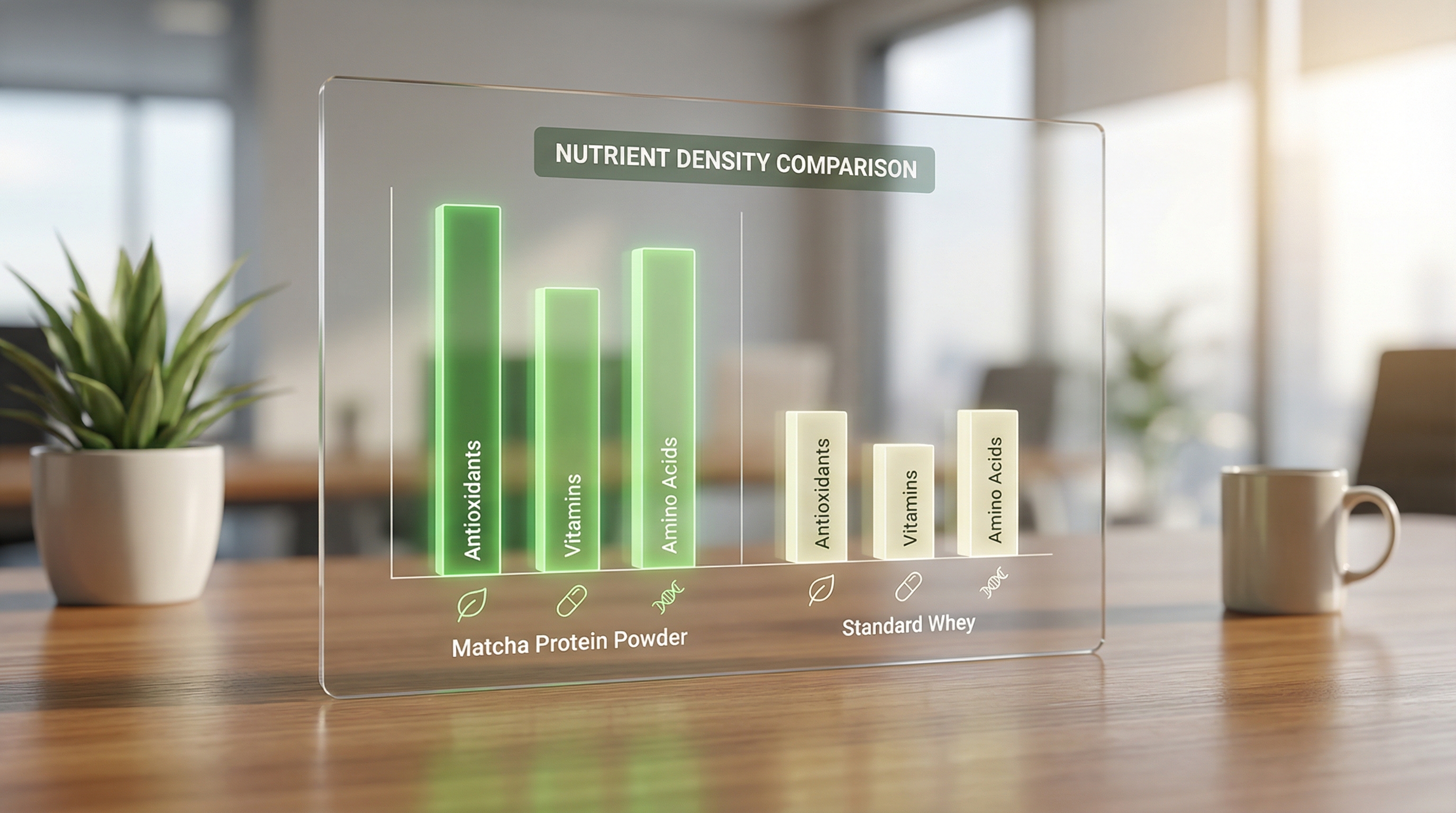
The nutritional density of Matcha Protein Powder is unparalleled because you are consuming the entire tea leaf rather than an extract. This provides a spectrum of vitamins, minerals, and amino acids that are often stripped away during the processing of other protein isolates.
When you look at a side-by-side comparison, the “empty” calories of traditional powders become evident. Matcha serves as a whole-food multivitamin that happens to be an incredible source of high-quality protein.
A Complete Amino Acid Profile
When combined with high-quality plant proteins like pea or rice, matcha creates a complete amino acid profile necessary for muscle hypertrophy. It contains the branched-chain amino acids (BCAAs) required to trigger protein synthesis without the hormones found in dairy.
- Why does it matter?
- You get muscle growth without the acne or bloating.
- It is 100% vegan and hypoallergenic.
Essential Vitamins and Minerals
Matcha is a potent source of Vitamin C, Selenium, Chromium, Zinc, and Magnesium. These minerals are vital for everything from immune function to testosterone production and muscle relaxation.
- Consider the density:
- One serving provides more Vitamin A than a carrot.
- High levels of iron for better oxygen transport.
Fiber and Prebiotic Support
Unlike whey, which can be constipating, the natural fiber in matcha supports a healthy gut microbiome. This ensures that you aren’t just eating protein, but also feeding the beneficial bacteria that govern your overall immunity and mood.
- Key Takeaway: Matcha protein powder offers a complete nutritional ecosystem, providing vitamins, minerals, and fiber alongside a robust amino acid profile.
Nutrient | Standard Whey Isolate | Matcha Protein |
|---|---|---|
Vitamin C | 0% | High |
Dietary Fiber | 0g | 1-2g |
Phytonutrients | None | Extremely High |
Analysis: The move from “macro-only” to “micro-dense” nutrition is why matcha is outperforming traditional powders in the longevity community.
6. How can private label brands ensure premium quality Matcha sourcing?
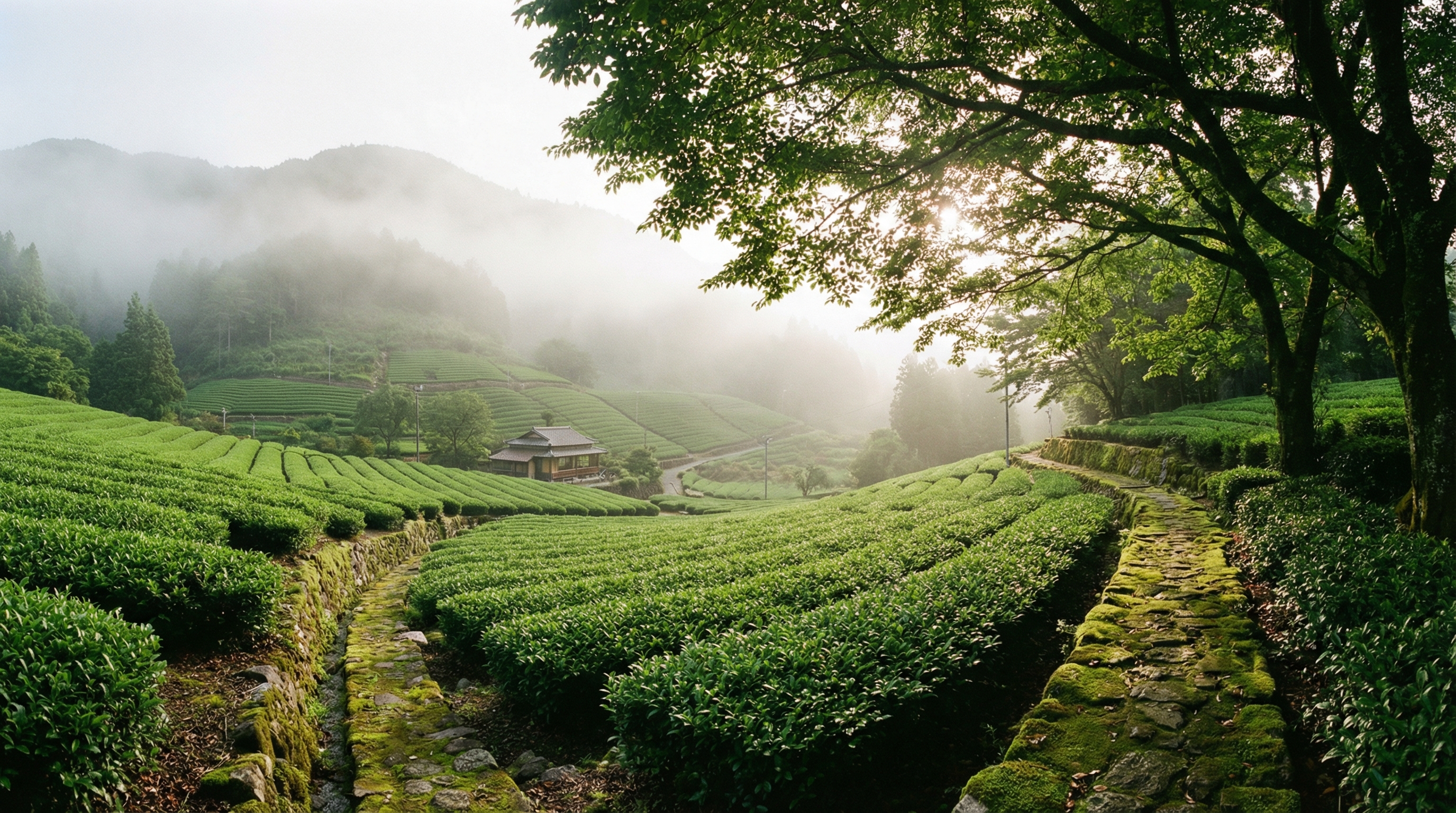
In the B2B world, the quality of your raw materials defines your brand’s reputation. Sourcing from reputable regions like Uji or Nishio in Japan is non-negotiable for those wanting to offer a ceremonial grade matcha experience.
High-quality matcha is shade-grown for weeks before harvest, a process that maximizes the L-theanine and chlorophyll content. For a deeper look at the standards required, you can investigate our wholesale matcha tea grades to understand the difference between culinary and professional-grade powder.
The Importance of Shading
Shading the tea plants forces them to produce excess chlorophyll to compensate for the lack of sunlight. This not only creates the vibrant green color but also drastically reduces bitterness by preventing the conversion of L-theanine into harsh tannins.
- Here is the secret:
- Shading increases amino acid levels.
- It creates the “umami” flavor profile consumers love.
Stone-Grinding vs. Industrial Milling
Premium matcha must be stone-ground slowly to prevent heat from oxidizing the delicate nutrients. Industrial milling can burn the powder, resulting in a brown, bitter product that ruins the taste and efficacy of a protein blend.
- Don’t miss this:
- Stone-grinding preserves the vibrant green hue.
- It ensures a fine particle size for perfect solubility.
Testing for Purity
Reliable suppliers provide third-party lab testing for heavy metals, radiation, and pesticides. In a market where safety is a top priority for B2B buyers, having these certifications is essential for retail compliance and consumer trust.
- Key Takeaway: Premium matcha sourcing relies on traditional Japanese shading and grinding techniques, backed by rigorous safety testing to ensure a world-class product.
Quality Indicator | Low-Grade Matcha | Premium Sourced Matcha |
|---|---|---|
Color | Yellow/Brownish | Vibrant “Electric” Green |
Texture | Gritty/Sandy | Fine “Silk-like” Powder |
Flavor | Bitter/Astringent | Sweet/Umami |
Analysis: Quality sourcing is the foundation of a successful protein product; inferior matcha will result in poor taste and customer churn.
7. Why is digestibility a major selling point for Matcha-infused proteins?
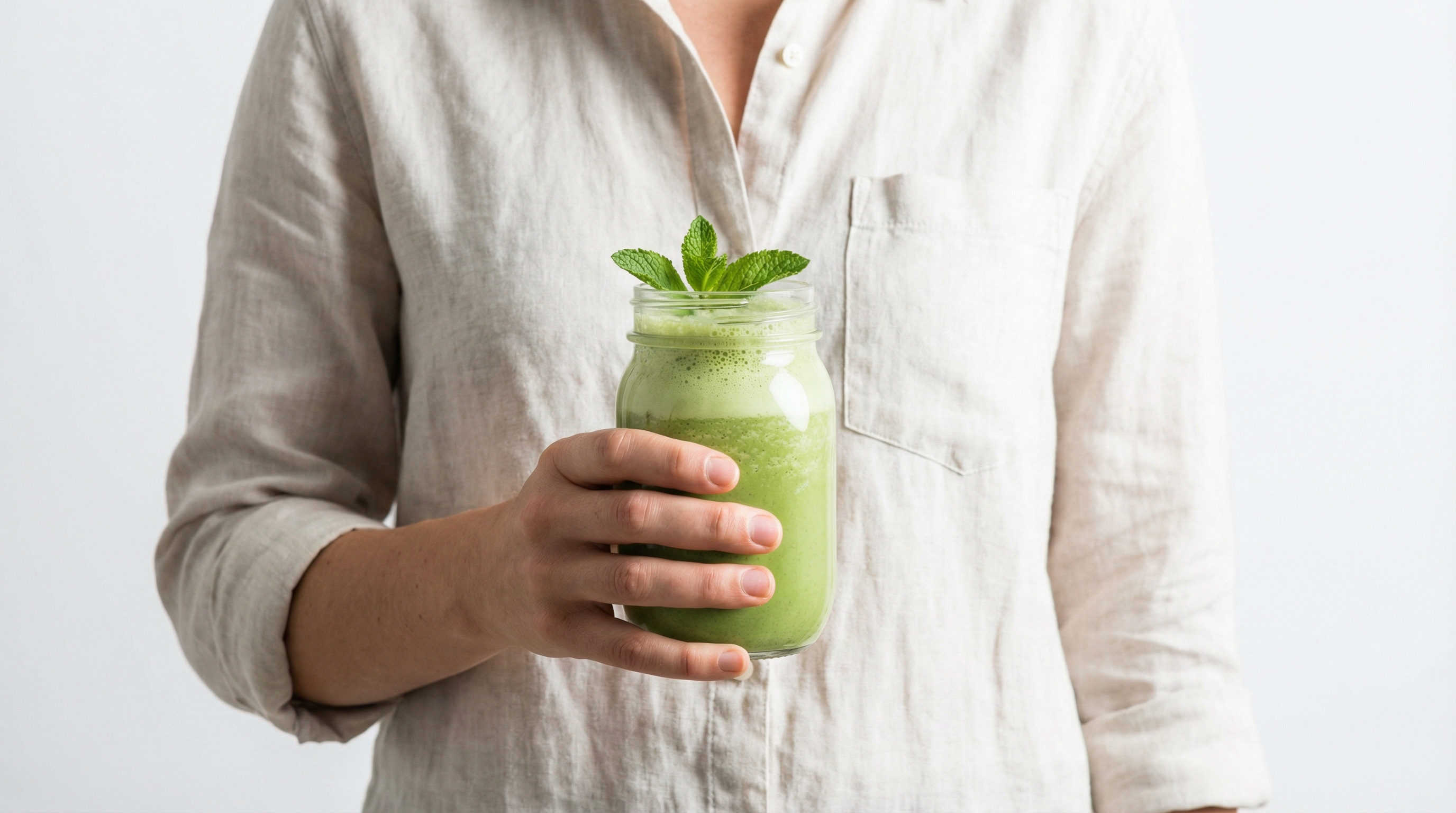
Digestive comfort is one of the most cited reasons consumers switch from regular powders to Matcha Protein Powder . Whey protein contains lactose and other dairy-derived compounds that frequently cause bloating, gas, and stomach cramps in a significant portion of the population.
Matcha-based blends are typically formulated with plant proteins that are naturally easier on the digestive tract. This allows users to consume their supplements daily without the discomfort that often leads to “supplement fatigue.”
Plant-Based Enzymes
Many matcha protein products are formulated with sprouted grains or fermented legumes that contain natural enzymes. These enzymes assist the body in breaking down long-chain proteins into absorbable peptides, reducing the workload on your stomach.
- Consider this:
- No more “protein bloat.”
- Better nutrient absorption per gram.
The Alkalizing Effect of Green Tea
Whey protein is highly acidic, which can disrupt the pH balance of your gut and lead to inflammation. Matcha is naturally alkaline, helping to neutralize excess stomach acid and creating a more favorable environment for beneficial gut flora.
- Look at the science:
- An alkaline gut reduces systemic inflammation.
- It promotes better overall skin health.
Eliminating Artificial Sweeteners
Because matcha has a complex, pleasant flavor, it requires far less artificial masking than raw whey or soy. Many high-quality matcha proteins use natural stevia or monk fruit, avoiding the gut-disrupting sugar alcohols found in “budget” protein powders.
- Key Takeaway: Matcha protein eliminates the common causes of digestive distress—lactose and acidity—offering a gentle, gut-friendly alternative to dairy-based shakes.
Digestive Issue | Whey Protein | Matcha Protein |
|---|---|---|
Lactose Intolerance | High Risk | Zero Risk |
Bloating | Common | Rare |
pH Balance | Acidic | Alkaline |
Analysis: By prioritizing gut health, matcha protein becomes a sustainable daily habit rather than a digestive burden.
8. How does Matcha Protein Powder compare in terms of shelf life and stability?
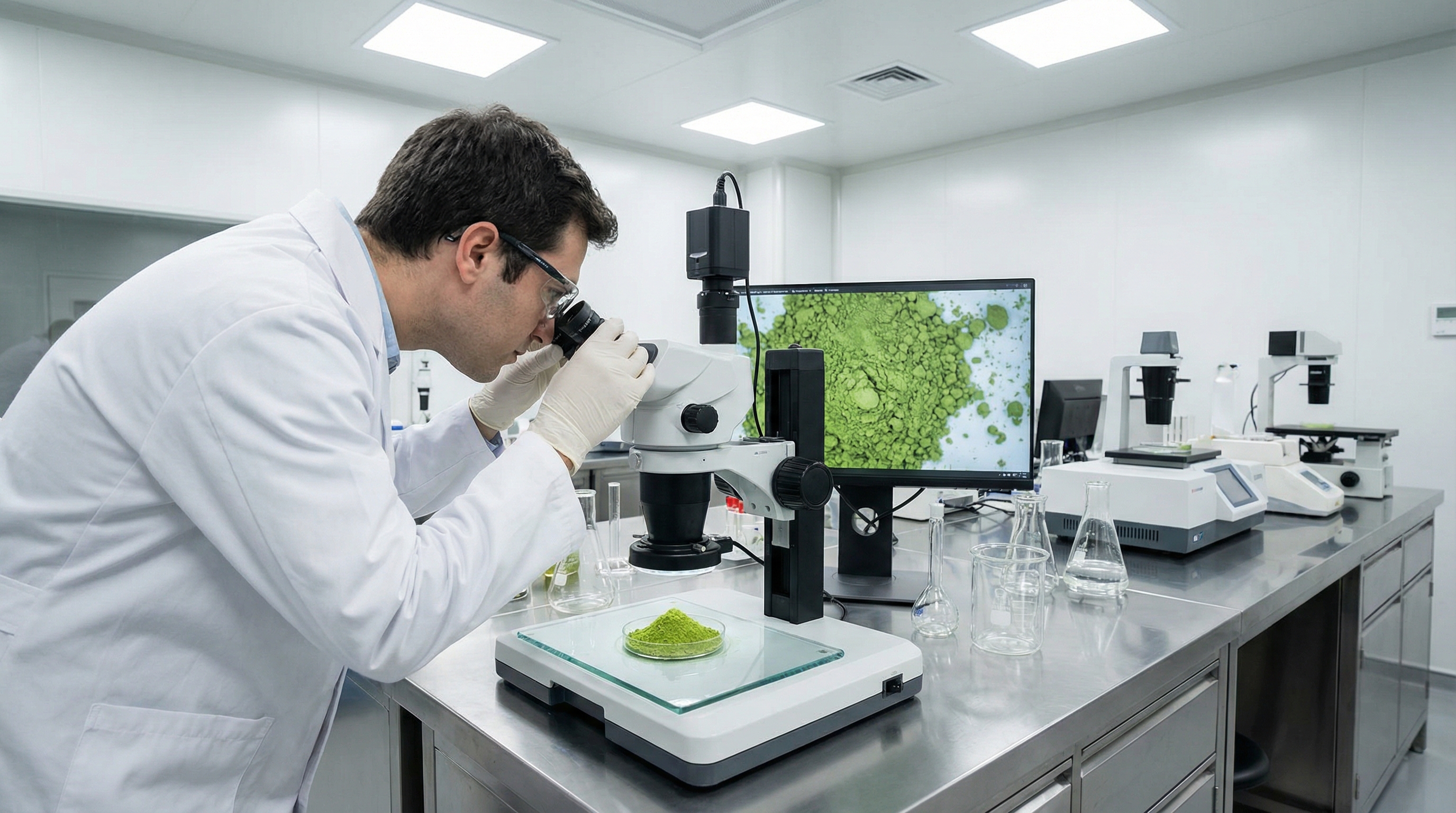
Stability is a major concern for B2B manufacturers and retailers who need to ensure product efficacy over time. Matcha is naturally sensitive to light, heat, and oxygen, which means its packaging must be superior to standard plastic tubs.
However, when stored correctly, the antioxidants in matcha act as natural preservatives for the protein base, extending its freshness. Understanding the science of stability is crucial for anyone looking to enter the bulk matcha wholesale market.
Protecting the Catechins
The primary active compounds in matcha, catechins, can degrade if exposed to UV light. Professional-grade matcha protein is always packaged in opaque, multi-layer foil bags or nitrogen-flushed containers to prevent oxidation and nutrient loss.
- Here is what you need to know:
- Air exposure turns matcha brown.
- Brown matcha has lost its antioxidant power.
Consistency in the Supply Chain
Maintaining a stable color and flavor across different batches is a challenge for mass-market proteins. High-level suppliers use advanced color-sorting and blending technology to ensure that every bag of powder looks and tastes identical.
- Think about this:
- B2B buyers require total consistency.
- Standardized grading is essential for large-scale production.
Thermal Stability for Baking
Unlike some protein isolates that become rubbery when heated, matcha-infused protein maintains its structural integrity and flavor profile. This makes it an excellent choice for functional foods like protein bars and cookies that require a baking phase.
- Key Takeaway: While matcha is delicate, proper packaging and standardized sourcing provide a stable, long-lasting product suitable for global retail.
Stability Factor | Raw Matcha Leaf | Professional Matcha Protein |
|---|---|---|
Light Sensitivity | High | Managed (Opaque Packaging) |
Oxidation Risk | High | Low (Nitrogen Flushed) |
Optimal Shelf Life | 12 Months | 18-24 Months |
Analysis: Advanced packaging technology allows matcha to maintain its superfood status through long-term storage and distribution.
9. How does the flavor versatility of Matcha benefit the food industry?
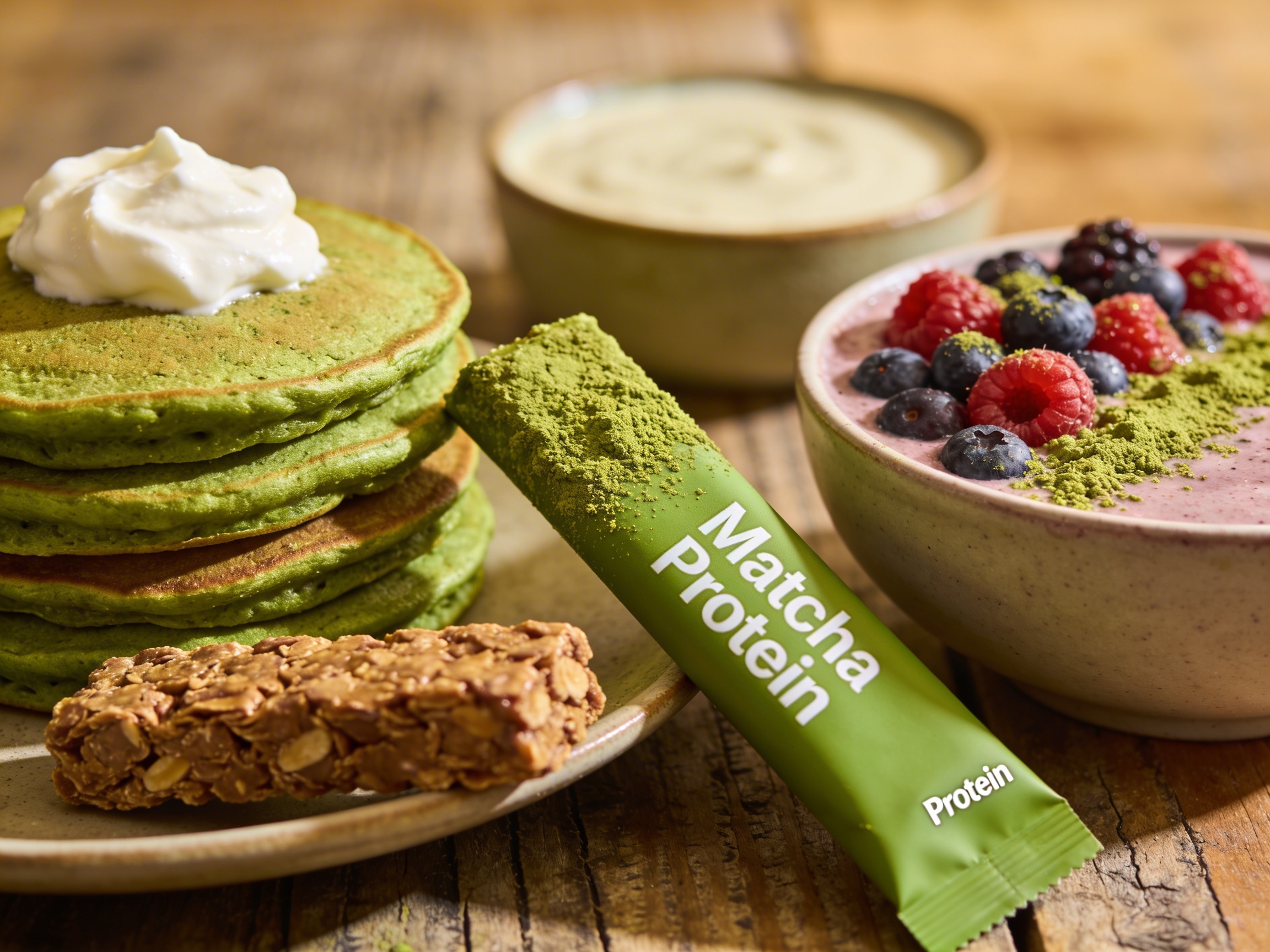
The unique “umami” and earthy notes of Matcha Protein Powder offer a sophisticated flavor profile that transcends the basic vanilla and chocolate options. This versatility is a massive boon for the culinary world, where chefs and manufacturers are creating everything from “pro-froyo” to matcha-infused energy bars.
It provides a gourmet edge that appeals to health-conscious foodies who want more than just a functional shake. The ability to integrate this ingredient into a wide range of formats makes it a favorite for diverse product lines.
Beyond the Shake
Matcha protein is increasingly used in breakfast formats like protein pancakes, waffles, and oatmeal. Its flavor pairs perfectly with berries, nuts, and natural sweeteners, making it a seamless addition to a high-protein diet without feeling like a “chore.”
- Consider the possibilities:
- Matcha protein smoothie bowls.
- Green tea-infused healthy muffins.
Natural Color vs. Dyes
The food industry is under fire for using synthetic dyes like “Yellow 5” and “Blue 1.” Matcha provides a stunning, natural green hue that signals health and freshness to the consumer without the need for chemical additives.
- You should know:
- Color is the first thing a consumer notices.
- Natural pigments drive higher brand trust.
Complementary Flavor Profiles
Matcha has a natural affinity for citrus, coconut, and white chocolate, allowing for creative recipe development that keeps consumers excited about their nutrition. This variety helps prevent “palate fatigue,” leading to higher subscription and repeat purchase rates.
- Key Takeaway: The sophisticated flavor and vibrant natural color of matcha allow for creative, clean-label culinary applications far beyond the standard protein shake.
Application | Flavor Compatibility | Visual Impact |
|---|---|---|
Baking | Excellent | High (Vibrant Green) |
Cold Desserts | Superior | High |
Warm Beverages | Good | Medium |
Analysis: Matcha’s culinary flexibility allows brands to expand their reach from the gym bag to the kitchen pantry.
10. Why is the ROI higher for Matcha-based protein products?

For brands and distributors, the bottom line is what matters most. Matcha protein products consistently show a higher Return on Investment (ROI) because they occupy a premium niche with less price sensitivity.
When you partner with an experienced private label matcha supplier , you bypass the commoditized “race to the bottom” that plagues the standard whey market. You aren’t just selling protein; you are selling a lifestyle, focus, and longevity, which commands a higher value.
Higher Customer Lifetime Value (LTV)
Matcha users tend to be more committed to their health routines than those buying bulk-discount whey. This translates to higher brand loyalty and a much greater Customer Lifetime Value over the long term.
- It is a fact:
- Ritualistic products have better retention.
- Matcha is often part of a daily morning “ritual.”
Lower Competitive Saturation
While there are thousands of generic protein brands, the high-quality matcha protein market is still in its growth phase. This gives new entrants a significant opportunity to capture market share before the category becomes overcrowded.
- Look at the map:
- Massive growth in the “Functional Food” sector.
- Higher barriers to entry ensure better price stability.
Multi-Market Appeal
Matcha protein appeals to several high-value demographics simultaneously: the keto crowd, the vegan community, and the executive biohacking market. This broad yet targeted appeal allows for more efficient marketing spend and higher conversion rates.
- Key Takeaway: Matcha-based products offer superior ROI by targeting high-value, loyal demographics with a premium, multi-functional superfood that avoids market commoditization.
Financial Metric | Standard Protein | Matcha Protein |
|---|---|---|
Profit Margin | 15-25% | 35-50% |
Churn Rate | High | Low |
Marketing Efficiency | Moderate | High (Niche Targeted) |
Analysis: The combination of premium pricing and high customer retention makes matcha protein the most profitable segment in modern sports nutrition.
Conclusion: Elevate Your Brand and Body
The debate is over: Matcha protein is the superior choice for anyone serious about their health, focus, and performance. By solving the dual problems of digestive bloating and the midday energy crash, it provides a functional solution that traditional powders simply cannot replicate.
At Riching Matcha, we are dedicated to helping you lead the market with world-class, sustainably sourced green tea solutions. Our vision is to empower athletes and brands alike with the ancient wisdom of Japanese tea, modernized for the needs of today’s high-performance lifestyle.
Problem Solved: No more jitters, no more bloat—just clean, sustained power and mental clarity.
Ready to transform your nutritional strategy or launch your own premium product line? Contact us today for a custom quote on bulk wholesale or private label solutions!
FAQ: Frequently Asked Questions
Is Matcha Protein Powder suitable for people with sensitive stomachs? Absolutely. Because it is typically plant-based and naturally alkaline, it is much gentler on the gastric lining than dairy-based proteins, making it ideal for those prone to bloating.
Can I use Matcha Protein as a meal replacement? Yes, when combined with healthy fats (like avocado or nut butter) and complex carbs, it provides a balanced, nutrient-dense profile that keeps you full and focused for hours.
Does the caffeine in Matcha Protein cause insomnia? Unlikely, if consumed before mid-afternoon. The L-theanine in matcha promotes a calm state, which prevents the “wired” feeling associated with coffee, though it’s best to avoid it right before bed.
How do I know if the Matcha in my protein is high quality? Look for a vibrant, bright green color and a smooth texture. If the powder is dull, yellowish, or gritty, it is likely low-grade culinary matcha with fewer antioxidants.
Can children or teenagers consume Matcha Protein? While generally safe, it does contain natural caffeine. It is always best to consult with a pediatrician, though it is a much cleaner alternative to sugary “energy” drinks.