
In the modern pursuit of peak performance, mental clarity, and longevity, the choice of a daily ritual beverage is more than a matter of taste—it is a strategic decision. For centuries, coffee, traditional tea, and matcha have vied for dominance on the global stage. While coffee provides the fuel for the industrial and digital ages, and tea offers a serene respite, matcha has emerged as a sophisticated “bio-hack,” bridging the gap between high energy and meditative focus.
This comprehensive analysis deconstructs these three titans across biochemical, historical, and practical dimensions to determine which beverage truly earns its place in your routine.
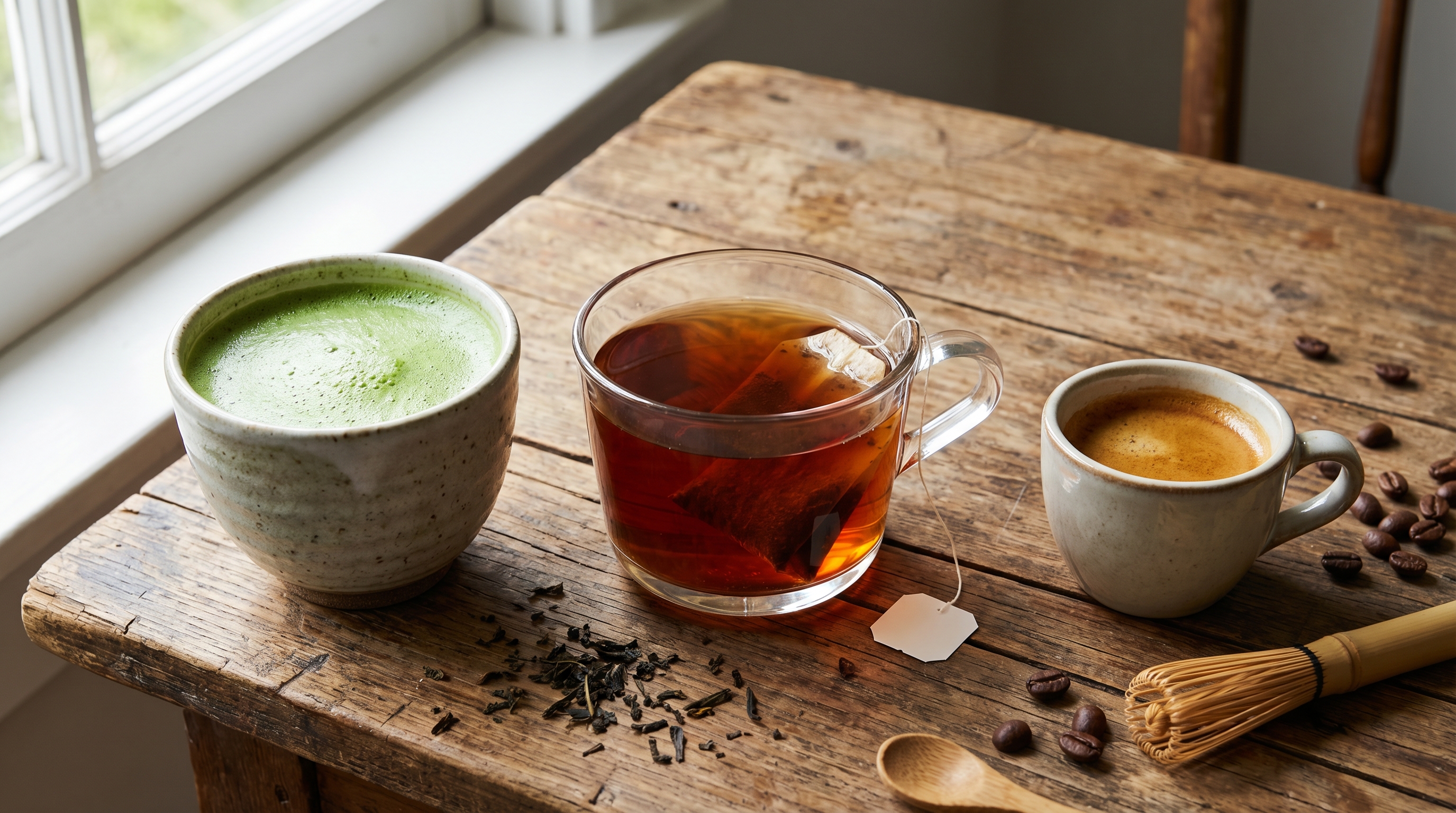
While all tea—including matcha—originates from the Camellia sinensis plant, the journey from soil to cup creates worlds of difference. Coffee, conversely, belongs to the Coffea genus, primarily the Arabica and Robusta species. Understanding the processing is key to understanding the final nutrient density.
The Matcha Distinction: Shading and Stone-Grinding
Unlike traditional green tea, where leaves are steeped and discarded, matcha is a suspension of the entire leaf. This process begins weeks before harvest with shading. By covering the tea plants to block up to 90% of sunlight, farmers induce a “stress response” in the plant. To compensate for the lack of light, the leaves overproduce chlorophyll and L-theanine, resulting in the signature electric-green color and a rich, umami flavor profile.
Post-harvest, the leaves are steamed to halt oxidation, de-veined, and slowly stone-ground into a powder often less than 10 microns in size. This labor-intensive process is why TOP Matcha varieties maintain such high concentrations of bioactive compounds compared to mass-produced alternatives.
Traditional Tea: The Spectrum of Oxidation
Traditional teas (Green, Oolong, Black) are defined by their level of oxidation.
- Green Tea: Unoxidized, preserving a fresh, grassy profile.
- Black Tea: Fully oxidized, resulting in tannins, theaflavins, and a robust, malty character.
- Oolong: Partially oxidized, offering a complex middle ground.
Coffee: The Art of the Roast
Coffee derives its character from the seed (bean) of the coffee cherry. The primary variables are the terroir and the roast profile. Roasting triggers the Maillard reaction, transforming raw acidity into notes of chocolate, caramel, or fruit. However, high-heat roasting can also degrade some of the delicate antioxidants found in the raw green bean.
The Biochemical Blueprint: EGCG, L-Theanine, and Beyond
To truly compare these beverages, we must look at the molecular level. The “magic” of matcha lies in its unique synergy of compounds that coffee and standard tea cannot replicate in the same concentrations.
The Antioxidant King: EGCG
Matcha is the most concentrated source of Epigallocatechin Gallate (EGCG), a potent catechin. Research indicates that matcha contains up to 137 times more EGCG than standard steeped green tea. EGCG is a powerhouse molecule linked to:
- Metabolic Enhancement: Increasing fat oxidation and thermogenesis.
- Cellular Protection: Neutralizing free radicals that contribute to aging and chronic disease.
- Neuroprotection: Supporting long-term brain health and reducing the risk of cognitive decline.
The Zen Molecule: L-Theanine
This amino acid is the “secret sauce” of the tea world. L-theanine crosses the blood-brain barrier and promotes the production of Alpha brain waves, which are associated with a state of “relaxed alertness.” While coffee can trigger a “fight or flight” response by spiking cortisol, the L-theanine in matcha moderates the absorption of caffeine.
Chlorogenic Acids in Coffee
Coffee is not without its merits. It is the largest source of antioxidants in the Western diet, primarily through chlorogenic acids. These compounds are known to improve insulin sensitivity and provide cardiovascular support. However, coffee lacks the calming influence of L-theanine, which often leads to the infamous “caffeine jitters.”
Table 1: Nutritional and Chemical Comparison (per 8oz serving)
Nutrient/Compound | Matcha (Ceremonial) | Steeped Green Tea | Black Coffee |
|---|---|---|---|
Antioxidant Capacity | Ultra-High (EGCG) | Moderate (Catechins) | High (Chlorogenic Acid) |
L-Theanine | 20–40 mg | 5–10 mg | 0 mg |
Chlorophyll | Exceptionally High | Low | None |
Vitamin C | Present (Significant) | Trace | None |
Fiber | ~0.5g (Whole leaf) | 0g | 0g |
pH Level | Alkaline-forming | Slightly Acidic | Highly Acidic (pH 4.5-5.0) |
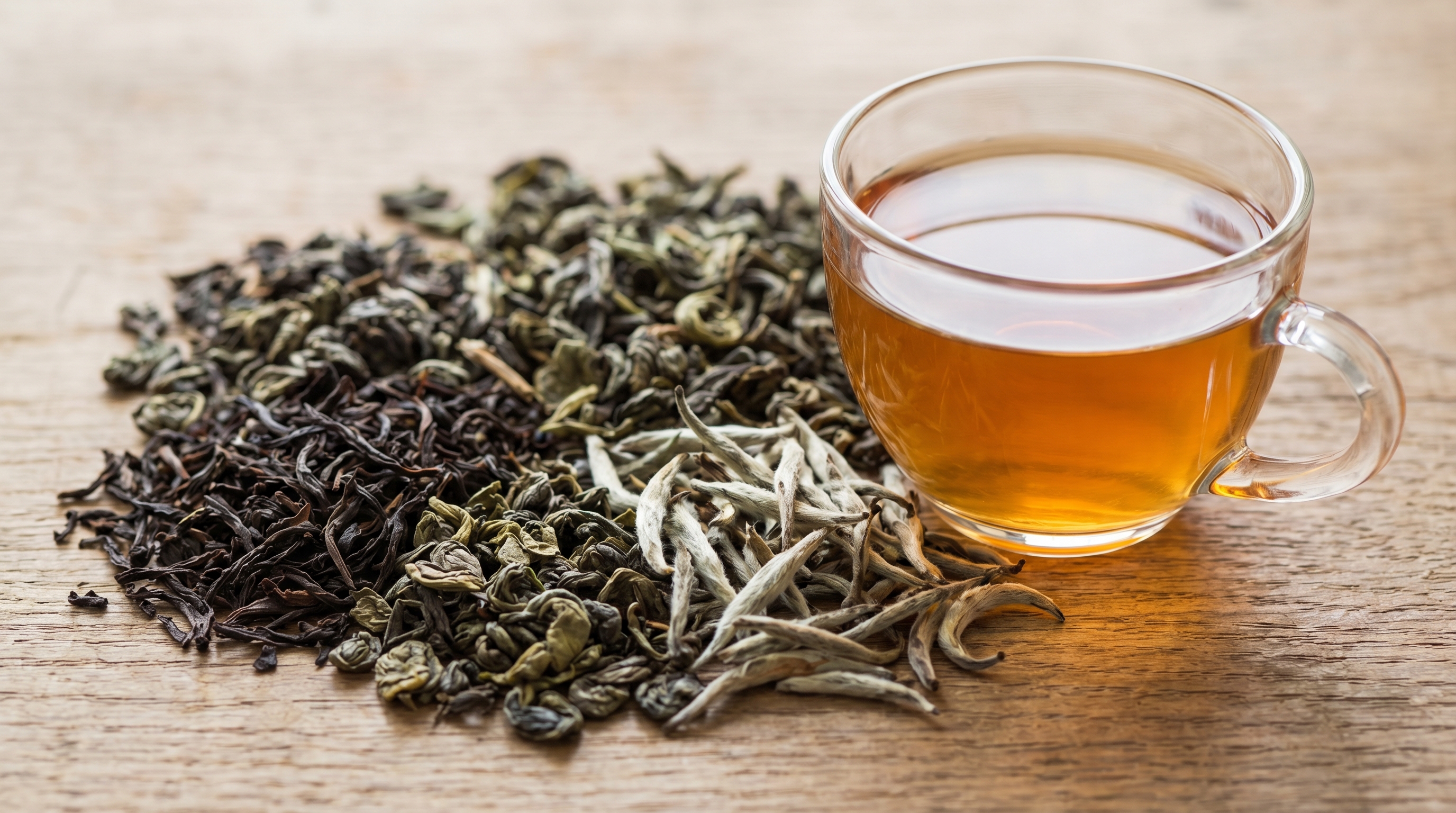
Caffeine Dynamics: “The High” vs. “The Flow”
The most significant difference for the daily consumer is the pharmacokinetics of caffeine delivery. Not all caffeine “hits” are created equal.
The Coffee Spike and Crash
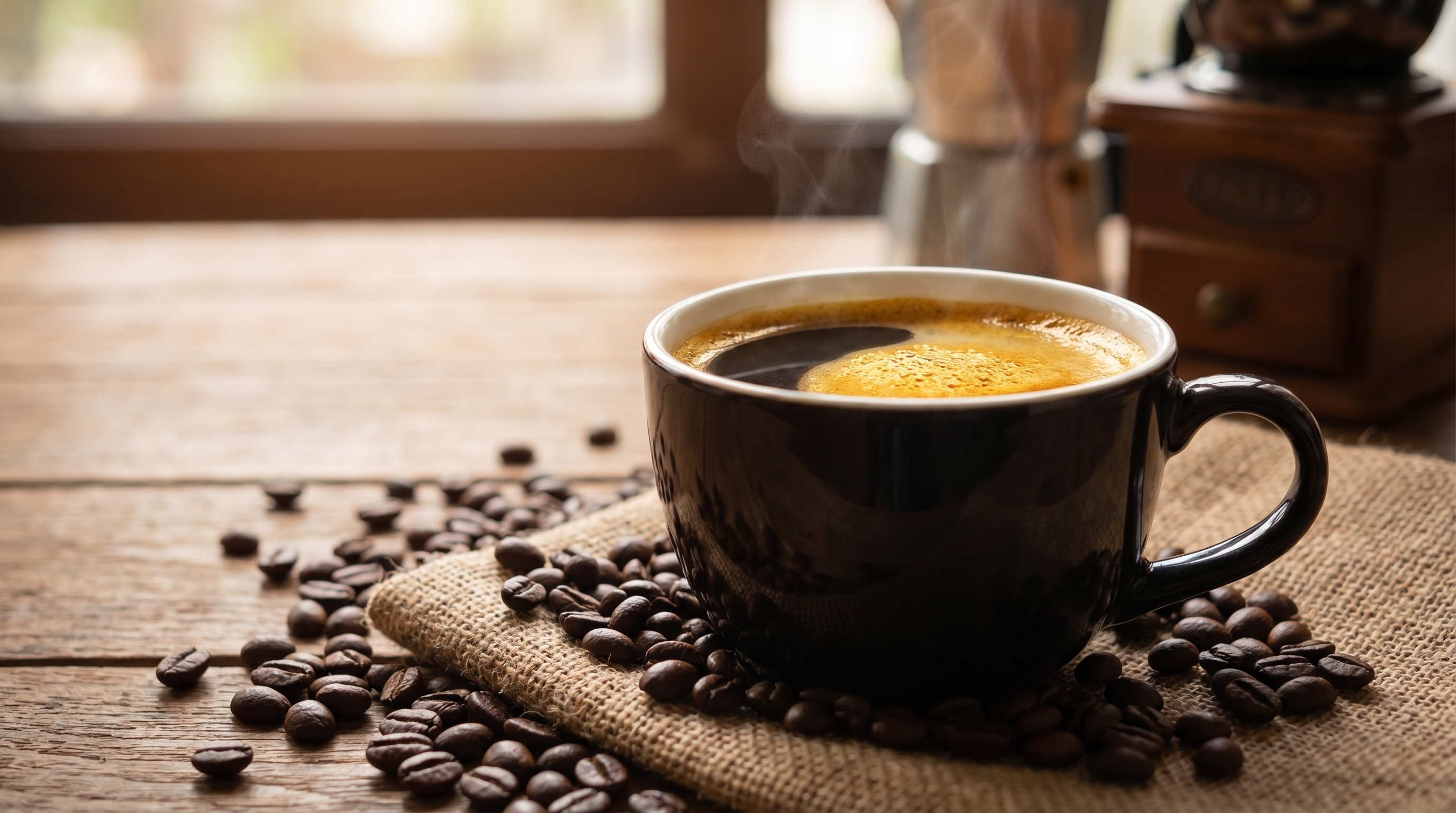
Coffee provides a rapid infusion of caffeine. Within 15–30 minutes, caffeine molecules bind to adenosine receptors in the brain, masking fatigue. However, this often causes a sharp spike in adrenaline and cortisol. When the caffeine is metabolized, the accumulated adenosine floods the receptors simultaneously, leading to the “afternoon crash.”
The Matcha “Slow-Release” Energy
Because matcha is a whole-leaf powder, the caffeine is bound to larger phytonutrients and tannins. Combined with L-theanine, this creates a time-release effect. Instead of a 1-hour spike followed by a drop, matcha provides a sustained 4-to-6-hour window of “calm energy.” This makes Ceremonial Grade Matcha the preferred choice for monks, students, and professionals who require deep focus without the anxiety of over-stimulation.
Table 2: Caffeine and Energy Impact
Metric | Matcha | Traditional Tea | Coffee |
|---|---|---|---|
Caffeine Content | 35–70 mg per tsp | 25–45 mg per cup | 95–150 mg per cup |
Onset of Effect | Gradual (30–60 min) | Gradual | Rapid (15 min) |
Duration | 4–6 Hours | 2–3 Hours | 1–2 Hours |
Common Side Effects | None (Calm focus) | Mild | Jitters, Anxiety, Insomnia |
Addictive Potential | Low | Low | Moderate to High |
Health Benefits and Systemic Impact
When evaluating long-term health, the choice between these beverages affects everything from your gut microbiome to your skin’s resilience.
1. Metabolic Health and Weight Management
Both coffee and matcha can boost metabolism, but they do so through different pathways. Coffee stimulates the central nervous system, increasing heart rate. Matcha, through EGCG, specifically targets fat oxidation. Studies have shown that consuming matcha before moderate exercise can increase fat burning by up to 17%.
2. Cardiovascular Support
The polyphenols in tea are renowned for improving endothelial function (the health of blood vessel linings). Regular consumption of Premium Grade Matcha has been linked to lower LDL (bad) cholesterol levels and reduced blood pressure. While coffee also shows cardiovascular benefits, its acidity and potential to increase heart rate may be counter-indicated for those with arrhythmias or sensitive stomachs.
3. Detoxification and Skin Health
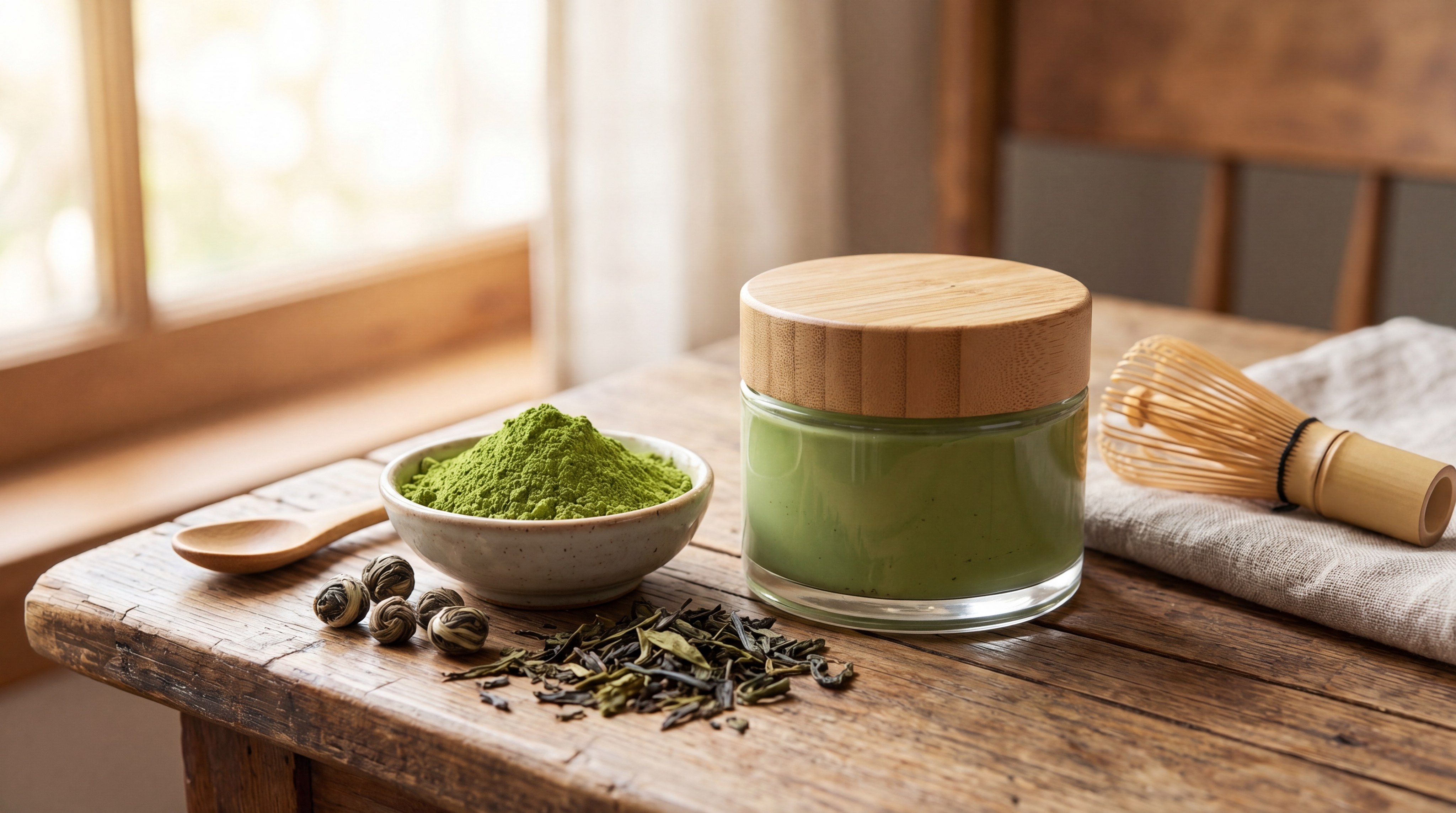
Matcha’s high chlorophyll content acts as a natural detoxifier, helping the body eliminate heavy metals and toxins. Furthermore, the EGCG in matcha is a potent anti-inflammatory. In the beauty industry, matcha is increasingly used in topical applications to reduce redness and fight UV-induced damage.
4. Digestive Harmony
One of the most common complaints about coffee is its acidity, which can irritate the stomach lining and trigger acid reflux. Matcha is naturally more alkaline-forming, making it gentler on the digestive tract. Additionally, because you consume the whole leaf, you receive a small amount of dietary fiber and polyphenols that serve as prebiotics for the gut microbiome.
Cultural Journeys: From Monasteries to Modern Cafes
To appreciate these drinks, one must acknowledge the centuries of tradition that have shaped their preparation and social significance.
The Zen of Matcha
The Japanese Tea Ceremony, or Chanoyu, is a choreographed ritual focused on four principles: Wa (Harmony), Kei (Respect), Sei (Purity), and Jaku (Tranquility). Matcha was originally brought to Japan by the monk Eisai in the 12th century, who recognized its ability to keep monks alert during long hours of meditation. Today, that same spirit of mindfulness is what draws people to the whisking process.
The Social Pulse of Coffee
Coffee’s history is rooted in the “Coffeehouses” of the Ottoman Empire and later, Enlightenment Europe. These were hubs of political debate, scientific discovery, and social revolution. Coffee is the drink of the “hustle”—it is designed for the fast-paced, social environment of the modern city.
Artistry of Preparation: Tools and Techniques
The preparation of these beverages is an art form in itself, requiring precision to unlock the best flavor profiles.
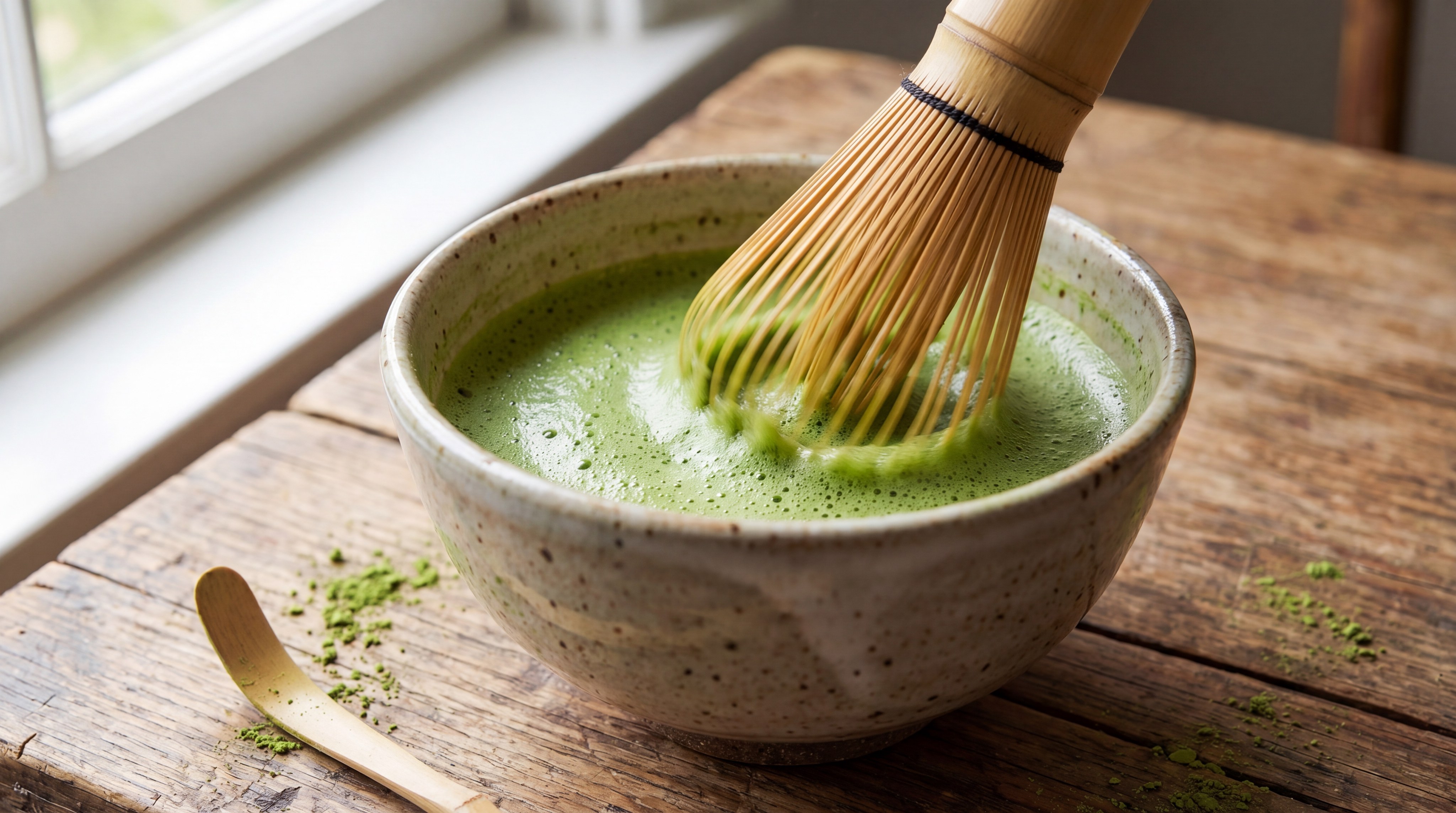
Mastering the Matcha Whisk
Preparation of high-quality matcha requires specific tools:
- Chawan (Bowl): A wide bowl that allows for effective whisking.
- Chasen (Bamboo Whisk): Specifically carved from a single piece of bamboo to create the perfect micro-foam.
- Chashaku (Scoop): For measuring the exact amount of powder.
The Method:
- Sift 1-2 scoops of matcha into the bowl to remove clumps.
- Add 2oz of hot water (Crucial: 80°C / 175°F—never boiling, as it burns the delicate powder).
- Whisk in a “W” motion until a thick, frothy crema forms on the surface.
The Precision of the Barista
Coffee brewing ranges from the simplicity of a French Press to the scientific precision of a V60 pour-over or an espresso machine. Factors like grind size, water-to-coffee ratio, and extraction time are critical. While coffee offers more variety in brewing methods, it often requires more expensive equipment to achieve a professional result at home.
Culinary Versatility & Lifestyle Integration
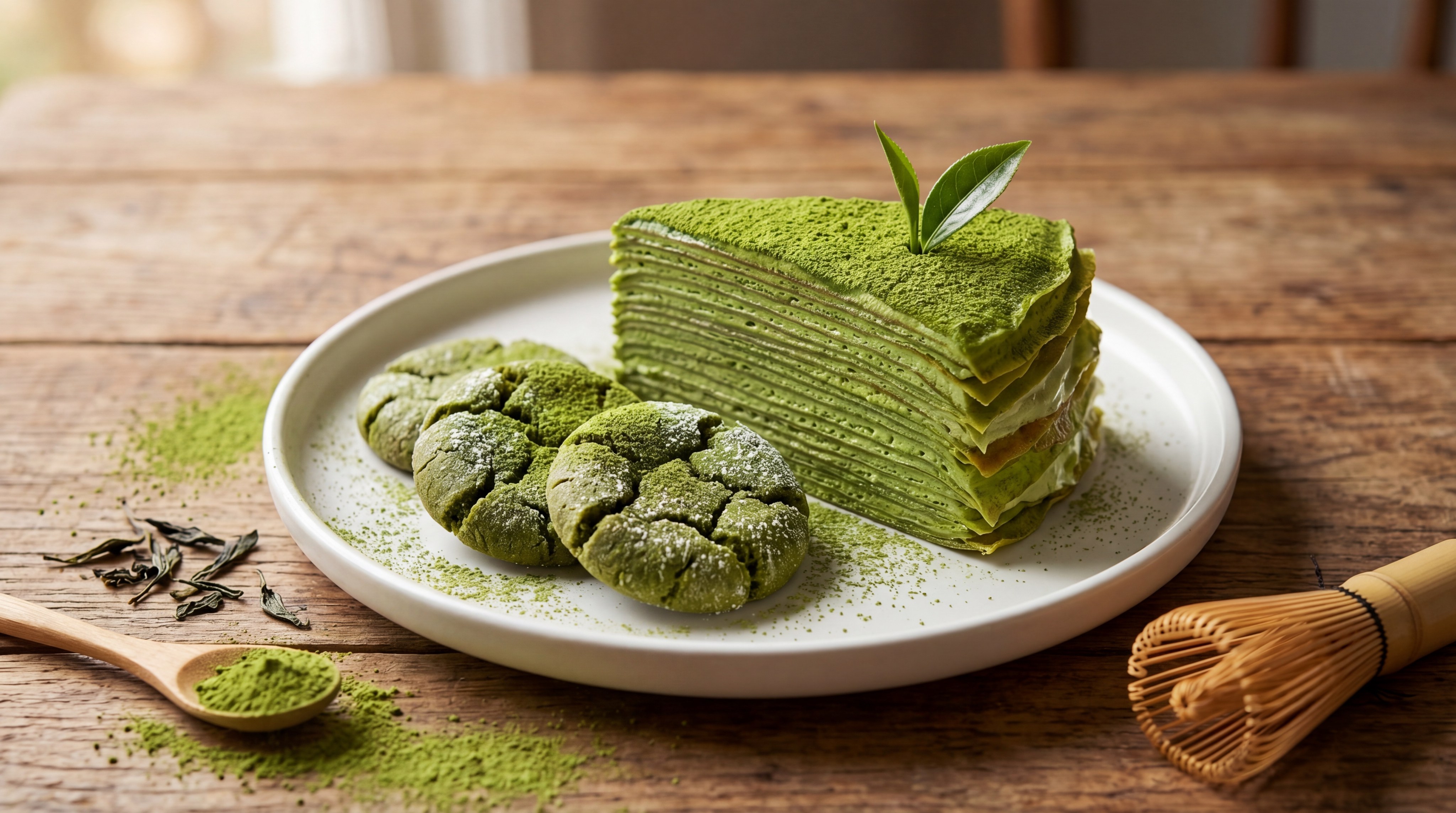
In the modern kitchen, the boundaries between beverage and ingredient have blurred. Matcha, in particular, has become a global culinary phenomenon.
The Baker’s Secret
While ceremonial grades are reserved for drinking, Culinary Grade Matcha is optimized for heat and blending. Its slightly more astringent profile stands up well against fats and sugars in:
- Baking: Matcha cheesecakes, macarons, and cookies.
- Breakfast: Matcha-infused oatmeal and chia puddings.
- Savory: Matcha salts for seafood or green tea noodles (Soba).
Modern Adaptations
Coffee remains the king of the “latte art” world, but the “Matcha Latte” has become a staple in every high-end cafe. By combining the antioxidant power of matcha with the creaminess of oat or almond milk, consumers get a nutrient-dense alternative to the traditional sugary coffee drink.
Integrating into the Workspace
For the digital nomad or corporate executive, the “Matcha Flow” is a productivity game-changer. Unlike the erratic energy of multiple espressos, a single cup of premium matcha provides the cognitive endurance needed for deep-work sessions.

Strategic Choice: Which One is Right for You?
Choosing your primary beverage depends on your biological needs and lifestyle goals.
Choose Coffee If:
- You need an immediate, sharp “kick” to wake up.
- You enjoy the diverse flavor notes of different roast origins.
- You have a robust digestive system that isn’t bothered by acidity.
Choose Traditional Tea If:
- You prefer a light, hydrating beverage with mild stimulation.
- You enjoy the ritual of steeping and watching leaves unfurl.
- You want a low-calorie way to stay warm throughout the day.
Choose Matcha If:
- You suffer from “caffeine jitters” or anxiety from coffee.
- You are looking for a significant nutritional boost (antioxidants, vitamins, fiber).
- You require “Deep Work” energy that lasts for several hours without a crash.
- You want to support long-term metabolic and cognitive health.
For businesses looking to capitalize on the growing health-conscious market, partnering with a Private Label Matcha Supplier allows for the creation of custom blends that cater to these specific lifestyle needs.
Conclusion: The Synergy of Modern Living
While coffee and tea will always have their place in our heritage, matcha represents the evolution of the morning beverage. It is a functional food that respects the body’s natural rhythms, providing energy without exhaustion and focus without frenzy. By understanding the science and history behind these three powerhouses, you can curate a daily ritual that doesn’t just wake you up—but truly nourishes you.
FAQ
1. Does matcha have more caffeine than coffee?
Per gram of powder, matcha contains more caffeine than coffee beans. However, a typical serving of matcha (1-2 grams) contains roughly 35-70mg of caffeine, whereas a standard 8oz cup of coffee contains 95-150mg. Because you ingest the whole leaf in matcha, the effect is more sustained, making it feel more powerful without the jitters.
2. Can I drink matcha every day?
Yes, daily consumption of matcha is highly recommended for its cumulative antioxidant benefits. Most health experts suggest 1-2 cups per day to maximize EGCG intake and metabolic support.
3. Why is ceremonial grade matcha so much more expensive?
Ceremonial grade is made from the youngest, first-harvest leaves, which are higher in L-theanine and chlorophyll. The process of removing all stems and veins and the slow stone-grinding (to prevent heat damage) is much more time-consuming than the production of culinary or standard tea grades.
4. Is it okay to put milk in matcha?
Absolutely. While traditionalists prefer it with water, “Matcha Lattes” are a popular way to enjoy the beverage. For the best health benefits, consider using plant-based milks like oat or almond, as some studies suggest that the proteins in cow’s milk might slightly reduce the absorption of certain antioxidants.
5. How can I tell if my matcha is high quality?
Look for three key indicators:
- Color: It should be a vibrant, electric “jade” green, not dull or yellowish.
- Texture: It should feel like fine silk or talcum powder, not gritty.
- Origin: High-quality matcha typically comes from specific regions in Japan or certified organic farms with strict shading protocols.