
Matcha and green tea differ primarily in their cultivation, processing, and nutrient concentration, with matcha providing a more potent dose of antioxidants. You might often find yourself standing in the tea aisle, staring at the vast price gap and visual differences between vibrant green powders and dried leaves. Choosing the wrong one for your specific needs—whether it’s a morning energy boost or a culinary masterpiece—can lead to a bitter experience and wasted money. By understanding the nuances of Matcha VS Green Tea , you can finally choose the perfect powerhouse to fuel your healthy lifestyle.
The primary difference lies in the physical form and the method of consumption, where one is a dissolved powder and the other is a steeped leaf infusion. While both originate from the same Camellia sinensis plant, you consume the entire leaf with one and only the water-extract with the other.
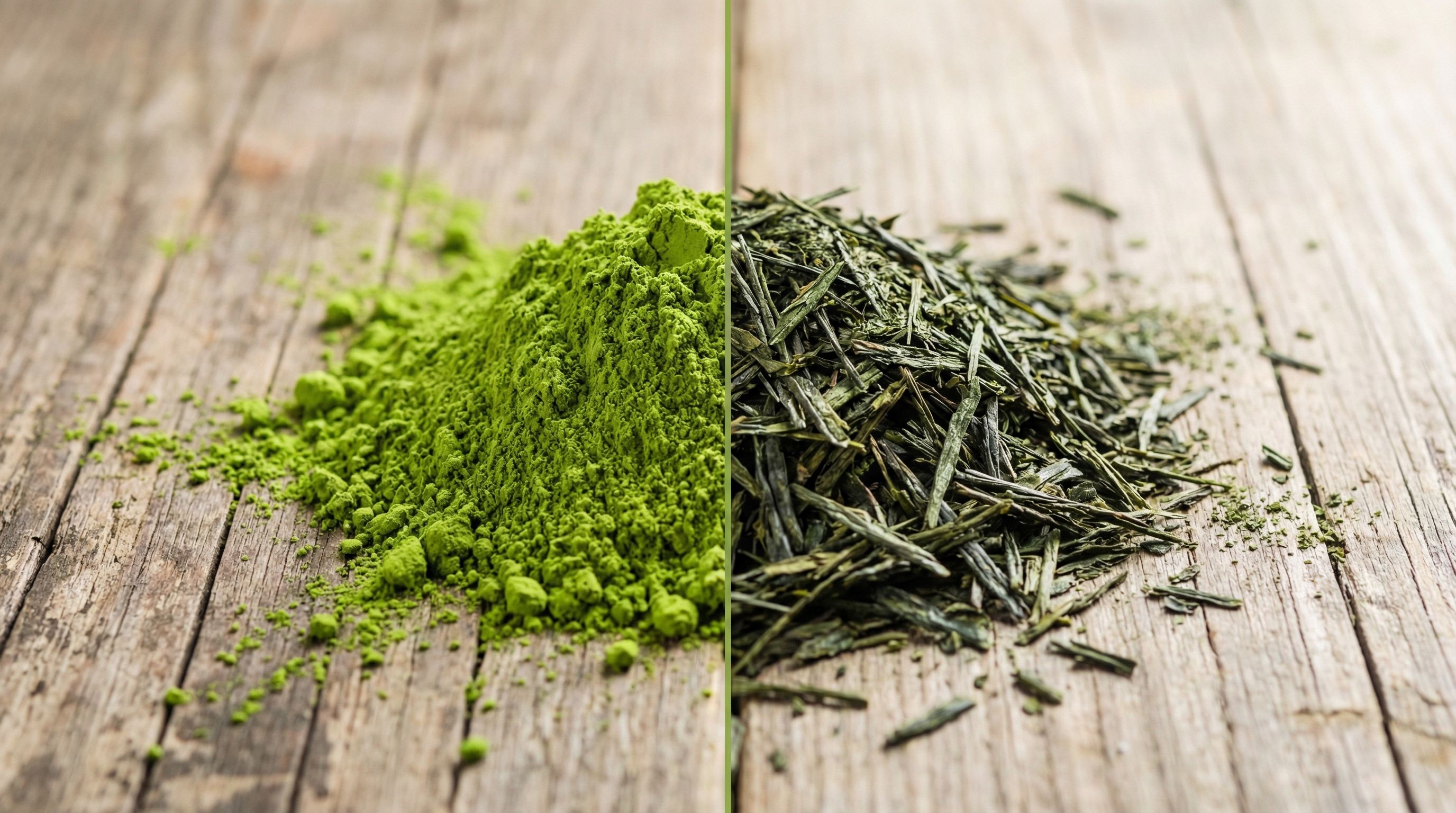
Do the physical structures affect your drink?
When you look at loose leaf tea, you see dried fragments that release flavor into hot water. In contrast, matcha is stone-ground into a microscopic powder that remains suspended in the liquid. This fundamental distinction is why we at Riching Matcha focus on the integrity of the whole leaf.
But that’s not all…
- Green tea leaves are steeped and discarded.
- Matcha powder is whisked directly into the water.
- Whole leaf consumption ensures zero waste of nutrients.
How does the extraction process work?
Steeping green tea creates a thin, clear extract of the water-soluble components. When you whisk matcha, you are creating a colloidal suspension of the entire plant matter.
Key Takeaway: Matcha is a concentrated form of the whole leaf, while green tea is a diluted infusion of the leaf’s essence.
Feature | Green Tea | Matcha |
|---|---|---|
Form | Loose leaf / Tea bag | Fine ground powder |
Method | Steeping (Infusion) | Whisking (Suspension) |
Consumption | Liquid only | Whole leaf particles |
How Does the Growing Process Differ for These Teas?
Growing methods differ significantly because matcha requires a labor-intensive shading period that green tea does not undergo. This period of darkness is what gives the powder its signature “electric” green hue and specific chemical profile.
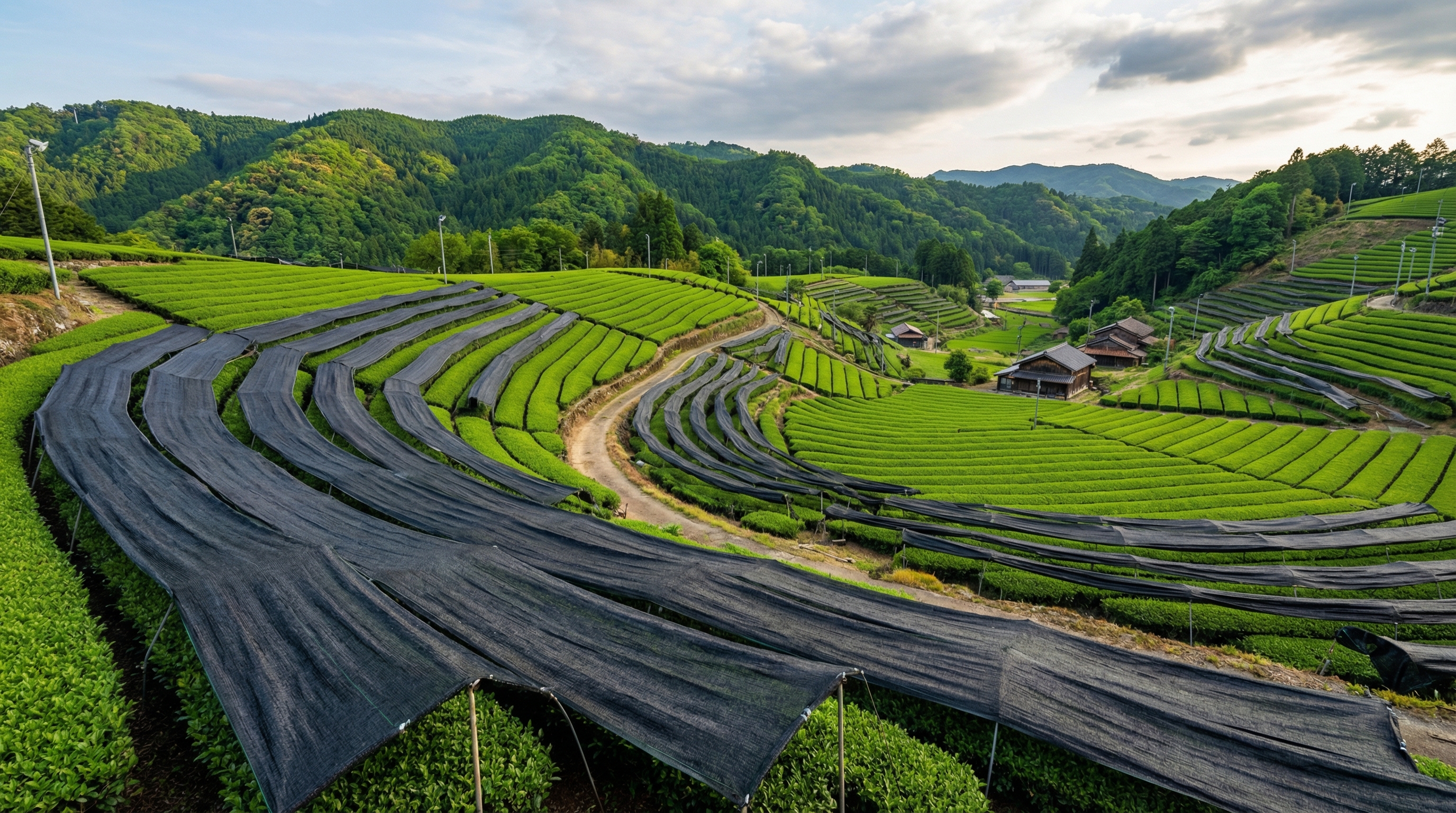
Why is shading so important for quality?
Matcha plants are covered with heavy shade cloths for up to 30 days before the spring harvest. This stress forces the plant to produce massive amounts of chlorophyll and amino acids to survive.
Here is the kicker…
- Shading increases L-theanine for a sweet taste.
- It boosts the vibrant jade green color.
- It results in a smoother, less bitter profile.
Does direct sunlight change the chemistry?
Standard green tea grows in full sunlight throughout its entire lifecycle. This exposure encourages the development of catechins, which are the antioxidants responsible for a sharper, more astringent flavor.
Key Takeaway: Shading creates the creamy umami of matcha, whereas sunlight produces the crisp, grassy bite of traditional green tea.
Cultivation Factor | Green Tea | Matcha |
|---|---|---|
Light Exposure | Full sunlight | 90% shade for 3-4 weeks |
Chlorophyll | Standard levels | Extremely high |
Flavor Profile | Grassy and astringent | Creamy and savory (Umami) |
What Are the Key Processing Methods for Each Tea?
Processing methods differ because matcha involves removing the fibrous parts of the leaf and stone-grinding the remains, while green tea is simply dried and rolled. Understanding the Matcha VS Green Tea processing journey reveals why one is a powder and the other is a leaf.
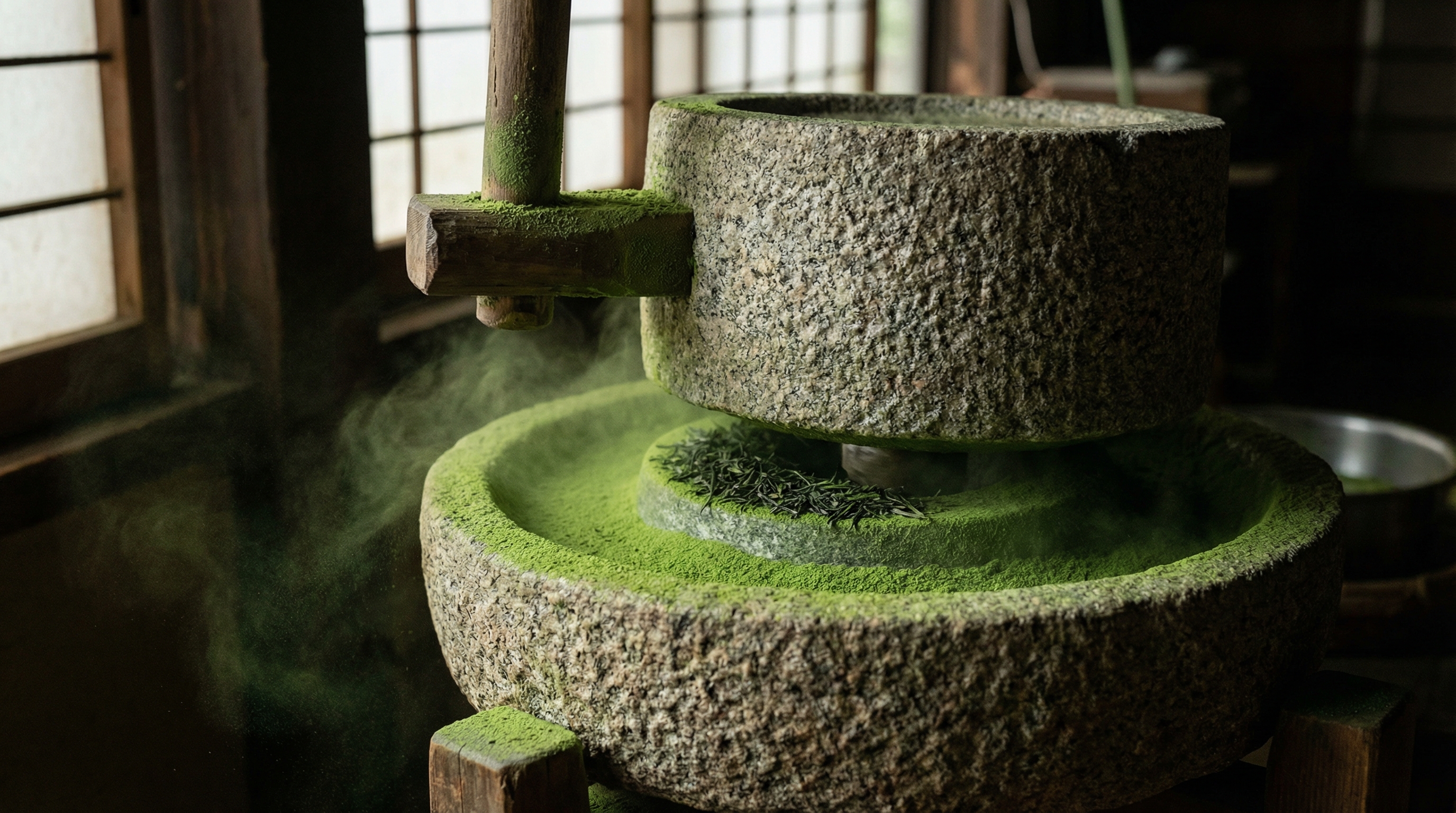
How do they stop the leaves from turning brown?
Both teas are steamed or pan-fired immediately after harvest to stop oxidation. Japanese styles usually favor steaming to lock in a deep green color and “oceanic” aroma.
Think about this…
- Steaming preserves natural enzymes and color.
- Rolling green tea breaks the cells for better steeping.
- High-grade matcha never goes through a rolling phase.
What makes the powder so fine?
For authentic matcha, workers remove the stems and veins from the leaves to create “Tencha.” These pure leaf flakes are then slowly ground by granite stones to ensure the texture is smooth enough to dissolve.
Key Takeaway: Matcha is the result of de-veining and stone-grinding, whereas green tea is the result of rolling and drying the whole leaf structure.
Processing Step | Green Tea | Matcha |
|---|---|---|
Oxidation | Halted by heat | Halted by steam |
Structure | Includes stems and veins | Stems and veins removed |
Final Finish | Rolled or cut leaves | Stone-ground powder |
Does Matcha Have More Caffeine Than Regular Green Tea?
Matcha contains significantly more caffeine than regular green tea because you are ingesting the entire leaf in a concentrated form. While a standard tea bag might provide a mild lift, a bowl of whisked powder offers an energy profile closer to coffee.
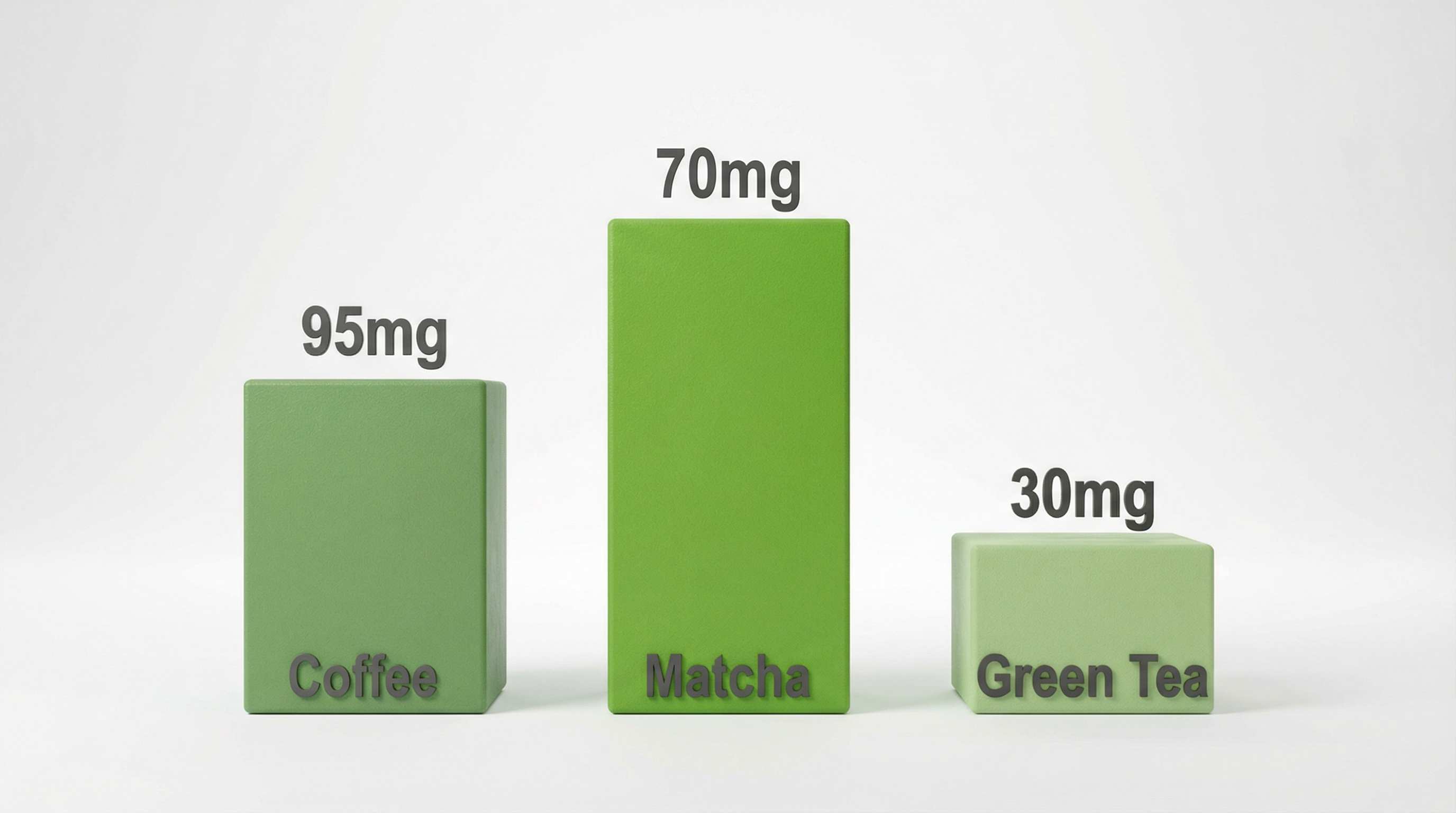
Why is the energy boost different?
One gram of matcha contains a much higher density of caffeine molecules than the amount that leaches out of a tea bag. Because you swallow the powder, your body processes every milligram available in the plant.
Believe it or not…
- Green tea: 25–35mg per cup.
- Matcha: 70–140mg per cup.
- The concentration is roughly 3x to 4x higher.
Can you avoid the dreaded caffeine crash?
Matcha contains a high concentration of L-theanine, an amino acid that slows the absorption of caffeine into your bloodstream. This creates a “calm alertness” that lasts for hours without the jitters associated with espresso.
Key Takeaway: Matcha offers a higher dose of caffeine than green tea but balances it with L-theanine for sustained focus.
Beverage | Caffeine Level | Energy Duration |
|---|---|---|
Steeped Green Tea | Low (30mg) | Short (1-2 hours) |
Whisked Matcha | High (70-140mg) | Long (4-6 hours) |
Coffee | High (95mg) | Medium (2-3 hours) |
Why Is Matcha Considered Healthier Than Loose Leaf Tea?
Matcha is considered healthier because it provides a much higher concentration of antioxidants and vitamins by virtue of whole-leaf consumption. In the Matcha VS Green Tea health debate, the sheer volume of nutrients in the powder usually wins.
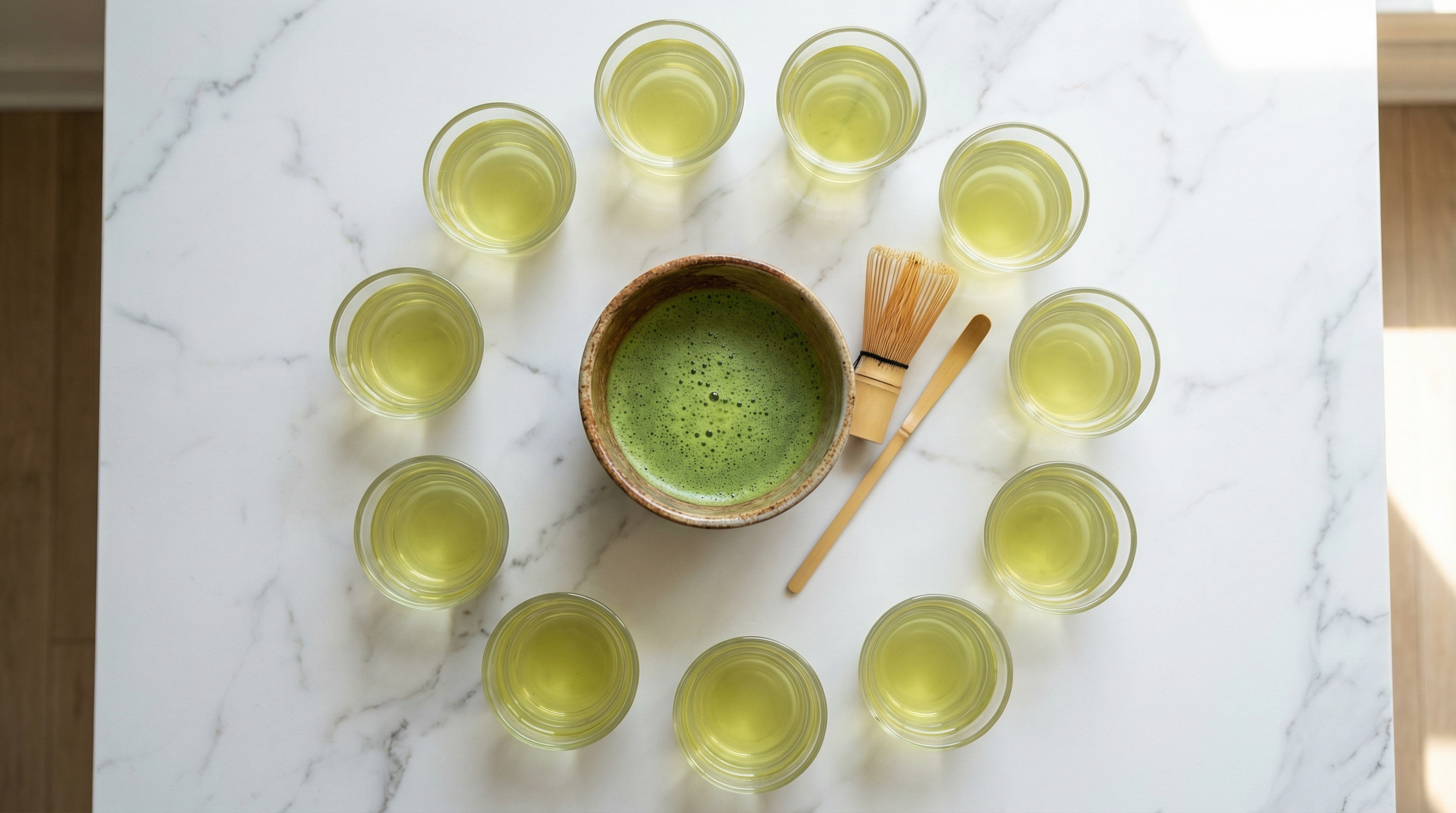
How much more EGCG are you getting?
Studies suggest that matcha contains up to 137 times more EGCG (a powerful catechin) than certain brands of bagged green tea. This compound is a superstar for metabolism and cellular health.
But here is the kicker…
- You get 100% of the plant’s nutrients.
- Vitamins A, E, and K are fat-soluble and only found in the leaf.
- One bowl equals the antioxidant power of 10 steeped cups.
Does the fiber content matter?
Since you are consuming the actual leaf, you are also adding a small amount of dietary fiber to your diet. Steeped tea is just flavored water and contains no fiber or insoluble solids.
Key Takeaway: Matcha is a nutritional powerhouse that provides a concentrated dose of antioxidants that far exceeds standard steeped tea.
Nutrient | Green Tea | Matcha |
|---|---|---|
Antioxidants | Moderate | Extremely High |
Fiber | None | Contains dietary fiber |
Vitamins | Water-soluble only | All fat and water-soluble |
How Do the Flavor Profiles of These Two Teas Compare?
Matcha offers a rich, creamy, and savory umami flavor, while green tea is generally more refreshing, grassy, and light. The difference in taste is as vast as the difference between a thick espresso and a light pour-over coffee.
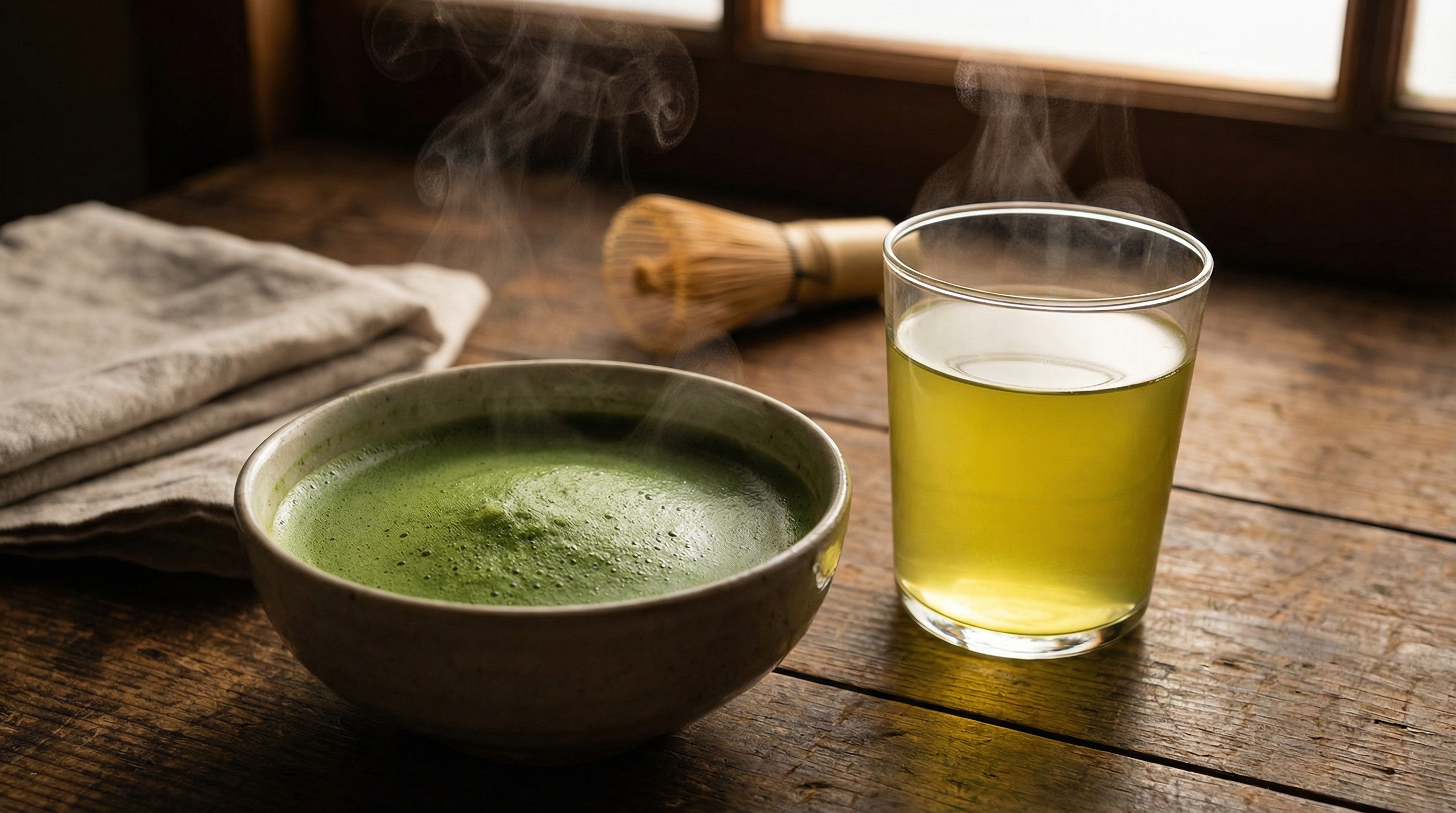
What exactly does “umami” taste like?
In high-quality matcha, umami tastes like a savory sweetness, often compared to the richness of seaweed or fresh grass. Green tea lacks this intensity, leaning more toward floral or nutty notes depending on the region.
You might be wondering…
- Is it supposed to be bitter?
- Good matcha has a sweet, lingering finish.
- Low-quality powder or scorched water causes bitterness.
How does texture influence the experience?
The suspension of particles in matcha creates a thick, frothy mouthfeel that coats the palate. Green tea is thin and watery, providing a clean and crisp finish that is perfect for hydrating during a meal.
Key Takeaway: Choose matcha for a rich, dessert-like indulgence and green tea for a light, refreshing daily beverage.
Sensory Aspect | Green Tea | Matcha |
|---|---|---|
Texture | Thin and watery | Thick and frothy |
Primary Notes | Floral, grassy, light | Savory, sweet, earthy |
Aftertaste | Crisp and clean | Rich and lingering |
What Special Tools Are Needed for Preparation?
Preparing Matcha VS Green Tea requires different sets of tools to handle either the suspension of powder or the straining of leaves. While you can keep it simple, traditional methods enhance the flavor and experience of both.
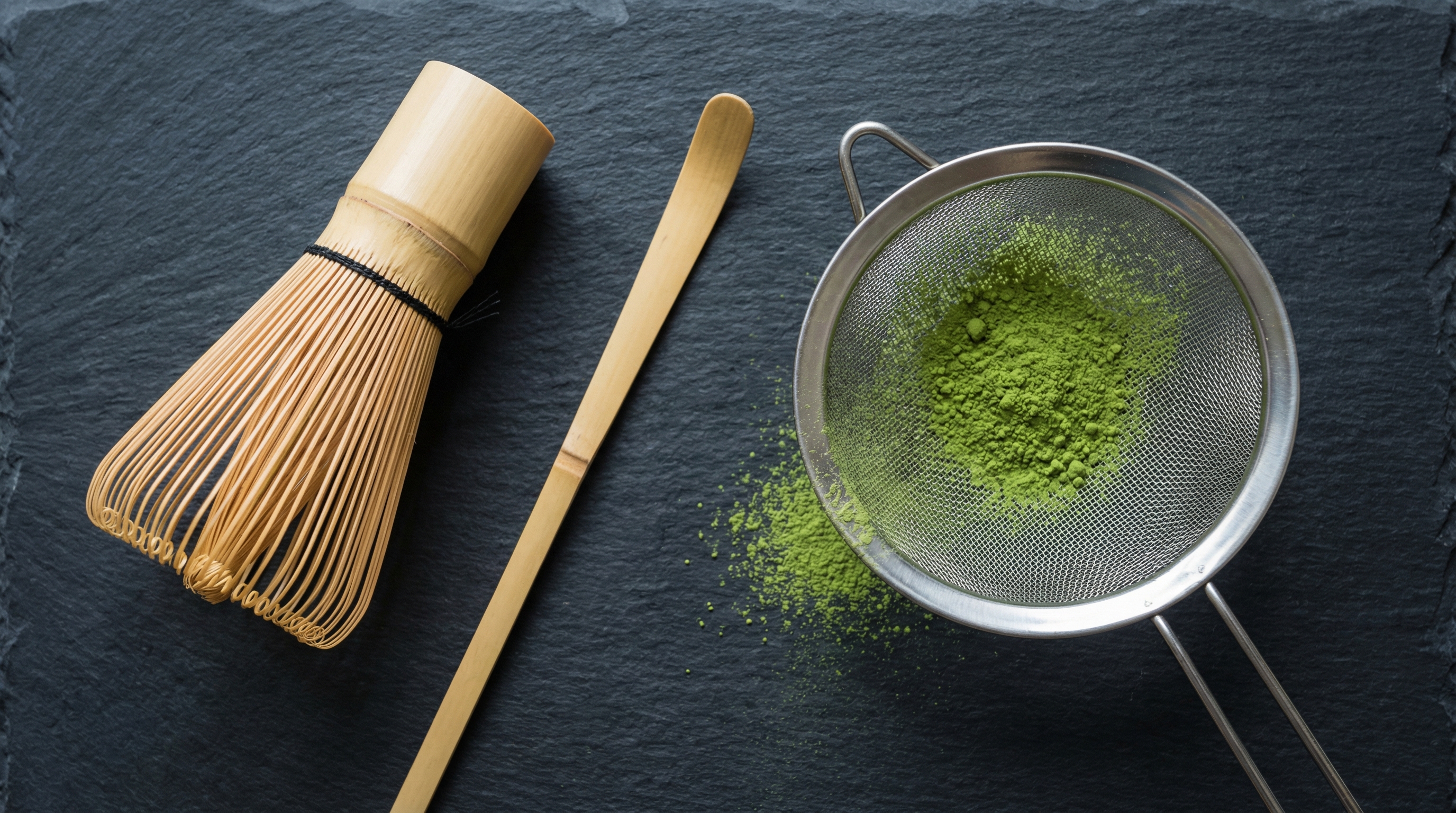
Is a bamboo whisk really necessary?
A bamboo whisk, or chasen, has dozens of delicate tines designed to break up clumps and create a perfect froth. Using our tea accessories ensures your powder is fully integrated rather than sinking to the bottom.
Think about this…
- A sifter removes lumps for a smooth texture.
- The wide bowl allows for vigorous whisking.
- Metal spoons often fail to create the necessary foam.
Can you use modern gadgets instead?
If you are in a rush, an electric milk frother can work reasonably well for a daily latte. However, for loose leaf green tea, you simply need a reliable infuser or a teapot with a built-in strainer.
Key Takeaway: Matcha requires tools for whisking and aeration, while green tea requires tools for steeping and filtration.
Tool Type | For Green Tea | For Matcha |
|---|---|---|
Primary Tool | Tea infuser / Strainer | Bamboo whisk (Chasen) |
Vessel | Teapot or mug | Wide bowl (Chawan) |
Cleaning | Easy rinse | Air-dry whisk on a stand |
Can You Use Matcha and Green Tea Differently in Recipes?
Matcha is the undisputed king of culinary applications because its concentrated powder form acts as both a flavor and a natural coloring agent. While green tea is great for light infusions, the powder integrates seamlessly into solids and dairy.
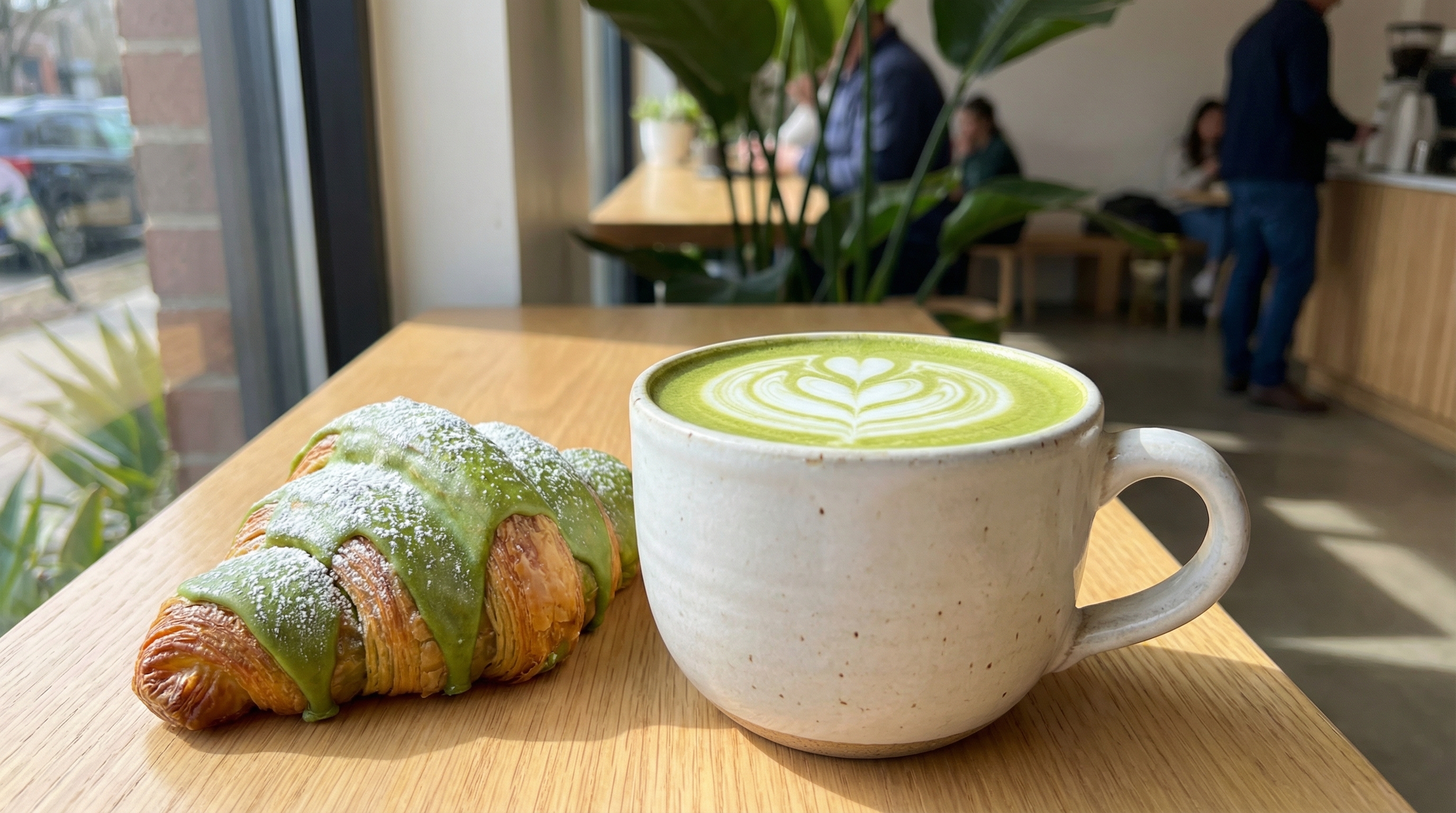
Why is matcha so popular for baking?
The vibrant green color of matcha remains stable during the baking process, giving cakes and cookies a stunning visual appeal. If you want to master these treats, learning how to make matcha recipes is the first step.
But that’s not all…
- It pairs perfectly with white chocolate.
- It provides a punchy flavor in ice cream.
- It mixes easily into smoothies for a health boost.
Is green tea useful for cooking at all?
Loose leaf green tea is excellent for poaching fish or creating a base for savory broths like Ochazuke. It offers a subtle background note rather than the bold, dominant flavor of the powdered alternative.
Key Takeaway: Use matcha when you want a bold flavor and color; use green tea for subtle infusions and clear beverages.
Application | Green Tea | Matcha |
|---|---|---|
Lattes | Too watery/weak | Perfect and creamy |
Baking | Hard to infuse color | Natural green dye |
Cooking | Good for poaching/broths | Good for rubs/sauces |
Is One More Expensive or Difficult to Find?
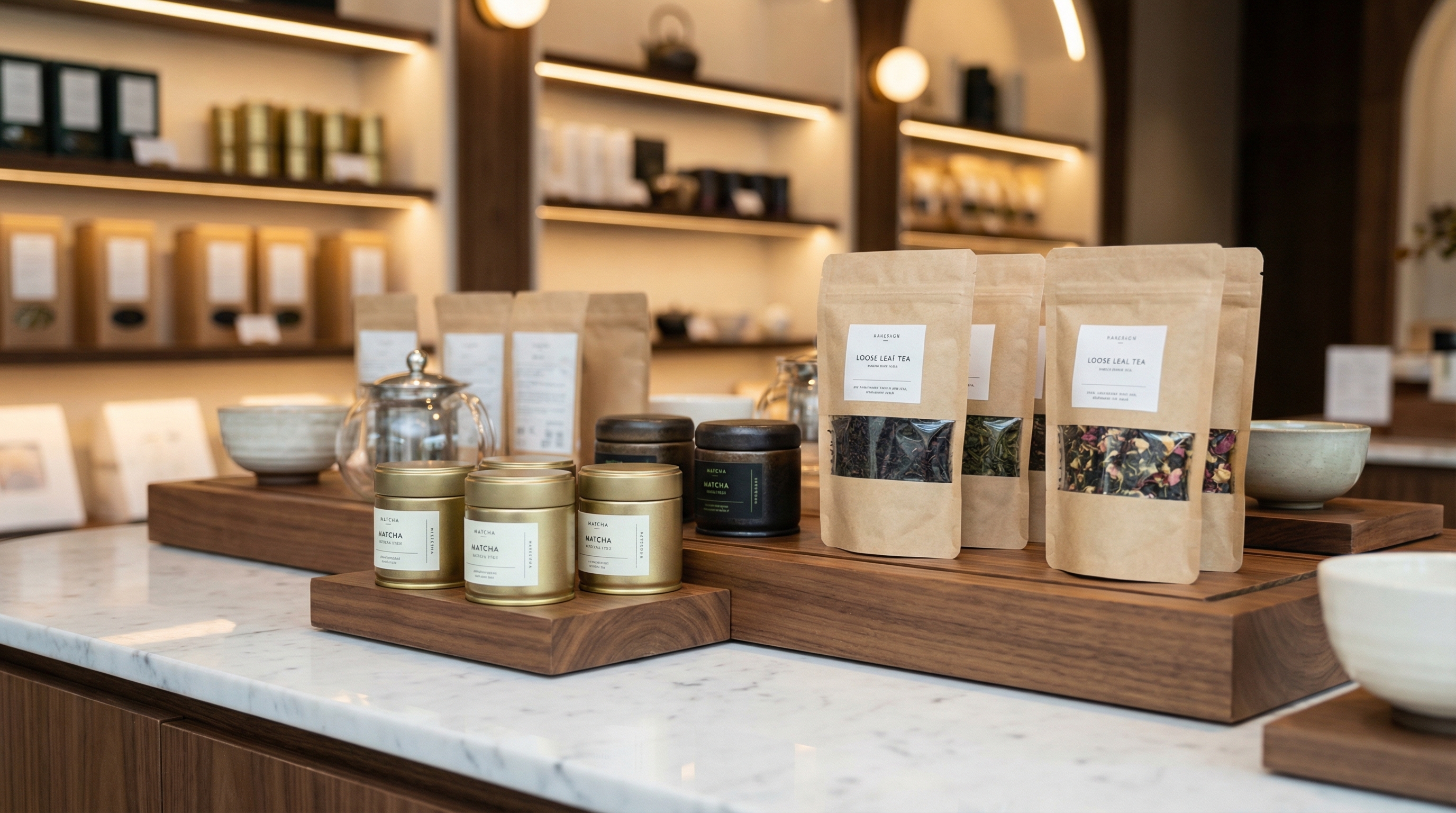
Matcha is almost always more expensive than loose leaf tea due to the labor-intensive shading, de-veining, and slow stone-grinding processes. When sourcing Matcha VS Green Tea , you will notice that premium grades carry a significant price tag for their quality.
Why is the price gap so large?
Producing just 30 grams of high-quality matcha can take over an hour of slow stone-grinding to prevent heat from damaging the leaves. This artisanal approach is far more costly than the mechanized harvesting of standard green tea.
Here is the kicker…
- Ceremonial grade requires the youngest leaves.
- Shading increases labor costs significantly.
- High-grade powder is sensitive and has a shorter shelf life.
Where should you shop for the best quality?
While you can find basic green tea bags in any grocery store, ceremonial-grade matcha usually requires a specialty supplier. Freshness is vital, as the powder begins to oxidize the moment it is exposed to air.
Key Takeaway: Matcha is a premium product with higher production costs, while green tea offers a more budget-friendly daily option.
Factor | Green Tea | Matcha |
|---|---|---|
Price | Low to Moderate | Moderate to High |
Availability | Very high | Moderate (Specialty) |
Production | Mechanized | Hand-crafted/Artisanal |
How Should You Store Your Tea to Keep It Fresh?
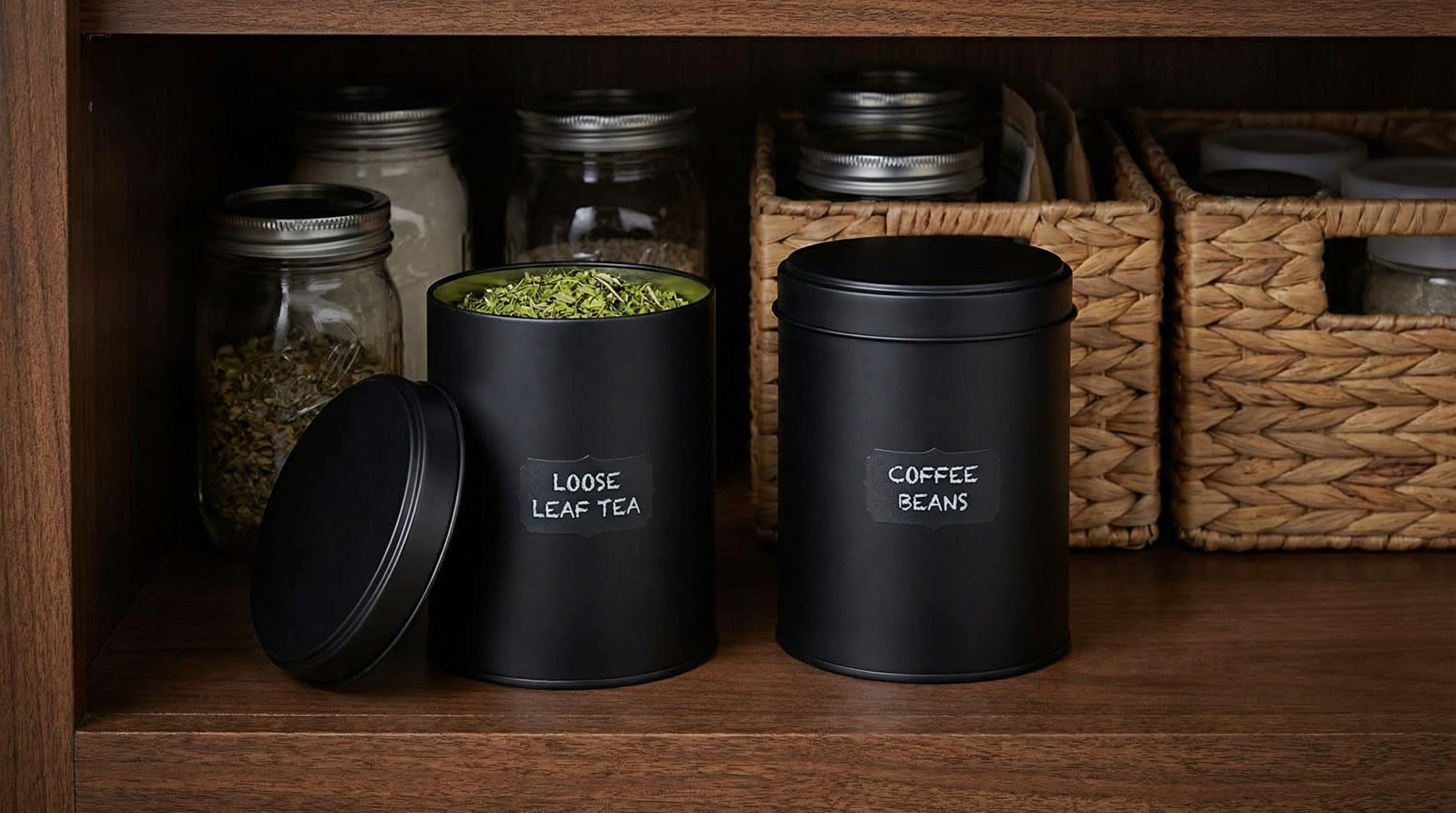
Proper storage is critical because matcha is incredibly sensitive to light, heat, and oxygen, which can turn the powder brown and bitter. Green tea is more resilient, but both require airtight protection to maintain their delicate aromatic oils.
What are the main enemies of tea?
Air, light, and heat are the three factors that will degrade your tea the fastest. Once a tin of matcha is opened, the clock starts ticking on its vibrant color and sweet flavor profile.
Think about this…
- Light bleaches the chlorophyll.
- Oxygen causes the delicate fats to go rancid.
- Humidity can make the powder clump or mold.
Should you keep your tea in the fridge?
For matcha, refrigeration is highly recommended to preserve its freshness, provided the container is truly airtight. Loose leaf green tea generally stays fresh in a cool, dark kitchen cupboard.
Key Takeaway: Protect your investment by using opaque, airtight containers and consuming your opened matcha within two months.
Storage Rule | Green Tea | Matcha |
|---|---|---|
Container | Airtight tin or bag | Airtight, opaque tin |
Location | Cool, dark pantry | Refrigerator (preferred) |
Shelf Life | 12–18 months | 2–6 months (opened) |
Conclusion: Choosing Your Perfect Cup
Whether you choose the delicate ritual of steeping green tea or the nutrient-dense power of whisked matcha, both offer incredible benefits for your mind and body. If you are ready to elevate your tea experience or need bulk supplies for your business, please contact us today to discuss our premium wholesale and private label opportunities.
Frequently Asked Questions (FAQ)
- Can I turn regular green tea into matcha at home? No, you cannot because regular leaves contain stems and veins that create a gritty, bitter powder.
- What’s the best time of day to drink matcha? Morning or early afternoon is best because the high caffeine content may disrupt your sleep if consumed late.
- Can I drink matcha on an empty stomach? Possibly, though the high tannin content causes mild nausea for some; it is safer to enjoy after a light snack.
- What’s the best way to tell if matcha has gone bad? Check the color; if it has shifted from vibrant green to a dull yellowish-brown, it is stale.
- Can I use boiling water for my tea? Never use boiling water as it scorches the delicate leaves; aim for 175°F for the smoothest flavor profile.