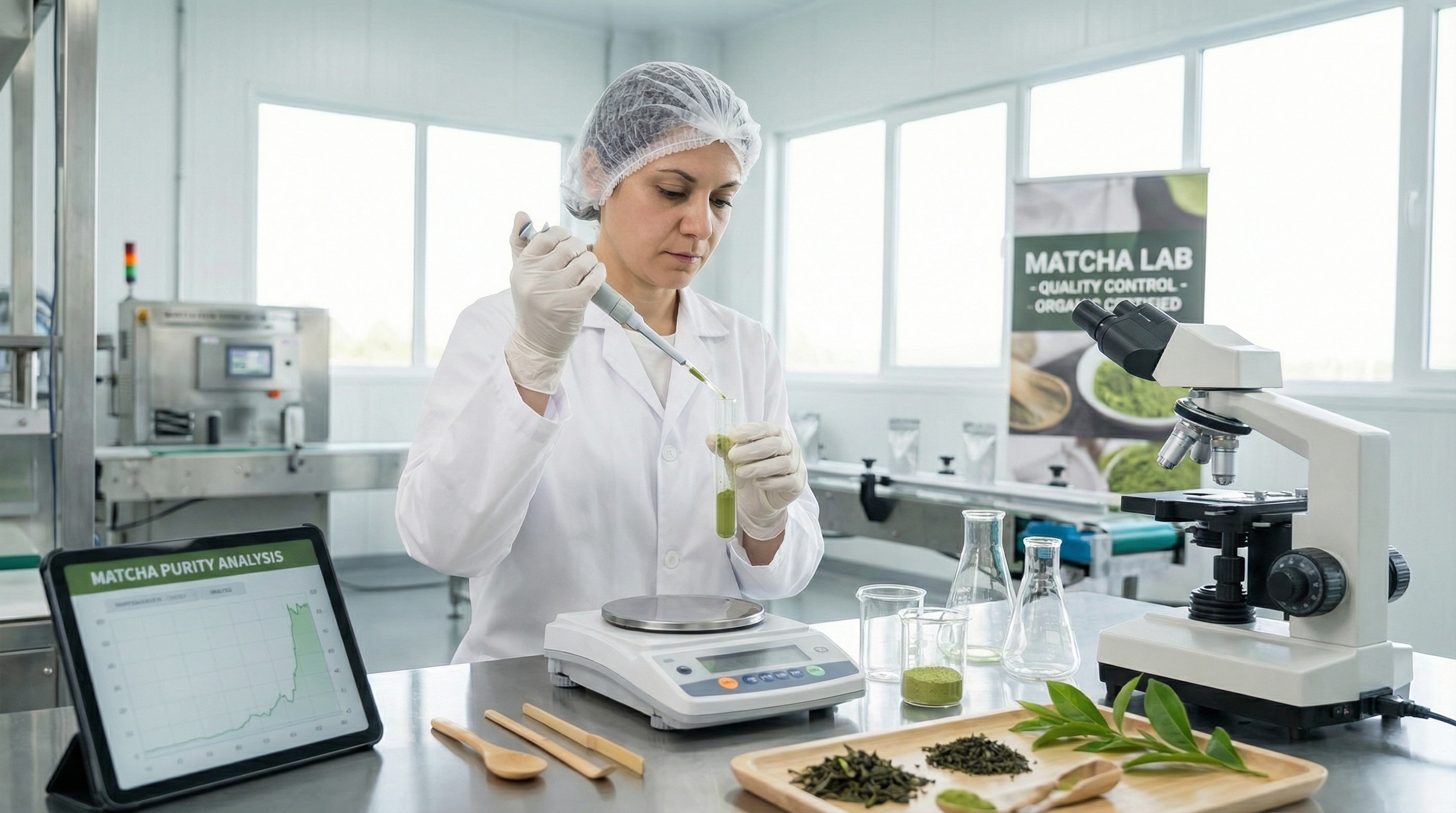
The global wellness industry is undergoing a seismic shift. As consumers move away from the jittery energy of coffee and synthetic stimulants, matcha green tea has emerged as the definitive “superfood” of the decade. With a projected market value of $2.91 billion by 2028 and a steady annual growth rate of approximately 10%, the opportunity for B2B entrepreneurs and product managers is unprecedented.
However, entering this market is no longer as simple as putting green powder in a tin. Today’s consumers are highly educated; they look for specific origins, certifications, and vibrant color profiles. For a brand to succeed, it must leverage the expertise of a professional private label matcha supplier to navigate the complexities of sourcing, grading, and technical production. This guide provides an exhaustive deep dive into the world of wholesale matcha private labeling, offering the strategic and technical roadmap required to build a world-class brand.
Market Dynamics & the Private Label Advantage
The Rise of the “Clean Caffeine” Economy
The primary driver behind the matcha boom is the “Coffee-to-Matcha” transition. Professionals and health enthusiasts are increasingly seeking sustained energy without the mid-afternoon crash. Matcha, unique in its high concentration of L-theanine and caffeine, provides a “calm alertness” that coffee cannot replicate. This biochemical profile aligns perfectly with the modern “biohacking” movement, where performance optimization meets holistic health.
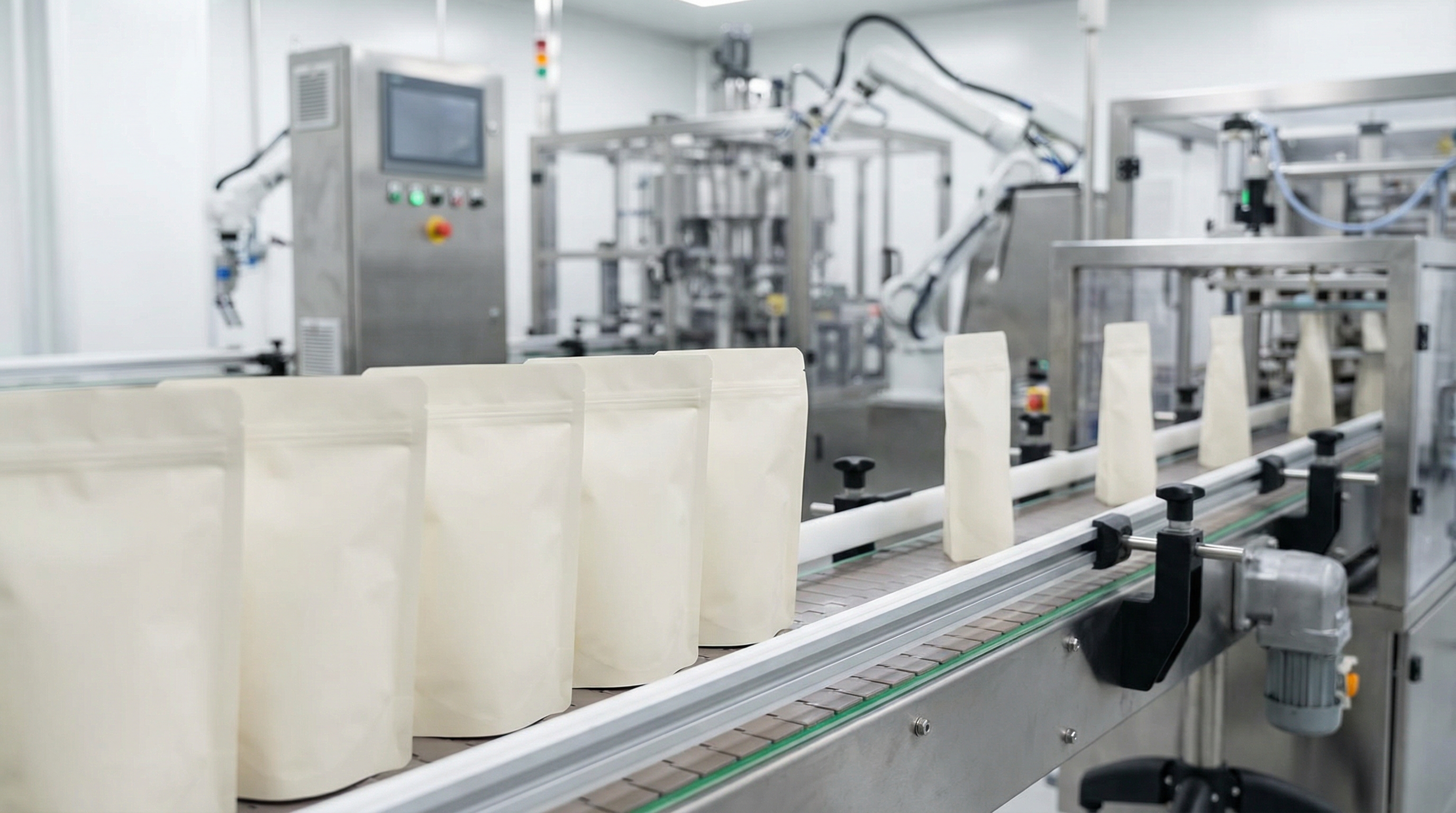
For entrepreneurs, starting a matcha business through private labeling offers a high-margin entry point. Unlike building a factory from scratch—which requires millions in capital for stone-grinding machinery and climate-controlled storage—private labeling allows you to leverage existing world-class infrastructure. This model allows for rapid testing of market niches, from high-end skincare boutiques to boutique fitness studios.
Private Label vs. White Label: The Strategic Distinction
While often used interchangeably, the distinction is critical for your brand positioning:
- White Label: Typically involves selling a supplier’s standard formulation in generic packaging. It is fast to market but lacks long-term differentiation and brand equity.
- Private Label: Offers deep customization. A premium private label matcha supplier will allow you to select specific tea cultivars, adjust the mesh fineness (particle size), and design bespoke packaging that tells your brand’s unique story.
Why Matcha is Ideal for Private Labeling
- High Perceived Value: Consumers are willing to pay a premium for “Ceremonial Grade” or “Organic” labels, especially when the branding reflects a premium Riching Matcha origin.
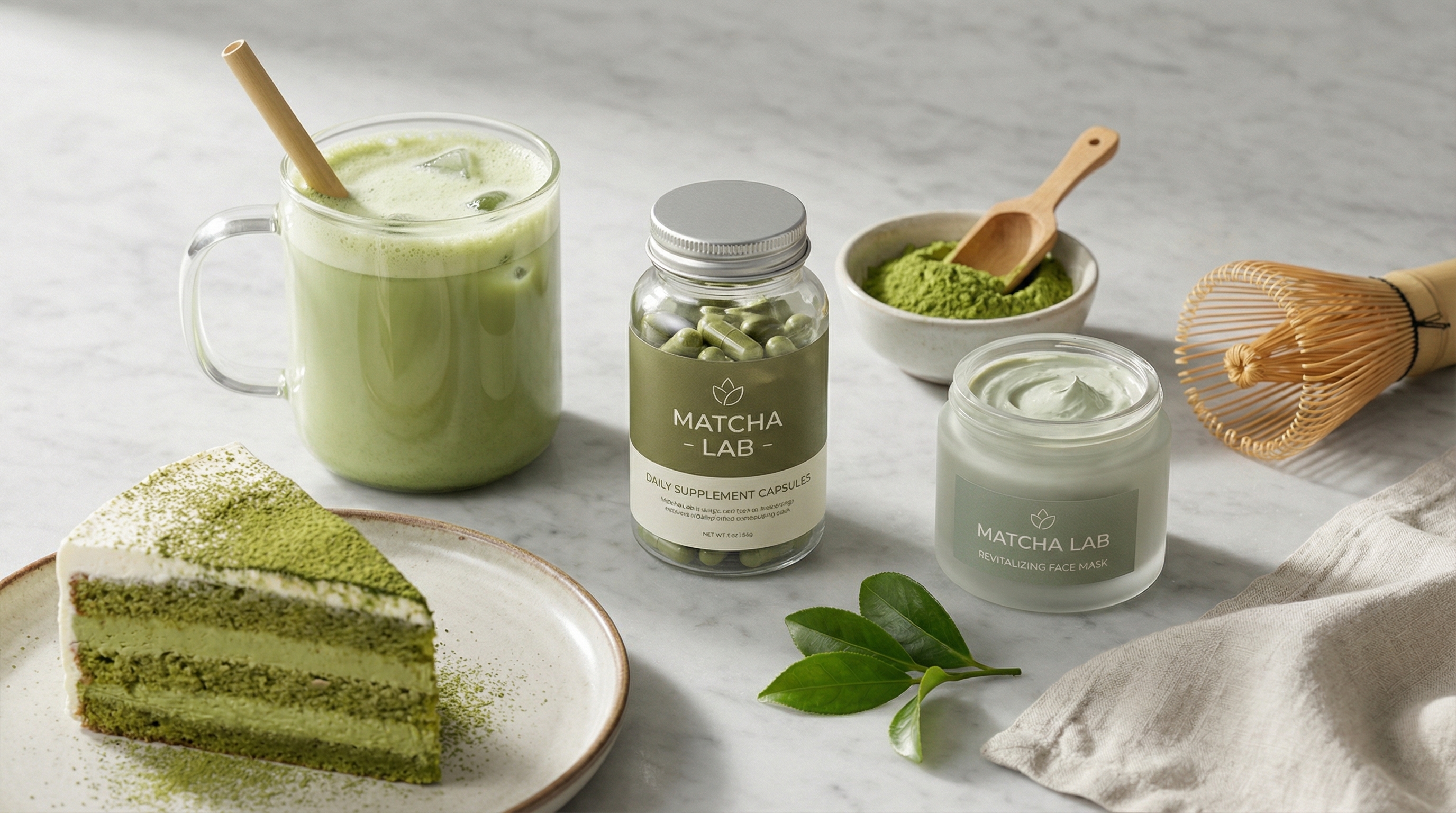
- Product Versatility: One bulk shipment can be repurposed into retail tins, sachet bars for cafes, or ingredients for high-end bakeries.
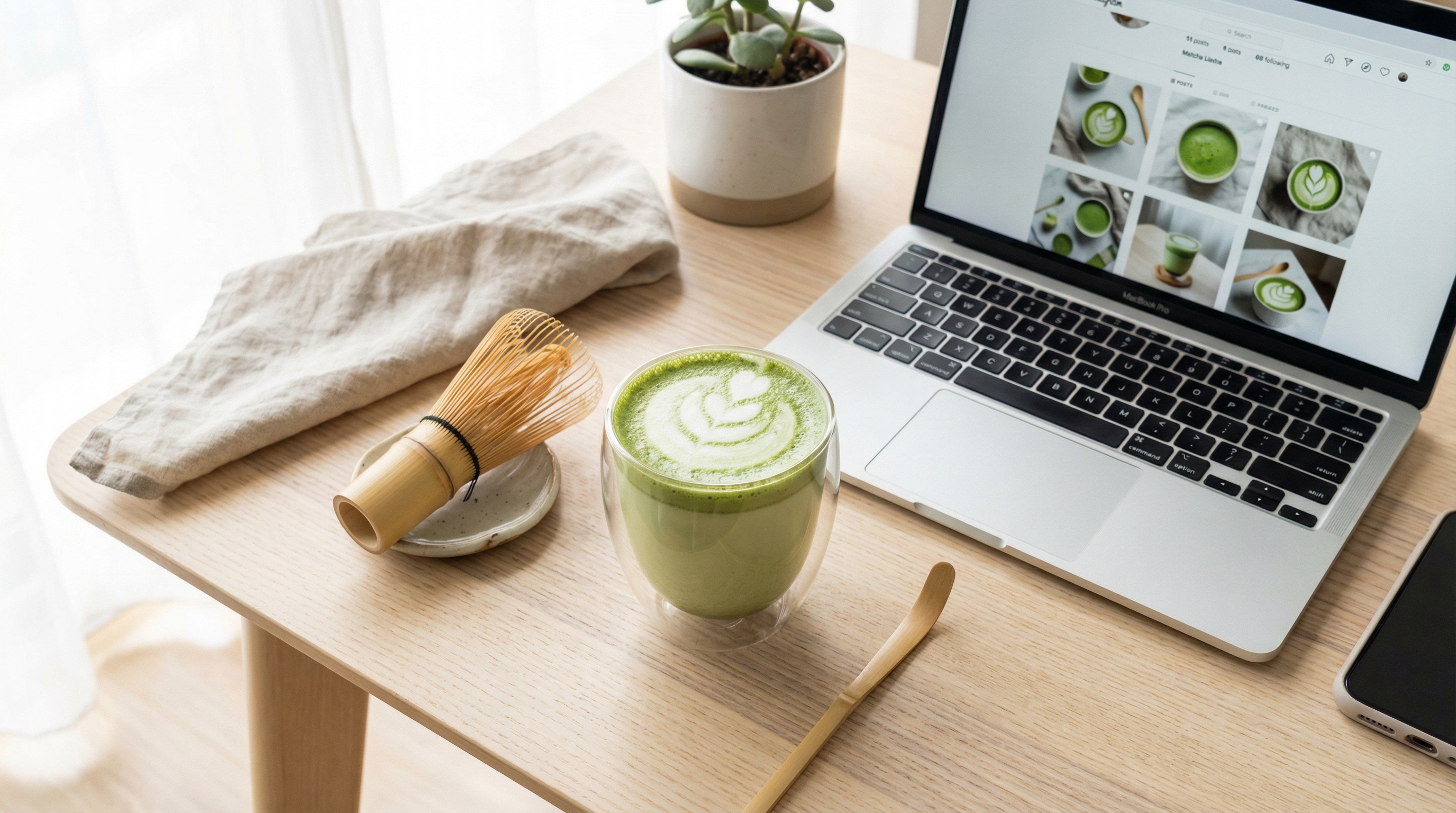
- Visual Appeal: The “Instagrammability” of vibrant green matcha is a built-in marketing engine for digital-native brands.
Sourcing Geography—Uji, Nishio, and China
The “Terroir”—the combination of soil, climate, and altitude—defines the chemical and sensory profile of your matcha. When sourcing wholesale organic matcha powder, understanding the geography is non-negotiable for establishing EEAT (Experience, Expertise, Authoritativeness, and Trustworthiness).
1. Uji, Kyoto (Japan): The Heritage Origin
Uji is functionally the “Grand Cru” of the matcha world. Its misty climate and mineral-rich soil produce tea with an intense umami flavor and a deep, emerald hue.
- Best For: Ultra-premium ceremonial brands targeting the luxury market.
- Flavor Profile: Rich, savory, with a lingering sweetness and zero bitterness.
2. Nishio, Aichi (Japan): The High-Volume Quality Leader
Nishio produces roughly 25-30% of Japan’s matcha. It is known for its consistent quality and slightly more accessible price point compared to Uji.
- Best For: Premium lifestyle brands and high-end cafes.
- Flavor Profile: Fresh, vegetal, and well-balanced.
3. Zhejiang & Anhui (China): The Organic Powerhouse
In recent years, Chinese producers—utilizing advanced Japanese machinery and steaming technologies—have become the leaders in wholesale organic matcha powder.
- Best For: High-growth startups, large-scale culinary applications, and brands focused on “Certified Organic” as a primary selling point.
- The Advantage: China offers a significantly lower cost-per-kilogram while maintaining strict USDA and EU Organic standards. Many top-tier Chinese factories now produce “Japan-style” matcha that rivals Japanese premium grades in color and texture. An organic matcha supplier from these regions provides the scale necessary for global expansion.
The Technical Science of Matcha Production
To be an expert in the matcha space, you must understand the technical processes that transform Camellia sinensis into the fine powder your customers crave. This technical knowledge is the backbone of brand authority.
The Tana Shading Method (The Secret to Umami)
Four weeks before harvest, tea bushes are covered with black tarps or straw mats to block out up to 90% of sunlight. This is known as the Tana method.
- The Science: By starving the plant of light, it overproduces chlorophyll and L-theanine. Under normal sunlight, L-theanine converts to catechins (which are bitter). The shading process prevents this conversion, resulting in the creamy, sweet “Umami” characteristic of ceremonial grade matcha .
Tencha: The Crucial Intermediate Step
After harvesting, the leaves are steamed (to stop oxidation), air-dried, and de-veined. The resulting leaf flakes are called Tencha. Authentic matcha is only made from Tencha. If a supplier uses ground-up whole leaves (including stems), it is technically “green tea powder,” not matcha, and will taste gritty and bitter.
Stone-Grinding vs. Jet-Milling
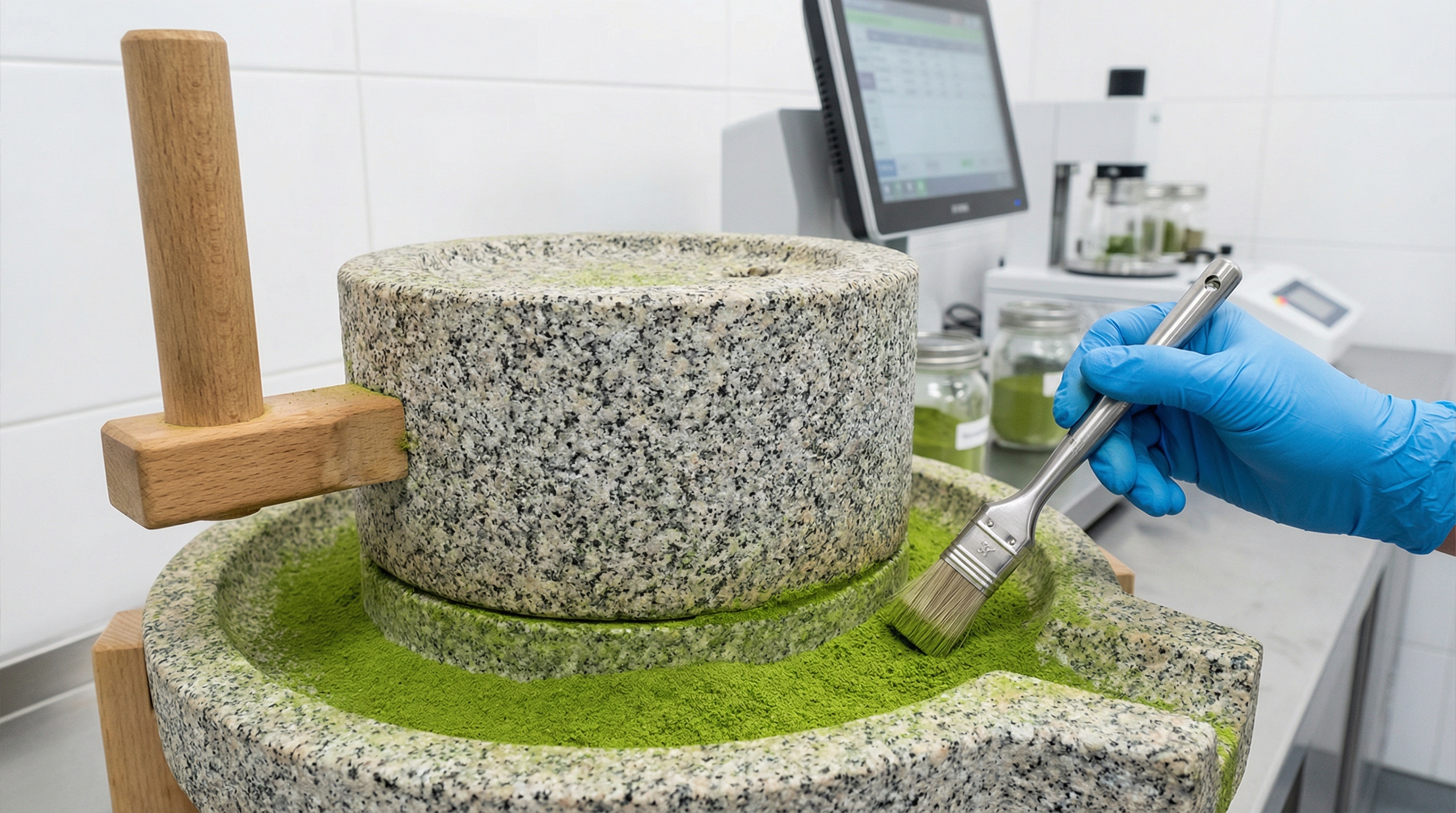
- Stone-Grinding: Traditional granite mills rotate slowly to prevent heat friction. It takes one hour to produce just 30-40 grams. This preserves the delicate L-theanine and vibrant color.
- Jet-Milling: Modern technology uses air pressure to grind the leaves. It is much faster and more cost-effective for culinary applications, but if not controlled, the heat can dull the powder’s color from bright green to army green.
Understanding Matcha Grades and Versatility
The term “grade” is not regulated by law, which is why brands must rely on technical metrics rather than marketing fluff. When reviewing wholesale matcha tea grades , look for specific data points like L-theanine levels and color metrics (L, a, b values). Matcha Grade Comparison Table
Selecting the appropriate grade is critical for aligning product performance with consumer expectations and your price positioning strategy.
| | | |
|---|
| | | |
| | | |
| | | |
| Rich Umami, Creamy, No Bitterness | Well-balanced, Slight Bitterness | Strong, Astringent, Bitter |
| High (Instant, Fine Crema) | Good (Suitable for mixing) | Moderate (Requires agitation) |
| Traditional Whisking, Luxury Tea | Lattes, Smoothies, RTD Beverages | Baking, Confections, Food Prep |
| | | |
A brand is more than just the tea; it is the ritual. Offering a wholesale matcha whisk (Chasen) and a ceramic bowl (Chawan) as part of a “Starter Kit” is one of the fastest ways to increase your Average Order Value (AOV) and customer retention. It transforms a simple beverage purchase into a lifestyle commitment. The Economics of Private Labeling
Profitability in the matcha market depends on balancing your Minimum Order Quantity (MOQ) with your retail price point. Utilizing premium wholesale matcha allows you to capture the high-end market segment while maintaining healthy margins. Cost-Benefit Analysis: Private Label vs. In-house Production
For B2B stakeholders, the “Make vs. Buy” decision hinges on capital efficiency and speed-to-market.
| | In-house Production (DIY) |
|---|
Capital Expenditure (CapEx) | Utilizes supplier’s existing infrastructure. | Requires granite mills and clean-rooms. |
| Accelerated launch cycles via established supply chains. | Extensive lead times for facility setup. |
| Factory handles HACCP/ISO and COAs. | All regulatory compliance managed internally. |
| Customization of blends and packaging. | Total control over every variable. |
| Ability to scale without overhead risk. | Requires physical space and labor. |
| Optimized via bulk procurement. | Hampered by manual labor and logistics. |
Most top-tier suppliers require an MOQ of 100kg to 500kg for fully customized printed packaging. However, many offer “Small Batch” options using stock tins with high-quality custom labels for orders as low as 50–100 units to support a brand’s testing phase.
Quality Control, Certifications, and Global Compliance
For B2B product managers, compliance is the ultimate trust builder. In the global market, “Organic” is not just a buzzword; it is a legal requirement for specific label claims. A reputable factory must provide rigorous documentation.
Quality Certification Standards
Identifying these certifications on your supplier’s profile is the first step in risk mitigation.
| | Importance for Private Label |
|---|
USDA Organic / EU Organic | Pesticide-free soil and processing. | Mandatory for “Organic” marketing claims. |
JAS (Japanese Agricultural Standard) | Rigorous Japanese farming standards. | Indicator of high-tier Japanese heritage quality. |
| Food safety management systems. | Essential for importing and retail distribution. |
COA (Certificate of Analysis) | Batch-specific microbial and chemical data. | Guarantees safety from heavy metals and radiation. |
| | Expands market reach to diverse consumer groups. |
Heavy Metal and Radiation Testing
Matcha is a raw agricultural product. Because the entire leaf is consumed, the microbial count must be extremely low. It is imperative that your supplier provides proof of radiation testing, particularly for Japanese origins, and heavy metal screening for lead and arsenic to protect your brand reputation.
Branding and Packaging Innovation
In a crowded market, your packaging is your silent salesperson. Matcha is highly sensitive to light, heat, and oxygen. Proper packaging is a technical requirement, not just an aesthetic one. Chlorine-bleached paper or clear glass jars will destroy the chlorophyll in days, turning your product from vibrant green to a dull brown.
Packaging Formats That Scale
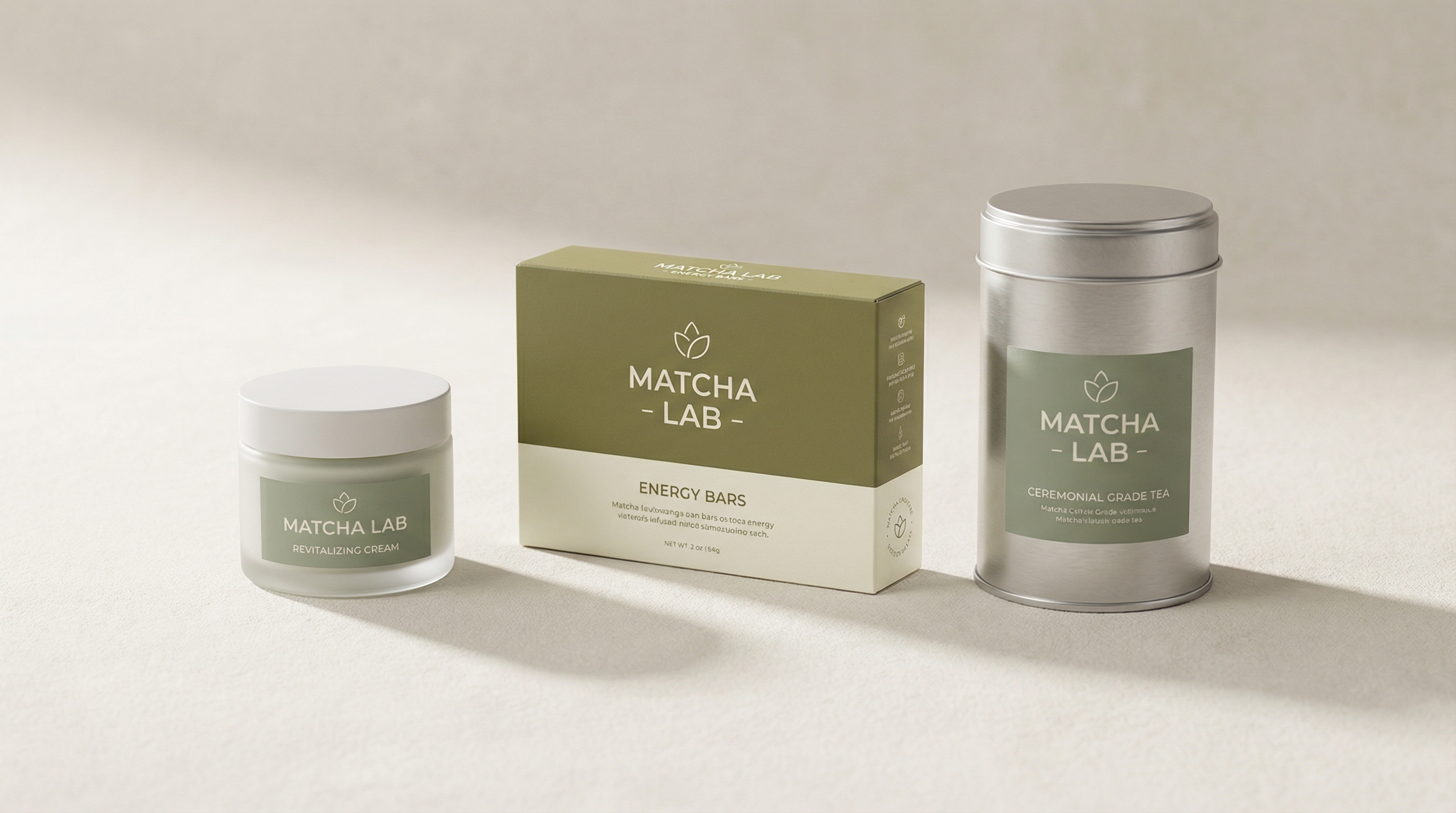
- Aluminum Tins (30g – 100g): The classic “Ceremonial” choice. Provides the best protection against oxidation and light.
- Mylar Pouches (Stand-up): Cost-effective, easy to ship, and popular for “Refill” programs or culinary use.
- Single-Serve Sachet Bars (1.5g – 3g): The fastest-growing segment in the “on-the-go” wellness market. Perfectly pre-portioned for gym bags and travel.
- Minimalist Japandi: Clean lines, muted tones, and high-texture paper that feels organic to the touch.
- Eco-Friendly/Compostable: Brands are moving toward biodegradable films to align with Gen Z values of sustainability.
- Educational Labeling: Including the “Harvest Date,” “Altitude,” and “Region” on the label to build authoritativeness and satisfy consumer curiosity.
The Health Benefits of Matcha—A Deep Dive
Why do consumers keep coming back? To build a recurring subscription model, you must educate them on the specific science behind the “Matcha Glow.”
The L-Theanine and Caffeine Synergy
Unlike the spikes and crashes of coffee, matcha contains L-Theanine, an amino acid that promotes relaxation without drowsiness. It crosses the blood-brain barrier and increases the production of alpha waves in the brain. When combined with caffeine, it creates a state of “Calm Alertness”—enhancing focus while mitigating the physical jitters often associated with stimulants.
Radical Scavenging: EGCG Power
Matcha is packed with Catechins, specifically epigallocatechin gallate (EGCG). Research suggests that EGCG helps reduce inflammation, aids in weight loss, and helps prevent heart and brain disease. Because matcha consumers ingest the whole leaf, they receive roughly 137 times more EGCG than a person drinking traditional brewed green tea.
Detoxification and Chlorophyll
The shading process mentioned in Chapter 3 results in a massive surge of chlorophyll. Chlorophyll is a natural detoxifier that helps the body eliminate heavy metals and chemical toxins. This “inner beauty” narrative is a powerful tool when marketing your private label solutions to the wellness and skincare demographic. The Success Roadmap—From Sourcing to Launch
Starting a matcha business requires a disciplined, phase-based approach to minimize risk and maximize brand impact.
Phase 1: Market Research and Niche Selection
Avoid the trap of being “the best matcha for everyone.” Instead, choose a specific angle:
- The Connoisseur: Focus on Uji origin, stone-ground, ultra-premium ceremonial with limited edition batches.
- The High-Performer: Focus on L-theanine levels, purity certifications, and “Clean Caffeine” for the executive market.
Phase 2: Supplier Vetting and Sampling
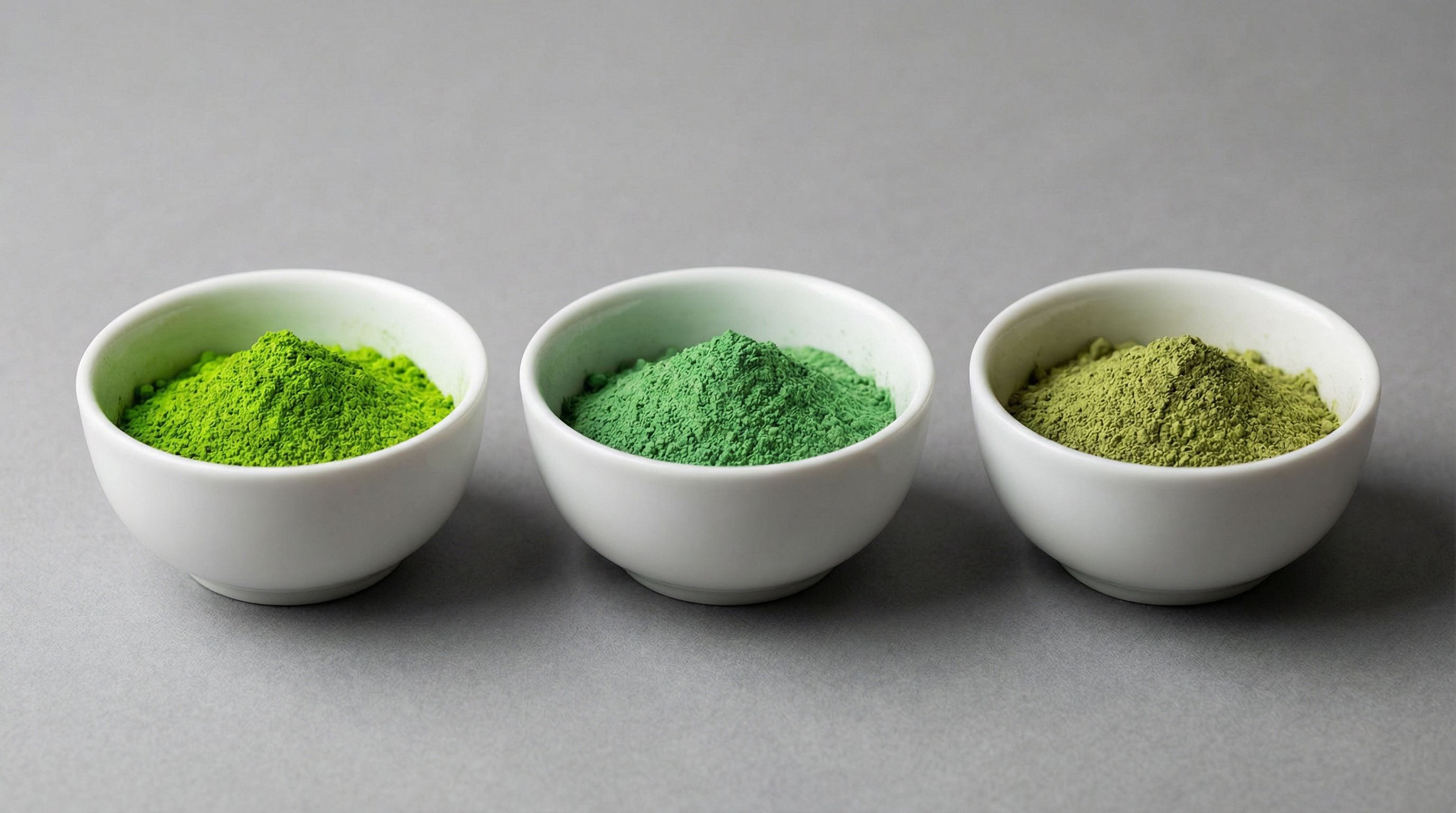
Request samples from at least three suppliers. Use the “Three Senses Test”:
- Sight: Is the powder vibrant green or yellowish-brown?
- Smell: Does it smell like fresh-cut grass and toasted nuts, or dusty hay?
- Taste: Is it creamy and sweet with a rich umami finish, or unpleasantly bitter and astringent?
Phase 3: Technical Customization
Work with your factory to finalize your blend. Finalize your packaging die-lines and ensure all regional legal requirements—including nutrition facts and net weight—are met before the first bulk run.
Global Market Analysis & Forecast
The matcha market is moving beyond the “trend” phase and into a mature industry category.
- North America: Lead growth is driven by the rise of “Ready-to-Drink” (RTD) matcha beverages and wellness-centric coffee shop alternatives.
- Europe: Rapid adoption of “Clean Label” products has made Europe a prime target for high-quality ceremonial grade matcha .
- Asia-Pacific: Continued dominance in production, but also seeing a surge in Western-style “latte” culture among younger urban populations in China and Japan.
As the market matures, the primary competitive edge is Transparency. Brands that can narrate their supply chain from the specific field to the consumer’s cup will command the highest customer loyalty. This is why partnering with an expert Japanese or Chinese factory for Riching Matcha quality is essential for global competition.
Strategic Considerations and Risk Management
Matcha is a perishable superfood. While it has a technical shelf life of 12–24 months, its peak flavor profile—that “vibrancy” consumers crave—lasts about 6 months after grinding. Implement a “Just-in-Time” inventory model once your sales data stabilizes to ensure your customers always receive the freshest powder.
Temperature-Controlled Storage
Once the shipment arrives from your private label matcha supplier, store it in a cool, dark place (ideally below 20°C). For long-term storage of bulk ceremonial matcha, refrigeration or even light freezing is recommended to prevent the degradation of chlorophyll and the loss of the sweet “fresh-cut grass” aroma.
Price Volatility & Supply Chains
Labor shortages in Japan and changing weather patterns globally have made matcha prices more volatile. Establishing a fixed-price contract with a large-scale factory allows you to lock in your margins and ensure a steady supply during the high-demand periods of Q4 and the January “New Year, New Me” wellness rush.
Diversifying into Functional Blends
The future of the matcha market lies in functionalization. While pure matcha remains the core, the intersection of tea and the supplement industry offers massive growth potential.
Popular Functional Additives
- Matcha + Collagen: Targeting the “beauty-from-within” market.
- Matcha + Lion’s Mane: Targeting the nootropics and executive focus community.
- Matcha + Adaptogens: Blending with Ashwagandha or Reishi for stress management and immune support.
By creating proprietary blends, you move away from being a commodity seller and become a solution provider. This significantly increases brand loyalty and allows for the premium price points required for sustainable growth in the retail sector.
Marketing Strategy & Building Brand EEAT
In the digital era, your marketing must prove your expertise and experience.
Content Pillars for Authority
- Sourcing Transparency: Feature videos of the stone mills or the Tana shading process.
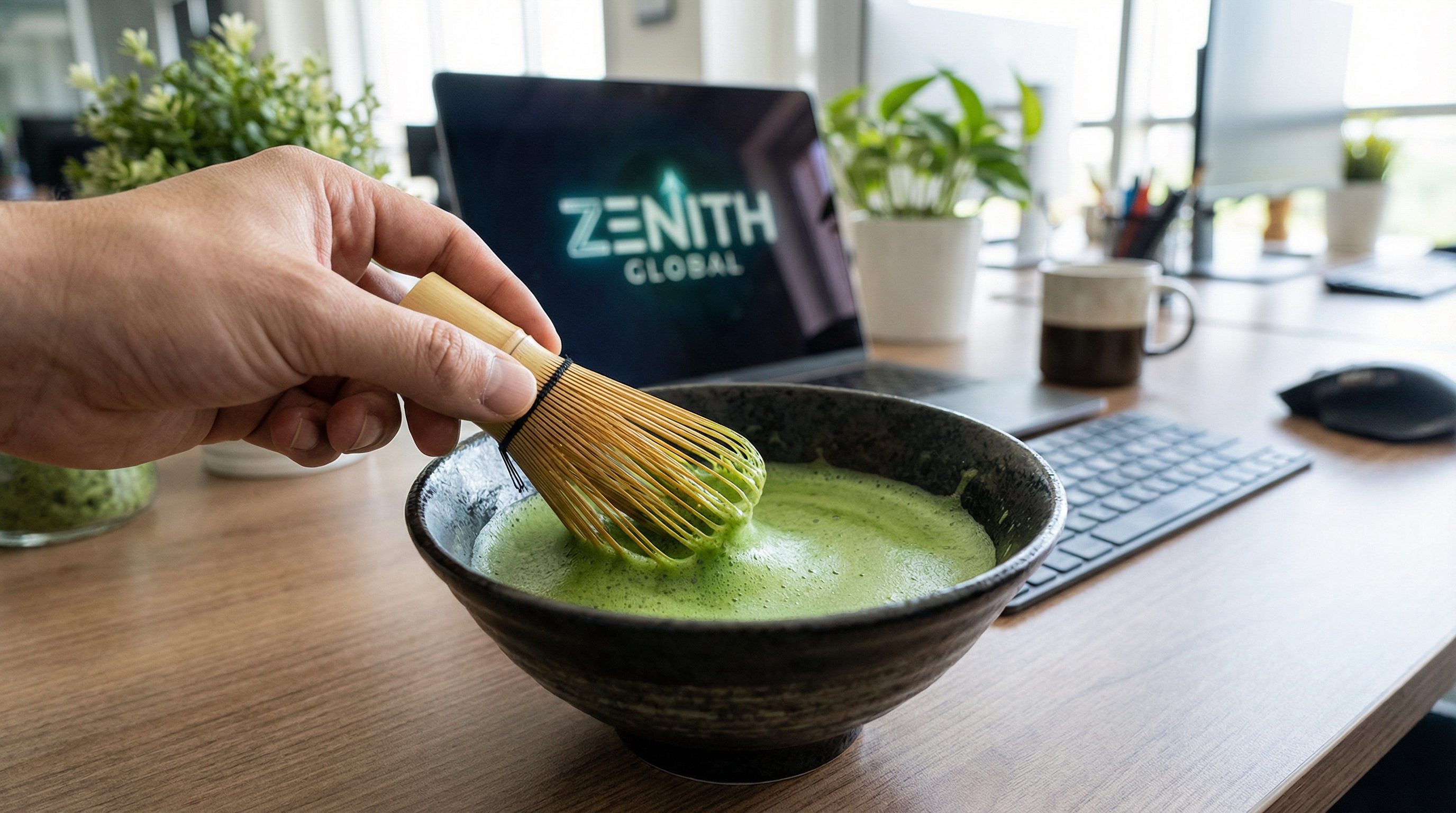
- The Science of Prep: Tutorials on “How to Whisk the Perfect Froth.”
- Third-Party Validation: Highlighting certificates of analysis to prove lack of heavy metals and pesticides.
Consumers are increasingly suspicious of “wellness washing.” By providing technical data and educational content, you build the Trustworthiness required to sustain a high-end brand in the 2020s.
Conclusion: The Future is Green
The global appetite for matcha shows no signs of waning. It has transitioned from a niche Japanese tradition to a fundamental pillar of the modern wellness lifestyle. By choosing the right private label matcha supplier, understanding the technical nuances of production, and committing to a “Quality-First” brand philosophy, you can capture a significant share of this lucrative market.
Whether you are a startup founder looking for your first product or a product manager expanding an existing supplement line, the path to success is built on transparency, education, and the relentless pursuit of the perfect emerald cup. The market is ready; the question is, will your brand be the one to define the next generation of wellness?
FAQS
1. What is private label matcha?
Private label matcha means a supplier produces matcha powder for your brand, and you sell it under your own logo, packaging, and product positioning.
2. What is the difference between private label matcha and white label matcha?
White label matcha usually uses a standard product with limited customization, while private label matcha allows more control over grade, packaging, and brand style.
3. Which matcha grade is best for private label products?
It depends on your market. Ceremonial grade works well for premium tea use, premium grade fits lattes and beverages, and culinary grade is better for baking and food applications.
4. What certifications should I check before buying wholesale matcha?
You should check certifications such as USDA Organic, EU Organic, HACCP, ISO 22000, Halal, Kosher, and batch-specific COA reports.
5. Why is packaging so important for private label matcha?
Matcha is sensitive to light, air, heat, and moisture. Proper packaging helps keep the color, taste, and freshness stable during storage and shipping.